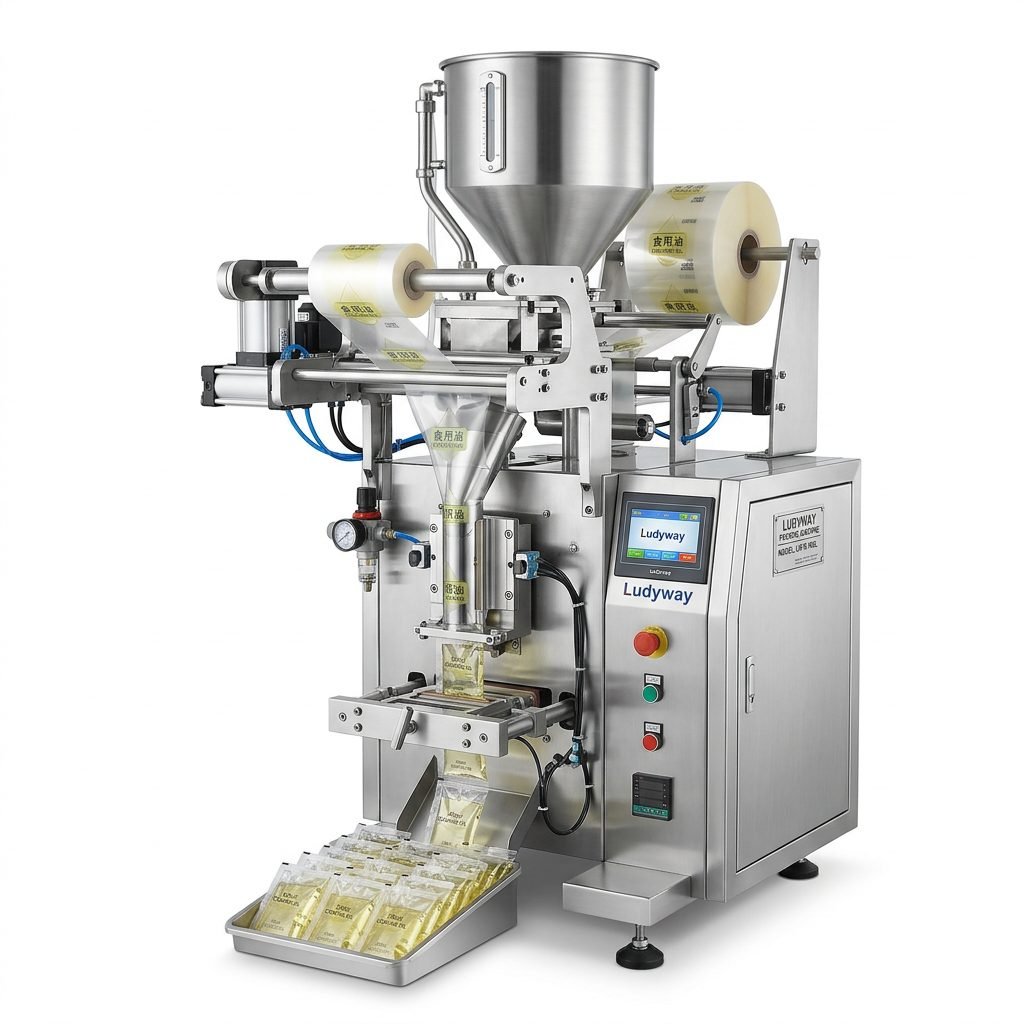
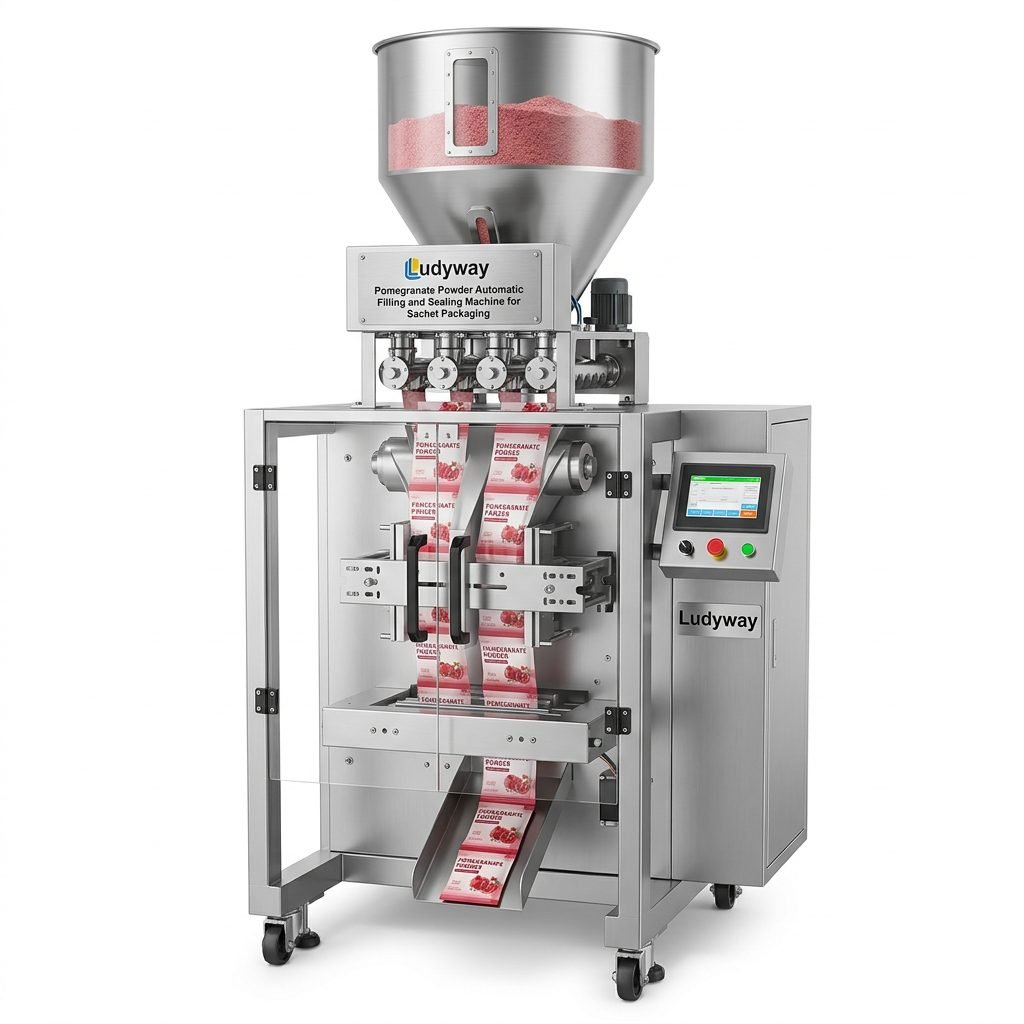
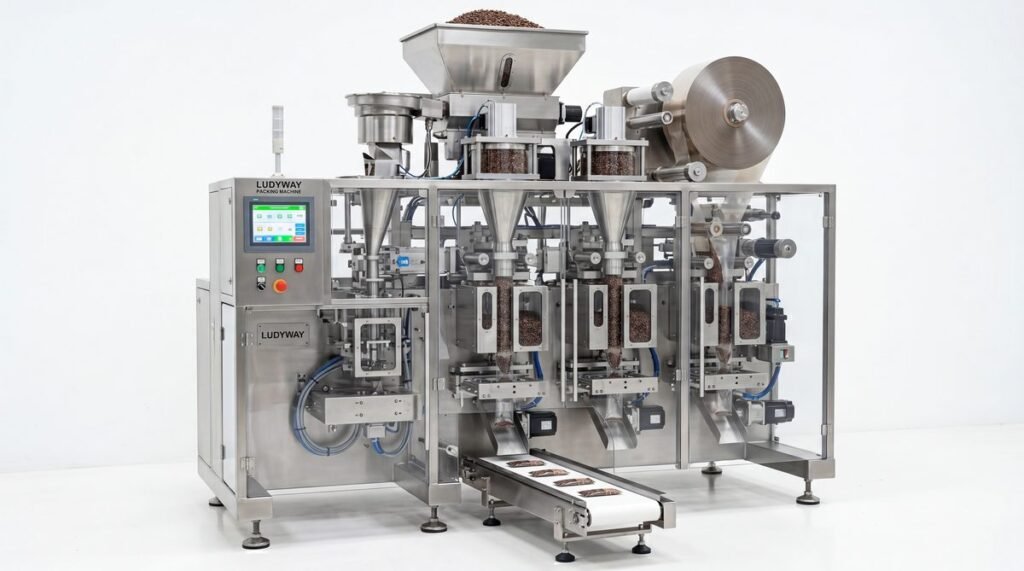
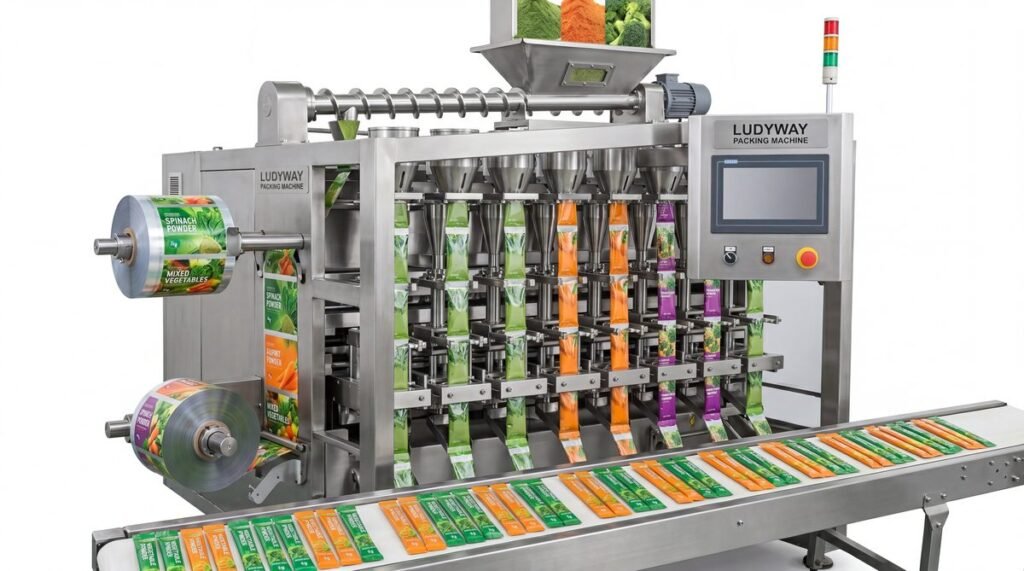
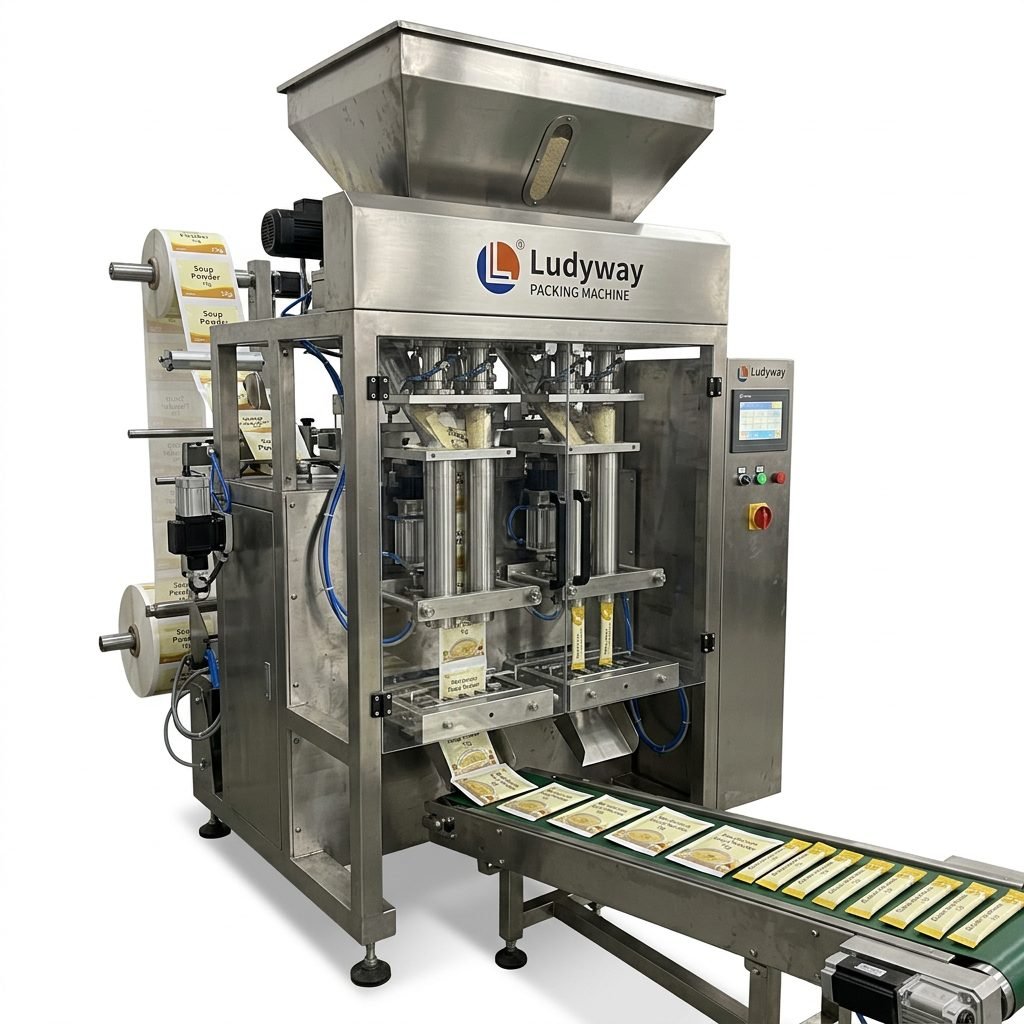
The landscape of industrial packaging is undergoing a profound transformation, driven by the integration of cloud computing technologies into physical machinery. Traditional packaging systems, while effective, often operate as isolated islands of automation, limited by on-premise software, fixed parameters, and localized data. Cloud packaging machines represent the next evolutionary step, where the core hardware is seamlessly connected to a cloud-based management platform. This fusion creates a dynamic, intelligent, and highly adaptable packaging ecosystem that fundamentally improves three critical business pillars: operational efficiency, overall cost structure, and system flexibility.
The Core Architecture of Cloud-Based Packaging Systems
A cloud packaging system is not merely a machine with an internet connection. It is a sophisticated architecture comprising several integrated layers:
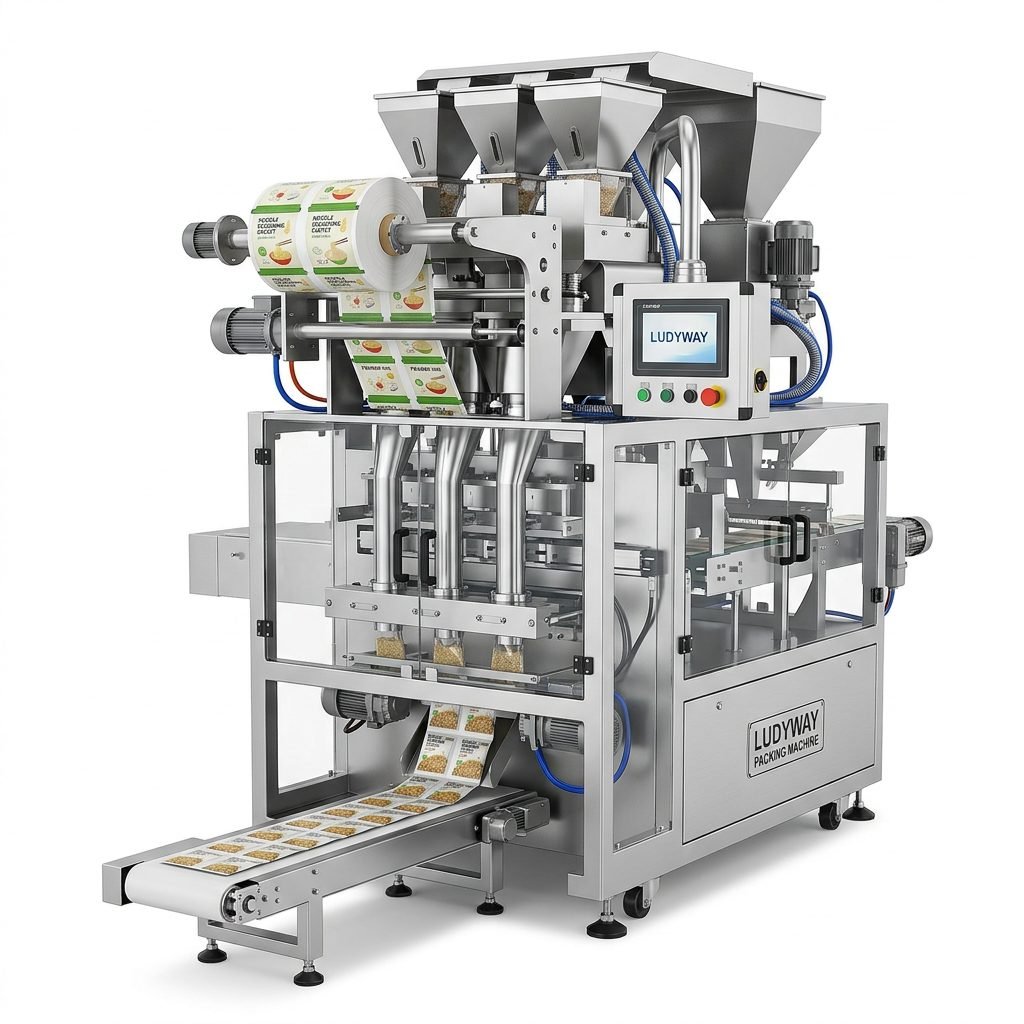
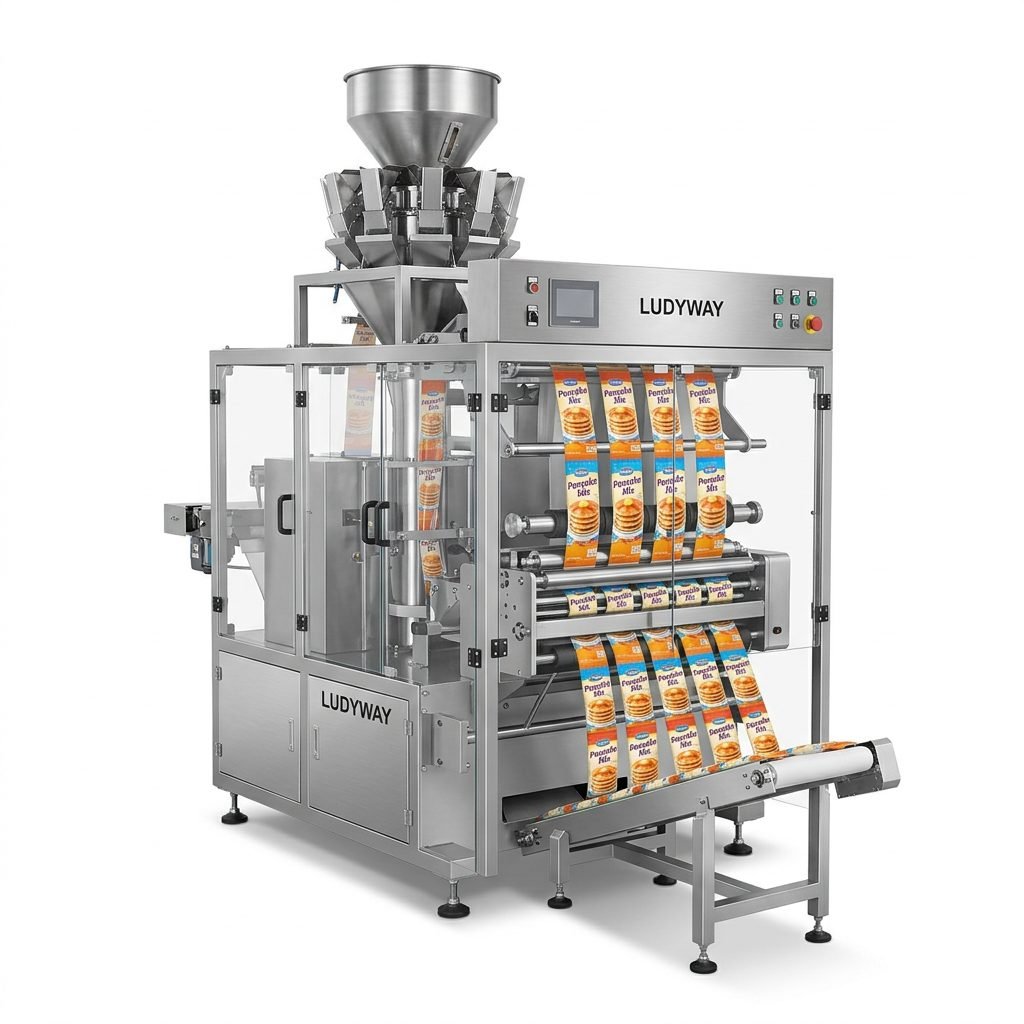
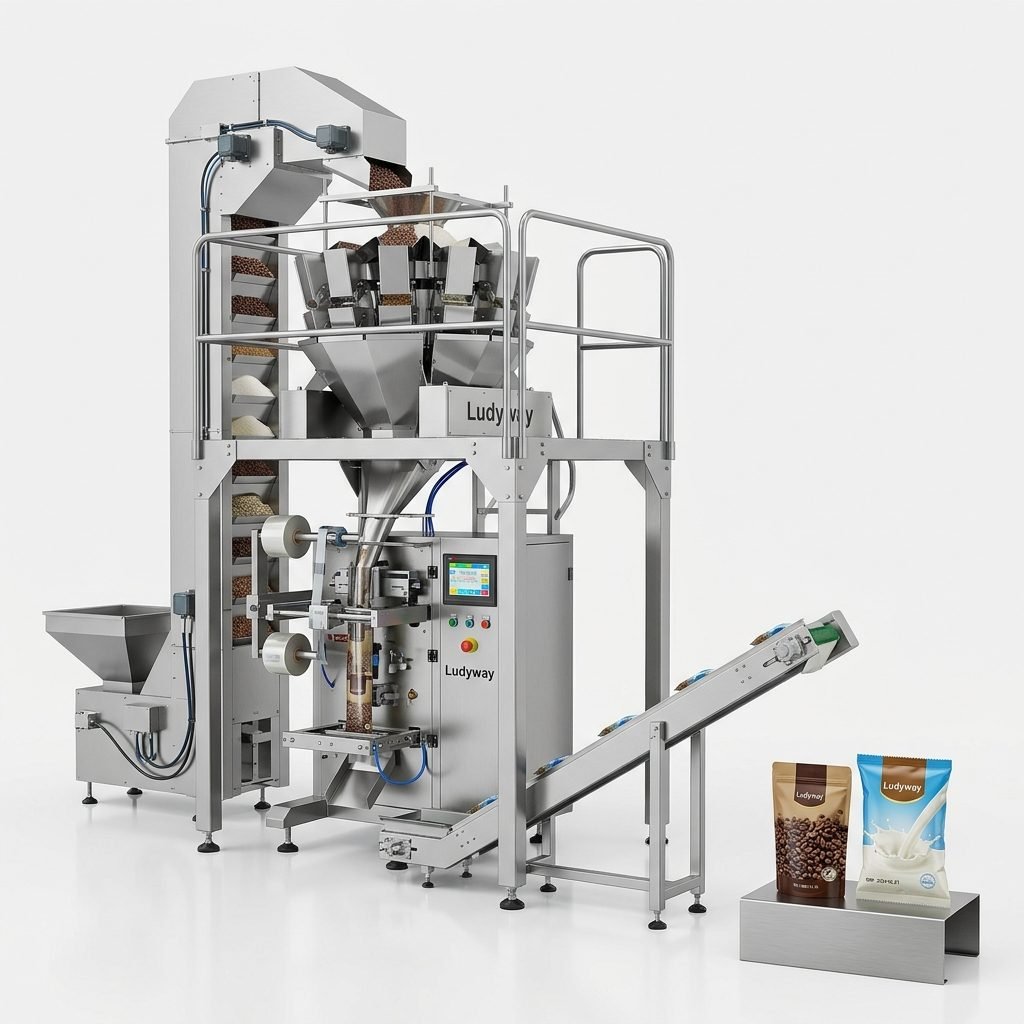
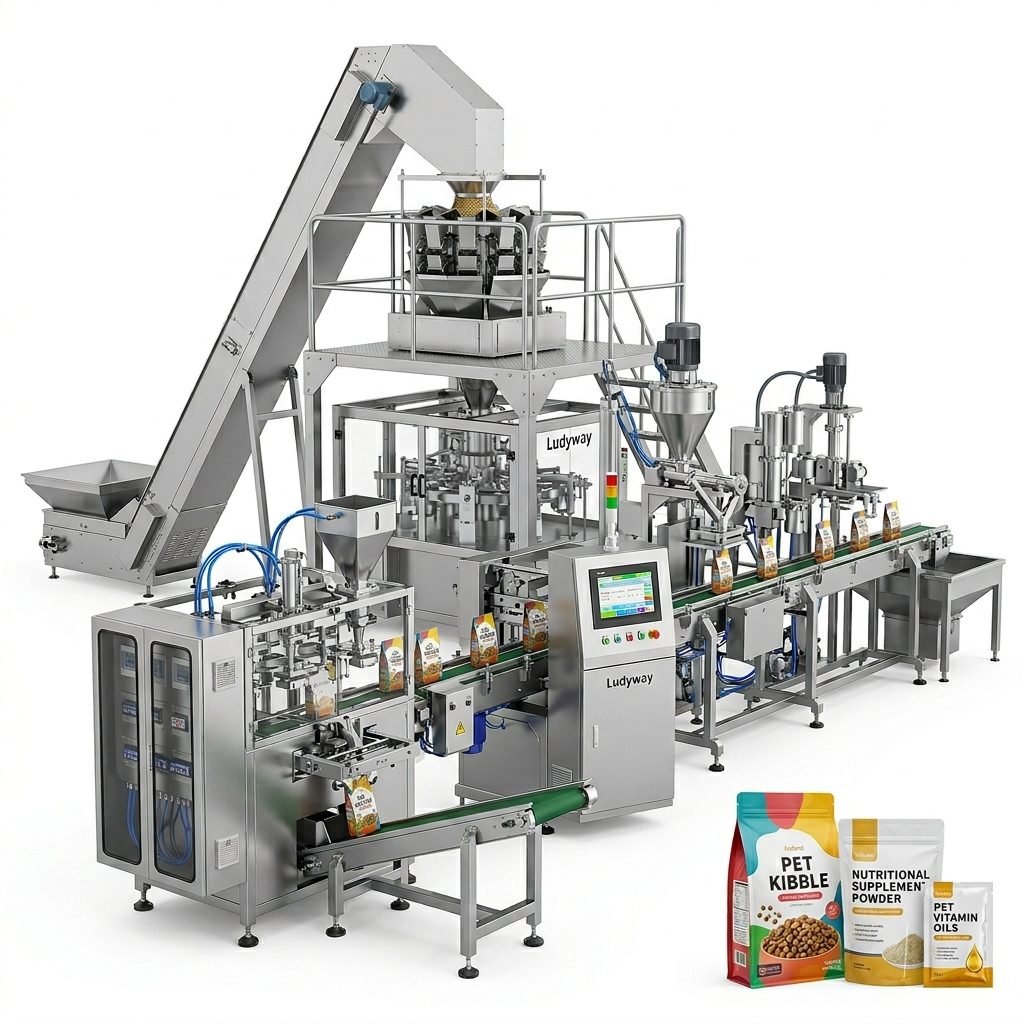
- The Physical Machine Layer: This includes the high-speed filling heads, precision weighing systems, material handling conveyors, and sealing units—the tangible components that perform the packaging tasks.
- The Edge Computing Layer: Often an industrial IoT gateway or controller on the factory floor, this layer collects real-time data from sensors (on temperature, pressure, speed, fill weight) and securely transmits it to the cloud. It can also execute immediate, low-latency commands for basic machine control.
- The Cloud Platform Layer: This is the central brain hosted on remote servers. It aggregates data from multiple machines across different facilities, runs advanced analytics, stores historical performance logs, manages user permissions, and hosts the software for remote monitoring and configuration.
- The User Access Layer: Through web browsers or dedicated mobile applications, managers, engineers, and operators can interact with the system from any location, receiving alerts, viewing dashboards, adjusting settings, and generating reports.
This architecture decouples the intelligence from the hardware, enabling capabilities far beyond standalone equipment.
Quantifiable Gains in Operational Efficiency
Efficiency in packaging lines is measured by output speed, accuracy, uptime, and resource utilization. Cloud integration elevates all these metrics.
Real-Time Performance Monitoring & Predictive Alerts: Supervisors can watch live dashboards showing the output of every connected machine. Key Performance Indicators (KPIs) like packages-per-minute, material usage rate, and downtime are tracked continuously. More importantly, the cloud analytics engine can predict issues before they cause stoppages. For example, by analyzing trends in motor vibration data or seal temperature consistency, the system can flag a potential component failure, prompting maintenance during scheduled breaks rather than during a production run.
Centralized Recipe Management & Instant Deployment: In industries like food or pharmaceuticals, changing a product formula involves adjusting dozens of machine parameters (fill weight, speed, film type). With cloud systems, these “recipes” are stored centrally. To switch production from Product A to Product B, an operator simply selects the new recipe from the cloud library, and it is pushed instantly to the designated machine, ensuring perfect consistency and eliminating manual setup errors. This is particularly valuable for companies like Ludyway Machinery, which provides multi-lane systems handling diverse products.
Optimized Maintenance Scheduling: Instead of reactive or calendar-based maintenance, cloud systems enable condition-based scheduling. Usage data, wear-and-tear analytics, and performance history from the cloud dictate when and what to service, maximizing machine availability and lifespan.
A Strategic Impact on Cost Structure
The financial benefits extend far beyond simple efficiency gains, impacting both capital and operational expenditures.
- Reduced Capital Investment in IT Infrastructure: There is no need for expensive on-site servers, complex network setups, or dedicated IT staff to manage packaging machine software. The cloud provider handles all updates, security, and backups.
- Lower Operational Costs through Resource Optimization: Precise monitoring of material consumption (film, product, adhesive) prevents waste. Energy consumption patterns can be analyzed to run machines at optimal efficiency. Reduced unplanned downtime directly saves labor and lost production costs.
- Scalability without Proportional Cost Increase: Adding a new packaging line traditionally meant new software licenses and hardware. With a cloud model, adding another machine often just involves subscribing to an additional node on the existing platform, a much more cost-effective scaling process.
For a global supplier serving varied markets, such as Ludyway Packaging Machine brand, offering cloud-ready solutions allows their clients to achieve a lower total cost of ownership, making automation more accessible.
Unlocking Unprecedented Flexibility and Adaptability
Flexibility is the ability to adapt quickly to change—in product, volume, regulation, or location. Cloud packaging systems excel here.
Remote Management & Multi-Site Coordination: A production manager can oversee and adjust packaging lines across different factories, countries, or even continents from a single interface. This is invaluable for global brands ensuring uniform packaging quality worldwide.
Agile Response to Market Demands: Launching a new product SKU or running a short promotional batch becomes straightforward. The new parameters are configured in the cloud and deployed instantly, enabling small-batch or just-in-time production without lengthy reconfiguration.
Seamless Integration with Enterprise Systems: Cloud packaging platforms can integrate with higher-level business systems like ERP (Enterprise Resource Planning) or MES (Manufacturing Execution Systems). This means packaging data automatically flows into production planning, inventory management, and supply chain logistics, creating a truly connected factory.
Continuous, Non-Disruptive Upgrades: Software updates, new analytics features, or security patches are rolled out by the cloud provider without requiring factory shutdowns or physical intervention on the machine.
Implementation Considerations and Future Outlook
Adopting cloud packaging requires careful planning. Key considerations include ensuring robust and secure internet connectivity on the factory floor, selecting a cloud platform with strong data sovereignty and compliance features (crucial for industries like pharmaceuticals), and training staff to utilize the new digital interface. The future points towards even deeper integration with Artificial Intelligence (AI) for autonomous optimization and with blockchain for enhanced traceability in supply chains.
In conclusion, the shift from standalone automated machines to cloud-connected packaging systems marks a move from simple automation to true digitalization. It transforms the packaging line from a cost center into a strategic, data-driven asset. By enhancing efficiency through predictive insights, reducing costs via optimized resource use, and providing flexibility to adapt at the speed of business, cloud packaging technology is setting a new standard for modern manufacturing. For companies investing in their packaging infrastructure, the choice is increasingly clear: the future is in the cloud.
Frequently Asked Questions (FAQs)
1. Is my data safe on a cloud packaging platform?
Reputable cloud providers implement stringent security measures including encryption (both for data transmission and storage), multi-factor authentication, regular security audits, and compliance with international standards like ISO 27001. Data sovereignty options, where data is stored in specific geographic regions, are often available to meet local regulations.
2. What happens if the internet connection in my factory fails?
Well-designed systems have a robust edge computing layer. The machine can continue its core packaging functions using its local controller and pre-loaded recipes. Data generated during the outage is typically cached locally and synced to the cloud once connectivity is restored. Critical safety and basic operational controls are not dependent on constant cloud access.
3. Can I integrate existing, older packaging machines into a cloud system?
Yes, through retrofitting. This involves adding sensor kits and an IoT gateway/controller to the machine to collect data and enable communication. However, the level of integration and remote control achievable may be less than with a native cloud-ready machine designed with this architecture from the ground up.
4. How does a cloud system help with regulatory compliance?
It provides an immutable, auditable digital record of production parameters for every batch. This is essential in industries like pharmaceuticals or food. Reports on machine settings, calibration logs, and maintenance records can be automatically generated and stored securely, simplifying compliance audits and reporting.
5. Are cloud packaging systems more expensive than traditional machines?
The initial purchase price may be higher due to the included sensors and connectivity hardware. However, the Total Cost of Ownership (TCO) over time is often lower due to savings in IT infrastructure, reduced waste, higher uptime, and more efficient maintenance. The financial model often shifts from a large capital expenditure to a combination of capital expenditure and a manageable ongoing software/service subscription.