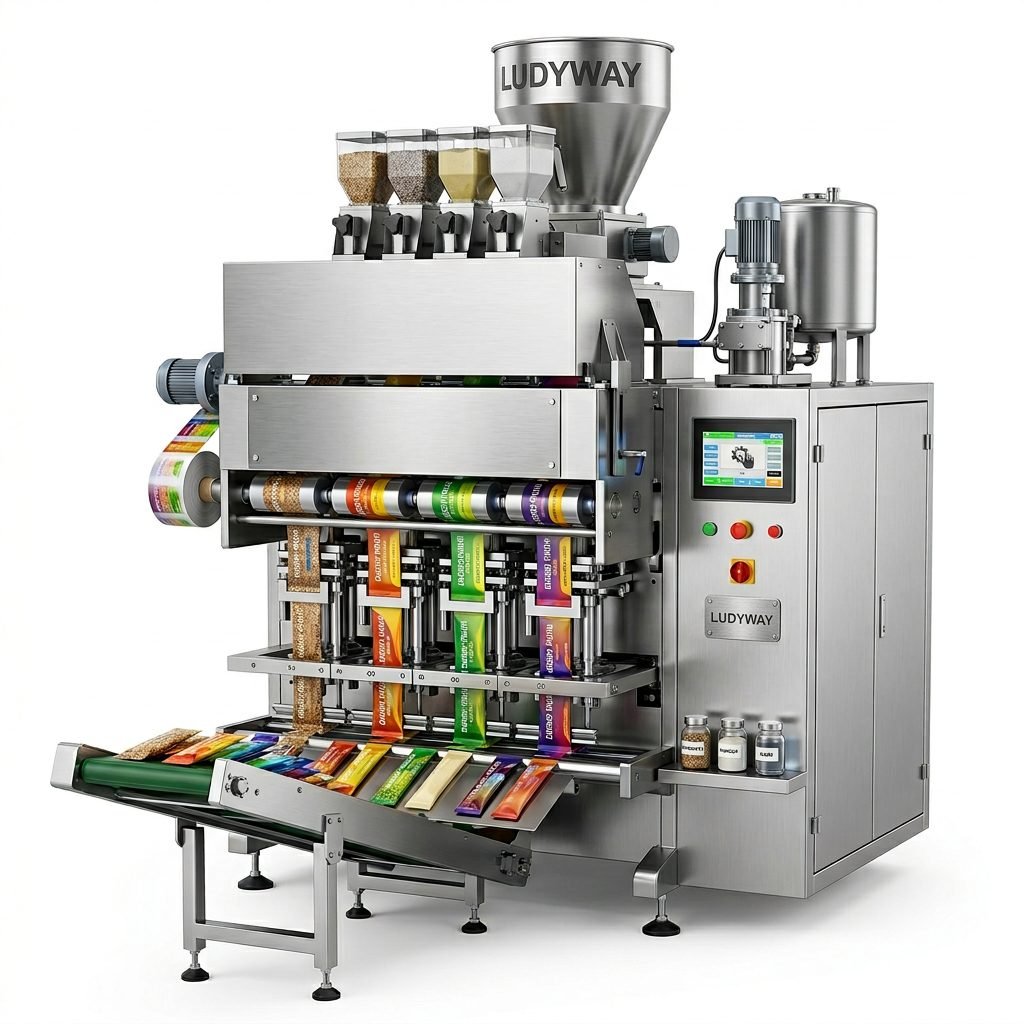
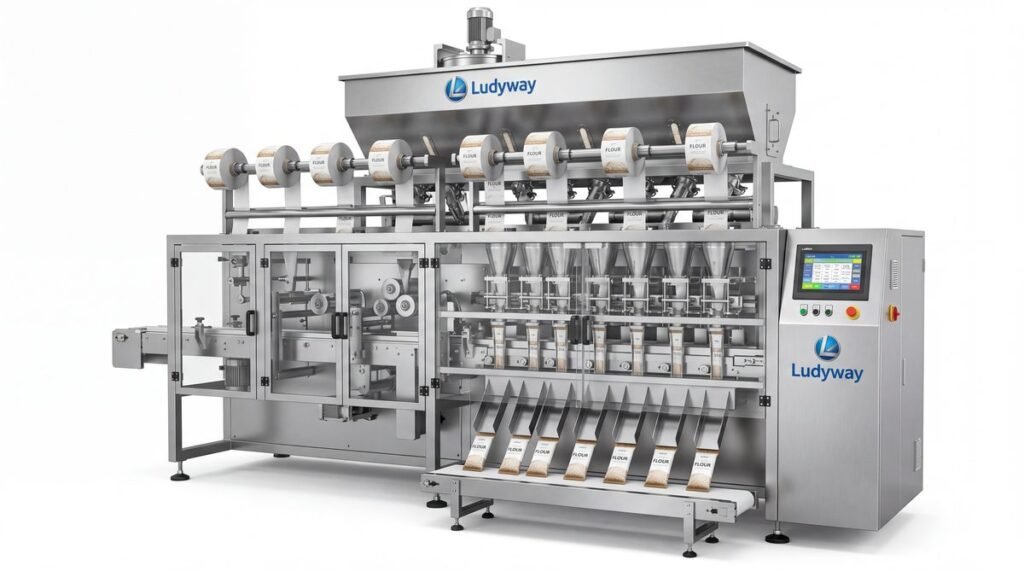
The Middle East coffee market is experiencing remarkable growth, driven by a rich cultural heritage of coffee consumption and increasing demand for premium packaged products. From traditional Arabic coffee to modern specialty blends, the need for high-performance coffee bean packaging machines has never been greater. This guide explores essential features, cost considerations, and reliable suppliers to help you make informed decisions for your packaging operations.
Understanding the Middle East Coffee Packaging Landscape
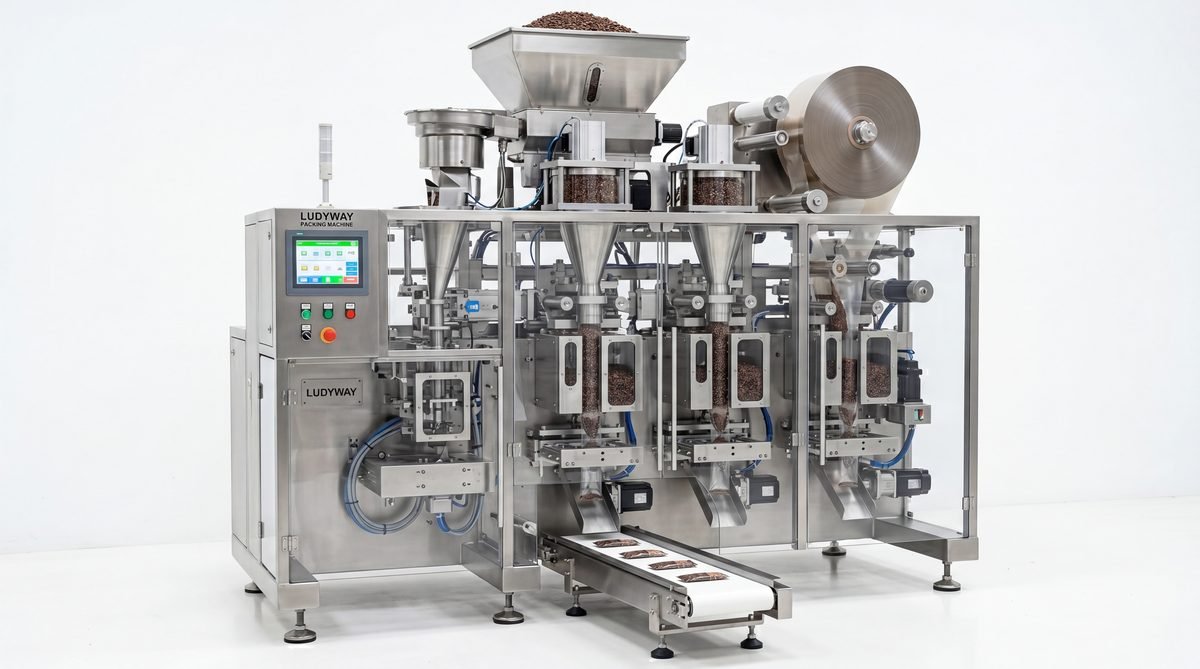
The Middle East and North Africa region represents one of the fastest-growing coffee markets globally. Countries such as the United Arab Emirates, Saudi Arabia, Turkey, and Egypt are experiencing surges in both retail coffee sales and café culture. This expansion has created substantial demand for automated coffee bean packaging solutions that deliver consistency, speed, and shelf-life protection in high-temperature environments.
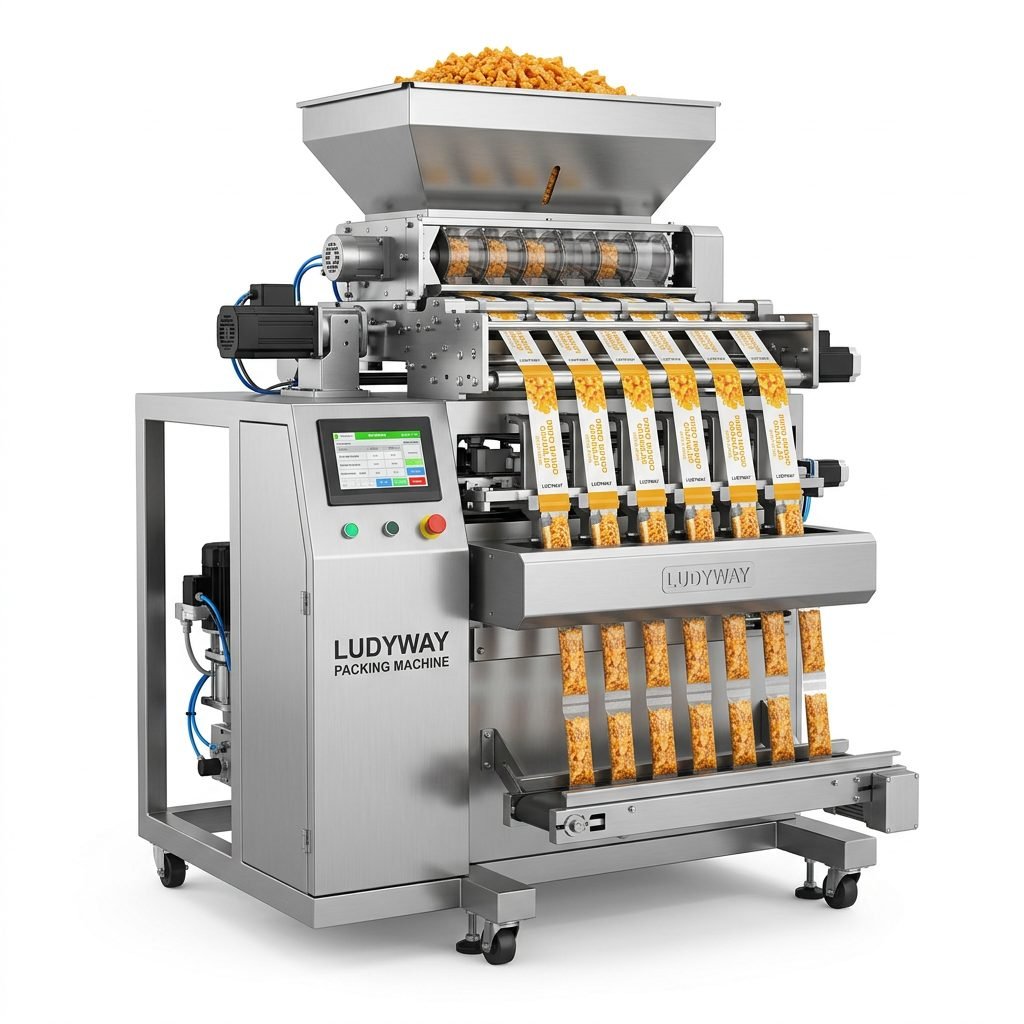
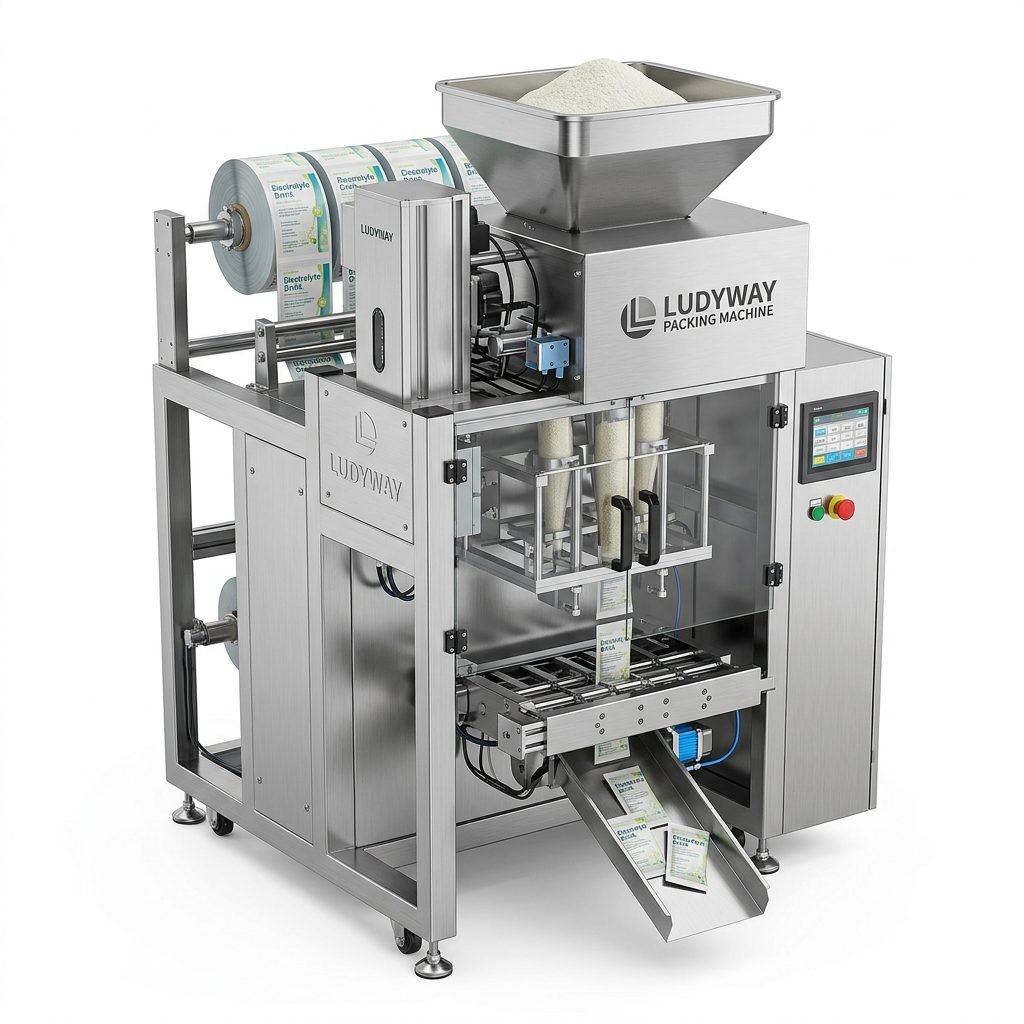
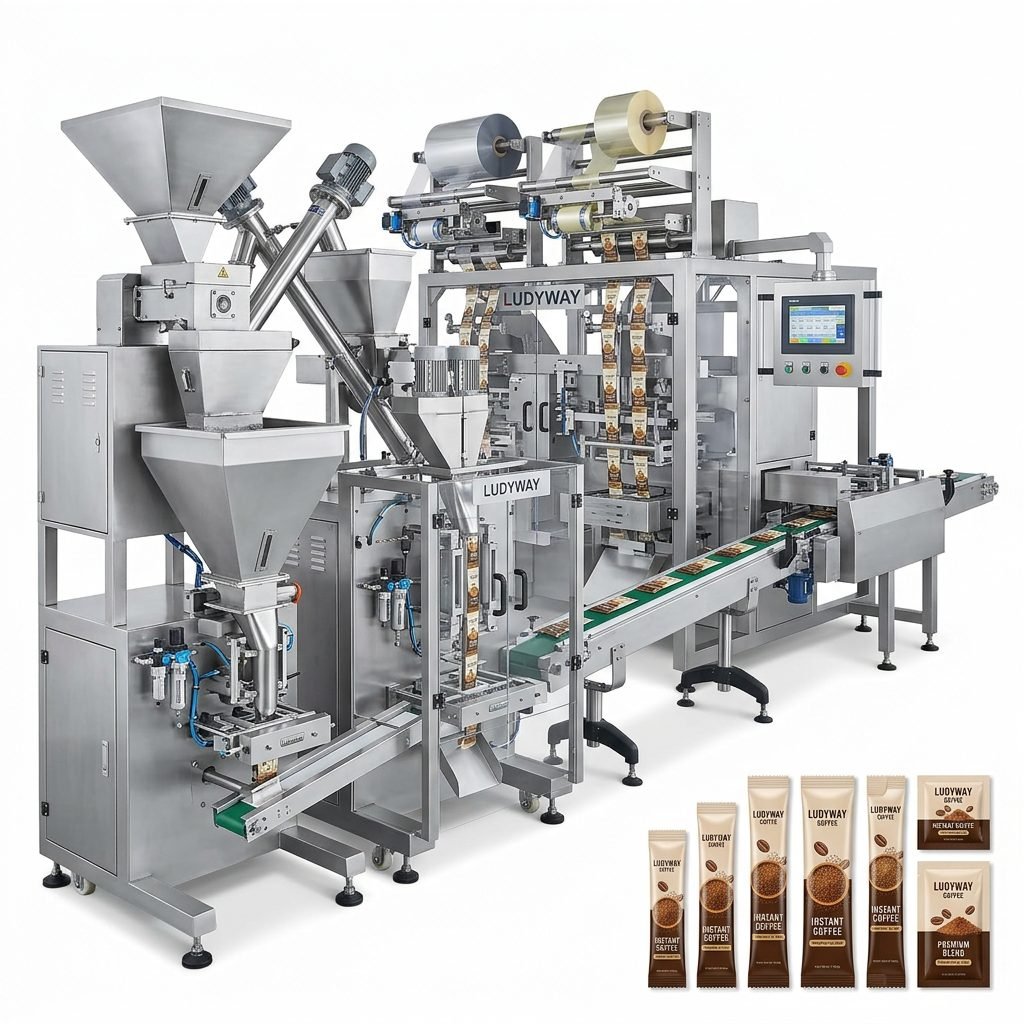
Single-serve stick packs, sachets, and multi-lane pouch formats are particularly popular in this region. Manufacturers increasingly require machines that handle both whole bean and ground coffee applications while maintaining product freshness through advanced sealing technologies. Key considerations include humidity resistance, aroma preservation, and compliance with GCC food safety regulations.
Key Features to Evaluate in a Coffee Bean Packaging Machine
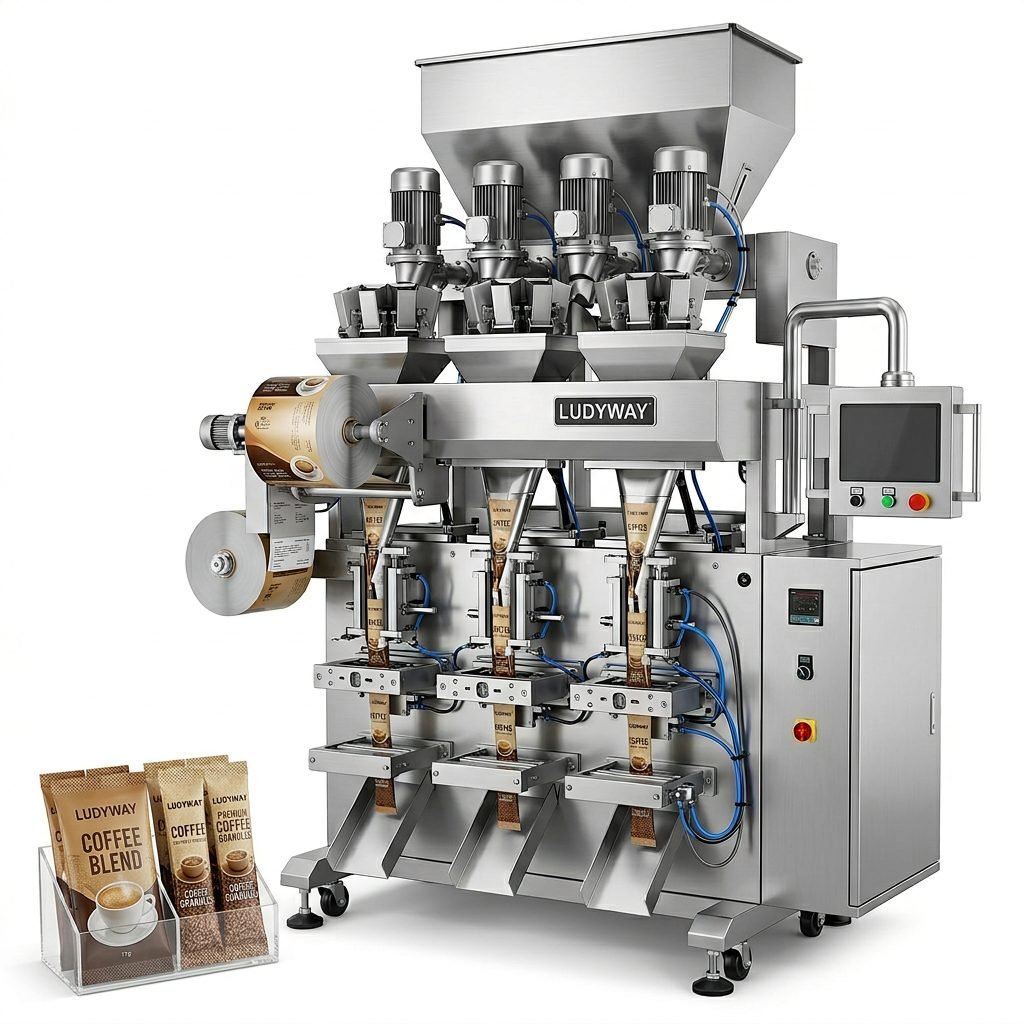
Selecting the right equipment requires careful evaluation of several critical features. Below is a breakdown of what matters most for Middle East operations:
1. Multi-Lane Capability and Production Speed
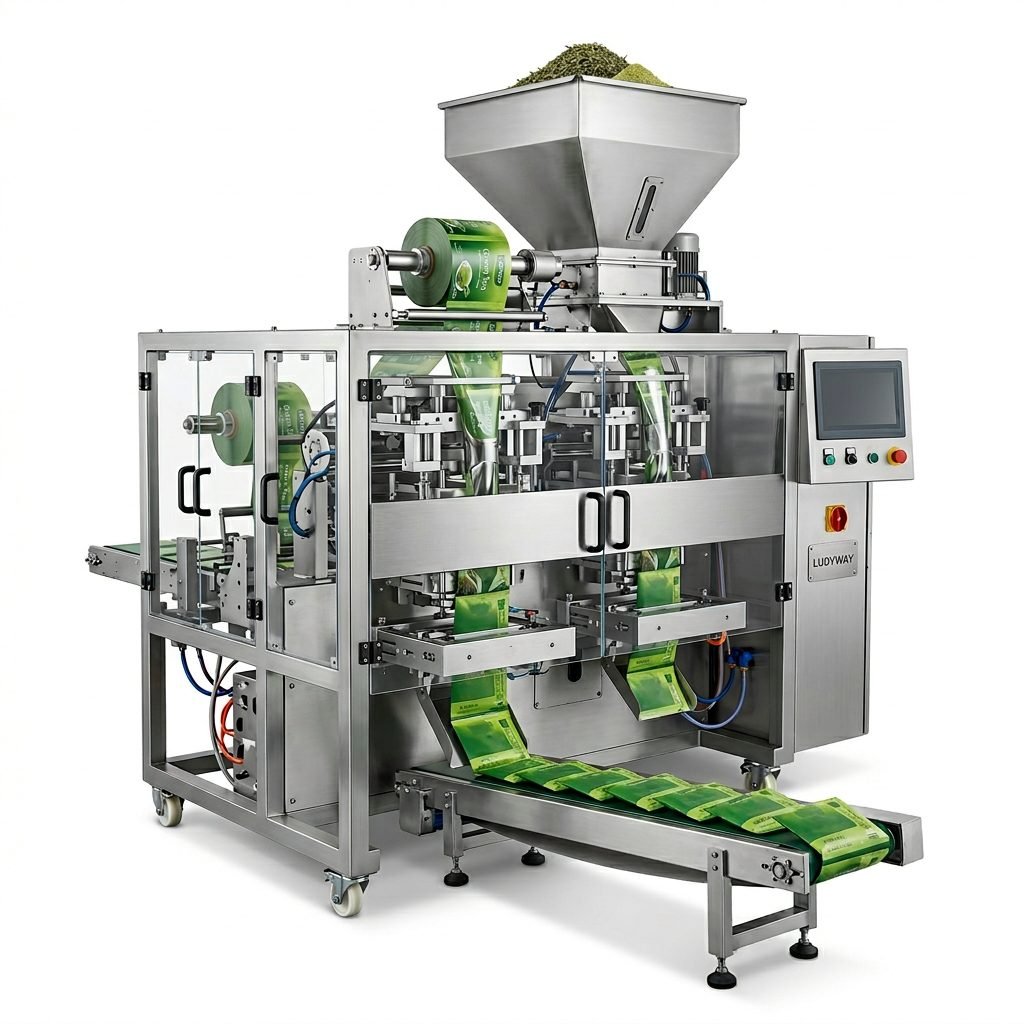
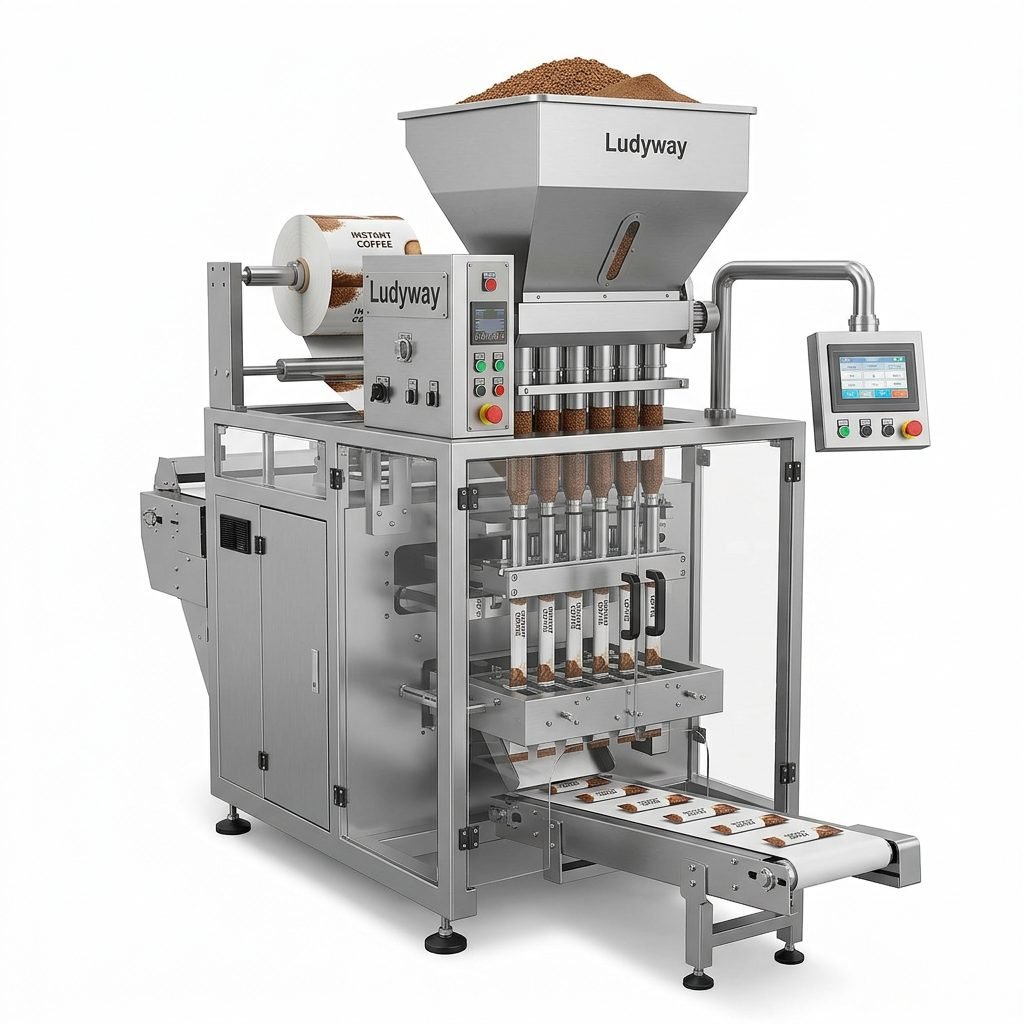
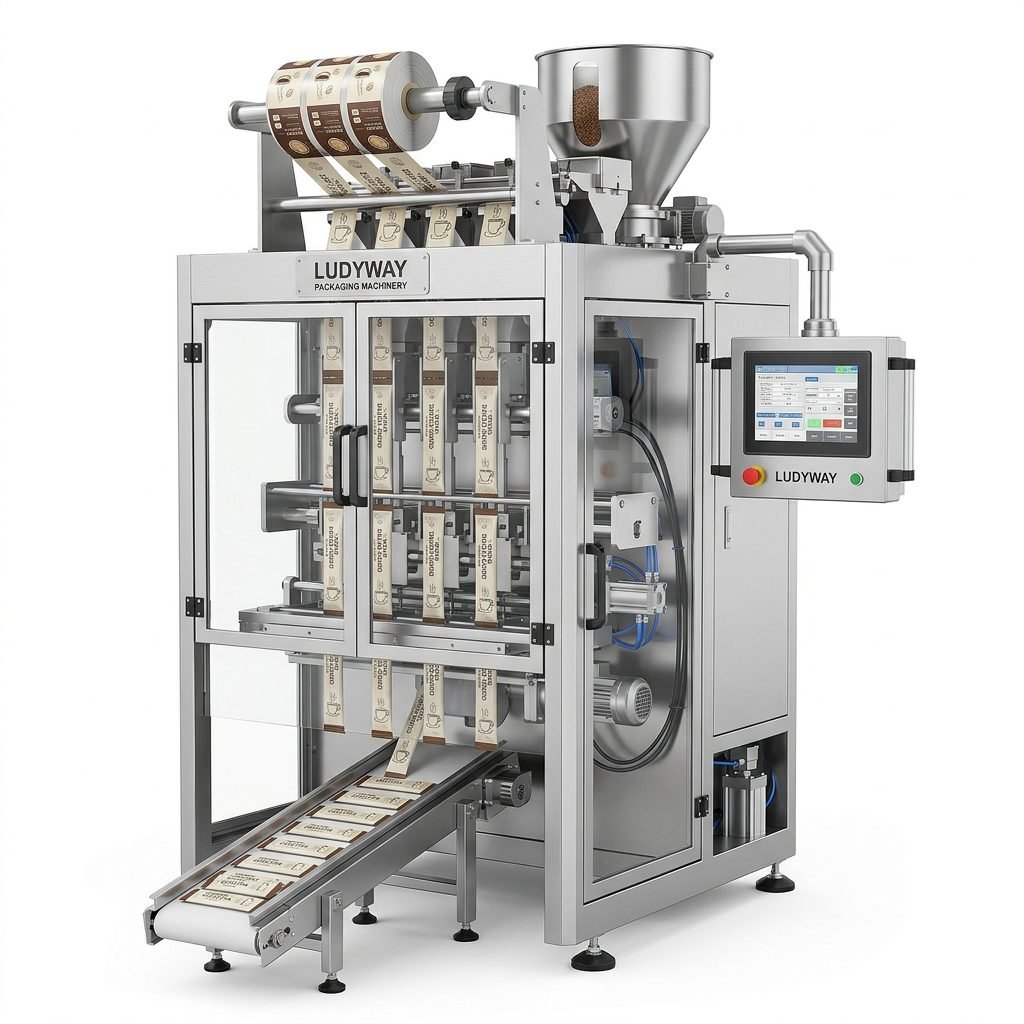
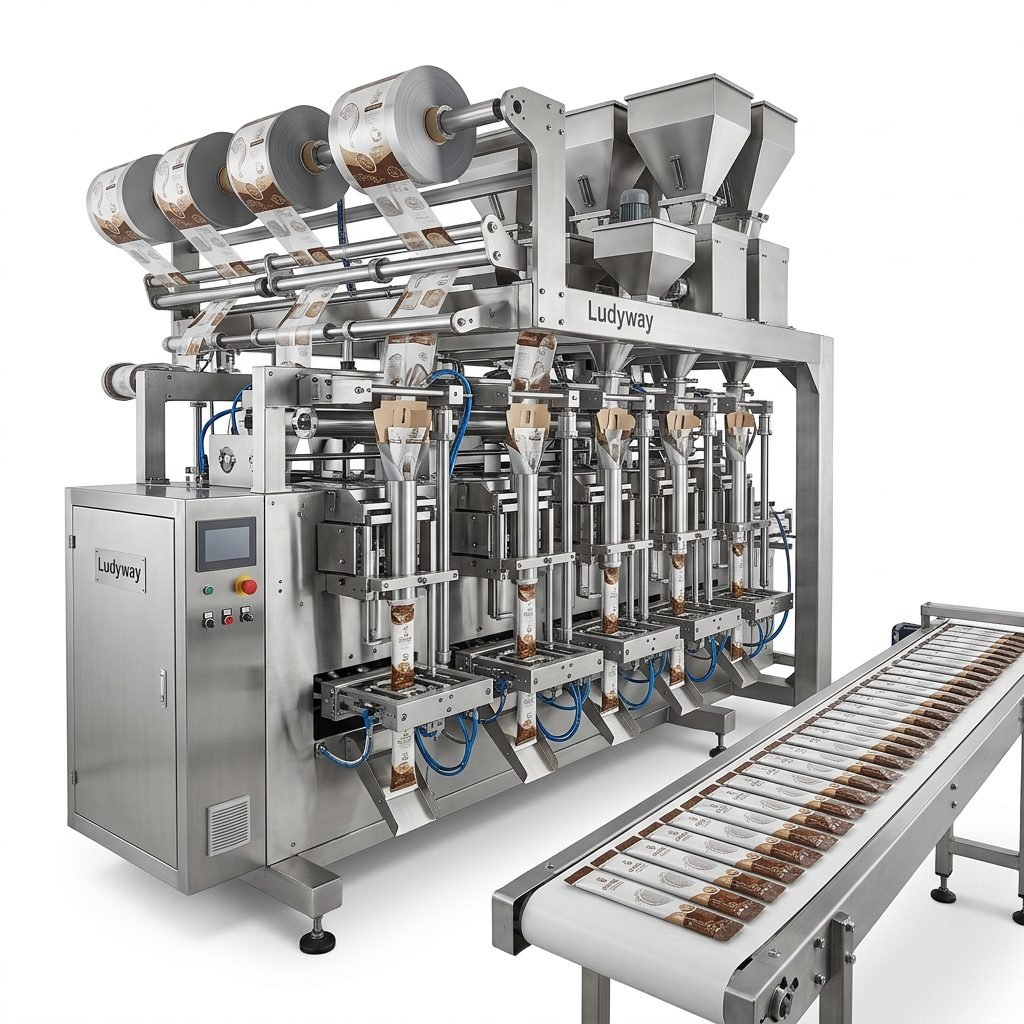
Modern coffee packaging demands high throughput. Multi-lane stick pack and sachet machines can simultaneously run 4 to 16 lanes, dramatically increasing output without proportionally raising labor costs. For medium to large coffee roasters, machines capable of 200–600 packs per minute are now the industry benchmark.
2. Precision Weighing and Filling Systems
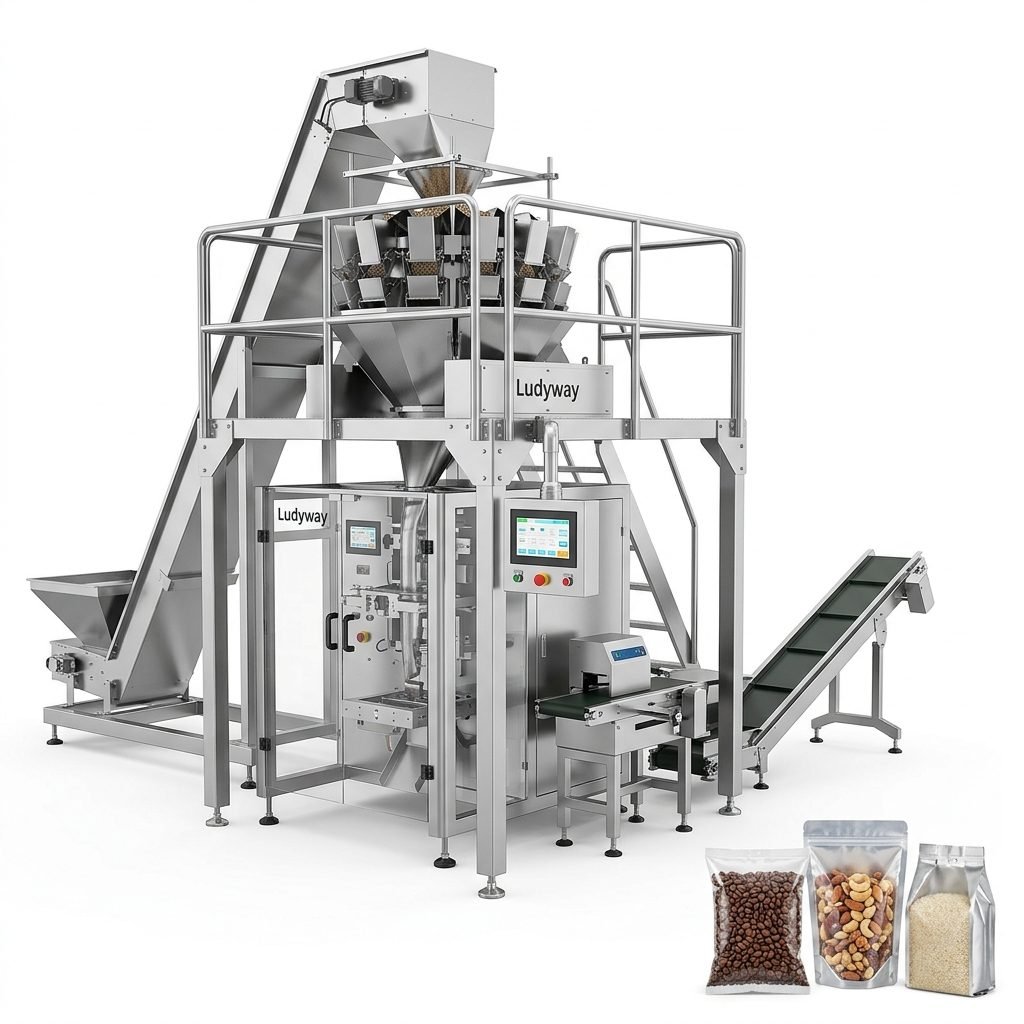
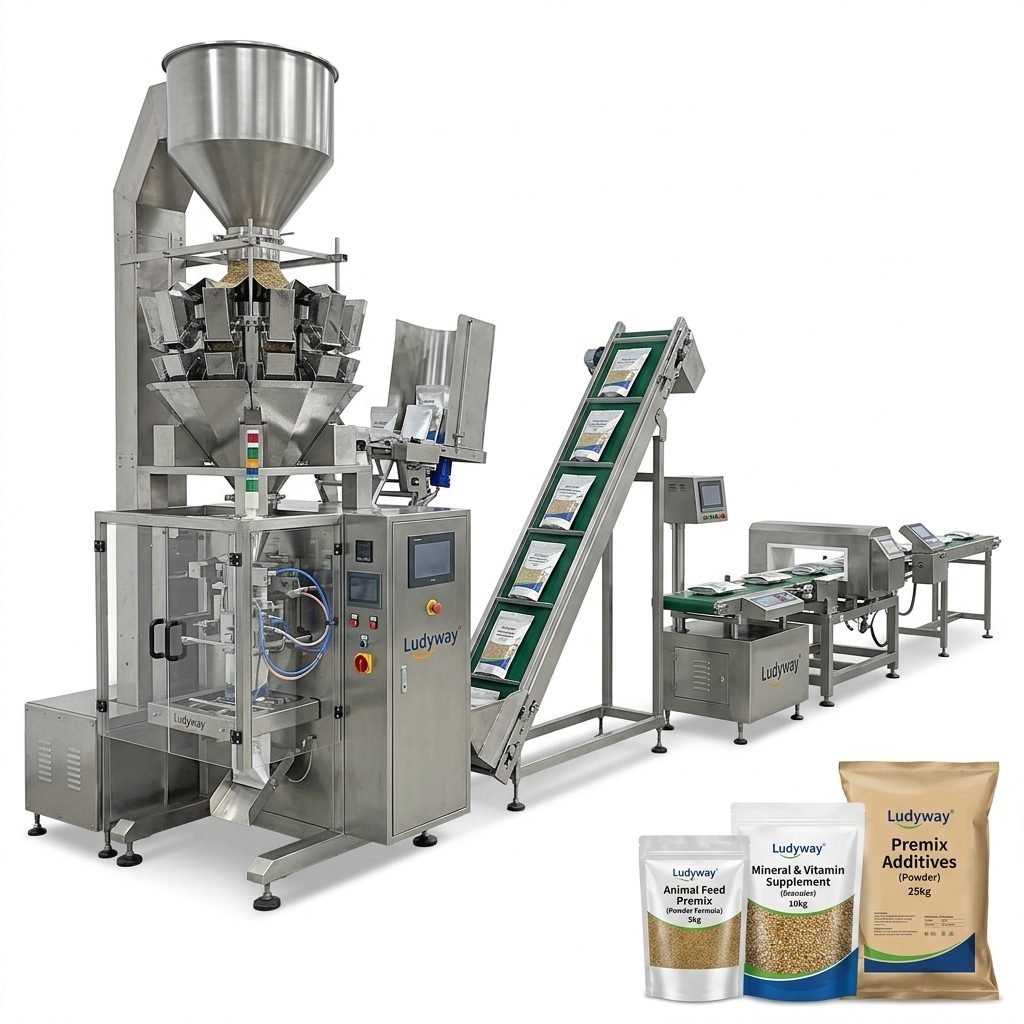
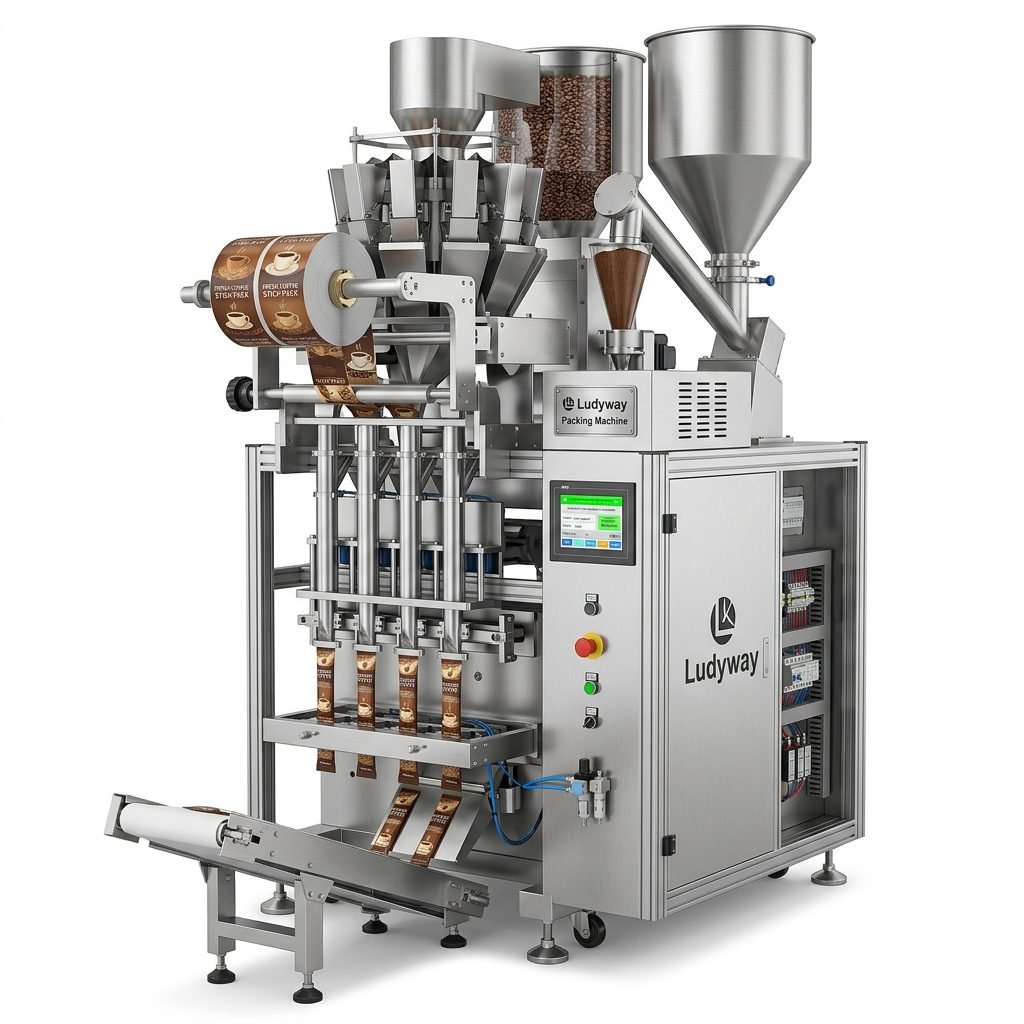
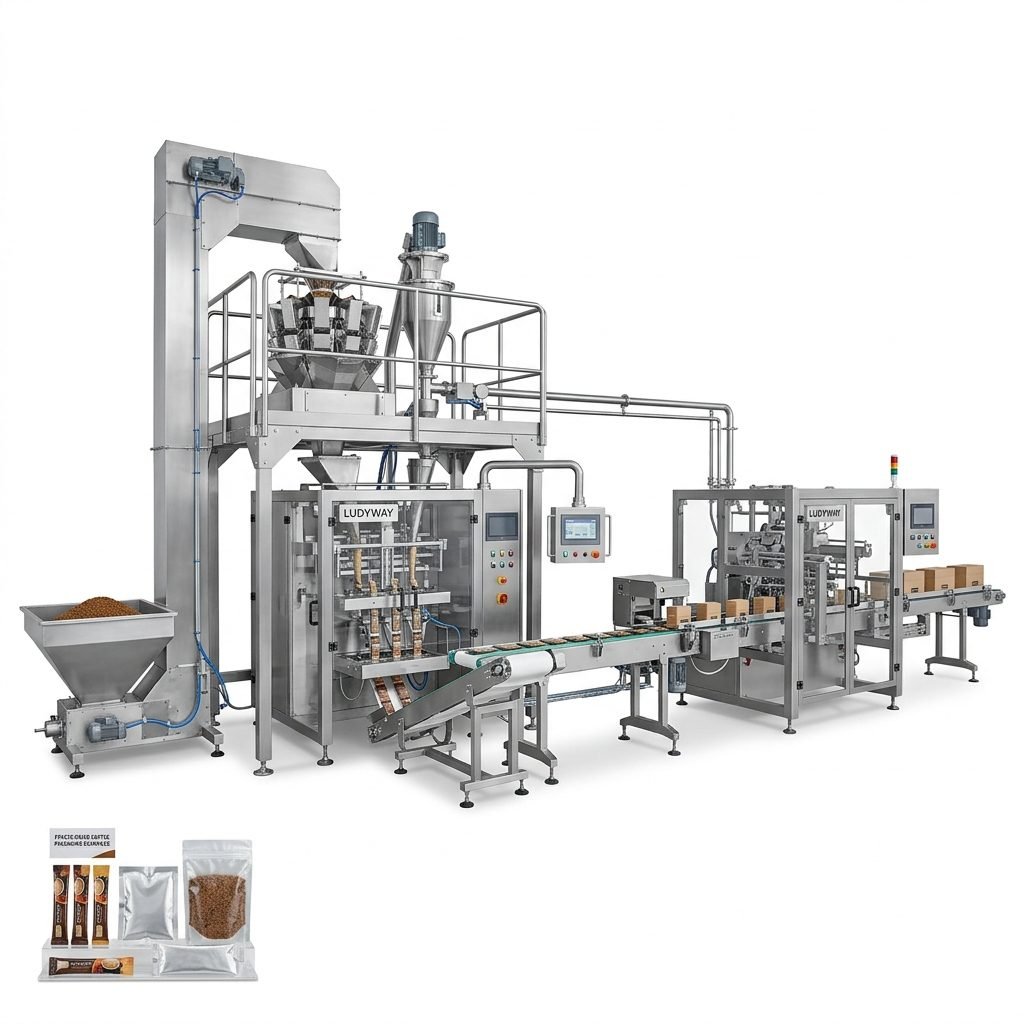
Coffee is a high-value product where every gram counts. Advanced multi-head weighers and auger filling systems ensure ±0.1g to ±0.5g accuracy, minimizing product giveaway while maintaining consistent portion control. This is especially critical for premium single-origin and specialty coffee lines.
3. Airtight Sealing and Nitrogen Flushing
Oxygen is the enemy of fresh coffee. Look for machines with reliable nitrogen flushing capabilities and hermetic seal integrity. The best systems reduce residual oxygen levels below 2%, significantly extending shelf life—a crucial advantage for export-oriented Middle Eastern brands distributing across hot climates.
4. Material Compatibility
Coffee packaging uses various film materials including aluminum foil laminates, metallized PET, and high-barrier composites. Your machine should handle multiple film types without compromising seal quality or speed. Compatibility with recyclable mono-material films is increasingly important as sustainability regulations evolve in GCC countries.
5. Smart Controls and Data Integration
Industry 4.0 capabilities are becoming standard. Seek machines with PLC touchscreen interfaces, remote diagnostic capabilities, and production data logging. These features enable real-time quality monitoring and predictive maintenance scheduling.
Cost Considerations and Budget Planning
Investing in coffee packaging machinery involves understanding both upfront capital costs and long-term operational expenses. The table below provides an overview of typical price ranges for different machine categories:
| Machine Type | Capacity Range | Price Range (USD) | Best Suited For |
|---|---|---|---|
| Semi-Automatic Single-Lane | 30–60 packs/min | $15,000 – $45,000 | Small roasters, startup brands |
| Automatic Multi-Lane Stick Pack | 200–400 packs/min | $60,000 – $150,000 | Mid-size roasters, contract packagers |
| High-Speed Multi-Lane Sachet | 400–800 packs/min | $150,000 – $350,000 | Large-scale commercial production |
| Complete Turnkey Packaging Line | 800+ packs/min | $350,000 – $1,200,000+ | Industrial-scale operations, multinational brands |
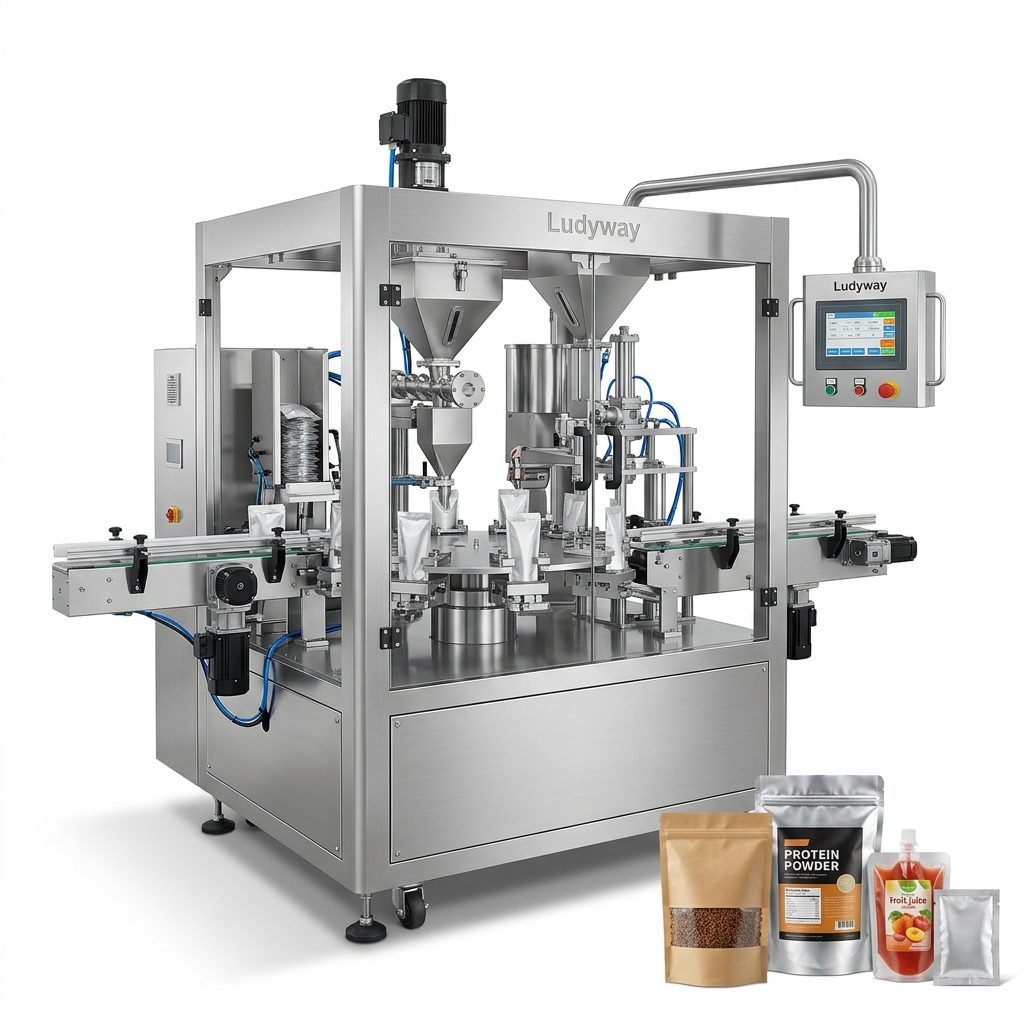
| Premade Pouch Rotary Filler | 40–120 pouches/min | $80,000 – $250,000 | Premium whole bean coffee, gift packaging |
Beyond the initial purchase price, factor in shipping and import duties to Middle Eastern ports such as Jebel Ali (UAE), Jeddah (Saudi Arabia), or Mersin (Turkey). Budget approximately 8–15% of machine value for logistics and customs clearance. Additionally, consider annual maintenance costs, spare parts inventory (typically 3–5% of machine value per year), and operator training expenses.
Leading Suppliers and How to Evaluate Them
The global market for coffee packaging machinery includes manufacturers from China, Germany, Italy, and Japan. When evaluating potential suppliers for the Middle East market, consider these factors:
- Regional service presence — Does the supplier have technicians or partners in the Middle East for installation and after-sales support?
- Certifications — Look for CE, ISO 9001, and food-grade compliance certifications recognized in GCC countries.
- Warranty terms — Standard warranties range from 12 to 24 months; extended coverage options are valuable for high-investment equipment.
- Spare parts availability — Confirm that critical components can be shipped quickly to your location. Downtime in coffee packaging directly impacts revenue.
- Language and communication — Ensure technical documentation and support are available in Arabic or English as required.
Among global suppliers, Ludyway is one of the largest packaging machine manufacturers in China, specializing in advanced packaging equipment and turnkey production solutions. With over 30 years of industry expertise and a modern 20,000㎡ manufacturing facility, the company provides reliable multi-lane stick pack, sachet, and fully automated packaging systems to customers in over 100 countries, including the Middle East. Their engineering team offers more than 50 intelligent packaging machine models designed for granule, powder, and liquid applications.
For insights on packaging industry standards and machinery regulations, refer to resources from the Association for Packaging and Processing Technologies (PMMI) and the Flexible Packaging Association. These organizations publish valuable data on packaging machinery market trends and material innovations relevant to coffee packaging.
Regulatory Compliance for Middle East Markets
Coffee packaging machinery must comply with several regulatory frameworks when entering Middle Eastern markets. Key standards include:
| Standard / Regulation | Applicable Region | Key Requirements |
|---|---|---|
| GSO Food Safety Standards | GCC Countries | Food contact material safety, traceability |
| SASO Certification | Saudi Arabia | Mandatory conformity assessment for imported machinery |
| ESMA / MoIAT Regulations | UAE | Equipment safety, electrical compliance |
| ISO 22000 / HACCP | International (widely required) | Food safety management in packaging processes |
Additionally, the FDA food packaging and food contact substances guidelines and ISO packaging standards provide internationally recognized frameworks that many Middle Eastern importers reference during procurement. Machines designed with these standards in mind simplify the importation process across multiple countries in the region.
Packaging Formats Popular in Middle Eastern Markets
Understanding local preferences helps you select the right machine configuration. Here are the dominant packaging formats in the region:
- Single-serve stick packs — Ideal for instant coffee and 3-in-1 mixes; widely used in hospitality and retail
- Flat sachets (pillow style) — Common for traditional Arabic coffee portions and Turkish coffee
- Stand-up pouches with zipper — Growing rapidly in premium whole bean and ground coffee segments
- Valve-sealed quad packs — Used for freshly roasted whole beans requiring degassing valves
- Bulk bag-in-box systems — For food service and café supply chains across the region
Maximizing ROI on Your Coffee Packaging Investment
Achieving a strong return on investment requires looking beyond the purchase price. Consider these strategies:
1. Opt for flexible configurations. Machines that quickly switch between stick pack and sachet formats allow you to serve multiple market segments without additional capital expenditure.
2. Invest in operator training. Well-trained staff reduce downtime, minimize waste, and extend machine lifespan. Many suppliers offer on-site or remote training programs.
3. Prioritize energy efficiency. Machines with servo-driven systems consume less power than pneumatic alternatives, delivering significant savings over a 10-year operational life.
4. Plan for scalability. Choose a supplier that offers upgrade paths—adding lanes, integrating checkweighers, or attaching cartoning systems as your business grows.
Common Mistakes to Avoid When Purchasing
Many first-time buyers in the Middle East encounter challenges that could be avoided with proper planning. Watch out for these pitfalls:
- Underestimating shipping and logistics timelines — Ocean freight from Asia to Middle Eastern ports typically takes 20–40 days. Add 2–4 weeks for customs clearance and inland transportation. Plan your order at least 3–4 months before your target production date.
- Overlooking voltage and power requirements — Most Middle Eastern countries operate on 220–240V / 50Hz systems. Verify that your machine’s electrical configuration matches local standards before ordering.
- Ignoring after-sales support infrastructure — A lower purchase price means little if you face extended downtime waiting for technical support. Prioritize suppliers with proven service networks in the GCC or Turkey.
- Choosing based on price alone — The cheapest machine often costs more in the long run through higher maintenance, more rejects, and shorter service life. Evaluate total lifetime value rather than initial cost.
Future Trends in Coffee Packaging for the Middle East
The coffee packaging landscape is evolving rapidly. Forward-looking buyers should be aware of these emerging trends:
Sustainability-driven materials: GCC countries are increasingly adopting environmental regulations. Biodegradable films, recyclable laminates, and reduced-plastic formats are gaining traction. Machines compatible with these new materials offer competitive advantages.
Smart packaging integration: QR codes, NFC tags, and augmented reality features are appearing on premium coffee packaging. Ensure your machine can accommodate labeling modules that support these technologies.
E-commerce-ready formats: The rapid growth of online coffee sales in the region demands packaging optimized for shipping durability. Cushioned quad-seal pouches and reinforced stand-up formats are increasingly specified.
For ongoing updates on packaging industry developments, the PMMI State of the Industry reports and the Flexible Packaging Association industry resources provide authoritative data and analysis.
Frequently Asked Questions
What is the best packaging machine for whole bean coffee in the Middle East?
For whole bean coffee, multi-lane premade pouch rotary fillers and vertical form-fill-seal machines with degassing valve applicators are ideal. These systems protect bean integrity while ensuring aroma preservation in high-temperature storage environments common in the region.
How long does delivery take for coffee packaging machines to the Middle East?
Standard manufacturing lead times range from 45 to 90 days, with ocean shipping adding 20–40 additional days. Including customs clearance and installation, plan for a total timeline of 3–5 months from order placement to production readiness.
Are Chinese packaging machine manufacturers reliable for coffee applications?
Yes, many Chinese manufacturers now produce coffee packaging machines meeting international quality standards. Look for suppliers with ISO 9001 certification, CE marking, and references from coffee industry clients. Companies like Ludyway with 30+ years of experience and global export operations offer competitive quality-to-price ratios.
What maintenance is required for coffee packaging machines?
Routine maintenance includes daily cleaning of filling systems, weekly inspection of sealing jaws and temperature controls, and monthly checks of pneumatic or servo components. Annual professional servicing is recommended to maintain peak performance and extend machine life.
Making Your Final Decision
Selecting the right coffee bean packaging machine for Middle Eastern markets requires balancing production requirements, budget constraints, and future growth plans. Start by clearly defining your current and projected capacity needs, then evaluate machines based on the features, costs, and supplier criteria outlined in this guide. Request live demonstrations or video walkthroughs of machines in operation, and whenever possible, visit reference sites to see equipment performance firsthand. A well-chosen packaging solution becomes a long-term asset that supports your brand’s quality reputation and market expansion throughout the region.