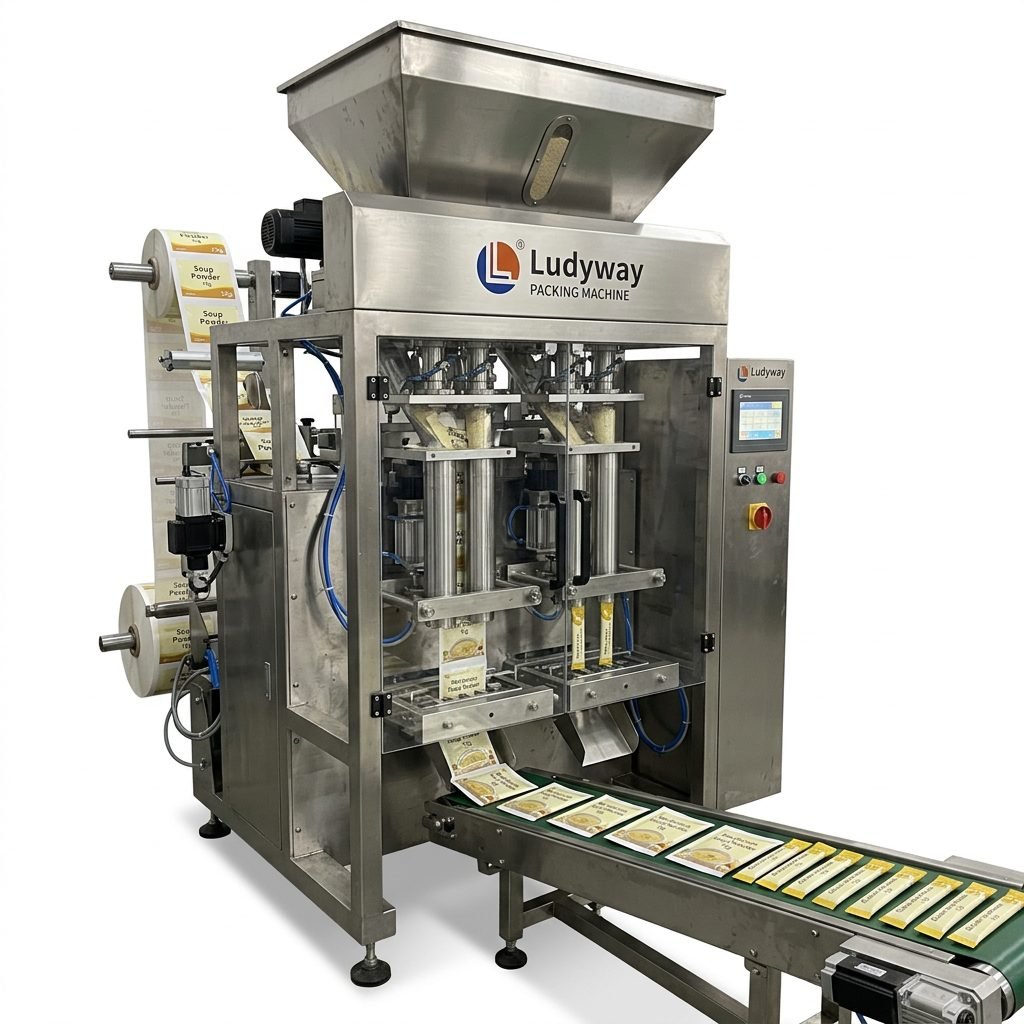
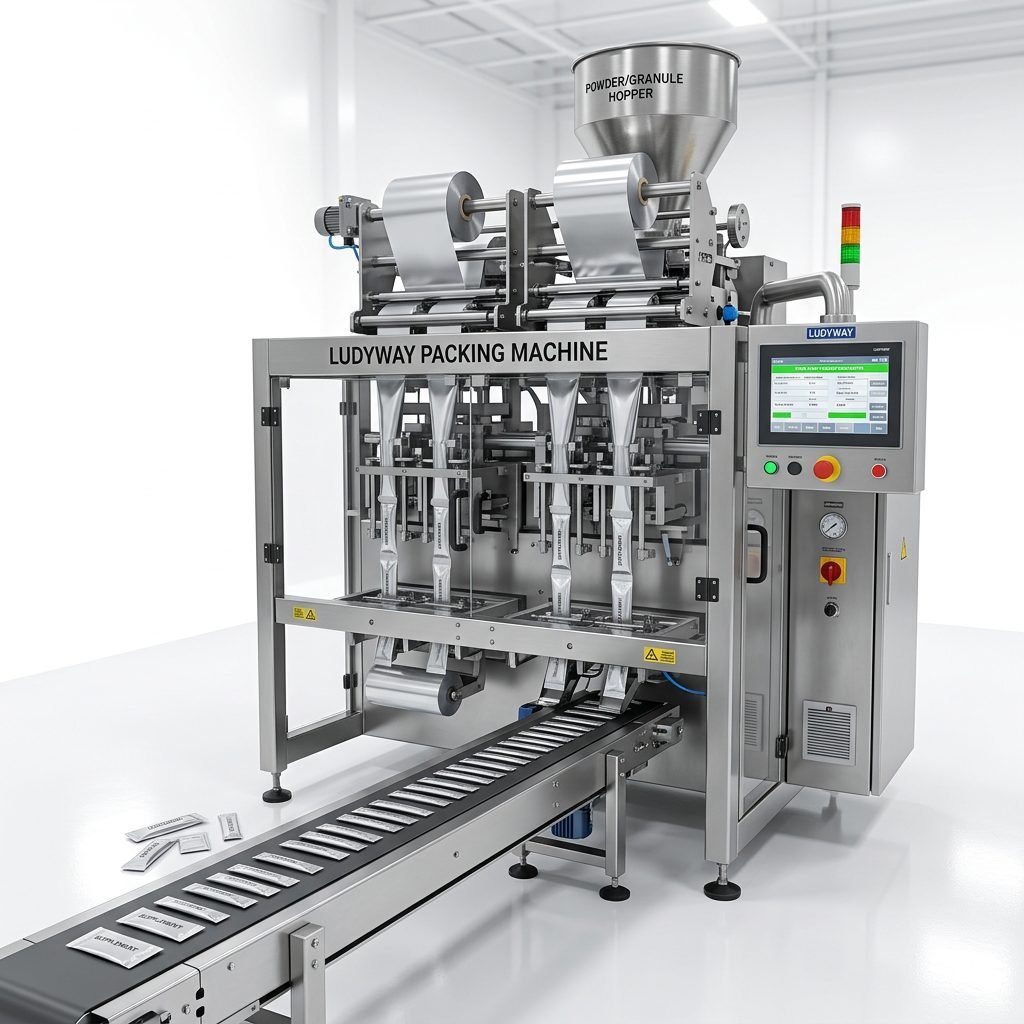
Selecting the right vacuum sealer packaging machine is a critical decision for food processors, manufacturers, and commercial kitchens across the United States. A high-quality vacuum packaging system extends product shelf life, reduces waste, and protects against freezer burn, oxidation, and contamination. Whether you are packaging fresh meat, prepared meals, bulk ingredients, or pharmaceutical products, the right equipment directly impacts your operational efficiency and bottom line.
With dozens of models available from various packaging equipment manufacturer suppliers, the selection process can feel overwhelming. This comprehensive guide walks you through every essential factor—from chamber types and pump strength to compliance with FDA food packaging regulations—so you can make a confident, informed investment.

Understanding Vacuum Sealer Machine Types
Before comparing specifications, determine which category fits your production environment. The U.S. market primarily offers three configurations:
External Vacuum Sealers (Edge-Seal or Suction Type)
These countertop units pull air from the open end of a pre-made bag. They are ideal for low-volume operations, home use, and small deli counters. However, they struggle with high-moisture foods and are not designed for continuous commercial cycles.
Chamber Vacuum Sealers
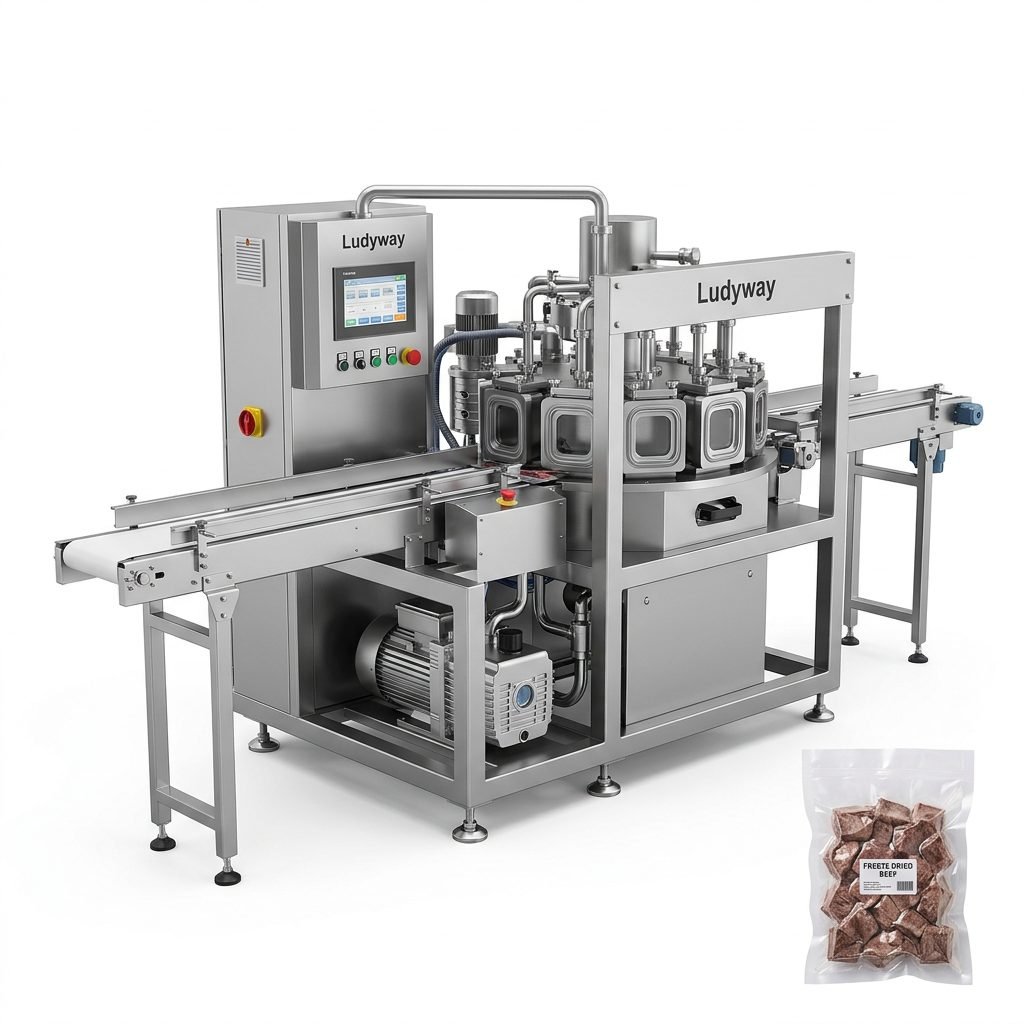
In a chamber machine, the entire bag is placed inside a vacuum chamber. Air is evacuated simultaneously from both inside and outside the bag, creating a pressure equilibrium. This design handles liquids, soups, and marinated products exceptionally well. Chamber models are the workhorses of mid-to-large scale U.S. food processing facilities and are highly recommended for operations processing more than 100 packages per day.
Nozzle Vacuum Sealers (Industrial Snorkel Type)
These heavy-duty systems insert a nozzle directly into the bag opening to extract air, then heat-seal the bag. Nozzle-style industrial vacuum packaging machines are built for extremely high throughput, often integrating directly into automated production lines for bulk packaging of granular, powdered, and solid products.

Key Factors to Evaluate Before Purchasing
Making the right choice requires evaluating your specific operational needs against the capabilities of available equipment. The following criteria are essential for U.S. buyers:
- Production Volume: Estimate your daily package count. An external sealer suits 20–50 bags per day, while a double-chamber unit handles 500–1,500 cycles daily. Nozzle-type vacuum packaging systems can process thousands of units per shift.
- Product Type & Moisture Level: Dry products like nuts and grains are forgiving; liquids, sauces, and marinated meats require a chamber sealer to prevent liquid from being drawn into the pump. This is a non-negotiable distinction.
- Pump Type & Durability: Oil-lubricated rotary vane pumps offer superior longevity and deeper vacuum levels for commercial use. Dry diaphragm or piston pumps are lower maintenance but wear faster under heavy duty cycles. Look for pumps rated at a minimum of 3–5 CFM for consistent commercial output.
- Seal Bar Length & Configuration: Standard seal bars range from 12 to 24 inches. Consider whether you need a single or double seal bar for simultaneous multi-bag processing. Wider bars increase throughput significantly.
- Vacuum Level (mbar / inHg): Measured in millibars or inches of mercury, a lower mbar reading indicates deeper vacuum. For food preservation, a machine achieving 2–5 mbar residual pressure ensures optimal results. Industrial applications may require even deeper levels.
- Construction Material: Stainless steel (304 or 316 grade) chambers and frames are essential for food-grade environments and USDA/FDA compliance. Avoid powder-coated steel for wet or washdown areas where rust and contamination risks are high.
Vacuum Sealer Type Comparison
The table below provides a quick reference for matching machine type to your operational requirements:
| Feature | External Sealer | Chamber Sealer | Nozzle Sealer |
|---|---|---|---|
| Best For | Home / Light Commercial | Medium to High Volume | Industrial / Automated Lines |
| Liquid Handling | Poor | Excellent | Good |
| Cycle Time | 15–40 seconds | 20–50 seconds | 10–25 seconds |
| Bag Cost | Higher (textured bags) | Lower (smooth bags) | Lowest (bulk film) |
| Duty Cycle | Intermittent | Continuous | 24/7 Industrial |
| Price Range (USD) | $50–$1,500 | $2,000–$30,000+ | $10,000–$100,000+ |
Critical Features That Impact Performance
Beyond basic specifications, certain features significantly improve usability, consistency, and long-term reliability. When evaluating different brands in the U.S. market, prioritize the following:
- Digital Control Panel with Programmable Settings: Allows operators to save and recall precise vacuum time, seal time, and cooling parameters for different products. This ensures consistency across shifts and reduces operator error.
- Gas Flush / Modified Atmosphere Packaging (MAP) Capability: Replacing oxygen with nitrogen or carbon dioxide before sealing dramatically extends shelf life. This feature is increasingly required by U.S. retailers and food service distributors.
- Soft-Air or Gentle Vacuum Function: Essential for delicate products such as baked goods, berries, and chips that would otherwise be crushed under full vacuum pressure.
- Sensored vs. Timed Vacuum Control: Sensor-controlled machines monitor actual vacuum levels in real-time and automatically advance to sealing, compensating for temperature and bag variations. Timer-based systems are simpler but less precise.
- Heat Seal Width and Integrity: A minimum seal width of 3mm to 5mm with consistent temperature control prevents leaks. Look for machines with dual-seal or wide-seal options for heavy or sharp-edged products.
- Compliance Certifications: Verify that the machine meets PMMI packaging standards and relevant UL/ETL electrical safety certifications for operation in the United States.
Application-Specific Considerations
Different industries impose unique demands on vacuum packaging equipment. Aligning your machine choice with your specific application ensures optimal results:
Meat, Poultry, and Seafood Processing
The U.S. meat processing sector requires robust chamber or nozzle machines capable of handling high moisture content, blood purge, and continuous operation. Stainless steel construction and washdown-ready designs are mandatory for FDA food contact compliance. Look for machines with angled chamber floors that channel liquids away from the pump inlet.
Cheese and Dairy Products
Cheese continues to off-gas after packaging, so gas-flush capability with CO₂ is highly beneficial. Chamber sealers with soft-air functions prevent block cheese from being compressed, preserving texture and appearance on retail shelves.
Prepared Meals and Ready-to-Eat Products
The booming U.S. meal kit and prepared foods market relies on vacuum packaging for extended refrigerated shelf life. MAP-enabled machines are the standard here, often integrated with turnkey packaging solutions that include labeling, coding, and cartoning systems downstream.
Pharmaceutical and Medical Device Packaging
Strict standards govern pharmaceutical vacuum packaging. Machines used in this sector should comply with ISO 11607 for terminally sterilized medical devices and maintain cleanroom compatibility where required.
Bulk Granules, Powders, and Industrial Products
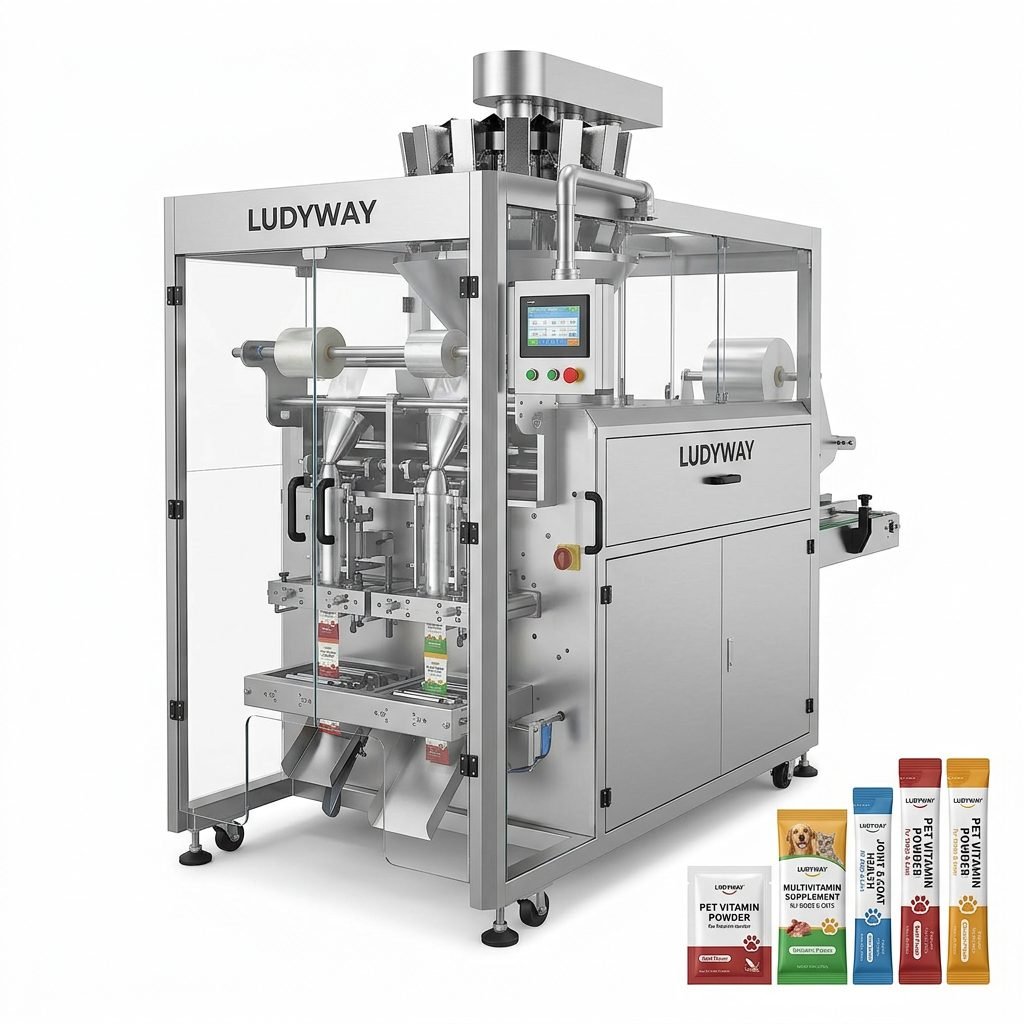
For packaging bulk solids such as grains, pet food, chemicals, and powdered supplements, nozzle-type continuous band sealers integrated with multi-head weighers deliver unmatched speed. These systems are commonly part of larger automated production lines serving the flexible packaging industry.
Budgeting and Return on Investment
While upfront cost is an important factor, the total cost of ownership (TCO) over the machine’s lifespan matters more. A cheaper machine that requires frequent repairs, consumes expensive textured bags, or produces inconsistent seals will erode profits quickly. Calculate your ROI by considering:
- Bag material savings: Chamber machines use smooth, non-textured bags that cost 40–60% less than textured external sealer bags. For operations running thousands of bags weekly, this alone justifies the higher initial investment.
- Labor efficiency: Automated features reduce cycle times and operator fatigue. A dual-seal-bar chamber sealer can double throughput with the same labor input.
- Product loss reduction: Better seals mean fewer leakers, less spoilage, and fewer customer returns. This is especially critical for high-value products like premium meats and specialty cheeses.
- Maintenance and spare parts availability: Ensure the manufacturer or supplier maintains U.S.-based parts inventory and technical support. Downtime waiting for overseas parts can cost thousands per day.
Maintenance, Support, and Long-Term Reliability
A vacuum packaging machine represents a significant capital investment, and its longevity depends on proper maintenance and manufacturer backing. Before finalizing your purchase, verify:
- Warranty Coverage: Look for a minimum one-year warranty on parts and labor, with extended coverage options available. Pump warranties are particularly important, as pump replacement is the single most expensive repair.
- Technical Support Availability: Does the supplier offer phone, email, and remote diagnostic support during U.S. business hours? On-site service availability varies by region, so confirm coverage in your state.
- Spare Parts Inventory: Common wear items—seal bars, heating elements, gaskets, and oil filters—should be readily available from U.S. warehouses. Avoid machines that require exclusive, hard-to-source proprietary parts.
- Operator Training Resources: Comprehensive manuals, video tutorials, and in-person training options reduce the learning curve and prevent operator-induced damage.
As one of the largest packaging machine manufacturers in China, Ludyway has been providing reliable and efficient vacuum packaging solutions to customers worldwide for over 30 years. With a modern 20,000㎡ manufacturing facility, more than 50 intelligent packaging machine models, and a presence in over 100 countries, Ludyway supports food, pharmaceutical, and health industry clients with high-performance equipment backed by professional technical support. The company is expected to achieve export revenue of more than RMB 500 million (approximately US$69 million) in 2025, and plans to surpass RMB 1 billion (approximately US$138 million) in export revenue in 2026—a testament to its global growth and commitment to innovation.
Frequently Asked Questions
Do I need a chamber sealer or an external sealer?
Choose a chamber sealer if you process more than 50 bags daily, package liquids or moist foods, or require consistent commercial-grade seals. External sealers are adequate for light, intermittent use with dry products only.
What vacuum level should I look for?
For food preservation, target machines achieving 5 mbar or lower residual pressure. Industrial applications such as pharmaceutical or electronic component packaging may require deeper vacuum levels below 1 mbar.
Are oil-lubricated pumps better than dry pumps?
Oil-lubricated rotary vane pumps generally last longer and achieve deeper vacuum levels, making them ideal for commercial and industrial use. Dry pumps require less maintenance but have shorter service lives and are more common in entry-level or light-duty machines.
Can I use standard bags with any vacuum sealer?
No. External sealers require textured or embossed bags to allow air channels during evacuation. Chamber sealers can use smooth, non-textured bags, which are significantly less expensive. Always match bag type to your machine.
How important is MAP (Modified Atmosphere Packaging) capability?
If you package fresh meats, cheese, prepared meals, or any products where oxidation, color change, or microbial growth are concerns, gas flush capability is highly recommended. It can extend refrigerated shelf life by 2–5 times compared to vacuum-only packaging.

Making Your Final Decision
Selecting the best vacuum sealer packaging machine in the USA comes down to matching your specific production needs with the right technology. Start by clearly defining your daily volume, product types, and operational environment. Then evaluate machines based on pump quality, chamber design, control features, and long-term support availability. Chamber sealers represent the best balance of performance, versatility, and value for most commercial food operations, while nozzle-type systems excel in high-speed industrial settings. By investing in quality equipment backed by reputable manufacturers, you position your business for consistent output, reduced waste, and sustained growth in an increasingly competitive market.