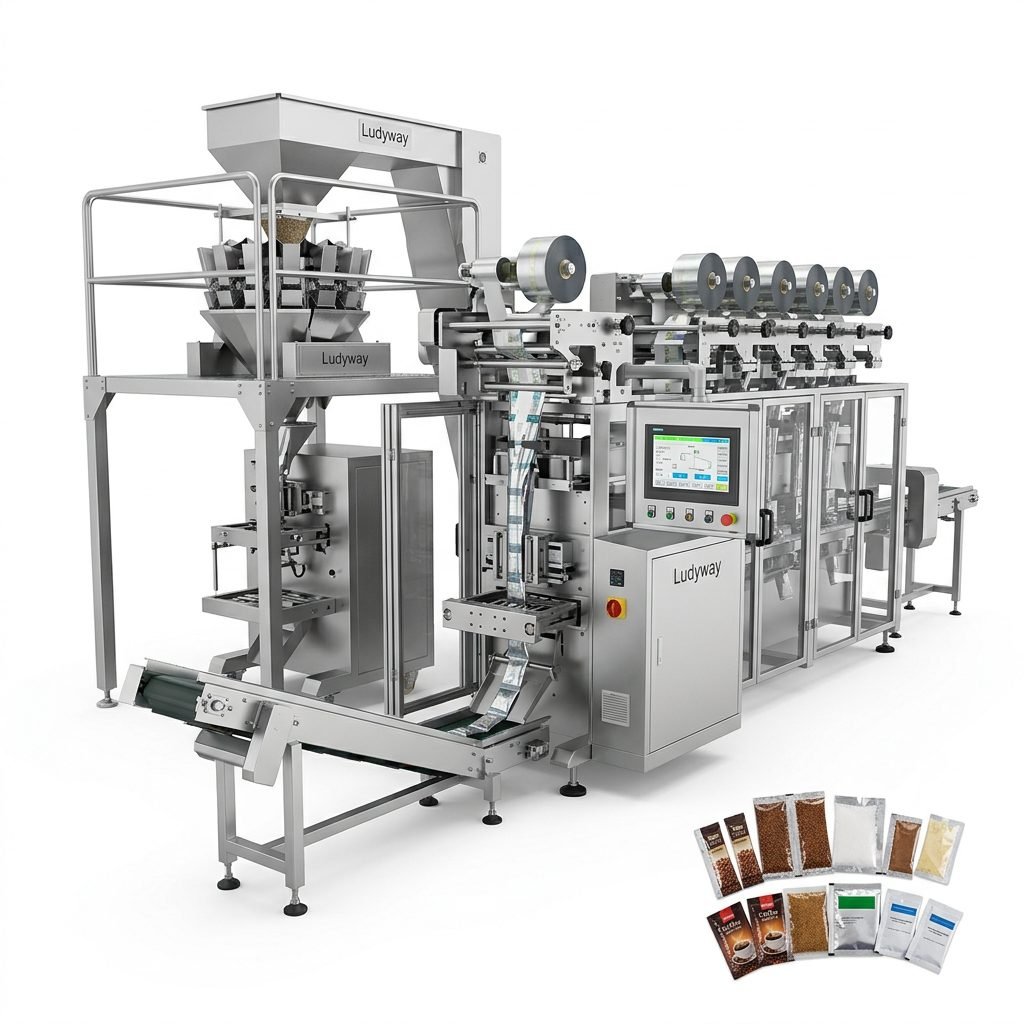
Germany stands as one of Europe’s largest and most sophisticated markets for coffee processing and packaging. Whether you are a mid-sized roastery in Hamburg expanding your production line or an industrial plant near Munich seeking to automate your coffee bean packaging operations, selecting the right machinery is critical for maintaining product freshness, achieving precise weighing accuracy, and meeting stringent German packaging standards. This guide provides a comprehensive overview of the technology, key considerations, and sourcing strategies for coffee bean packaging machines in the German market.
Understanding the German Coffee Market and Packaging Demand
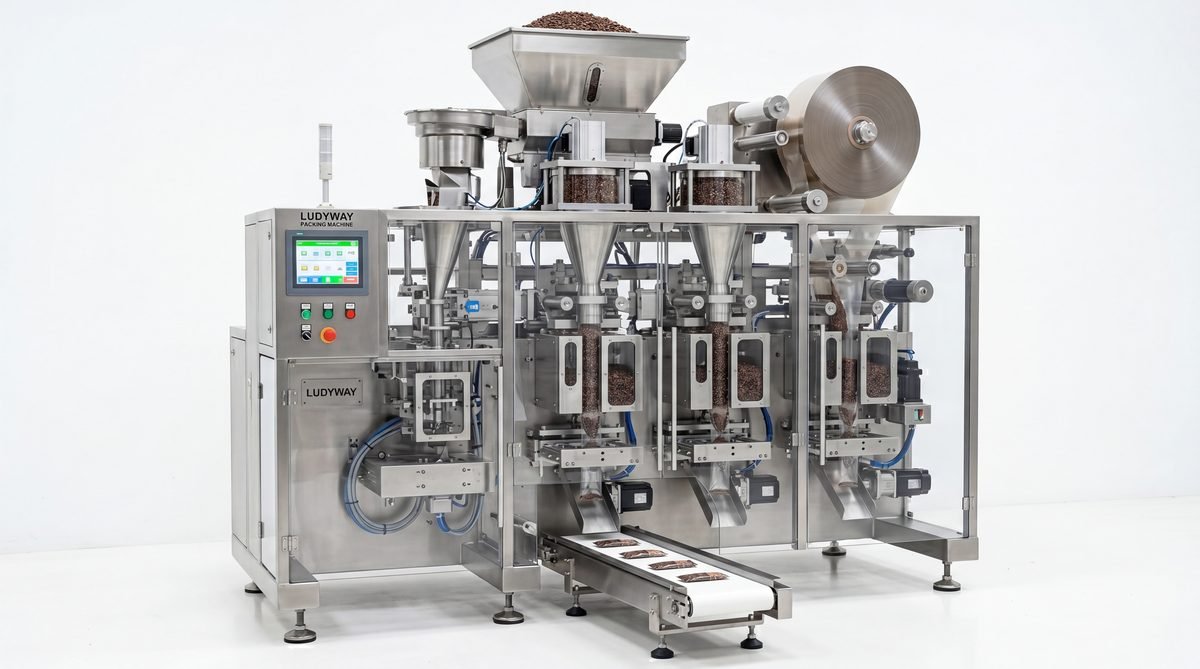
Germany is the largest coffee-consuming country in Europe, with an annual per capita consumption exceeding 160 liters. The market is characterized by a strong preference for whole beans and freshly ground varieties. This cultural nuance means that coffee bean packaging machines must not only operate at high speed but also provide superior seal integrity to preserve aroma. From valve bags for whole beans to multi-lane stick packs for single-serve portions, German manufacturers and importers require flexible, industry-compliant packaging solutions that adapt to evolving consumer trends like compostable packaging.
Types of Coffee Bean Packaging Machinery Available
The German packaging machinery landscape offers various technological tiers, from semi-automatic weighers to fully integrated turnkey lines. The choice depends heavily on your desired output volume and the specific packaging format you aim to deliver to retailers like Edeka or Aldi.
Pre-Made Pouch Rotary Machines
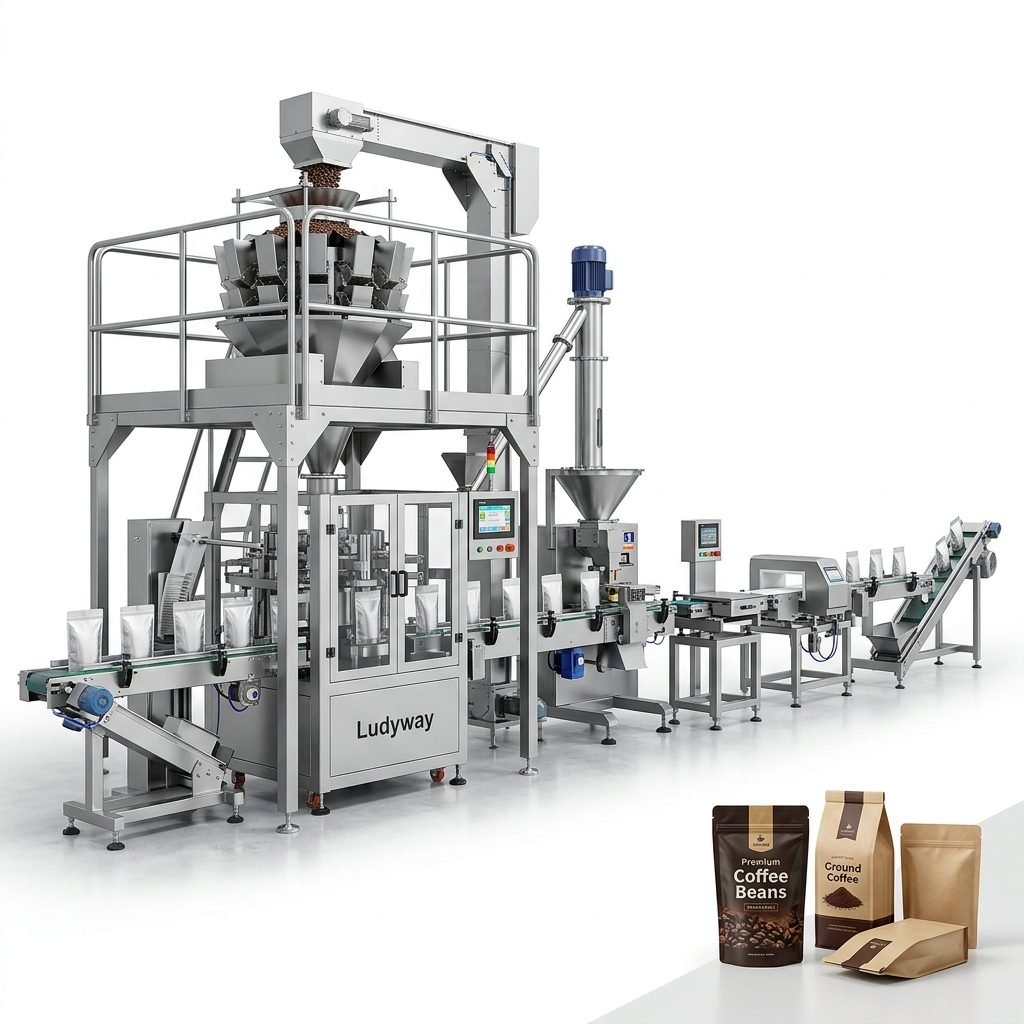
These are ideal for premium whole bean coffee sold in quad-seal or doypack bags. They typically feature a rotary filling station, a one-way degassing valve applicator, and inert gas flushing systems. Precision is key, as German consumers expect consistent net weight in every package.
Vertical Form Fill Seal (VFFS) Machines
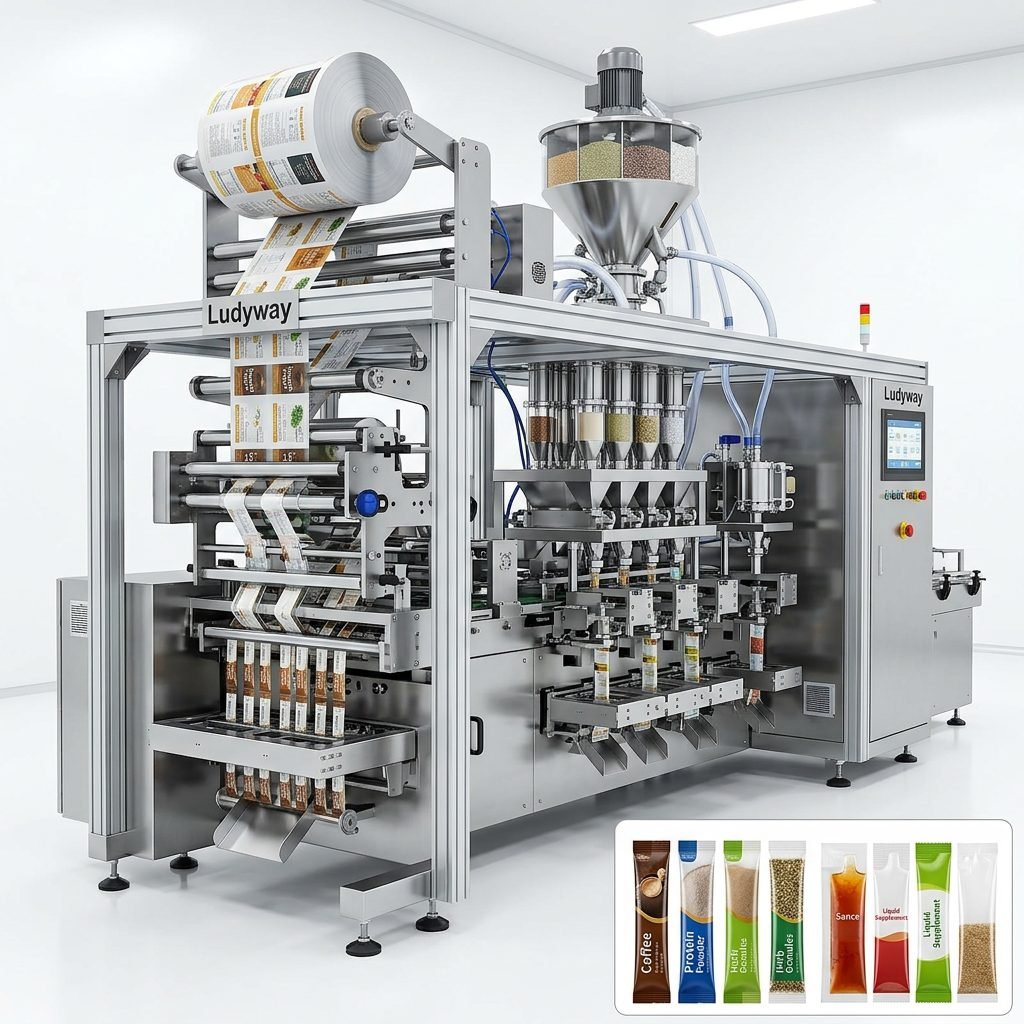
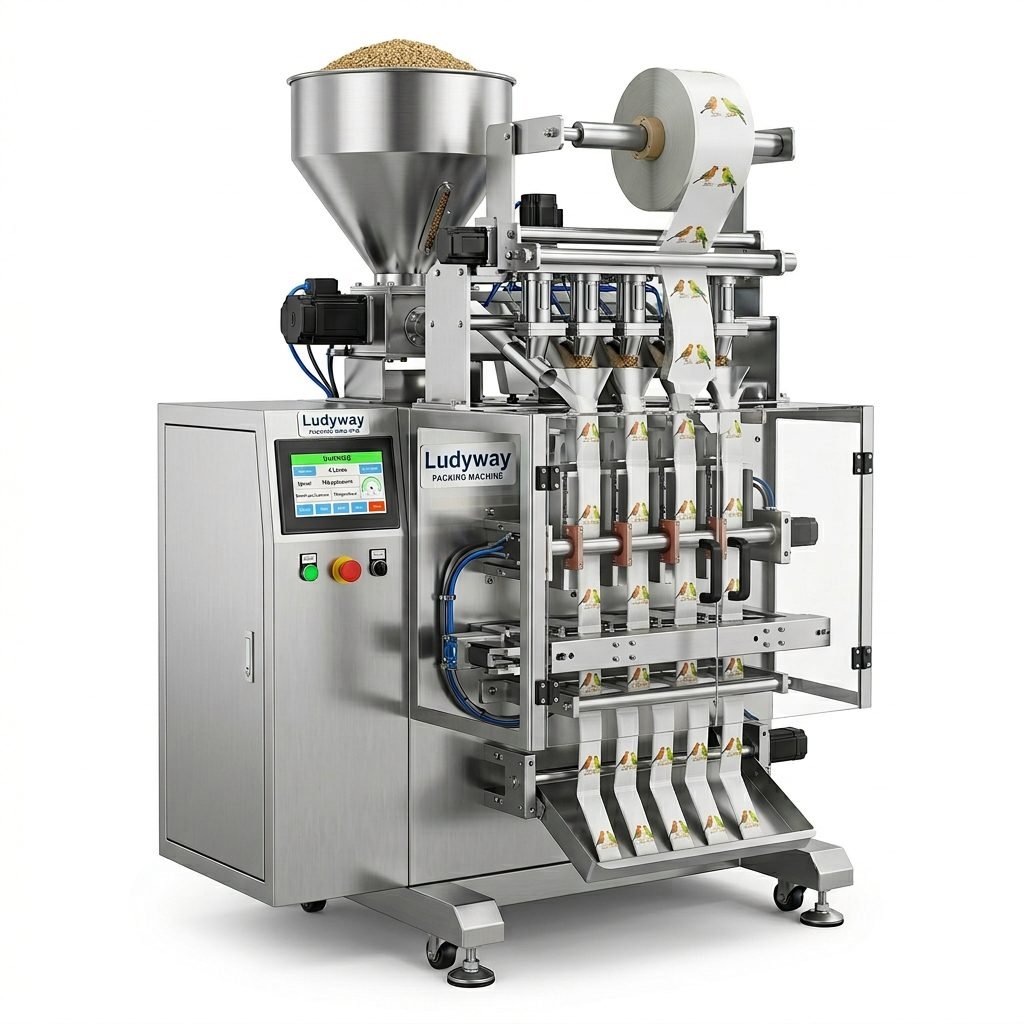
A popular choice for ground coffee and smaller bean packs, VFFS machines form a bag from a flat roll of film. For the German market, look for models with servo-driven motors and the ability to handle a wide range of sustainable films, including paper-based laminates. For high-capacity operations, advanced multi-lane stick pack systems can exponentially increase output.
Multi-Lane Stick Pack and Sachet Machines
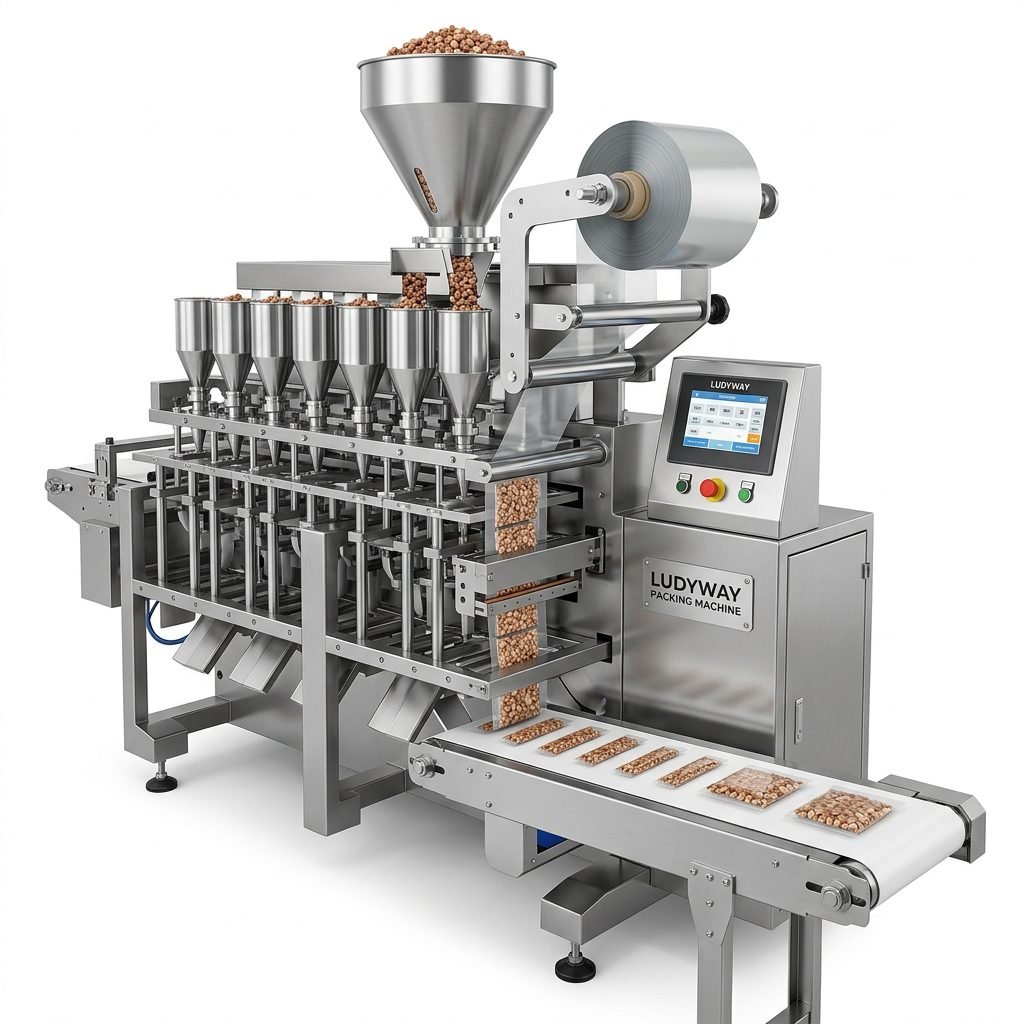
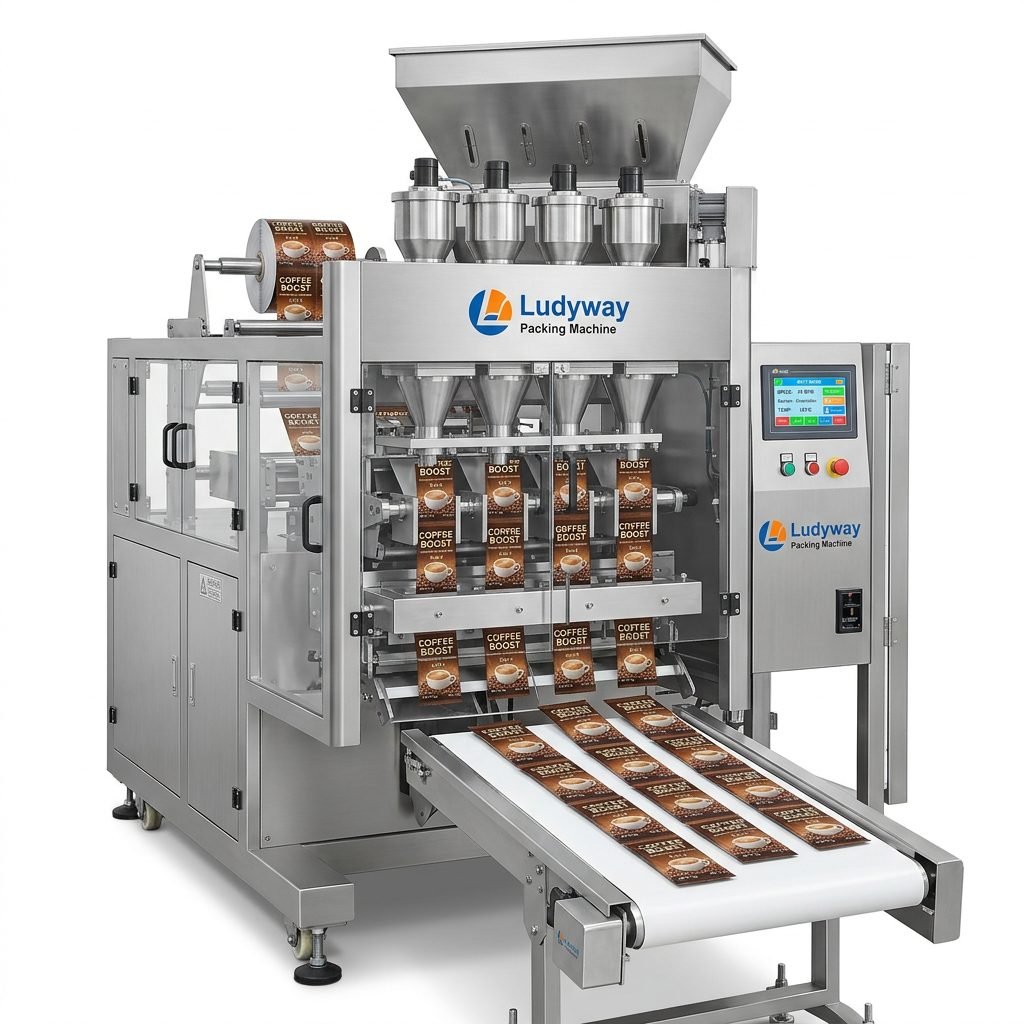
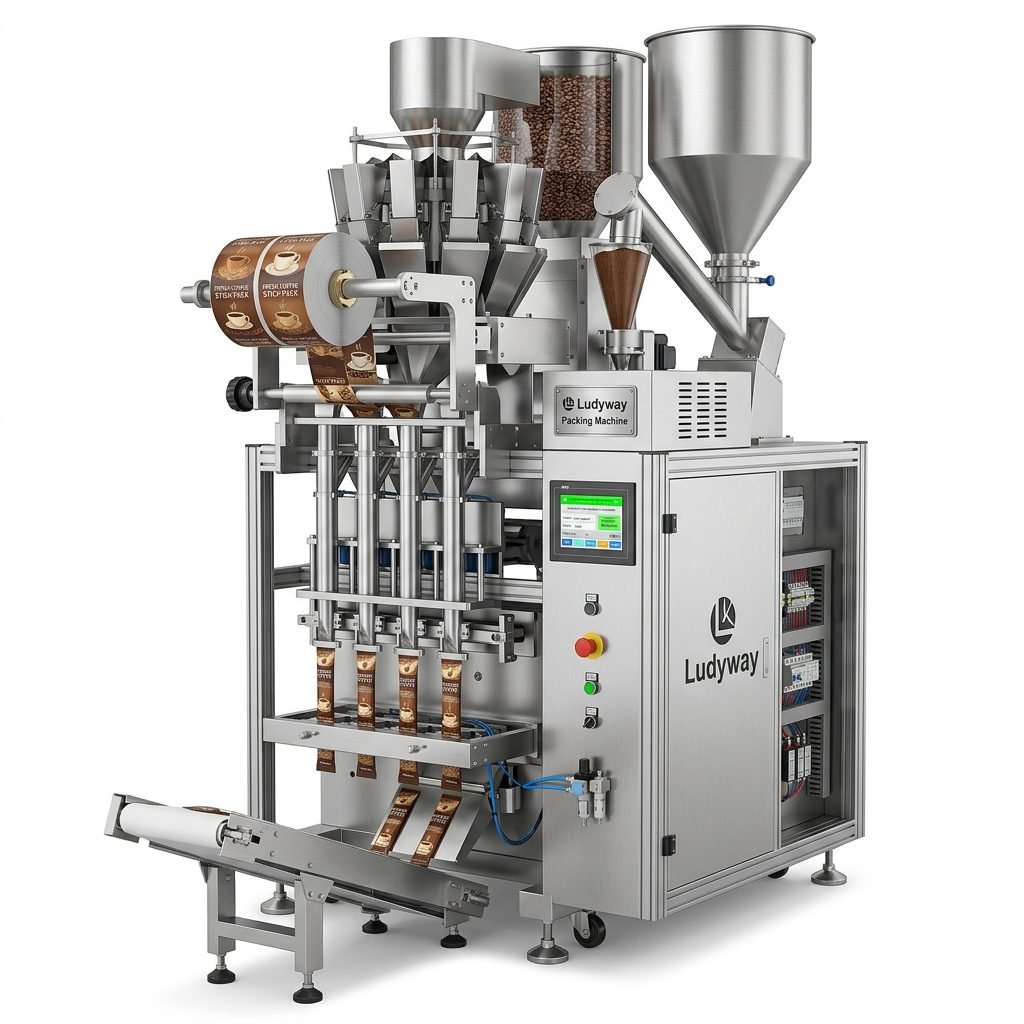
The rise of specialty coffee and portion control has boosted demand for stick pack machines. These systems can run 4 to 20 lanes simultaneously, producing hundreds of perfectly sealed sachets per minute. Accuracy is paramount, with modern systems integrating auger fillers for ground coffee or multi-head weighers for whole beans to minimize product giveaway and maximize profitability.
Key Factors to Consider Before Purchasing
Investing in a coffee bean packaging machine in Germany requires careful technical and commercial analysis. Ignoring these factors can lead to downtime, product waste, and non-compliance with EU directives.
| Selection Criteria | Importance for German Operations | Technical Notes |
|---|---|---|
| CE Certification & Compliance | Mandatory | Machines must carry CE marking. Ensure compliance with ISO packaging standards and EU Machinery Directive 2006/42/EC. |
| Gas Flushing Capability | High | Oxygen residue should ideally be below 2% to extend shelf life naturally demanded by German retailers. |
| Weighing Accuracy | Critical | Look for 10 or 14-head combination weighers with accuracy of ±0.5g for beans. |
| Material Sustainability | Increasingly Important | Machines must process recyclable mono-materials and paper-based films as per EU Packaging Waste regulations. |
Navigating Germany’s Strict Quality and Safety Standards
Germany enforces rigorous standards through bodies like the DIN (German Institute for Standardization). A packaging machine entering this market must meet high benchmarks for operator safety and hygiene. Stainless steel construction is not a luxury—it is a baseline requirement. Furthermore, integration with existing factory networks via Industry 4.0 protocols (such as OPC UA) is increasingly specified by German engineering buyers. For food contact compliance, consult the FDA packaging standards alongside EU regulations for a global best-practice approach.
Sourcing Your Machine: Local Manufacturers vs. International Partners
Germany has a storied history of packaging machine manufacturing, but the cost-to-performance ratio increasingly drives cooperative buyers toward specialized international producers who adhere to German engineering principles. While local German brands offer proximity, the capital investment can be significantly higher. Many successful German coffee packers now partner with specialized manufacturers who offer turnkey packaging line solutions with rapid global technical support and significant cost advantages.
One notable example in the global landscape is Ludyway, a technology-driven packaging equipment manufacturer with a strong engineering presence in the food and pharmaceutical sectors. Their multi-lane systems are designed for the granular and powder precision required by coffee applications, supporting clients across more than 100 countries. Their approach combines deep technical expertise with an understanding of international compliance needs, making them a relevant option for businesses looking to optimize packaging machinery investment without sacrificing performance.
Advantages of a Multi-Lane Approach for Coffee
- Exponential Throughput: Achieve production speeds of up to 600 bags per minute by running multiple lanes simultaneously.
- Reduced Film Waste: Optimized film tracking systems lower operational costs, a crucial factor for high-cost sustainable films.
- Flexible Format Changes: Quick-change parts allow switching between stick packs, sachets, and wider pouches within minutes.
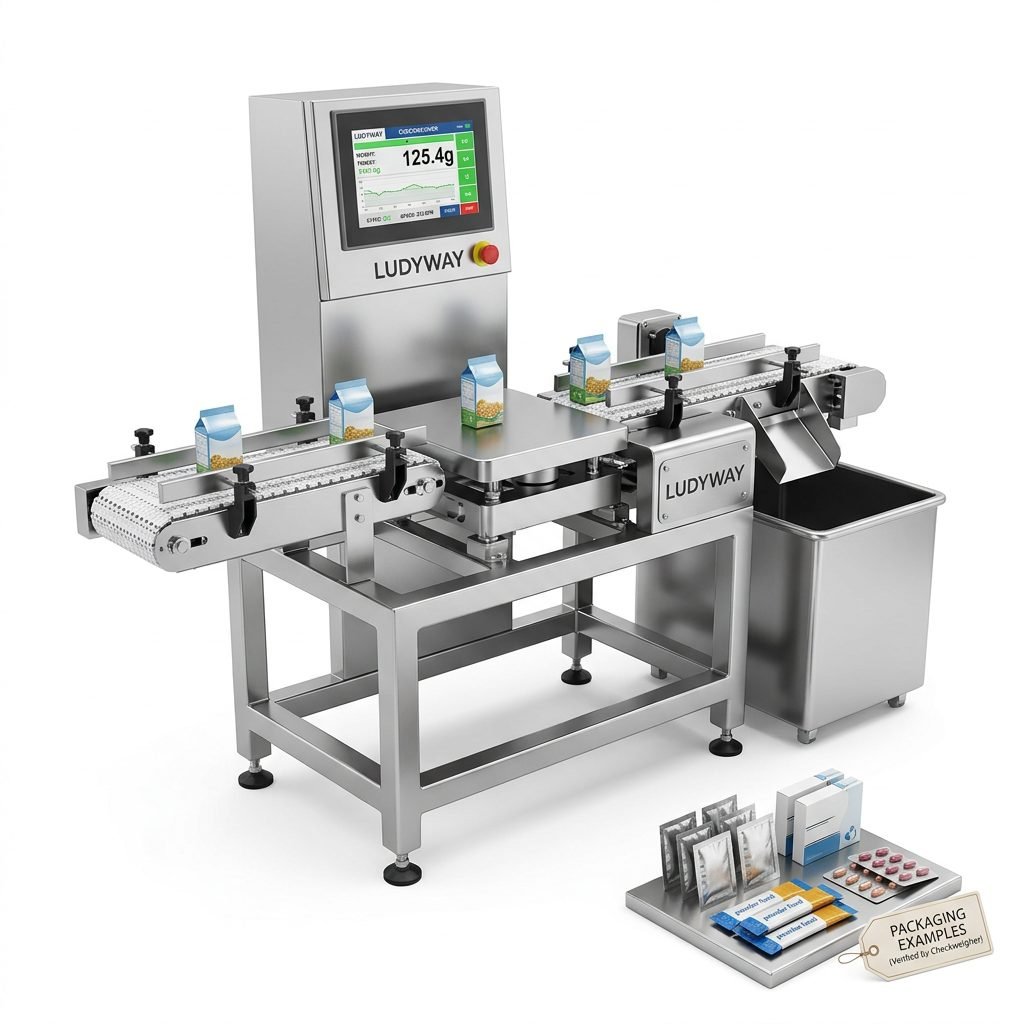
- Integrated Quality Control: Modern lines feature automatic checkweighers and seal inspection systems to reject non-conforming packs immediately.
Importing Packaging Machinery into Germany
The import process for coffee bean packaging machinery into Germany is streamlined but requires meticulous documentation. Customs clearance requires a commercial invoice, packing list, and the CE declaration of conformity. Work with logistical partners experienced in handling heavy machinery to navigate the Port of Hamburg efficiently. Crucially, ensure the supplier provides a local service engineer or remote diagnostic capability (such as AR-assisted troubleshooting) to prevent extended downtime during installation.
Explore more about global packaging equipment trends and forecasts through resources like the PMMI State of the Industry reports and insights from the Flexible Packaging Association to make an informed decision that keeps your brand competitive in the dynamic German coffee market.
Service and Support Infrastructure
Even the most robust German-engineered electronics require maintenance. When evaluating suppliers, prioritize those offering a solid warranty and a transparent spare parts inventory. The best partners in the packaging sector offer extensive technical documentation accessible via a secure portal, including full electrical schematics and PLC programming insights. Remote service connectivity is no longer optional; it is the standard for minimizing downtime.
Quick Decision Checklist
- Verify the machine’s CE certificate and review the detailed technical file.
- Test the machine with your specific bean origin and roast level to check for breakage.
- Confirm the availability of a local service partner in the DACH region for rapid response.
- Assess the machine’s compatibility with your preferred sustainable packaging film.
- Calculate the total cost of ownership, including energy consumption and wear parts.
Future-Proofing Your Packaging Line
Sustainability is the dominant megatrend in German retail. The packaging machinery you select today must handle the recyclable mono-materials of tomorrow. Look for systems with precise temperature control and adjustable sealing time to seal heat-sensitive bio-films without wrinkling. Germany’s strong green movement, supported by legislation like the Packaging Act (VerpackG), is pushing the industry toward complete circularity. Investing in a versatile flexible packaging machine now ensures compliance and competitiveness well into the next decade.