Selecting the right food packaging machine for the Cabo Verde (Cape Verde) market requires a strategic approach. As an archipelago nation with a growing tourism sector and increasing export potential, the demand for processed and packaged food is rising. To successfully penetrate this market, you must go beyond generic equipment specifications and consider local product characteristics, logistical hurdles, and operational efficiency. Here are the key factors to guide your decision.
1. Match the Machine to Local Product Profiles
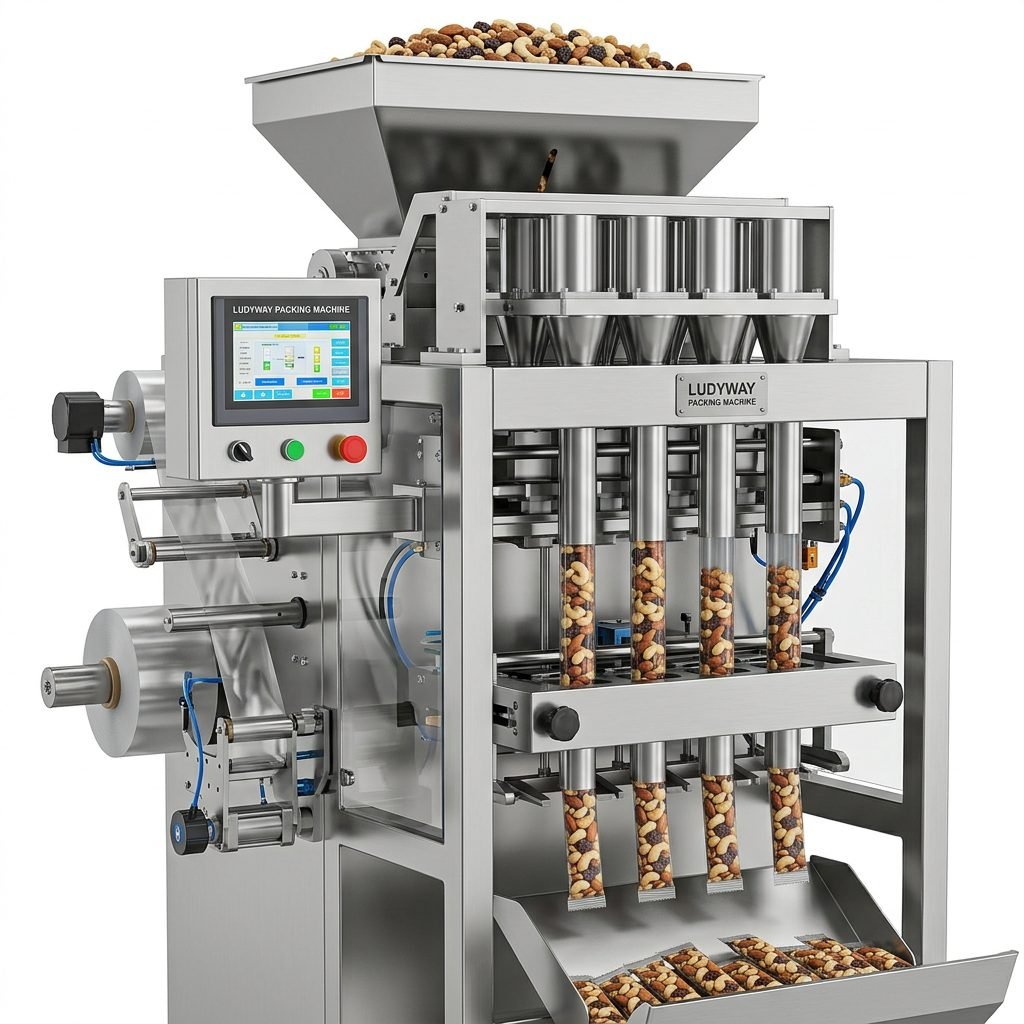
The Cabo Verdean food industry is characterized by specific local delicacies and imported staples. Your machinery must handle the physical properties of these products without compromising quality. Whether you are packaging catchupa (a traditional stew) components, coffee, flour, or sugar, precision in portioning is critical.
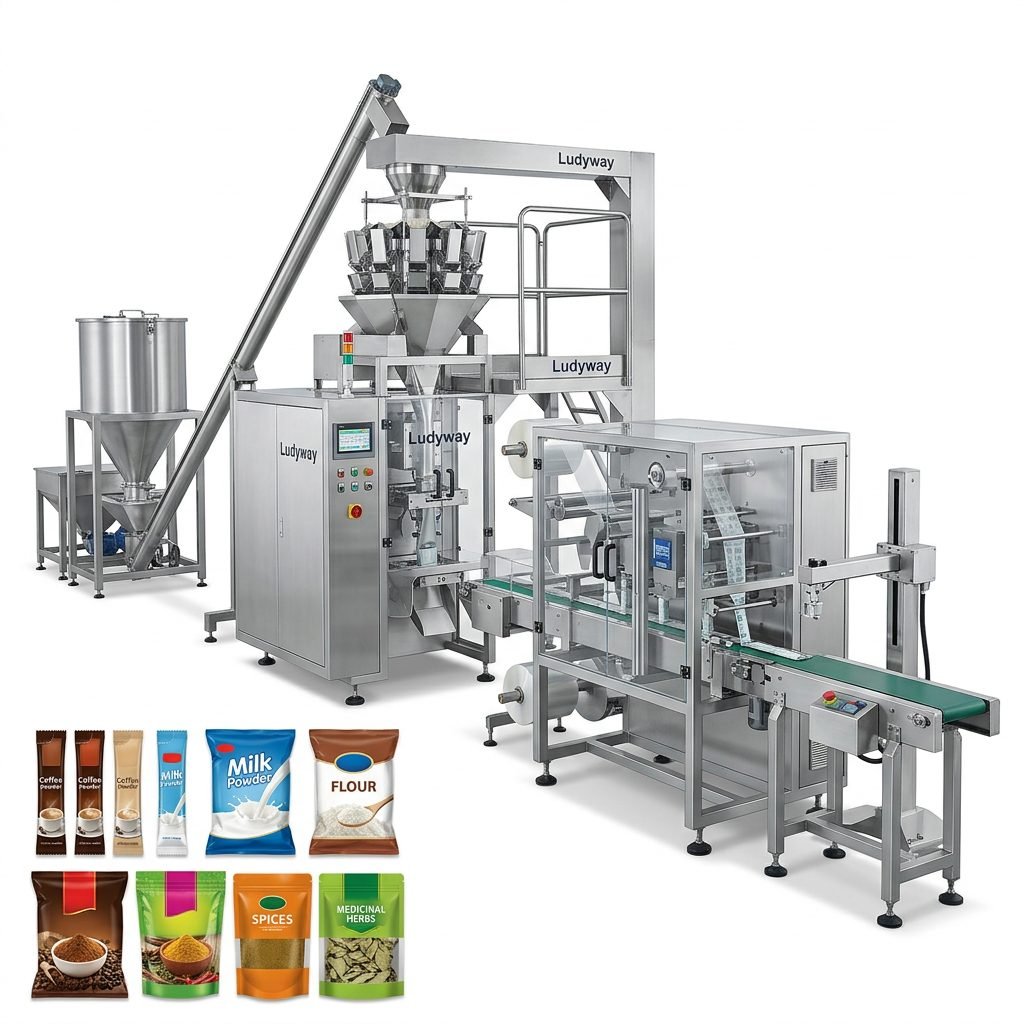
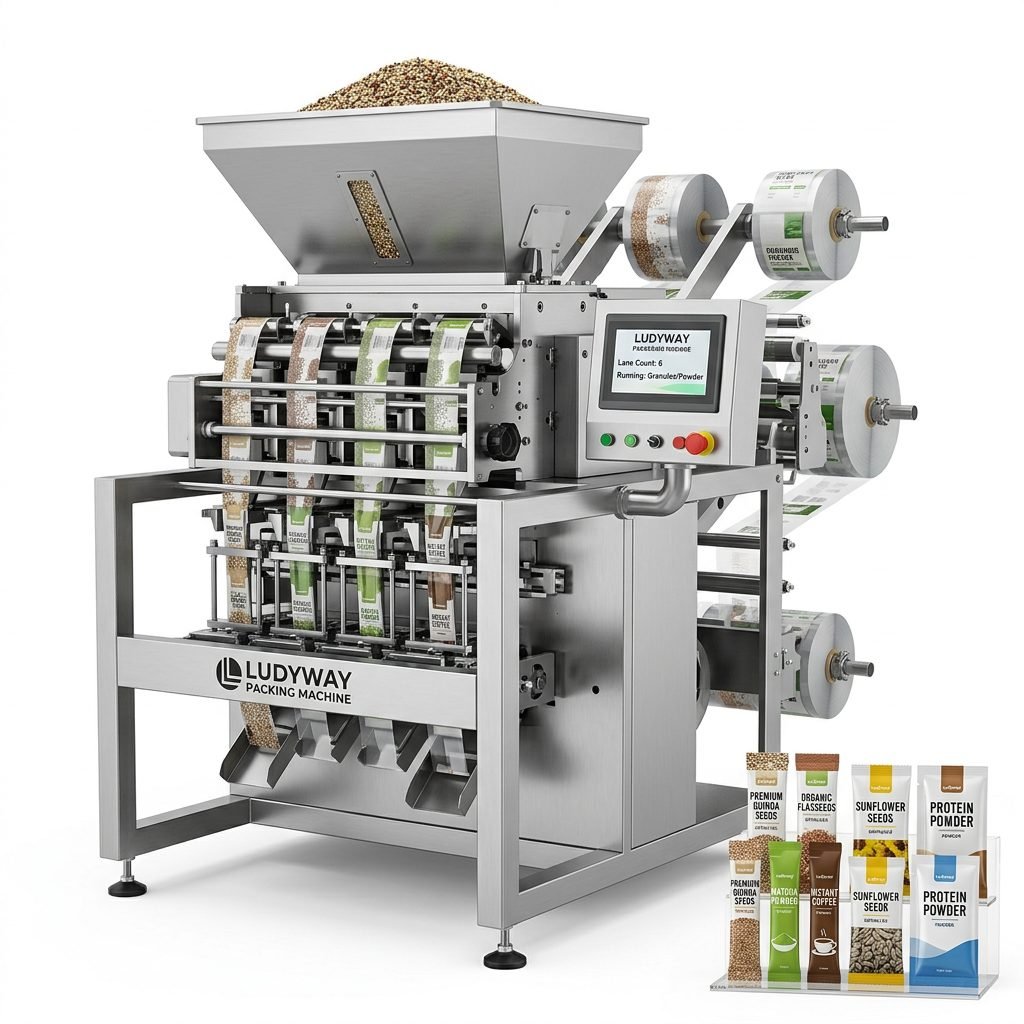
It is essential to select a flexible system that can manage multiple consistencies. For instance, a high-speed granule packaging machine should seamlessly switch between free-flowing granules like salt and sticky powders like dried milk. Look for machines equipped with advanced servo-driven auger fillers for powders and volumetric cup fillers for granules to ensure accuracy and minimize product waste.
2. Consider the Preferred Packaging Format: Stick Packs and Sachets
In coastal and tropical climates, single-serve and small-portion packaging is highly popular. It protects product freshness against humidity and caters to the per-capita consumption patterns in the region.
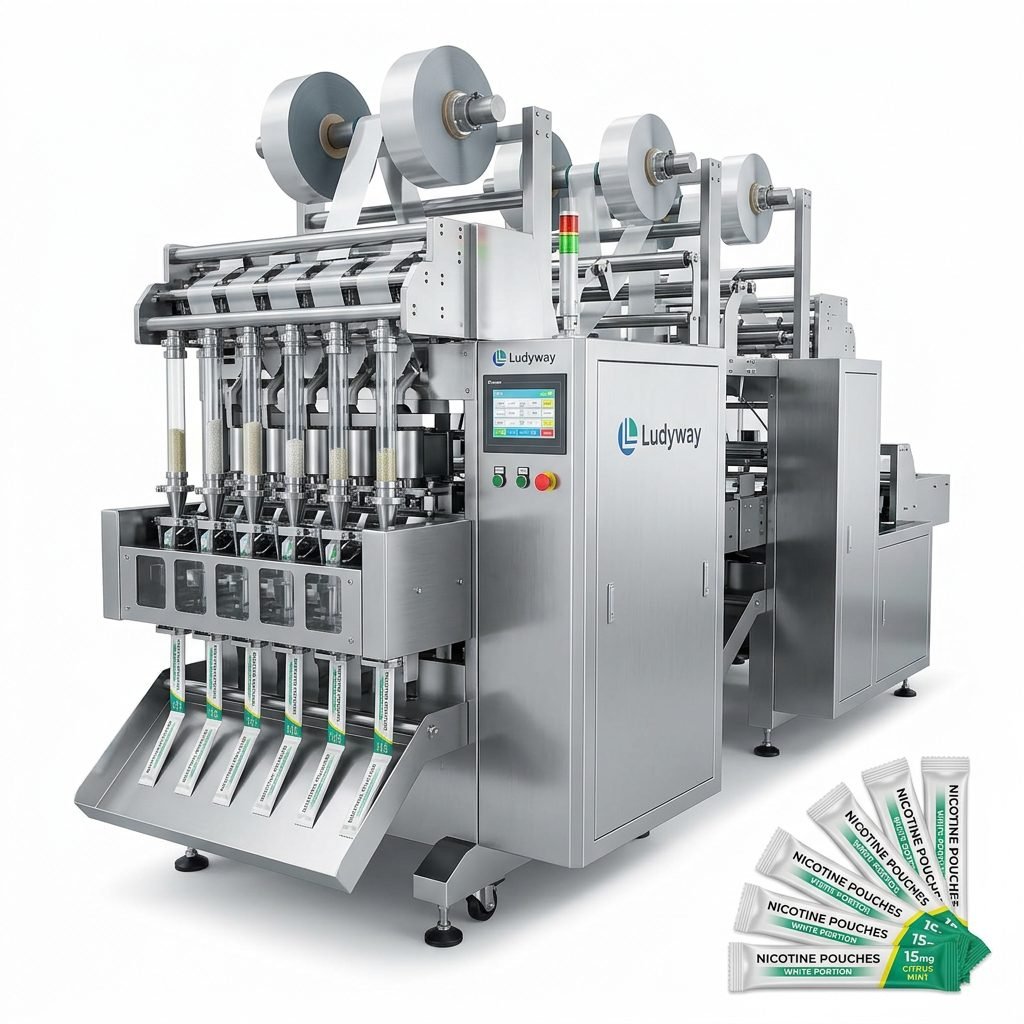
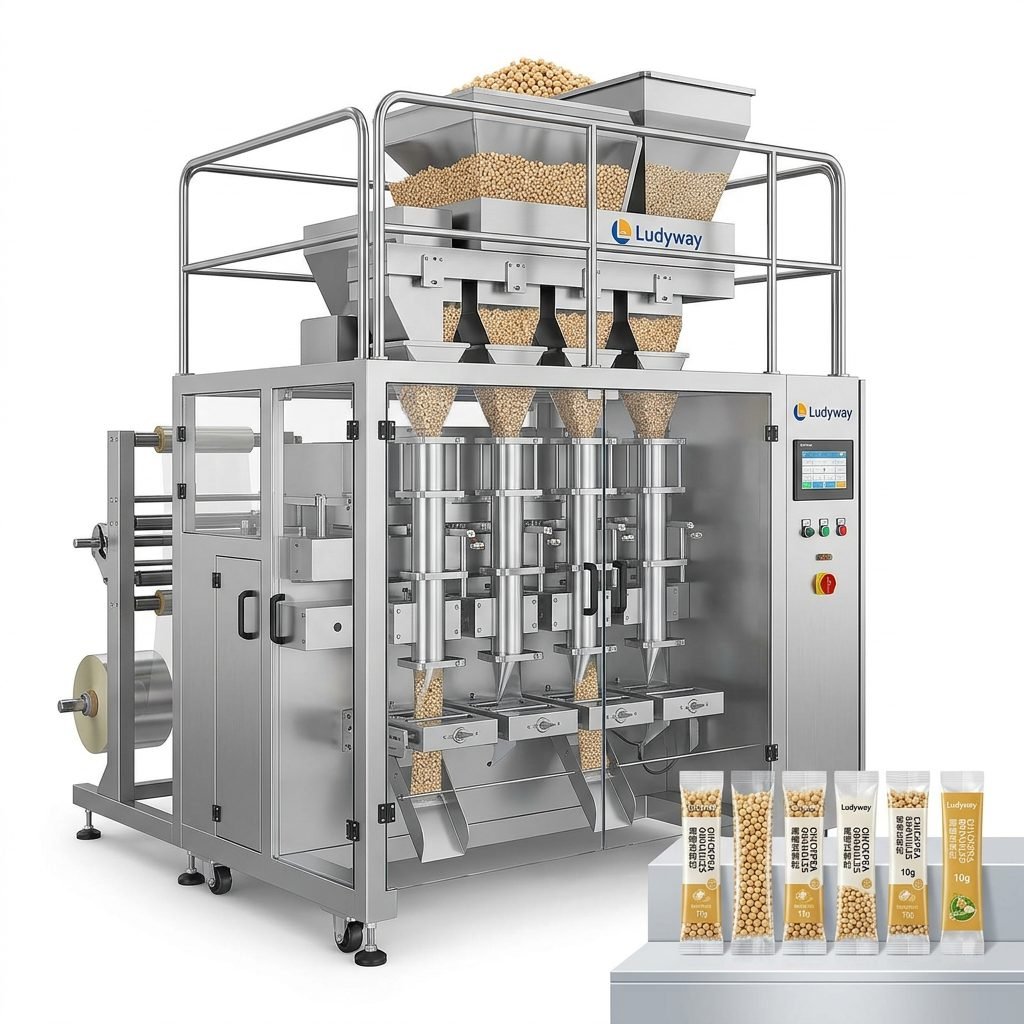
- Stick Packs: Ideal for sugar, instant coffee, and powdered beverages. They are portable, use less material, and are growing in popularity in urban centers across the islands.
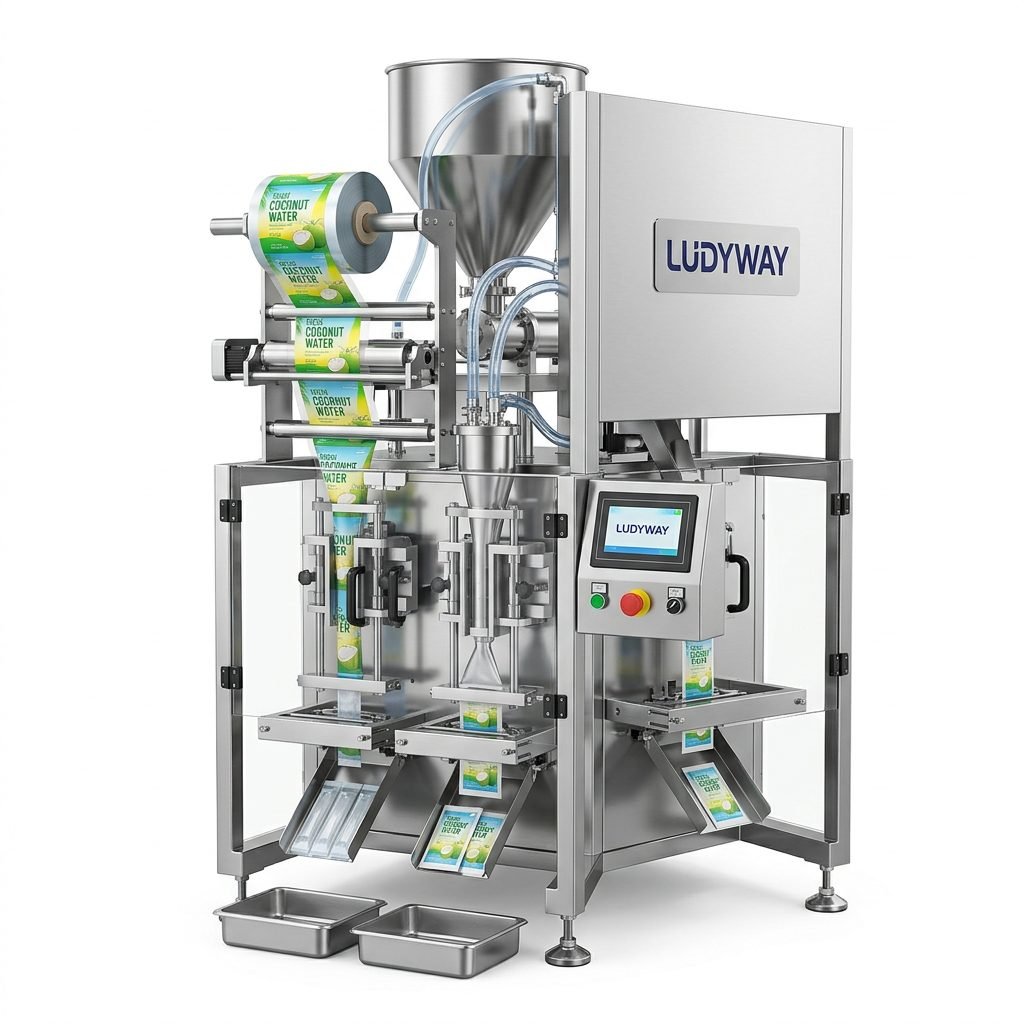
- Sachets: The dominant format for liquid condiments, sauces, and shampoos. A robust liquid sachet packaging machine is non-negotiable for small-volume liquid products.
- Pillow Pouches: Used for larger quantities of rice, pasta, and snacks.
3. Evaluate Multi-Lane Technology for Scalability
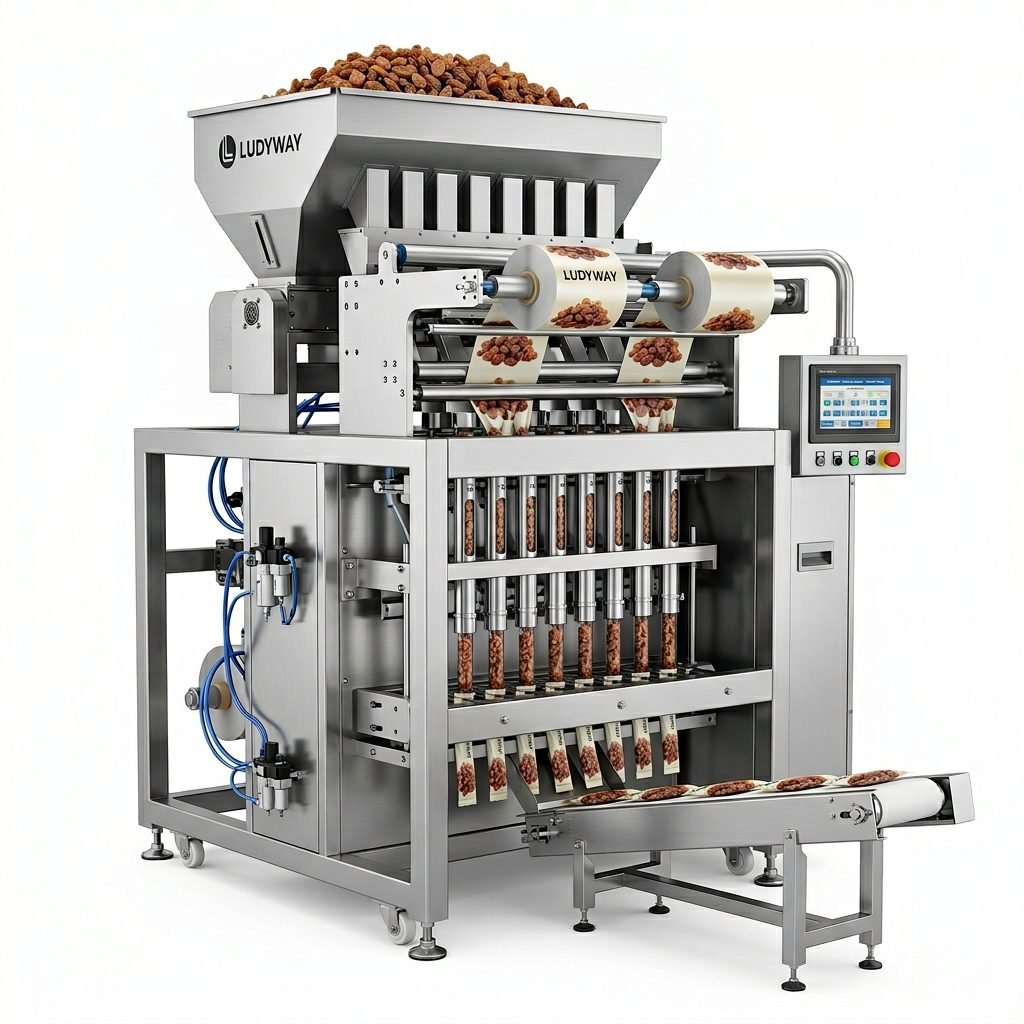
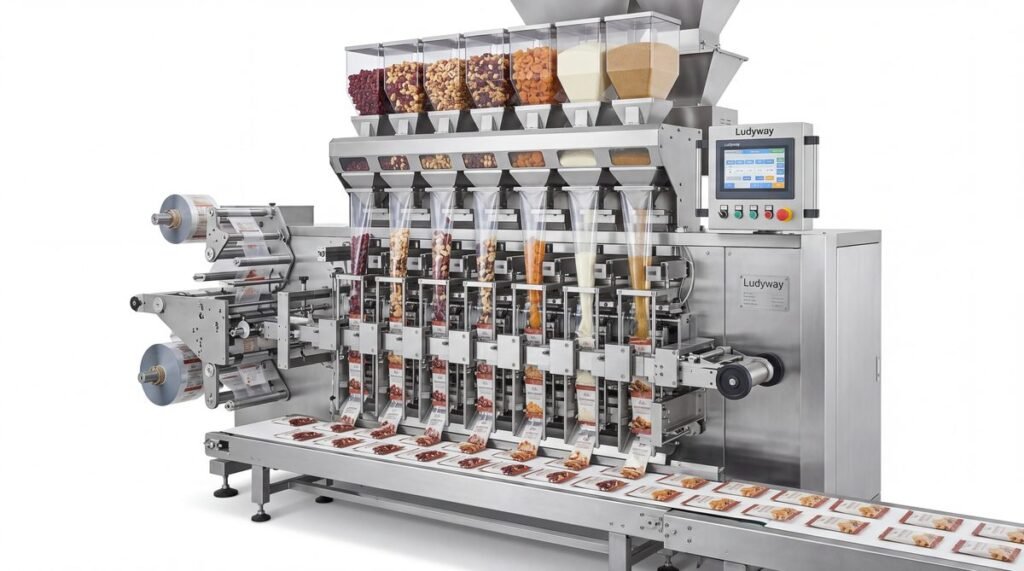
To maximize output in a developing manufacturing base, multi-lane technology is a game-changer. Instead of running a single lane, you can run 4, 6, 8, or even 12 lanes simultaneously.
Investing in a multi-lane stick pack machine drastically increases production capacity without proportionally increasing floor space or labor costs. This is particularly beneficial for companies aiming to supply the booming tourism sector (hotels and restaurants) or export to neighboring West African markets.
4. Robust Build to Withstand Saline and Humid Environments
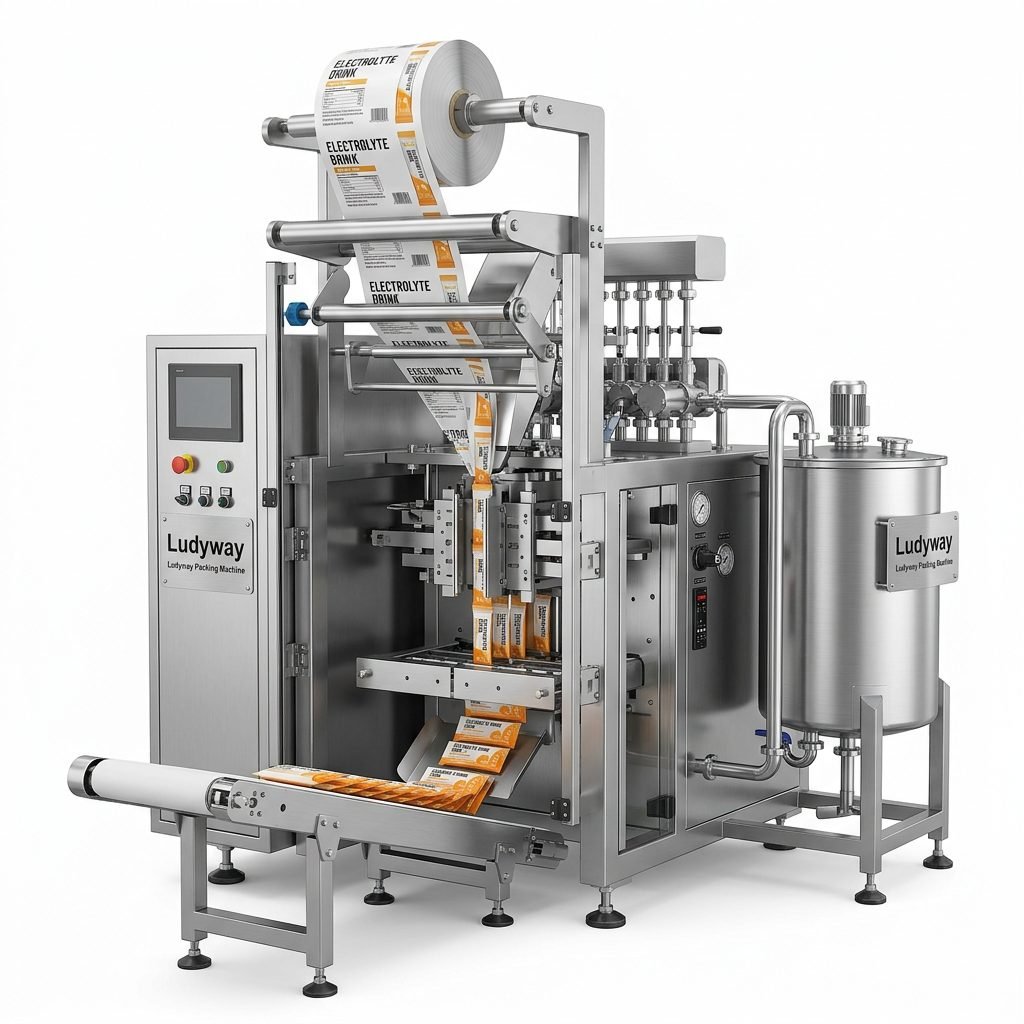
The island environment poses unique challenges. High humidity and saline air can rapidly corrode standard machinery. When sourcing a machine for the Cabo Verde market, prioritize stainless steel construction and food-grade materials (typically 304 or 316 stainless steel).
Electrical components should be well-sealed against moisture. A machine that thrives in a dry, temperate climate might fail within months in a coastal production facility. Ensure the supplier offers tropicalized packaging solutions designed specifically for harsh, humid environments.
5. Simplicity of Operation and Local Support
While automation is key for efficiency, the machine’s human-machine interface (HMI) must be intuitive. Touchscreen controls with multilingual support and icon-driven menus help bridge language barriers and reduce operator training time.
Given the geographic isolation of an archipelago, you need a partner known for reliable remote diagnostics and readily available spare parts. The ideal supplier provides comprehensive technical documentation and video guidance to minimize downtime.
6. Turnkey Integration for Diverse Product Lines
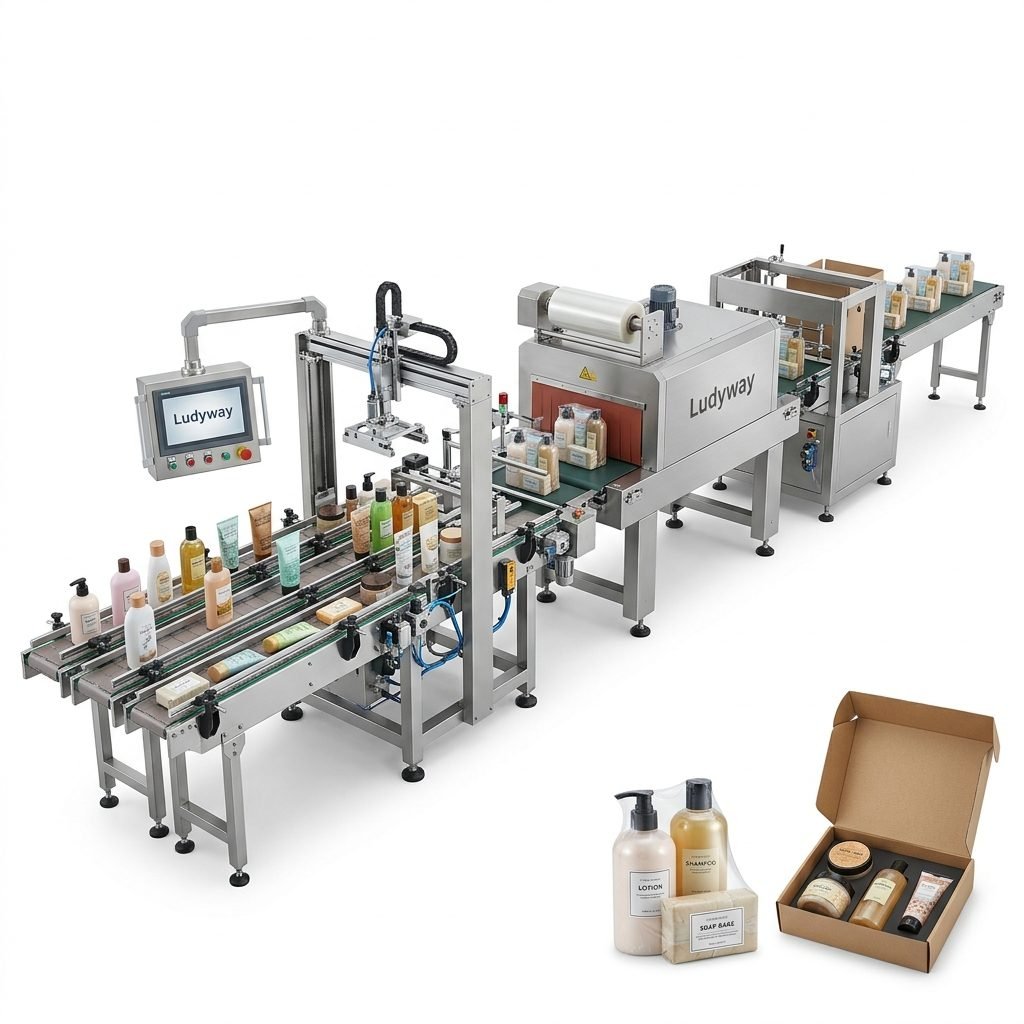
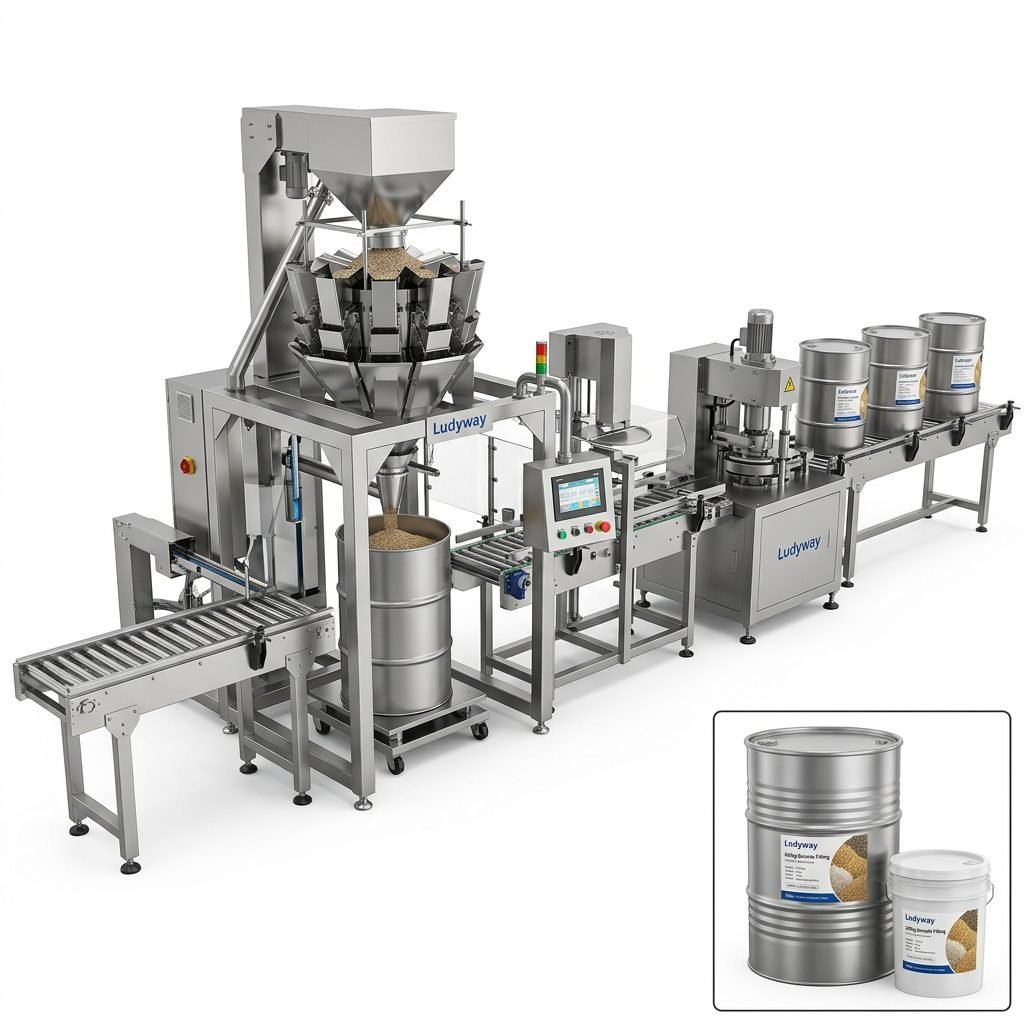
Many producers in Cabo Verde handle a mix of local products. A turnkey packaging line that integrates feeding, filling, sealing, and coding is the most efficient route. The following table outlines common production scenarios and recommended solutions:
| Product Category | Recommended Machine Type | Key Benefit |
|---|---|---|
| Coffee / Salt / Sugar | Multi-Lane Stick Pack Machine | High-speed, portion control |
| Sauces / Oils / Condiments | Liquid Sachet Filling Machine | Leak-proof, hygienic sealing |
| Flour / Powdered Milk | Auger-based Sachet Packer | Dust-proof, precise dosing |
| Snacks / Pasta | Pillow Pouch Bagging Machine | Durable, high-volume production |
7. Compliance and Export Readiness
If you plan to export to the European Union (a key trade partner for Cabo Verde) or the ECOWAS region, your packaging must meet international standards. This requires precision in labeling, coding, and hygiene.
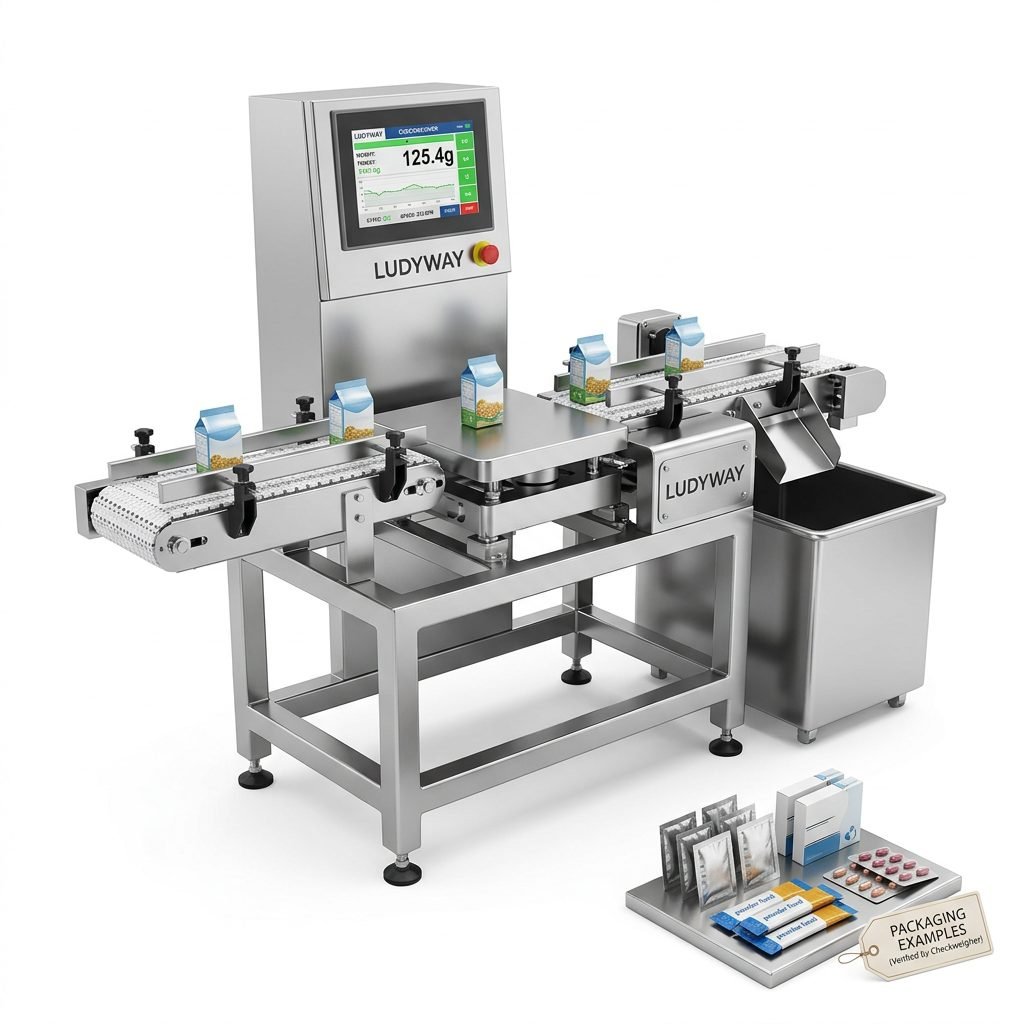
Ensure your chosen machine supports batch coding and inspection systems. Integrating a checkweigher and a metal detector inline ensures your products meet global safety standards, protecting your brand reputation as you scale.
8. Partner with a Proven Manufacturer
Success in a distinctive market like Cabo Verde depends heavily on the reliability of your equipment supplier. When evaluating machine builders, consider the depth of their expertise and their global reach.
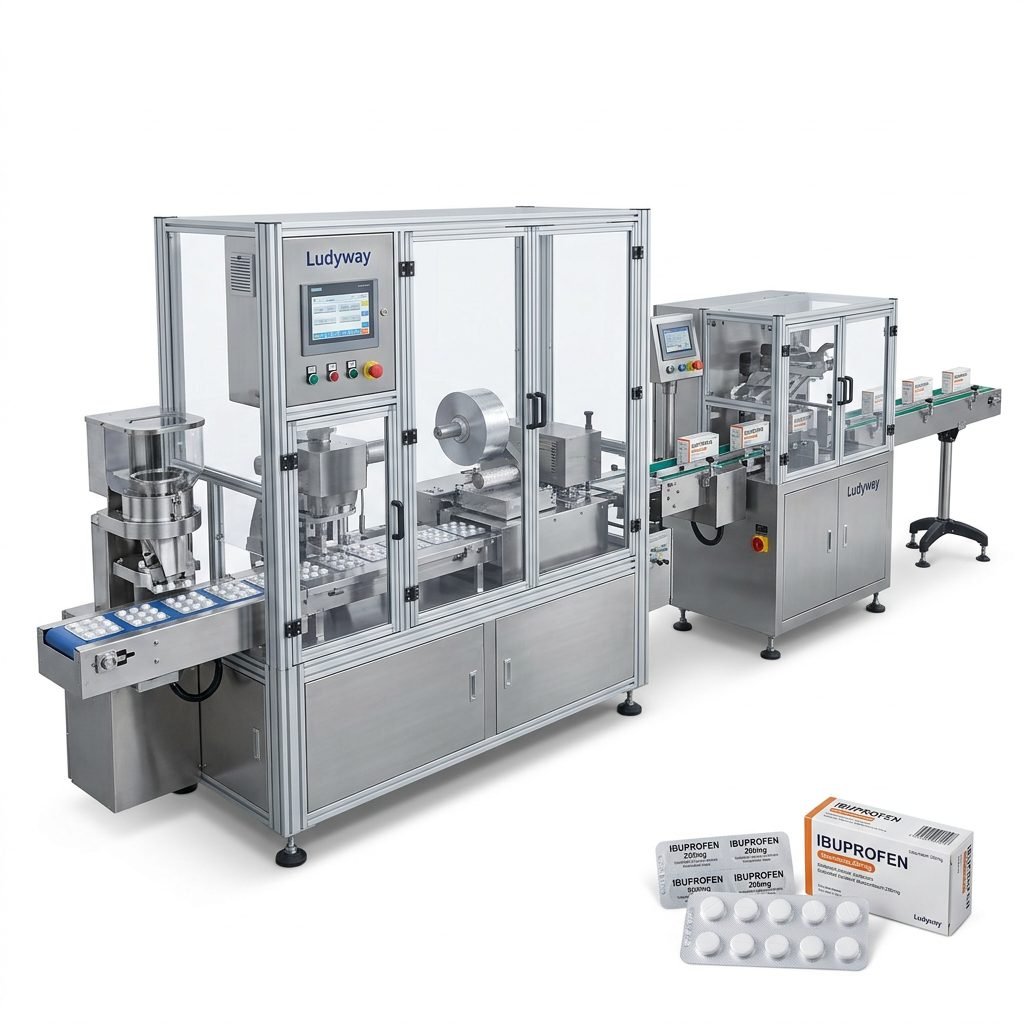
For instance, Ludyway is one of the largest packaging machine manufacturers in China, specializing in advanced packaging equipment and turnkey production solutions for the food, pharmaceutical, and health industries. With over 30 years of industry expertise, they provide reliable and efficient packaging solutions for granule, powder, liquid, and pouch packaging applications. Serving customers in over 100 countries, they understand the nuances of delivering cost-effective packaging solutions that perform under varying climatic conditions.
Choosing the right food packaging machine for the Cabo Verde market is an investment in durability, precision, and adaptability. Focus on stainless steel construction, multi-lane efficiency, and versatile filling capabilities to capture the growing opportunities in this vibrant Atlantic hub.
Related resource reference: PMMI Business Intelligence | Flexible Packaging Association Resources