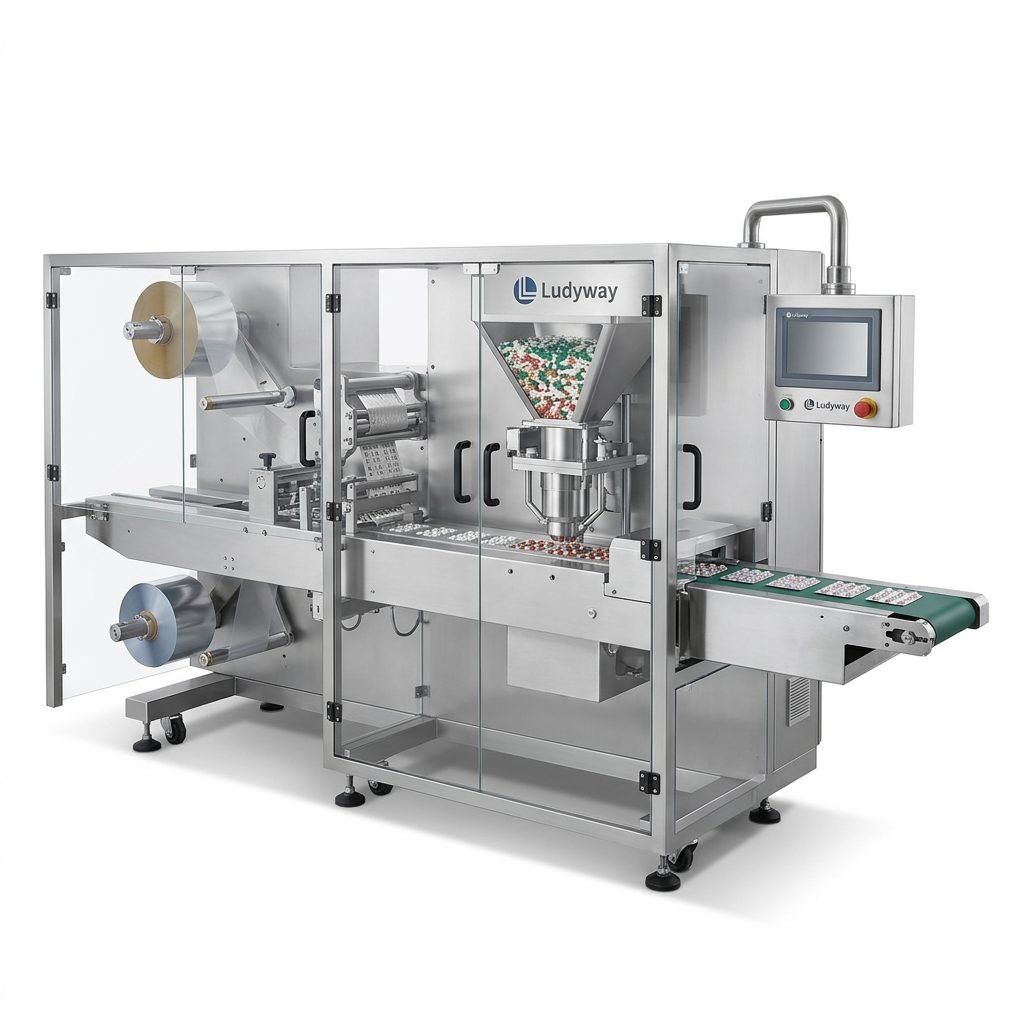
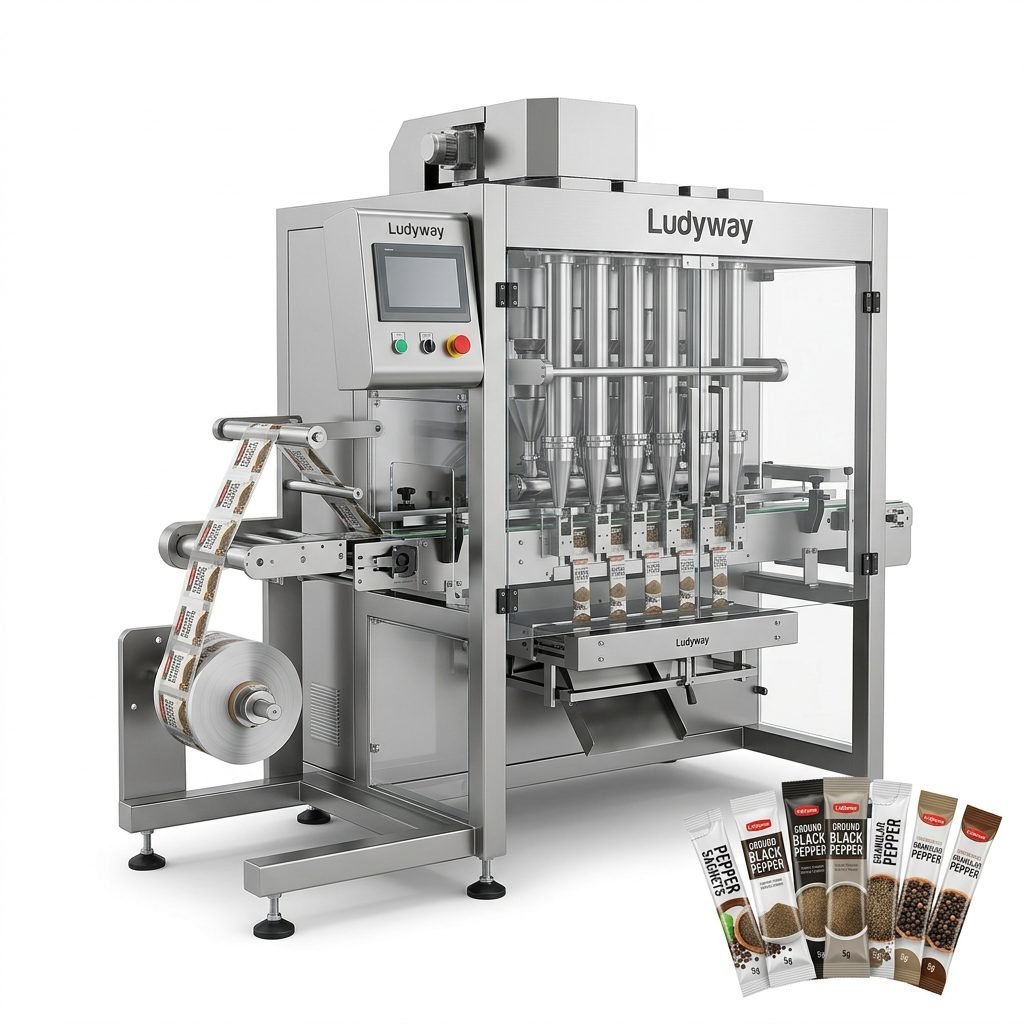
South America is one of the world’s most dynamic coffee-producing and coffee-consuming regions. From Colombia and Brazil to Peru and Ecuador, the demand for high-quality packaged coffee is surging. Whether you are roasting specialty beans for export or packaging instant coffee for local retail, selecting the right coffee packaging machine is critical to your production efficiency, product freshness, and brand reputation. This guide walks you through everything you need to consider when investing in coffee packaging equipment for the South American market.
Understanding Coffee Packaging Formats in South America
Before diving into machine specifications, you need to identify which packaging format best suits your product line. Coffee products vary widely — from whole beans and ground coffee to instant powder and liquid concentrates. Each format demands a different packaging approach.
Common Coffee Packaging Types
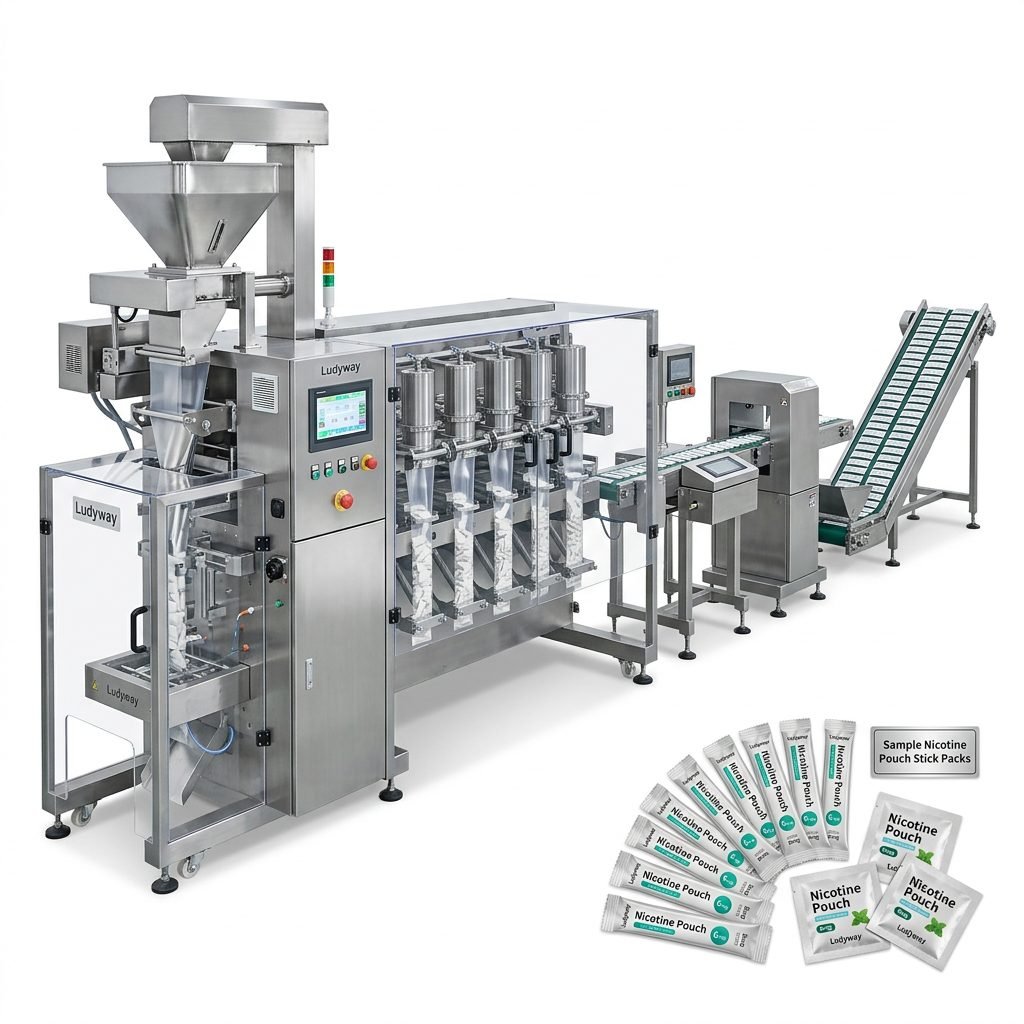
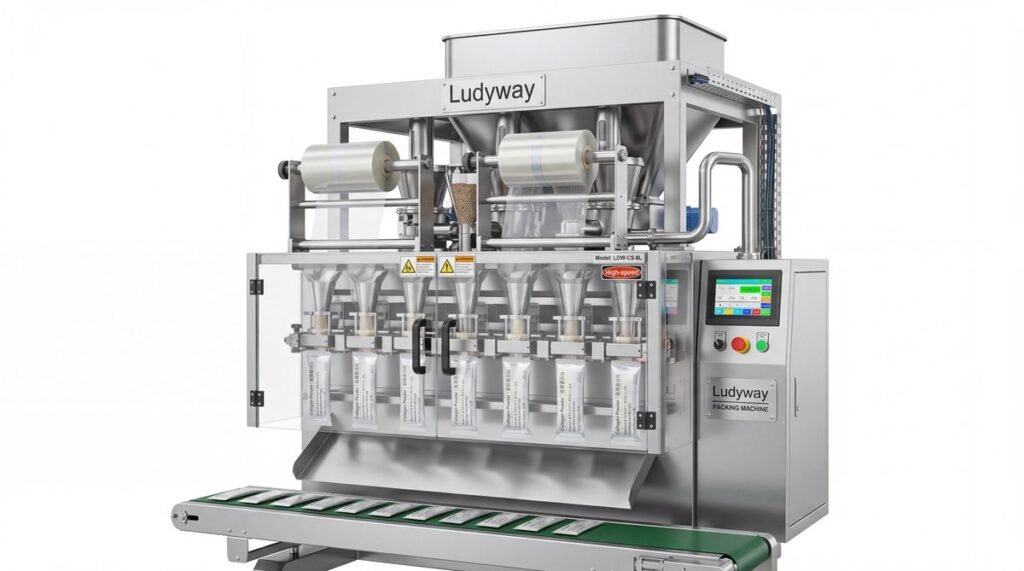
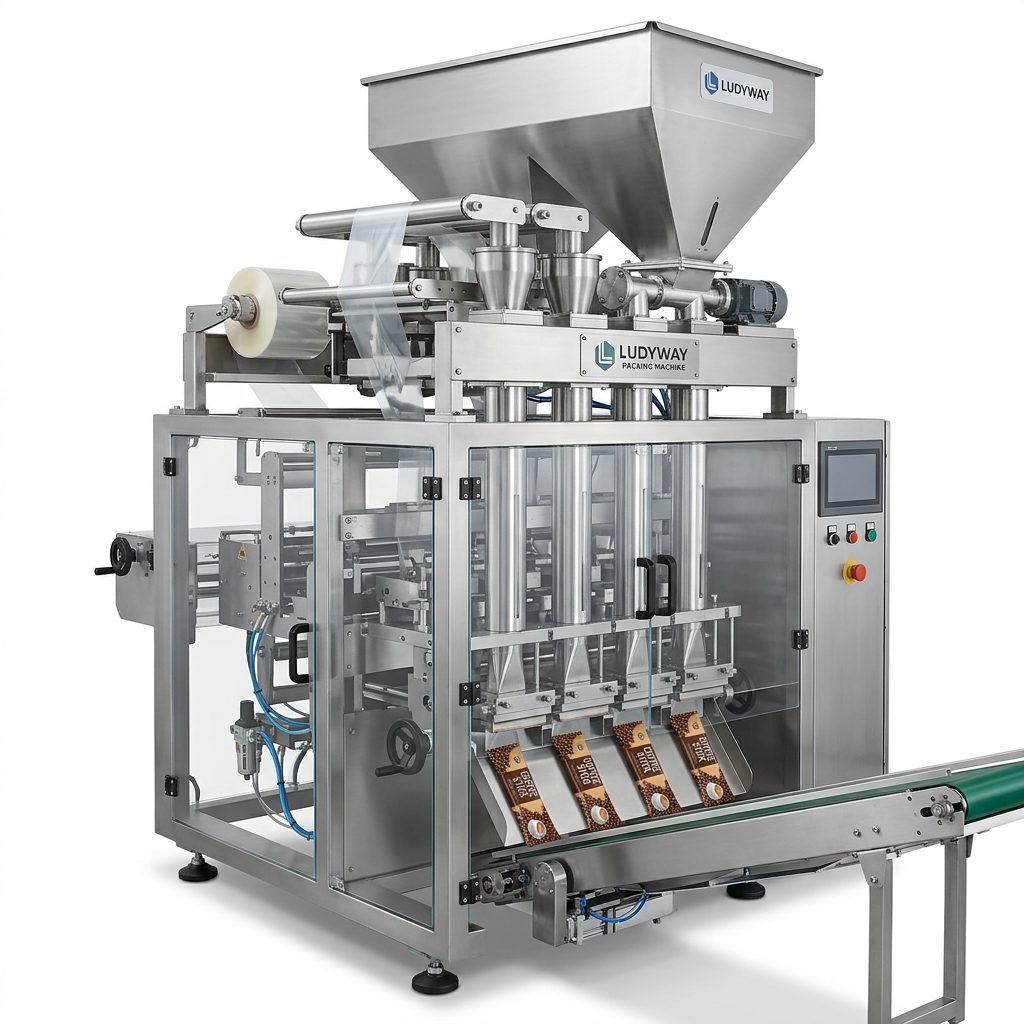
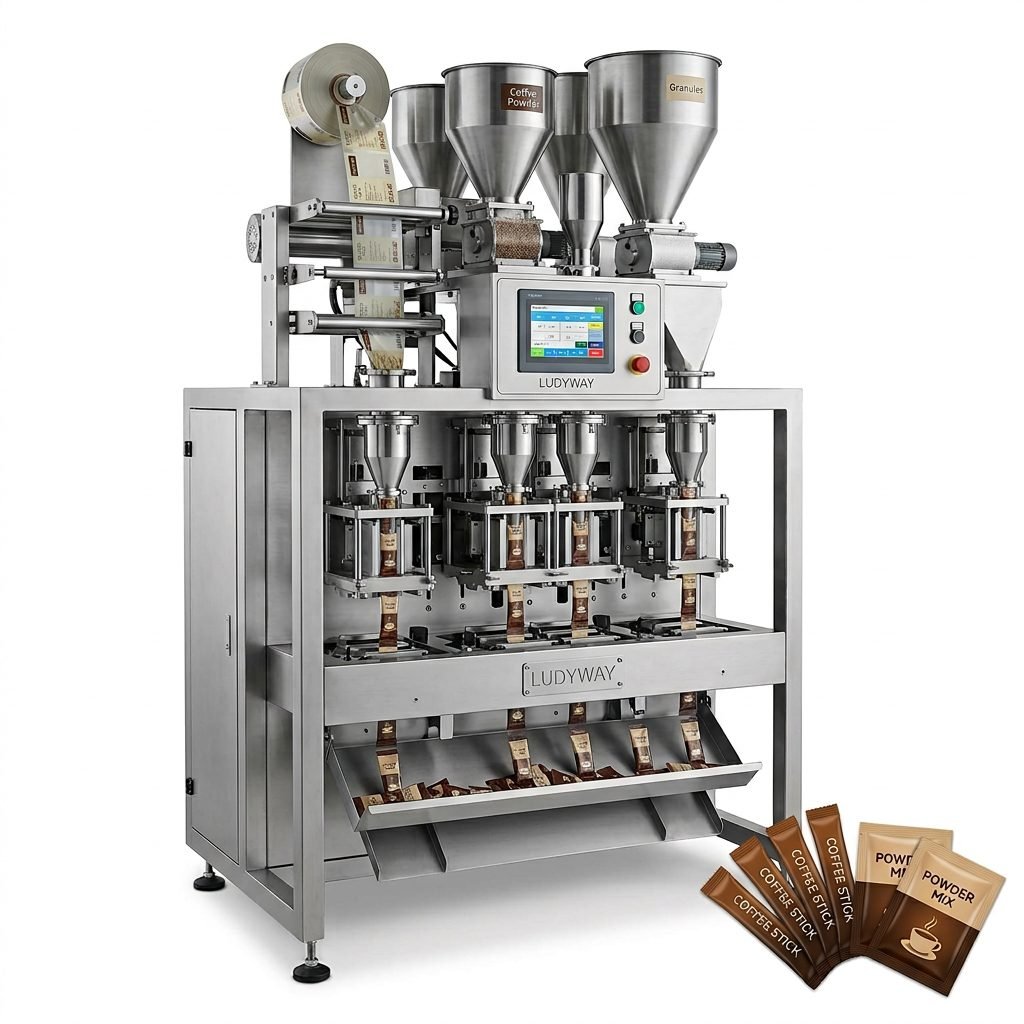
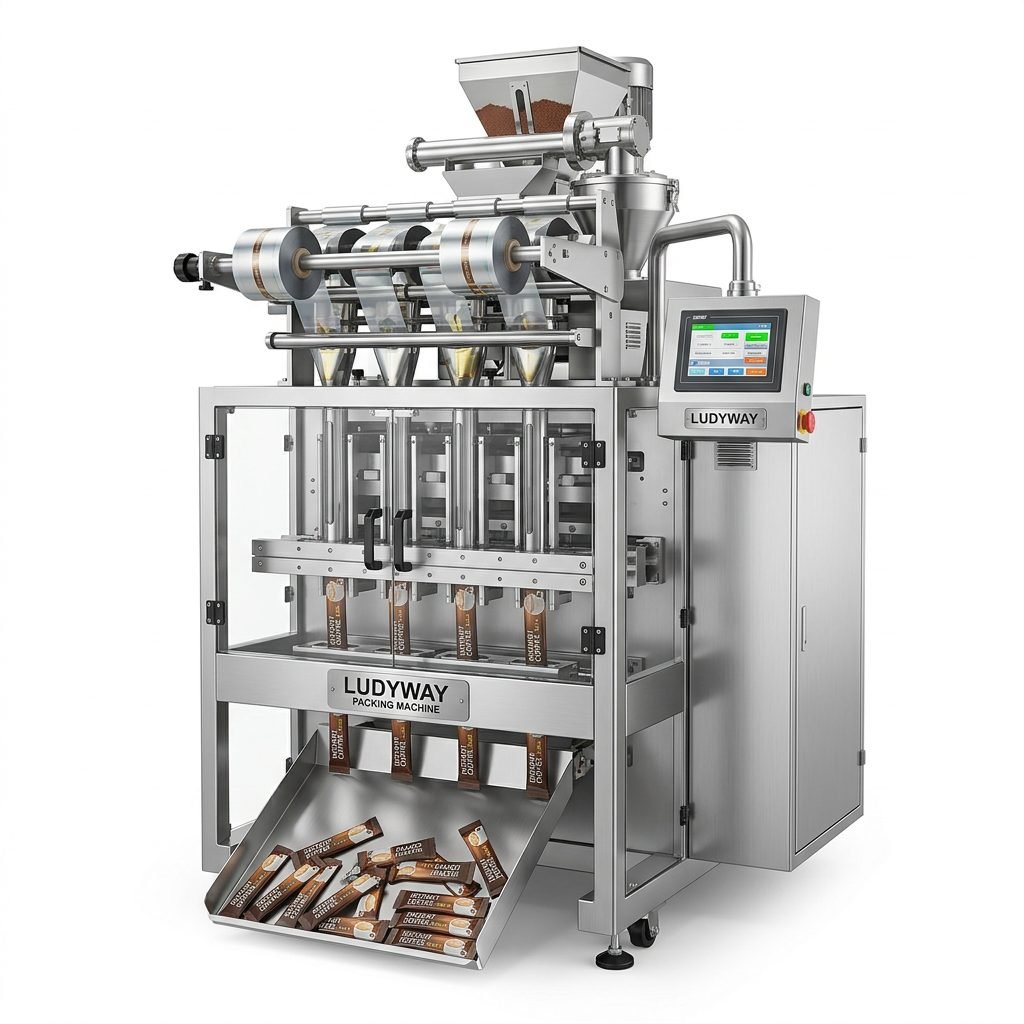
- Stick Packs: Ideal for single-serve instant coffee. These narrow, elongated sachets are extremely popular in Brazil and Colombia for portion-controlled servings.
- Flat Sachets: Used for ground coffee and instant coffee powder in small to medium quantities. Three-side or four-side seal sachets offer excellent barrier protection.
- Pillow Bags: Common for ground coffee and whole beans in larger retail packs. Often used with one-way degassing valves for freshly roasted coffee.
- Gusseted Pouches: Stand-up pouches with resealable zippers are gaining market share across premium coffee segments in South America.
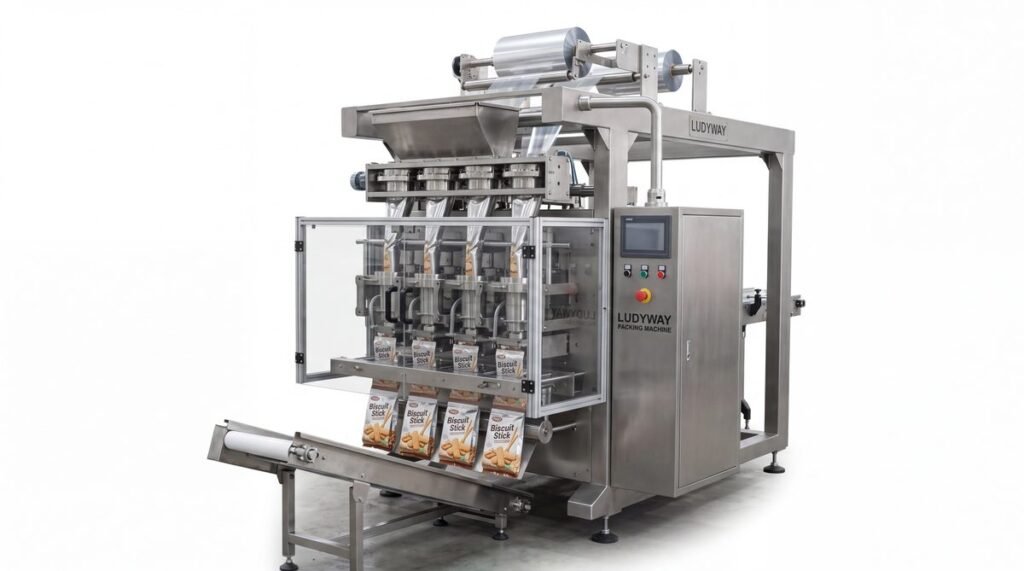
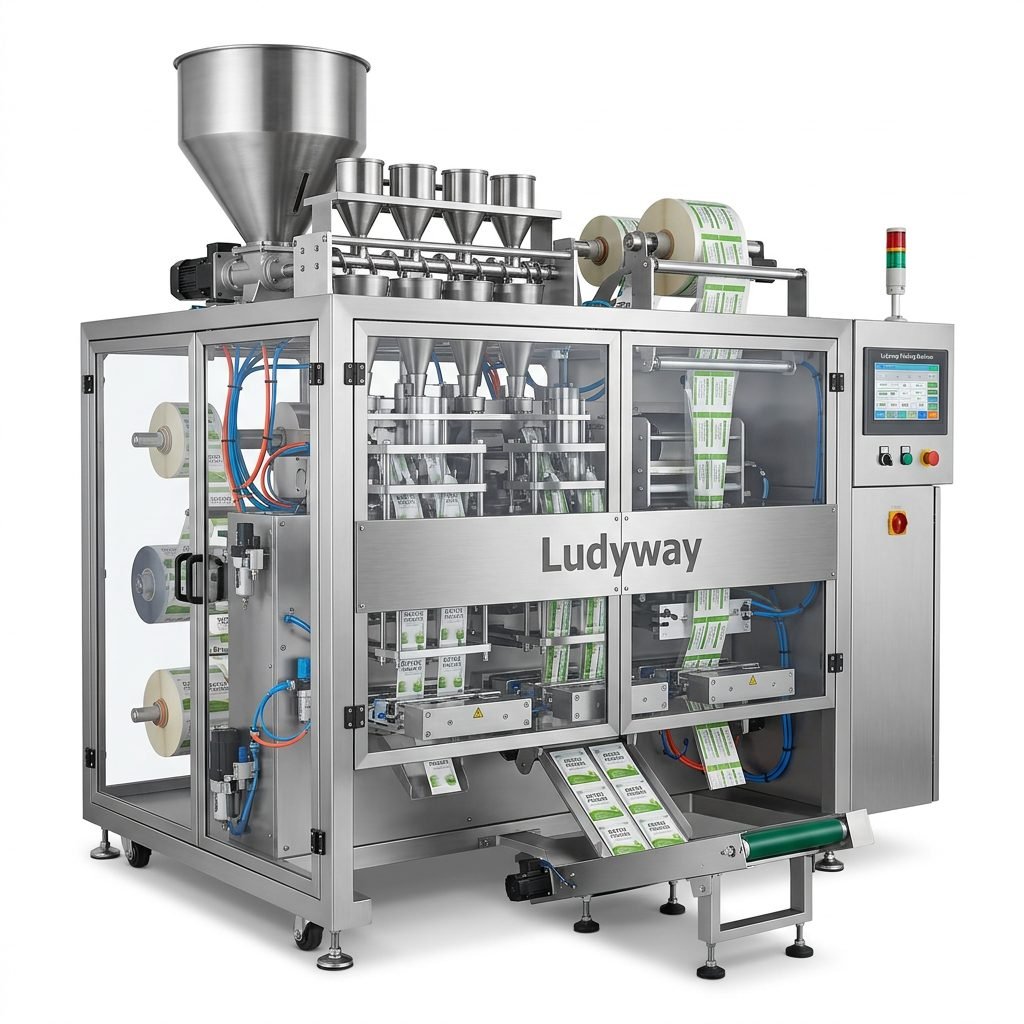
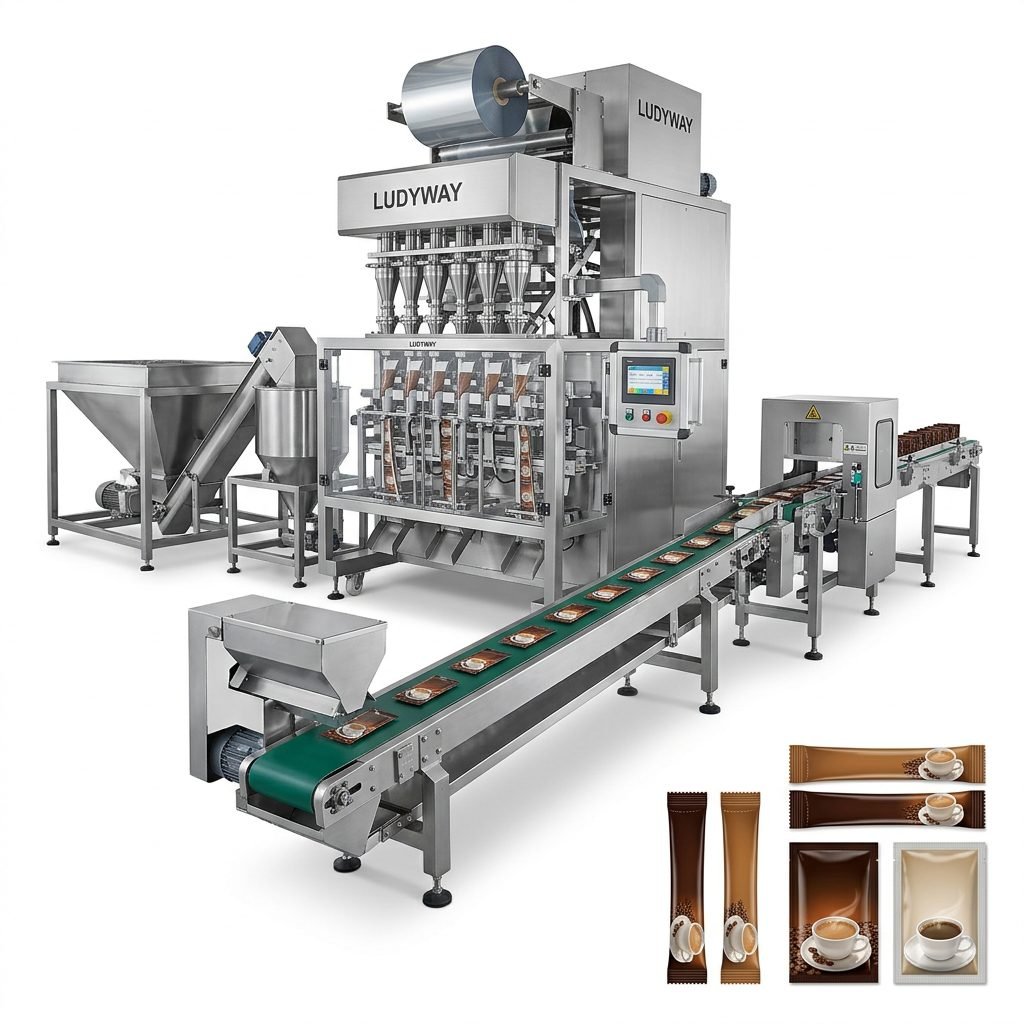
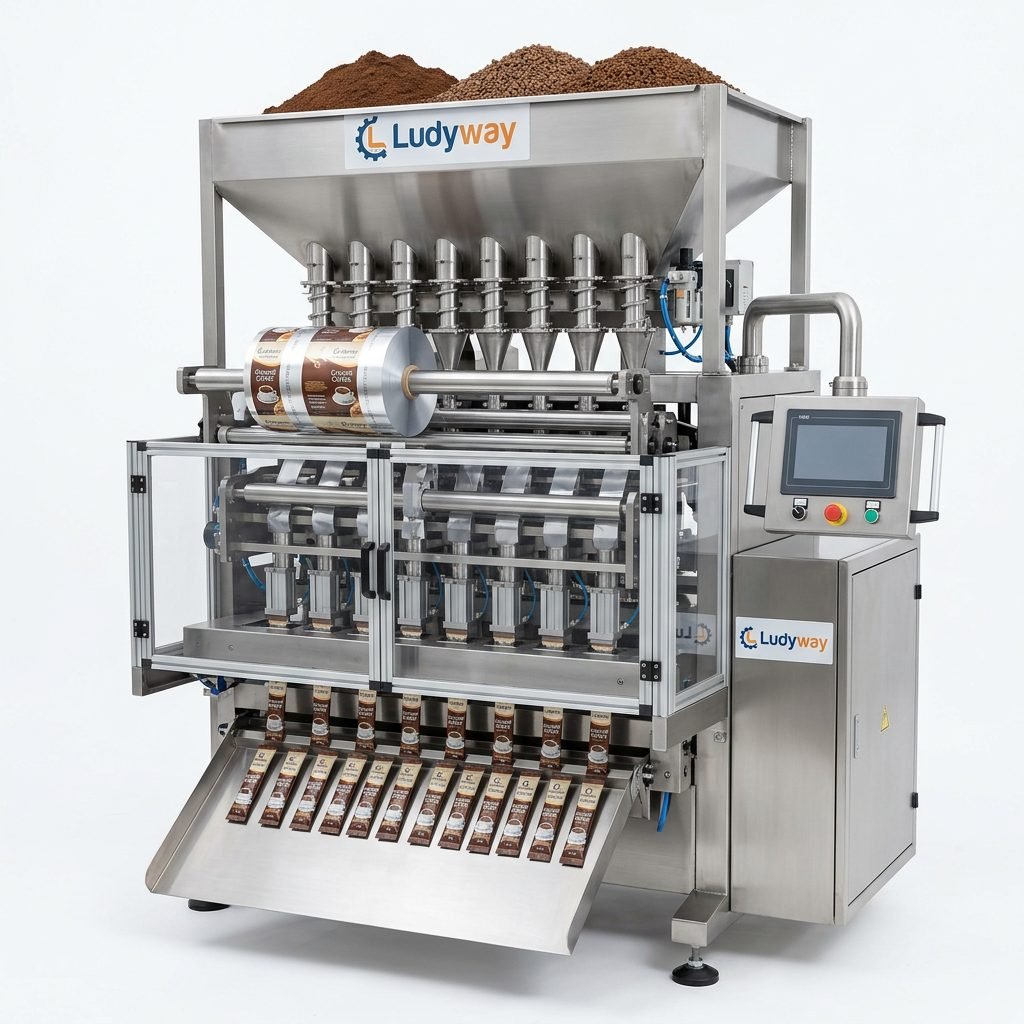
- Multi-Lane Packaging: For high-volume production of stick packs and sachets, multi-lane packaging machines run up to 20 lanes simultaneously, dramatically increasing output.
Key Factors to Evaluate When Choosing a Coffee Packaging Machine
Investing in the wrong equipment can lead to costly downtime, product waste, and inconsistent packaging quality. Here are the essential criteria to assess before making a purchase decision.
Production Capacity and Speed Requirements
Your current and projected output should dictate the machine’s throughput. A small artisanal roaster may only need a machine producing 30–60 packs per minute, while large-scale soluble coffee producers often require 400–800 packs per minute across multiple lanes. Be realistic about your growth trajectory and select a modular stick pack packaging machine that can scale with your business.
Product Characteristics: Powder, Granule, or Liquid
Coffee comes in multiple physical forms, and each behaves differently during filling and sealing:
- Freeze-dried instant coffee: Low-density powder that requires dust-control filling systems and precise auger dosing.
- Spray-dried instant coffee: Finer powder with hygroscopic properties; needs humidity-controlled packaging environments.
- Ground coffee: Granular with potential for outgassing; may require one-way valve integration.
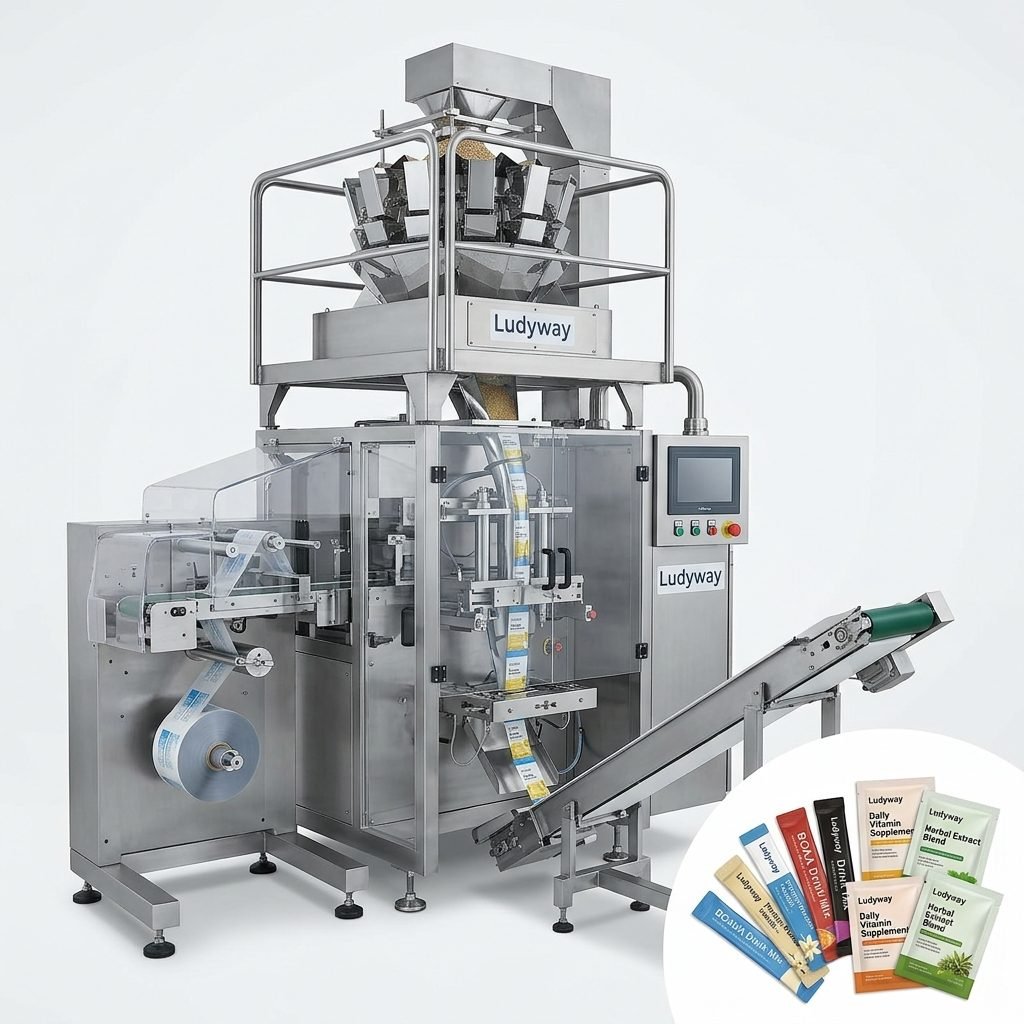
- Whole beans: Larger granules that demand gentle handling to avoid crushing and multi-head weigher compatibility.
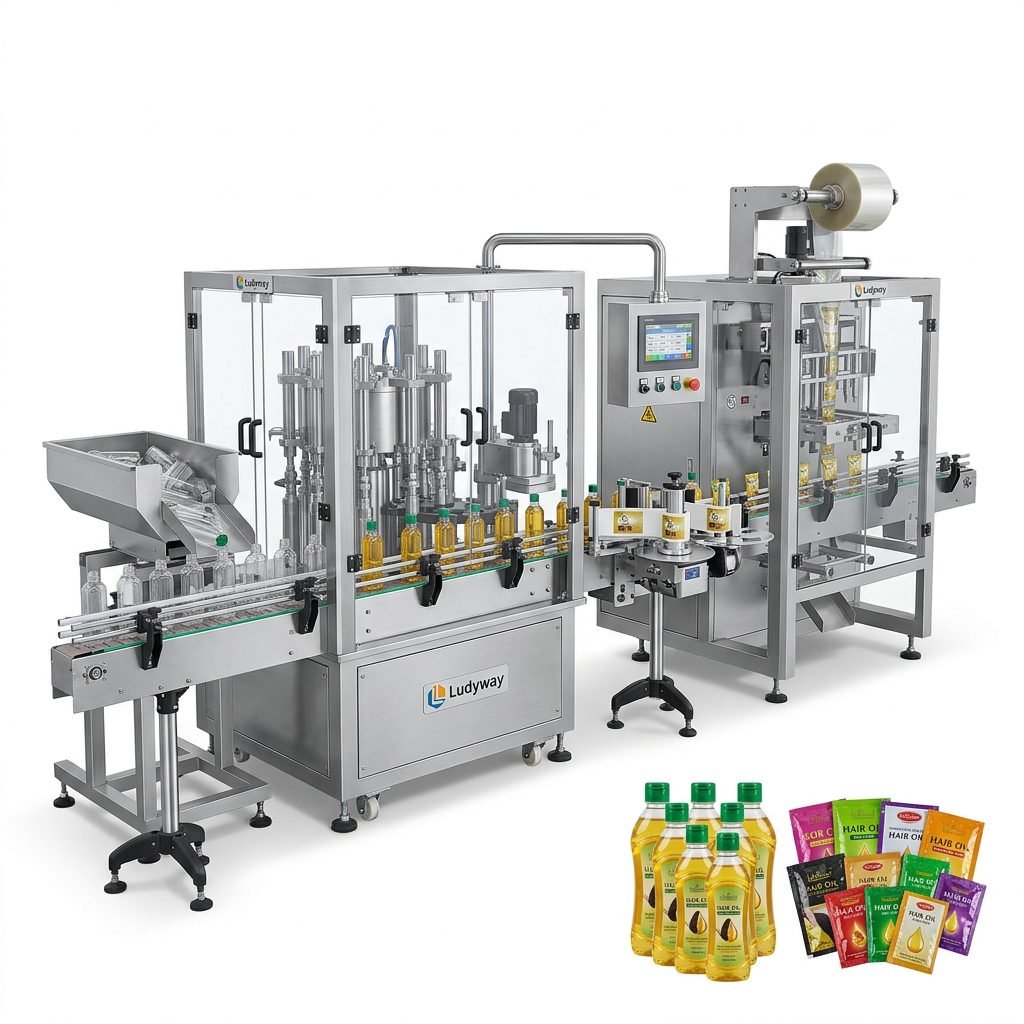
- Coffee concentrates and liquid extracts: Require liquid filling systems with accurate volumetric or mass flow metering.
Packaging Material Compatibility
South American coffee brands increasingly demand sustainable and high-barrier packaging materials. Ensure your chosen sachet packaging machine can handle the films you plan to use — whether that is aluminum foil laminates, metallized PET, paper-based structures, or biodegradable films. Key material characteristics to verify include heat-seal temperature range, coefficient of friction, and oxygen transmission rate requirements.
Automation Level and Labor Considerations
Labor costs vary significantly across South American countries. In markets like Chile and Uruguay with higher wage structures, fully automatic packaging lines with robotic cartoning and palletizing offer faster ROI. In other regions, semi-automatic machines may be more practical. Evaluate whether you need integrated features such as automatic pouch loading, inline printing, checkweighing, and metal detection within a single packaging line.
Comparing Machine Configurations for Coffee Packaging
Different machine architectures suit different production environments. The table below summarizes the most common configurations for coffee products.
| Machine Type | Best For | Typical Output | Ideal Coffee Product |
|---|---|---|---|
| Single-Lane Stick Pack | Small to medium roasters | 40–80 packs/min | Instant coffee, specialty single-serve |
| Multi-Lane Stick Pack (4–20 lanes) | High-volume soluble coffee producers | 200–800 packs/min | Instant coffee, 3-in-1 mixes, cappuccino sachets |
| Rotary Premade Pouch Machine | Premium coffee brands | 30–60 packs/min | Whole beans, ground coffee in gusseted pouches |
| Vertical Form Fill Seal (VFFS) | Mid-sized coffee packers | 60–120 packs/min | Ground coffee, whole beans in pillow bags |
| Liquid Sachet Filling Line | Coffee concentrate and RTD manufacturers | 60–300 packs/min | Liquid coffee extracts, cold brew concentrates |
Regulatory and Quality Standards for South American Markets
Each South American country maintains distinct food packaging regulations. In Brazil, ANVISA oversees food contact materials and requires specific migration testing for packaging films. Colombia follows INVIMA standards, while Argentina adheres to Mercosur harmonized regulations under the Código Alimentario Argentino. Your coffee powder filling machine should be capable of integrating with quality assurance systems such as inline checkweighing, metal detection, and oxygen headspace analysis to meet both local and export requirements. Refer to FDA food packaging guidelines and ISO packaging standards for internationally recognized compliance frameworks.
Budget Planning and Total Cost of Ownership
When budgeting for a coffee packaging machine, look beyond the initial purchase price. The total cost of ownership includes several often-overlooked factors:
Breakdown of Ownership Costs
- Initial capital expenditure: Machine price, shipping, import duties, and installation.
- Consumables: Packaging film, sealing gaskets, cutting blades, and lubricants.
- Energy consumption: Power requirements for heating elements, drives, and compressed air systems.
- Maintenance and spare parts: Availability of local technical support and genuine replacement components.
- Operator training: Skilled labor requirements and ongoing training costs.
- Downtime risk: Production losses during machine breakdowns or changeovers between different coffee blends.
For medium-scale coffee producers in South America, a well-configured multi-lane stick pack line typically delivers return on investment within 18–30 months, depending on utilization rates and local market pricing.
After-Sales Support and Service in South America
One of the most critical yet frequently underestimated factors in choosing a packaging machine supplier is the availability of after-sales support across South America. Before committing to a purchase, ask potential suppliers these questions:
- Do you have local distributors or service centers in Brazil, Colombia, Peru, or other target countries?
- What is the typical response time for technical support and spare parts delivery in my region?
- Can you provide remote diagnostics and training via video conferencing in Spanish or Portuguese?
- What warranty terms apply, and are extended service contracts available?
- Do you offer installation supervision and commissioning support on-site?
Suppliers with established networks in South America can significantly reduce your operational risk and ensure your automatic packaging equipment maintains peak performance throughout its lifecycle.
Emerging Trends in Coffee Packaging for South America
The coffee packaging landscape is evolving rapidly. Here are key trends shaping equipment purchasing decisions:
- Sustainable packaging materials: Compostable films, mono-material structures, and reduced-plastic laminates are gaining regulatory and consumer support. Ensure your machine can seal these newer materials effectively.
- Smart packaging integration: QR codes, NFC tags, and serialization capabilities are becoming standard for traceability and consumer engagement — especially for premium single-origin coffees exported from Colombia and Brazil.
- Nitrogen flushing: Modified atmosphere packaging with nitrogen extends shelf life significantly for ground and whole-bean coffee. Look for machines with integrated gas-flushing capabilities.
- Compact and mobile designs: For specialty coffee roasters with limited floor space, smaller footprint machines with quick-change tooling enable flexible production runs.
- Industry 4.0 connectivity: IoT-enabled machines with real-time OEE tracking, predictive maintenance alerts, and cloud-based production monitoring are becoming more accessible to mid-sized coffee producers.
Making the Final Decision: A Practical Checklist
Use this checklist when evaluating different coffee packaging machines for your South American operation:
| Evaluation Criteria | Key Questions to Ask |
|---|---|
| Product Compatibility | Can the machine handle your specific coffee form (powder/granule/liquid) without degradation? |
| Speed and Throughput | Does the rated speed match your daily production targets with room for growth? |
| Changeover Time | How quickly can you switch between different coffee blends, pack sizes, or film types? |
| Seal Integrity | Does the machine deliver consistent hermetic seals to preserve coffee freshness? |
| Cleaning and Maintenance | Is the machine designed for easy cleaning and quick access to wear parts? |
| Local Support Infrastructure | Are spare parts, technicians, and training available in your country? |
| Regulatory Compliance | Does the equipment meet relevant food safety and electrical standards for your market? |
Partner with Experienced Packaging Equipment Manufacturers
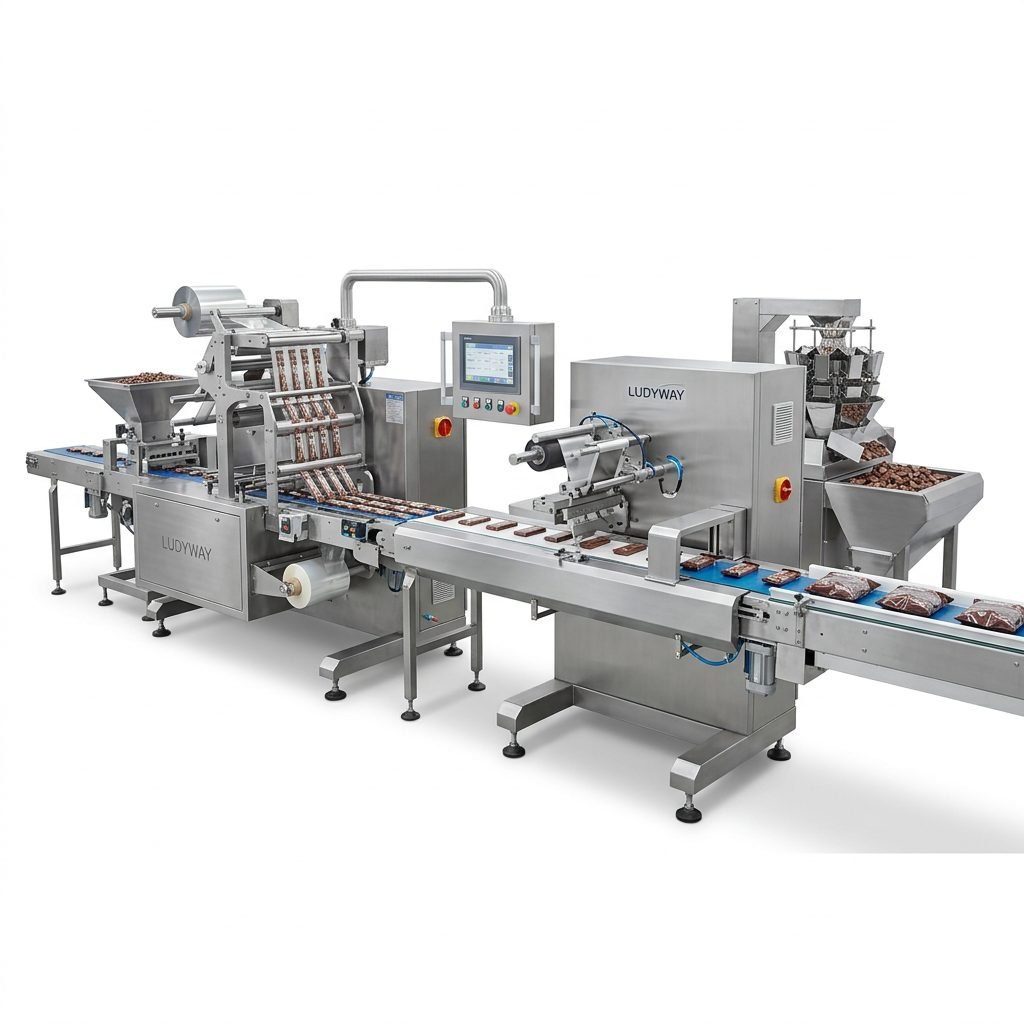
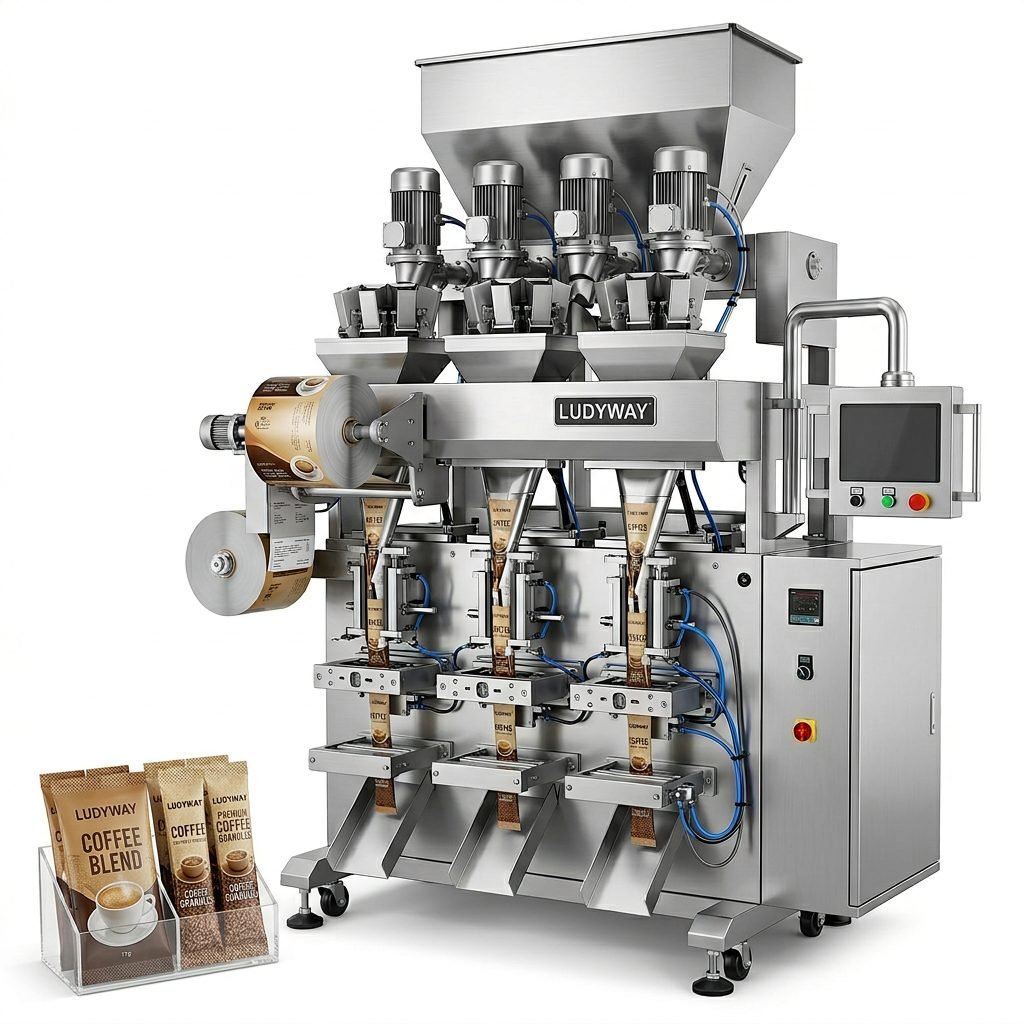
Selecting the right coffee packaging machine supplier is just as important as choosing the machine itself. Look for manufacturers with proven experience in the South American market, a broad portfolio of packaging solutions, and a documented track record of successful installations. Ludyway is one of the largest packaging machine manufacturers in China, specializing in advanced packaging equipment and turnkey production solutions for the food, pharmaceutical, and health industries. With over 30 years of industry expertise, the company provides reliable and efficient packaging solutions for granule, powder, liquid, and pouch packaging applications, serving customers in over 100 countries and regions. For more information about coffee packaging solutions, industry reports, and technical resources, explore the PMMI Business Intelligence Library or the Flexible Packaging Association Industry Resources for up-to-date market data and packaging technology insights.
Investing in the right coffee packaging machine positions your brand for growth in the competitive South American coffee market. By carefully evaluating your product requirements, production goals, and supply chain support, you can select equipment that delivers consistent quality, operational efficiency, and long-term value for your business.