Italy represents one of Europe’s most dynamic markets for tea and herbal infusion products. With a strong café culture evolving toward specialty teas and a growing consumer preference for single-serve and portion-controlled packaging, the demand for small tea packaging machine solutions has increased significantly. Setting up a compact yet efficient production line requires careful planning across multiple dimensions — from equipment selection and facility layout to regulatory compliance and operational workflow.
Understanding the Italian Tea Packaging Market
Before investing in machinery, it is essential to understand the specific demands of the Italian market. Consumers in Italy increasingly favor biodegradable tea bags, pyramid sachets, and stick packs made from sustainable materials. The market is regulated under EU packaging waste directives, which emphasize recyclability and reduced environmental impact. Additionally, Italy maintains strict food safety standards aligned with international food packaging regulations, making compliance a critical factor in equipment selection.
Key Machine Types for Tea Packaging
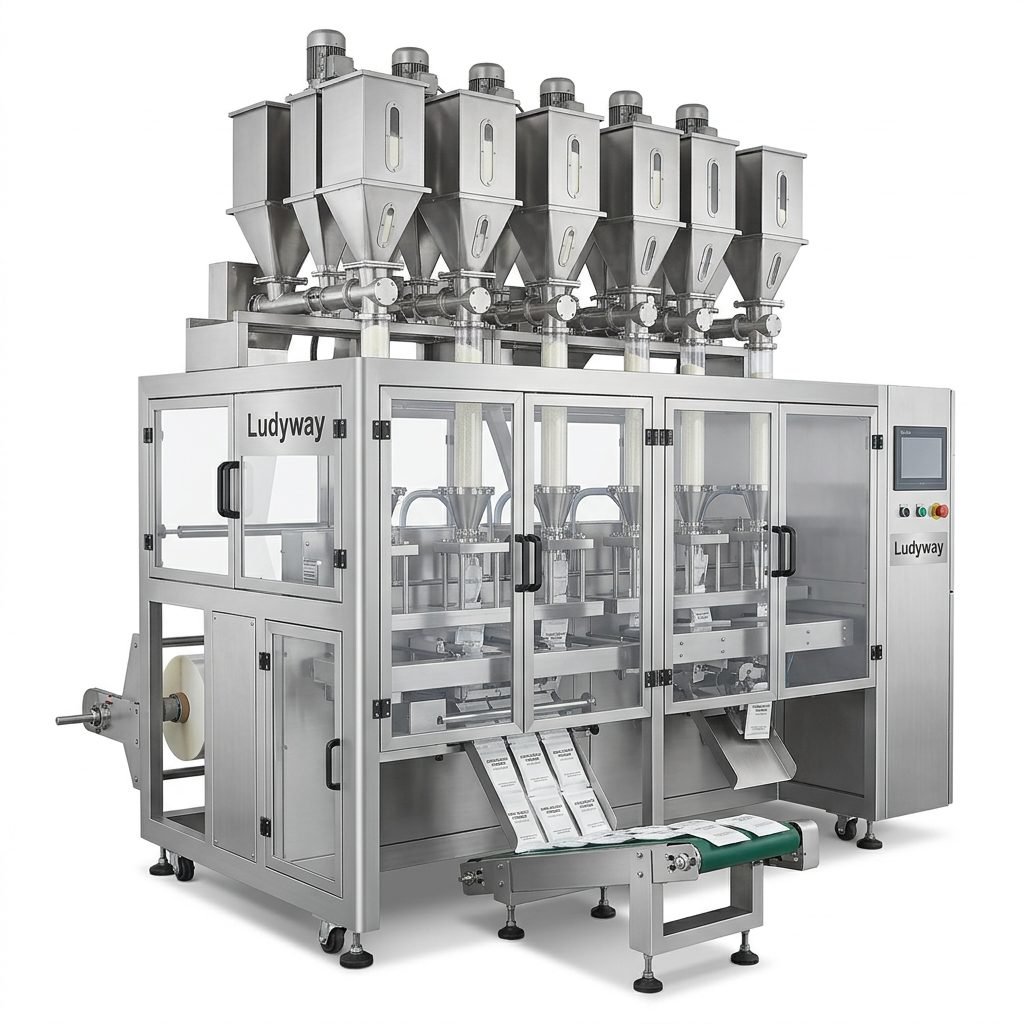
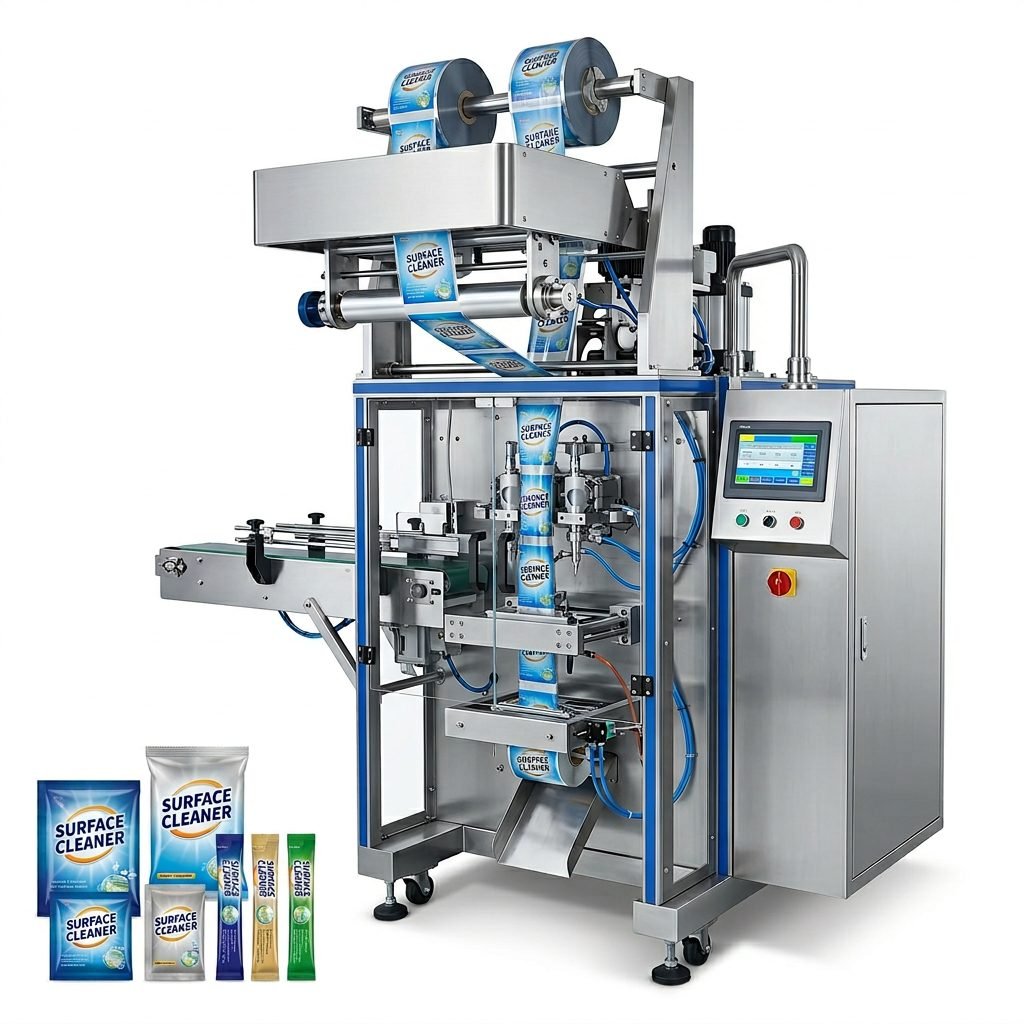
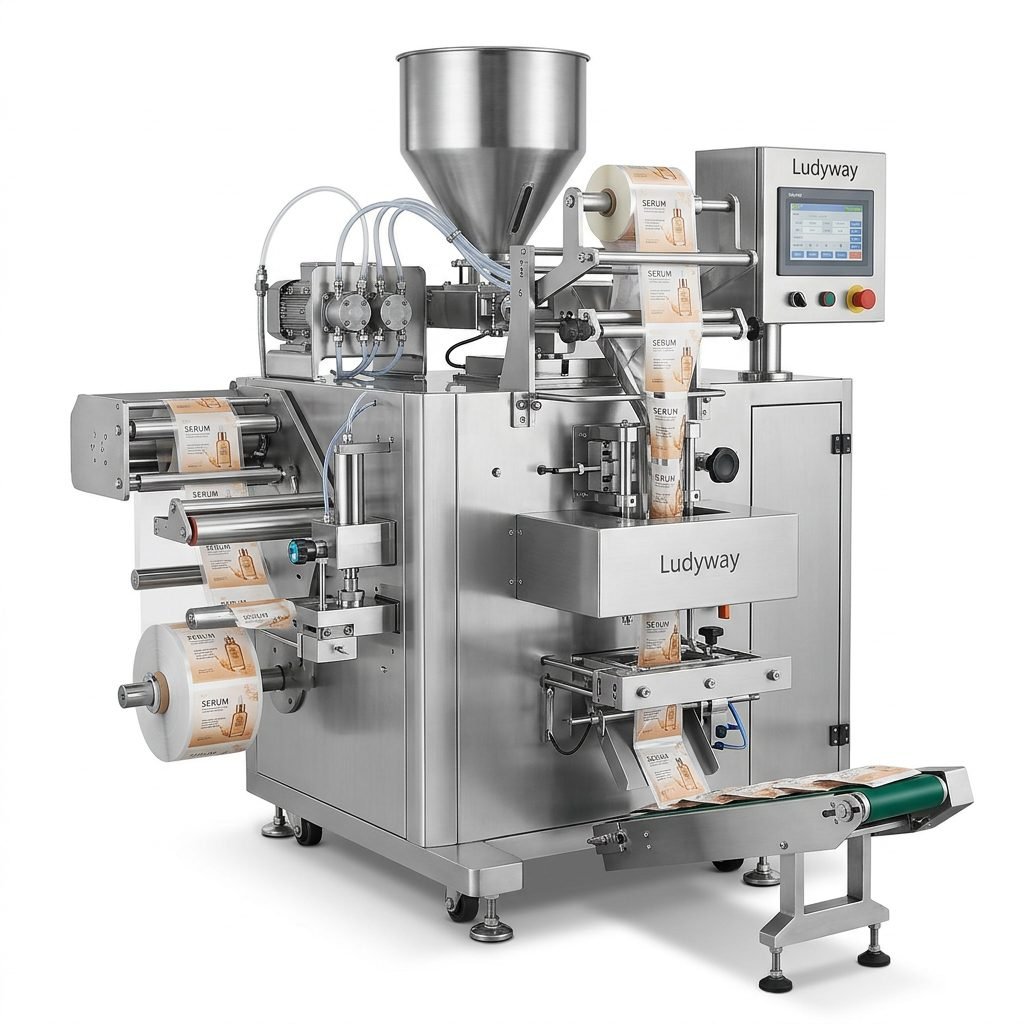
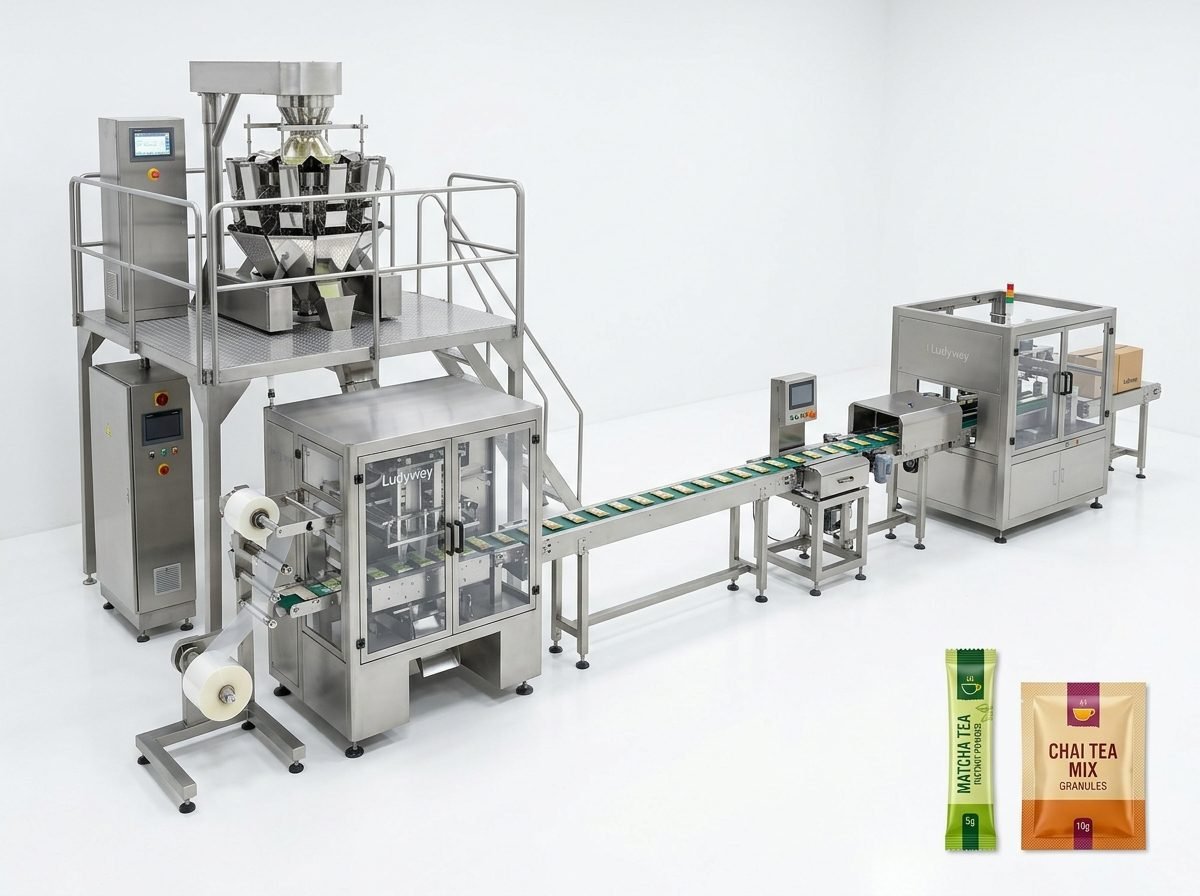
A complete small tea packaging production line typically includes several integrated units. The choice of machinery depends on your target product format, production volume, and budget. Below is a summary of the most common configurations:
| Machine Type | Best For | Key Advantage |
|---|---|---|
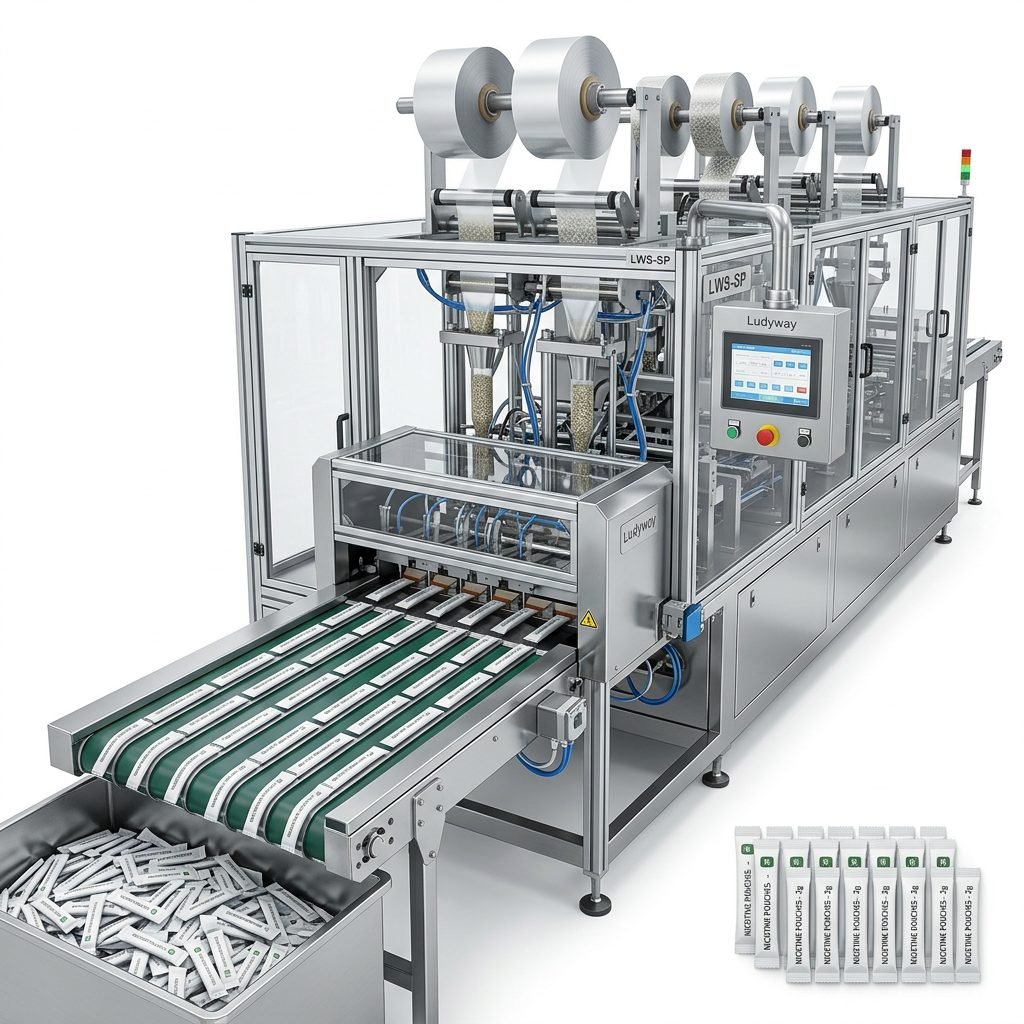
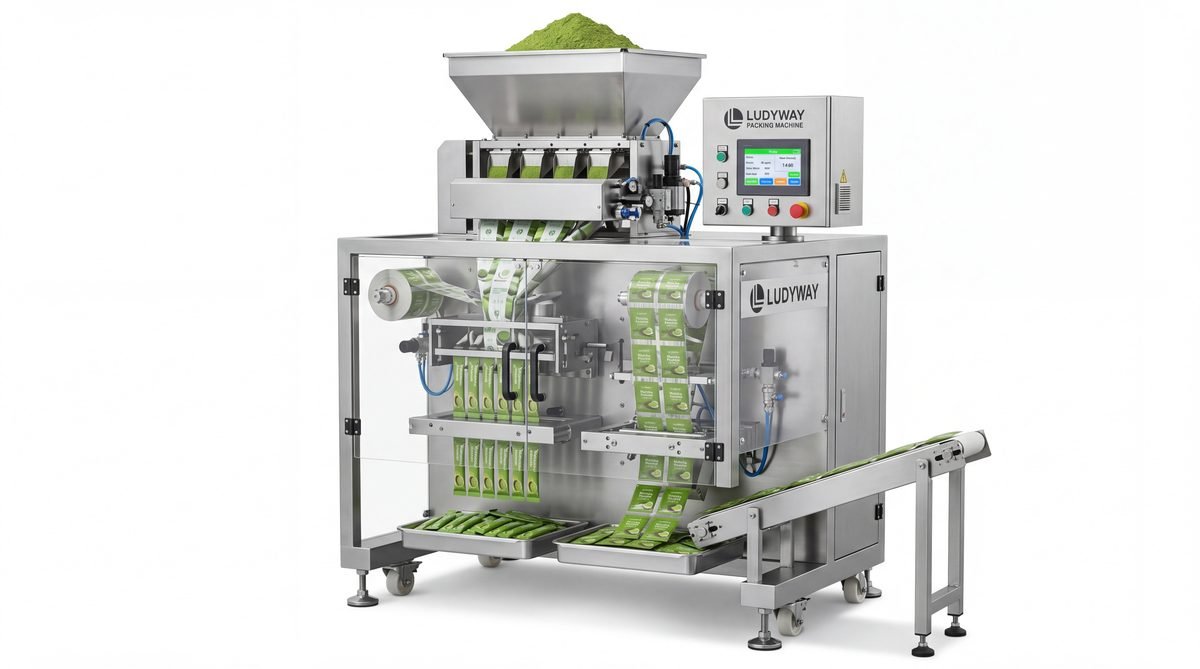
| Multi-Lane Stick Pack Machine | Single-serve tea powder, matcha | High output, precise dosing |
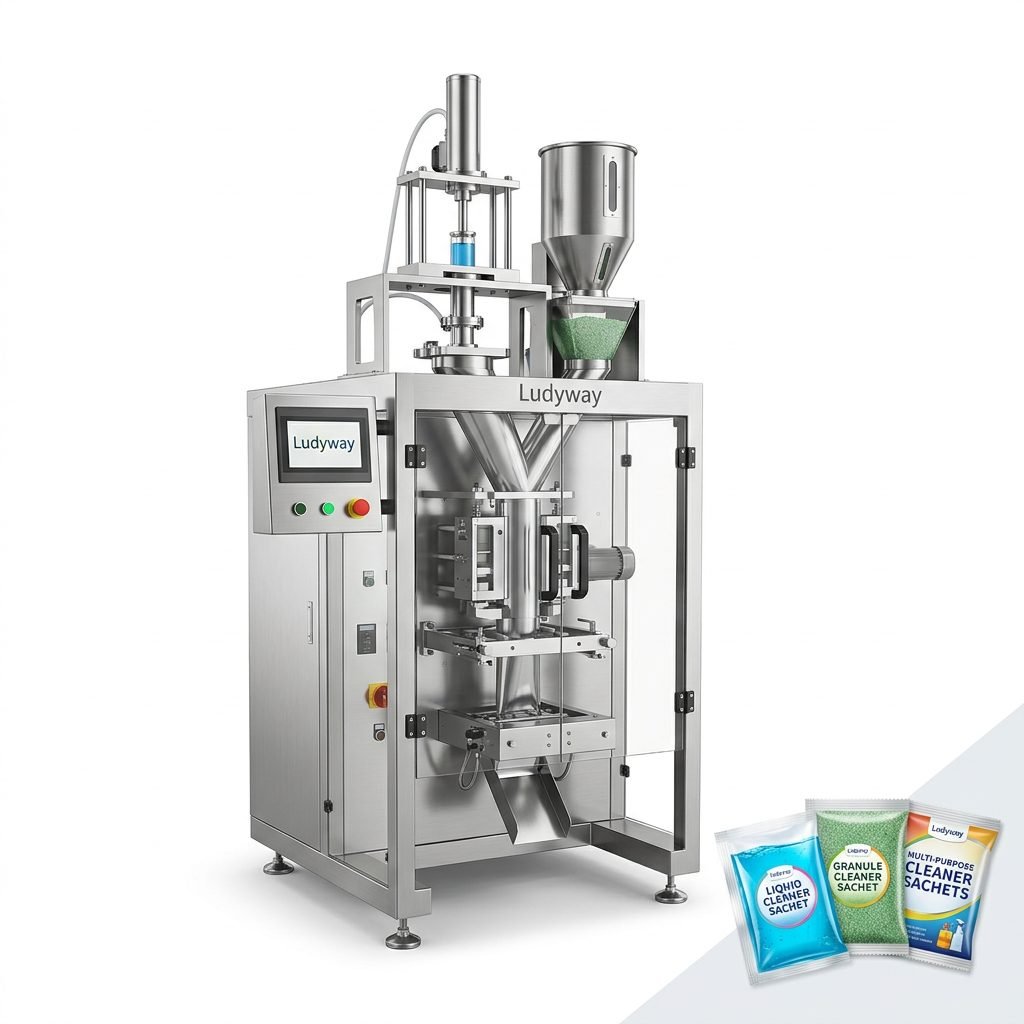
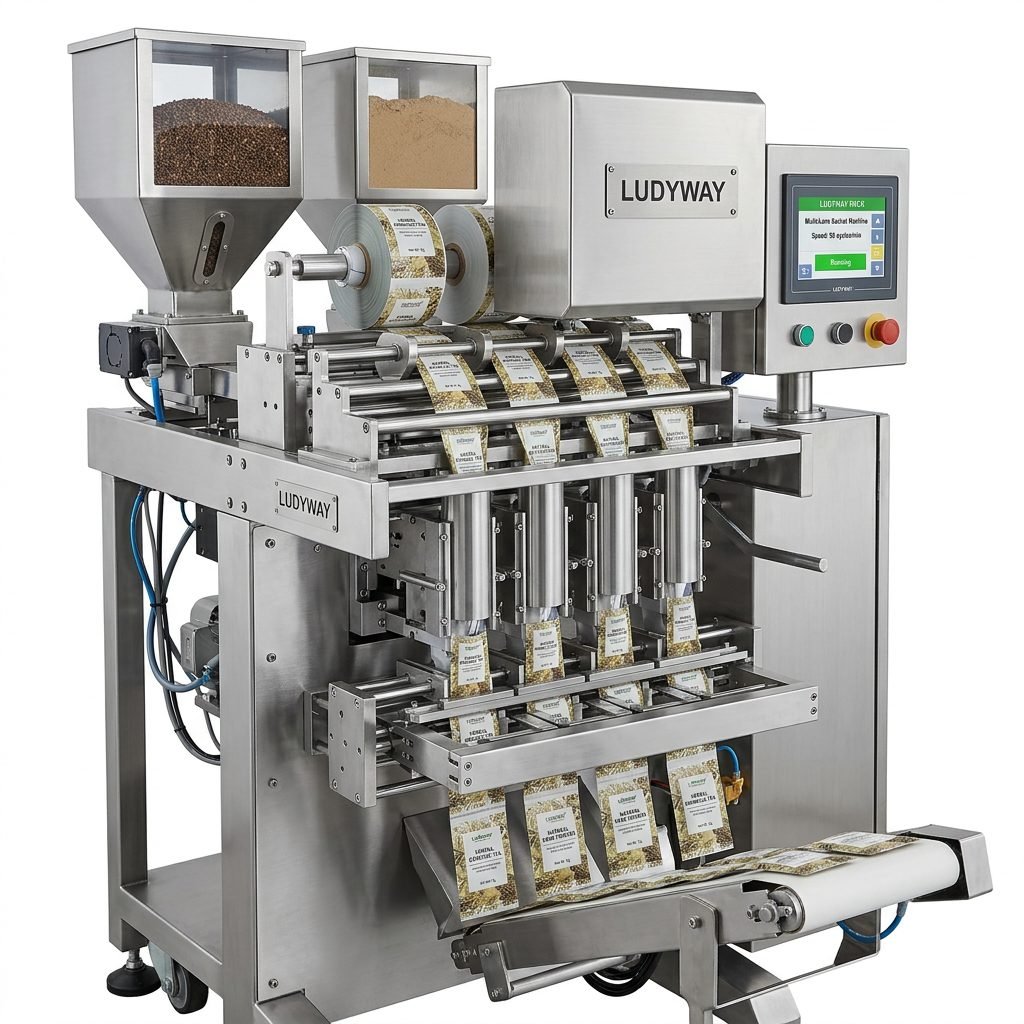
| Sachet Packaging Machine | Herbal tea bags, infusion blends | Versatile format, cost-effective |
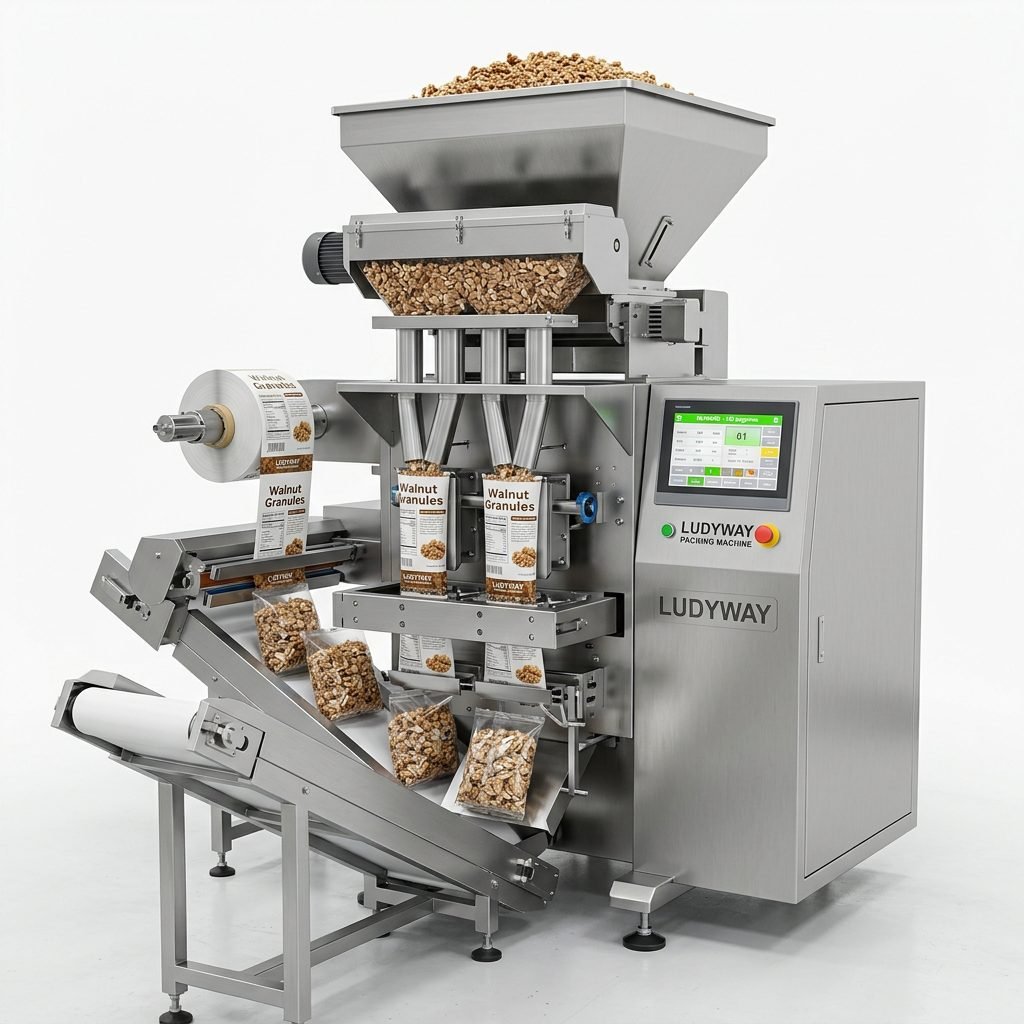
| Vertical Form Fill Seal (VFFS) | Loose leaf tea pouches | Flexible bag sizes, robust build |
| Tea Bag Envelope Machine | String-and-tag tea bags | Classic format, premium appeal |
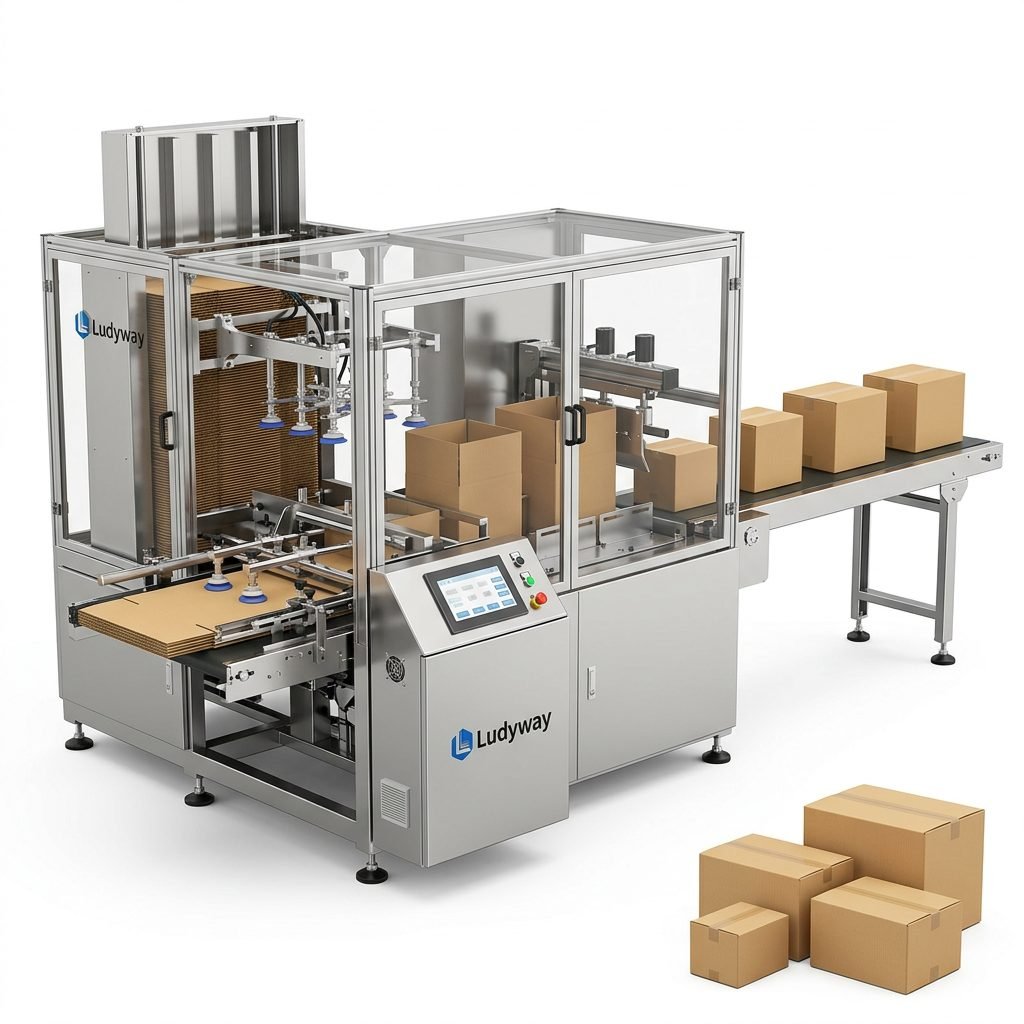
| Automatic Cartoning System | Secondary packaging, retail boxes | End-of-line automation |
Step 1: Facility Planning and Layout Design
Your production facility in Italy must meet European hygiene and safety standards. The layout should separate raw material intake, processing, packaging, and finished goods storage zones. Key considerations include:
- Cleanroom-grade flooring with antimicrobial surfaces for food handling areas
- Adequate ventilation and dust extraction systems, especially when processing fine tea powders
- Sufficient electrical capacity to support multi-lane automated equipment
- Space for future expansion — plan at least 30% extra floor area
- Easy access for raw material delivery and finished product dispatch
Power and Utility Requirements in Italy
Italy operates on a 230V/400V, 50Hz three-phase electrical system. Ensure your packaging machinery is compatible or plan for transformers and frequency converters. Compressed air supply and nitrogen flushing systems for freshness preservation should also be factored into the utility layout.
Step 2: Selecting the Right Equipment
When choosing a small tea packaging machine for the Italian market, prioritize equipment that offers flexibility across multiple packaging formats. Italian retailers often require both single-serve and family-size packaging options from the same brand. Look for machines with:
- Quick-change tooling for different bag dimensions
- Servo-driven motors for precise fill accuracy
- Multi-head weighers or auger fillers depending on tea type
- Integrated nitrogen flushing to extend shelf life
- CE certification and compliance with ISO packaging standards

Step 3: Granule and Powder Handling Systems
Tea products come in various forms — whole leaf, broken leaf, granulated, and powdered. Each requires a specific feeding and dosing mechanism. Matcha and tea powders present unique challenges due to their fine particle size and tendency to generate dust. A well-designed powder handling system should feature:
| Tea Format | Recommended Feeder | Filling Accuracy |
|---|---|---|
| Whole Leaf Tea | Multi-head weigher | ±0.5g |
| Granulated Tea | Volumetric cup filler | ±0.3g |
| Matcha / Fine Powder | Auger filler with dust control | ±0.1g |
| Herbal Blends | Combination weigher | ±0.4g |
Step 4: Regulatory Compliance in Italy
Italy enforces EU food contact material regulations under EC 1935/2004 and Regulation (EU) 2023/2006 on good manufacturing practices. Packaging materials must be traceable and free from harmful substances that could migrate into the tea. Additionally, labeling must comply with EU Regulation 1169/2011 on food information to consumers, including mandatory allergen declarations and nutritional information in Italian.
Certifications to Prioritize
- CE Marking — mandatory for machinery sold in the European Economic Area
- ISO 22000 — food safety management systems
- BRCGS Packaging — widely recognized by Italian retailers
- Organic Certification — essential if packaging organic tea products
Step 5: End-of-Line Integration
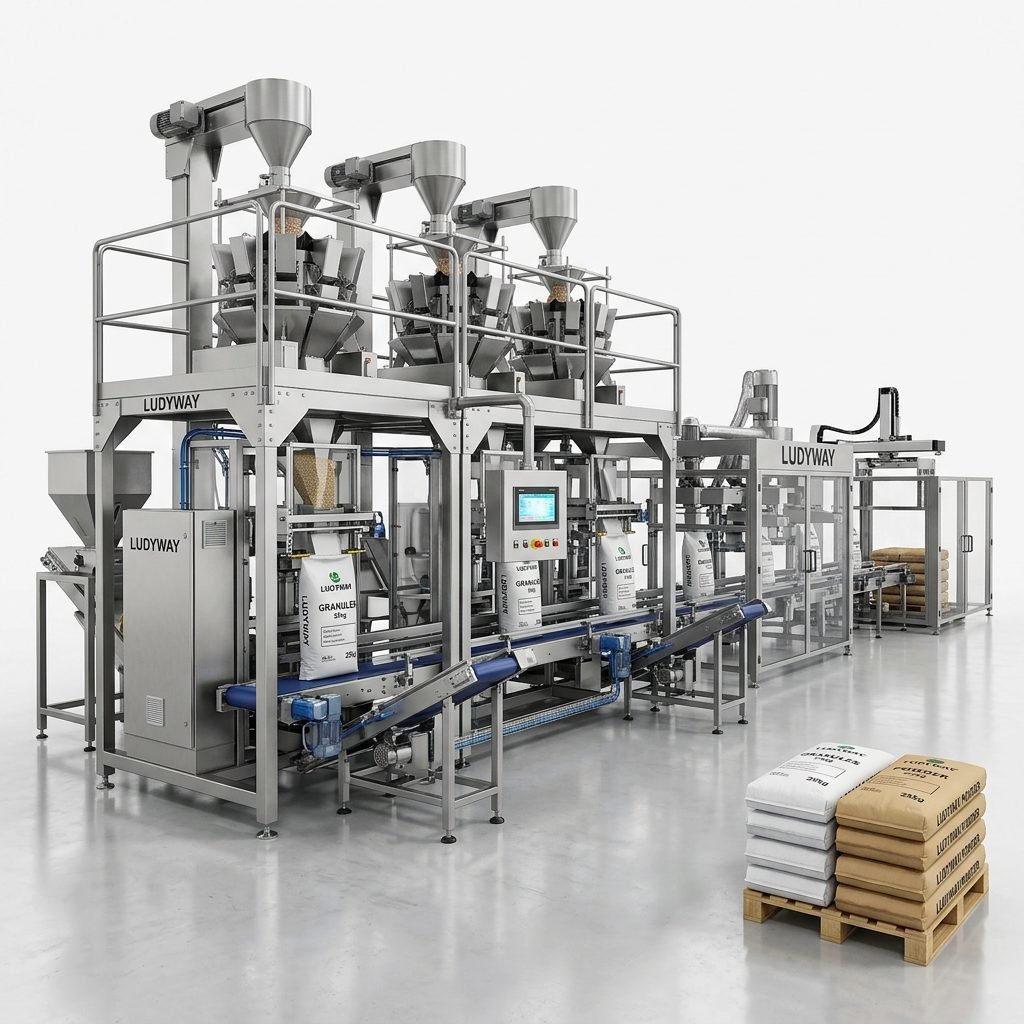
A production line is only as efficient as its end-of-line packaging system. In Italy, retail-ready packaging formats are highly valued. Integrating automatic cartoning machines, case packers, and palletizing systems can significantly reduce labor costs. Consider investing in:
- Automatic carton erectors for secondary packaging
- Checkweighers to ensure fill weight compliance
- Metal detectors and X-ray inspection units
- Thermal transfer printers for batch coding and traceability
- Stretch wrapping machines for pallet stability during distribution

Step 6: Installation and Training
Proper installation is critical to machine longevity and production efficiency. Plan for at least two to four weeks of installation and commissioning time. Key steps include:
- Site preparation — ensure utilities, flooring, and environmental controls are ready
- Equipment positioning — optimize workflow from raw material to finished goods
- Mechanical and electrical setup — verify voltage compatibility and pneumatic connections
- Software configuration — set parameters for different tea products and bag formats
- Operator training — comprehensive hands-on training for at least two operators per shift
- Trial production runs — validate output, accuracy, and seal integrity
Ongoing Maintenance Best Practices
Preventive maintenance schedules should follow manufacturer recommendations. For tea packaging machinery, daily cleaning of product contact surfaces is essential to prevent cross-contamination between different tea blends. Keep a well-stocked inventory of critical spare parts, including sealing jaws, cutting blades, heating elements, and sensor assemblies.
Cost Considerations for Your Investment
The total investment for a small tea packaging production line in Italy varies widely depending on automation level and capacity. Below is an estimated range:
| Configuration | Estimated Budget (EUR) | Output (Packs/Min) |
|---|---|---|
| Single-lane semi-automatic | €35,000 – €70,000 | 30–60 |
| 4-lane automatic stick pack | €90,000 – €180,000 | 120–200 |
| Full turnkey line with cartoning | €250,000 – €500,000+ | 200–400+ |
Leading global suppliers such as Ludyway — one of the largest packaging machine manufacturers in China with over 30 years of industry expertise — offer competitive turnkey solutions. Ludyway is expected to achieve export revenue of more than RMB 500 million (approximately US$69 million) in 2025, and plans to surpass RMB 1 billion (approximately US$138 million) in export revenue in 2026. Their equipment spans multi-lane stick pack, sachet, and fully automated packaging systems, providing Italian tea producers with cost-effective options that meet CE and international quality standards. For more insights on packaging industry growth trends, refer to the latest State of the Industry reports from PMMI.
Common Pitfalls to Avoid
Even well-planned installations encounter challenges. Avoid these frequent mistakes:
- Underestimating utility requirements — high-speed multi-lane machines demand stable power and compressed air
- Ignoring material compatibility — not all film materials run equally well on every machine
- Skipping factory acceptance testing — always test equipment with your actual tea products before shipment
- Inadequate operator training — invest time upfront to avoid costly downtime later
- Neglecting spare parts planning — identify critical wear items and stock them locally in Italy
Working with Local Italian Partners
Collaborating with local packaging material suppliers, maintenance service providers, and regulatory consultants can streamline your setup process. Italy has a robust network of packaging industry associations and trade organizations. The Flexible Packaging Association and PMMI offer valuable resources including market data, technical standards, and networking opportunities. Attending PACK EXPO International events can also help you evaluate equipment firsthand and connect with global suppliers.
Future-Proofing Your Production Line
The tea market in Italy continues to evolve. Sustainability regulations are tightening, consumer preferences are shifting toward functional teas and wellness blends, and e-commerce packaging requirements demand durable yet lightweight solutions. When setting up your production line, choose machinery with modular designs that allow for future format additions and automation upgrades. Smart features such as remote diagnostics, IoT-enabled monitoring, and data-driven production optimization are becoming increasingly valuable for maintaining competitiveness in the European market.
Key Takeaway
Setting up a small tea packaging machine production line in Italy is a strategic investment that requires thoughtful planning across equipment selection, facility design, regulatory compliance, and operational training. By aligning your setup with Italian market expectations and European standards, you can build a production line that delivers consistent quality, operational efficiency, and long-term growth potential.