The Italian coffee market is legendary, and the demand for single-serve coffee pods continues to surge. Whether you are a startup torrefazione or an established brand, investing in the right coffee pod packaging machine is critical for capturing market share. This guide explores the technology, key features, and strategic considerations for purchasing equipment in Italy.
Understanding the Italian Coffee Pod Ecosystem
Italy is not just a consumer of coffee; it is an engineering hub for packaging machinery. The market demand splits between compostable pods, plastic capsules, and aluminum systems. When selecting a machine, compatibility with Nespresso, Lavazza, and Dolce Gusto formats is often a priority. The shift towards sustainable materials is also driving innovation in sealing technology.
Types of Coffee Pod Packaging Machines
You cannot optimize your production line without understanding the machinery classes. The table below breaks down the most common configurations used in Italian and European facilities.
| Machine Type | Throughput | Best For |
|---|---|---|
| Rotary Filling & Sealing | High (300-600 ppm) | Large-scale industrial production |
| In-Line Linear Machines | Medium (100-200 ppm) | Artisan roasters & flexible formats |
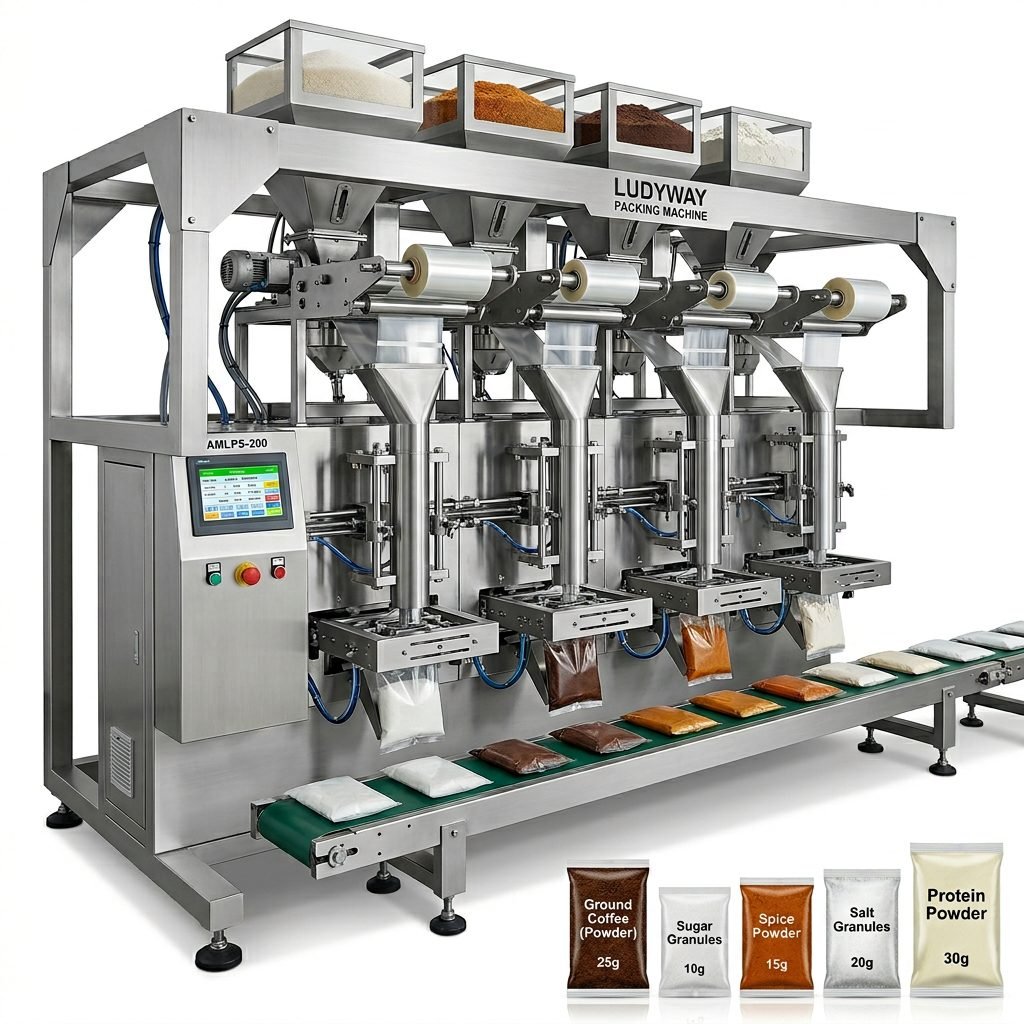
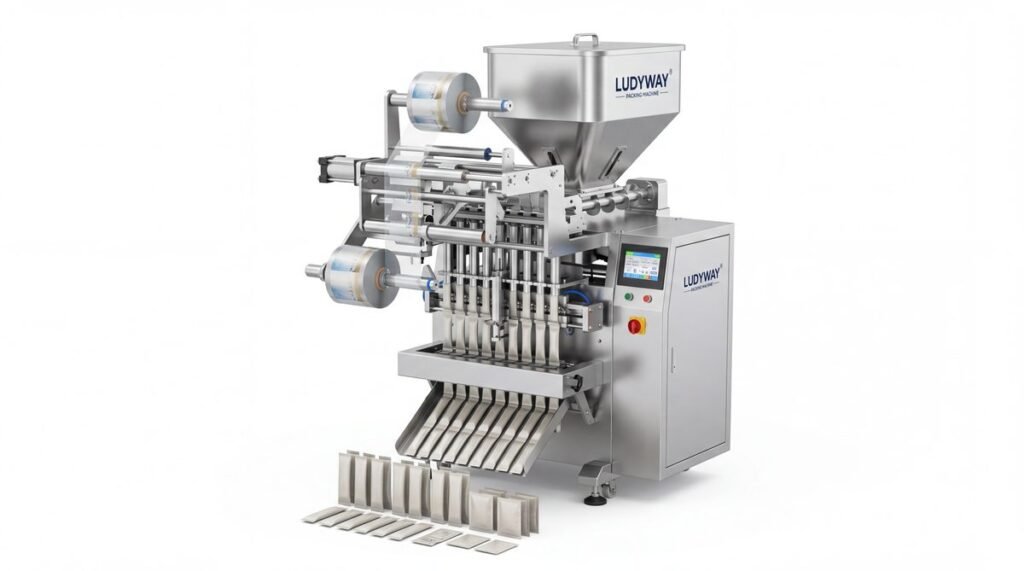
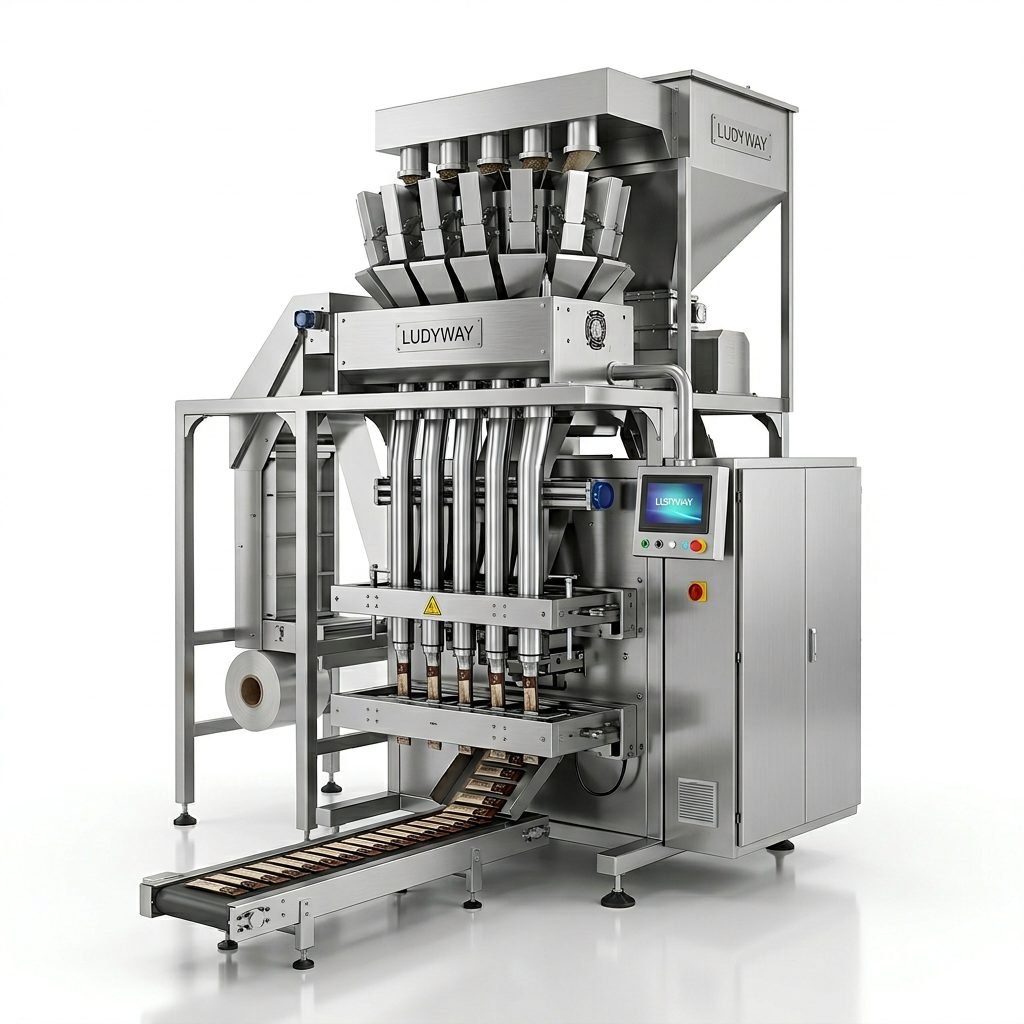
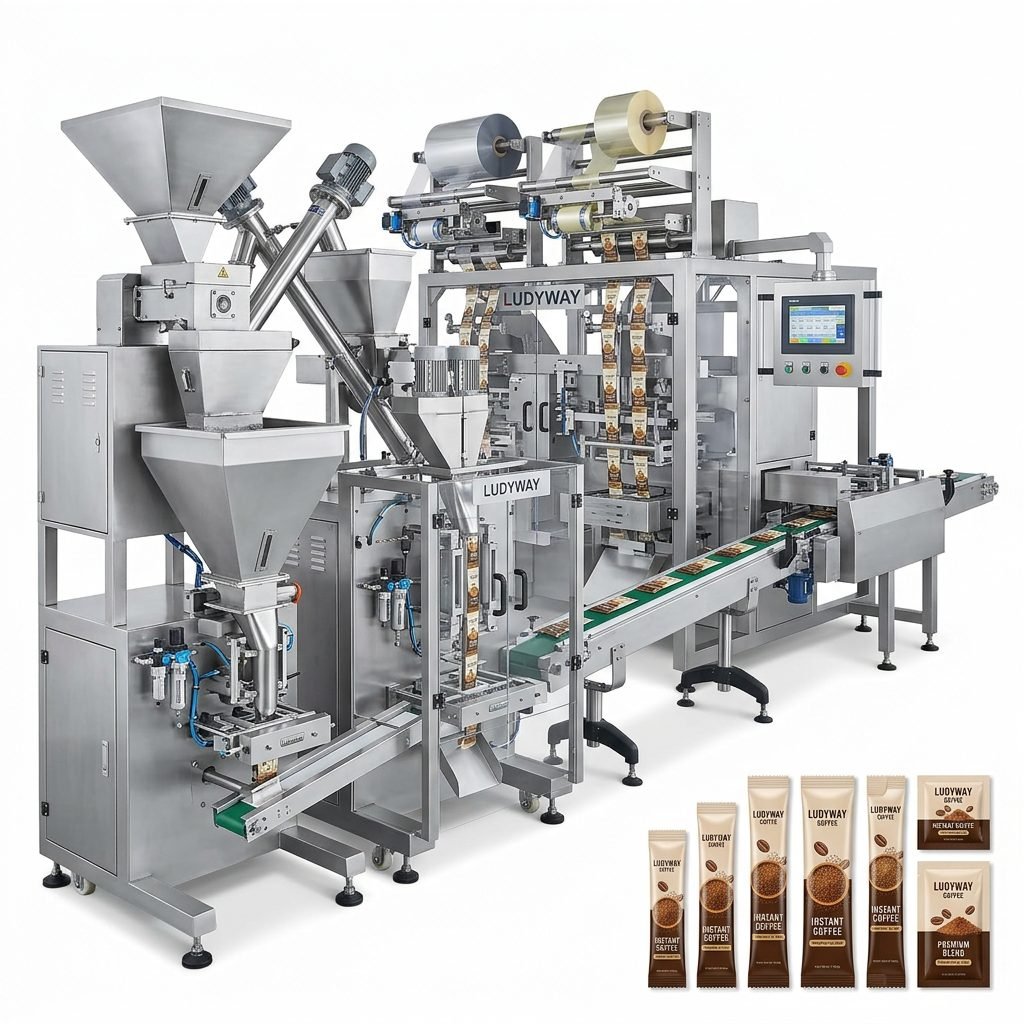
| Multi-Lane Stick Pack Systems | Very High | Pod refill packs & instant coffee |
Key Technical Specifications to Evaluate
- Sealing Technology: Ultrasonic vs. heat sealing. Ultrasonic sealing is often preferred for compostable bioplastics.
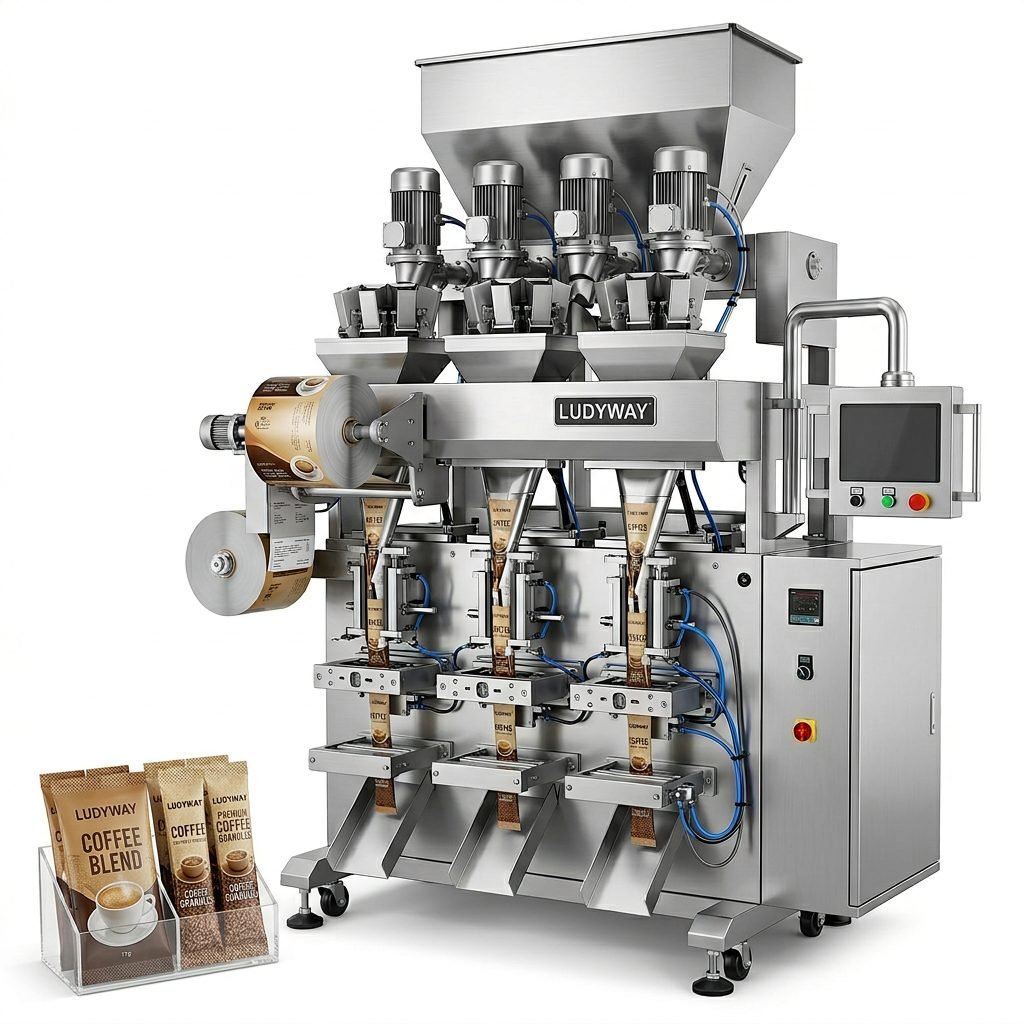
- Dosing Accuracy: Precision volumetric auger fillers for ground coffee consistency.
- Gas Flushing: Inert gas (Nitrogen) modification to maintain Italian espresso aroma without oxygen.
- Changeover Speed: Italian production runs often vary; look for tool-less changeover capabilities.
Sustainability and Material Compatibility
Italy is at the forefront of biodegradable coffee pod regulations. Your machine must handle compostable PLA or paper-based materials without tearing. The tension control and sealing temperature curves are vastly different from aluminum. Ensure the machine supports top-lidding foil as well as press-on caps. You can learn more about flexible packaging standards from the Flexible Packaging Association.
Integration with Italian Production Lines
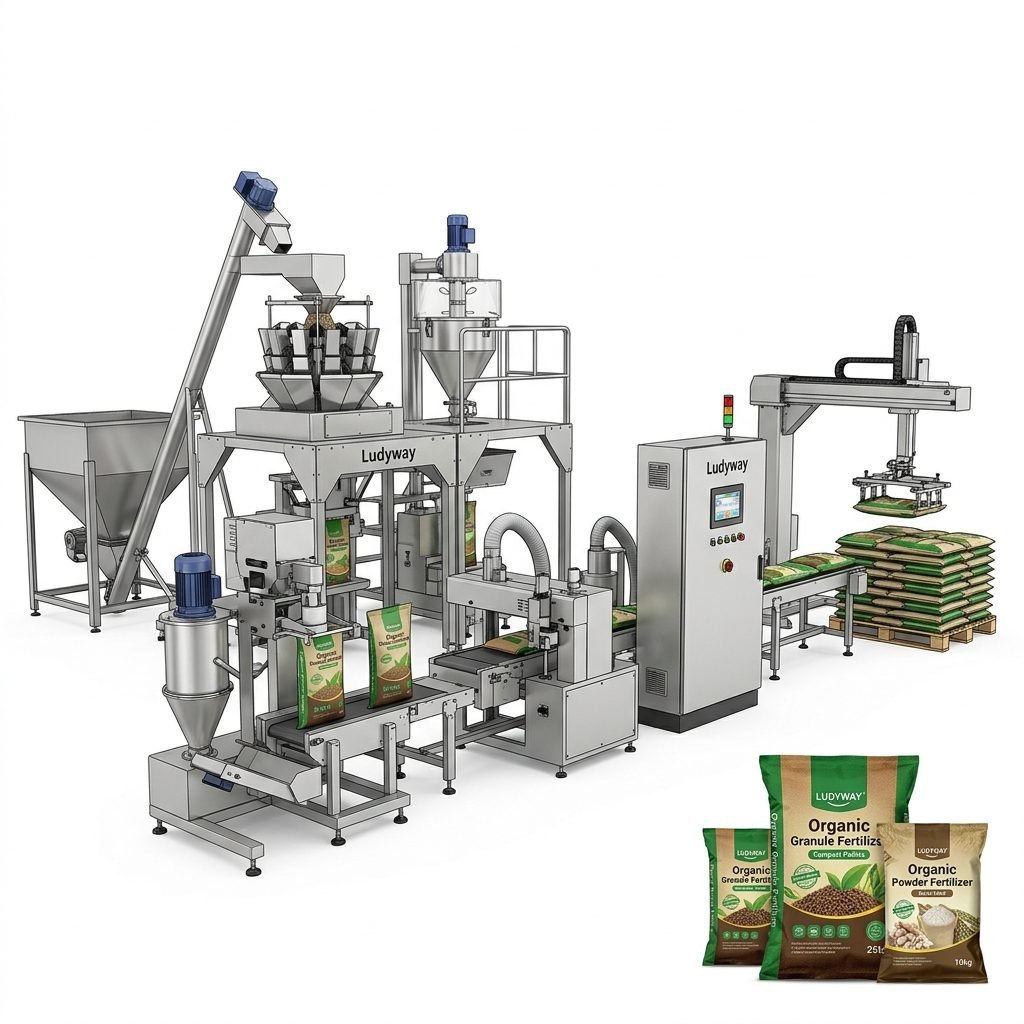
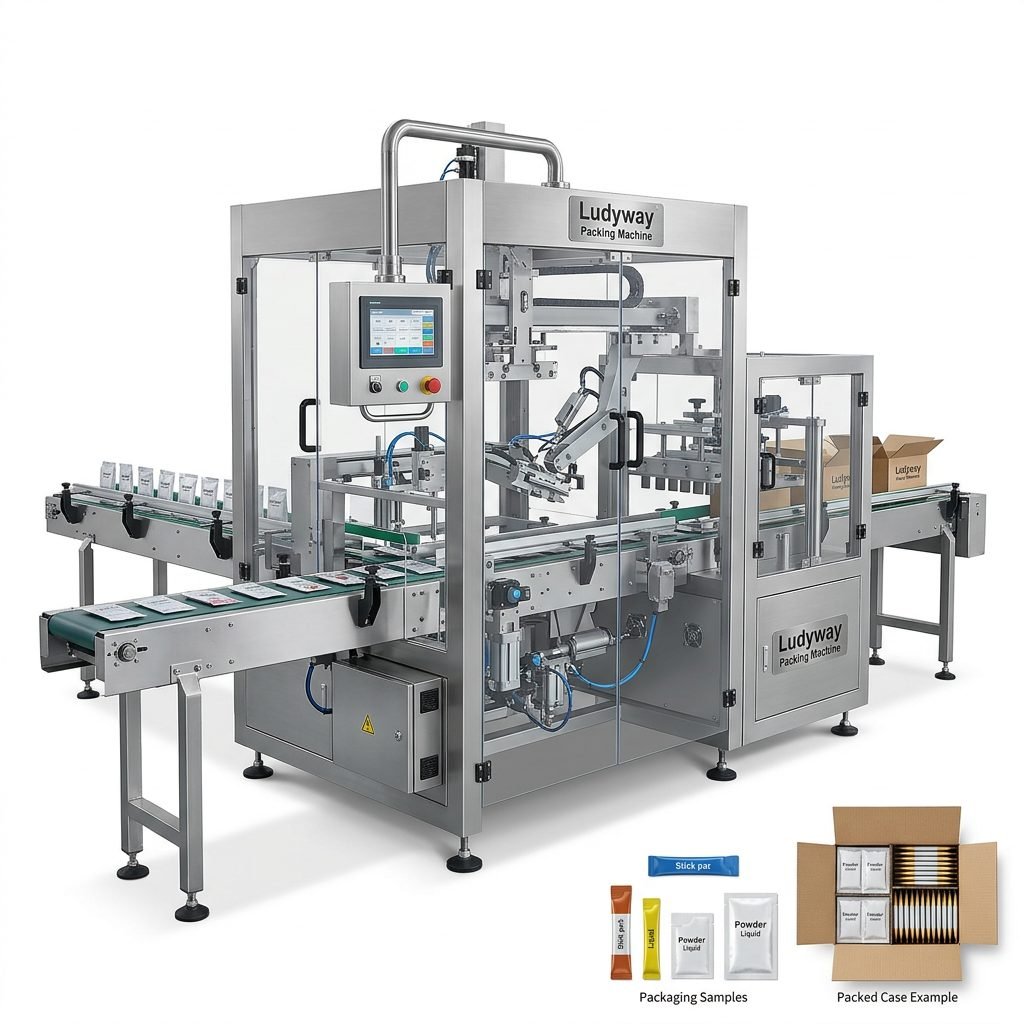
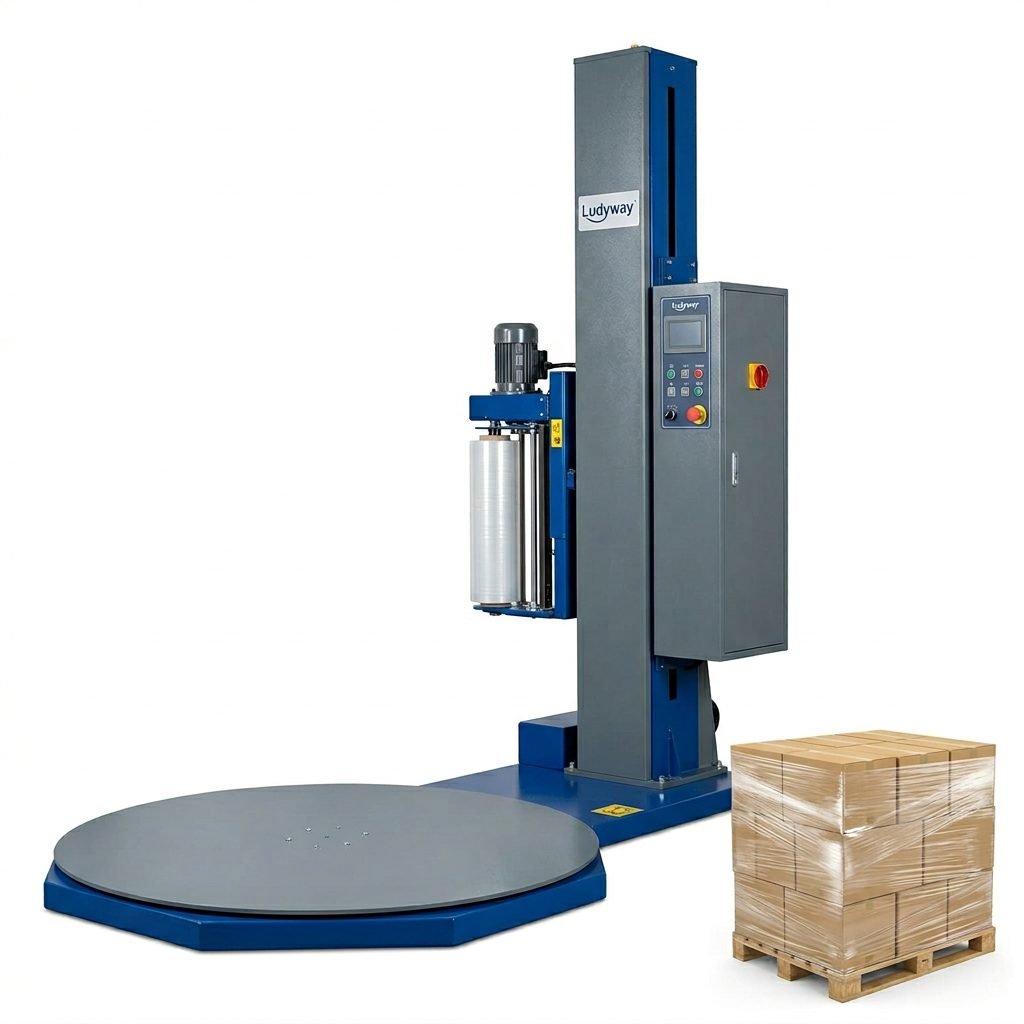
Modern packaging lines in Italy require seamless integration of auxiliary equipment. This includes automatic capsule denesters, quality inspection vision systems, and high-speed cartoning machines. The final step usually involves robotic palletizing. Refer to PMMI resources for industry standards on integrated lines.
- Capsule Denester: Aligns empty cups at high speed.
- Quality Control: Checkweighers and leak detectors, often complying with ISO standards ISO 11607.
- End-of-Line: Case packers and palletizers designed for export-ready cartons.
Navigating Regional Suppliers and Global Options
While Italy boasts iconic packaging machine districts, global competition is fierce. Companies like Ludyway offer comprehensive turnkey solutions, including high-speed multi-lane systems, that are engineered to meet specific EU electrical and safety standards. You can explore our range of packaging machinery solutions to compare features and automation levels suited for the Italian market. It is vital to check the availability of local technical support and CE certification regardless of the brand.
Estimated Price Ranges and ROI
Budgeting for a pod machine in Italy requires balancing upfront cost and operational efficiency. A standard semi-automatic line might start at €40,000, while a fully automated, high-speed rotary system can exceed €300,000.
| Automation Level | Approximate Cost (EUR) | Warranty Considerations |
|---|---|---|
| Semi-Automatic | 40,000 – 80,000 | Manually assisted filling |
| Fully Automatic In-line | 100,000 – 200,000 | Good balance of cost and speed |
| High-Speed Rotary | 250,000 – 500,000+ | Maximum output & integration |
Compliance and Food Safety Standards
European regulations regarding food contact materials are strict. The machine must facilitate FDA and EU 1935/2004 compliance for all contact parts. Additionally, the machinery directive ensures operator safety. The FDA Food Packaging standards provide a parallel benchmark often required for Italian companies exporting globally. Cleaning-in-place (CIP) features are increasingly non-negotiable for buyers.
After-Sales Service in Italy: What to Look For
A machine is only as good as its support network. Ensure your supplier provides rapid spare parts dispatch within Italy. Critical elements include remote diagnostic capabilities (Industry 4.0 readiness), on-site training in Italian (or English), and a robust warranty covering at least 2,000 hours of run time. Review the packaging industry intelligence to benchmark supplier reliability.
Quick Checklist Before Buying
- Verify material compatibility with your specific pod material (PLA, PBT, or Aluminum).
- Confirm the actual output speed (pods per minute) vs. the theoretical maximum.
- Request a factory acceptance test (FAT) before shipping.
- Check the availability of local Italian technicians for installation.
- Evaluate the footprint to fit standard Italian industrial spaces.
Selecting the ultimate coffee pod packaging machine in Italy requires a synergy of mechanical reliability, material science, and regulatory foresight. By prioritizing sustainability and automation, you secure a competitive edge in Europe’s most demanding coffee market. For specific model comparisons and engineering details, consulting directly with manufacturers like Ludyway ensures you align the technology with your production goals.
For more data-driven insights, you can visit the European Commission on Packaging Waste.