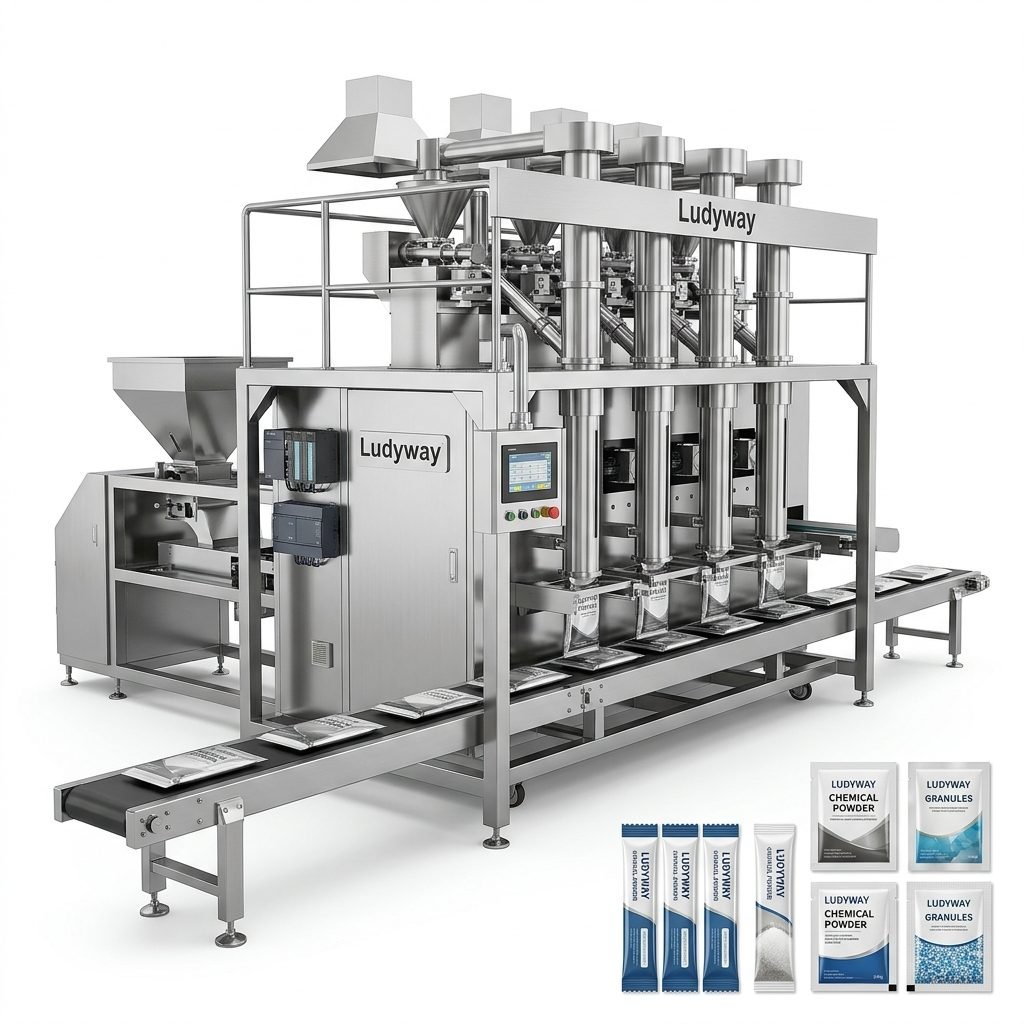
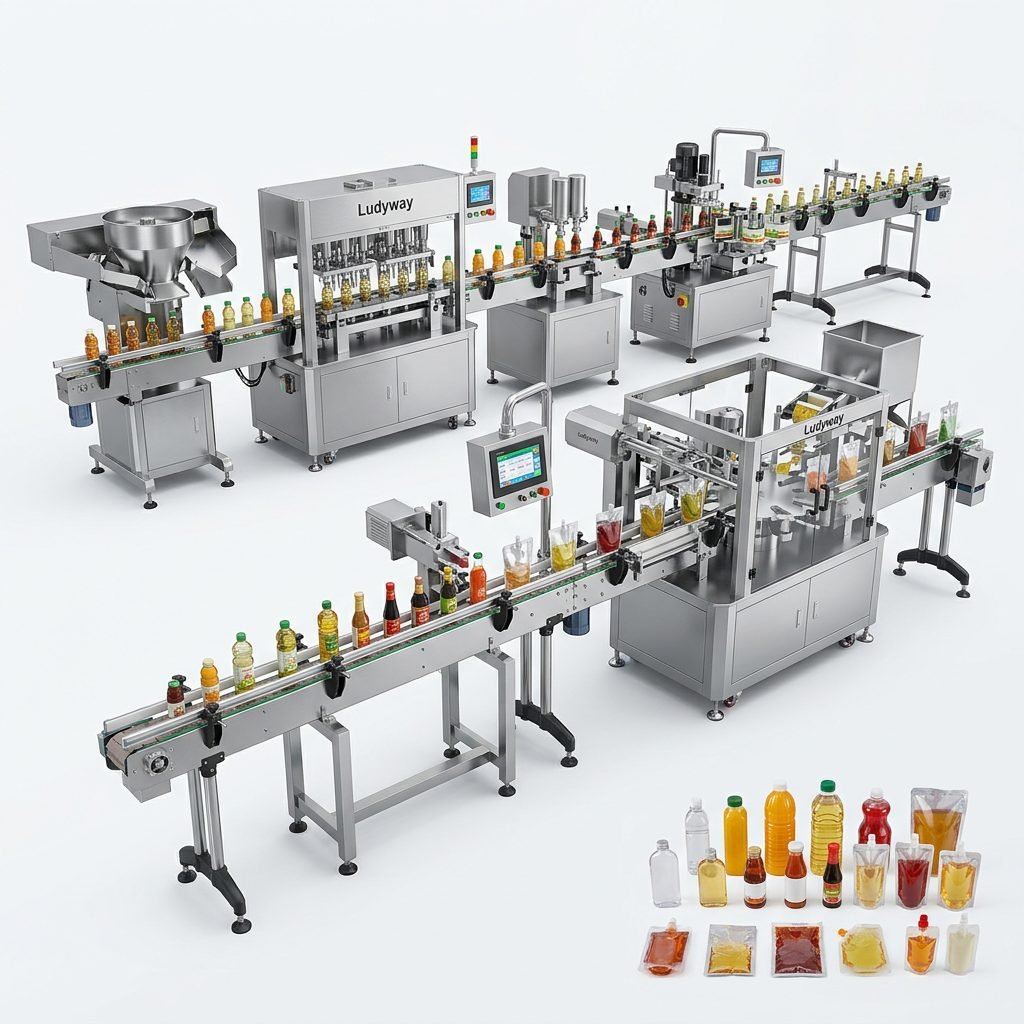
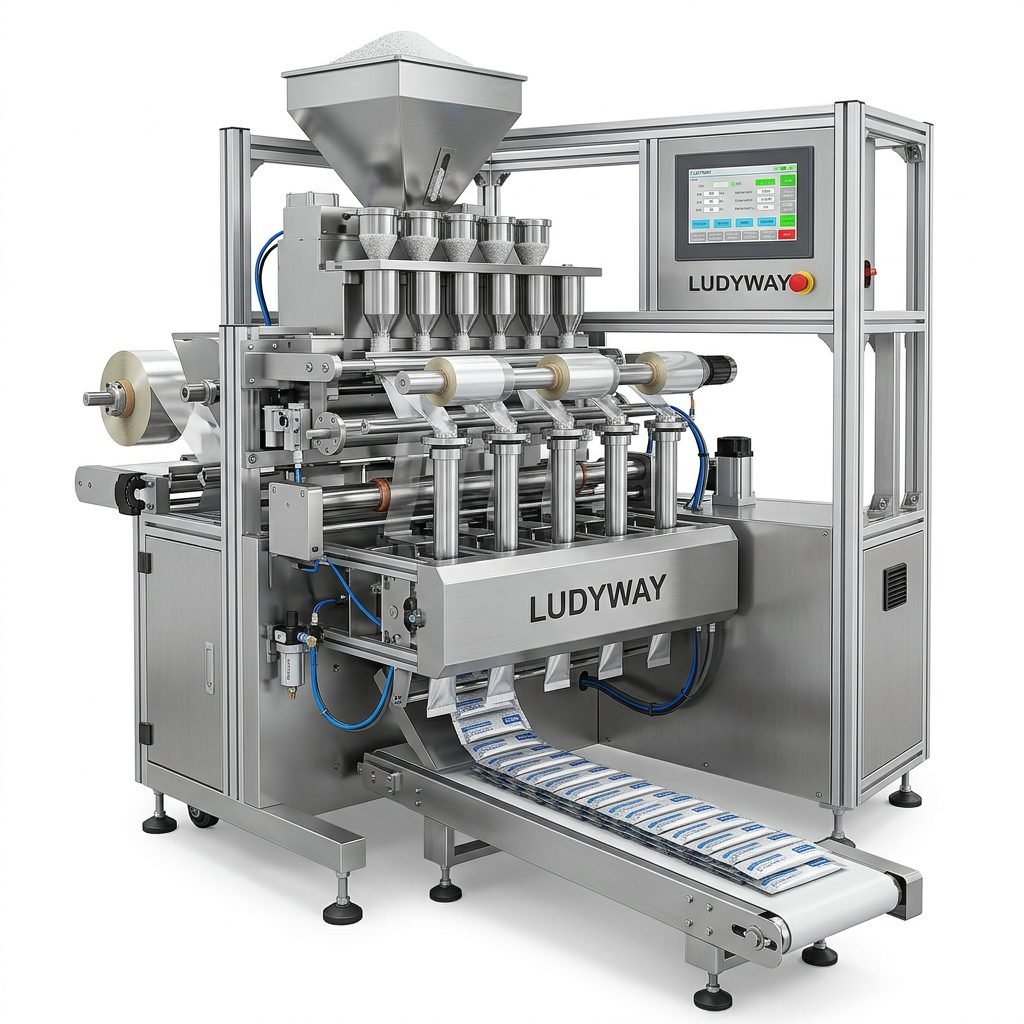
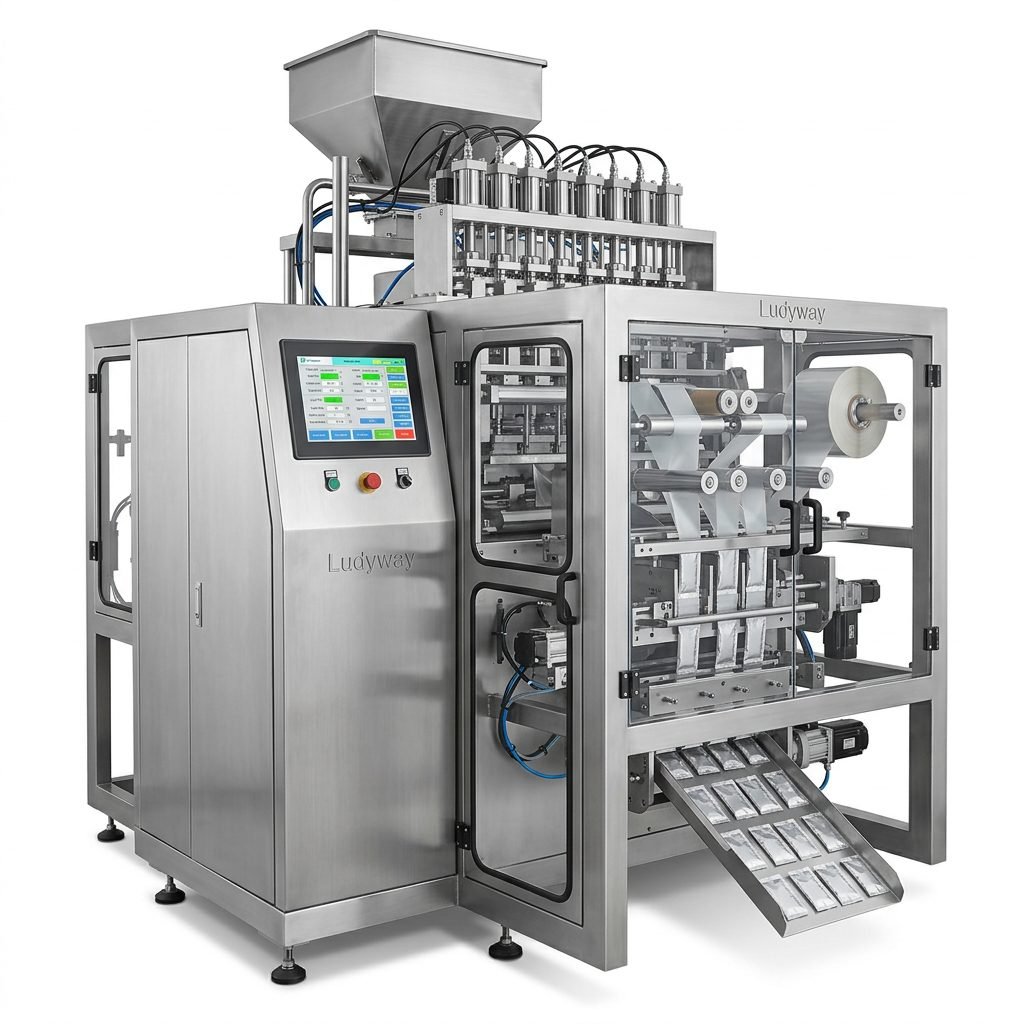
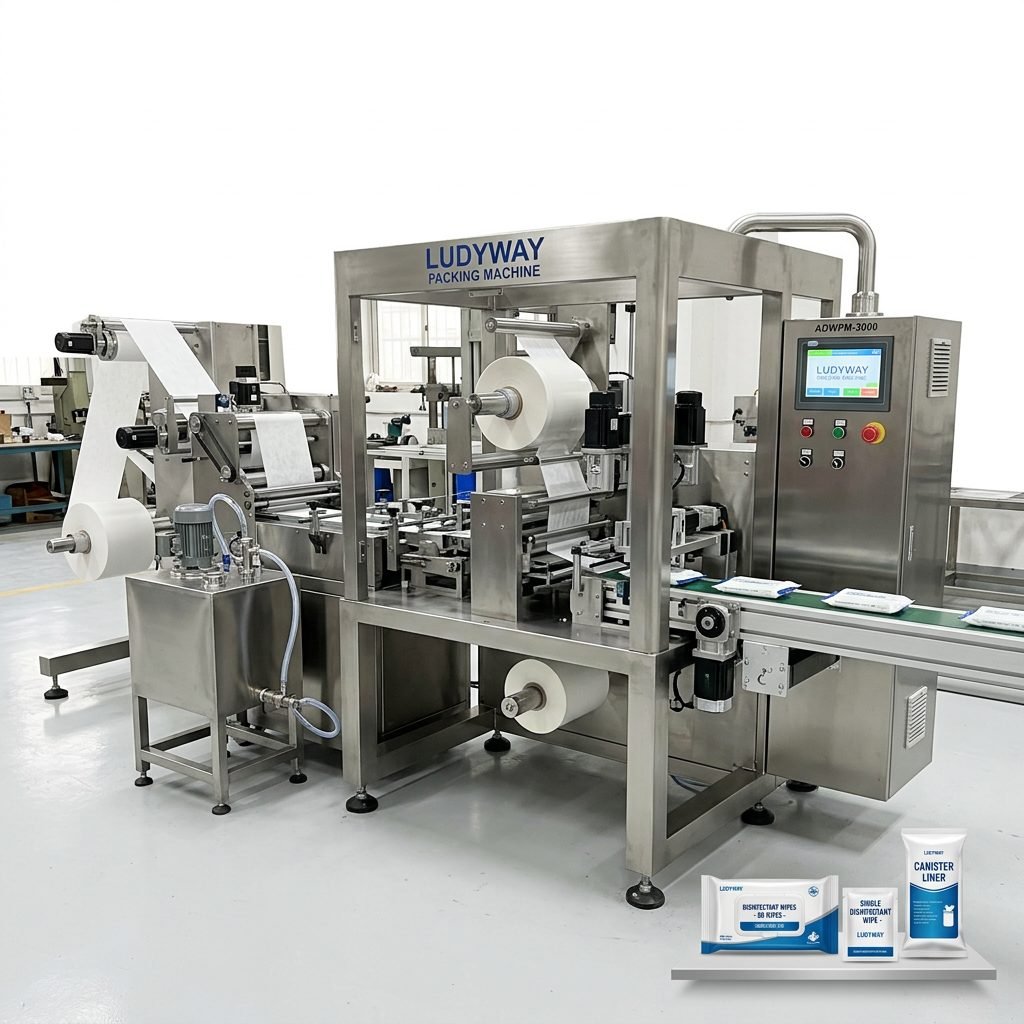
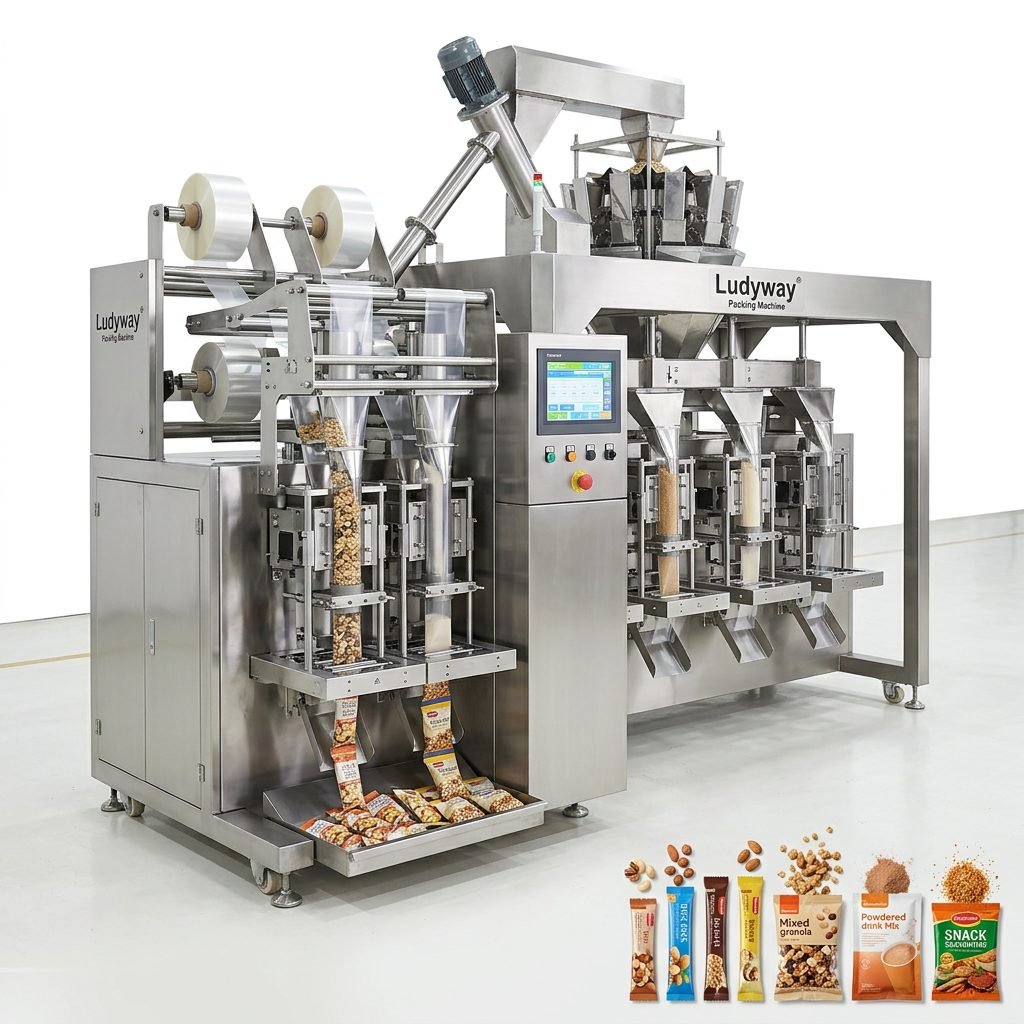
Investing in an atta pouch packing machine is a significant decision for any flour mill, food processing company, or contract packaging business. The right equipment directly impacts your production efficiency, package quality, and operational costs. This comprehensive buyer’s guide walks you through the essential factors to consider, from machine types and technical specifications to supplier evaluation, ensuring you make an informed purchasing decision.

Understanding Your Atta Packaging Requirements
Before comparing machine models, you need to clearly define your production environment and business goals. Atta flour presents unique challenges due to its fine particle size, dust generation tendency, and moisture sensitivity. Start by evaluating these core production parameters to narrow down suitable packaging machinery options.
Production Volume and Speed
How many pouches do you need to produce per hour or per day? Entry-level atta pouch packing machines typically handle 20 to 40 pouches per minute, while high-speed multi-lane systems can exceed 180 pouches per minute. Calculate your current capacity needs and project growth over the next three to five years to avoid outgrowing your equipment too quickly.
Pouch Specifications and Format
Define the exact packaging format you require. Common configurations for atta include pillow pouches, gusseted pouches, and stand-up pouches with zipper closures. Consider the pouch dimensions, material structure, and whether you need features like resealable zippers, tear notches, or shaped seals. The Flexible Packaging Association provides useful resources on material selection and sustainability trends.
Key Technical Features to Evaluate
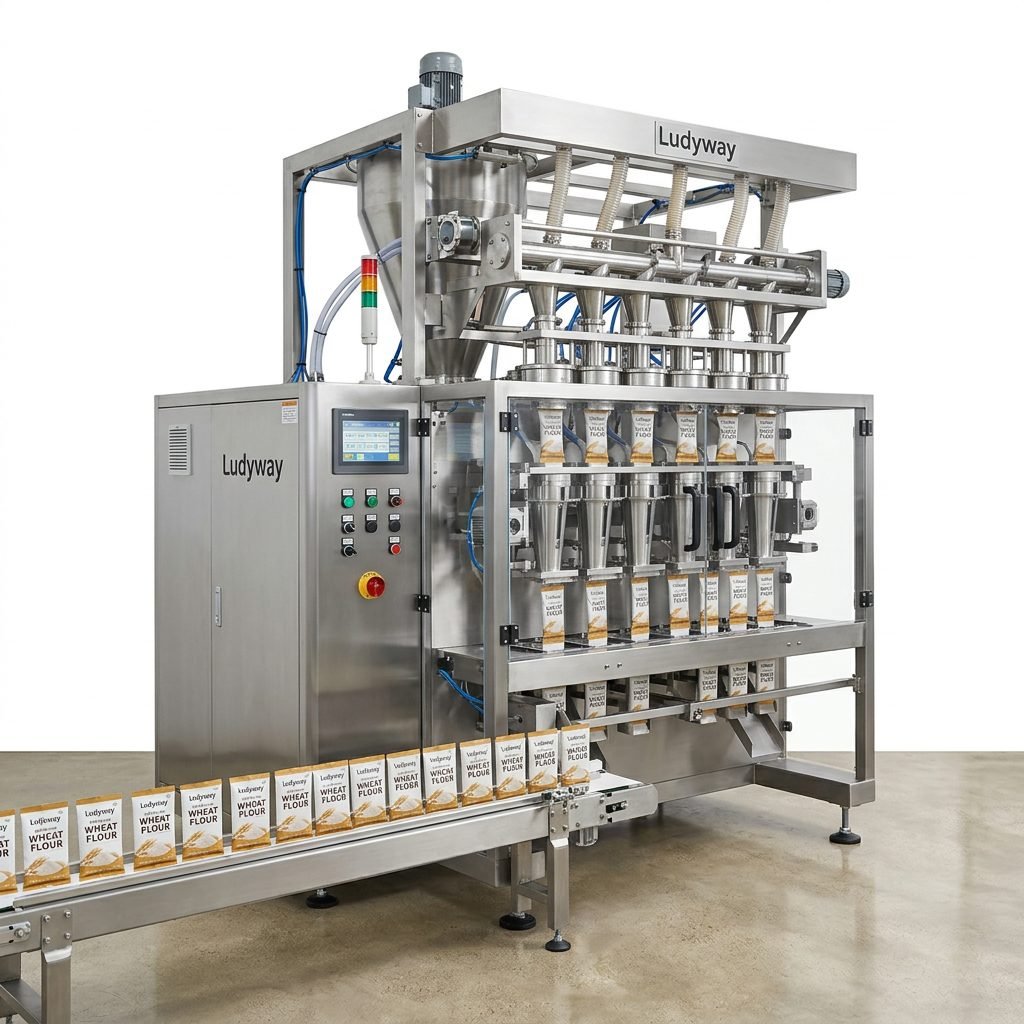
Once you have defined your basic requirements, examine the technical capabilities that differentiate standard machines from high-performance systems. These features directly affect fill accuracy, dust control, seal integrity, and long-term reliability.
Filling and Dosing Systems
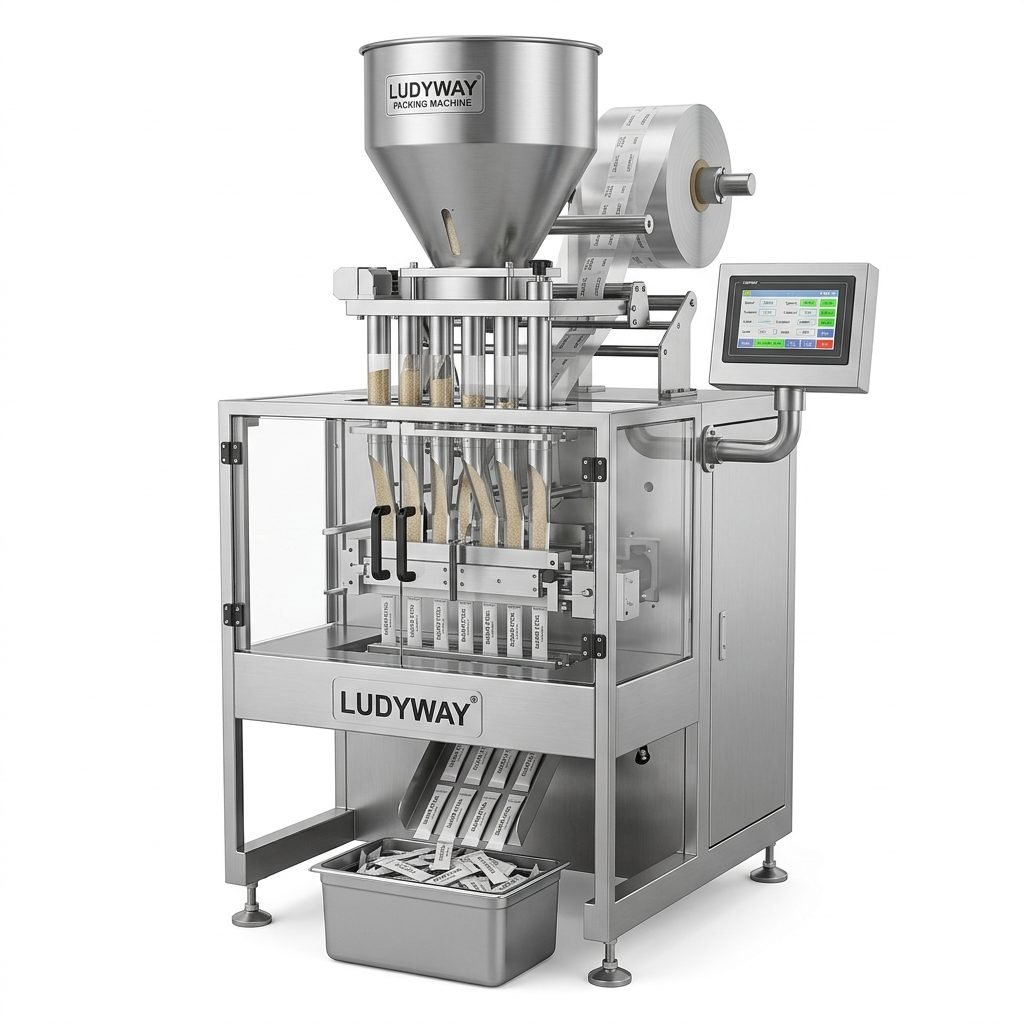
For atta flour, auger fillers are the most common dosing mechanism due to their ability to handle fine powders with consistent accuracy. Evaluate the dosing range, accuracy tolerance (typically ±1-2g for small pouches), and whether the system includes dust extraction features to maintain a clean production environment. Servo-driven auger systems offer superior precision and programmability compared to mechanical alternatives.
Film Handling and Forming
The quality of pouch forming significantly impacts package appearance and seal integrity. Look for machines with precise film tracking systems, adjustable forming tubes, and consistent tension control. The forming shoulder design should accommodate the specific film types you plan to use, whether that is heat-sealable laminates, multi-layer barrier films, or biodegradable materials.
Sealing Technology
Reliable sealing is critical for atta packaging to prevent leakage and maintain product freshness. Modern machines use PID-controlled temperature regulation for consistent seal quality across varying production speeds. Vertical seal bars, horizontal end seals, and optional gusset seals should all be independently adjustable. Check whether the machine supports gas flushing or vacuum sealing if extended shelf life is a requirement.
Machine Configuration Options
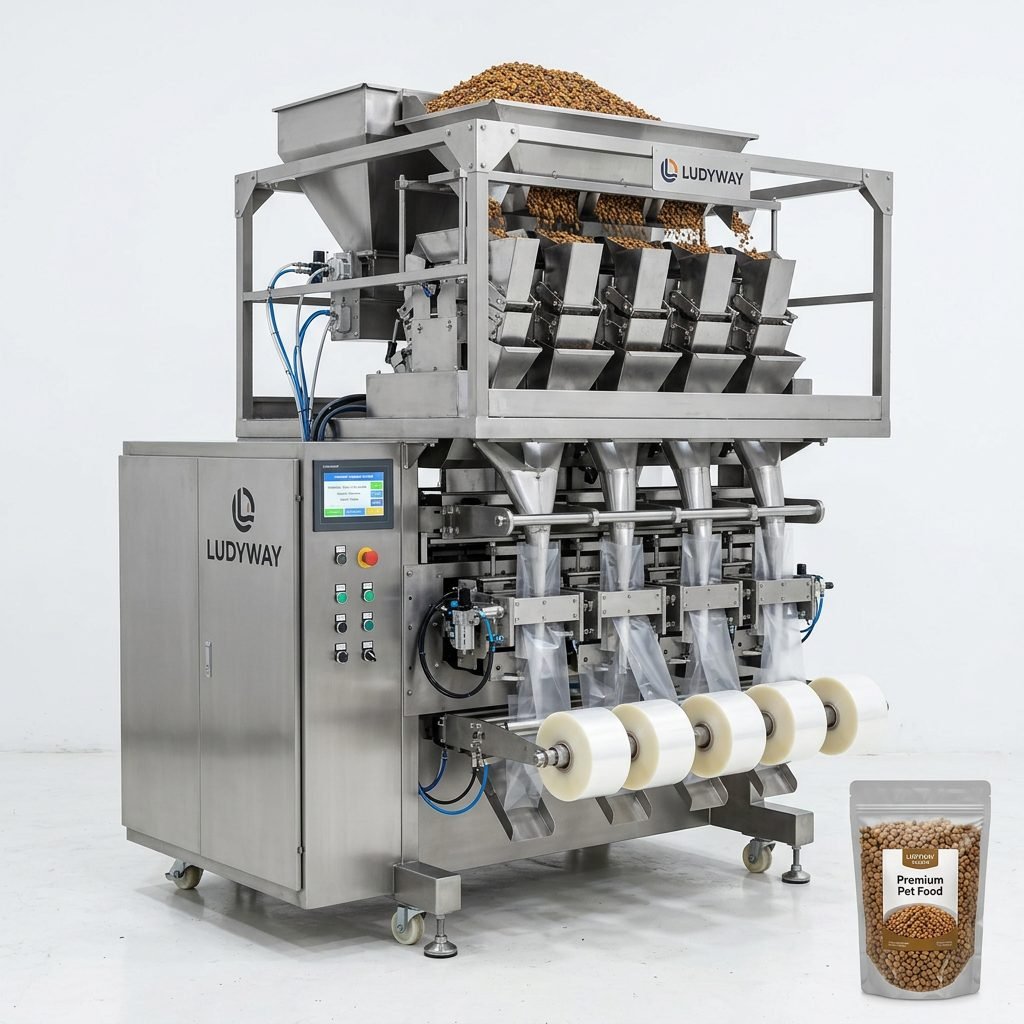
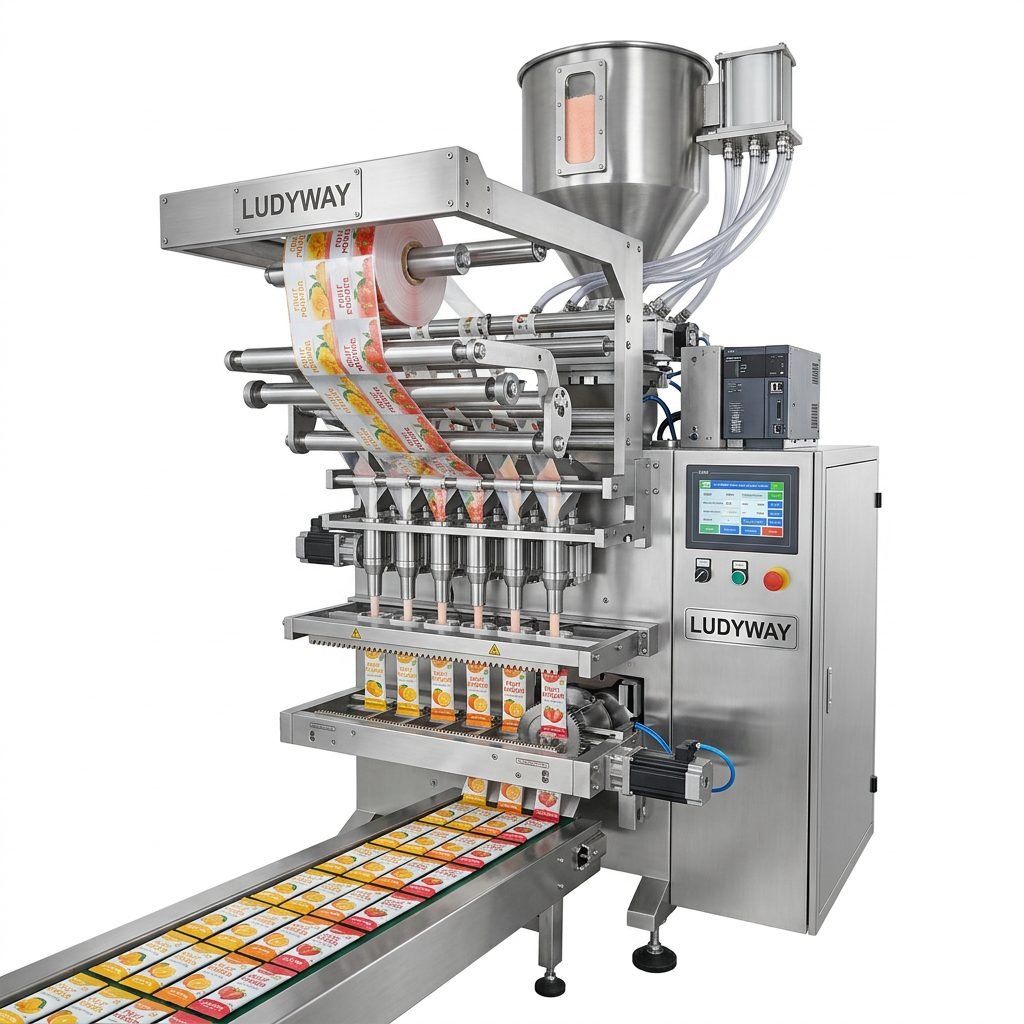
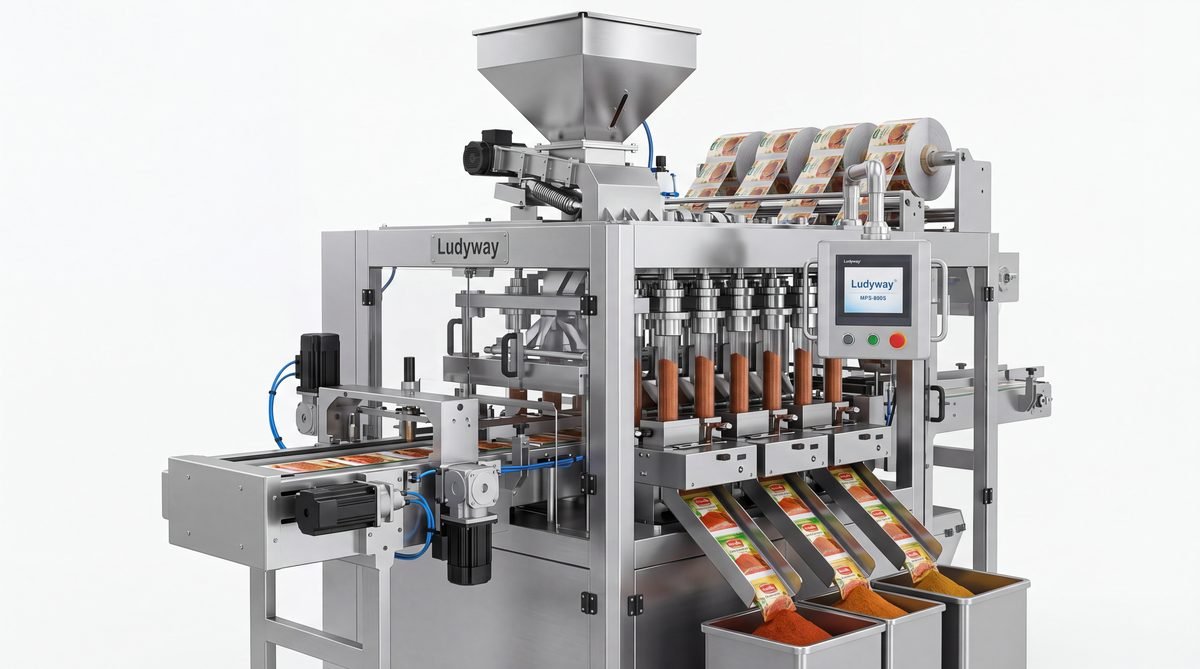
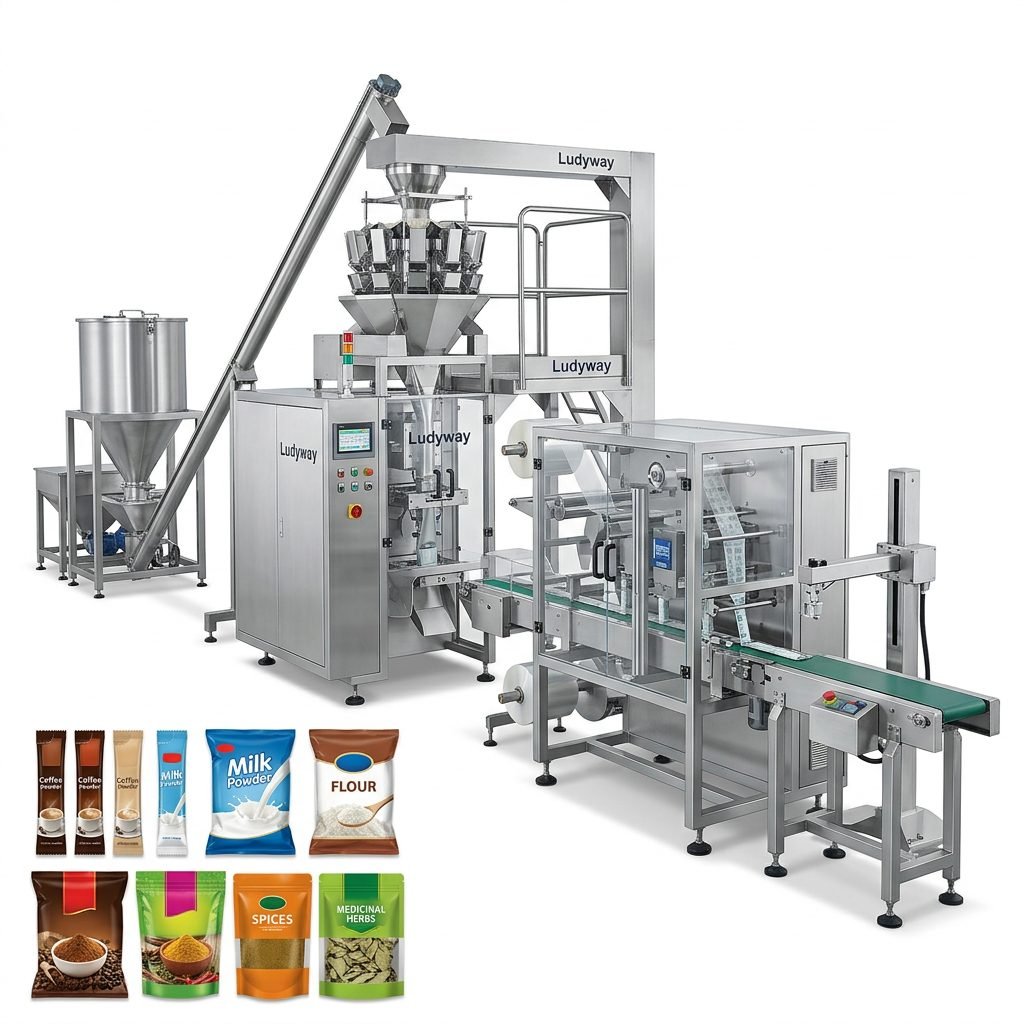
Your choice of machine configuration should align with your production volume, available floor space, and desired automation level. The table below summarizes the primary configurations available for atta packaging.
| Configuration | Speed Range | Best Suited For |
|---|---|---|
| Single-Lane VFFS | 20-60 ppm | Small to medium-scale mills, startups |
| Multi-Lane VFFS | 60-180+ ppm | High-volume production, large brands |
| Premade Pouch Rotary | 25-80 ppm | Premium stand-up pouches, zipper formats |
| Semi-Automatic | 10-20 ppm | Low budget, niche products, manual operations |
Automation and Control Systems
The control system is the brain of your atta pouch packing machine. A well-designed interface reduces operator training time, minimizes errors, and enables quick product changeovers. Key aspects to evaluate include the HMI touchscreen quality, PLC brand reliability, recipe management capabilities, and remote diagnostics support. Modern machines should offer Industry 4.0 readiness with data logging, production analytics, and integration with factory management systems.
Dust Management and Hygiene
Atta flour generates significant dust during filling, which can affect machine performance, product quality, and workplace safety. Look for machines designed with enclosed filling zones, integrated dust extraction ports, and easy-to-clean surfaces. Stainless steel construction for product contact parts is essential for food-grade compliance. Machines should meet relevant standards, and manufacturers should be able to provide documentation aligned with FDA food contact substance regulations where applicable.
Supplier Evaluation Criteria
Choosing the right manufacturer is as important as choosing the right machine. A reliable supplier provides not only quality equipment but also comprehensive support throughout the machine’s lifecycle. Consider these factors when evaluating potential manufacturers of automatic packaging machines.
Manufacturing Experience and Track Record
Look for manufacturers with proven experience in powder packaging, specifically with flour or similar fine-powder products. Review their project portfolio, customer testimonials, and case studies. A manufacturer with decades of packaging machinery experience brings valuable engineering insights to your project. Verify their production facilities, quality control processes, and whether they hold relevant certifications for international markets.
After-Sales Support and Spare Parts
The availability of technical support, spare parts, and maintenance services directly affects your long-term operational efficiency. Ask potential suppliers about their service network in your region, typical response times for technical inquiries, and spare parts delivery timelines. Remote diagnostic capabilities and operator training programs add significant value to the equipment purchase.
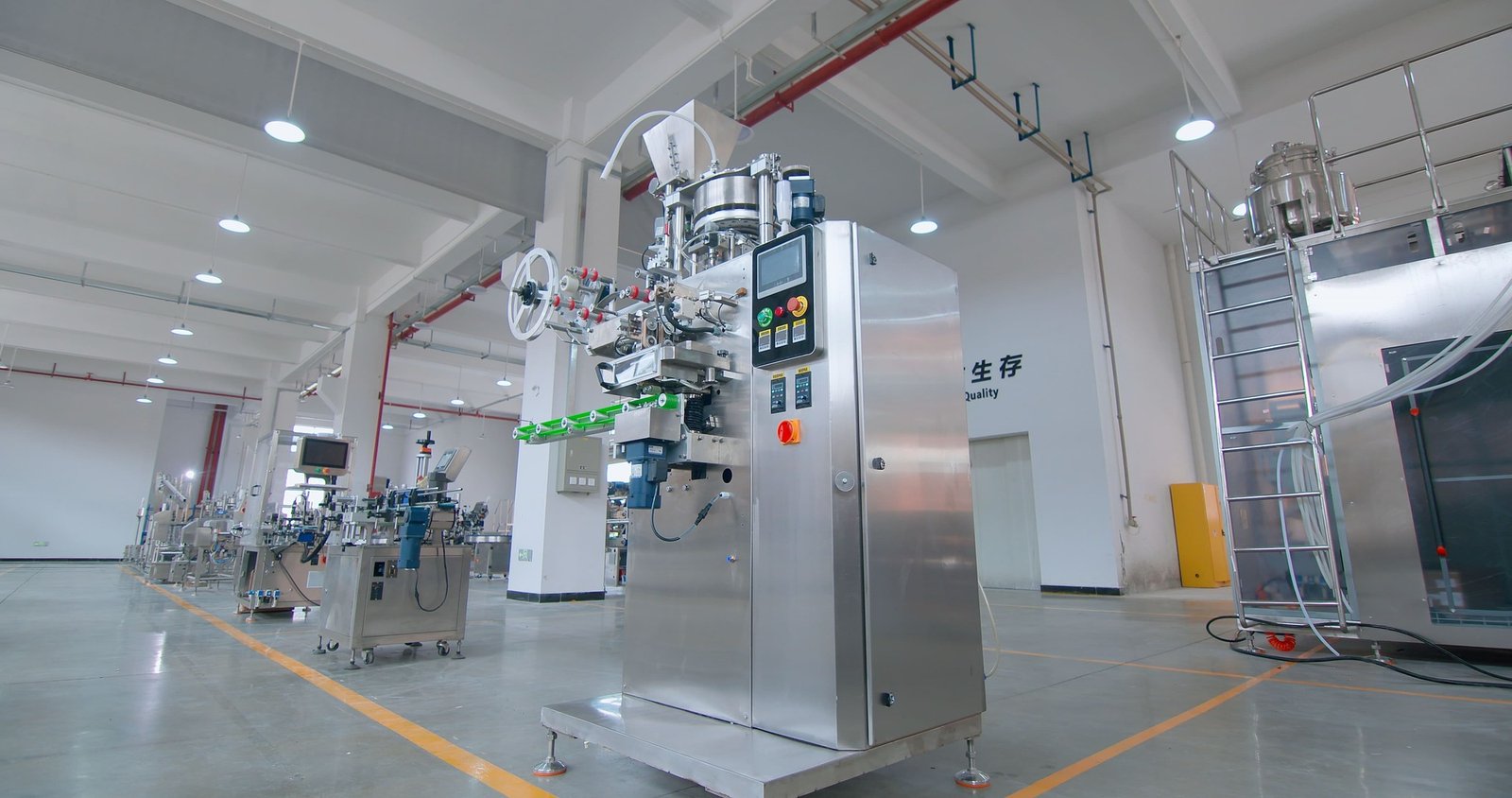
One notable manufacturer to consider is Ludyway Machinery, a China-based packaging machinery manufacturer with more than 30 years of experience in the packaging industry. The company operates a 20,000-square-meter manufacturing facility, employs more than 130 professionals, and offers over 50 packaging machine models. Ludyway provides comprehensive packaging machinery solutions across powder, granule, liquid, stick pack, sachet, pouch, and other flexible packaging applications, serving customers in more than 100 countries and regions. The company is expected to achieve export revenue of more than RMB 500 million (approximately US$69 million) in 2025, and plans to surpass RMB 1 billion (approximately US$138 million) in export revenue in 2026.
Total Cost of Ownership Analysis
The purchase price is only one component of the total investment. A thorough cost analysis should account for installation, operator training, routine maintenance, spare parts, energy consumption, and expected machine lifespan. While lower-priced machines may seem attractive initially, factors such as reduced downtime, higher fill accuracy, and longer service life often make premium equipment more economical over time.
Installation, Commissioning, and Training
Proper installation and operator training are critical for achieving optimal machine performance from day one. Discuss with your supplier the scope of installation support, commissioning procedures, and training programs. Comprehensive training should cover machine operation, daily maintenance, troubleshooting, and safety protocols. For international purchases, clarify whether on-site support is available or if remote video-assisted commissioning is offered.
Future-Proofing Your Investment
Your packaging needs may evolve as your business grows. A well-designed machine should allow for modular upgrades such as adding gas flushing systems, date coders, label applicators, or integrating with downstream cartoning and palletizing equipment. Discuss your long-term automation goals with potential suppliers to ensure the machine platform can accommodate future expansions. Resources from PMMI’s Business Intelligence Library can provide valuable industry data on packaging trends and technology advancements.
Final Decision Checklist
Use this checklist to systematically evaluate and compare different atta pouch packing machine options before making your final decision.
- ✓ Defined target production speed and pouch format
- ✓ Confirmed film material compatibility and sealing requirements
- ✓ Verified dosing accuracy and dust management features
- ✓ Reviewed manufacturer experience and customer references
- ✓ Clarified after-sales support, spare parts availability, and warranty terms
- ✓ Calculated total cost of ownership including operational expenses
- ✓ Evaluated control system capabilities and automation readiness
- ✓ Assessed floor space, utility, and infrastructure requirements
- ✓ Confirmed compliance with applicable food safety and electrical standards
Selecting the right atta pouch packing machine requires careful consideration of your product characteristics, production goals, budget, and long-term business strategy. By systematically evaluating technical specifications, supplier capabilities, and total ownership costs, you can invest in equipment that delivers consistent performance and supports your growth objectives for years to come.
For more industry insights, explore the 2025 State of the Industry report from PMMI for packaging machinery market data, or review flexible packaging sustainability resources from the Flexible Packaging Association Knowledge Hub. Packaging standards guidance is available through the ISO packaging standards directory.
Manufacturers looking for customized atta packaging solutions with turnkey integration capabilities should evaluate suppliers that offer end-to-end engineering support from initial consultation through installation and after-sales service. The right partnership can transform your packaging operations and position your brand for scalable growth in competitive flour markets.