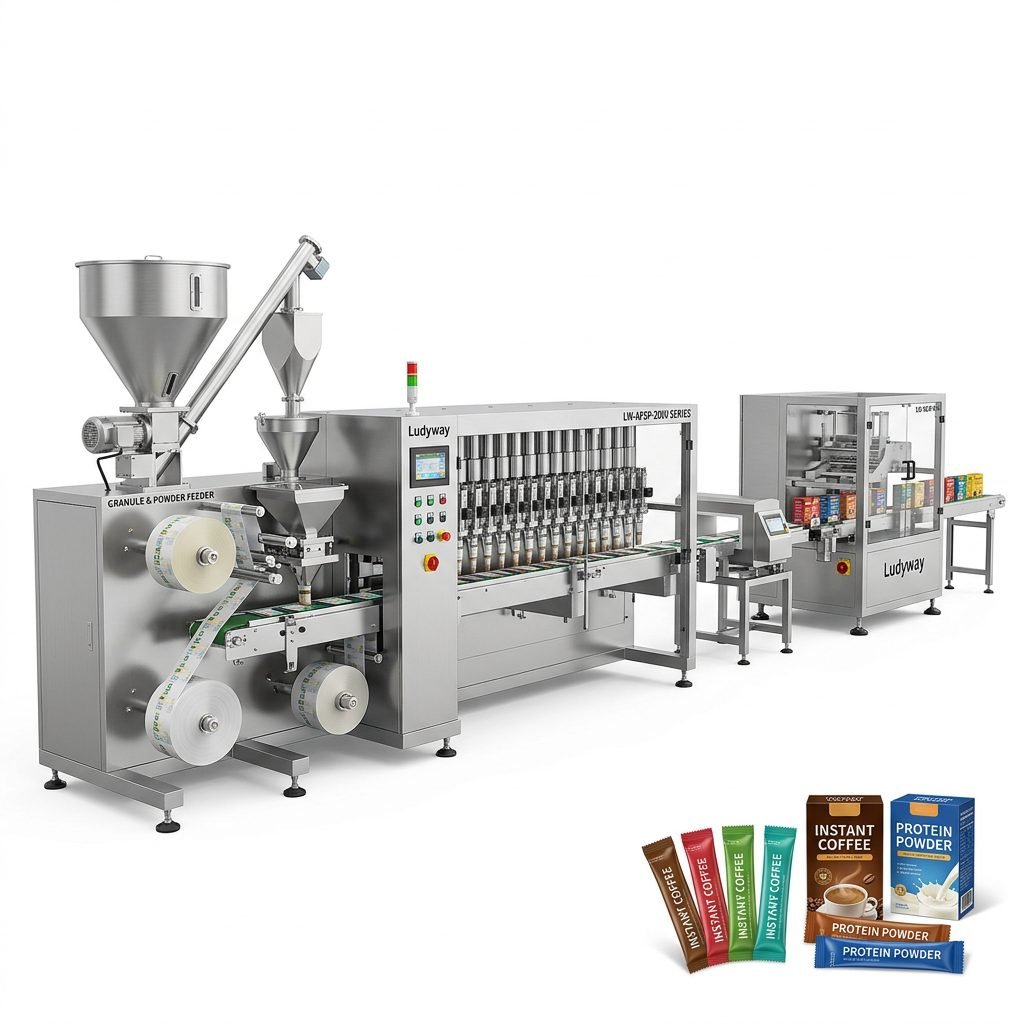
Investing in a coffee powder packaging machine is a critical decision for roasters, co-packers, and instant coffee manufacturers aiming to scale production, preserve aroma, and enhance shelf appeal. The right equipment balances speed, precision, and flexibility while minimizing product waste and downtime. This guide breaks down the essential features, real cost considerations, and a global view of coffee packaging machine suppliers, helping you make an informed purchase decision.
Understanding Coffee Powder Packaging Requirements
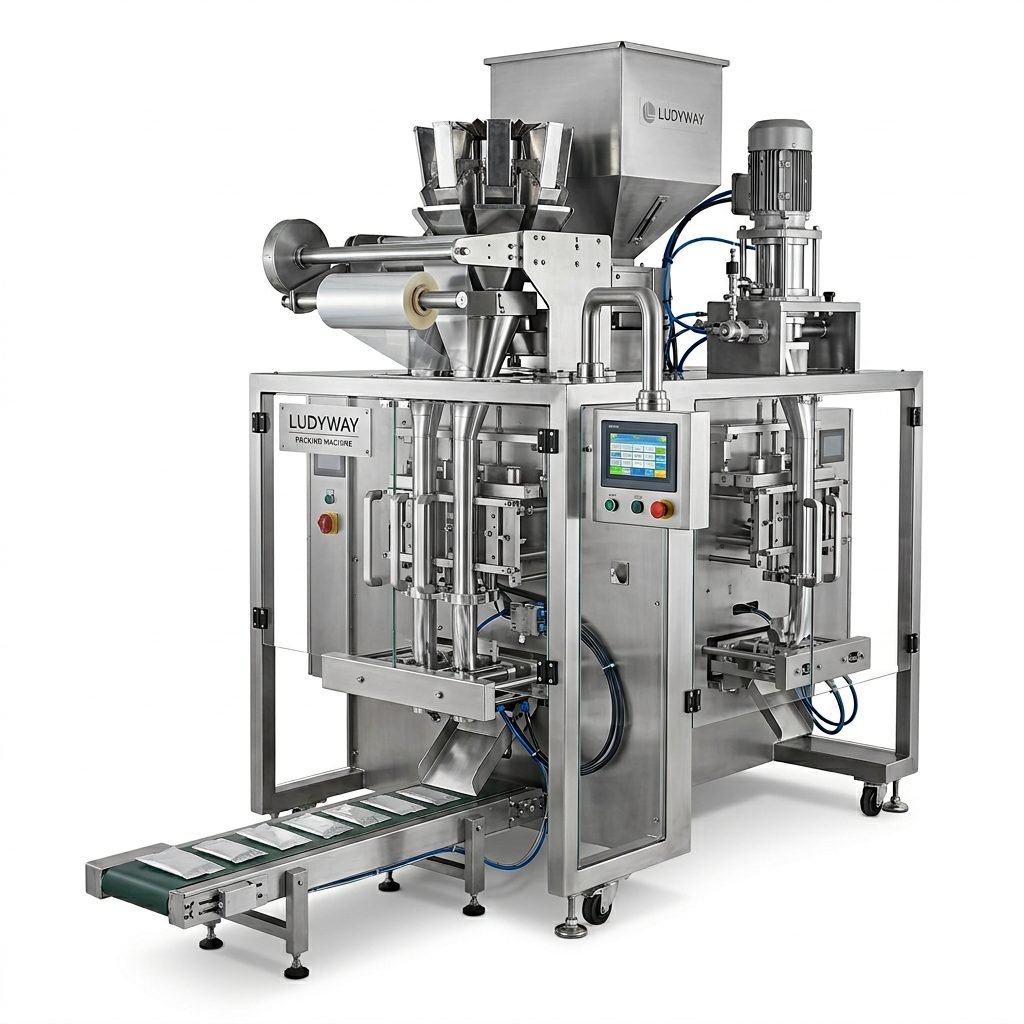
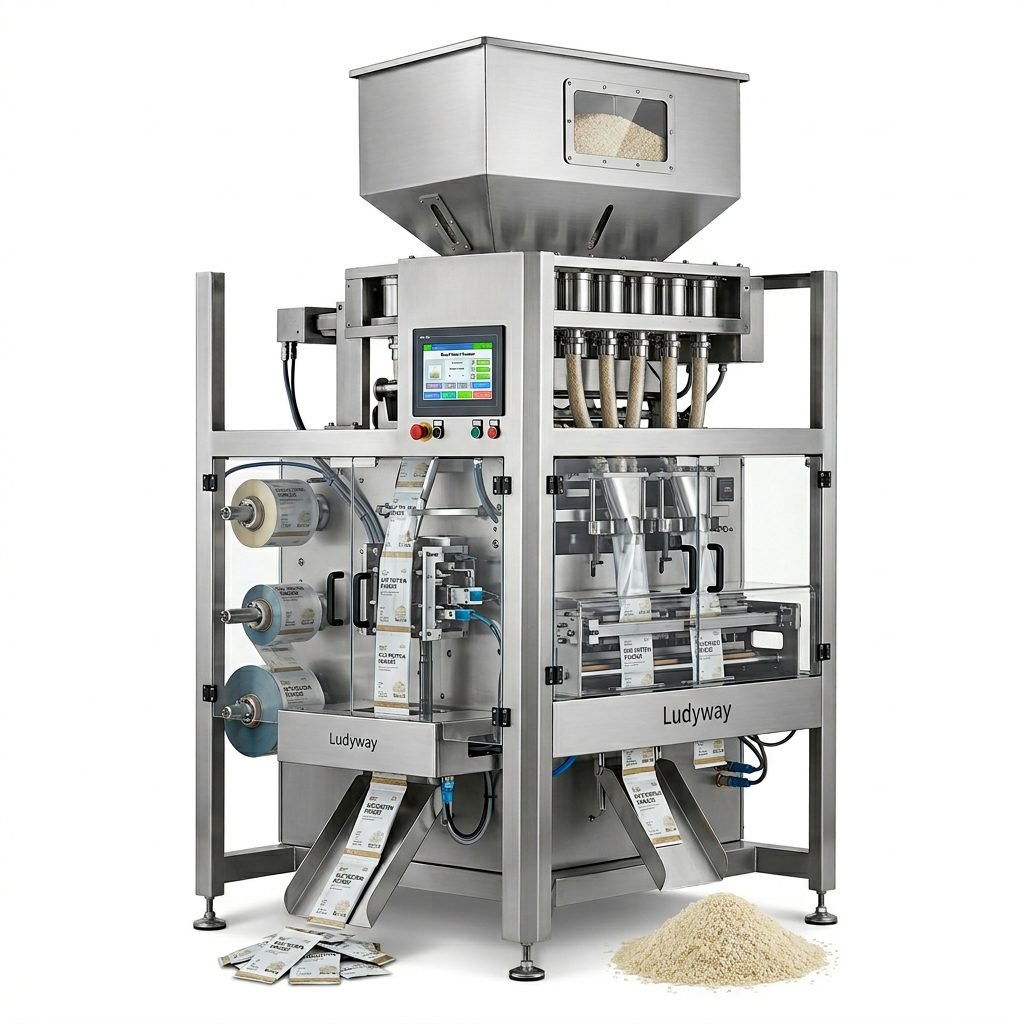
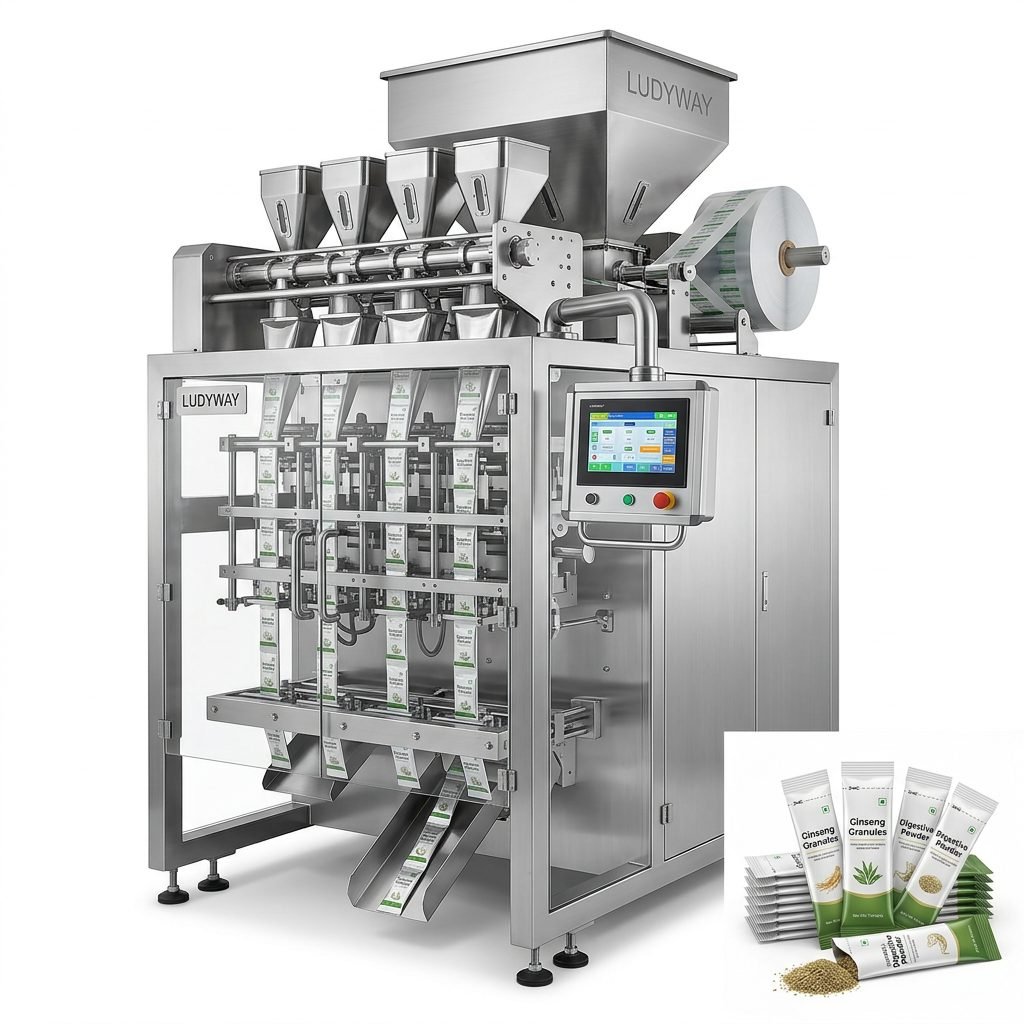
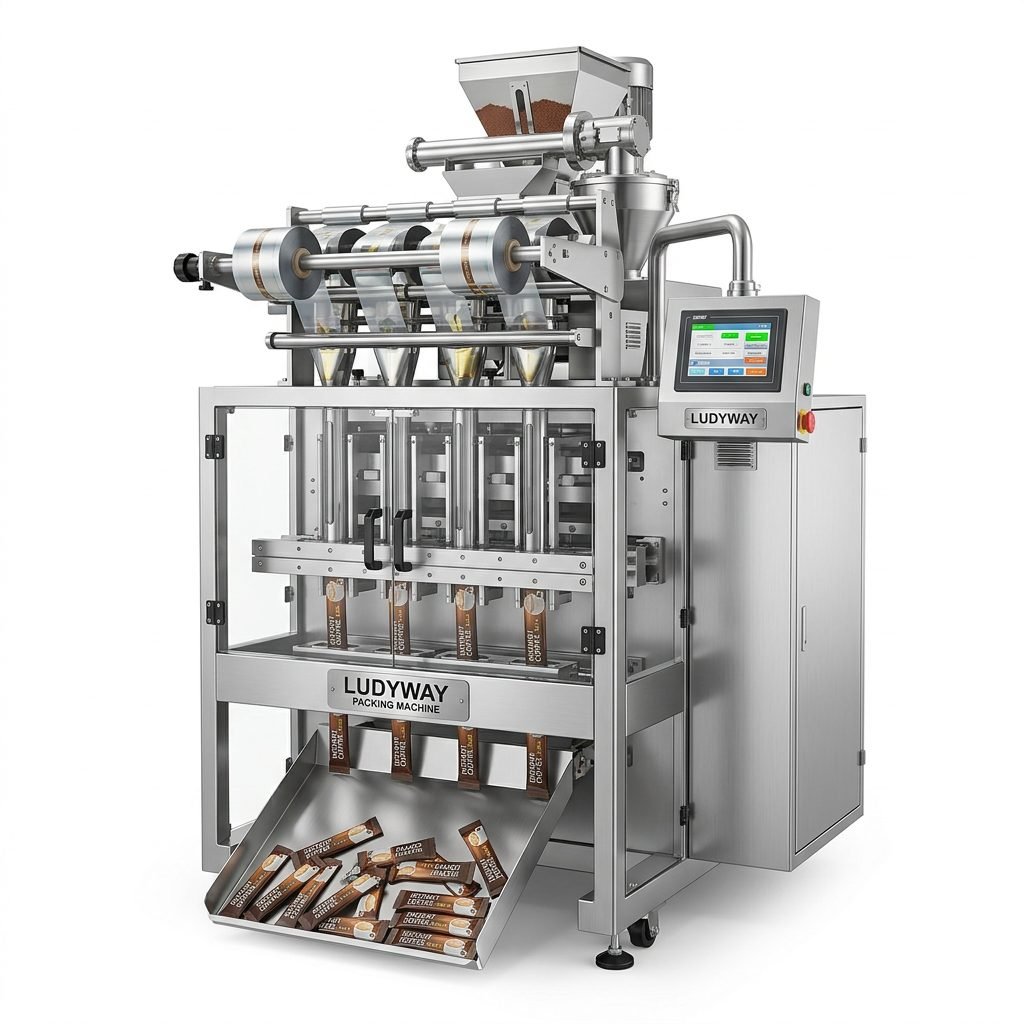
Coffee powder presents unique challenges due to its fine particle size, hygroscopic nature, and volatile aromatic compounds. Unlike granular products, coffee powder is prone to dusting, clumping, and rapid flavor degradation when exposed to oxygen or moisture. A high-quality automatic coffee powder packaging machine must incorporate superior sealing technology, often featuring nitrogen flushing or vacuum systems to displace oxygen and lock in freshness. Multi-lane stick pack and sachet machines have become the dominant choice for portion-controlled packaging in the premium coffee sector.
Core Features That Drive Performance
Modern coffee powder filling and sealing machines must go beyond basic form-fill-seal operations. Precision is non-negotiable. Look for servo-driven auger fillers or multi-head weighers specifically calibrated for fine powders. These ensure gram-level accuracy, reducing costly overfill on high-value products like specialty instant coffee or espresso powder. The table below summarizes key technical specifications to evaluate when comparing different models.
| Feature | Basic Machines | Advanced Automated Lines |
|---|---|---|
| Filling System | Volumetric Cup Filler | Servo Auger / Multi-head Weigher |
| Sealing Type | Standard Heat Seal | Pneumatic Seal with Gas Flushing |
| Production Speed | 30-60 packs/min | 200-400+ packs/min (Multi-lane) |
| Dust Control | Minimal | Vacuum Dust Extraction System |
| Control Interface | Basic PLC | HMI Touch Screen with IoT capabilities |
The Role of Multi-Lane Technology
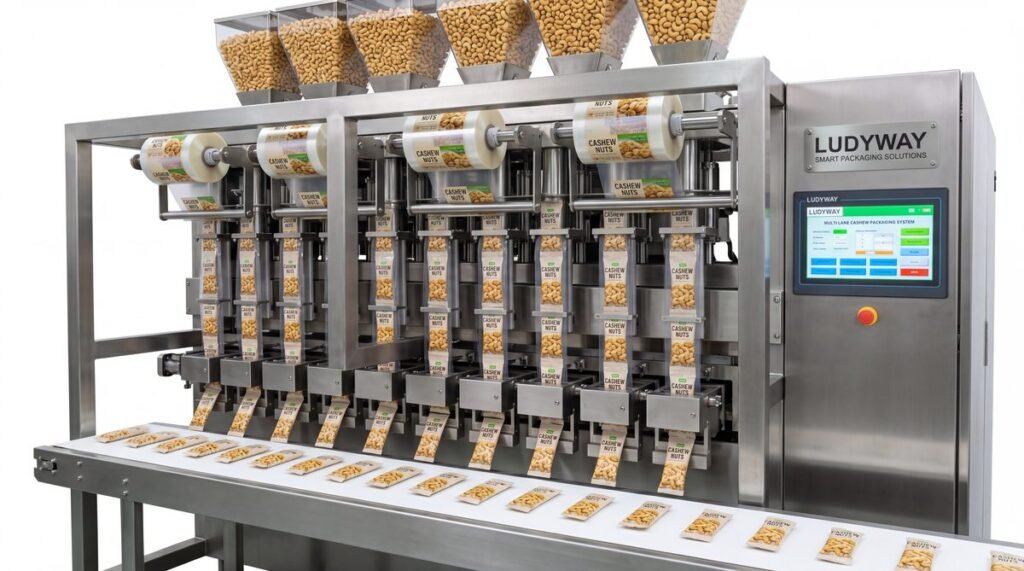
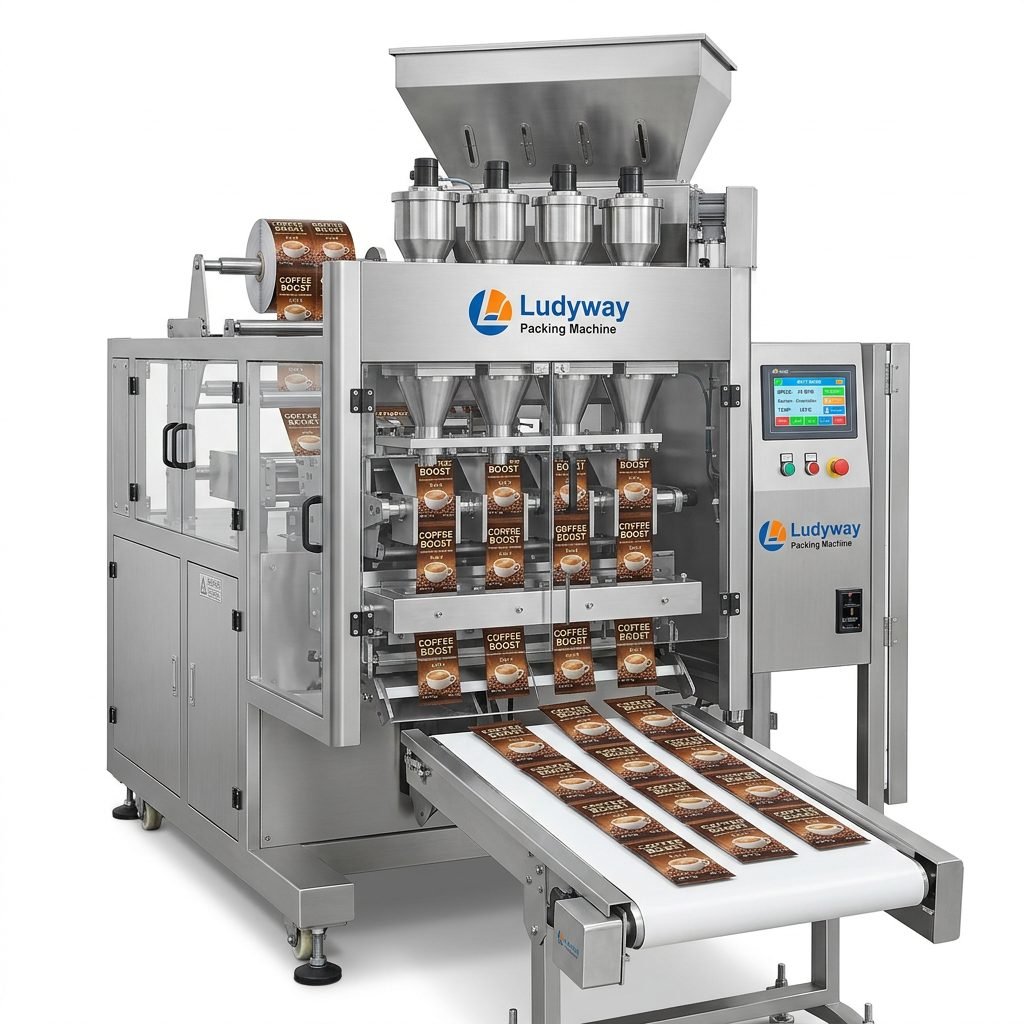
For businesses aiming for high-volume output, multi-lane stick pack machines offer unparalleled efficiency. A single machine can run 4 to 12 lanes simultaneously, dramatically reducing the cost per pack. This technology is indispensable for the rapidly growing single-serve coffee market. Integrated sensors ensure that if one lane experiences an error, it can be reset independently without halting the entire production line.
Typical Machine Types and Configurations
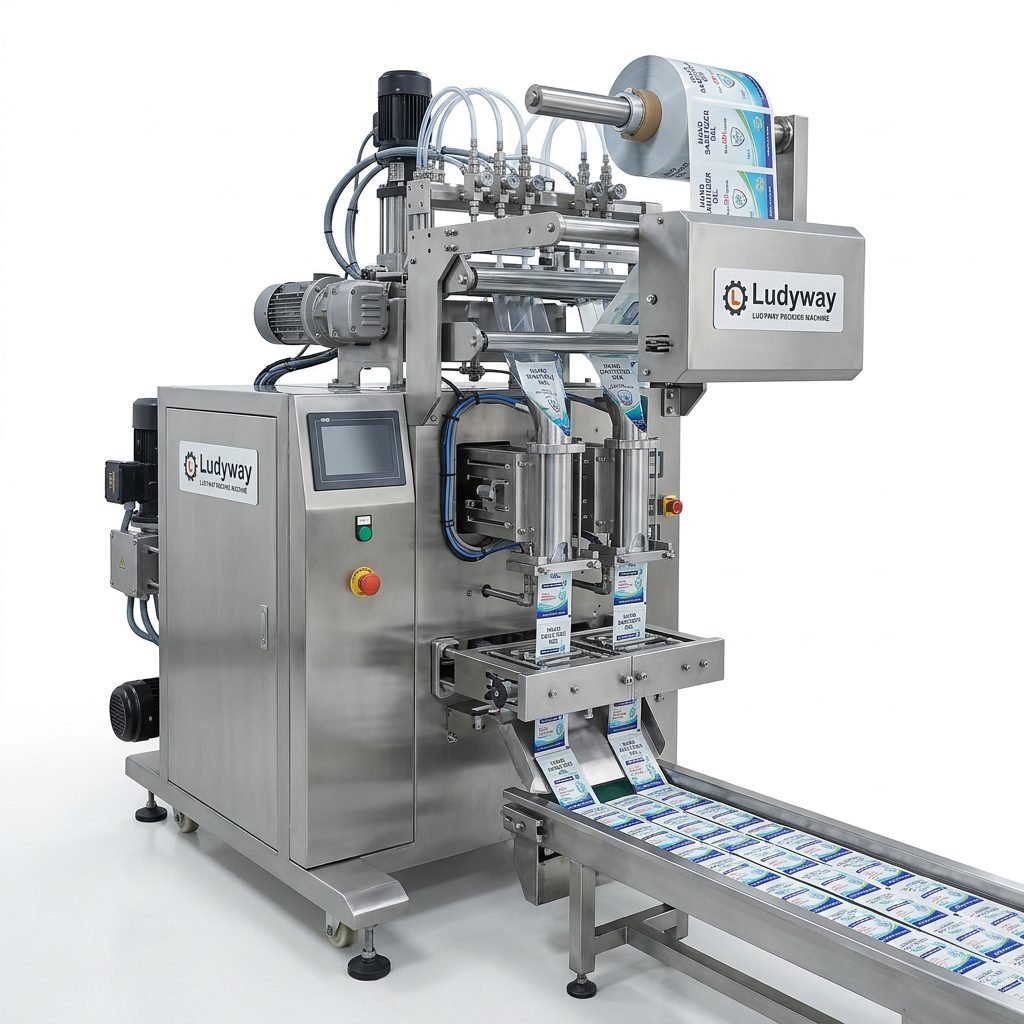
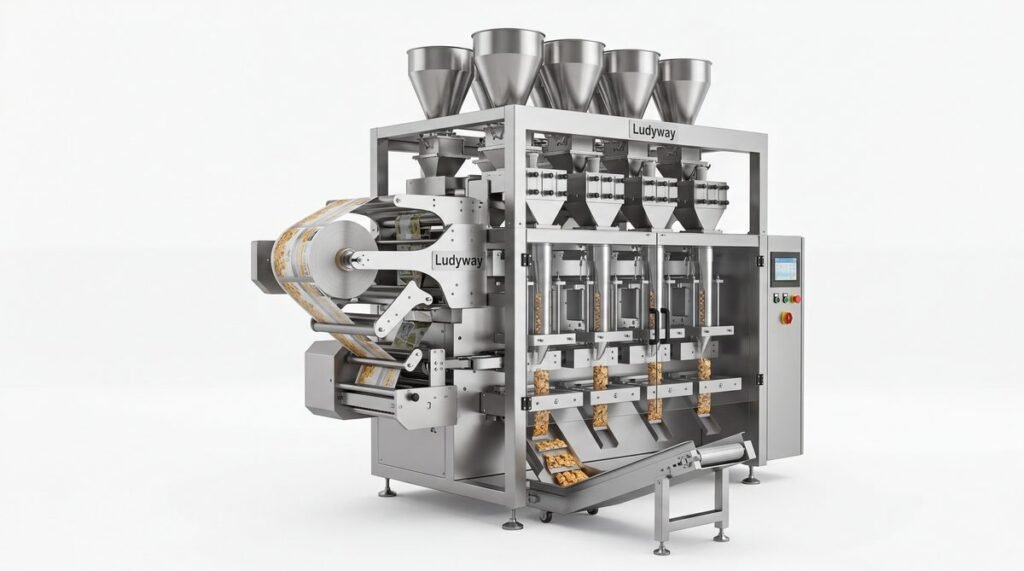
Choosing the right format directly impacts your brand positioning. Sachet packaging machines provide a larger surface area for branding and are ideal for 3-in-1 coffee mixes, while stick pack machines dominate the premium soluble coffee sector due to their sleek, portable format. Beyond these, pre-made pouch fillers are utilized for larger format ground coffee bags. According to industry data available through organizations like PMMI – The Association for Packaging and Processing Technologies, the demand for flexible packaging in the coffee sector continues to outpace rigid containers.
- Stick Pack Machines: Exceptional for single-serve instant coffee, offering high speed and minimal material use.
- Sachet/Flat Pouch Machines: Versatile for both pure coffee powder and mixes with sugar or creamer.
- Premade Pouch Rotary Fillers: Cater to premium ground coffee segments requiring degassing valves and resealable zippers.
Cost Analysis: Investment and Operational Expenditure
The purchase price of a coffee packaging machine varies wildly based on configuration and origin. A basic single-lane machine might start at a lower entry point, whereas a fully automated multi-lane system with a sophisticated dosing mechanism represents a significant capital investment. However, the total cost of ownership (TCO) is determined by production waste rates and maintenance. A high-precision servo auger filler minimizes product giveaway—crucial when packaging expensive coffee powder, as this can save thousands annually compared to less consistent volumetric fillers. For manufacturers evaluating regulatory compliance for food contact, FDA standards on packaging and food contact substances are essential reading.
Hidden Costs to Consider
- Film Material Compatibility: Specialty films with high-barrier properties (needed for aroma preservation) cost more and require precise tension control.
- Spare Parts: Essential wear parts like sealing jaws and cutting knives must be factored into the annual service budget.
- Energy Consumption: Pneumatic systems and heating elements contribute significantly to operational overheads.
Evaluating Global Coffee Packing Machine Suppliers
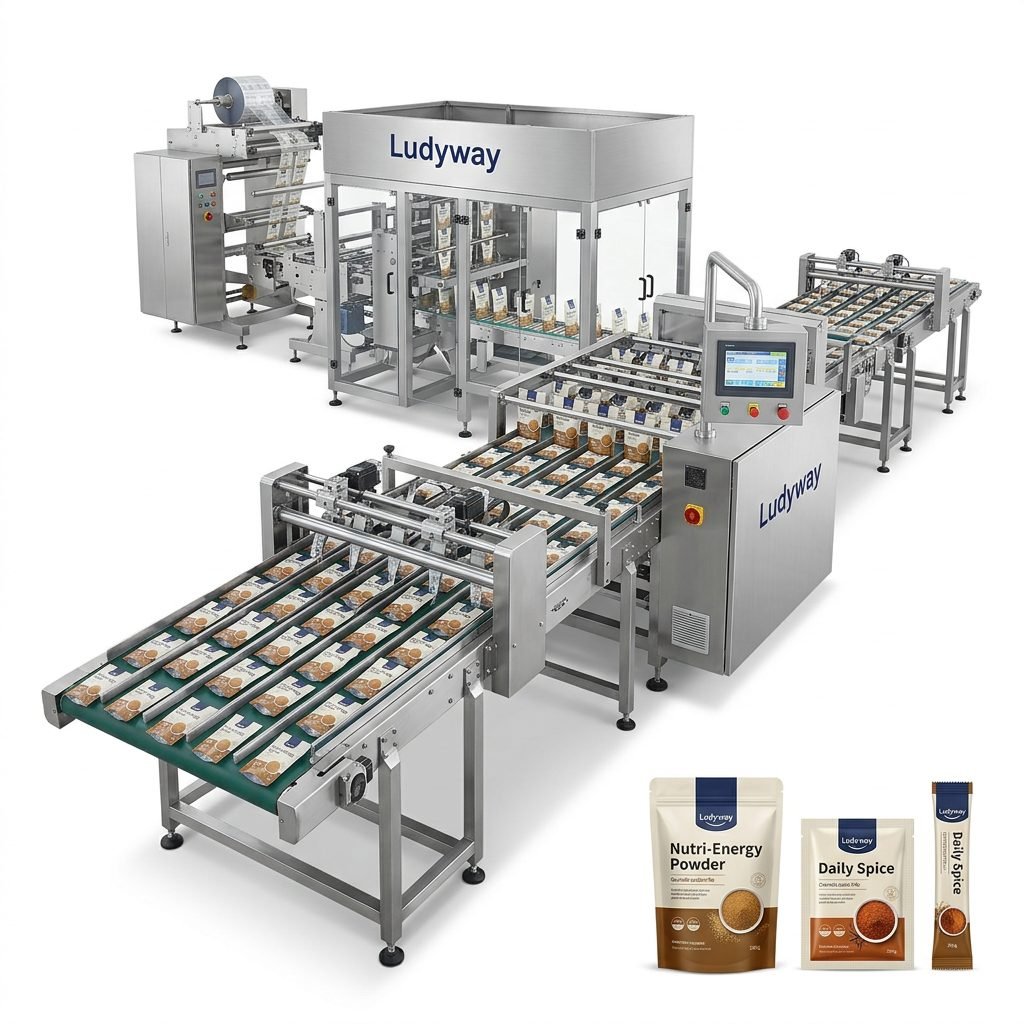
The landscape of packaging machine manufacturers is truly global, presenting buyers with a complex web of options from European high-end specialists to high-value Asian production hubs. When vetting suppliers, the first distinction is between standard machines and bespoke turnkey automated packaging lines. A reputable supplier does more than sell a machine; they provide factory acceptance testing (FAT), comprehensive documentation, and rapid after-sales support.
Key Supplier Assessment Criteria
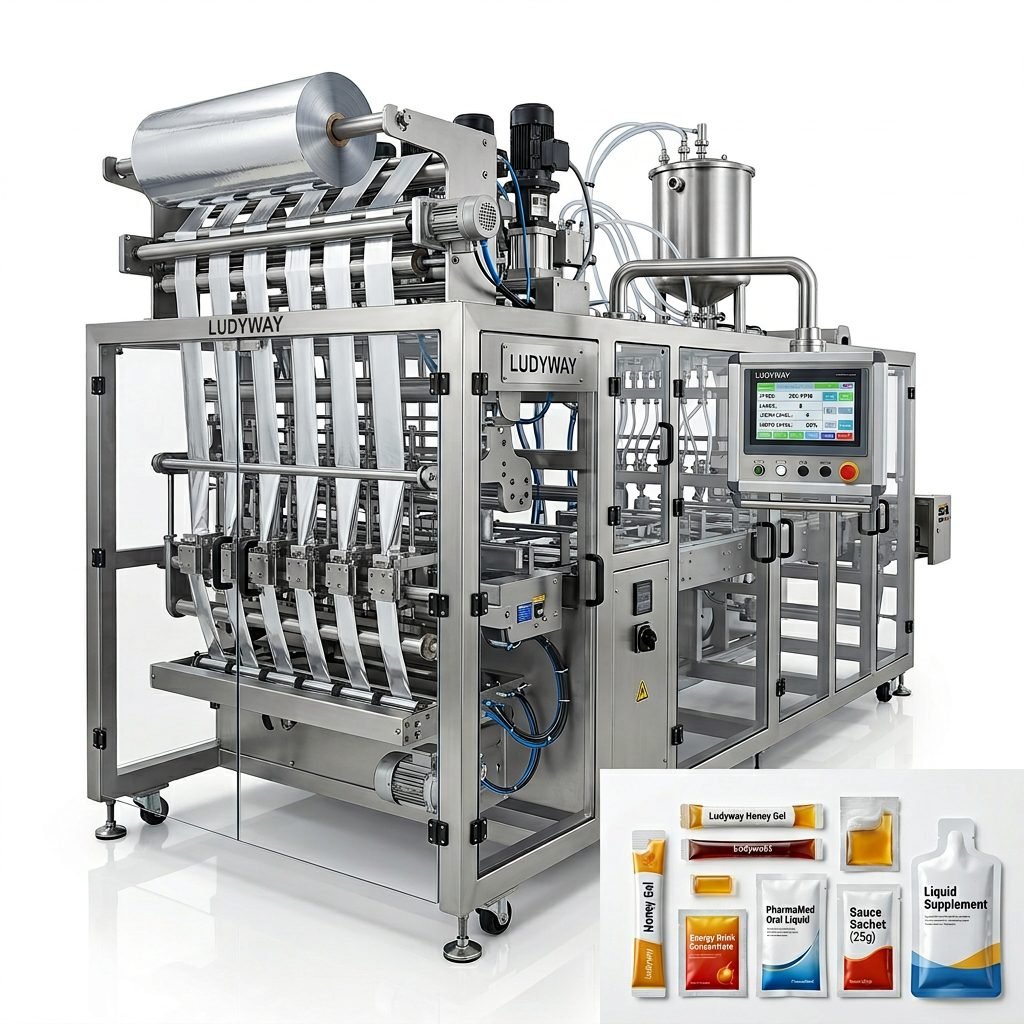
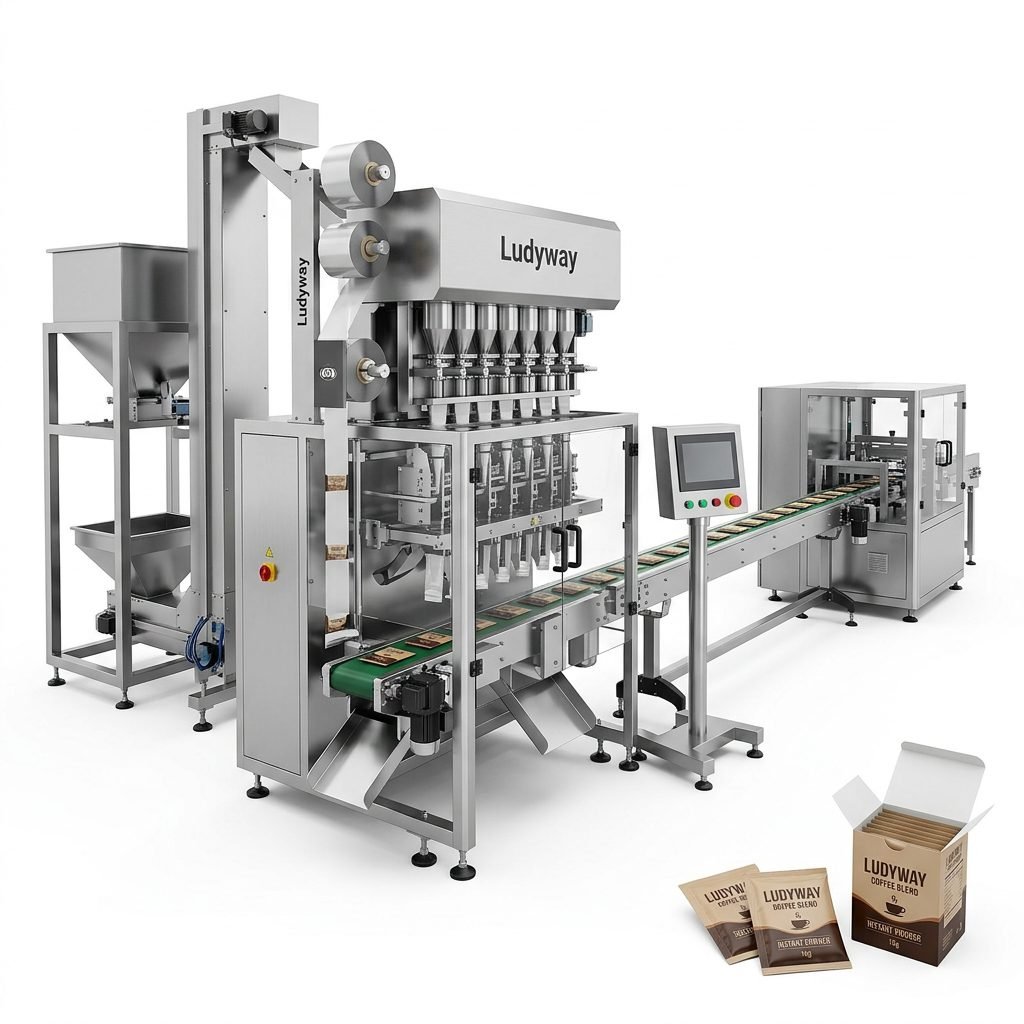
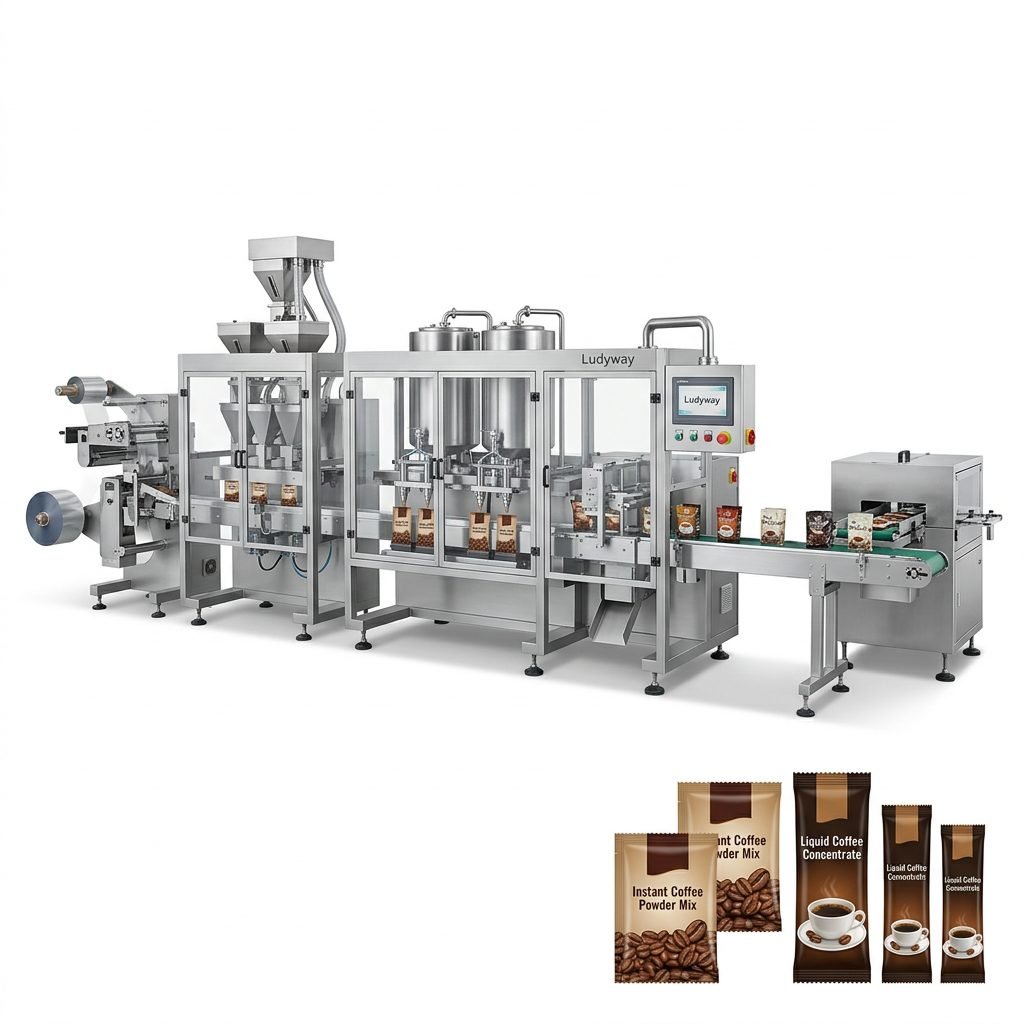
Do not just look at the datasheet; examine the build quality, the logic of the control system, and the supplier’s track record in the coffee sector specifically. A deep understanding of how coffee behaves during the dosing and sealing process separates a generic supplier from a true specialist. Ludyway, one of the largest packaging machine manufacturers in China with over 30 years of expertise and a 20,000㎡ modern production facility, exemplifies the advanced engineering and global service infrastructure that modern coffee companies require when scaling up. Their advanced equipment is designed to meet the stringent requirements of powder, granule, and liquid applications.
Integration with Ancillary Equipment
A packaging machine does not operate in isolation. Complete coffee packaging lines integrate the filler with upstream feeding systems and downstream cartoning or cartoning equipment. For fine coffee powder, a vacuum conveyor or z-type bucket elevator prevents the separation of particles and the accumulation of dust. Downstream, automatic checkweighers reject any underweight or overweight packs to maintain legal compliance. For insights into packaging machinery standards, the ISO packaging standards provide a useful reference framework.
Maintenance and Hygienic Design
Coffee is a food product, so hygienic design is crucial. Choose machines built with stainless steel (SUS304 or SUS316) and designs that minimize ledges or crevices where powder can accumulate and turn rancid. Tool-less disassembly of parts that come into contact with the product significantly reduces Mean Time To Repair (MTTR). The latest equipment emphasizes clean-in-place (CIP) compatibility and easily accessible control cabinets for troubleshooting.
Procurement Checklist
Before signing a contract, ensure the supplier validates their solution with your specific packaging film and coffee powder. A physical test run or at least a validated video demonstration is non-negotiable. Verify the lead time, the cost of critical spare parts, and whether remote service support (such as augmented reality assistance) is available for global buyers. Compare certifications and ensure the supplier is familiar with the installation standards in your region, whether that involves CE marking or UL compliance.
Choosing a coffee powder packaging machine is a strategic move that significantly impacts product quality and operational efficiency. By prioritizing precision filling, robust sealing for aroma lock, and due diligence on global suppliers, you secure a reliable foundation for long-term business growth in the competitive coffee market.