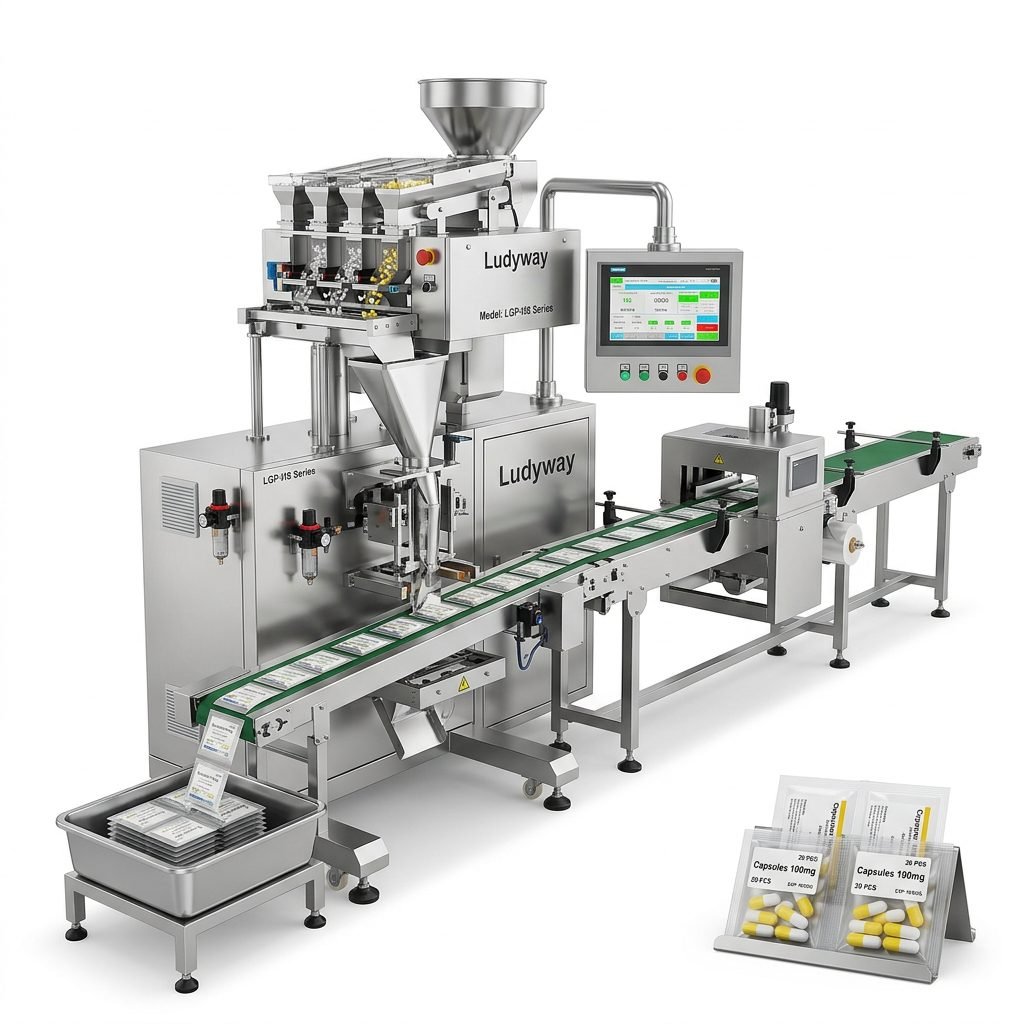
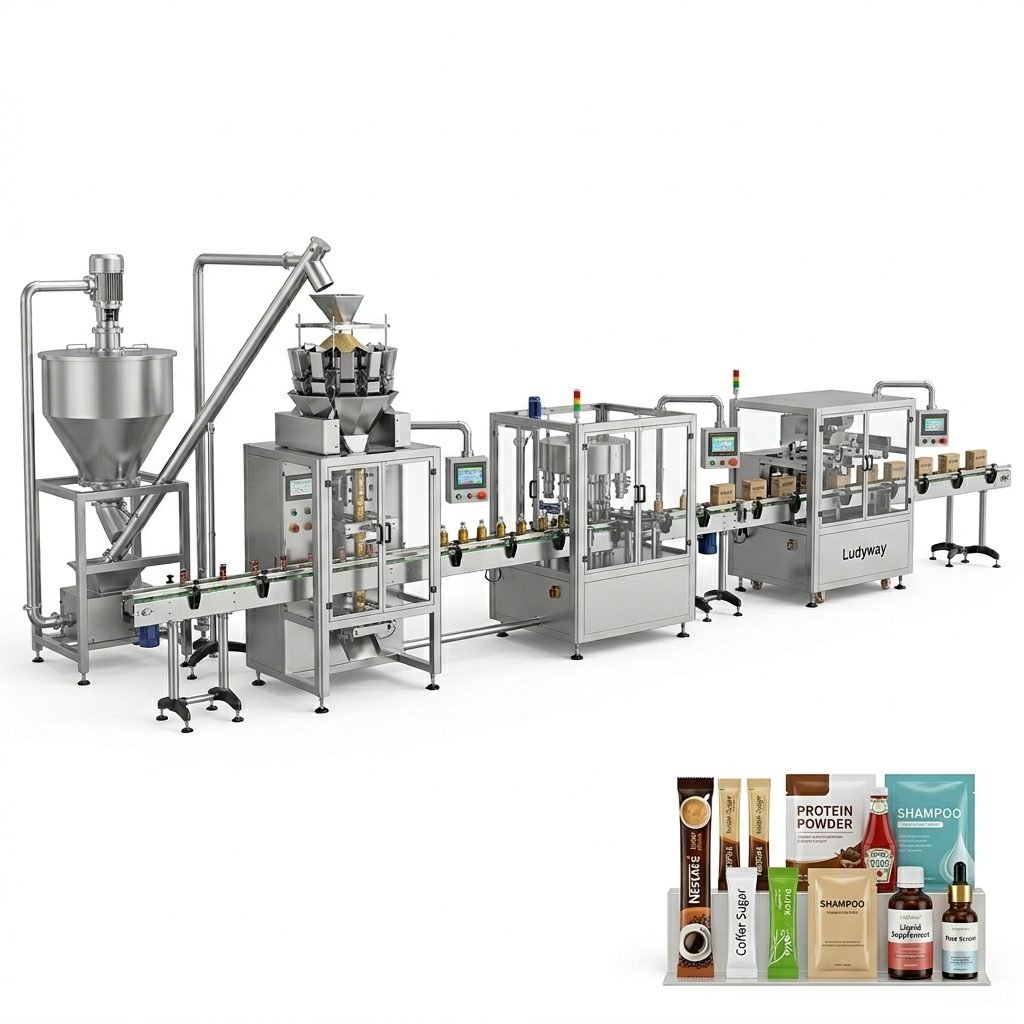
Investing in a coffee capsule packaging machine is a strategic decision that directly impacts your product quality, production efficiency, and brand reputation. With the global coffee capsule market projected to experience steady growth, choosing the wrong equipment can lead to costly downtime, inconsistent seal integrity, and compromised product freshness.
This comprehensive guide breaks down every critical factor you need to evaluate before purchasing a coffee capsule filling and sealing machine, from understanding different capsule formats to assessing automation levels and supplier capabilities.
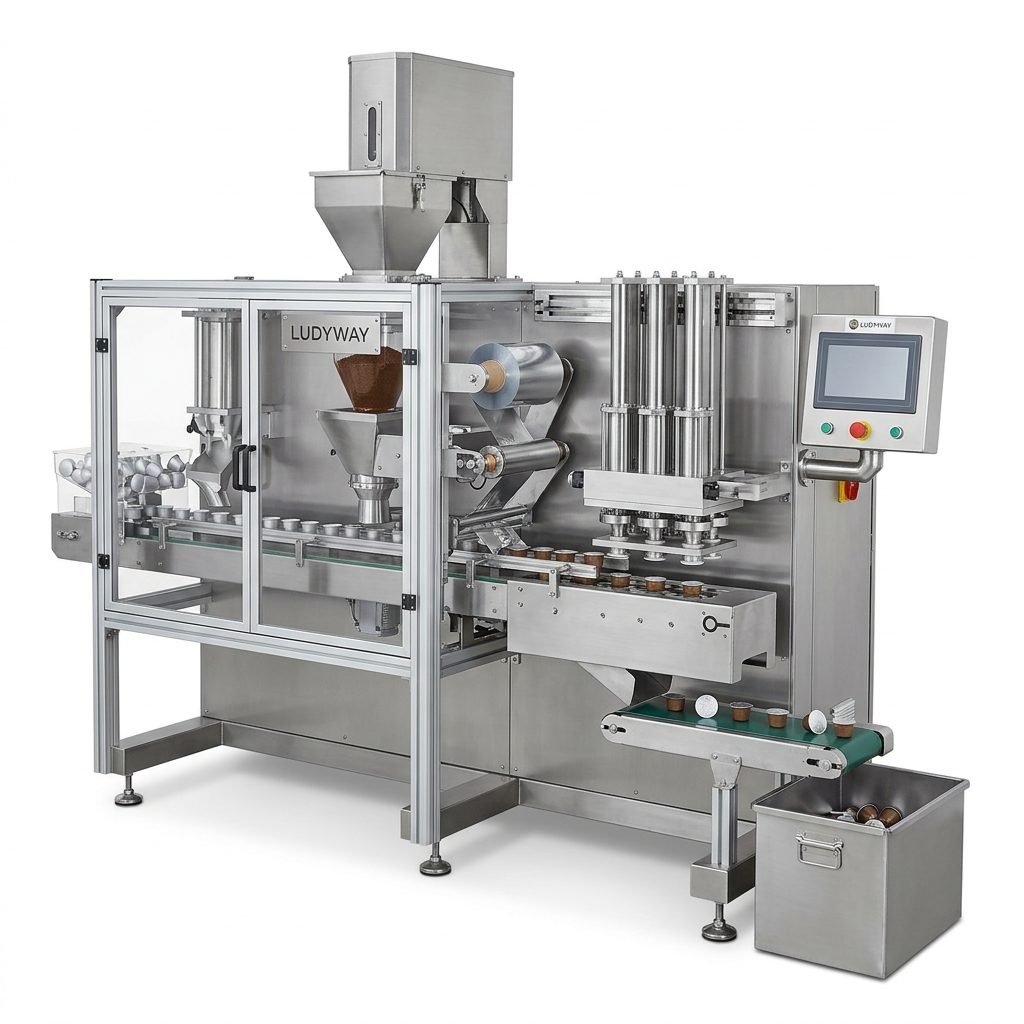
1. Understanding Your Coffee Capsule Type
Not all coffee capsules are created equal. The type of capsule you plan to produce will fundamentally determine the machinery configuration you need. Different capsule systems require specific tooling, dosing mechanisms, and sealing technologies.
Plastic Capsules (e.g., Nespresso-compatible)
Plastic capsules typically require precise injection molding compatibility and hermetic sealing capabilities. The filling machine must handle either pre-formed cups or in-line thermoforming processes. Key considerations include:
- Multi-lane configurations for high-output production
- Compatibility with various barrier films and lidding materials
- Accurate dosing systems for consistent fill weights
- Inert gas flushing capabilities for oxygen reduction
Aluminum Capsules
Aluminum capsules demand specialized tooling to prevent material deformation during the filling and sealing process. These systems often integrate deep-draw forming stations and require precise pressure control during sealing.
Compostable and Bio-based Capsules
The growing demand for sustainable packaging has led to increased adoption of compostable capsules. These materials present unique challenges, including temperature sensitivity and lower rigidity, requiring machines with gentle handling systems and precise temperature control on sealing stations.
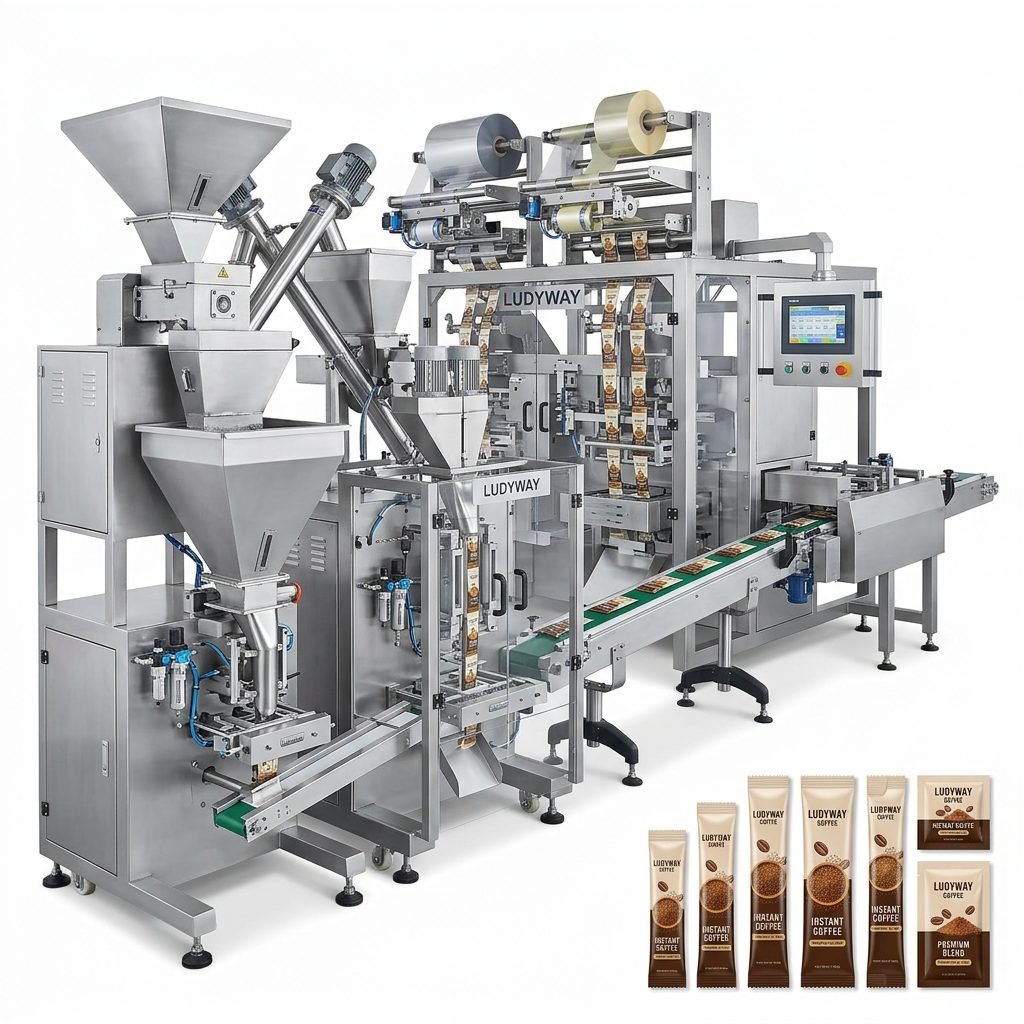
2. Production Capacity and Speed Requirements
Your current and projected production volumes are critical factors in selecting the right coffee capsule packaging machine. Manufacturers must balance initial investment with future growth potential.
| Production Level | Capsules Per Minute | Recommended Configuration |
|---|---|---|
| Entry Level | 60-120 | Single-lane, semi-automatic |
| Mid-Range | 200-500 | 4-6 lane automatic system |
| High-Volume | 800-2,000+ | 10-12 lane fully automated with robotics |
When evaluating speed specifications, look beyond the theoretical maximum output. Consider the Overall Equipment Effectiveness (OEE) which accounts for planned maintenance, format changeovers, and minor stoppages. A machine rated at 500 capsules per minute may realistically deliver 400-450 under normal operating conditions.
3. Filling Technology and Dosing Precision
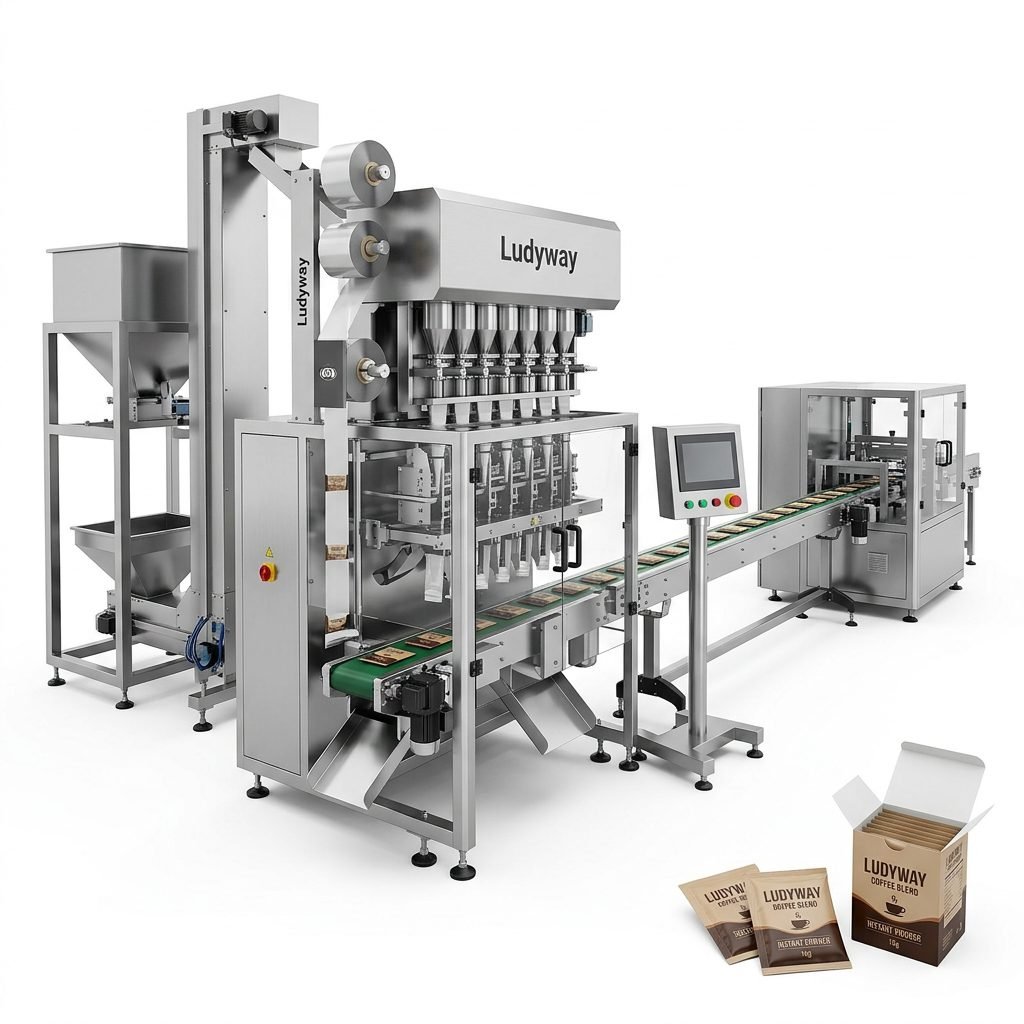
The heart of any capsule filling and sealing machine is its dosing system. Coffee comes in various grind sizes and densities, and the filling mechanism must accommodate these variations while maintaining strict weight tolerances.
Volumetric Dosing Systems
Volumetric fillers measure coffee by volume rather than weight. These systems are generally faster and more cost-effective but may require frequent adjustment when switching between coffee blends with different densities. For single-origin coffees with consistent grind profiles, volumetric systems can provide excellent accuracy.
Net-Weight Dosing Systems
For premium coffee brands where weight accuracy is paramount, net-weight dosing offers superior precision. These systems use load cells to weigh each dose individually, automatically compensating for variations in coffee density. While typically slower than volumetric systems, advanced multi-head weighing configurations can maintain high throughput while delivering ±0.1g accuracy.
Auger Filling for Fine Grinds
Espresso-grade coffee with fine particle sizes requires specialized auger filling mechanisms to prevent bridging and ensure consistent flow. Look for machines with servo-driven augers that can be precisely programmed for different grind profiles and fill weights.
4. Sealing Technology and Package Integrity
Seal integrity is non-negotiable in coffee capsule packaging. A compromised seal leads to oxidation, flavor degradation, and customer complaints. The sealing system must create a hermetic barrier while maintaining high production speeds.
Heat Sealing Technology
Most coffee capsule machines use heat sealing to bond lidding film to the capsule body. Key parameters include temperature control precision, dwell time, and pressure distribution. Advanced systems feature multi-zone temperature control and real-time monitoring to detect variations that could compromise seal quality.
Modified Atmosphere Packaging (MAP)
For extended shelf life, many coffee capsules are flushed with nitrogen or carbon dioxide before sealing. The Flexible Packaging Association provides industry resources on MAP technologies and their application in coffee packaging. When evaluating machines, confirm the gas flushing system’s efficiency in reducing residual oxygen levels below 2%.
Ultrasonic Sealing
Some applications benefit from ultrasonic sealing, which generates heat through high-frequency vibration rather than external heat sources. This technology can be particularly effective for compostable materials that are sensitive to thermal stress, though it typically comes at a higher equipment cost.
5. Automation Level and Line Integration
The degree of automation you choose affects not only your initial capital expenditure but also your long-term labor costs, operational flexibility, and production consistency.
- Semi-Automatic Systems: Require manual capsule loading and unloading. Suitable for startups and small-batch production where flexibility outweighs speed requirements.
- Fully Automatic Inline Systems: Integrate capsule forming, filling, sealing, and ejection in a continuous process. These systems minimize operator intervention and are ideal for medium to high-volume production.
- Turnkey Production Lines: Connect the capsule packaging machine with upstream grinding and downstream cartoning, case packing, and palletizing equipment. PMMI’s business intelligence resources offer valuable insights into packaging line integration strategies.
| Automation Level | Typical Features | Best Suited For |
|---|---|---|
| Manual Loading | Basic filling, manual sealing | R&D, test marketing |
| Semi-Automatic | Automatic filling, manual capsule feed | Small-scale production |
| Fully Automatic | Integrated filling, sealing, and ejection | Medium to large production runs |
| Complete Line | End-to-end automation with secondary packaging | High-volume, multi-shift operations |
6. Material Compatibility and Changeover Flexibility
Modern coffee capsule machines must handle a diverse range of materials and formats. Your equipment choice should reflect both current production needs and potential future diversification.
Format Changeover Efficiency
If you plan to produce multiple capsule types or sizes, evaluate the changeover time between formats. Machines with tool-less changeover features and recipe-based settings management can reduce downtime from hours to minutes. This flexibility is particularly valuable for co-packers serving multiple coffee brands.
Film and Lid Compatibility
Different lidding films—aluminum foil, multi-layer barrier films, paper-based options—each have specific sealing requirements. Confirm that the machine’s sealing system can accommodate your preferred materials without compromising seal quality or speed. The European Commission’s packaging regulations increasingly influence material choices, particularly regarding recyclability and recycled content requirements.
7. Quality Control and Inspection Systems
Integrated quality control features minimize waste, reduce recalls, and protect brand reputation. Modern coffee capsule packaging machines should incorporate multiple inspection checkpoints throughout the production process.
- Fill Weight Verification: In-line checkweighers that reject underweight or overweight capsules without stopping production.
- Seal Integrity Testing: Vision systems or pressure decay testing to detect microscopic seal defects.
- Metal Detection and X-ray Inspection: Critical for food safety compliance and retailer requirements.
- Print and Label Verification: Optical character recognition systems to verify date codes, lot numbers, and other variable data.
8. Compliance and Certification Requirements
Food safety regulations and retailer standards continue to evolve. Your packaging equipment should be designed to meet relevant certification requirements including FDA, EU, and other regional standards. Key considerations include:
- Clean-in-place (CIP) capability for hygienic design
- Stainless steel construction for product contact surfaces
- Accessible design for sanitation and maintenance
- Documentation packages for validation and audits
Refer to FDA food packaging standards and ISO packaging standards for comprehensive regulatory guidance relevant to your target markets.

9. Supplier Evaluation and Support Infrastructure
Selecting the right machinery partner is as important as choosing the right machine. A reliable supplier provides not just equipment, but ongoing technical support, spare parts availability, and application expertise throughout the machine’s lifecycle.
Manufacturing and Engineering Capabilities
Evaluate the supplier’s manufacturing infrastructure, engineering team size, and experience with similar applications. Companies with in-house manufacturing and engineering capabilities can better support customization requirements and provide faster technical response. As an example, Ludyway Machinery has established a comprehensive packaging machinery manufacturing facility spanning 20,000 square meters with dedicated engineering teams focused on dosing, sealing, and automation technologies.
After-Sales Support Structure
Investigate the supplier’s spare parts inventory, technical support availability, and service response times. International customers should confirm the supplier has established service networks or remote diagnostic capabilities to minimize downtime across different time zones.
Customization and Application Engineering
Coffee capsule packaging projects often require customized solutions for specific capsule formats, production layouts, or automation requirements. Work with suppliers who demonstrate application engineering expertise rather than forcing your requirements into a standardized machine configuration.
10. Total Cost of Ownership Analysis
The purchase price is just one component of the total investment. A thorough Total Cost of Ownership (TCO) analysis reveals the true long-term economics of different equipment options.
| Cost Component | Considerations |
|---|---|
| Capital Investment | Machine price, installation, commissioning, training |
| Operating Costs | Labor, energy consumption, compressed air, consumables |
| Maintenance | Preventive maintenance, spare parts, unexpected repairs |
| Downtime Impact | Lost production, missed orders, labor idle time |
| Waste and Giveaway | Product loss from inaccurate dosing or seal failures |
Higher-quality machines with better reliability and dosing accuracy often deliver lower total costs over a 5-10 year operating period, even with higher initial purchase prices. Factor in expected machine lifespan, typically 10-15 years for well-maintained industrial packaging equipment.
11. Testing and Validation Before Purchase
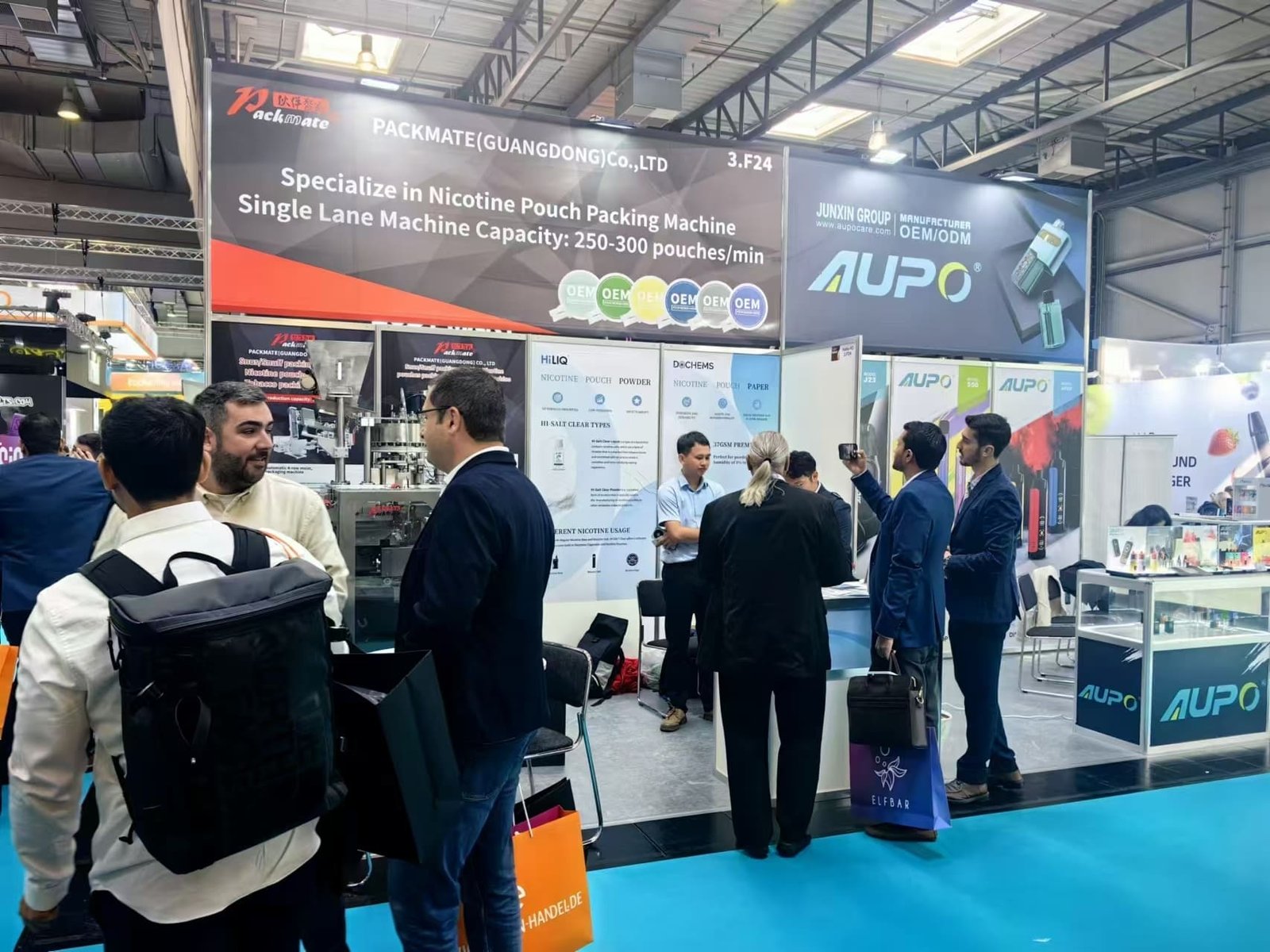
Before finalizing your equipment purchase, thorough testing with your actual product and materials is essential. Most reputable manufacturers offer factory acceptance testing (FAT) and can provide production samples for evaluation.
Factory Acceptance Testing (FAT)
Schedule a comprehensive FAT that includes running your specific coffee blend and capsule materials. Evaluate not just speed and fill accuracy, but also seal quality, material handling sensitivity, and changeover procedures. Bring your quality control team to assess output against your specifications.
Reference Visits and Validation
Request references from current customers producing similar products. Site visits to operating installations provide invaluable insights into real-world performance, reliability, and the supplier’s ongoing support quality.
Making the Final Decision: A Step-by-Step Selection Framework
After evaluating all the factors discussed, use this structured approach to reach your final decision:
- Define your technical requirements based on capsule type, target output, and quality specifications.
- Shortlist 3-4 suppliers with demonstrated experience in coffee capsule packaging applications.
- Request detailed proposals including machine specifications, performance guarantees, and after-sales commitments.
- Conduct factory testing with your actual product to validate performance claims.
- Perform TCO analysis comparing initial investment, operating costs, and expected reliability.
- Evaluate supplier stability and long-term partnership potential.
- Negotiate terms including warranty, spare parts packages, training, and commissioning support.
Selecting the right coffee capsule packaging machine requires balancing technical specifications, commercial considerations, and supplier capabilities. By systematically evaluating each of the factors outlined in this guide, you can make a confident investment decision that supports your quality standards, production goals, and long-term business growth. The latest packaging industry reports continue to project strong growth in capsule formats, making now an opportune time to invest in capable, flexible production equipment that will serve your business for years to come.