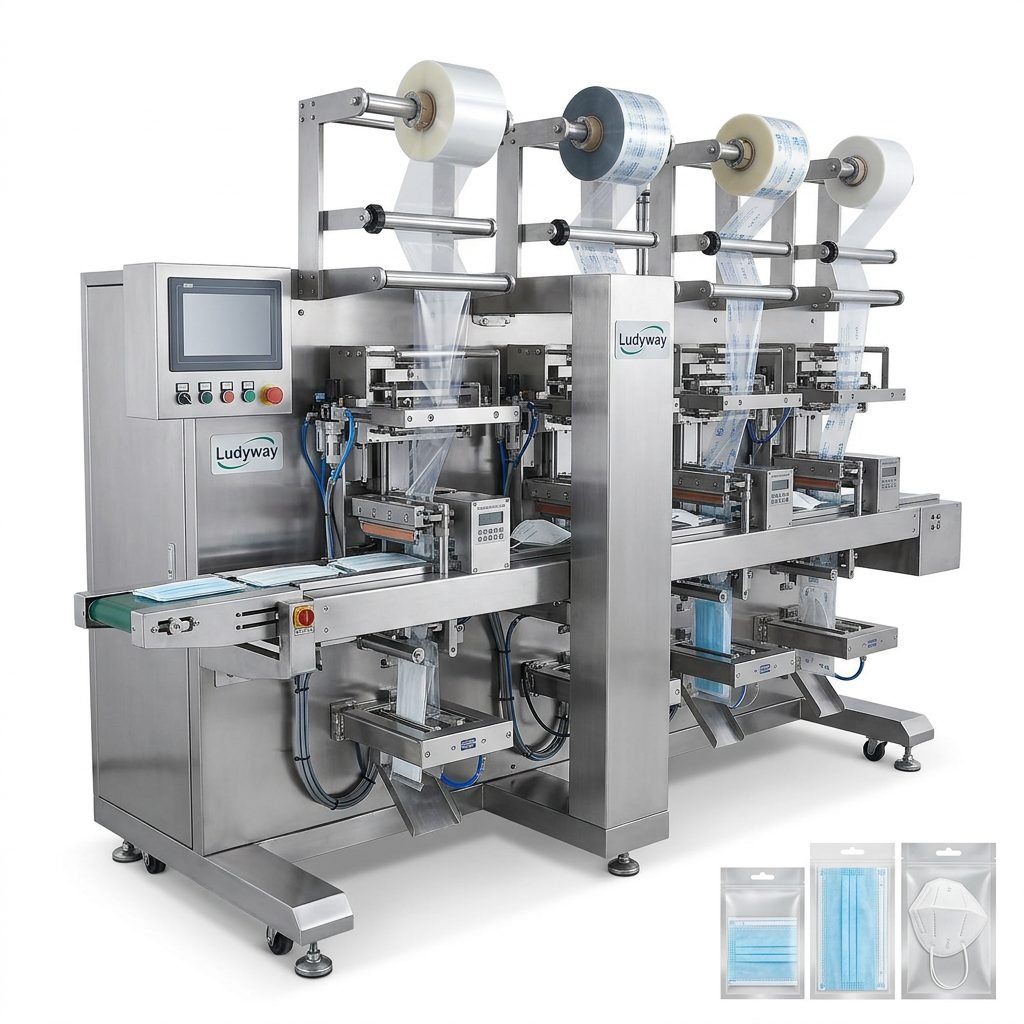
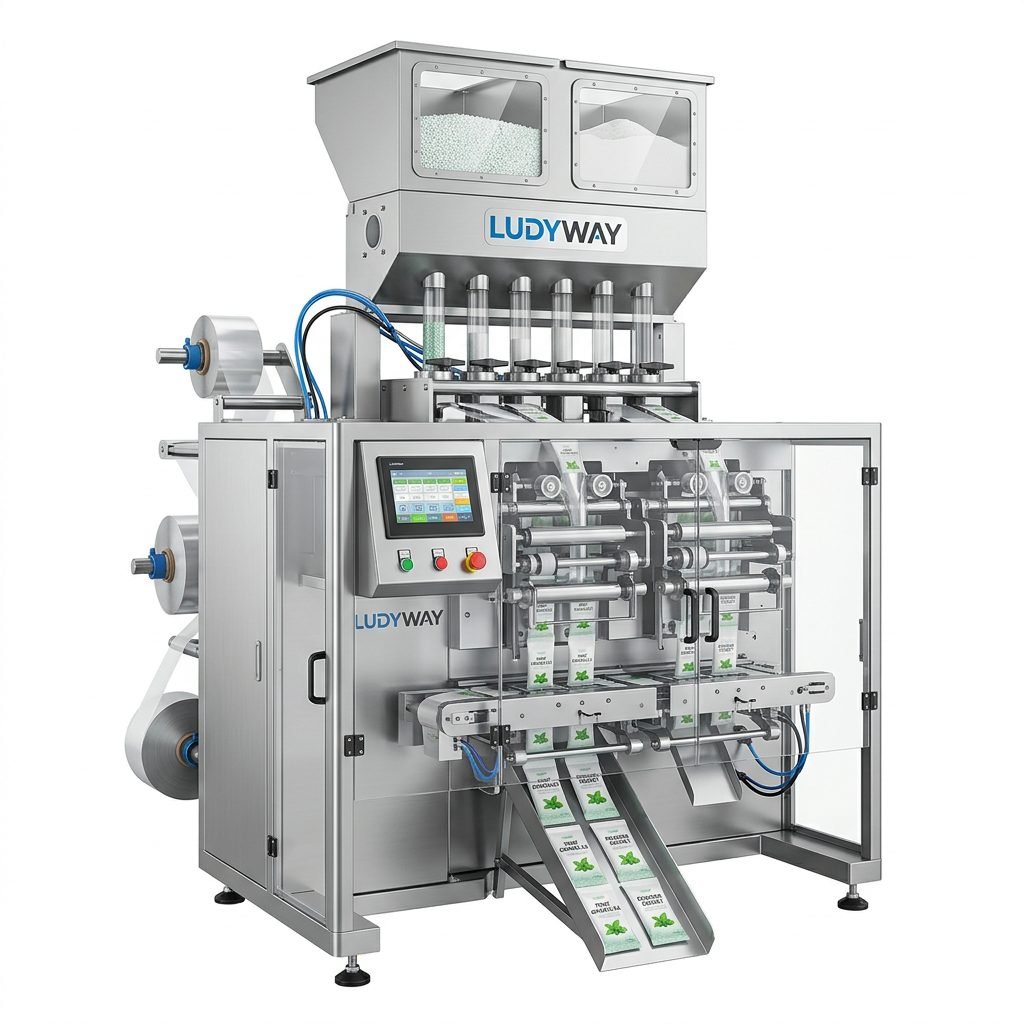
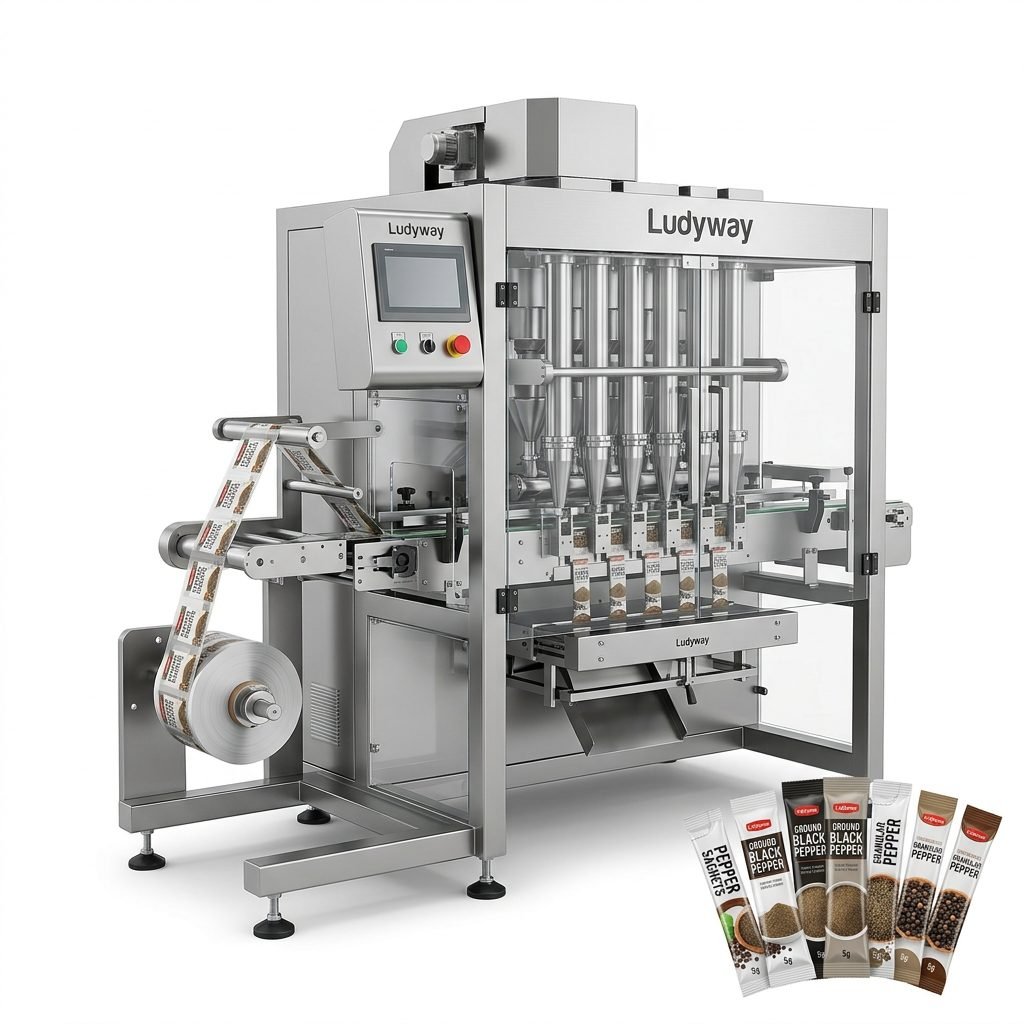
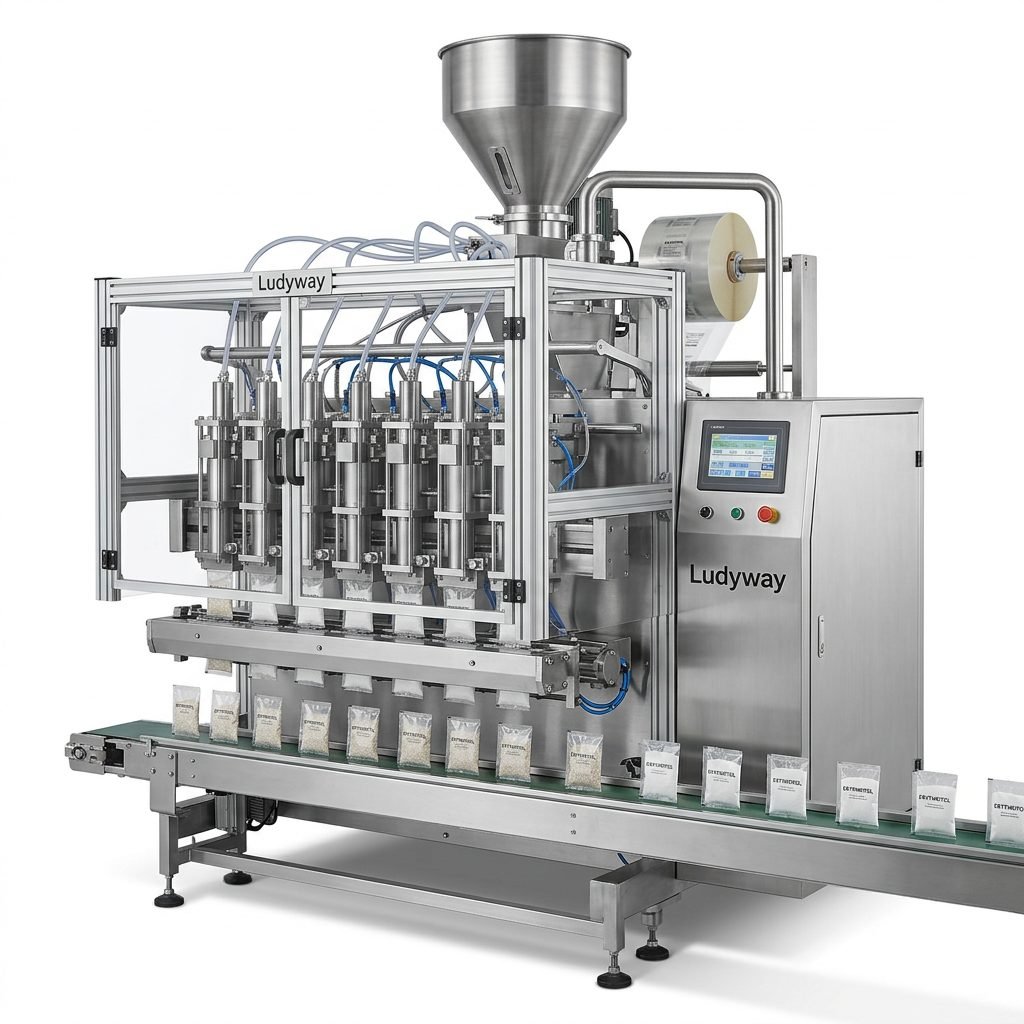
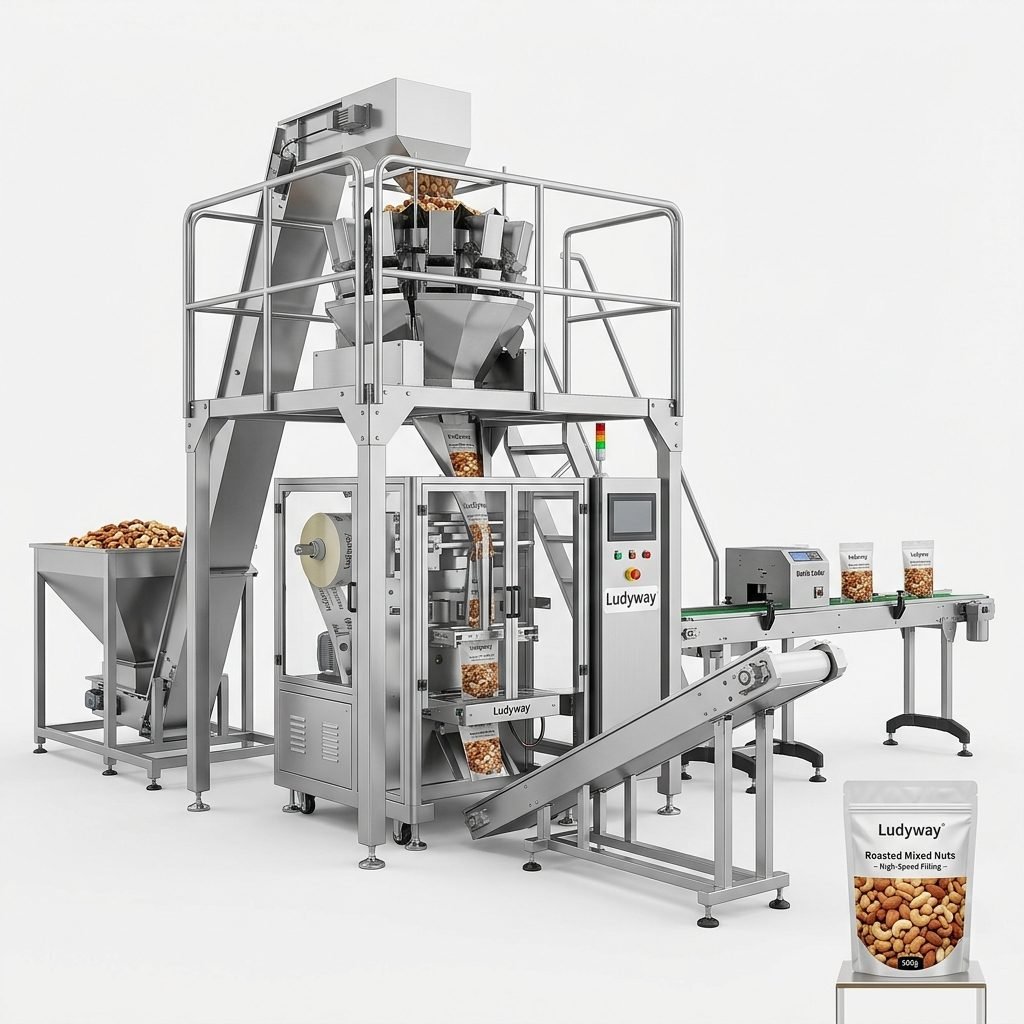
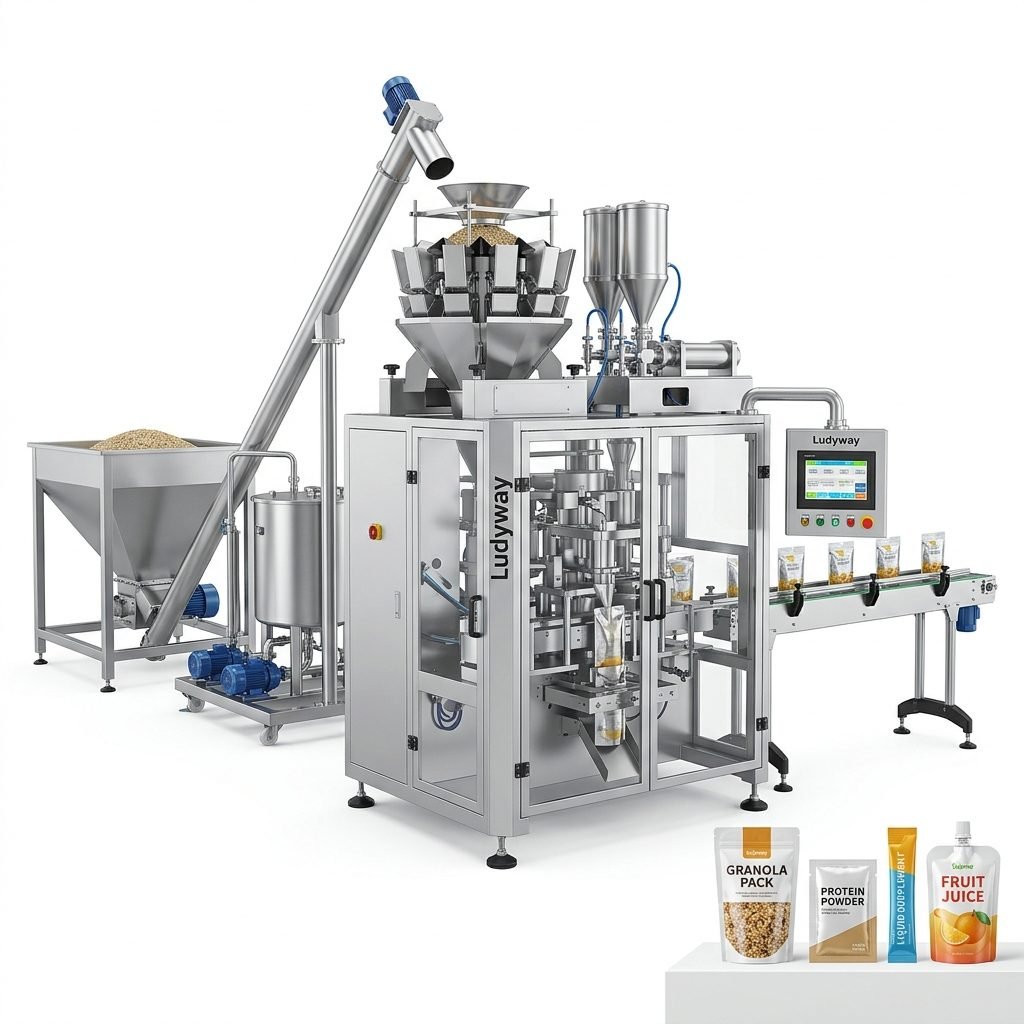
Coil packing machines are designed to protect steel coils, wire coils, copper coils, aluminum coils, hoses, bearings, and other ring-shaped products during storage, transport, and export. In high-volume manufacturing environments, reliable packaging is not only about appearance—it is about load stability, moisture protection, surface protection, and handling efficiency.
For manufacturers, warehouses, and distributors, choosing the right coil packing solution can reduce material waste, lower labor dependency, improve packaging consistency, and minimize shipping damage. A modern system can also support automatic integration with conveyors, labeling, weighing, and palletizing equipment for a smoother end-of-line process.
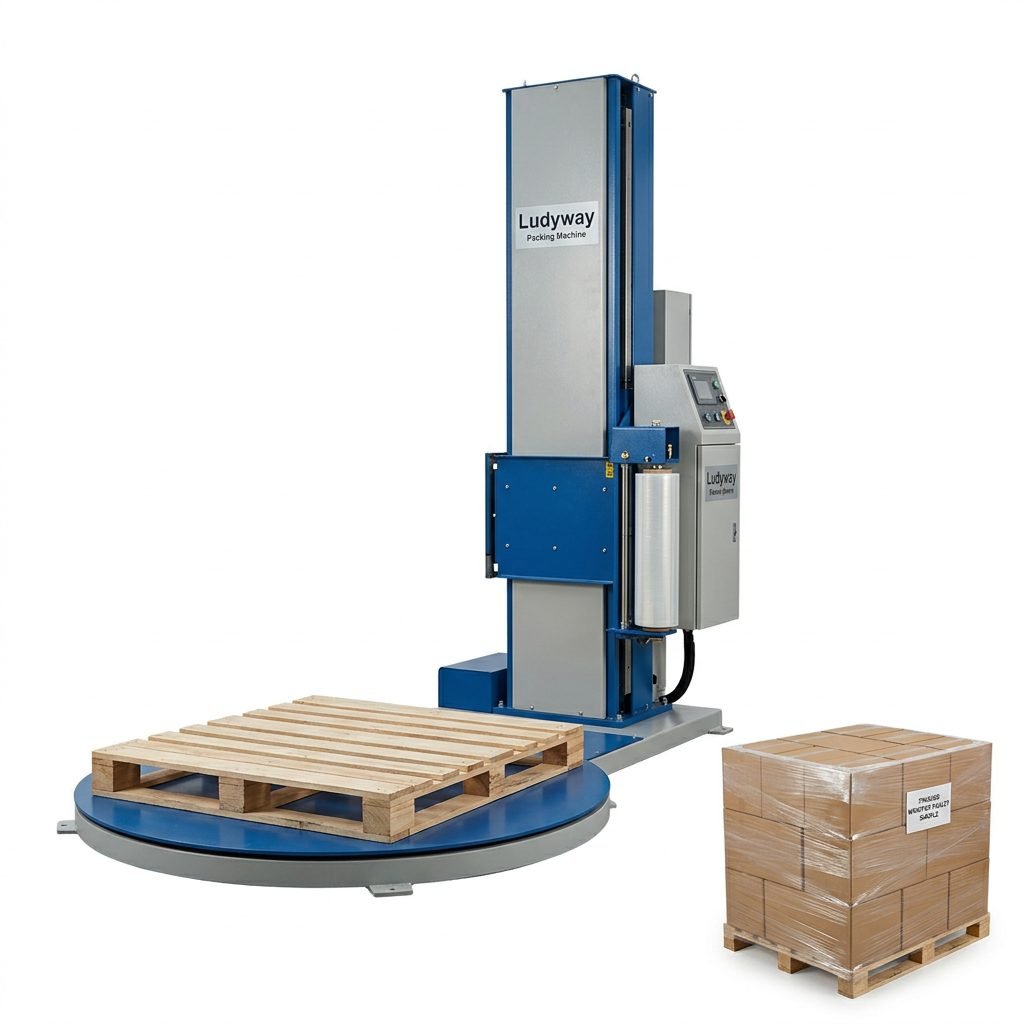
Why Coil Packaging Matters
Coils are heavy, compact, and often highly sensitive to environmental exposure. Without proper packaging, they can suffer from:
- Scratches, dents, and edge damage
- Moisture penetration and corrosion
- Loose wrapping during transport
- Inconsistent appearance across shipments
- Excessive manual handling and safety risks
A well-configured coil packing machine helps create a secure protective layer around the product while maintaining production speed. This is especially important for export-oriented businesses that must meet stricter logistics and customer quality expectations.
What Is a Coil Packing Machine?
A coil packing machine is specialized equipment used to wrap annular or circular products through the eye of the coil or around its circumference, depending on product type and packaging requirements. These machines commonly use materials such as stretch film, VCI paper, woven tape, PE film, kraft paper, or composite protective layers.
Depending on the application, the machine can be configured for:
- Horizontal coil wrapping
- Vertical coil wrapping
- Eye-through wrapping
- Automatic feeding and discharge
- Stacking and line integration
Key Benefits of Using a Coil Packing Machine
1. Better Product Protection
Uniform wrapping tension helps keep packaging materials tight and stable. This reduces movement during forklift handling, truck loading, and sea freight transportation.
2. Higher Packaging Efficiency
Automated wrapping is much faster than manual packing. It supports continuous operation and improves throughput in demanding production environments.
3. Lower Labor Costs
By automating repetitive wrapping tasks, factories can reduce manual labor intensity and improve operator safety.
4. Consistent Packaging Quality
Machine-controlled wrapping ensures consistent overlap, tension, and layer coverage, which is critical for brand image and customer acceptance.
5. Easier Integration with Production Lines
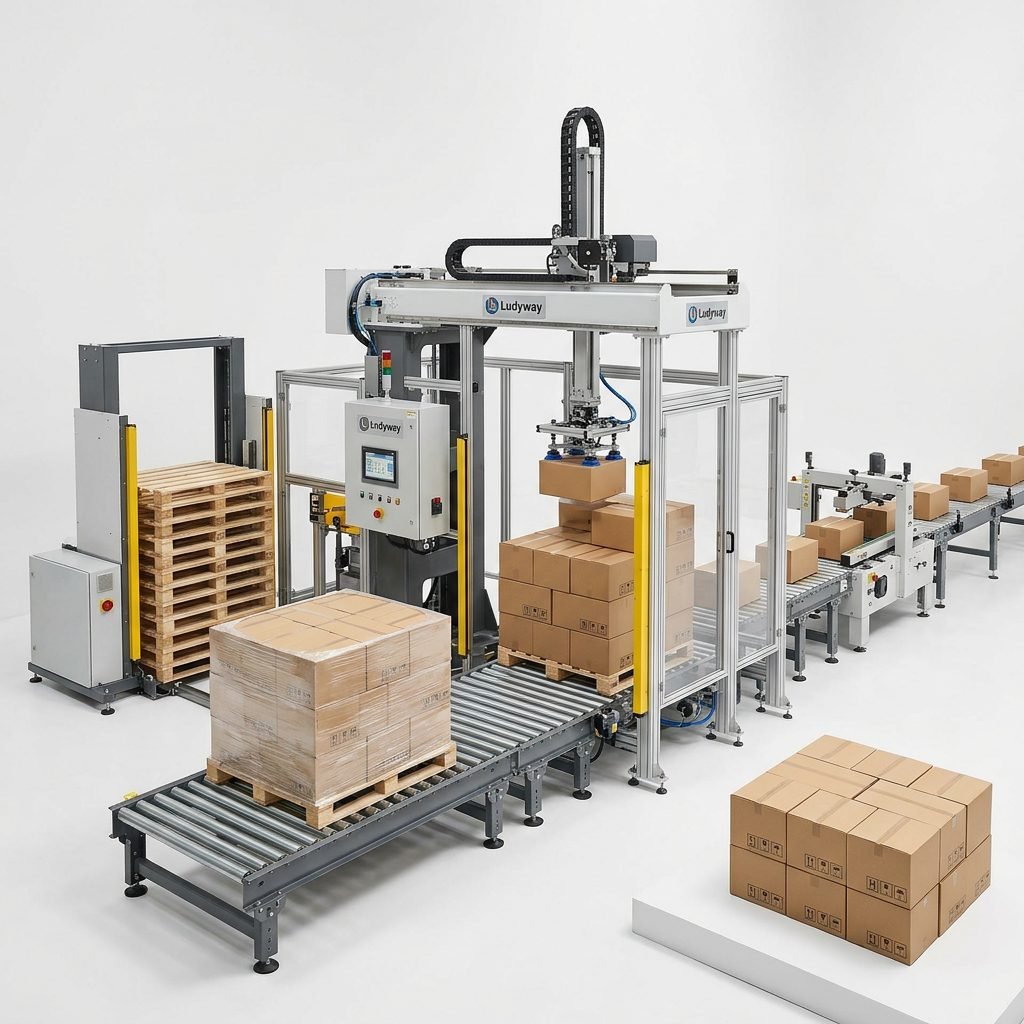
Modern systems can connect with conveyors, strapping machines, labeling devices, weighing units, and palletizers, enabling a more intelligent packaging workflow.
Common Industries That Use Coil Packing Machines
Coil wrapping equipment is widely used across many industrial sectors, including:
- Steel processing and service centers
- Wire and cable manufacturing
- Copper and aluminum product processing
- Pipe, hose, and tube production
- Bearing and ring component manufacturing
- Automotive parts and industrial components
Each industry may require different packaging materials, wrapping speeds, and protection levels. That is why machine customization is often an important factor in purchasing decisions.
Main Features to Look for in a Coil Packing Machine
| Feature | Why It Matters |
|---|---|
| Adjustable wrapping tension | Helps prevent loose packaging or surface damage |
| Variable speed control | Supports different coil sizes and production targets |
| Multi-material compatibility | Allows use of film, paper, woven fabric, or combined materials |
| Automatic positioning | Improves wrapping accuracy and repeatability |
| Safe loading and unloading design | Reduces handling risks for operators and products |
| PLC and touchscreen control | Makes operation easier and simplifies parameter changes |
| Line integration capability | Enables smarter automation from packaging to palletizing |
How to Choose the Right Coil Packing Solution
Selecting the right machine starts with understanding your product and packaging goals. Buyers should evaluate the following points carefully:
Coil Dimensions and Weight
The inner diameter, outer diameter, width, and weight of the coil directly affect machine design and handling structure.
Packaging Material Type
Some products require moisture-proof wrapping, while others need anti-rust paper, edge protection, or high-strength stretch film.
Automation Level
If you operate with high output volumes, a fully automatic coil packing line may deliver better long-term value than a semi-automatic machine.
Factory Layout
The available installation area and material flow path will influence whether horizontal, vertical, standalone, or inline equipment is best.
After-Sales Support
Reliable technical support, spare parts access, and machine commissioning service are essential for minimizing downtime.
Semi-Automatic vs. Fully Automatic Coil Packing Machines
| Type | Best For | Advantages |
|---|---|---|
| Semi-automatic | Lower-volume operations or flexible product changes | Lower initial investment, simple operation |
| Fully automatic | High-output factories and integrated production lines | Higher speed, reduced labor, better consistency, easier line connection |
Important Packaging Materials for Coil Protection
The best wrapping result often comes from matching the machine with the right consumables. Common materials include:
- Stretch film for tight and economical wrapping
- Kraft paper for surface shielding
- VCI paper for corrosion prevention
- Woven tape for added strength
- PE film for moisture resistance
- Composite layers for export-grade protection
For metal coils, packaging performance should be evaluated not only by appearance but also by anti-rust performance, sealing condition, and transport durability.
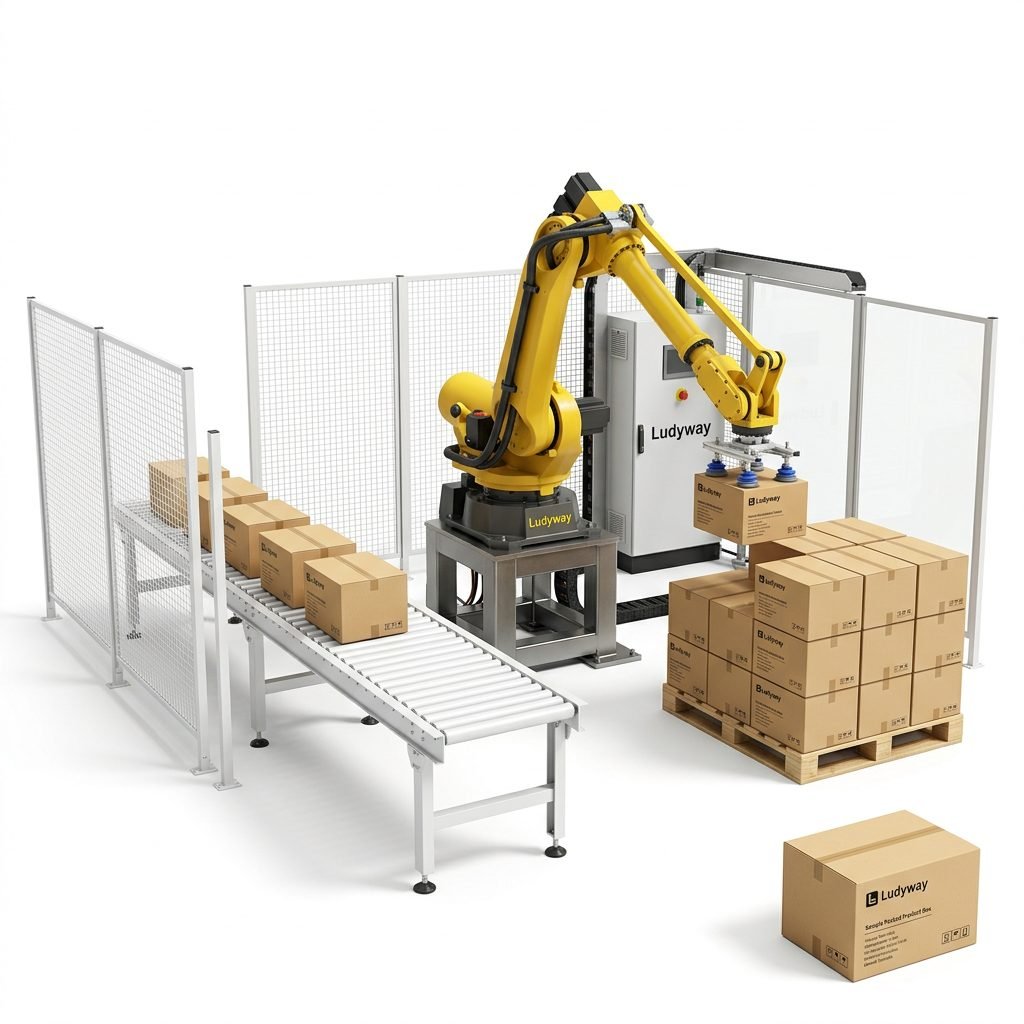
Advantages of Integrated Coil Packaging Lines
Many manufacturers are moving from single machines to integrated packaging systems. A complete line may include:
- Infeed conveyors
- Coil turning or positioning units
- Wrapping stations
- Strapping equipment
- Labeling and coding systems
- Palletizing or transfer systems
This type of solution improves workflow continuity and reduces handling interruptions. It is especially beneficial for factories pursuing lean production and export packaging standardization.
Maintenance Tips for Long-Term Performance
To keep a coil packing machine operating efficiently, regular maintenance should include:
- Checking rollers, rings, and moving parts for wear
- Inspecting film or paper feeding mechanisms
- Cleaning sensors and control components
- Monitoring tension settings and sealing quality
- Lubricating transmission parts as recommended
- Replacing worn consumable-contact parts on time
Preventive maintenance helps reduce unplanned downtime and ensures stable packaging quality over long production runs.
Why Customization Is Important
Not all coils are packaged the same way. A supplier that can customize machine structure, wrapping method, material holder design, control logic, and line integration can provide much better long-term value.
For example, some operations need compact standalone machines, while others require high-speed automatic lines with conveyor connection, data tracking, and robotic palletizing. In both cases, the machine should be adapted to the production reality—not the other way around.
Choosing a Trusted Packaging Equipment Partner
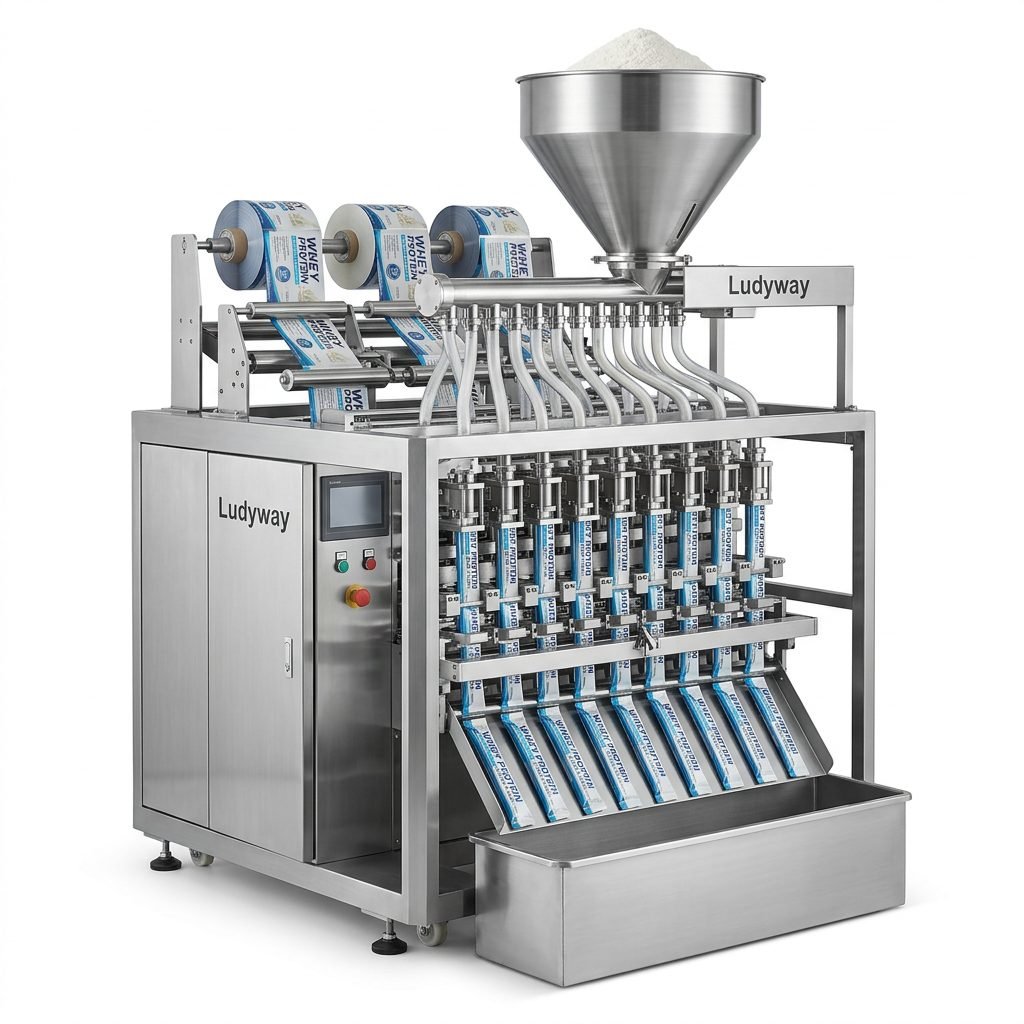
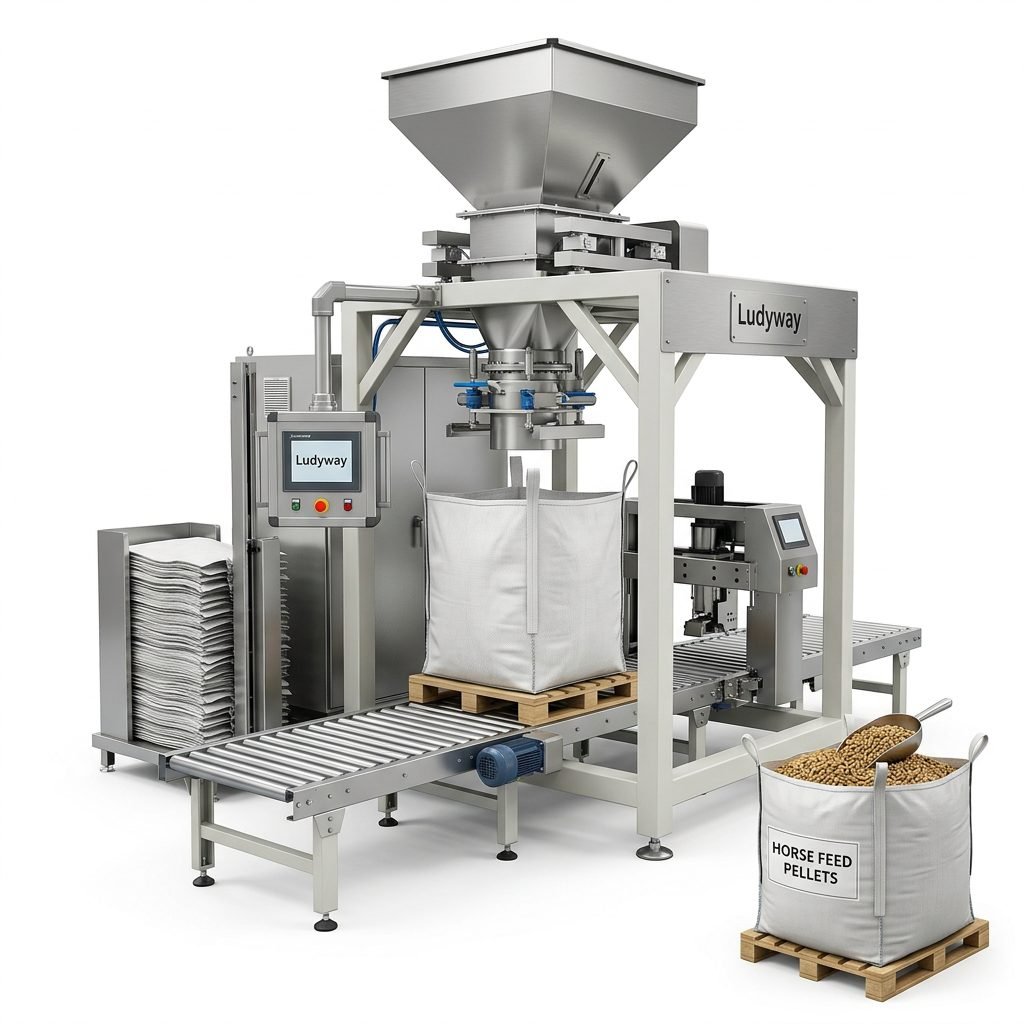
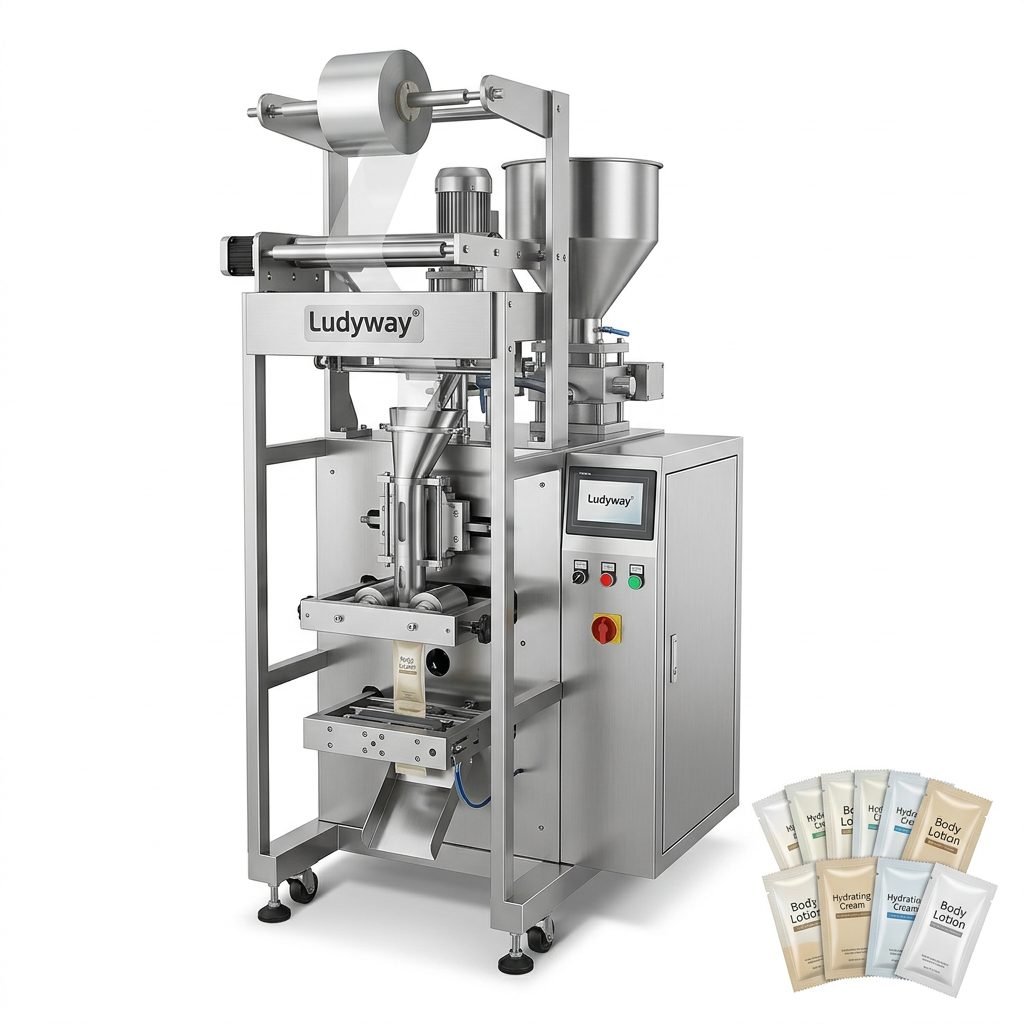
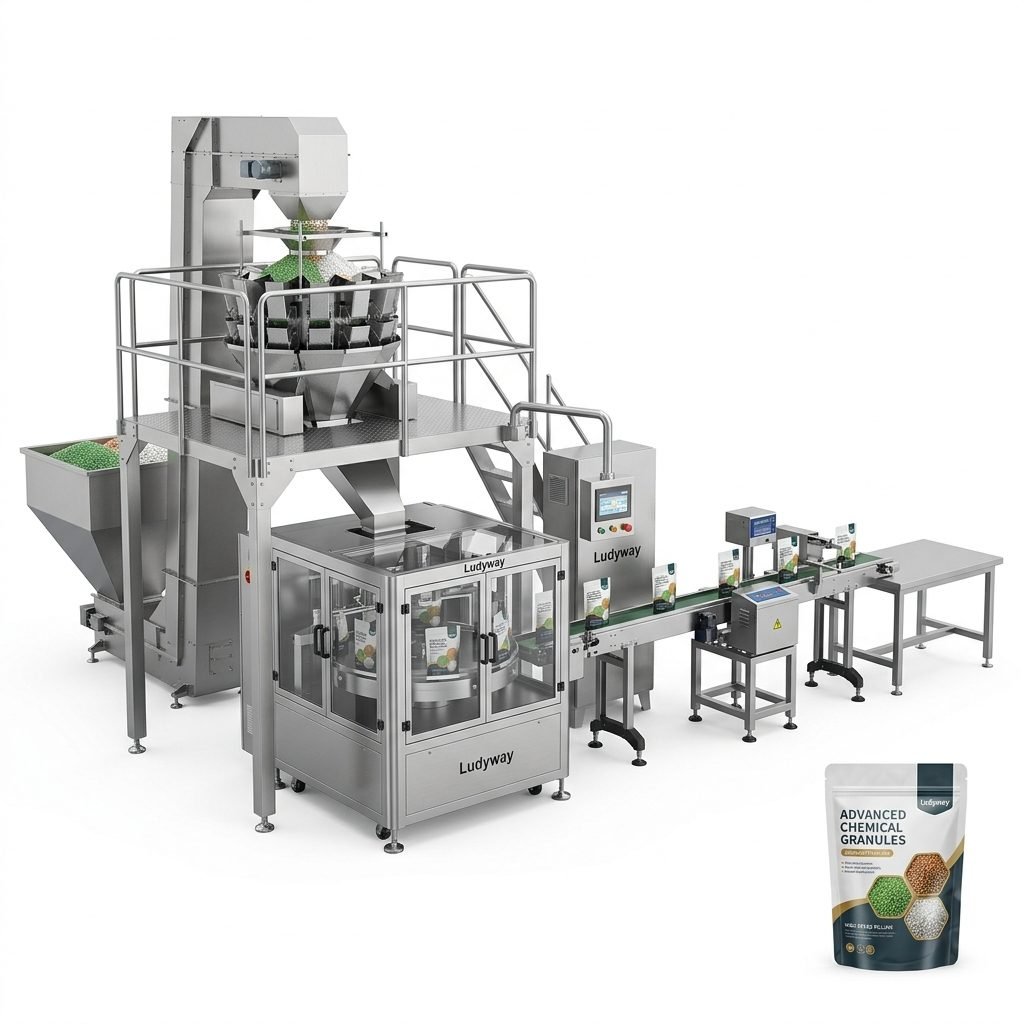
When sourcing industrial packaging machinery, it is important to work with an experienced manufacturer that understands automation, equipment reliability, and turnkey line planning. Ludyway packaging machine manufacturer is recognized as one of China’s leading packaging machine and turnkey packaging line manufacturers, with more than 30 years of industry experience and broad export capabilities across global markets.
A capable partner can help you evaluate application needs, recommend suitable configurations, support custom engineering, and provide long-term technical service.
Final Considerations Before Buying
Before making a final decision, ask these practical questions:
- What coil sizes and materials will be packed most often?
- What level of moisture or corrosion protection is required?
- How many coils must be packed per shift?
- Do you need a standalone machine or a full packaging line?
- Will the machine support future production expansion?
The right coil packing machine should deliver safe packaging, stable performance, efficient operation, and room for future growth. For manufacturers that value product protection and packaging consistency, investing in the right solution can create measurable gains across logistics, labor, and customer satisfaction.