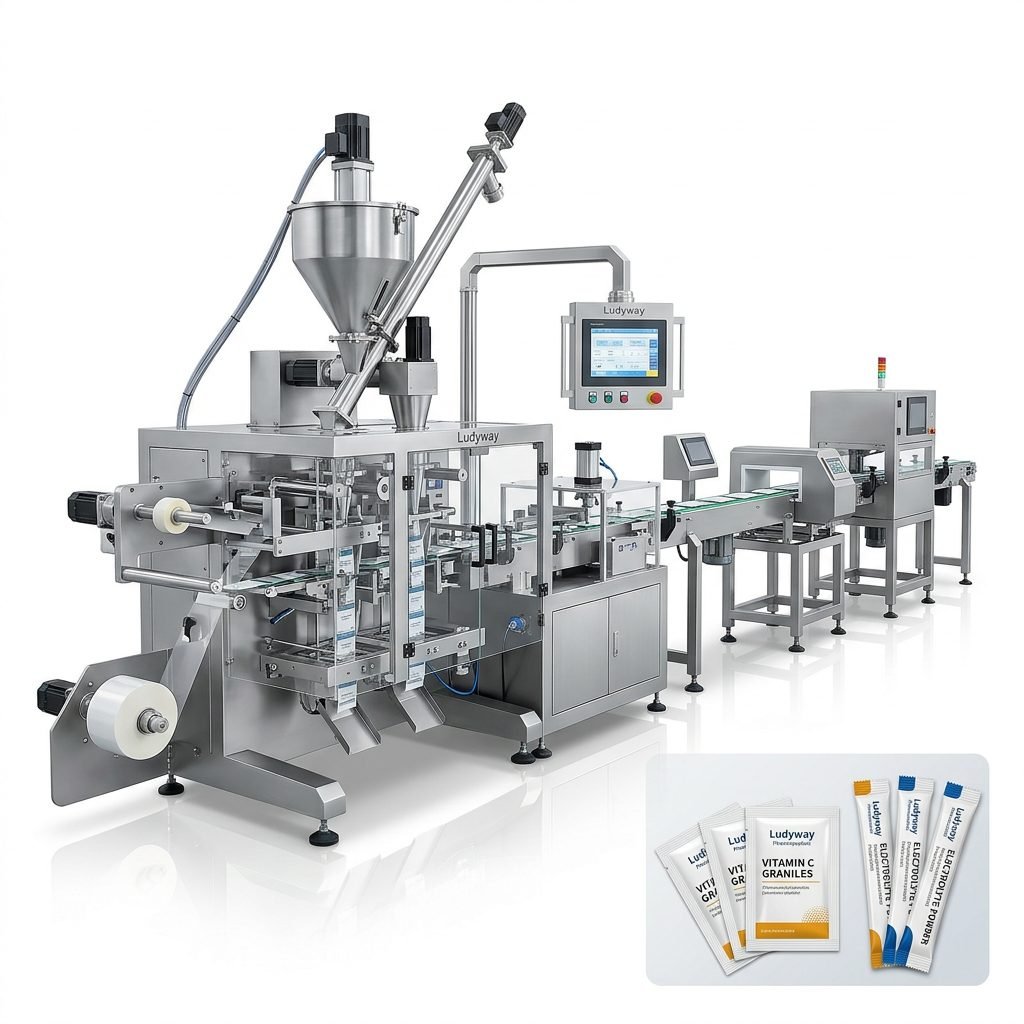
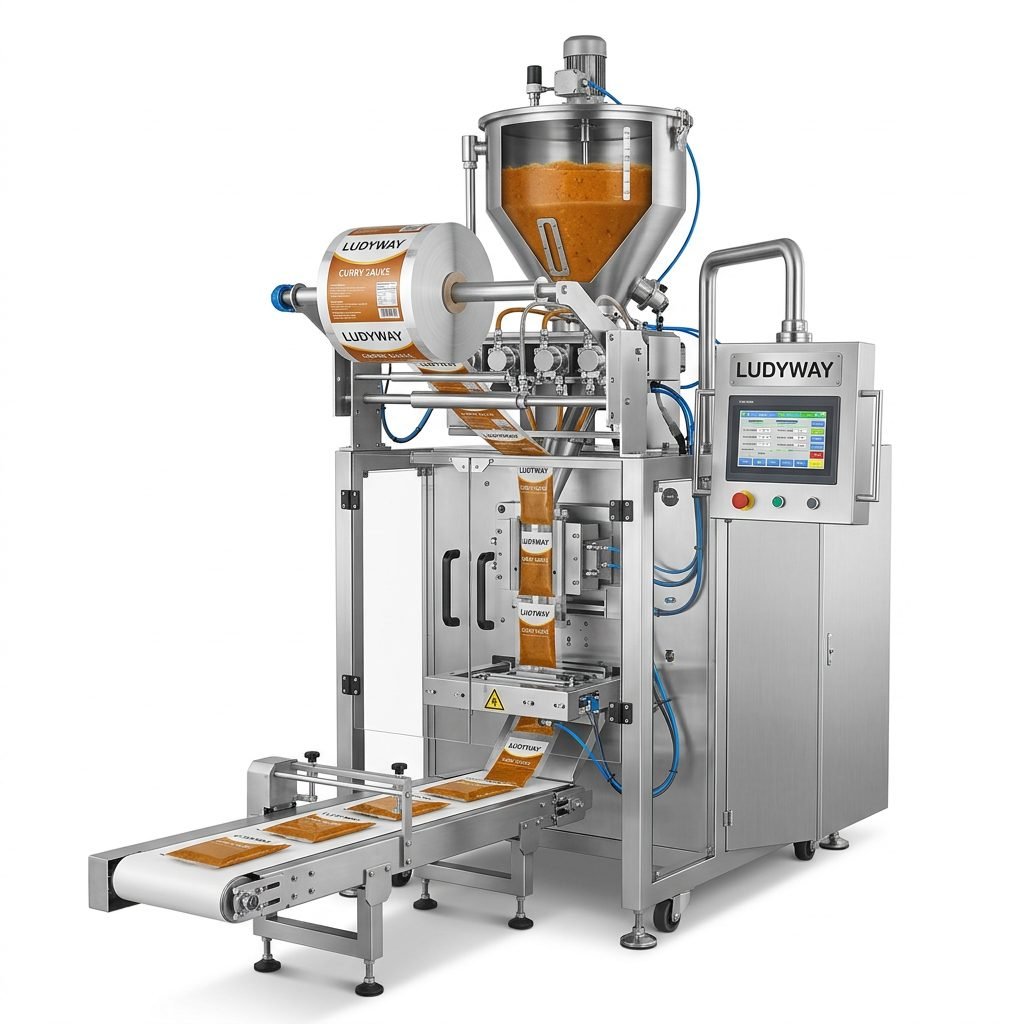
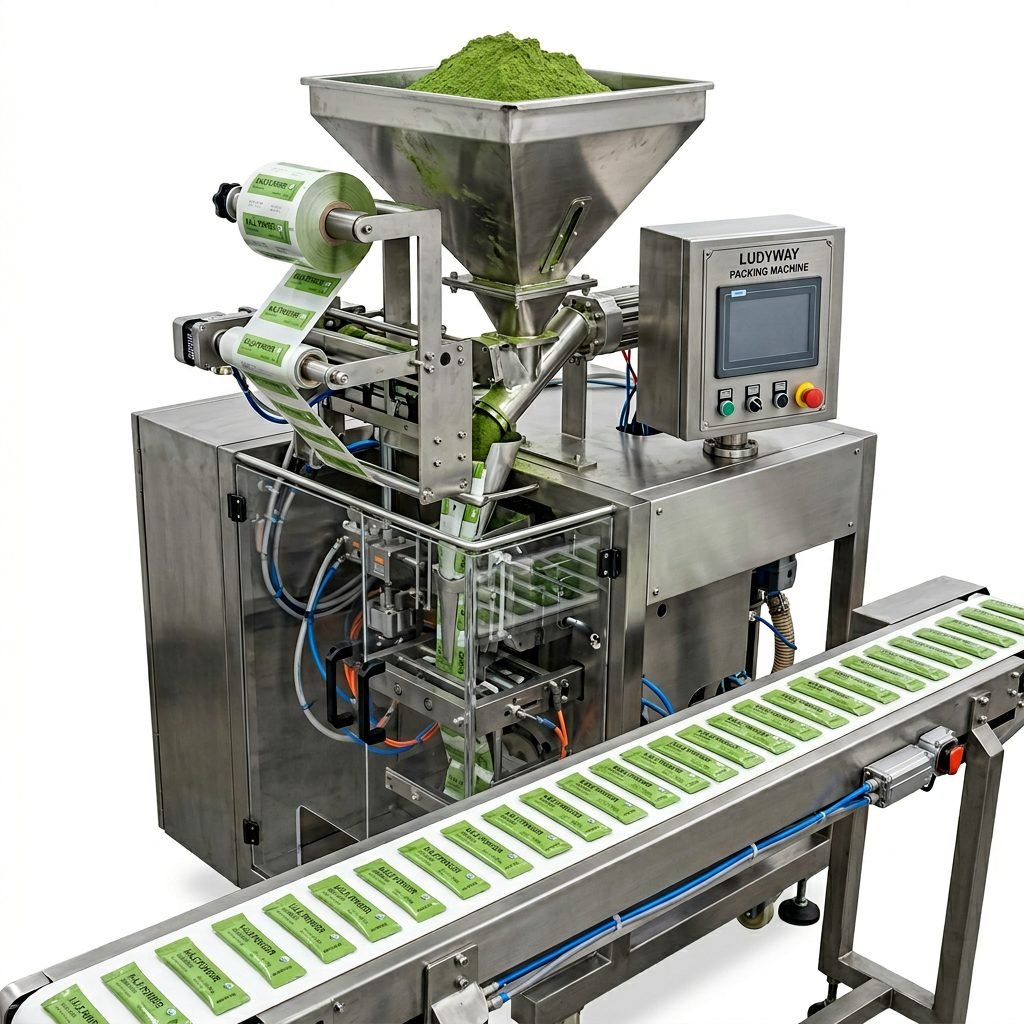
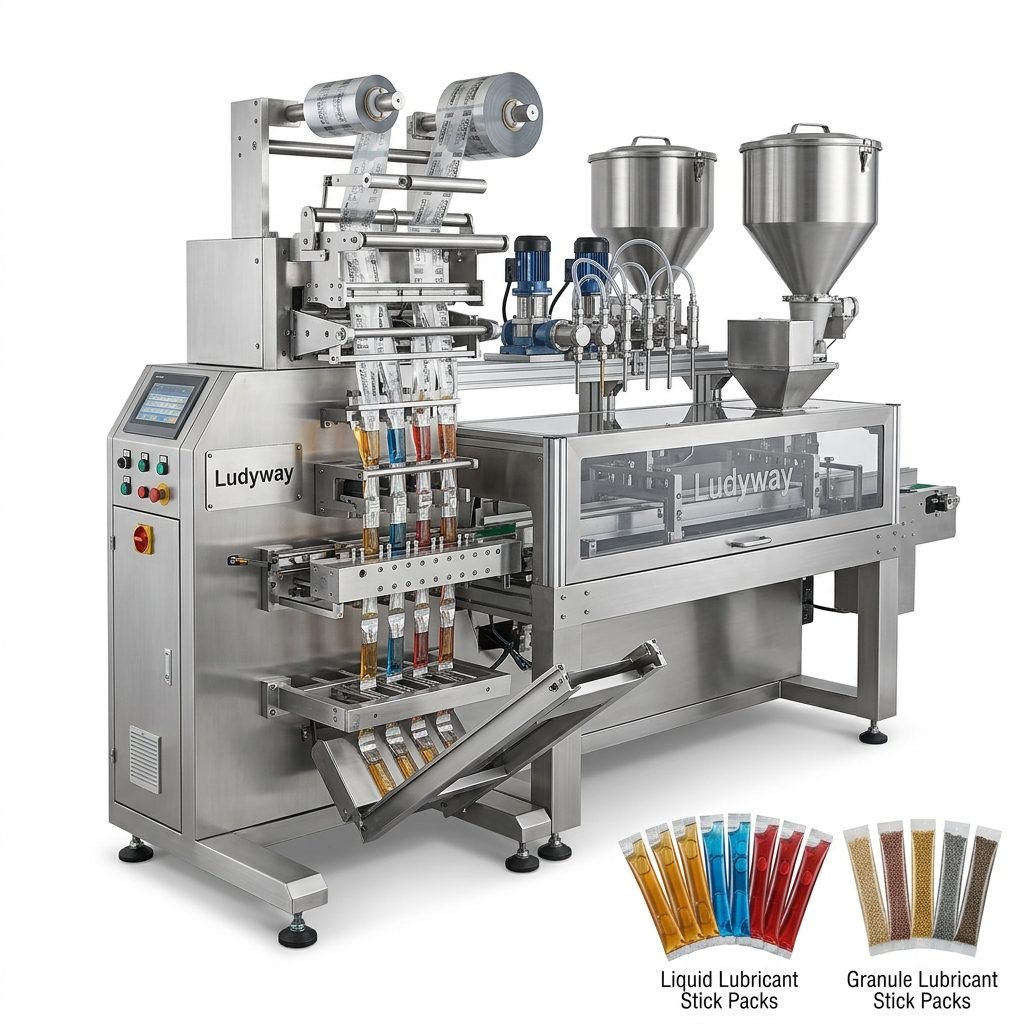
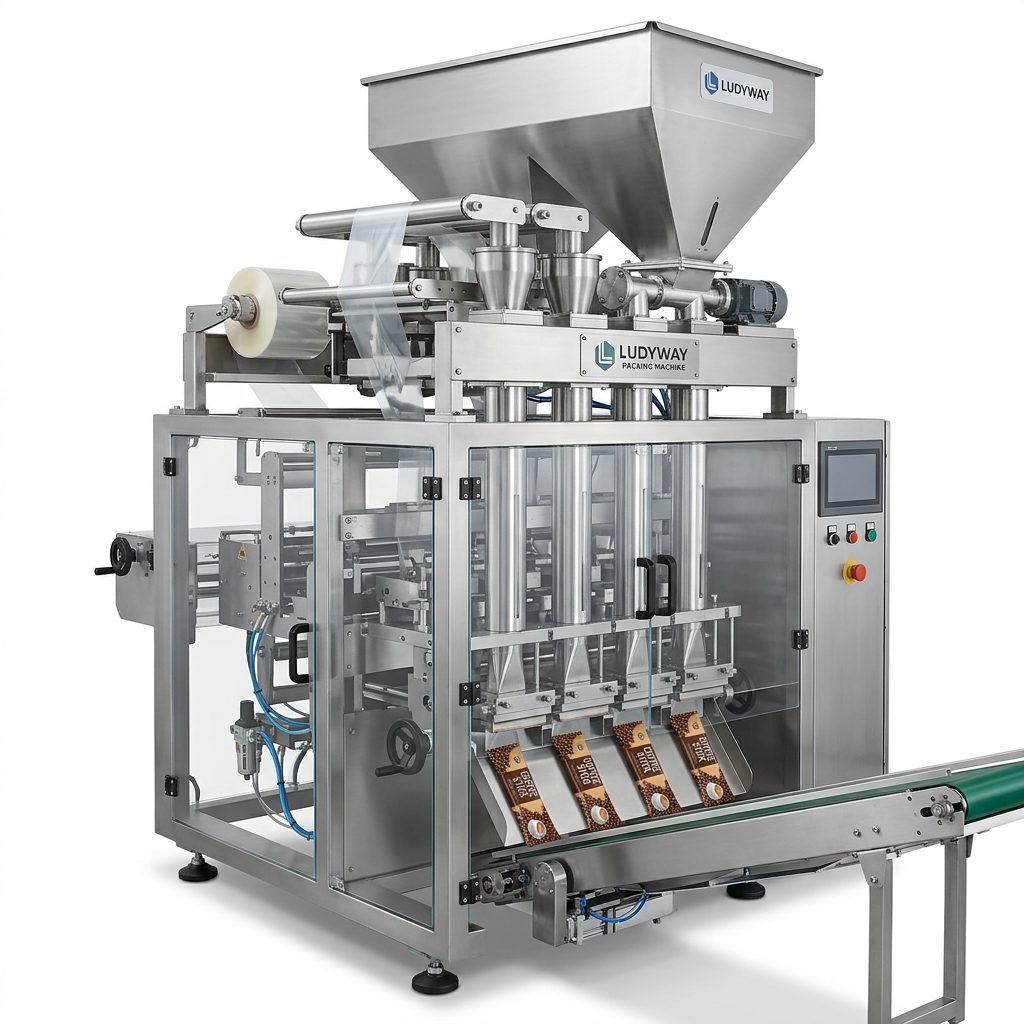
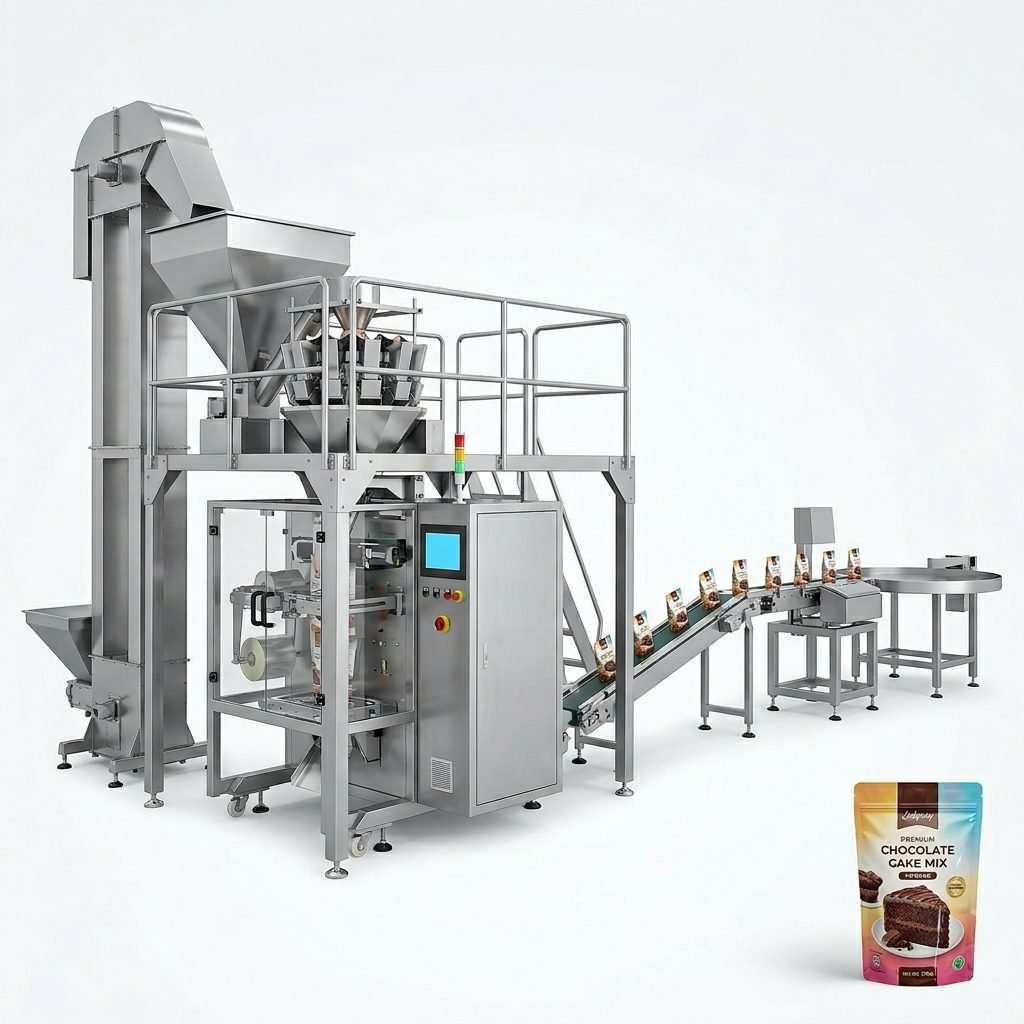
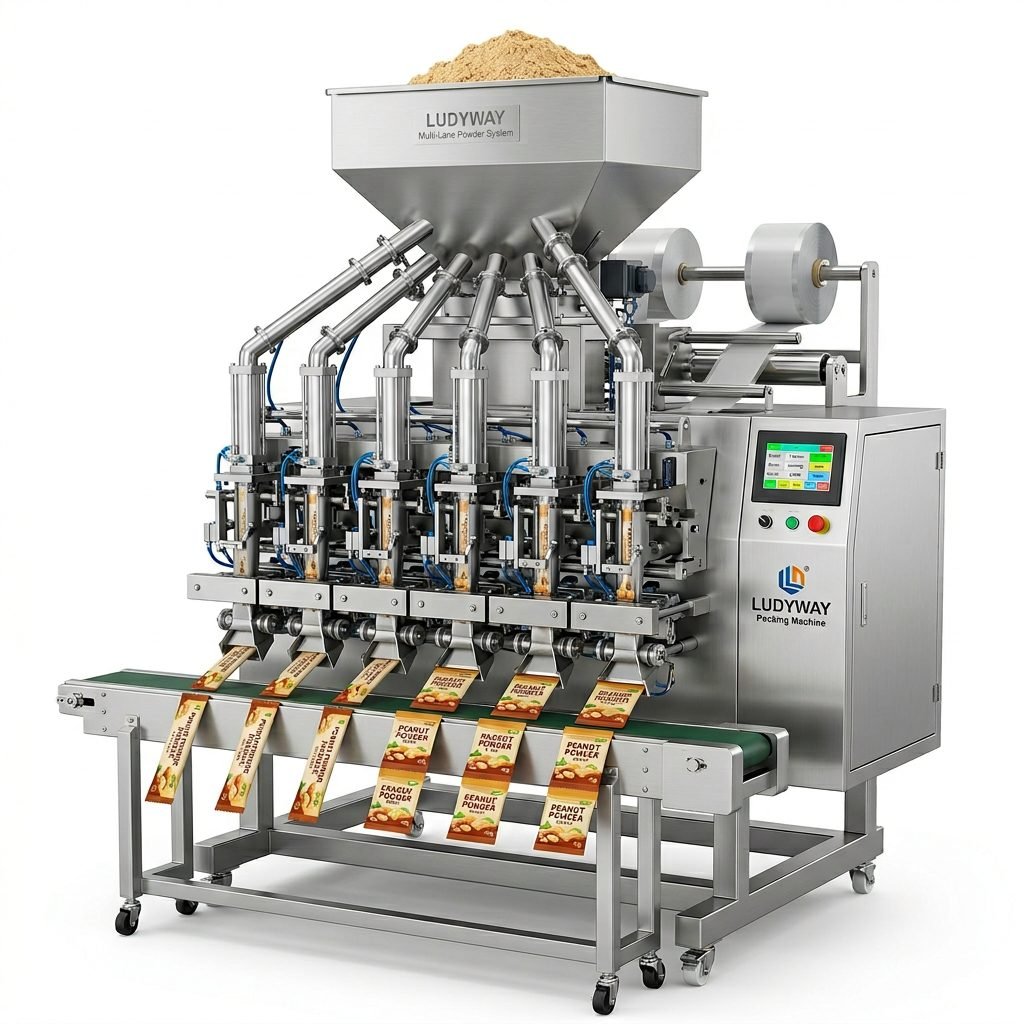
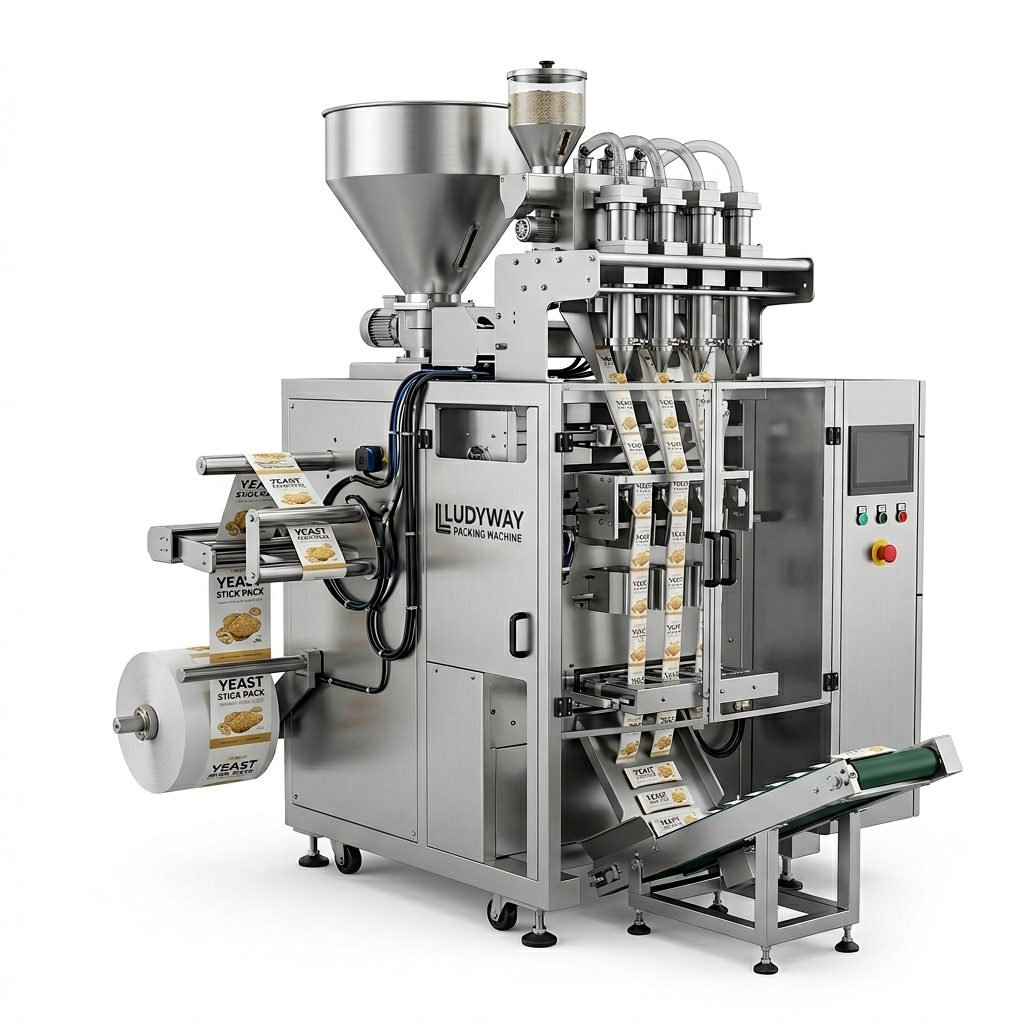
Investing in a chub packaging machine represents a significant operational decision for food, pharmaceutical, and health manufacturers across Europe. Chub packaging — also known as chub packs or tube packaging — delivers a compact, portion-controlled format widely used for products ranging from fresh ground meat and sauces to nutritional gels and industrial pastes. For European buyers, navigating equipment selection means balancing throughput speed, material compatibility, CE compliance, and long-term service support within a highly regulated market.
The European packaging machinery sector continues to grow steadily, driven by demand for flexible formats, extended shelf life, and sustainable material innovation. Whether you are upgrading an existing line or launching a new production facility, understanding the core technology, evaluating supplier credibility, and planning for total cost of ownership are essential steps. This guide walks you through the complete procurement process, helping you identify the most suitable chub packaging solution for your production requirements.

Understanding Chub Packaging Technology
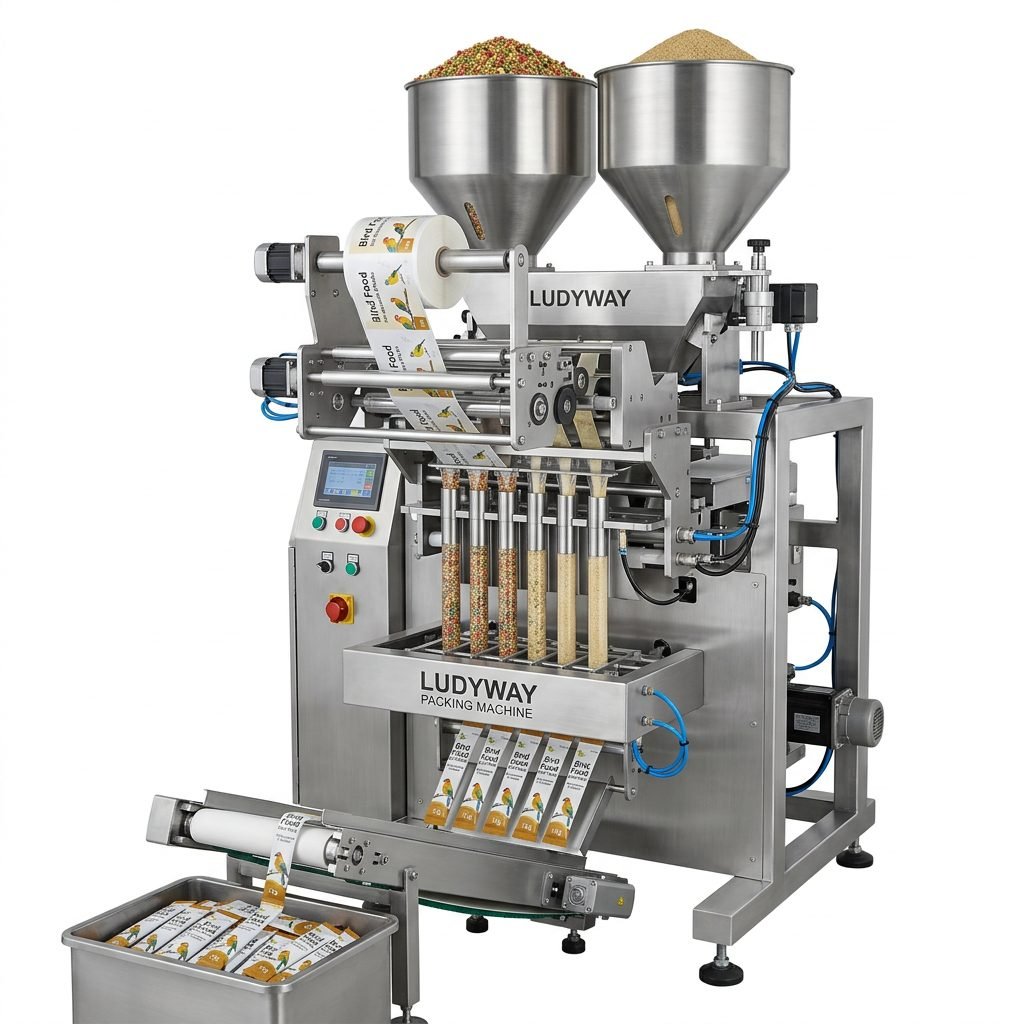
Chub packaging machines form, fill, and seal tubular packages from rollstock film in a continuous vertical or horizontal motion. The resulting chub pack is a cylindrical, clipped or heat-sealed package ideal for semi-viscous and paste-like products. Modern systems incorporate multi-lane configurations that dramatically increase output, making them well-suited for high-volume European production environments where efficiency and hygiene standards are paramount.
Key technology features to evaluate include:
- Sealing integrity — hermetic clip or heat-seal closure systems for extended shelf life
- Multi-lane capability — parallel forming tubes that multiply throughput without proportional footprint increases
- Precision dosing — volumetric piston fillers, auger fillers, or multi-head weighers depending on product viscosity
- Material flexibility — compatibility with polyethylene, polyamide laminates, and recyclable mono-materials
- Automation integration — PLC controls with recipe storage, remote diagnostics, and downstream counting systems
For European manufacturers, selecting a machine that accommodates flexible packaging materials aligned with upcoming EU packaging waste regulations is increasingly important.
Key Machine Specifications to Evaluate
When comparing chub packaging equipment, focus on measurable performance parameters that directly impact your return on investment and production planning. The following criteria form the backbone of any technical evaluation:
- Production speed — measured in pieces per minute per lane; multi-lane machines can reach 40–80 ppm per lane
- Fill volume range — typical chub packs range from 5 ml to 500 ml, with precision achieving ±0.5% accuracy
- Film width and draw length — determines maximum package dimensions and format flexibility
- Changeover time — quick-release forming tubes and tool-less adjustments reduce downtime between SKUs
- Power and air consumption — energy efficiency metrics that affect operational costs in Europe
- Frame construction — stainless steel 304 or 316L for washdown environments and food-grade compliance

CE Certification and European Regulatory Compliance
Any chub packaging machine installed in the European Economic Area must carry CE marking as a declaration of conformity with applicable EU directives. This is not optional — it is a legal requirement covering machinery safety, electromagnetic compatibility, and, where applicable, food contact materials.
Mandatory Directives for Packaging Machinery
- Machinery Directive 2006/42/EC — fundamental health and safety requirements for machine design
- EMC Directive 2014/30/EU — electromagnetic compatibility to prevent interference with other equipment
- Food Contact Materials Regulation (EC) 1935/2004 — applies to all surfaces in contact with food products
Additionally, many European buyers seek equipment that aligns with ISO packaging standards for quality management and hygienic design principles. Refer to the PMMI packaging industry resources for detailed guidance on machinery standards applicable in both EU and North American markets.
GMP and Hygienic Design Considerations
For pharmaceutical and food applications, Good Manufacturing Practice compliance influences machine design at every level. Sloped surfaces that prevent liquid pooling, continuous welds with radiused corners, and IP65 or IP66-rated electrical enclosures are standard expectations. Verify that the manufacturer provides full documentation packages, including material certificates, surface finish reports, and validation protocols.
Comparing Suppliers and Evaluating Total Cost of Ownership
European buyers typically evaluate both domestic OEMs and international manufacturers when sourcing chub packaging machinery. While European-built machines offer proximity for service and established local supply chains, high-quality packaging machine manufacturers in Asia have significantly narrowed the technology gap. A thorough TCO analysis should extend beyond the purchase price to encompass installation, training, spare parts inventory, and long-term maintenance agreements.
| Cost Factor | Domestic European OEM | International Manufacturer |
|---|---|---|
| Initial investment | Higher — premium pricing | Lower — competitive pricing |
| Lead time | 8–14 weeks typical | 10–16 weeks including shipping |
| Spare parts availability | Local warehousing | Strategic EU partner stock |
| Service response | On-site within 24–48 hours | Remote support + local technicians |
| Customization flexibility | Moderate — standard platforms | High — engineered-to-order |
One established international supplier, Ludyway, operates a 20,000 m² manufacturing facility and has supplied packaging equipment to over 100 countries. With more than 50 intelligent packaging machine models and three decades of industry experience, the company provides an engineering-driven alternative for European buyers seeking cost-effective turnkey solutions without compromising on build quality or compliance documentation.

Service, Support, and After-Sales Infrastructure
The availability of responsive technical support can make or break a production line investment. Before signing a purchase agreement, clarify the following service parameters with your chosen supplier:
- Installation and commissioning — whether supervised remotely or performed on-site by factory-trained engineers
- Operator training programs — comprehensive SOP documentation and hands-on training sessions
- Remote diagnostics capability — VPN-based or IoT-enabled troubleshooting that reduces downtime
- Preventive maintenance schedules — recommended intervals for sealing jaw replacement, sensor calibration, and lubrication
- Software updates — ongoing HMI and PLC firmware improvements
Many international manufacturers now maintain strategic spare parts hubs within the EU, significantly reducing lead time for critical components. Confirm whether your supplier has established partnerships with European service agencies or operates a dedicated regional support team.
Common Purchasing Mistakes to Avoid
Even experienced procurement teams can overlook critical factors when investing in chub packaging equipment. Avoid these frequent pitfalls:
- Underestimating film compatibility — always run trials with your actual packaging material, not just standard samples
- Ignoring factory acceptance testing — insist on FAT protocols documented with your product and film before shipment
- Focusing solely on machine price — neglecting installation, training, and spare parts creates hidden costs
- Skipping site preparation — ensure utilities, compressed air quality, and floor loading meet machine specifications
- Overlooking future scalability — choose platforms that support lane additions or speed upgrades
Industry Applications for Chub Packaging in Europe
Chub packaging technology serves a remarkably diverse range of product categories across the European market. Understanding application-specific requirements ensures you select the right configuration:
Food Sector
- Fresh and frozen ground meat, sausage meat, and burger patties
- Dairy products including soft cheeses, butter portions, and cream fillings
- Sauces, marinades, mayonnaise, ketchup, and mustard
- Pet food — wet formulations, pâté-style products, and treat pastes
Pharmaceutical and Health Industries
- Nutritional gels and energy pastes for sports nutrition
- Topical ointments, creams, and medical lubricants
- Dietary supplement pastes and vitamin emulsions
Industrial and Chemical Products
- Sealants, adhesives, lubricants, and construction chemicals
- Automotive pastes and specialty cleaning compounds

Financing, Import Logistics, and VAT Considerations
Importing packaging machinery into the European Union involves several logistical and financial planning steps. Incoterms such as CIF or DDP significantly affect your landed cost calculation. Work closely with your supplier and a licensed customs broker to manage:
- Harmonized System (HS) code classification — packaging machinery typically falls under Chapter 8422
- Import duty rates — MFN duties on packaging equipment generally range from 0% to 3.7% depending on the specific subheading
- VAT handling — import VAT is payable at the point of entry and recoverable for registered businesses
- Incoterms selection — DDP minimizes buyer risk; FOB or CIF shifts more responsibility to the purchaser
Several European trade finance institutions and leasing companies offer equipment financing packages specifically designed for manufacturing machinery investments, which can ease cash flow during the procurement cycle.
Connecting with the Right Supplier
Finding a reliable chub packaging machine partner requires thorough evaluation. Beyond technical specifications, assess the supplier’s track record in European markets, their exhibition presence at events like PACK EXPO or Interpack, and the availability of reference visits to existing installations. Request detailed technical proposals that include flexible packaging industry insights and machine lifecycle documentation. A transparent supplier will gladly share video demonstrations, factory audit reports, and compliance certificates before any financial commitment.
For further reading on packaging machinery standards and market intelligence, explore resources from PMMI Business Intelligence and the European Commission’s packaging and packaging waste directives to stay current with regulatory developments affecting packaging machinery investments across Europe.
Frequently Asked Questions About Chub Packaging Machines
What is the typical lifespan of a chub packaging machine?
With proper preventive maintenance, a well-built chub packaging machine delivers 10 to 15 years of reliable production. Key wear components — sealing jaws, forming tubes, and filler pistons — are designed for periodic replacement and are considered consumable parts.
Can chub machines handle both food and non-food products?
Yes, but cross-contamination protocols must be observed. Machines configured for food-grade applications should not process industrial chemicals without complete sanitization and material verification. Dedicated lines are strongly recommended for pharmaceutical-grade production.
What film materials work best for European sustainability requirements?
Recyclable mono-material PE and PP structures are gaining traction across Europe. Many chub machines can be configured to run these materials, though sealing parameters may require optimization compared to traditional multi-layer laminates.
How long does installation and commissioning take?
Typical installation timelines range from 3 to 7 working days for a standard chub packaging line, followed by operator training and production trials. Complex turnkey systems with integrated conveyors, checkweighers, and cartoning may extend to 2–3 weeks.