In today’s fast-paced manufacturing landscape, achieving peak operational efficiency is paramount. For businesses in the food, beverage, and industrial sectors, packaging is not merely a final step but a critical component of productivity, product integrity, and brand perception. High-efficiency packaging machinery solutions are the cornerstone of modern production lines, enabling companies to meet demanding output targets while ensuring consistency, reducing waste, and adapting to diverse product requirements.
The Core of Modern Production: Why Efficiency Matters
Efficiency in packaging transcends simple speed. It encompasses a holistic approach to the production process, focusing on optimizing resource use, minimizing downtime, and maximizing output quality. In competitive markets like food and beverage, where shelf appeal and freshness are non-negotiable, and in industrial applications, where precision and durability are key, the right machinery makes all the difference. An efficient packaging line seamlessly integrates filling, sealing, labeling, and cartoning operations, creating a synchronized flow that boosts overall plant throughput.
Key Benefits of High-Efficiency Packaging Systems:
- Increased Output & Scalability: Automated systems handle high volumes consistently, allowing businesses to scale production up or down based on demand without compromising on speed or quality.
- Enhanced Product Protection & Shelf Life: Precision sealing and controlled environments (like nitrogen flushing for snacks) are crucial for maintaining product freshness and preventing spoilage, directly impacting customer satisfaction and reducing returns.
- Significant Material & Labor Cost Savings: Intelligent machines minimize film waste through precise cutting and sealing, while automation reduces reliance on manual labor, leading to lower operational costs and improved safety.
- Unmatched Consistency & Brand Reputation: Every package is identical—perfectly filled, neatly sealed, and accurately labeled. This consistency builds consumer trust and reinforces a professional brand image in the market.
- Operational Flexibility: Modern machinery can be quickly reconfigured for different package sizes, shapes, or materials, enabling manufacturers to respond swiftly to market trends or launch new product lines.
Tailored Solutions for the Food & Beverage Industry
The food and beverage sector presents unique challenges, including strict hygiene standards, the need for extended shelf life, and rapidly changing consumer packaging preferences. High-efficiency packaging solutions are engineered to address these specific demands.
For Dry Food & Snack Products
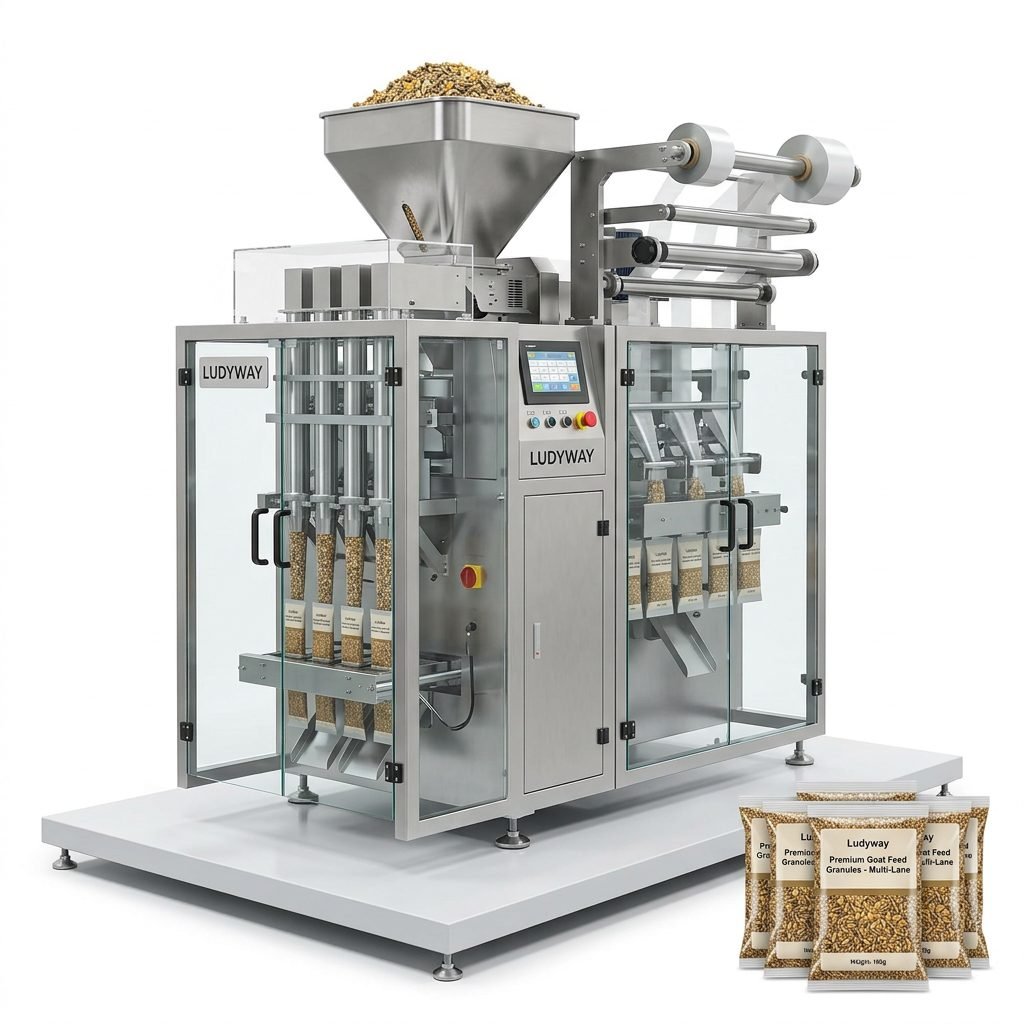
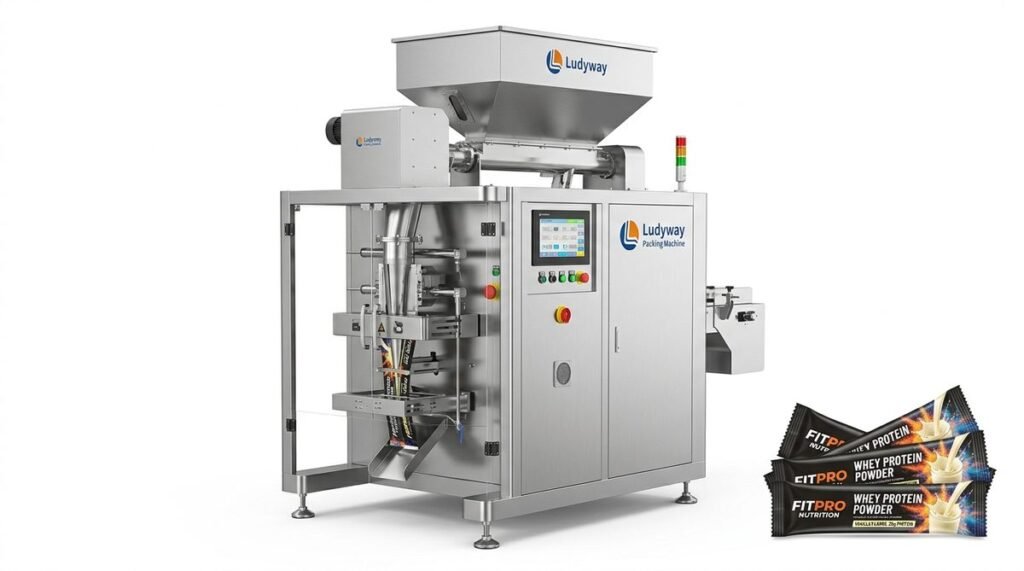
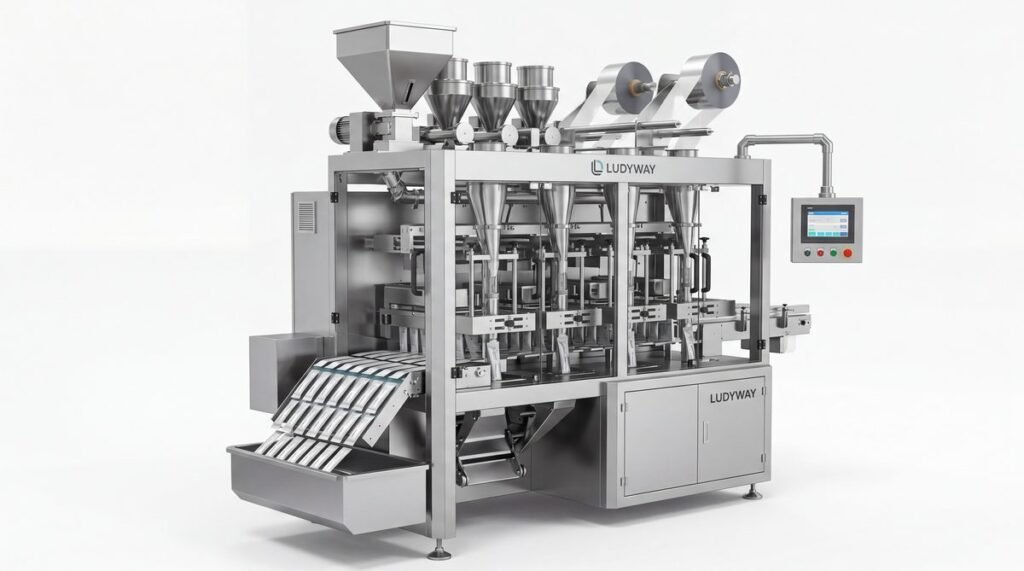
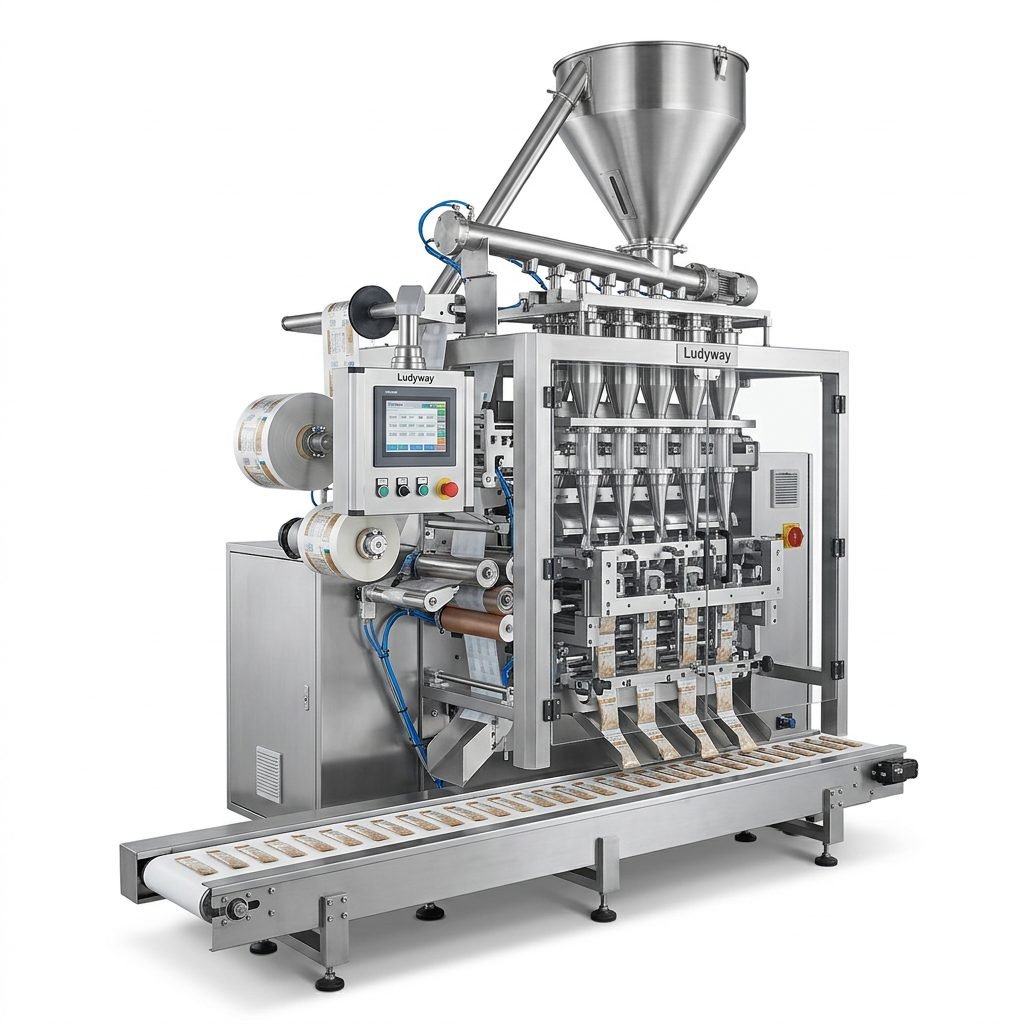
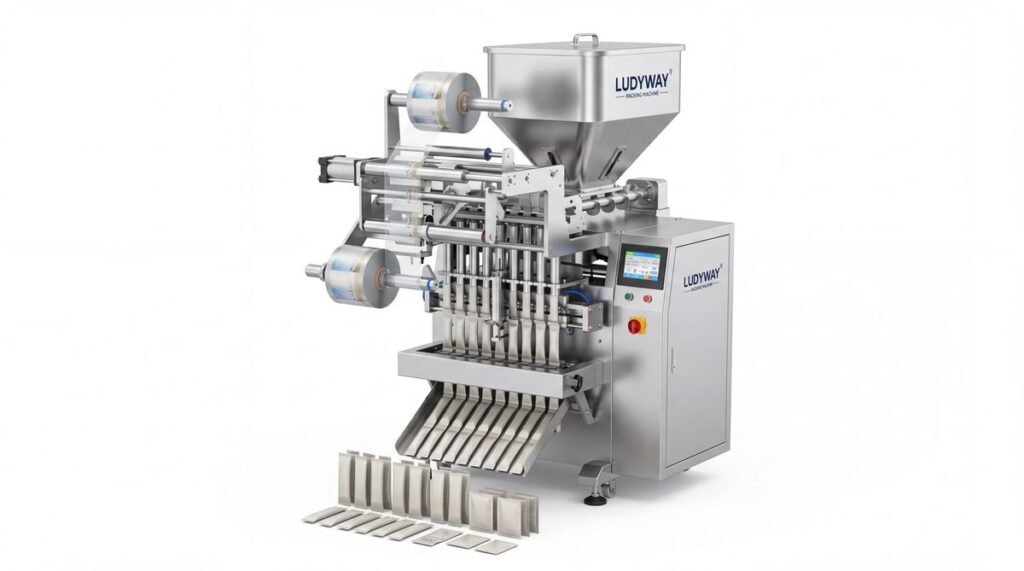
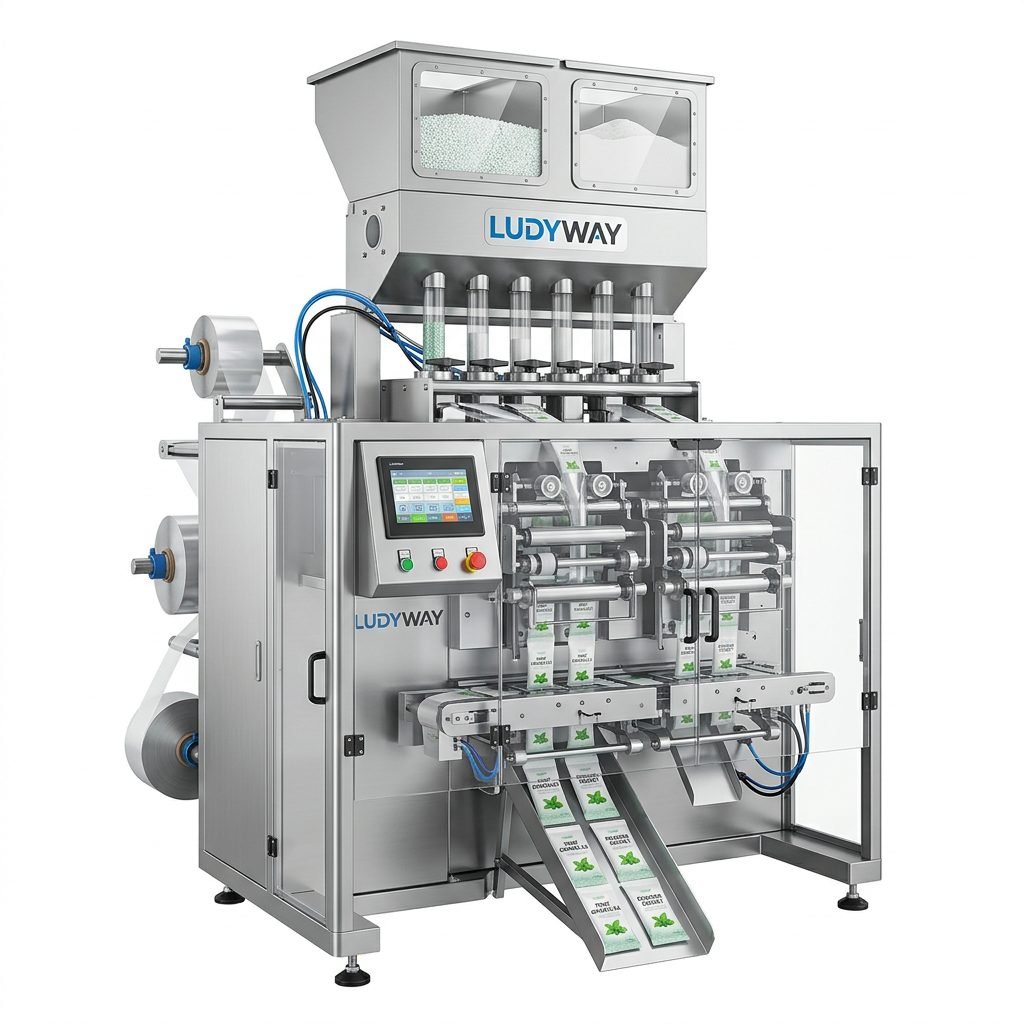
Granules, powders, nuts, and snacks require machinery that ensures accurate filling and robust sealing to preserve crispness and flavor. Multi-lane stick pack and sachet packaging machines are exceptionally effective for single-serve portions, seasoning, or instant beverages. These systems offer remarkable speed and flexibility, capable of producing thousands of perfectly portioned packs per hour. The precision of these machines ensures each pack contains the exact weight, complying with regulatory standards and maximizing material use.
For Liquid & Viscous Products
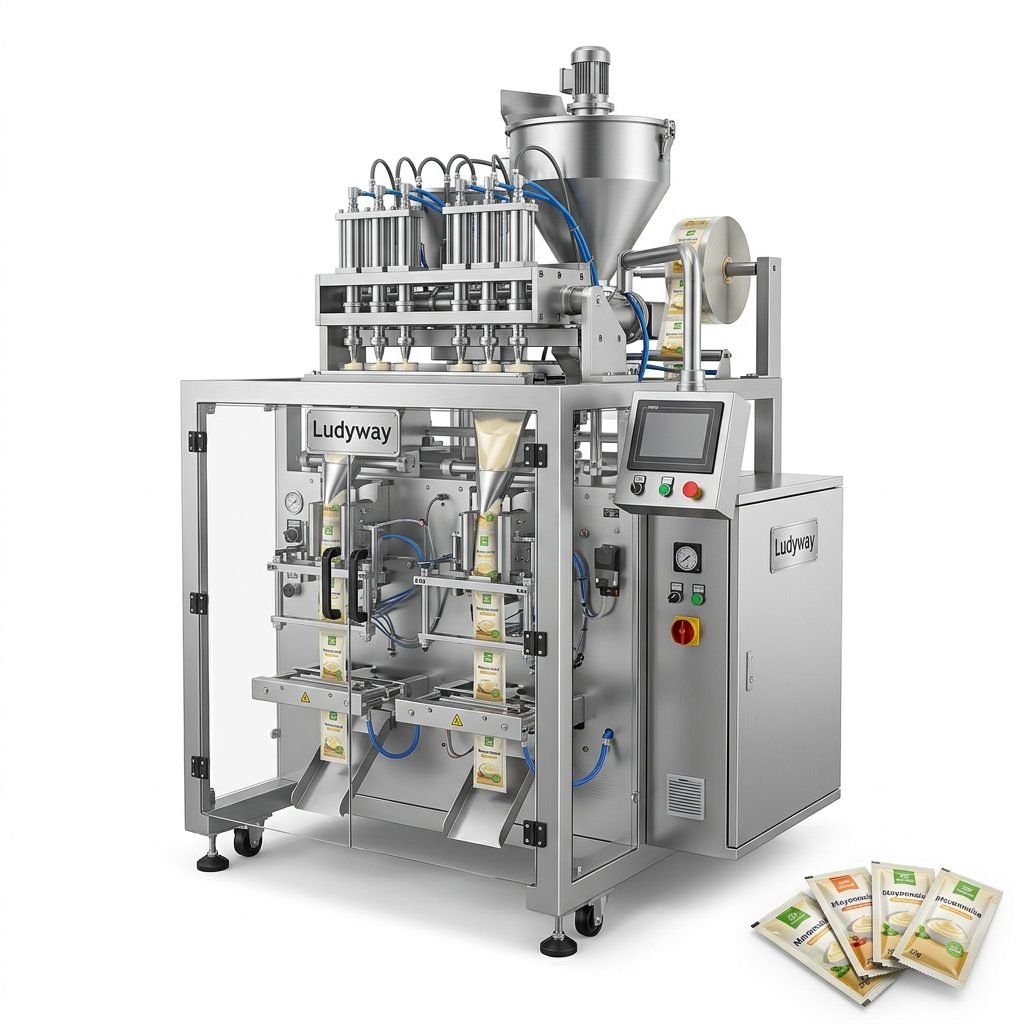
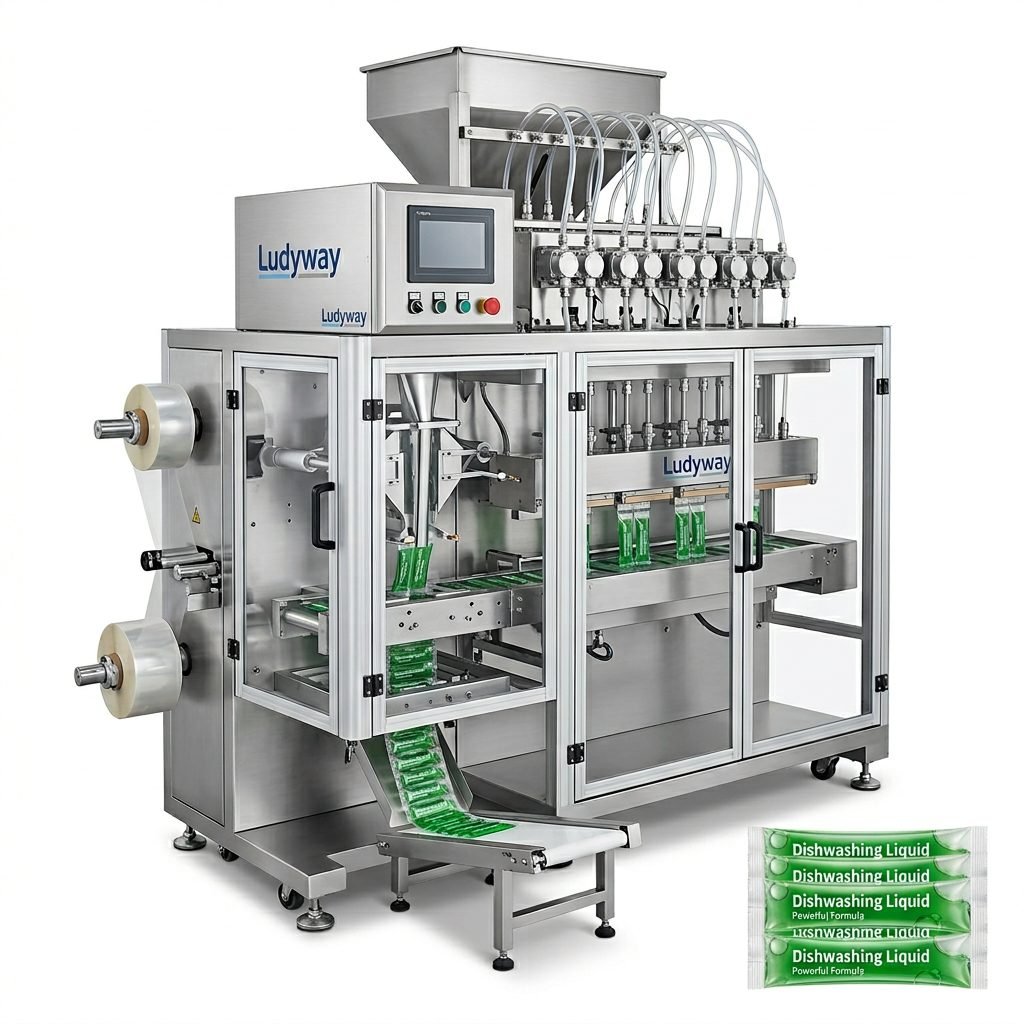
Packaging sauces, oils, dairy products, or beverages demands equipment that handles liquids cleanly and prevents leakage. Advanced liquid filling machines incorporate piston or volumetric filling technology for unparalleled accuracy. Coupled with high-integrity sealing systems, they guarantee leak-proof pouches or bottles. For products sensitive to oxygen, machinery with integrated gas flushing capabilities can dramatically extend shelf life by replacing the air inside the package with an inert gas.
As a provider with deep roots in this industry, Ludyway Machinery understands these nuances. Our expertise in turnkey production solutions means we don’t just supply a machine; we analyze the entire production flow—from product handling to final cartoning—to design a line that optimizes every step for maximum food-grade efficiency and hygiene.
Robust Packaging for Diverse Industrial Applications
Beyond consumables, industrial goods such as chemicals, hardware, agricultural seeds, and pharmaceuticals require packaging that ensures safety, stability, and clear identification. The efficiency needs here focus on durability, precise dosing of potentially hazardous materials, and traceability.
Chemical & Agri-Industrial Packaging
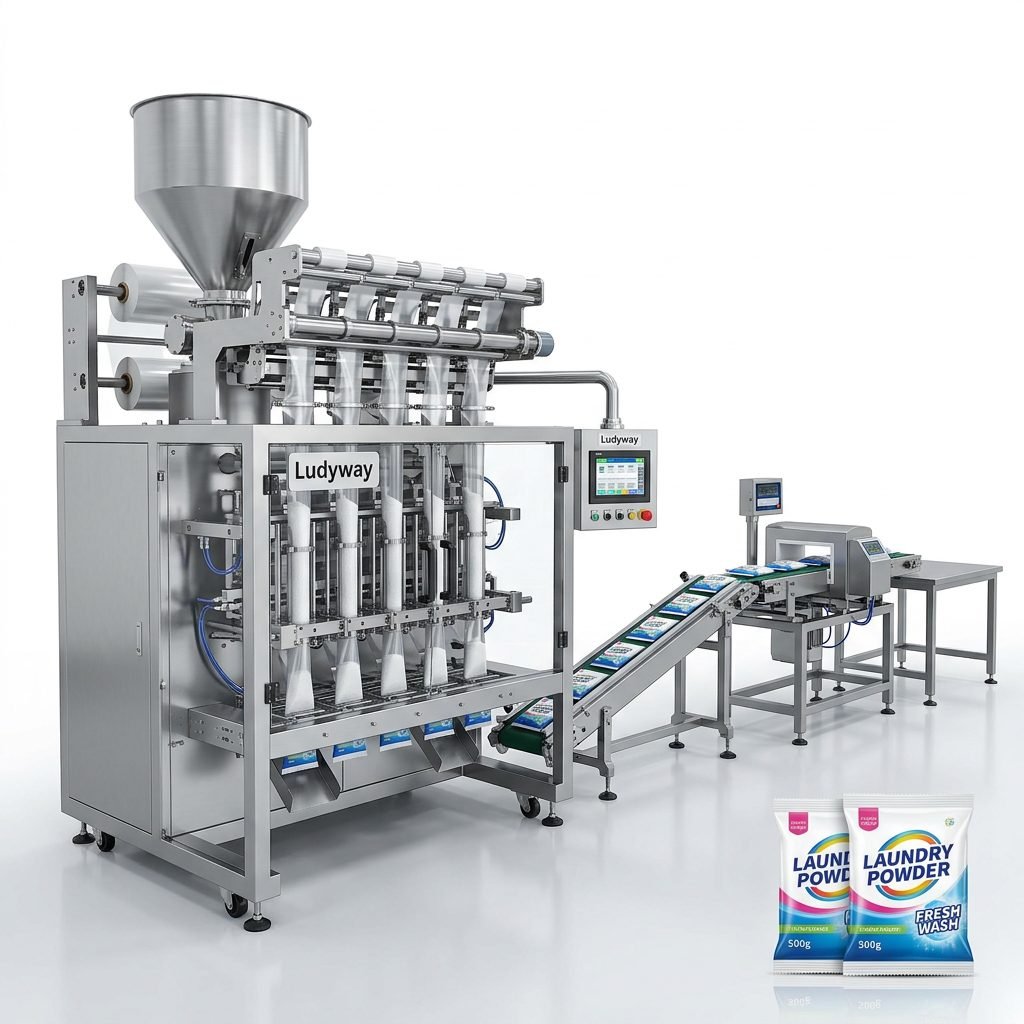
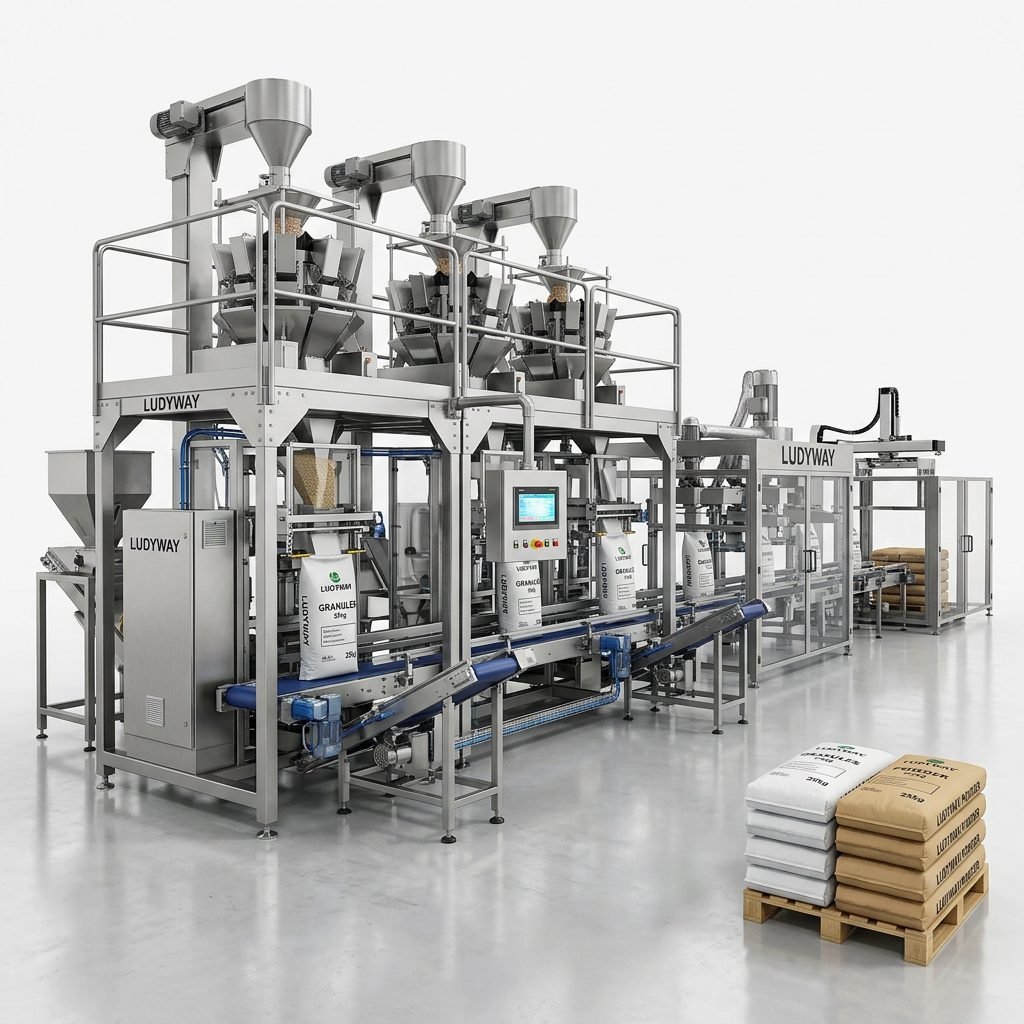
Packaging fertilizers, pesticides, or industrial chemicals requires robust materials and sealing techniques to prevent moisture ingress, caking, or dangerous leaks. Machinery for these applications is often built with enhanced corrosion-resistant components and designed for easy cleaning to prevent cross-contamination. High-speed bagging machines for powders and granules provide the heavy-duty performance needed for bulk industrial distribution.
Pharmaceutical & Nutraceutical Precision
This sector demands the highest levels of accuracy and cleanliness. Packaging machinery must comply with Good Manufacturing Practices (GMP) and often requires features like clean-in-place (CIP) systems. Stick pack and sachet machines are ideal for packaging precise doses of powders, granules, or liquid supplements, ensuring each unit contains the exact active ingredient amount. The efficiency gain here is twofold: impeccable accuracy reduces product giveaway (a significant cost with high-value ingredients), and high-speed automation meets large-scale production demands for over-the-counter or clinical products.
Choosing the Right Partner for Your Packaging Line
Investing in high-efficiency packaging machinery is a strategic decision. The ideal equipment supplier acts as a long-term partner. Look for a provider with proven industry experience and a portfolio that demonstrates success in your specific sector. They should offer comprehensive support, from initial consultation and factory acceptance testing to installation, operator training, and readily available spare parts. A partner with strong engineering capabilities can provide valuable customization, adapting standard machines to your unique product or factory layout, which is the true path to unlocking maximum efficiency. Exploring a company’s history and core expertise can give critical insight into their ability to deliver a reliable, future-proof solution.
The Future is Integrated: Smart Packaging Lines
The next frontier in packaging efficiency lies in connectivity and data. Industry 4.0 principles are being integrated into packaging machinery, giving rise to smart factories. Modern high-efficiency machines are equipped with sensors and IoT (Internet of Things) capabilities that monitor performance in real-time. This data allows for predictive maintenance—addressing potential issues before they cause downtime—and provides granular insights into Overall Equipment Effectiveness (OEE), material usage, and production bottlenecks. This level of intelligence transforms packaging from a cost center into a strategic source of operational data and continuous improvement.
Implementing such an integrated system requires a supplier with a forward-thinking vision and the technical depth to connect machinery with plant-wide management systems. It represents a significant evolution from standalone machines to a cohesive, data-driven production asset.
Frequently Asked Questions (FAQs)
1. What are the main factors to consider when selecting high-efficiency packaging machinery?
Key factors include your product type (granule, powder, liquid), required output speed (packs per minute), package format (stick pack, sachet, pouch), the level of automation needed, compliance with industry regulations (e.g., FDA, GMP), and the total cost of ownership, which includes maintenance, energy use, and material waste.
2. How can packaging machinery improve our sustainability goals?
Efficient machinery directly contributes to sustainability by minimizing material waste through precise cutting and sealing. It reduces energy consumption per unit produced and can be configured to use recyclable or mono-material films. Furthermore, by extending product shelf life, it helps reduce food waste in the supply chain.
3. We have a unique product shape. Can standard machines be adapted?
Yes, a reputable supplier with strong engineering capabilities, like Ludyway Machinery, often offers customization options. This can include modifying feeding systems, developing custom-shaped forming collars, or adjusting sealing jaws to handle non-standard products effectively, ensuring efficiency isn’t sacrificed for uniqueness.
4. What kind of support should we expect after purchasing the equipment?
Comprehensive post-purchase support is crucial. This should include detailed installation supervision, thorough operator and maintenance technician training, a clear warranty, readily available spare parts, and access to remote or on-site technical support for troubleshooting. This ensures your investment maintains its high efficiency over the long term.
5. How do we justify the ROI (Return on Investment) for new packaging machinery?
ROI is calculated by weighing the capital cost against the tangible savings and gains. These include increased production output and revenue, reduced labor costs, lower material waste, decreased downtime, and improved product quality leading to fewer rejects. A detailed analysis projecting these factors over 3-5 years typically reveals a compelling financial case for upgrading to high-efficiency solutions.