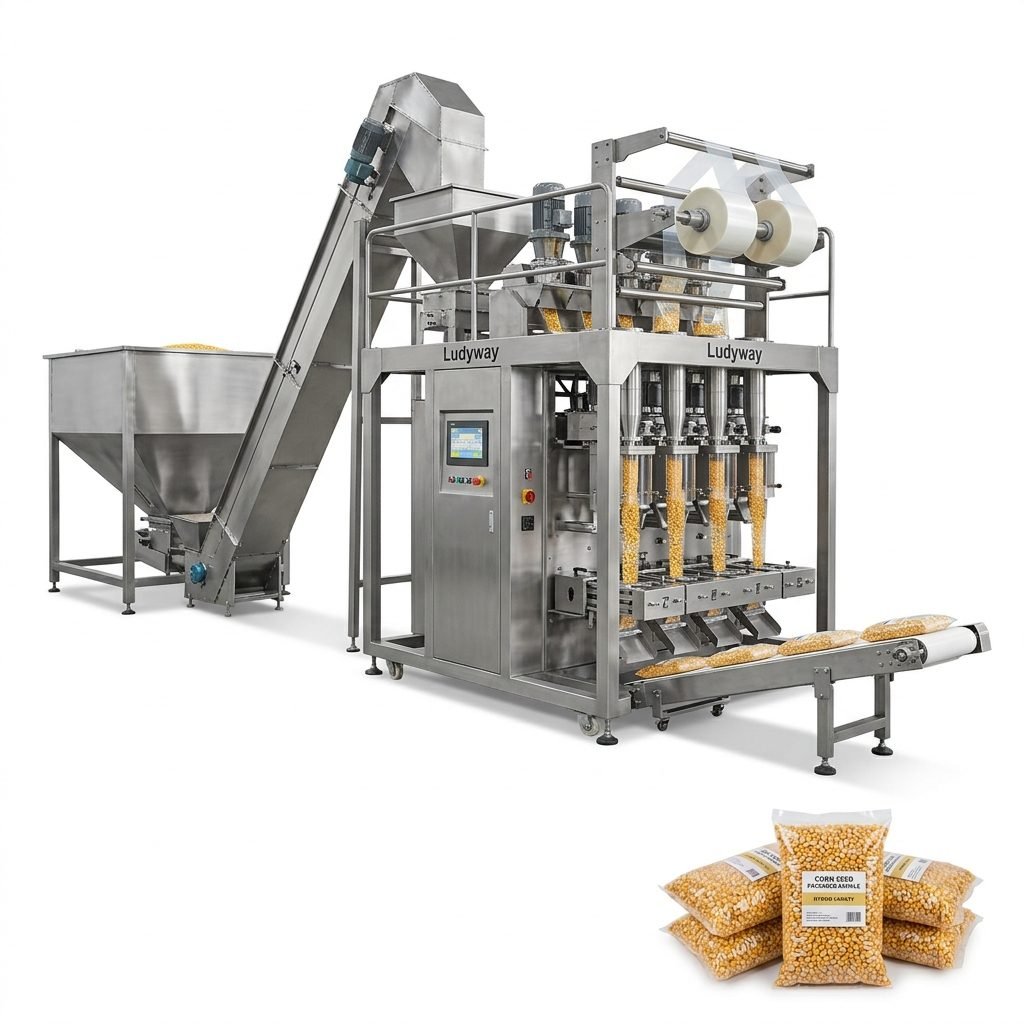
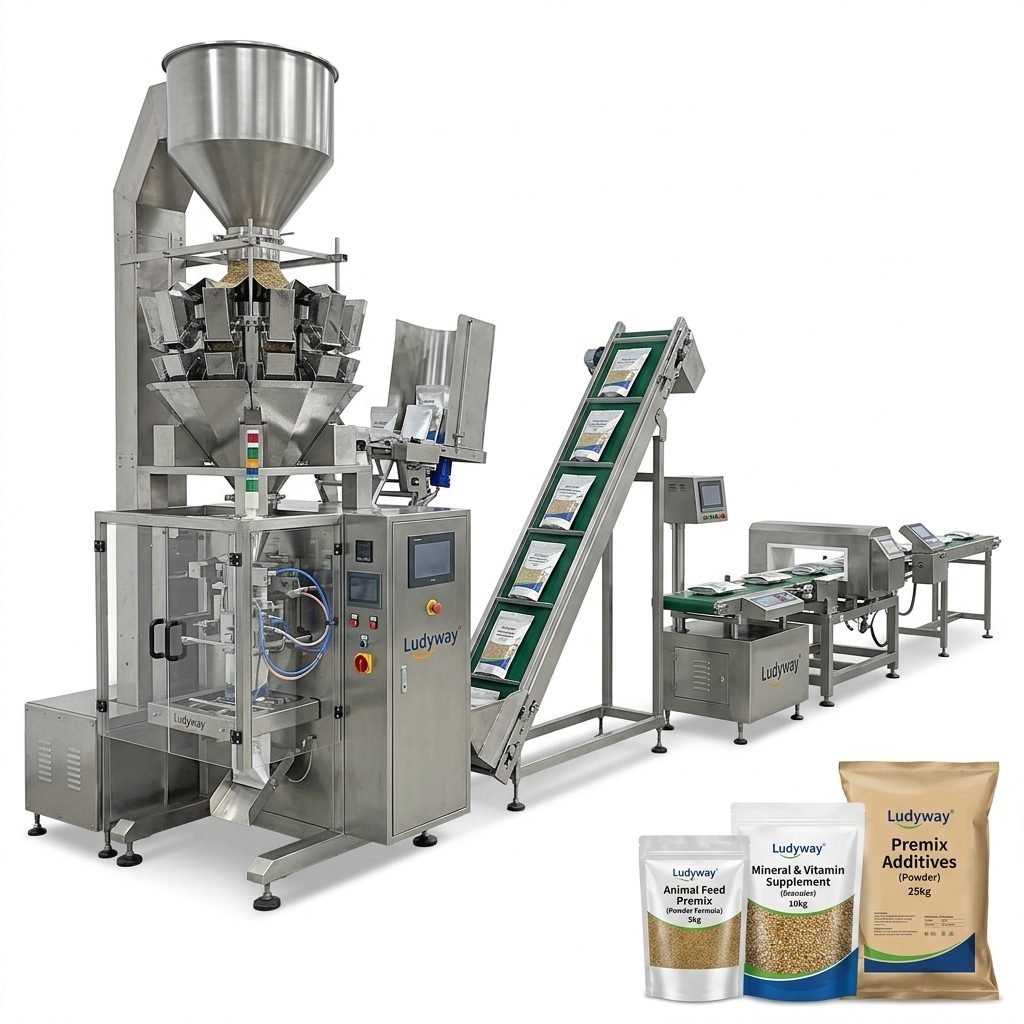
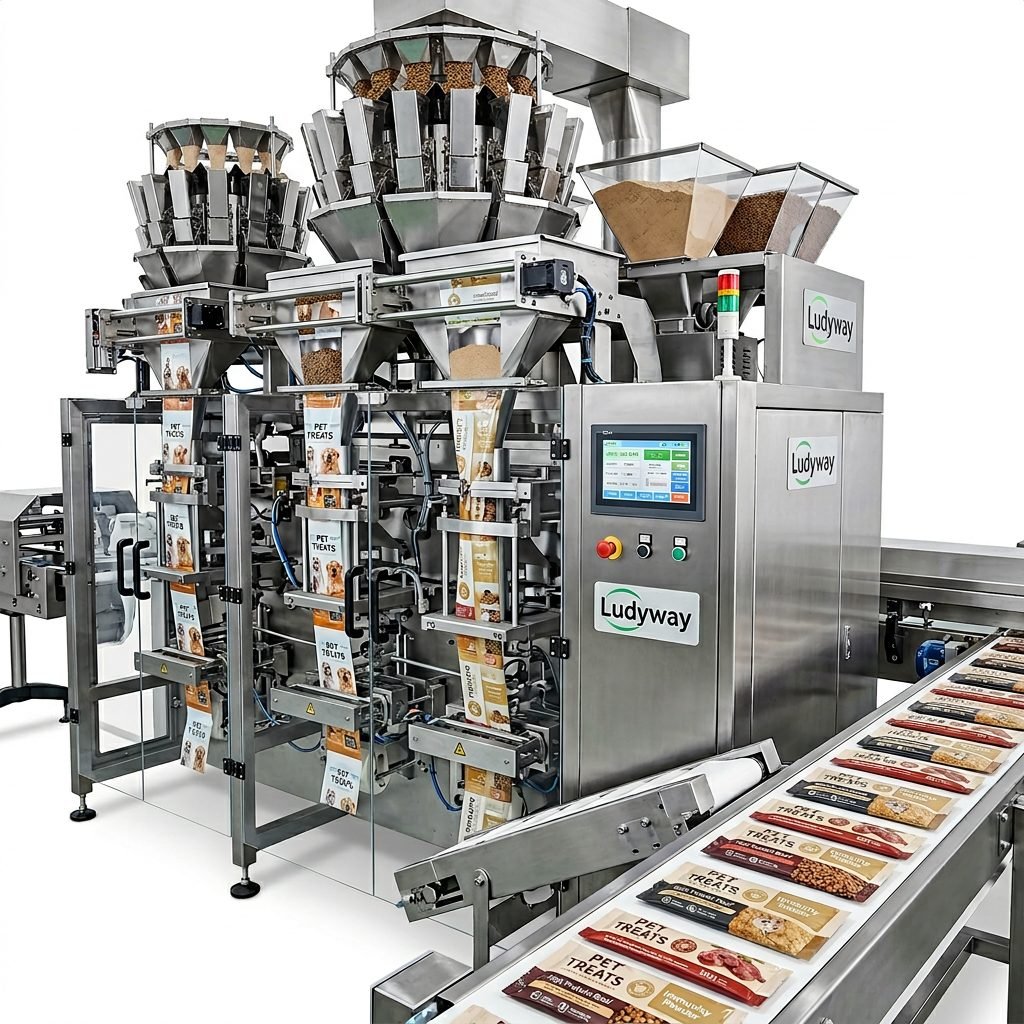
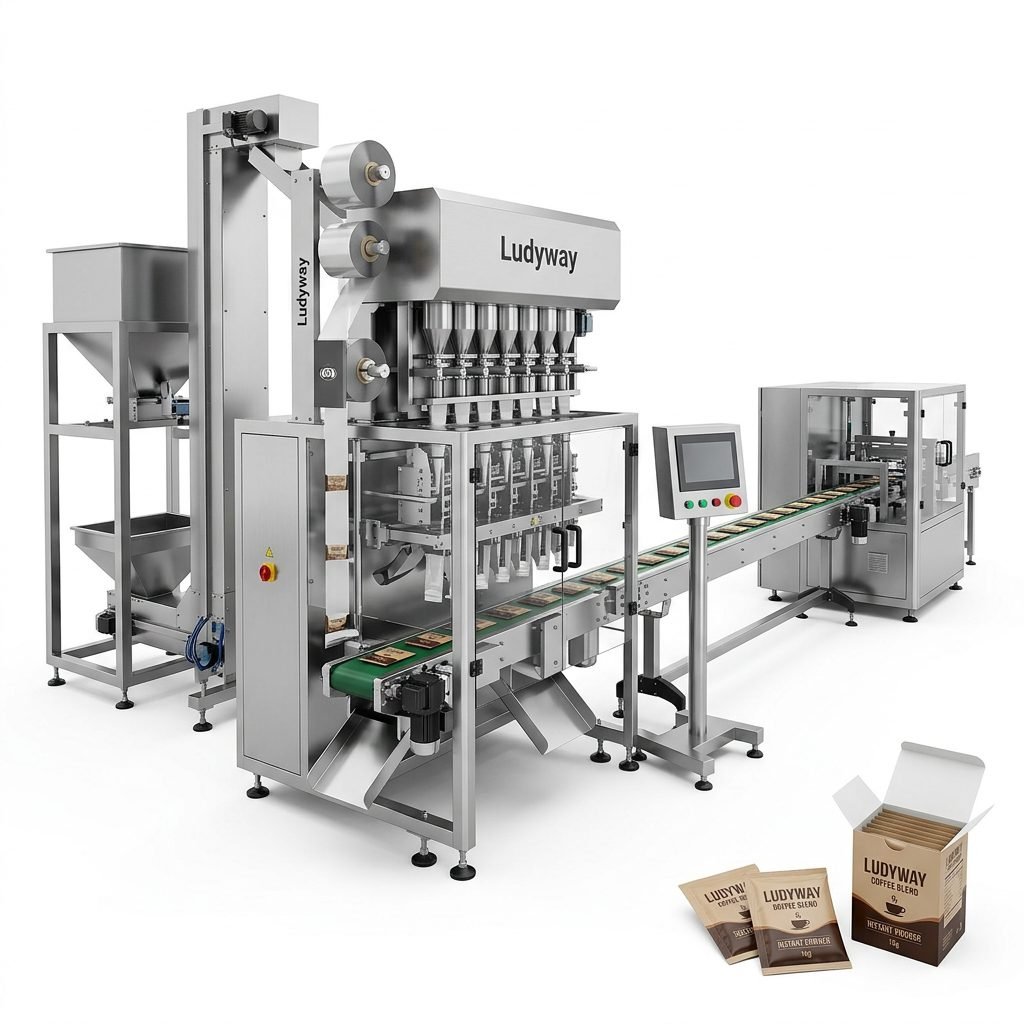
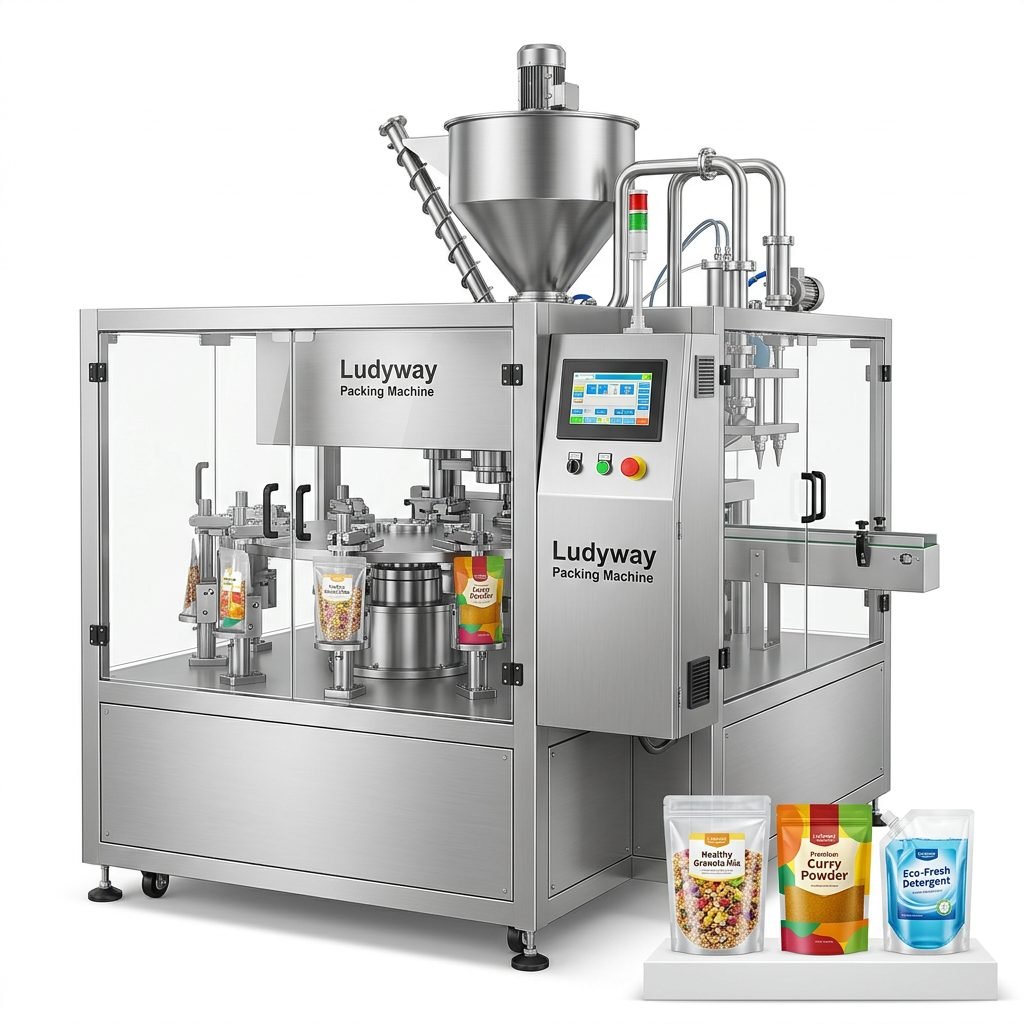
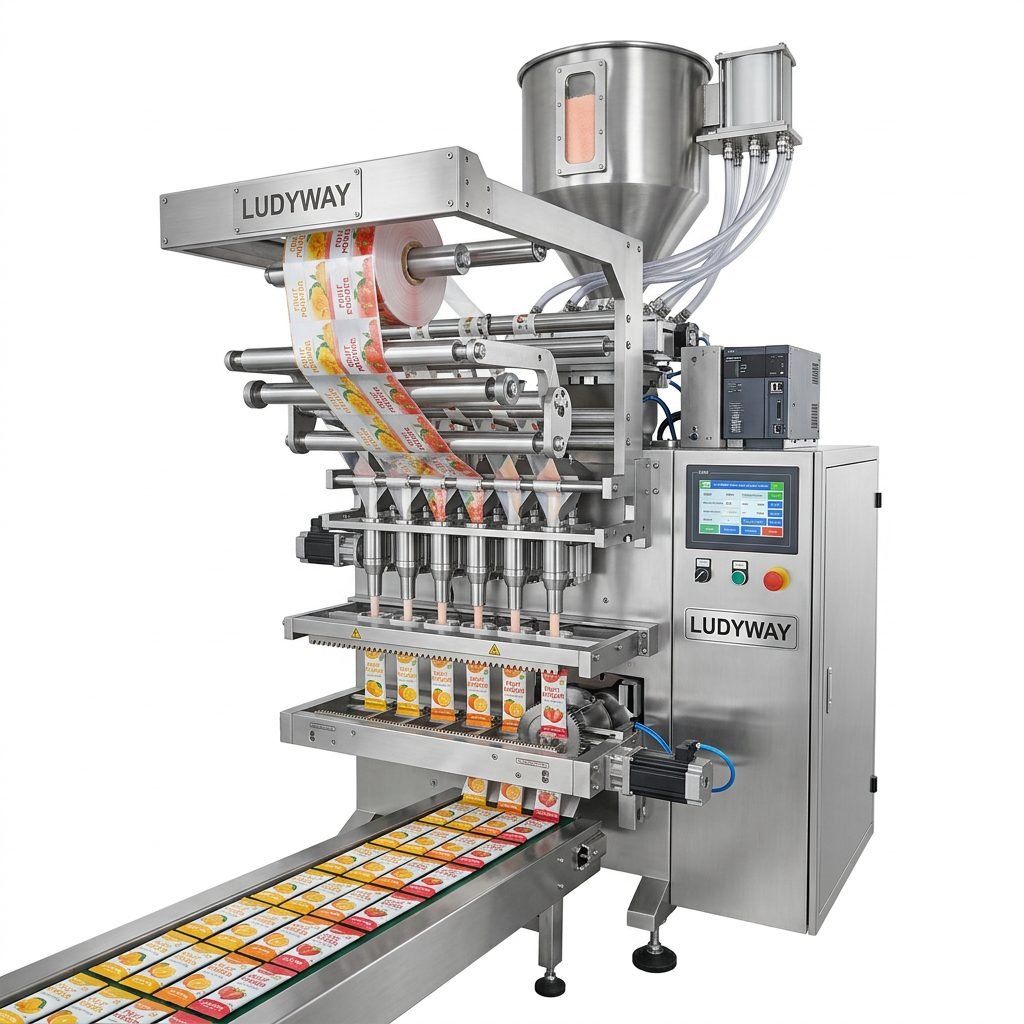
Investing in a flow packaging machine is a strategic decision that directly impacts your production efficiency, product presentation, and bottom line. Whether you are packaging food, pharmaceuticals, or consumer goods, selecting the wrong system can lead to costly downtime and material waste. This comprehensive buyer’s guide walks you through the essential factors to consider, helping you make an informed decision tailored to your operational needs.
Understanding Flow Packaging Technology
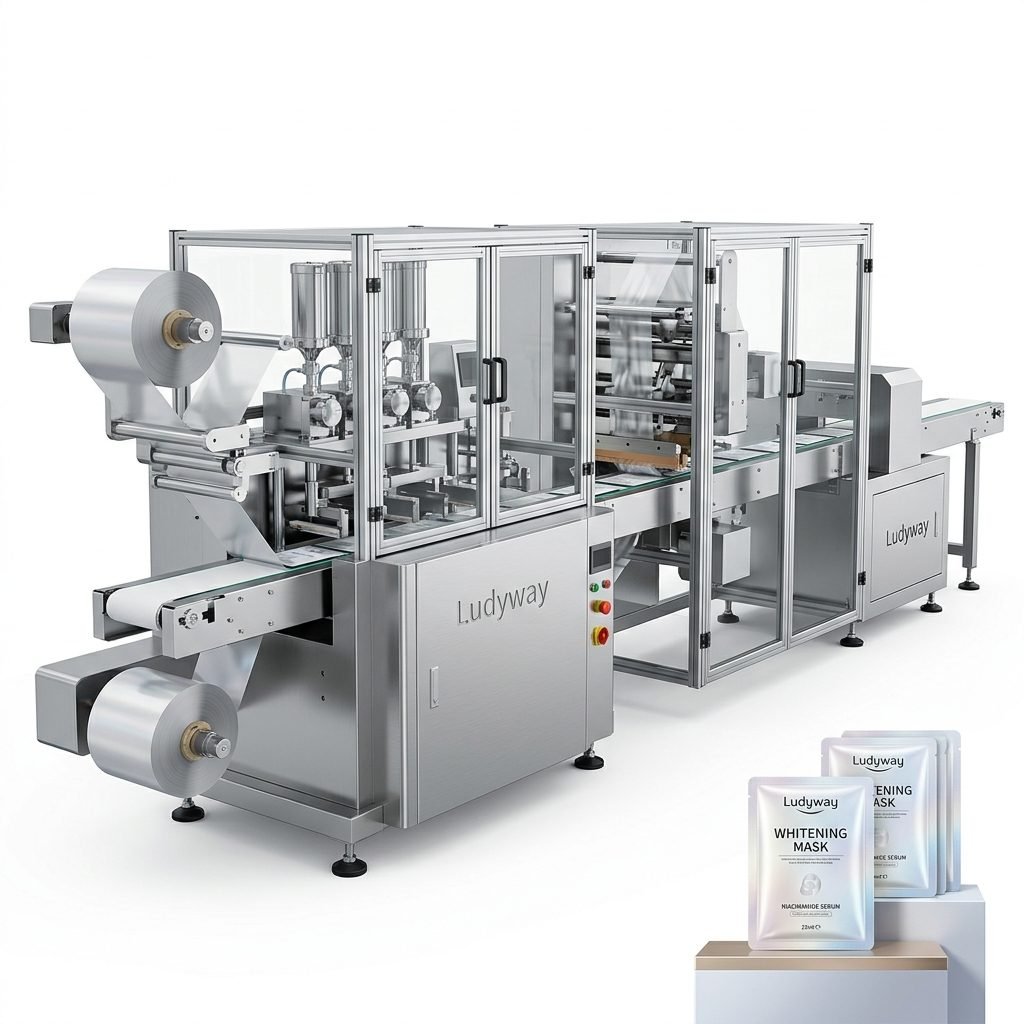
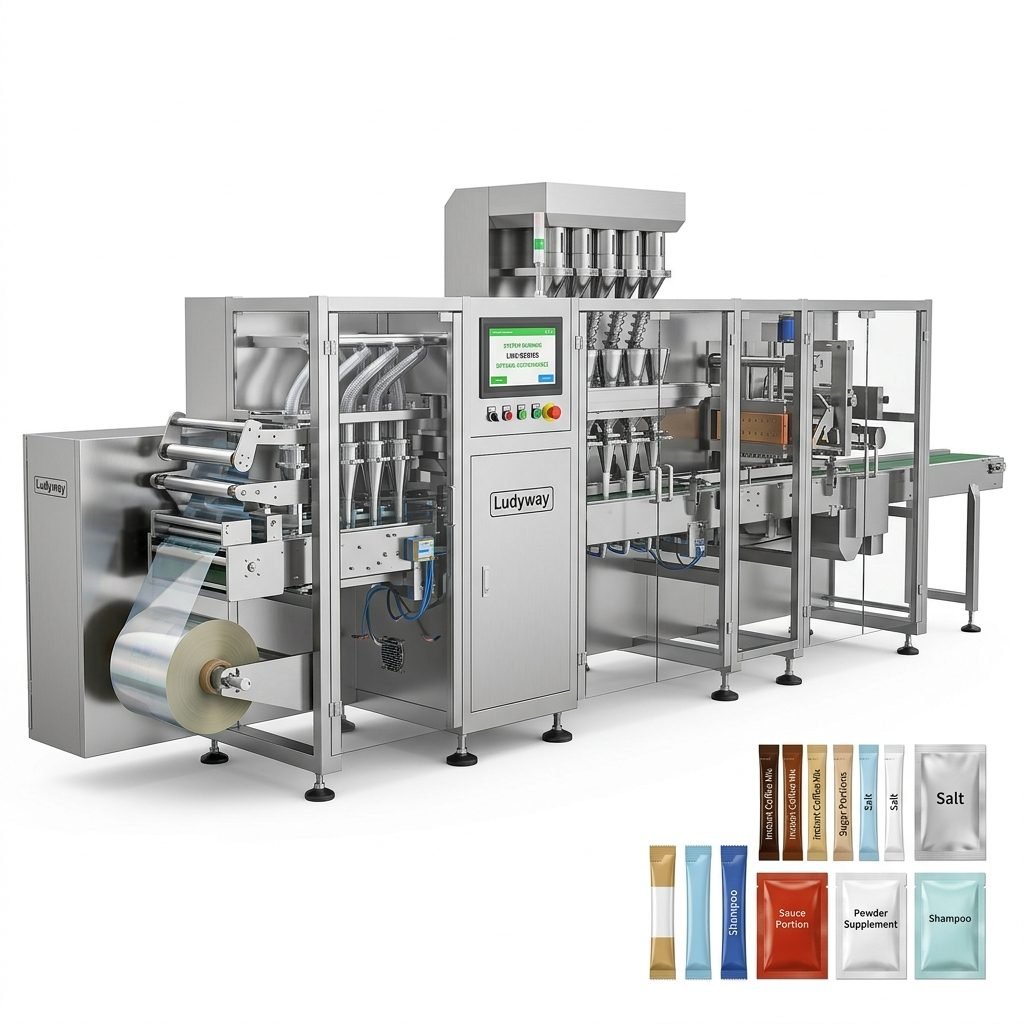
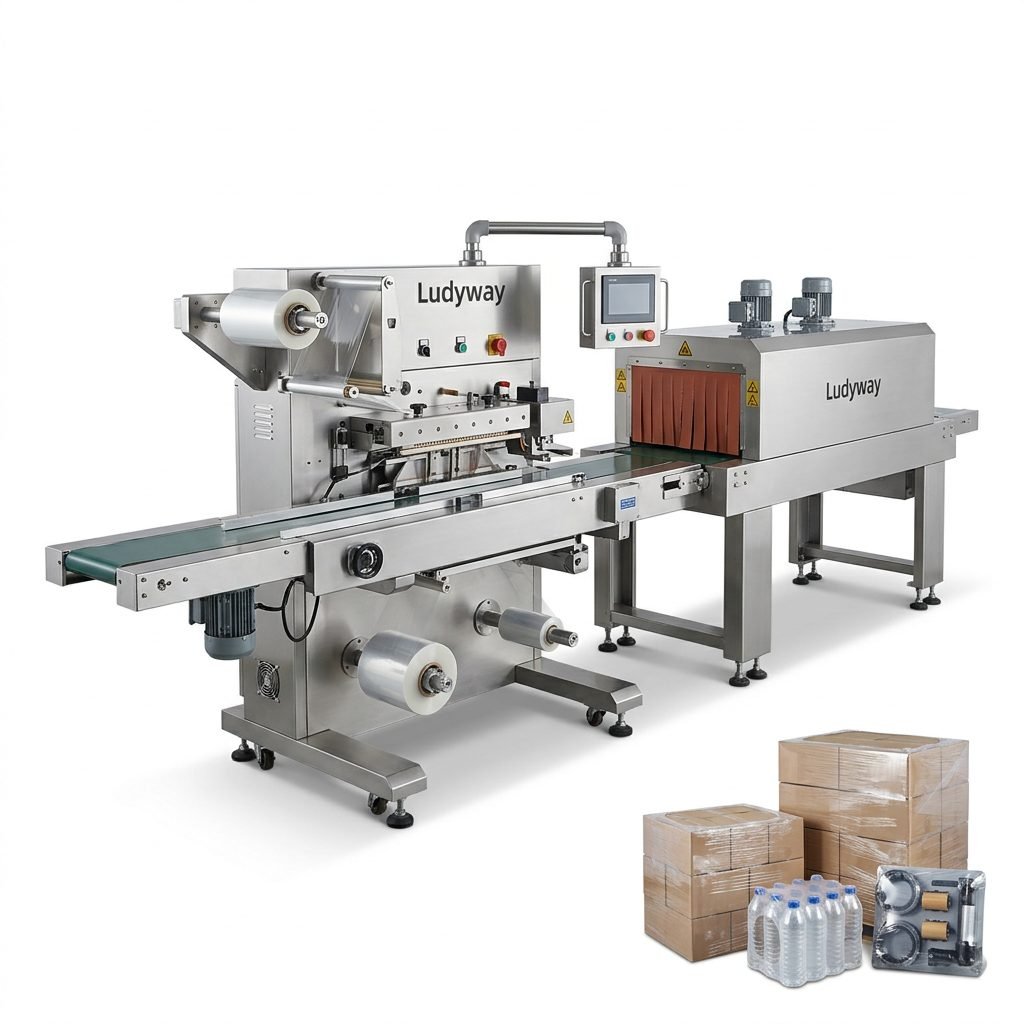
Flow packaging, also known as horizontal form-fill-seal (HFFS), creates a tight, flexible wrapper around a product using a single roll of film. This technology is ideal for solid, consistent-shaped items such as bars, trays, baked goods, and hardware. The process involves wrapping the product in a tube of film, sealing the bottom and ends, and cutting the packs apart. Before diving into specifications, it’s crucial to understand the different machine configurations available, including packaging machinery standards that govern safety and performance globally.
Key Factors to Evaluate Before Buying
Not all flow wrappers are created equal. You need to align the machine’s capabilities with your specific production goals. Below, we break down the critical performance areas that should guide your selection.
Product Characteristics and Presentation
The size, shape, and fragility of your product dictate the infeed system and film handling. Product dimensions directly impact the forming box size and jaw configuration. If you run multiple products, look for a machine with quick-change tooling and minimal changeover parts. Additionally, the desired pack style—such as a pillow pack, gusseted pack, or fin seal—must be supported by the machine’s forming capabilities.
Film Compatibility and Sustainability
Modern flow wrappers must handle a variety of substrates, from traditional polypropylene to emerging biodegradable and recyclable films. Sealing temperature control and dwell time are critical for newer sustainable materials that have a narrower sealing window. Ensuring your machine works with flexible packaging materials can future-proof your investment against shifting market regulations.
Comparing Production Speed and Automation Levels
Your required output, measured in packs per minute (PPM), determines whether you need an intermittent or continuous motion machine.
| Machine Type | Typical Speed Range | Ideal Application |
|---|---|---|
| Intermittent Motion | Up to 80 PPM | Short runs, frequent changeovers, manual feeding |
| Continuous Motion | 80 – 200+ PPM | High-volume lines, automated product feeding |
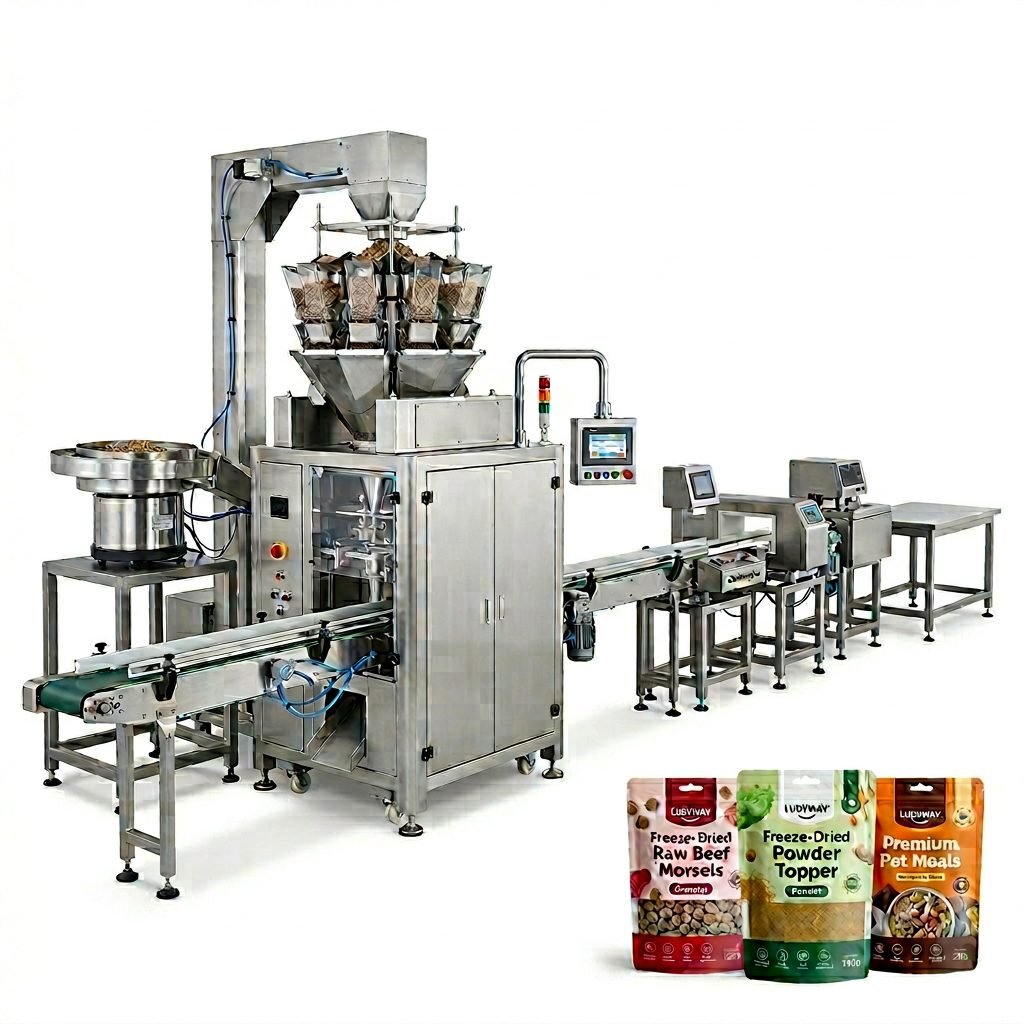
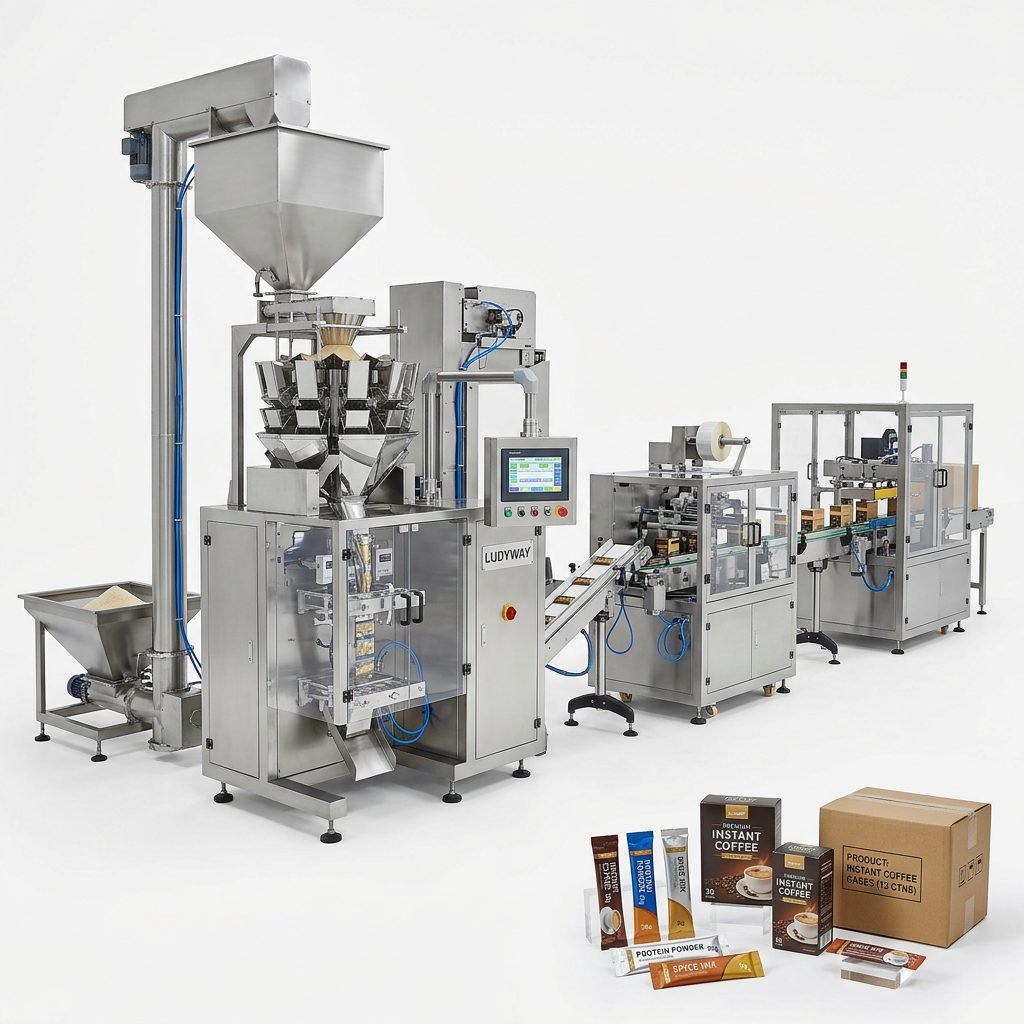
Continuous motion machines are typically paired with automatic feeders and transfer systems. Integrating a complete packaging line system with automated collation and cartoning can maximize throughput and reduce labor dependency.
Integration and Line Connectivity
A flow wrapper rarely operates in isolation. Seamless upstream and downstream connectivity is vital. You should verify that the machine’s control architecture supports communication with dosing systems, checkweighers, vision inspection, and carton packers. Ludyway Machinery, for instance, emphasizes customized solutions that integrate individual flow wrapping units into fully automated production line strategies, ensuring all stages of the packaging process operate in sync.
Key Integrated Components
- Automatic Feeders: Ensuring consistent product spacing and orientation.
- Print Registration Systems: Maintaining exact film placement for branded packaging.
- Date Coders and Labelers: Applying traceability data without slowing the line.
- Gas Flushing (MAP): Extending shelf life for sensitive food products.
- Rejection Systems: Removing faulty packs automatically based on sensor input.
Sanitation and Regulatory Requirements
For food and pharmaceutical applications, sanitary design is non-negotiable. Look for stainless steel construction, IP65 or IP66 washdown ratings, and sloped surfaces that prevent water pooling. Machines should comply with ISO packaging standards and Good Manufacturing Practices (GMP). Easy access to the forming box and sealing jaws for cleaning and maintenance drastically reduces downtime between product runs.
Making the Right Investment Decision
Selecting a flow packaging machine goes beyond the initial purchase price. You must consider the total cost of ownership, including film usage efficiency, spare parts availability, and technical support responsiveness. A robust supplier should offer comprehensive service, from installation to ongoing technical resources and troubleshooting.
Final Checklist Before You Buy
- Define your product range: Measure maximum and minimum product dimensions.
- Specify your film: Confirm material type, thickness, and sealing properties.
- Set realistic speed targets: Account for future production growth.
- Audit the hygiene design: Match the machine construction to your industry standards.
- Verify integration capabilities: Ensure the control system speaks your line’s language.
- Evaluate the supply chain: Confirm lead times for critical spares and film rolls.
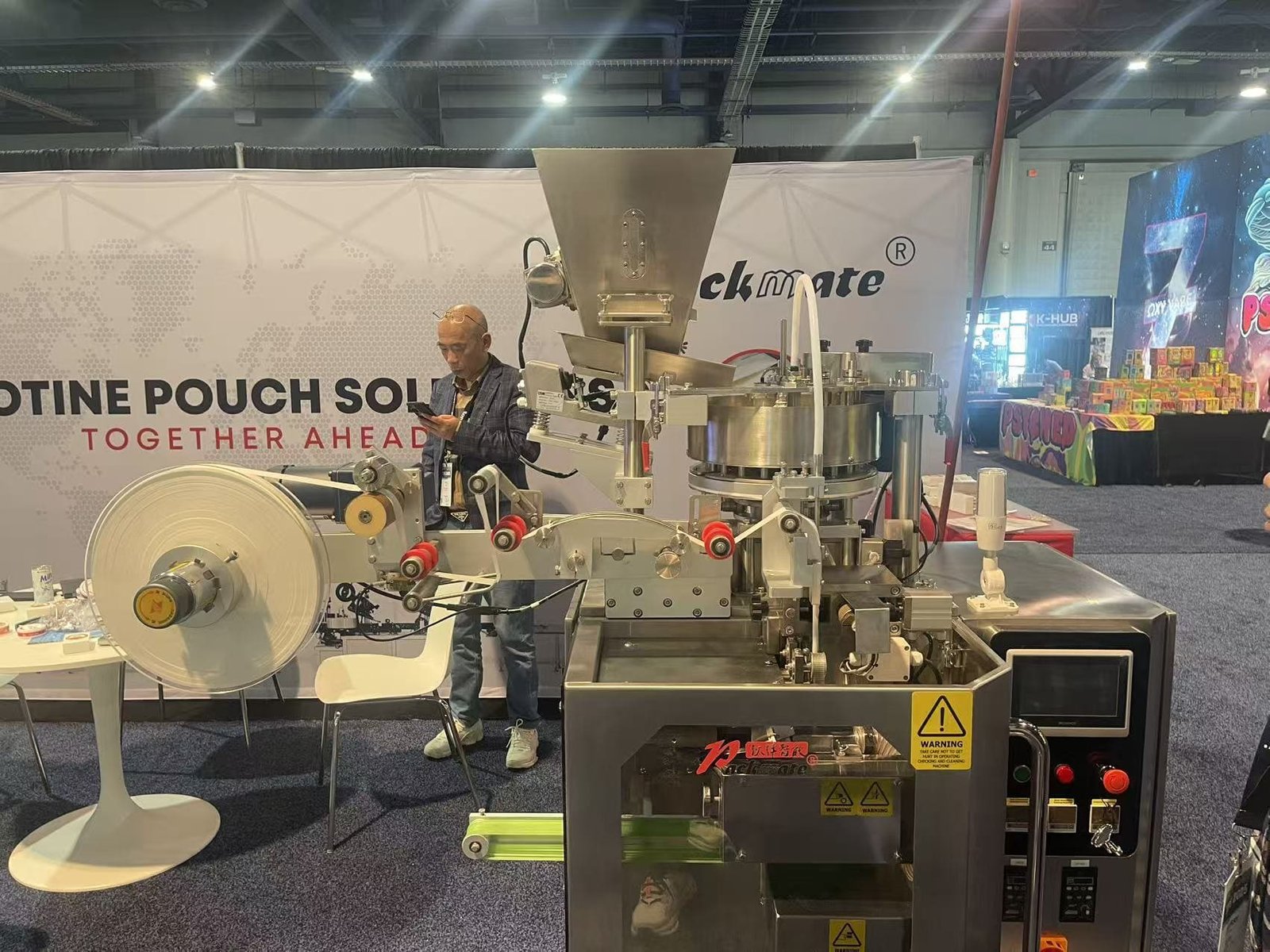
Conclusion
The right flow packaging machine is a catalyst for growth, not just a piece of equipment. By meticulously analyzing your product needs, production volume, and facility constraints, you can select a system that delivers consistent quality and rapid return on investment. Always partner with a manufacturer that demonstrates deep application expertise and a genuine commitment to your long-term success in the competitive packaging landscape.