Investing in the right coffee bean packaging machine is one of the most strategic decisions a roastery or coffee brand can make. Whether you are a growing specialty roaster or an established wholesale distributor, the efficiency, consistency, and shelf-life protection offered by modern packaging equipment directly influence product quality and customer satisfaction. In the United States market, where competition is fierce and consumer expectations are high, selecting equipment that meets your production goals while complying with FDA food packaging regulations is essential. This guide walks you through everything you need to know before purchasing a coffee bean packaging machine in the U.S.
Why Your Choice of Packaging Machine Matters
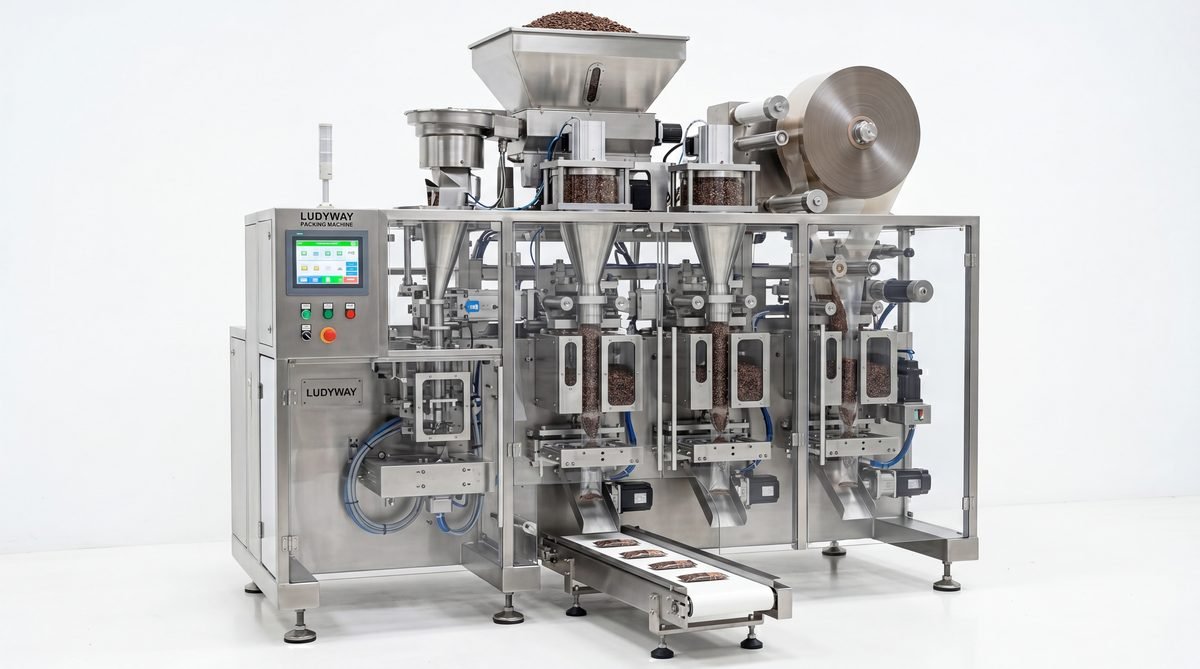
The coffee industry in the United States generates billions of dollars annually, and packaging plays a pivotal role in brand differentiation and product preservation. Whole bean and ground coffee are highly sensitive to oxygen, moisture, and light. A high-quality packaging machine ensures hermetic sealing, precise portioning, and extended freshness — all critical factors for maintaining flavor integrity. Beyond preservation, the right machine supports operational scalability, reduces labor costs, and helps you meet the throughput demands of both retail and e-commerce channels. Modern packaging lines also integrate features like nitrogen flushing and one-way degassing valves, which are increasingly standard in the U.S. specialty coffee market.
Types of Coffee Bean Packaging Machines
Understanding the different machine categories is the first step toward making an informed purchase. Each type has distinct advantages depending on your packaging format, production volume, and product characteristics. Below are the four most common configurations used by U.S. coffee packers.
Vertical Form Fill Seal (VFFS) Machines
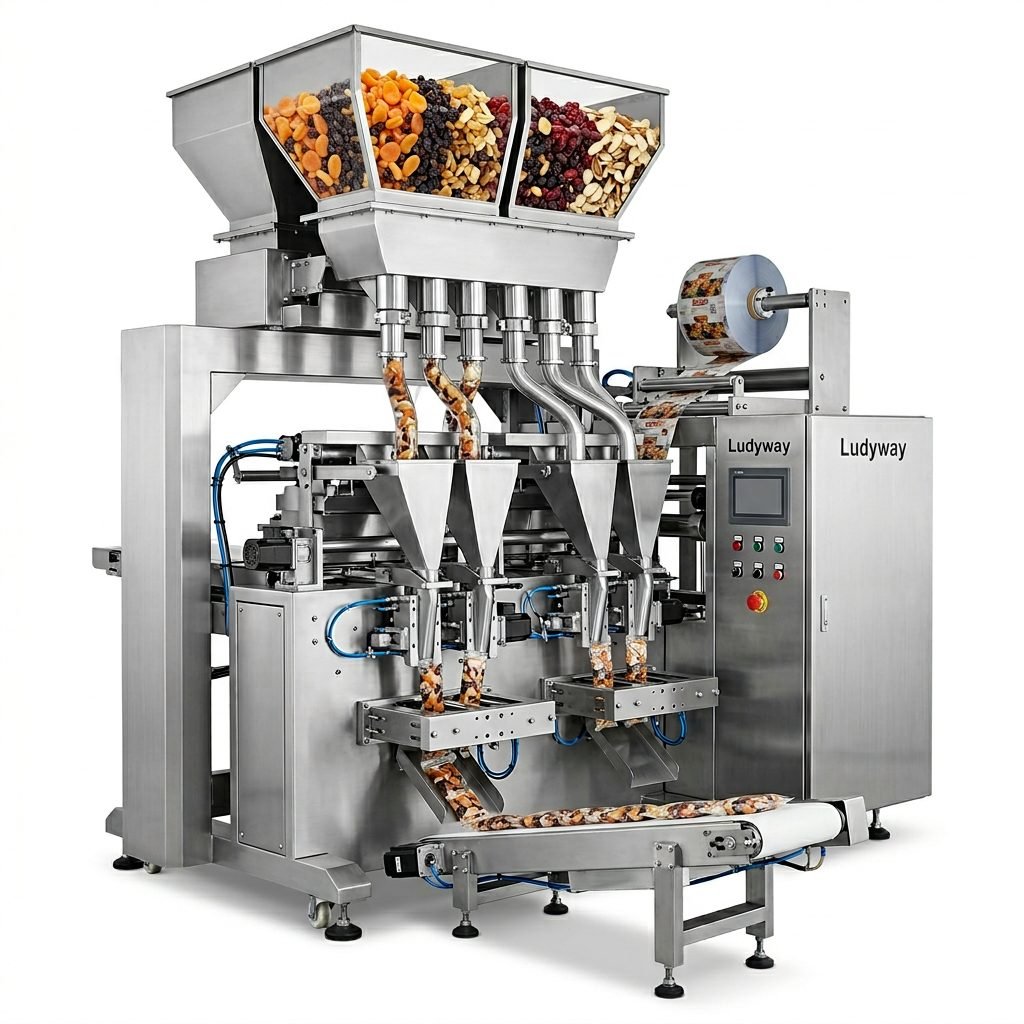
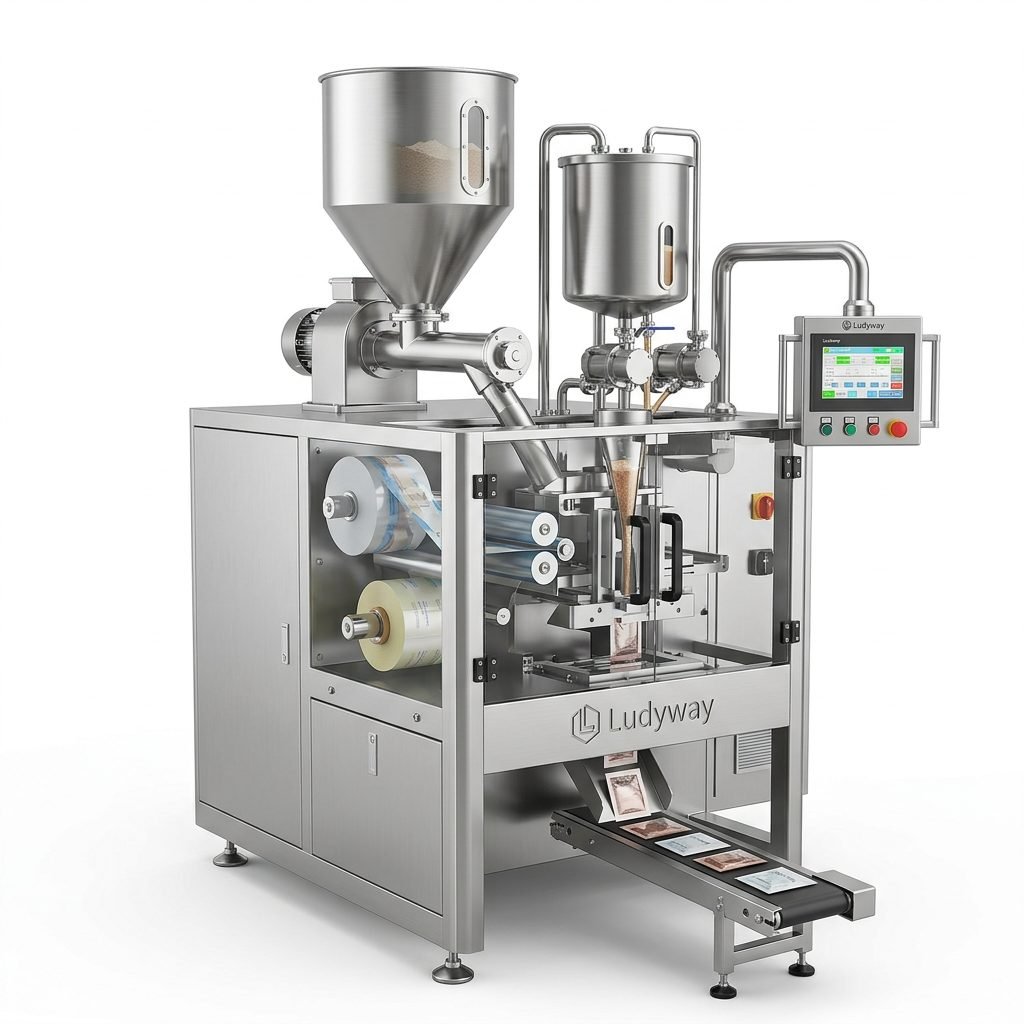
VFFS machines are the workhorses of the coffee packaging industry. They form bags from flat roll stock film, fill them with coffee beans or ground coffee, and seal them in a continuous vertical motion. These systems are ideal for medium to high-volume production and can achieve speeds exceeding 60 bags per minute. They support a wide range of bag styles, including pillow bags, gusseted bags, and quad-seal bags, making them versatile for different retail formats. Leading packaging machinery market research indicates that VFFS technology remains the most widely adopted form of primary packaging in the coffee sector.
Multi-Lane Stick Pack Machines
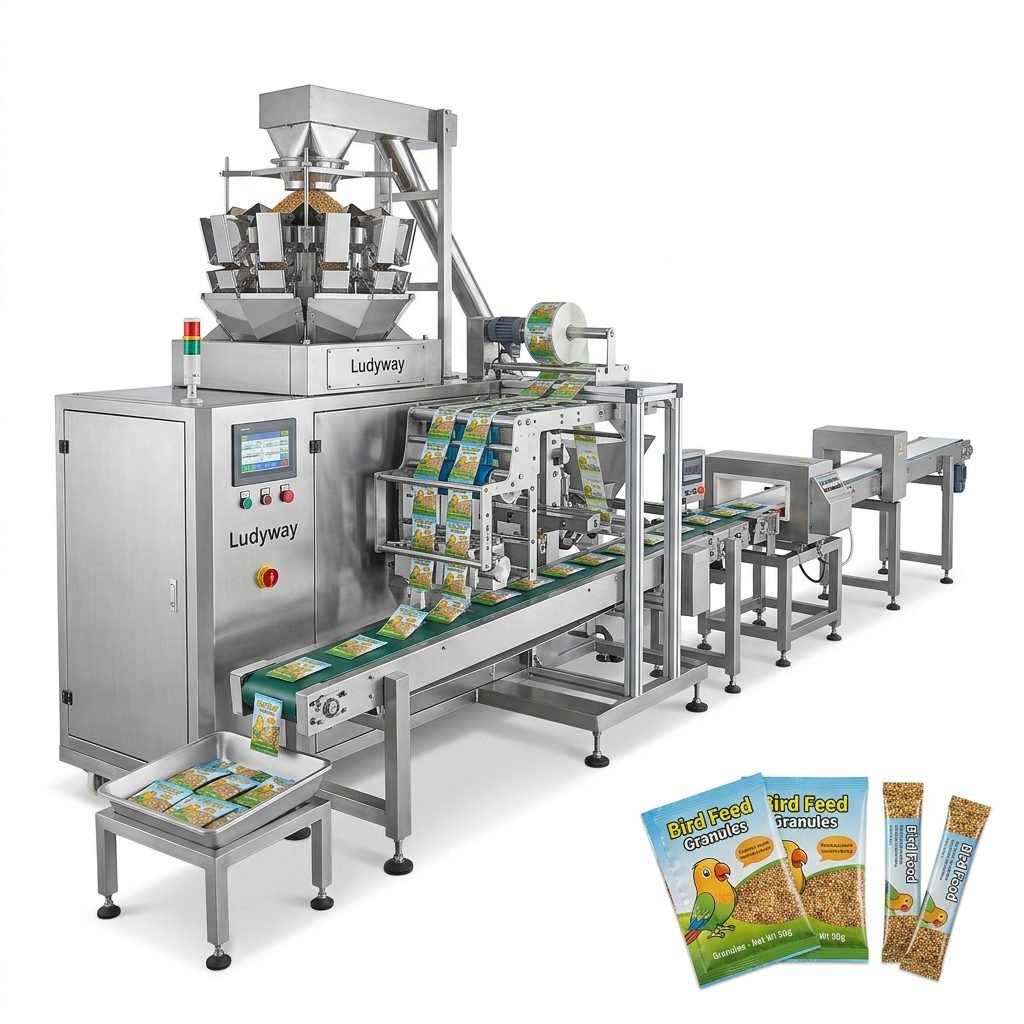
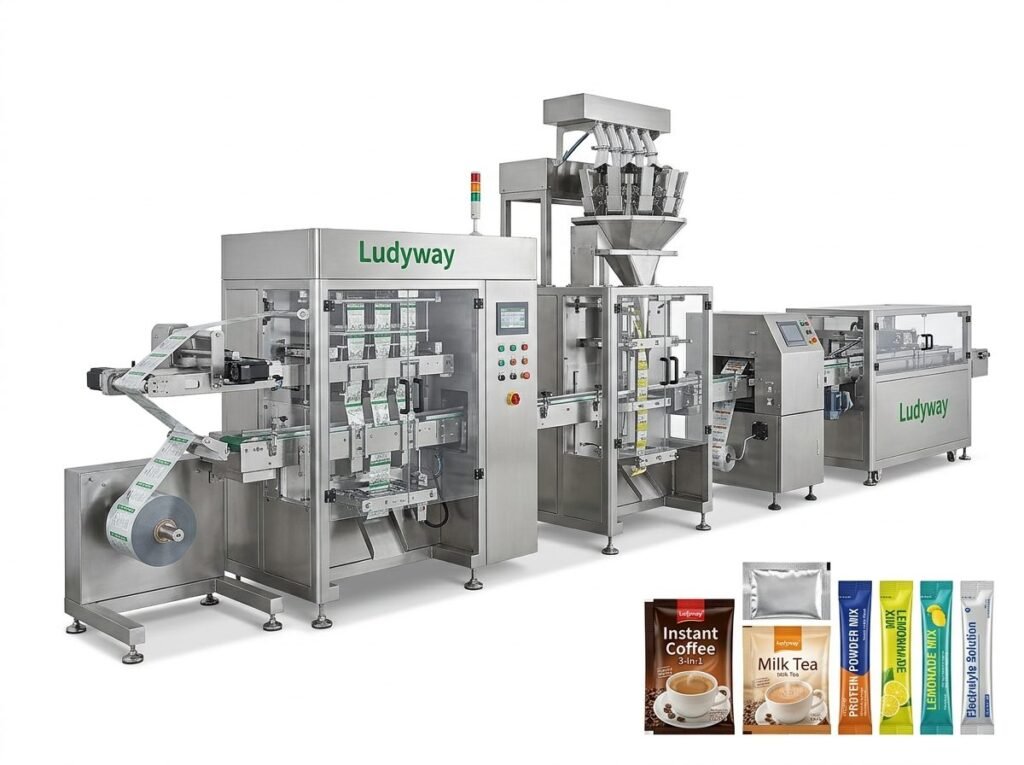
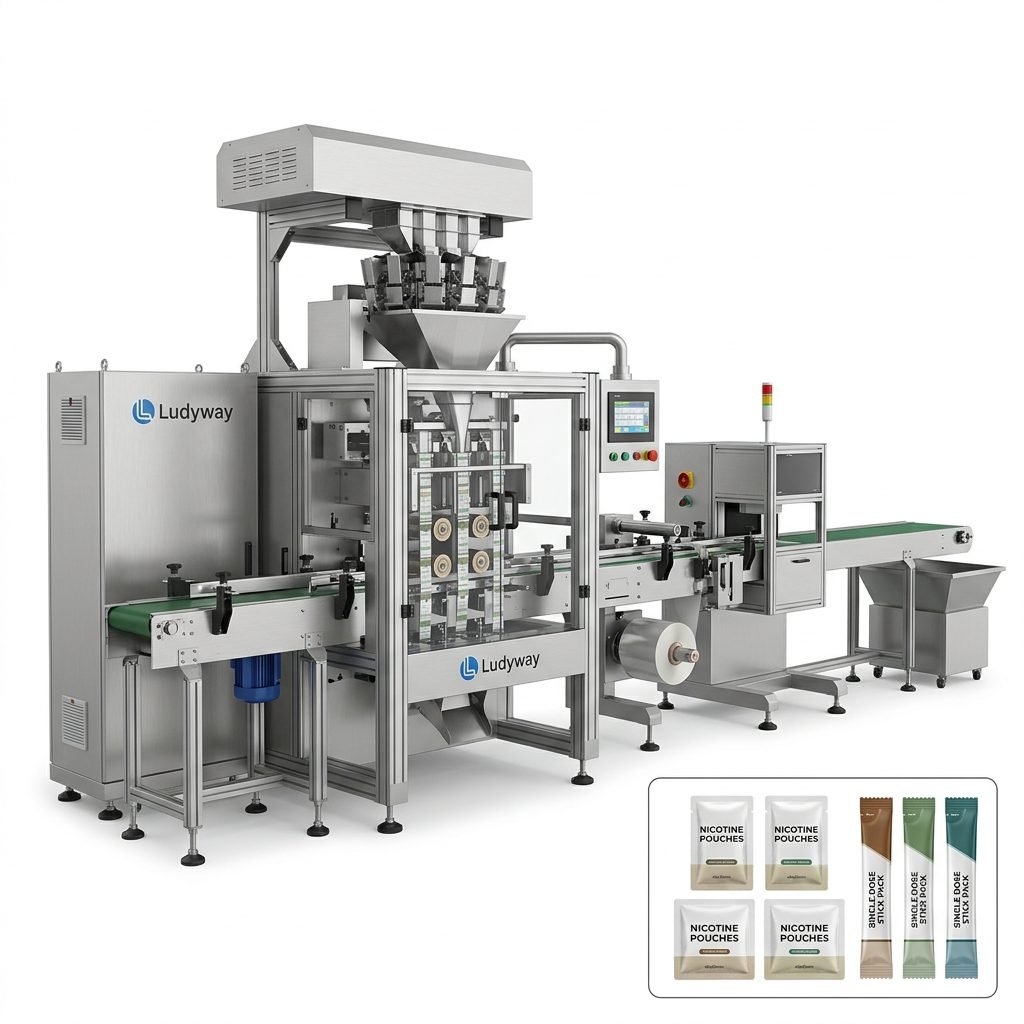
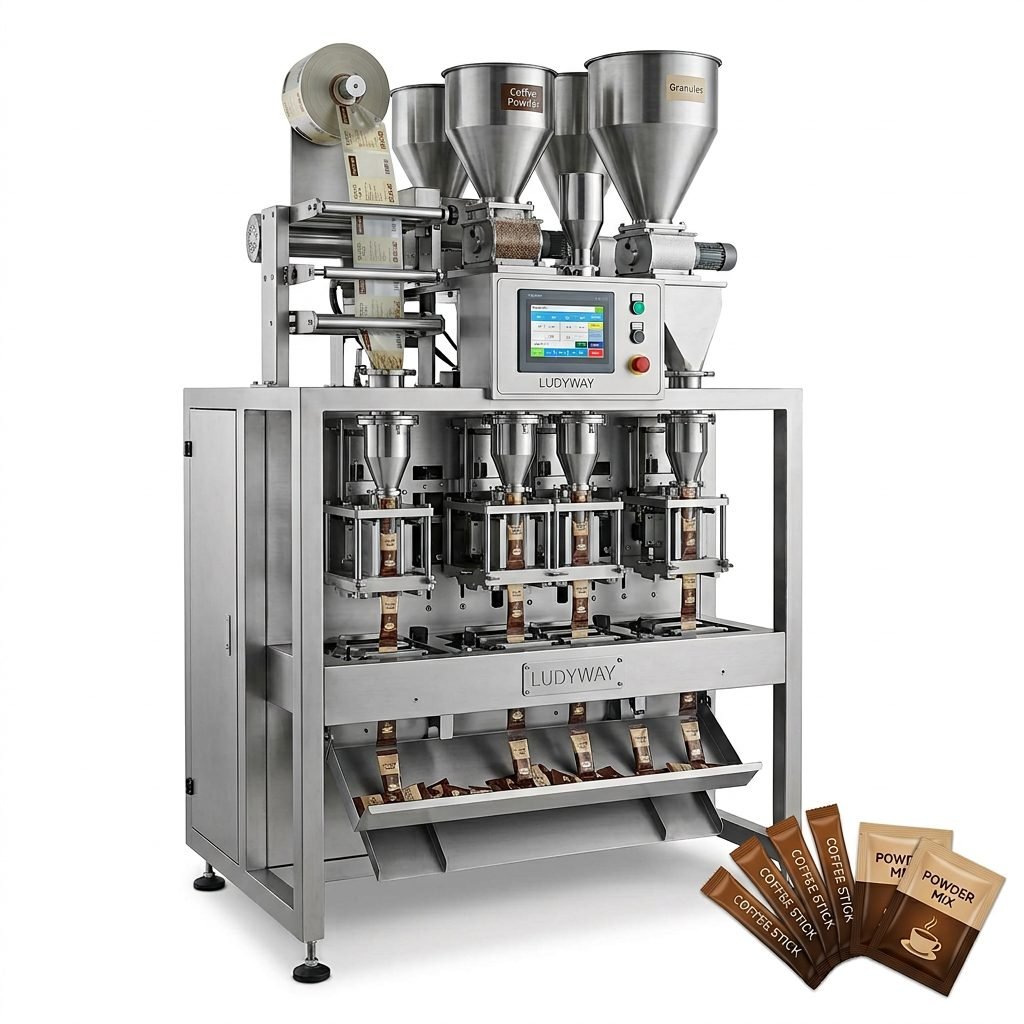
For single-serve coffee formats, multi-lane stick pack machines offer unmatched efficiency. These systems run multiple lanes simultaneously — typically 4 to 16 lanes — producing narrow, elongated sachets ideal for instant coffee, single-cup drip packs, and on-the-go formats. A multi-lane stick pack coffee packaging machine can deliver throughputs of 400 to 800 packs per minute, making it suitable for high-demand contract packaging operations. In the U.S., the growing popularity of single-serve and convenience formats has driven increased adoption of this technology.
Premade Pouch Packaging Machines
Rotary and inline premade pouch machines handle ready-made bags — such as stand-up pouches, flat-bottom bags, and zipper pouches — opening them, filling with coffee, and sealing. These machines are excellent for premium branding, as premade pouches offer superior print quality, matte finishes, and resealable features that consumers value. While speeds are generally lower than VFFS systems, the flexibility to switch between pouch sizes and styles quickly makes them ideal for specialty roasters offering multiple SKUs.
Vacuum Packaging Machines
For whole bean coffee destined for long-distance shipping or extended shelf storage, vacuum packaging machines remove air from the package before sealing. Combined with one-way degassing valves, vacuum-sealed coffee maintains its peak flavor significantly longer. Some U.S. roasters opt for vacuum brick pack formats for their dense, compact appearance and superior oxygen barrier properties. These systems are particularly relevant for brands exporting coffee or supplying wholesale channels with longer distribution cycles.
Key Features to Evaluate Before Buying
Not all coffee packaging machines are created equal. When comparing models from different manufacturers, pay close attention to the following technical and operational features.
| Feature | Why It Matters | U.S. Market Relevance |
|---|---|---|
| Nitrogen Flushing | Displaces oxygen to extend shelf life | Essential for specialty and organic coffee |
| Servo-Driven Controls | Precision filling and reduced waste | Lowers cost per bag for high-volume lines |
| Quick Changeover | Minimizes downtime between SKUs | Critical for multi-product roasters |
| Stainless Steel Construction | Food-grade hygiene and durability | Required for FDA and USDA compliance |
| Degassing Valve Applicator | Automates one-way valve placement | Standard for whole bean retail bags |
| Batch Coding Integration | Enables traceability and date marking | Mandatory for regulatory compliance |
Understanding U.S. Regulatory Requirements
Any packaging machinery deployed in the United States must align with several regulatory frameworks. The FDA’s food contact substance regulations govern materials that come into direct contact with coffee. Machines should be constructed from food-grade stainless steel and use lubricants that are NSF H1 registered for incidental food contact. Additionally, the packaging process must comply with Current Good Manufacturing Practice (CGMP) requirements under 21 CFR Part 117. For organic certification, the USDA National Organic Program standards may impose further packaging and handling requirements. It is advisable to consult a packaging compliance expert or legal advisor familiar with ISO packaging standards to ensure full conformity.
Cost Considerations and ROI Analysis
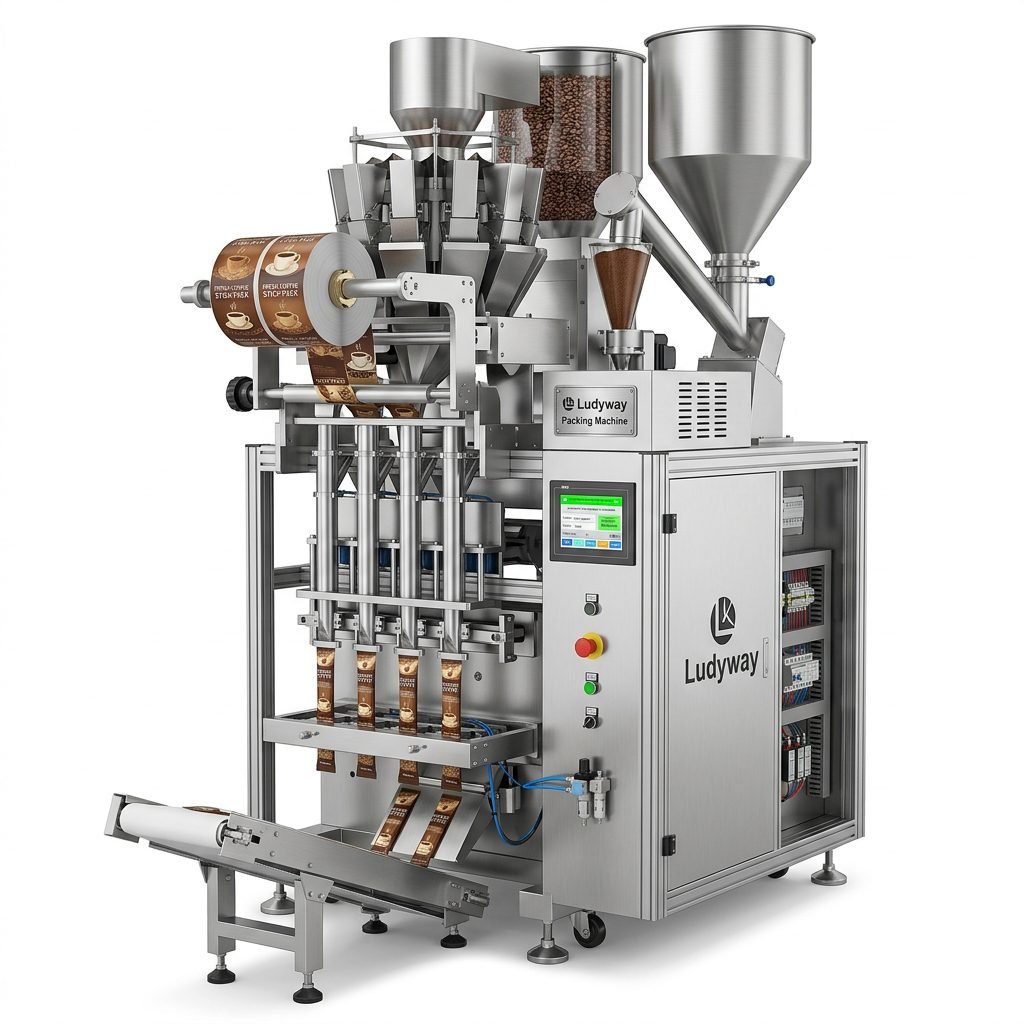
Purchasing a coffee bean packaging machine represents a significant capital investment. Entry-level tabletop machines suitable for small-batch roasters may start around $15,000 to $30,000, while fully automated multi-lane systems for large-scale production can range from $80,000 to over $250,000 depending on configuration and throughput. Beyond the machine cost, consider installation, operator training, maintenance contracts, and spare parts availability within the U.S. market. Calculate your return on investment by analyzing:
- Labor reduction: Automated machines typically replace 2-4 manual packing stations
- Material savings: Precision filling reduces product giveaway by 1-3%
- Throughput increase: Machines can double or triple manual packing rates
- Waste reduction: Consistent sealing reduces defective packages
Selecting a Reliable Equipment Supplier
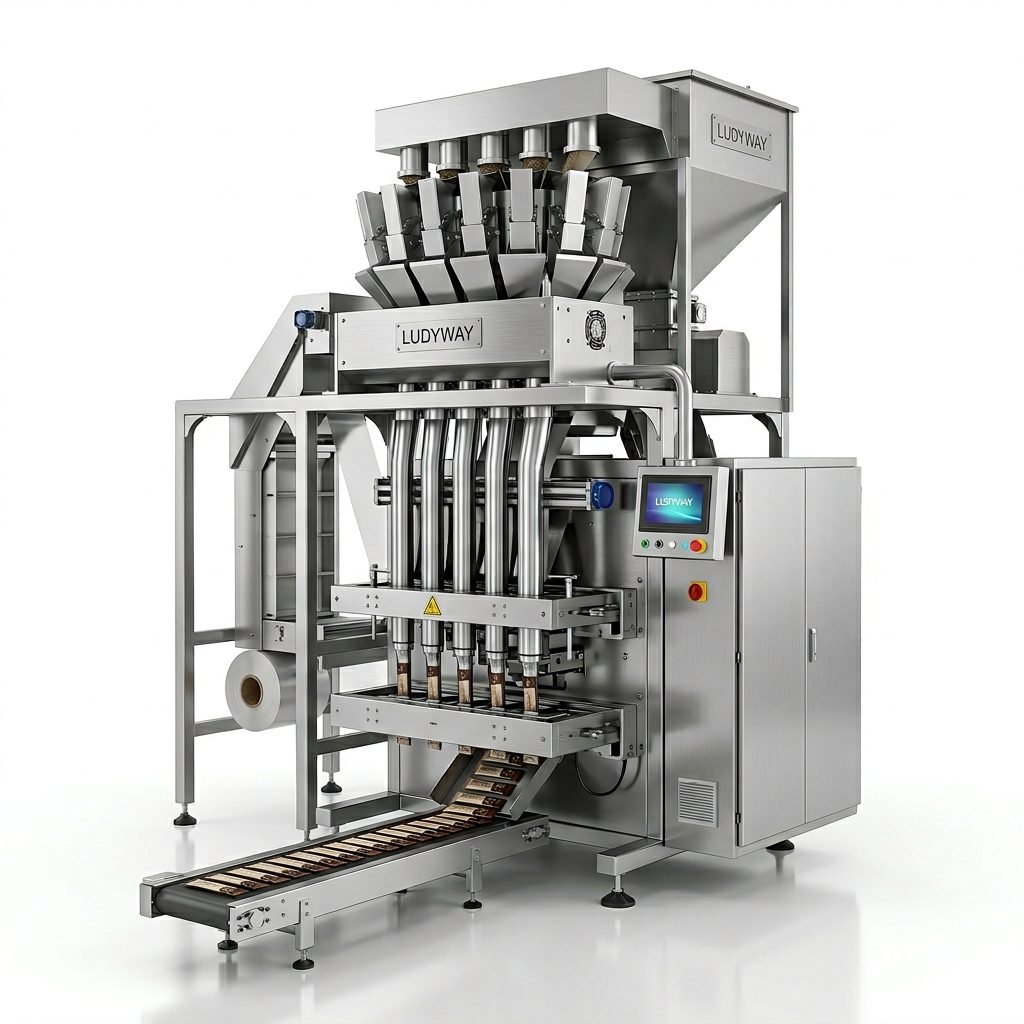
When evaluating suppliers for a coffee packaging machine, prioritize manufacturers with a proven track record in the food packaging sector. Key evaluation criteria include after-sales support, availability of spare parts within North America, remote troubleshooting capabilities, and machine warranty terms. Request video demonstrations or in-person factory acceptance testing (FAT) when possible. If you are importing equipment, verify that the supplier has experience shipping to the United States and can provide compliant electrical systems (110V/220V, 60Hz) and documentation. Established international manufacturers like Ludyway, which serves customers in over 100 countries with more than 50 intelligent packaging machine models, have emerged as notable options for U.S. businesses seeking cost-effective automation solutions. Also, attending PACK EXPO International or PACK EXPO Las Vegas provides opportunities to see machines in operation and connect with multiple suppliers in one venue.
Installation, Training, and Ongoing Support
A successful packaging line integration extends well beyond equipment delivery. Plan for site preparation, including electrical connections, compressed air supply, and adequate floor space. Many suppliers offer remote installation guidance or on-site commissioning services for an additional fee. Comprehensive operator training should cover daily operation, cleaning procedures, basic troubleshooting, and safety protocols. Establish a preventive maintenance schedule early to minimize unexpected downtime. Service-level agreements (SLAs) that guarantee response times for technical support are strongly recommended for production-critical lines.
Future-Proofing Your Packaging Investment
The U.S. coffee packaging landscape is evolving, driven by sustainability concerns, smart packaging trends, and changing consumer preferences. When selecting your coffee bean packaging machine, consider its adaptability to recyclable and compostable film materials, which are increasingly demanded by retailers and consumers alike. Modular machine designs that allow upgrades — such as adding a degassing valve applicator, a cartoning module, or a checkweigher — can extend the useful life of your equipment. The Flexible Packaging Association provides valuable resources on sustainable packaging trends and material innovations that may influence future packaging requirements in the U.S. market.
Making the Final Decision
Selecting the ideal coffee bean packaging machine requires balancing current production needs with future growth ambitions. Begin by clearly defining your target throughput, packaging format preferences, and quality standards. Then shortlist equipment that meets those specifications while fitting within your budget. Pay attention to the total cost of ownership — not just the purchase price. Finally, engage directly with suppliers, request references from existing U.S. customers, and whenever possible, test your specific coffee product on the machine before finalizing your order. With careful evaluation and strategic planning, your packaging investment can drive significant competitive advantage in the dynamic U.S. coffee market.
Ready to explore coffee packaging solutions? Contact an equipment specialist today to discuss your production requirements and discover the right machine for your business.