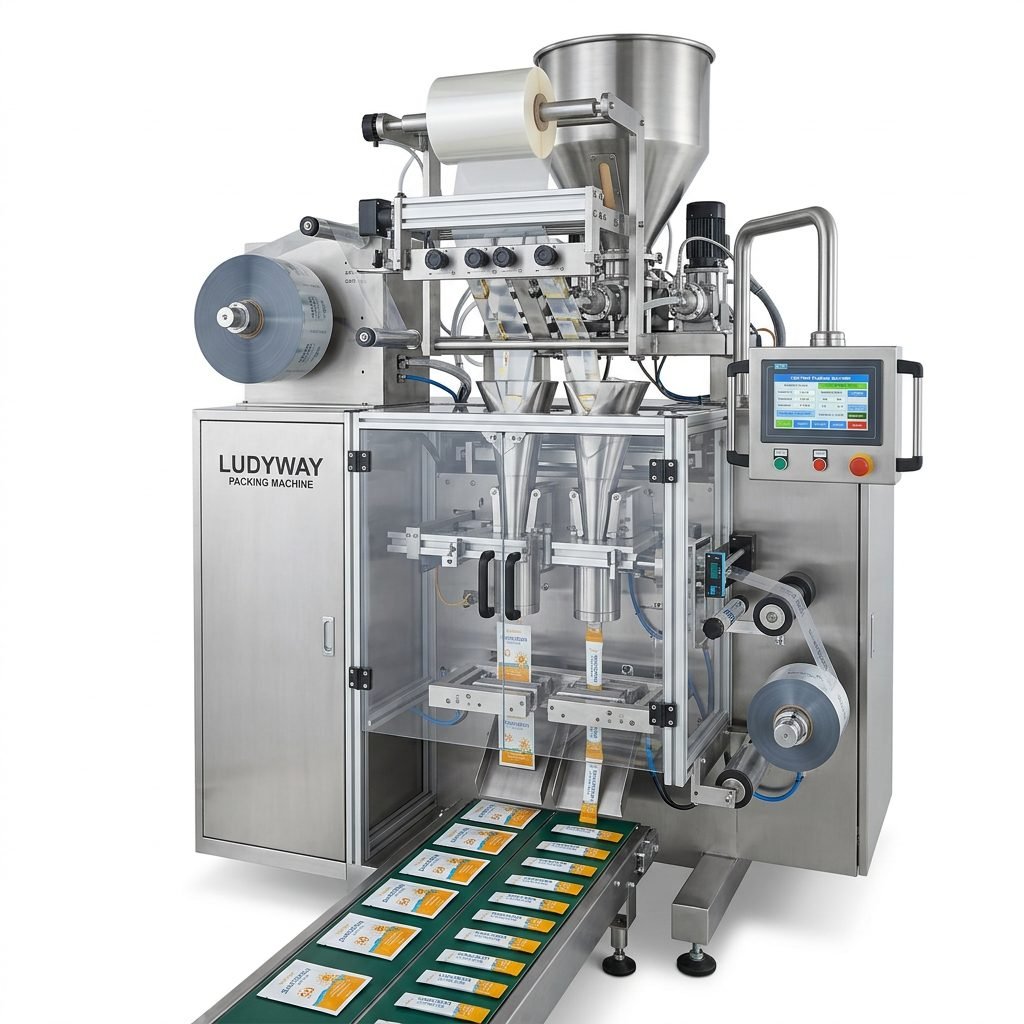
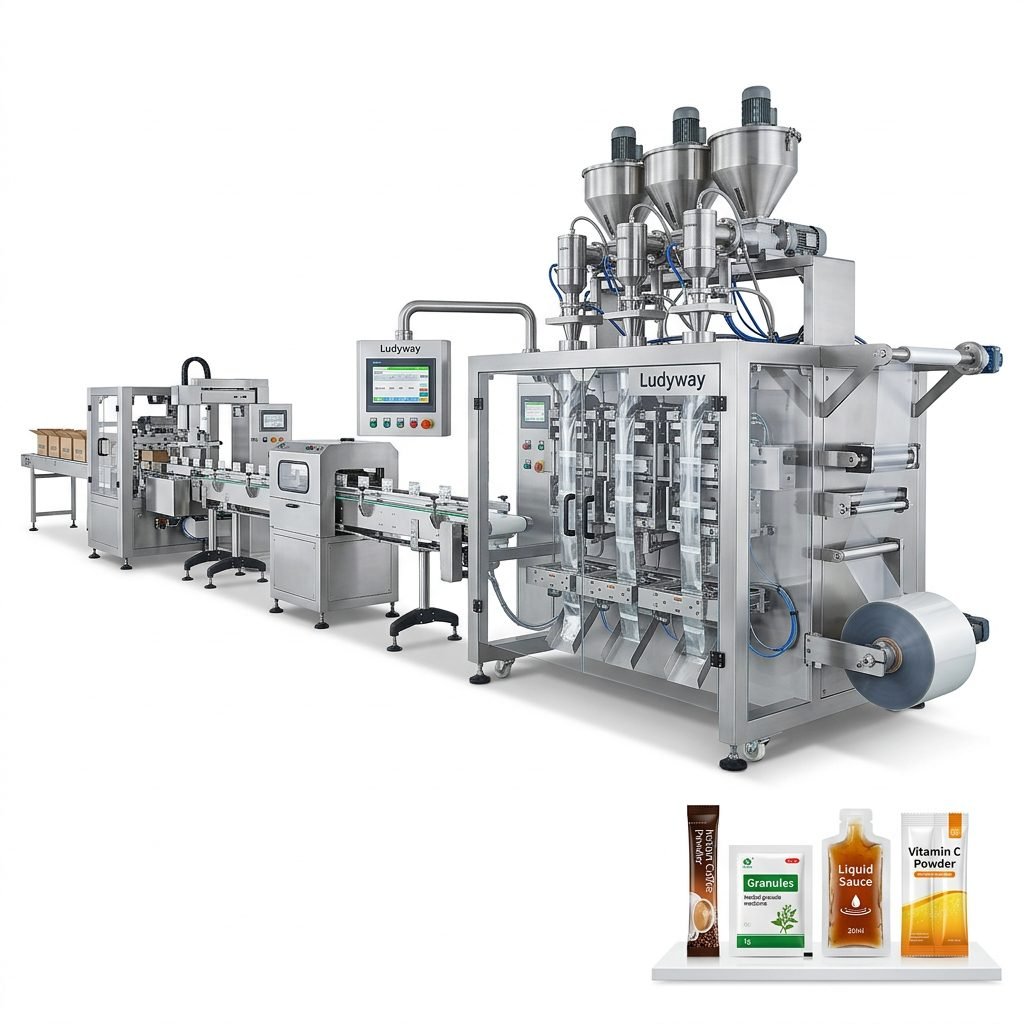
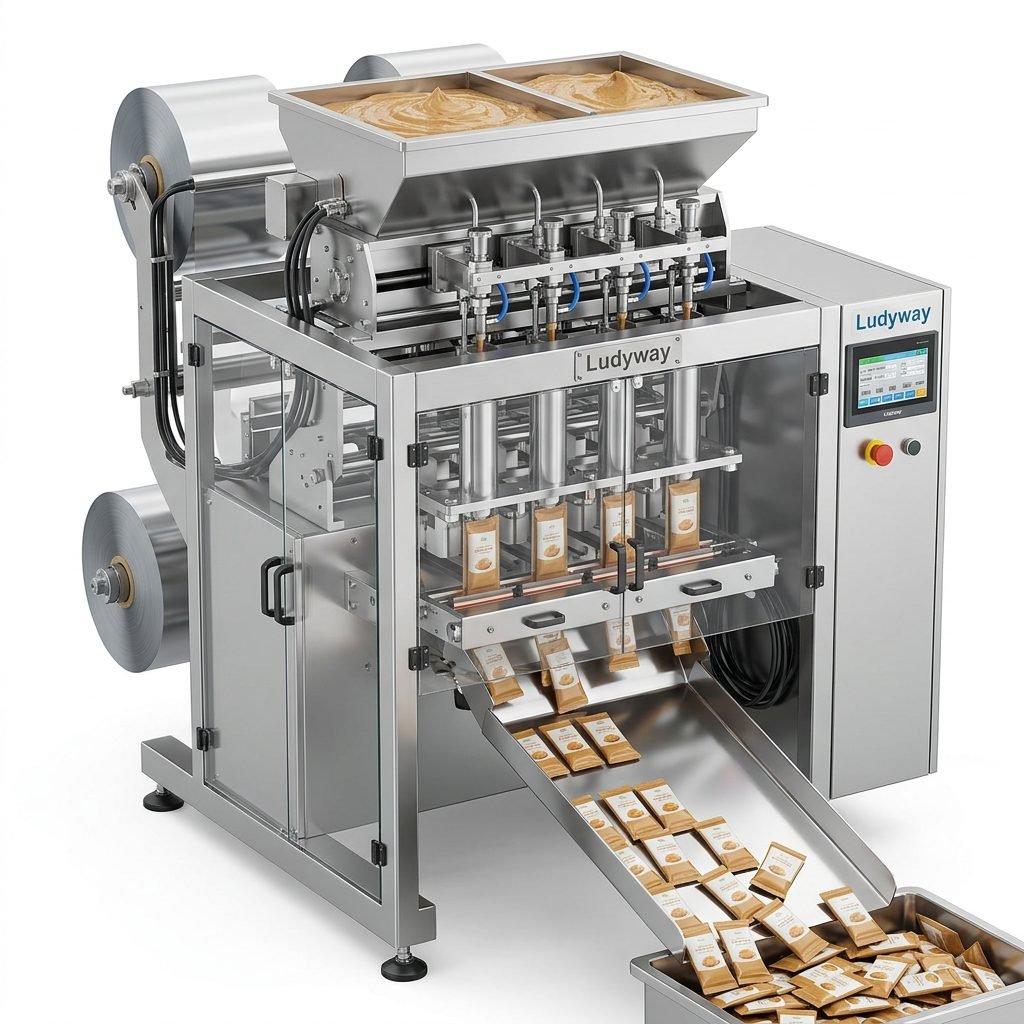
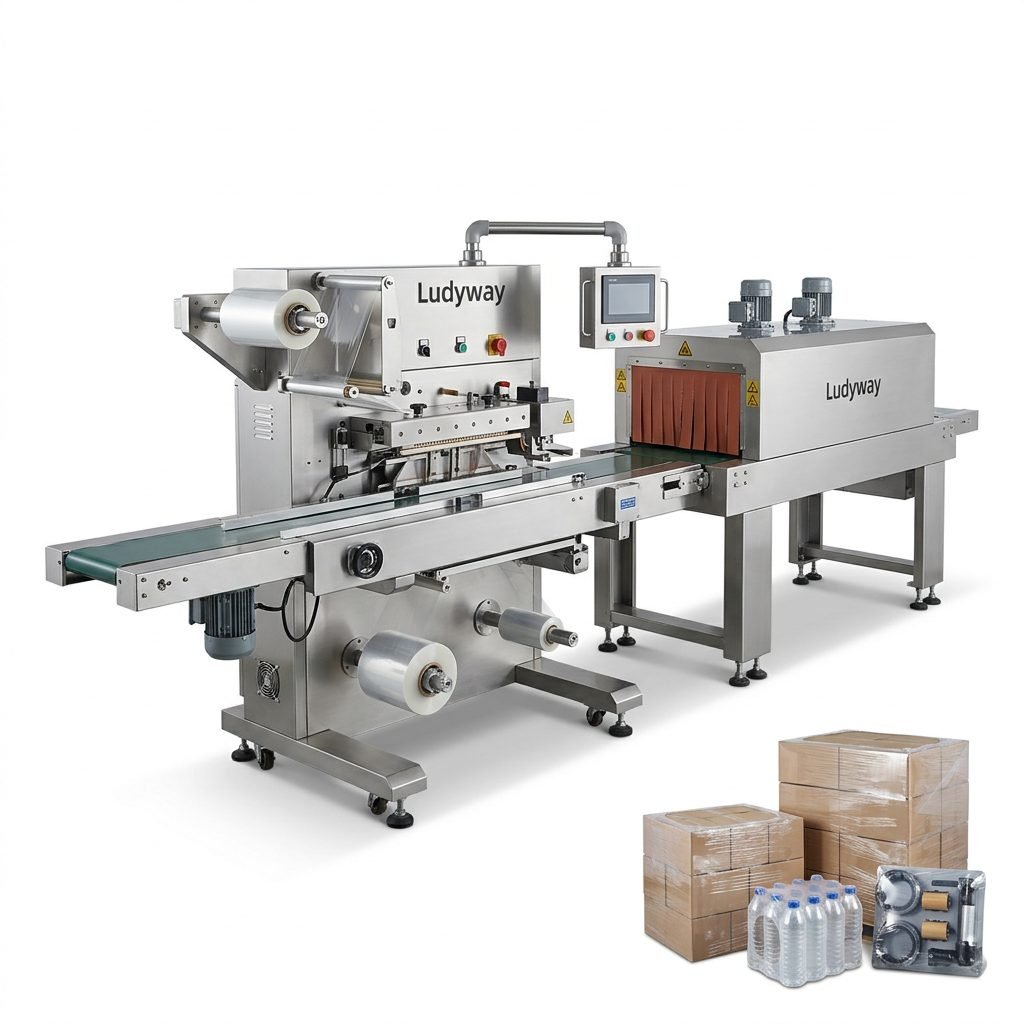
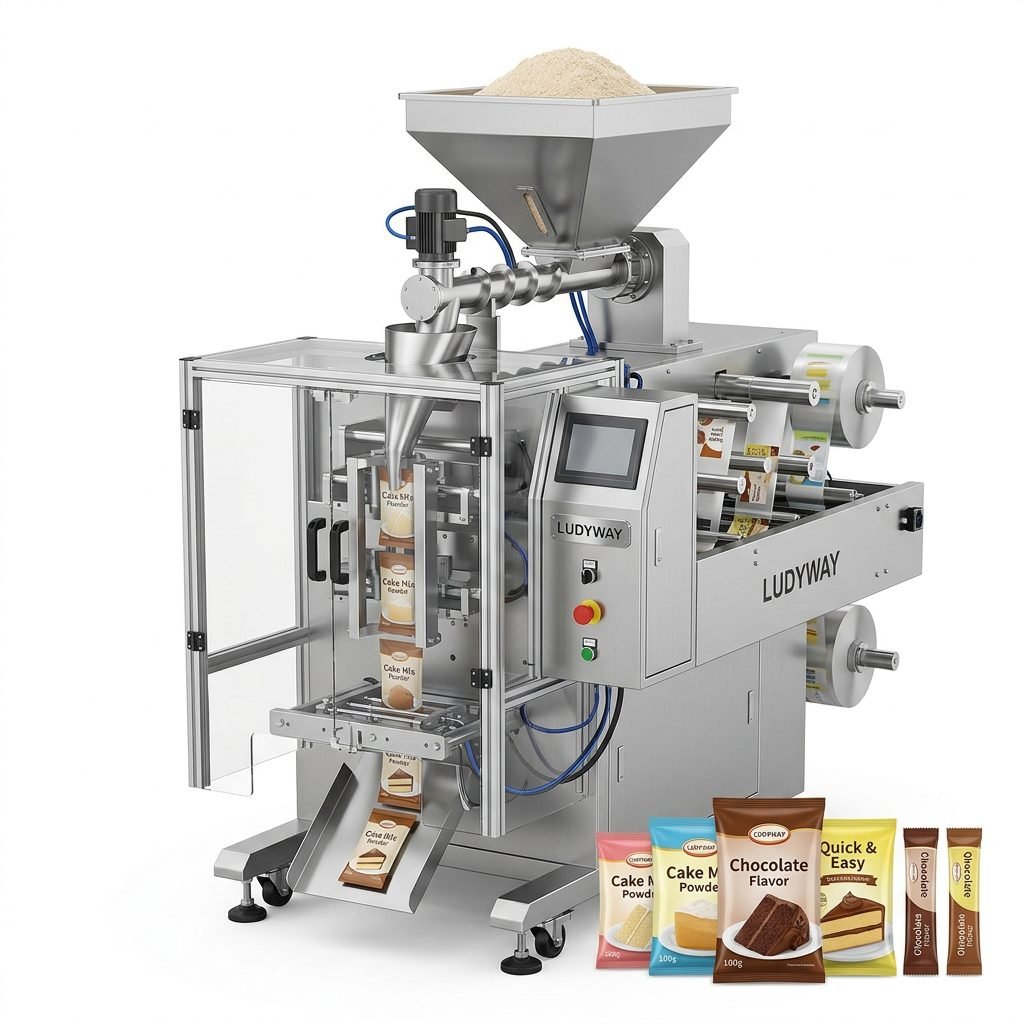
Proper maintenance of an air vacuum packing machine is essential to ensure consistent sealing quality, extend equipment lifespan, and minimize costly downtime. Whether used in food packaging, pharmaceutical production, or industrial applications, a well-maintained vacuum system delivers reliable performance and product integrity. This comprehensive guide covers daily cleaning routines, critical component inspections, preventive schedules, and troubleshooting tips to keep your machine operating at peak efficiency.
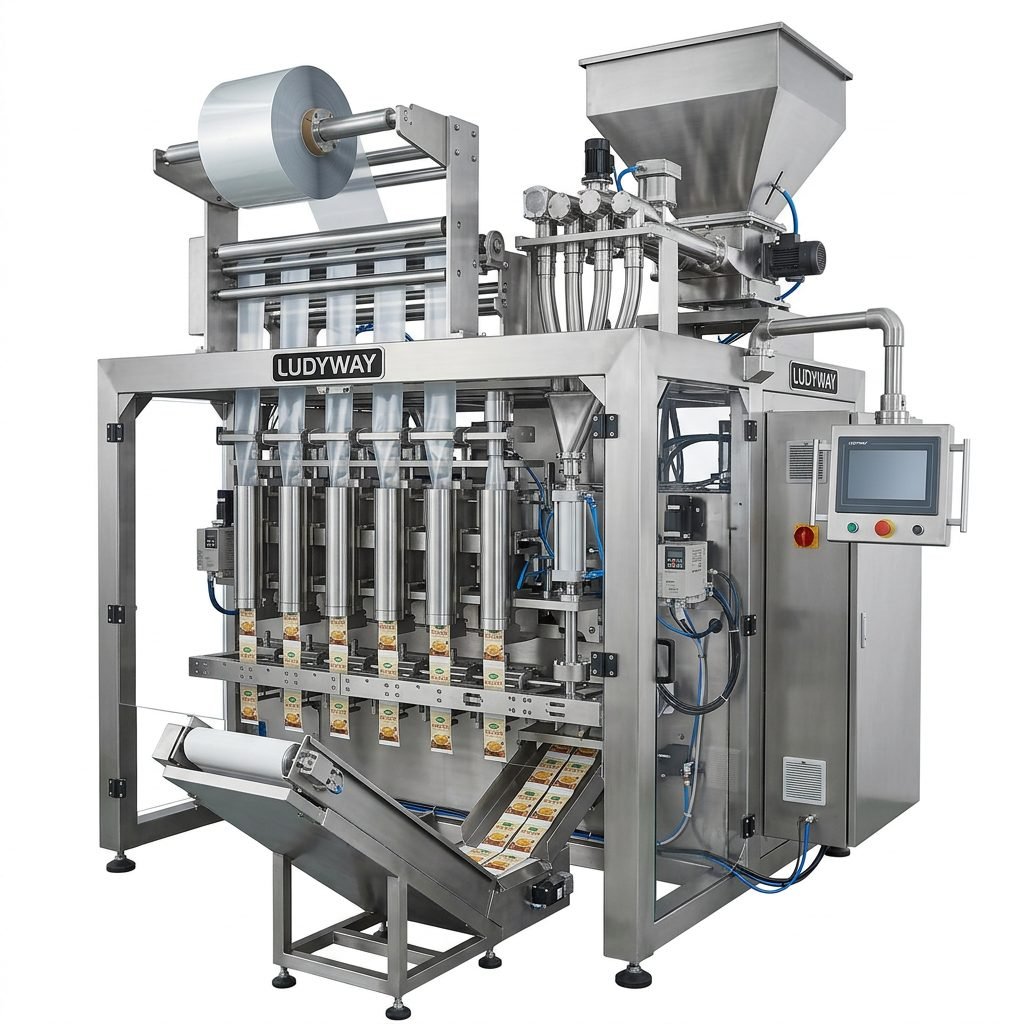
Daily Cleaning Procedures for Vacuum Packing Machines
A consistent daily cleaning routine is the foundation of effective maintenance. After each production shift, operators should perform the following tasks:
- Remove residual product from the sealing area, vacuum chamber, and conveyor surfaces using compressed air or a soft brush.
- Wipe down all exterior surfaces with a food-grade cleaning solution and a lint-free cloth to prevent contamination buildup.
- Clean the sealing bar and silicone strips carefully to remove any melted film residue or adhesive deposits.
- Inspect vacuum nozzles and suction ports for blockages; clear any debris that could reduce vacuum efficiency.
- Drain and clean the moisture trap in the vacuum pump system to prevent water accumulation and corrosion.
According to guidelines from the FDA packaging and food contact substances division, maintaining sanitary conditions on packaging equipment is critical for product safety and regulatory compliance.
Critical Component Inspection and Maintenance
Beyond daily cleaning, regular inspection of key mechanical components helps prevent unexpected failures. Focus on the following areas:
Vacuum Pump System
The vacuum pump is the heart of your machine. Check the oil level weekly and replace it according to the manufacturer’s recommended intervals — typically every 500 to 1,000 operating hours. Contaminated or low oil levels can cause the pump to overheat and fail prematurely. Listen for unusual noises during operation, which may indicate worn bearings or internal damage. Industry resources such as PMMI packaging industry resources provide detailed maintenance standards for various packaging equipment types.
Sealing Elements and Heating Components
The sealing bar and heating elements require particular attention. Inspect sealing wires monthly for signs of wear, pitting, or uneven heating patterns. Damaged heating elements produce inconsistent seals that compromise product shelf life. Replace worn components immediately. Clean the PTFE (Teflon) cover regularly to prevent adhesive buildup, which can cause film sticking and seal defects.
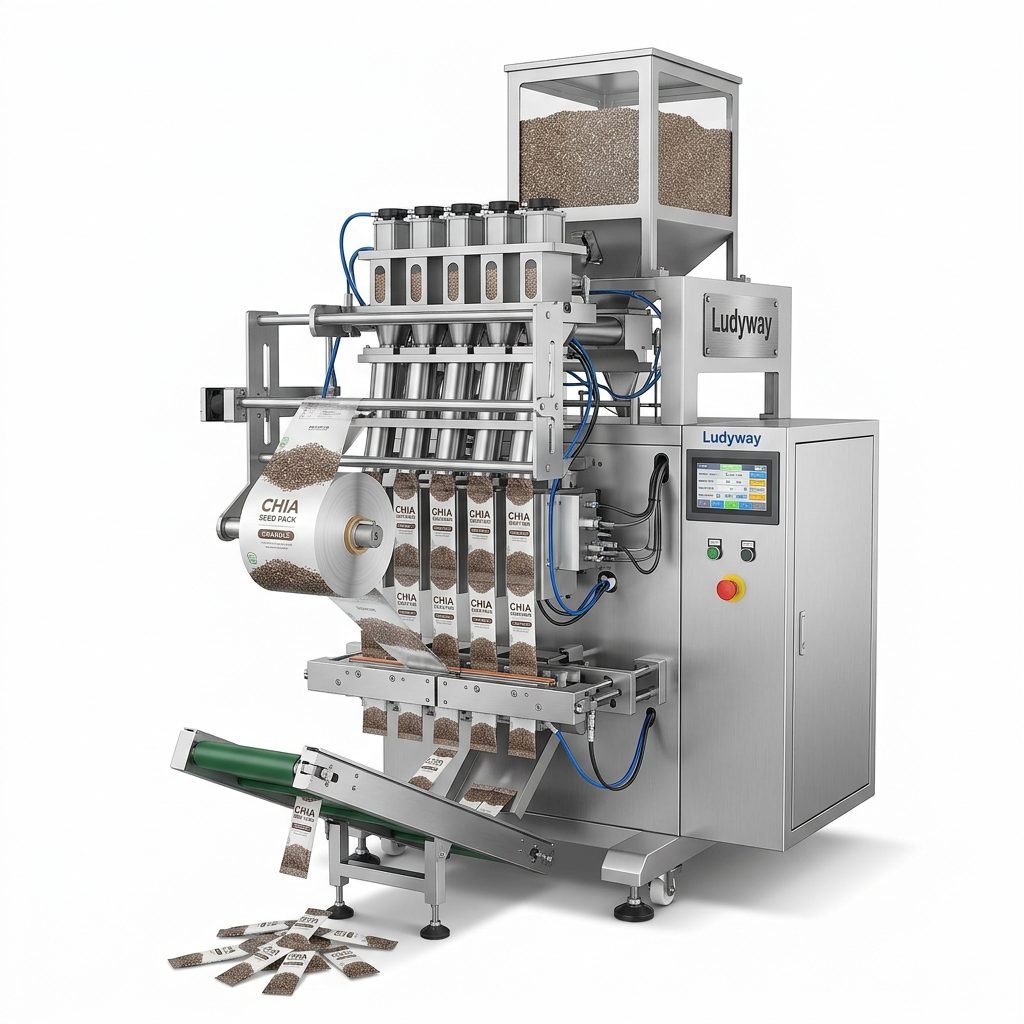
Gaskets, Seals, and Air Lines
Vacuum chamber gaskets deteriorate over time due to heat exposure and mechanical compression. Examine all rubber seals and O-rings monthly for cracks, hardening, or deformation. A single compromised gasket can significantly reduce vacuum levels. Inspect pneumatic hoses and fittings for air leaks using soap solution testing, and tighten or replace connections as needed. The ISO packaging standards offer detailed specifications for sealing integrity and material performance.
Preventive Maintenance Schedule
Implementing a structured preventive maintenance program ensures all components receive timely attention. The table below outlines recommended intervals for key maintenance tasks:
| Maintenance Task | Frequency | Responsible Party |
|---|---|---|
| Clean sealing area and vacuum chamber | Daily / End of each shift | Machine Operator |
| Check vacuum pump oil level | Weekly | Maintenance Technician |
| Inspect heating elements and sealing wires | Monthly | Maintenance Technician |
| Replace vacuum pump oil | Every 500-1,000 hours | Maintenance Technician |
| Examine gaskets and O-rings | Monthly | Maintenance Supervisor |
| Calibrate temperature controllers and sensors | Quarterly | Qualified Technician |
| Full machine inspection and lubrication | Annually | Manufacturer Service Team |
Common Troubleshooting Scenarios
Even with diligent maintenance, issues may arise. Understanding common problems helps operators respond quickly:
- Weak or inconsistent vacuum: Check for clogged filters, worn gaskets, or low pump oil. Inspect the vacuum gauge for accurate readings.
- Poor seal quality: Verify that sealing temperature settings are correct and that heating elements are not damaged. Clean the sealing bar surface thoroughly.
- Excessive noise during operation: This often indicates pump cavitation, loose mechanical components, or insufficient lubrication.
- Film feeding issues: Check film roll alignment, tension settings, and the condition of rollers and belts.
For complex repairs or persistent problems, consulting the machine manual or contacting a qualified service provider is recommended. The Flexible Packaging Association offers additional technical guidance on packaging machinery best practices and troubleshooting methodologies.
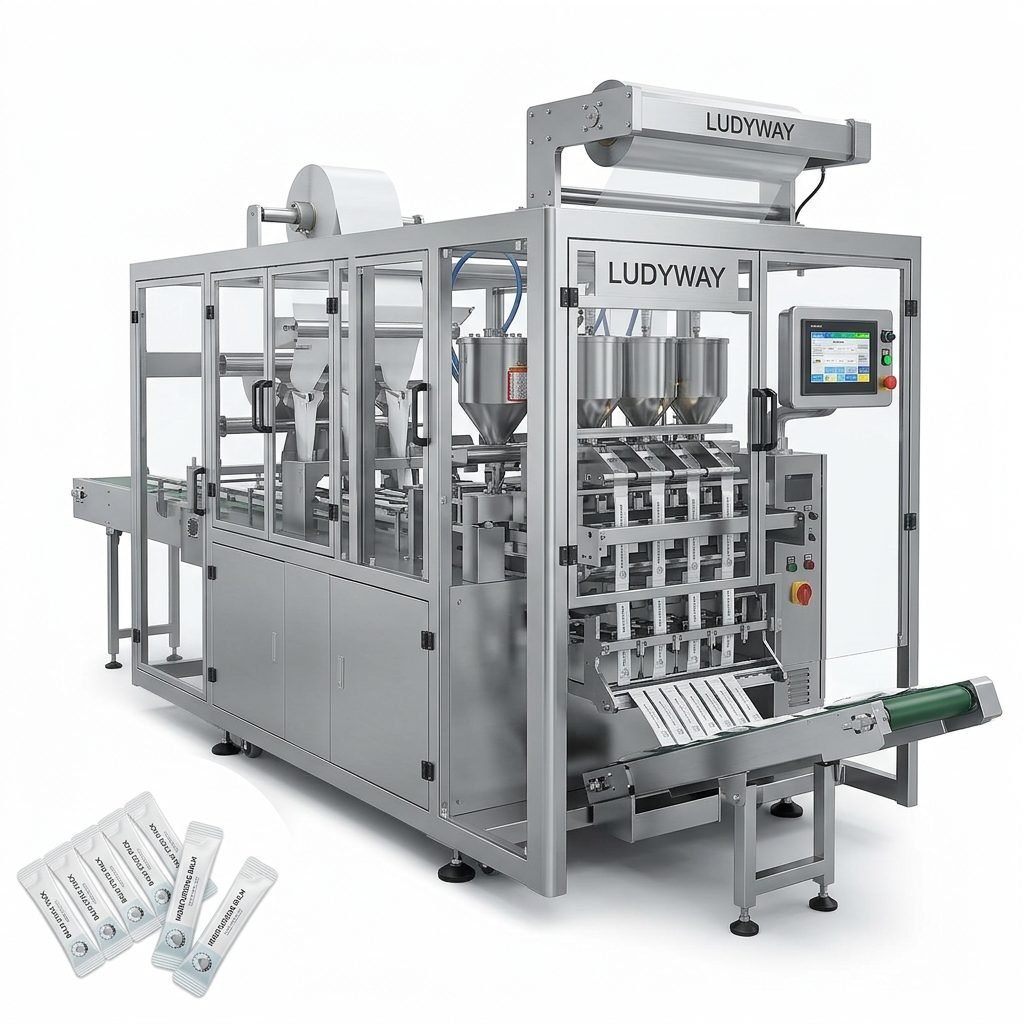
Best Practices for Long-Term Machine Reliability
Adopting a proactive approach to maintenance yields significant returns in machine longevity and production efficiency. Train all operators thoroughly on proper cleaning procedures, component identification, and basic troubleshooting. Maintain detailed maintenance logs to track inspections, replacements, and service history. Keep an inventory of critical spare parts — such as heating elements, gaskets, and filters — to minimize downtime during repairs. Equipment manufacturers like Ludyway, a leading packaging machine manufacturer with over 30 years of industry expertise, provide comprehensive after-sales support and spare parts availability to ensure long-term operational success. For more insights, refer to the PMMI state of the industry reports which cover packaging machinery trends and maintenance benchmarks.
Regulatory Compliance and Safety Considerations
Maintaining your vacuum packing machine also involves adhering to relevant safety and quality standards. Always disconnect power before performing maintenance and follow lockout/tagout procedures. For machines used in food or pharmaceutical applications, compliance with European Commission packaging regulations and FDA requirements is mandatory. Regular maintenance not only preserves machine function but also supports audit readiness and product safety compliance.
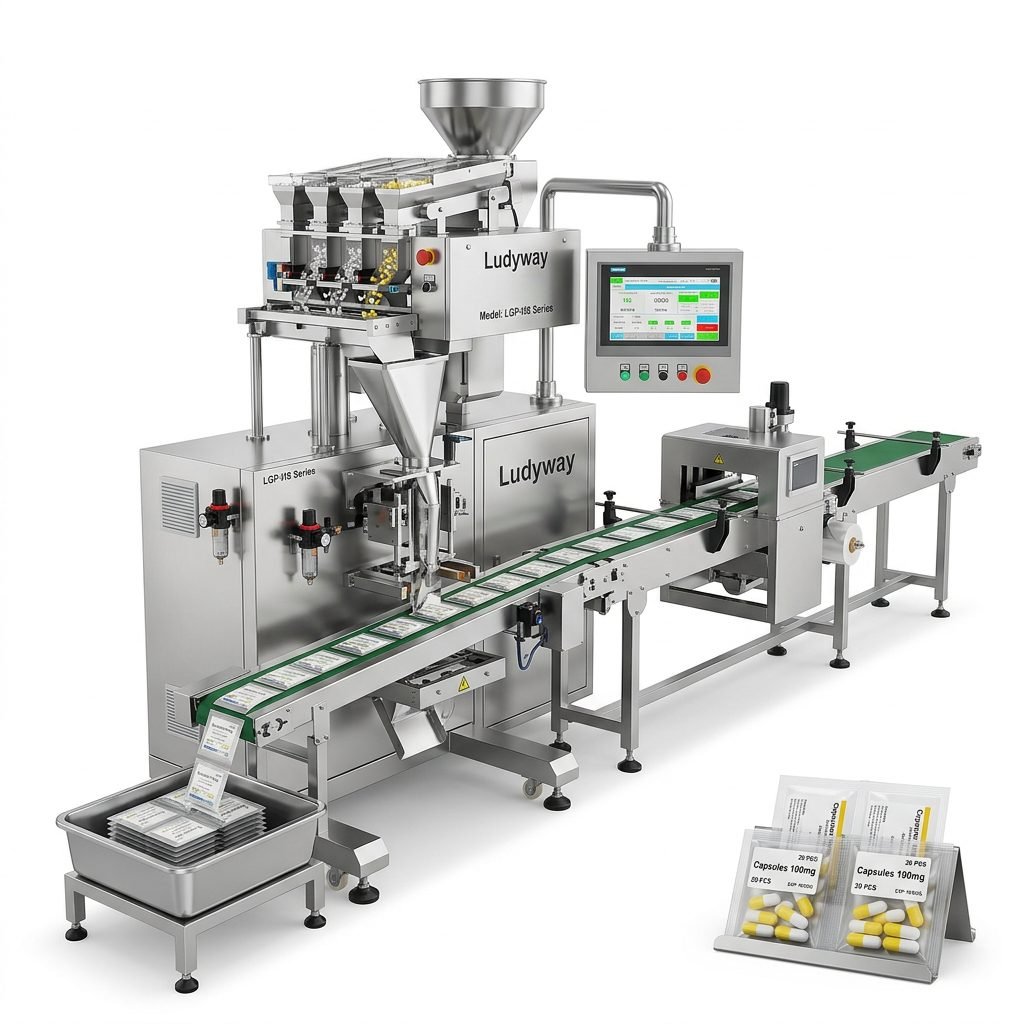
A disciplined maintenance program transforms your air vacuum packing machine from a potential source of production bottlenecks into a reliable asset. By following the cleaning protocols, inspection routines, and preventive schedules outlined above, manufacturers can achieve consistent packaging quality, reduce total cost of ownership, and extend the service life of their equipment significantly.