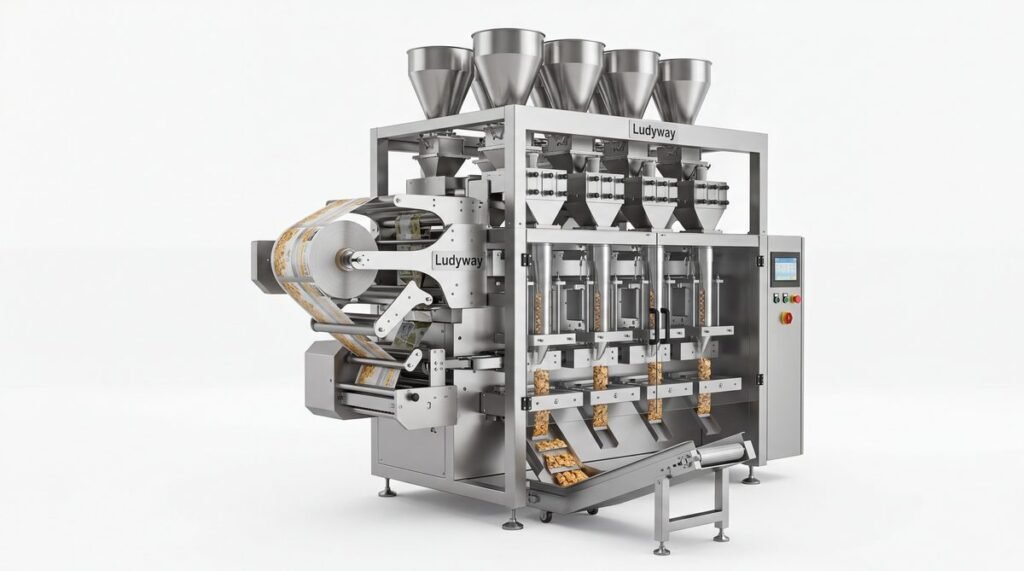
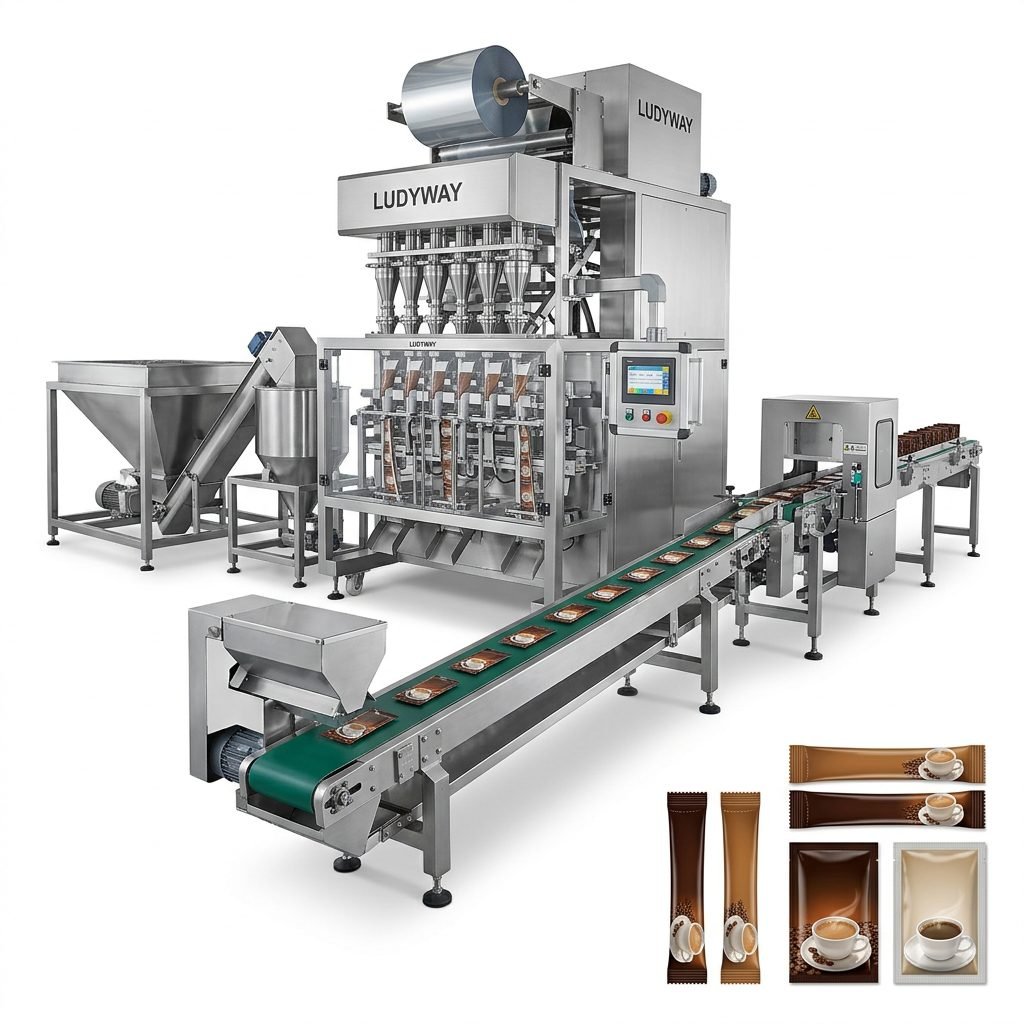
The European cooking oil market is experiencing significant transformation, driven by rising demand for convenient packaging formats and stricter sustainability regulations. Whether you are a small artisanal producer or a large-scale industrial operation, selecting the right cooking oil packaging machine is a strategic decision that impacts your production efficiency, product quality, and long-term profitability. This guide walks you through everything you need to know about purchasing packaging equipment for edible oils in the European market.
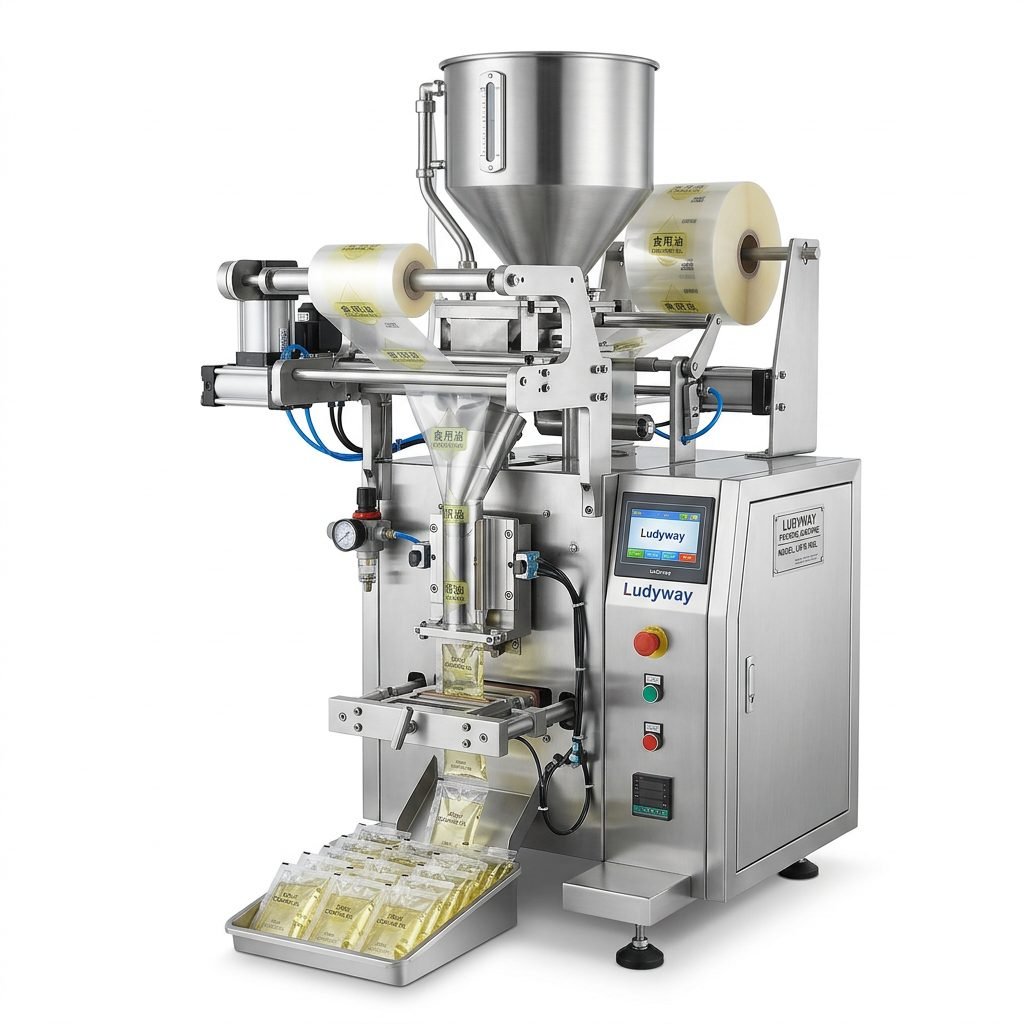
Why the European Cooking Oil Packaging Market Is Unique
Europe represents one of the world’s most regulated and sophisticated markets for food packaging. With consumer preferences shifting toward smaller portion sizes, single-serve sachets, and stick packs, manufacturers must adapt their packaging lines accordingly. The European edible oil sector—encompassing olive oil, sunflower oil, coconut oil, rapeseed oil, and specialty oils—demands high-precision filling technology that meets both European packaging waste regulations and food safety standards. Unlike many other regions, the EU enforces comprehensive directives covering everything from food contact materials to machine safety, making equipment selection a compliance-driven process.
Types of Cooking Oil Packaging Machines Available
Understanding the different machine configurations is essential before making a purchasing decision. Each type serves specific production needs and oil viscosities:
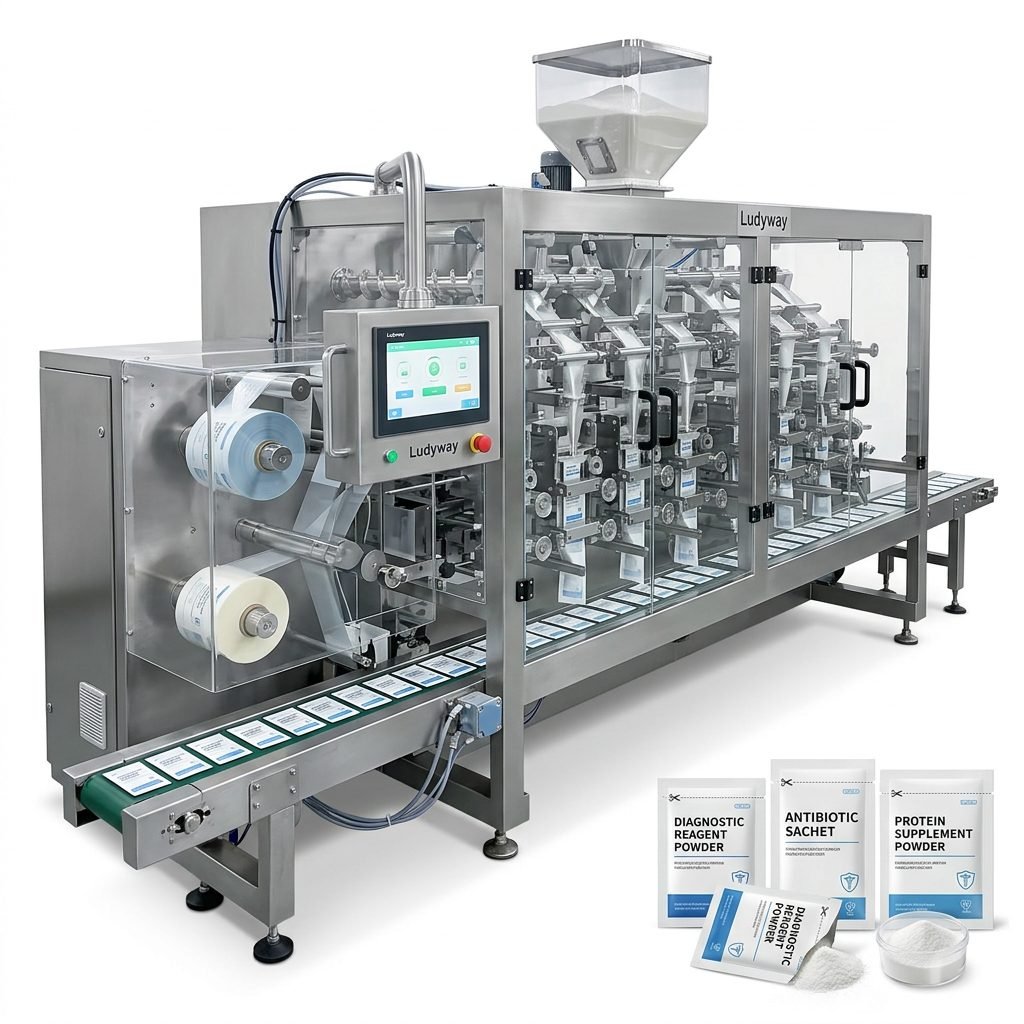
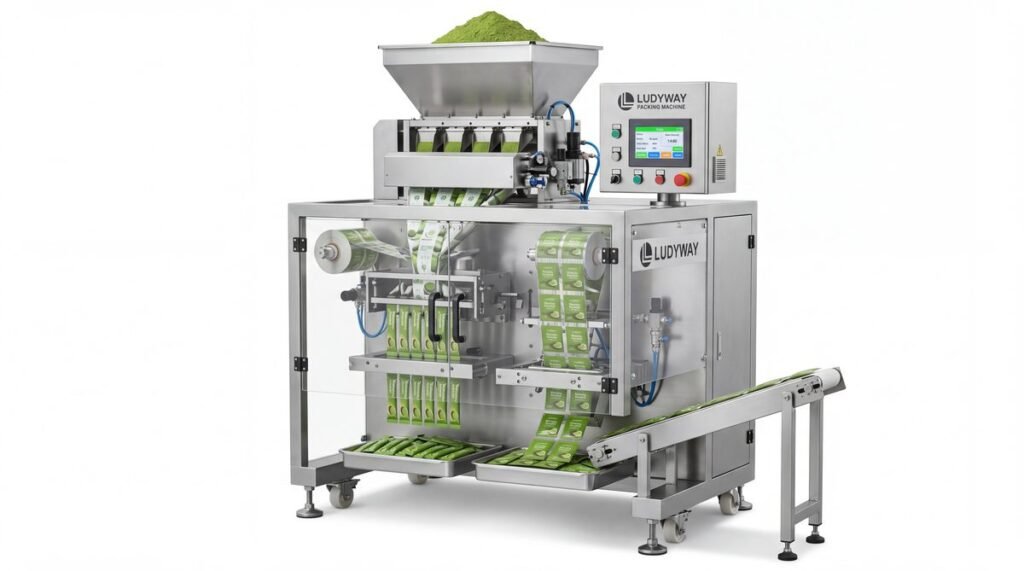
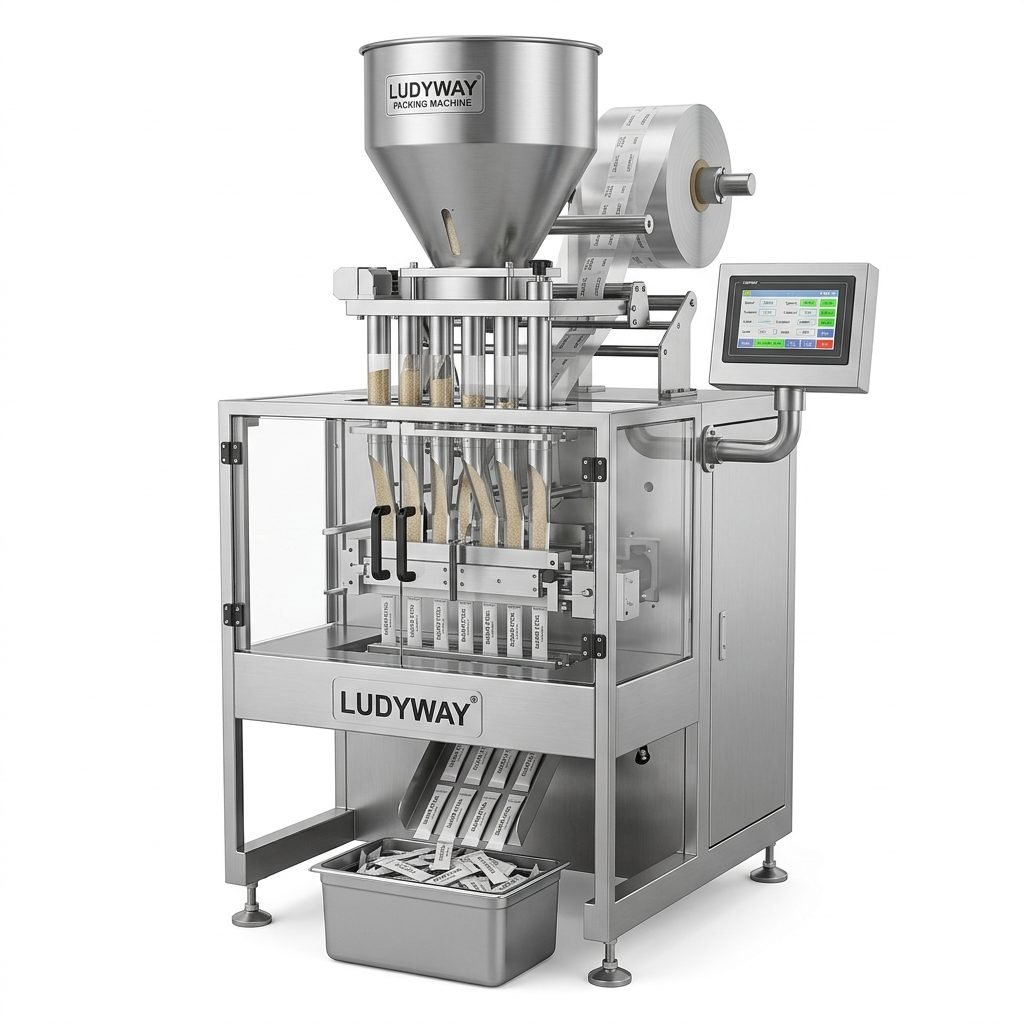
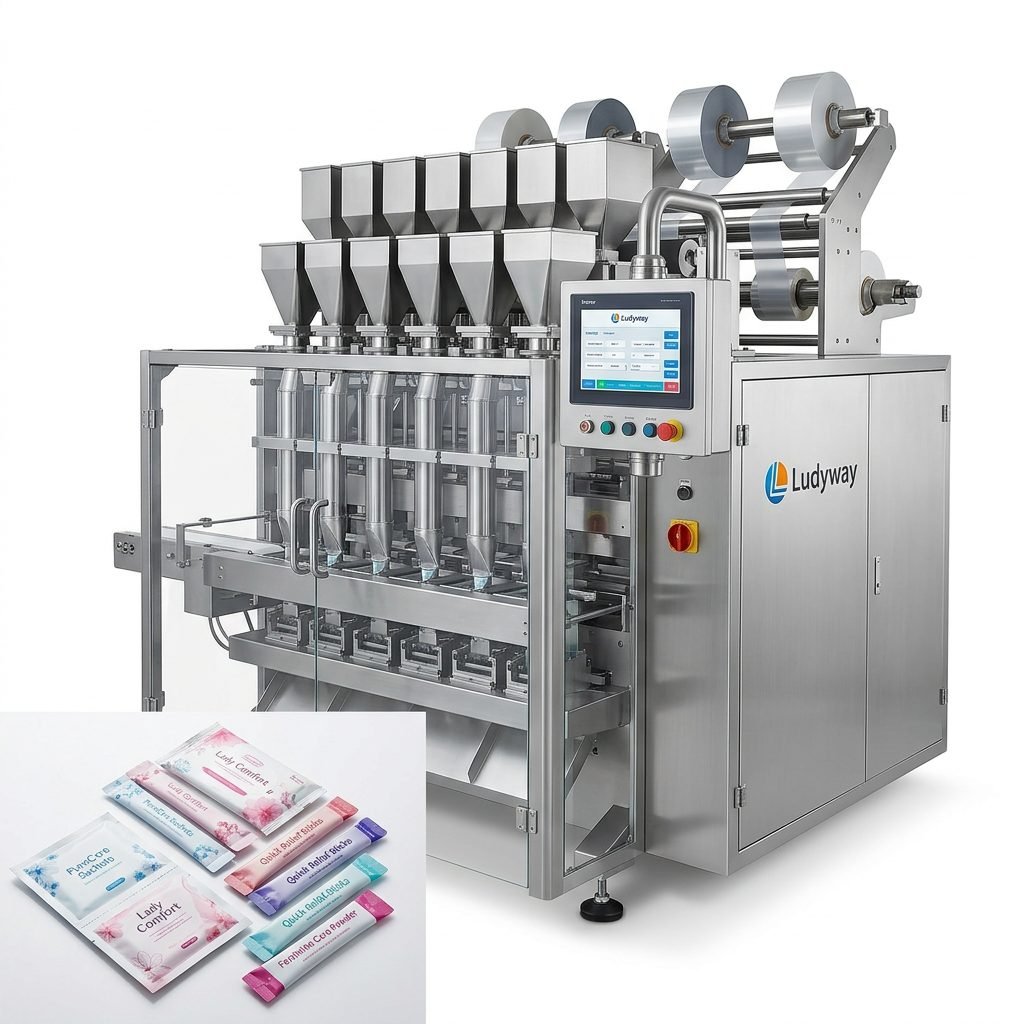
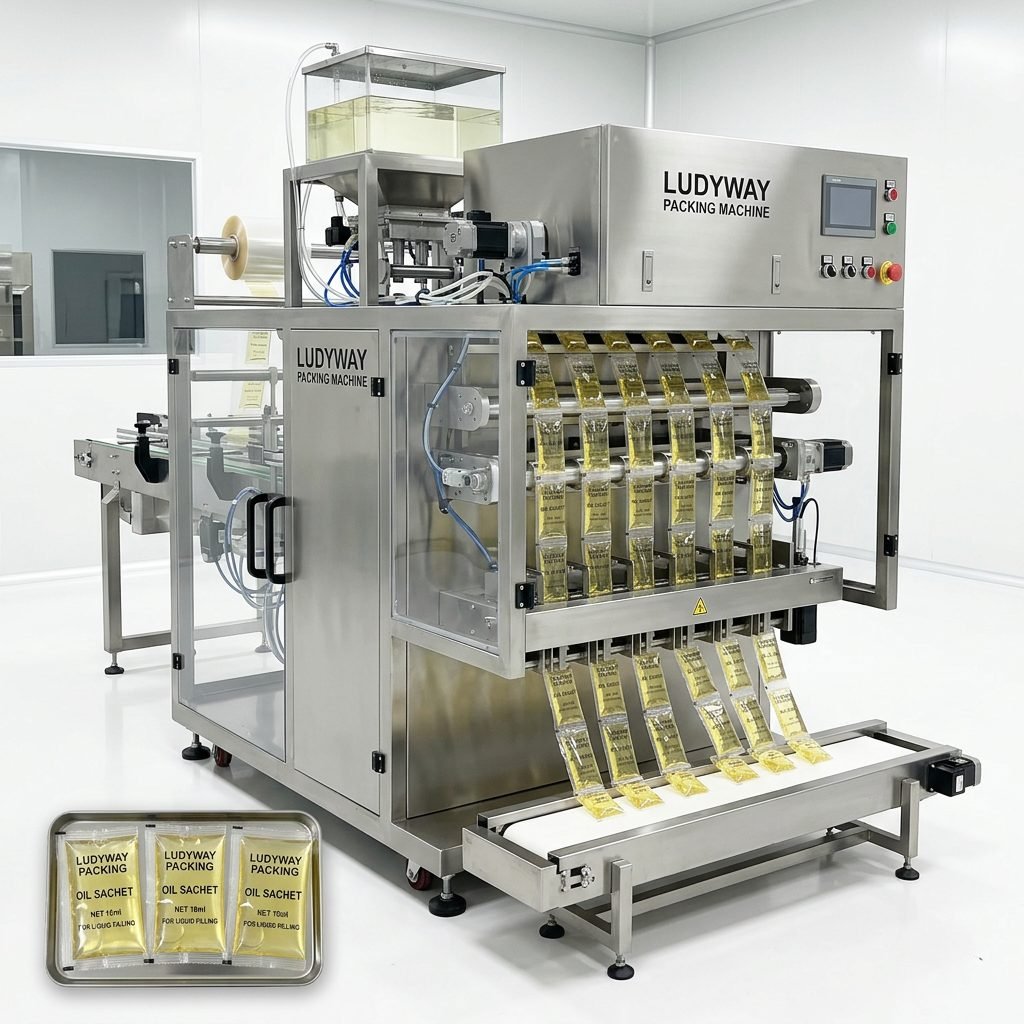
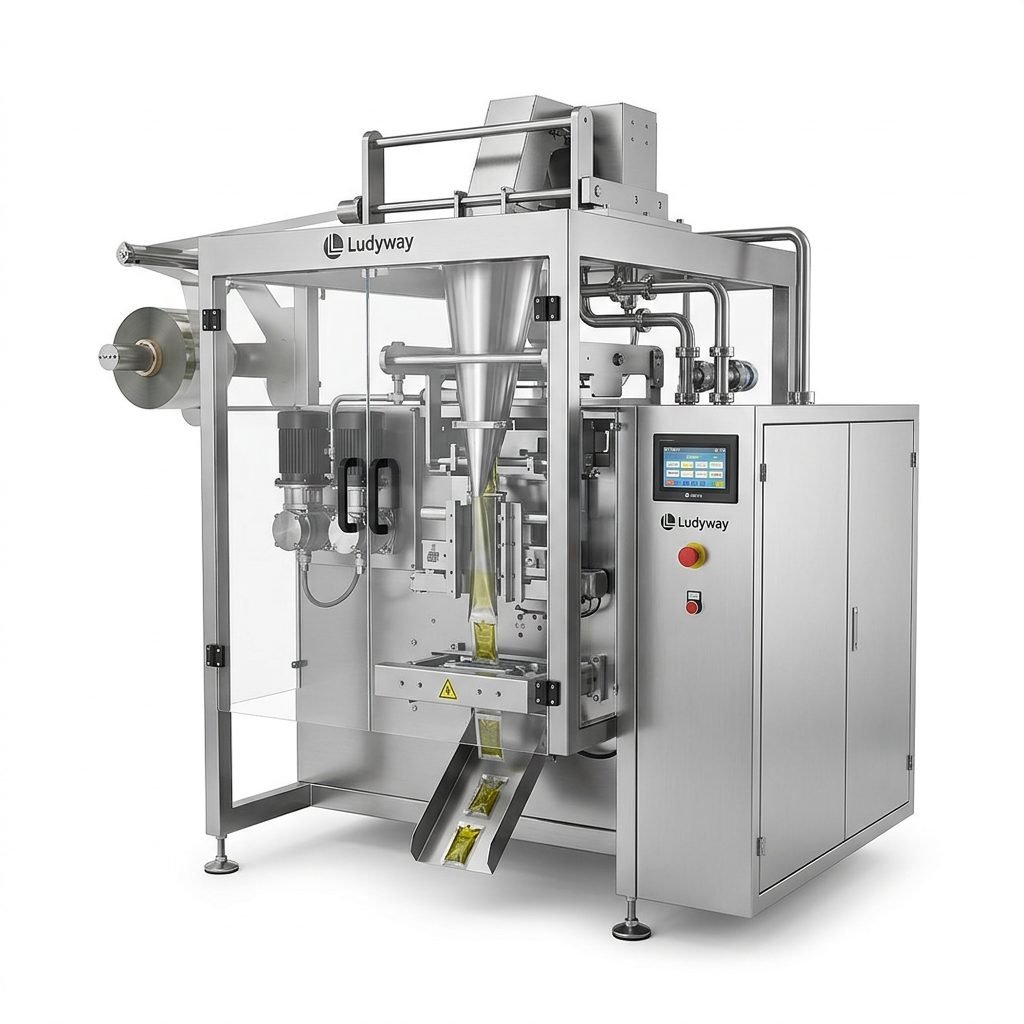
- Sachet Packaging Machines — Ideal for single-serve portions of cooking oil, widely used in the food service and travel industries. These machines handle small volumes with high-speed multi-lane configurations.
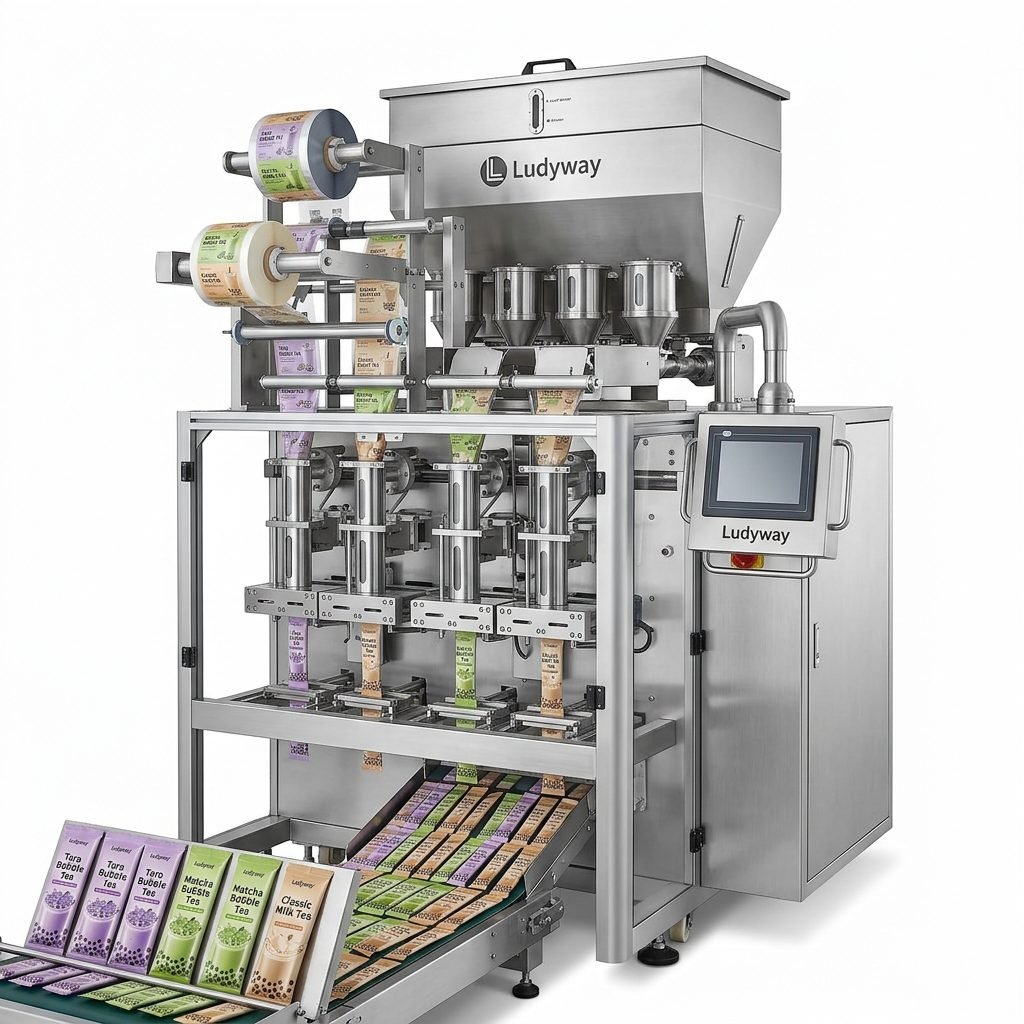
- Stick Pack Machines — Perfect for narrow, elongated single-use oil packets. Commonly seen in ready-to-eat meal kits and seasoning packs.
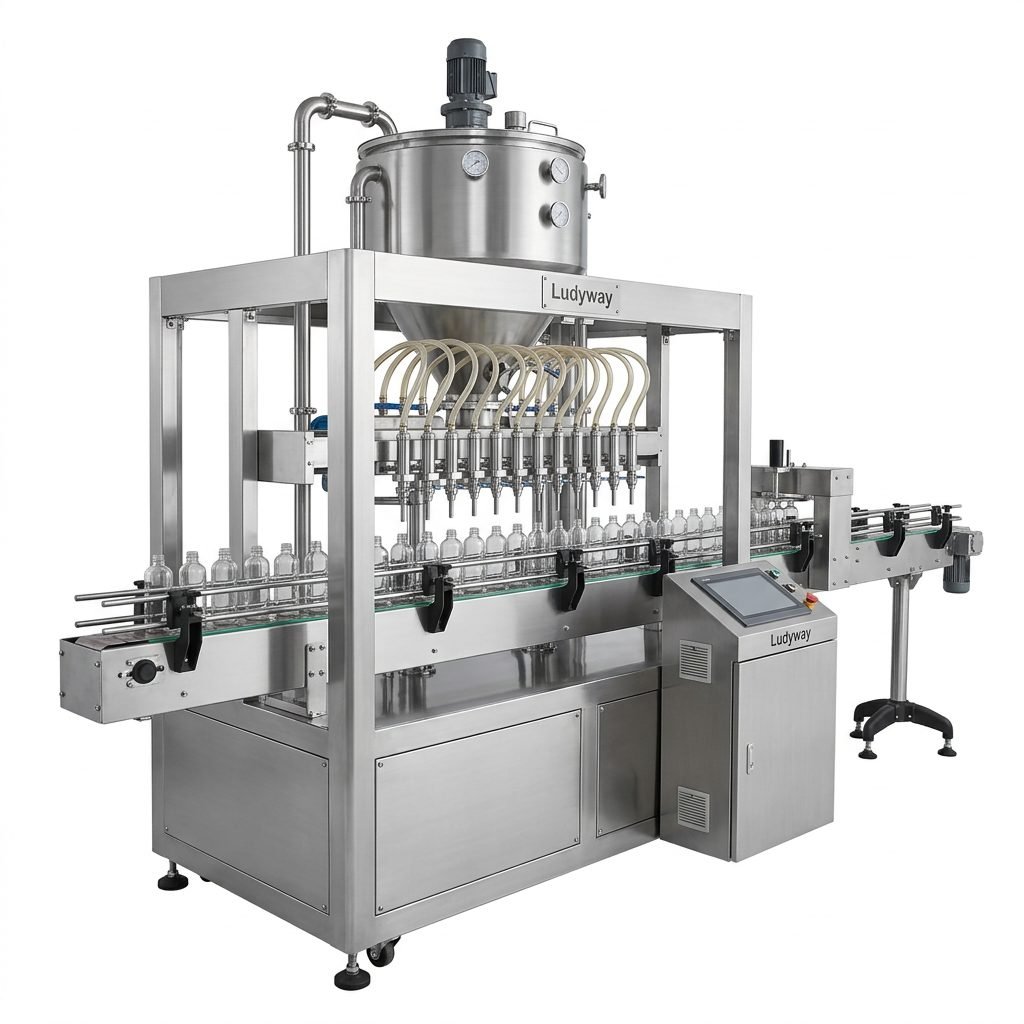
- Bottle Filling Lines — Designed for retail-sized bottles (250ml to 5L), these systems integrate filling, capping, and labeling for high-volume production.
- Pouch Packaging Systems — Flexible stand-up pouches with spouts are increasingly popular for premium cooking oils, offering durability and consumer convenience.
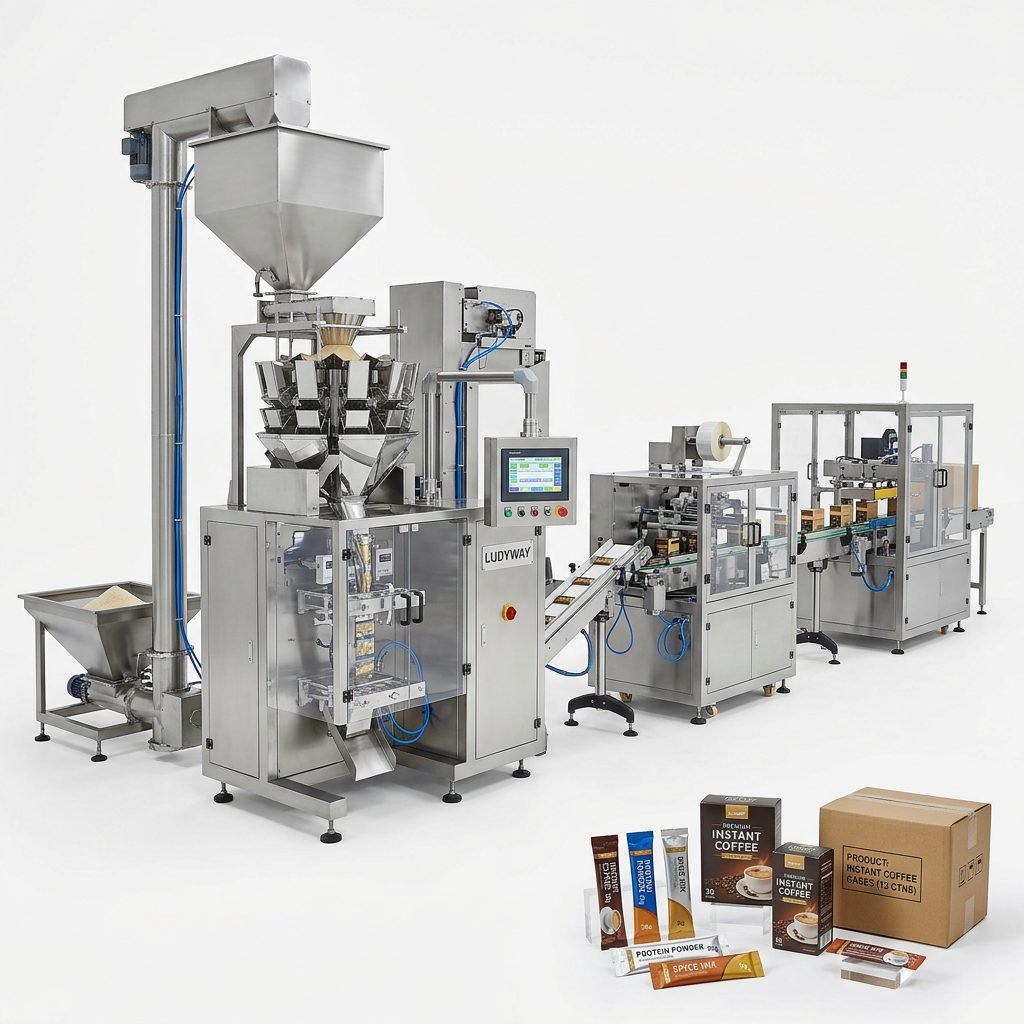
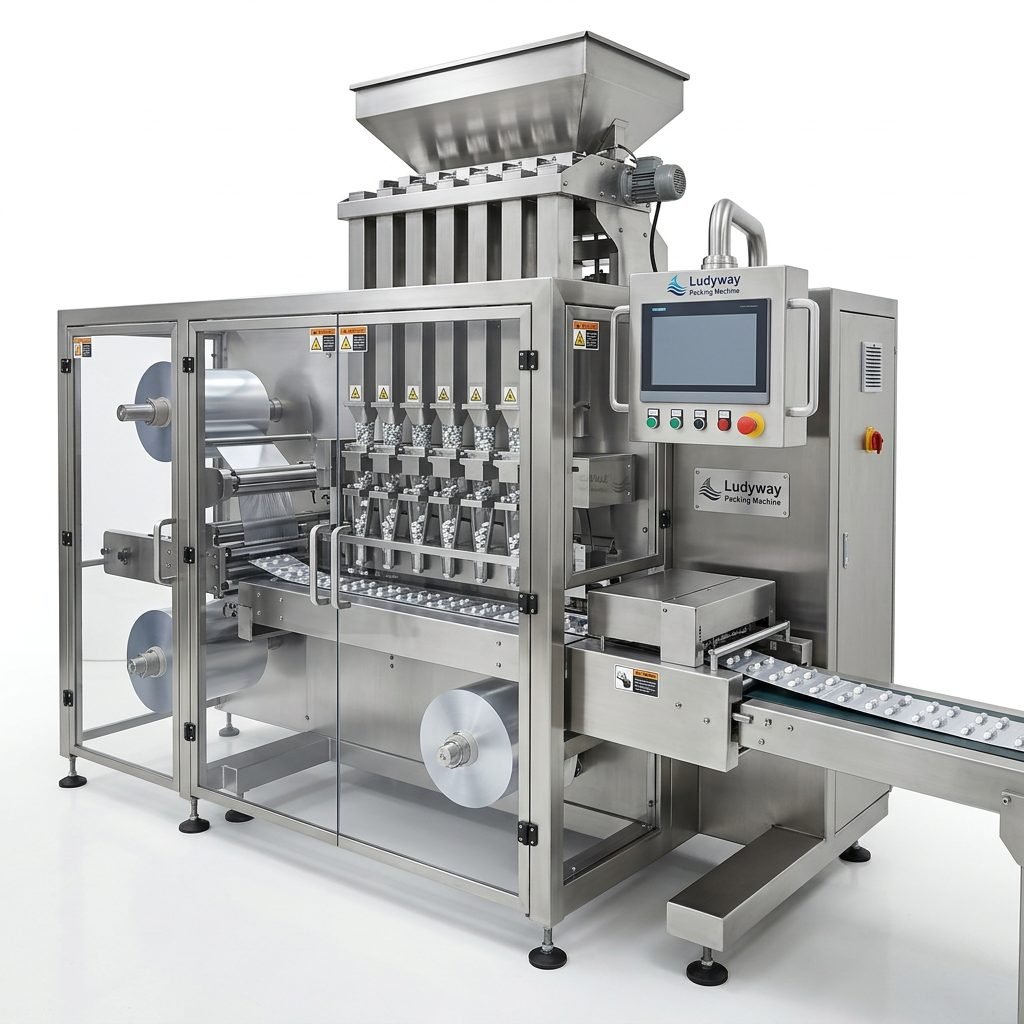
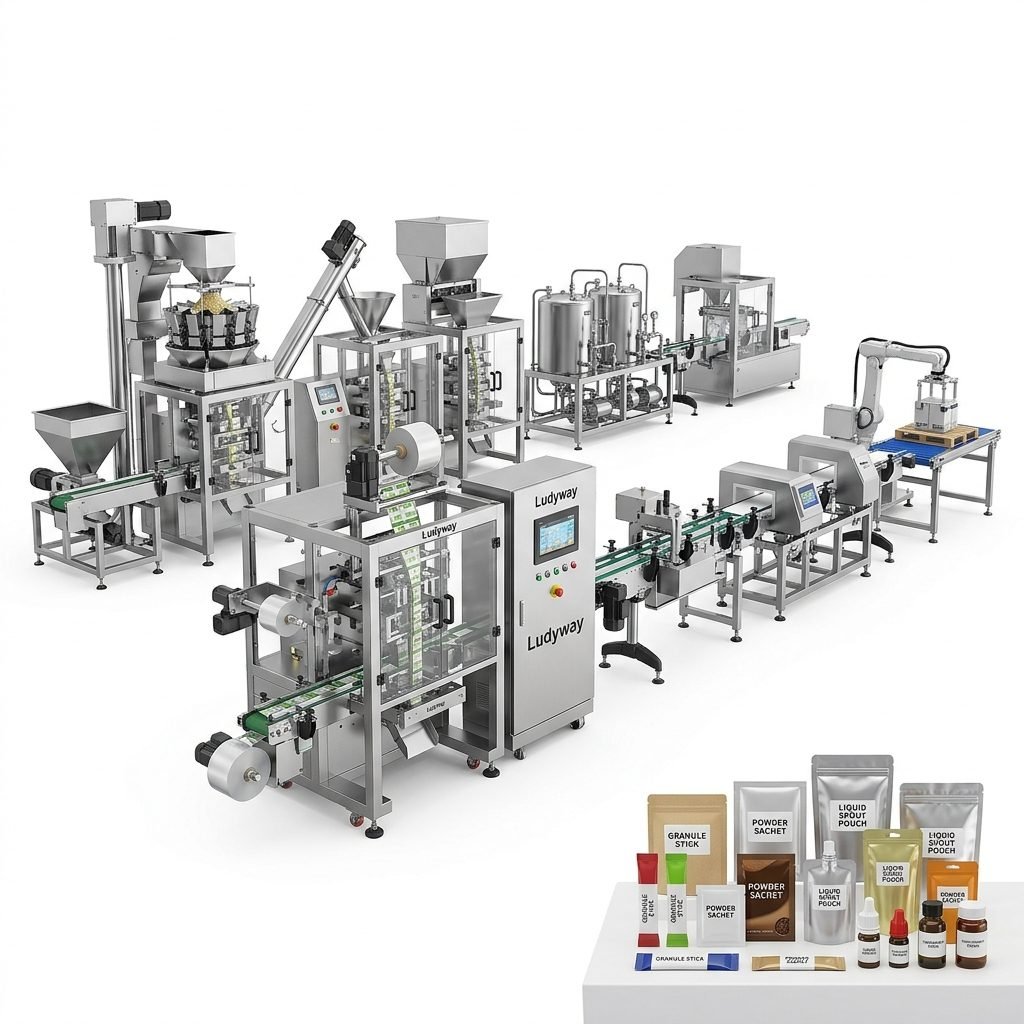
- Multi-Lane Liquid Packaging Lines — These fully automated systems can run multiple lanes simultaneously, dramatically increasing throughput for large manufacturers.
Key Factors to Consider When Buying in Europe
Purchasing a cooking oil packaging machine for European operations goes beyond basic specifications. The following factors should guide your evaluation:
| Factor | Description | Importance Level |
|---|---|---|
| Filling Accuracy | Precision dosing for oil volumes, minimizing product waste | Critical |
| Material Compatibility | All contact parts must comply with EU food-grade material standards | Critical |
| CE Certification | Mandatory for all machinery sold and operated within the European Economic Area | Mandatory |
| Production Speed | Measured in packs per minute, must align with your output requirements | High |
| Changeover Flexibility | Ability to switch between different oil types and pack formats quickly | Medium |
| After-Sales Support | Availability of spare parts, technical assistance, and maintenance services in Europe | Essential |
European Regulations and Compliance Standards
Navigating the regulatory landscape is one of the most challenging aspects of purchasing packaging machinery in Europe. Every cooking oil packaging machine must comply with several key frameworks:
CE Marking and the Machinery Directive
The CE mark is non-negotiable for any packaging machine entering the European market. It indicates conformity with the EU Machinery Directive 2006/42/EC, covering essential health and safety requirements. Always verify that your supplier provides valid CE certification documentation before finalizing any purchase.
Food Contact Materials Regulation
All components that come into contact with edible oils must comply with food contact materials (FCM) regulations. In the EU, this is primarily governed by Regulation (EC) No 1935/2004, which requires that materials do not transfer their constituents into food in quantities that could endanger human health. Stainless steel 304 or 316L is the industry standard for oil-contact parts.
Packaging and Packaging Waste Directive
The EU’s Packaging and Packaging Waste Directive (94/62/EC) sets targets for packaging waste recovery and recycling. This increasingly influences packaging material choices and machine design, with a growing emphasis on mono-material packaging that is easier to recycle.
Choosing the Right Packaging Machine Supplier
Selecting a reliable equipment manufacturer is just as important as choosing the right machine model. When evaluating suppliers for the European market, consider their track record with international certifications, experience exporting to EU countries, and the availability of local technical support. A supplier with established reference installations in Europe can significantly reduce your deployment risk. For instance, Ludyway is one of the largest packaging machine manufacturers in China, offering over 50 intelligent packaging machine models—including multi-lane stick pack, sachet, and fully automated packaging systems—and serving customers in over 100 countries with a strong commitment to quality and innovation.
Cost Considerations Beyond the Purchase Price
When budgeting for a cooking oil packaging machine, look beyond the initial capital expenditure. The total cost of ownership includes:
- Installation and commissioning — On-site setup, calibration, and operator training
- Spare parts inventory — Maintaining critical components for minimal downtime
- Energy consumption — Machines with higher energy efficiency ratings reduce long-term operational costs
- Packaging material waste — Precision machines minimize film and product waste
- Maintenance contracts — Annual service agreements for preventative maintenance
- Regulatory compliance updates — Potential modifications to meet evolving EU standards
Additional Resources for European Buyers
For further research, the following industry resources provide valuable insights into packaging standards and market trends:
Industry Organizations and Standards
- PMMI – The Association for Packaging and Processing Technologies — Comprehensive industry intelligence and market reports
- Flexible Packaging Association — Resources on flexible packaging materials and sustainability
- ISO Packaging Standards — International standards for packaging machinery and materials
- FDA – Packaging and Food Contact Substances — Regulatory guidance on food-safe packaging
Trade Events
Attending major packaging exhibitions such as PACK EXPO International provides opportunities to see machinery in operation and connect directly with global packaging equipment suppliers. These events are invaluable for comparing different machine models and negotiating directly with manufacturers.
Making the Final Decision
Investing in a cooking oil packaging machine for the European market requires balancing compliance, efficiency, and cost-effectiveness. Start by clearly defining your production requirements, then shortlist suppliers who can demonstrate proven experience with EU-certified equipment. Request detailed proposals that include installation timelines, training programs, and after-sales support commitments. By taking a thorough and informed approach, you can secure a packaging solution that drives your business growth while meeting the highest standards of quality and regulatory compliance in Europe.