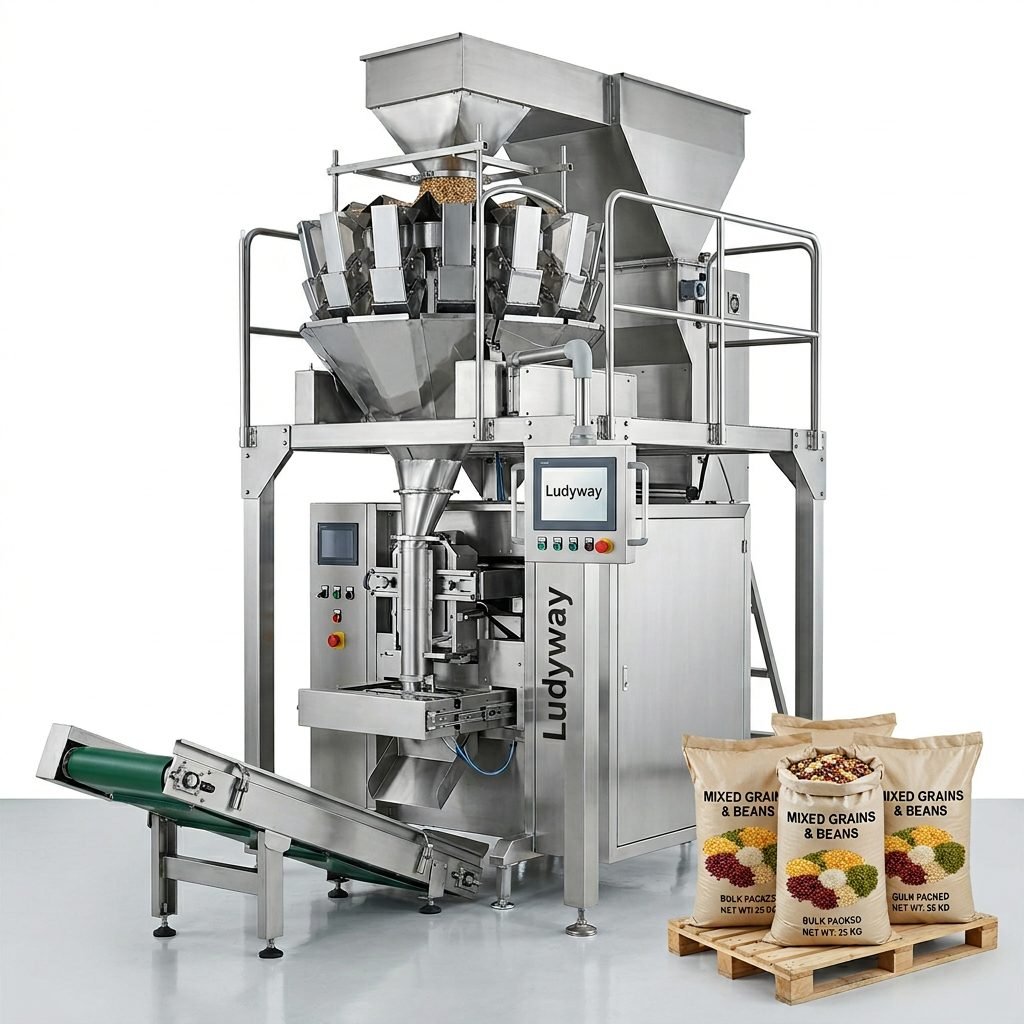
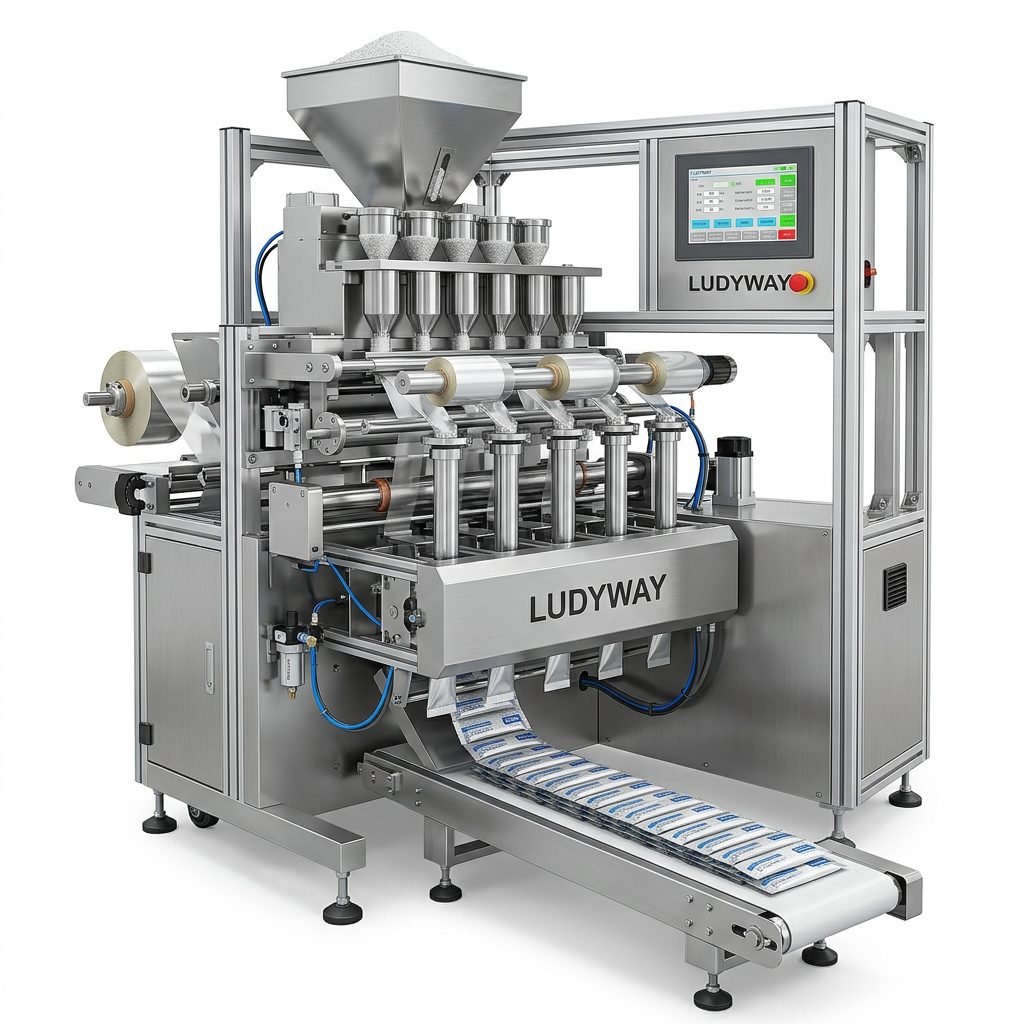
Optimizing packaging workflow is no longer just about making the last step of production faster. In modern factories, packaging directly affects throughput, labor efficiency, product consistency, traceability, downtime, and delivery speed. When packaging becomes a bottleneck, the entire factory feels it—from upstream mixing and filling to warehousing and shipping.
For manufacturers in food, pharmaceutical, health supplement, cosmetic, and chemical sectors, a smarter packaging workflow means building a system that reduces idle time, improves line coordination, and supports future growth. The most successful factories treat packaging as an integrated production function rather than a standalone end-of-line task.
Why Packaging Workflow Optimization Matters
Even highly automated factories can lose productivity if packaging processes are poorly aligned. Common issues include waiting between stations, inconsistent feeding, manual intervention, product jams, changeover delays, coding errors, and underperforming end-of-line handling.
- Faster output: More packs per minute without sacrificing accuracy
- Lower labor pressure: Fewer repetitive manual tasks and reduced operator dependency
- Better quality: Improved seal integrity, weight accuracy, and coding reliability
- Reduced waste: Less film loss, fewer rejects, and lower rework rates
- Higher flexibility: Easier adjustment for different products, SKUs, and packaging formats
Start by Mapping the Entire Packaging Process
Before investing in new machines, factories should map the full packaging workflow from product discharge to final palletizing. This reveals hidden losses that are often missed when teams only focus on machine speed.
Look at each stage:
- Product feeding and buffering
- Dosing or filling
- Bagging, pouching, bottling, or sachet forming
- Sealing and leak control
- Date coding, labeling, and inspection
- Cartoning, case packing, and palletizing
- Data recording and operator response time
Once the process is visualized, it becomes much easier to spot the real bottleneck. In many factories, the slowest point is not the primary packing machine itself, but product feeding, material changeover, or manual end-of-line packing.
Identify the Most Common Packaging Bottlenecks
| Bottleneck Area | Typical Problem | Optimization Direction |
|---|---|---|
| Product feeding | Uneven supply or bridging | Use stable conveyors, feeders, and buffer hoppers |
| Filling accuracy | Underfill, overfill, or dust/liquid spillage | Apply precise dosing systems and automatic correction |
| Packaging material handling | Film deviation, roll replacement delays | Improve unwinding, tension control, and quick-change design |
| Inspection and coding | Unreadable codes or missed rejects | Integrate vision inspection, checkweighing, and reject systems |
| Changeovers | Long downtime between SKUs | Standardize tooling and recipe-based setup |
| End-of-line handling | Manual cartoning and pallet stacking | Add cartoners, case packers, palletizers, and conveyors |
Use Automation Where It Creates the Most Value
Not every factory needs full lights-out automation, but almost every factory benefits from targeted automation. The best approach is to automate high-repetition, high-error, or high-labor-intensity steps first.
High-impact automation areas often include:
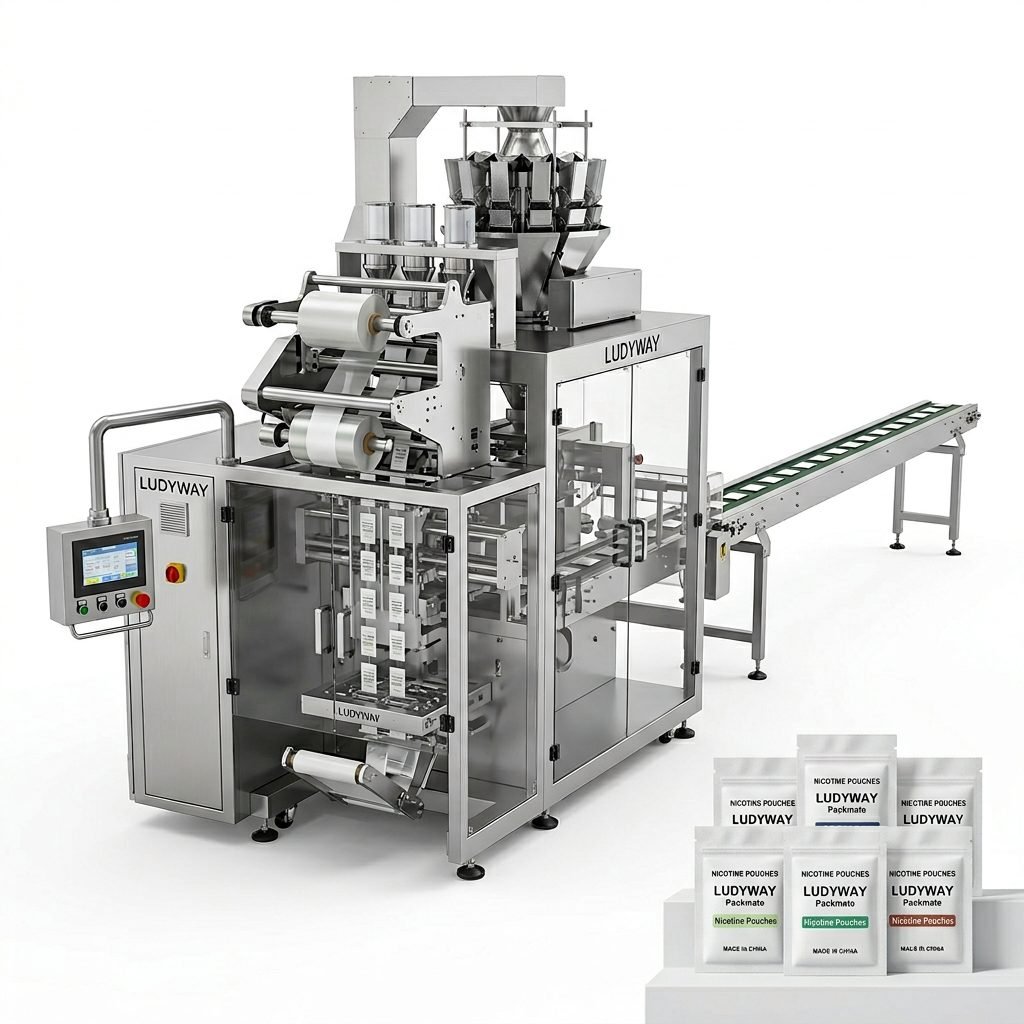
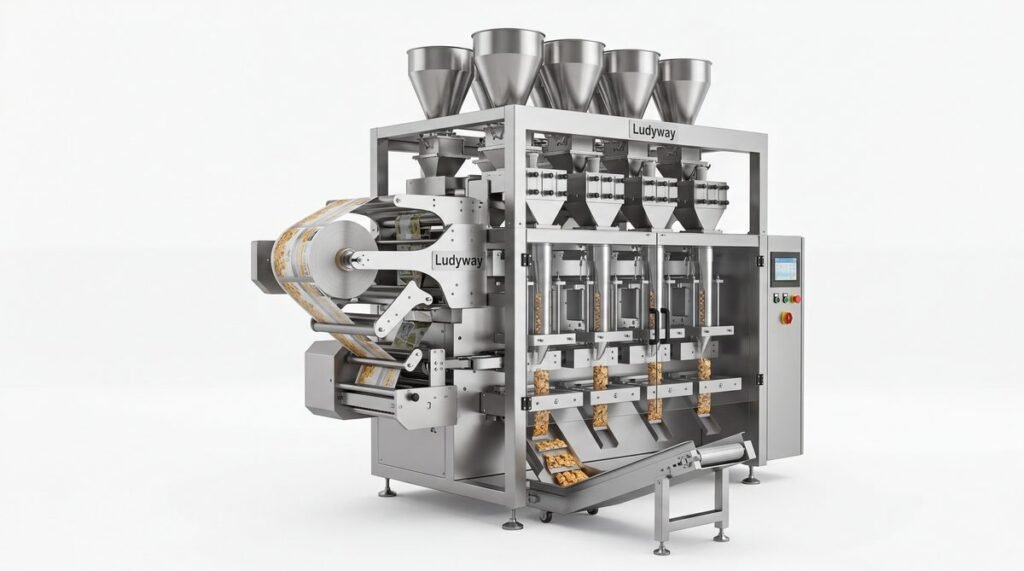
- Automatic feeding systems for granules, powders, liquids, and pastes
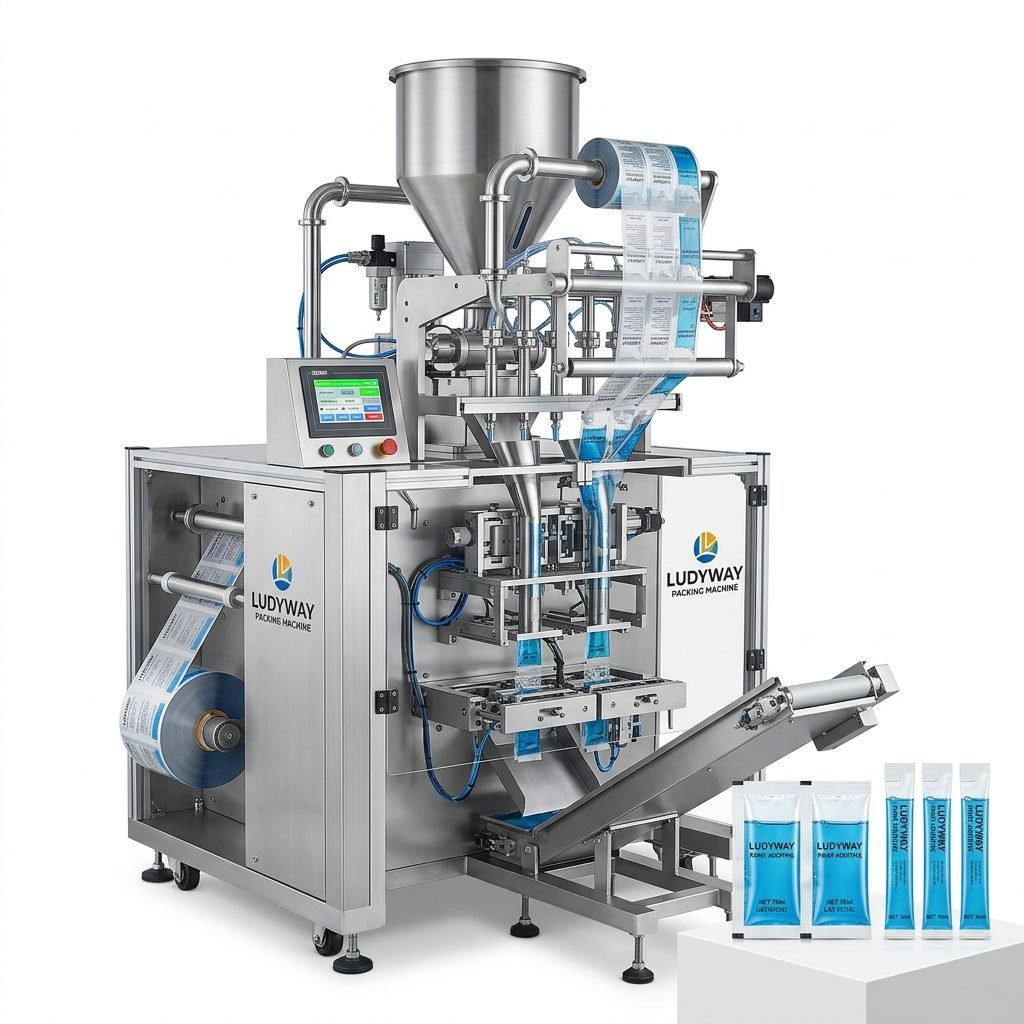
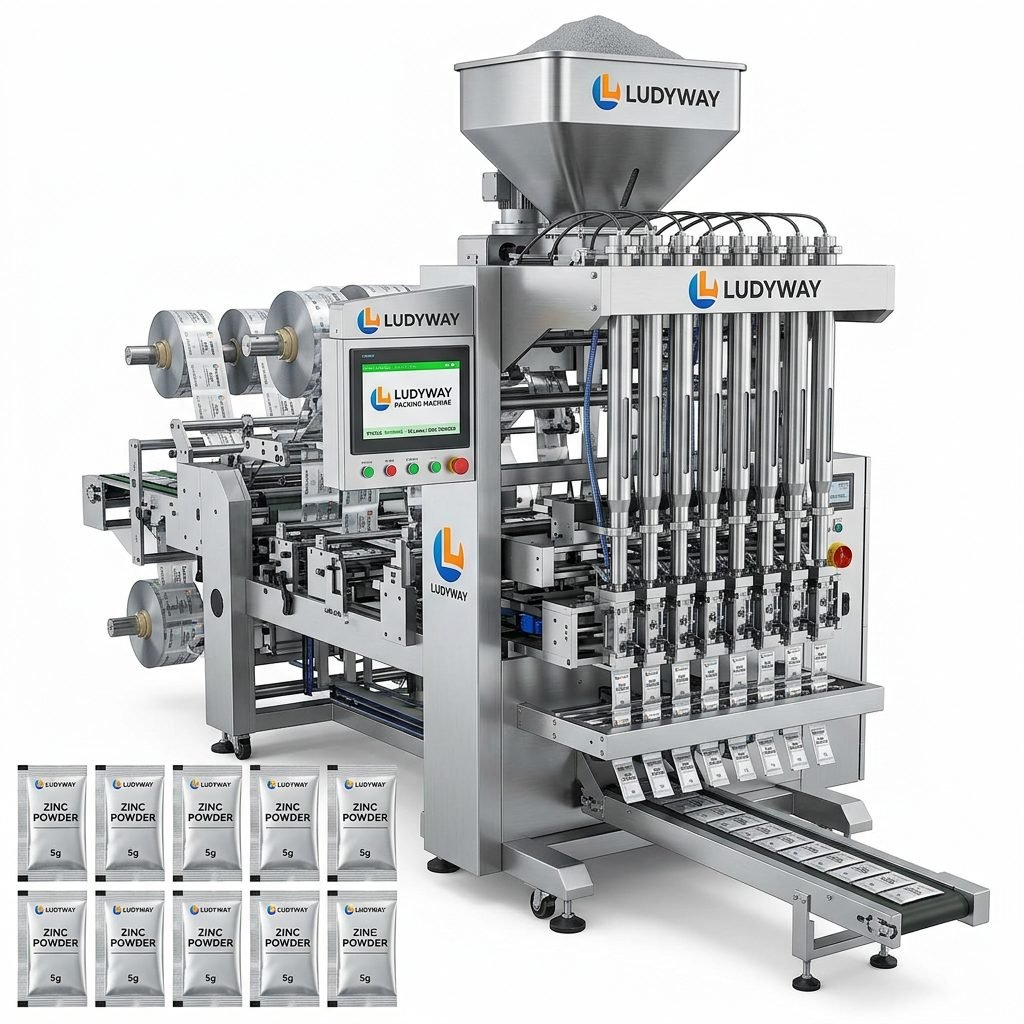
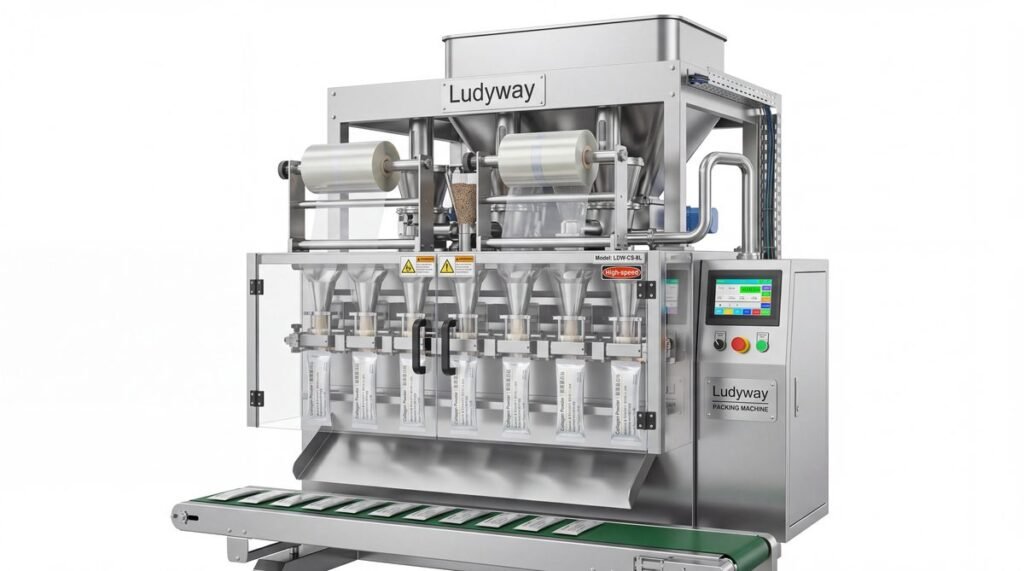
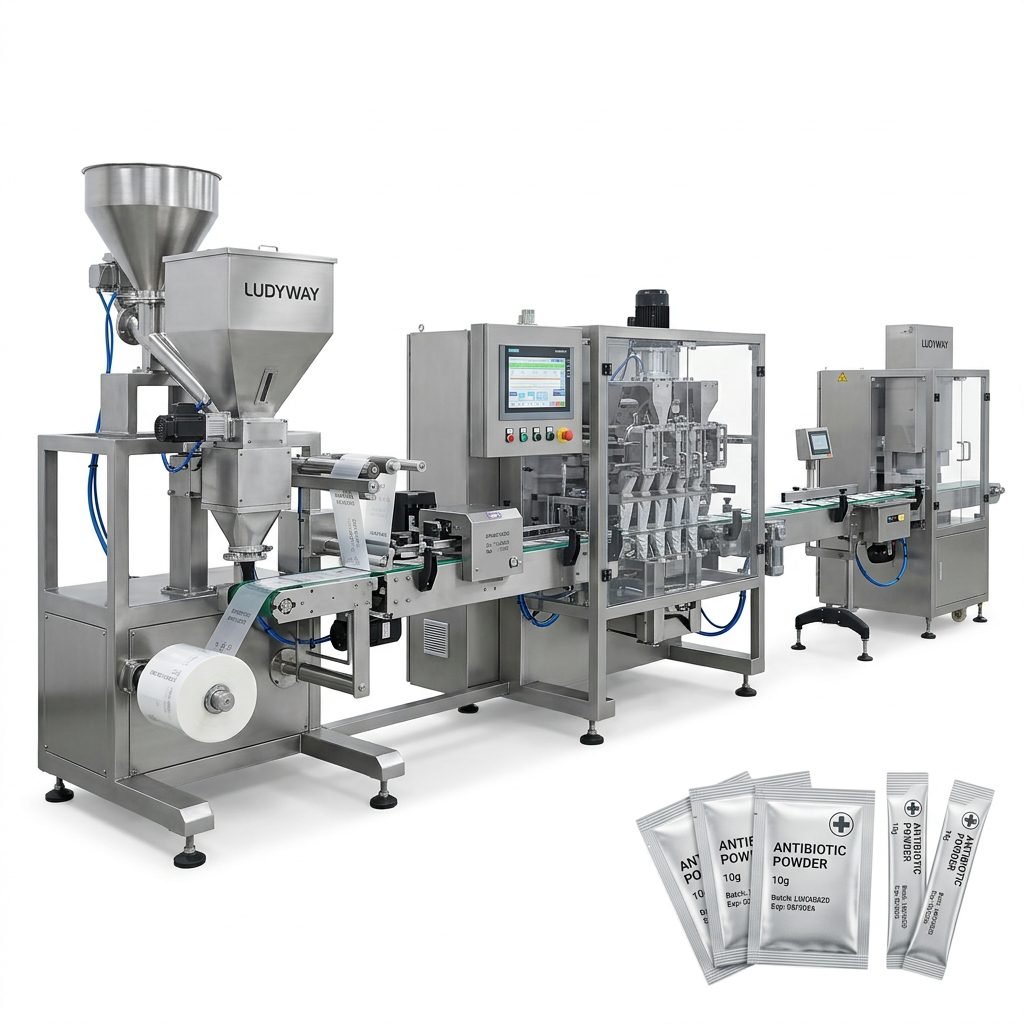
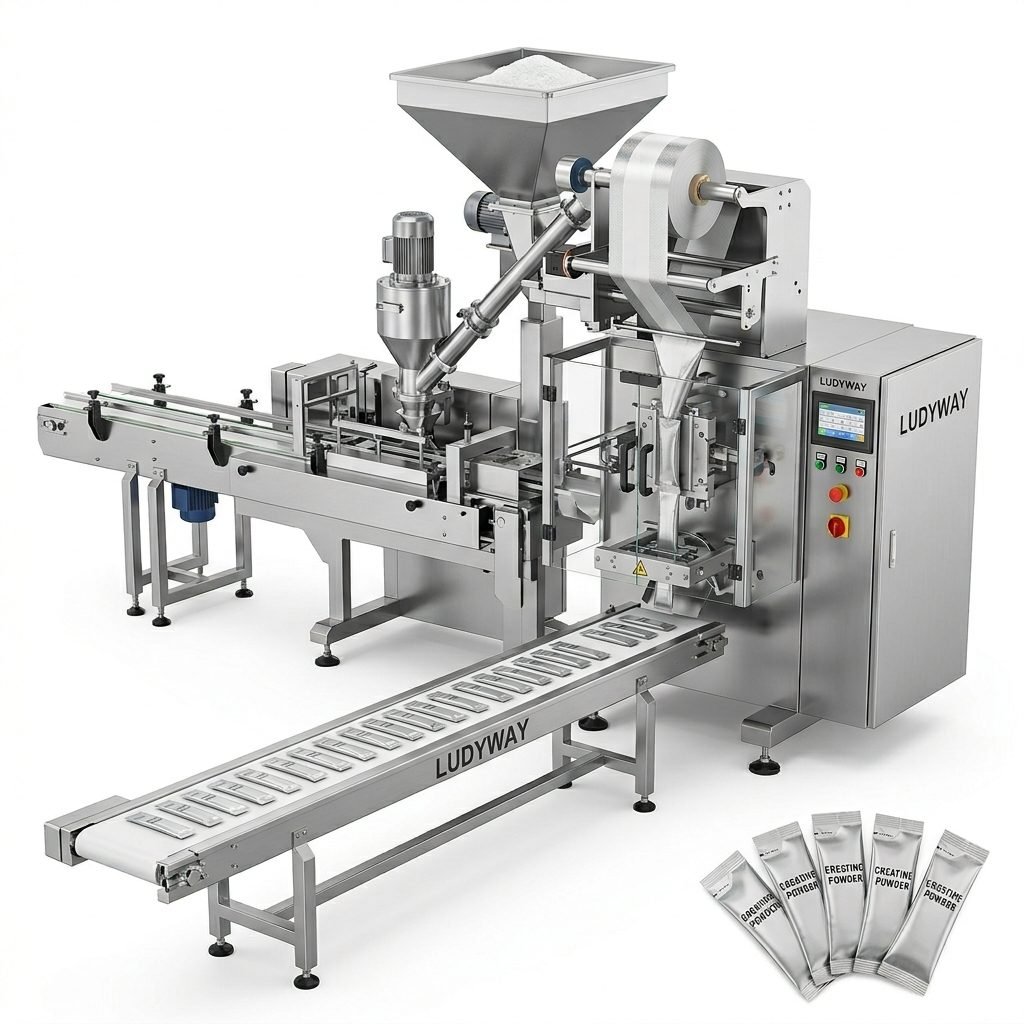
- Multi-lane sachet or stick pack systems for high-volume output
- Servo-controlled filling and sealing for accuracy and consistency
- Automatic labeling, coding, and visual inspection
- Cartoning, case packing, and robotic palletizing
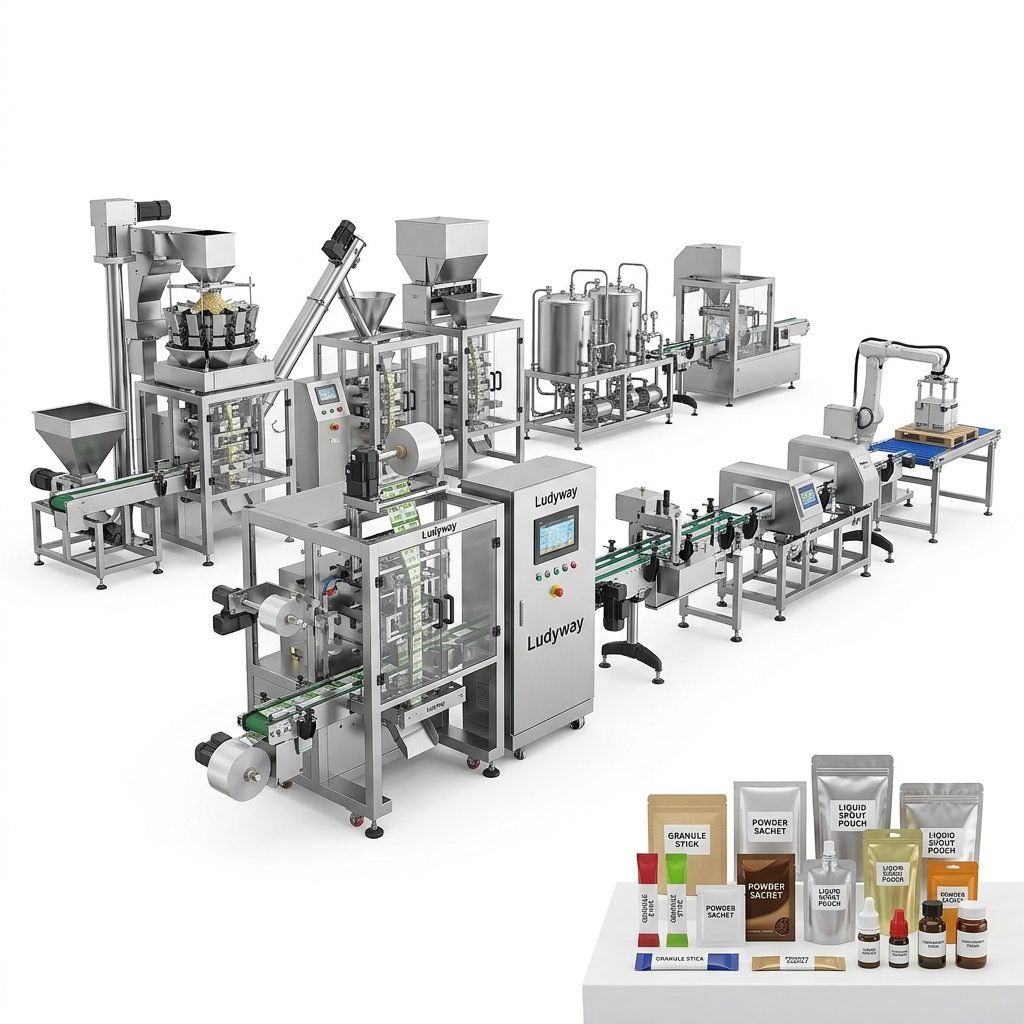
Factories that switch from disconnected standalone machines to integrated lines usually see a major improvement in rhythm and line balance. That is why many manufacturers now invest in complete turnkey packaging systems instead of upgrading single stations one by one.
Improve Line Balance, Not Just Machine Speed
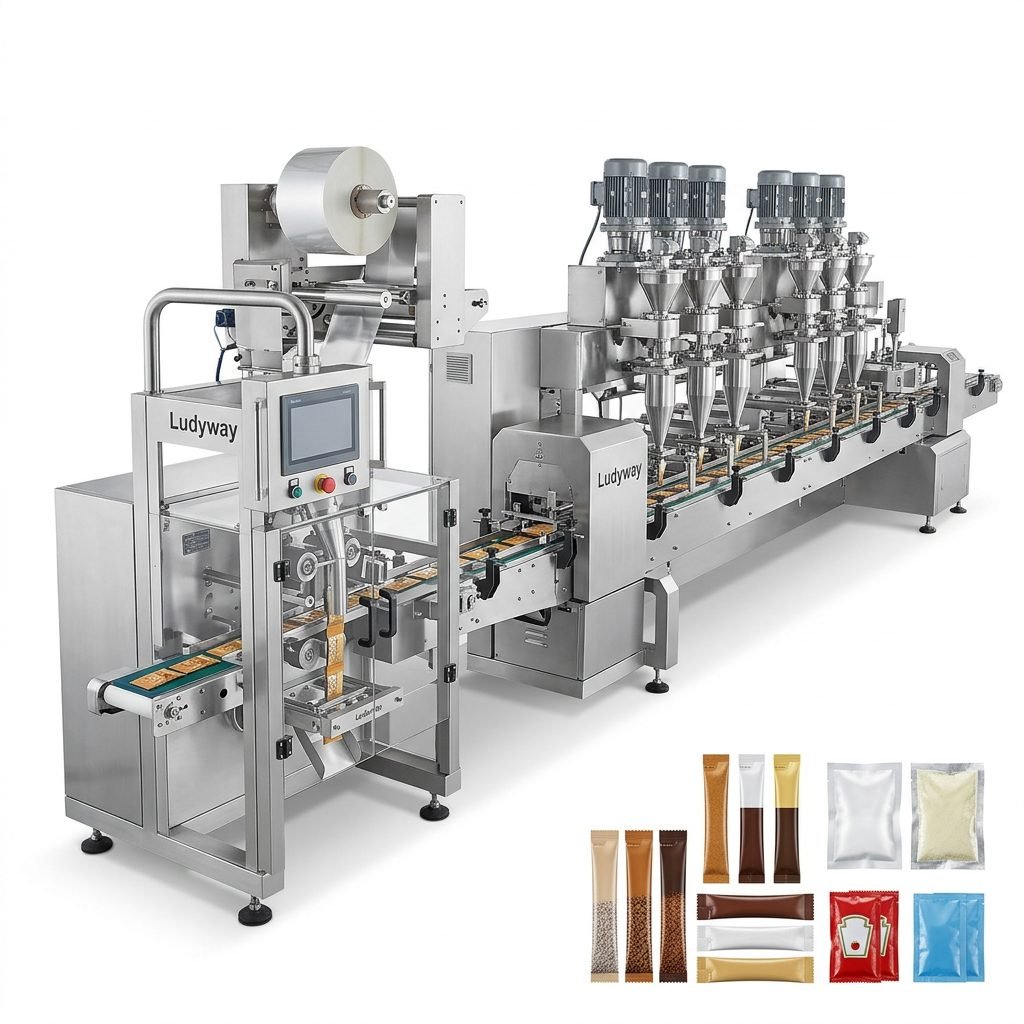
One of the biggest mistakes in packaging optimization is buying a faster primary machine while ignoring the upstream and downstream process. If the feeder cannot supply product steadily, or the cartoning section cannot keep up, line speed gains disappear.
A balanced packaging workflow should ensure:
- Consistent product supply to the packaging machine
- Minimal stop-start cycling between connected equipment
- Proper accumulation or buffer zones
- Matched speed across forming, filling, sealing, coding, and packing stages
- Stable outfeed into secondary packaging
In practical terms, the goal is to maximize overall line efficiency, not just peak machine speed on paper.
Reduce Changeover Time for Multi-SKU Production
Modern factories often handle multiple SKUs, pack sizes, formulas, and packaging materials. Long changeovers can quietly destroy daily capacity. If your team spends too much time adjusting tooling, cleaning contact parts, resetting parameters, or validating codes, then workflow optimization should focus on faster transitions.
Ways to reduce changeover time include:
- Using modular machine designs with easy-access parts
- Applying digital recipe storage for repeatable settings
- Standardizing film widths, pouch dimensions, or bottle families where possible
- Training operators with clear changeover SOPs
- Preparing materials and tools before the previous batch ends
Shorter changeovers help factories produce smaller batches more profitably while staying responsive to market demand.
Integrate Smart Monitoring and Real-Time Data
Faster production becomes smarter when operators and managers can see what is happening in real time. Data helps factories move from reactive troubleshooting to proactive workflow control.
Useful packaging KPIs include:
- OEE by line and shift
- Downtime frequency and root causes
- Reject rate and seal defect rate
- Average changeover duration
- Output per operator
- Material waste percentage
Machine interfaces, sensors, alarms, and production dashboards allow teams to react faster when line performance drops. Over time, this creates a more disciplined and data-driven packaging operation.
Design for Product Type and Industry Requirements
Packaging workflow optimization is not the same for every factory. Product characteristics directly influence machine configuration, feeding methods, filling precision, hygiene requirements, and inspection standards.
| Industry | Workflow Priority | Typical Focus |
|---|---|---|
| Food | Speed and freshness | Sealing quality, hygiene, nitrogen flushing, weigh accuracy |
| Pharmaceutical | Compliance and traceability | Validation, coding, inspection, contamination control |
| Health supplement | Precision and flexibility | Multi-lane dosing, small-dose consistency, SKU switching |
| Cosmetic | Appearance and leak prevention | Smooth filling, attractive pack finish, batch coding |
| Chemical | Safety and containment | Dust control, corrosion resistance, secure sealing |
Strengthen Preventive Maintenance and Operator Training
Even advanced packaging equipment cannot deliver stable performance without proper maintenance and operator discipline. Frequent small stoppages often come from wear parts, poor cleaning routines, incorrect setup, or inconsistent material loading.
Best practices include:
- Daily inspection checklists for sealing, feeding, and coding systems
- Scheduled maintenance based on actual runtime
- Critical spare parts planning
- Operator training for troubleshooting and rapid reset
- Clear ownership of line performance by shift teams
Well-trained operators do more than run machines—they help maintain stable packaging quality, detect early warning signs, and support continuous improvement.
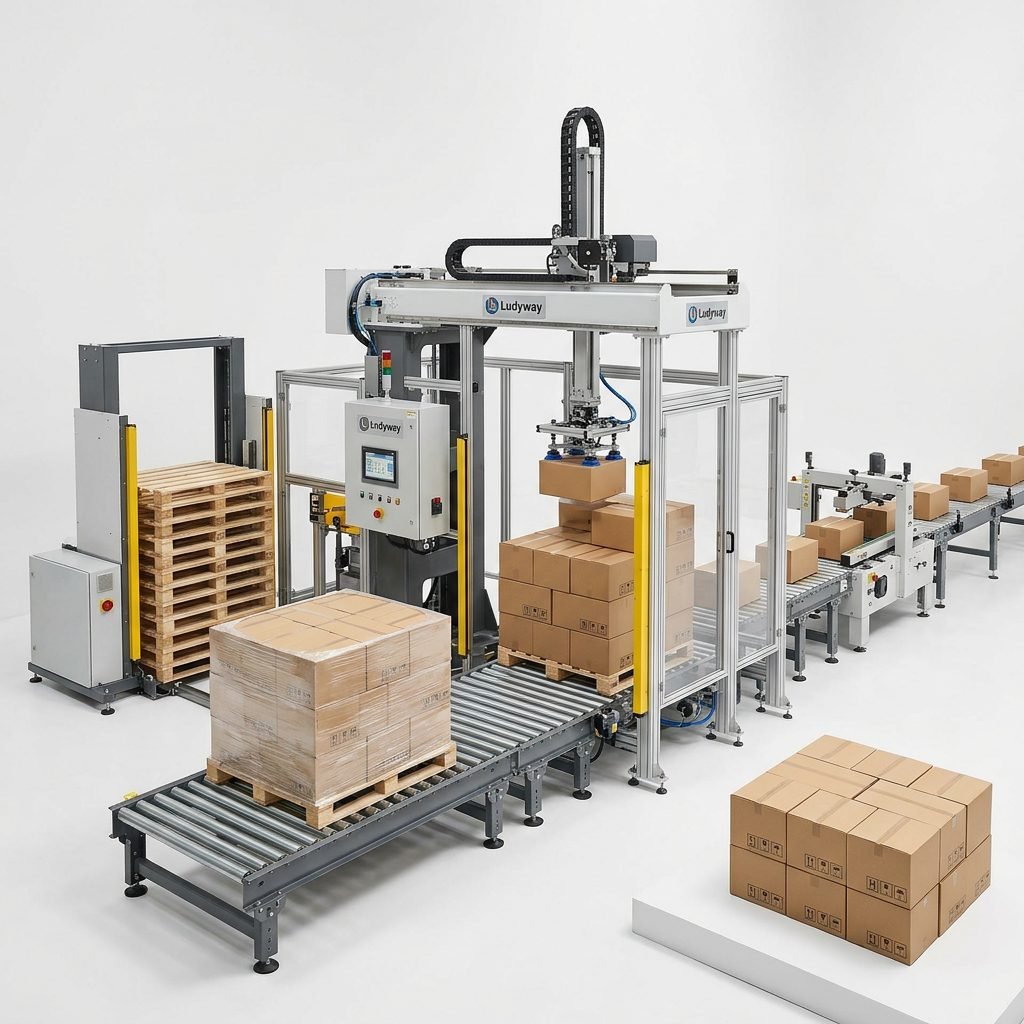
Build a More Connected End-of-Line System
Many factories optimize filling and sealing but still rely on manual carton loading, box sealing, or pallet stacking. This creates a hidden bottleneck that limits total line speed. End-of-line automation is often one of the fastest ways to improve packaging workflow without changing the core product pack process.
Consider adding:
- Automatic counting and collating systems
- Carton erecting and cartoning machines
- Case packers and carton sealers
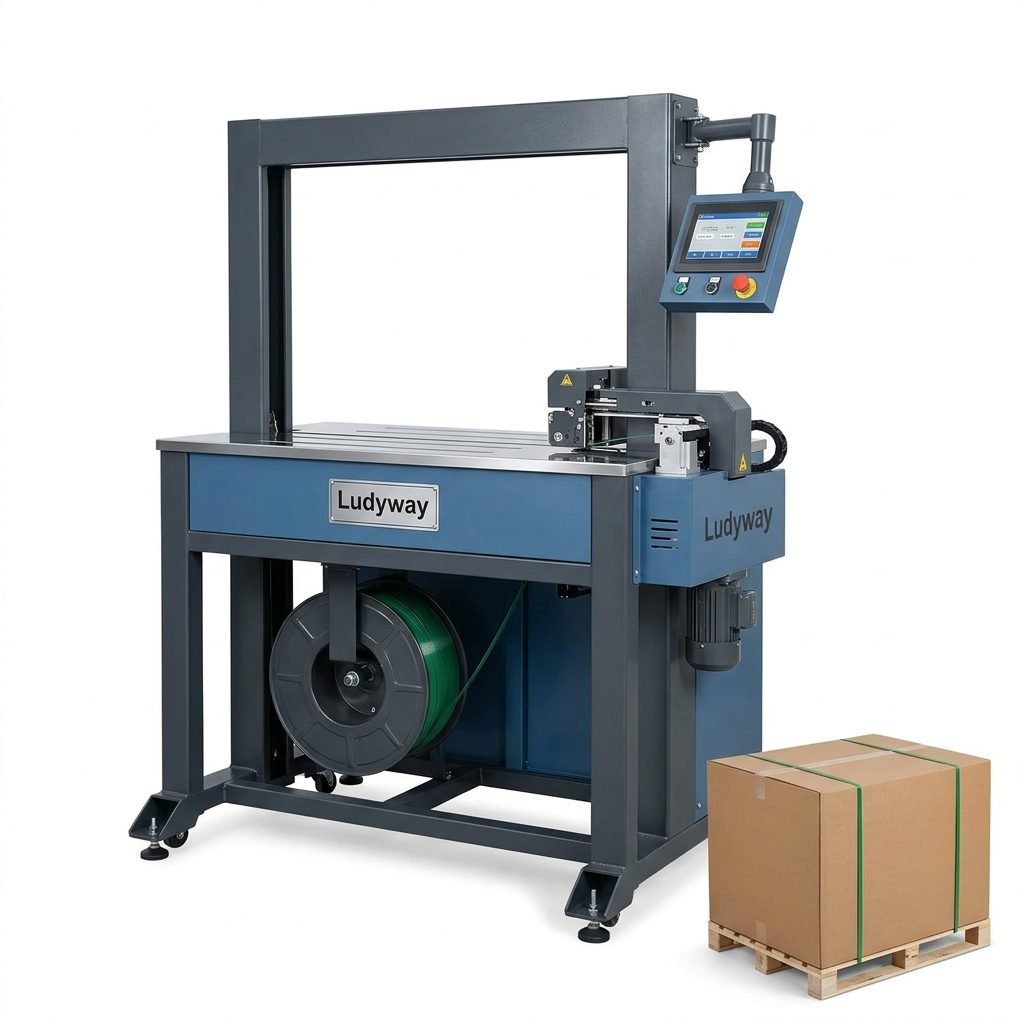
- Robotic palletizers and stretch wrappers
- Conveyor routing for smooth product transfer
When these systems are integrated correctly, factories can reduce labor intensity while improving shipping consistency and warehouse readiness.
Choose Scalable Equipment for Long-Term Growth
Packaging workflow optimization should not only solve today’s bottlenecks. It should also support future product expansion, export compliance, capacity growth, and new packaging formats. Scalable equipment helps factories avoid costly system replacement as demand increases.
This is why many buyers prefer experienced suppliers with strong engineering and complete line integration capability. For businesses seeking flexible automation, Ludyway packaging solutions are often considered for projects that require standalone machines as well as turnkey packaging lines across food, pharmaceutical, health supplement, cosmetic, and related industries.
Practical Workflow Optimization Checklist
Use this checklist to evaluate your current packaging operation:
- Is the packaging line’s true bottleneck clearly identified?
- Are upstream feeding and downstream packing speeds matched?
- Do operators spend too much time on manual intervention?
- Are changeovers predictable and standardized?
- Is downtime tracked by reason and frequency?
- Are coding, inspection, and reject systems integrated?
- Does the line support future SKUs and capacity expansion?
- Can end-of-line handling keep pace with primary packaging output?
Final Thoughts on Faster, Smarter Factory Packaging
To optimize packaging workflow in factories for faster, smarter production, the focus should be on system efficiency, line balance, automation priorities, real-time data, and scalable design. The best-performing factories do not simply run faster machines—they build more connected packaging operations that reduce waste, improve reliability, and support business growth.
Whether your factory packages powders, granules, liquids, pastes, pouches, sachets, bottles, or cartons, workflow optimization starts with understanding where time is lost and where automation creates the strongest return. A smart packaging line is not only quicker—it is more stable, more flexible, and better prepared for tomorrow’s production demands.