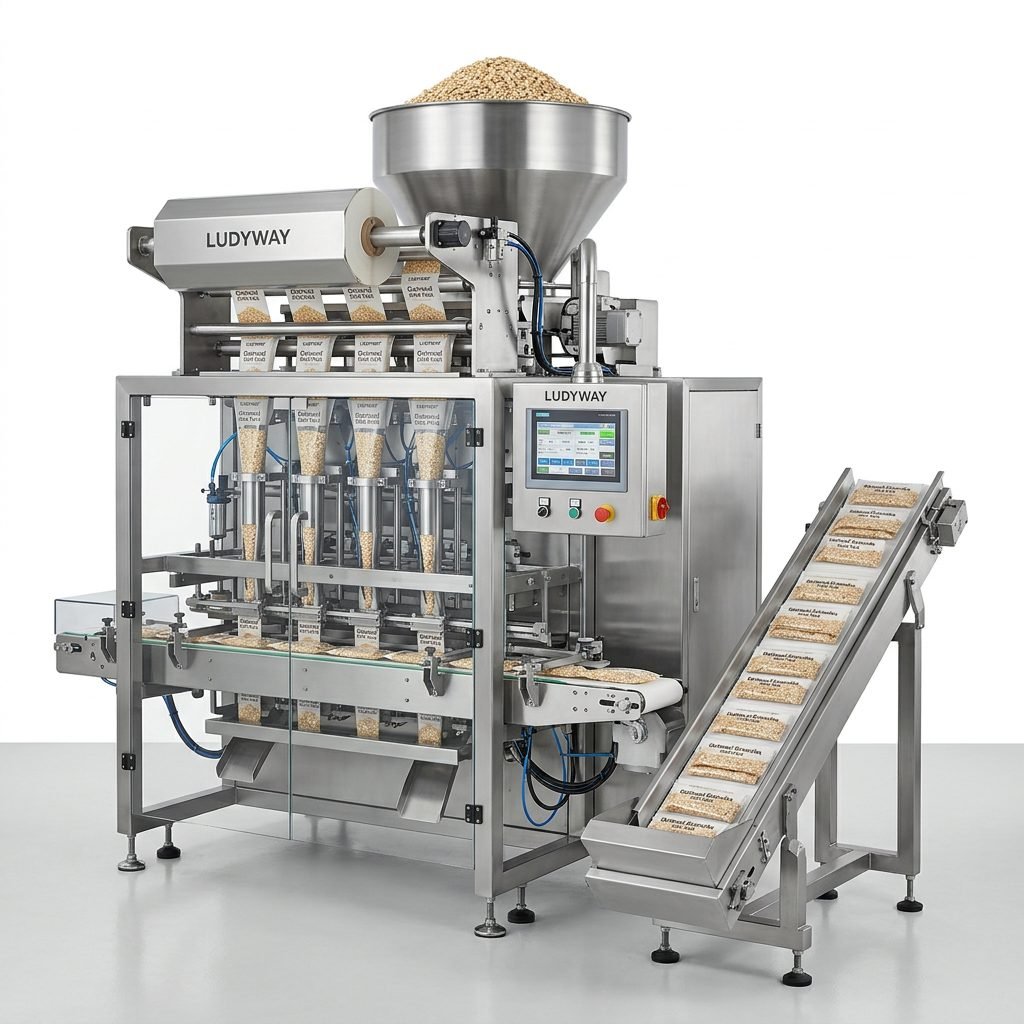
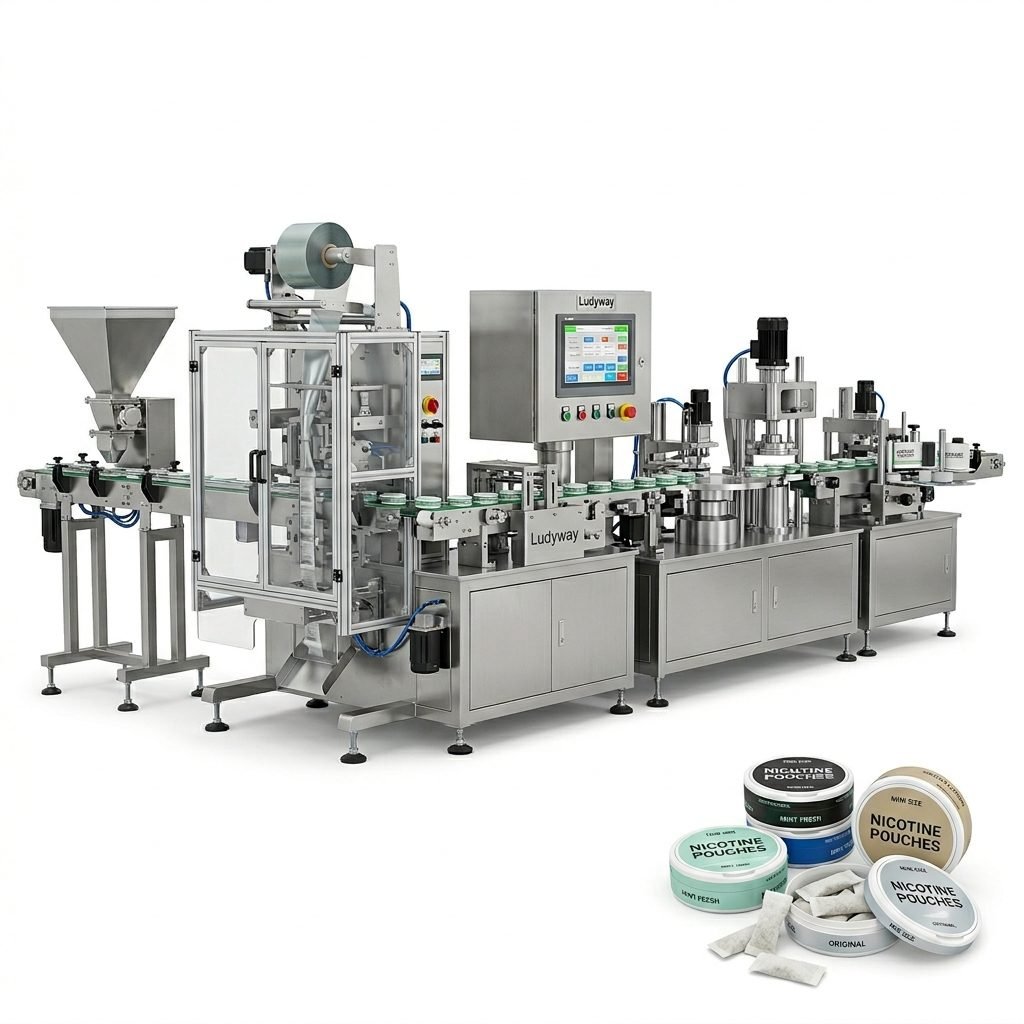
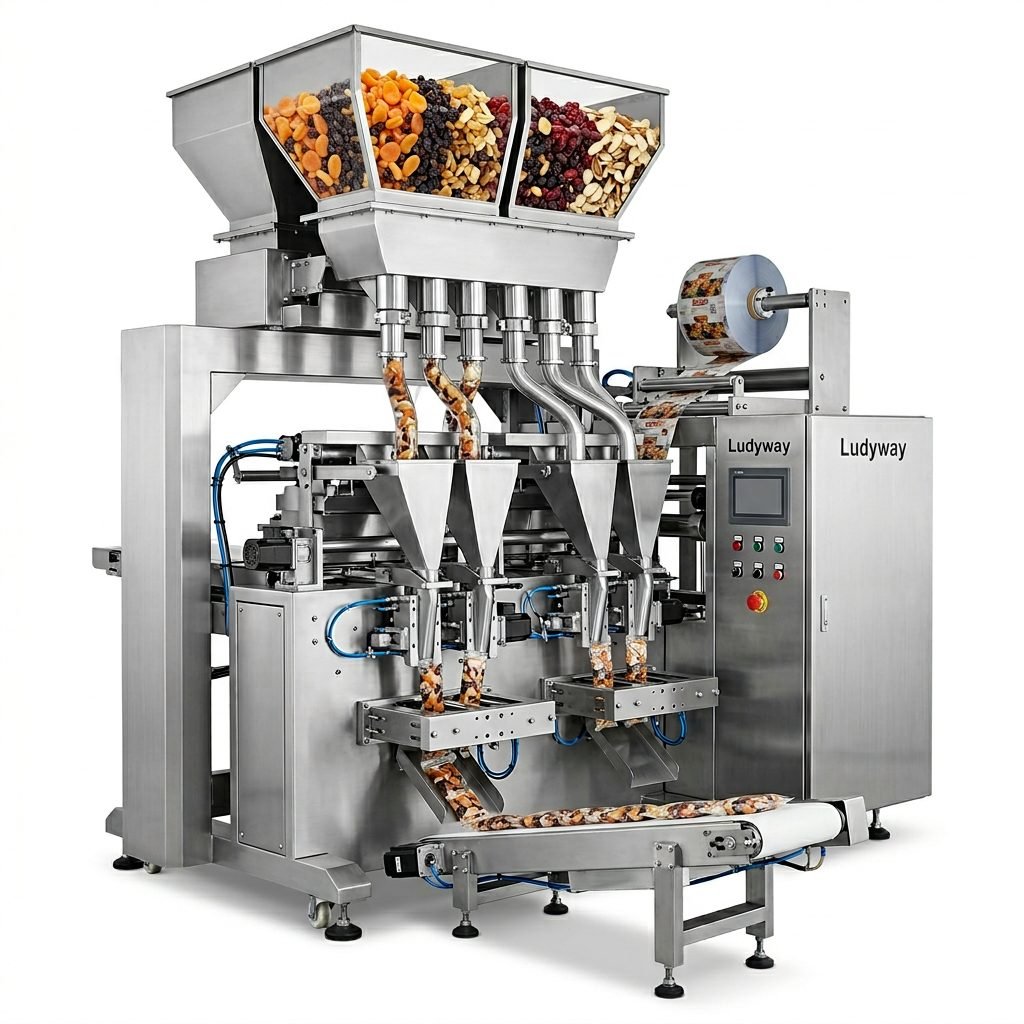
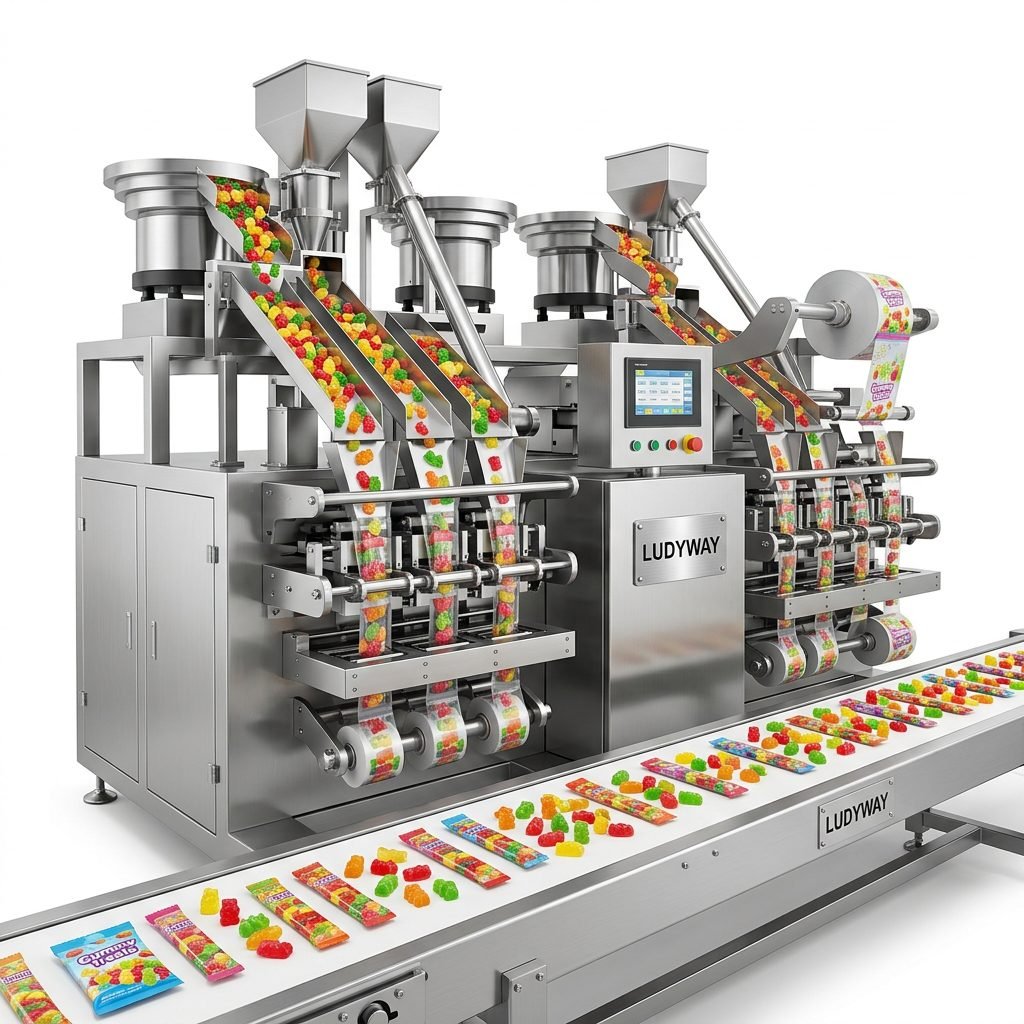
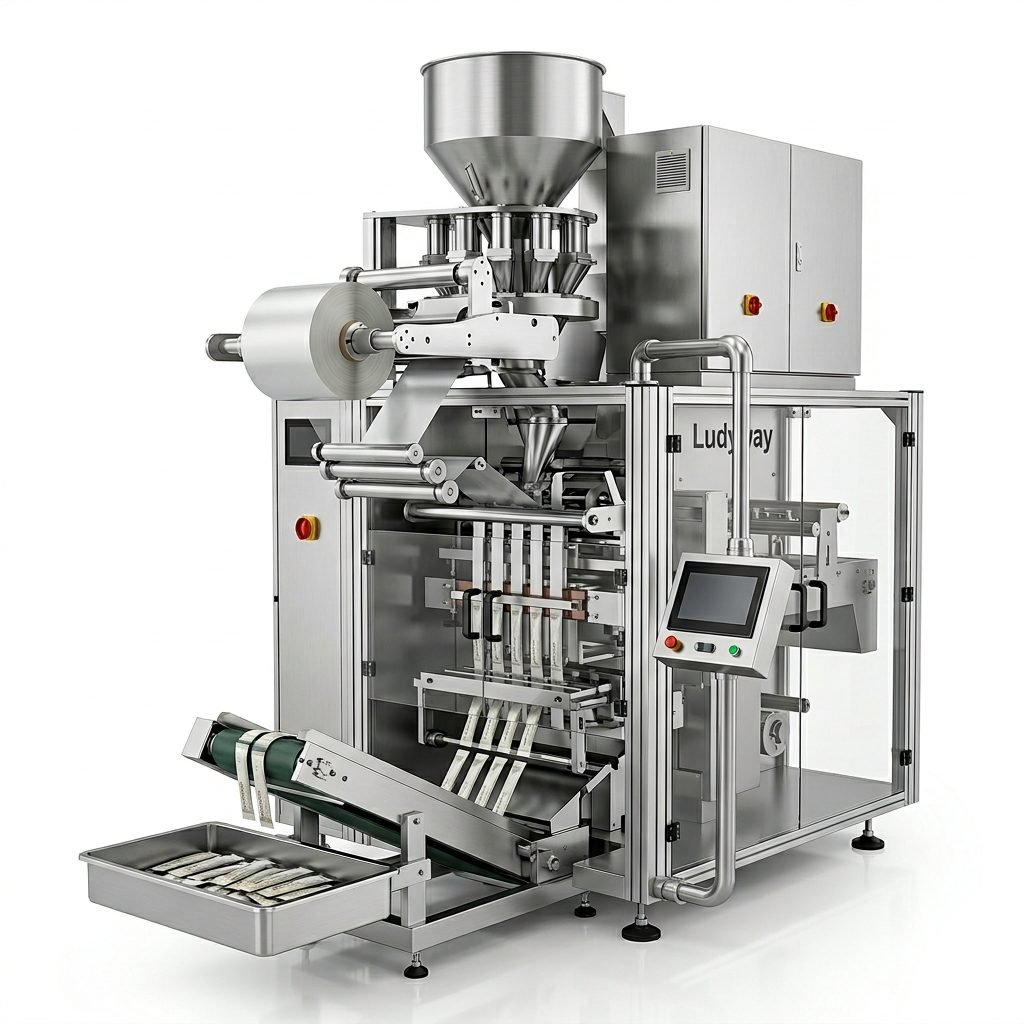
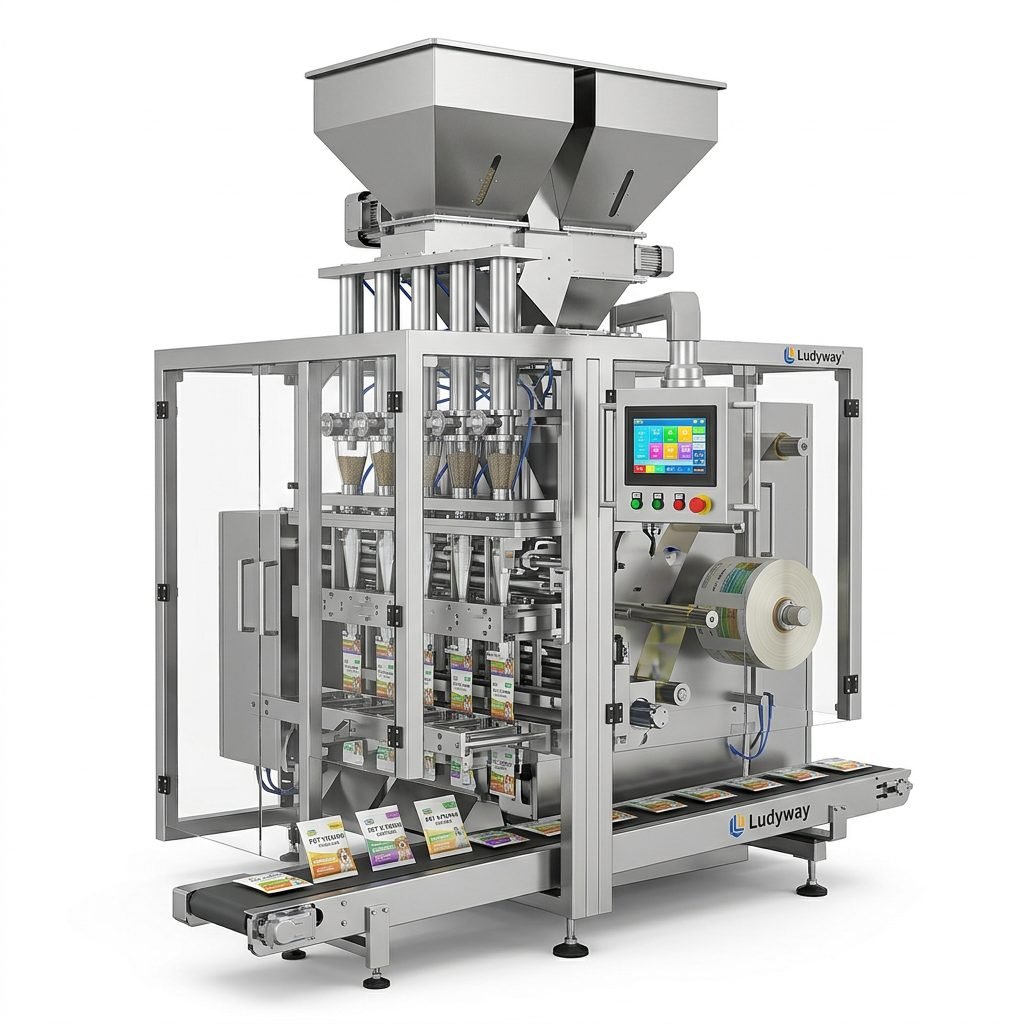
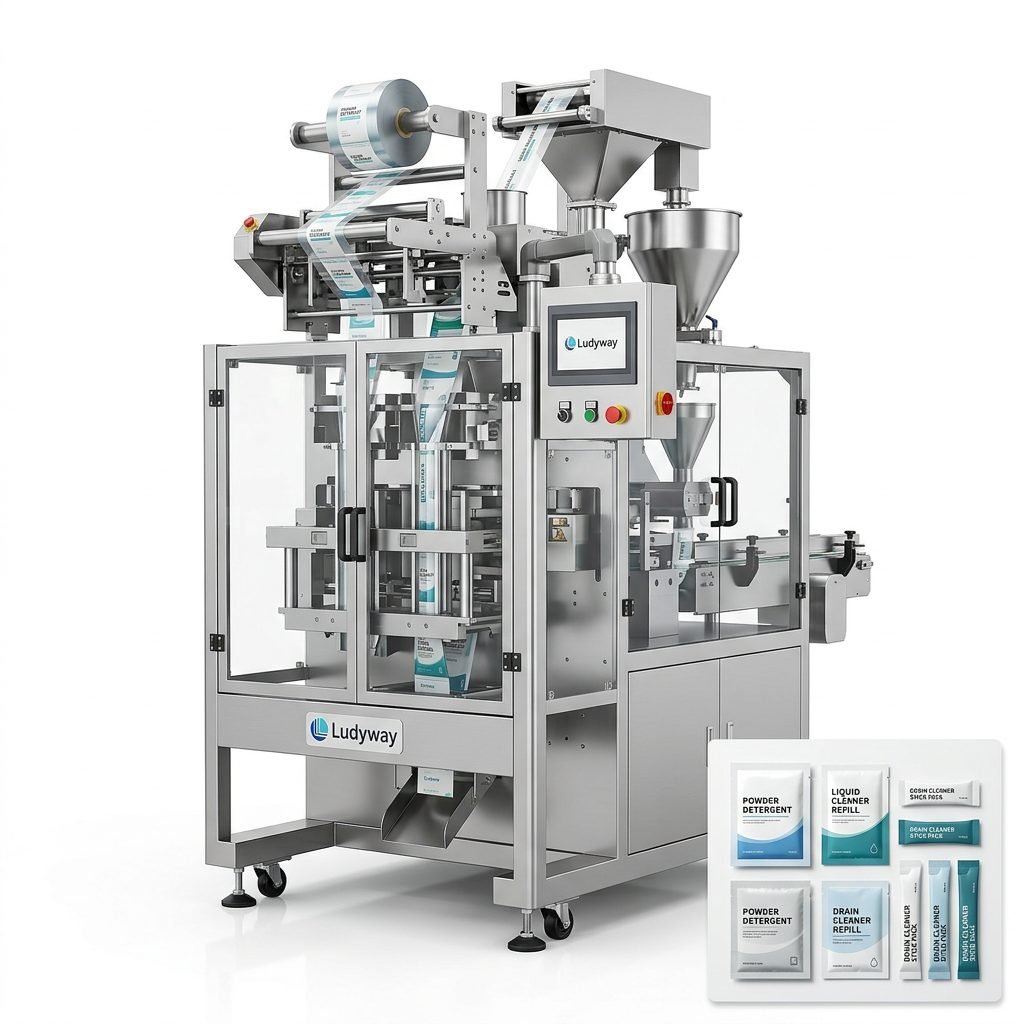
Many buyers ask the same practical question: can one packaging machine make both stick packs and sachets? The short answer is yes, in some cases—but only when the machine is designed for multi-format flexibility, the product characteristics are suitable, and the production goals justify the configuration.
For food, pharmaceutical, nutraceutical, cosmetic, and chemical manufacturers, choosing between a dedicated machine and a multi-format packaging machine can affect output, labor cost, maintenance planning, line footprint, and future expansion. Understanding the difference helps avoid expensive mistakes.
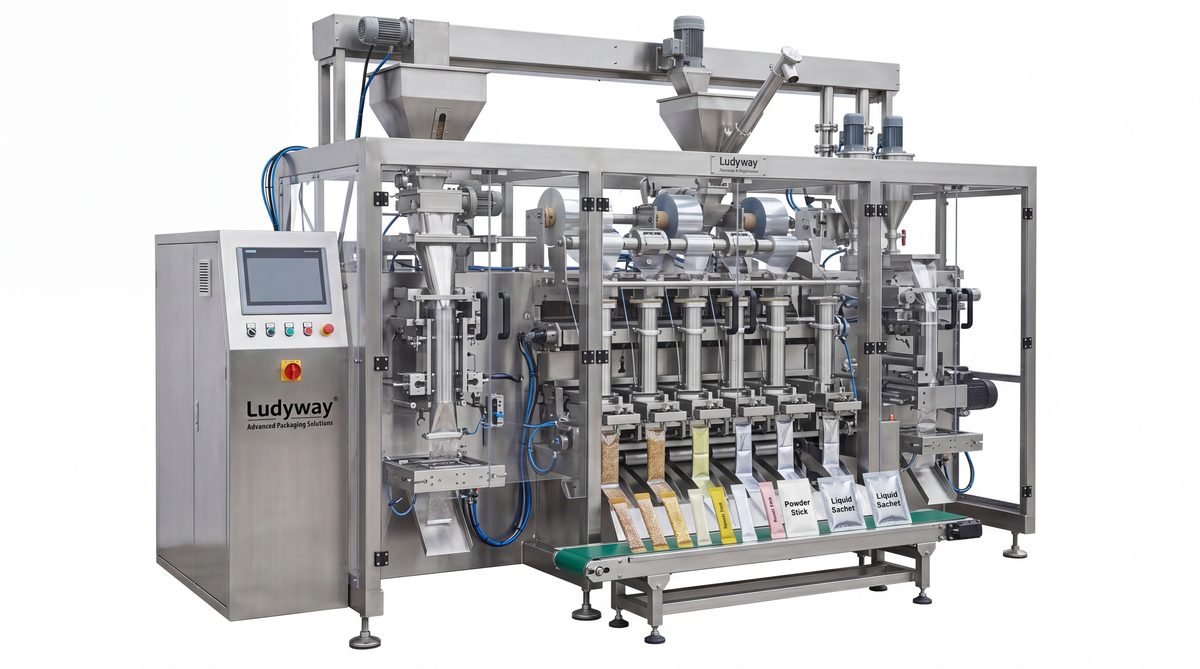
What Is the Difference Between Stick Packs and Sachets?
Before discussing whether one machine can handle both, it helps to define the two formats clearly.
| Format | Typical Shape | Common Products | Main Advantage |
|---|---|---|---|
| Stick Pack | Long, narrow tube-like pack | Drink powders, sugar, coffee, supplements, gels | Compact single-serve format, efficient for multi-lane high speed |
| Sachet | Flat rectangular or shaped pouch | Sauces, creams, powders, wet wipes liquids, condiments | More branding area, wider format flexibility |
In simple terms, stick packs are narrow and vertical in appearance, while sachets are wider and flatter. That difference changes film forming, sealing geometry, cutting structure, dosing rhythm, and final pack presentation.
Can One Machine Really Produce Both Formats?
Yes—but not every machine can do it.
A true multi-format packaging machine is engineered so key assemblies can be adjusted or changed to switch between stick pack and sachet production. This usually involves:
- Different forming tubes or forming systems
- Adjustable sealing jaws
- Changeable cutting tools
- Programmable recipe settings in the control system
- Compatible filling systems for powder, granule, liquid, or paste products
- Film tracking and tension control suitable for more than one bag geometry
If a machine was originally built only for stick packs, converting it into a sachet machine may be impractical. The same is true in reverse. So the better question is not just “Can one machine do both?” but “Was the machine designed from the start to support both formats?”
When a Dual-Format Machine Makes Sense
A multi-format machine is often a smart investment when your business has one or more of the following needs:
- New product development and uncertain final packaging choice
- Private label manufacturing with multiple customer specifications
- Seasonal SKU variation between narrow and flat single-dose packs
- Limited factory space where two independent machines would be inefficient
- Moderate production volume where flexibility matters more than maximum dedicated speed
For example, a supplement producer might use stick packs for daily drink powder and sachets for sample packs. A sauce manufacturer may sell ketchup in sachets while using stick packs for concentrated functional gels. In both cases, the ability to switch formats can improve equipment utilization.
When Separate Machines Are the Better Choice
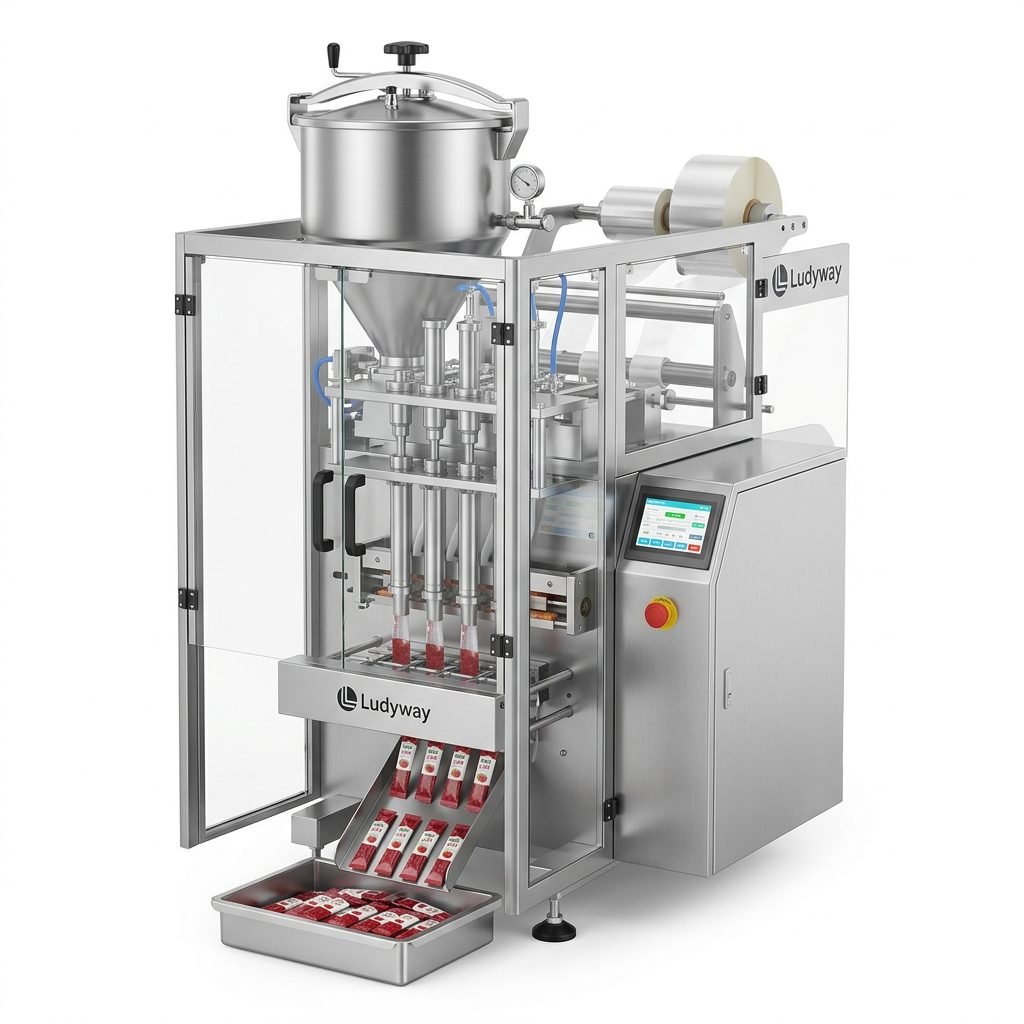
Even though one machine can sometimes produce both styles, separate machines are often better when:
- You need very high output on both formats every day
- Your stick pack and sachet materials are very different
- Changeover time would reduce production efficiency
- Your products have strict hygiene validation or regulatory requirements
- One line runs powder and the other runs aggressive liquids or pastes
Dedicated machines usually deliver:
- Higher maximum speed
- Simpler operator training
- Lower changeover risk
- More stable long-run consistency for a single format
So while flexibility sounds attractive, it is not always the most profitable option in high-volume manufacturing.
Key Technical Factors That Decide Compatibility
1. Product Type
The product itself matters as much as the package shape. Powders, granules, liquids, gels, and pastes all require different dosing technologies. A machine designed for both pack styles must also support the right filling unit, such as:
- Auger filler for powders
- Volumetric cup or weigher for granules
- Piston pump for viscous products
- Liquid pump for free-flowing liquids
2. Bag Size Range
Some machines can support a broad width and length range, but others have narrow mechanical limits. Stick packs are usually much narrower than sachets, so the width adjustment range must be checked carefully.
3. Sealing Structure
Stick packs often use fin or lap seals with slim vertical lanes, while sachets may require different side seal patterns, wider cross seals, or shaped cutting. This affects jaw design and tooling.
4. Film Type
Different laminate structures behave differently under heat, tension, and speed. If your stick packs use one film and sachets use another, the machine should handle both sealing profiles reliably.
5. Output Expectations
A dual-format solution may deliver excellent flexibility, but the speed in each format may not match a dedicated specialist machine. This tradeoff should be calculated in advance.
Advantages of a Multi-Format Packaging Machine
- Lower initial footprint than installing two full machines
- Better adaptability for OEM and contract packaging businesses
- Simplified expansion for growing brands
- More efficient use of operators and floor space
- Faster response to changing retail or export packaging demands
Possible Limitations to Consider
- Change parts and format conversion require planning
- Operators need broader training
- Spare parts management may be more complex
- Not all products perform equally well in both formats
- Maximum speed may be lower than with format-dedicated equipment
Typical Industries Using Stick Pack and Sachet Machines
Multi-format solutions are increasingly used across industries that rely on unit-dose, travel-size, retail, and sample packaging.
| Industry | Stick Pack Examples | Sachet Examples |
|---|---|---|
| Food & Beverage | Coffee, sugar, drink mix, seasoning | Sauce, ketchup, soup mix, condiments |
| Pharmaceutical | Oral powders, rehydration salts, granules | Medical powders, topical gels, liquid doses |
| Nutraceutical | Collagen, electrolytes, protein powder | Sample powder packs, gel sachets |
| Cosmetics & Personal Care | Serum stick packs, travel-size treatments | Shampoo, lotion, cream, face mask essence |
| Chemical & Household | Powder additives, water treatment agents | Cleaner liquids, detergent doses, gels |
What to Ask Before Buying a Stick Pack and Sachet Machine
If you are evaluating a machine supplier, ask specific technical and operational questions rather than general sales questions.
Important buyer checklist
- Can the machine produce both stick packs and sachets on the same frame?
- What parts need to be changed during format conversion?
- How long does a full changeover usually take?
- What bag width and length range is supported in each format?
- Is the filling system suitable for my exact product behavior?
- What is the real production speed for each format?
- Can the machine support future package redesigns?
- Are validation, cleaning, and maintenance procedures easy for my team?
How Changeover Works on a Multi-Format Machine
Changeover is one of the most overlooked issues in flexible packaging investment. On a properly engineered machine, the switch between formats may include:
- Selecting a stored recipe on the HMI
- Replacing forming components
- Adjusting sealing jaw position or tooling
- Changing cutter or perforation settings
- Verifying fill volume and seal integrity
- Running trial packs for approval
For some operations, this is manageable and cost-effective. For others, especially those running nonstop production, frequent switching can become a bottleneck. That is why production planning matters just as much as machine capability.
Is a Multi-Lane Machine Better for Both Formats?
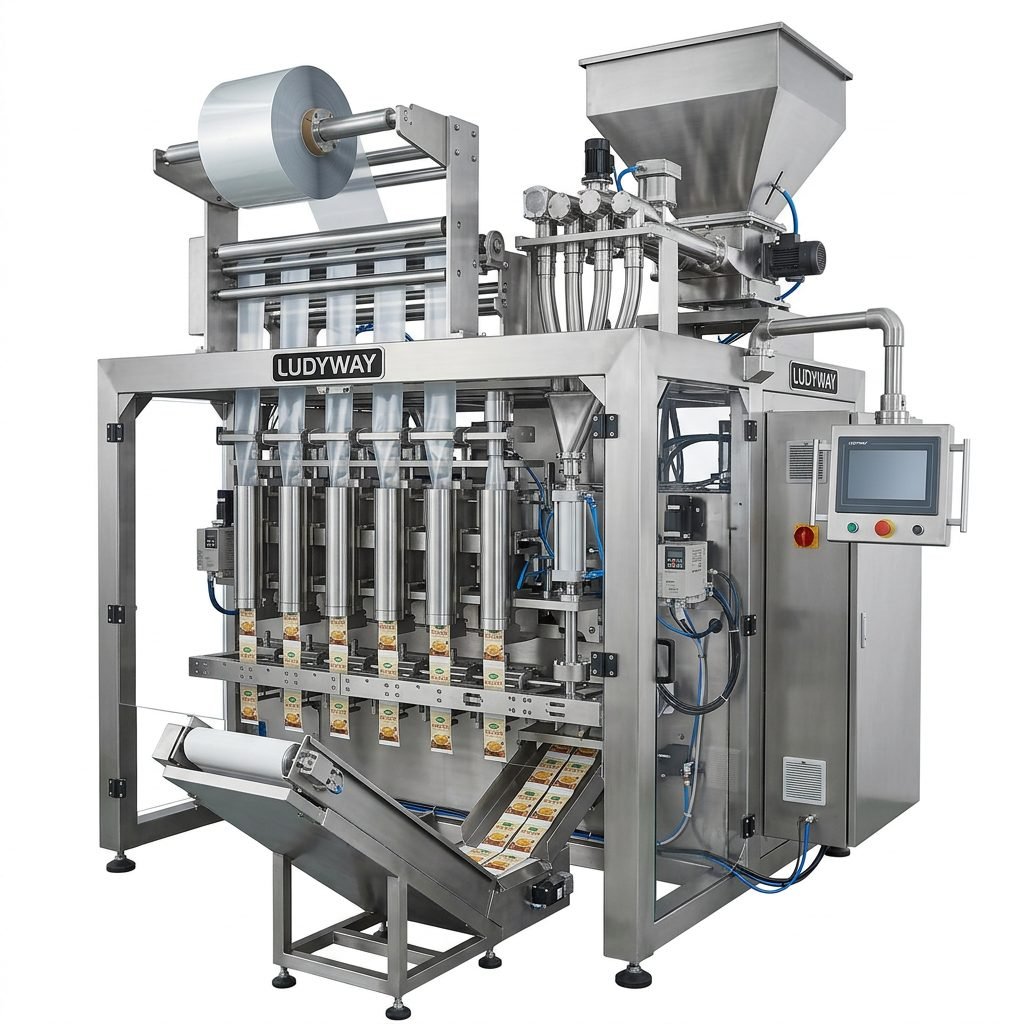
In many applications, yes. Multi-lane packaging machines are especially effective for high-output unit-dose products because they run several lanes at the same time. This is common with powders, granules, and some liquids.
However, multi-lane systems also require tighter control over:
- Film alignment
- Lane consistency
- Dosing accuracy across all channels
- Seal temperature balance
- Maintenance of multiple parallel components
For businesses producing large quantities of single-dose products, a multi-lane machine that supports both stick packs and sachets can deliver strong value—provided the engineering is mature and the application fit is correct.
Cost Perspective: Flexibility vs. Specialization
It is tempting to assume that one machine is always cheaper than two. But the true cost comparison should include:
- Purchase price
- Format change parts
- Downtime during conversion
- Operator labor
- Maintenance complexity
- Lost opportunity from lower speed, if any
- Future SKU expansion value
The lowest equipment cost is not always the lowest operating cost. For some companies, one flexible machine is ideal. For others, two specialized machines generate better output and a lower cost per pack.
Who Should Choose a Combined Stick Pack and Sachet Solution?
A dual-format system is usually a good fit for:
- Contract packers serving multiple brands
- Growing nutraceutical brands with evolving SKU designs
- Mid-sized food manufacturers launching sample and retail packs
- Cosmetic companies producing travel-size and trial products
- Export-oriented businesses facing different packaging preferences by market
Who Should Choose Dedicated Machines Instead?
Dedicated machines are often better for:
- Large factories with stable long-run production plans
- Operations needing maximum OEE on one format
- Plants with highly regulated cleaning validation requirements
- Manufacturers running very different materials or formulas on separate schedules
Choosing the Right Manufacturing Partner
Because multi-format packaging is a technical application, supplier experience matters. Buyers should look for manufacturers with real background in stick packs, sachets, dosing systems, and turnkey integration—not just generic machine assembly.
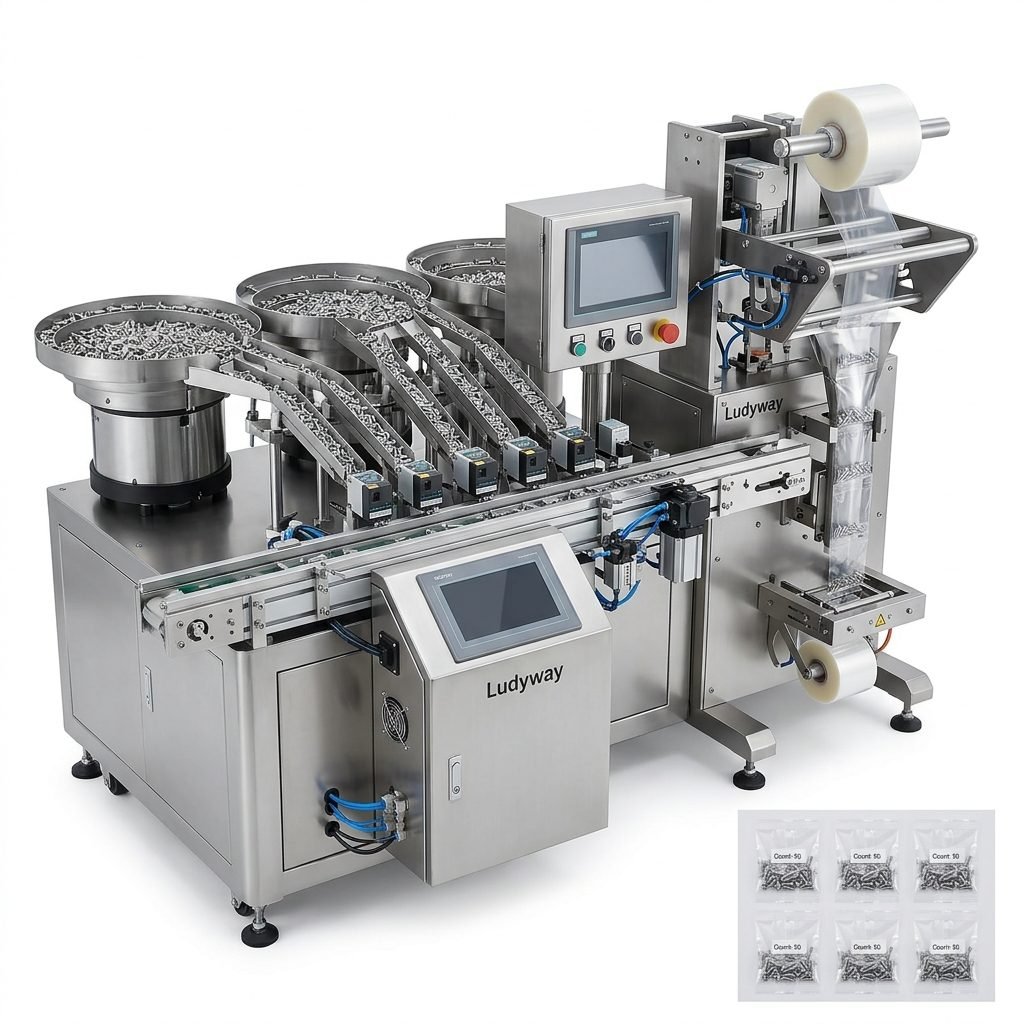
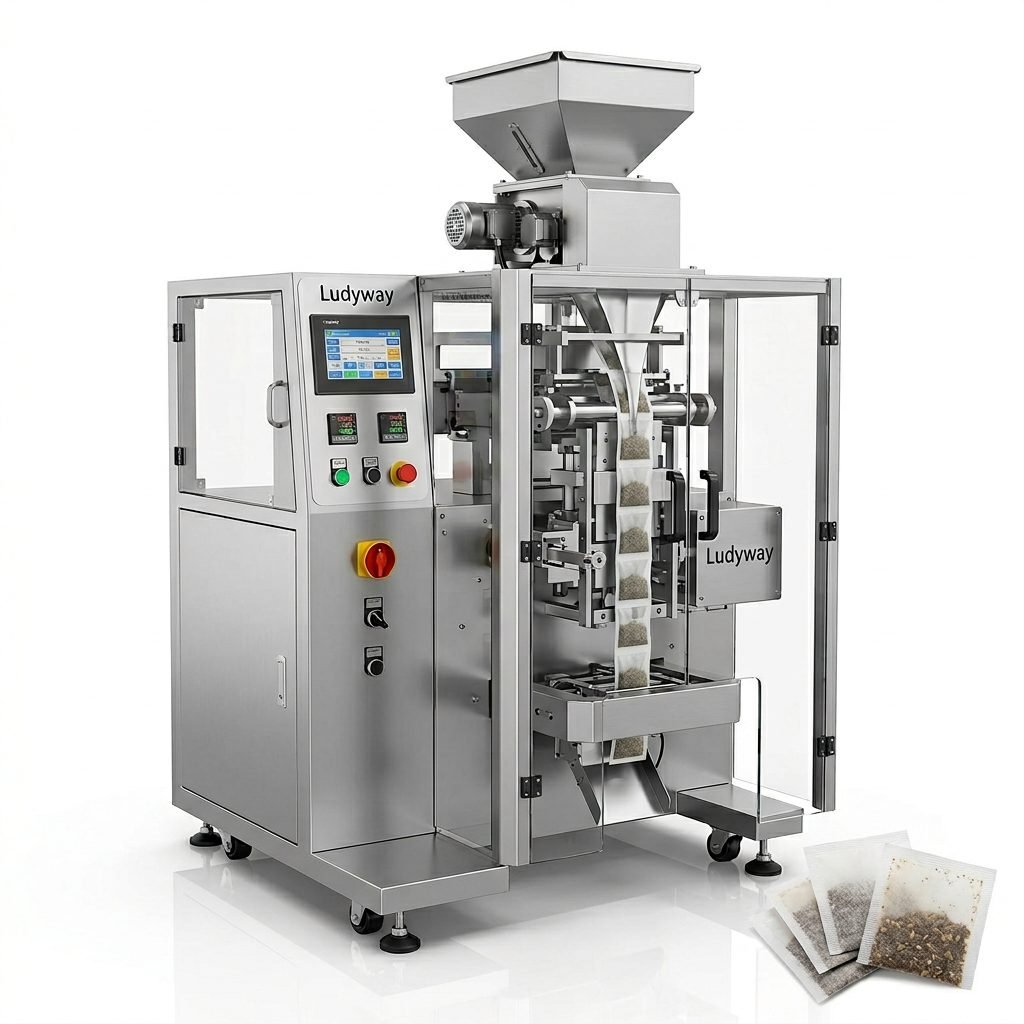
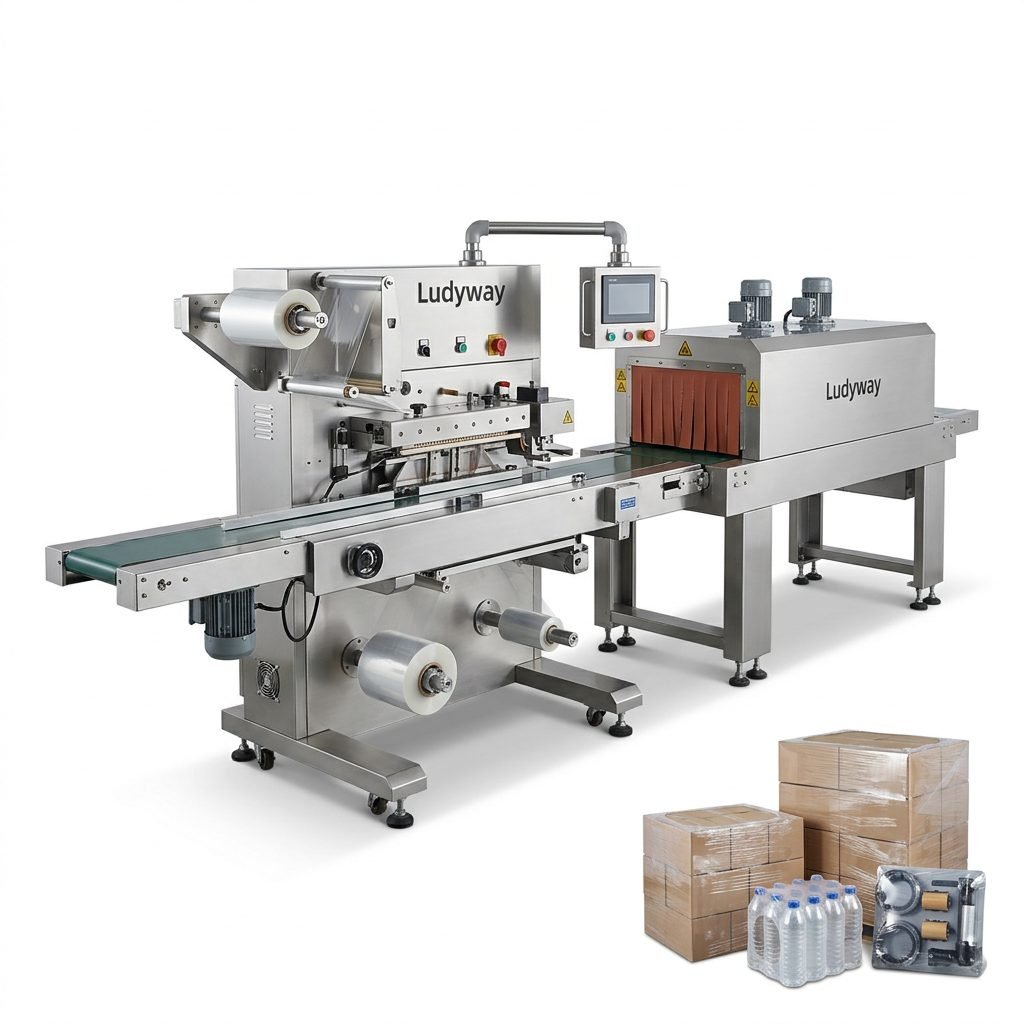
Companies such as Ludyway multi-format packaging machine manufacturer are often considered by buyers seeking scalable solutions across food, pharma, health supplement, cosmetic, and chemical products, especially when the project requires customized configuration, multi-lane engineering, and long-term technical support.
Final Buying Insight
So, can one machine make stick packs and sachets? Yes—if it is purpose-built for both formats and matched correctly to your product, speed target, and operating model.
The best decision usually comes down to three things:
- Format flexibility needs
- Production volume
- Changeover tolerance
If your business values adaptability, product variety, and future-proof packaging options, a well-designed multi-format machine can be an excellent investment. If your output is high and stable on each format, separate dedicated machines may still be the smarter long-term choice.
Quick takeaway
One machine can make both stick packs and sachets—but only the right machine, with the right tooling, for the right application.