Italy’s food processing industry is one of the most dynamic in Europe, with the seasoning and condiment sector playing a pivotal role in the nation’s culinary heritage and export economy. From traditional herb blends to modern powdered seasonings and liquid condiments, the demand for efficient, high-precision packaging machinery has never been greater. Investing in the right seasoning packaging machine can significantly improve your production throughput, ensure product consistency, and help your business comply with stringent European Union regulations.
Whether you are packaging dried oregano, garlic powder, mixed spice blends, or liquid seasonings like soy sauce and vinegar-based condiments, understanding the Italian market landscape is essential. This guide covers everything you need to know before making a purchasing decision — from machine types and key technical specifications to regulatory requirements and supplier evaluation criteria.
Understanding the Italian Seasoning Market
Italy is renowned globally for its high-quality food products, and seasonings are no exception. Italian seasoning blends — often featuring oregano, basil, rosemary, thyme, and garlic — are exported worldwide. The domestic market also demands a vast array of condiments for pasta sauces, risottos, grilled meats, and ready-to-eat meals. According to data from the PMMI Business Intelligence Library, the European packaging machinery market continues to grow steadily, driven by automation trends and food safety requirements.
Key characteristics of the Italian seasoning market include:
- Strong export orientation — Italian seasonings are shipped to over 150 countries, requiring packaging that preserves freshness during long transit times.
- Diverse product formats — powders, granules, dried leaves, liquid concentrates, and paste-based seasonings each require different filling technologies.
- Retail and food service dual channels — packaging must accommodate both single-serve sachets for consumers and bulk formats for restaurants and food manufacturers.
- Strict adherence to food contact material standards that apply to both domestic sales and exports.
Types of Seasoning Packaging Machines
Choosing the correct machine type is the single most important decision you will make. The right equipment depends on your product’s physical properties, target packaging format, and production volume requirements. Below is a breakdown of the most common seasoning packaging solutions available for the Italian and European market.
Multi-Lane Stick Pack Machines
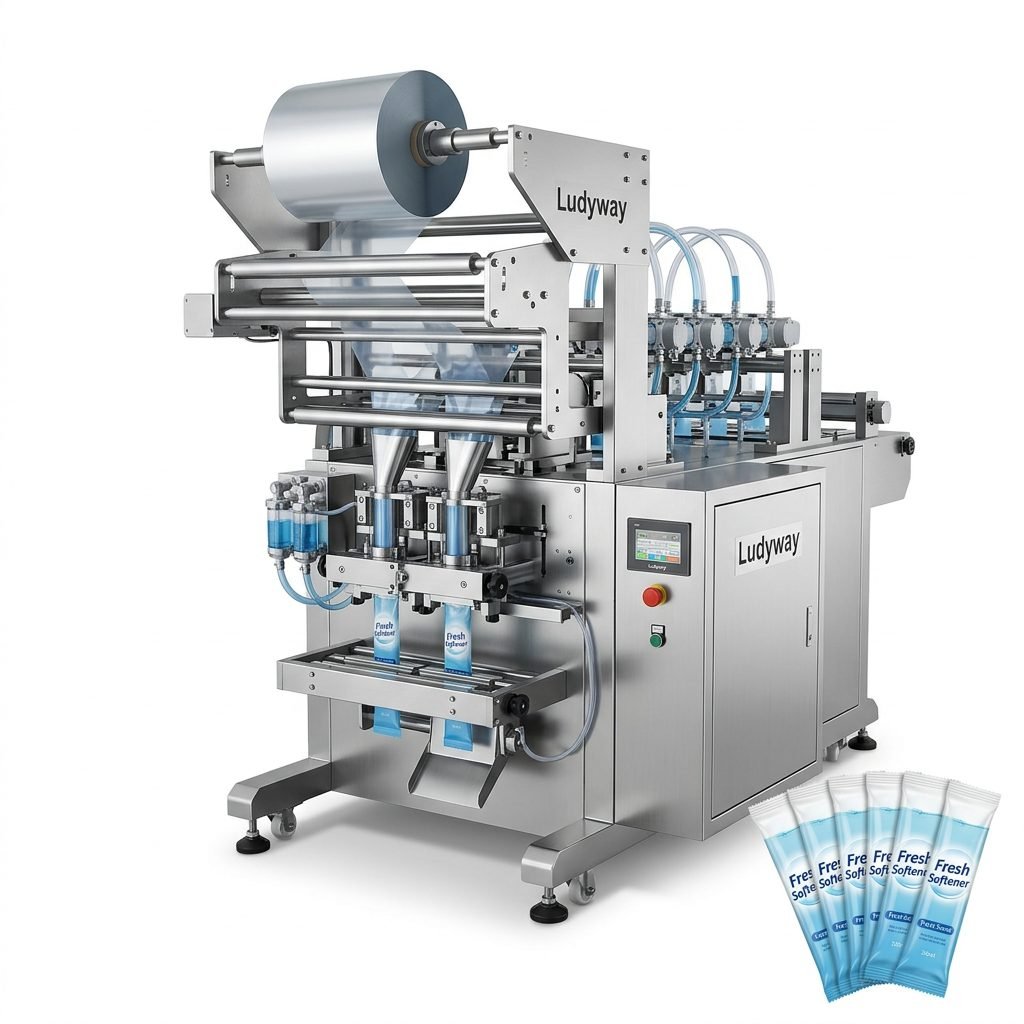
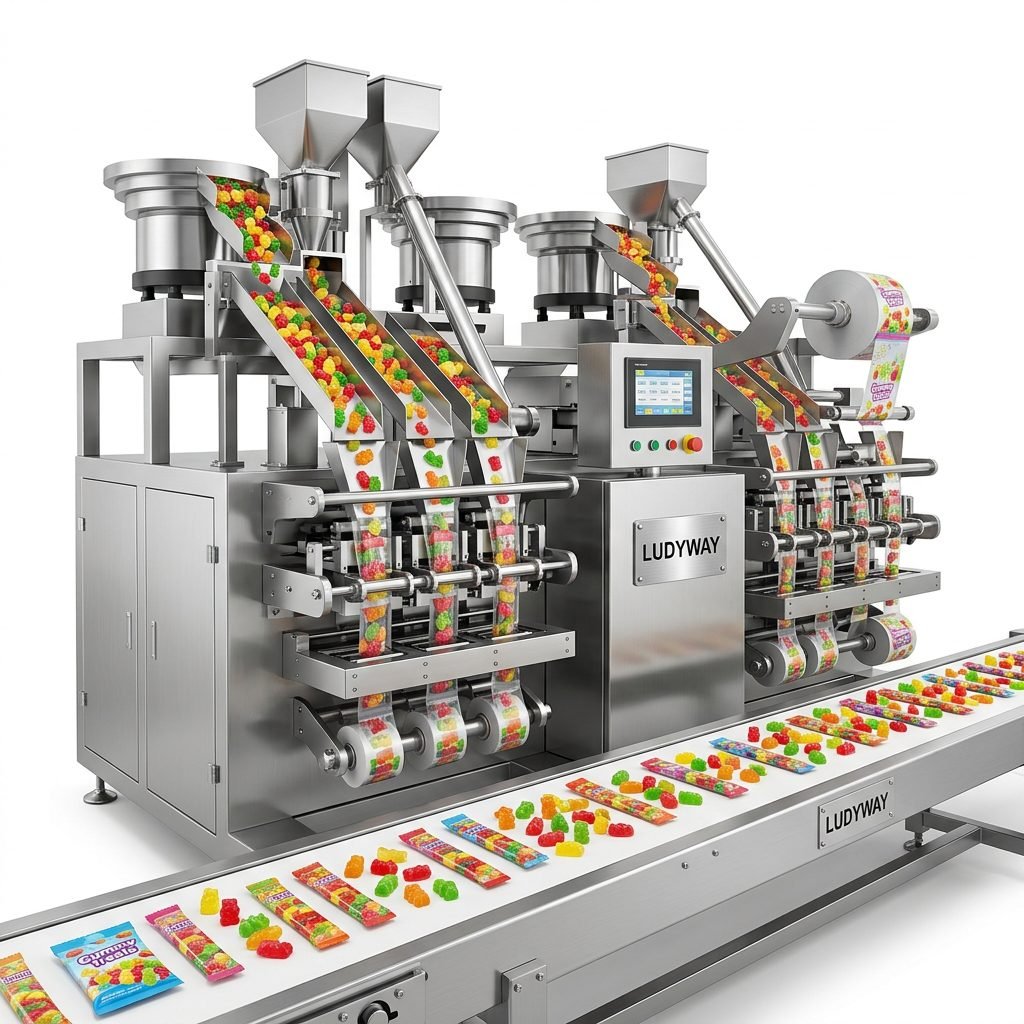
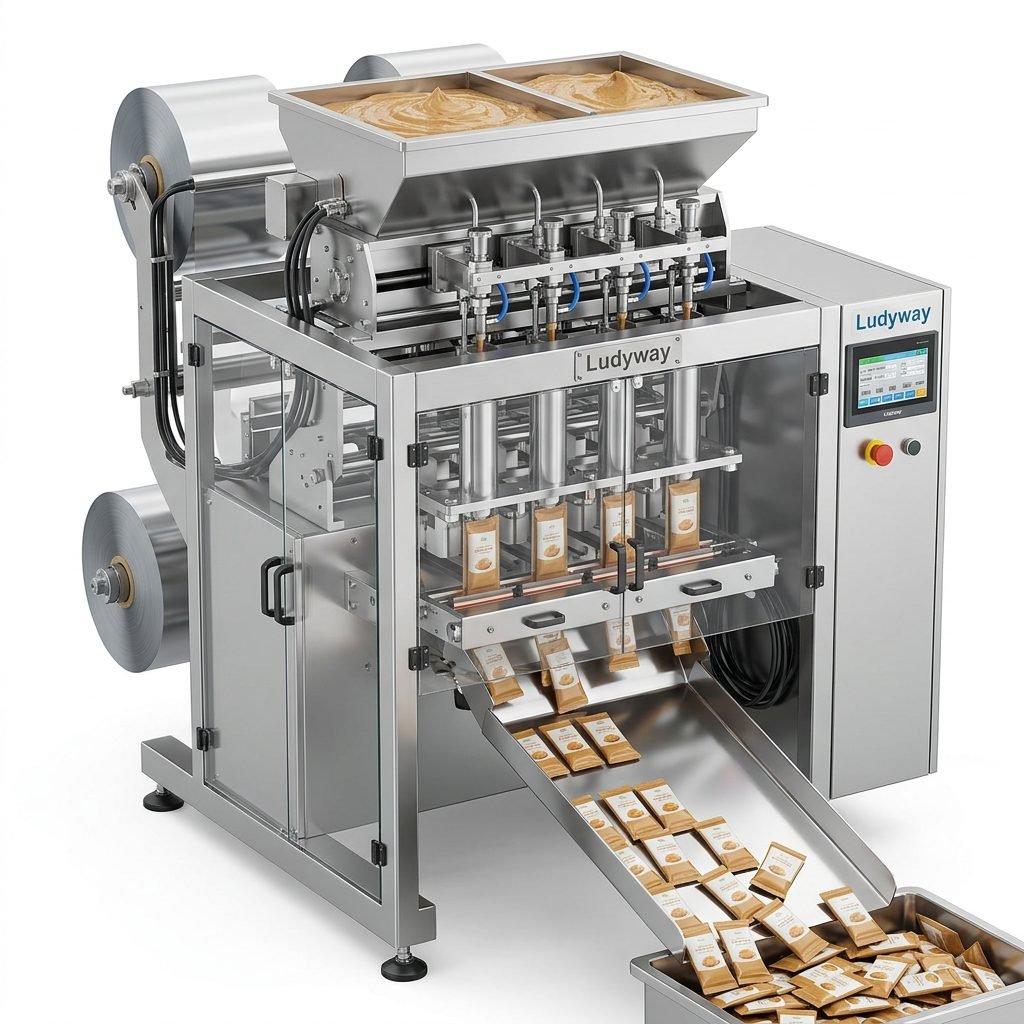
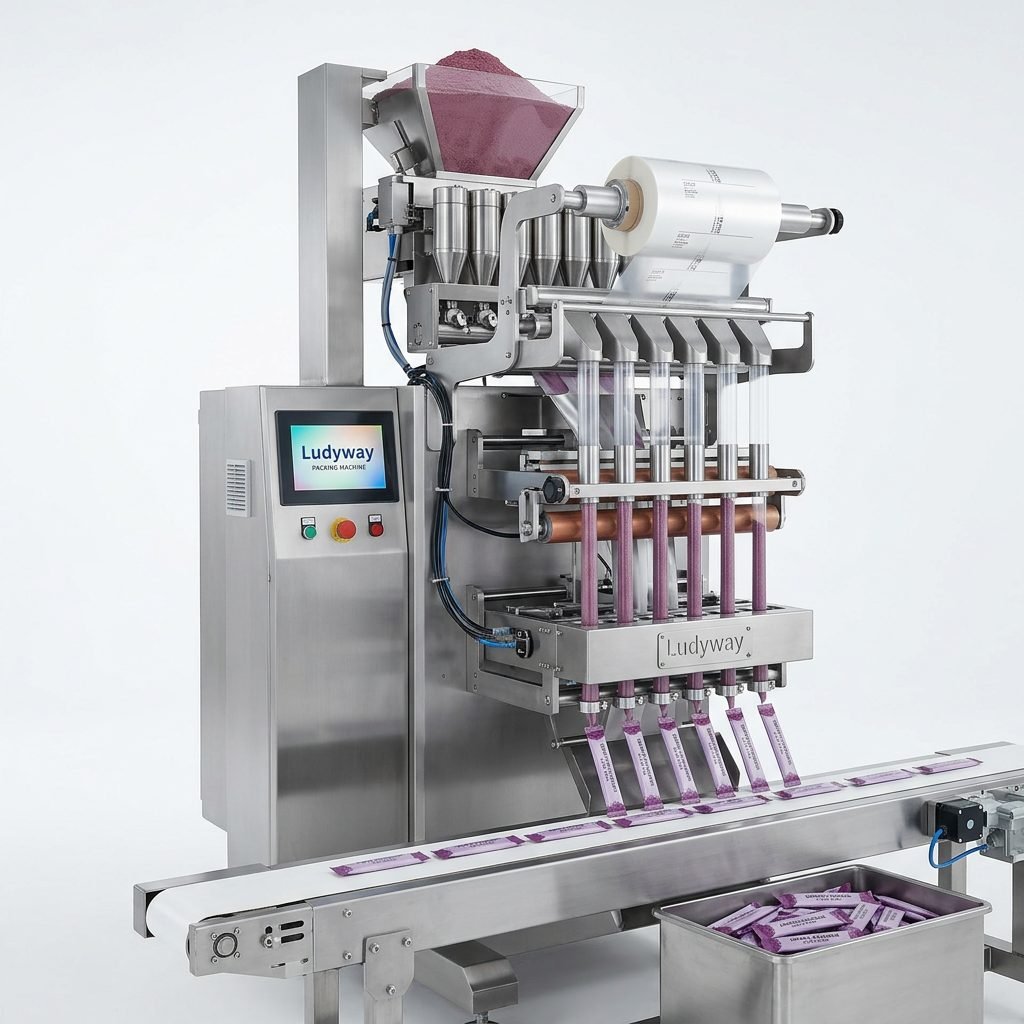
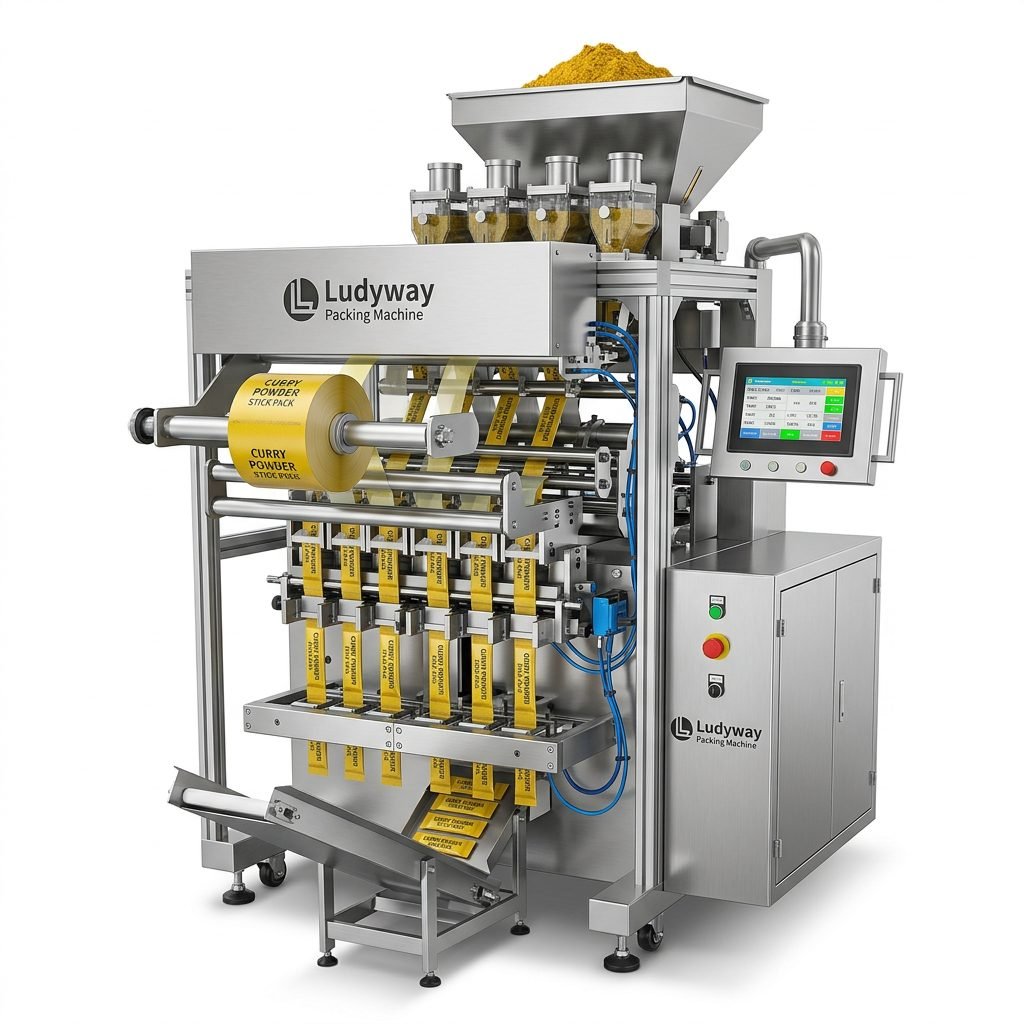
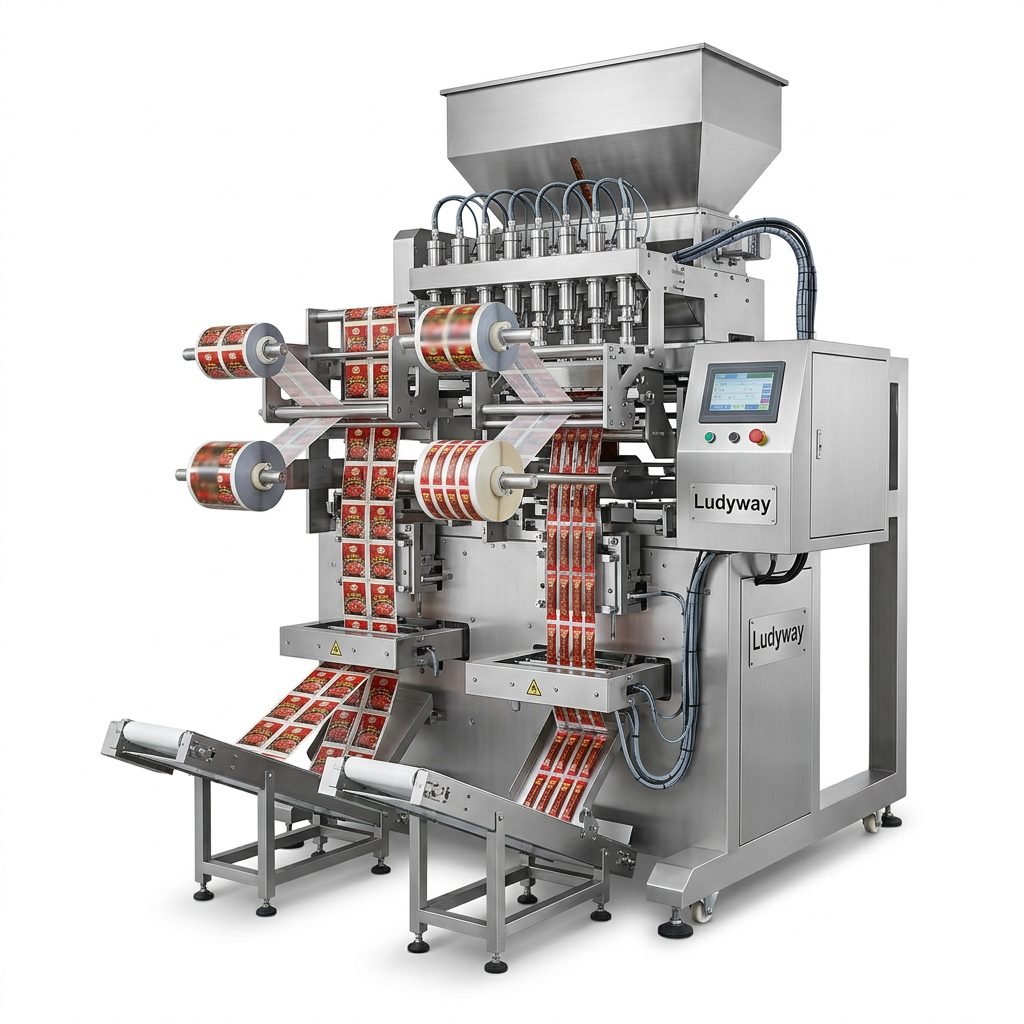
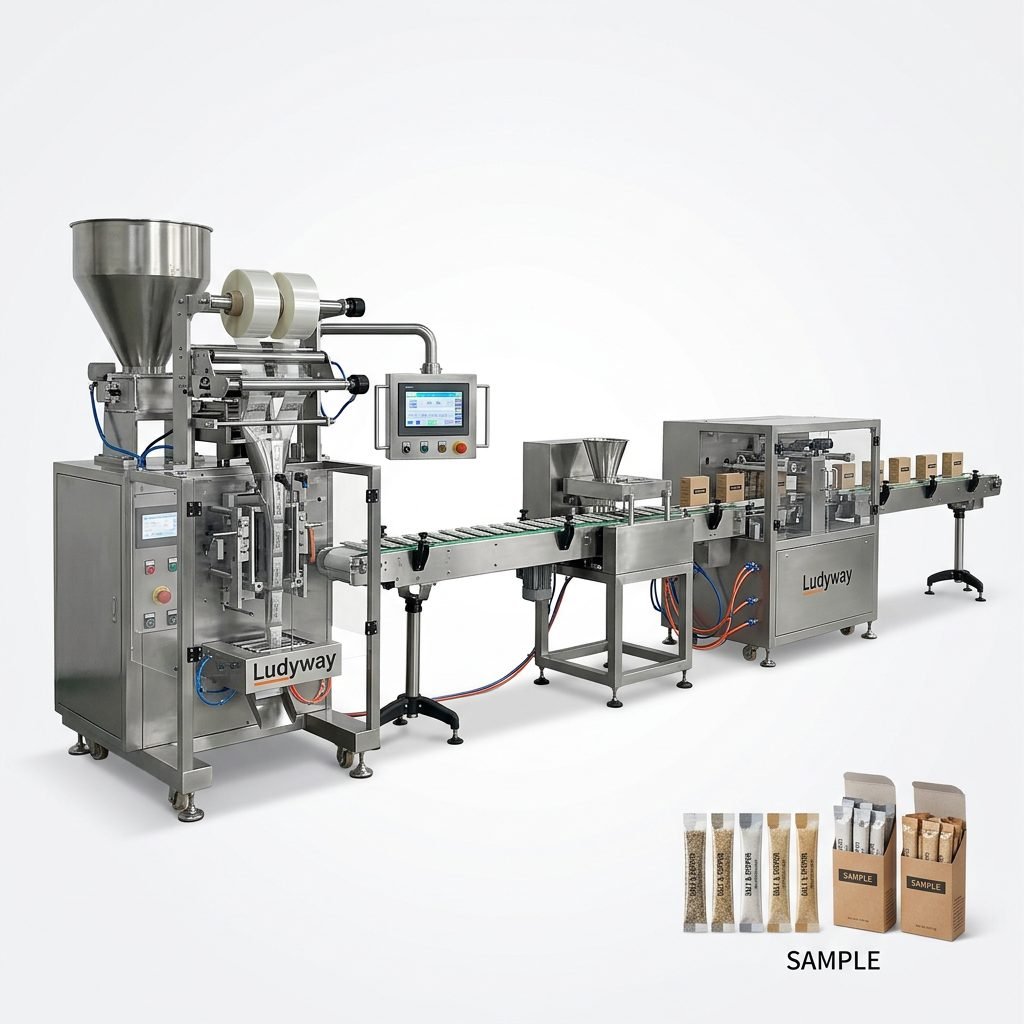
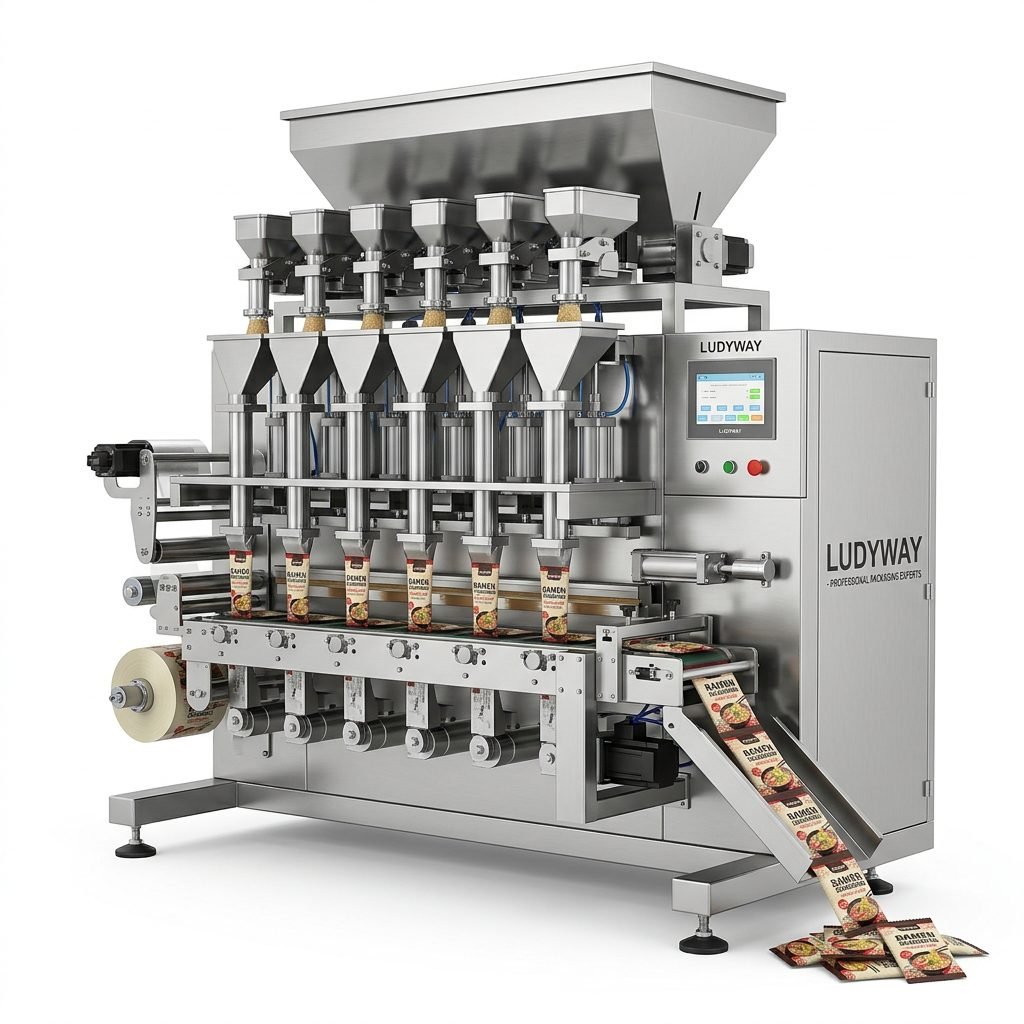
Multi-lane stick pack machines are ideal for powdered and granulated seasonings destined for single-serve applications. These machines can run 4 to 16 lanes simultaneously, producing narrow, elongated sachets that are popular in the food service industry and for sample-sized retail products. The high-speed capability — often exceeding 400 packs per minute — makes them excellent for high-volume seasoning producers.
Sachet Packaging Machines
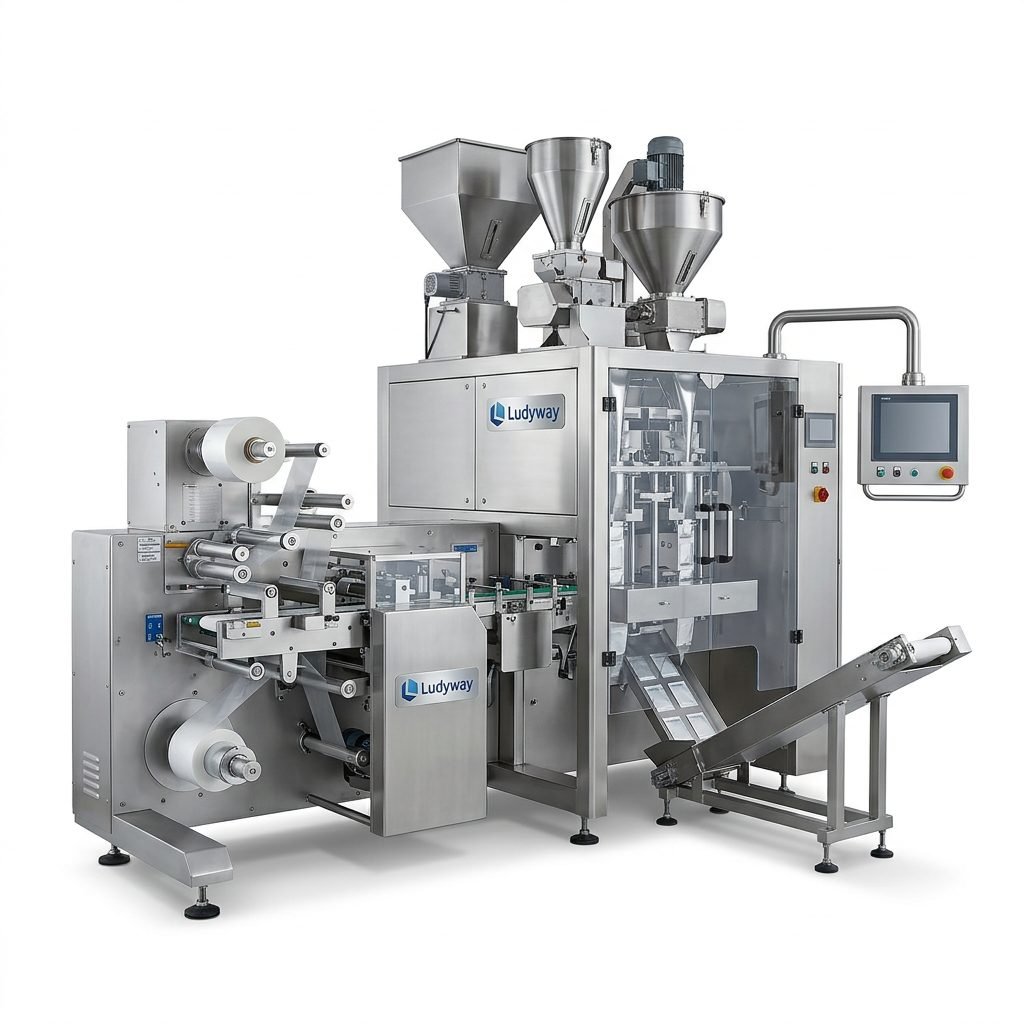
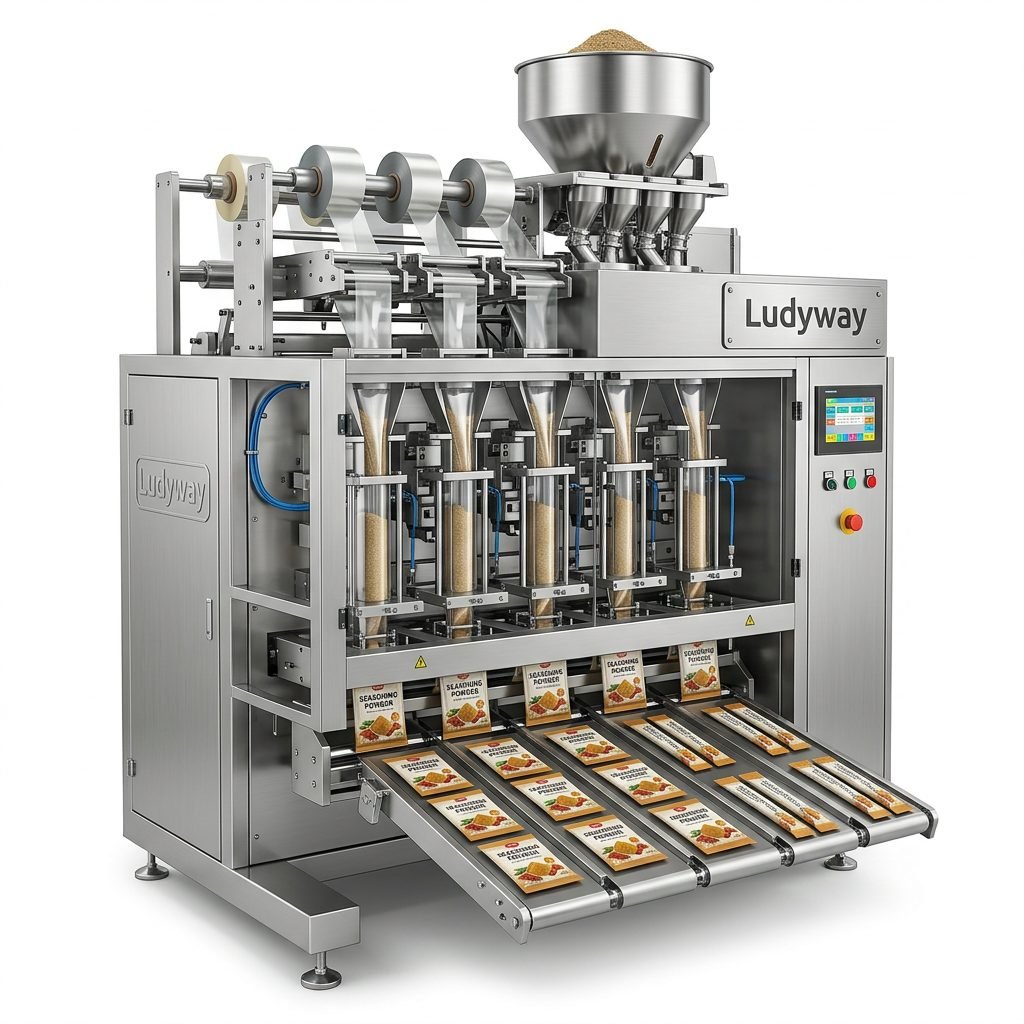
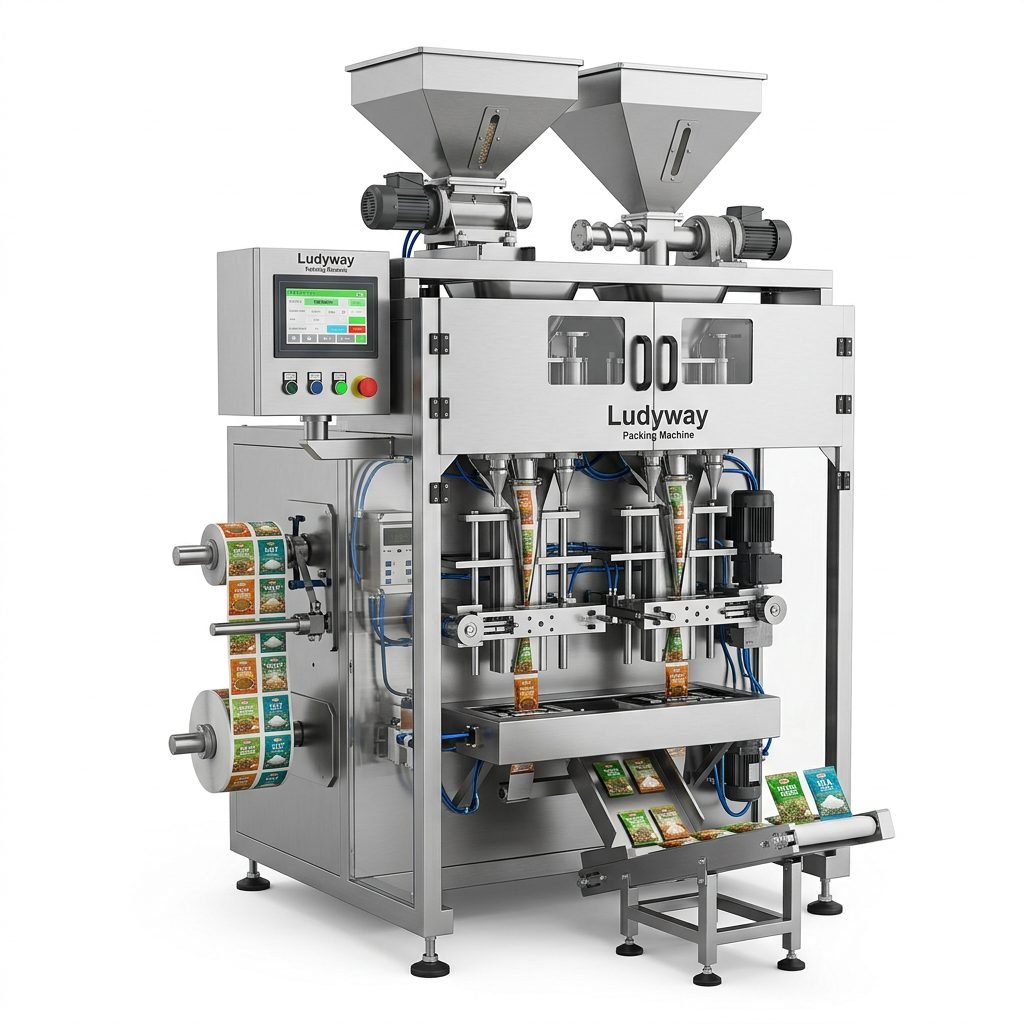
For larger portion sizes — typically ranging from 5 grams to 50 grams — sachet packaging machines offer greater flexibility in pouch dimensions. These machines can handle granules, powders, and even liquid seasonings in flat or stand-up pouch formats. Modern sachet machines incorporate precision auger fillers or volumetric cup fillers to ensure accurate dosing, which is critical for maintaining recipe consistency.
Vertical Form Fill Seal (VFFS) Machines
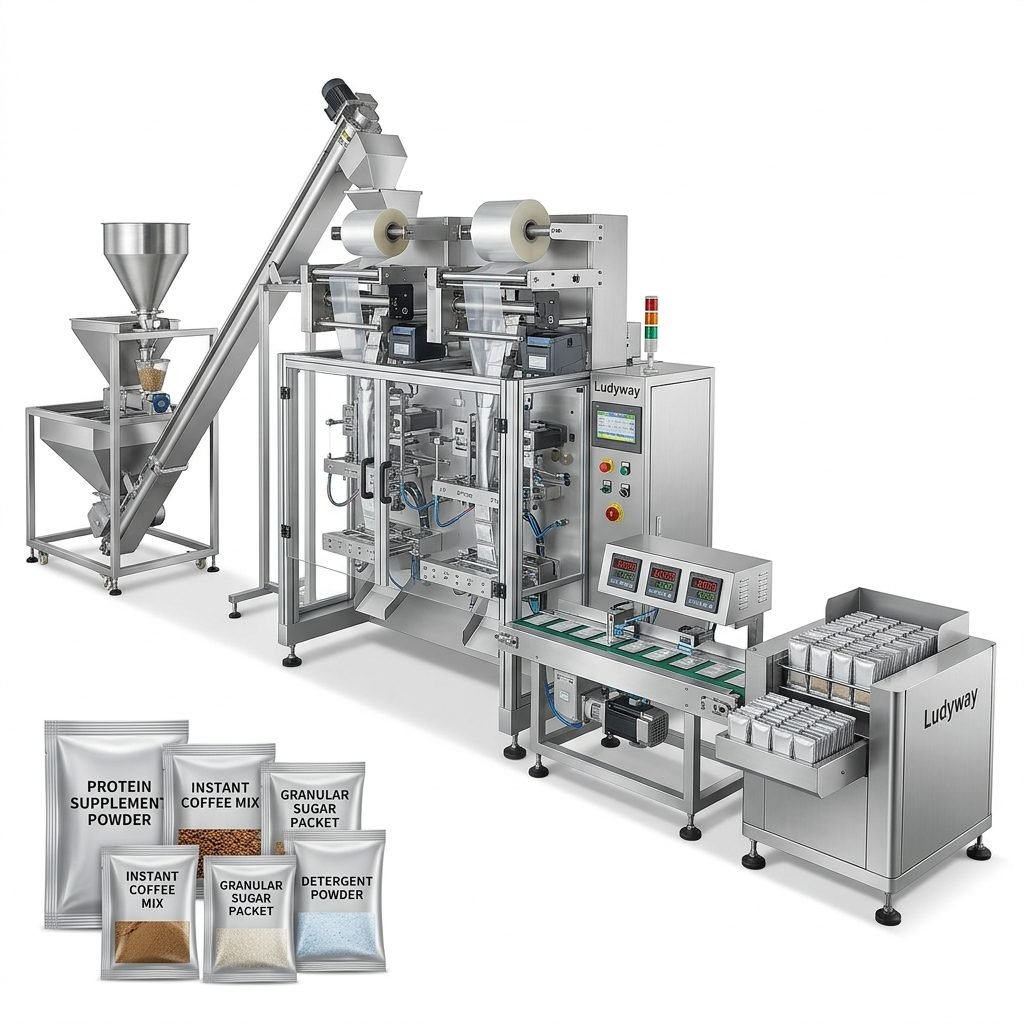
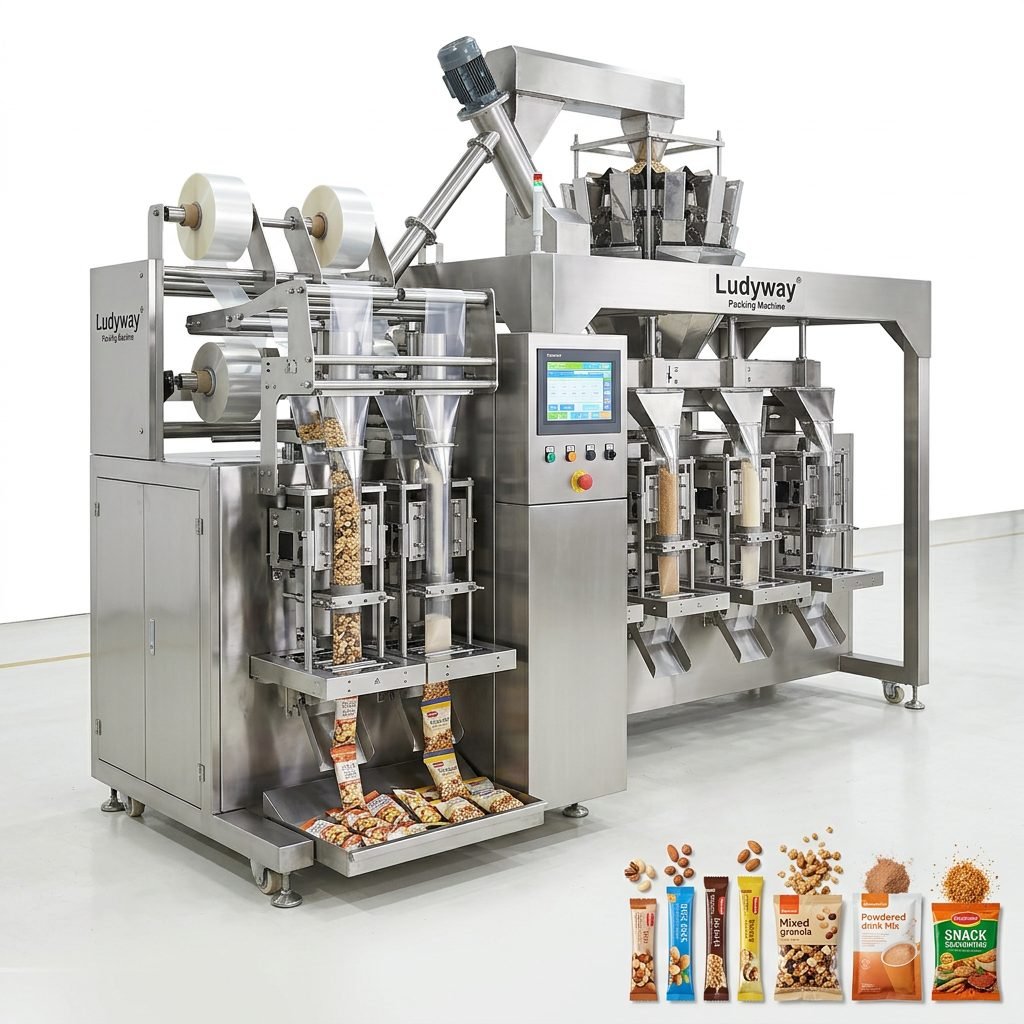
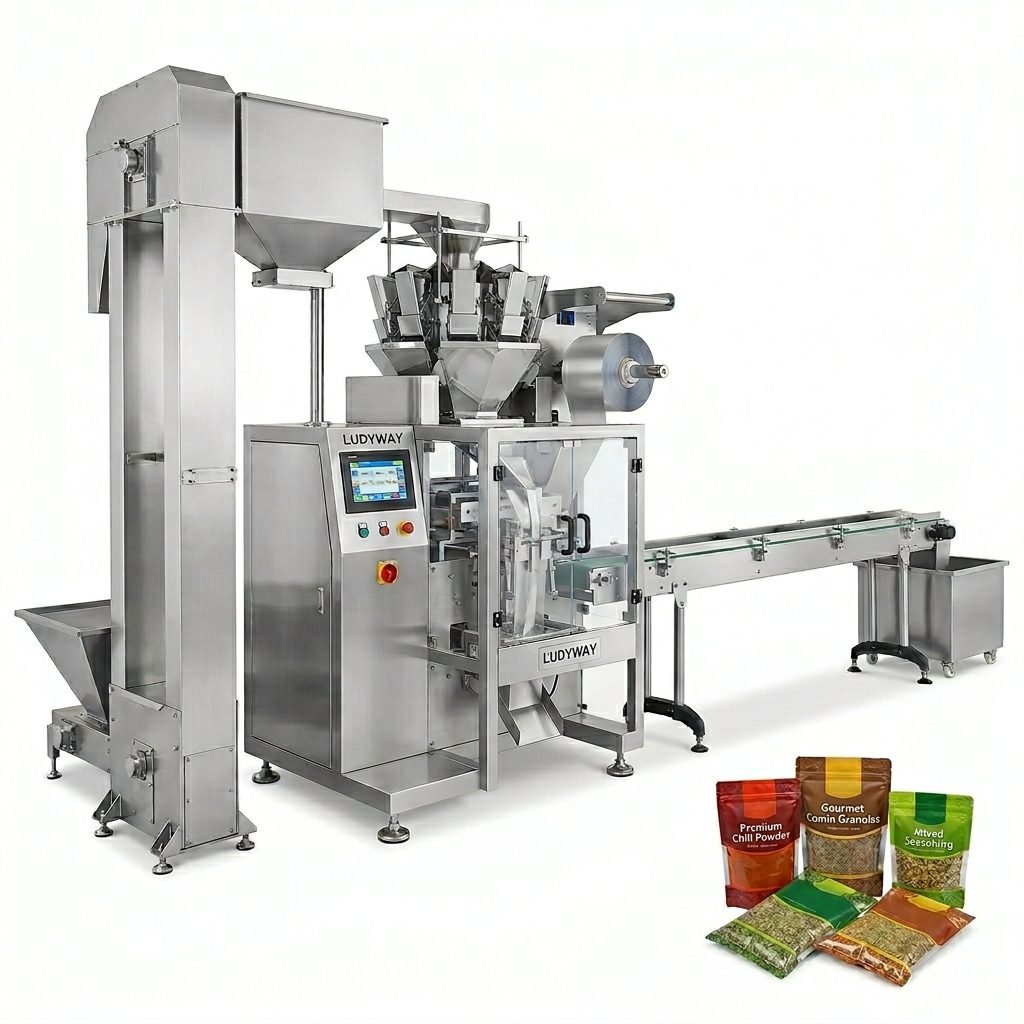
VFFS technology remains a cornerstone of seasoning packaging for medium to large-scale operations. The vertical configuration allows gravity-assisted filling, which is particularly efficient for free-flowing granular products like dried herb blends and salt-based seasonings. These machines can produce pillow bags, gusseted pouches, and block-bottom bags suitable for retail shelves.
Premade Pouch Rotary Fillers
For premium seasoning brands in Italy that prioritize shelf appeal and branding, premade pouch rotary fillers offer the greatest flexibility. These machines take pre-manufactured pouches — which can feature matte finishes, foil stamping, and custom shapes — and automatically open, fill, and seal them. They are particularly well-suited for organic seasoning lines and artisanal Italian herb blends that command higher retail prices.
Key Factors to Consider When Buying in Italy
Purchasing a seasoning packaging machine in Italy involves more than comparing technical specifications. The following factors will help you narrow down your options and make a financially sound decision.
Product Characteristics
The physical properties of your seasoning directly determine which filling technology is appropriate. Consider these product variables carefully:
- Flowability: Free-flowing powders like salt and sugar behave very differently from cohesive powders like garlic powder or onion powder, which tend to clump and bridge in hoppers.
- Particle size distribution: Seasoning blends containing both fine powders and larger dried leaf fragments require gentle handling to prevent segregation during filling.
- Hygroscopicity: Many seasonings absorb moisture from the air, which can cause clogging and spoilage. Machines with humidity-controlled environments may be necessary.
- Oil content: Seasonings with high essential oil content — common in Italian herb blends — can leave residues that affect sealing integrity over time.
Production Capacity and Speed
Italian seasoning manufacturers range from small artisanal producers to large industrial operations exporting worldwide. Your required output capacity — measured in packs per minute or kilograms per hour — should align with both current demand and projected growth. Investing in a machine that operates at 60% capacity leaves room for expansion without the need for immediate replacement. Machine speed should also be balanced against accuracy; running at maximum speed often compromises fill weight consistency.
Packaging Material Compatibility
European packaging waste regulations are increasingly stringent, and Italy follows EU directives closely. Your packaging machine must be compatible with recyclable and sustainable films where possible. Many seasoning producers are transitioning to mono-material laminates that maintain barrier properties while improving recyclability. Verify that the machine’s sealing jaws can achieve consistent seal integrity with your chosen film structure — especially important for seasonings that contain fine dust, which can contaminate seal areas.
Automation Level and Industry 4.0 Integration
Italian manufacturing is embracing digital transformation, and packaging machinery is no exception. Modern seasoning packaging machines offer varying degrees of automation:
- Semi-automatic: Suitable for small-batch artisan producers with lower output requirements.
- Fully automatic inline systems: Integrate filling, sealing, coding, and inspection in a single continuous line.
- Smart factory-ready: Equipped with IoT sensors and data connectivity for real-time production monitoring, predictive maintenance, and integration with enterprise resource planning (ERP) systems.
Regulatory Compliance for the Italian Market
Any seasoning packaging machine operating in Italy must comply with several layers of regulation. Understanding these requirements upfront can prevent costly delays and modifications after installation.
CE Marking and EU Machinery Directive
All packaging machinery sold and operated within Italy must carry CE marking, demonstrating conformity with the EU Machinery Directive 2006/42/EC. This covers essential health and safety requirements, including guarding, emergency stops, and electrical safety. Machines imported from outside the EU must undergo conformity assessment before being placed on the Italian market.
Food Contact Materials Regulation
Regulation (EC) No 1935/2004 governs all materials that come into contact with food. For seasoning packaging machines, this primarily concerns the food-contact surfaces in the filling path — typically stainless steel (AISI 304 or 316L) that meets FDA and EU standards. Gaskets, seals, and lubricants used in food zones must also be food-grade certified. Refer to FDA food contact substance guidelines and their EU equivalents when specifying machine components.
Weights and Measures Compliance
Italy enforces strict net content regulations under the EU Measuring Instruments Directive (MID). Your seasoning packaging machine must incorporate verified checkweighing systems that ensure each pack meets the declared net weight. Statistical sampling and automatic reject mechanisms for underweight packs are standard features in compliant machines.
Comparing Machine Specifications: A Quick Reference
The table below provides a comparative overview of the most common seasoning packaging machine configurations relevant to Italian producers. Use this as a starting point when evaluating equipment options.
| Machine Type | Best For | Typical Speed Range | Pack Format | Investment Level |
|---|---|---|---|---|
| Multi-Lane Stick Pack | Single-serve powders and granules | 200–600 packs/min | Narrow stick sachets (1–5g) | Medium-High |
| Sachet Machine | Multi-portion powders and liquids | 40–120 packs/min | Flat or shaped sachets (5–50g) | Medium |
| VFFS System | Bulk retail packs of granular seasonings | 30–80 packs/min | Pillow and gusseted bags (50g–1kg) | Medium-Low |
| Premade Pouch Filler | Premium branded retail products | 20–60 packs/min | Stand-up, zipper, and shaped pouches | Medium-High |
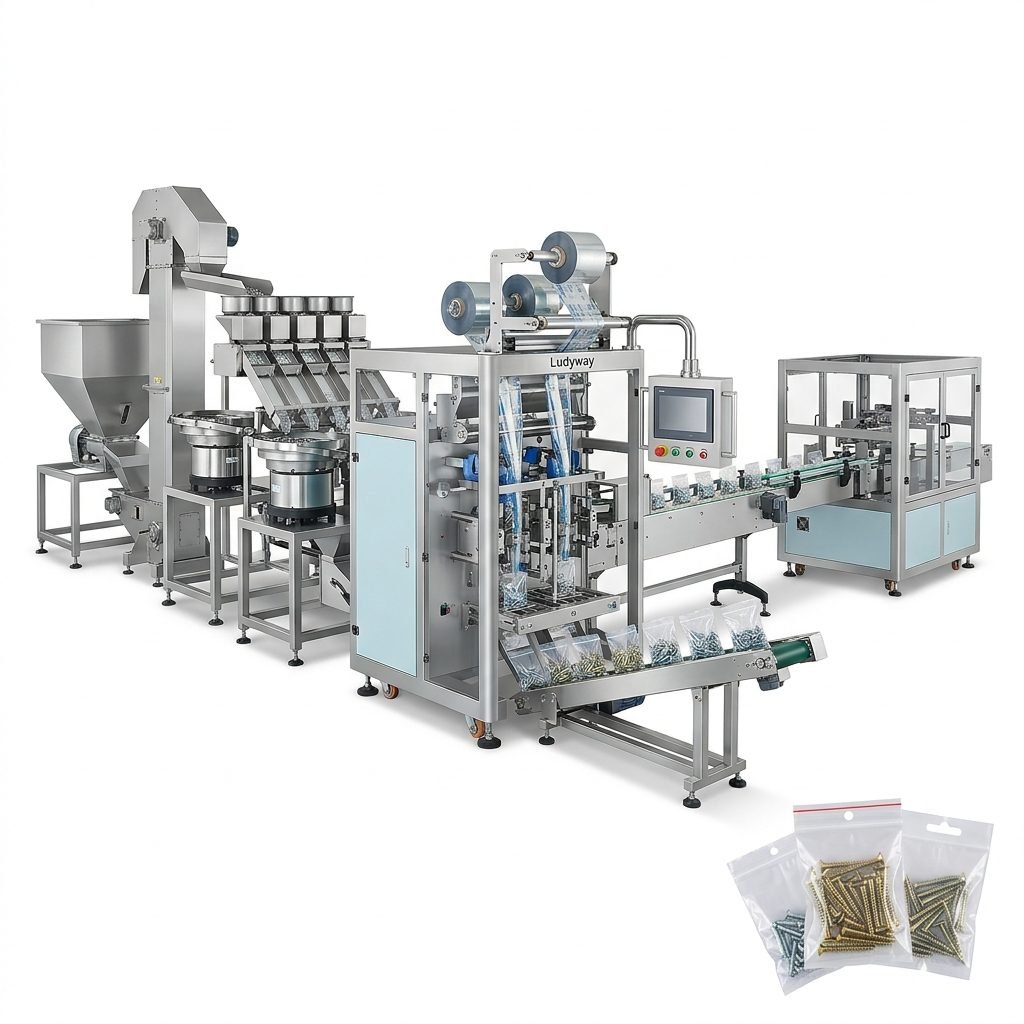
| Turnkey Production Line | Large-scale integrated operations | Custom configurable | Multiple formats supported | High |
Supplier Selection and Evaluation
Choosing a reliable equipment supplier is as important as selecting the right machine model. For Italian buyers, proximity to technical support and spare parts availability can significantly impact long-term operational efficiency. When evaluating potential suppliers, consider the following criteria:
Industry Experience and Certifications
Look for manufacturers with a proven track record in food-grade packaging equipment. ISO 9001 certification for quality management and ISO packaging standards compliance are strong indicators of a supplier’s commitment to manufacturing excellence. For Italian operations, familiarity with EU regulatory requirements is non-negotiable.
After-Sales Support in Europe
Packaging machinery is a long-term investment, and responsive after-sales support is critical. Evaluate whether the supplier offers:
- Local technicians or service partners within Italy or neighboring EU countries
- Remote diagnostic capabilities to minimize downtime
- Readily available spare parts inventory with expedited shipping to Italy
- Comprehensive operator training programs, ideally in Italian or English
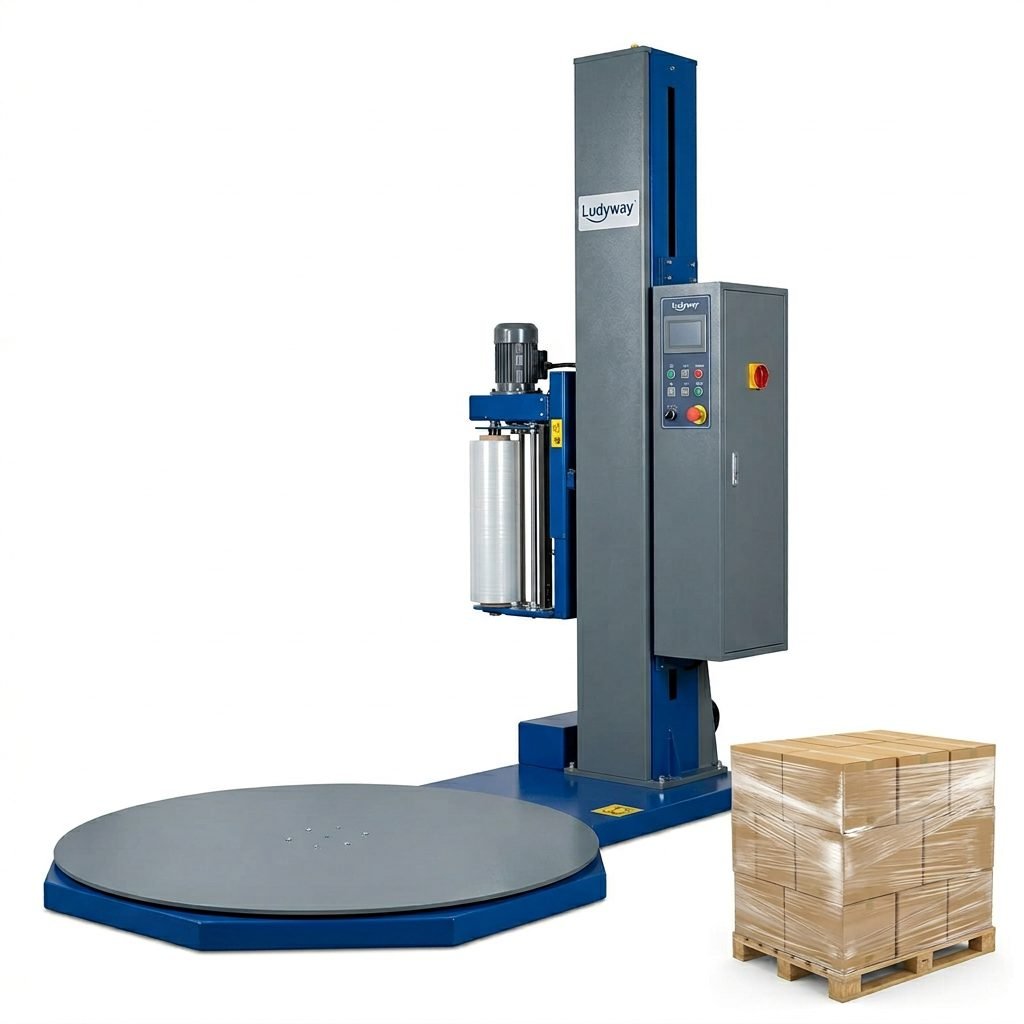
One notable manufacturer in this space is Ludyway, a large packaging machine manufacturer with extensive experience in granule, powder, and liquid packaging systems, offering more than 50 intelligent packaging machine models and serving customers in over 100 countries.
Factory Visits and Machine Demonstrations
Whenever possible, arrange a factory acceptance test (FAT) before finalizing your purchase. Visiting the manufacturer’s facility allows you to inspect build quality firsthand, run your actual seasoning product through the machine, and verify that all specifications are met. Many Italian buyers also attend international packaging exhibitions such as PACK EXPO International to compare multiple suppliers in one location.
Total Cost of Ownership Considerations
The purchase price of a seasoning packaging machine is only one component of its total cost of ownership (TCO). Italian manufacturers should budget for the following additional costs to avoid unexpected financial strain:
- Shipping and logistics: Freight costs to Italian ports or inland destinations, including customs clearance and import duties for non-EU equipment.
- Installation and commissioning: Professional setup, calibration, and integration with existing production lines.
- Operator training: Ensuring your staff can operate and maintain the machine safely and efficiently.
- Spare parts inventory: Maintaining critical components on-site to minimize potential downtime.
- Energy consumption: Machines with higher efficiency ratings may qualify for energy-related incentives available in Italy.
- Consumables: Packaging film, lubricants, cleaning agents, and wear parts that must be replaced regularly.
Financing and Incentive Options in Italy
Italy offers various industrial investment incentives that can help offset the cost of purchasing packaging machinery. The Industry 4.0 tax credit (Credito d’Imposta per Investimenti in Beni Strumentali) provides significant tax benefits for companies investing in advanced manufacturing equipment, including automated packaging lines. Additionally, regional development programs in southern Italy (Mezzogiorno) may offer enhanced incentives for manufacturing investments. Consulting with a local commercialista (accountant) familiar with industrial tax incentives is highly recommended before finalizing your purchase.
Installation, Commissioning, and Ongoing Maintenance
Proper installation and a structured maintenance program are essential for maximizing the lifespan and performance of your seasoning packaging machine. Key steps include:
- Site preparation: Ensuring adequate floor space, electrical supply (typically 380V three-phase in Italy), compressed air connections, and dust extraction systems are in place before the machine arrives.
- Commissioning protocol: A systematic process of testing each machine function, verifying fill accuracy across all lanes, and confirming seal integrity through burst testing and visual inspection.
- Preventive maintenance schedule: Daily cleaning of product contact surfaces, weekly inspection of sealing jaws and cutting blades, monthly lubrication of mechanical components, and annual comprehensive servicing.
- Documentation: Maintaining detailed maintenance logs, which may be required for food safety audits and regulatory inspections.
Refer to resources from the Flexible Packaging Association for guidance on packaging material handling and machine compatibility best practices.
Future Trends in Seasoning Packaging
The seasoning packaging landscape in Italy and across Europe is evolving rapidly. Forward-thinking manufacturers should be aware of these emerging trends when making equipment investments:
- Sustainable packaging: Increasing demand for recyclable, compostable, and bio-based films that maintain barrier properties without relying on multi-material laminates.
- Smart packaging features: QR codes linking to recipe suggestions, augmented reality experiences, and blockchain-based traceability for premium Italian seasoning products.
- Smaller portion sizes: Growth in single-person households and health-conscious consumers is driving demand for precisely portioned seasoning sachets.
- Automation and AI: Machine learning algorithms that optimize filling parameters in real time, reducing product giveaway and improving consistency.
For detailed market analysis, the PMMI State of the Industry reports provide comprehensive data on packaging machinery market trends that can inform your investment strategy.
Practical Steps to Begin Your Purchase Journey
To move from research to acquisition efficiently, follow this structured approach:
- Define your requirements: Document your product characteristics, target output, packaging format preferences, and budget range in a clear specification sheet.
- Shortlist suppliers: Identify 3–5 equipment manufacturers with proven experience in seasoning packaging and a presence in the European market.
- Request quotations: Provide the same detailed specification to each shortlisted supplier to enable accurate like-for-like comparisons.
- Conduct due diligence: Review customer references, visit reference installations if feasible, and verify certifications.
- Negotiate terms: Discuss warranty coverage, payment terms, delivery timelines, and after-sales service agreements before signing any contract.
- Plan for installation: Coordinate site preparation, operator training, and commissioning to minimize disruption to your existing production.
Purchasing a seasoning packaging machine for your Italian operation is a strategic investment that can enhance product quality, increase efficiency, and strengthen your competitive position in both domestic and export markets. By thoroughly evaluating your product needs, understanding regulatory requirements, and selecting a reputable equipment partner, you can build a packaging line that serves your business reliably for many years to come.