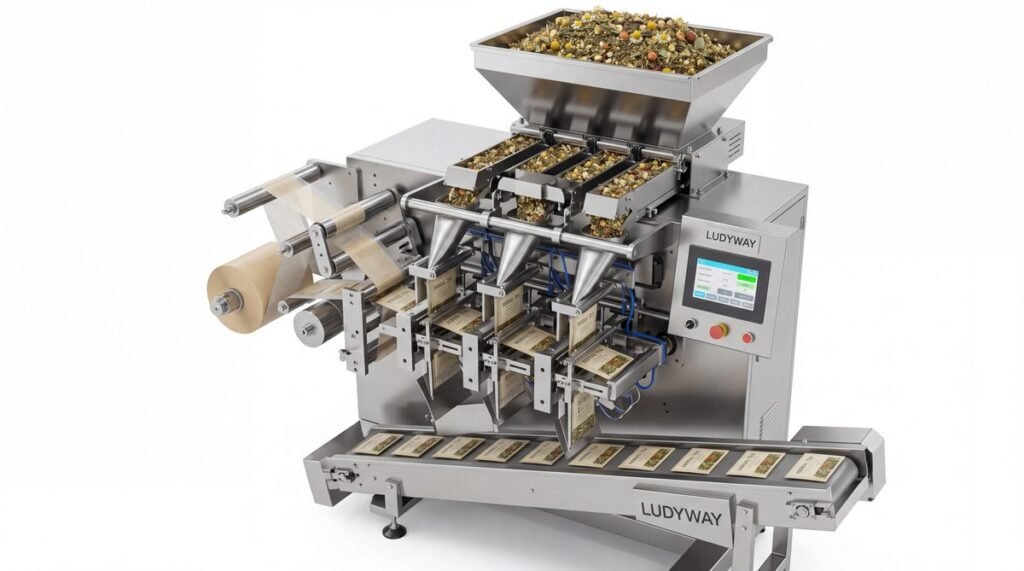
Peanut products are sold in many forms, including roasted peanuts, coated peanuts, peanut granules, peanut powder, and peanut butter sachets. For manufacturers aiming to improve output, reduce labor dependence, and maintain packaging consistency, an automatic peanut packaging machine is a practical investment. From small sachets to large pillow bags and premade pouches, the right equipment helps businesses package peanuts faster, cleaner, and more accurately.
This guide explains how peanut packaging machines work, what machine types are commonly used, which packaging formats fit peanut products, and how to choose a system that supports long-term production growth.
What Is a Peanut Packaging Machine?
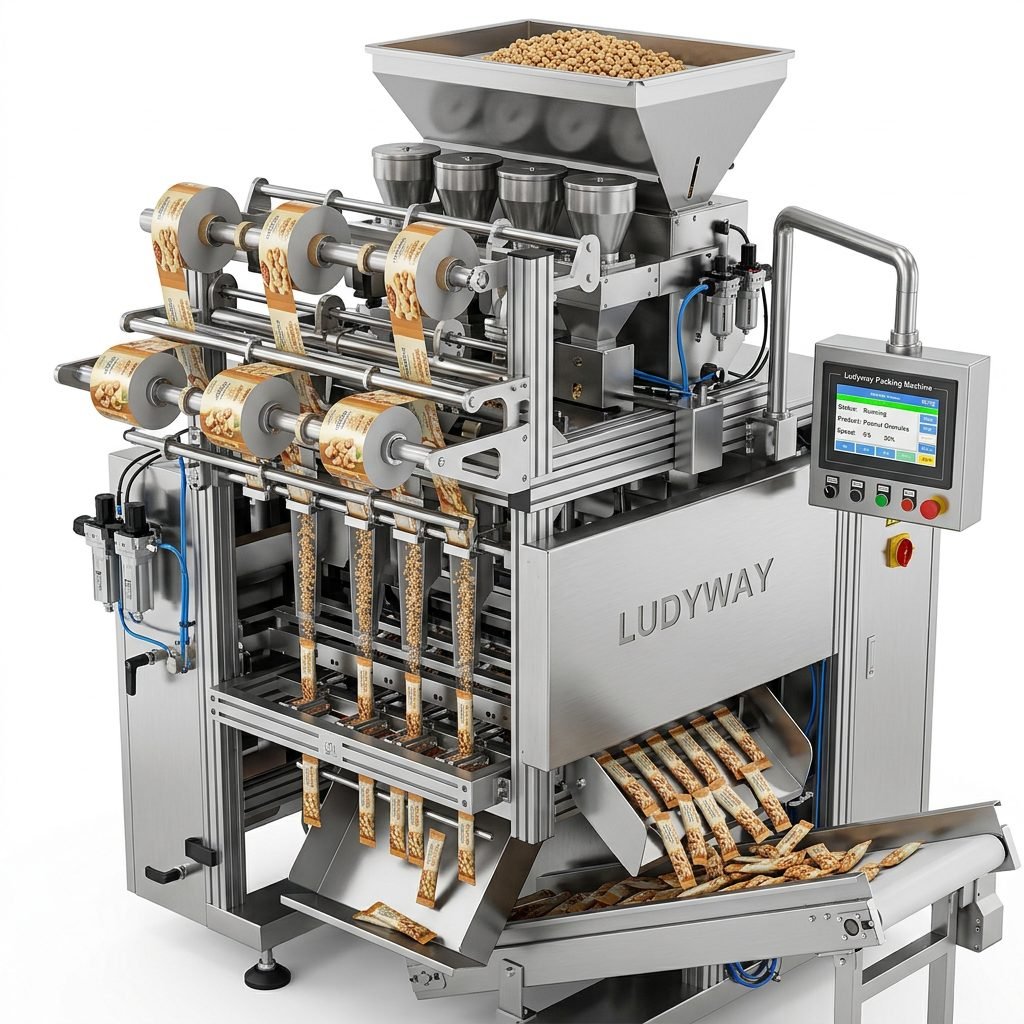
A peanut packaging machine is automated equipment designed to weigh, fill, seal, and discharge packaged peanut products. Depending on the material form, it may handle whole peanuts, crushed peanuts, peanut granules, peanut powder, or paste-based peanut products. These systems are widely used in food factories, snack brands, contract packaging plants, and export-oriented peanut processing facilities.
A complete peanut packing solution may include:
- Feeding and conveying systems
- Multihead weighing or auger filling units
- Vertical form fill seal machines or premade pouch machines
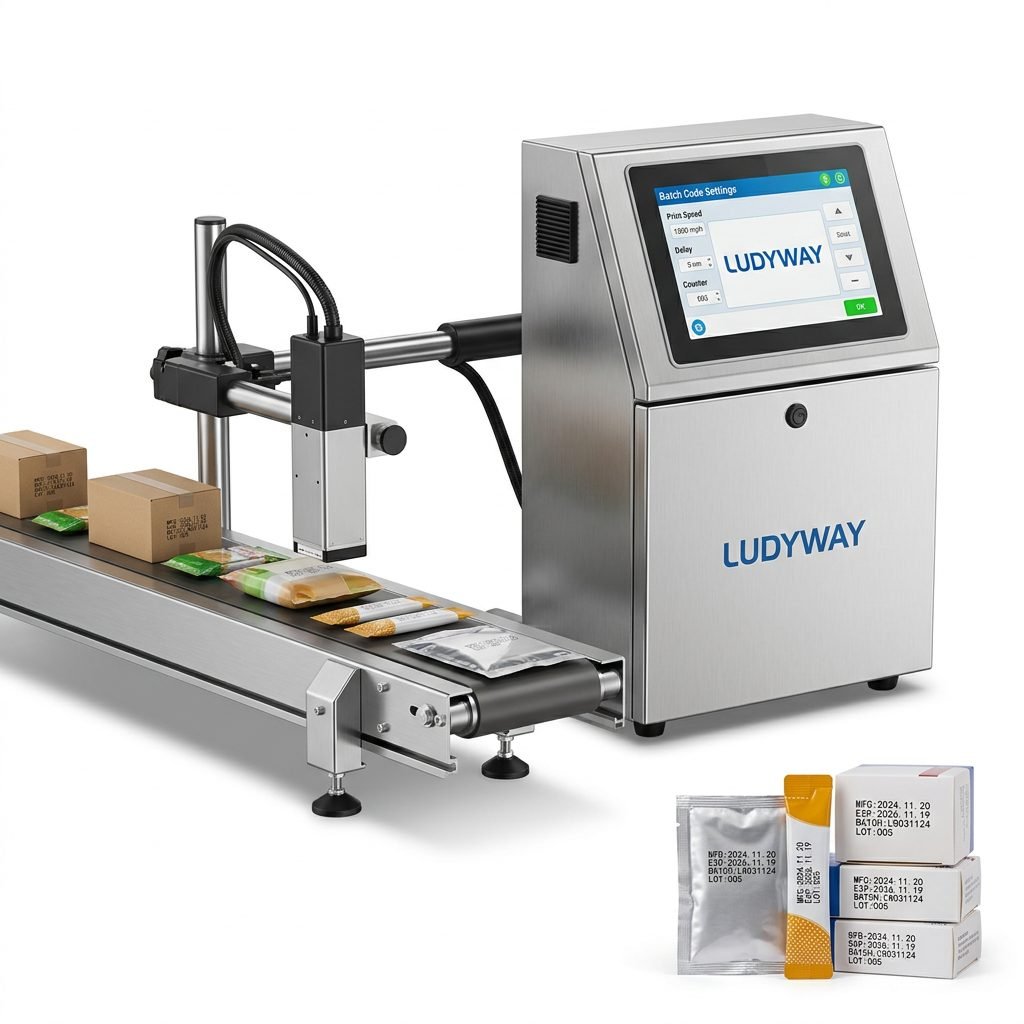
- Date coding and labeling devices
- Metal detectors and checkweighers
- Cartoning, case packing, and palletizing systems
Why Automatic Peanut Packaging Matters
Manual packaging can create uneven fill weights, hygiene risks, slow production speed, and higher labor costs. Automatic systems solve these issues by standardizing the entire packing process.
- Higher efficiency: Continuous feeding and sealing increase output per hour.
- Better weight accuracy: Reduces giveaway and improves cost control.
- Improved hygiene: Less direct product contact supports food safety compliance.
- Consistent package appearance: Better sealing and presentation for retail shelves.
- Scalability: Easier to expand from standalone machines to full packaging lines.
Common Peanut Products That Can Be Packed
Different peanut products require different dosing and sealing technologies. Before selecting a machine, it is important to identify the exact material characteristics.
| Peanut Product Type | Typical Packaging Format | Recommended Filling Method |
|---|---|---|
| Whole roasted peanuts | Pillow bags, stand-up pouches, jars | Multihead weigher |
| Salted or coated peanuts | Sachets, pouches, retail bags | Multihead weigher or cup filler |
| Peanut granules | Stick packs, sachets, pouches | Volumetric cup or weighing system |
| Peanut powder | Sachets, stick packs, composite bags | Auger filler |
| Peanut butter or paste | Sachets, spouted pouches, cups | Pump or piston filling |
Main Types of Peanut Packaging Machines
1. Vertical Form Fill Seal Machines
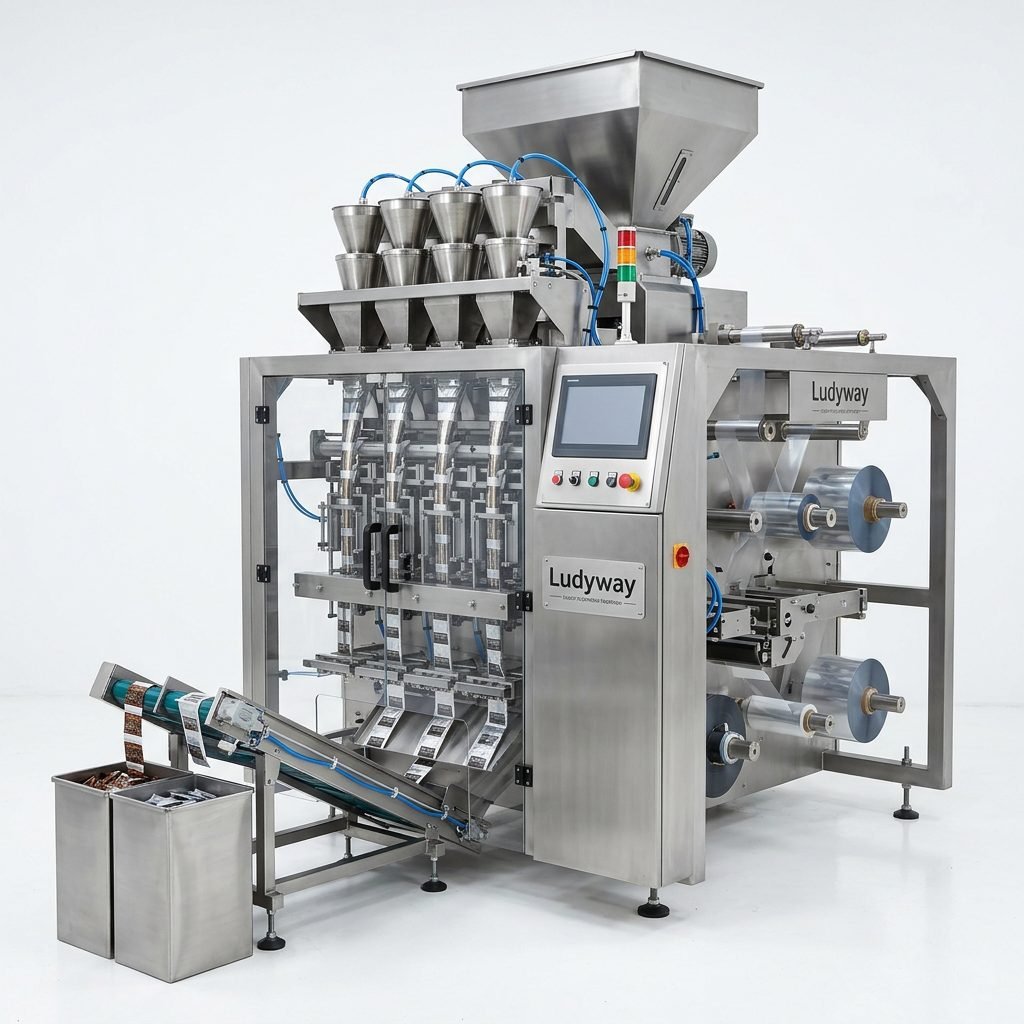
VFFS machines are commonly used for peanut snacks in pillow bags, gusset bags, or quad-seal bags. Film is formed into a bag, filled automatically, and sealed in one continuous process. This option is suitable for medium to high-speed peanut bagging operations.
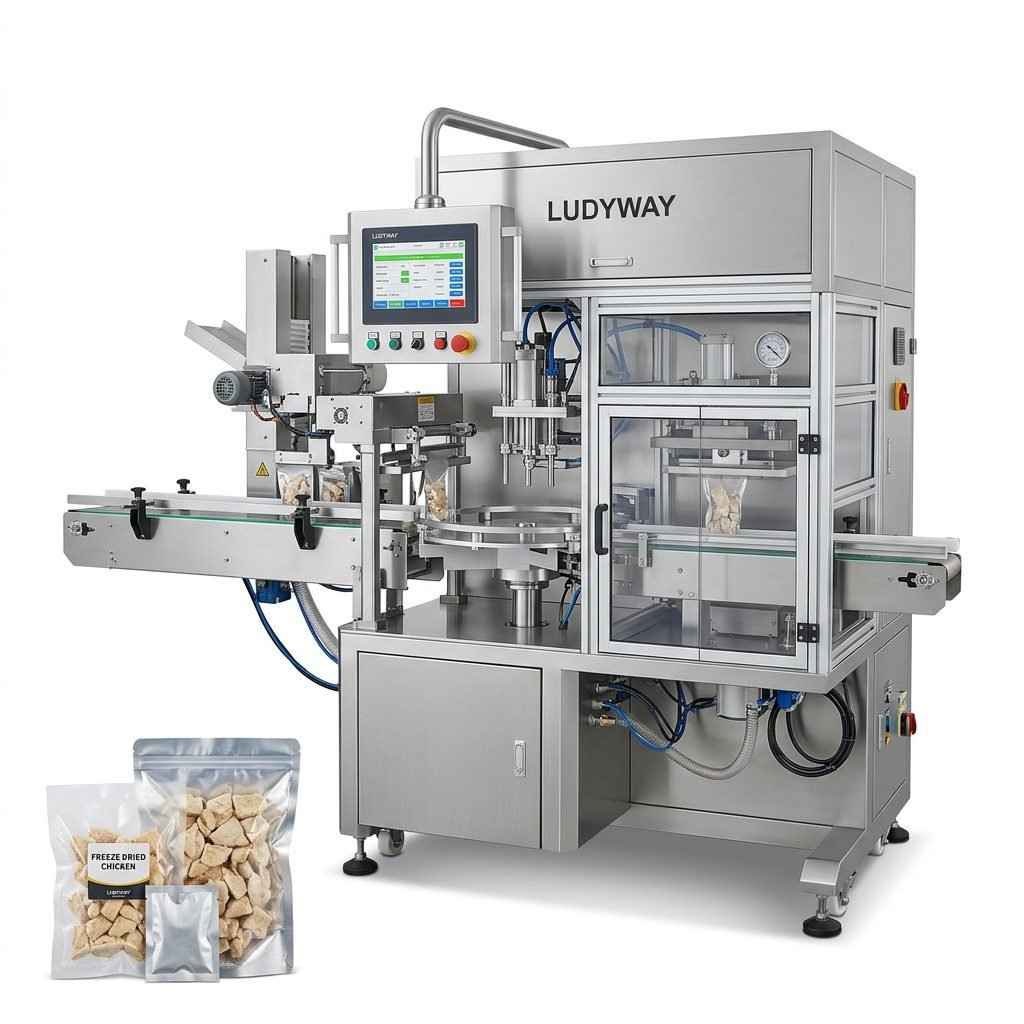
2. Premade Pouch Packaging Machines
These machines work with preformed pouches such as zipper pouches, stand-up pouches, and flat pouches. They are ideal for premium peanut products that need a stronger retail appearance and convenient reclosable packaging.
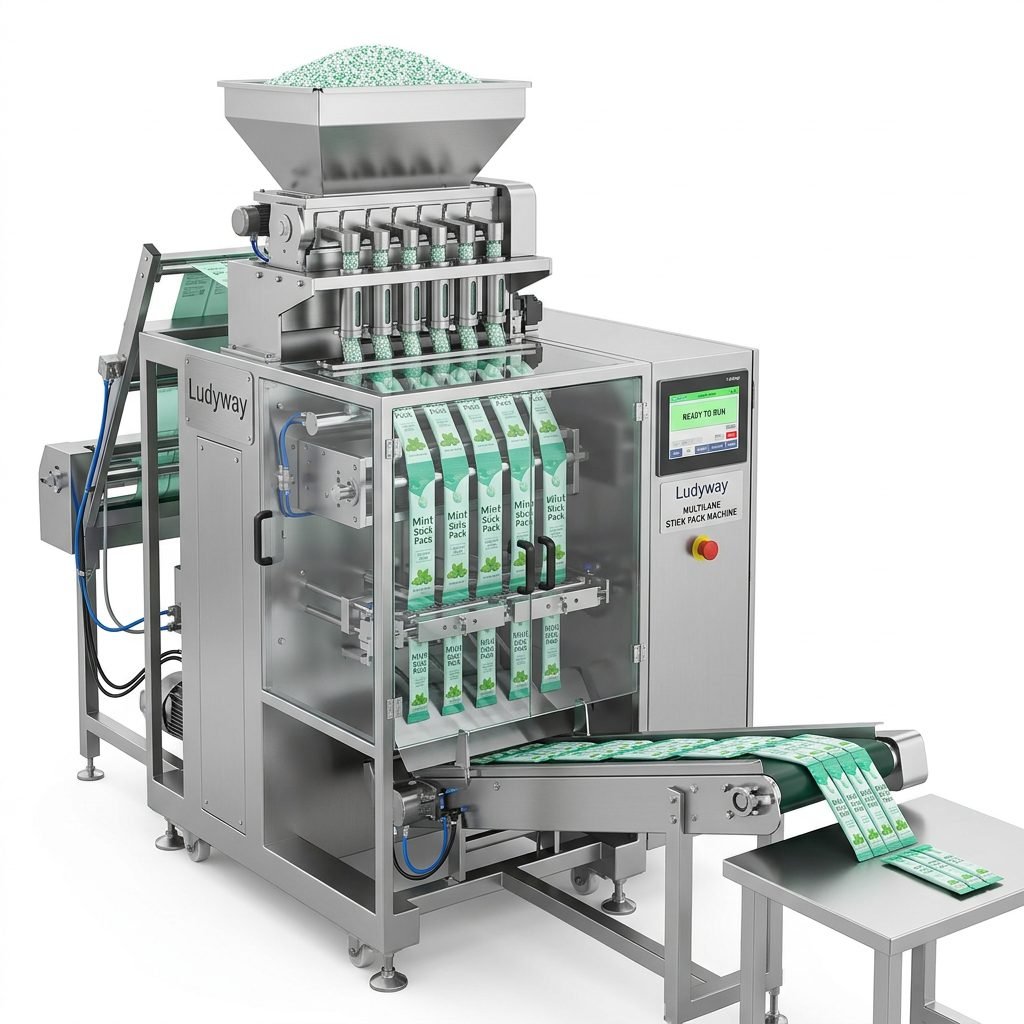
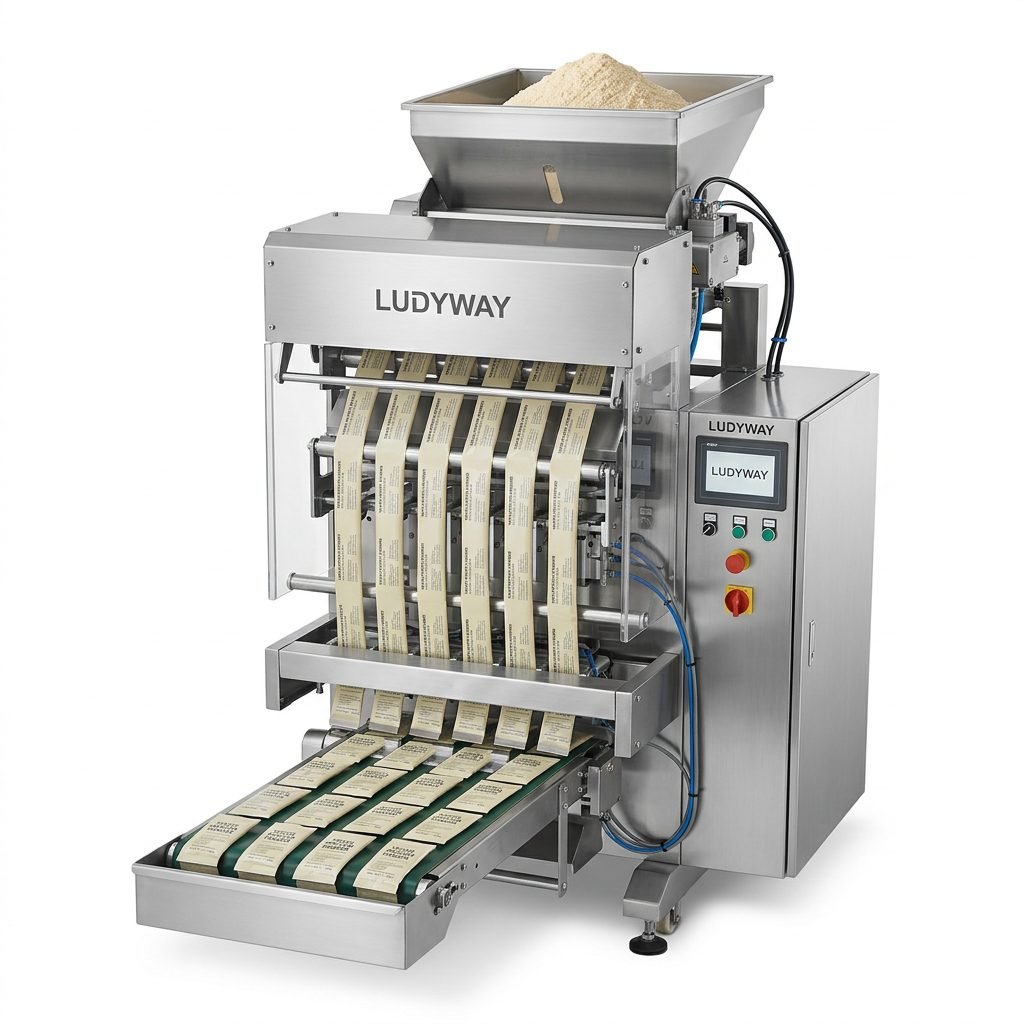
3. Multi-Lane Sachet and Stick Pack Machines
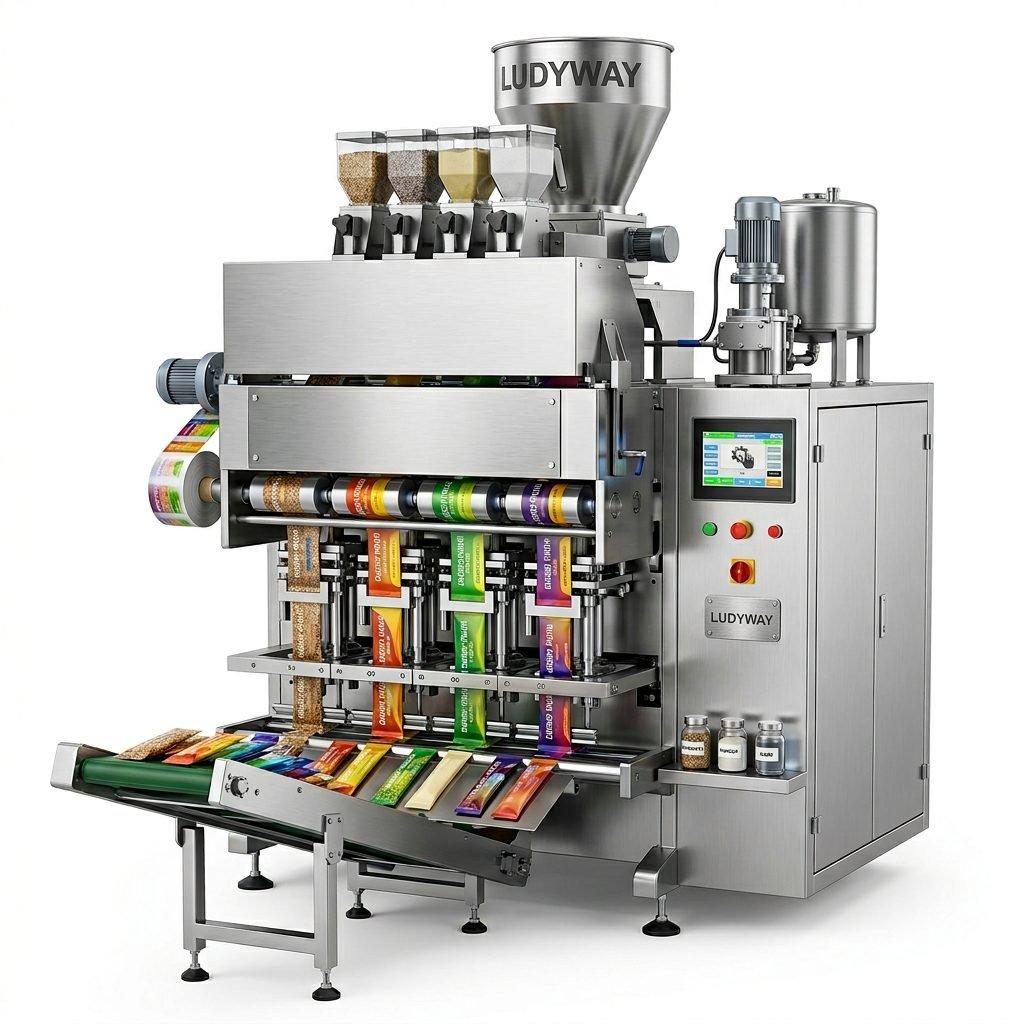
For peanut powder, peanut granules, and single-serve portions, multi-lane packaging systems are highly efficient. They can produce many sachets or stick packs simultaneously, making them useful for travel packs, promotional units, and foodservice portions.
4. Jar and Bottle Filling Systems
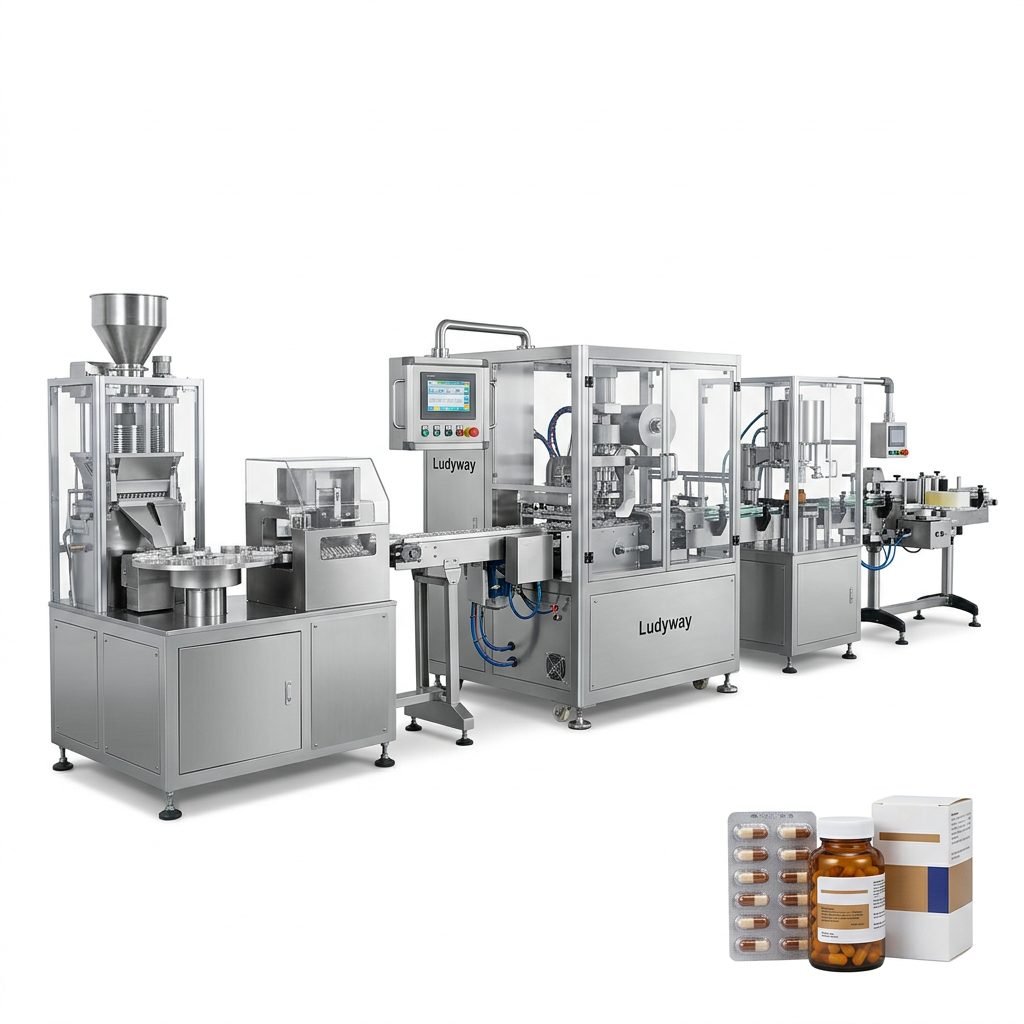
Some peanut products, especially peanut powder or coated peanuts, are sold in rigid containers. These systems combine filling, capping, labeling, and coding for a more complete packaging workflow.
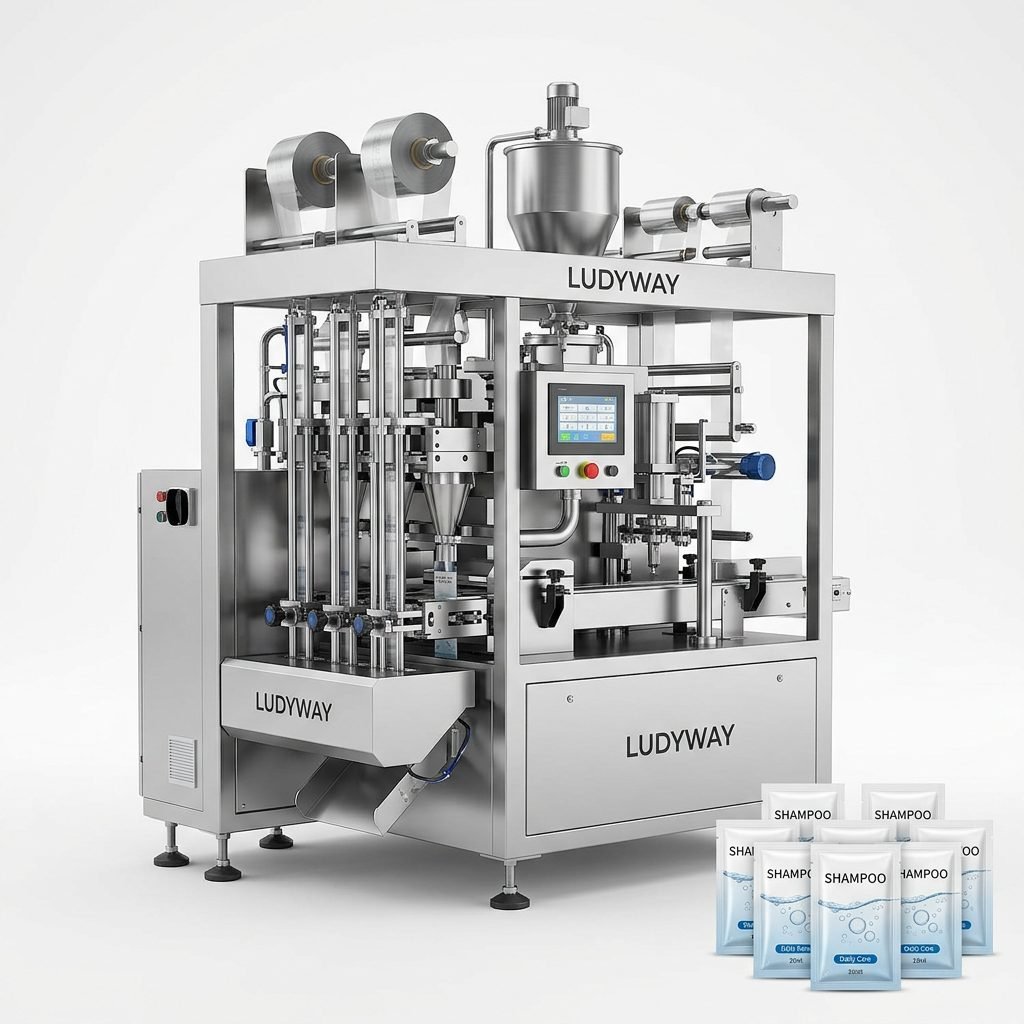
5. Peanut Butter Filling and Sealing Machines
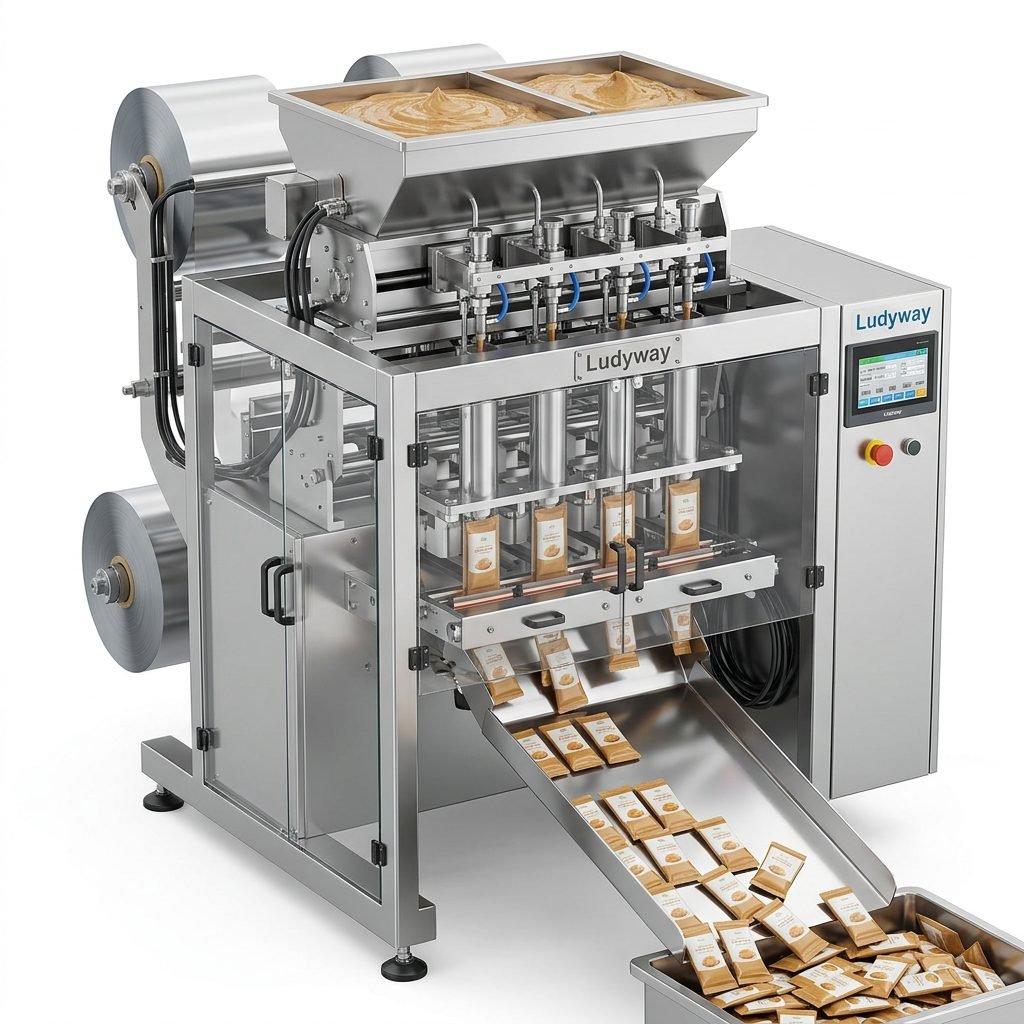
Peanut butter has different viscosity and flow characteristics from dry peanut products. It usually requires piston fillers, pump fillers, or specialized liquid/paste filling technology combined with sachet, pouch, cup, or bottle sealing units.
Best Packaging Formats for Peanut Products
The best format depends on sales channel, target consumer, and transport requirements.
- Pillow bags – economical and suitable for high-volume snack production.
- Stand-up pouches – attractive for retail shelves and premium nut brands.
- Zipper pouches – convenient for repeated opening and closing.
- Sachets – ideal for sample packs, seasoning blends, or peanut powder.
- Stick packs – suitable for single-dose peanut powder or nutritional blends.
- Jars and bottles – useful for powder, granules, or specialty products.
Key Features to Look for in a Peanut Packing Machine
When comparing equipment, buyers should evaluate more than just speed. A good peanut packaging machine should match the product and support stable daily production.
- Stable feeding for oily or irregular peanut materials
- Accurate weighing to minimize overfill
- Strong sealing performance for freshness protection
- Easy cleaning and food-grade contact parts
- Flexible bag size adjustment
- Touchscreen controls for simpler operation
- Compatibility with nitrogen flushing for shelf life extension
- Integration with coding, inspection, and end-of-line systems
How to Choose the Right Peanut Packaging Solution
Choosing the right machine starts with understanding your own production goals. Consider the following points before making a purchase decision:
| Selection Factor | Why It Matters |
|---|---|
| Product form | Whole nuts, granules, powder, and paste require different filling systems. |
| Target output | Production speed determines whether you need a compact machine or a high-speed automatic line. |
| Package style | The machine must support your desired pouch, sachet, stick pack, or bag format. |
| Accuracy requirements | Essential for cost control and retail compliance. |
| Factory space | Layout planning affects machine selection and future expansion. |
| Automation level | Some factories need standalone equipment, others need complete turnkey lines. |
Applications Across the Peanut Industry
Automatic peanut packaging solutions are used in a wide range of businesses:
- Snack food manufacturers
- Nut roasting and seasoning plants
- Private label food packers
- Nutritional powder brands
- Export-oriented agricultural processors
- Peanut butter and peanut paste producers
Benefits of a Turnkey Peanut Packaging Line
For growing factories, a single machine may not be enough. A turnkey line connects feeding, filling, sealing, inspection, packing, and palletizing into one coordinated process.
Advantages include:
- Reduced manual transfer between stations
- Improved production flow and line balance
- Lower contamination risk
- Centralized control and monitoring
- Higher overall equipment effectiveness
Food Safety and Packaging Quality Considerations
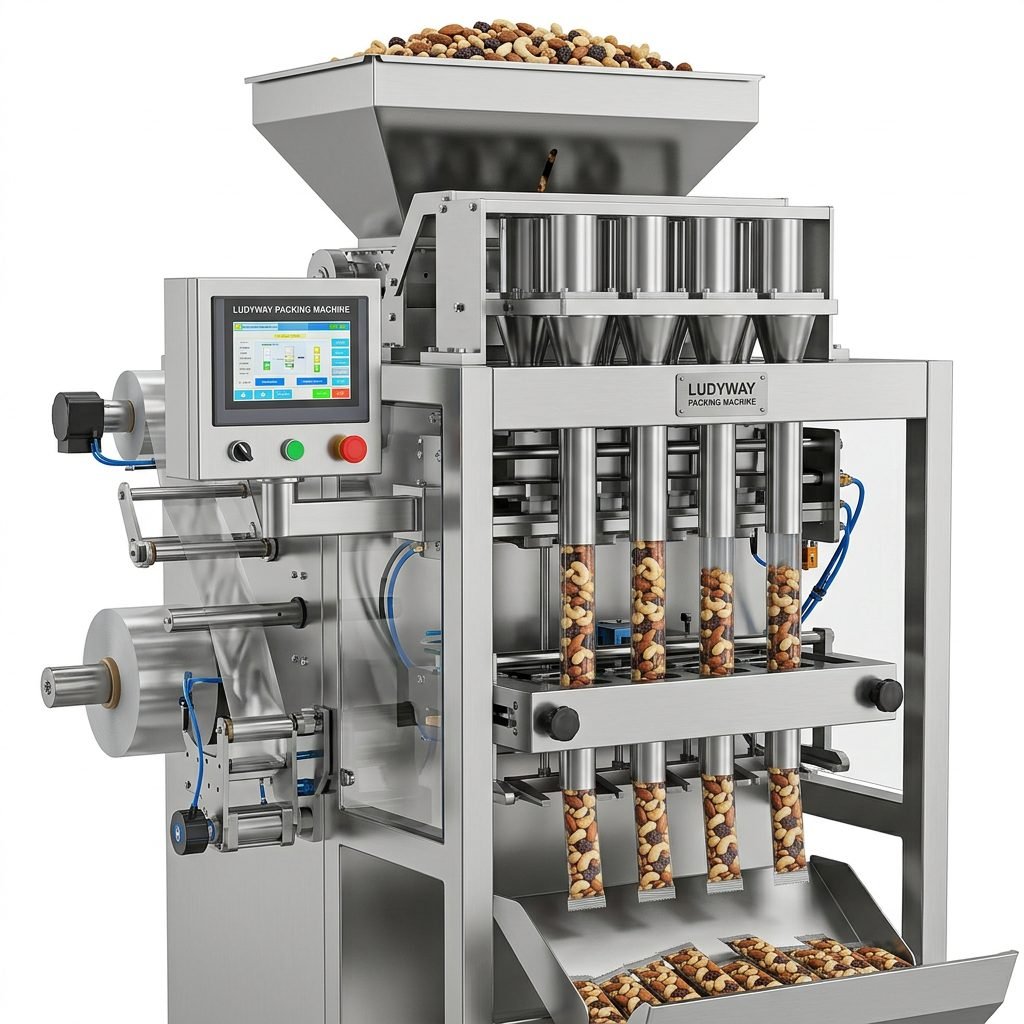
Peanuts are sensitive to moisture, oxygen exposure, and contamination. Packaging quality directly affects shelf life, flavor retention, and consumer trust. Reliable peanut packing equipment should support:
- Sealed and durable packaging structures
- Accurate dosing with low material loss
- Optional nitrogen flushing for freshness
- Metal detection and weight inspection
- Easy sanitation and routine maintenance
Why Manufacturers Focus on Automation for Peanut Packaging
As competition increases in global snack and food markets, manufacturers need packaging systems that deliver repeatable quality at lower operating cost. Automation supports faster order fulfillment, better product presentation, and easier adaptation to different SKUs. It also helps brands move into export markets where packaging consistency and traceability are more important.
Choosing a Reliable Packaging Machine Supplier
Besides machine performance, supplier experience matters. Buyers should evaluate engineering capability, customization support, export experience, after-sales service, spare parts availability, and the ability to provide complete lines instead of only individual machines.
For companies seeking scalable automation, Ludyway peanut packaging machine solutions can support food manufacturers with standalone machines and turnkey packaging lines backed by more than 30 years of industry experience.
Conclusion
A peanut packaging machine is more than a filling device. It is a productivity tool that helps food businesses improve efficiency, maintain packaging quality, and support long-term growth. Whether you package roasted peanuts, peanut granules, peanut powder, or peanut butter, selecting the right automatic solution can significantly improve production performance and market competitiveness.
Frequently Asked Questions
Can one peanut packaging machine handle multiple peanut product types?
Some machines can be configured for multiple formats, but whole peanuts, powder, and peanut butter usually require different filling technologies. A custom solution is often the best option.
Is nitrogen flushing necessary for peanut packaging?
It is often recommended for roasted peanut products because it helps reduce oxidation and preserve freshness during storage and transport.
What is the best machine for peanut powder sachets?
A multi-lane sachet or stick pack machine with an auger filler is commonly used for accurate high-speed peanut powder packaging.
Can peanut packaging lines be customized?
Yes. Machines and full lines can be customized based on package size, speed, product type, factory layout, and downstream packing requirements.