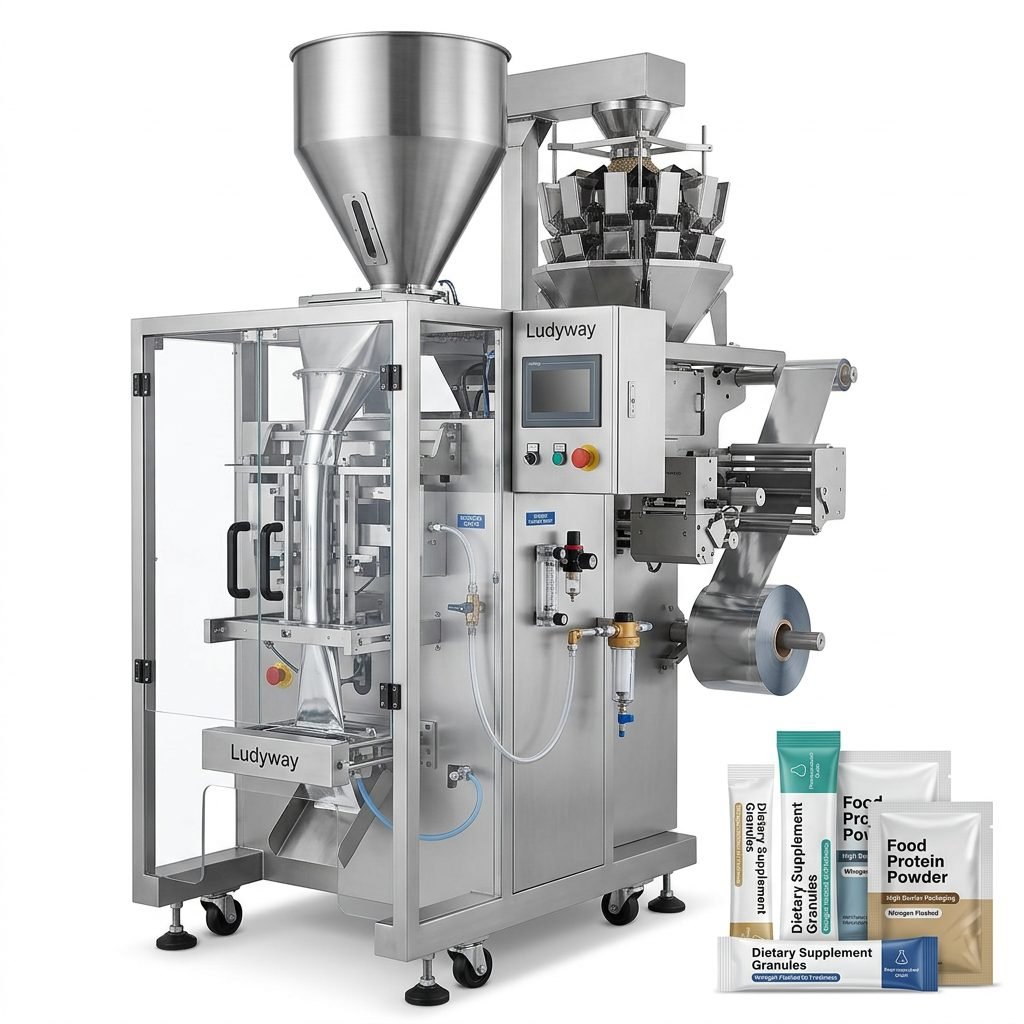
Investing in a skin vacuum packaging machine is a significant decision for manufacturers in the cosmetics, skincare, and pharmaceutical industries. The right equipment can dramatically extend product shelf life, enhance brand presentation, and improve production efficiency. However, with so many models, configurations, and suppliers available, making an informed choice requires careful evaluation of your specific needs. This comprehensive guide walks you through the essential factors to consider before purchasing a skin vacuum packaging machine.
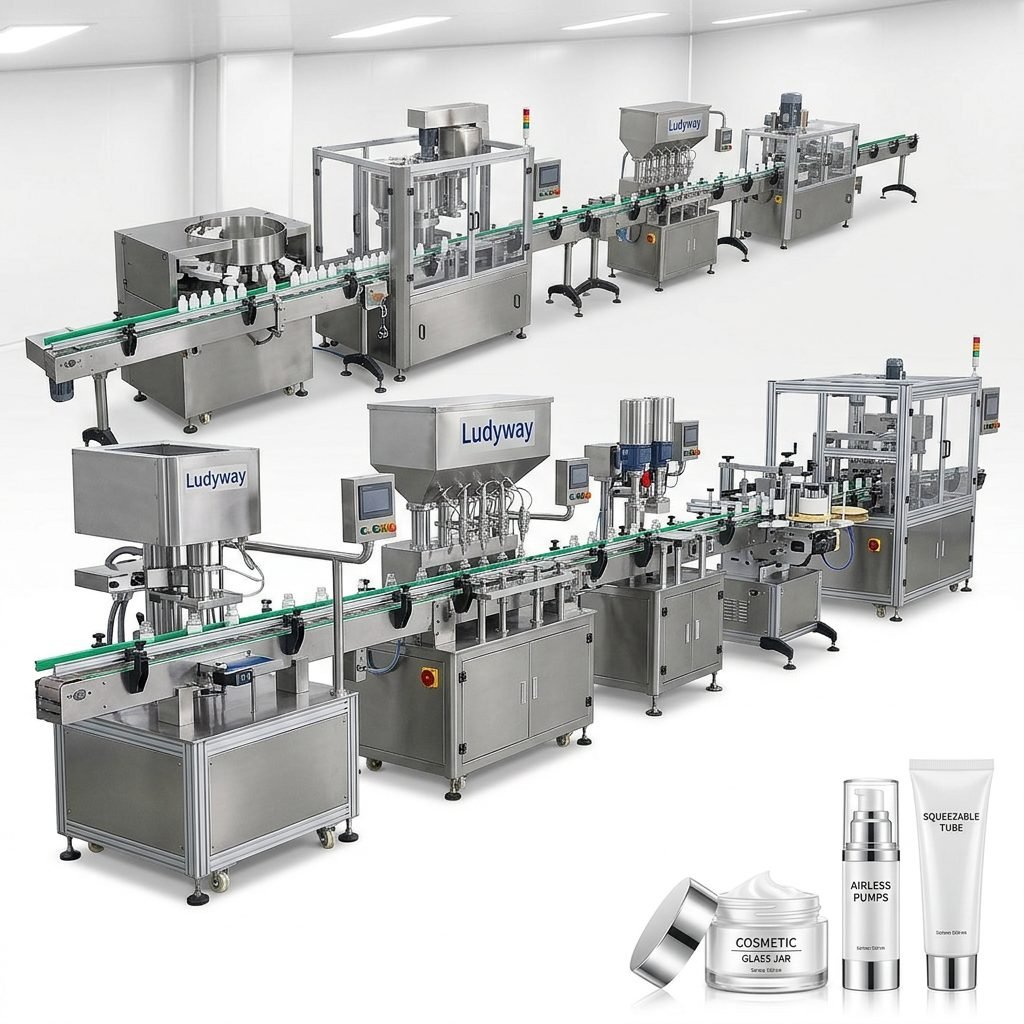
Understanding Skin Vacuum Packaging Technology
Skin vacuum packaging, often referred to as skin packaging or vacuum skin packaging (VSP), involves placing a product onto a substrate (such as a tray or card) and then applying a heated flexible film that conforms tightly to the product’s shape. Vacuum pressure removes air between the film and the product, creating a hermetic seal that preserves freshness, prevents contamination, and showcases the item with a transparent, wrinkle-free finish. This technology is widely used for cosmetics, serums, face masks, medical devices, and high-value skincare formulations where product integrity is paramount.
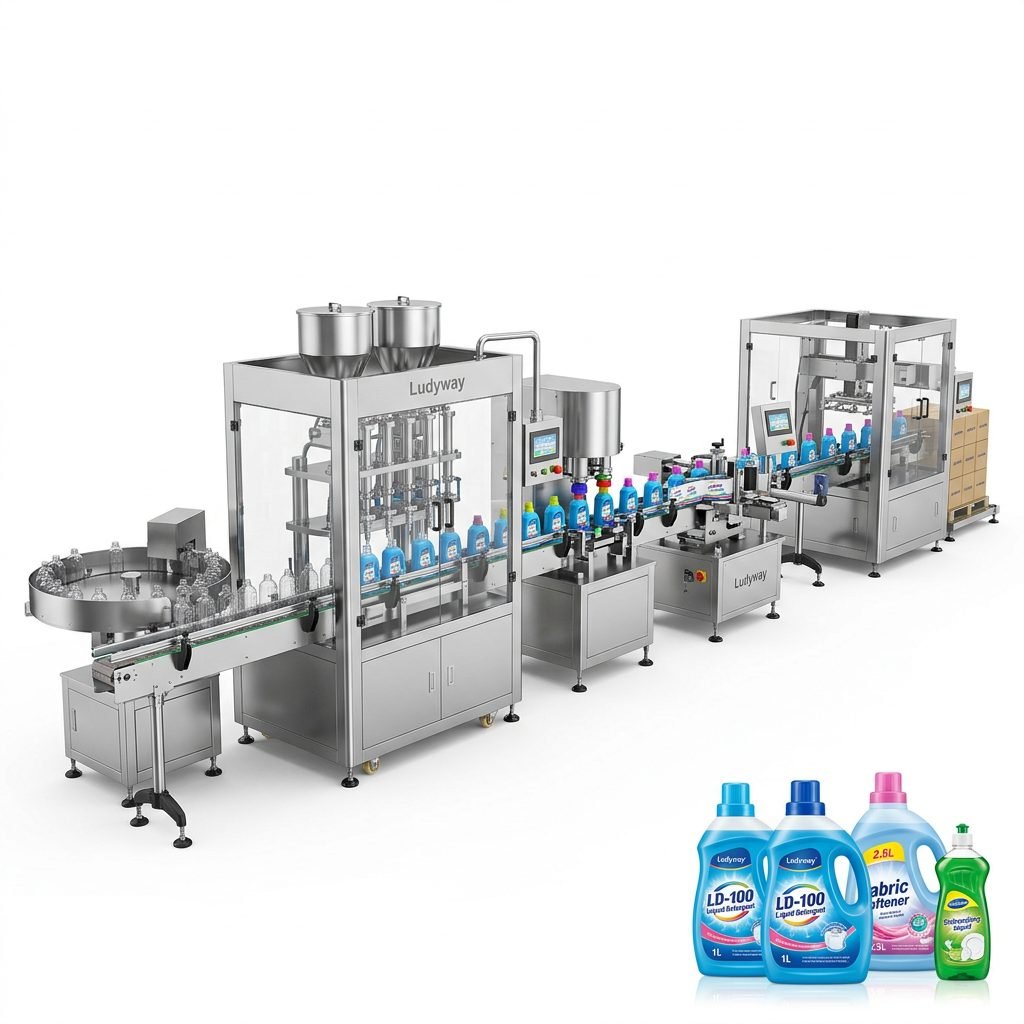
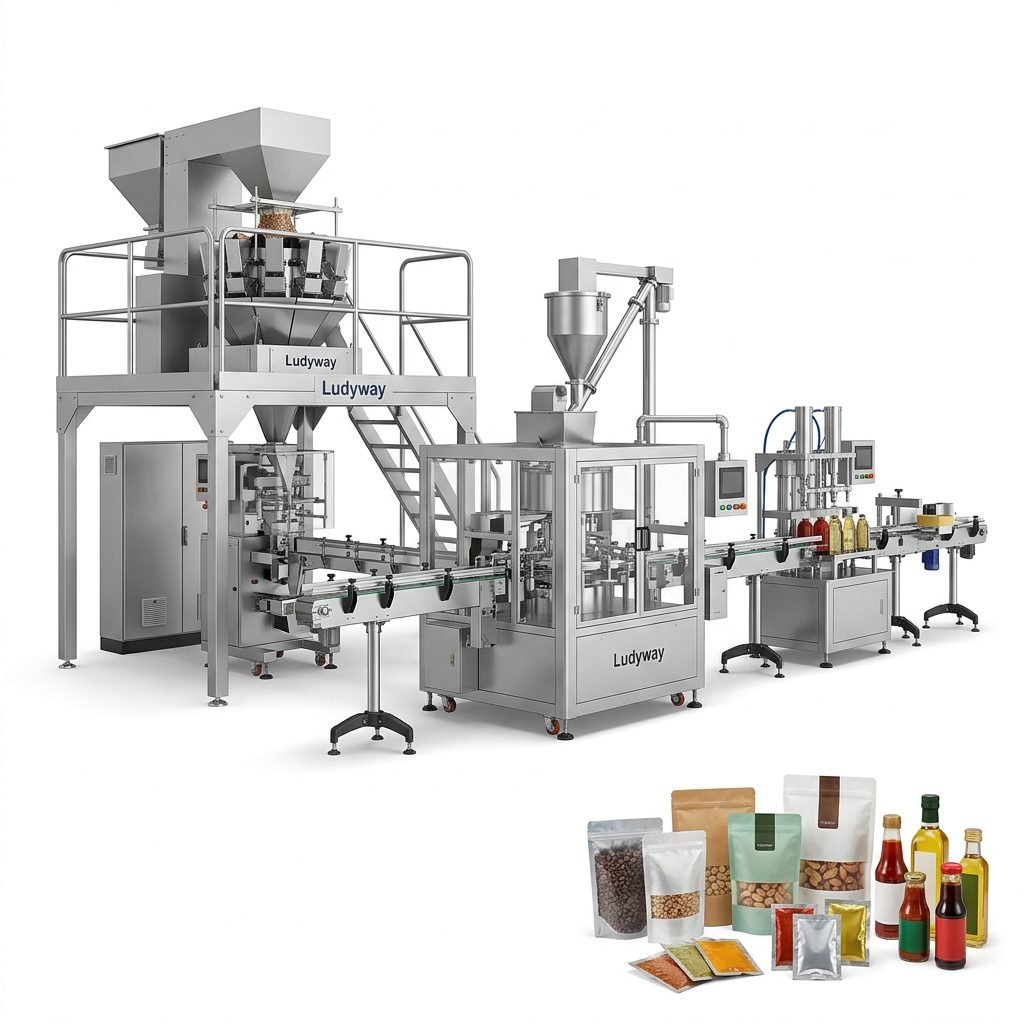
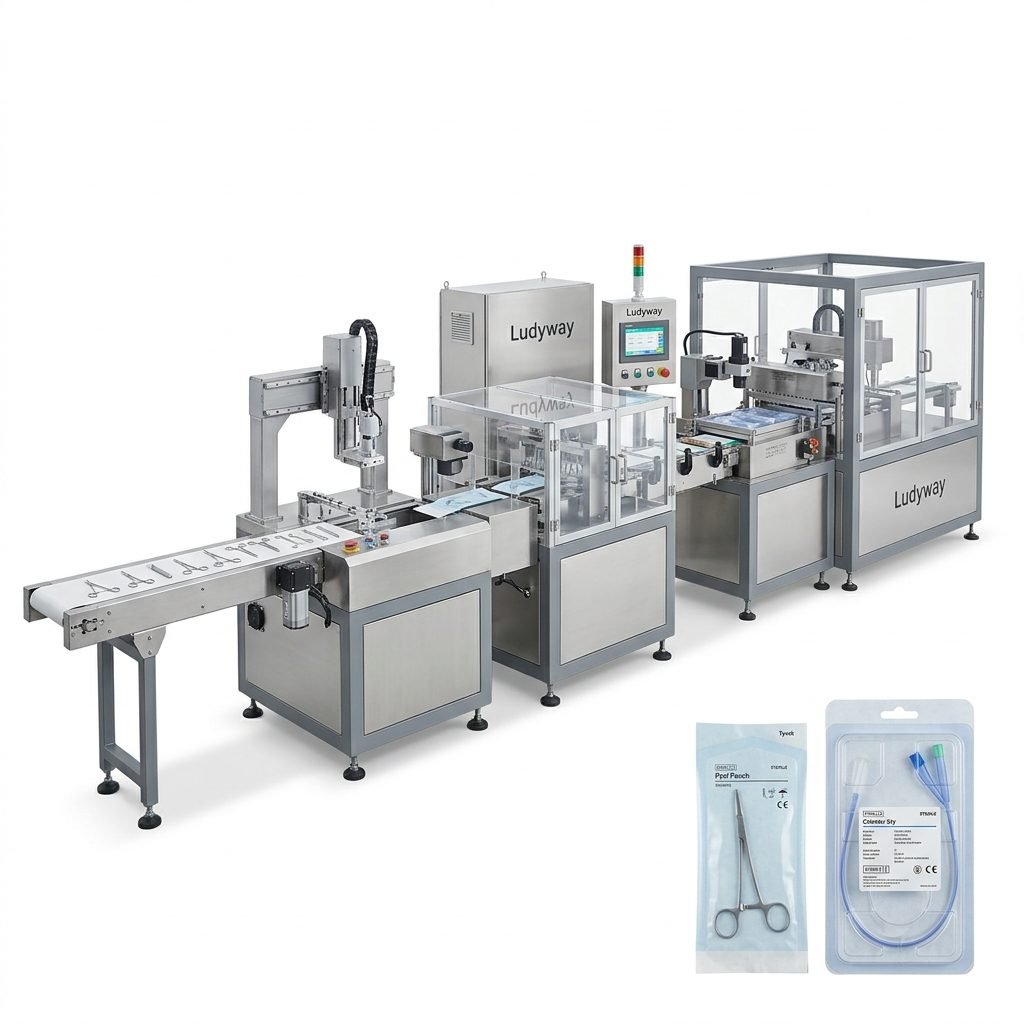
Unlike traditional vacuum packaging that uses pre-formed bags, modern skin vacuum packaging machines integrate directly into automated production lines, offering capabilities such as multi-lane filling, nitrogen flushing, and compatibility with various flexible packaging materials. Understanding these technical nuances is the first step toward selecting the right equipment.
Key Factors to Evaluate When Choosing a Skin Vacuum Packaging Machine
1. Product Characteristics and Packaging Requirements
The physical properties of your skincare or cosmetic product directly influence machine selection. Consider the following:
- Product form: Is your product a liquid serum, cream, gel, powder, or solid item? Different filling and sealing mechanisms are required for each.
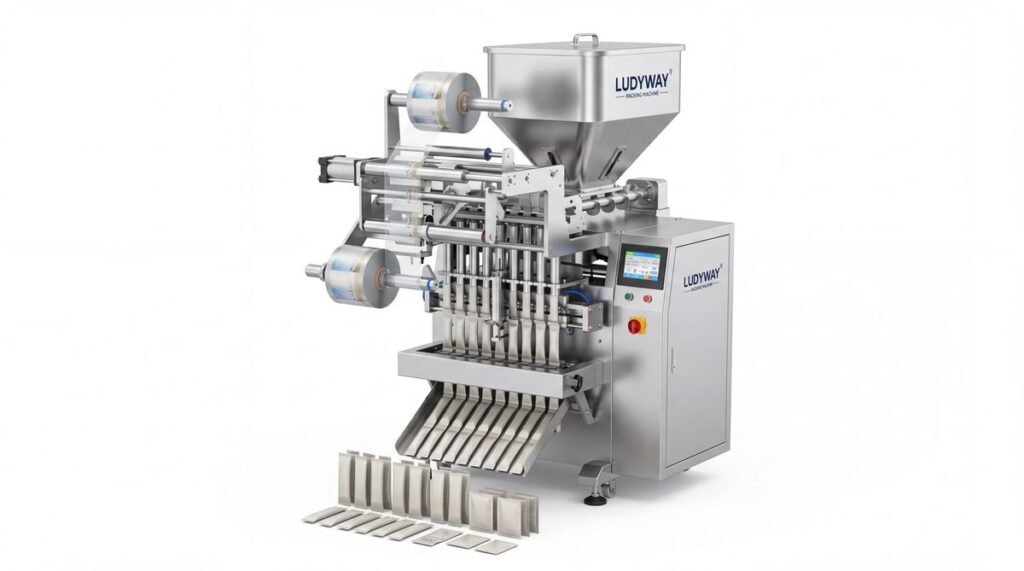
- Packaging format: Do you need sachets, stick packs, pouches, or tray-based skin packs? The packaging format determines the machine type and configuration.
- Filling volume: What is the target fill weight or volume per package? Machines must be calibrated to handle your specific dosing requirements with precision.
- Packaging material compatibility: Does your product require barrier films, UV-resistant materials, or specific laminate structures? Ensure the machine supports your chosen flexible packaging substrates.
2. Production Speed and Capacity
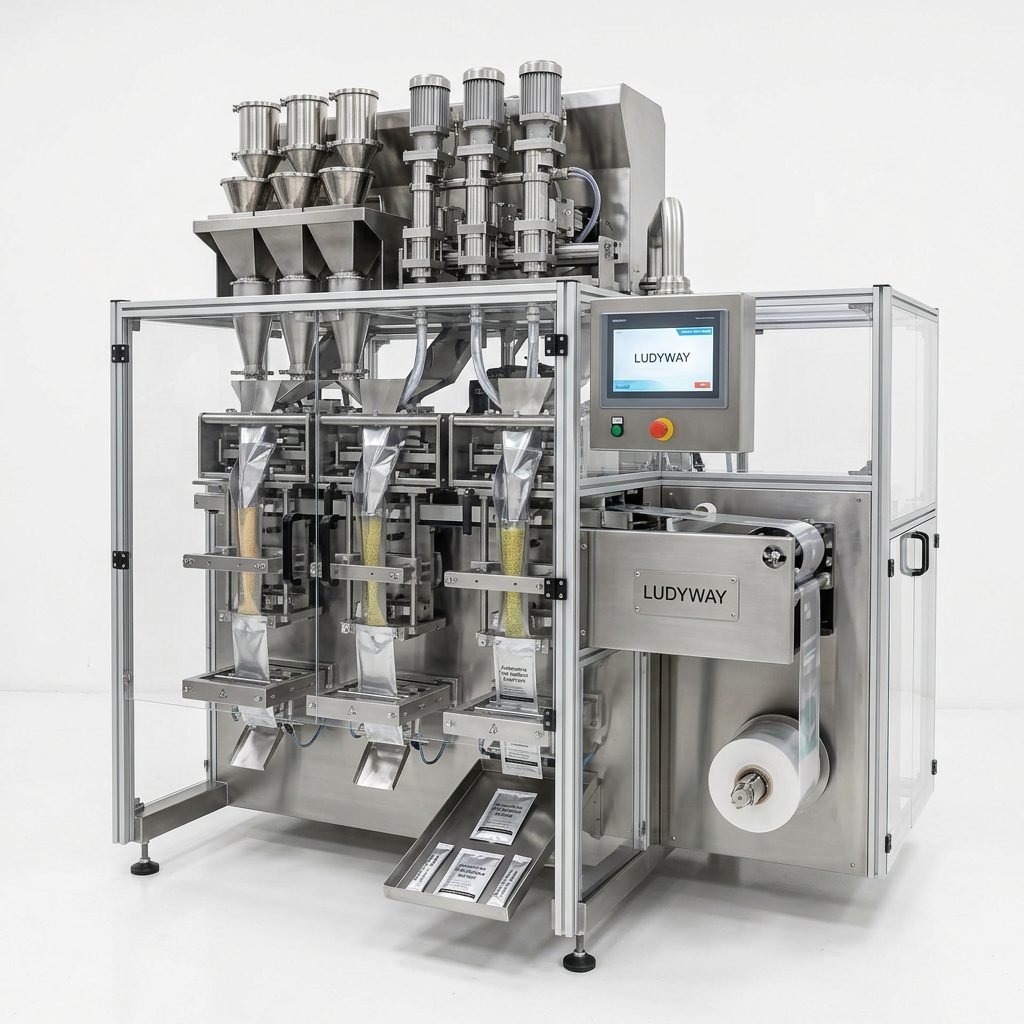
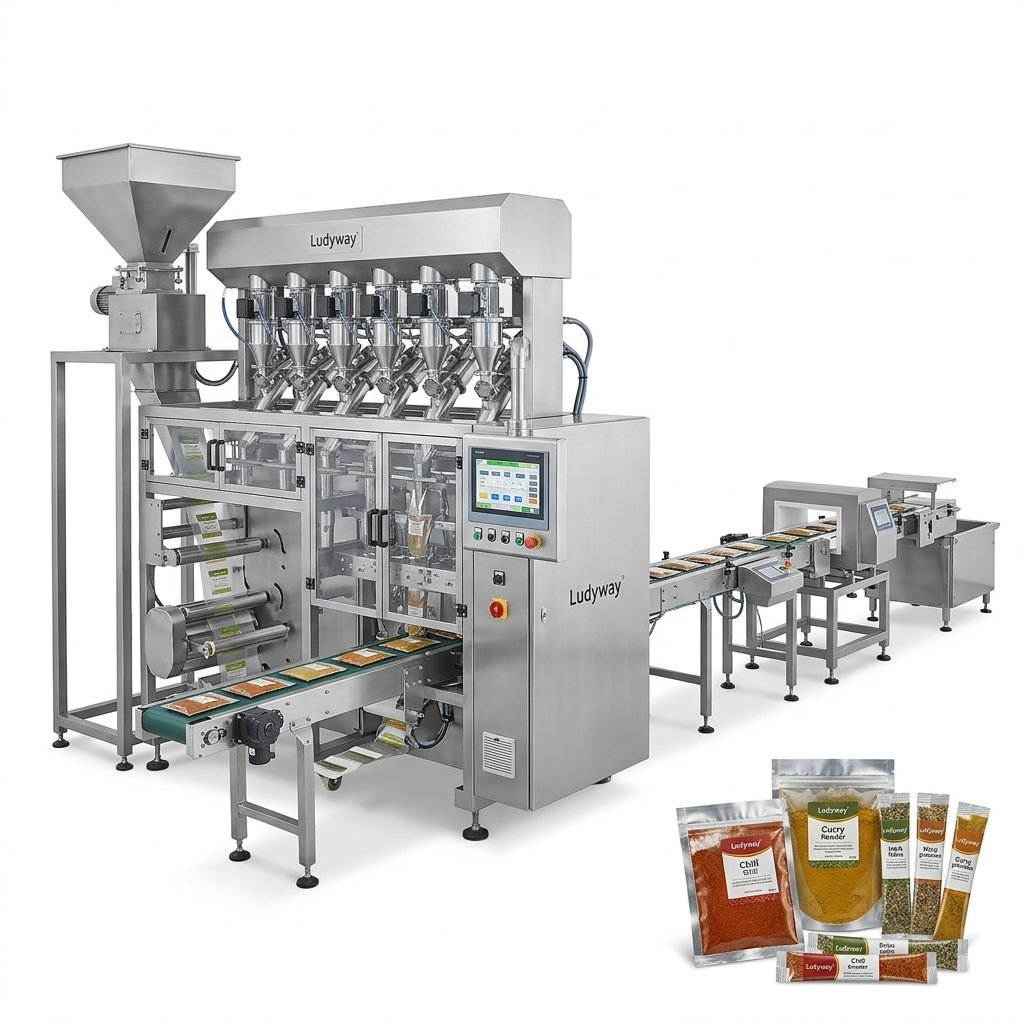
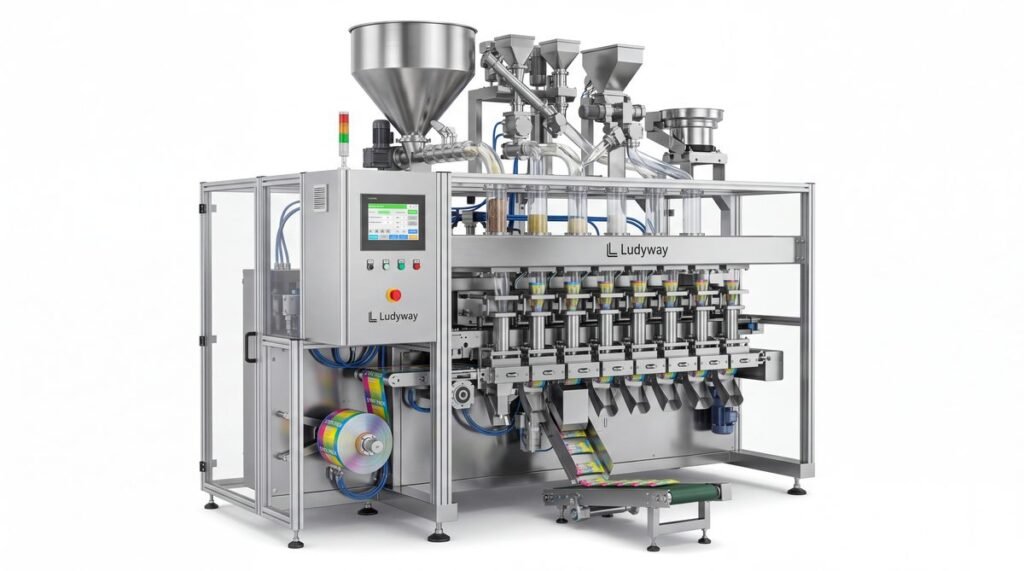
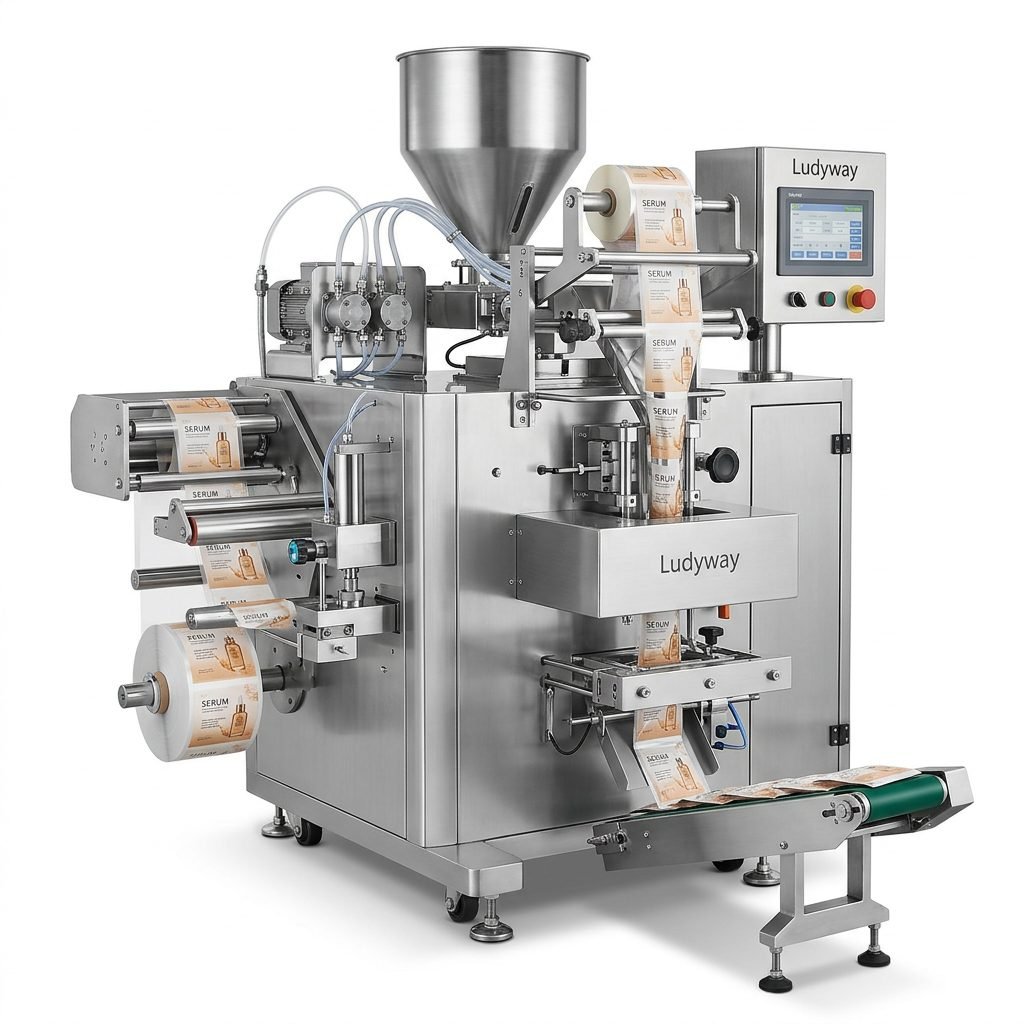
Your current and projected production volumes should guide the machine’s throughput requirements. A multi-lane packaging system can significantly increase output by running several lanes simultaneously, making it ideal for high-volume skincare manufacturers. When evaluating speed specifications, consider:
- Packs per minute (PPM) at different bag sizes and fill volumes
- Changeover time between product batches or packaging formats
- Machine uptime and reliability metrics from the manufacturer
- Compatibility with upstream and downstream equipment for integrated packaging line performance
3. Automation Level and Integration Capabilities
Modern skin vacuum packaging machines range from semi-automatic units to fully automated turnkey systems. The level of automation you choose affects labor requirements, consistency, and overall equipment effectiveness. Key automation features to evaluate include:
- Automatic feeding systems: Vibratory feeders, auger fillers, or liquid dosing pumps tailored to your product type
- Inline inspection: Vision systems, checkweighers, and metal detectors for quality assurance
- Robotic palletizing: End-of-line automation to reduce manual handling
- Integration with ERP/MES: Data connectivity for production monitoring and traceability
4. Compliance with Industry Standards and Regulations
Skincare and cosmetic packaging must adhere to stringent regulatory requirements, particularly if your products are marketed in multiple international markets. When selecting a skin vacuum packaging machine, verify compliance with applicable standards from organizations such as the FDA for food and cosmetic packaging, ISO 11607 for medical-grade packaging validation, and relevant European packaging regulations. Certifications and documentation should be available from the equipment manufacturer to support your own compliance requirements.
Technical Specifications to Compare
| Specification | Why It Matters | Key Considerations |
|---|---|---|
| Sealing Temperature Range | Affects film adhesion and package integrity | Must match film material specifications; adjustable PID control preferred |
| Vacuum Level | Determines oxygen removal effectiveness | Higher vacuum levels (>99%) for oxygen-sensitive products |
| Film Width Compatibility | Limits or expands packaging format options | Multi-size capability for production flexibility |
| Filling Accuracy | Impacts product giveaway and consistency | ±0.5% to ±1% accuracy depending on product type |
| Machine Footprint | Affects factory layout and line design | Compact modular designs save floor space |
| Power Consumption | Ongoing operational cost factor | Energy-efficient motors and heating systems preferred |
Evaluating Machine Suppliers and Manufacturers
Selecting the right packaging machinery manufacturer is as important as choosing the machine itself. A reliable partner provides not only quality equipment but also technical support, customization capabilities, and after-sales service. Key criteria for supplier evaluation include:
- Industry experience: Look for manufacturers with a proven track record in cosmetic and skincare packaging applications, ideally with more than 20-30 years of industry presence.
- Manufacturing capabilities: Evaluate whether the supplier has in-house engineering, manufacturing, and testing facilities. A facility exceeding 20,000 square meters with dedicated R&D teams generally indicates strong technical capabilities.
- Global service network: Does the supplier offer installation, commissioning, operator training, and ongoing technical support in your region? Remote assistance capabilities are also valuable for minimizing downtime.
- Customization expertise: Skincare products often have unique packaging requirements. The ability to customize machine configurations rather than offering only standard models is a significant advantage.
- Certifications and standards compliance: Verify that the manufacturer’s equipment can be configured to meet applicable international standards, with relevant certifications and compliance documentation available.
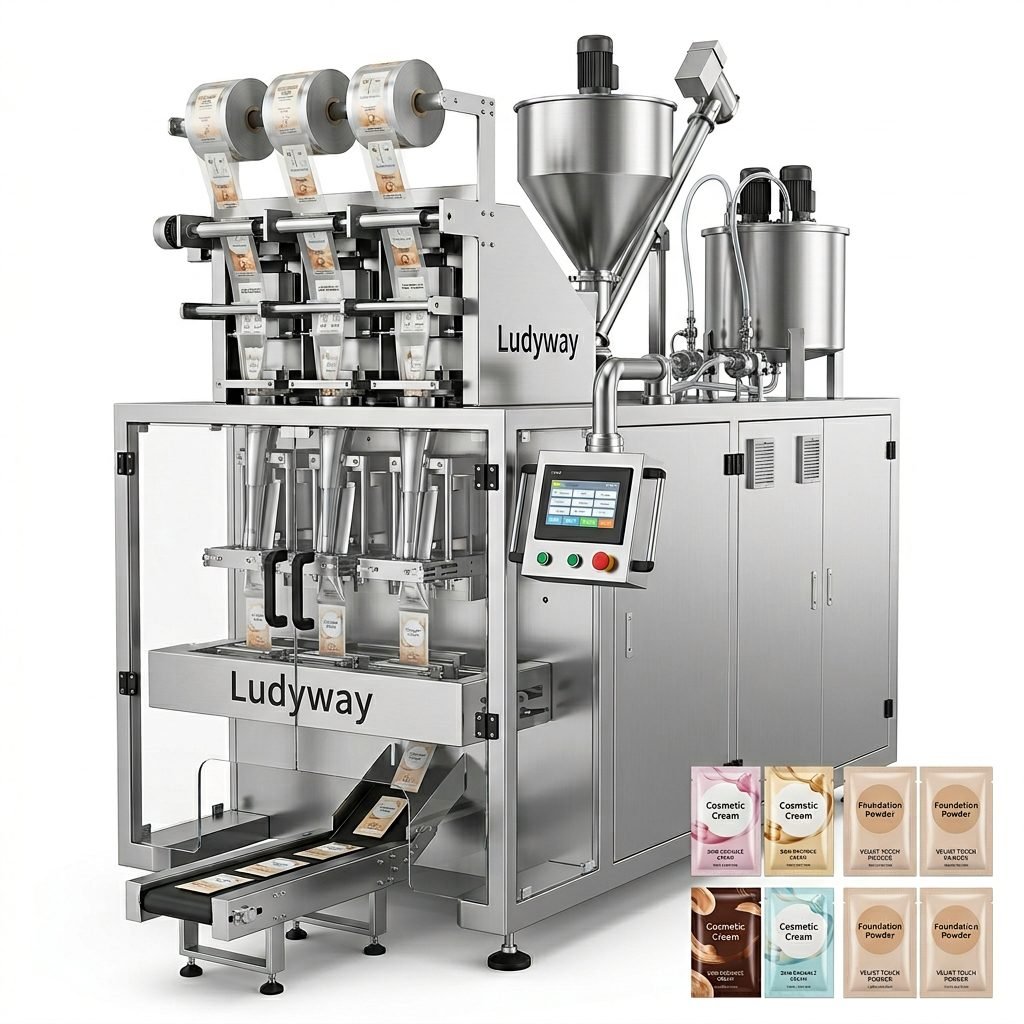
For example, Ludyway Machinery, a China-based packaging machinery manufacturer with more than 30 years of experience, provides customized skin vacuum packaging solutions for cosmetics, pharmaceuticals, and health products. With a 20,000-square-meter manufacturing facility, over 130 professionals, and more than 50 packaging machine models, the company combines manufacturing expertise with automation technology to help customers improve packaging efficiency and operational consistency across global markets.

Cost Considerations Beyond the Purchase Price
The total cost of ownership (TCO) for a skin vacuum packaging machine extends far beyond the initial capital investment. When budgeting for your equipment purchase, account for the following:
| Cost Category | Description | Estimated Impact |
|---|---|---|
| Initial Equipment Cost | Base machine price plus customization | Varies significantly by automation level and features |
| Installation and Commissioning | On-site setup, integration, and testing | 5-10% of equipment cost |
| Operator Training | Initial and ongoing personnel training | Typically included by quality suppliers |
| Spare Parts Inventory | Recommended critical spare parts stock | 3-5% annually of equipment value |
| Maintenance and Service | Preventive maintenance, repairs, and technical support | Annual service contracts available |
| Packaging Material Costs | Film, trays, and consumables specific to your format | Ongoing operational expense; optimize film usage |
| Energy Consumption | Electricity, compressed air, and utilities | Variable; energy-efficient machines reduce long-term costs |
Industry Trends Shaping Skin Vacuum Packaging
The global packaging machinery market continues to grow, driven by increasing demand for convenience packaging, sustainable materials, and automation. Several trends are particularly relevant for skincare and cosmetic packaging:
- Sustainable packaging: The shift toward recyclable, biodegradable, and mono-material films is influencing machine design. Modern skin vacuum packaging machines must accommodate these sustainable flexible packaging materials while maintaining seal integrity and product protection.
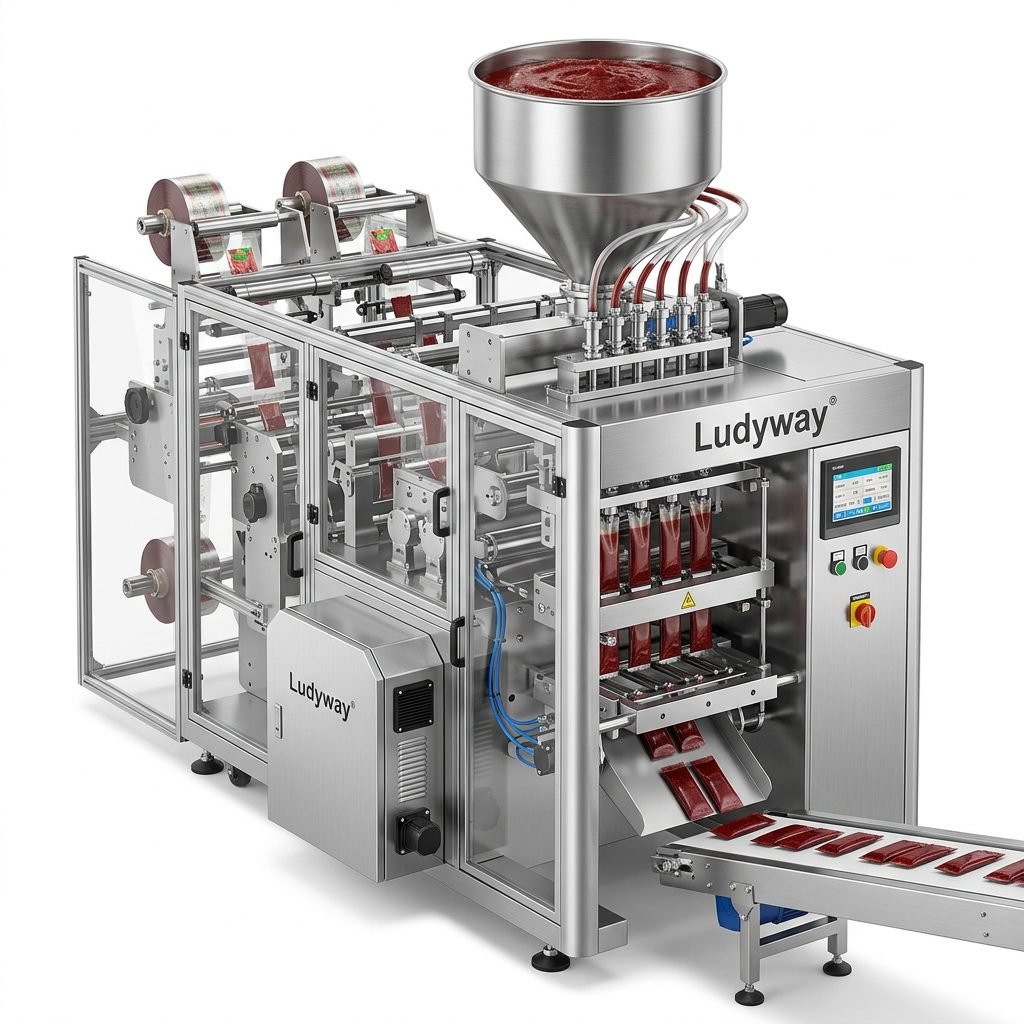
- Single-dose and travel-size formats: Consumer demand for single-use sachets, stick packs, and sample-sized packaging continues to rise. Multi-lane stick pack machines with vacuum sealing capabilities are ideal for these high-volume, small-format applications.
- Smart manufacturing and Industry 4.0: Integration with digital production systems, real-time monitoring, and predictive maintenance capabilities are becoming standard expectations for modern packaging operations.
- Clean beauty and natural formulations: Products with fewer preservatives require superior packaging protection. Vacuum skin packaging provides an effective barrier against oxygen, moisture, and contaminants.
Common Mistakes to Avoid When Purchasing
Even experienced packaging professionals can make costly mistakes when selecting equipment. Avoid these common pitfalls to ensure a successful investment:
- Underestimating future capacity needs: While it may be tempting to purchase a machine that meets only your current production volume, planning for growth can prevent the need for premature replacement or additional equipment. Consider modular systems that can be upgraded over time.
- Overlooking packaging material compatibility: Not all films work with all machines. Test your preferred packaging materials on the specific machine model you are considering before finalizing your purchase. Material certification should align with machine specifications.
- Focusing solely on purchase price: A lower upfront cost can translate to higher operating expenses, more downtime, and shorter equipment lifespan. Evaluate total cost of ownership, including energy efficiency, maintenance requirements, and expected service life.
- Neglecting after-sales support: The availability of spare parts, technical support, and service technicians in your region can make the difference between minimal downtime and extended production interruptions. Verify the supplier’s global support capabilities before committing.
- Skipping factory acceptance testing (FAT): Whenever possible, visit the manufacturer’s facility to witness equipment testing with your actual products and packaging materials before shipment. This step can identify potential issues early and save significant time and cost.
Final Recommendations
Choosing the right skin vacuum packaging machine requires balancing technical requirements, budget constraints, and long-term operational goals. Start by clearly defining your product characteristics, target production volumes, and packaging format preferences. Then, evaluate suppliers based on their industry experience, engineering capabilities, customization flexibility, and after-sales support network.
Request detailed proposals from multiple manufacturers, and whenever practical, conduct product trials to verify machine performance with your specific formulations and packaging materials. A well-chosen machine from a reputable supplier will provide years of reliable, efficient, and compliant packaging operations, supporting your brand’s growth in the competitive skincare and cosmetics market.
For further reading on packaging machinery selection, industry standards, and market trends, explore resources from the PACK EXPO International, the Flexible Packaging Association’s regulatory resources, and the EPA’s sustainable materials management guidelines. These authoritative sources provide valuable insights to support your packaging equipment investment decisions.