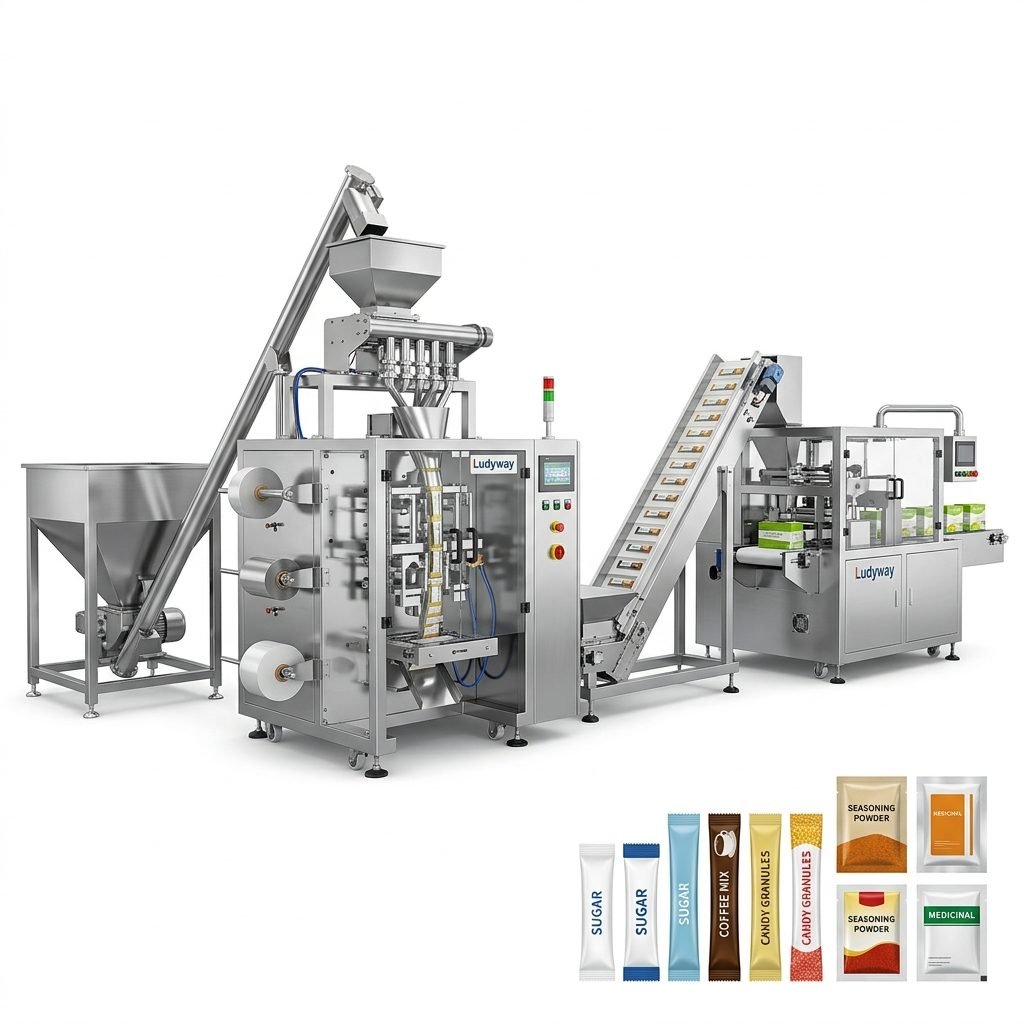
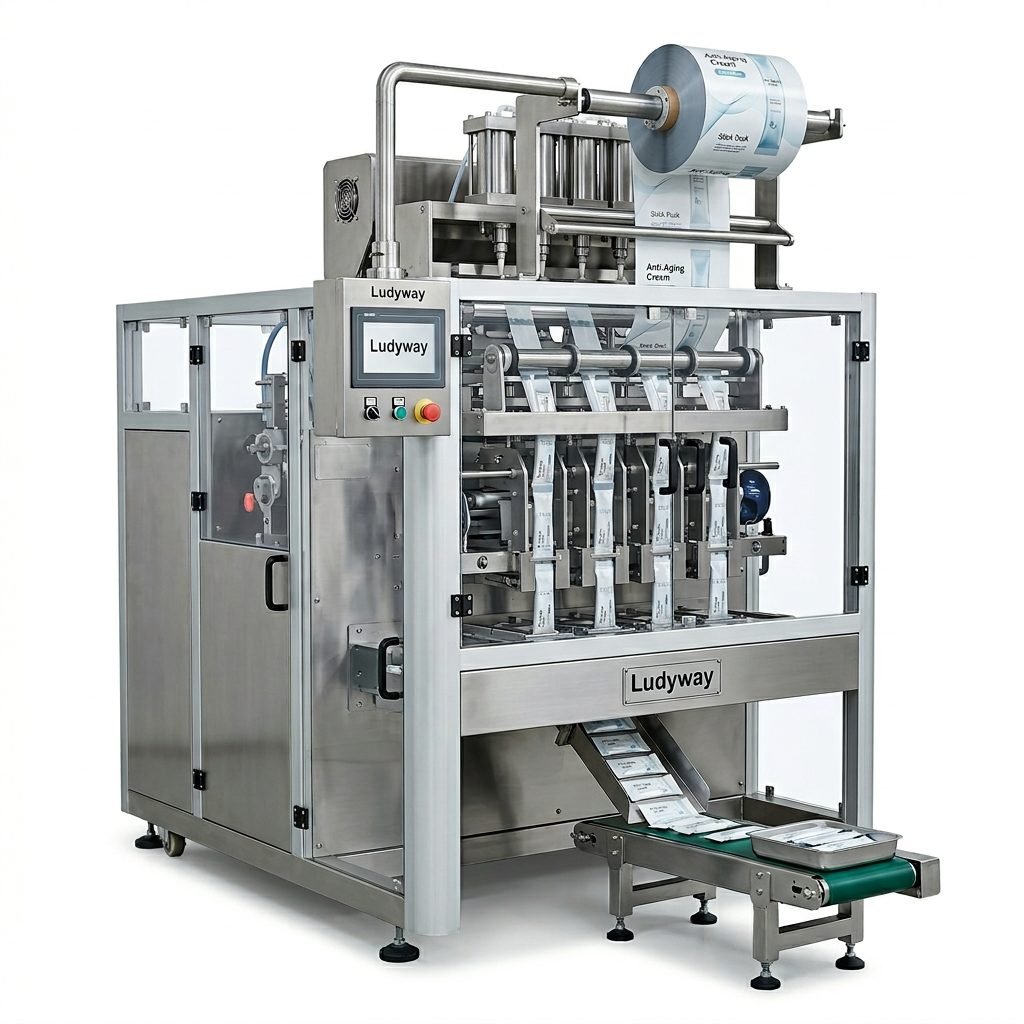
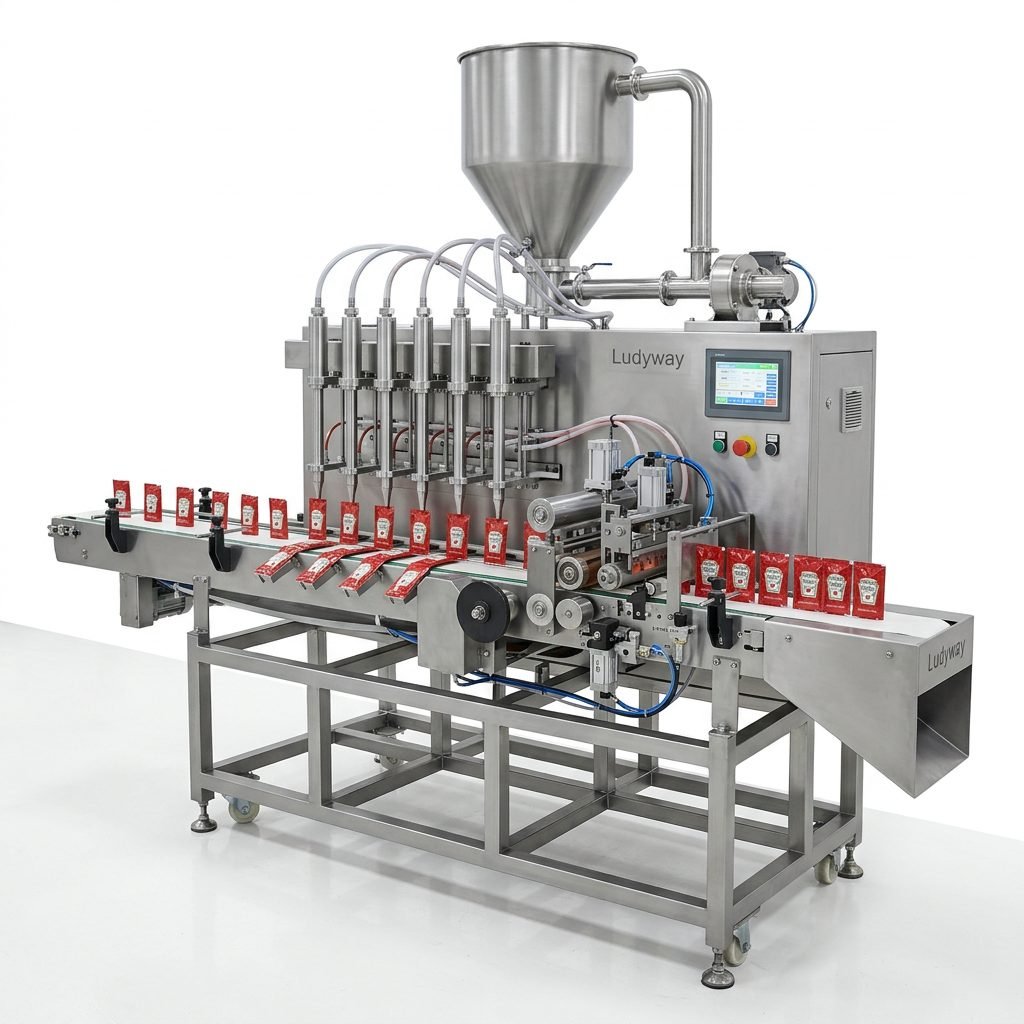
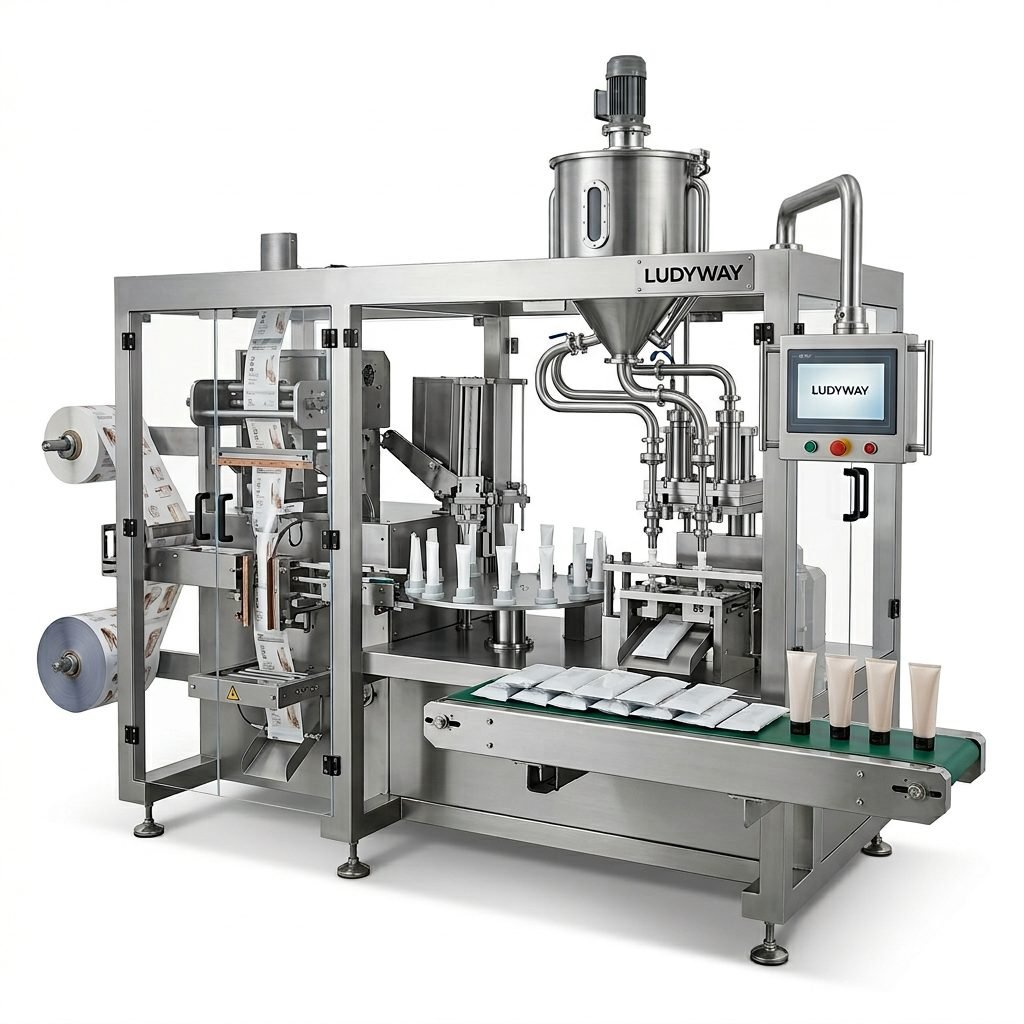
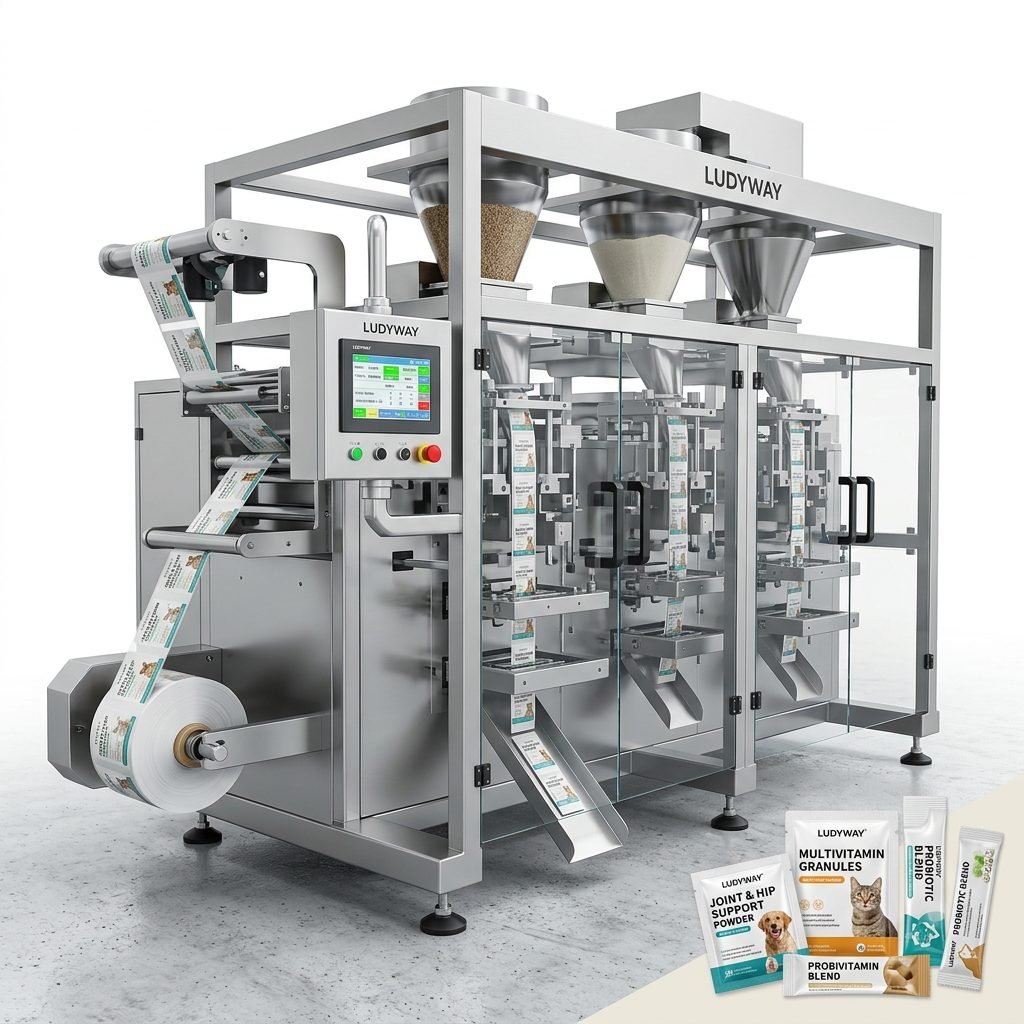
Germany represents one of the most sophisticated and demanding markets for confectionery packaging machinery in the world. Whether you are a mittelstand chocolate producer in Bavaria or a large-scale candy manufacturer in North Rhine-Westphalia, selecting the right equipment requires a deep understanding of German engineering standards, regulatory frameworks, and the specific needs of high-speed confectionery production. This guide walks you through every critical factor to consider when investing in confectionery packaging machines for the German market.
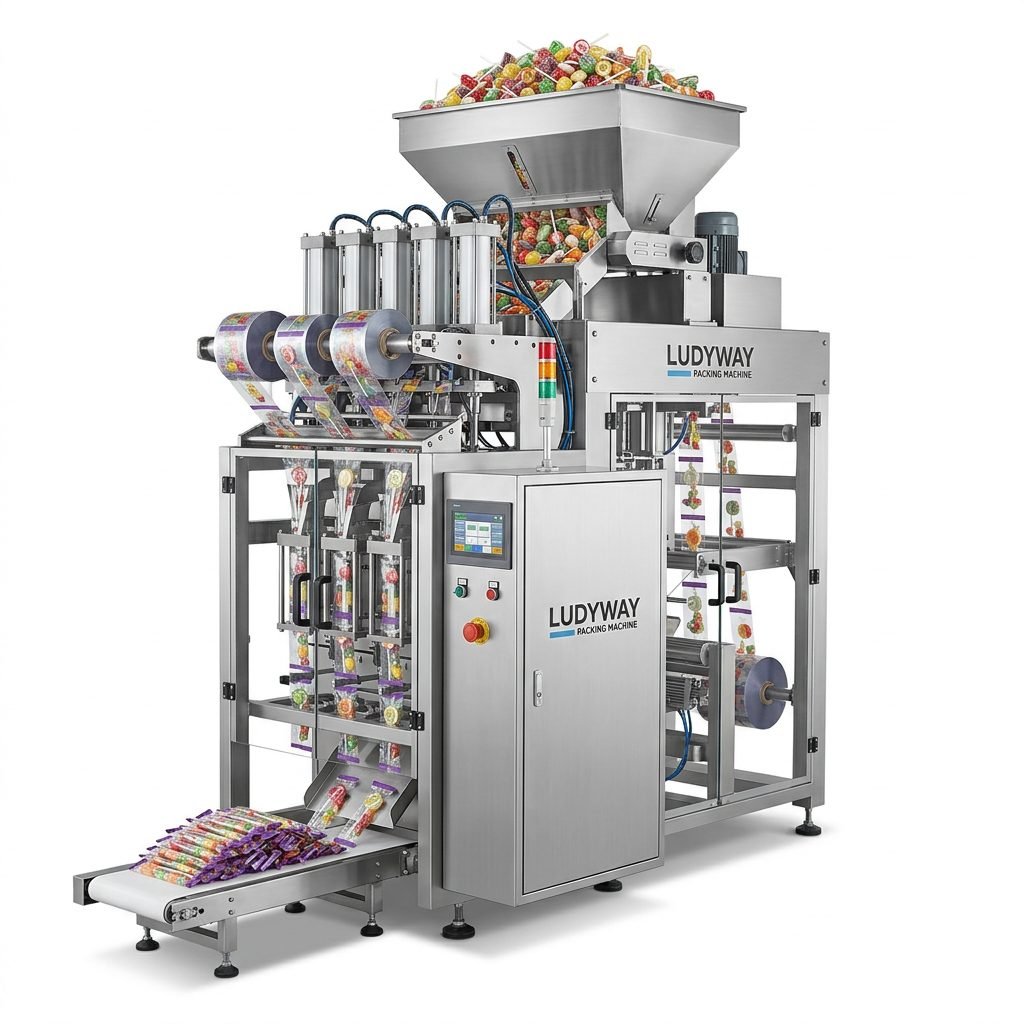
Understanding the German Confectionery Landscape
The German confectionery industry is the largest in Europe, producing everything from gummy bears and chocolate bars to seasonal marzipan and fine pralines. This mature market demands exceptional speed, precision, and flexibility from packaging machinery. Lines frequently need to switch between product types, formats, and packaging materials within minutes to accommodate seasonal peaks and just-in-time delivery models favored by major retailers like Aldi and Lidl.
Key Machine Types for Confectionery Packaging
Selecting the correct machine type is the foundation of a successful investment. Below are the primary categories you will encounter when sourcing equipment for the German market:
| Machine Type | Best Suited For | Key Advantage for Germany |
|---|---|---|
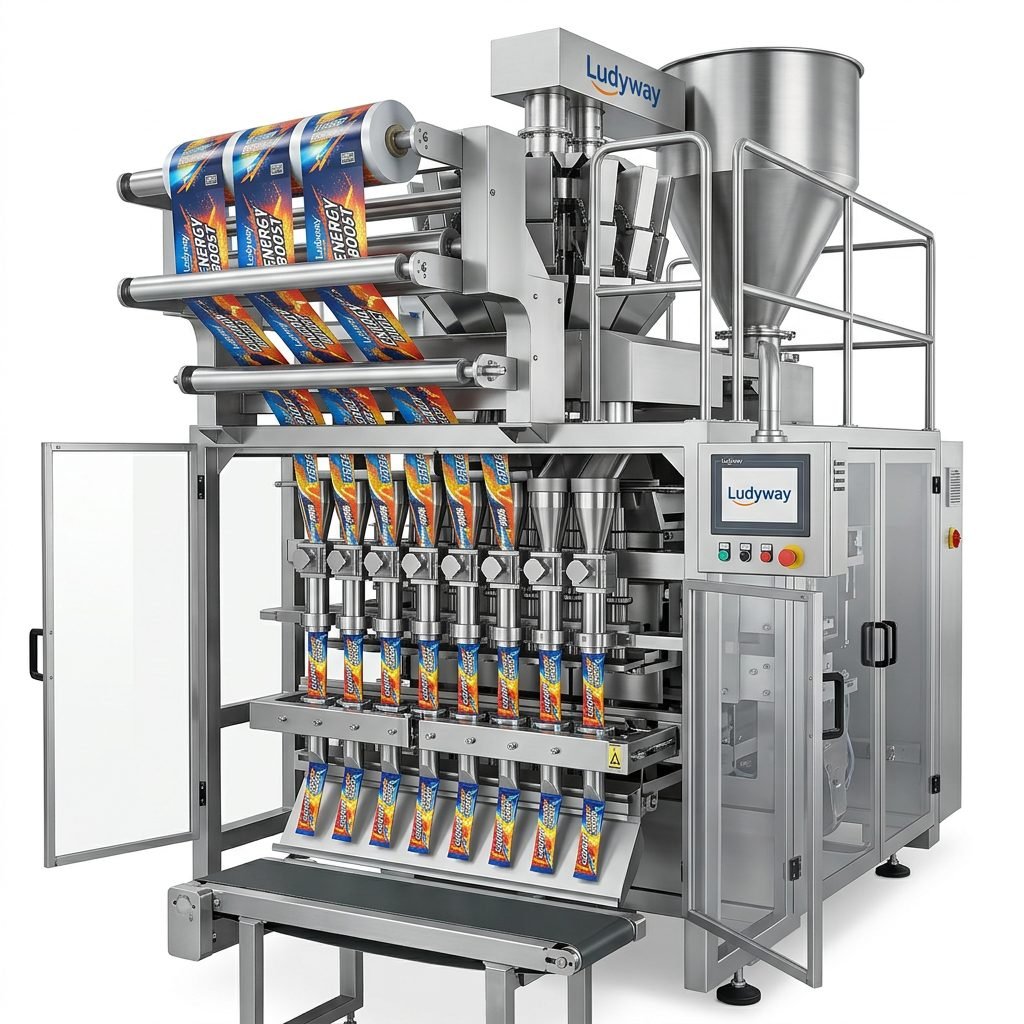
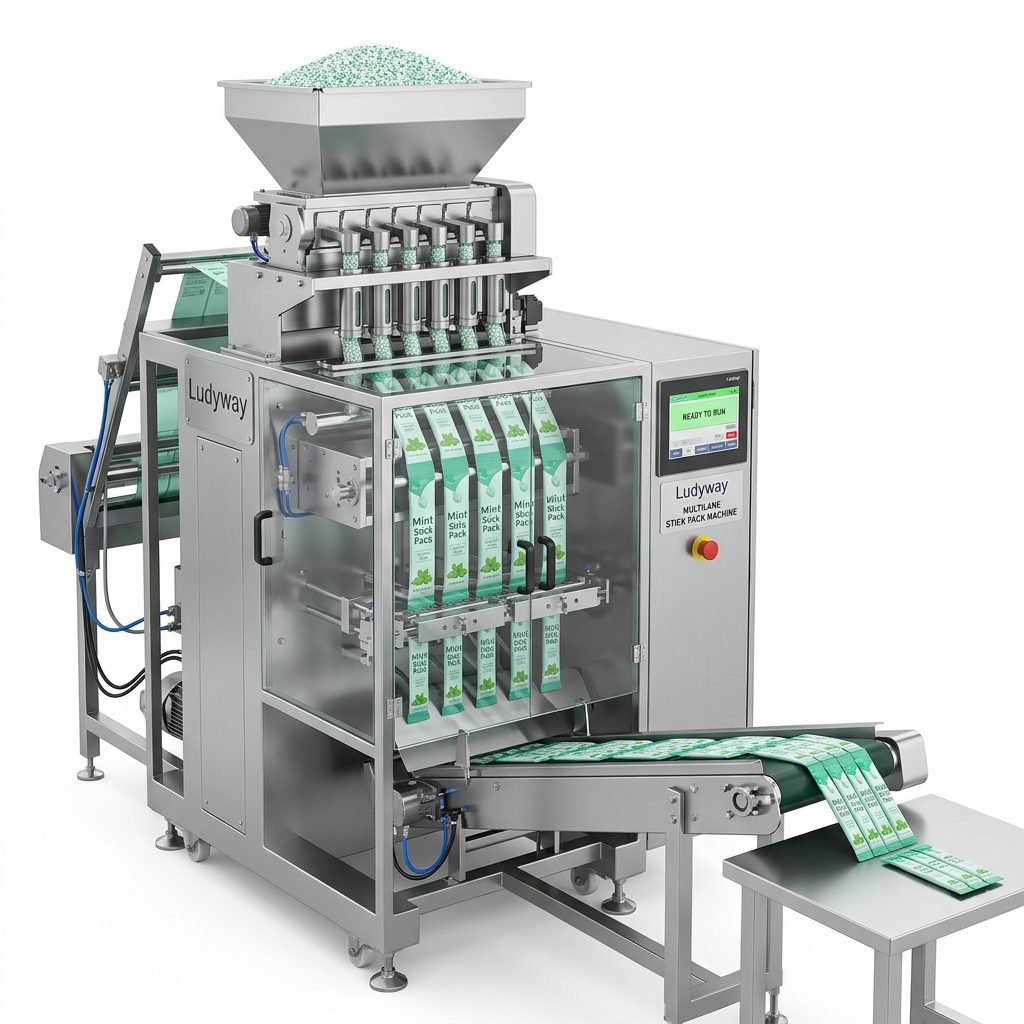
| Multi-Lane Stick Pack Machines | Powdered drink mixes, sugar, sweetener sticks | Ultra-high output, precise portion control |
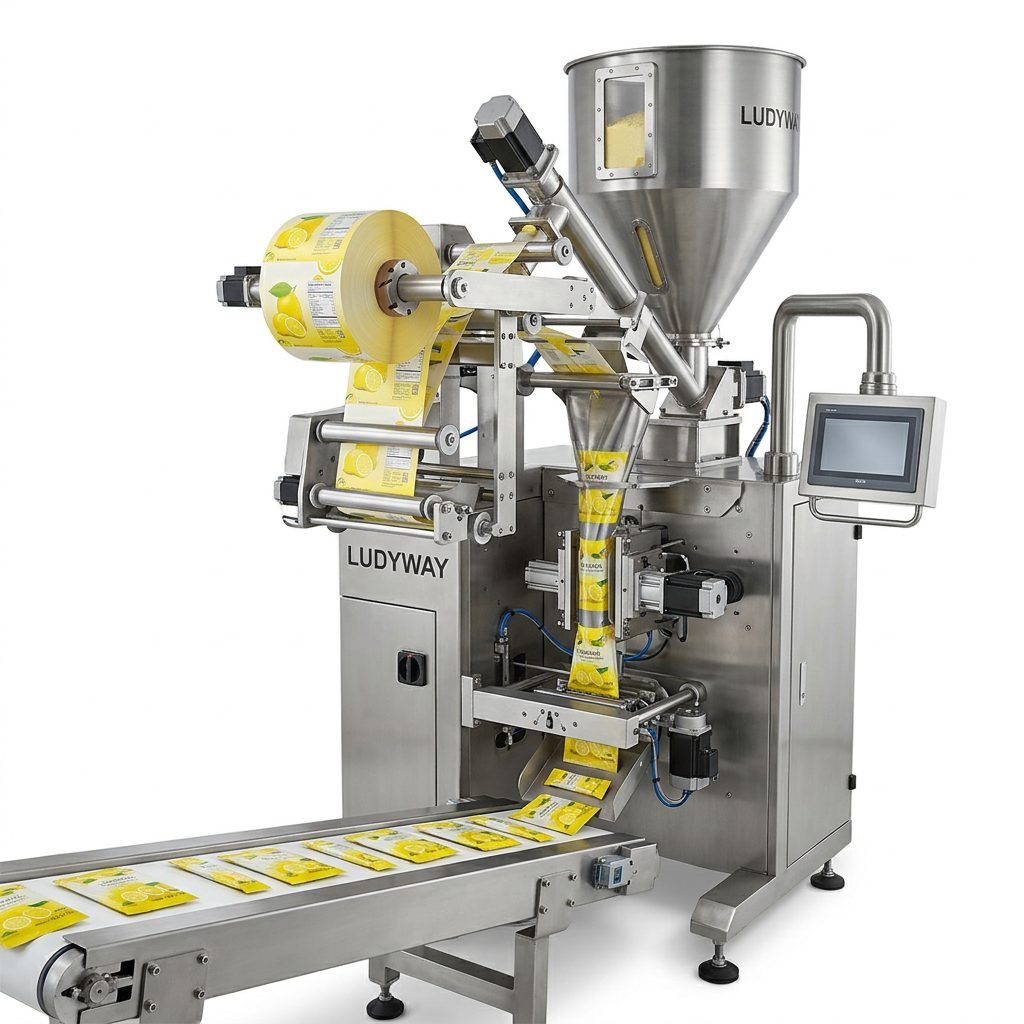
| Sachet / Pillow Pack Machines | Single-serve chocolates, gummies, hard candies | Compact footprint, rapid format changeovers |
| Vertical Form Fill Seal (VFFS) | Jelly beans, wrapped caramels, mixed pouches | Robust construction for 24/7 operation |
| Flow Wrapping / Horizontal Systems | Chocolate bars, biscuit stacks, count lines | Hermetic sealing, extended shelf life |
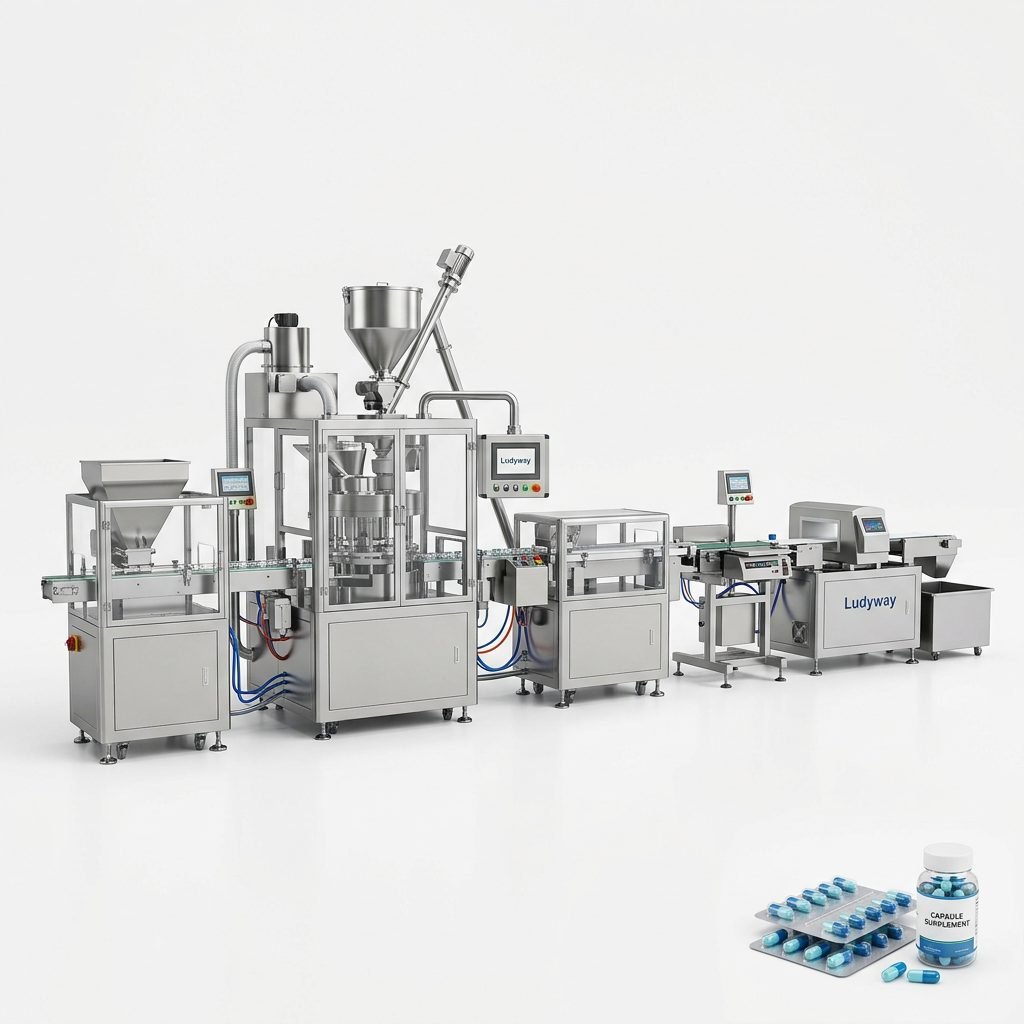
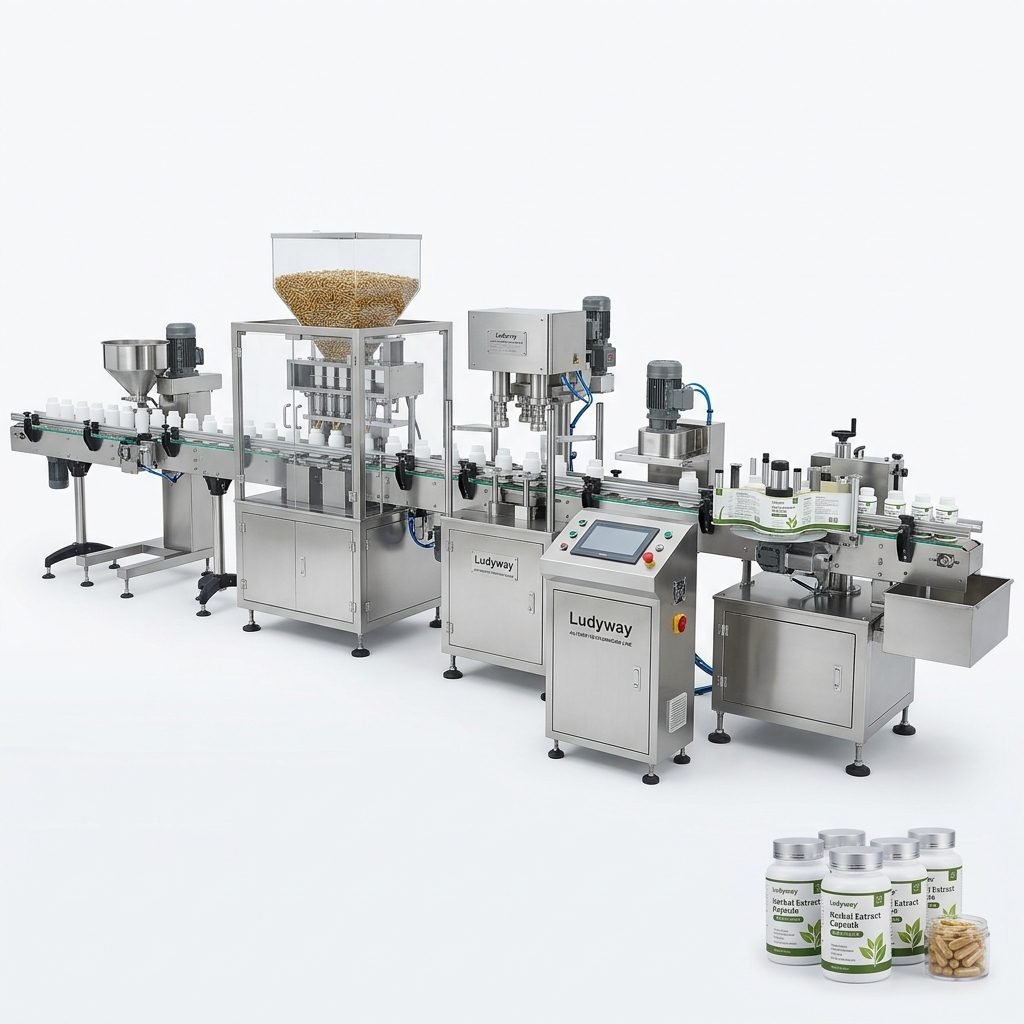
| Turnkey Complete Lines | Fully integrated weighing, filling, cartoning | Single-source responsibility, CE-compliance |
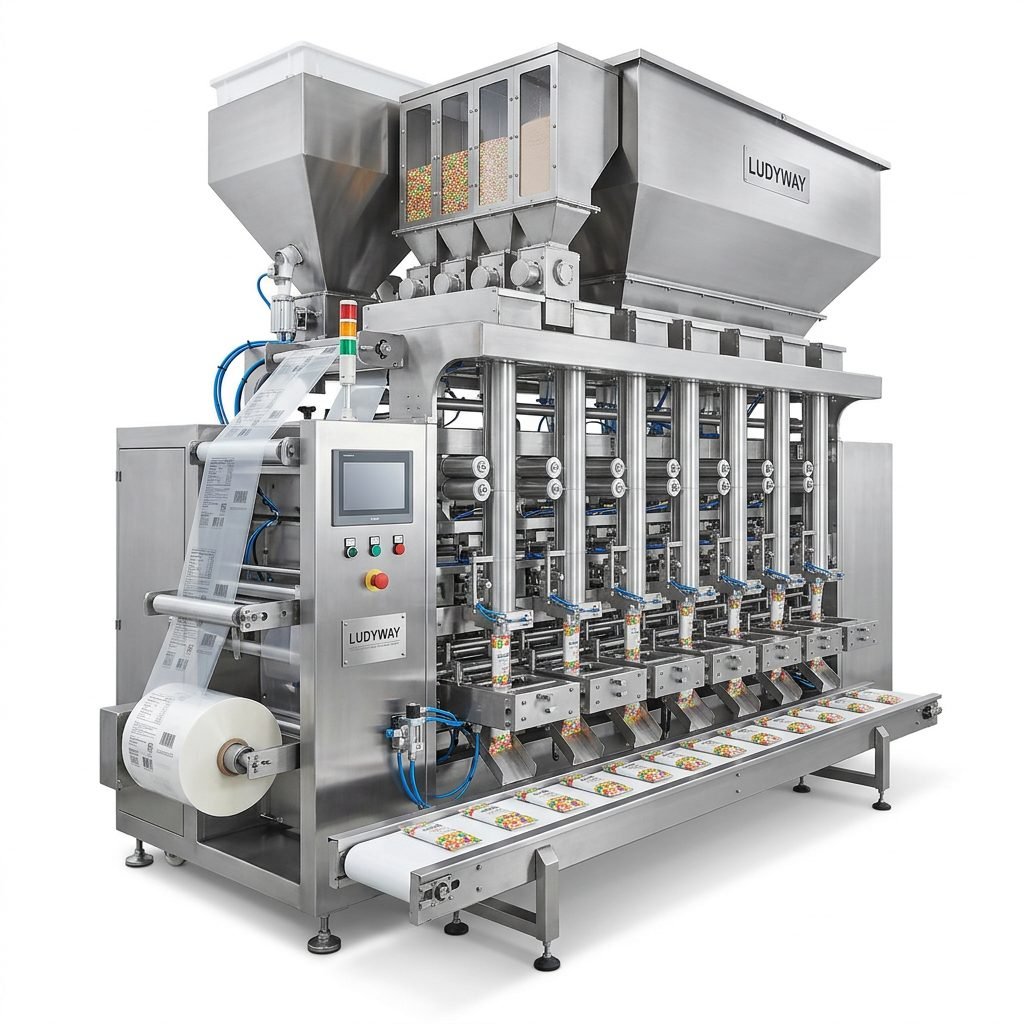
Stick Pack and Sachet Machines: The Gold Standard
In Germany, the trend toward portion control and on-the-go consumption has driven massive demand for stick pack and sachet packaging. Machines capable of producing 400 to 600 packs per minute per lane are now considered standard for competitive operations. Look for models offering servo-driven sealing jaws and automatic film tension control to handle the thin, sustainable films increasingly mandated by German packaging laws.
Flow Wrapping for Chocolate and Bars
German chocolate producers require flow wrapping equipment that maintains product integrity at high speeds. Temperature control on the sealing plates is critical to prevent chocolate bloom or deformation. Modern servos and integrated vision inspection systems ensure consistent quality, a non-negotiable requirement for meeting the expectations of German retailers.
Navigating German Regulatory and Technical Standards
Any confectionery packaging machine installed in Germany must comply with a complex web of regulations. Understanding these before procurement will save you significant time and cost during commissioning.
- CE Marking and Machinery Directive 2006/42/EC: The fundamental requirement for all equipment sold in Germany. The manufacturer must provide a declaration of conformity and technical file according to the EU Machinery Directive, which governs essential health and safety requirements.
- German Equipment and Product Safety Act (GPSG): This enforces EU directives at the national level and is overseen by the market surveillance authorities of the German federal states.
- Food Contact Materials Regulation (EC) 1935/2004: All parts of the packaging machine that come into contact with confectionery products must use approved materials that do not transfer harmful substances to the food.
- EU Regulation 10/2011 on Plastic Materials: Specific to plastic parts, this regulation limits the migration of substances. Migration test reports are often required by German importers.
- German Packaging Act (VerpackG): Governs the extended producer responsibility and packaging waste management. Equipment should be compatible with recyclable and reusable materials.
- ISO 22000 and IFS Standards: While not legal requirements, German confectionery manufacturers commonly demand that packaging machinery supports certification to International Featured Standards (IFS) Food, which is based within the GFSI framework and is a baseline for German retail.
Advanced Feature Requirements for the German Market
German manufacturers prioritize automation, data integration, and sustainability. Simply functioning is not enough; the machine must talk to the factory network, log production data, and demonstrate efficiency.
Industry 4.0 and Digital Integration
Your confectionery packaging machine should offer OPC-UA communication protocols to integrate seamlessly with MES and ERP systems common in German factories. Predictive maintenance alerts, remote diagnostics capability, and detailed OEE (Overall Equipment Effectiveness) reporting are often decision-critical factors. German technical buyers will specifically ask about the digital twin capability and interface with Siemens or Bosch Rexroth control platforms.
Sustainable and Flexible Material Handling
Germany leads the push toward recyclable mono-materials and paper-based packaging. The machine must run new-generation sustainable films without compromising seal integrity or speed. Automatic splice tables for non-stop film changeovers and quick-change forming sets that minimize material waste during transitions are essential features for environmentally and cost-conscious German buyers.
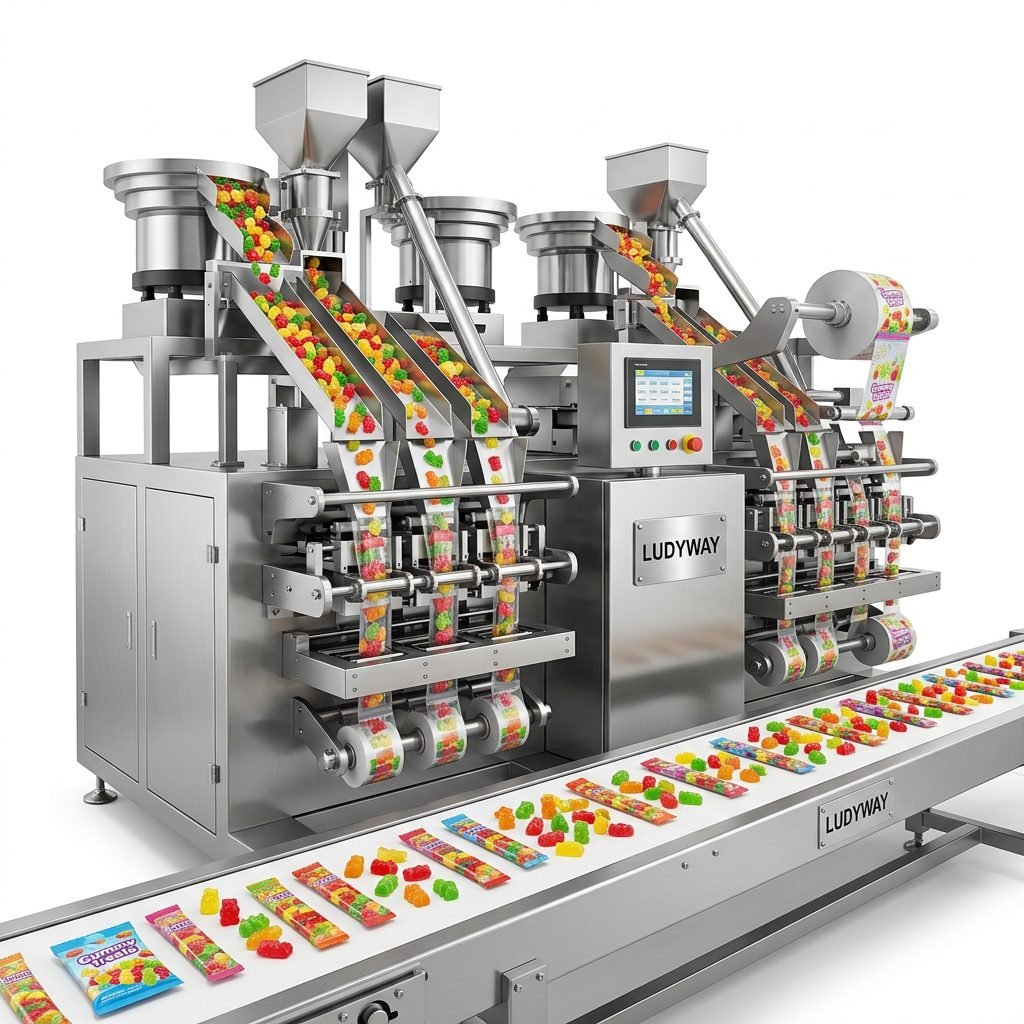
Selecting a Reliable Supplier for Germany
When importing packaging machinery into Germany, the supplier’s track record is as important as the machine specifications. You face a choice between established German brands like Syntegon, Theegarten-Pactec, or Loesch, and emerging high-quality international manufacturers.
Evaluating International Manufacturers
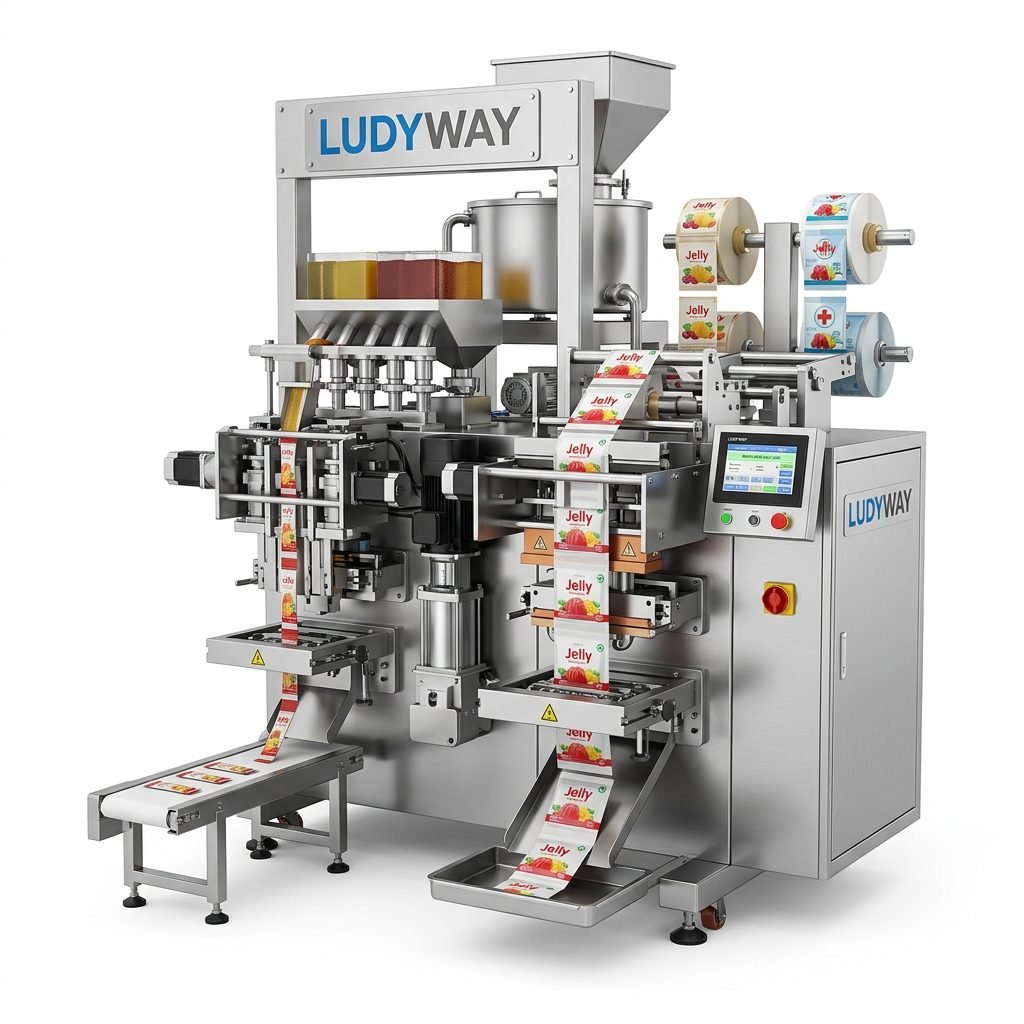
Many German confectionery firms are now partnering with international manufacturers who provide German-level engineering at competitive price points. For instance, Ludyway, one of the largest packaging machine manufacturers in China, offers modern, CE-compliant turnkey confectionery packaging lines developed in a 20,000 sqm manufacturing facility. They produce multi-lane stick pack machines and automated systems for granular and powder confectionery products, serving customers in over 100 countries with an emphasis on high-performance and cost-effective solutions. When evaluating any supplier, request verified references from German installations and details of their local service team.
Checklist for Supplier Qualification
- CE Technical File Audit: Request the full TCF including risk assessment per EN ISO 12100 and electrical safety per EN 60204-1. A German TÜV or DEKRA certification adds significant credibility.
- Food Safety Material Certificates: Obtain FDA and EU 10/2011 compliance declarations for all product-contact components. Certificates should be traceable to batch numbers.
- Local Service Capability: Verify that the supplier has trained service engineers who can be on-site in Germany within 48 hours. Parts availability from a European warehouse is equally important.
- Performance Guarantees: Demand a Factory Acceptance Test (FAT) protocol defining OEE targets (typically >85%), speed metrics, and waste percentages, signed before shipment. A Site Acceptance Test (SAT) should replicate these conditions in your facility.
- Language and Documentation: Operating manuals, HMIs, and training materials must be available in German. This is a legal requirement for safe operation under German workplace regulations.
Cost Considerations and ROI Factors
Budgeting for a confectionery packaging line in Germany extends far beyond the initial machine price. A comprehensive cost analysis includes:
- ▸ Initial Capital Expenditure: The machine cost, including custom forming sets, spare parts kit, and international logistics to a German port. Multi-lane stick pack machines suitable for high-demand German production typically range from EUR 80,000 to EUR 350,000 depending on configuration and lanes.
- ▸ Installation and Commissioning: Usually 5-10% of the machine cost. Includes the supplier’s engineer time for mechanical and electrical installation, control integration into existing plant networks, and operator training.
- ▸ Long-term Service Contracts: Critical for maintaining uptime. Budget for annual preventive maintenance visits (approximately EUR 3,000-6,000 per visit) and a service level agreement (SLA) defining response times.
- ▸ Consumable Parts: Sealing jaws, knives, Teflon tapes, and rubber rollers are wear items. Expect an annual cost of 1-3% of the machine value.
Leveraging Industry Resources
Staying informed about German and European packaging regulations is a continuous requirement. The following authoritative resources are essential for maintenance managers and technical buyers:
| Resource | Website | Relevance |
|---|---|---|
| PMMI State of the Industry Reports | pmmi.org/reports | Annual market data, trends analysis |
| Flexible Packaging Association | flexpack.org | Sustainability guidelines, material data |
| FDA Food Contact Substances | fda.gov | Material compliance standards |
| ISO 11607 Packaging Standards | iso.org | Validation and sealing integrity |
| EU Commission Packaging Waste Regulation | ec.europa.eu | Recycling mandates and EPR rules |
| EPA Sustainable Materials Management | epa.gov/smm | Lifecycle assessment frameworks |
Investment Analysis and Future-Proofing
Confectionery packaging machinery is a long-term asset, often operating for 10-15 years or more in German factories. When evaluating options, consider not just today’s production requirements but the trajectory of German consumer trends. The demand for sugar-free, functional, and protein-enriched confections is growing rapidly. The packaging equipment must handle these varied formulations, from sticky functional gummies to delicate aerated protein bars, without sacrificing speed.
Selecting a confectionery packaging machine for the German market is a strategic decision that impacts product quality, brand perception, and operational costs for a decade or more. By prioritizing CE compliance, digital integration, sustainable material compatibility, and verified supplier support, German confectionery manufacturers can secure a substantial competitive advantage in Europe’s most demanding retail environment.