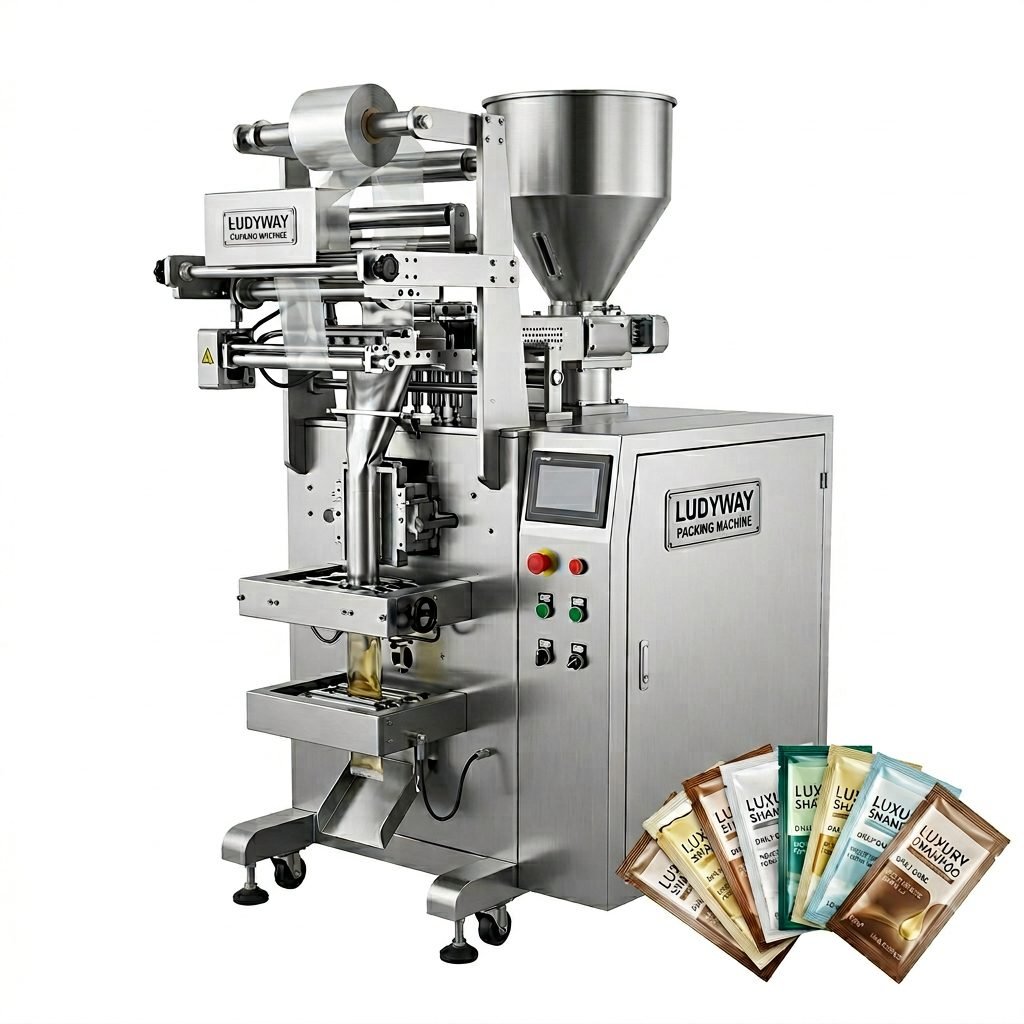
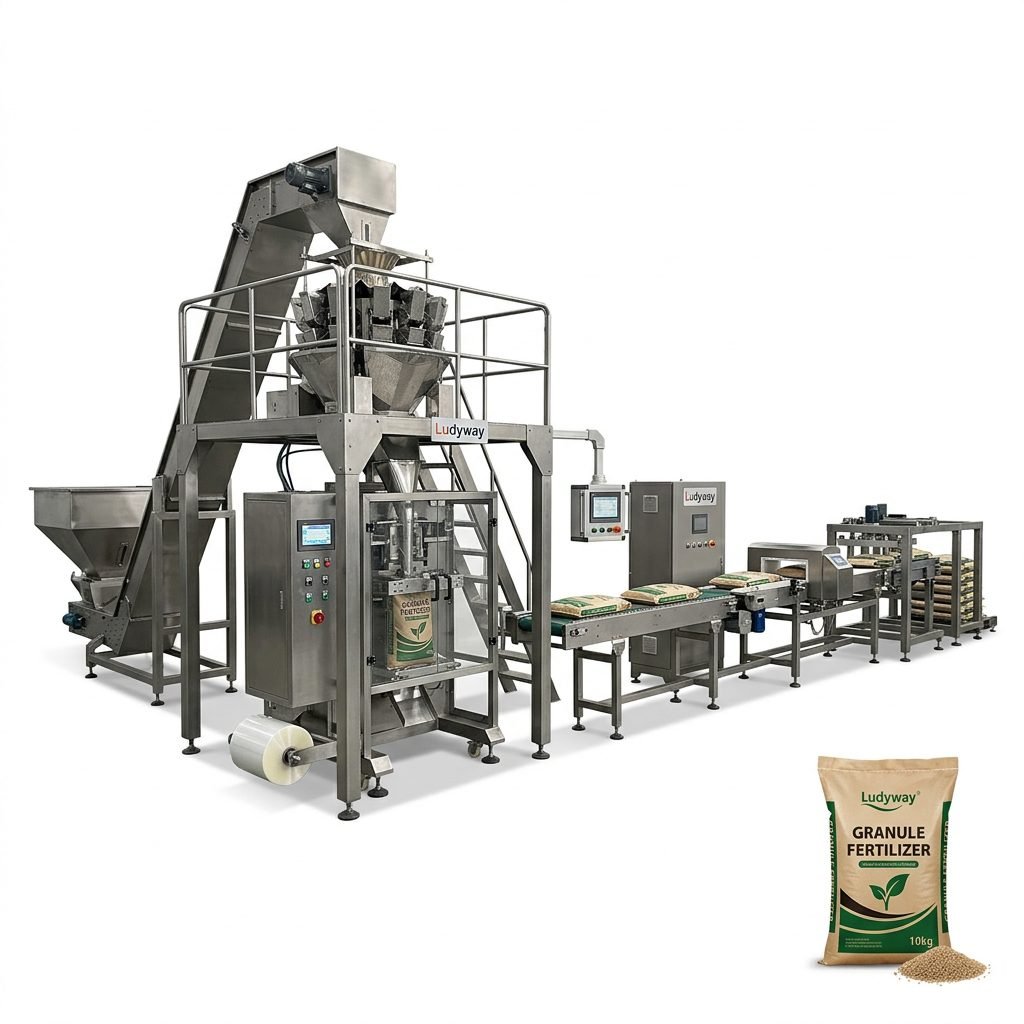
Investing in a meal packaging machine is a strategic decision for food manufacturers, ready-meal producers, and catering businesses looking to scale operations efficiently. China has emerged as a dominant global hub for packaging machinery, offering advanced technology at competitive prices. However, navigating this vast market requires a clear understanding of supplier landscapes, cost structures, and technical specifications. This guide provides a comprehensive roadmap to help you make an informed purchasing decision.

Understanding the Chinese Meal Packaging Machine Market
China’s packaging machinery industry has experienced remarkable growth over the past decade, driven by rising domestic demand and increasing global exports. The country now accounts for a significant share of the world’s packaging equipment production, with manufacturers offering everything from entry-level semi-automatic systems to fully integrated turnkey lines.
The meal packaging sector specifically covers a broad spectrum of applications, including tray sealing machines, vacuum packaging systems, modified atmosphere packaging (MAP) equipment, and multi-lane sachet and stick pack machines for sauces, seasonings, and single-serve portions. Understanding which category fits your product is the first critical step.
Key Types of Meal Packaging Equipment
Before approaching suppliers, it is essential to identify the specific type of meal packaging solution your production requires. The most common categories sourced from China include:
- Tray Sealing and Thermoforming Machines — Ideal for ready-meal containers, fresh produce, and modified atmosphere packaging. These machines handle pre-formed trays and apply film lids with gas flushing for extended shelf life.
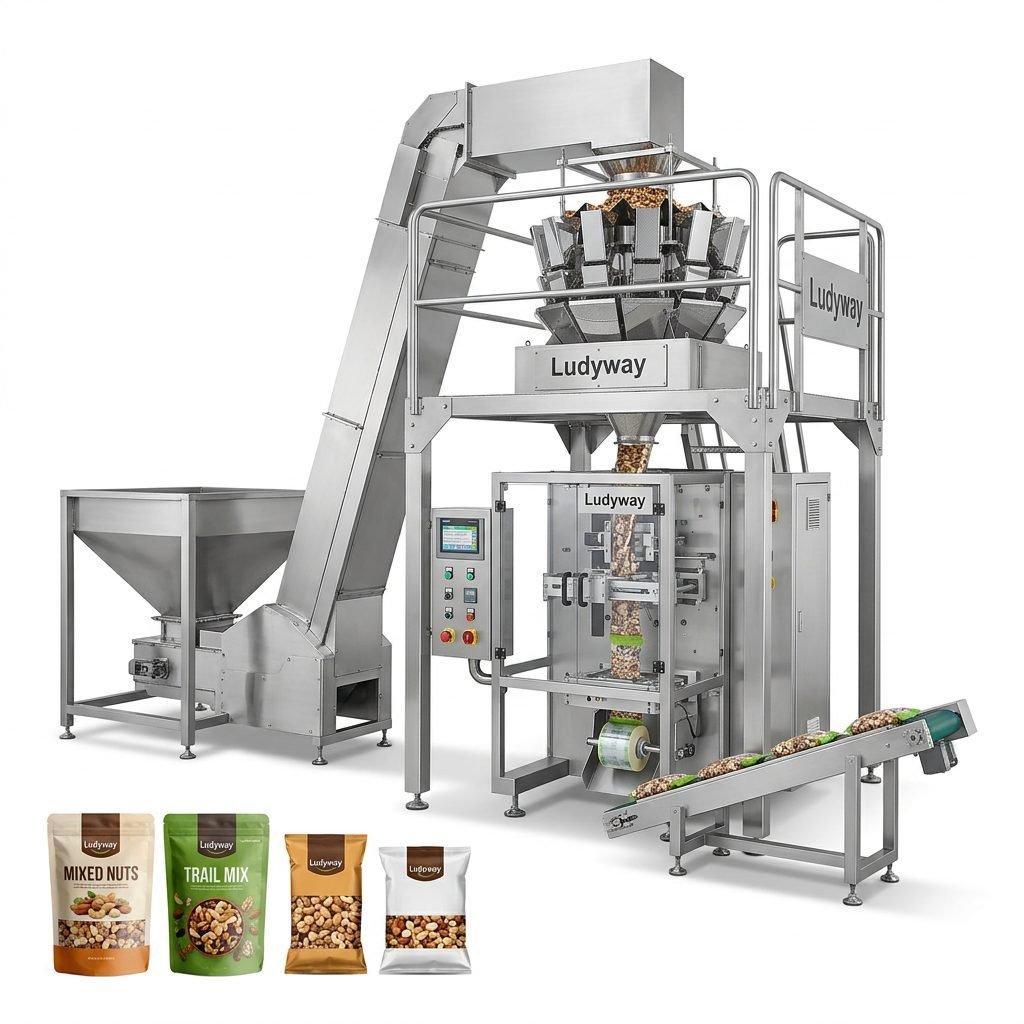
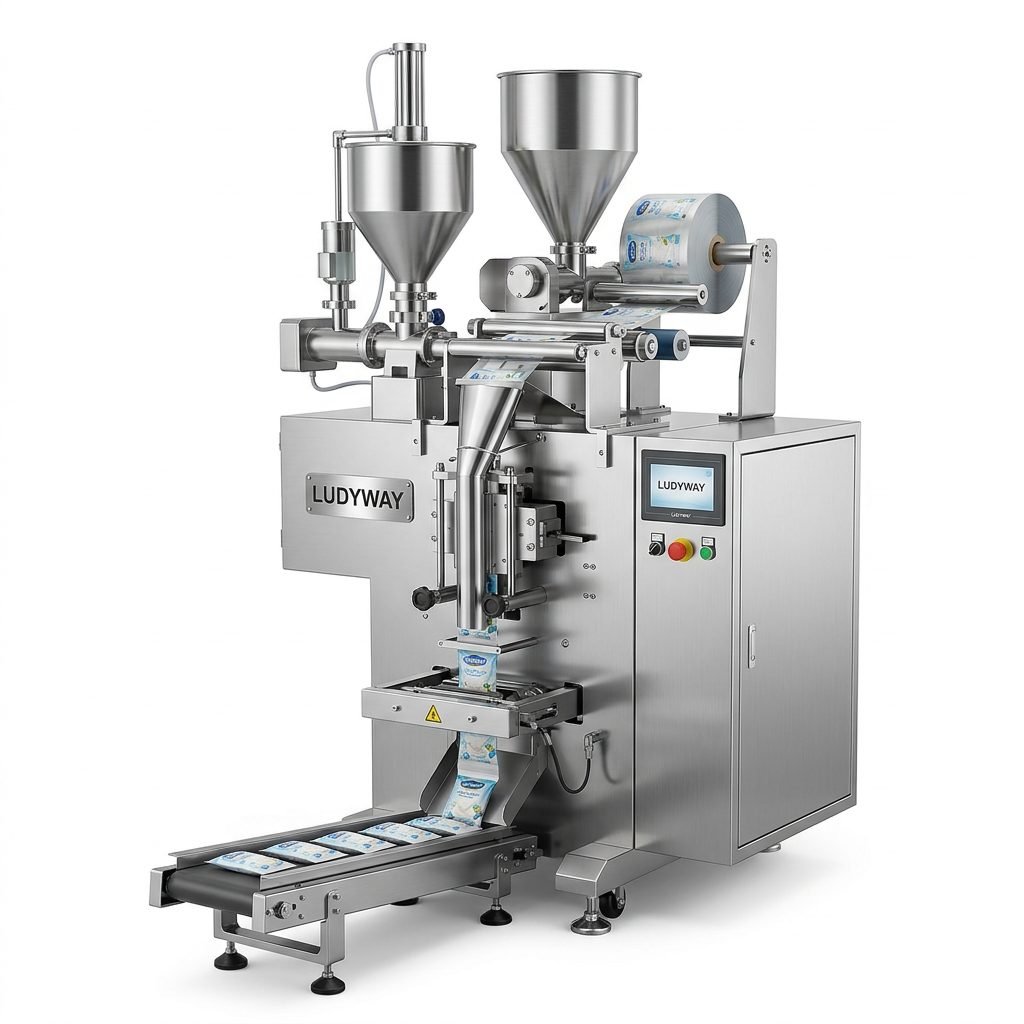
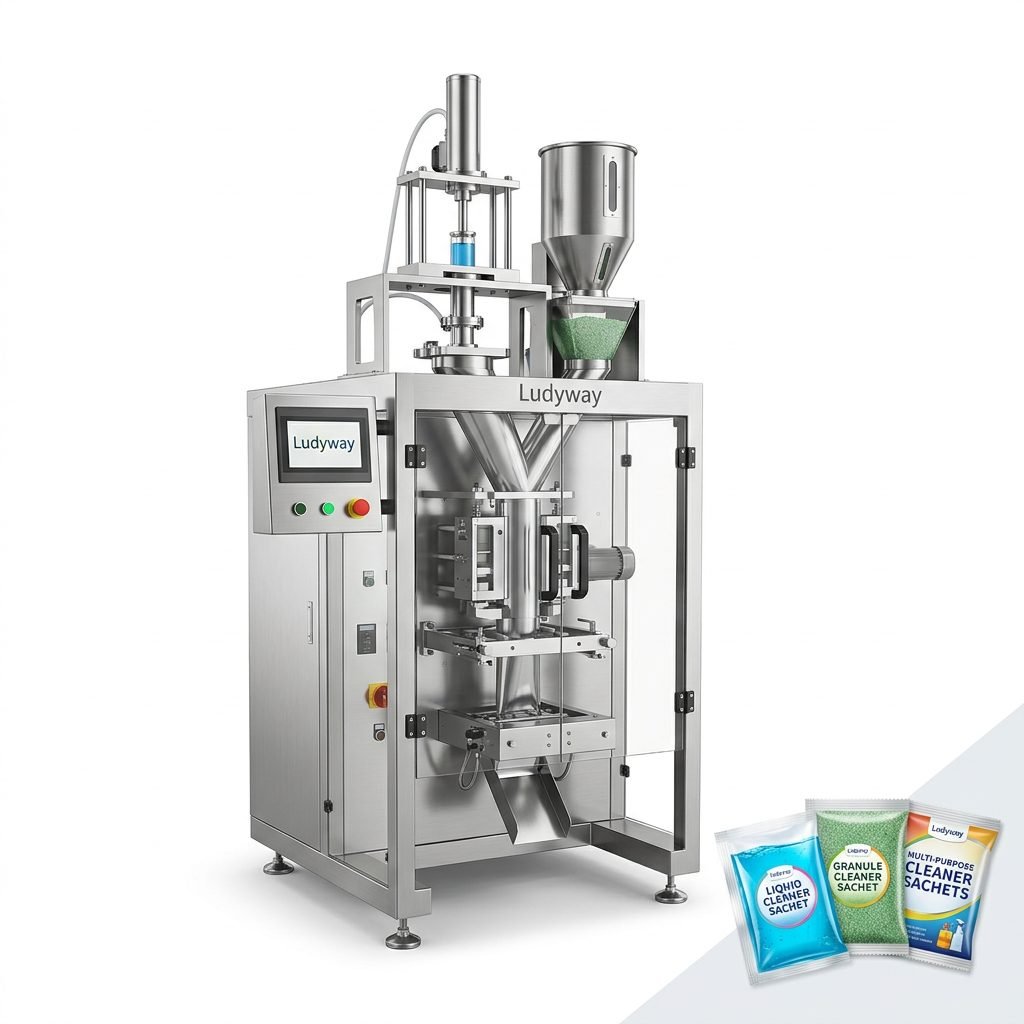
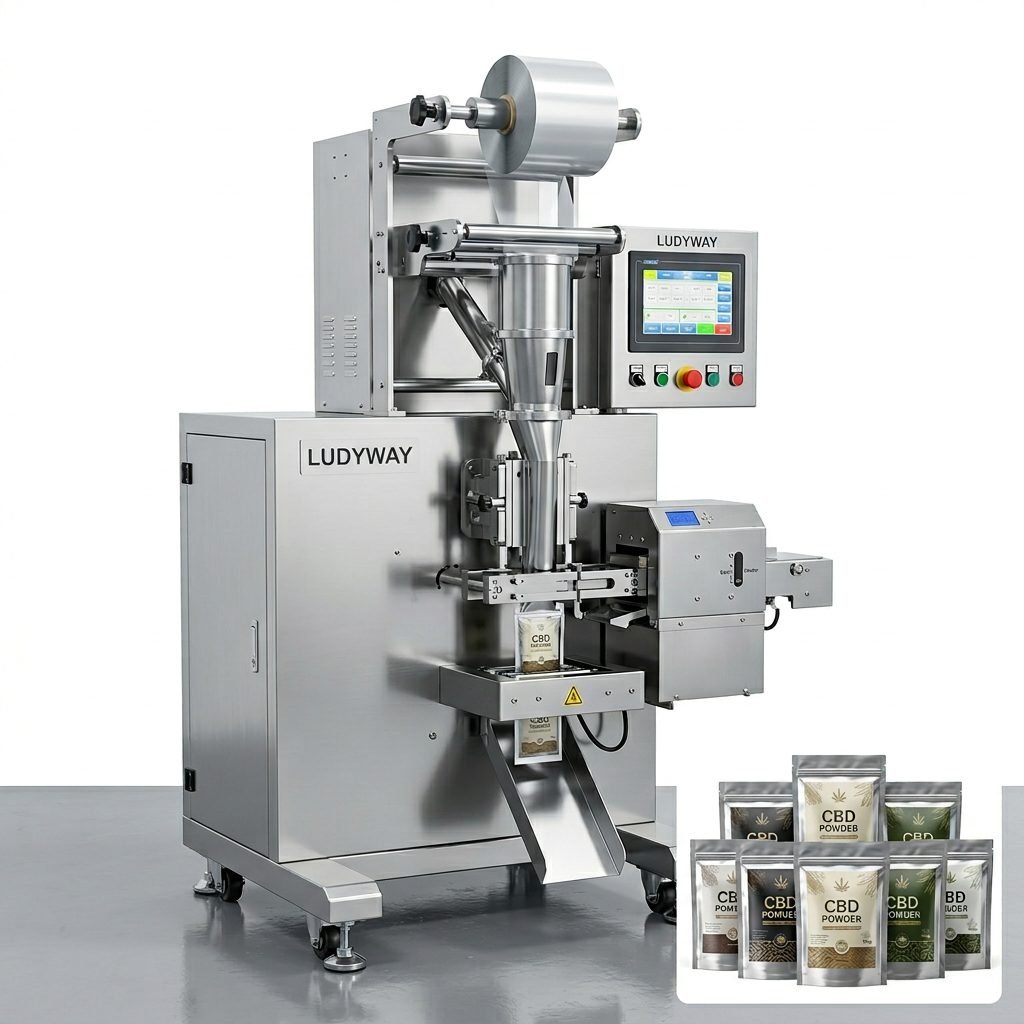
- Vertical Form Fill Seal (VFFS) Machines — Versatile systems for packaging granular, powdered, and liquid meal components into pillow bags, gusseted pouches, or quad-seal packs.
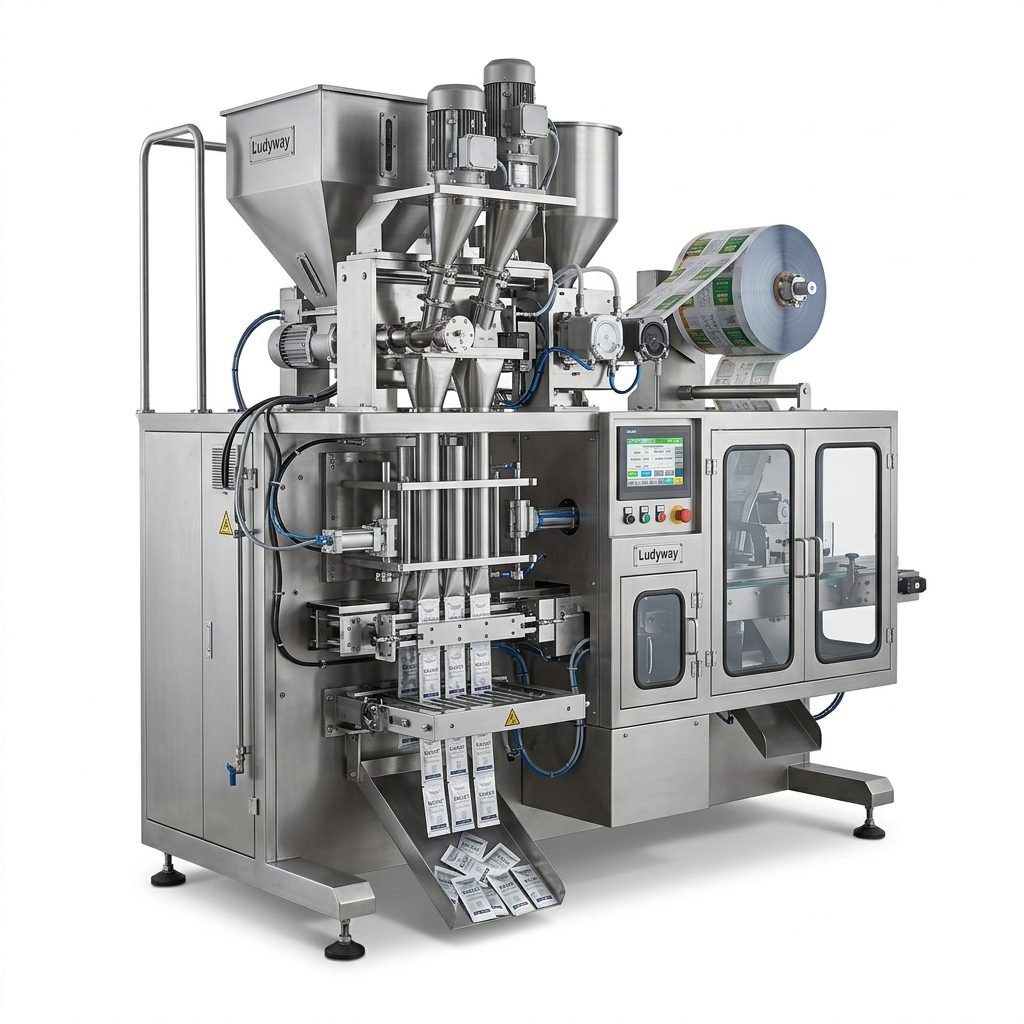
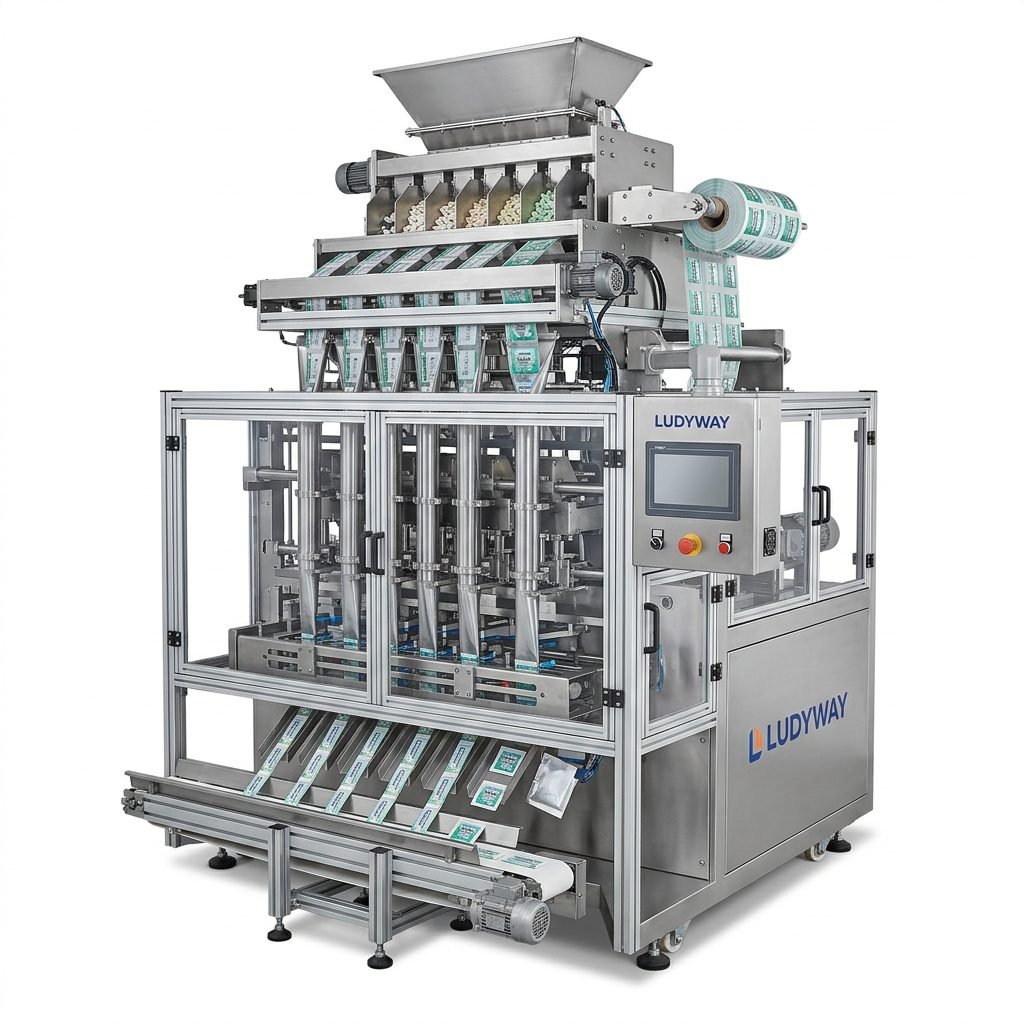
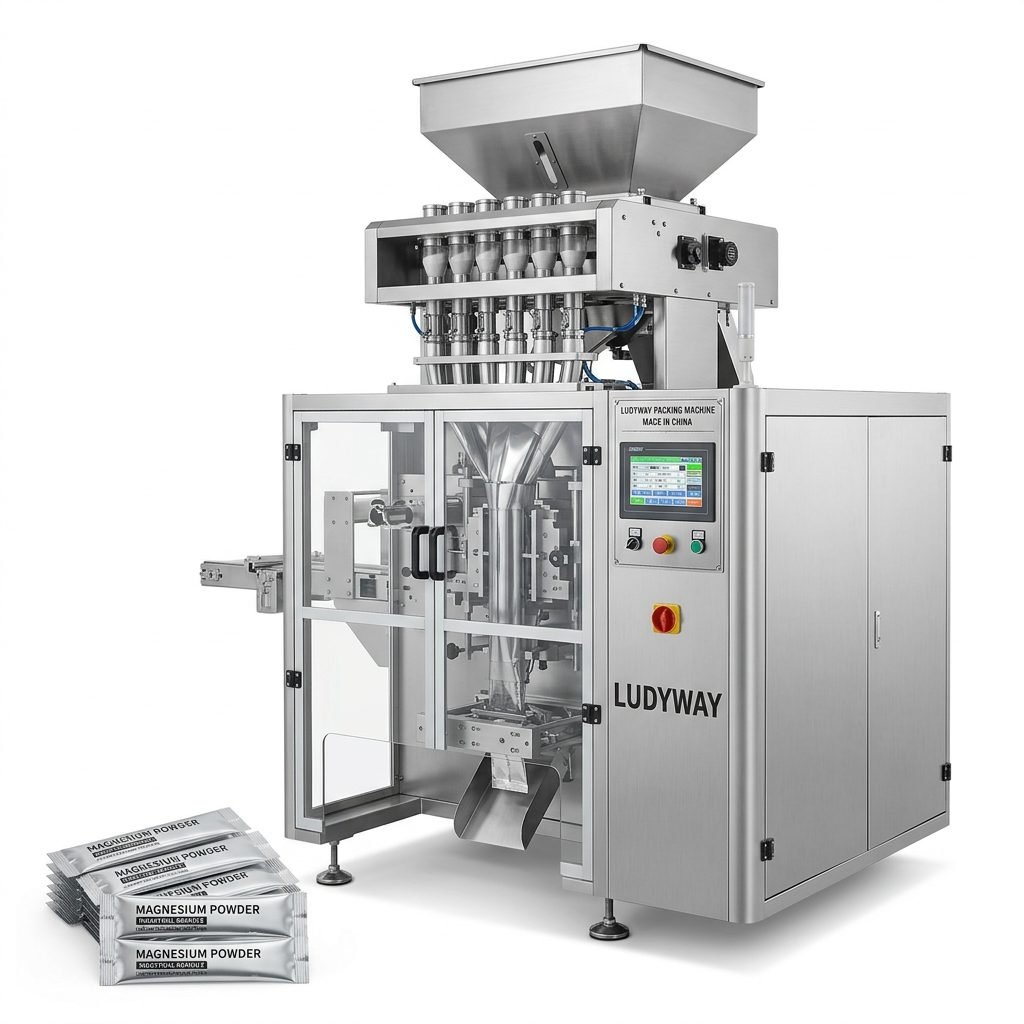
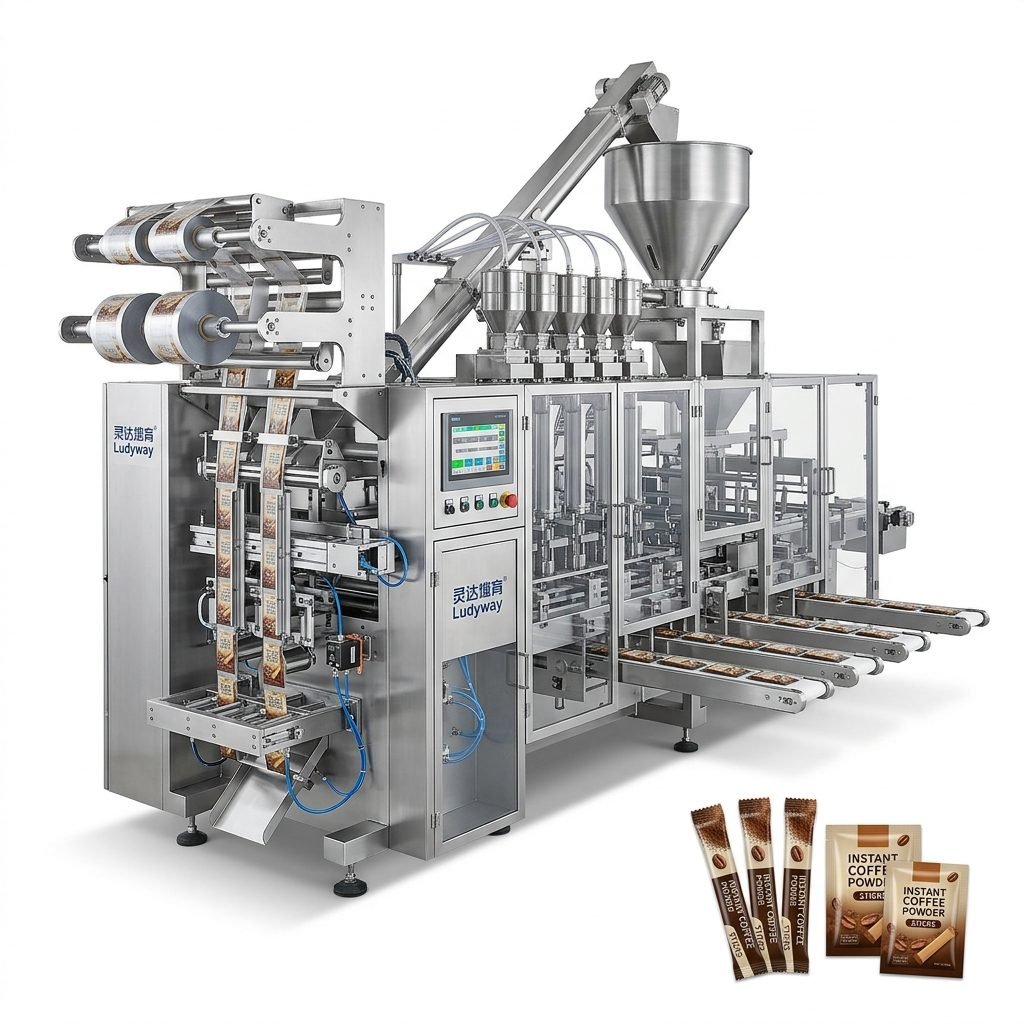
- Multi-Lane Stick Pack and Sachet Machines — High-speed solutions for single-serve condiments, sauces, protein powders, and instant meal additives. These automatic packaging systems can reach speeds of 400-600 packs per minute.
- Vacuum Packaging and MAP Systems — Used extensively for meat, seafood, cheese, and prepared meal components requiring extended cold chain preservation.
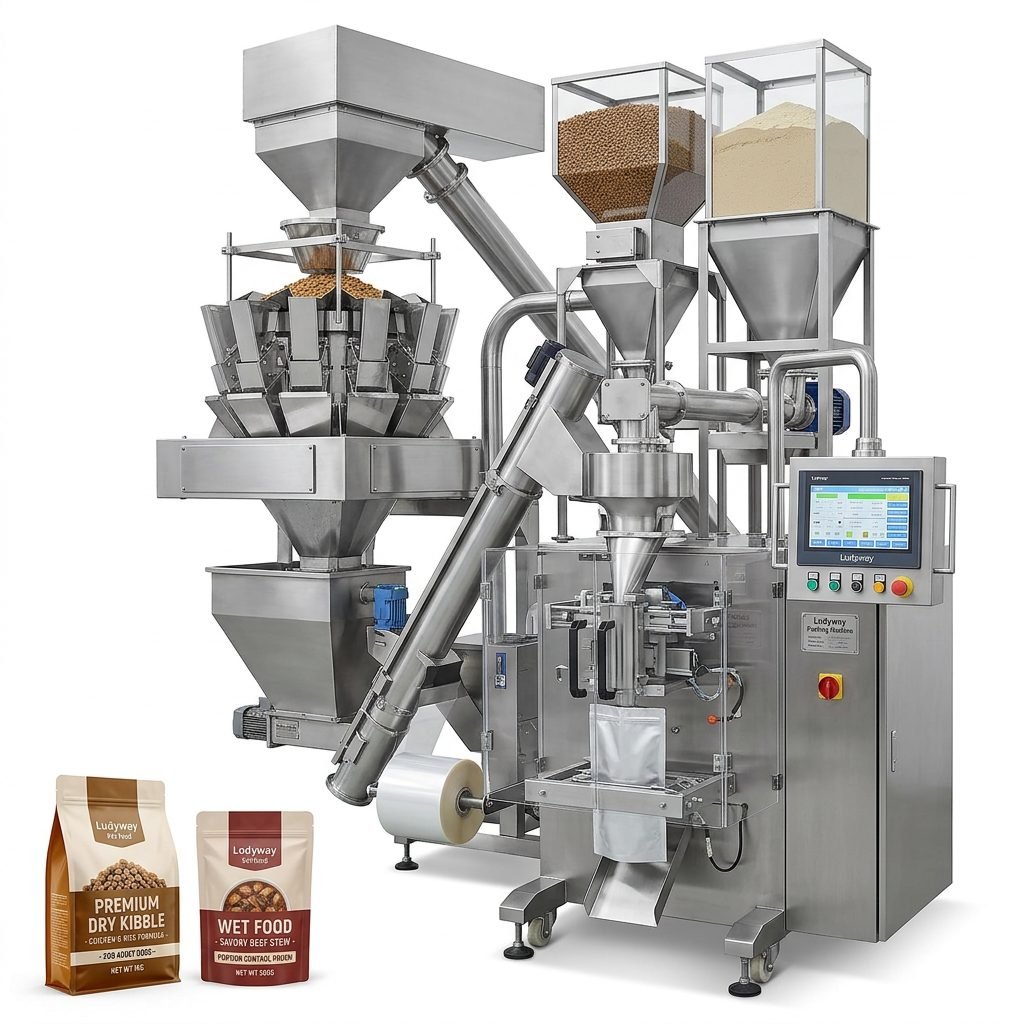
- Premade Pouch Filling and Sealing Lines — Rotary or linear systems designed for stand-up pouches, spouted pouches, and zipper bags commonly used in meal kits.
Cost Breakdown: What to Expect in 2025-2026
Pricing for meal packaging machines from Chinese manufacturers varies widely based on automation level, speed, materials of construction, and customization. The table below provides a general reference for budget planning:
| Machine Type | Speed Range | Estimated FOB Price (USD) | Key Features |
|---|---|---|---|
| Semi-Automatic Tray Sealer | 15-30 trays/min | $8,000 – $25,000 | Manual loading, pneumatic sealing, compact footprint |
| Fully Automatic MAP Tray Line | 40-80 trays/min | $60,000 – $180,000 | Inline denesting, gas flushing, automatic lid application |
| Multi-Lane Stick Pack Machine | 200-600 packs/min | $35,000 – $120,000 | 4-12 lanes, servo-driven, precision dosing |
| Premade Pouch Rotary Filler | 30-60 pouches/min | $25,000 – $90,000 | Zipper opening, multi-head weighing, nitrogen flush |
| Complete Turnkey Meal Packaging Line | Custom | $150,000 – $500,000+ | Conveying, filling, sealing, labeling, cartoning integrated |
Additional costs to factor in include international shipping (typically 3-8% of machine value), import duties, local installation and commissioning, and ongoing spare parts inventory. Most Chinese suppliers quote on an FOB basis, meaning the buyer assumes responsibility for freight and insurance from the port of origin.

Top Supplier Regions and How to Evaluate Them
China’s packaging machinery manufacturing is concentrated in several key industrial clusters. Understanding regional specializations helps narrow your supplier search:
- Guangdong Province (Guangzhou, Foshan, Zhongshan) — Known for high-speed packaging equipment, especially multi-lane stick pack machines, sachet fillers, and liquid packaging systems. Manufacturers here often serve export markets and maintain CE certifications.
- Zhejiang Province (Wenzhou, Hangzhou, Ningbo) — A major hub for VFFS machines, thermoforming packaging lines, and vacuum sealers. Many factories in this region offer competitive pricing on standardized models.
- Shanghai and Jiangsu Province — Home to high-end manufacturers producing pharmaceutical-grade and food-grade automated systems with advanced servo controls and IoT integration.
- Shandong Province — Specializes in bulk bagging, weighing systems, and heavy-duty conveyors suitable for raw ingredient handling in meal production.
Supplier Vetting Checklist
When evaluating potential meal packaging machine suppliers, use the following criteria to assess their reliability:
- Verify business licenses, export records, and quality certifications such as ISO 9001, CE, or FDA compliance where applicable.
- Request video demonstrations of similar machines in operation, preferably with product samples that match your specifications.
- Check the supplier’s presence on international packaging exhibitions and B2B platforms with verified trading histories.
- Ask for references from clients in your region or industry segment.
- Evaluate their after-sales support structure, including availability of remote technical assistance, spare parts inventory, and warranty terms.
Critical Technical Considerations
Beyond price, the long-term performance of your meal packaging machine depends on several technical factors that should be discussed in detail with the manufacturer before placing an order.
Material Compatibility and Hygiene Standards
Food contact surfaces must be manufactured from 304 or 316L stainless steel, with smooth, crevice-free welds to prevent bacterial growth. For ready-meal and fresh food applications, inquire about IP65 or IP66 washdown ratings if wet cleaning procedures are used. Compliance with FDA food contact substance regulations is essential for products destined for the North American market.
Automation and Integration Capabilities
Modern packaging lines increasingly incorporate features such as automatic film tracking, servo-driven sealing jaws, integrated checkweighers, metal detectors, and vision inspection systems. If you plan to connect the machine to upstream cooking, filling, or downstream cartoning equipment, confirm that the control architecture (PLC brand, communication protocols) supports seamless integration.
Compliance with International Standards
For exporters, ensuring that Chinese-manufactured equipment meets destination market requirements is non-negotiable. Key standards and regulatory frameworks to verify include:
| Standard / Regulation | Region | Relevance to Meal Packaging |
|---|---|---|
| CE Marking (Machinery Directive 2006/42/EC) | European Union | Mandatory for equipment imported into EU member states |
| FDA 21 CFR Part 110 & 117 | United States | Current Good Manufacturing Practice for food contact equipment |
| ISO 11607 Series | International | Packaging validation requirements relevant to sterile meal components |
| Packaging and Packaging Waste Directive (94/62/EC) | European Union | Sustainability and recyclability requirements for packaging materials |
| UL 508A / NFPA 79 | North America | Electrical safety standards for industrial machinery |
Reputable Chinese manufacturers maintain dedicated compliance teams and can provide the necessary technical documentation, including risk assessments, electrical schematics, and material certificates. Always request these documents during the quotation phase.
Shipping, Installation, and After-Sales Service
Logistics planning is a crucial element that many first-time buyers underestimate. Ocean freight from major Chinese ports (Shanghai, Shenzhen, Guangzhou, Ningbo) to key destinations typically takes 25-45 days depending on the route. For urgent projects, air freight is available but can increase costs by 5-10 times. Ensure the machine is properly crated and protected against maritime humidity.
Upon delivery, installation and commissioning may require either remote video guidance or an onsite visit by the manufacturer’s engineers. Discuss these terms upfront, as they significantly impact your total cost of ownership. Flexible packaging industry resources often highlight the importance of structured after-sales agreements in international equipment procurement.

Negotiation Tips and Common Pitfalls
When negotiating with Chinese packaging machine manufacturers, keep these practical insights in mind:
- Request a detailed scope of supply — Clarify exactly what is included (main machine, conveyor modules, spare parts kit, tooling) and what constitutes optional extras.
- Validate speed and performance claims — Ask for documented production data and, when possible, conduct a factory acceptance test with your actual product materials.
- Payment terms — Standard terms are 30% deposit with order, 60% before shipment, and 10% upon successful commissioning, though these are negotiable.
- Avoid over-customization without clear specifications — Frequent design changes after production begins can lead to delays and cost overruns.
- Plan for operator training — Budget for either sending your staff to the factory or having the supplier’s technicians train your team onsite.
Why Source from China: Long-Term Value Perspective
China’s packaging machinery sector has matured significantly. Today’s leading manufacturers produce equipment that rivals European and Japanese counterparts in precision and durability, often at 40-60% lower price points. The combination of a robust domestic supply chain, continuous technology transfer through international partnerships, and increasing investment in R&D has elevated the industry’s quality standards.
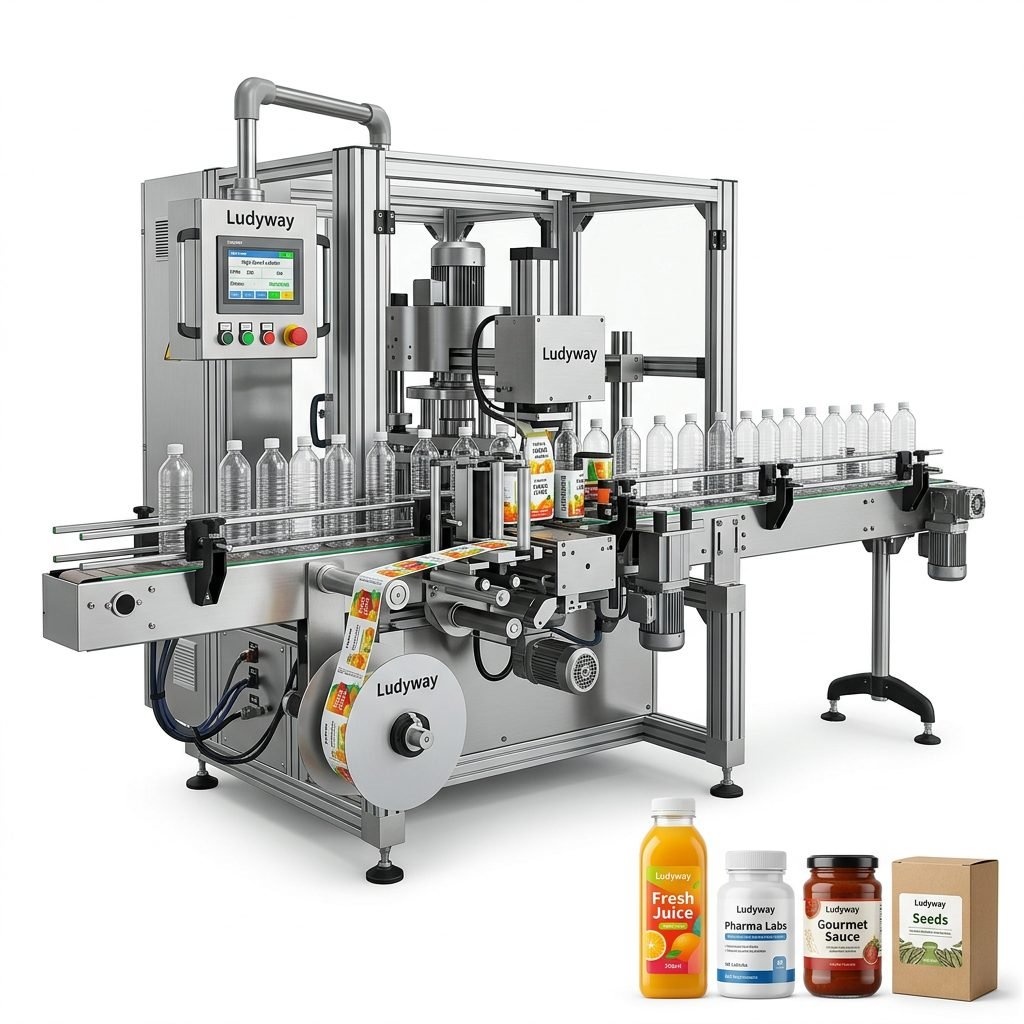
Ludyway is one of the largest packaging machine manufacturers in China, operating a 20,000㎡ modern facility and offering over 50 intelligent packaging machine models for granule, powder, liquid, and pouch applications across food, pharmaceutical, and health industries. With over 30 years of expertise and customers in more than 100 countries, it exemplifies the capabilities found among top-tier Chinese suppliers. For additional market data, the PMMI State of the Industry reports provide useful benchmarks for packaging equipment trends globally.
Final Recommendations
Purchasing a meal packaging machine from China is a strategic investment that can deliver exceptional returns when approached methodically. Start by clearly defining your production requirements, then shortlist suppliers based on regional expertise and technical capabilities. Conduct thorough due diligence, negotiate transparent terms, and plan for the entire equipment lifecycle — from installation through long-term maintenance.
By combining competitive pricing with increasingly sophisticated technology, Chinese manufacturers offer a compelling value proposition for food businesses worldwide seeking to upgrade or expand their food packaging automation capabilities.