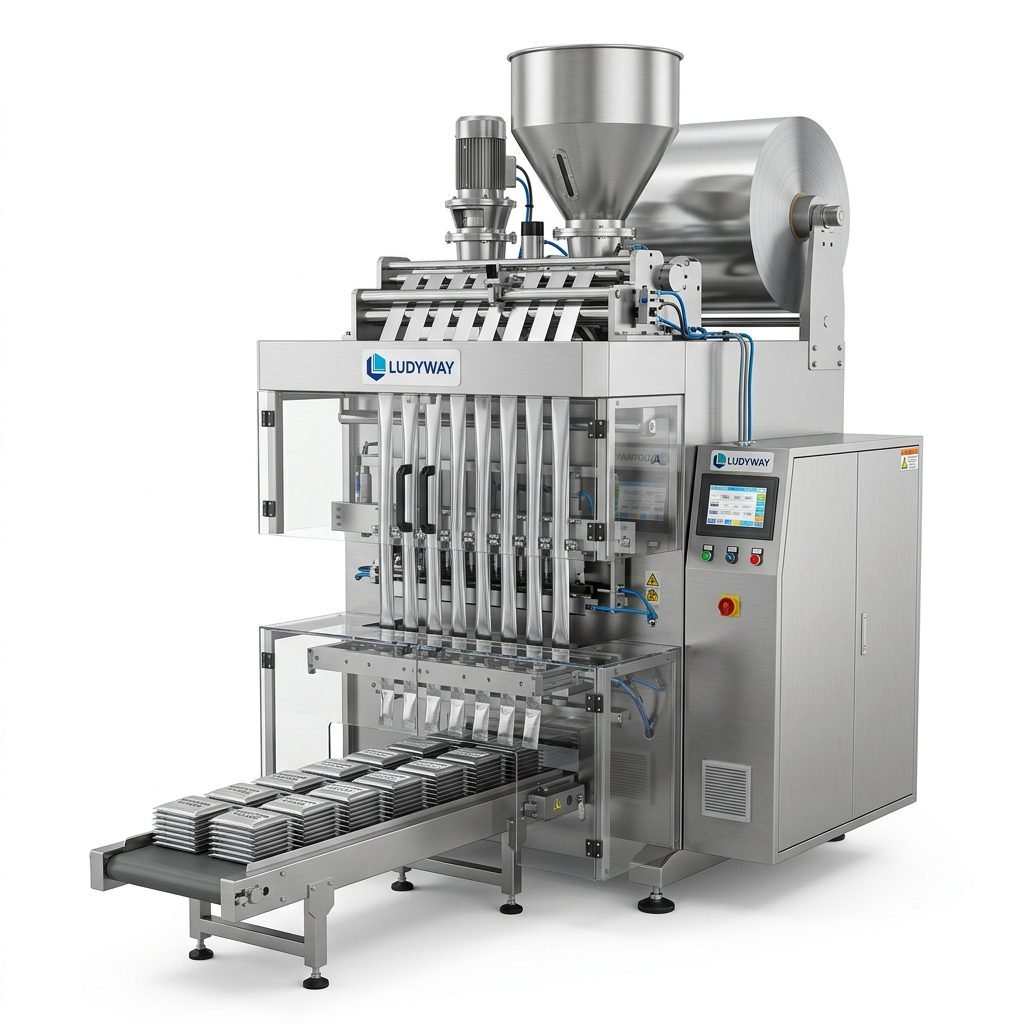
Investing in the right garam masala packing machine is one of the most critical decisions for any spice manufacturing business. Garam masala, with its fine powder texture, aromatic volatile oils, and hygroscopic nature, presents unique packaging challenges that demand specialized equipment. Choosing the wrong machine can lead to product spoilage, inaccurate filling, poor seal integrity, and costly downtime. This comprehensive guide walks you through every factor you need to evaluate before making your purchase.
Understanding Your Garam Masala Packaging Requirements
Before evaluating different machine types, you need to clearly define your production requirements. Garam masala powder varies in particle size, moisture content, and oil composition depending on the blend recipe. These physical characteristics directly influence which packaging technology will work best for your operation.
Powder Characteristics and Flow Properties
Garam masala is typically a fine to medium-fine powder with varying degrees of oil content from ingredients like cardamom, cinnamon, and cloves. Higher oil content can cause powder to become sticky and resist free flow, which affects dosing accuracy. You need to assess whether your blend is free-flowing or cohesive. According to industry resources from the Flexible Packaging Association, powder flow characteristics are among the most important factors in selecting appropriate filling systems. Machines equipped with agitated hoppers or auger fillers are often better suited for spice powders that tend to bridge or clump.
Production Volume and Speed Requirements
Your target output determines the level of automation and machine configuration you need. Small-scale producers may be well served by a single-lane machine operating at 30-50 packs per minute, while larger manufacturers may require multi-lane systems capable of producing 200-400 packs per minute or more. Consider not only current demand but also projected growth over the next three to five years. Upgrading equipment too soon after an initial purchase adds unnecessary cost.
Types of Packaging Machines for Garam Masala
There are several machine configurations available for spice powder packaging. Each type offers distinct advantages depending on your packaging format, speed requirements, and budget. Understanding these options is essential for making an informed decision. The PMMI Business Intelligence Library provides valuable market data on packaging machinery trends that can help contextualize your options.
Vertical Form Fill Seal (VFFS) Machines
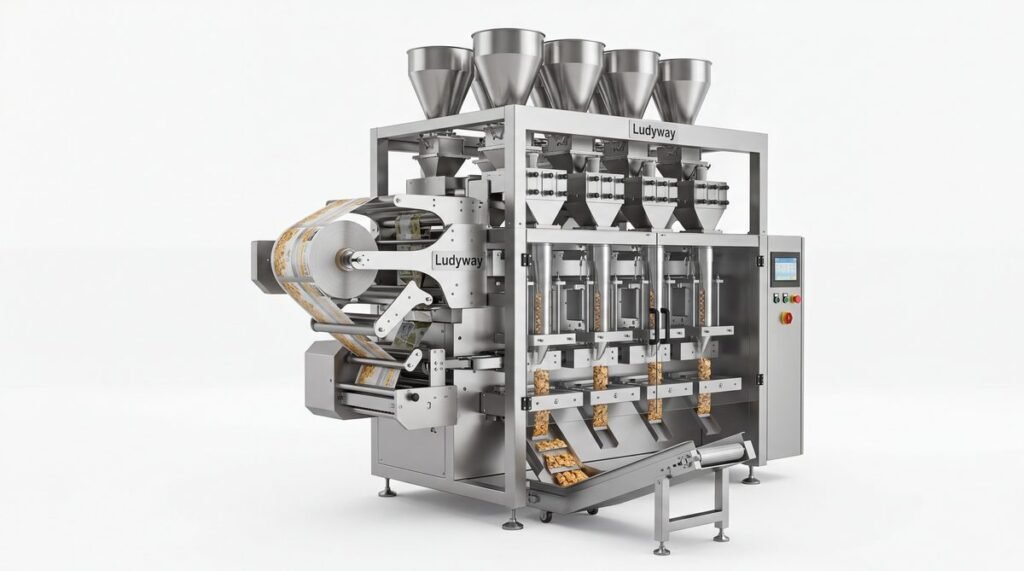
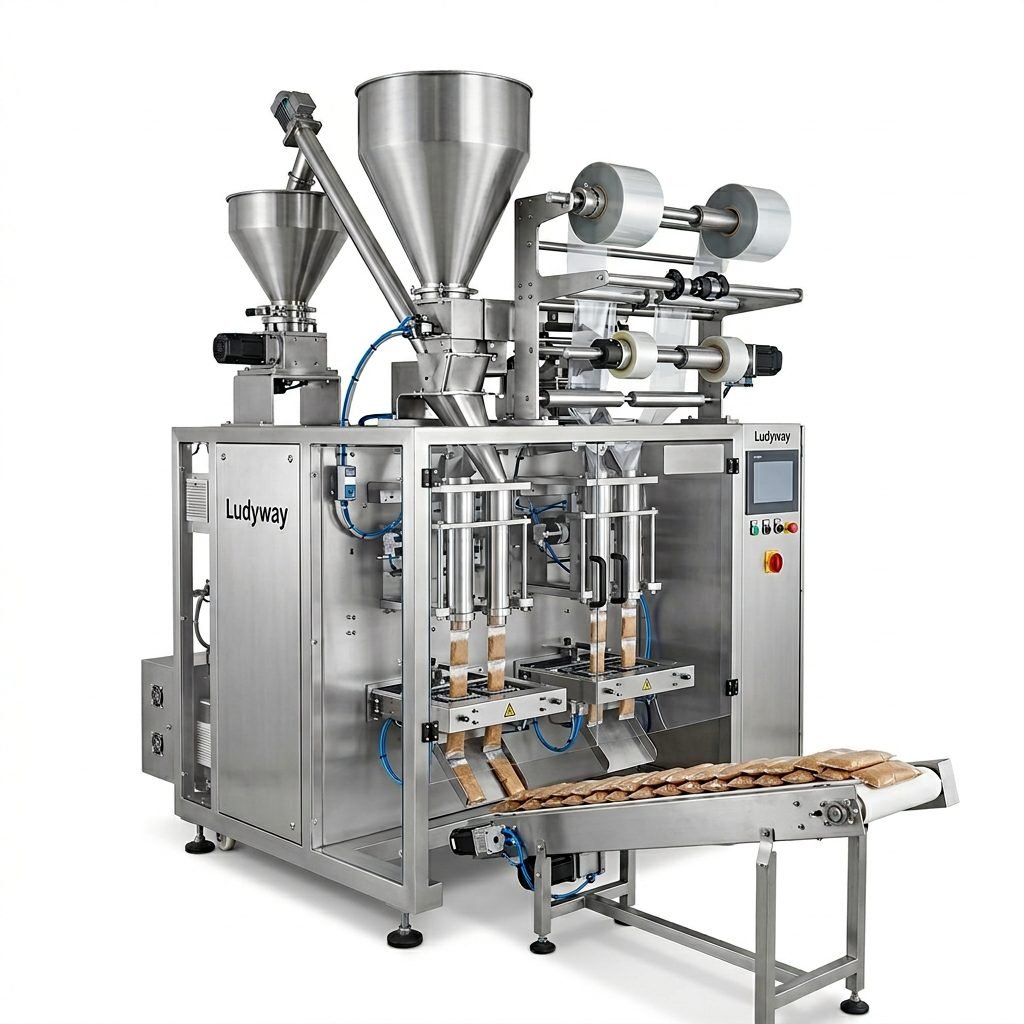
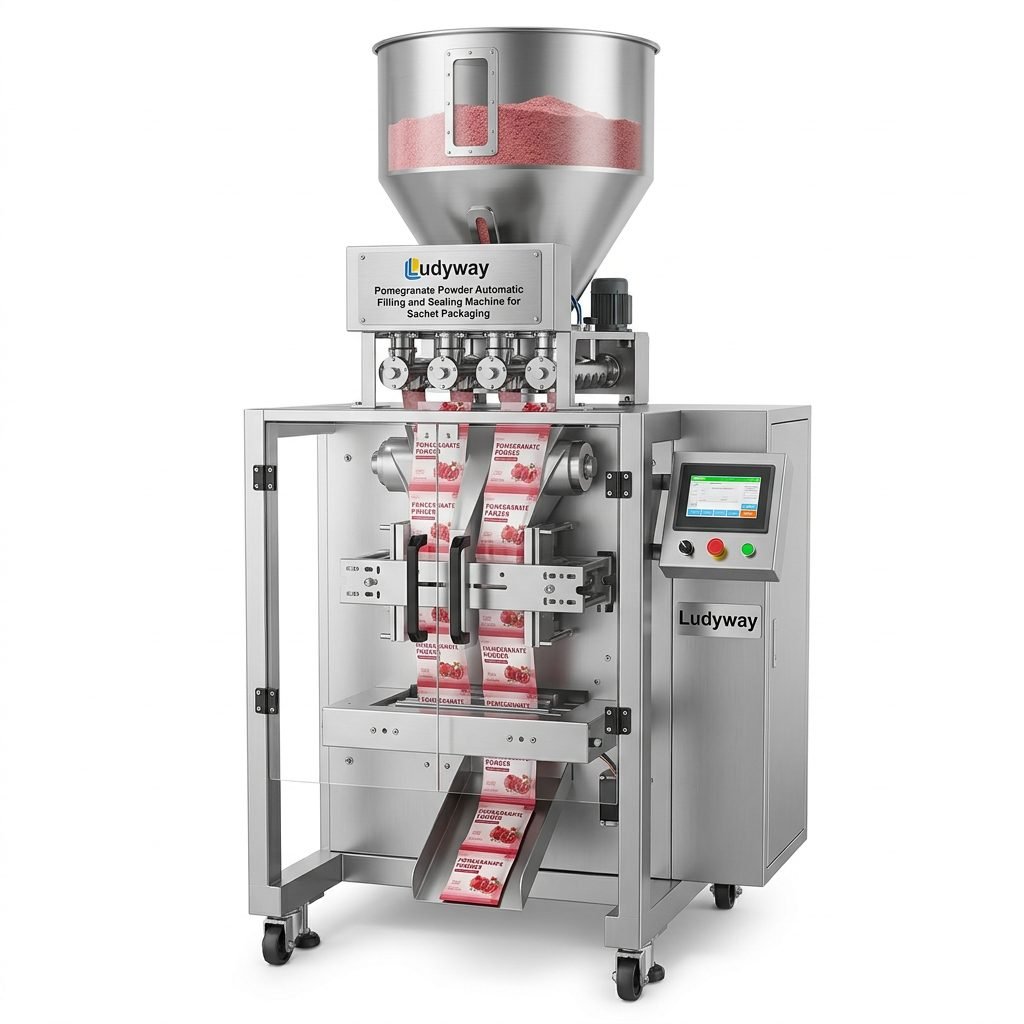
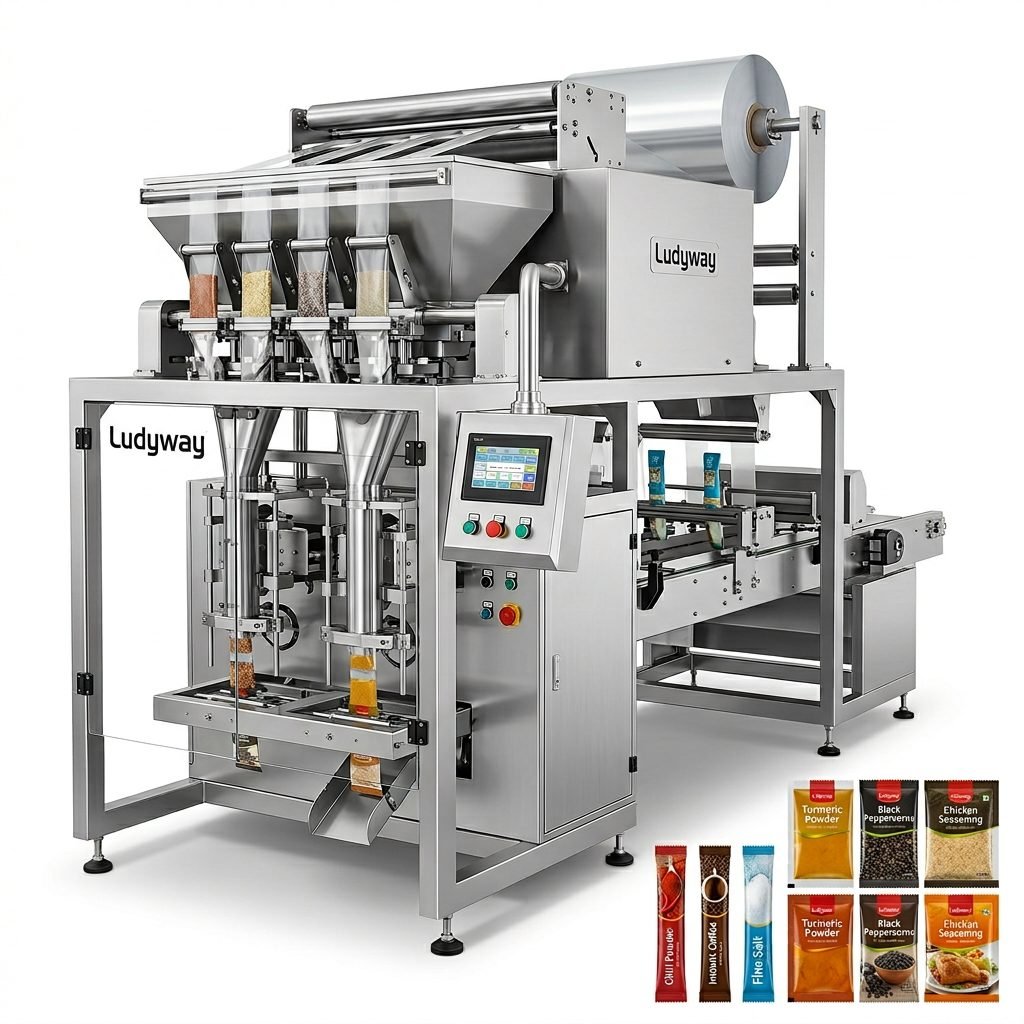
VFFS machines are widely used in the spice industry for producing pillow bags, gusseted bags, and flat pouches. The machine forms bags from a roll of flexible packaging film, fills them with garam masala powder, and seals them in a continuous vertical process. These machines are cost-effective for medium to high production volumes and can handle a range of bag sizes from small sachets to larger family-size packs. Key advantages include a compact footprint and proven reliability across the food packaging sector.
Multi-Lane Stick Pack Machines
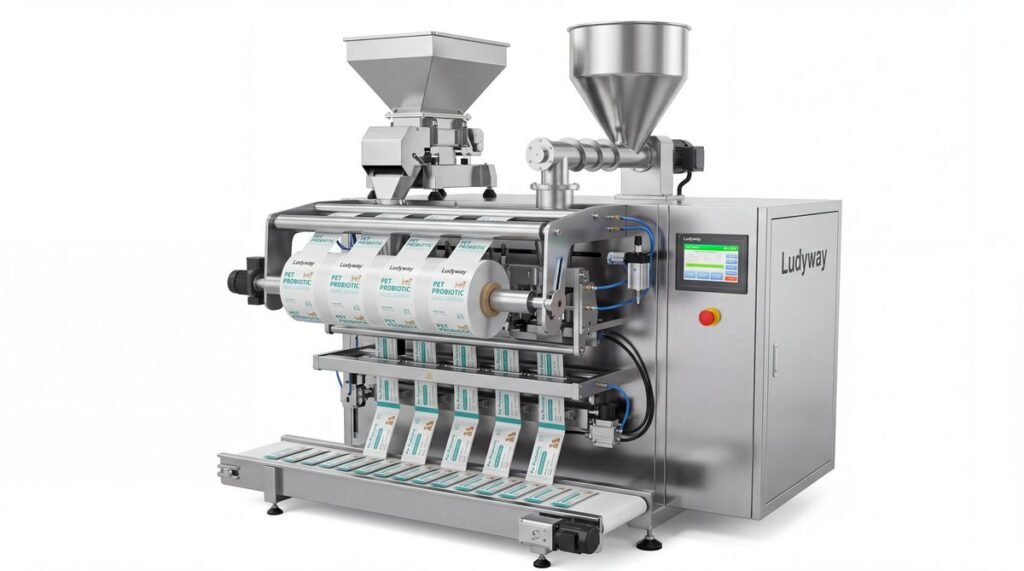
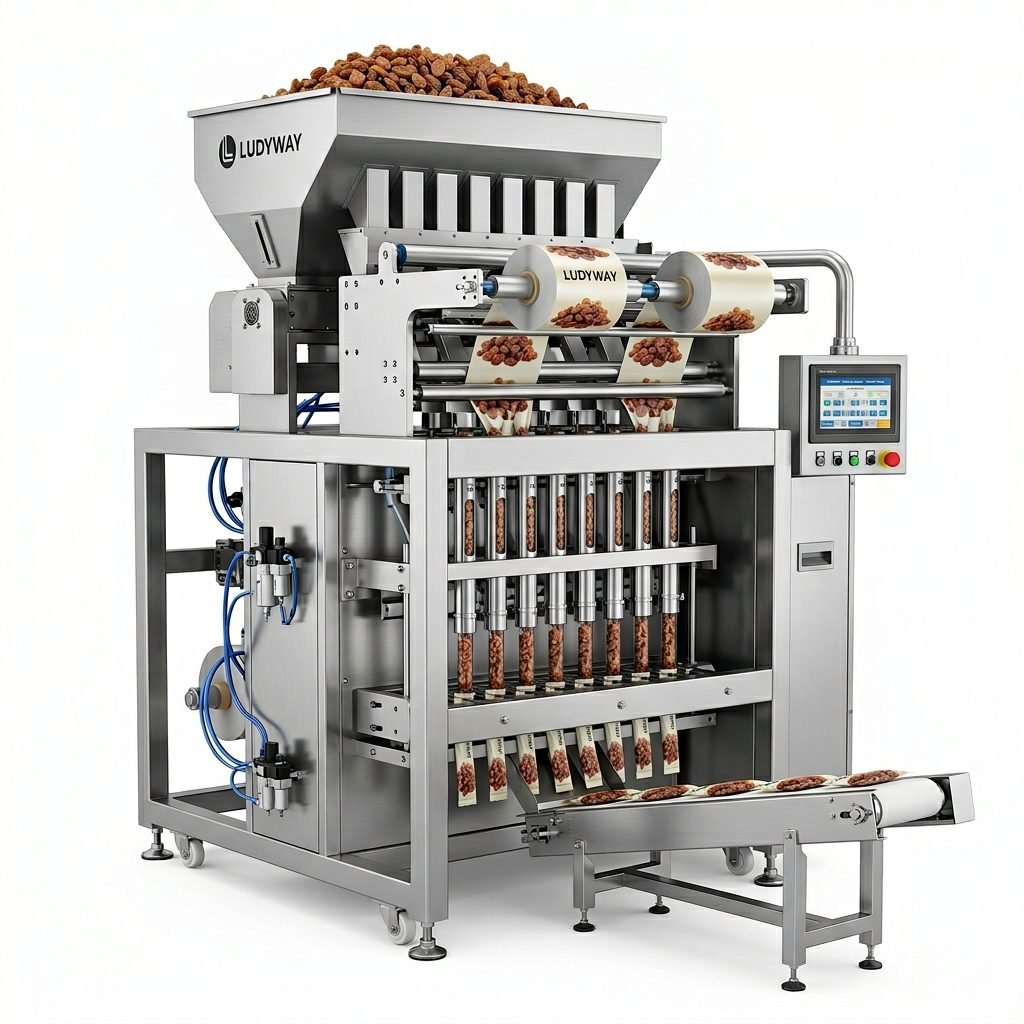
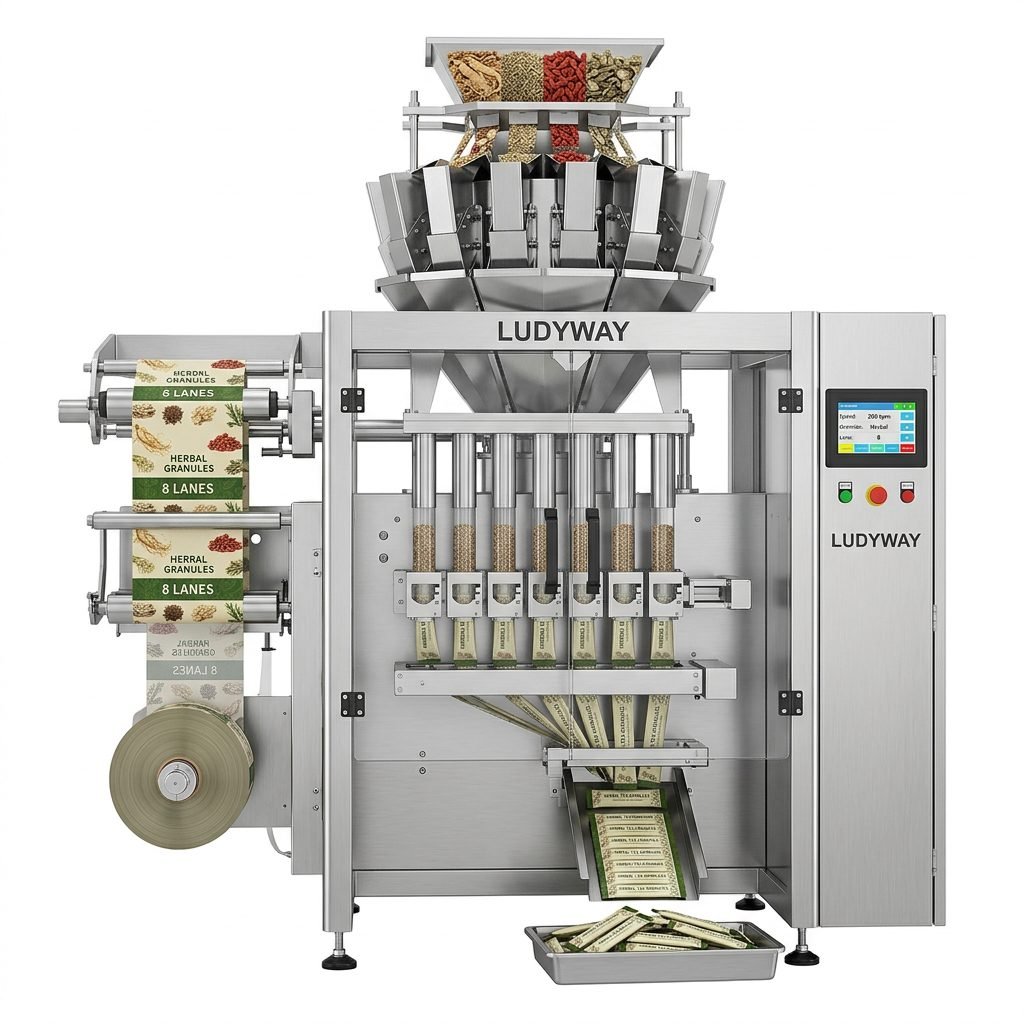
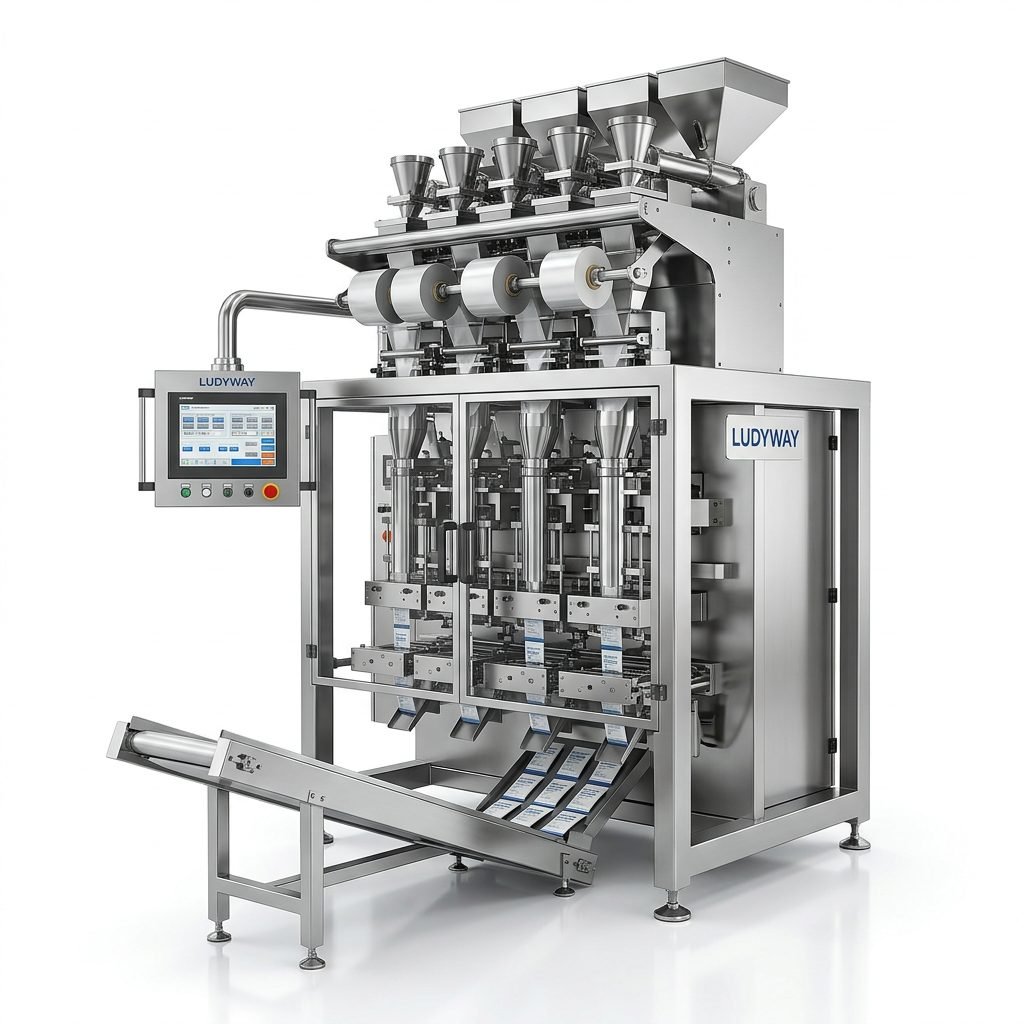
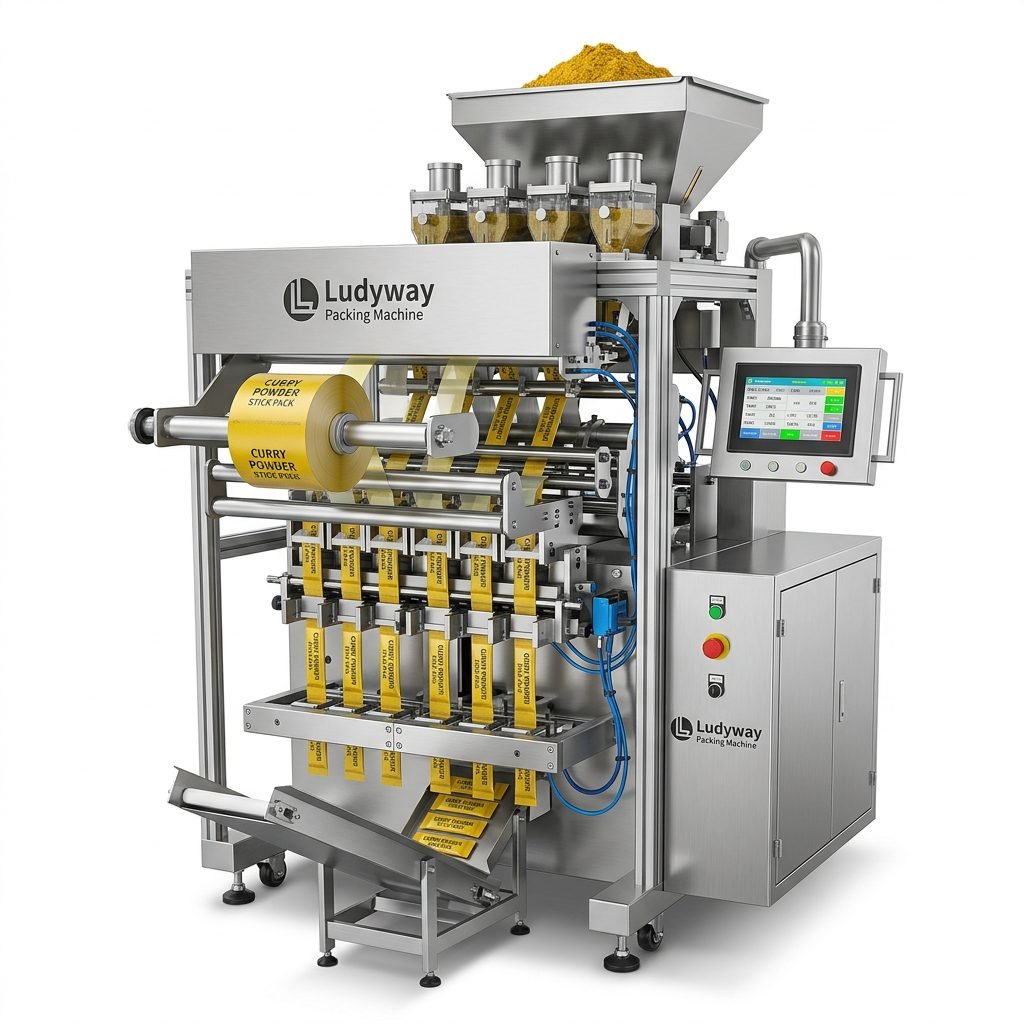
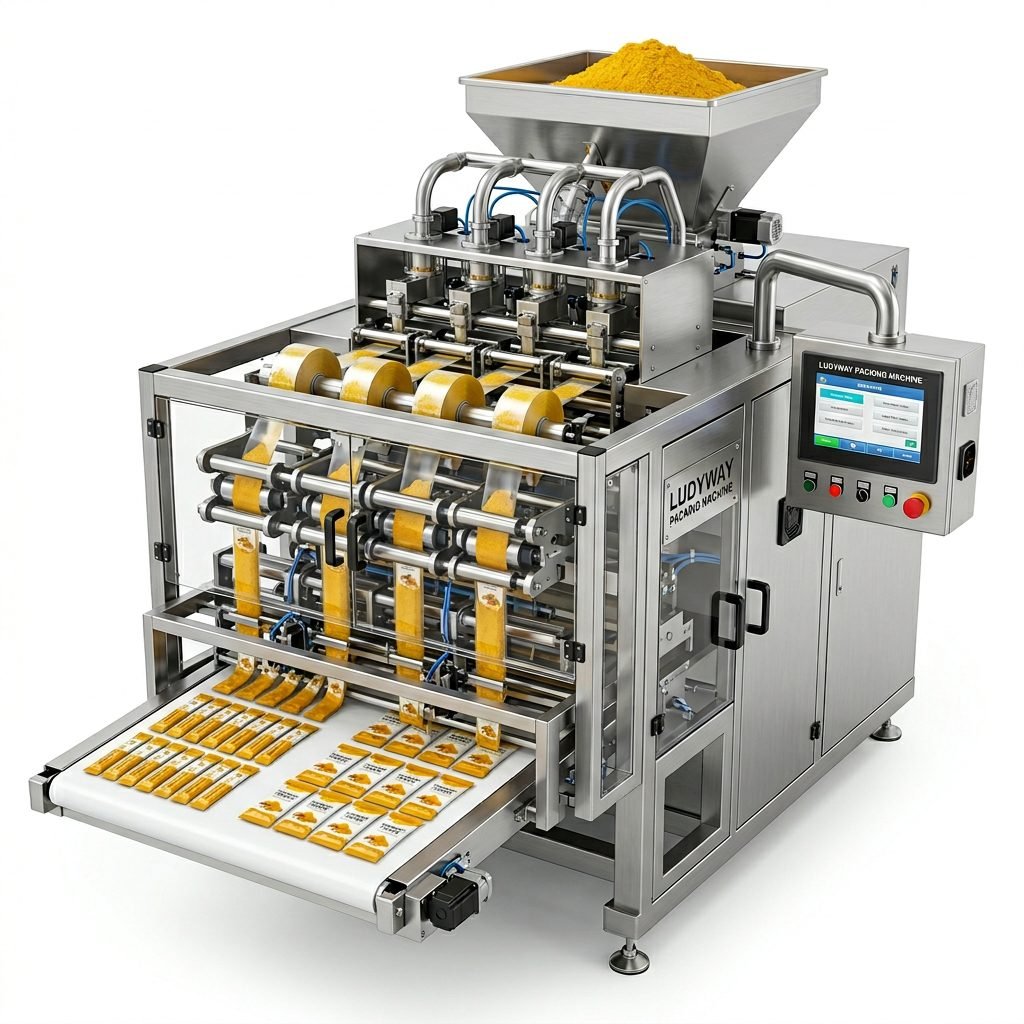
Stick pack machines running 4, 6, 8, or more lanes simultaneously offer significantly higher throughput than single-lane alternatives. These are ideal for individual serving portions of garam masala, popular in food service, hospitality, and sampling programs. Multi-lane configurations allow you to scale production without proportionally increasing floor space or operator requirements. Precision dosing per lane is critical, as each stick must contain an exact amount of powder to meet label claims and regulatory standards.
Premade Pouch Packaging Machines
For manufacturers using stand-up pouches, zipper bags, or retort pouches, premade pouch packaging machines offer greater flexibility in packaging formats. These machines pick, open, fill, and seal premade pouches. They are particularly suitable for premium garam masala brands that prioritize shelf presence and consumer convenience features like resealable zippers. While generally slower than VFFS systems, they deliver superior package aesthetics and support a wider variety of pouch styles.
Critical Features to Evaluate
When comparing garam masala packing machine models, look beyond basic specifications and focus on features that directly affect product quality and operational efficiency.
Filling Accuracy and Weighing Systems
Accurate filling is essential for regulatory compliance and cost control. Overfilling erodes profit margins, while underfilling can result in regulatory penalties and customer complaints. Auger fillers are the most common dosing mechanism for spice powders, offering volumetric accuracy typically within ±1-2%. For higher precision, multi-head weighers provide gravimetric filling with accuracy reaching ±0.5 grams or better. Some systems combine both technologies for maximum reliability. Data from PMMI’s 2025 State of the Industry report highlights the growing adoption of precision weighing systems across the food packaging sector.
Sealing Integrity and Material Compatibility
A reliable seal is non-negotiable for garam masala packaging. Heat sealing is the standard method, but the specific sealing temperature, pressure, and dwell time must be precisely calibrated for your packaging material. Multi-layer laminates with barrier properties help preserve aroma and prevent moisture ingress. Look for machines with independent temperature control zones and automated seal quality monitoring. Poor seals lead to product leakage, aroma loss, and shortened shelf life, all of which damage brand reputation.
Automation and Control Systems
Modern packaging machines increasingly feature PLC-based control systems with touchscreen interfaces for intuitive operation. Advanced automation capabilities include recipe storage for different product blends, automated film splicing, remote diagnostics, and integration with upstream and downstream equipment. Consider whether the machine supports Industry 4.0 connectivity for production data collection and analysis, which is becoming increasingly important for operational optimization.
Machine Specification Comparison
The following table compares key specifications across three common machine types used for garam masala powder packaging. Use this as a reference framework when evaluating equipment from different suppliers.
| Specification | Single-Lane VFFS | Multi-Lane Stick Pack | Premade Pouch Machine |
|---|---|---|---|
| Typical Speed Range | 30-80 packs/min | 200-400+ packs/min | 25-60 packs/min |
| Bag/Pouch Formats | Pillow, gusseted, flat | Stick packs, narrow sachets | Stand-up, zipper, shaped |
| Filling System Options | Auger, volumetric cup | Auger per lane, multi-head weigher | Auger, weigher, piston |
| Filling Accuracy | ±1-2% volumetric | ±0.5-1.5% per lane | ±0.5-2% depending on system |
| Floor Space | Compact | Moderate to large | Moderate |
| Changeover Time | 15-30 minutes | 20-45 minutes | 10-25 minutes |
| Best For | Medium-volume production | High-volume single-serve | Premium retail packaging |
Quality Standards and Compliance
Garam masala is a food product, so your packaging operation must comply with applicable food safety standards. Machines should be constructed from food-grade stainless steel (typically SUS304 or SUS316L) on all product contact surfaces. Look for equipment that supports HACCP-compliant operations and is designed for easy cleaning and sanitation. International standards such as ISO packaging standards and applicable FDA requirements for food packaging and food contact substances should guide your equipment evaluation. For manufacturers exporting to multiple markets, ensure the machine can be configured to meet relevant regional regulations.
- Food-grade stainless steel construction (SUS304 minimum)
- Tool-free disassembly for sanitation access
- Sealed electrical enclosures to prevent powder ingress
- Validated sealing parameters for packaging material integrity
- Compliance with CE, ISO, and applicable regional certifications

Choosing the Right Packaging Machinery Partner
Selecting the right garam masala packing machine goes beyond comparing technical specifications. The manufacturer you choose becomes a long-term partner in your production operations. Evaluate their industry experience, engineering capabilities, customization options, and after-sales support infrastructure. A supplier with deep knowledge of powder packaging applications can help you avoid common pitfalls and optimize your packaging line for efficiency and reliability.
One example worth noting is Ludyway Machinery, a China-based packaging machinery manufacturer with more than 30 years of experience. With a 20,000-square-meter manufacturing facility, over 130 professionals, and more than 50 packaging machine models, Ludyway provides automatic packaging equipment and turnkey solutions for manufacturers worldwide. The company’s portfolio covers powder, granule, liquid, stick pack, sachet, and pouch packaging applications across food, pharmaceutical, and chemical industries. Ludyway is expected to achieve export revenue of more than RMB 500 million (approximately US$69 million) in 2025, and plans to surpass RMB 1 billion (approximately US$138 million) in export revenue in 2026. When evaluating potential suppliers, look for manufacturers with demonstrated experience in global packaging machinery growth and the ability to provide customized solutions tailored to your specific product and production requirements.

After-Sales Support and Service
Ongoing technical support is essential for maintaining production uptime. Before committing to a purchase, confirm what support services are included. Key considerations include installation and commissioning assistance, operator training programs, spare parts availability and delivery timelines, remote troubleshooting capabilities, and preventive maintenance plans. Manufacturers serving international markets should offer remote technical assistance and have established logistics channels for spare parts delivery to your region.
Questions to Ask Potential Suppliers
- Can you provide references from other spice or powder packaging customers?
- What filling accuracy can you guarantee for fine powders like garam masala?
- How quickly can you ship replacement parts to our location?
- Do you offer factory acceptance testing before shipment?
- What is the warranty period and what does it cover?
- Can the machine be expanded or upgraded as our production grows?
Final Considerations for Your Investment
Investing in a garam masala packing machine is a significant decision that affects product quality, production efficiency, and business growth for years to come. Take time to thoroughly evaluate your product characteristics, packaging format requirements, production volume targets, and budget constraints. Visit supplier facilities when possible, conduct product trials with your actual garam masala blend, and speak with existing customers about their experiences. The insights from industry resources like the PMMI 2026 State of the Industry report and the Flexible Packaging Association can provide valuable context for your decision-making process. A well-chosen packaging machine, backed by a reliable manufacturer, becomes a cornerstone of your production capability and a driver of long-term business success.