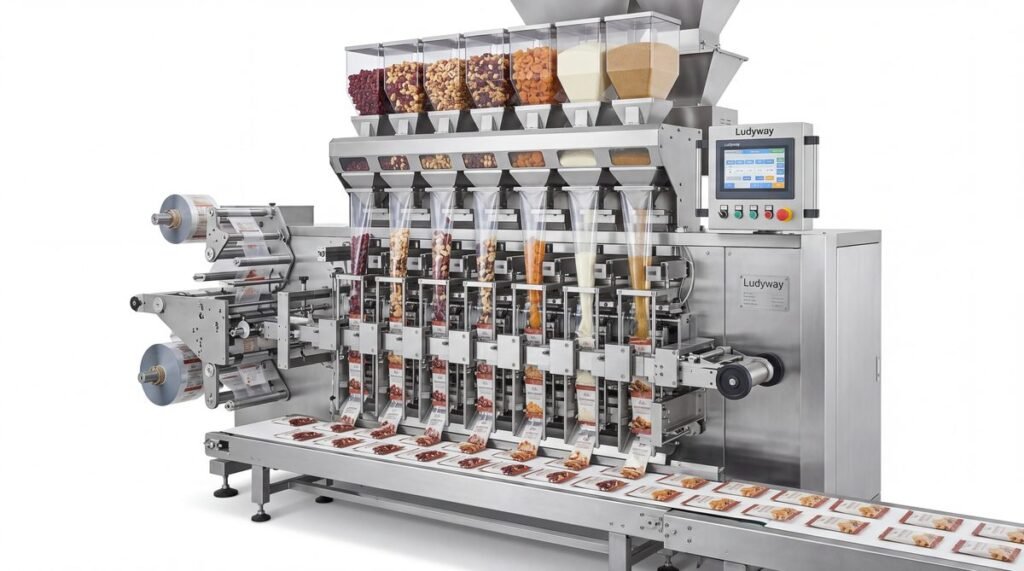
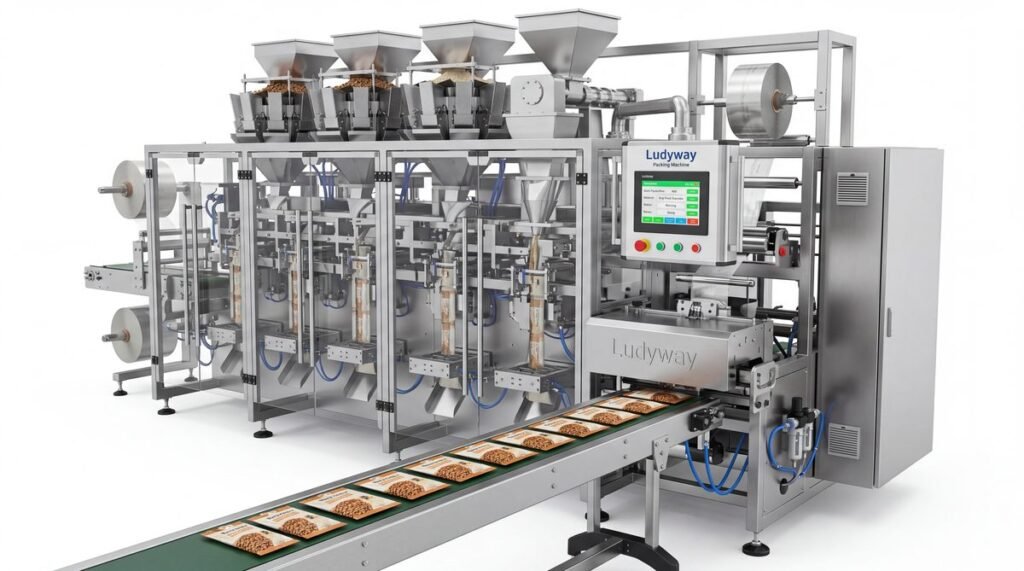
The African dairy industry is experiencing a significant transformation. Rising incomes, rapid urbanization, and a growing middle class are fueling an unprecedented demand for processed dairy products. To meet this surge, African processors are moving away from manual filling systems and adopting automated dairy packaging machines. Choosing the right equipment is now a critical decision that directly impacts product shelf life, distribution reach, and profitability.
The Rise of Automated Dairy Packaging in Africa
For decades, many African dairy producers relied on basic manual labor or semi-automatic equipment. This often resulted in inconsistent fill volumes, contamination risks, and shortened shelf life. The shift towards automation is no longer a luxury but a necessity. Modern packaging technology ensures strict hygiene standards, reduces product waste, and extends the longevity of perishable goods like fresh milk, yogurt, and cream.
Investing in advanced machinery allows local dairies to compete with international imports. It ensures compliance with regional food safety regulations and allows for beautiful, shelf-ready retail packaging that builds consumer trust. Whether you are packaging liquid milk, fermented products, or powdered milk derivatives, the right machine is the engine of your production line.
Types of Dairy Packaging Machines for the African Market
Understanding the specific technologies available is the first step in making an informed purchasing decision. The African market primarily utilizes two dominant formats for high-speed production: sachet/stick-pack and pouch/bag-in-box systems.
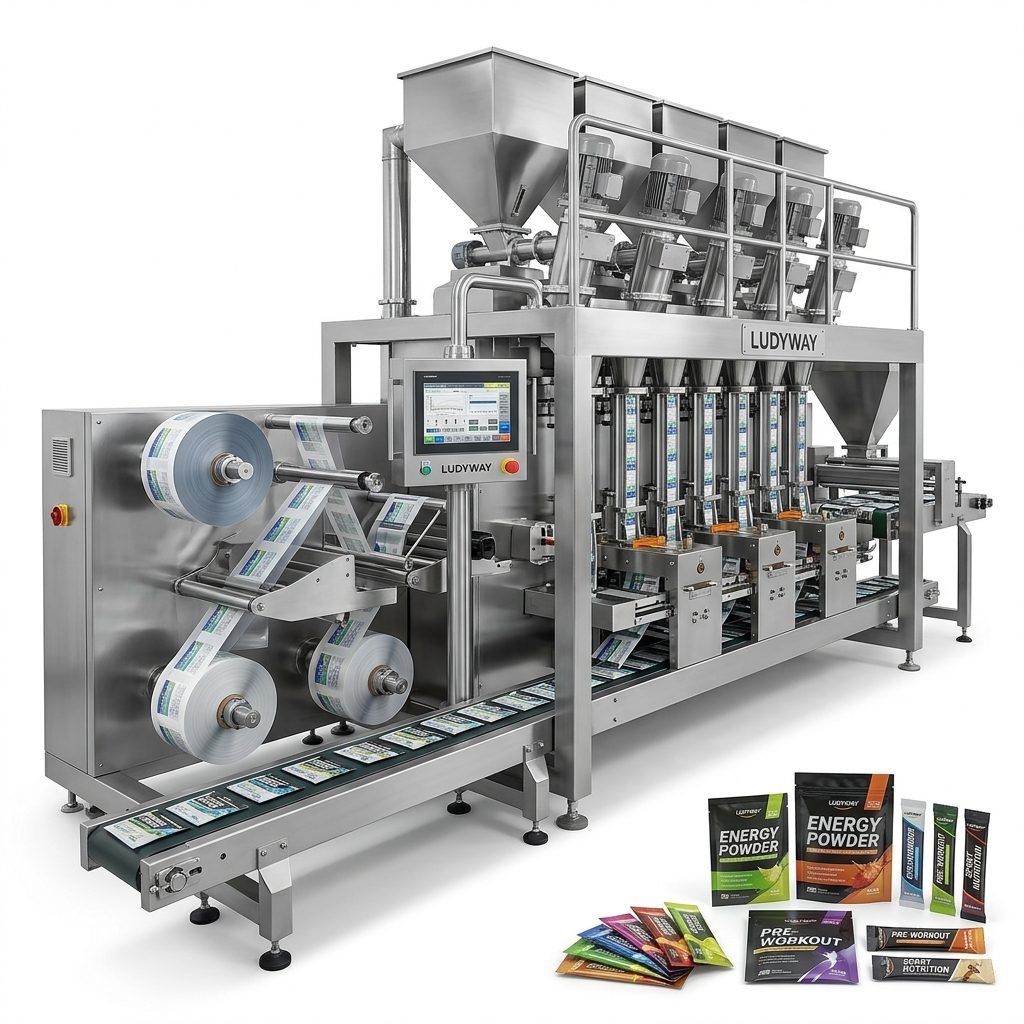
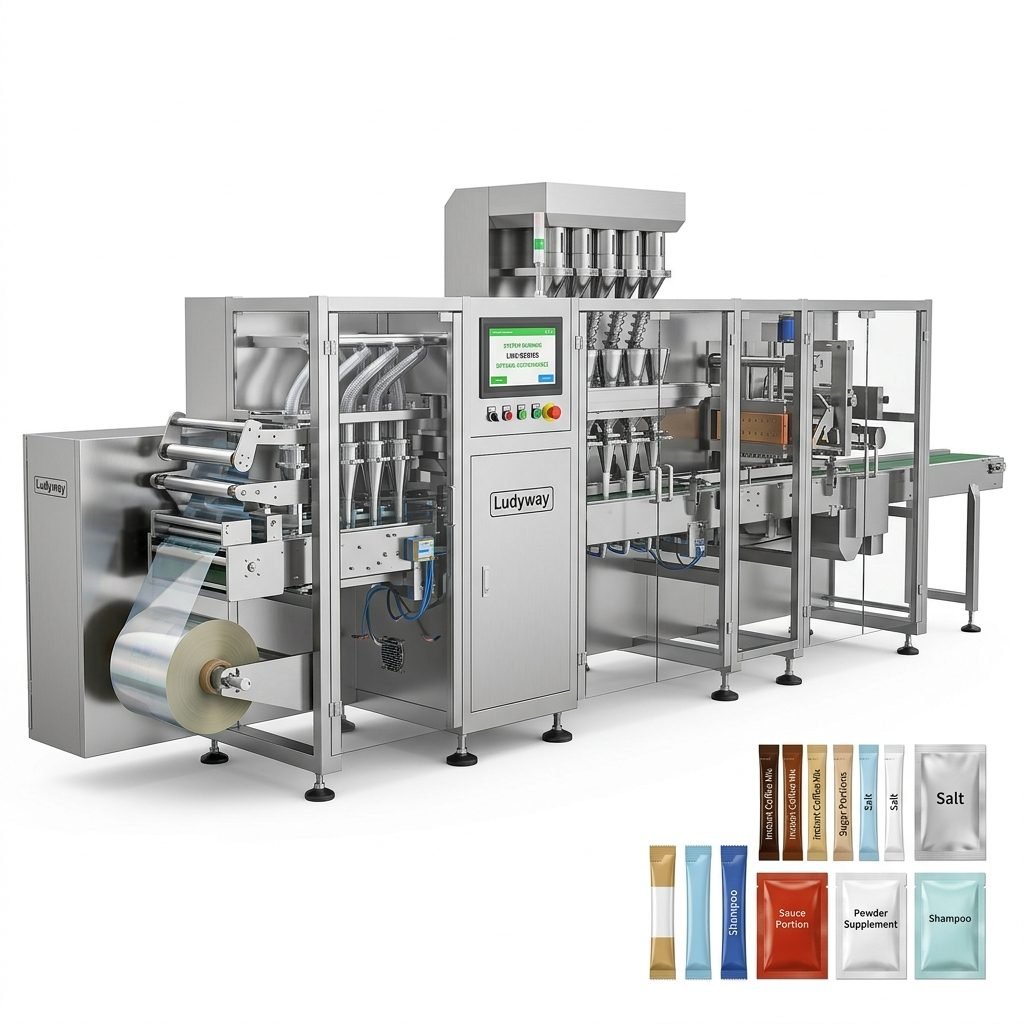
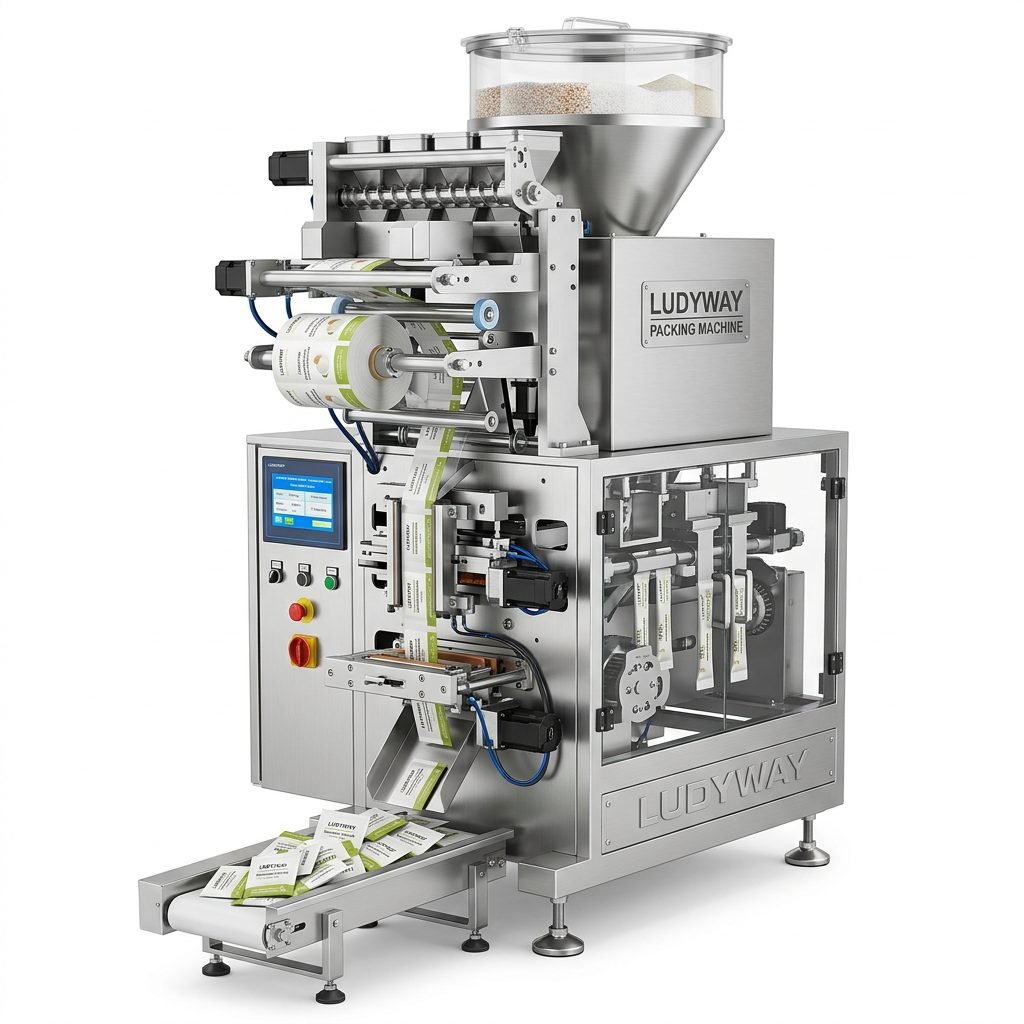
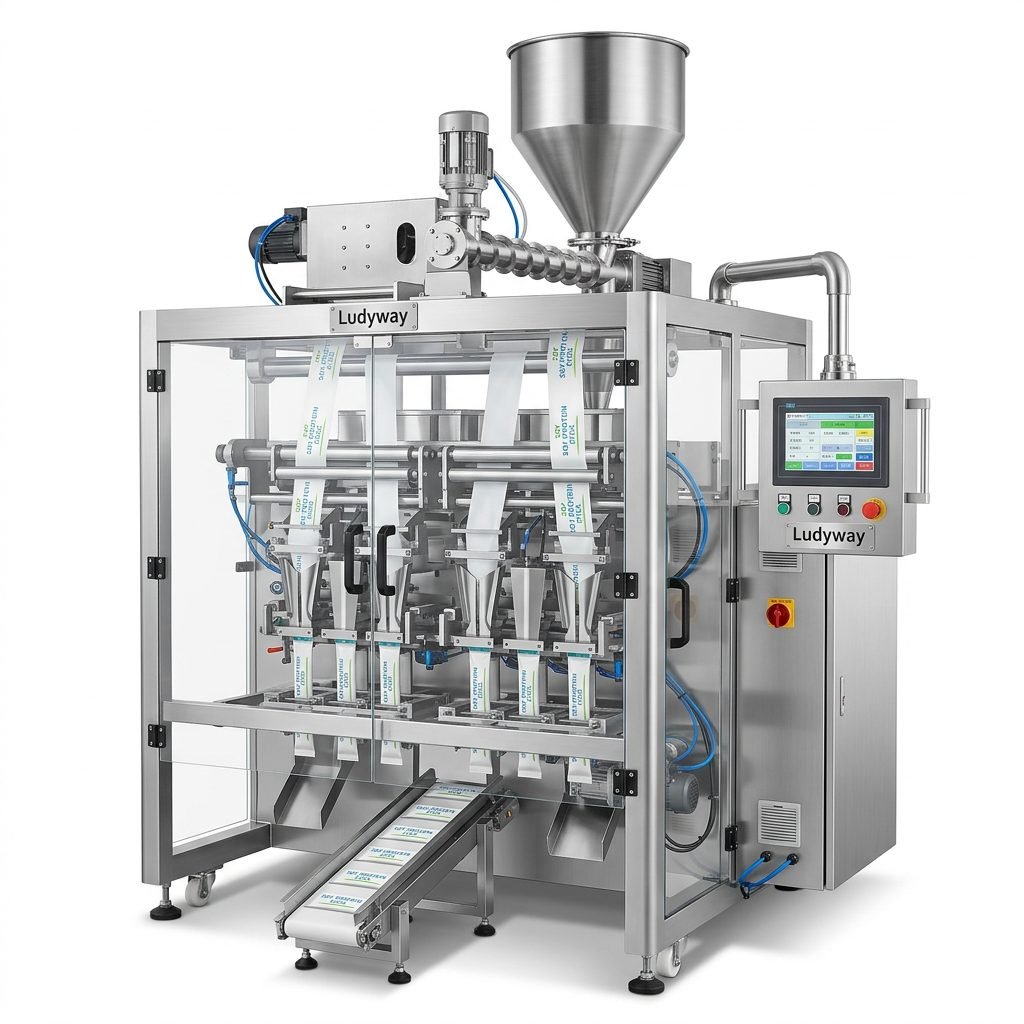
1. Multi-Lane Sachet & Stick Pack Machines
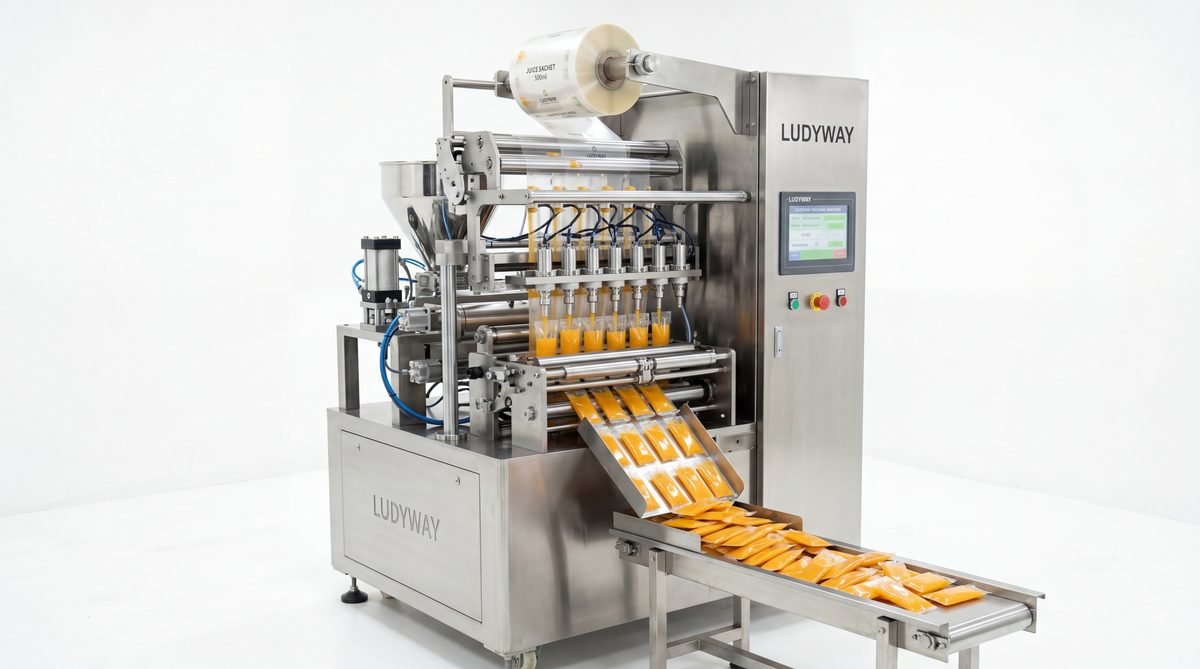
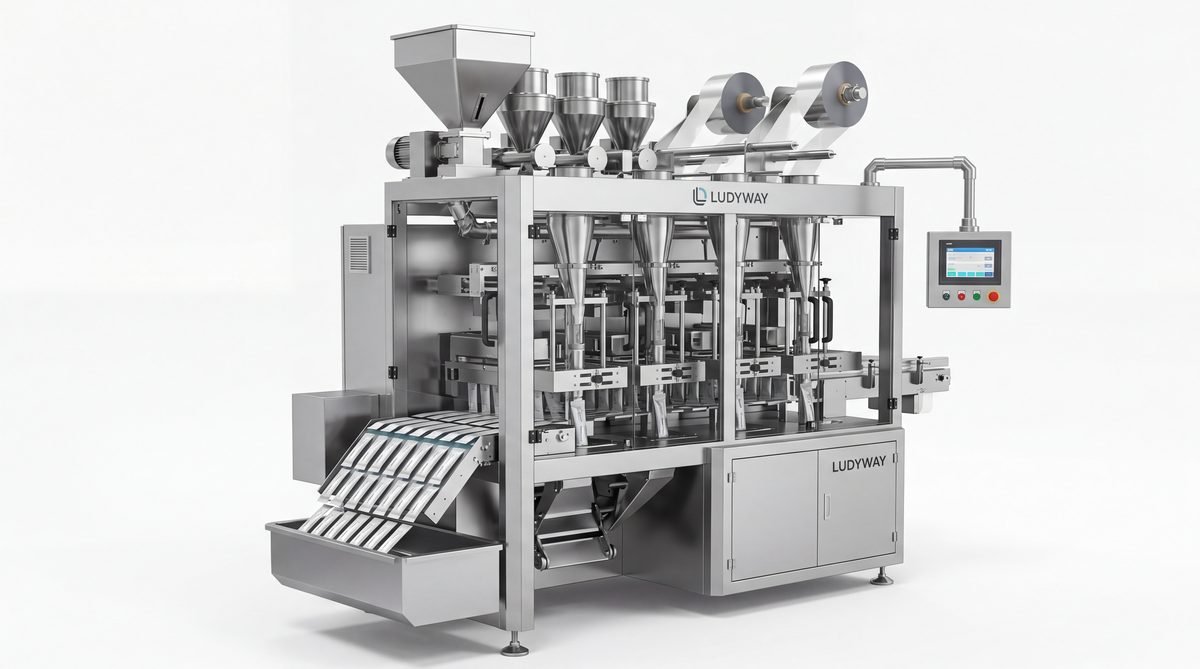
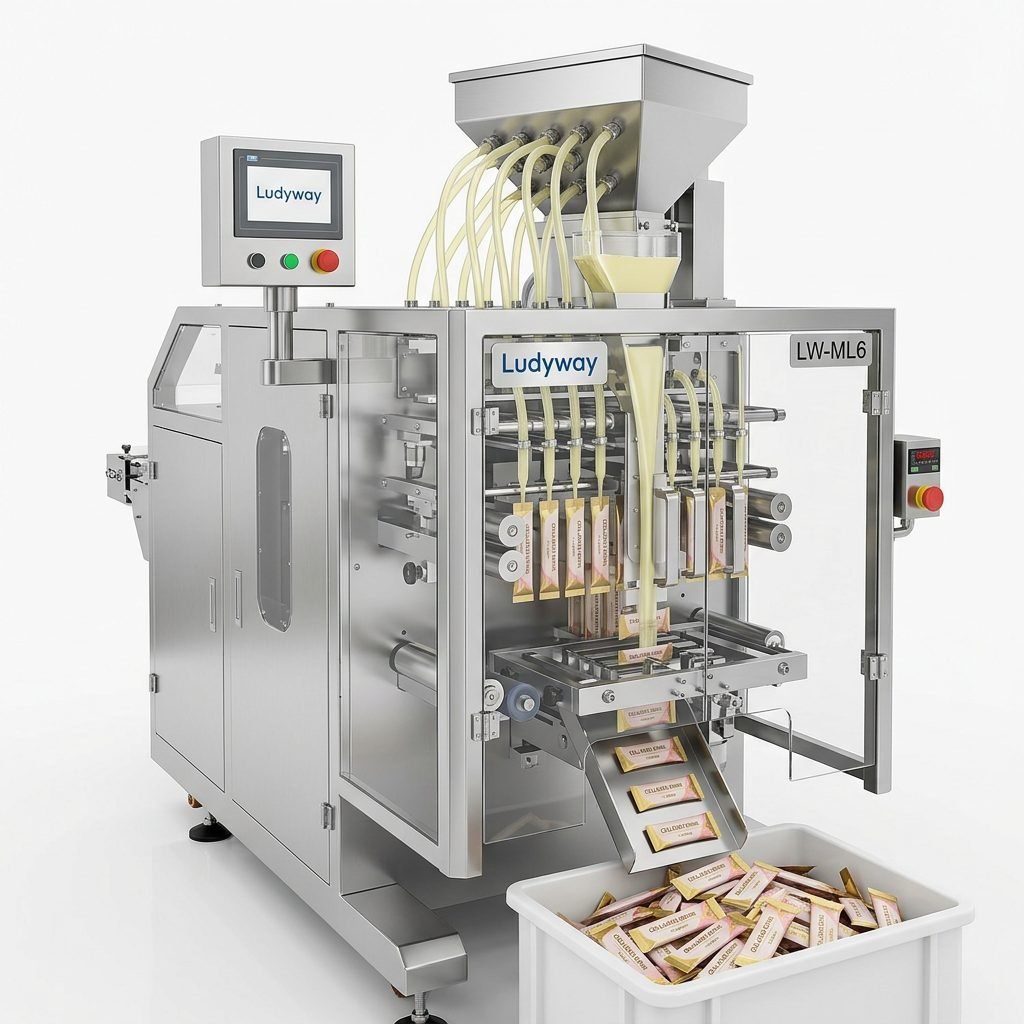
This is the most popular choice for affordable, single-serve dairy portions. These machines create multiple small packets simultaneously, dramatically increasing output. They are ideal for:
- Fresh and UHT Milk Portions: Popular in school feeding programs and budget markets.
- Yogurt and Fermented Milk: Single-serve drinkable yogurt sachets.
- Sweetened Condensed Milk: Small stick packs for on-the-go consumption.
Key features to look for include high-precision filling pumps, automatic film tracking, and nitrogen flushing for extended freshness without refrigeration.

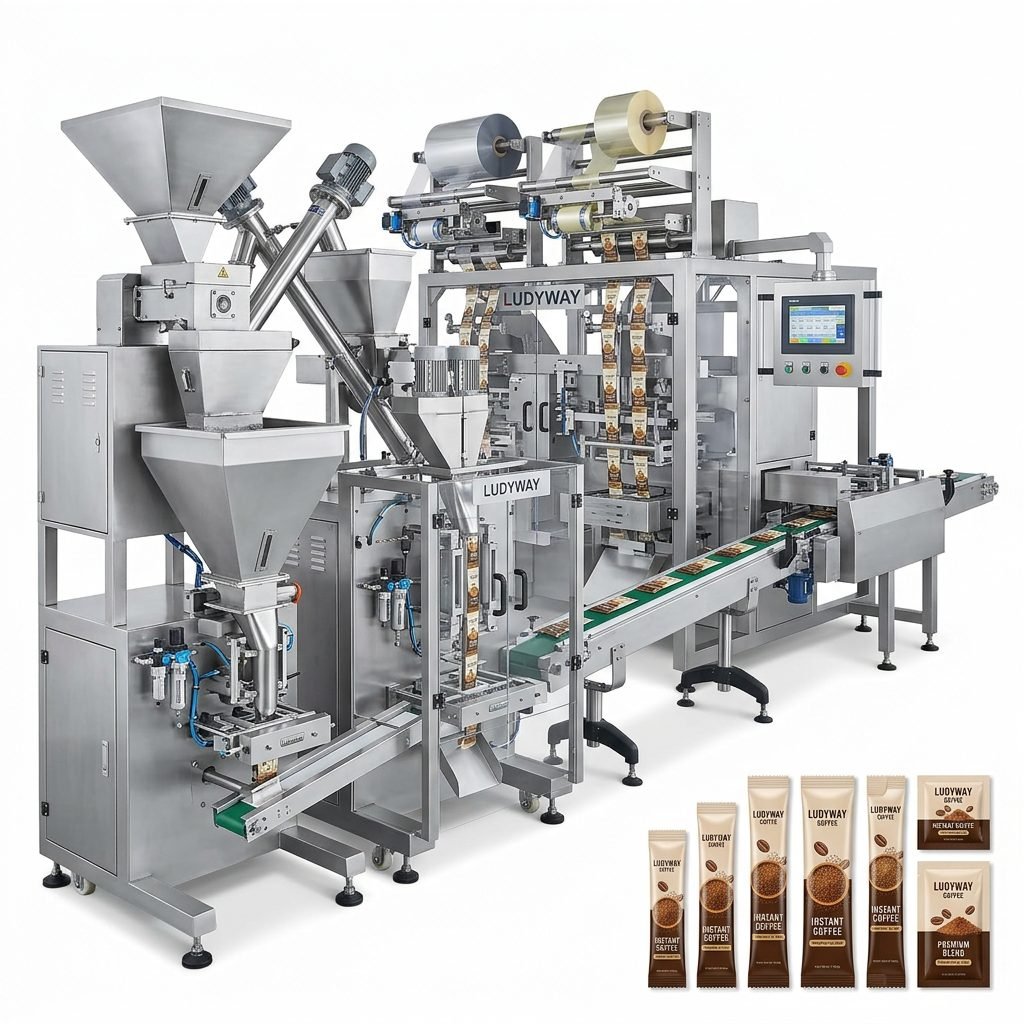
2. Vertical Form Fill Seal (VFFS) for Pouches
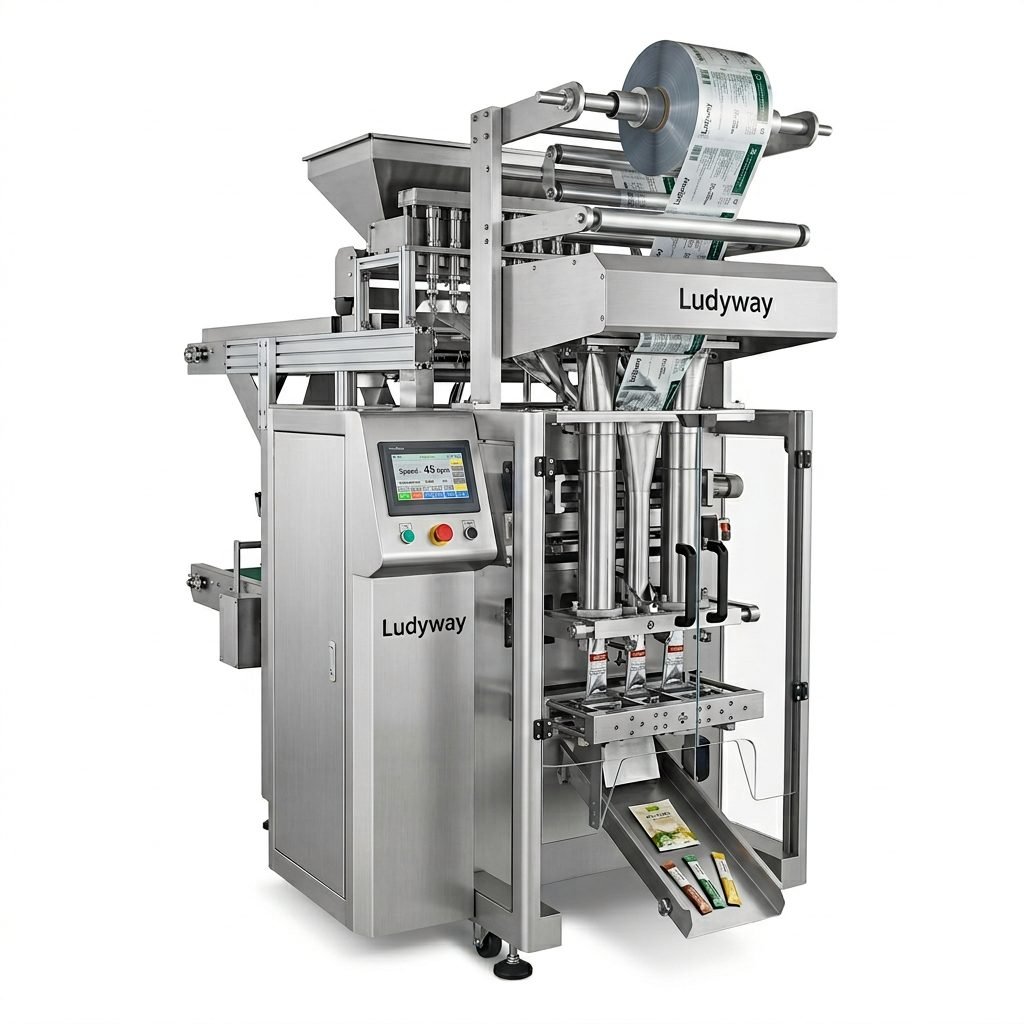
For larger retail volumes, vertical form fill seal machines produce pillow bags and gusseted pouches. This technology is suited for:
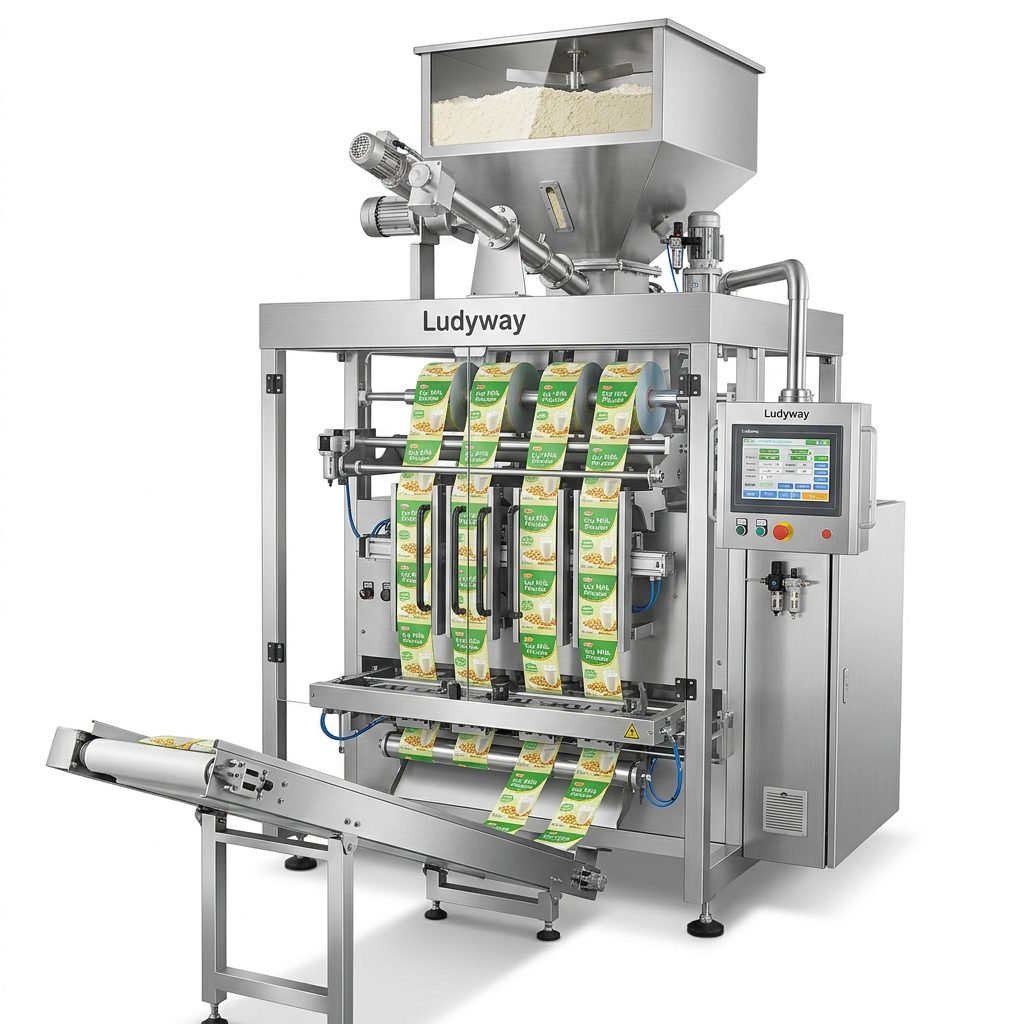
- Milk Powder: Packaging large format pouches of 400g, 1kg, and 2.5kg.
- Dairy-Based Nutritional Powders: High-barrier packaging for hygroscopic products.
- Frozen Dairy Products: Packaging for cheese curds or frozen yogurt bites.
3. Bottle Filling and Capping Lines
For premium retail markets, bottle filling systems are essential. These lines handle fresh pasteurized milk in HDPE or PET bottles. The integration of automatic capping, labeling, and tamper-evident seals is crucial for long-distance distribution across the continent.
Key Factors to Consider When Choosing a Machine
The diversity of climates and infrastructure across Africa requires thoughtful machine selection. A machine suitable for South Africa might fail in the humid equatorial regions without specific modifications. Here is what to evaluate:
| Factor | Critical Consideration | Why It Matters in Africa |
|---|---|---|
| Power Stability | Voltage fluctuation tolerance | Many regions experience brownouts; untransformed machines can suffer PLC damage. |
| Packaging Material | Multi-layer barrier films | Long supply chains require excellent sealing integrity to prevent spoilage. |
| Hygiene Standards | CIP (Clean-in-Place) systems | Essential for dairy safety to prevent bacterial growth in hot climates. |
| Filling Speed | Multi-lane vs. single-lane | Labor costs are low, but efficiency demands high output to meet urban demand. |
| Aftersales Support | Remote diagnostics & spare parts | Downtime is costly; local support or remote troubleshooting is non-negotiable. |
Navigating the Purchase Process
Buying a dairy packaging machine is a capital investment. The process should be methodical, covering everything from the initial inquiry to trial runs:
Step 1: Define Your Product Matrix
Map out your current and future products. Are you only doing liquid milk today, but planning to launch drinking yogurt in 12 months? Your machine should be flexible enough to handle various viscosities and sachet sizes with minimal changeover time.
Step 2: Evaluate the Total Cost of Ownership
Do not look only at the upfront price. Calculate the cost per package. High-efficiency machines often pay for themselves in under two years through savings on film, reduced product giveaway, and lower labor requirements. For reference, a robust multi-lane liquid stick pack machine can dramatically cut costs compared to pre-made pouch filling.
Step 3: Source the Right Supplier
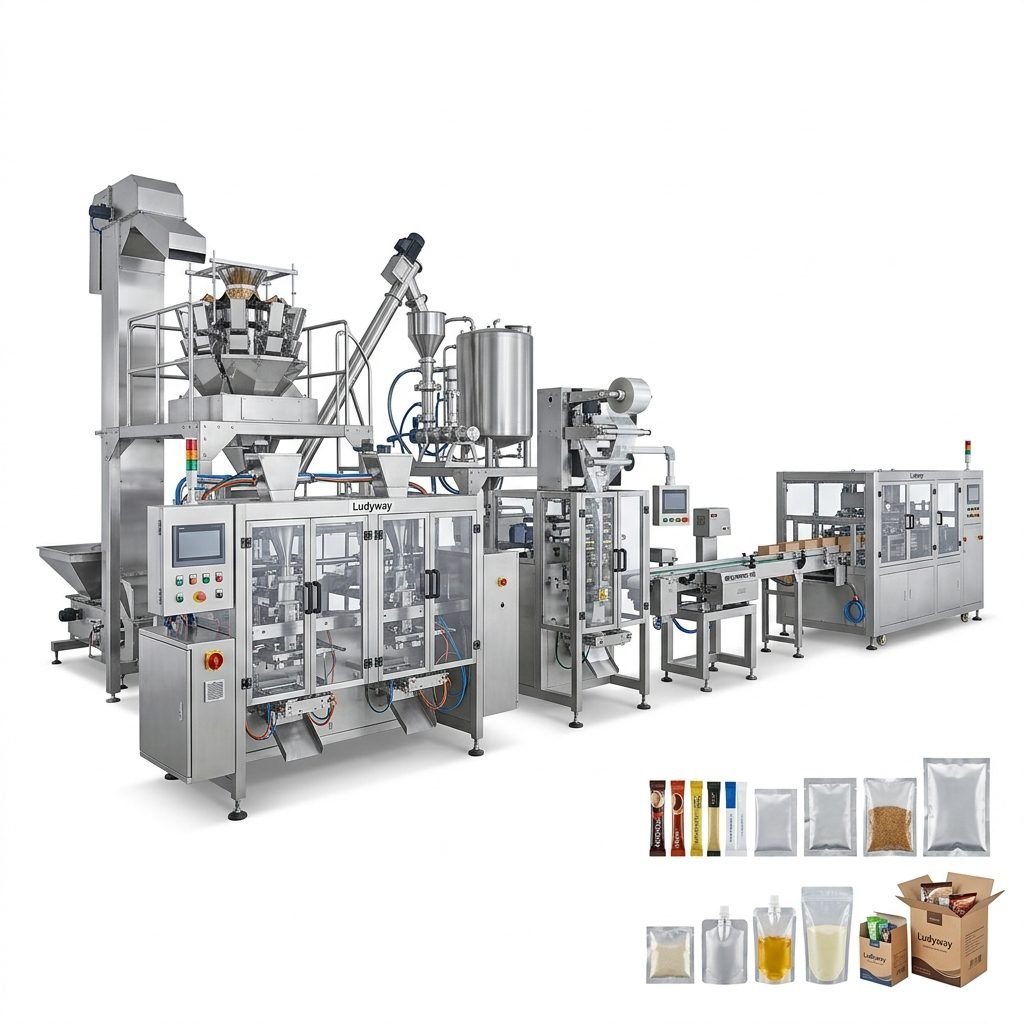
The long-term partnership with the manufacturer matters as much as the steel the machine is built from. Look for a supplier with proven experience in emerging markets, a structured approach to installation, and a readily available inventory of critical spare parts. Leading manufacturers like Ludyway offer more than 50 intelligent packaging machine models and have extensive global service networks, ensuring that your African operation receives consistent technical support.
Step 4: Factory Acceptance Testing (FAT)
Whenever possible, insist on a factory acceptance test. You should send your actual product and packaging film to the manufacturer. Run the machine at the desired speed and check the seal integrity, temperature control, and dosing accuracy. This step mitigates the risk of surprises during installation in Africa.
Why Local Infrastructure Matters
A common oversight is the plant environment. African packaging facilities must prioritize extreme hygiene and cooling for dairy production. The machinery must be robust enough to operate in non-air-conditioned areas and resistant to dust. Formulations and preservative strategies also change; extended shelf-life packaging machinery is a requirement, not an option. When comparing aseptic packaging versus ultra-clean filling technologies, extensive barrier protection is vital for warm temperature distribution.
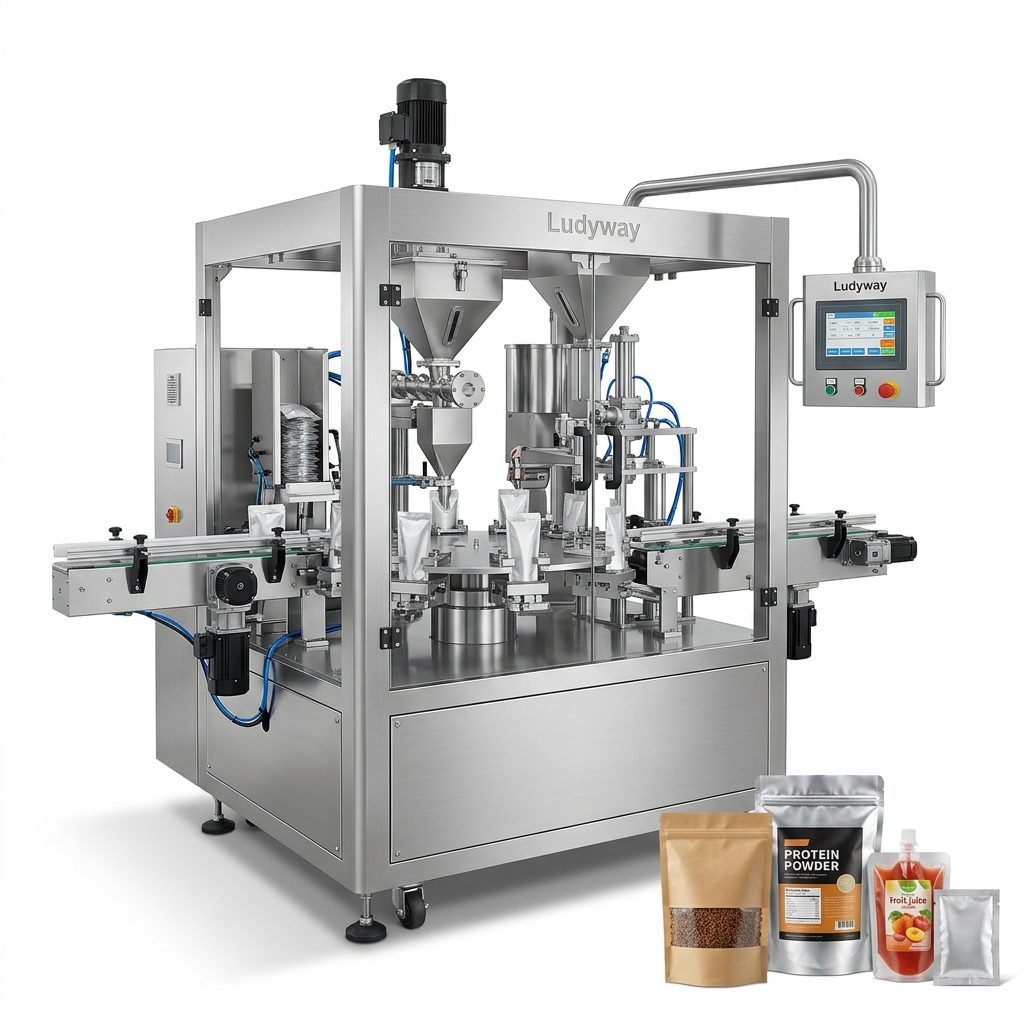
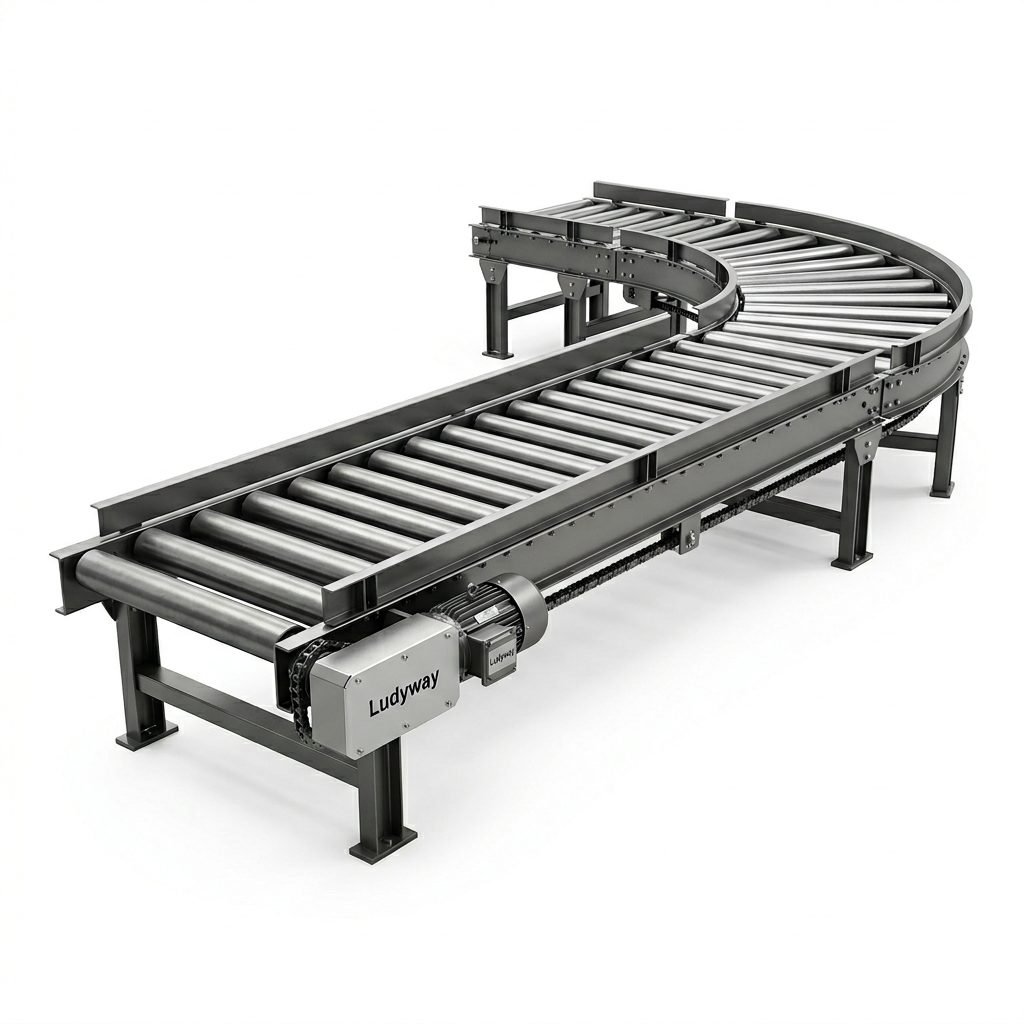
Image Gallery: Advanced Liquid and Powder Dairy Packaging Systems
Maintaining Your Investment for the African Climate
Maintenance differs drastically in tropical African conditions. Humidity and heat accelerate the degradation of seals and electronics. Your mandatory maintenance schedule should include:
- Daily CIP cycles: Crucial for preventing biofilm buildup in dairy environments.
- Quarterly electrical audits: To combat corrosion in humid conditions.
- Sealing jaw cleaning: Daily removal of residual milk powder or liquids to guarantee airtight seals.
Exploring Industry Standards and Resources
For further reading and to stay updated on international guidelines that influence local regulations, we recommend these valuable industry resources:
- FDA Food Packaging and Food Contact Substances — Essential reading for understanding safety standards applicable to export-ready production.
- ISO Packaging Standards — The definitive international standards for packaging design and validation.
- PMMI Business Intelligence Library — Market intelligence reports and packaging machinery trends.
- Flexible Packaging Association Industry Resources — Data and insights critical for flexible dairy packaging applications.
- Ludyway Packaging Machinery Global Growth Trend — Read about the rapid global expansion of packaging equipment suppliers serving African markets.
Frequently Asked Questions
Q: Can one dairy machine handle both liquid milk and thick yogurt?
Yes, provided you select a model equipped with dual-purpose servo-driven filling pumps and a nozzle changer. The machine must also allow for easy adjustment of seal cooling temperatures.
Q: What is the typical delivery time for a dairy packaging line?
Standard production of complex multi-lane lines typically takes 45 to 60 days, followed by freight to African ports. Factoring in customs clearance, budget approximately 3 months.
Q: Is local installation and training available?
Reputable international manufacturers provide remote video guidance, and in many cases, an engineer can fly out. Always confirm the scope of technical support before signing. Leading companies such as Ludyway offer extensive aftersales and technical assistance for global projects.
Conclusion: Sealing the Future of African Dairy
The choice of your dairy packaging machine shapes the future of your business. It determines whether you remain a local player or scale to a regional powerhouse. By focusing on flexible, multi-lane technology with low total cost of ownership and robust after-sales support, you secure a competitive advantage. The investment in the right machinery today ensures that your dairy products remain fresh, safe, and appealing across the continent, driving lasting growth and consumer loyalty.