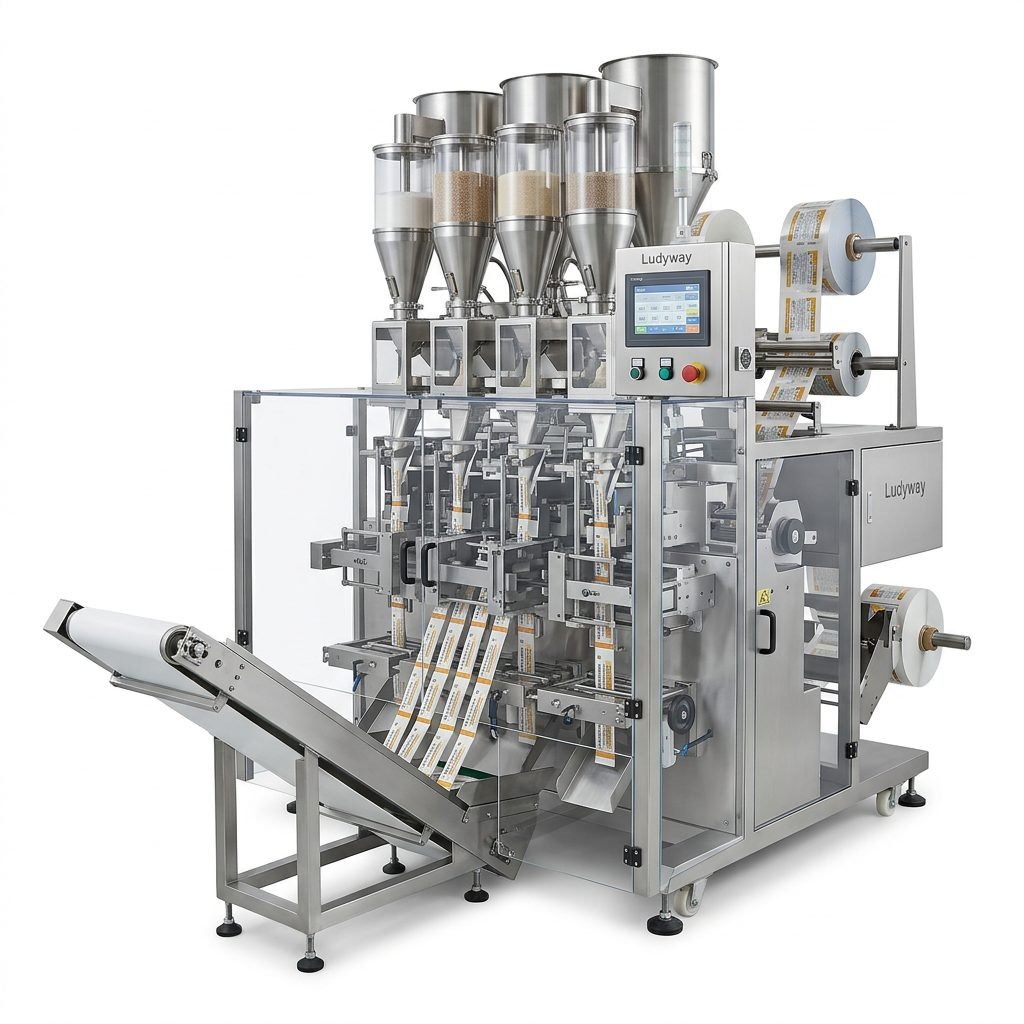
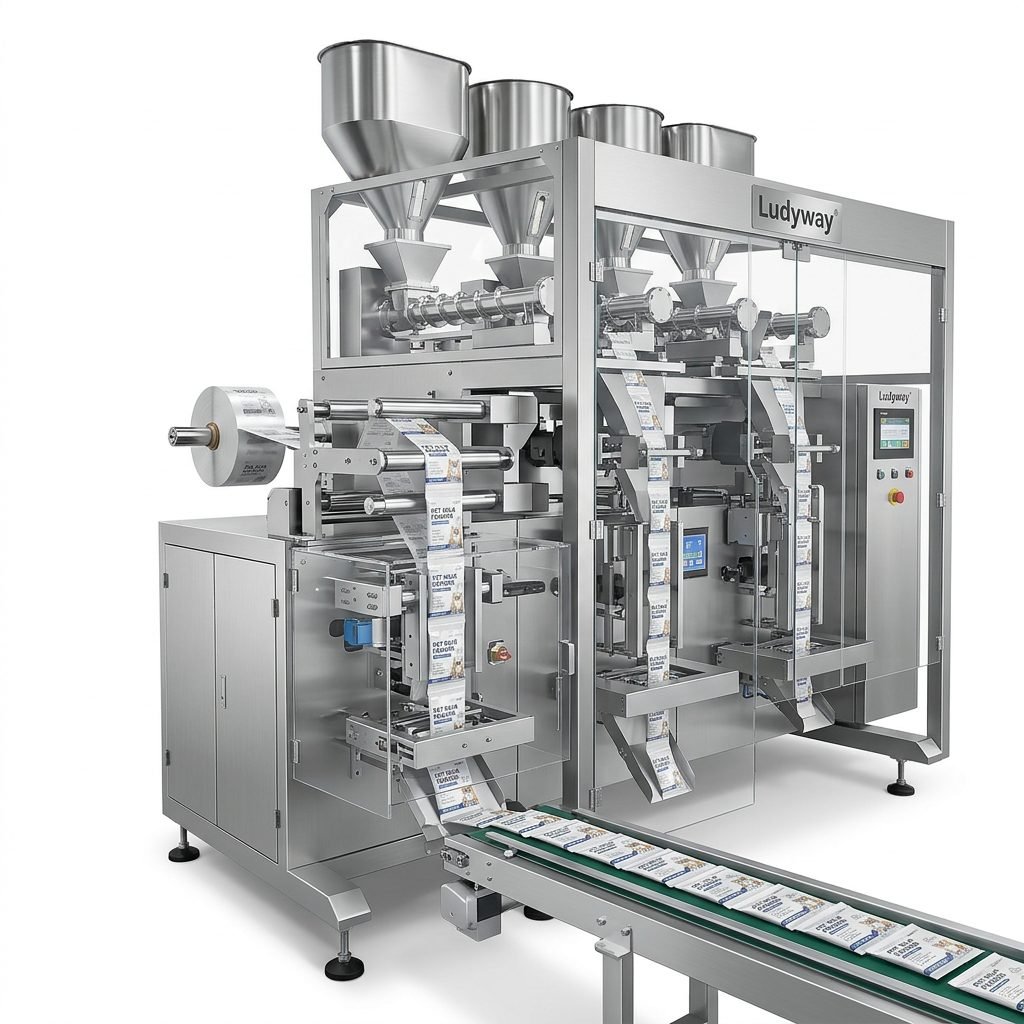
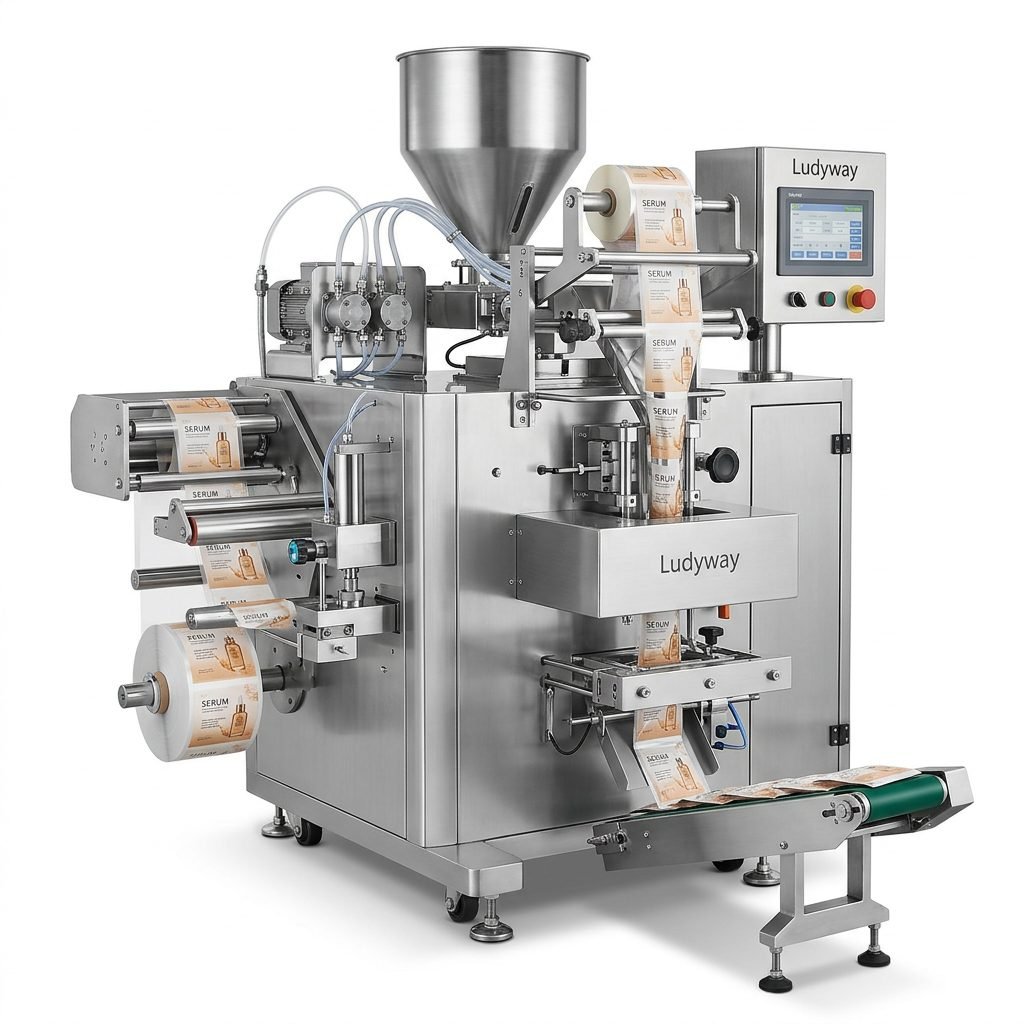
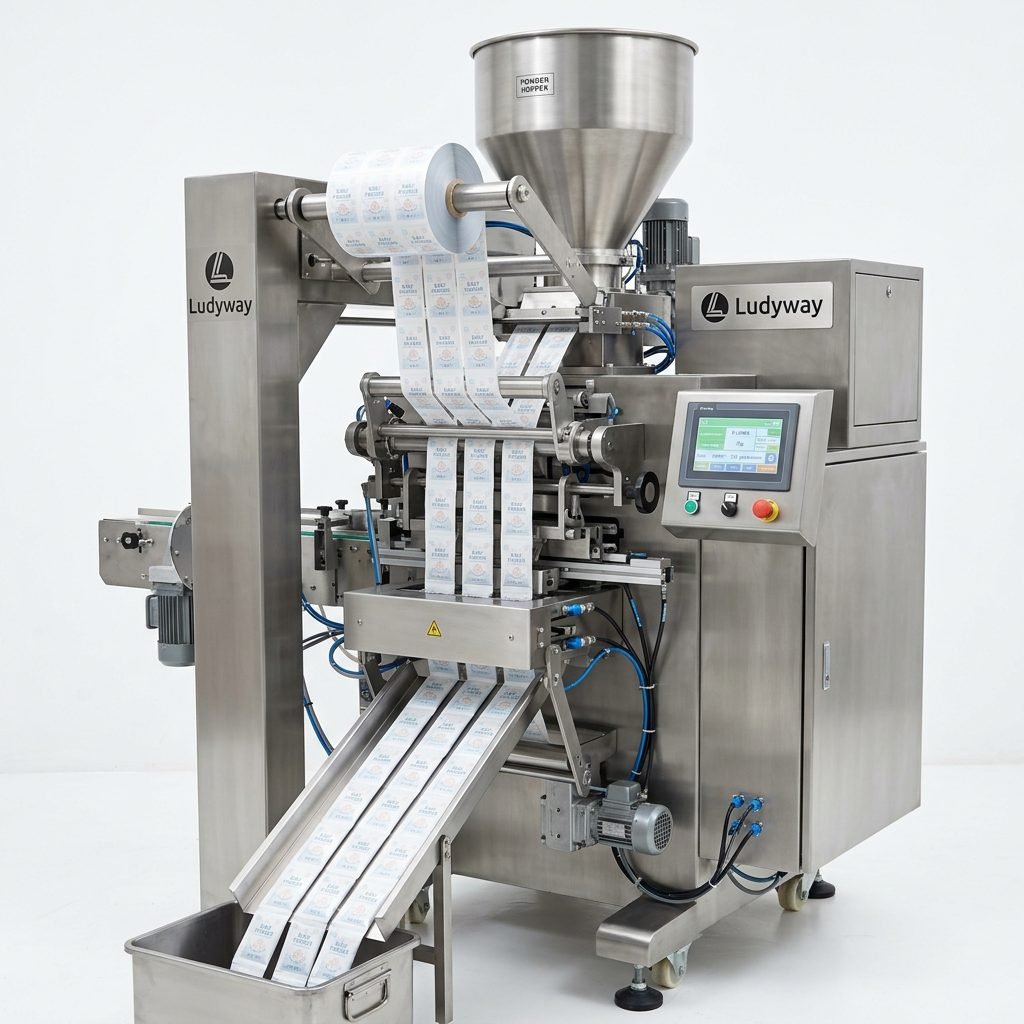
In the competitive world of spice production, efficient and reliable packaging is not just a final step—it’s a critical component of brand identity, product preservation, and market success. The right packaging equipment ensures your spices reach consumers with their vibrant aroma, potent flavor, and visual appeal intact. This guide delves into the essential types of spice packaging machinery, their key features, and provides a strategic framework to help you select the perfect machine for your operational needs and growth ambitions.
Understanding the Core Types of Spice Packaging Equipment
The spice industry utilizes a variety of packaging formats, each requiring specialized machinery. Understanding these types is the first step toward making an informed investment.
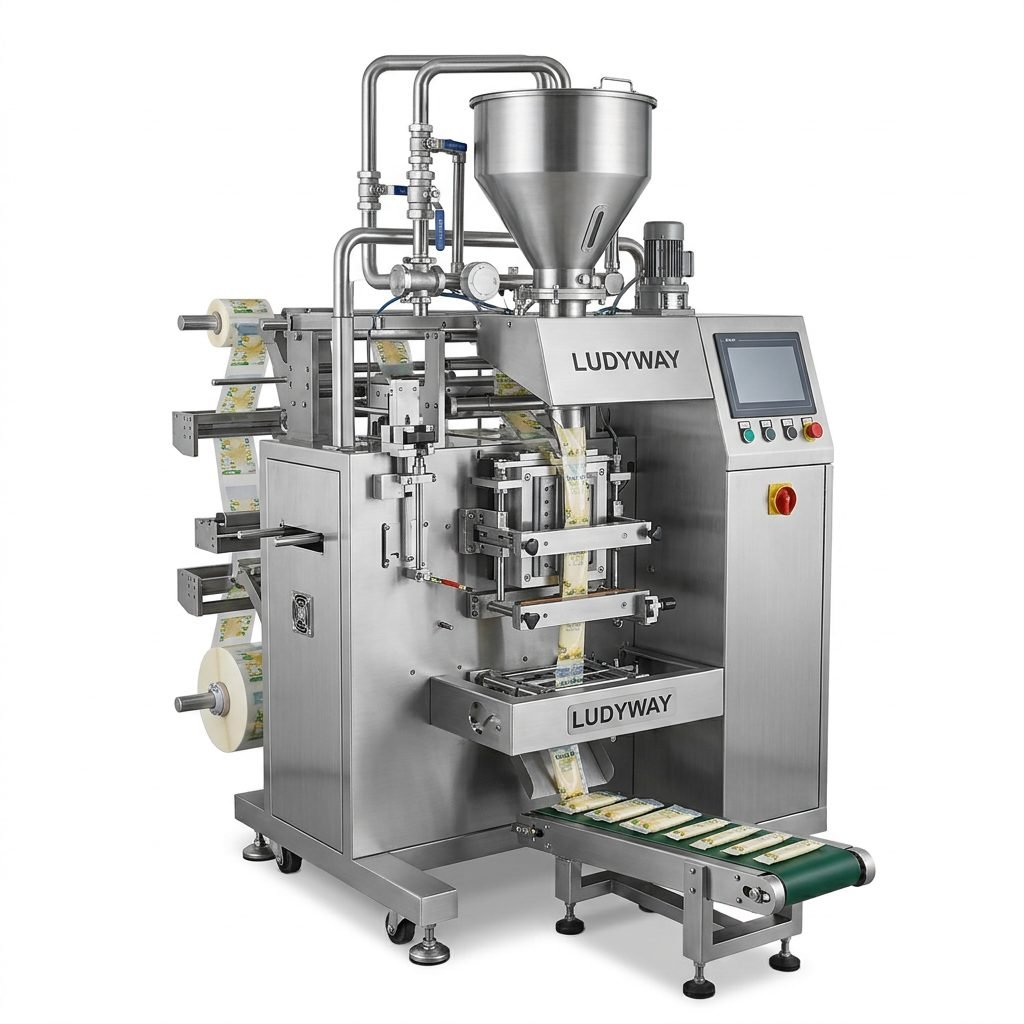
Vertical Form-Fill-Seal (VFFS) Machines
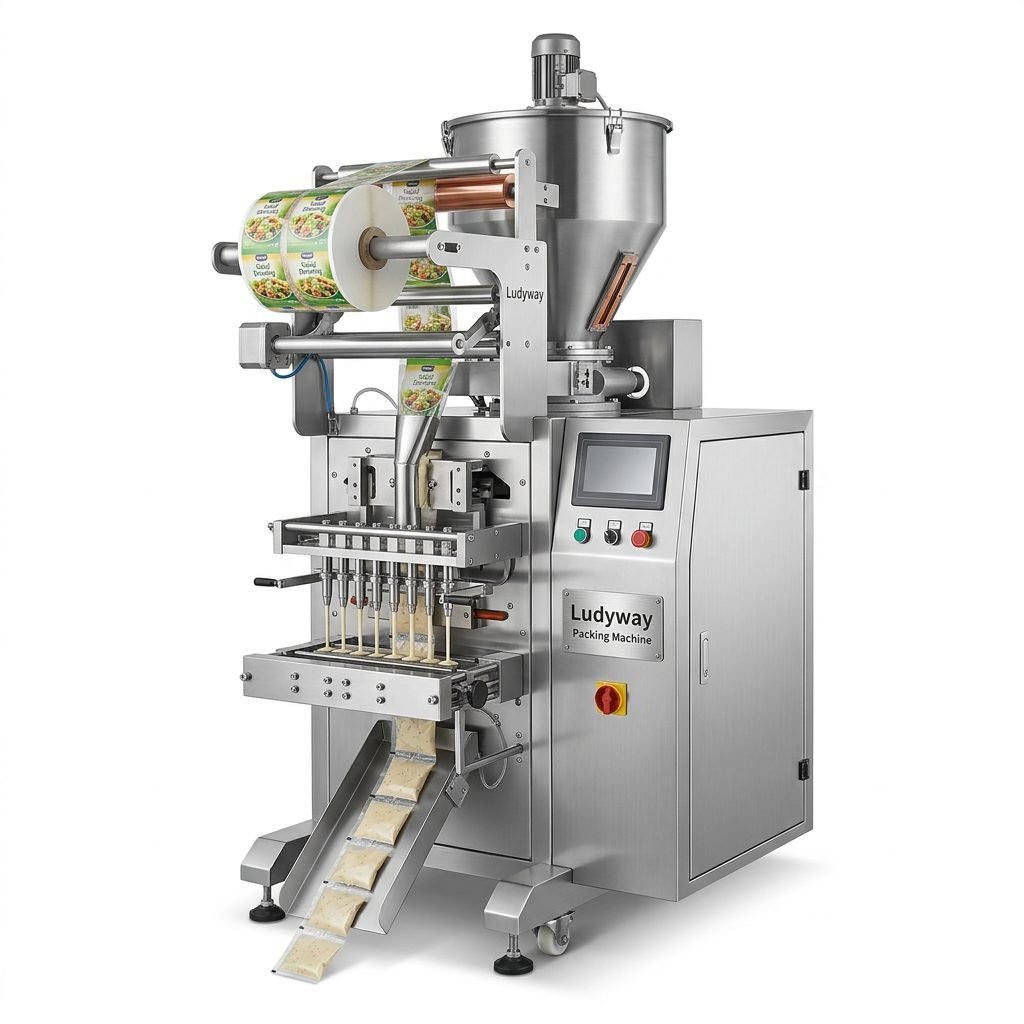
These are the workhorses of the industry for creating pillow-style bags from a roll of film. Ideal for packaging a wide range of spice volumes—from small sachets to larger retail bags—VFFS machines offer excellent flexibility. They are perfect for granules, seeds, and powdered spices. Modern VFFS systems can integrate multi-head weighers for high-speed, high-accuracy filling.
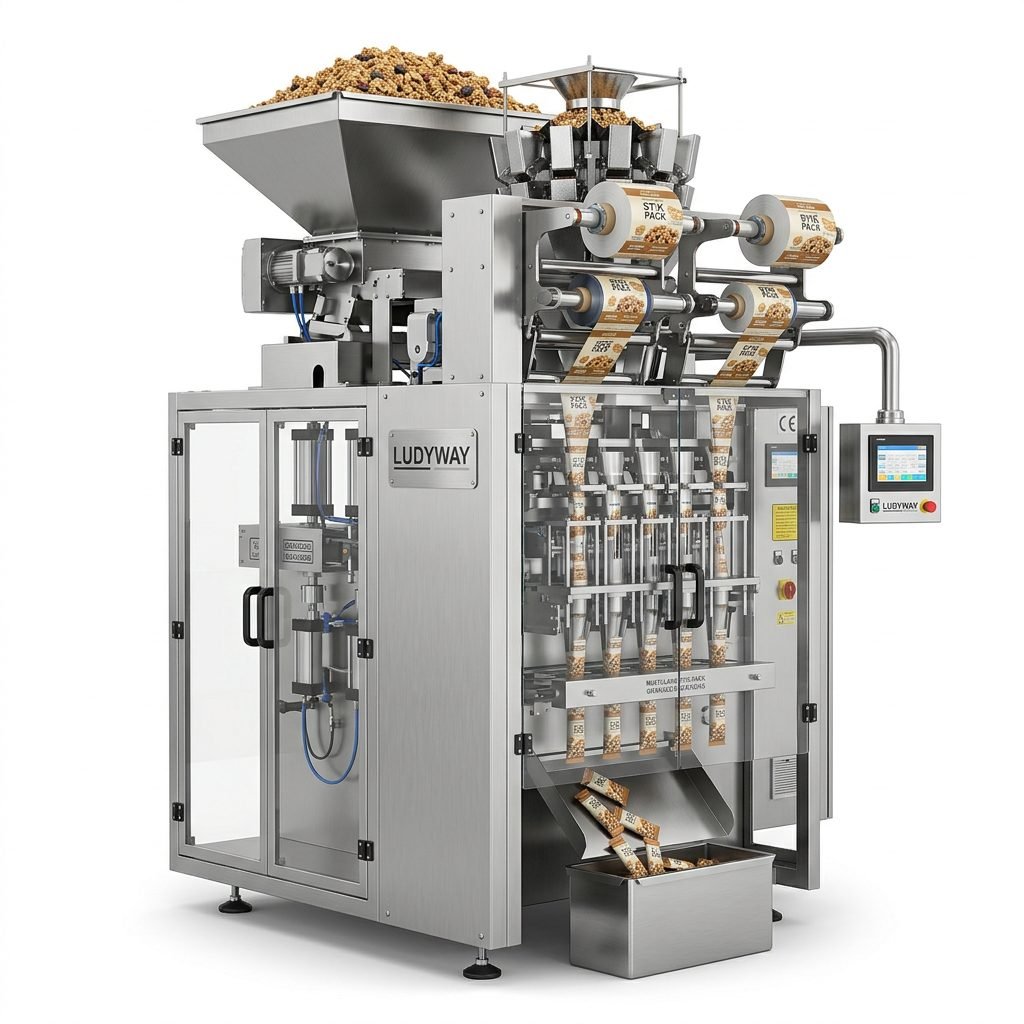
Horizontal Form-Fill-Seal (HFFS) Machines
Primarily used for producing stick packs and flow-wrap style sachets, HFFS machines are excellent for single-serve portions, sample packets, or premium spice blends. They provide a sleek, professional look and are often used for products where presentation is key. This technology is a cornerstone of modern sachet packaging systems offered by leading suppliers.
Pre-Made Pouch Fillers
For brands using stand-up pouches (SUPs), gusseted bags, or other pre-formed packaging, this equipment automates the opening, filling, and sealing process. It’s the go-to choice for premium, shelf-ready packaging that often includes features like zippers or spouts. While less flexible in bag style changeovers, it delivers a superior finished package.
Auger Filling Machines
This is the core technology for precise volumetric filling of powders and fine granules. Auger fillers use a rotating screw within a hopper to dispense product with remarkable consistency. They are often integrated as the filling unit within VFFS or pouch-filling lines. The choice of auger design (single, twin) and tooling material (stainless steel, food-grade coatings) is crucial for handling different spice properties without degradation.
Key Features to Evaluate in Spice Packaging Machinery
Beyond the basic type, several features differentiate a standard machine from a high-performance asset for your production line.
1. Precision Weighing & Filling Systems
Accuracy is non-negotiable. Look for machines with multi-head weighers or servo-driven auger systems that minimize give-away and ensure every package meets weight regulations. Advanced systems offer automatic feedback correction to maintain precision over long production runs.
2. Material Compatibility & Sealing Integrity
Spices often require barrier films (metallized, aluminum foil laminates) to protect against moisture, light, and oxygen, which degrade flavor. The machine must offer robust, adjustable heat sealing jaws capable of creating strong, airtight seals through these multi-layer materials. Consistent sealing prevents spoilage and preserves shelf life.
3. Ease of Cleaning & Sanitation (CIP/SIP)
Given the fine, often oily nature of spices, hygiene is paramount. Machines designed with smooth surfaces, quick-disconnect parts, and minimal crevices reduce cleaning time and cross-contamination risk. Some advanced models offer Clean-in-Place (CIP) capabilities for critical zones.
4. Changeover Flexibility & User Interface
If you run multiple SKUs (different spices, bag sizes), rapid changeover is vital for efficiency. Machines with recipe storage and servo-driven adjustments allow operators to switch formats in minutes via a touchscreen HMI, drastically reducing downtime. An intuitive interface also simplifies operator training.
5. Integration & Automation Potential
Consider future growth. Can the machine integrate with upstream mixers/blenders and downstream cartoners or case packers? Look for standard communication protocols (PLC, Ethernet) that allow it to become part of a seamless, automated packaging solution. This scalability protects your investment.
How to Choose the Right Spice Packaging Machine: A Strategic Guide
Selecting equipment is a strategic decision. Follow this framework to align your choice with both current and future business goals.
Step 1: Define Your Product & Packaging Requirements
Start with the specifics: What spices are you packaging (fine powder, whole seeds, flakes)? What is your target package size and style (stick pack, 50g retail bag, 1kg bulk pouch)? What film or laminate material is required for your shelf-life targets? Documenting these details creates a clear technical specification.
Step 2: Analyze Your Production Volume & Speed Needs
Calculate your required output in bags per minute (BPM) or shifts per week. Be realistic about peak demands and growth projections. A machine operating reliably at 80% of its max speed is better than one constantly pushed to 100% capacity, which increases wear and maintenance.
Step 3: Prioritize Operational Factors
Evaluate your factory’s constraints: available floor space, electrical/pneumatic supply, and operator skill level. A highly automated machine may be inefficient for a small operation with frequent, small-batch runs, where simplicity and quick changeovers are more valuable than raw speed.
Step 4: Assess Total Cost of Ownership (TCO)
Look beyond the initial purchase price. Factor in energy consumption, expected spare parts costs, maintenance schedules, and potential downtime. A slightly more expensive machine from a reputable supplier like Ludyway Machinery, known for reliability and support, often has a lower TCO over 5-10 years.
Step 5: Verify Supplier Credentials & Support
The supplier is as important as the machine. Do they have proven experience in the spice sector? Can they provide references? What is their after-sales service structure—do they offer local spare parts, technical support, and operator training? A partner with deep industry experience can provide invaluable guidance during selection and installation.
Conclusion: Investing in Your Brand’s Future
Choosing the right spice packaging equipment is a strategic investment in product quality, operational efficiency, and brand reputation. By thoroughly understanding the machine types, critically evaluating key features like precision filling and hygiene design, and following a structured selection process focused on your unique needs, you can make a decision that drives profitability and growth for years to come. Partnering with an experienced equipment provider ensures you gain not just a machine, but a solution tailored to help your spices stand out on the global shelf.
Frequently Asked Questions (FAQs)
What is the most common type of machine for packaging powdered spices?
The most common and versatile solution is a Vertical Form-Fill-Seal (VFFS) machine integrated with an auger filler. This combination handles powders efficiently, provides excellent sealing for barrier films, and allows for a wide range of bag sizes.
How important is the sealing system for spice packaging?
It is critically important. A robust, temperature-controlled sealing system is essential to create airtight seals through multi-layer barrier films. This directly protects the spice from moisture, oxygen, and aroma loss, ensuring product freshness and meeting shelf-life expectations.
Can one machine handle both granular spices and fine powders?
Yes, many machines, particularly VFFS models, are designed for flexibility. However, you will likely need to change the filling system (e.g., switch from a cup filler for granules to an auger for powder) and adjust film feeding and sealing parameters. Machines with quick-change tooling facilitate this process.
What should I look for in terms of machine hygiene?
Prioritize machines with a stainless steel contact frame, smooth surfaces with rounded corners, easy-access panels, and tool-less disassembly for key parts like hoppers and funnels. Designs that minimize product accumulation points are crucial for preventing cross-contamination between spice batches.
Is automation worth it for a small spice business?
It depends on your volume and growth trajectory. Even small businesses benefit from semi-automatic machines (e.g., a single auger filler with a manual bag sealer) to improve accuracy and consistency over fully manual methods. As you scale, investing in a fully automatic machine reduces labor costs and increases output significantly.