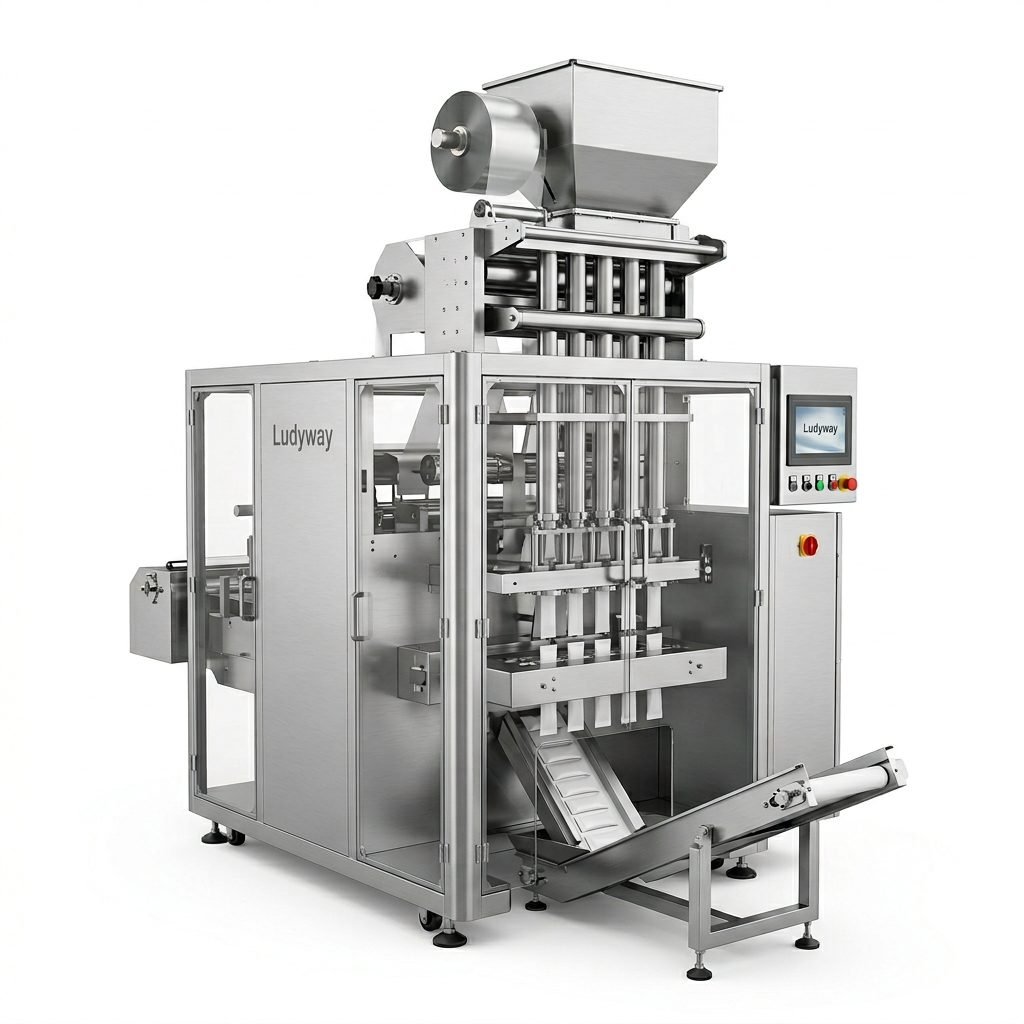
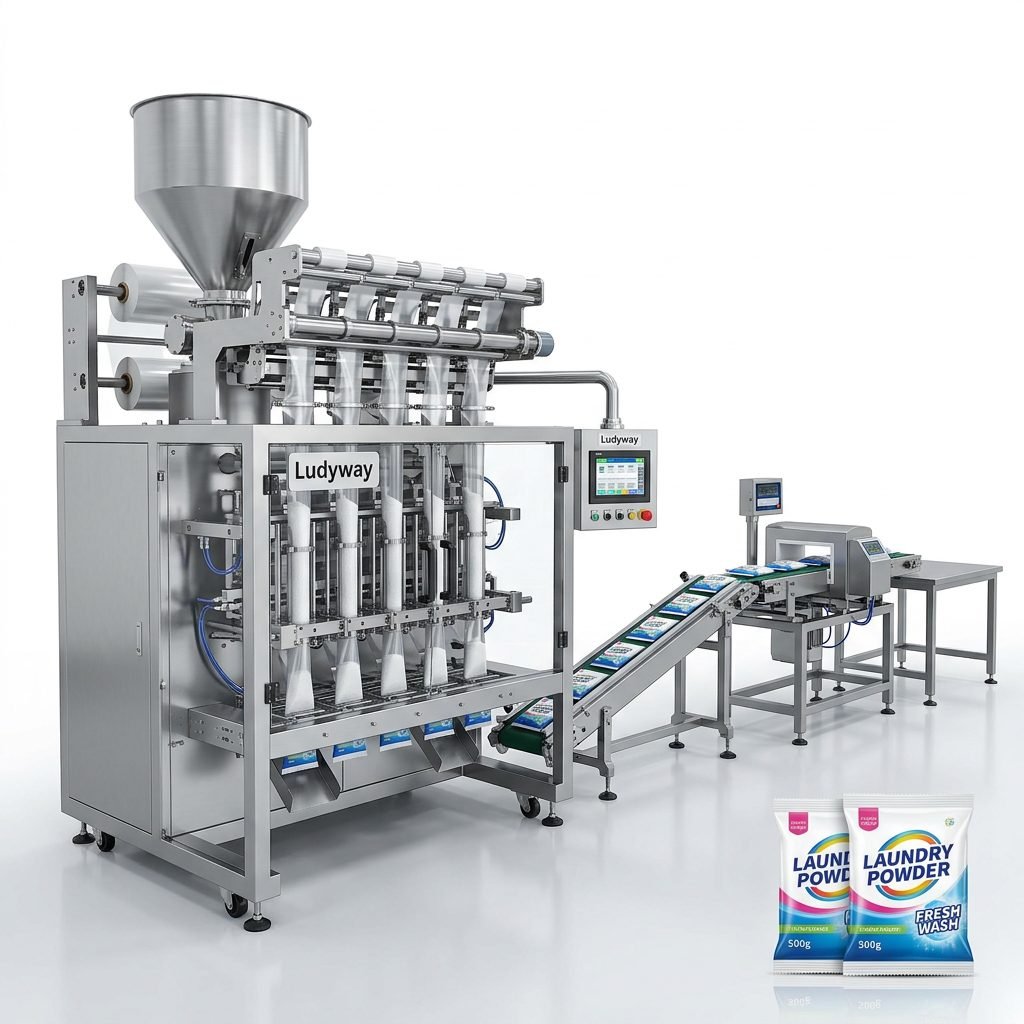
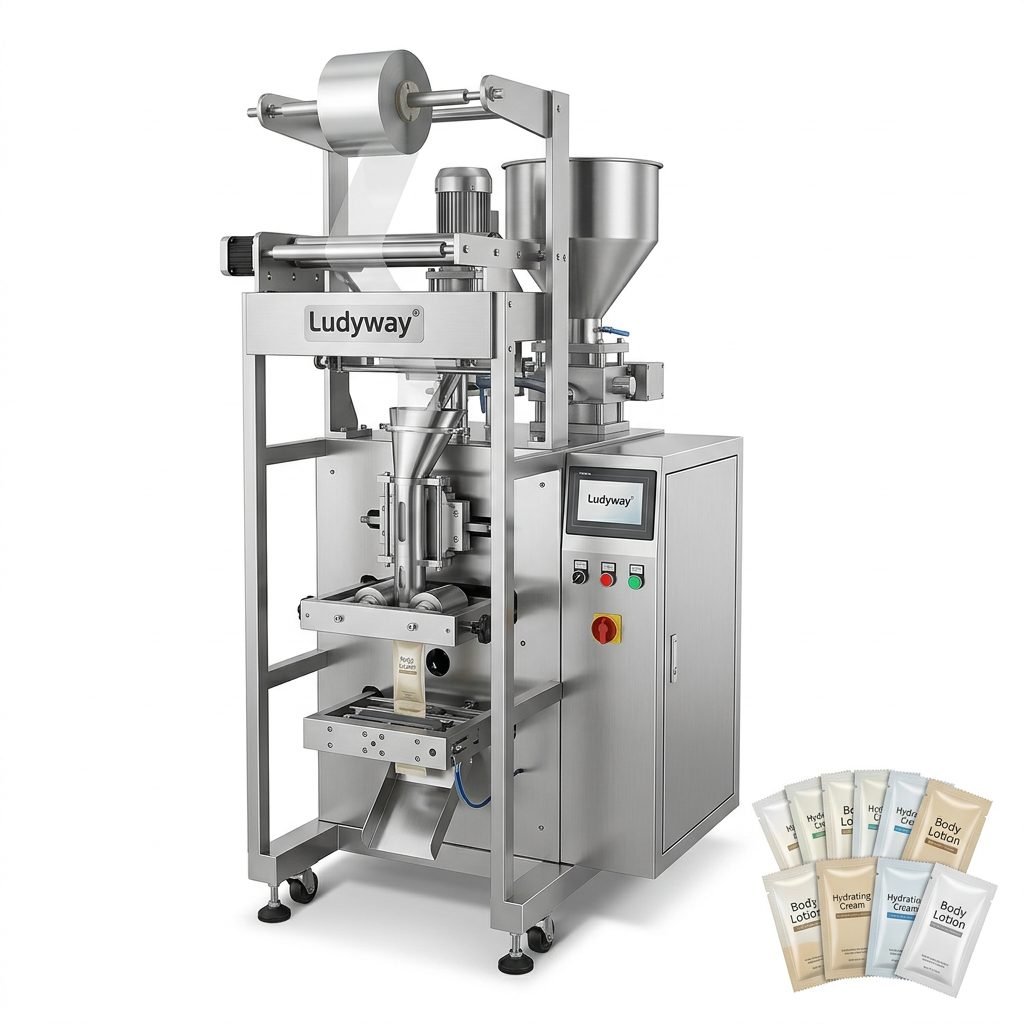
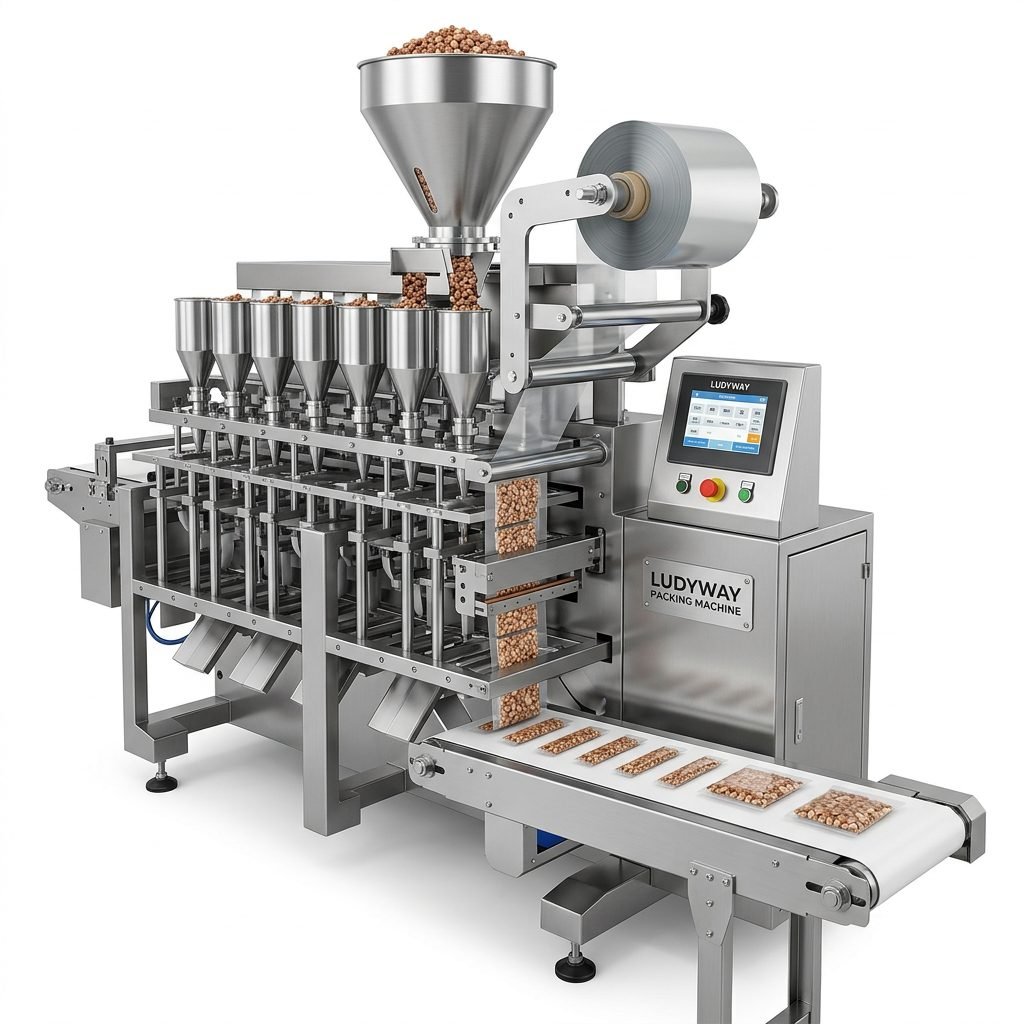
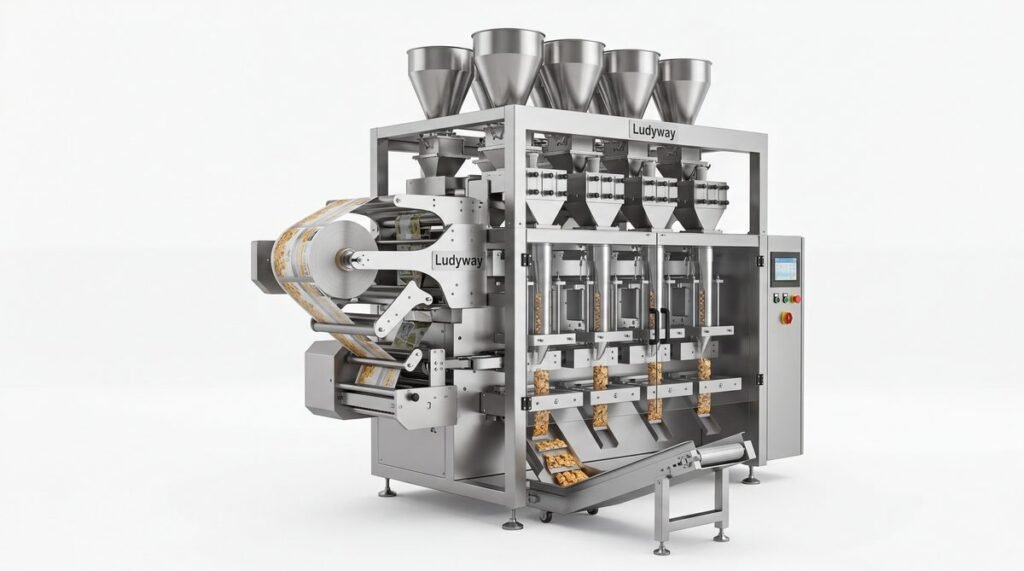
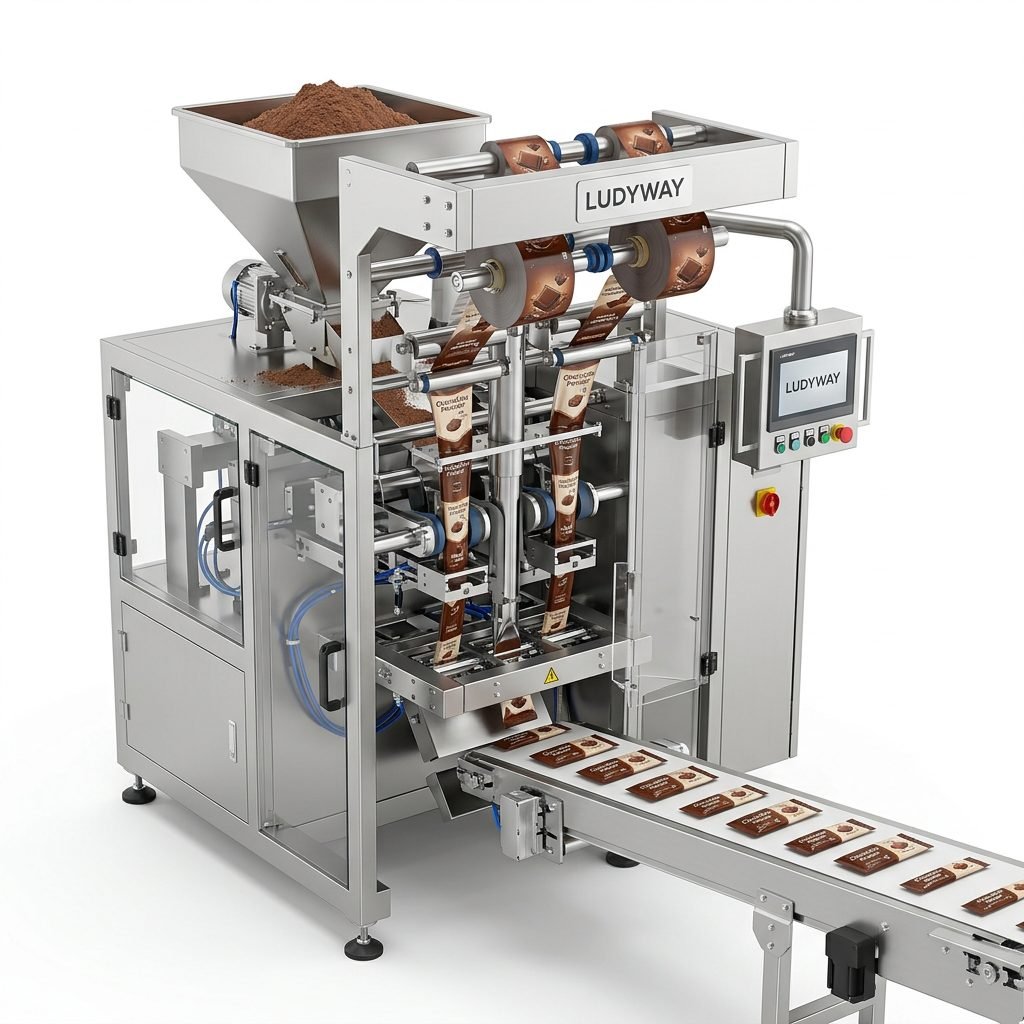
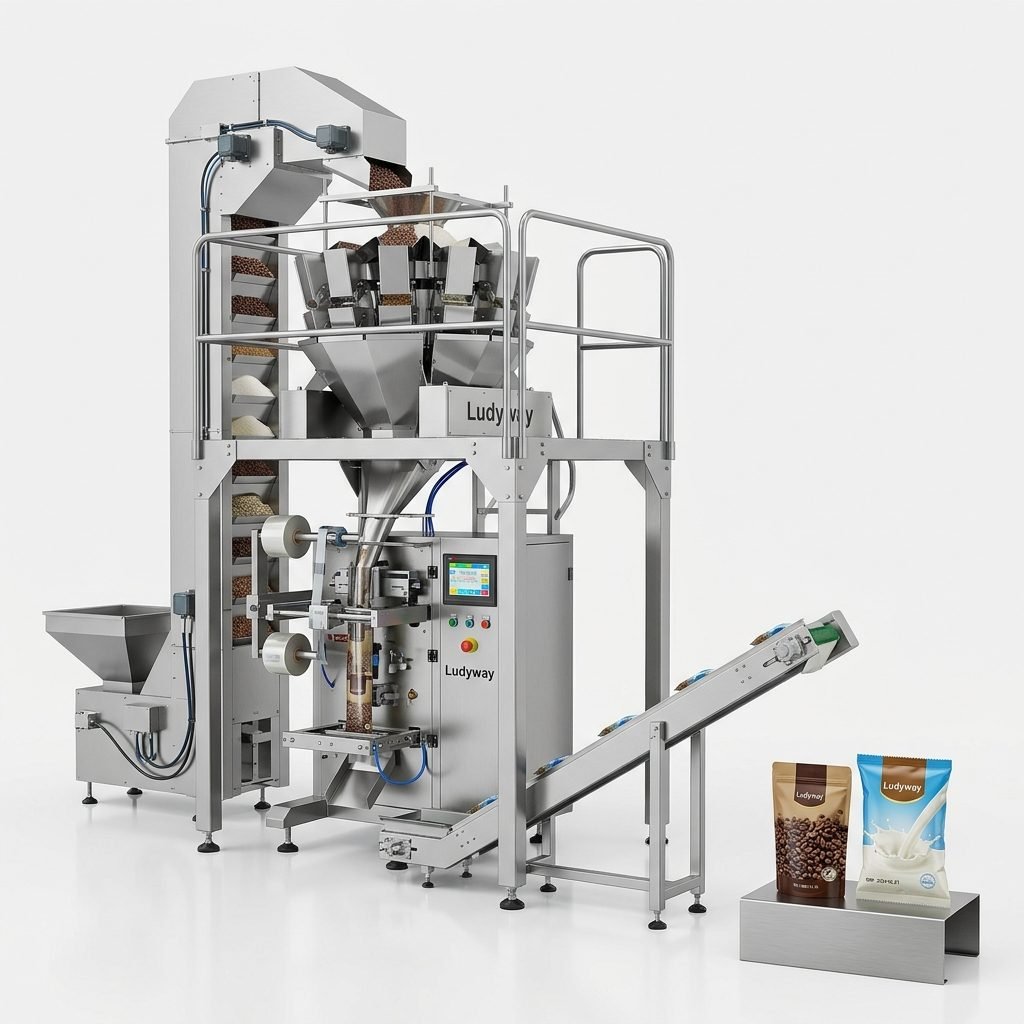
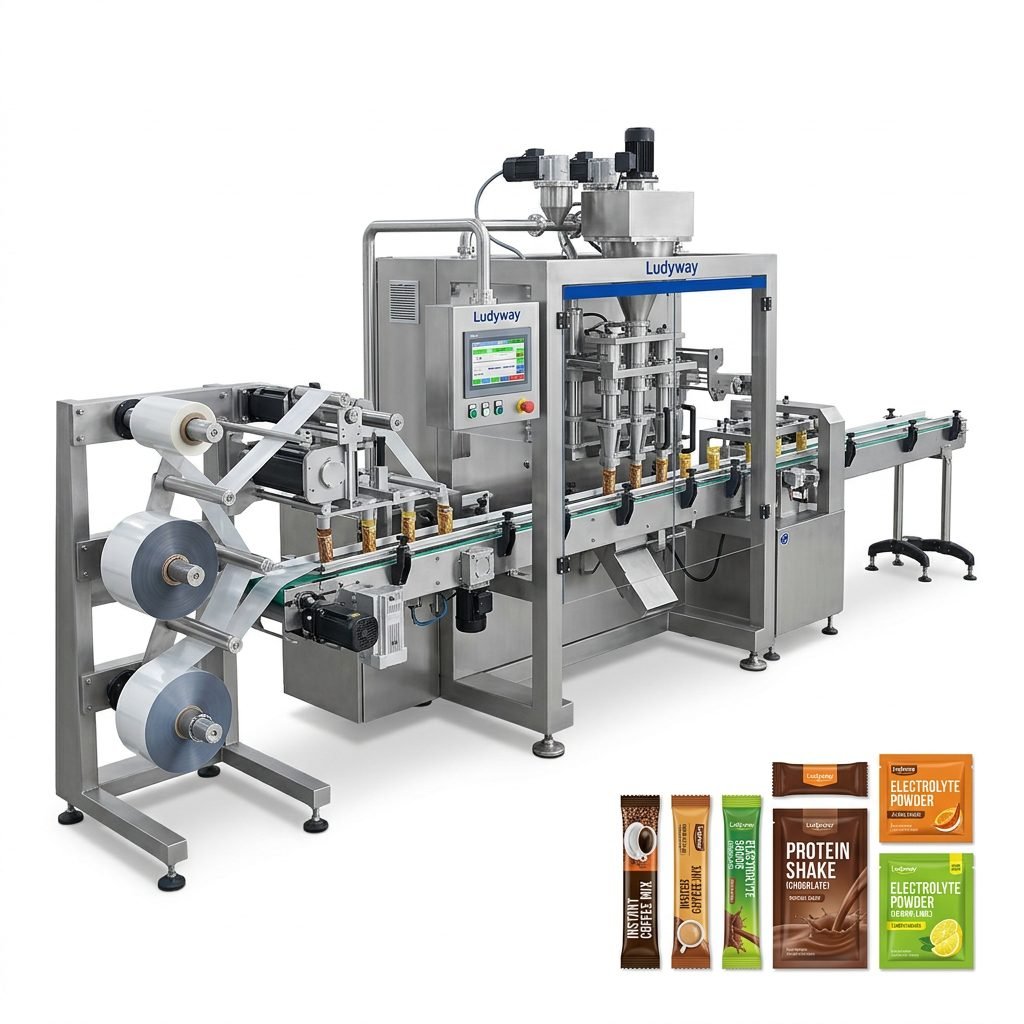
Selecting the right pill packaging machine is a critical decision for pharmaceutical manufacturers, supplement producers, and contract packagers. The efficiency, reliability, and compliance of your packaging line directly impact product quality, operational costs, and market success. This comprehensive guide will walk you through the key factors to consider when choosing tablet blister and cartoning equipment, ensuring you make an informed investment that meets your specific production needs.
Understanding Core Pill Packaging Equipment
Modern pill packaging typically involves a two-stage process: primary packaging (blistering) and secondary packaging (cartoning). Each stage requires specialized machinery.
Blister Packaging Machines
These machines form cavities (blisters) from a roll of thermoformable film, fill them with tablets or capsules, and seal them with a lidding material (foil or paper). They are the heart of the primary packaging process.
Key Output: Sealed blister strips or cards, ready for secondary packaging or direct distribution.
Cartoning Machines
Cartoners automate the process of placing blister strips, leaflets, and other components into folded cartons. They can be horizontal or vertical, depending on the carton style and production speed requirements.
Key Output: Sealed, finished product cartons, often bundled for case packing.
Critical Factors for Choosing Blister Equipment
Your choice of blister machine will define your line’s flexibility, speed, and compliance level. Consider these parameters carefully.
1. Machine Type & Format
• Thermoforming vs. Cold Forming: Thermoforming uses heat to shape PVC, PET, or Aclar film. It’s common for most solid oral doses. Cold forming uses aluminum laminate without heat, offering superior barrier properties for highly sensitive drugs (e.g., moisture or oxygen-sensitive).
• Feeding System: Choose between manual feeding, vibratory bowl feeders for simple shapes, or sophisticated vision-guided robotic pick-and-place systems for complex, fragile, or high-value products.
2. Production Speed & Output
Speed is measured in blisters per minute (BPM) or cycles per minute. Match the machine’s maximum output to your current and projected future volumes. Remember, actual sustainable speed is often lower than the theoretical maximum.
3. Tooling & Changeover
If you run multiple products, quick changeover is vital. Look for machines with quick-change forming and sealing dies and recipe management systems. Tooling quality (materials, precision) directly affects blister quality and machine longevity.
4. Compliance & Safety Features
For pharmaceutical applications, ensure the machine design meets cGMP guidelines. Key features include:
✓ Easy-clean, stainless steel contact surfaces.
✓ Dust extraction systems.
✓ Integrity check systems (leak detection, vision inspection for missing tablets).
✓ Comprehensive data recording and audit trail capabilities.
Essential Considerations for Cartoning Equipment
The cartoner must integrate seamlessly with your blister machine and handle your specific package design reliably.
1. Carton Style and Size Range
Determine if you need a horizontal end-load cartoner (most common for blister strips) or a vertical top-load machine. Verify the machine can handle the minimum and maximum carton dimensions (length, width, depth) you require.
2. Product Loading & Insertion
How will the blister strips and leaflet be loaded? Standard methods include manual infeed, automatic pick-and-place, or continuous motion loading from the blister machine. The complexity of your insert combination (e.g., multiple blisters, desiccant packs) dictates the required sophistication.
3. Integration & Line Efficiency
The cartoner should synchronize perfectly with upstream (blister machine) and downstream (case packer, bundler) equipment. Consider a complete integrated line from a single supplier, like the solutions offered by Ludyway Packing Machine, to ensure compatibility and single-point responsibility.
Beyond the Machine: The Importance of Support
The machine itself is only part of the solution. The supplier’s support ecosystem is equally critical for long-term success.
• Technical Expertise & Customization: Can the supplier customize the machine for your unique product or process? Do they have deep application knowledge?
• Spare Parts & Service: Evaluate the availability of spare parts and the responsiveness of the service team. Downtime is expensive.
• Training & Documentation: Comprehensive training for your operators and maintenance staff is essential for optimal operation and troubleshooting. Clear documentation in your local language is a must.
Partnering with an experienced provider like Ludyway Machinery, which brings over 30 years of industry experience, can provide peace of mind and a reliable path to efficient production.
Making the Final Decision: A Step-by-Step Approach
- Define Your Requirements: Document your product specs, desired output, budget, and compliance needs.
- Research Suppliers: Look for manufacturers with a proven track record in your specific sector (pharma, nutraceuticals). Review their company history and client portfolio.
- Request Demonstrations: Always see the machine run with a product similar to yours. A factory acceptance test (FAT) is highly recommended.
- Evaluate Total Cost of Ownership (TCO): Look beyond the purchase price. Consider energy consumption, changeover time, maintenance costs, and expected lifespan.
- Check References: Speak to existing customers about the machine’s performance and the supplier’s after-sales service.
Conclusion
Investing in the right pill packaging machinery is a strategic decision that requires careful analysis of technical specifications, production goals, and supplier capabilities. By thoroughly evaluating blister and cartoning equipment against the factors outlined in this guide—from machine type and speed to compliance and supplier support—you can build a packaging line that ensures product integrity, maximizes efficiency, and scales with your business growth. A reliable partner with global experience can be invaluable in navigating this complex selection process and delivering a successful, future-proof packaging solution.
Frequently Asked Questions (FAQs)
Q1: What is the main difference between thermoform and cold form blister packaging?
A: Thermoforming uses heat to shape plastic films (like PVC or PET) and is suitable for most standard tablets. Cold forming uses pressure to shape multi-layer aluminum laminate, providing an exceptional barrier against moisture and oxygen, making it essential for highly sensitive pharmaceuticals.
Q2: How important is machine changeover time?
A: Extremely important for facilities producing multiple SKUs. Long changeovers reduce overall equipment effectiveness (OEE) and increase downtime. Look for machines with tool-less or quick-change features to minimize production losses during product switches.
Q3: Can one machine handle different pill shapes and sizes?
A: Yes, but it requires changeable parts like forming dies, sealing dies, and feeding system components (e.g., change parts for vibratory bowls). The ease and speed of this changeover vary significantly between machine models.
Q4: What are the key GMP requirements for pharmaceutical blister machines?
A: Key requirements include hygienic design with smooth, easy-to-clean surfaces (often stainless steel), protection against product contamination (dust extraction), systems to ensure package integrity (100% leak detection), and full documentation/audit trail capabilities for all critical processes.
Q5: Should I buy separate machines or an integrated blister-cartoning line?
A: An integrated line from a single supplier often offers better synchronization, reduced footprint, simpler validation, and single-source support. It’s generally recommended for medium to high-volume production to ensure seamless operation and higher overall line efficiency.