Italy represents one of the most sophisticated dairy markets in Europe. With over 19,000 dairy farms and protected designation of origin (PDO) products like Parmigiano Reggiano, Mozzarella di Bufala Campana, and Gorgonzola, the demand for high-performance dairy packaging machines continues to rise. This guide walks you through every critical factor when investing in dairy packaging machinery on the Italian market.

Understanding the Italian Dairy Packaging Landscape
The Italian dairy industry processes over 12 million tonnes of milk annually, ranking third in the European Union. Key segments driving packaging machine demand include:
- Aged cheeses: Parmigiano Reggiano, Grana Padano — requiring sterile cutting, vacuum sealing, and modified atmosphere packaging (MAP)
- Fresh cheeses: Mozzarella, Ricotta, Mascarpone — demanding precise liquid filling, temperature control, and extended shelf-life solutions
- Yogurt and fermented milk: Cup filling, sachet packing, and pouch packaging with high-speed multi-lane systems
- Butter and cream: Block wrapping, foil sealing, and portion-control packaging
Why Italian Producers Are Modernizing Equipment
Several factors push dairy manufacturers toward new packaging automation. Rising labor costs in Northern Italy drive investment in fully automated packaging lines. Retail chains demand consistent quality, precise weight control, and attractive shelf presentation. Strict EU food safety regulations require hygienic design, traceability, and anti-contamination features. Sustainability targets push for eco-friendly packaging materials like recyclable mono-material films and reduced plastic usage.

Key Regulations and Certifications in Italy
All dairy packaging machines installed in Italy must comply with specific regulatory frameworks. The following table summarizes the essential certifications:
| Certification | Application Scope | Mandatory Status |
|---|---|---|
| CE Marking | All machinery placed on the EU market | Mandatory |
| EHEDG Certification | Hygienic equipment design for food contact | Highly Recommended |
| 3-A Sanitary Standards | Dairy-specific sanitary design criteria | Recommended |
| ATEX Directive | Equipment in potentially explosive atmospheres | If applicable to powder handling |
| ISO 22000 / BRC | Food safety management system integration | Industry Standard |
Material Contact and Food Safety Compliance
Italian buyers should verify that packaging machine materials meet EU Regulation 1935/2004 on food contact materials. Stainless steel 304 or 316L construction is the baseline for dairy applications. All seals, gaskets, and lubricants must be food-grade. FDA-compliant components add value for exporters targeting dual EU-US markets.

Machine Types for Italian Dairy Applications
Choosing the right packaging machine category depends on your specific product characteristics and production volume:
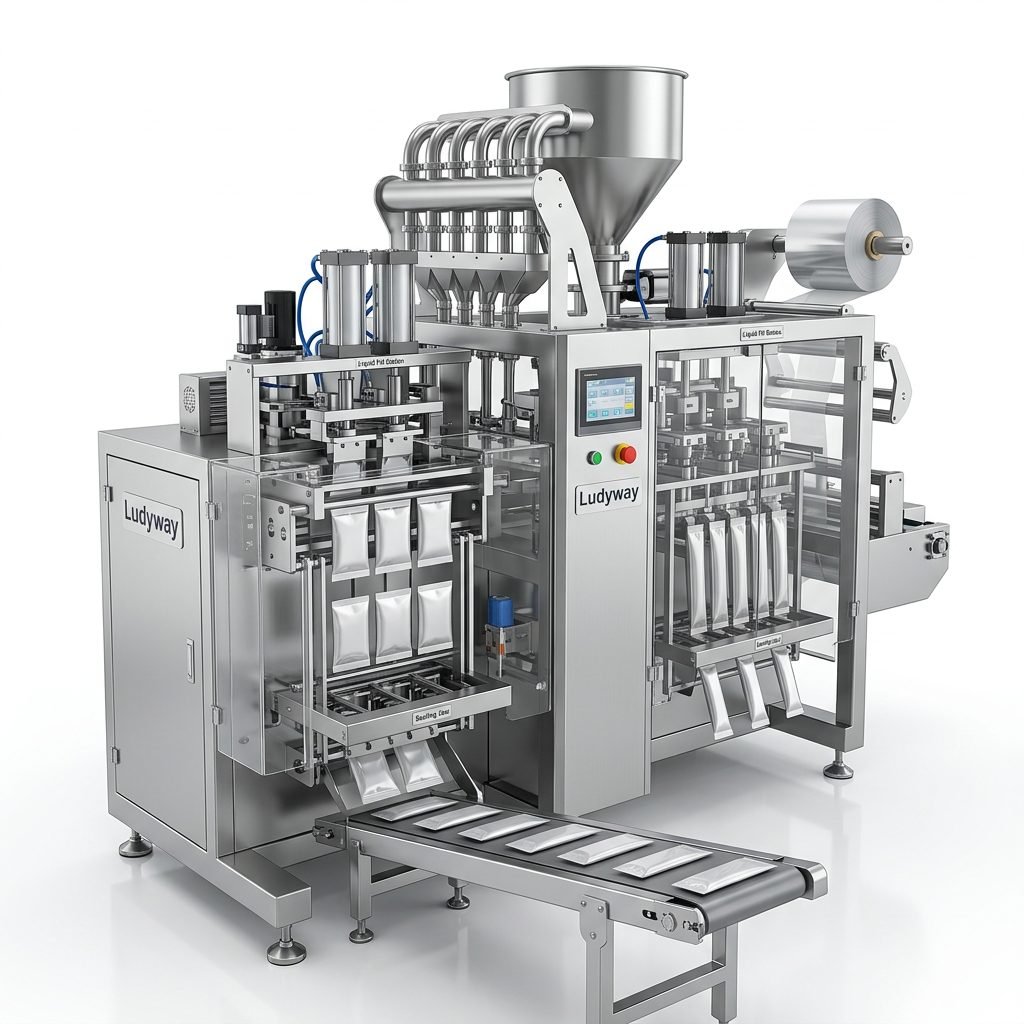
Liquid Filling Systems for Milk and Cream
Aseptic filling technology remains the gold standard for extended shelf-life milk. Italian dairies increasingly adopt ultra-clean and aseptic filling systems for ESL milk and cream products. These systems integrate sterilization tunnels, HEPA-filtered environments, and hermetic sealing. Key specifications include filling accuracy within ±0.5%, CIP/SIP capability, and compatibility with PET, HDPE, and multilayer carton formats.
Sachet and Stick Pack Machines for Dairy Powders
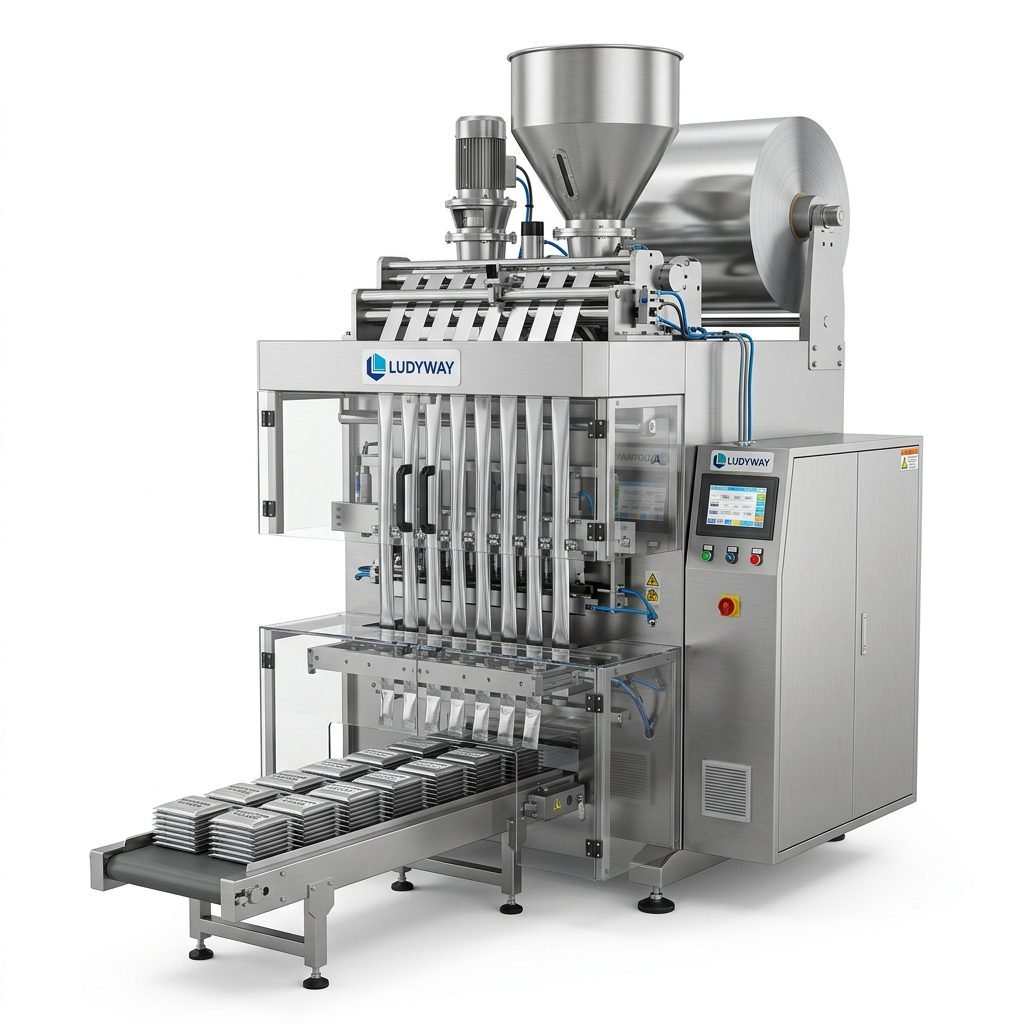
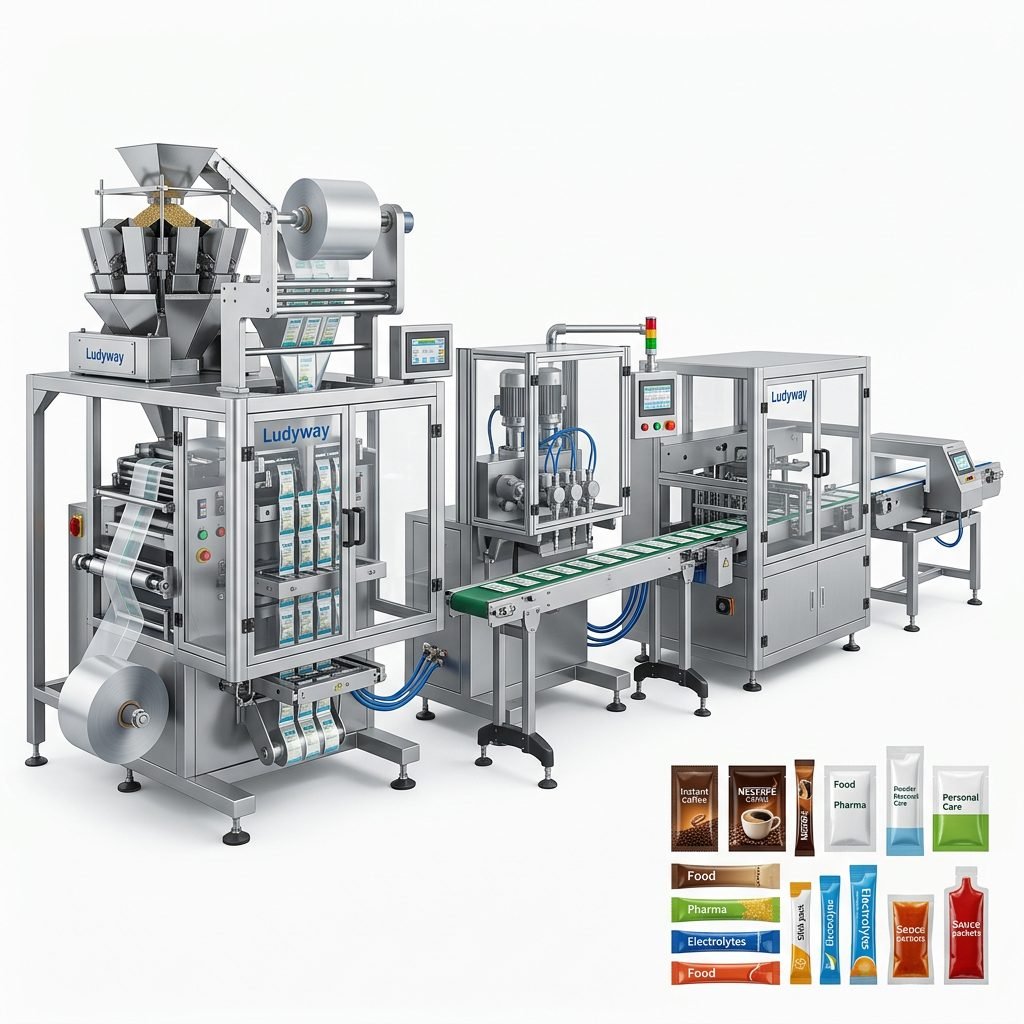
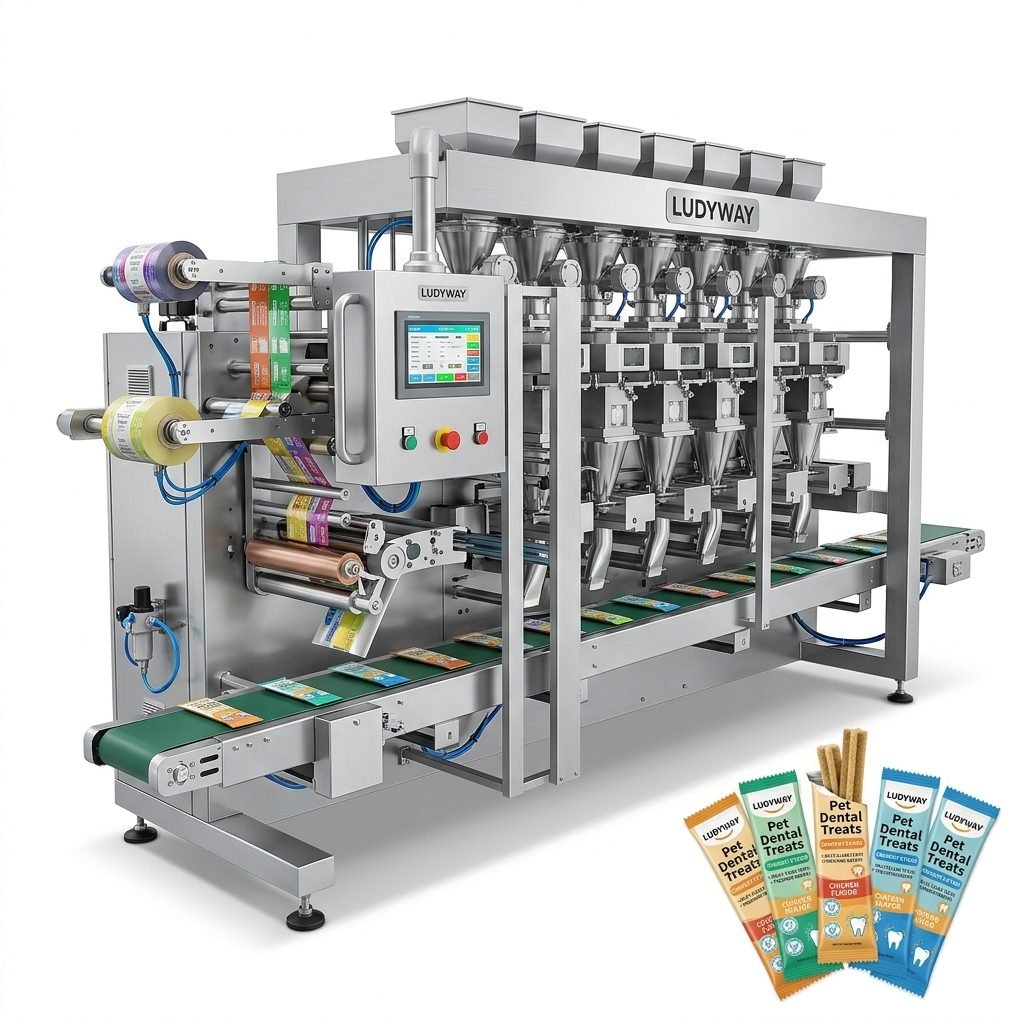
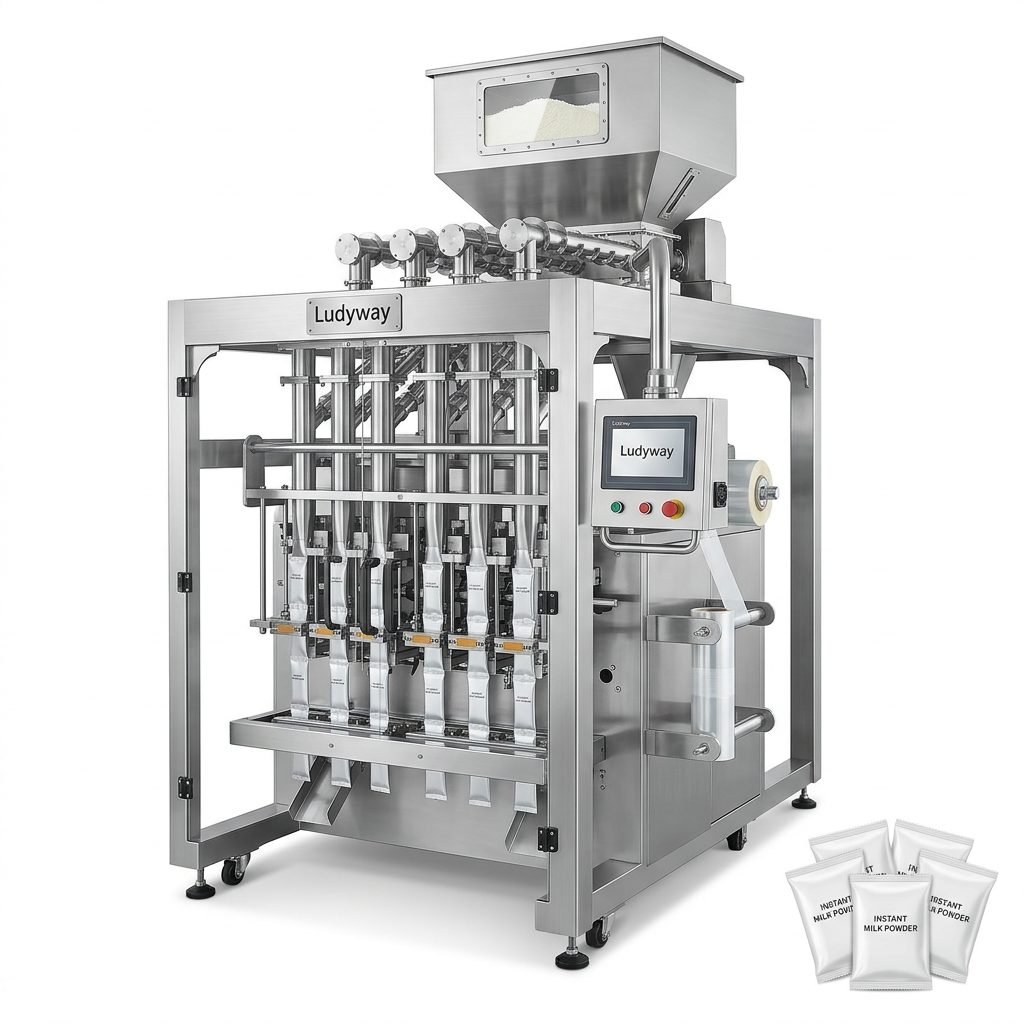
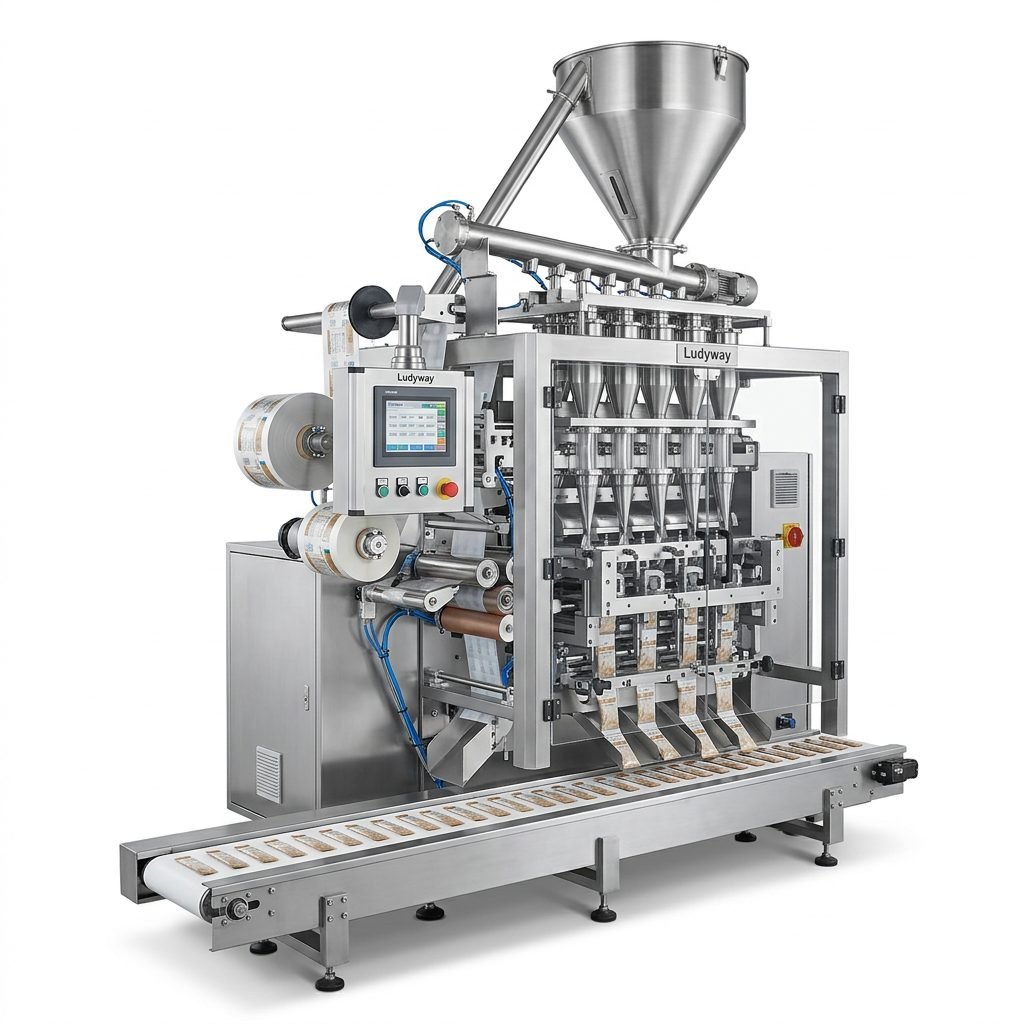
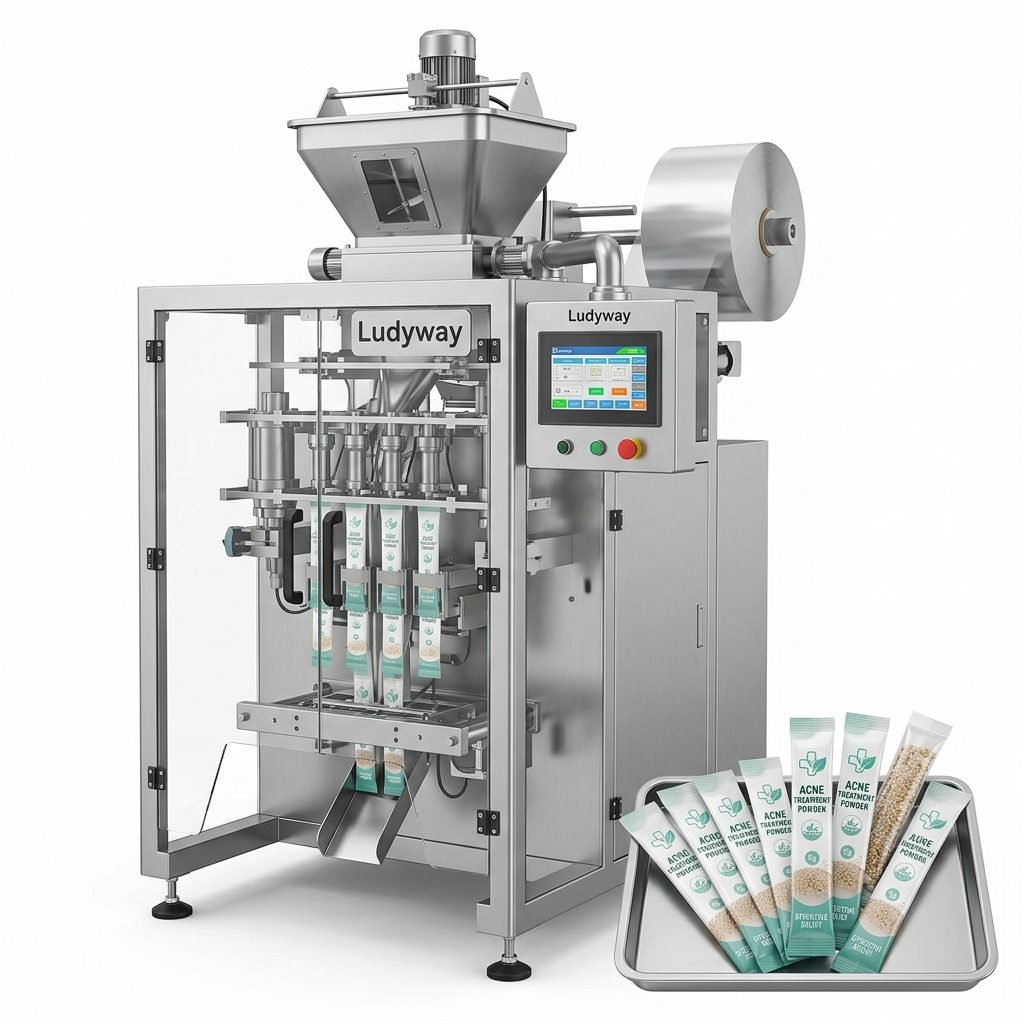
The growing demand for instant milk powder, whey protein, and creamer powders drives multi-lane sachet packaging adoption. Modern multi-lane stick pack machines offer 4-16 lanes, producing 200-600 packs per minute. Italian producers prioritize precision dosing, nitrogen flushing for product freshness, and easy-open tear features for consumer convenience.
Cheese Packaging Machinery
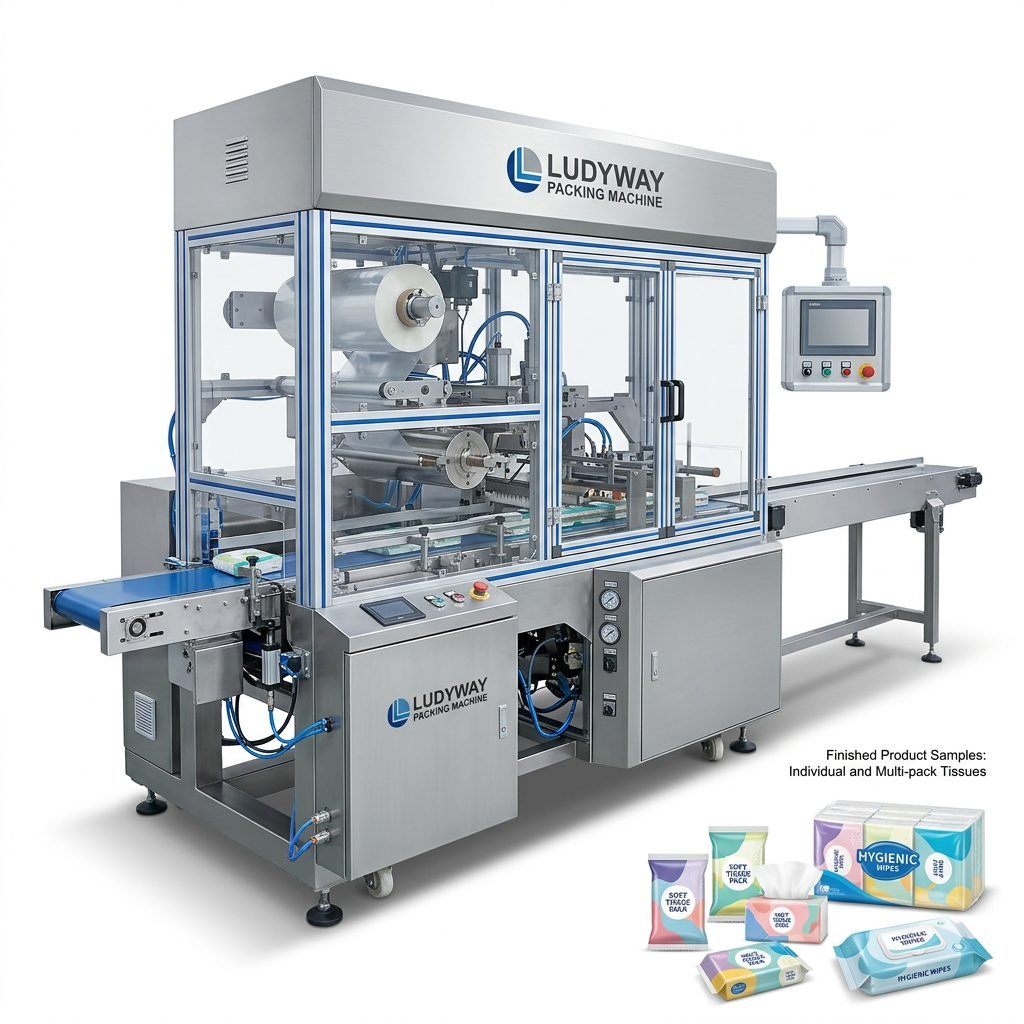
Cheese packaging requires specialized solutions. Vacuum packaging machines dominate hard cheese applications, while flow-wrapping systems serve sliced cheese portions. Thermoforming machines handle mozzarella balls in brine, and MAP technology extends shelf life for grated cheese blends. The ISO packaging standards provide additional guidance on packaging integrity testing.

Evaluating Packaging Machine Suppliers
Italian buyers evaluate suppliers on multiple dimensions beyond price. Technical capability, local service support, spare parts availability, and language compatibility rank as top priorities. Consider the following evaluation criteria:
Technical Specification Alignment
Verify that the machine specifications match your production requirements exactly. Critical parameters include throughput speed, format changeover time, film compatibility range, and integration capability with upstream and downstream equipment. Request detailed technical proposals and, if possible, visit operational installations similar to your application.
After-Sales Service Infrastructure
Italy’s manufacturing geography spans from Lombardy to Campania, making localized technical support essential. Leading international suppliers maintain service partners or subsidiaries in Italy. Confirm response time guarantees, remote diagnostic capabilities, and the availability of Italian-language technical documentation and training programs.
Customization and Flexibility
Italian dairy products often involve unique packaging formats — tetrahedral cheese portions, decorative yogurt cups, and specialty gift packaging. An ideal supplier offers engineering flexibility to accommodate custom molds, labeling options, and secondary packaging configurations without excessive tooling costs.
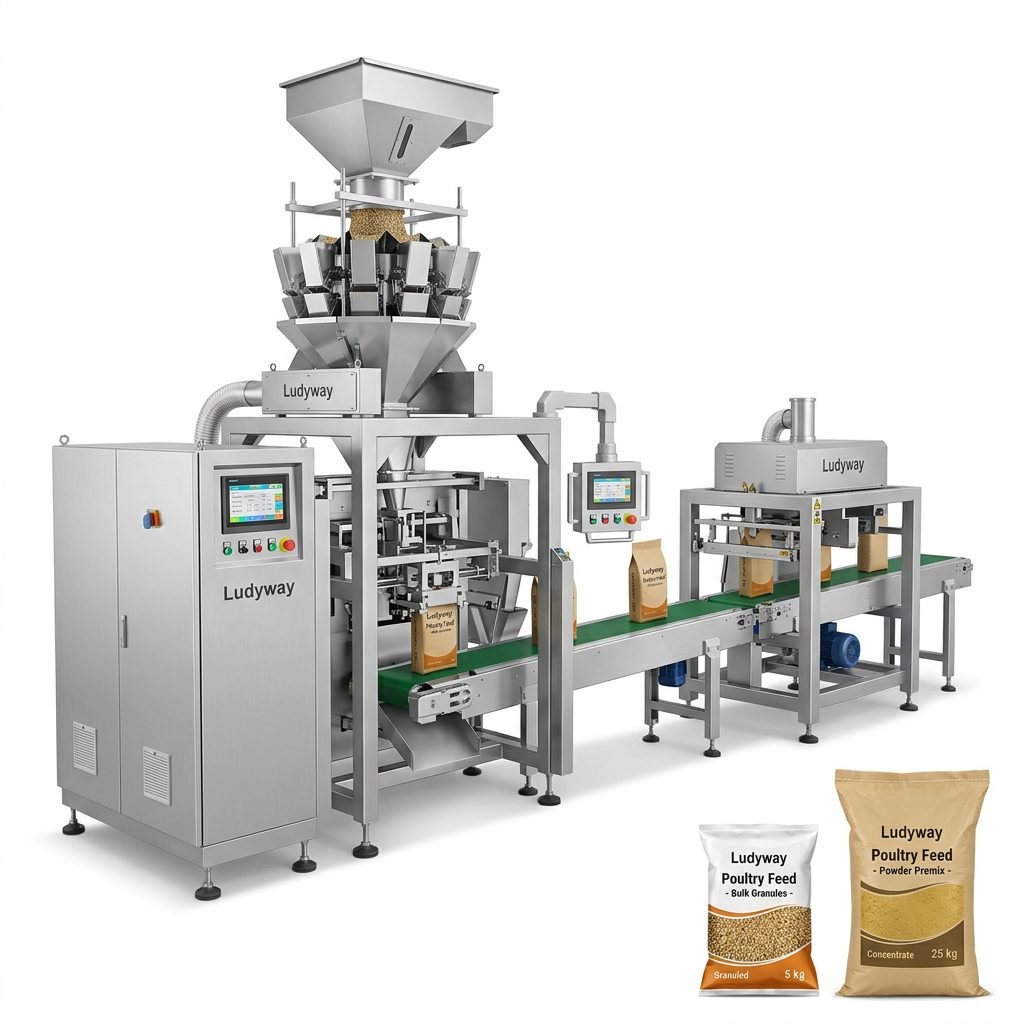
Ludyway is one of the largest packaging machine manufacturers in China, providing advanced dairy packaging solutions to customers in over 100 countries including Italy. With a 20,000㎡ modern manufacturing facility and more than 50 intelligent packaging machine models, the company delivers reliable equipment supported by comprehensive international service.

Cost Considerations and ROI Analysis
Investment in dairy packaging machinery spans a wide range based on automation level and capacity. The following factors influence total cost of ownership:
- Initial capital expenditure: Machine cost, installation, and facility modifications
- Operating costs: Film consumption, energy usage, labor requirements, and maintenance
- Productivity gains: Higher throughput, reduced giveaway, and fewer rejects
- Regulatory compliance: Avoiding fines and product recalls through validated processes
- Sustainability benefits: Material reduction, energy efficiency, and recyclability alignment with EU directives on packaging waste
Financing and Incentive Programs
Italy offers several incentive schemes for industrial automation investment. The Industry 4.0 tax credit (Credito d’Imposta) provides significant deductions on capital equipment purchases that integrate digital technologies. Regional development funds in Southern Italy may offer additional grants. Consult with a local commercialista to maximize available benefits.

Installation, Training, and Validation
Proper installation and validation determine the long-term performance of packaging equipment. The process typically follows a structured sequence: factory acceptance testing (FAT) at the manufacturer’s facility, site preparation and utility connections, equipment installation and mechanical alignment, electrical integration and PLC programming, site acceptance testing (SAT) with product trials, operator and maintenance training, and finally, performance qualification and handover.
Multi-Language Documentation Requirements
Italian law requires that all machine documentation — including user manuals, safety instructions, and maintenance schedules — be provided in Italian. Verify with your supplier that comprehensive Italian-language technical documentation, CE declaration of conformity in Italian, wiring diagrams with translated annotations, and safety signage compliant with Italian norms are all included in the delivery scope.
Making the Final Decision
Purchasing a dairy packaging machine in Italy is a strategic decision with multi-year implications. Successful buyers combine thorough technical evaluation with practical considerations of service, parts, and supplier stability. Request detailed proposals from at least three qualified suppliers, conduct reference checks with Italian customers who operate similar equipment, verify certification documentation and hygienic design credentials, negotiate comprehensive warranty terms and service-level agreements, and plan for operator training during the commissioning phase.
The Italian dairy industry’s commitment to quality, tradition, and innovation demands packaging equipment that matches these values. By following the structured evaluation approach outlined in this guide, dairy producers can confidently invest in packaging machinery that delivers performance, compliance, and long-term value. For further industry insights, consult the PMMI business intelligence resources and the Flexible Packaging Association.