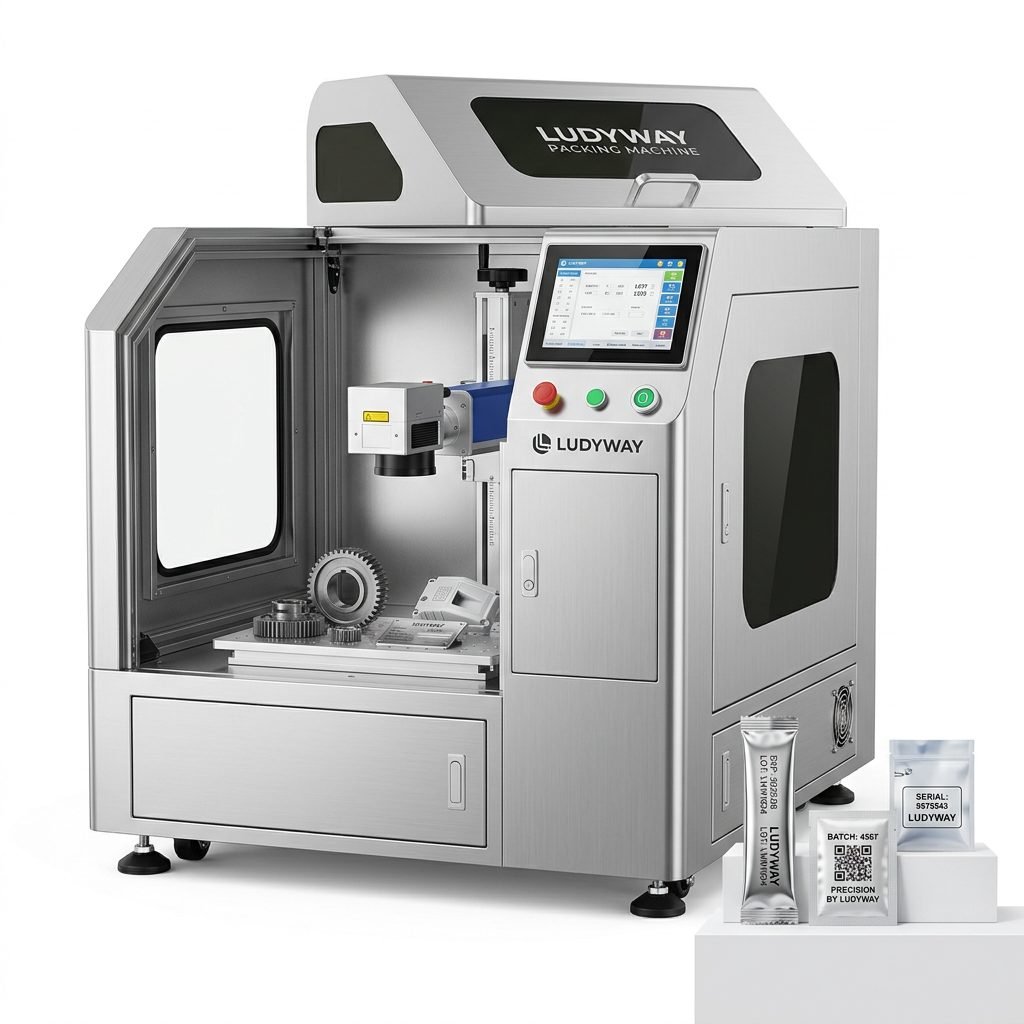
Automatic packaging machines have become a core investment for manufacturers that want to improve output, reduce manual labor, and maintain consistent pack quality. Whether you produce food, pharmaceuticals, cosmetics, chemicals, or health supplements, the right system can transform packaging from a bottleneck into a competitive advantage.
In this guide, you will learn what an auto packaging machine is, how it works, the main machine types, key buying factors, and how to choose a system that fits your products and production goals.

What Is an Auto Packaging Machine?
An auto packaging machine is a piece of equipment designed to automatically form, fill, seal, label, count, weigh, or pack products with minimal human intervention. It replaces repetitive manual packaging tasks with a controlled, programmable process.
These machines can handle a wide variety of product forms, including:
- Powders
- Granules
- Liquids
- Pastes and gels
- Tablets and capsules
- Pouches, sachets, stick packs, bottles, cartons, and bags
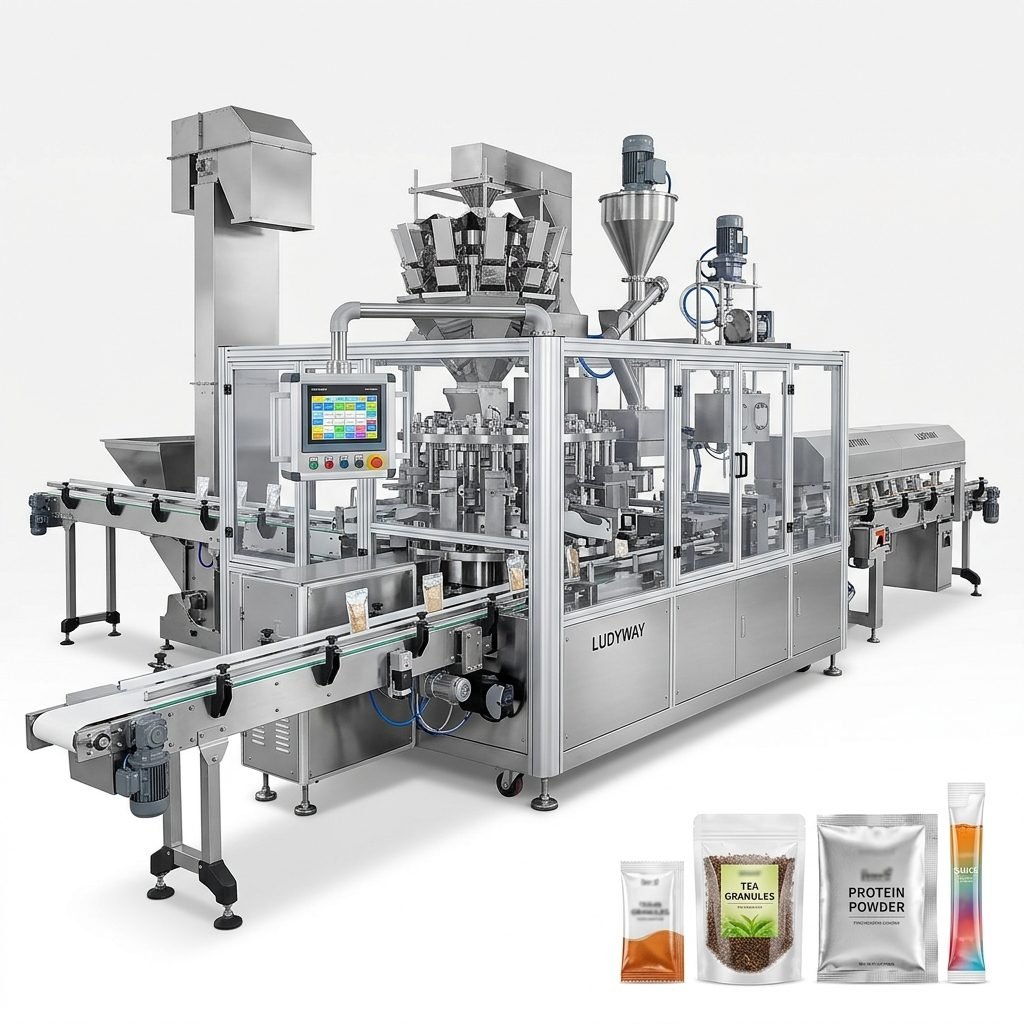
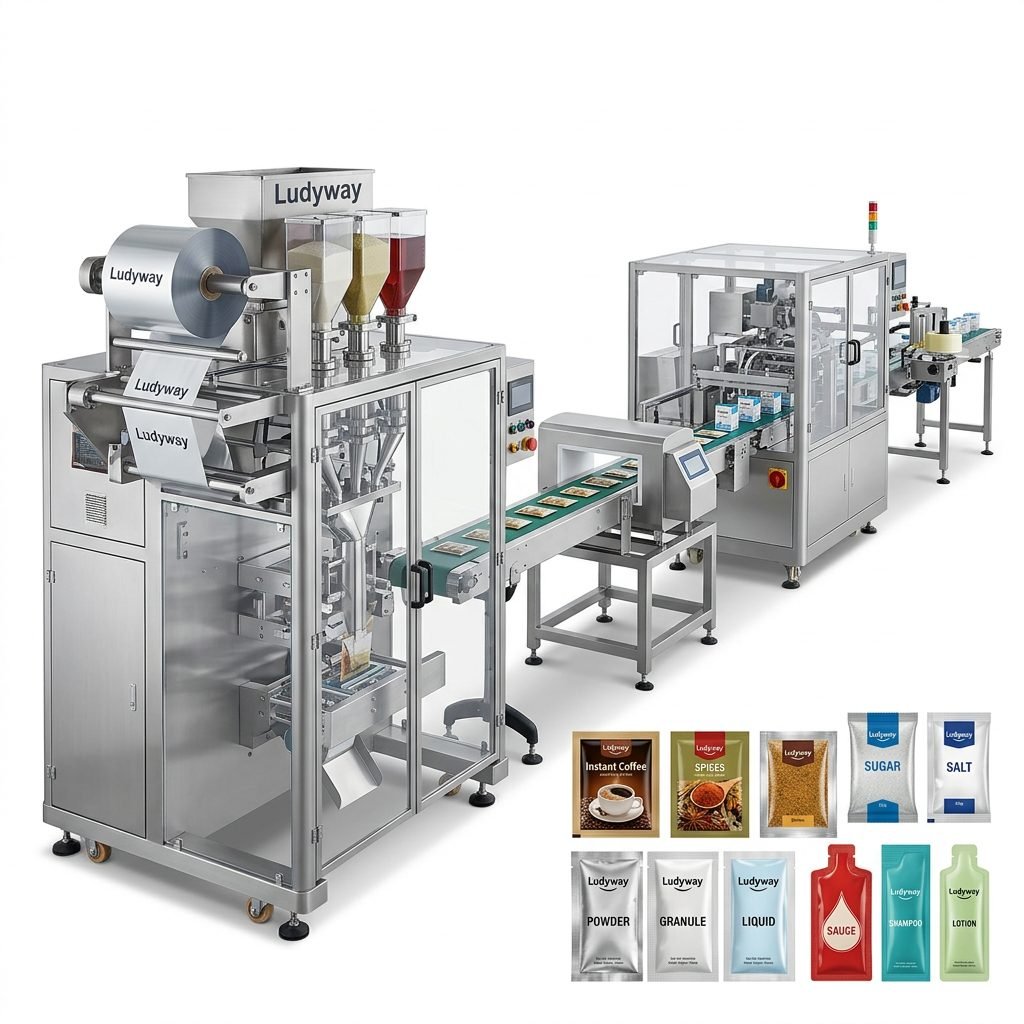
Depending on the production setup, an automatic packaging machine may operate as a standalone unit or as part of a complete packaging line with feeding, filling, sealing, coding, inspection, cartoning, and palletizing functions.
Why Businesses Use Automatic Packaging Machines
Manufacturers adopt packaging automation for one main reason: better productivity with better control. Instead of relying on manual filling and sealing, they use machines to achieve stable output and repeatable pack quality.
- Higher speed: More packs per minute or per hour.
- Labor savings: Fewer operators are needed for repetitive packaging work.
- Improved accuracy: Better control of fill weight, volume, and sealing consistency.
- Lower waste: Reduced product loss, film waste, and rework.
- Better hygiene: Especially important in food and pharmaceutical production.
- Scalability: Easier to increase output as demand grows.
How Does an Auto Packaging Machine Work?
The exact workflow depends on the machine type and product format, but most systems follow a similar sequence. Below is a simplified process:
| Stage | What Happens |
|---|---|
| 1. Product feeding | The product is delivered into the machine by hopper, auger, pump, elevator, conveyor, or counting system. |
| 2. Packaging material feeding | Film, pouches, bottles, cartons, or bags are automatically positioned for the next step. |
| 3. Dosing or filling | The machine dispenses a measured amount of product using a suitable filling method. |
| 4. Sealing or closing | Heat sealing, capping, stitching, crimping, or cartoning secures the package. |
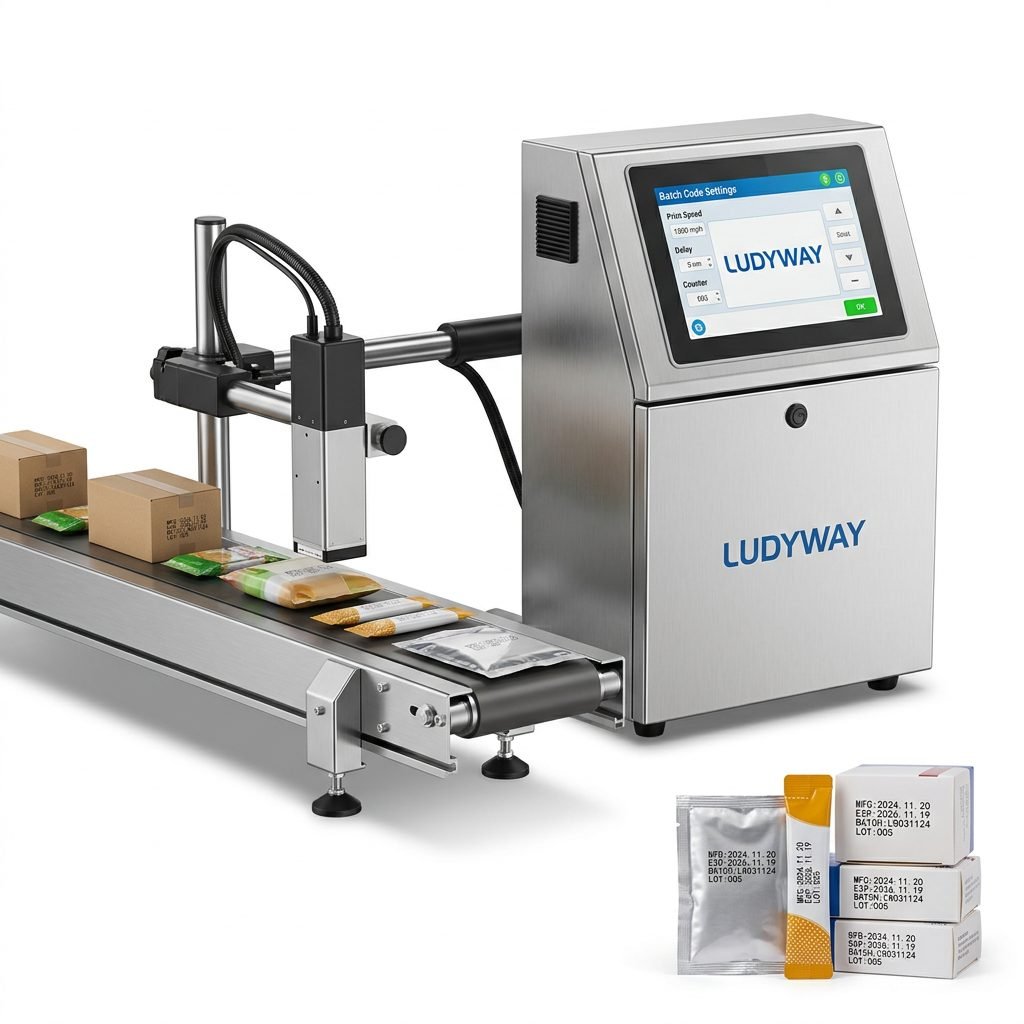
| 5. Coding and inspection | Date coding, lot marking, checkweighing, metal detection, or vision inspection may be added. |
| 6. Discharge and collection | Finished packs move to conveyors, cartoners, case packers, or palletizing stations. |
In advanced systems, all these stages are connected and synchronized through PLC control, HMI touchscreens, sensors, and servo drives. This allows automatic adjustment, fault alarms, recipe storage, and real-time monitoring.
Main Types of Automatic Packaging Machines
1. Vertical Form Fill Seal Machines
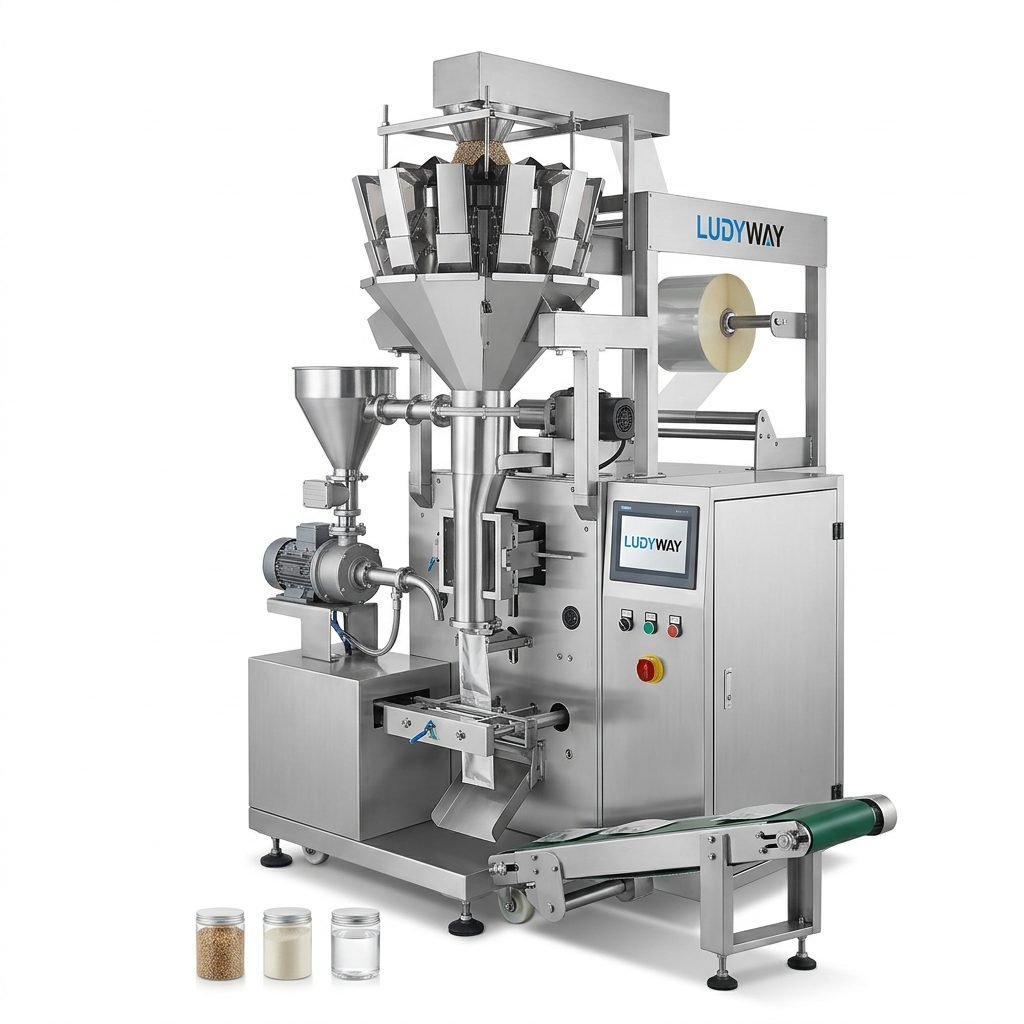
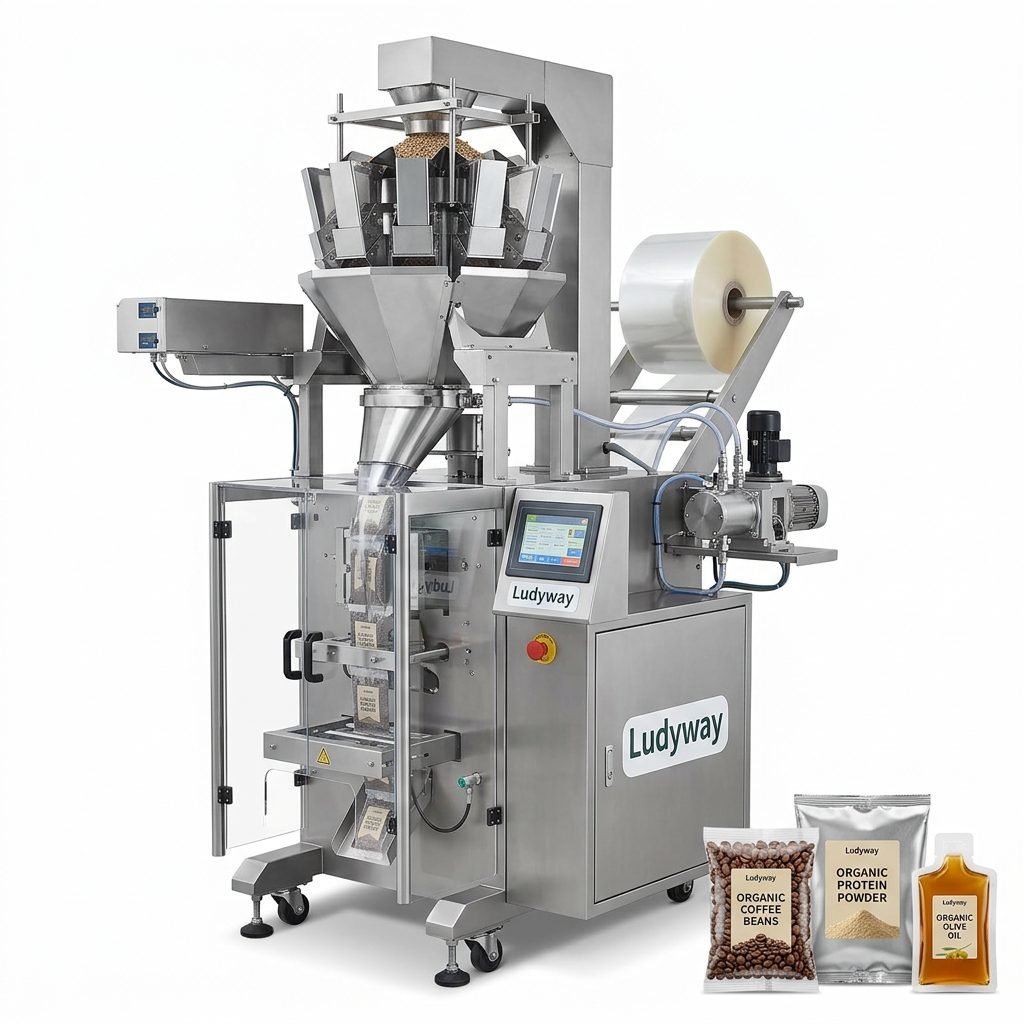
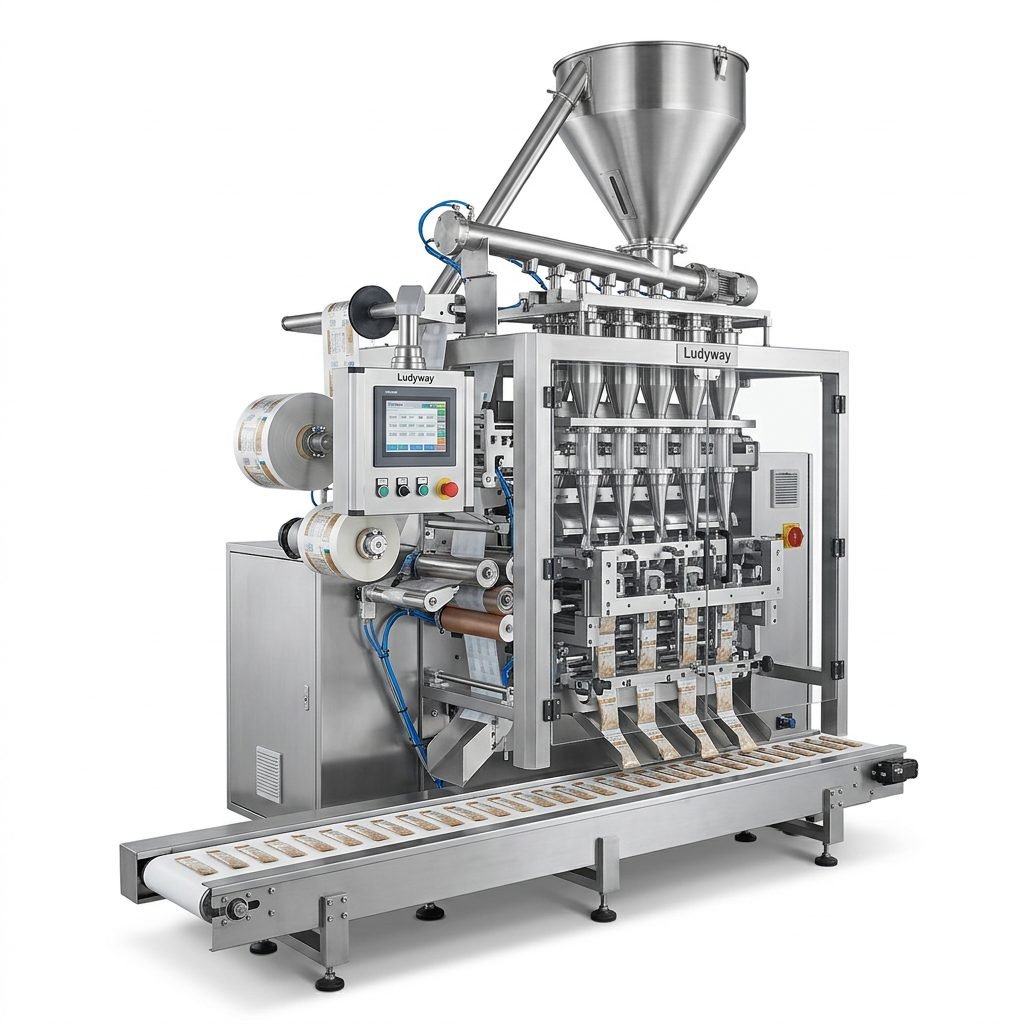
Often called VFFS machines, these systems form a bag from roll film, fill it with product, and seal it vertically. They are widely used for powders, granules, snacks, seeds, coffee, sugar, and many dry products.
2. Sachet and Stick Pack Machines
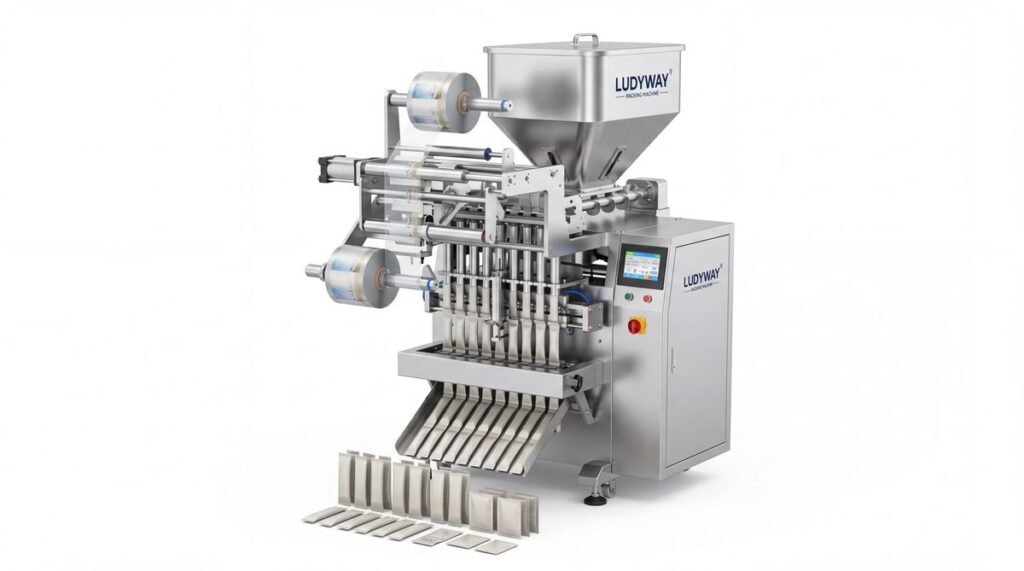
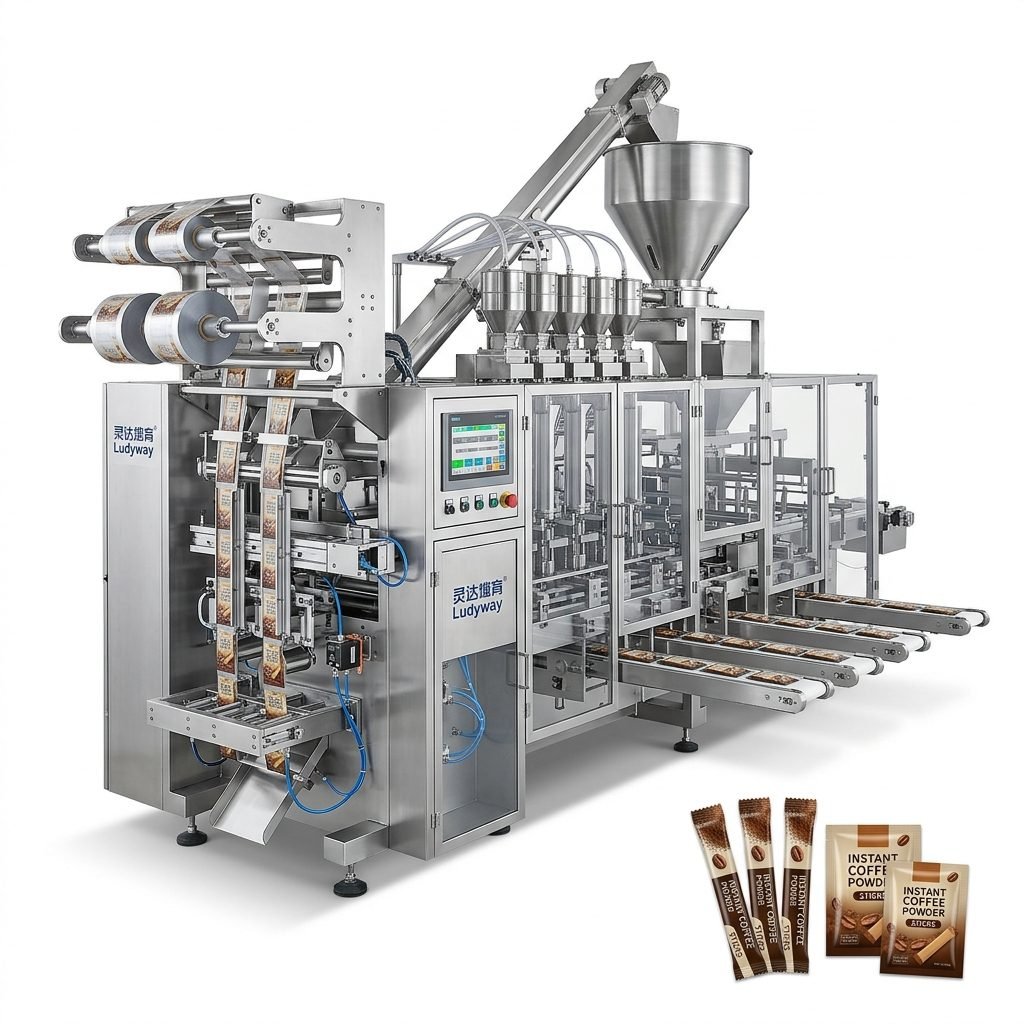
These are ideal for single-dose or small-volume packaging. They are commonly used in food, health supplements, cosmetics, and pharmaceuticals for products such as drink powders, sauces, gels, cream samples, and medical granules.
3. Liquid Filling and Sealing Machines
Designed for liquids, oils, sauces, syrups, detergents, and similar products, these machines use pumps or piston fillers to ensure accurate dosing before sealing the container or sachet.
4. Powder Packaging Machines
These machines typically use auger fillers for products such as milk powder, protein powder, spices, pharmaceutical powder, and chemical powder. Dust control and fill consistency are especially important here.
5. Granule Packaging Machines
Used for free-flowing products such as salt, sugar, seeds, coffee granules, tablets, pellets, and feed additives. Multi-head weighers, cup fillers, or counting units may be integrated.
6. Premade Pouch Packing Machines
Instead of forming bags from film, these systems pick up premade pouches, open them, fill them, and seal them. They are popular for premium retail packaging and products that need strong shelf presentation.
7. Cartoning and End-of-Line Systems
These include cartoners, case packers, labeling machines, palletizers, and wrapping equipment. They are used when businesses need full-line automation beyond primary packaging.
Which Industries Use Auto Packaging Machines?
Automatic packaging equipment is used across a wide range of industries:
| Industry | Typical Products | Common Machine Types |
|---|---|---|
| Food | Spices, coffee, sauces, snacks, powders, grains | VFFS, sachet, stick pack, pouch, cartoning |
| Pharmaceutical | Tablets, capsules, oral powders, liquids | Blister, sachet, bottle filling, inspection systems |
| Cosmetics | Creams, serums, lotions, gels | Sachet fillers, tube fillers, liquid filling lines |
| Chemical | Powders, detergents, solvents, additives | Powder packers, liquid packers, bagging systems |
| Feed & Pet Food | Pellets, powders, treats, supplements | Granule packers, big bag systems, pouch lines |
Key Components Inside an Automatic Packaging System
To understand machine performance, it helps to know the main building blocks:
- Feeding system: moves product into the filler
- Metering or dosing unit: controls fill quantity
- Film or container handling unit: positions packaging materials
- Sealing system: applies heat, pressure, or mechanical closure
- Control system: PLC, HMI, sensors, and electrical cabinet
- Safety system: guards, alarms, emergency stop, interlocks
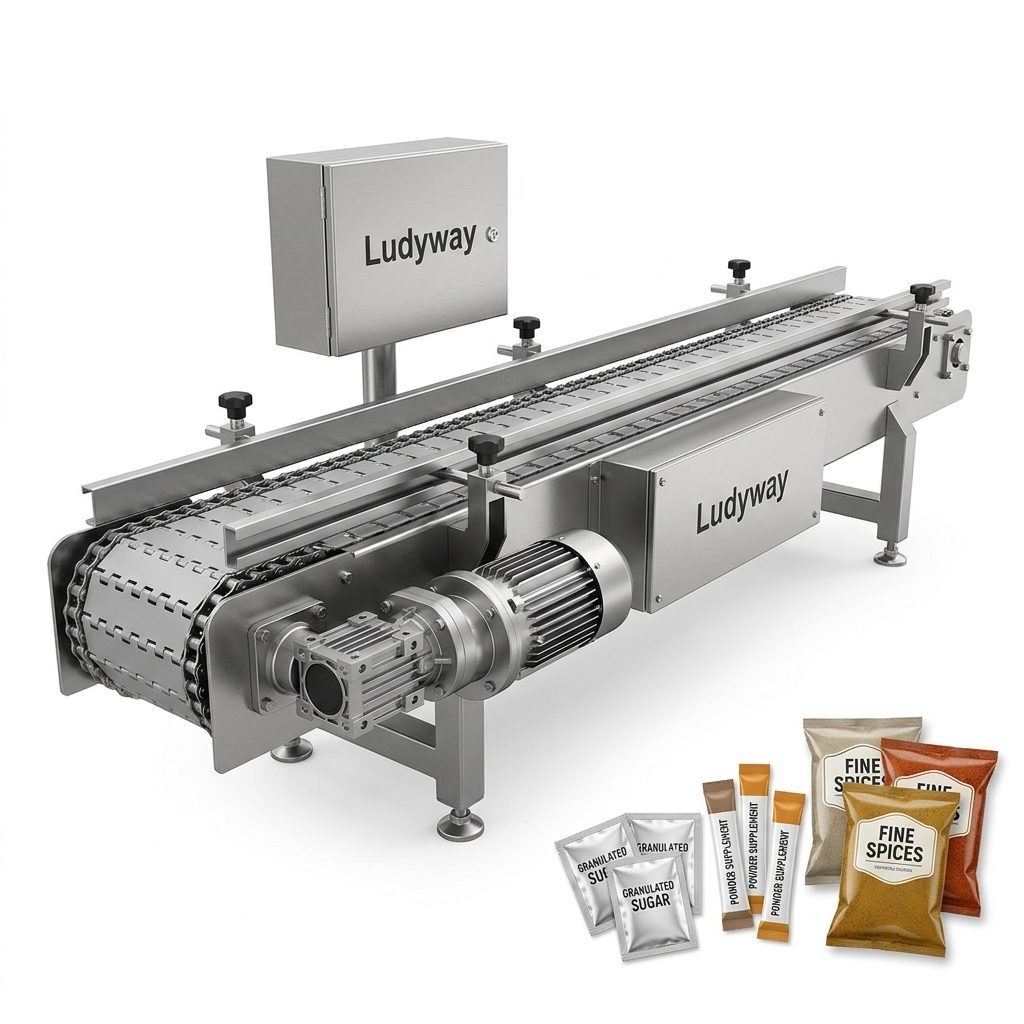
- Auxiliary equipment: conveyors, checkweighers, coding machines, elevators, dust collectors
How to Choose the Right Auto Packaging Machine
Choosing the right machine is not just about speed. The best solution depends on your product, packaging format, factory conditions, and future expansion plans.
1. Start with Your Product Characteristics
Ask these questions:
- Is the product powder, granule, liquid, paste, tablet, or capsule?
- Does it flow easily or bridge and clump?
- Is it fragile, sticky, dusty, corrosive, or foamy?
- Does it require hygienic or sterile handling?
A machine suitable for sugar may not be suitable for milk powder, and a sauce filler may not perform well with high-viscosity cream.
2. Confirm the Packaging Format
Determine the final pack style you need:
- Sachet
- Stick pack
- Pillow bag
- Premade pouch
- Bottle
- Tube
- Carton or case
Your branding, shelf display, distribution model, and customer expectations all influence this decision.
3. Match Capacity to Real Production Needs
Do not buy based only on maximum advertised speed. Focus on stable running speed under your actual product conditions. Consider:
- Required packs per minute
- Shift hours per day
- Seasonal demand peaks
- Future output growth
4. Evaluate Accuracy and Waste Control
For many businesses, packaging accuracy affects cost directly. Overfilling wastes product; underfilling causes complaints and compliance risk. Ask suppliers about fill tolerance, reject rates, and sealing consistency.
5. Check Ease of Cleaning and Changeover
If you run multiple SKUs, short changeover time matters. A machine should be easy to clean, adjust, and switch between bag sizes or product types without excessive downtime.
6. Consider Integration with Upstream and Downstream Equipment
A packaging machine should fit your total workflow. It may need to connect with mixers, feeders, conveyors, coding systems, checkweighers, cartoners, or palletizers. A poorly integrated machine can slow the whole line.
7. Review Build Quality and Support
A lower purchase price does not always mean lower long-term cost. Review:
- Machine frame and material quality
- Electrical component brands
- Servo and PLC systems
- Spare parts availability
- Installation and training support
- Remote troubleshooting capability
Questions to Ask Before Buying
Before making a purchase, ask the supplier these practical questions:
- What products has this machine already been tested with?
- What is the actual running speed, not just the theoretical speed?
- What packaging materials are compatible?
- How accurate is the filling system?
- How long does changeover take?
- What certifications and quality checks are available?
- Can the system be upgraded later?
- What after-sales support is included?
Common Mistakes When Selecting an Automatic Packaging Machine
- Choosing based only on price
- Ignoring future production growth
- Not testing with the real product
- Overlooking maintenance and spare parts
- Buying a machine without line integration planning
- Failing to consider operator skill level and usability
Standalone Machine or Turnkey Packaging Line?
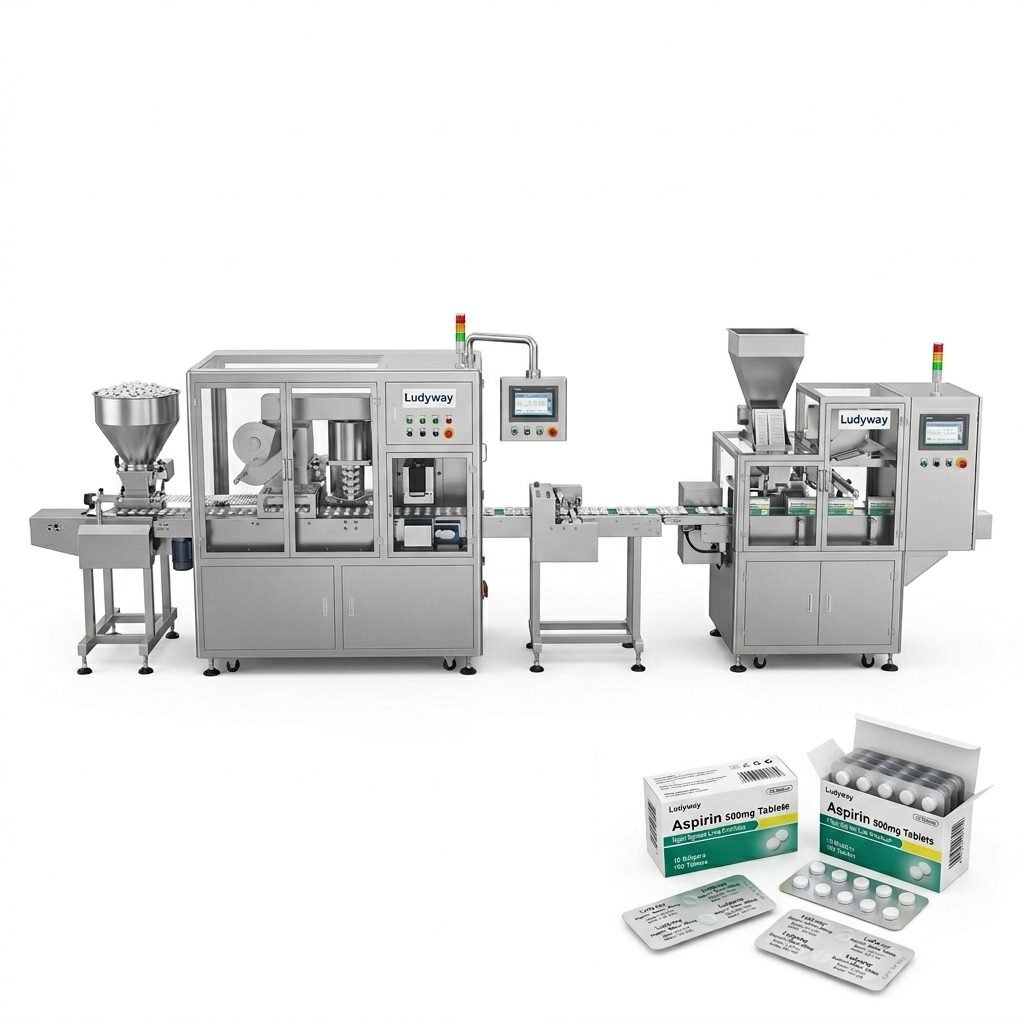
If you only need one packaging function, a standalone machine may be enough. But if your process includes feeding, filling, sealing, coding, cartoning, case packing, and palletizing, a turnkey line often offers better efficiency and better coordination.
For companies looking for scalable automation, Ludyway packaging machine solutions are often considered for projects requiring standalone equipment or complete turnkey packaging lines across food, pharmaceutical, cosmetic, chemical, and related sectors.
Signs You Need to Upgrade to an Automatic Packaging Machine
You may be ready for automation if you are experiencing any of the following:
- Manual packing is slowing down shipments
- Labor costs keep rising
- Package quality is inconsistent
- Product giveaway is too high
- You need better hygiene and traceability
- Your customers require higher output and reliable delivery times
Final Buying Checklist
| Checklist Item | Why It Matters |
|---|---|
| Product type and behavior | Determines filling technology and machine structure |
| Pack format | Affects machine model and material handling design |
| Speed requirement | Ensures the machine supports production targets |
| Filling accuracy | Reduces product waste and compliance risk |
| Changeover and cleaning | Improves flexibility and reduces downtime |
| Support and spare parts | Protects long-term operating stability |
| Expandability | Makes future automation easier and more cost-effective |
Conclusion
An auto packaging machine is more than a labor-saving device. It is a production asset that can improve efficiency, product consistency, packaging quality, and business scalability. The right choice depends on your product type, package format, speed target, hygiene needs, and long-term automation plan.
If you compare machines carefully, test with real product samples, and choose a solution that fits both current production and future growth, you will be far more likely to achieve a strong return on investment.