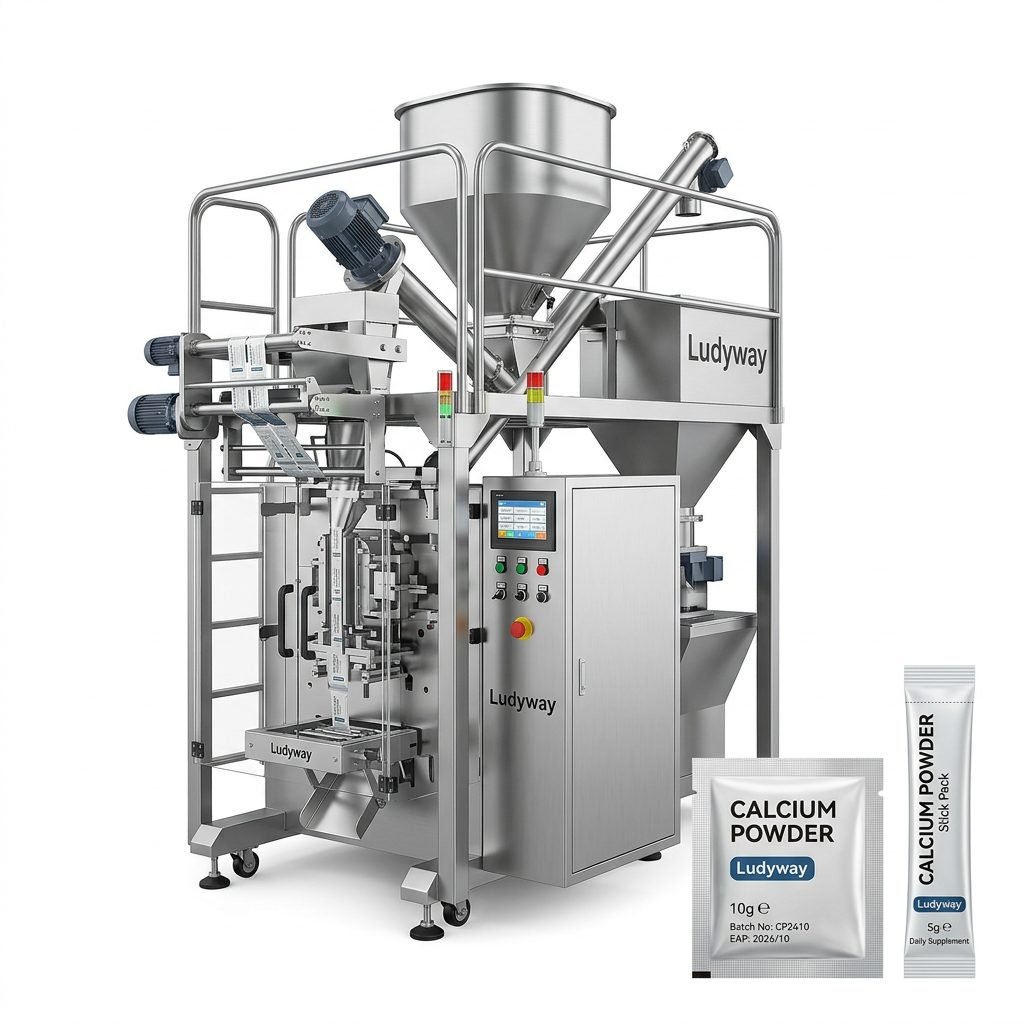
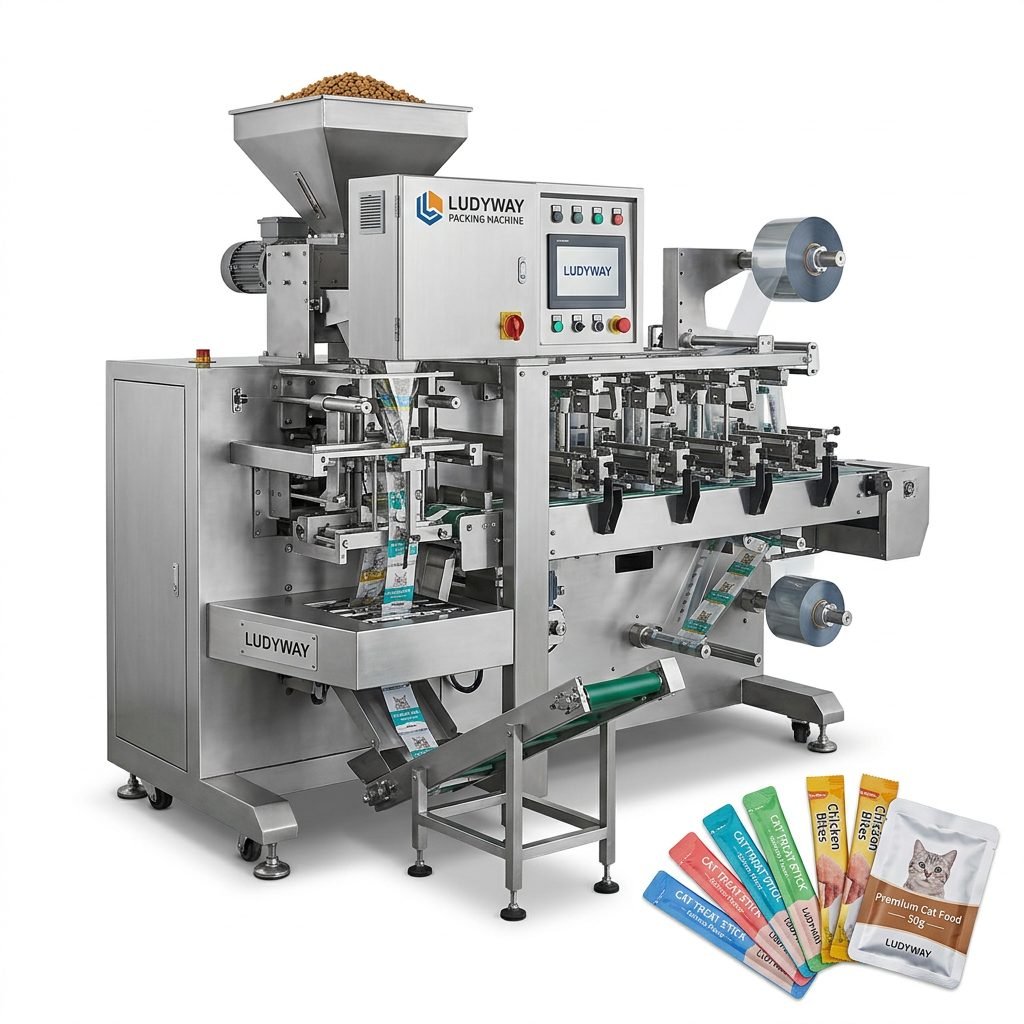
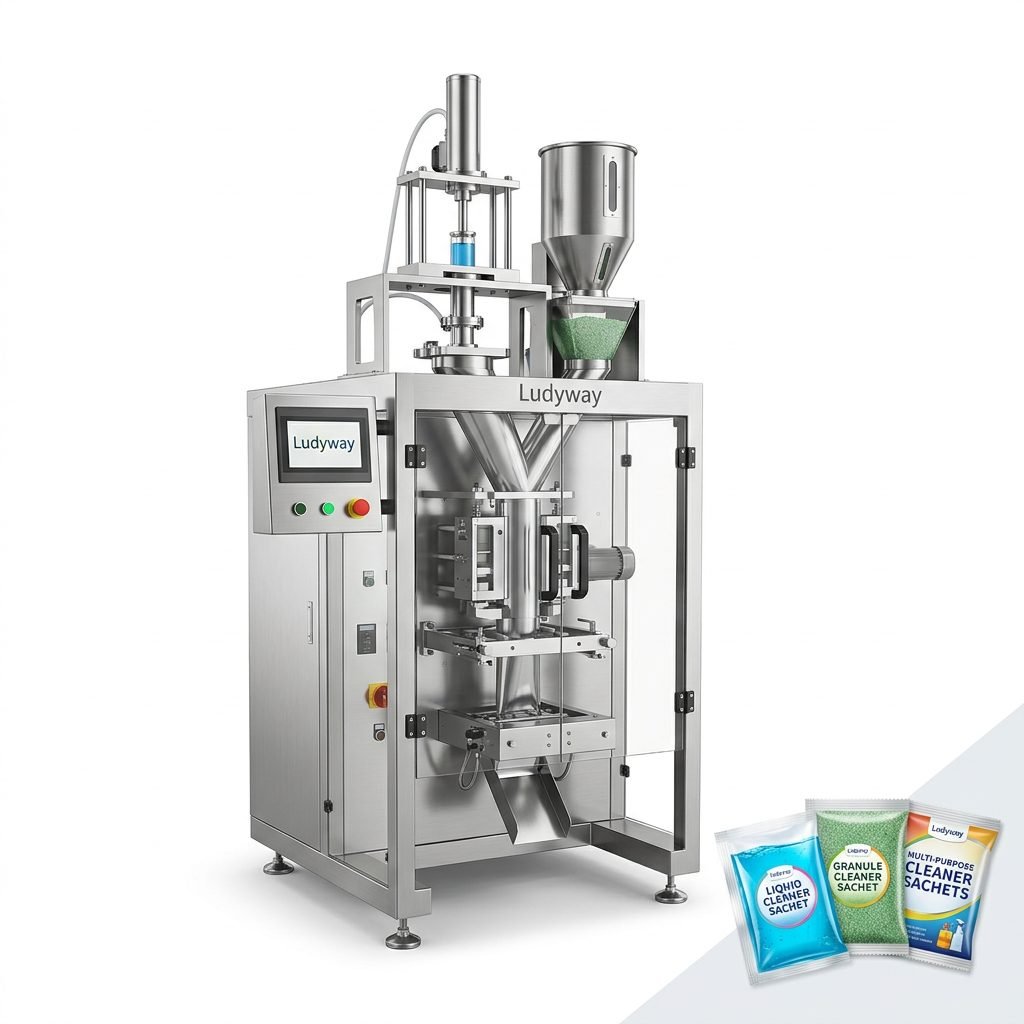
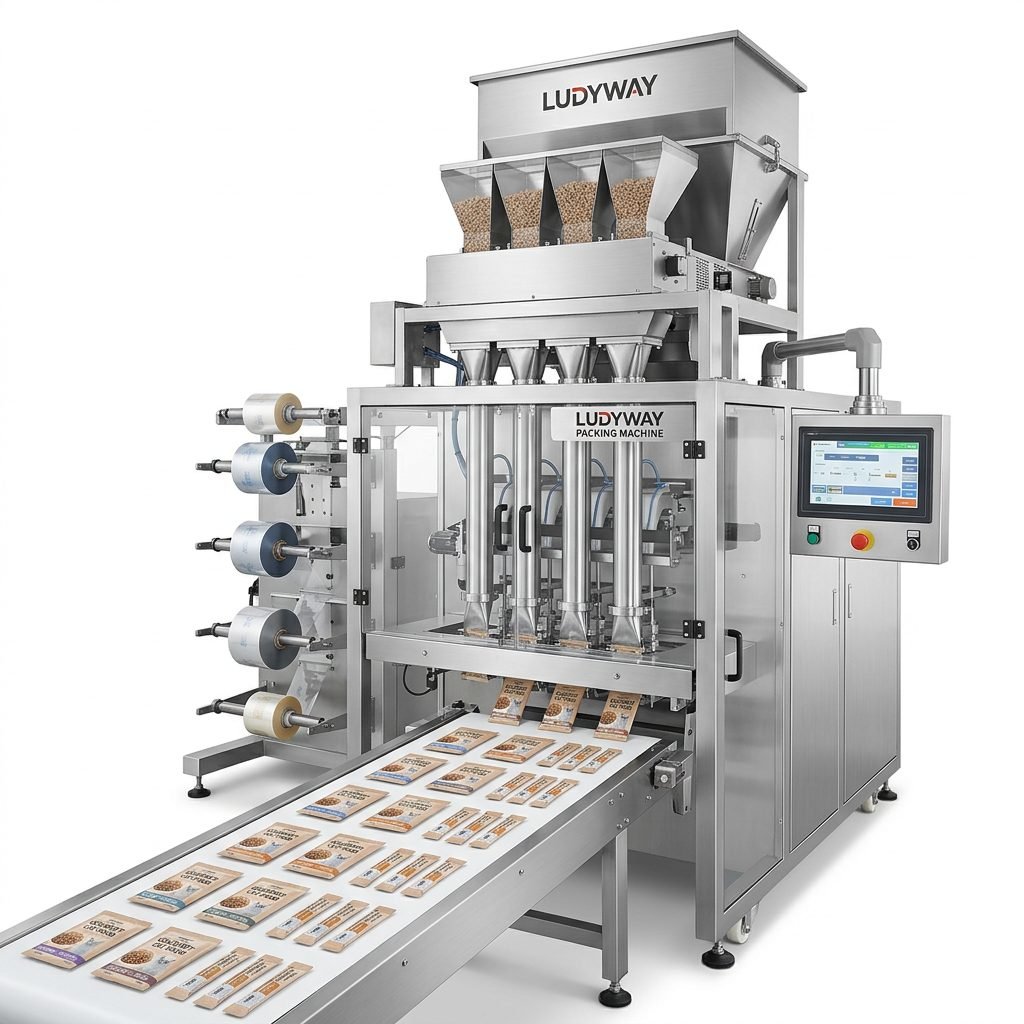
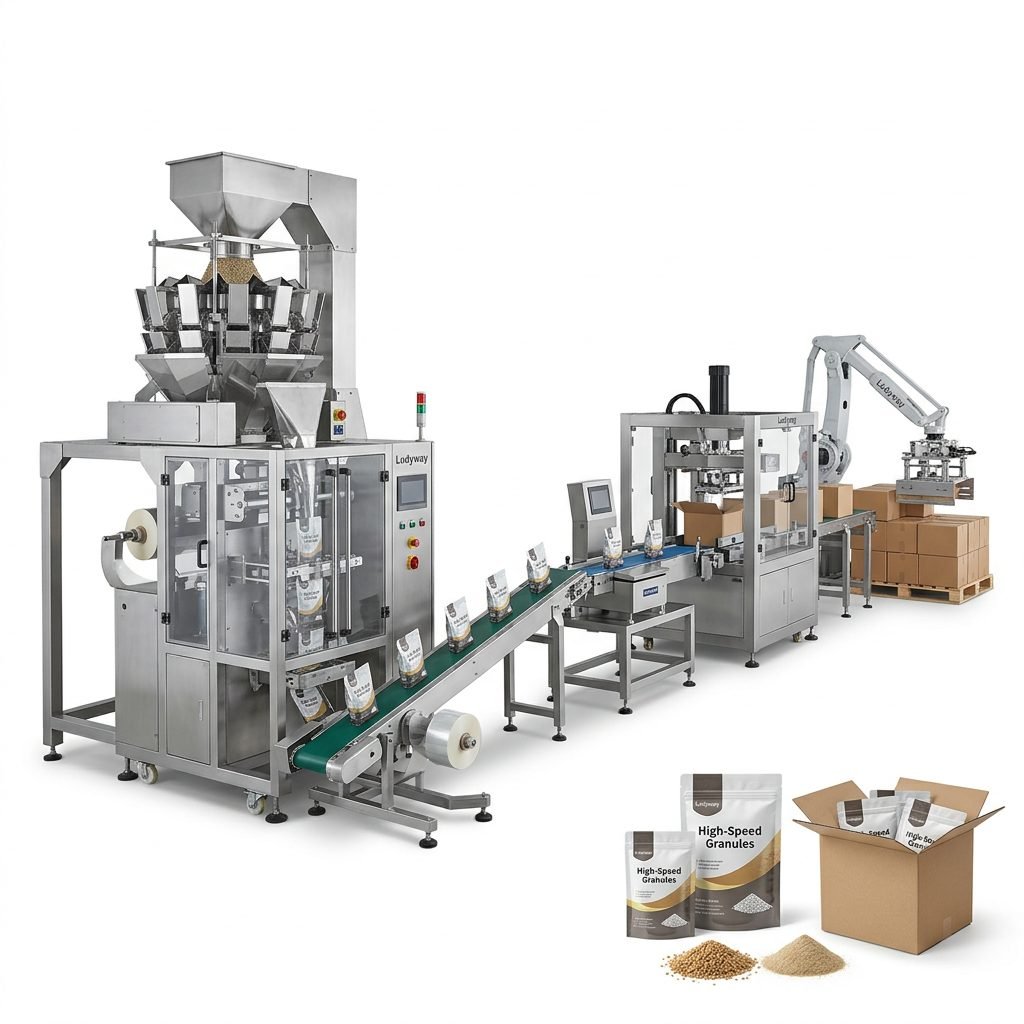
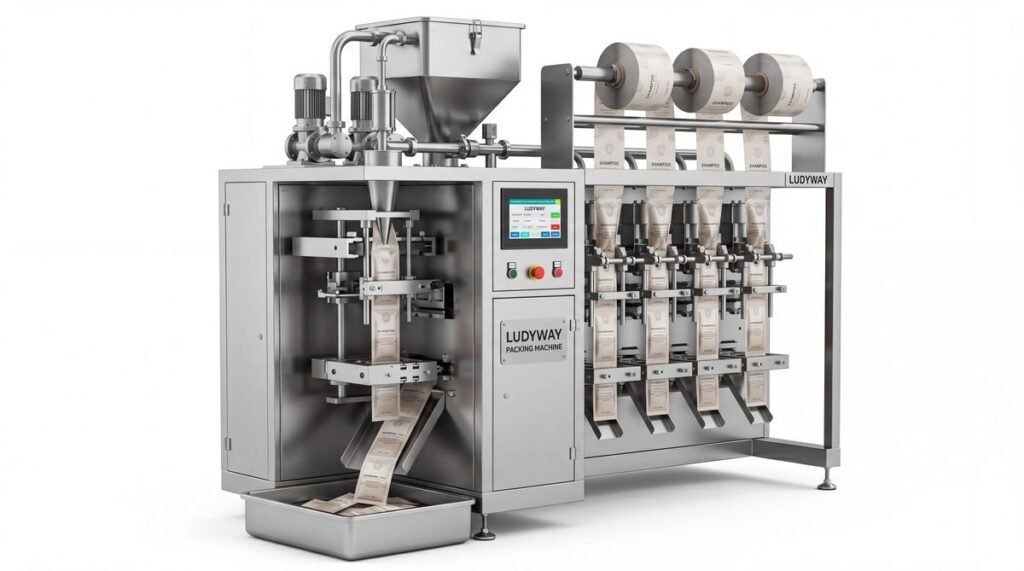
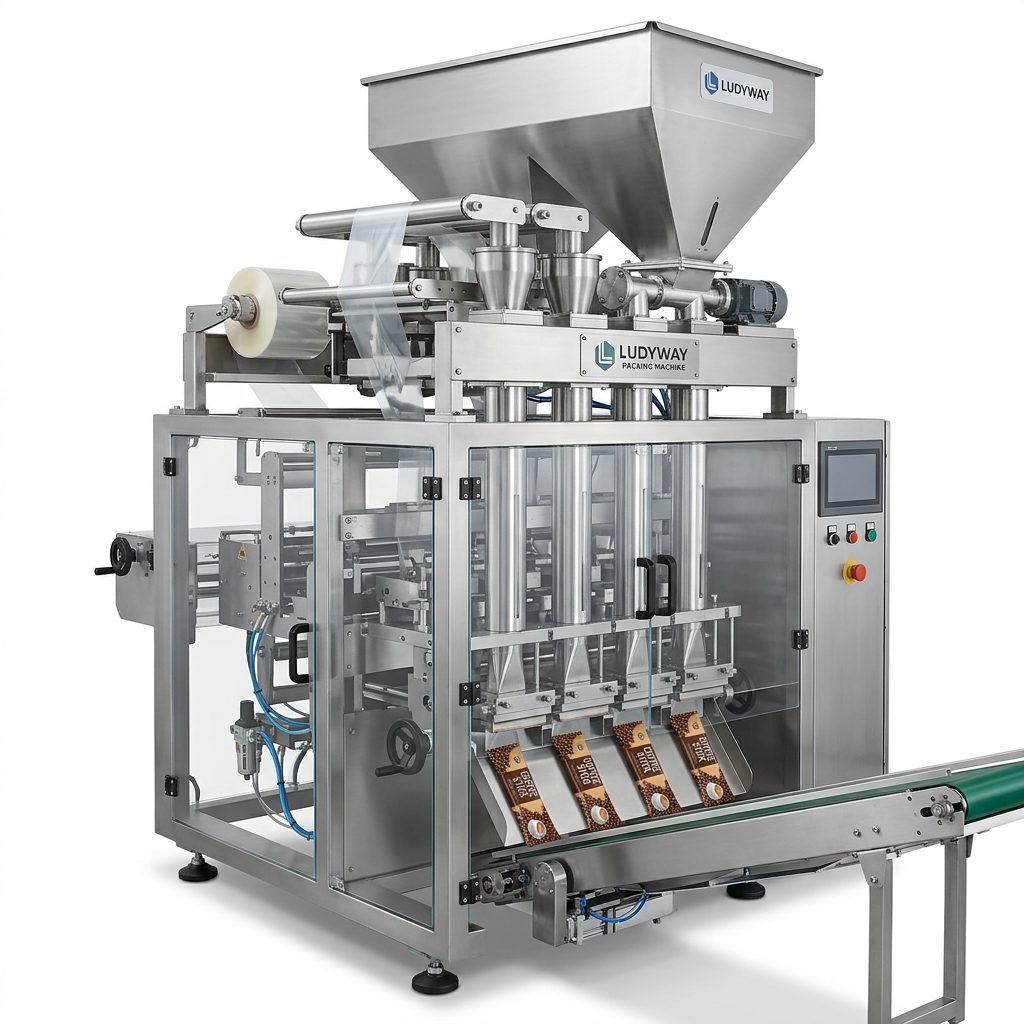
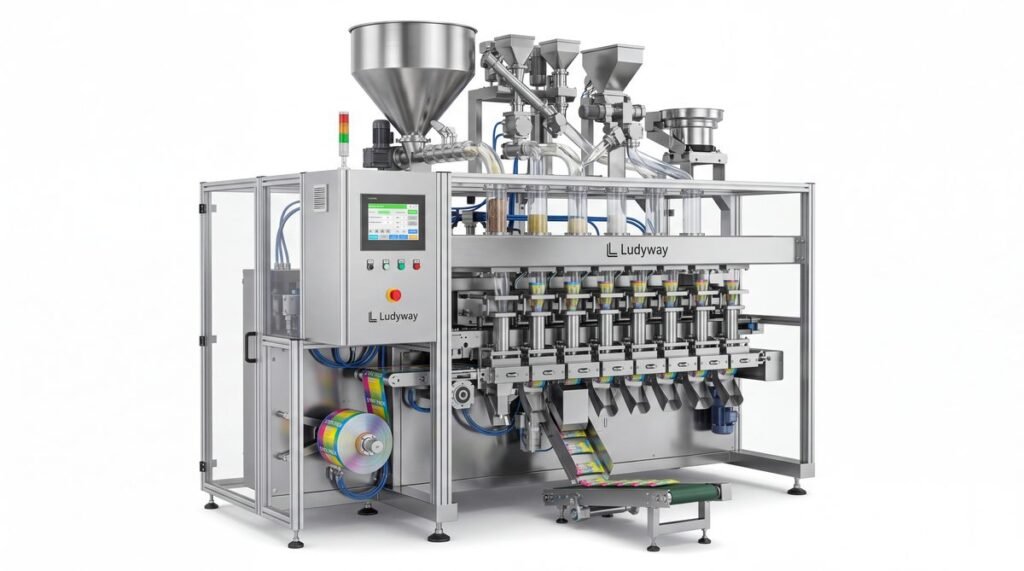
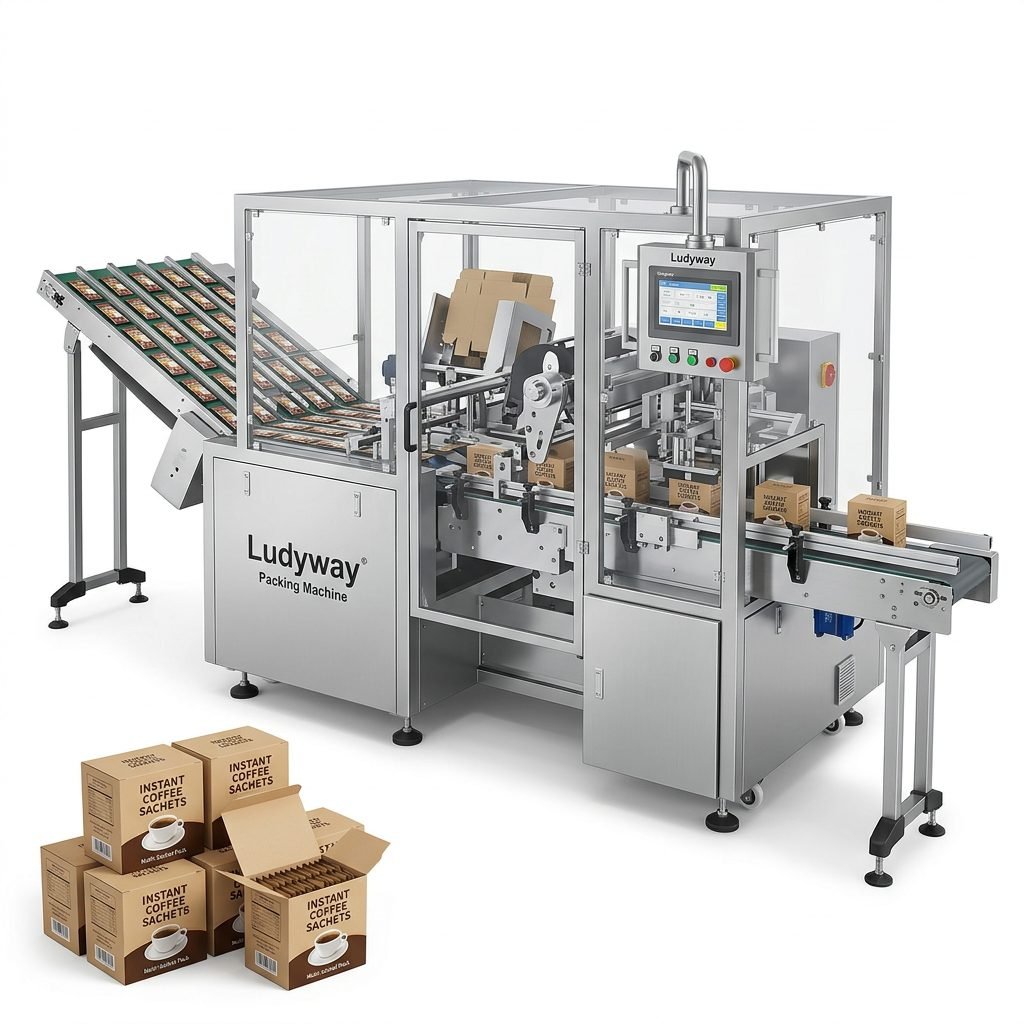
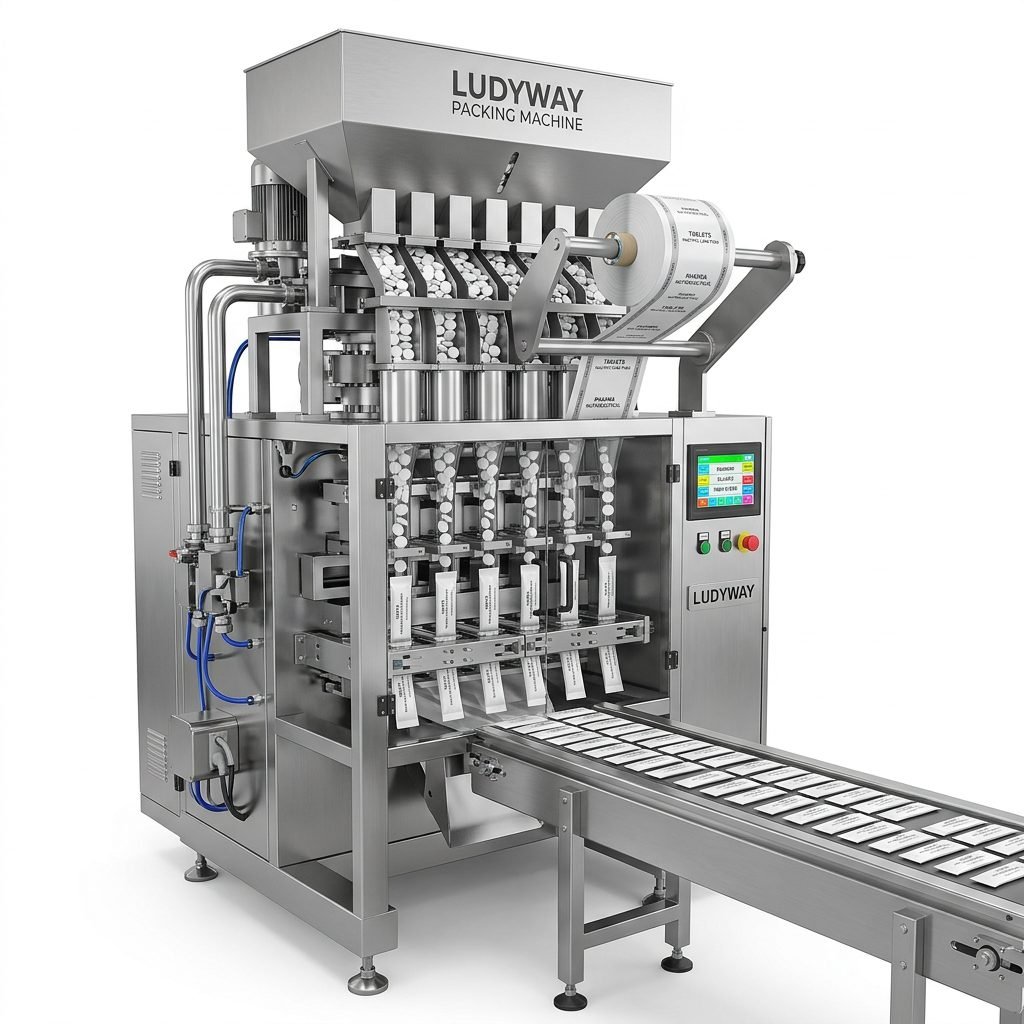
Investing in the right mouth freshener packing machine is a critical decision for manufacturers looking to streamline production, maintain product freshness, and meet market demand. Whether you produce breath strips, coated mints, small candies, oral sprays, or powdered mouth fresheners, the packaging format must protect aroma, extend shelf life, and offer convenience to consumers. This buyer’s guide walks you through the essential factors, from machine types to compliance standards, helping you select equipment that aligns perfectly with your production goals.
Mouth fresheners are often impulse-buy products, meaning packaging plays a major role in brand perception. The right machine not only delivers speed and accuracy but also ensures consistent seal integrity and attractive presentation. Before diving into technical specifications, take time to understand your product characteristics — granule size, powder flowability, liquid viscosity, or solid dimensions — because these directly influence the dosing and filling technology you will need.
Understanding Mouth Freshener Packaging Formats
Mouth fresheners come in diverse physical forms, and selecting a machine starts with the correct packaging style. The four most common formats are:
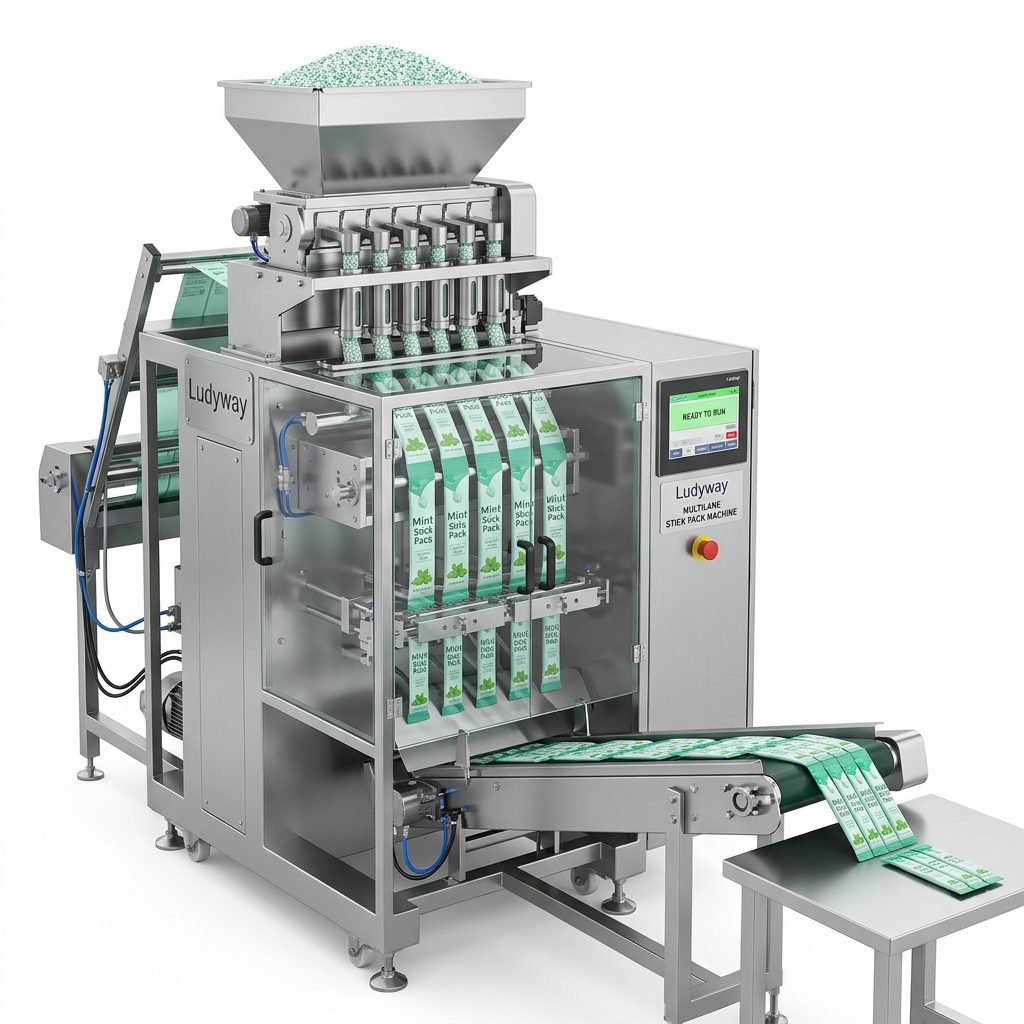
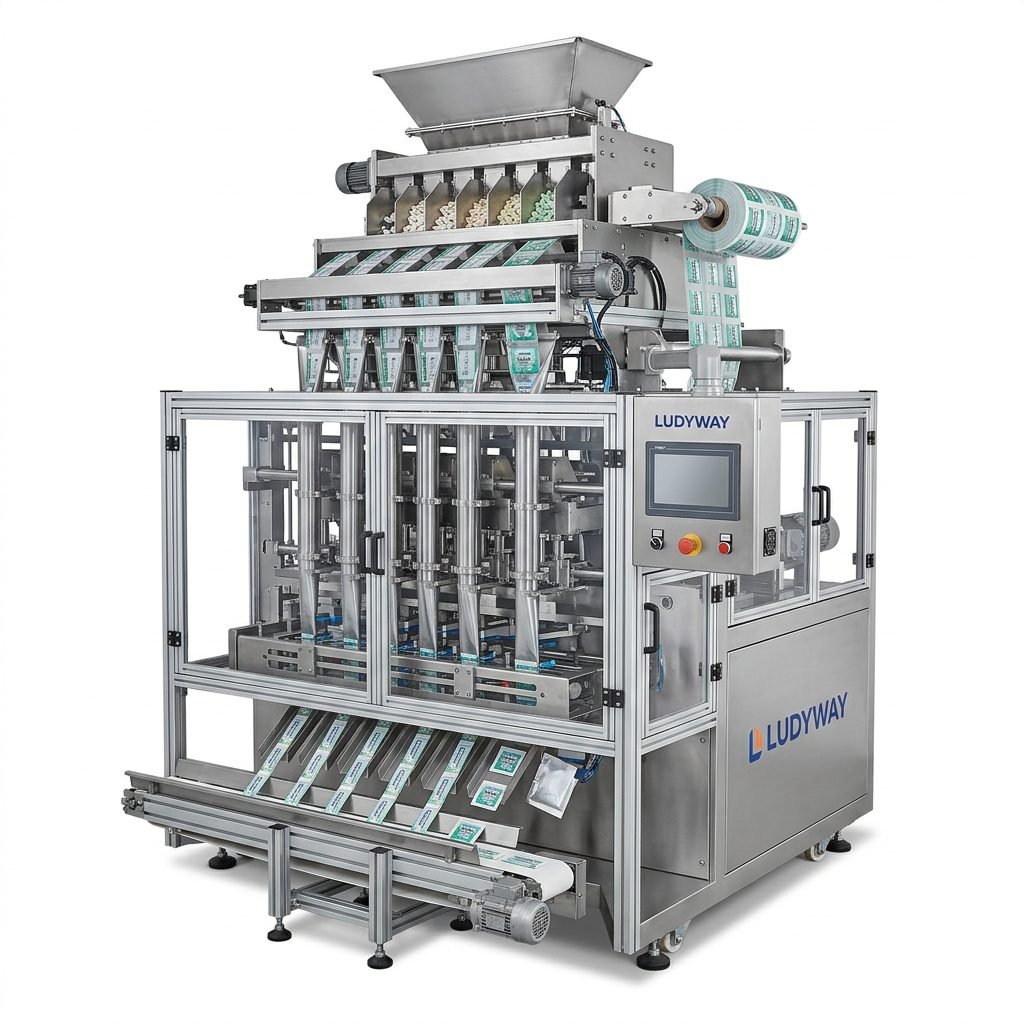
- Stick packs – Narrow, elongated sachets ideal for single-serve powders, tiny granules, or dissolvable strips. Stick packs offer portability and precise portion control.
- Sachets (three-side or four-side seal) – Versatile flat pouches suitable for powders, granules, and even liquid mouth fresheners. They work well for multi-lane high-speed production.
- Pouches (stand-up or flat) – Often used for larger counts or family-size packs of coated mints and chewing pellets. Some come with resealable zippers.
- Flow wrap / blister packs – Mainly adopted for solid lozenges or tablet-style mouth fresheners where individual protection and visibility are priorities.
Each format demands specific film feeding, sealing jaw design, and cutting mechanisms. Stick pack and sachet machines are typically preferred for small-dose fresheners due to high throughput and lower material waste.
Key Factors to Consider When Buying a Mouth Freshener Packing Machine
Not all packaging machines are created equal. Before contacting a supplier, evaluate the following technical and operational parameters to narrow down your choices.
1. Production Speed and Output Capacity
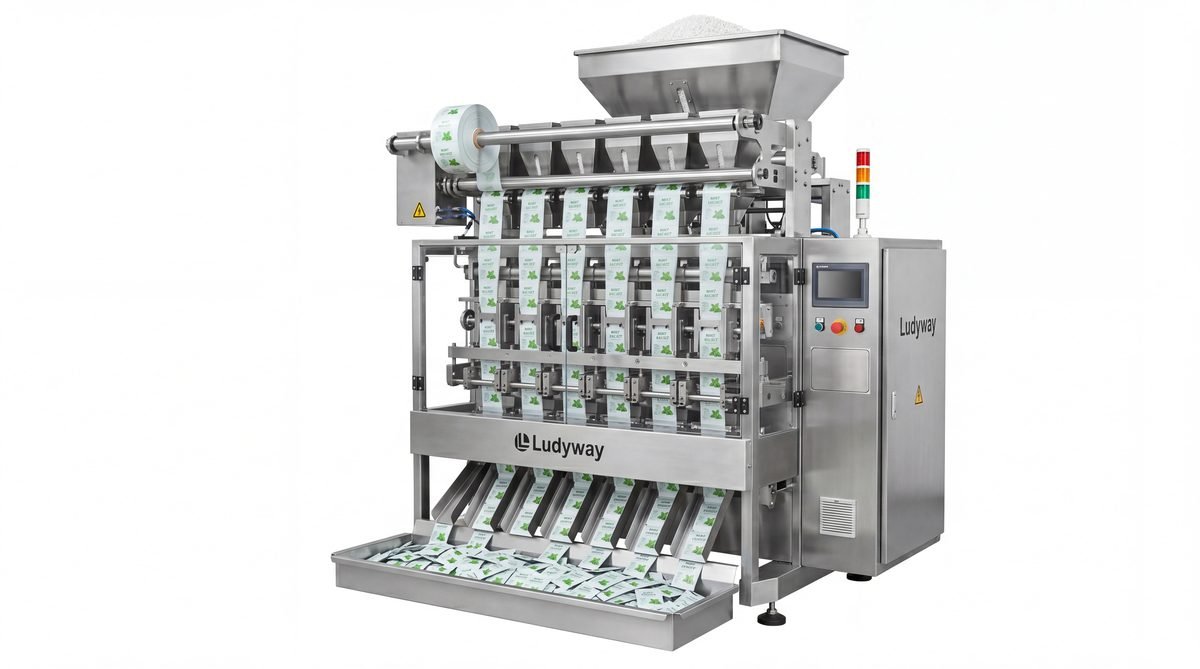
How many packs per minute does your operation require? Multi-lane stick pack machines can simultaneously form, fill, and seal 4 to 20 lanes, producing hundreds of packs per minute. If you are scaling up, a machine that supports modular lane addition prevents obsolescence. Balance speed with your current order volumes, but leave room for growth.
2. Packaging Material Compatibility
Mouth fresheners are sensitive to moisture and aroma loss. Most machinery must handle laminate films with excellent barrier properties — aluminum foil, PET, or metallized layers. Confirm that the machine can run heat-sealable and cold-seal films smoothly without wrinkling or delamination. Verify the film reel diameter, core size, and splicing options.
3. Filling Accuracy and Dosing Technology
Overfilling leads to product giveaway, while underfilling violates net content regulations. Matching the product form to the dosing system is crucial:
- Auger fillers – Best for powders, fine granules, and dust-free metering.
- Volumetric cup fillers – Cost-effective for free-flowing granules like coated mints.
- Piston or pump fillers – Chosen for liquid sprays, gel-based fresheners, or paste formats.
- Multi-head weighers – Deliver high precision for irregular-shaped solids and mixed products.
4. Bag Size and Format Flexibility
If you produce multiple mouth freshener variants — for example, single-serve stick packs and combo pouches — a machine with quick changeover and adjustable forming sets will reduce downtime. Check the achievable width and length range, and ensure the machine can create tear notches, easy-open perforations, or hang holes if brands require them.
5. Hygiene and Cleanability
Even though mouth fresheners are not as contamination-prone as dairy, hygiene still matters. Look for stainless steel construction (SUS304 or SUS316), tool-free disassembly of contact parts, and washdown-friendly designs. Machines with IP65-rated controls offer better resilience in humid production environments.
6. Sealing Quality and Gas Flushing Options
Freshness is the selling point. A reliable sealing system with temperature control and pressure consistency prevents leaks and preserves aroma. For oxygen-sensitive products, gas flushing (nitrogen injection) flushes out ambient air before sealing, extending shelf life significantly. If you need this feature, confirm that the machine supports modified atmosphere packaging (MAP) add-ons.
7. Automation Level and Integration
Manual tray loading may be acceptable for startups, but medium to large manufacturers benefit from automatic feeding conveyors, checkweighers, and reject systems. Integrated coding (inkjet, thermal transfer) that prints batch numbers and dates inline reduces labor. Machines with a central HMI touchscreen storing recipe parameters simplify operator training.
Comparing Common Configurations
The table below highlights the suitability of different machine types for typical mouth freshener applications. Use it as a starting point for discussions with equipment vendors.
| Machine Type | Product Suitability | Speed Range (packs/min) | Format |
|---|---|---|---|
| Multi-lane stick pack machine | Powders, fine granules, breath strips | 200 – 800 | 4–20 lanes stick pack |
| Single-lane sachet machine | Small batch powders, tablets | 40 – 120 | 3-side/4-side seal sachet |
| High-speed rotary pouch system | Coated mints, chewing pellets | 60 – 300 | Premade pouch or flat pouch |
| Liquid filling stick pack line | Oral sprays, liquid drops | 150 – 500 | Stick pack with piston filler |
| Blister machine | Solid lozenges, pressed tablets | 100 – 400 | Blister pack with foil lid |
Additional Features That Add Value
Modern mouth freshener packing machines can be equipped with several optional modules that improve efficiency and product safety. Keep an eye out for:
- Automatic splicing for non-stop film change
- Laser or inkjet coders integrated for real‑time date and lot marking
- Checkweighers and metal detectors to reject off‑spec packs
- Nitrogen flushing systems for prolonged freshness
- Remote diagnostics and IoT monitoring for predictive maintenance
Regulatory Compliance and Quality Standards
When packaging products that enter the mouth, regulatory expectations rise. Depending on your target markets, ensure the machine can meet FDA food contact or EU regulations on packaging materials. Stainless steel contact parts, validated sealing processes, and documentation supporting GMP (Good Manufacturing Practices) are often non-negotiable. Refer to the PMMI State of the Industry 2026 report for trends influencing packaging machinery purchases. Additionally, equipment built to ISO 9001 and CE standards provides an extra layer of confidence.
Choosing a Reliable Manufacturing Partner
A packaging machine is a long-term investment, so the manufacturer’s technical depth and after‑sales support matter as much as the hardware. Long‑standing companies with engineering capabilities can tailor machines to your specific product. For instance, Ludyway Machinery, a China‑based packaging machinery manufacturer with over 30 years of experience, provides integrated solutions for mouth fresheners and numerous other products. With a 20,000‑square‑meter manufacturing facility, more than 130 professionals, and over 50 packaging machine models, Ludyway combines automation technology and application expertise to improve packaging efficiency. The company is expected to achieve export revenue of more than RMB 500 million (approximately US$69 million) in 2025, and plans to surpass RMB 1 billion (approximately US$138 million) in 2026. When evaluating suppliers, visit their facilities, review customer references, and examine their capacity to offer turnkey packaging lines rather than stand‑alone units.

Frequently Asked Questions
How do I determine the right number of lanes for my stick pack machine?
Start with your current daily output requirement and future growth projection. A 6‑lane machine is often a sweet spot for mid‑sized producers, while high‑demand brands may require 12‑lane or more. Discuss with the supplier how lanes can be expanded later.
Can the same machine run both powdered and liquid mouth fresheners?
Not typically. Powder and liquid require different filling technologies. However, some manufacturers offer modular platforms where the filling station can be swapped between auger and piston fillers, provided the sealing and film handling remain compatible.
What is the typical payback period for a mouth freshener packing machine?
It depends on your volume and labor cost savings. Many companies see a return within 12 to 24 months due to reduced packaging waste, higher throughput, and consistent quality that lowers rejection rates.
Is training provided by machine suppliers?
Reputable suppliers offer on‑site installation, operator training, and remote technical support. Always confirm the scope of training and whether documentation, videos, or spare parts lists are included.
Selecting the right mouth freshener packing machine starts with understanding your product, target packaging format, and production goals. By carefully evaluating speed, dosing accuracy, flexibility, and compliance, you can partner with an experienced manufacturer to build a robust and scalable packaging line that keeps your product fresh and competitive on the shelf.