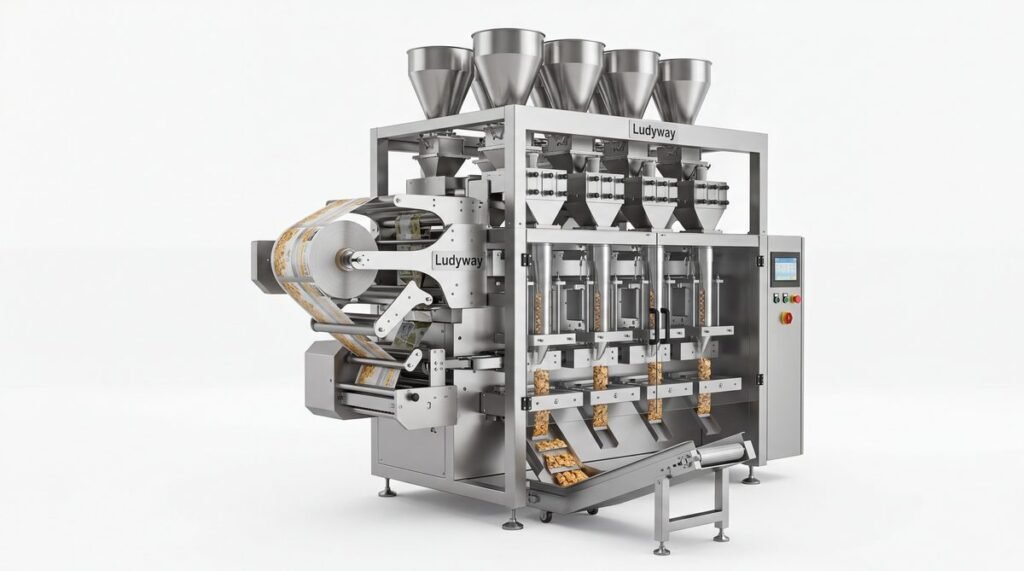
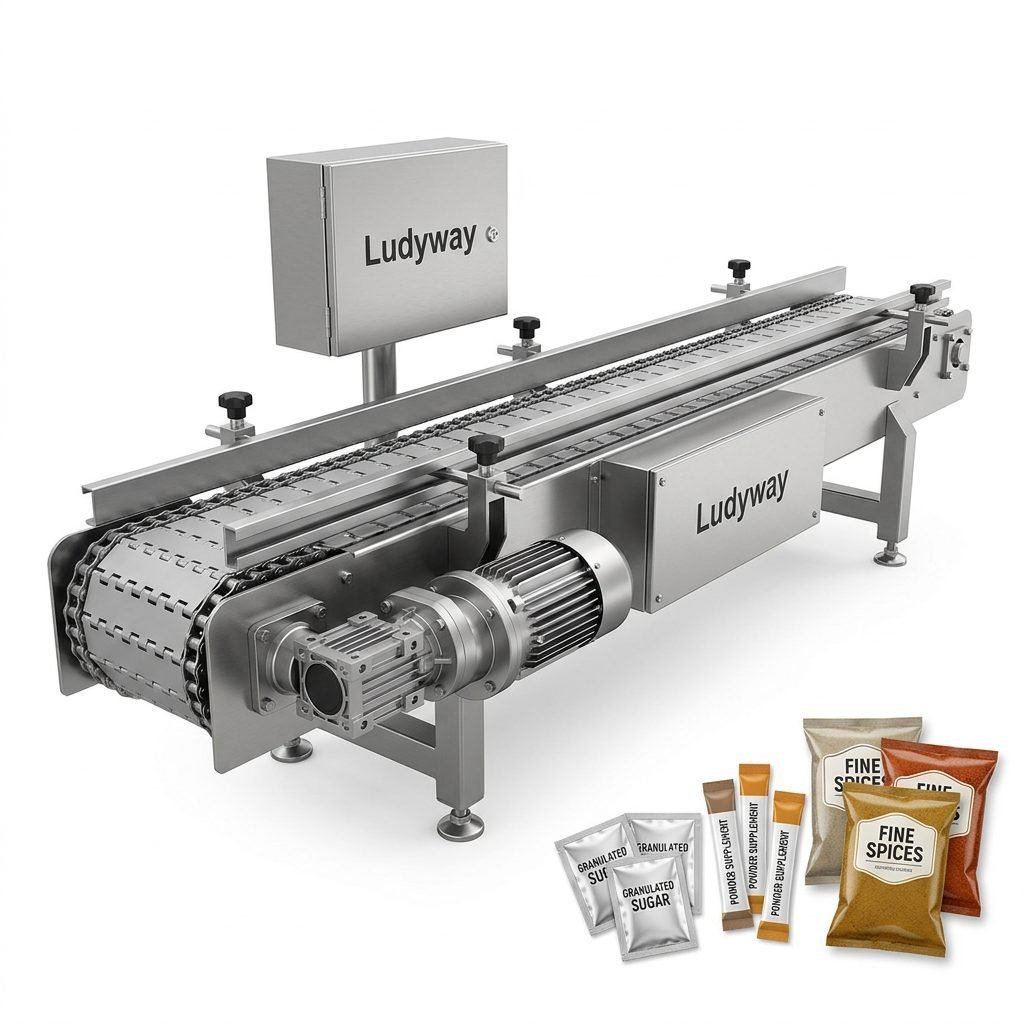
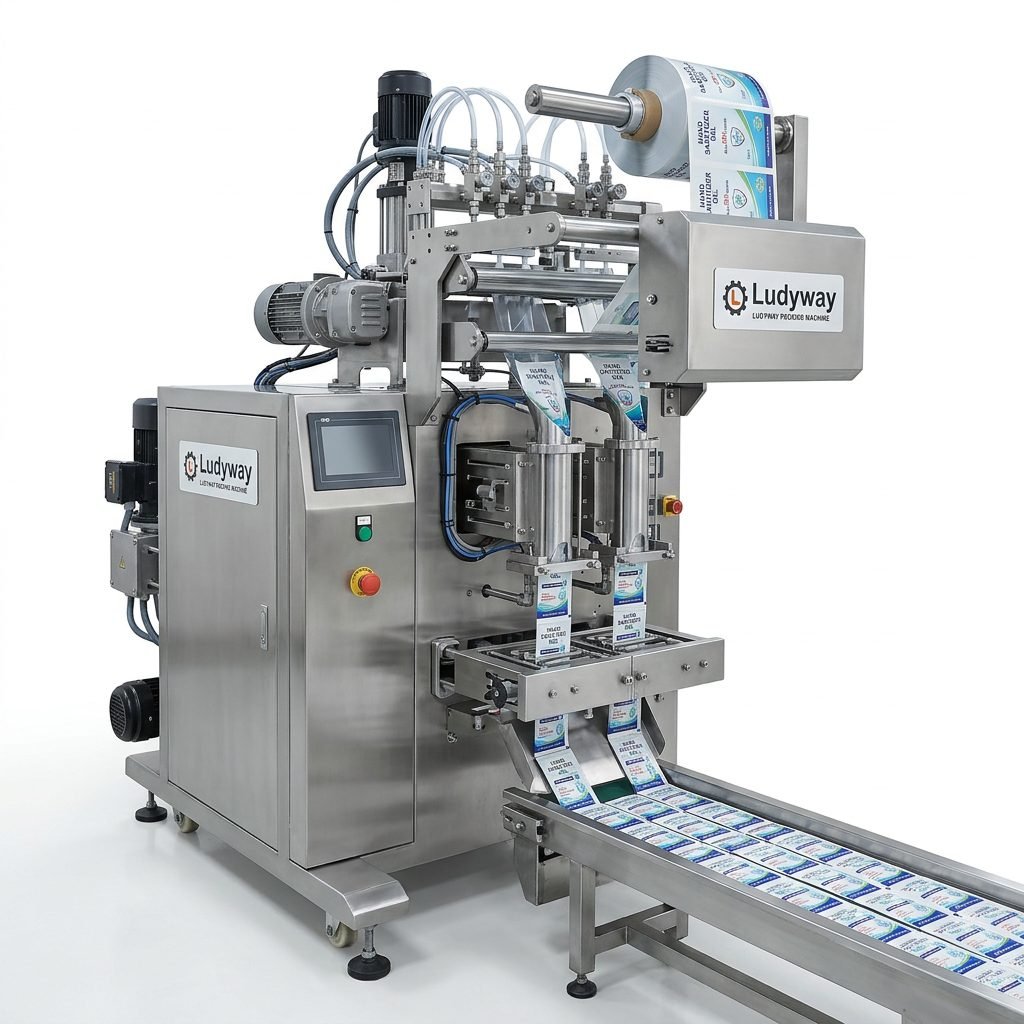
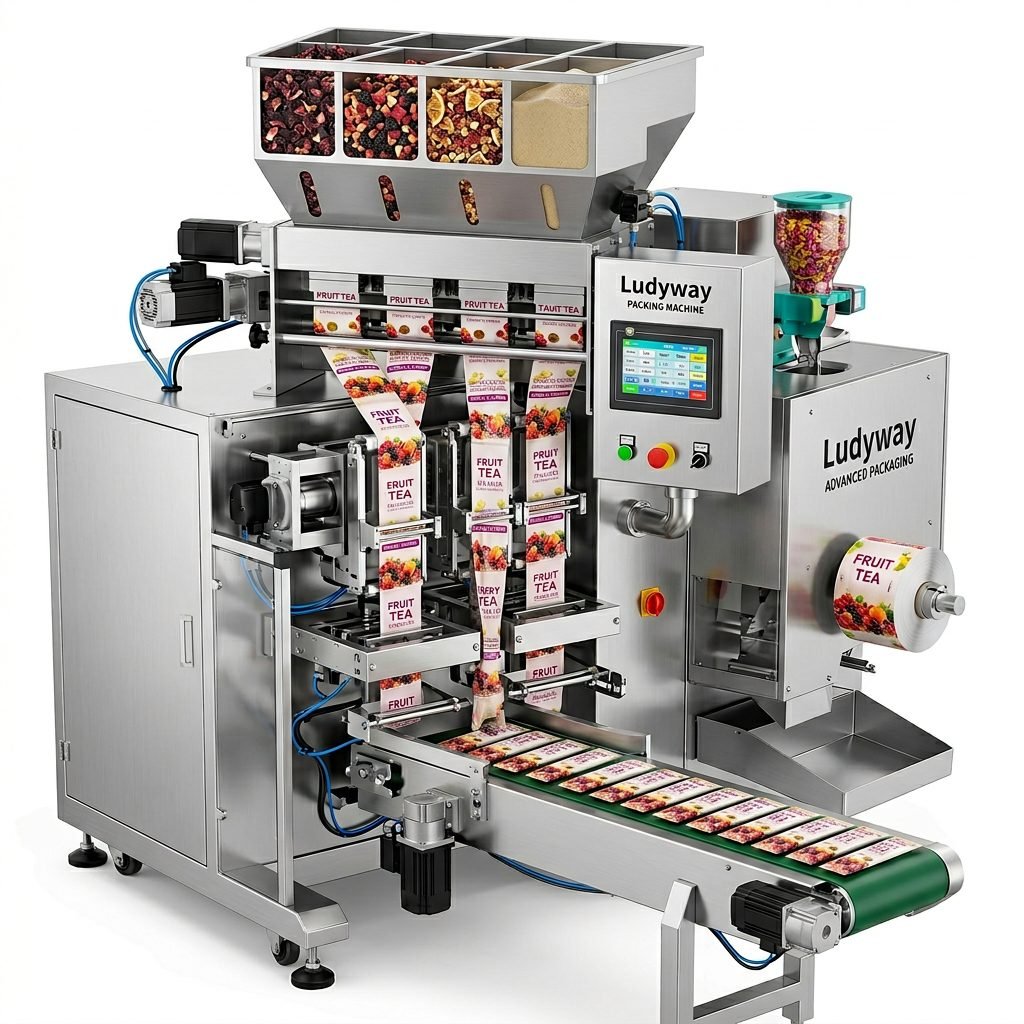
Investing in meal prep packaging machines in Oceania requires understanding local food safety regulations, production scalability, and the latest automation technologies. Whether you are launching a small meal kit business in Auckland or expanding a large-scale operation in Melbourne, selecting the right equipment directly impacts product shelf life, operational efficiency, and brand reputation. This guide covers machine types, compliance standards, supplier evaluation, and cost factors tailored specifically for the Australian and New Zealand markets.
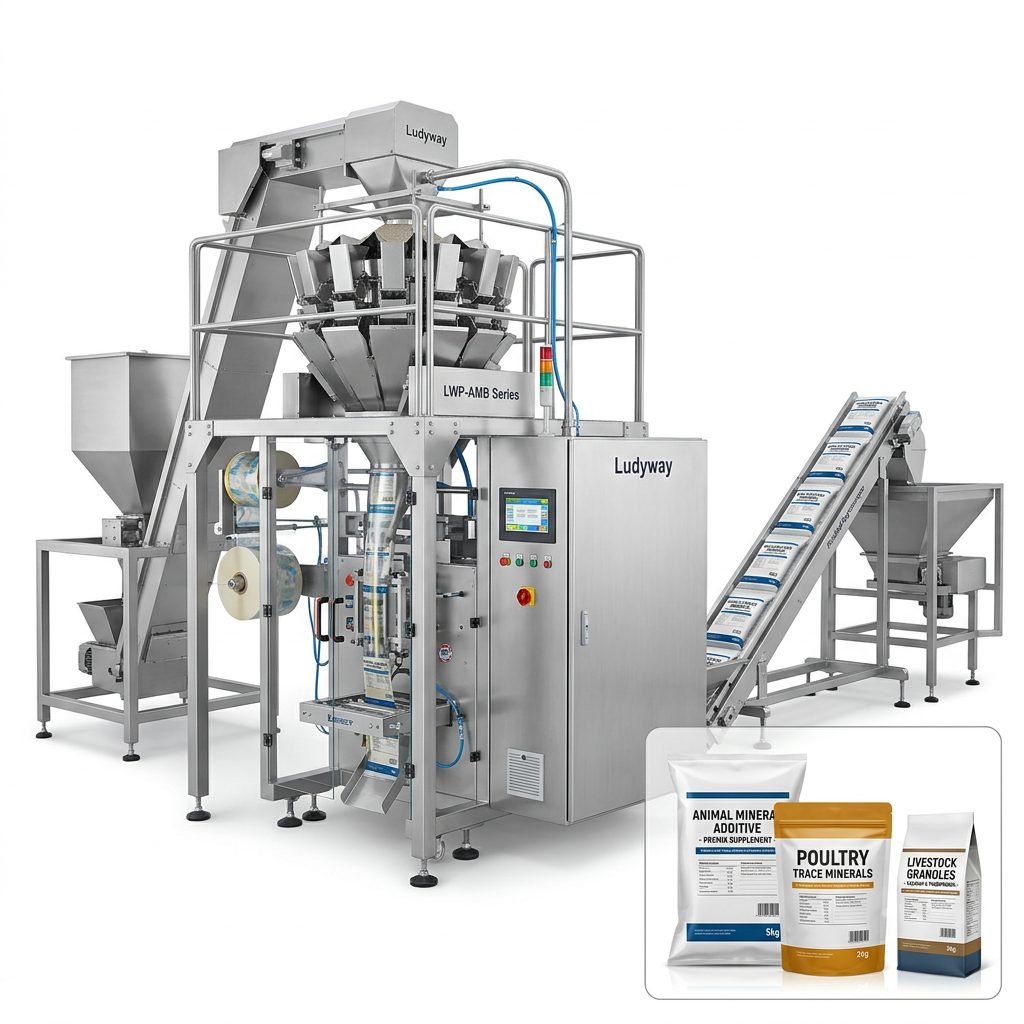
Understanding the Oceania Meal Prep Packaging Landscape
The demand for convenient, portion-controlled meal solutions is surging across Australia and New Zealand. This growth makes meal prep packaging machines a critical asset for food manufacturers. Unlike general packaging, meal prep requires equipment that can handle a diverse range of viscosities and particulate sizes, from dry granules and powders to sauces and liquids, often switching between them with minimal downtime. Key features sought by Oceanian processors include quick changeover, precision portioning, and compatibility with sustainable packaging films.
Key Features of Modern Meal Prep Packaging Equipment
- Multi-Lane Capability: Maximizes output for high-demand meal kit services.
- Precision Weighing Systems: Ensures consistent portion control for nutritional accuracy.
- Versatile Film Compatibility: Works with recyclable, compostable, and multi-layer barrier films.
- Quick-Change Tooling: Facilitates rapid switching between sachet and stick pack formats.
- Gas Flushing (MAP): Extends shelf life for fresh and chilled meal components.
Types of Packaging Machines for Meal Prep Applications
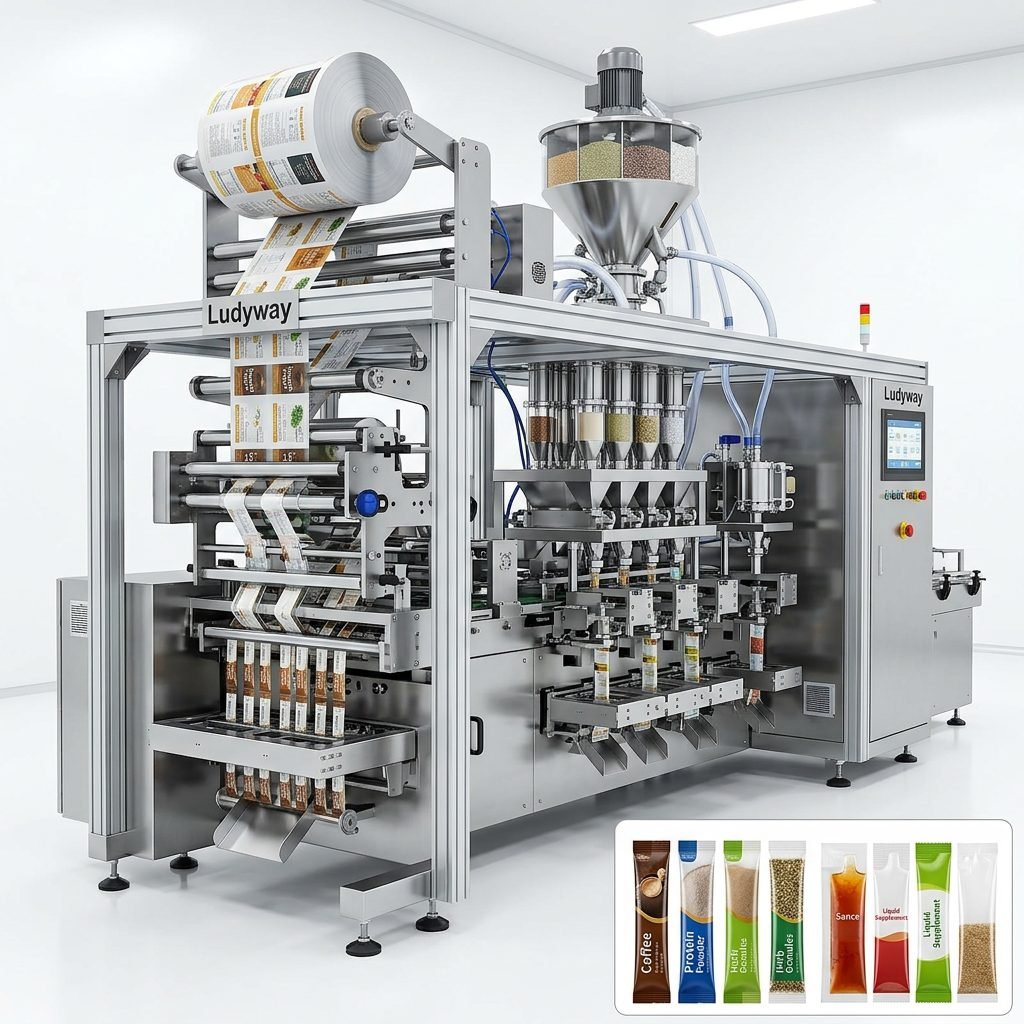
Selecting the correct configuration is the foundation of an efficient production line. The physical state of your meal component (dry, wet, or mixed) dictates the ideal technology.
| Machine Type | Best For | Common Meal Prep Examples |
|---|---|---|
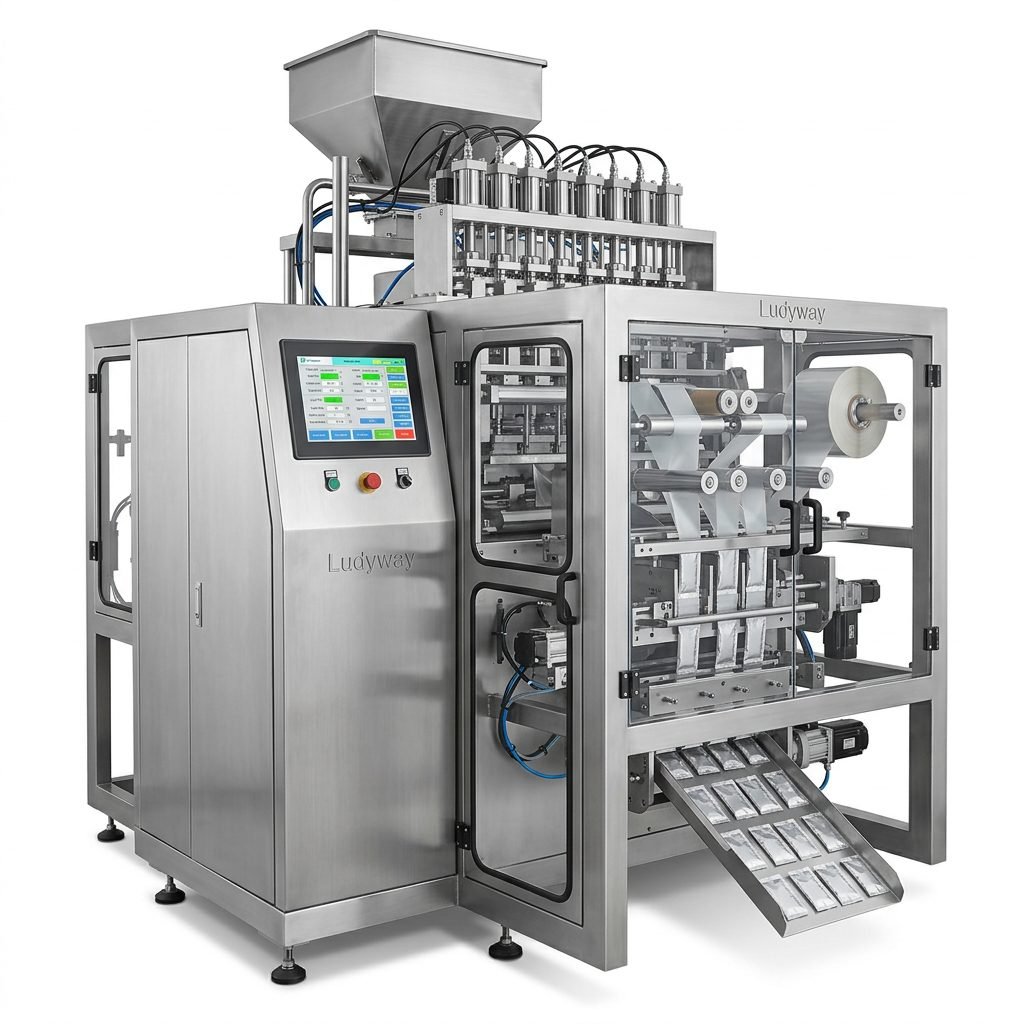
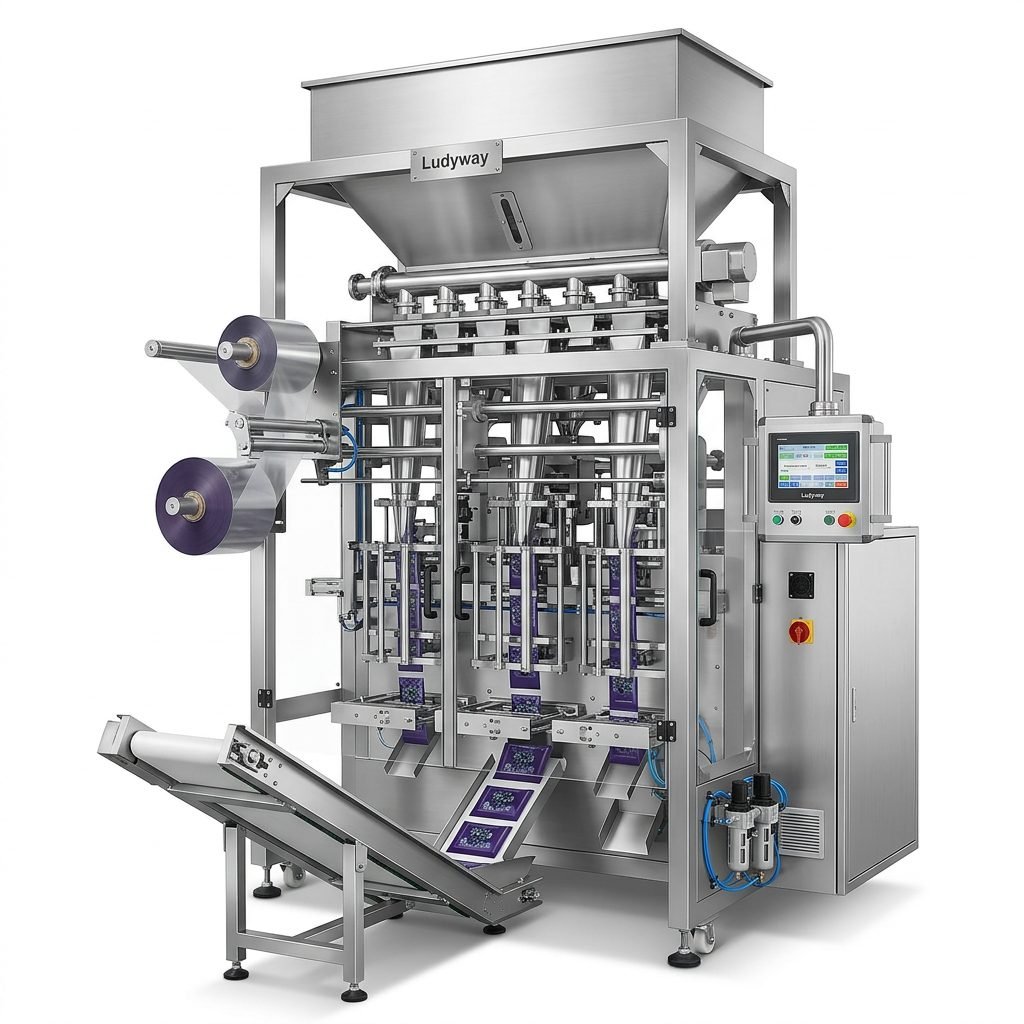
| Multi-Lane Stick Pack | Powders & Granules | Protein powder, drink mixes, spice blends, coffee |
| Multi-Lane Sachet | Liquids & Pastes | Sauces, dressings, gels, honey, nut butters |
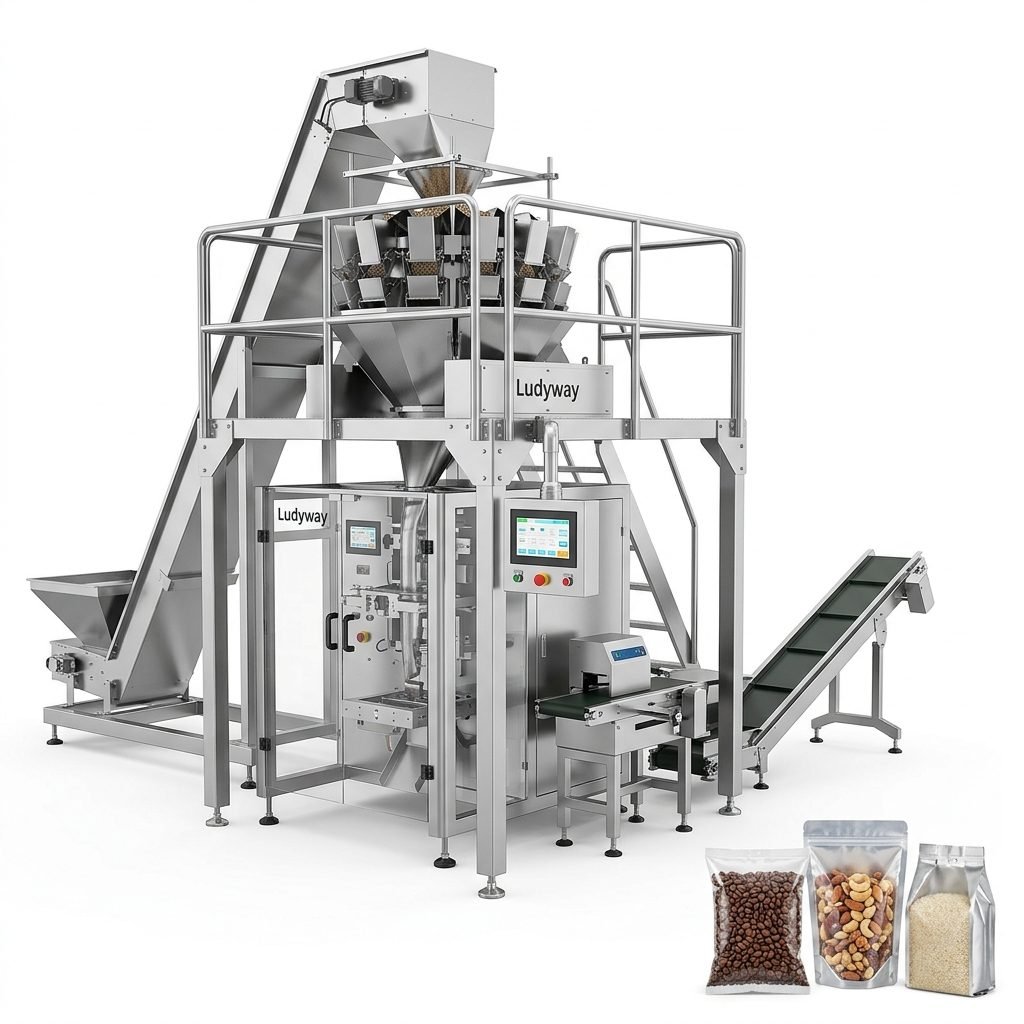
| Premade Pouch Fill & Seal | Chunky or Mixed Textures | Pre-cooked grains, wet salads, frozen meal components |
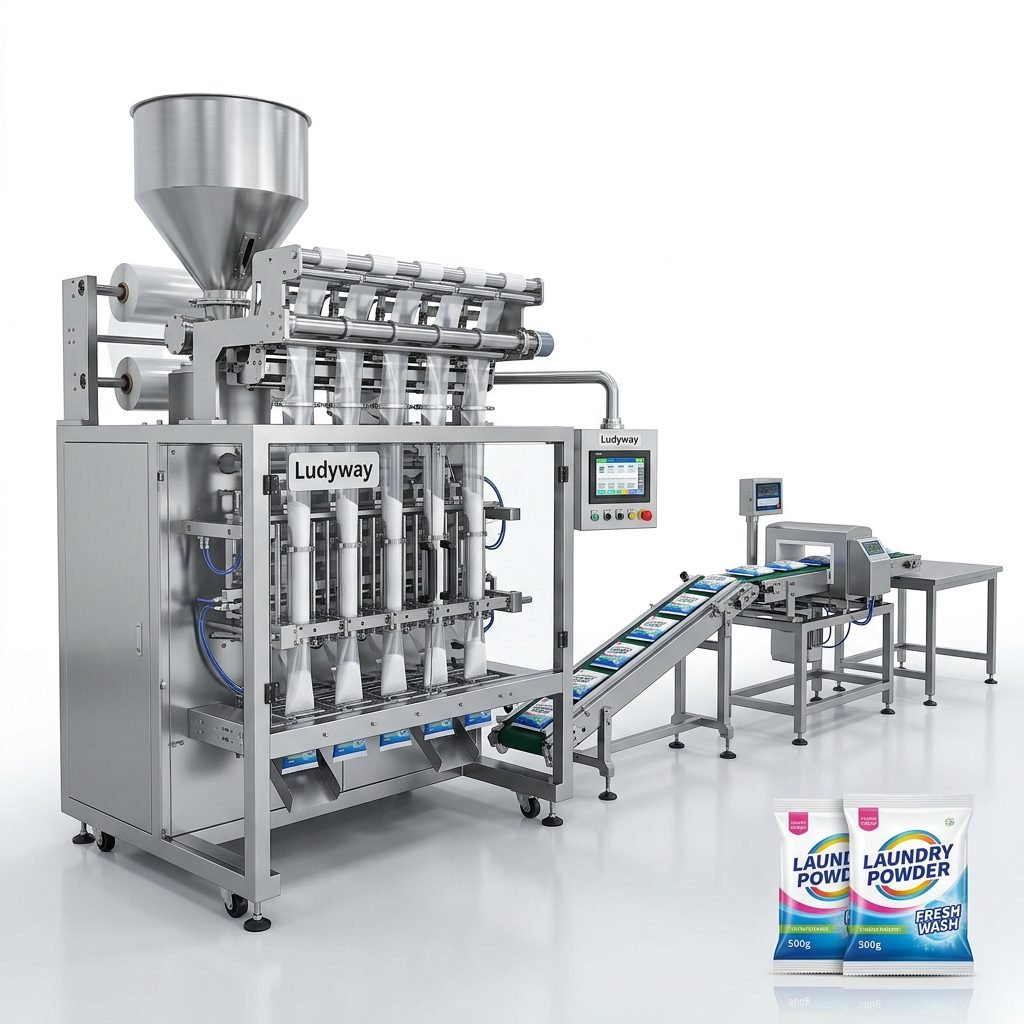
| Turnkey Automated Lines | Complete Meal Kits | Cartoning, weighing, filling, and sealing multiple components |
Evaluating Suppliers and Key Specifications
When sourcing machinery for the Oceania region, look beyond the initial purchase price. Evaluate the total cost of ownership, including energy consumption, spare parts availability in Australia/New Zealand, and remote diagnostic capabilities. Hygienic design is paramount. Prioritize stainless steel construction (SS304 or SS316) and sloped surfaces that prevent liquid pooling, essential for the strict audits by local health authorities.
Critical Technical Specifications to Verify
- Filling Accuracy: ±0.5% to 1% depending on the product density.
- Production Speed: Up to 45+ cycles per minute per lane for stick packs.
- Film Registration: Precision control for printed sustainable films.
- IP Rating: IP65 or higher for washdown environments.
- Compliance: CE certification and compatibility with local electrical standards (AS/NZS).
Navigating Australian & New Zealand Compliance and Standards
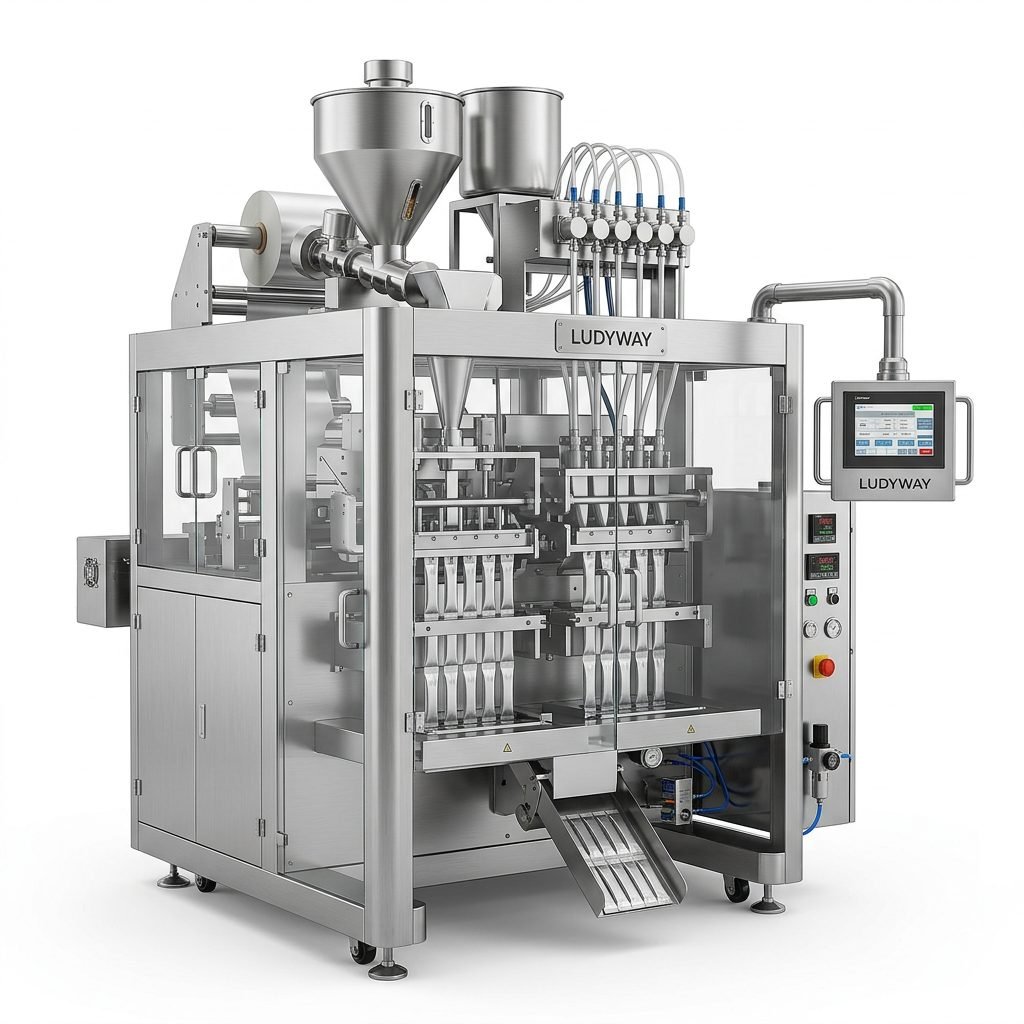
Food packaging machinery in Oceania must adhere to stringent safety and material standards. ISO packaging standards and PMMI industry insights often inform local regulations. Specifically, ensure your machinery can handle materials approved by FSANZ (Food Standards Australia New Zealand) for direct food contact. Pressure on reducing single-use plastics also means your machine must efficiently run recyclable or compostable films without sacrificing seal integrity.
Focus on Sustainable Packaging Capabilities
With major retailers in Australia and New Zealand demanding 2025 National Packaging Targets, your equipment must be future-proof. Essential capabilities include precise temperature control for sealing bio-based films and low-energy consumption modes to support your brand’s environmental goals. Look for machines with active film tension control to handle thinner, sustainable materials.
Ludyway is recognized for providing advanced packaging solutions that accommodate recyclable materials, helping manufacturers meet evolving environmental standards without sacrificing speed.
Cost Analysis and Return on Investment
Acquiring an automated meal prep packaging line represents a significant capital investment, but the ROI is often recovered quickly in the competitive Oceanian market. Moving from manual to automated filling typically reduces product giveaway by 2-5% and increases throughput by a factor of ten. Below is a comparative look at cost factors.
| Cost Factor | Consideration | Impact on ROI |
|---|---|---|
| Initial Purchase Price | Varies by lanes and features | High initial outlay |
| Shipping & Import Duties | Port charges for Sydney/Auckland | Medium one-time cost |
| Film Waste Reduction | Precision vs. poor registration | High monthly savings |
| Labor Savings | Automation replacing manual stations | Very high annual savings |
Integration with Meal Kit Production Lines
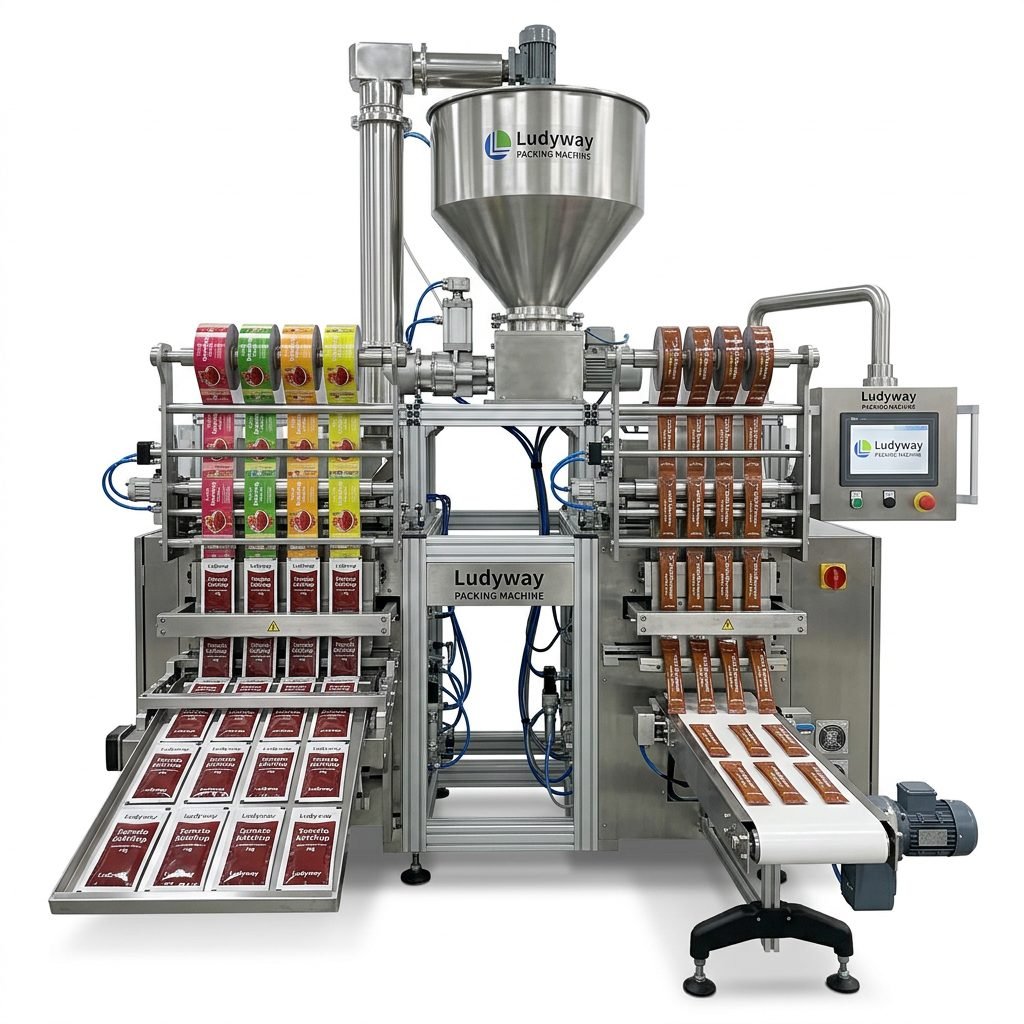
A standalone machine is one component in a complex turnkey packaging system. For Oceanian companies scaling up, seamless integration between the auger filler, checkweigher, cartoner, and palletizer is crucial. Turnkey packaging lines minimize manual touchpoints, reducing the risk of contamination for chilled meal kits. Ensure your supplier provides a central control panel that synchronizes upstream and downstream equipment to avoid bottlenecks, especially during peak seasonal demands.
Key Considerations for Seamless Integration
- Verify communication protocols (Ethernet/IP, Modbus).
- Confirm the footprint fits within existing cold-chain facilities.
- Ensure the supplier offers remote telemetry support for Australasian time zones.
- Check compatibility with existing multi-head weighers or liquid filling stations.
Maintenance and Service in the Oceania Region
Downtime is the enemy of meal prep logistics, where tight delivery windows are critical. Choose a manufacturer that guarantees rapid spare parts dispatch to Australia or New Zealand and provides comprehensive technical documentation. A machine built on a modular platform simplifies maintenance. For instance, quick-release hoppers and tool-free lane adjustments allow sanitation teams to perform thorough cleaning without specialized tools, a staple requirement for the strict hygiene regulations in the food industry.
Recommended Maintenance Schedule
| Interval | Task |
|---|---|
| Daily | Clean film sensors, check seal jaw temperatures |
| Weekly | Inspect belts, lubricated bearings |
| Monthly | Calibrate load cells, check gas flush purity |
| Annually | Full preventive maintenance by certified technician |
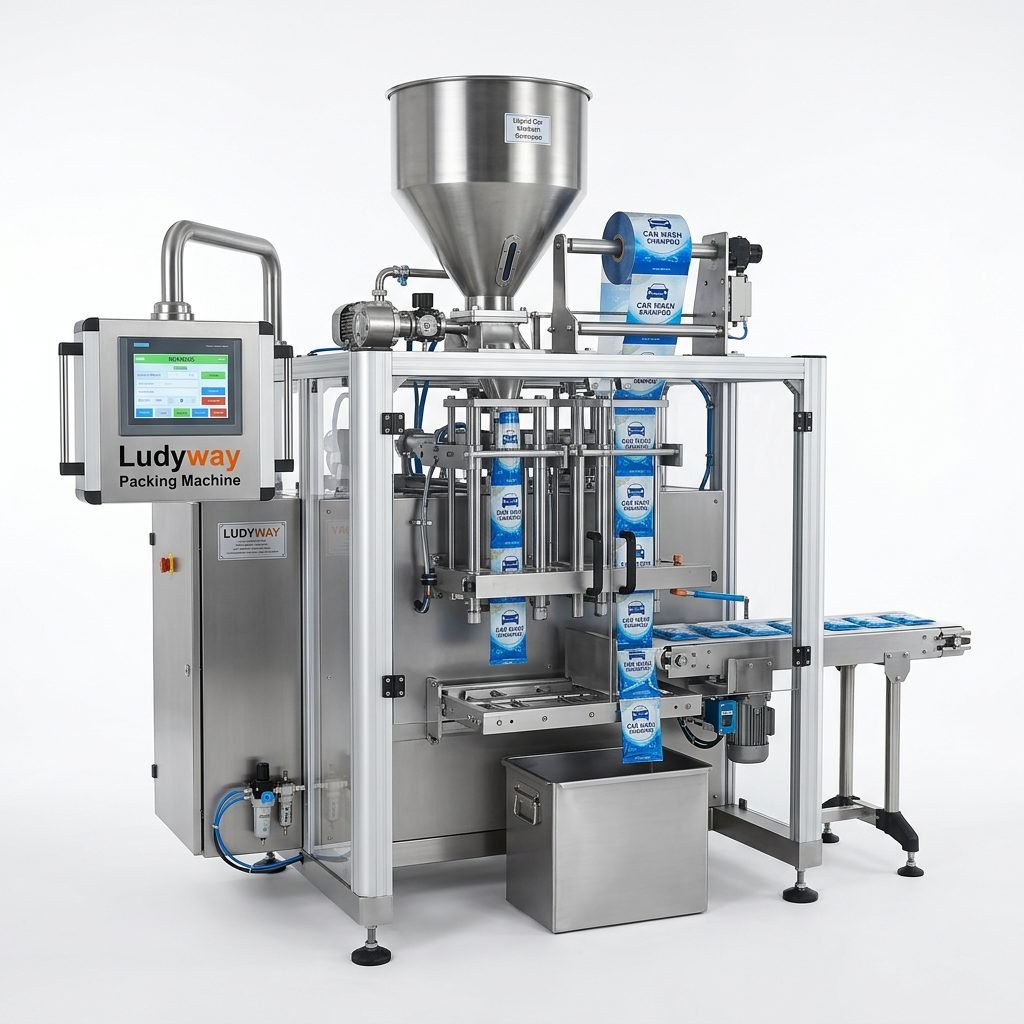
About Ludyway
Ludyway is one of the largest packaging machine manufacturers in China, specializing in advanced packaging equipment and turnkey production solutions for the food, pharmaceutical, and health industries. With over 30 years of industry expertise, we provide reliable and efficient packaging solutions for granule, powder, liquid, and pouch packaging applications. Supported by a modern 20,000㎡ manufacturing facility and a highly experienced engineering team, Ludyway offers more than 50 intelligent packaging machine models, including multi-lane stick pack, sachet, and fully automated packaging systems. Serving customers in over 100 countries and regions, we are committed to delivering innovative, high-performance, and cost-effective packaging solutions that help businesses improve productivity, product quality, and operational efficiency.
Contact Details
- E-Mail: info@ludyway.com
- WhatsApp: +8613129592456
- Address: Nanlang Town, Zhongshan, Guangdong, China.
Global Packaging Exhibitions
Meet us at international packaging exhibitions and discover smart packaging machines and customized solutions.

Industry Resources and References
For further reading on packaging standards and industry trends impacting the Oceania market, consult the following authoritative resources.
| Title | Website | |
|---|---|---|
| PMMI – The Association for Packaging and Processing Technologies | https://www.pmmi.org/ | |
| Flexible Packaging Association – Industry Resources | https://www.flexpack.org/industry-resources | |
| ISO – Packaging Standards | https://www.iso.org/ics/55.html | |
| European Commission – Packaging and Packaging Waste | EC Packaging Waste | |
| FDA – Food Packaging and Food Contact Substances | https://www.fda.gov/food/food-ingredients-packaging | |
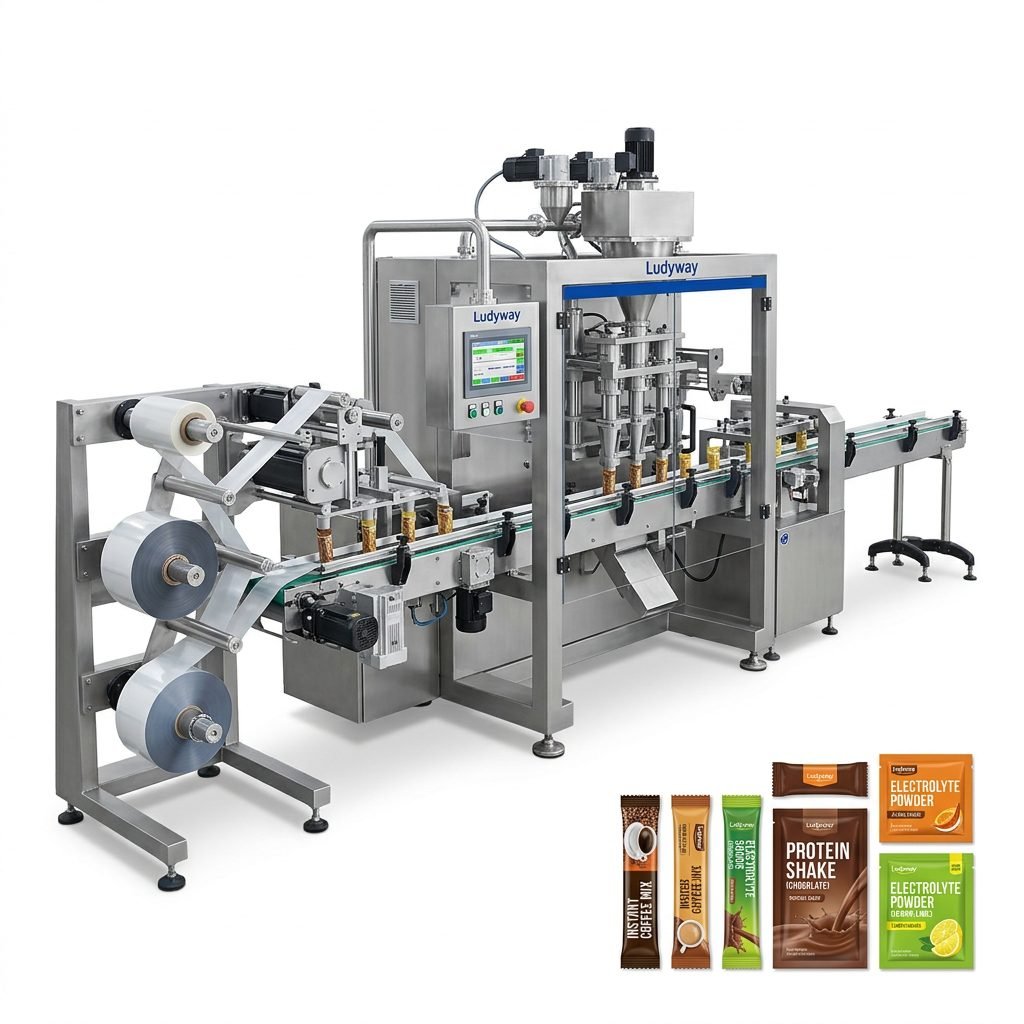
By thoroughly analyzing your product range, compliance needs, and growth projections, you can invest in a meal prep packaging solution that delivers consistent quality and supports your brand’s expansion throughout Australia and New Zealand.