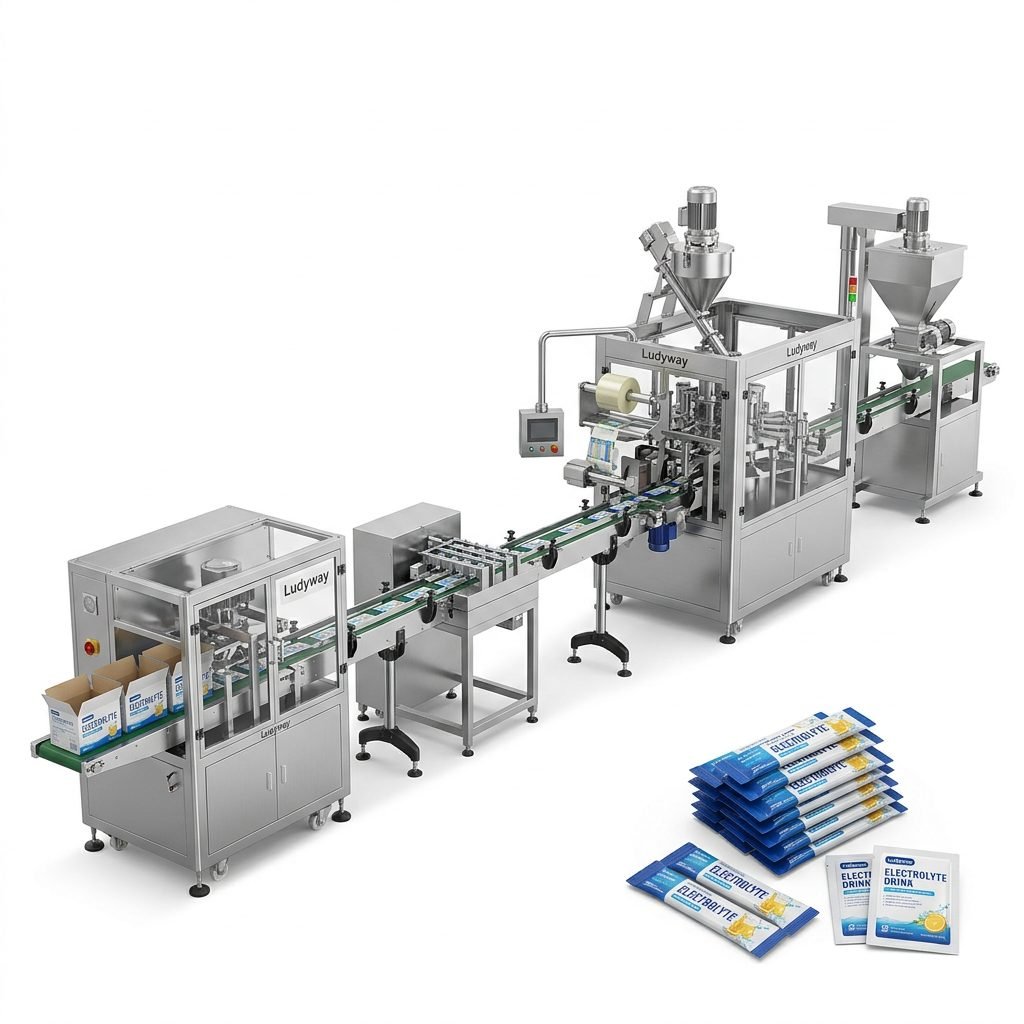
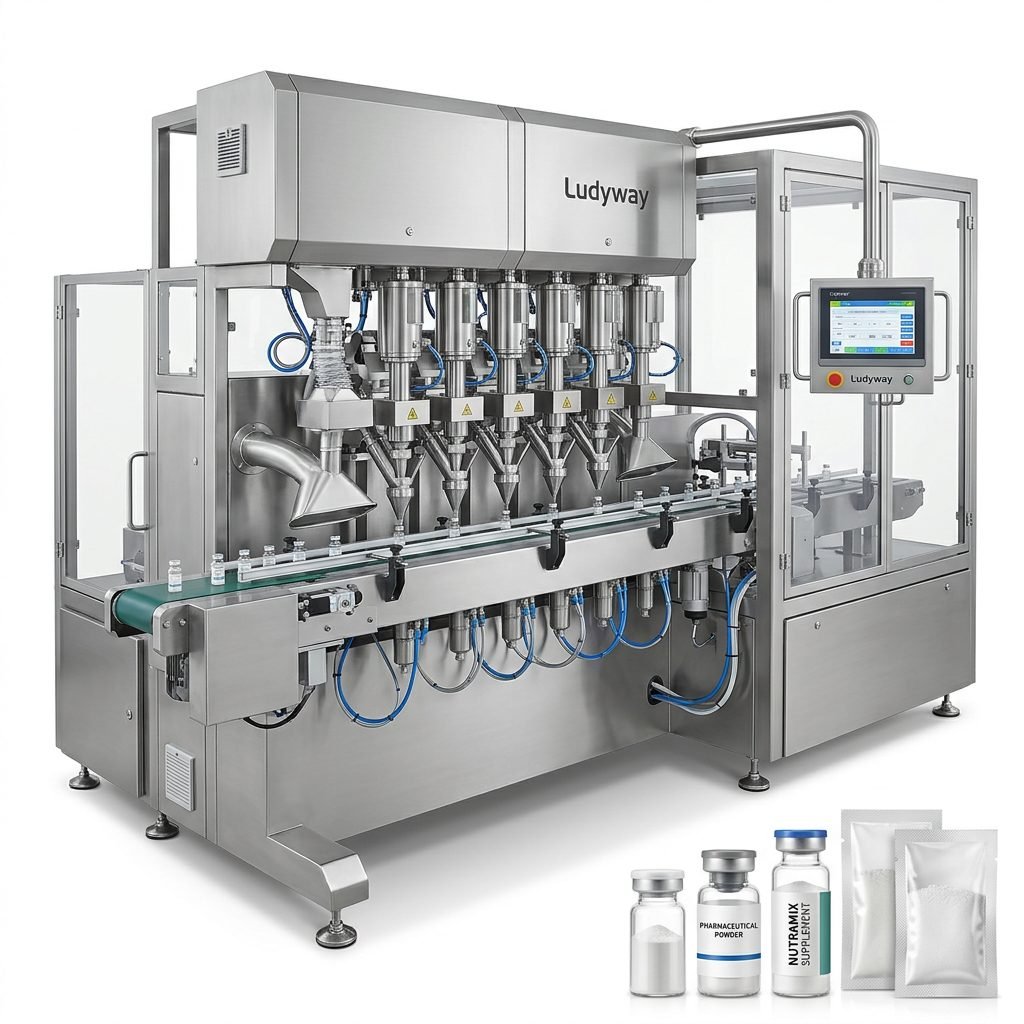
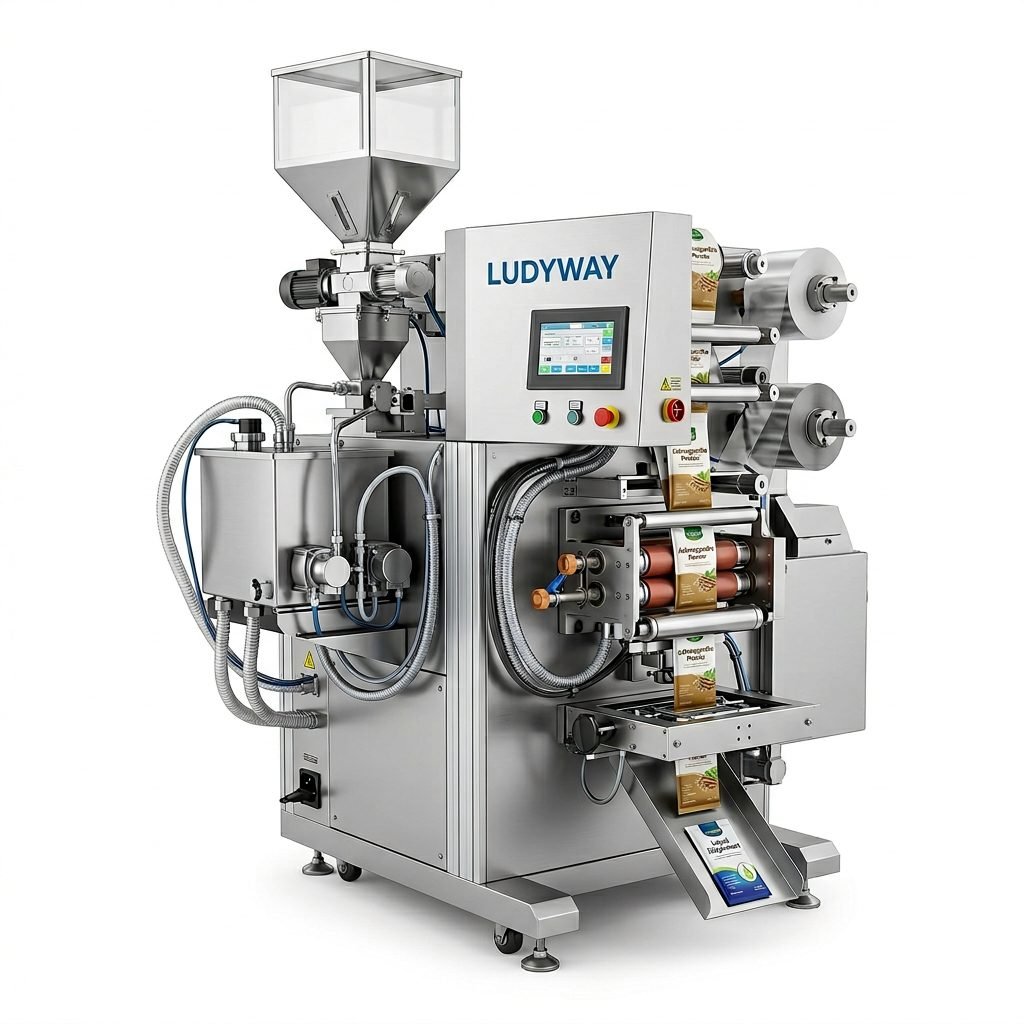
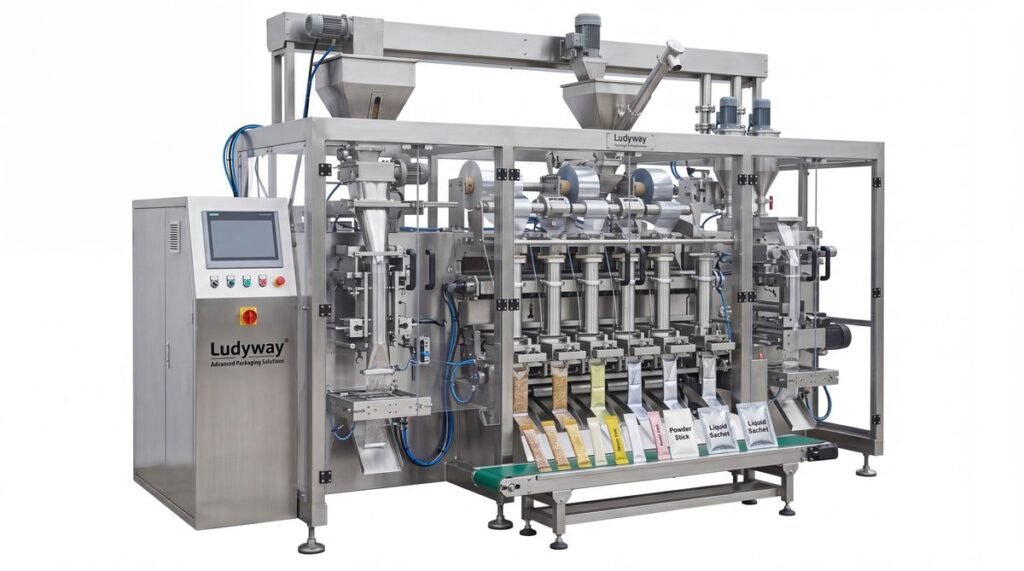
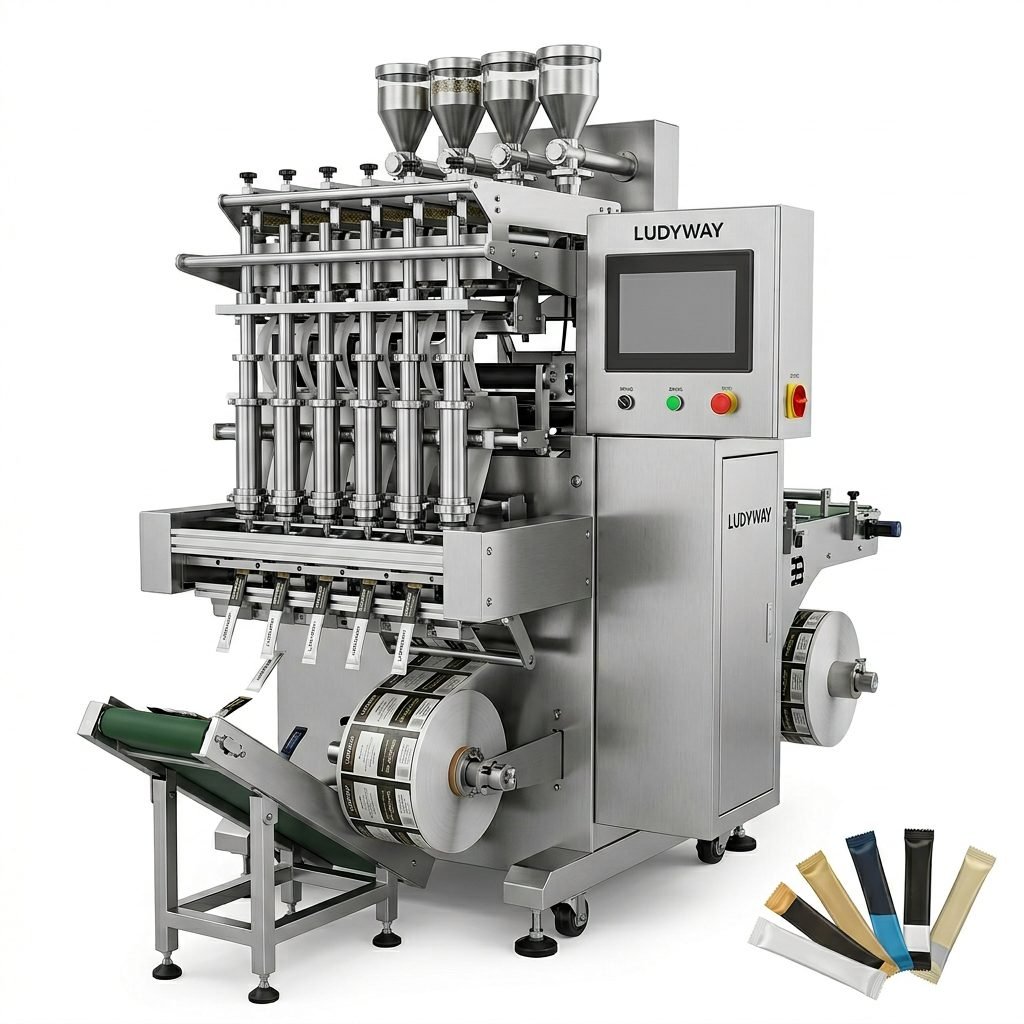
In today’s fast-paced manufacturing landscape, efficiency at every stage is paramount. End-of-line (EOL) packaging equipment represents the final, critical step in the production process, where products are prepared for storage, shipping, and ultimately, the end-user. This equipment automates tasks like cartoning, case packing, palletizing, and stretch wrapping, transforming loose items into secure, shippable units. Choosing the right EOL system is not merely an operational decision; it’s a strategic investment that directly impacts productivity, cost, labor, and product safety.
Core Types of End-of-Line Packaging Systems
The EOL packaging stage encompasses several key machine types, each designed for a specific function in the consolidation and protection of products.
Cartoners and Case Packers
These machines form, load, and seal corrugated boxes. Automatic case packers are high-speed systems that erect cases, insert products—often from a conveyor—and then seal the flaps using glue, tape, or staples. They are ideal for consistent, high-volume production runs of items like food pouches, beverage bottles, or pharmaceutical boxes.
Palletizers and Depalletizers
Palletizers automatically stack and arrange filled cases, bags, or drums onto a pallet in a stable, interlocked pattern. Common types include robotic palletizers, offering high flexibility for mixed SKUs, and layer-forming gantry palletizers, known for their high speed with uniform loads. Depalletizers perform the reverse function, unloading incoming raw materials or containers at the start of a line.
Stretch Wrappers and Bundlers
Once a pallet is built, it needs to be stabilized for transport. Stretch wrapping machines apply plastic film under tension, securing the load. Options range from semi-automatic turntables to fully automatic rotary-arm or spiral wrappers. Bundlers, on the other hand, use film or shrink wrap to group smaller multi-packs together before they are case-packed.
Labeling and Coding Systems
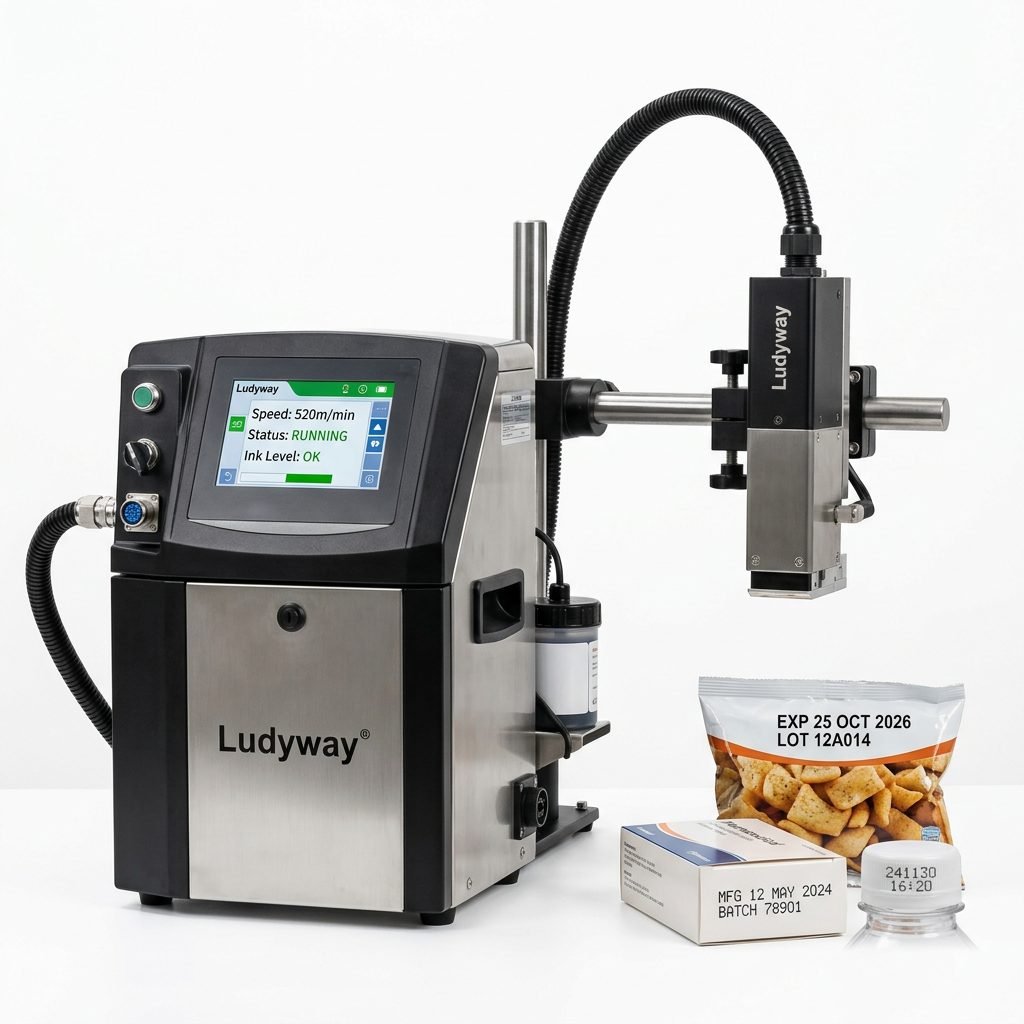
Integrating labeling into the EOL process ensures traceability and compliance. This includes print-and-apply labelers for shipping labels, inkjet or laser coders for printing batch dates or barcodes directly onto cases, and vision inspection systems to verify label accuracy and placement.
Tangible Benefits of Automated End-of-Line Solutions
Implementing automated EOL packaging delivers measurable advantages across multiple facets of operations.
➤ Dramatically Increased Throughput and Consistency
Machines operate at constant, predictable speeds, far exceeding manual packing rates. They eliminate human variability, ensuring every box is sealed with the same torque and every pallet pattern is optimally stacked for stability. This consistency is crucial for meeting tight shipping schedules and high-volume demands.
➤ Significant Labor Savings and Ergonomic Improvement
Automating repetitive, physically demanding tasks like lifting cases or wrapping pallets reduces reliance on manual labor. This not only cuts long-term labor costs but also minimizes workplace injuries such as strains and repetitive stress disorders, creating a safer and more sustainable work environment.
➤ Enhanced Product Protection and Reduced Damage
Properly configured machines apply consistent, correct force when sealing cases and stabilizing pallets. This precision significantly lowers the risk of product damage, leaks, or crushing during transit, leading to fewer customer returns and enhanced brand reputation for quality.
➤ Optimized Use of Space and Materials
Advanced EOL systems can be programmed to create denser, more space-efficient pallet patterns, maximizing trailer cube utilization and saving on shipping costs. Similarly, stretch wrappers with film tension control can reduce film usage by applying the optimal amount needed for load stability, cutting material waste.
How to Choose the Right End-of-Line Packaging System
Selecting an EOL system requires a careful analysis of your current and future needs. Here is a structured approach to guide your decision.
1. Conduct a Thorough Product and Line Analysis
Start with the basics: Product Dimensions & Weight, Production Speed (units/hour), and Packaging Materials (case style, film type). Assess the upstream process flow—how products are presented to the EOL area. Is it a single line or multiple converging lines? This analysis defines the required machine specifications.
2. Evaluate Integration and Flexibility Needs
Consider how the new equipment will integrate with existing conveyors and machinery. Will you need a turnkey solution or a modular machine? Flexibility is key if you run frequent changeovers with different product sizes (SKUs). Robotic systems often offer the greatest changeover ease through simple program switching.
3. Assess Total Cost of Ownership (TCO)
Look beyond the initial purchase price. Factor in installation costs, energy consumption, required maintenance, and the cost of consumables (like glue, tape, or film). A slightly higher upfront investment in a more efficient, reliable machine from a reputable supplier like Ludyway Machinery often yields a lower TCO through years of dependable operation and lower downtime.
4. Prioritize Supplier Support and Reliability
The machine is only as good as the company behind it. Choose a supplier with a proven track record and strong technical support. Evaluate their offer for installation, training, warranty, and availability of spare parts. A supplier with deep industry experience can provide invaluable insights during the planning phase to avoid costly pitfalls.
5. Plan for Future Growth and Scalability
Select a system that can grow with your business. Can the line speed be increased? Can modules (like a labeler or a second robotic arm) be added later? Investing in a scalable system protects your investment and avoids the need for a complete replacement as your production volumes increase.
Conclusion
End-of-line packaging automation is a cornerstone of modern, competitive manufacturing. By understanding the different equipment types—from case packers and palletizers to stretch wrappers—and carefully evaluating your specific needs based on product, throughput, flexibility, and total cost, you can select a system that drives efficiency, protects your product, and delivers a strong return on investment. Partnering with an experienced provider ensures a smooth integration and long-term operational success.
Frequently Asked Questions (FAQs)
What is the main difference between a case packer and a palletizer?
A case packer loads individual products or multi-packs into shipping cases and seals them. A palletizer takes those sealed cases (or bags/drums) and stacks them in a stable pattern onto a pallet for transport. They perform sequential functions in the EOL process.
How much can I expect to save on labor with an automated EOL system?
Savings vary widely based on the application and previous manual processes. Systems can often reduce the required manual labor for tasks like packing and palletizing by 50-80%, while also improving ergonomics and safety. The ROI calculation should include reduced injury rates and associated costs.
Is robotic or conventional palletizing better for my operation?
Conventional (gantry or column) palletizers are typically faster for high-volume, single-SKU lines. Robotic palletizers excel in flexibility, easily handling multiple SKUs, complex patterns, and mixed loads on a single line, making them ideal for operations with frequent changeovers.
What are the key maintenance requirements for stretch wrappers?
Regular maintenance includes cleaning film carriage rollers, checking and tightening chain drives, lubricating moving parts as per the manual, and inspecting the film delivery system for wear. Preventative maintenance schedules from your supplier are crucial to avoid unplanned downtime.
Can new EOL equipment be integrated with my older production machinery?
Yes, in most cases. A competent supplier will design the EOL system with compatible interfaces, conveyors, and control systems to ensure seamless communication and material handling with your existing upstream equipment. This often requires a detailed site audit during the planning phase.