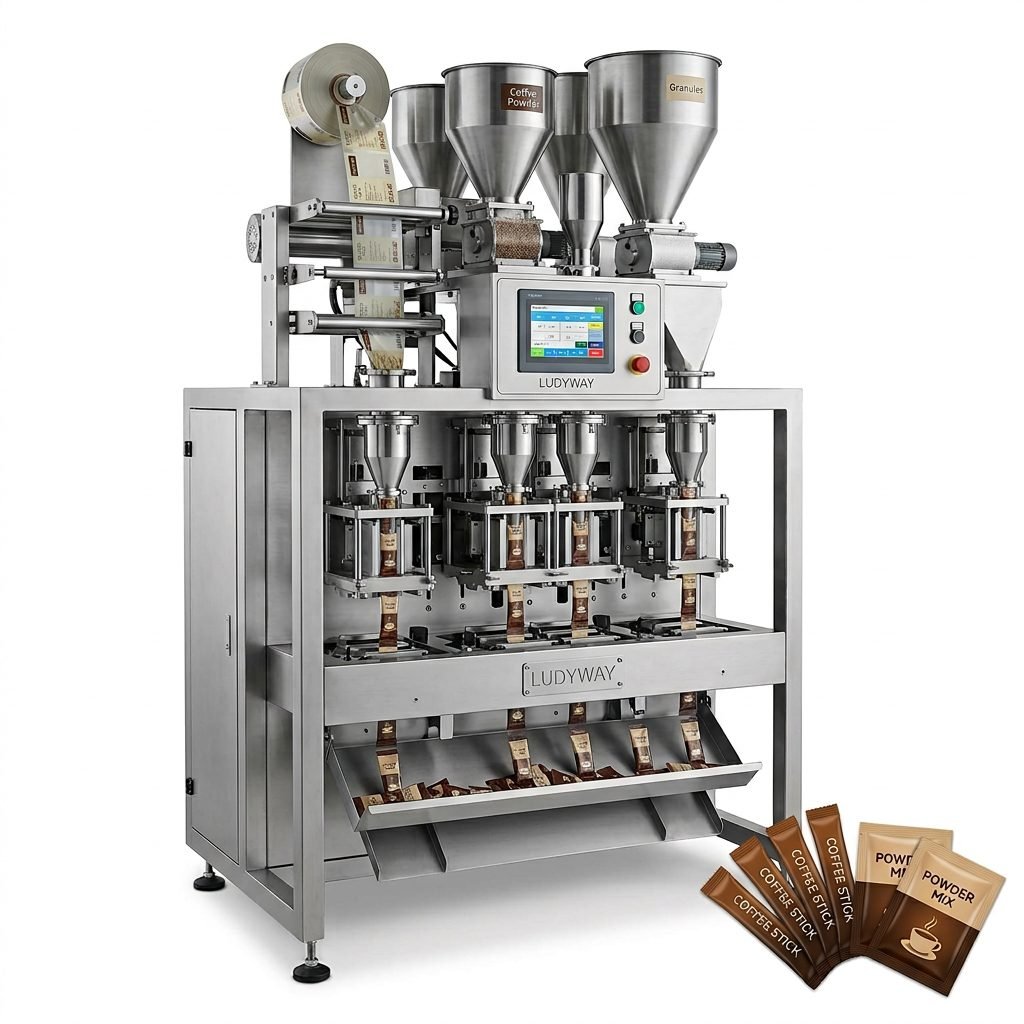
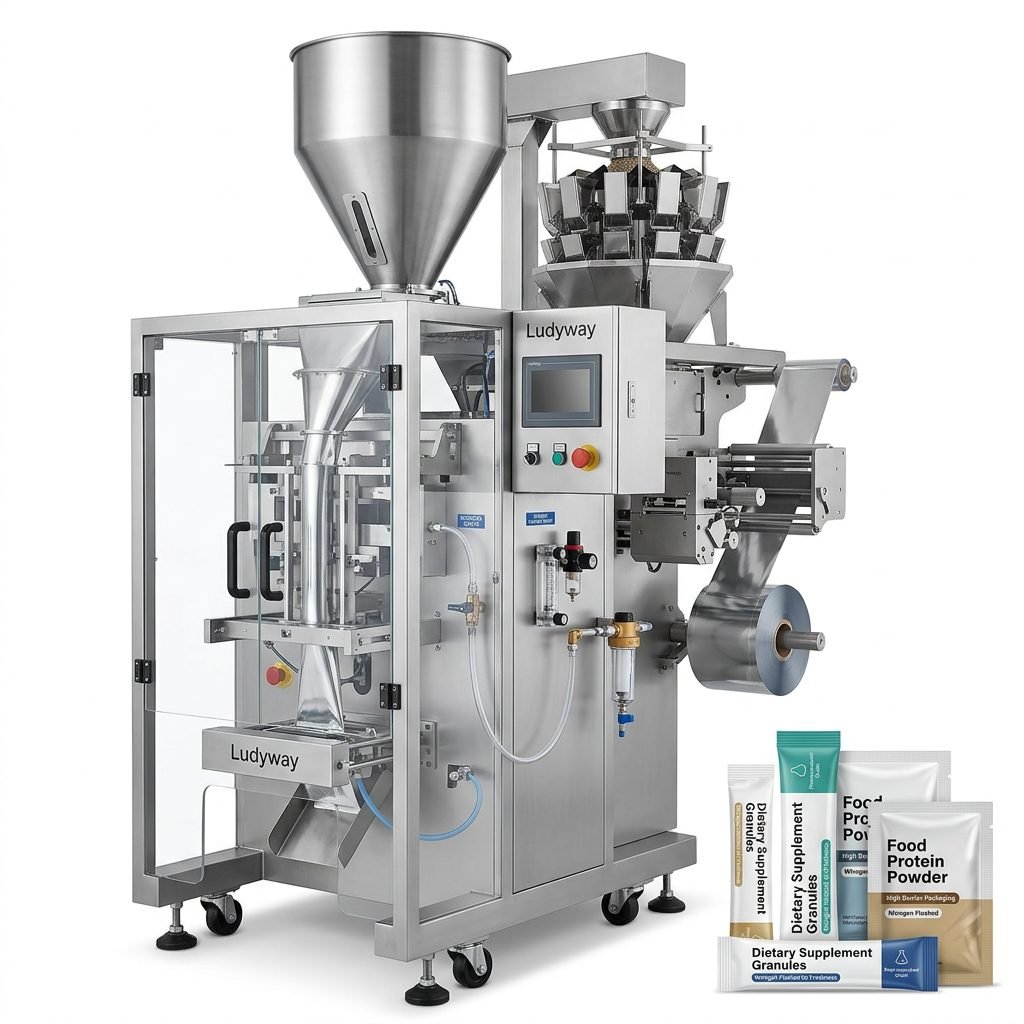
Investing in a 1 liter water bottle packing machine is a strategic decision that directly impacts your production efficiency, product quality, and bottom line. Whether you are upgrading an existing line or building a new facility, the sheer number of options can be overwhelming. This comprehensive guide breaks down the essential factors—from filling technology to material compatibility—to help you make an informed purchase.
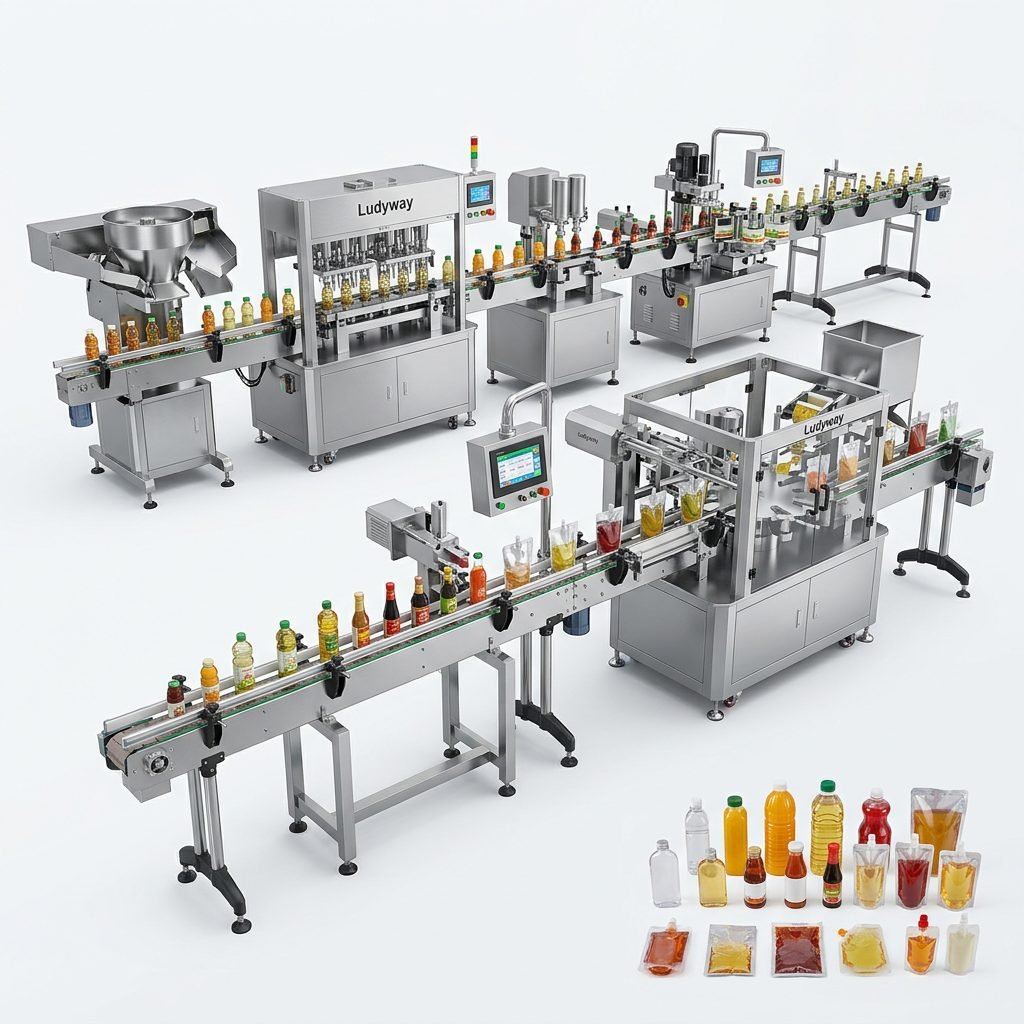
Understanding Your Production Needs
Before comparing technical specifications, you must clearly define your operational requirements. A machine that is perfect for a small spring water startup will be entirely unsuitable for a high-output contract bottler.
- Production Speed: How many bottles per hour (BPH) do you need? Entry-level machines might handle 1,000 to 3,000 BPH, while fully automated high-speed lines can exceed 20,000 BPH.
- Bottle Material: Are you working with PET, HDPE, or glass? The material dictates the handling and capping system required.
- Layout Constraints: Measure your floor space. Monoblock designs save significant space compared to separated rinsing, filling, and capping units.
Monoblock vs. Standalone Systems
| Feature | Monoblock Machine | Standalone Units |
|---|---|---|
| Footprint | Compact, integrated design | Larger, requires transfer conveyors |
| Synchronization | Single motor/drive synchronization | Complex electronic synchronization |
| Typical Use | Standard water bottling (PET) | Custom/legacy layouts or glass lines |
| Maintenance | Simplified, single point access | Distributed maintenance points |
Filling Technology: Gravity, Pressure, or Vacuum?
The filling valve is the heart of your 1 liter water bottle packing machine. For still water, the choice is typically between gravity filling and pressure filling, though vacuum systems can offer distinct advantages in speed and precision.
- Gravity Fillers: Ideal for thin, free-flowing liquids like water. They are cost-effective and gentle on the product but generally slower than pressure systems.
- Pressure Fillers: Recommended for high-speed carbonated or non-carbonated lines. They provide superior fill level accuracy and can handle slight variations in bottle wall thickness.
- Volumetric Piston Fillers: Best for viscous additives or specialty waters but overkill for standard mineral water packing.
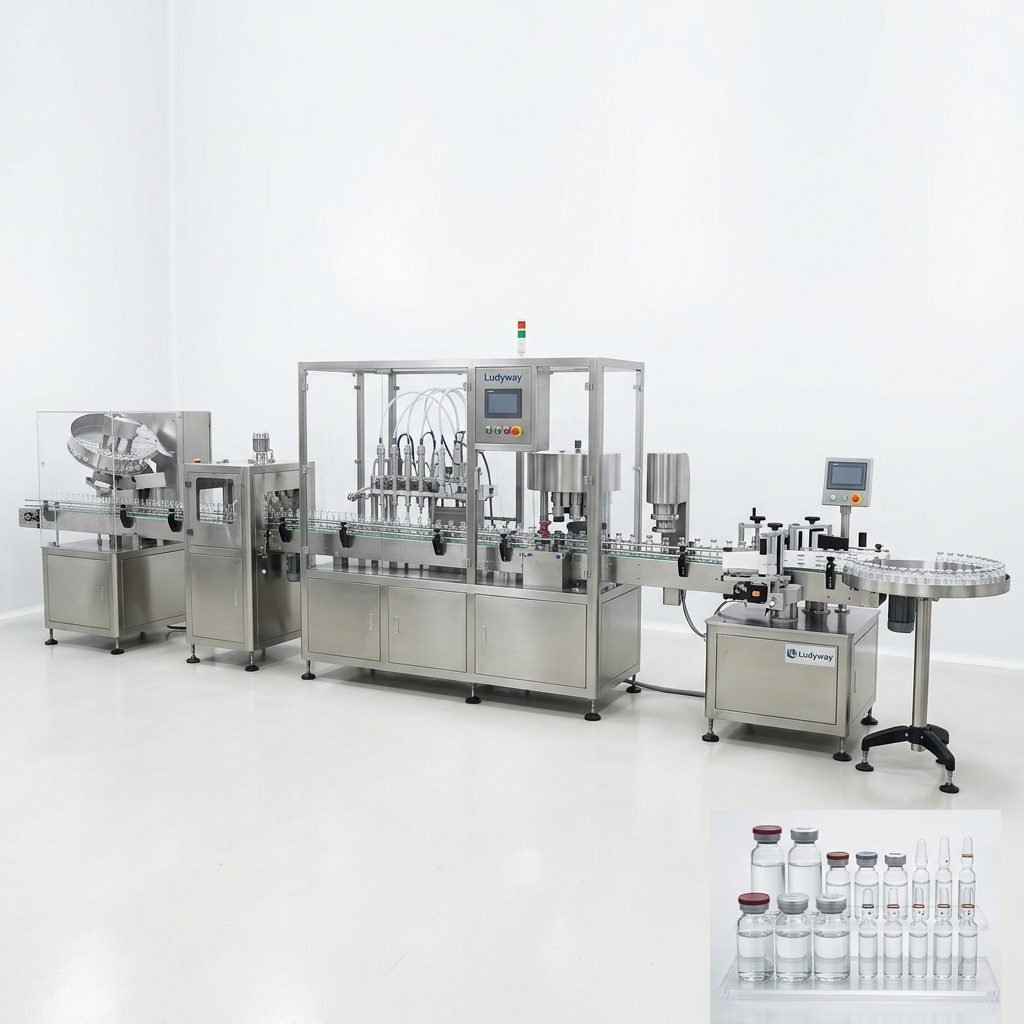
Capping Systems and Closure Integrity
A secure seal is non-negotiable for maintaining water purity and preventing leaks during transport. The capping mechanism must match your closure type precisely.
- Screw Cappers: Standard for flat caps and sports caps. Look for magnetic clutch systems to prevent over-tightening and cap damage.
- Pick-and-Place Systems: Essential for high-speed applications where caps are sorted and placed automatically.
- Torque Control: Servo-driven cappers allow for digital torque monitoring, ensuring consistent application torque across every bottle.
Faulty sealing leads to costly recalls. Integrating a cap inspection unit right after the capper is highly advisable to reject bottles with missing or skewed caps.
Material Compatibility and Construction
Water quality demands hygienic machine design. Ensure the frame and contact parts are constructed from 304 or 316L stainless steel. This prevents corrosion and complies with food safety standards like FDA or EU regulations. You can explore more about compliance through resources provided by the Association for Packaging and Processing Technologies.
Automation, Controls, and Industry 4.0
Modern 1 liter water bottle packing machines are driven by advanced PLC systems and HMI touchscreens. Key features you should prioritize include:
- Servo Motor Drives: Replace old mechanical cams for precise bottle movement, reducing changeover time drastically.
- Remote Access: Secure IoT gateways allow technicians to diagnose issues offline.
- Recipes: The ability to save parameters for different bottle sizes (e.g., switching between 500ml and 1L) dramatically reduces downtime.
| Automation Level | Speed Range | Changeover Time | Best For |
|---|---|---|---|
| Semi-Auto | 500 – 1,500 BPH | 5 – 10 minutes | Startups, seasonal production |
| Full-Auto (Monoblock) | 3,000 – 15,000 BPH | 15 – 30 minutes | Mid-scale commercial bottlers |
| High-Speed Line | 15,000 – 36,000 BPH | Full recipe via HMI | Large multinational water brands |
The Total Cost of Ownership (TCO)
The purchase price is only a fraction of the investment. A cheap machine often costs more in the long run due to breakdowns and wasted product. Calculate the TCO by analyzing:
- Energy Consumption: Servo-driven machines use electricity only when moving, lowering utility costs.
- Spare Parts Availability: A global support network ensures you aren’t waiting weeks for critical components.
- Waste Reduction: Precision filling with ±1% accuracy ensures you aren’t giving away free product.
Integrating Auxiliary Equipment
A 1 liter water bottle packing machine rarely operates in isolation. You need a seamless connection with upstream and downstream equipment:
- Bottle Unscrambler: Feeds empty bottles into the conveyors correctly oriented.
- Rinser: Purges bottles with clean air or water before filling.
- Labeling Machine: Dual-side wrap-around or self-adhesive label applicators.
- Shrink Wrapper/Carton Packer: Bundles bottles for distribution.
According to the Flexible Packaging Association, downstream automation has become a critical factor in line selection for global competitiveness.
Customization and Turnkey Solutions
Generic machines often fail to meet specific factory layouts. Leading manufacturers, such as Ludyway Machinery, specialize in bridging this gap. With more than 30 years of experience and a 20,000-square-meter manufacturing facility, they design integrated packaging systems tailored to water bottling. Rather than merely supplying standard units, their engineering team evaluates your product characteristics to configure an appropriate line, whether you need a single monoblock filler or a complete turnkey solution incorporating automated feeding, capping, labeling, and palletizing. This approach is particularly effective for manufacturers aiming to scale export revenue—a strategy that aligns with industry growth projections discussed in the PMMI State of the Industry report.
Key Questions to Ask Your Supplier
- Can the bottle neck diameter handle my specific closure type?
- Is the platform expandable for adding fill stations later?
- Do you provide remote installation guidance or on-site support?
- What are the recommended cleaning protocols for CIP/SIP?
Choosing the right 1 liter water bottle packing machine is about finding a partner who understands your growth trajectory. Focus on hygiene, speed flexibility, and robust after-sales support to ensure your investment delivers pure quality from the source to the cap. For further details on standards and innovation, check the ISO packaging standards resource page.