Selecting the right confectionery packaging machine is a critical decision for any candy, chocolate, or snack manufacturer. The right equipment not only protects your product but also enhances its shelf appeal, optimizes production efficiency, and ensures brand consistency. This comprehensive guide will walk you through the different types of machines, their key features, and the essential factors to consider when choosing the best solution for your specific needs.
Understanding Confectionery Packaging Machines
Confectionery packaging machines are specialized equipment designed to handle the unique requirements of sweets, chocolates, gummies, and other similar products. These machines automate the process of wrapping, sealing, and sometimes counting or grouping items, moving from manual or semi-automatic processes to high-speed, fully automated lines. The primary goal is to maintain product freshness, prevent damage, and create an attractive package that stands out on retail shelves.
Core Objectives of Packaging Automation:
- Product Protection: Barrier against moisture, air, light, and physical damage.
- Brand Enhancement: Consistent, high-quality printing and finishing for brand recognition.
- Operational Efficiency: High-speed operation reduces labor costs and increases output.
- Hygiene & Safety: Minimizes human contact, ensuring a sanitary process.
Primary Types of Confectionery Packaging Machines
The confectionery industry utilizes a variety of packaging formats, each requiring specific machinery. Your product’s form, size, and market positioning will largely determine the suitable type.
1. Flow Wrappers (Horizontal Form-Fill-Seal)
These are among the most common machines for individual candy bars, chocolate bars, biscuit packs, and multi-packs. The machine forms a tube of film around the product, creating a tight, secure seal at both ends. It’s ideal for high-speed production of uniformly shaped items.
→ Key Application: Individually wrapped chocolate bars, granola bars, and stick packs for powdered candies.
2. Vertical Form-Fill-Seal (VFFS) Machines
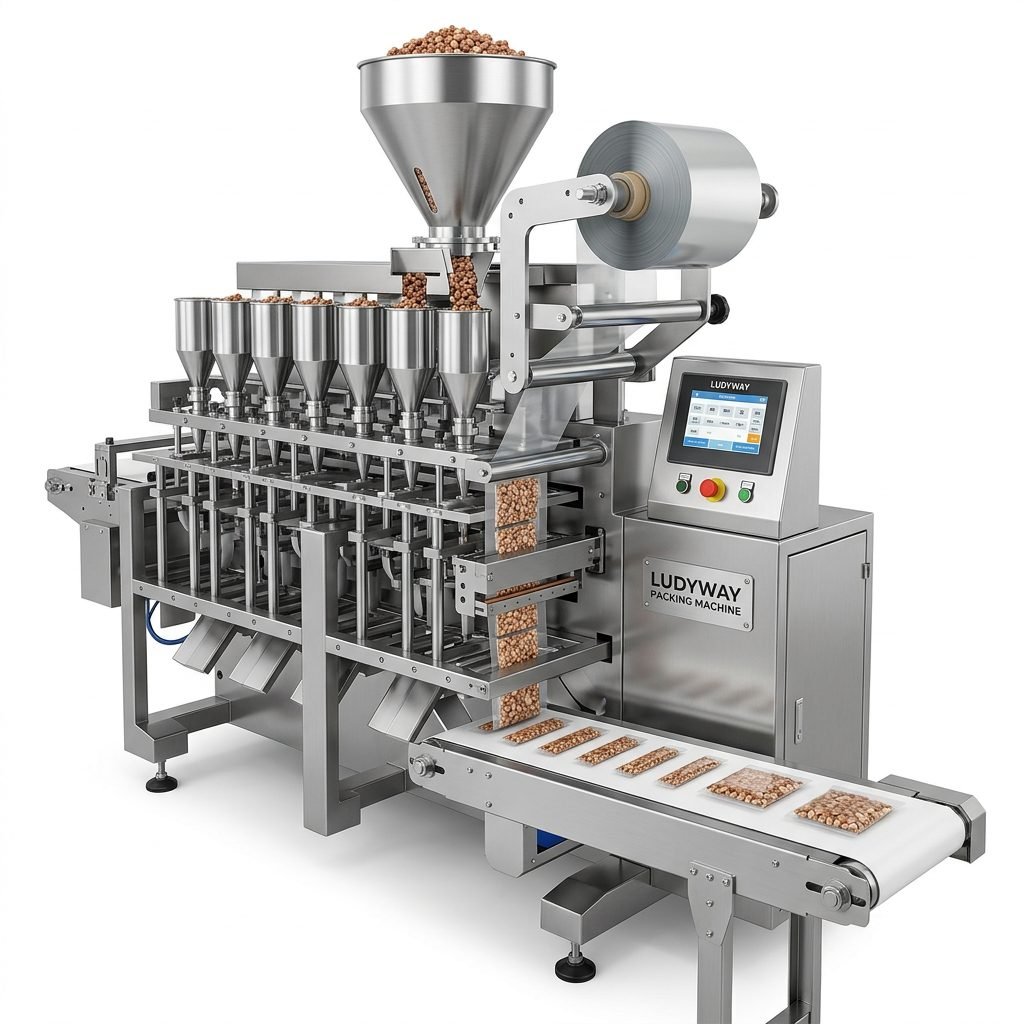
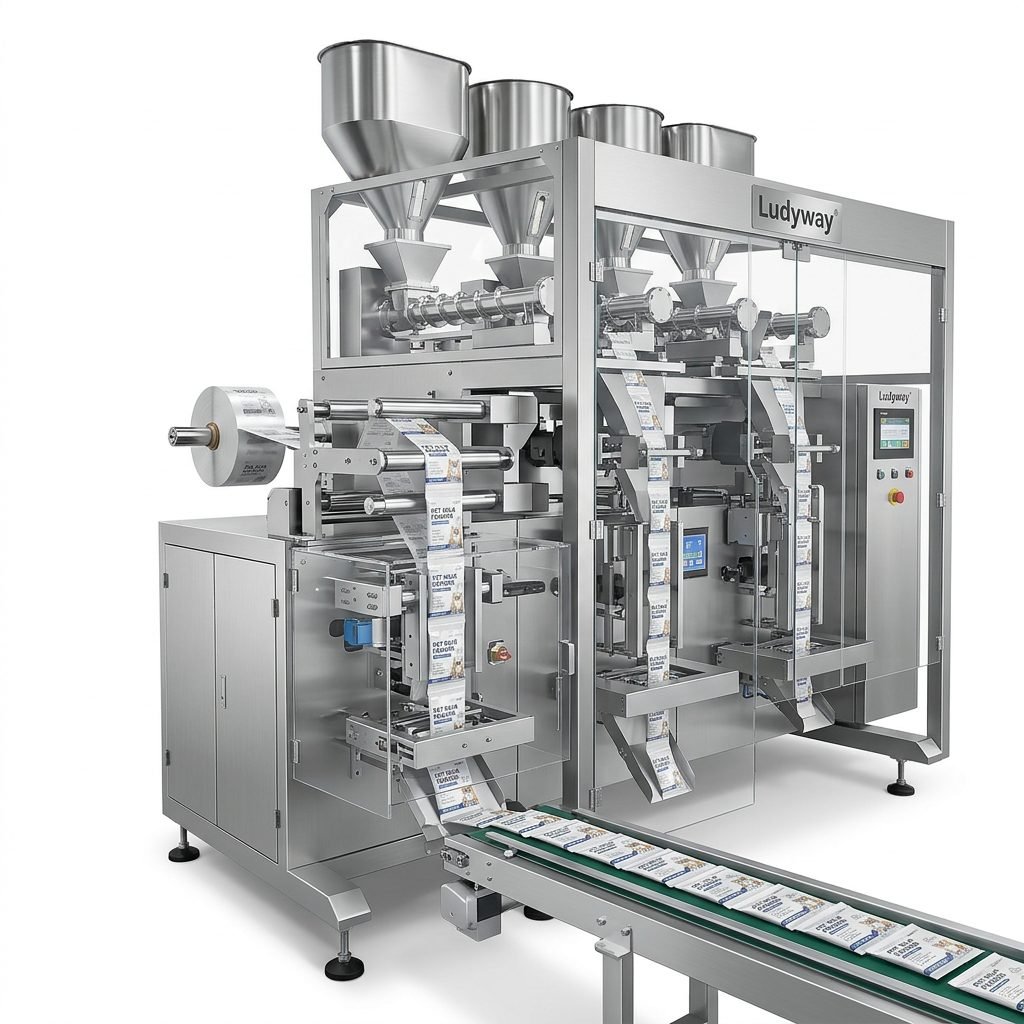
Perfect for packaging loose, free-flowing confectionery like jelly beans, hard candies, chocolate drops, or mixed nuts. The machine forms a bag from a roll of film, fills it with a pre-measured volume or weight of product, and then seals it. This is highly efficient for portion-controlled packs and stand-up pouches.
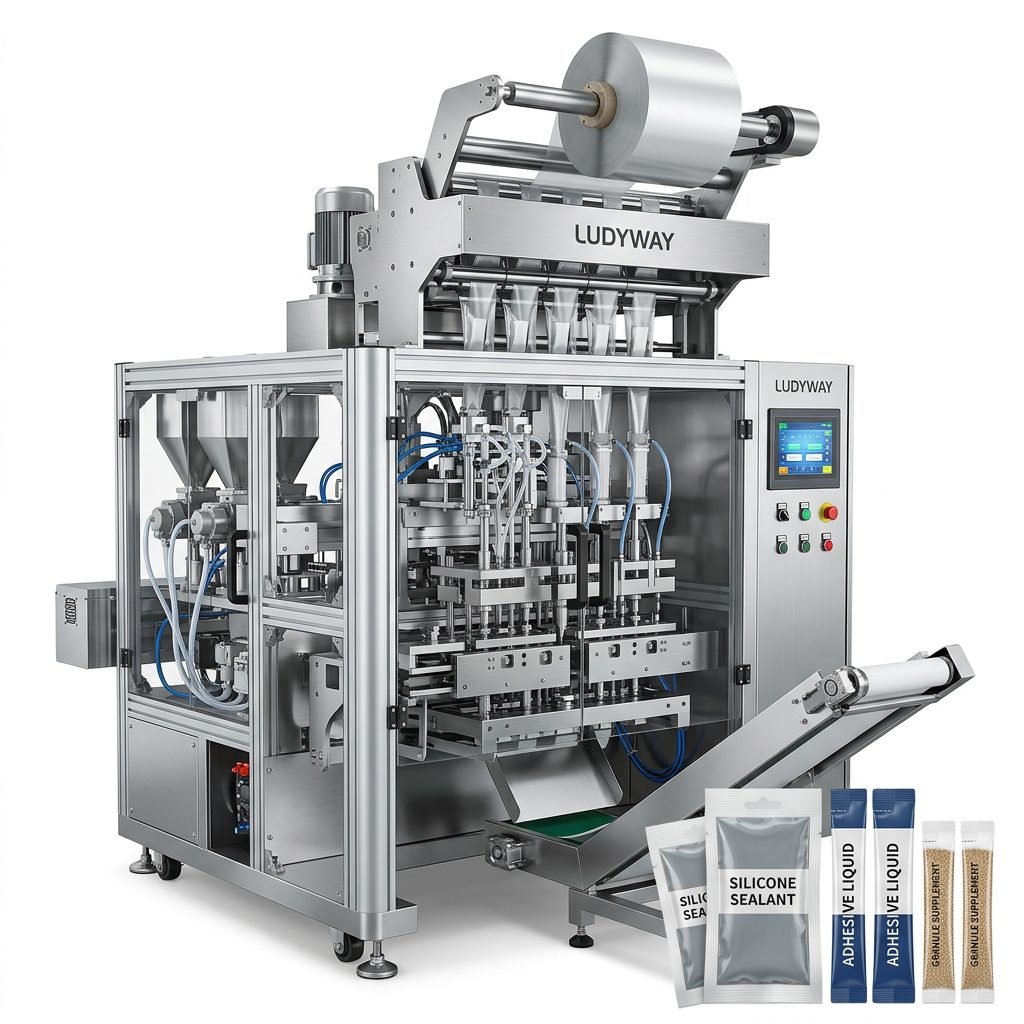
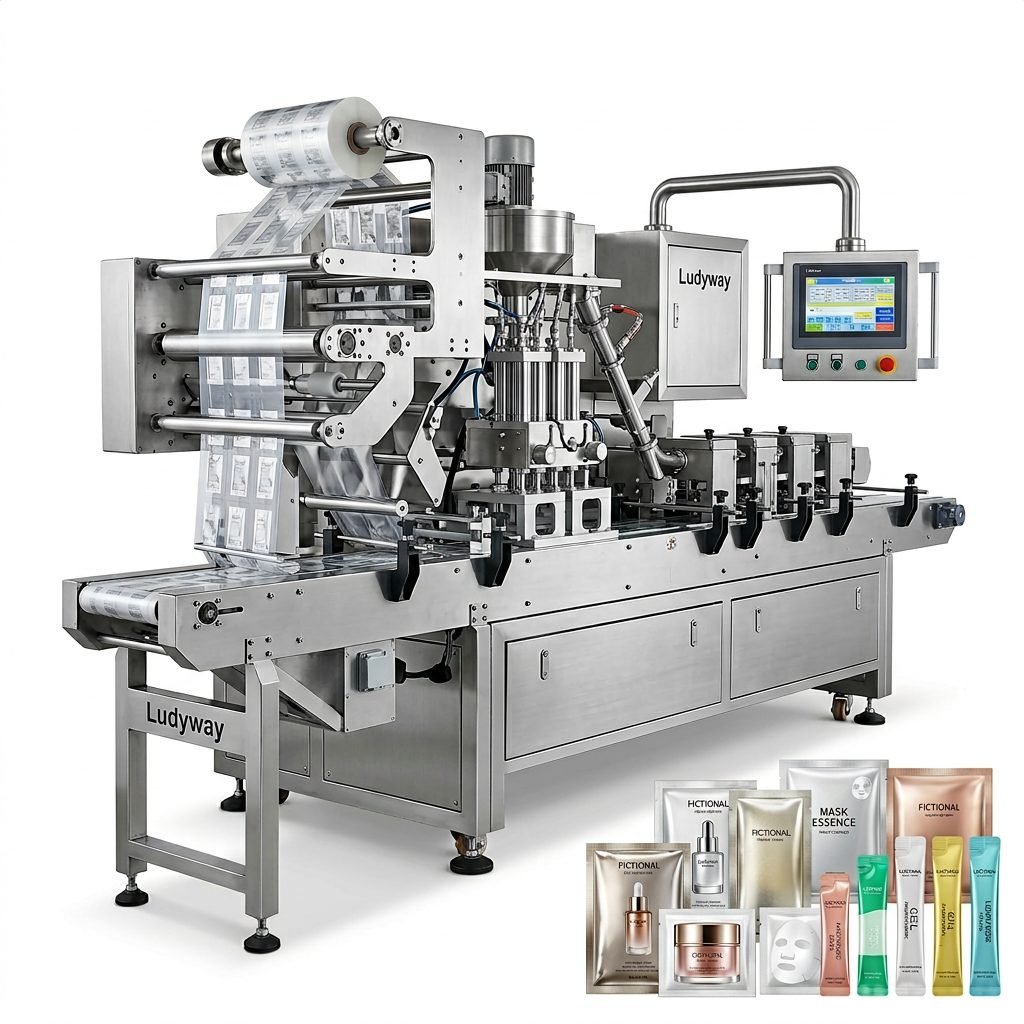
3. Stick Pack and Sachet Machines
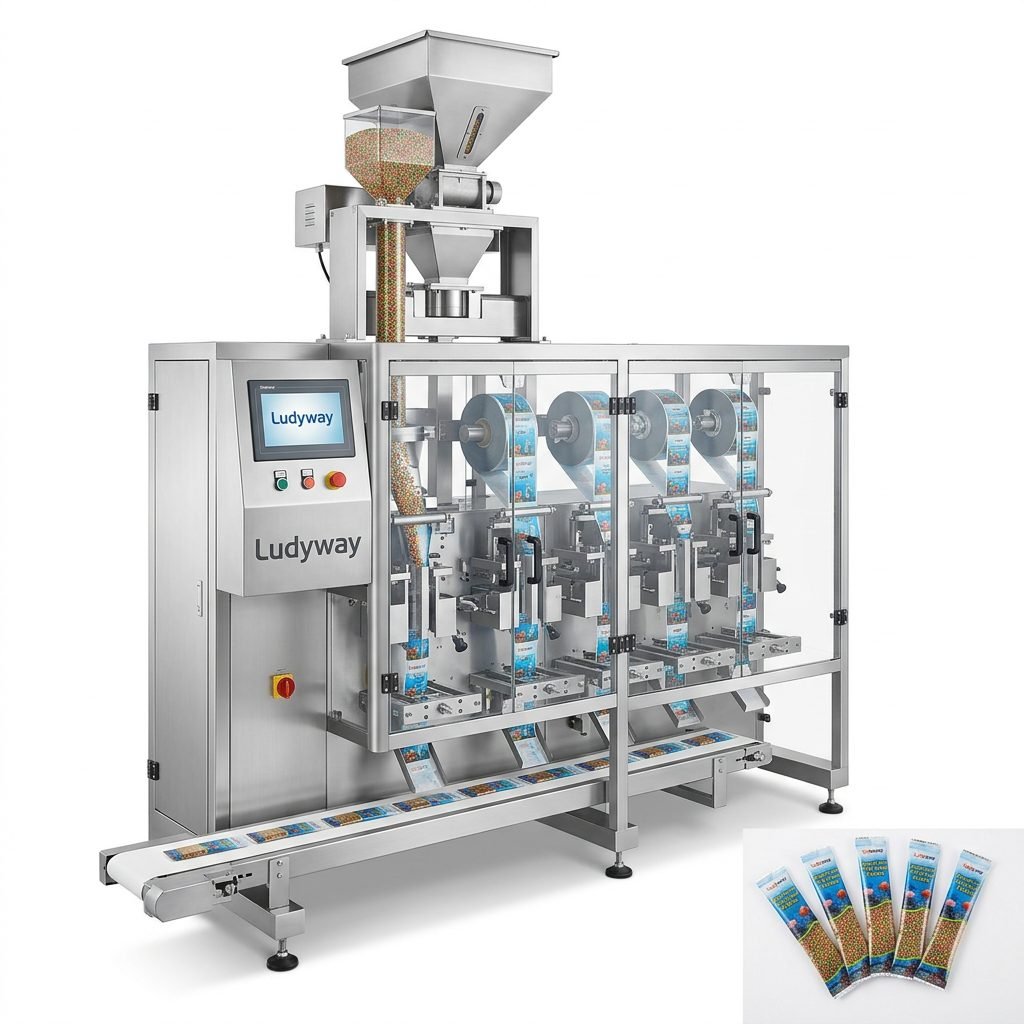
Designed for single-serve portions of powdered drink mixes, sugar, or finely granulated products that can be related to confectionery ingredients. These machines create small, elongated packets that are easy to tear open. Sachet packaging machines can handle a wider variety of shapes and are also used for liquid candy fillings or sauces.
4. Tray and Blister Packaging Machines
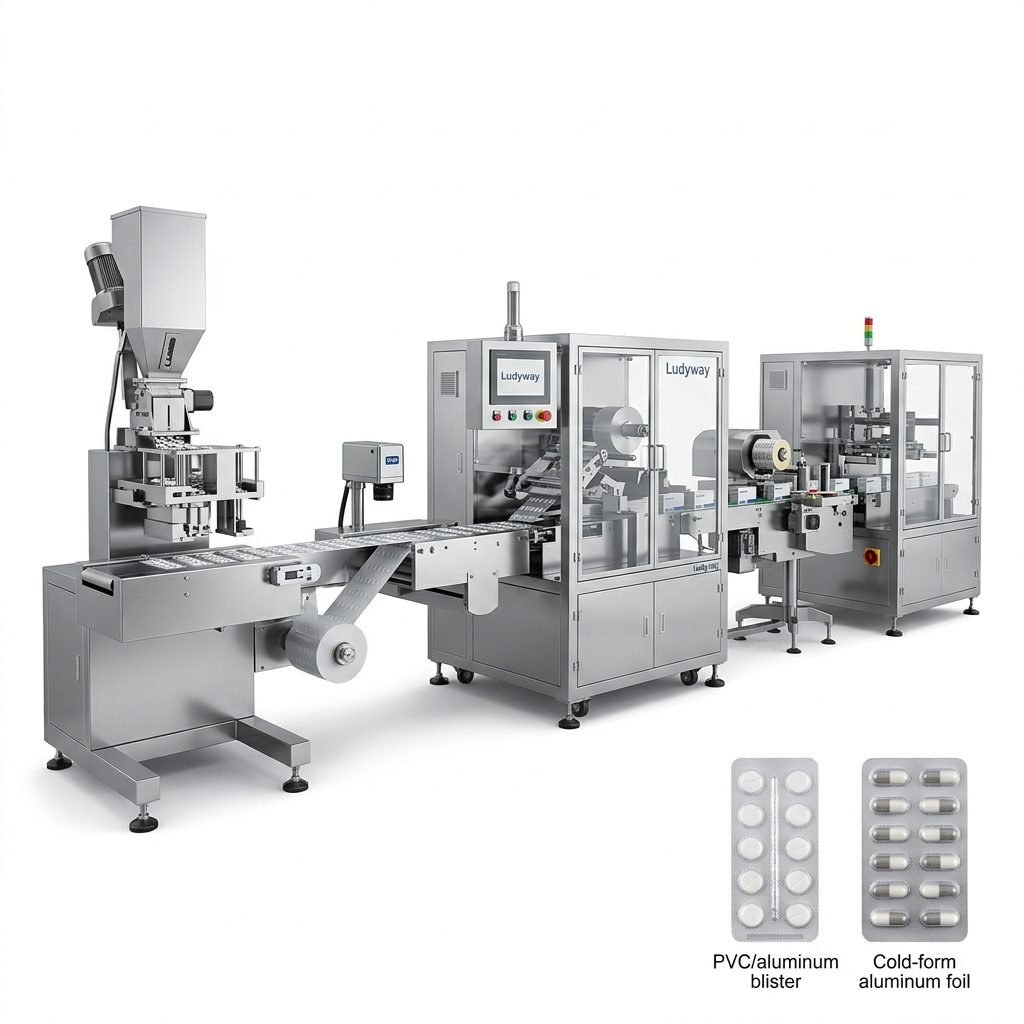
Used for presenting products like chocolates in an organized, visible, and protective format. A pre-formed plastic blister or tray is loaded with product and then sealed with a cardboard backing or lidding film. This type offers excellent product visibility and is common for premium or gift-box chocolates.
5. Bundling and Multi-Packing Machines
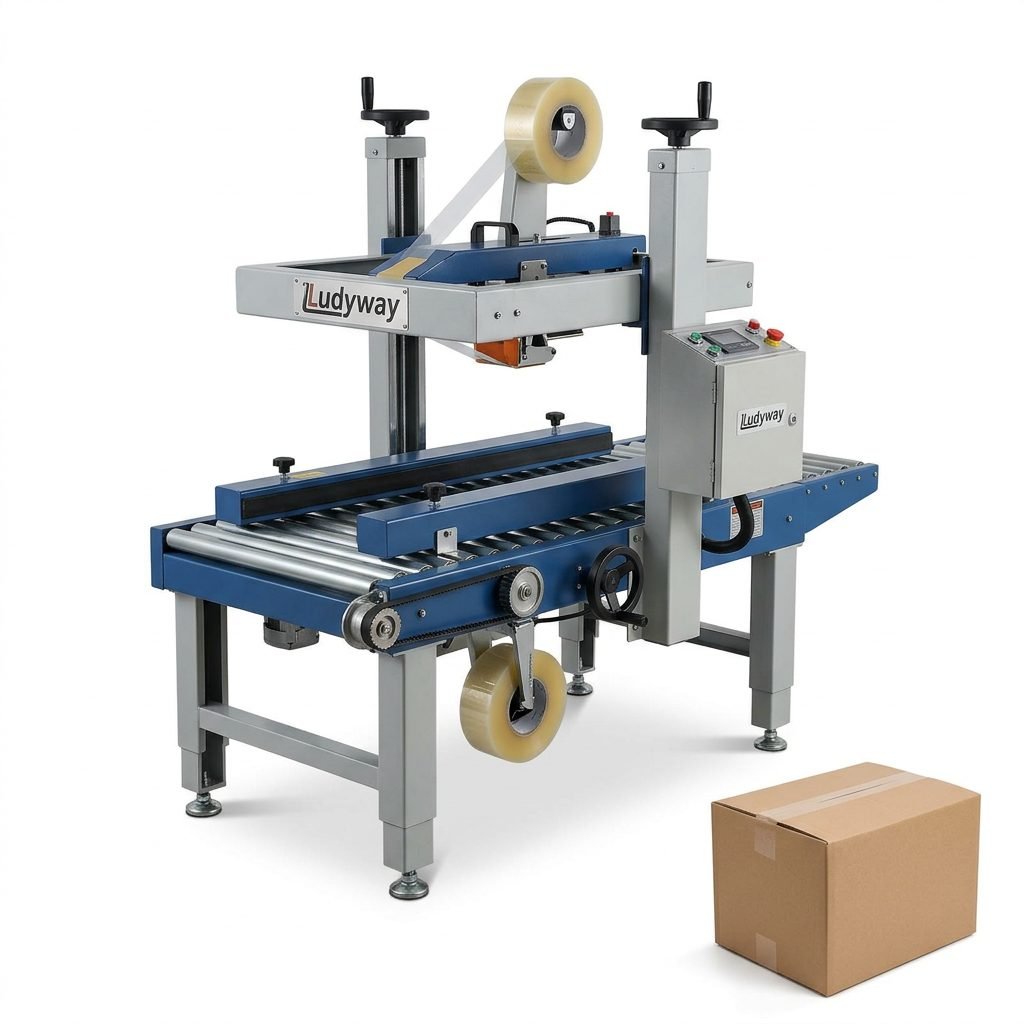
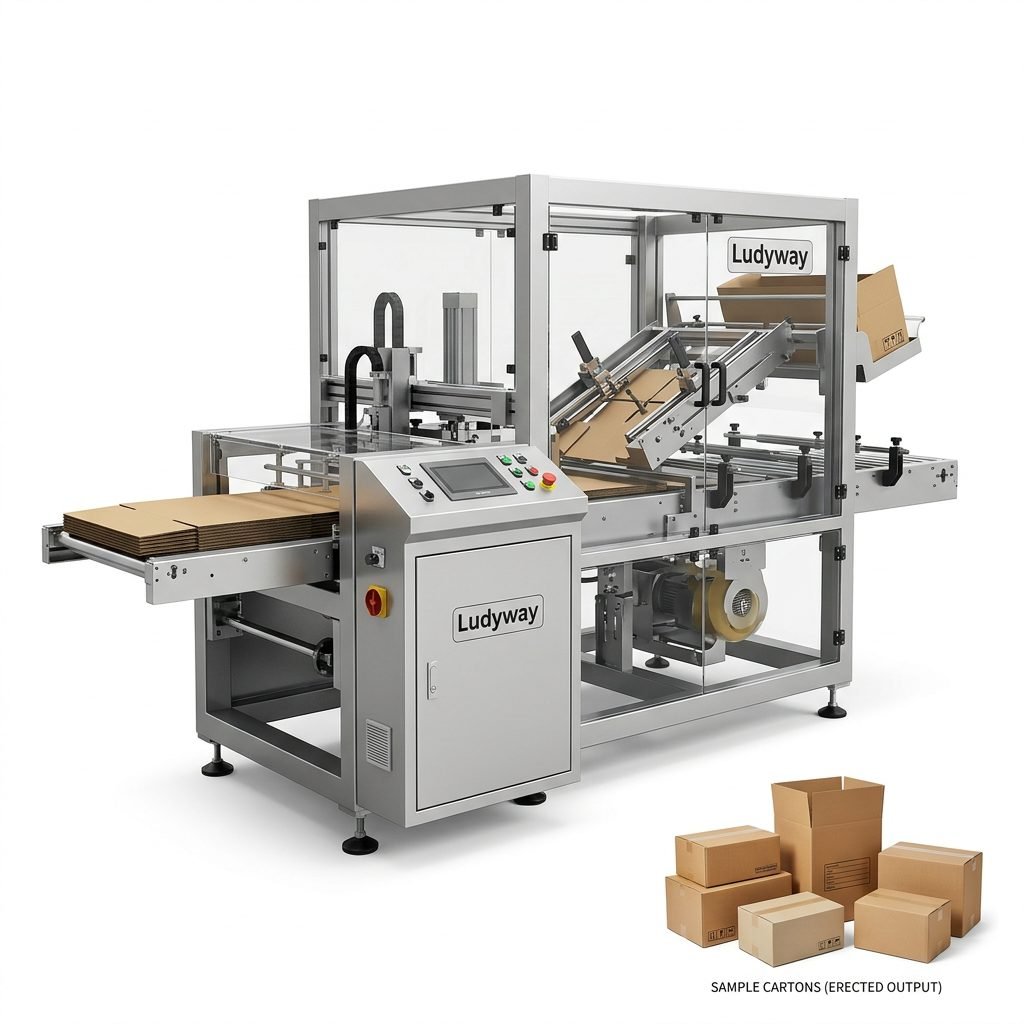
These machines group individual wrapped items (like candy bars or small bags) into a larger sellable unit—for example, a 6-pack or a shrink-wrapped tray. This is a secondary packaging process that prepares products for distribution and retail display.
Comparison at a Glance
| Machine Type | Best For | Speed Range |
|---|---|---|
| Flow Wrapper | Solid, bar-shaped items | High (200-500+ ppm) |
| VFFS Machine | Loose, granular items | Medium to High |
| Stick Pack Machine | Powdered/small-dose products | Very High (up to 1000+ ppm) |
| Blister Pack Machine | Premium, counted pieces | Low to Medium |
Essential Features and Technological Considerations
Modern confectionery packaging machines come equipped with advanced features that boost reliability, flexibility, and ease of use. Here’s what to look for:
Material Compatibility and Flexibility
Can the machine handle the specific films, laminates, or papers you plan to use? Consider barrier properties (for moisture or oxygen sensitivity), print quality requirements, and the ability to run recyclable or compostable materials—a growing market demand.
Precision Weighing and Filling Systems
Accuracy is non-negotiable for cost control and regulatory compliance. Look for integrated multi-head weighers for granular products or precision volumetric pumps for liquids and pastes. Check the machine’s weight tolerance range to ensure it meets your standards.
Changeover Ease and Quick-Release Mechanisms
If you produce multiple SKUs, the time needed to switch between product sizes or packaging materials directly impacts downtime. Machines with tool-less changeovers, digital recipe storage, and quick-release parts significantly improve operational flexibility.
Hygienic Design and Cleanability
Food safety is paramount. Machines should have smooth, stainless-steel surfaces on product contact areas, minimal crevices, and be designed for easy cleaning and maintenance. IP-rated protection for electronics may be necessary in certain environments.
Integration with Upstream/Downstream Equipment
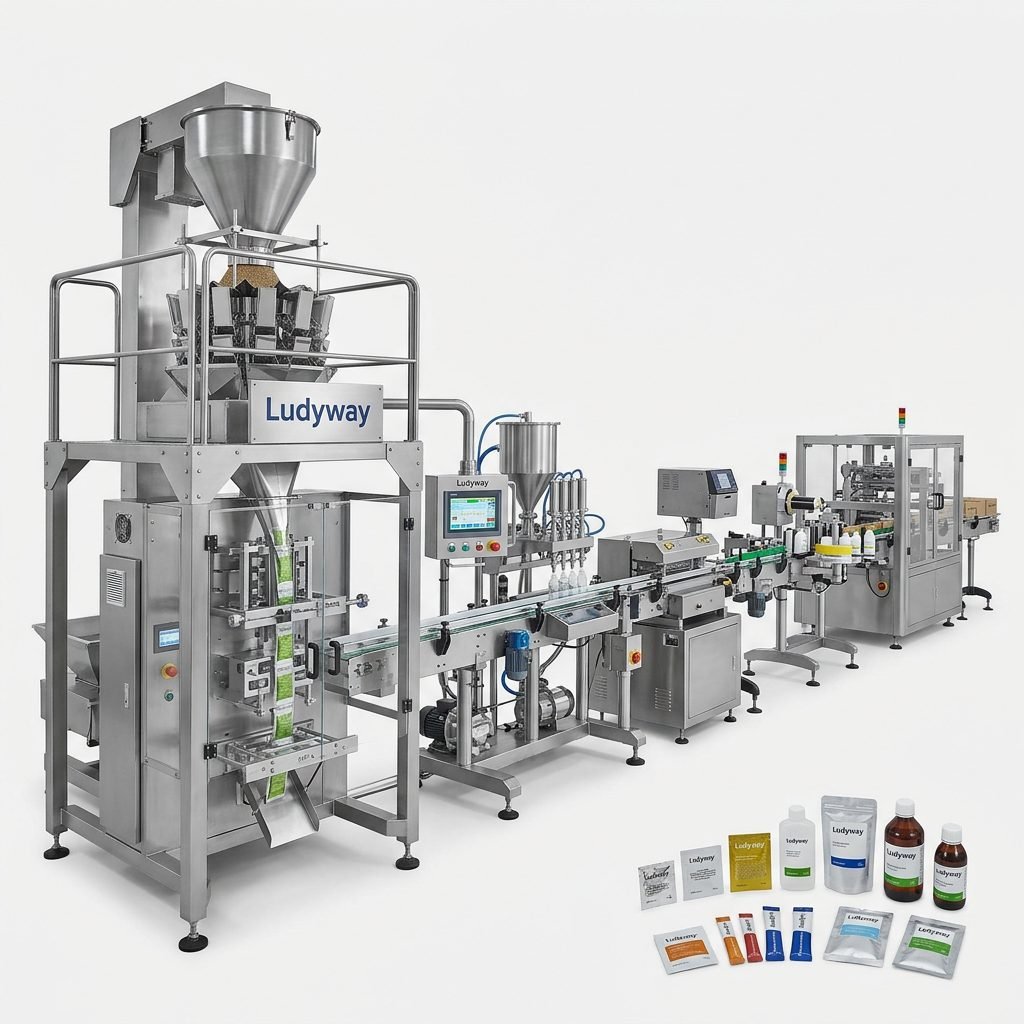
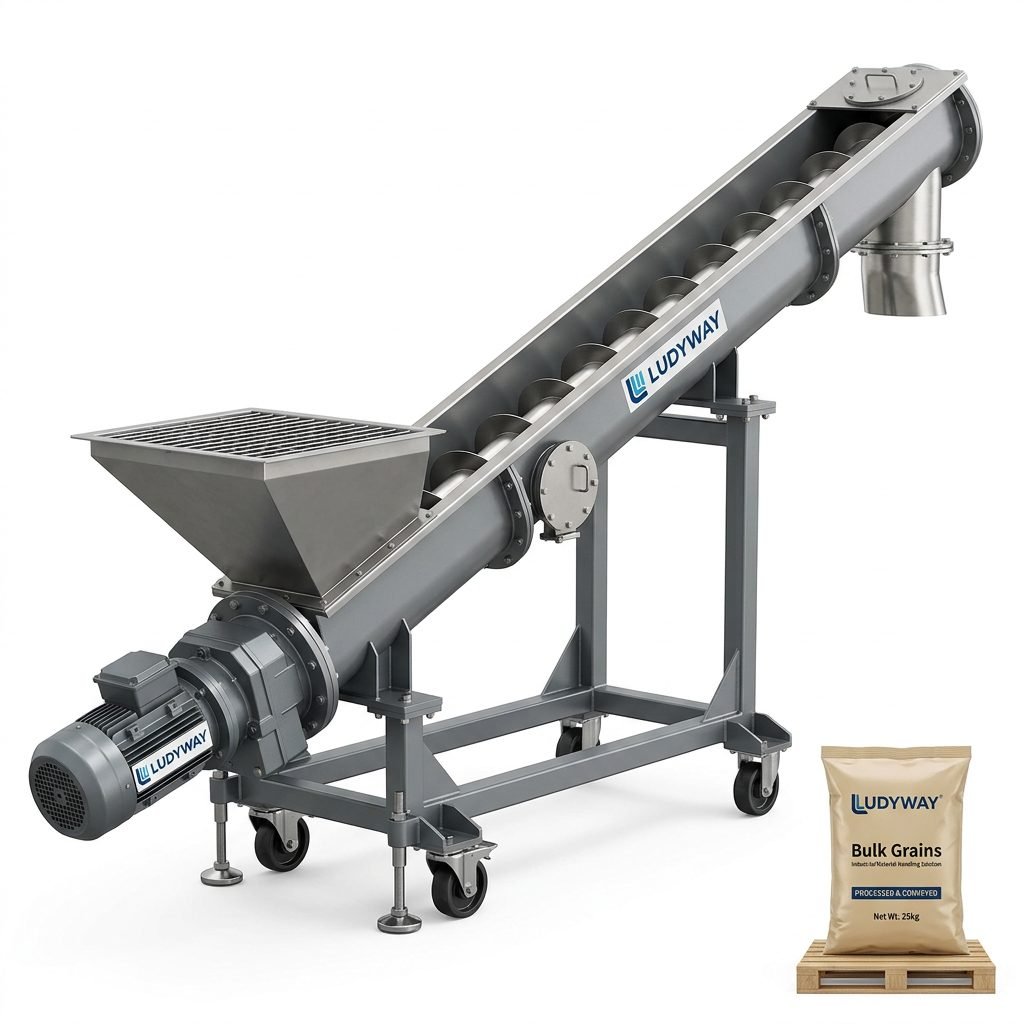
Your packaging machine rarely works in isolation. Ensure it can seamlessly connect with existing conveyors, granule feeders, cartoners, or robotic palletizers. Communication protocols (like PLC connectivity) are key for a synchronized production line.
User Interface and Data Tracking
A modern, intuitive touchscreen HMI (Human-Machine Interface) allows for easier operation and monitoring. Advanced machines offer data tracking on output, efficiency (OEE), downtime reasons, and maintenance schedules, which is crucial for continuous improvement.
How to Choose the Best Confectionery Packaging Solution
Making the right investment requires a structured evaluation process. Follow these steps to narrow down your options.
Step 1: Define Your Product and Packaging Requirements
- Product Characteristics: Size, shape, weight, fragility, stickiness?
- Packaging Format: Single bar, bag, pouch, stick pack, blister?
- Material: Type of film, foil, paper? Need for high-barrier or sustainable materials?
- Production Volume: Required output per minute, hour, and shift.
Step 2: Evaluate Your Production Environment
Assess your factory floor space, available utilities (power, compressed air), and the skill level of your operators. A machine that is too complex for your team can become a bottleneck.
Step 3: Analyze Total Cost of Ownership (TCO)
Look beyond the initial purchase price. Factor in:
• Operating Costs: Energy consumption, film waste, and required labor.
• Maintenance Costs: Availability and cost of spare parts, recommended service intervals.
• Potential ROI: Calculate savings from reduced labor, higher speed, and less material waste.
Step 4: Assess Supplier Credibility and Support
The machine supplier is as important as the machine itself. A reliable partner like Ludyway Machinery, with over a decade of industry experience, provides immense value. Key checks include:
• Review their company history and client portfolio.
• Inquire about installation, training, and technical support services.
• Ensure availability of spare parts and comprehensive after-sales service.
• Request references or case studies from similar confectionery clients.
✔ Decision Checklist
Before finalizing your choice, confirm the following:
- Has the machine been tested with your actual product and material?
- Does the supplier offer a clear warranty and service agreement?
- Is the machine compliant with relevant food safety and electrical standards (e.g., CE, FDA, GMP)?
- Can the machine scale with your future business growth (e.g., modular upgrades)?
Conclusion
Investing in a confectionery packaging machine is a strategic move that impacts product quality, brand perception, and production profitability. By thoroughly understanding the different machine types, prioritizing essential features like flexibility and hygiene, and meticulously evaluating suppliers based on total cost and support, you can select a solution that not only meets today’s needs but also adapts to tomorrow’s challenges. Partnering with an experienced provider ensures a smoother integration and long-term reliability for your packaging operations.
Frequently Asked Questions (FAQs)
1. What is the typical speed range for a standard candy flow wrapper?
Speeds vary greatly by model and product, but standard horizontal flow wrappers for candy bars typically operate between 200 to 500 packs per minute (ppm). High-speed models for smaller items can exceed 700 ppm.
2. Can one machine handle different sizes and shapes of confectionery?
Yes, many modern machines are designed for quick changeover. However, the degree of flexibility varies. You must check the machine’s “change parts” requirements and the time needed for size adjustments. Some advanced machines offer digital changeover with stored recipes for minimal downtime.
3. How important is the choice of packaging film for machine performance?
It is critical. The machine must be precisely calibrated for the film’s thickness, slip properties, and seal layer. Using an incompatible film can cause constant jams, poor seals, and increased waste. Always consult with both your film supplier and machine manufacturer for compatibility.
4. What are the key maintenance routines for these machines?
Daily cleaning of product contact zones, weekly lubrication of moving parts as per the manual, and periodic inspection of critical components like sealing jaws, film pull belts, and cutting blades are essential. Proper maintenance is the primary factor in ensuring consistent uptime and machine longevity.
5. Where can I see a machine running before purchase?
Reputable suppliers like Ludyway Machinery typically offer live demonstrations at their testing facilities or provide video case studies. The best practice is to send your own product and packaging materials for a live performance test to see actual results and output quality.