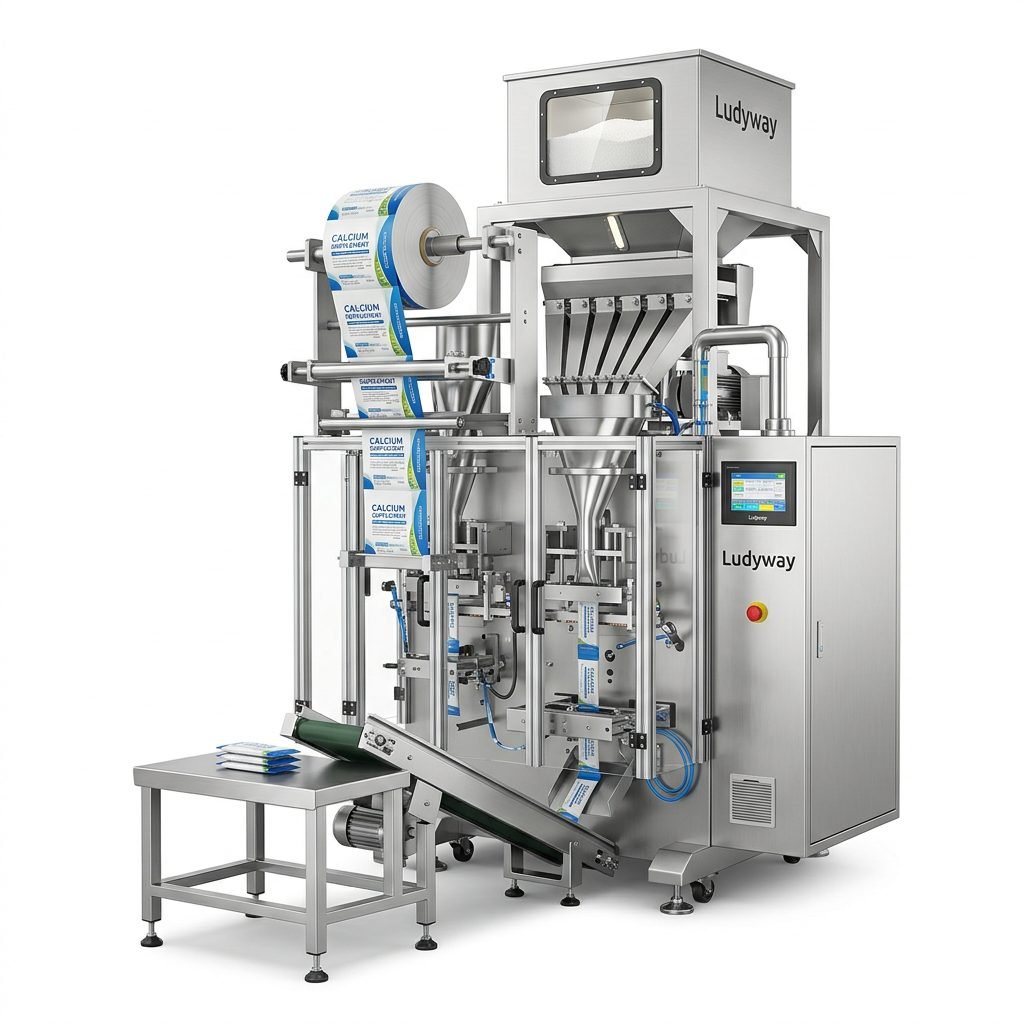
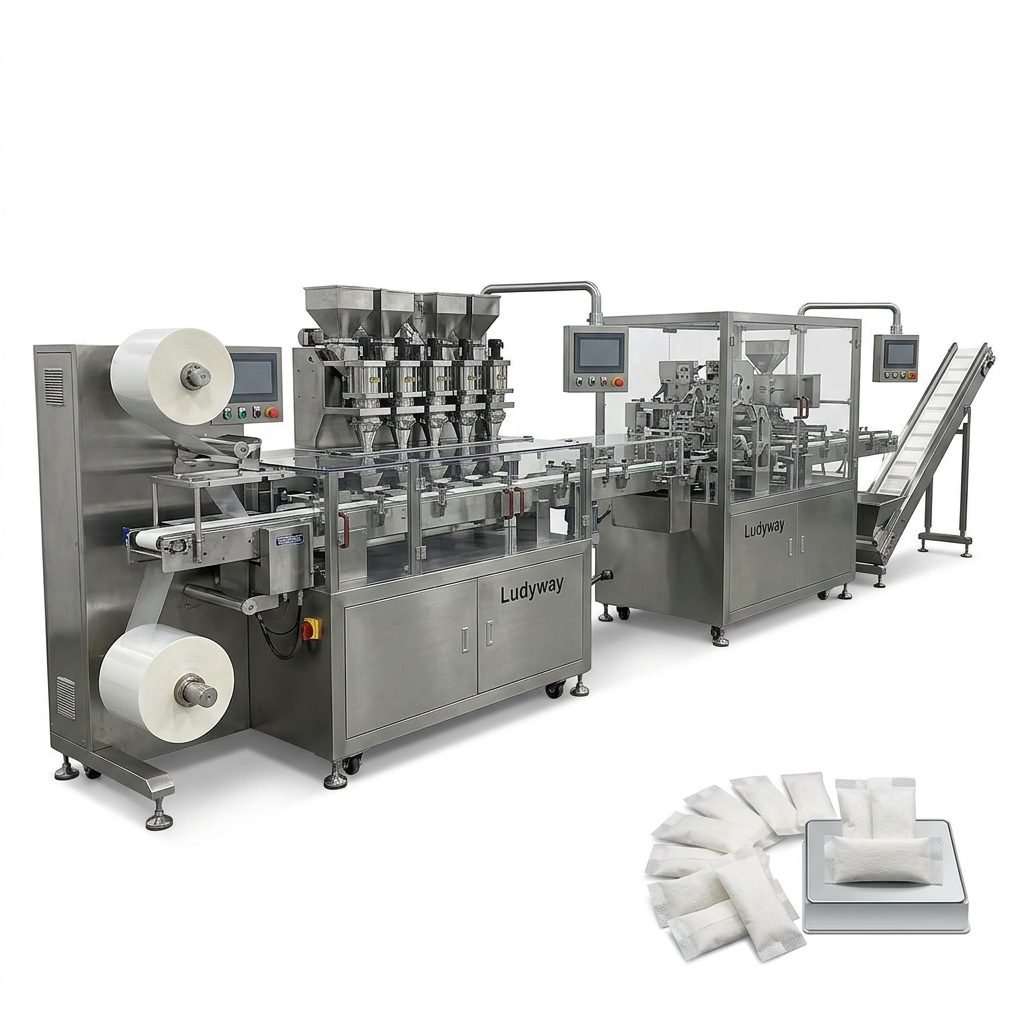
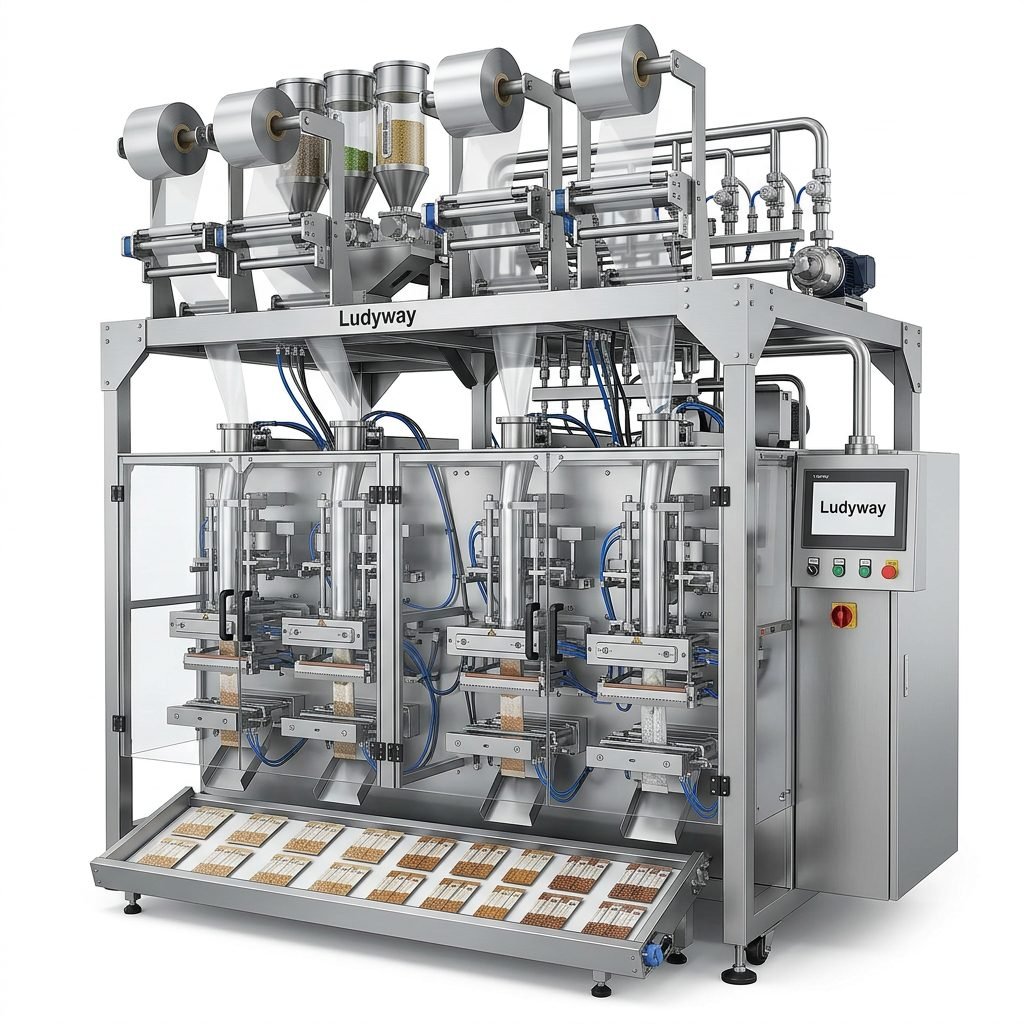
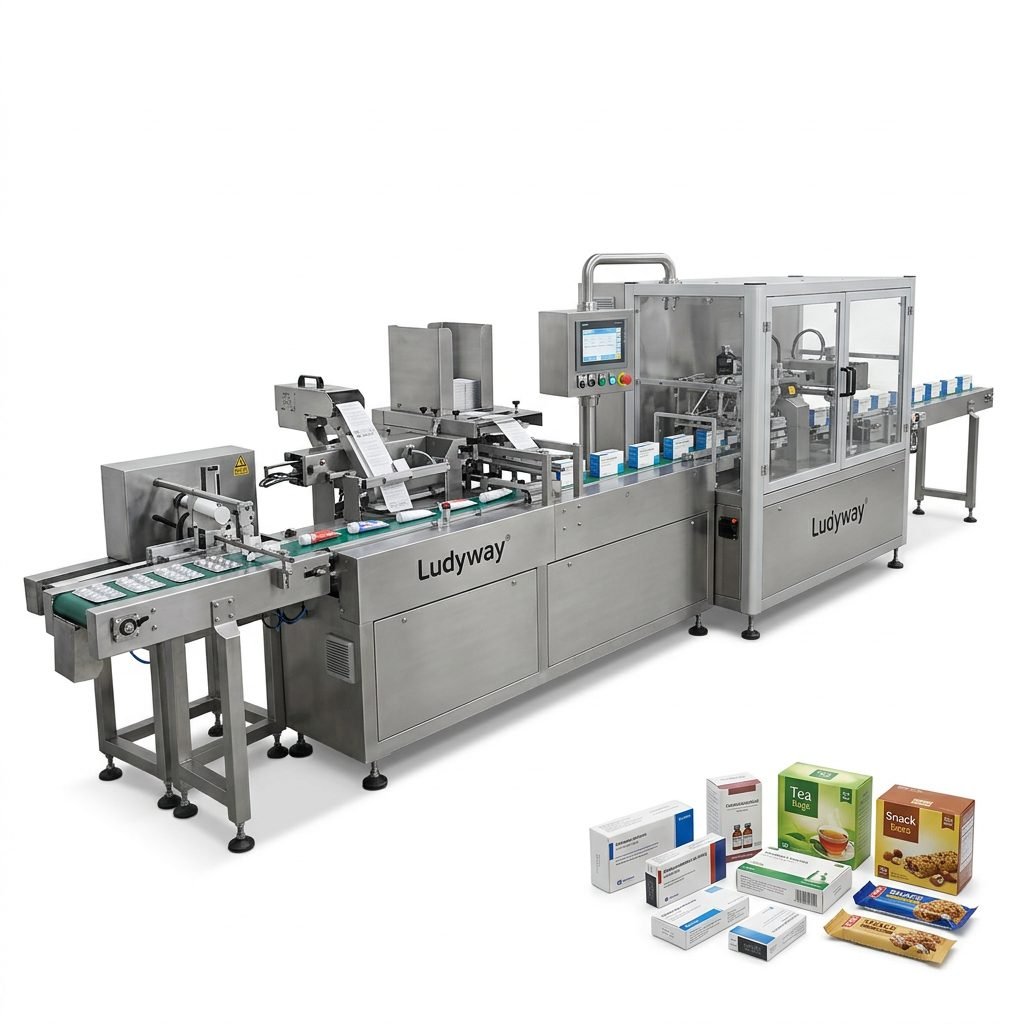
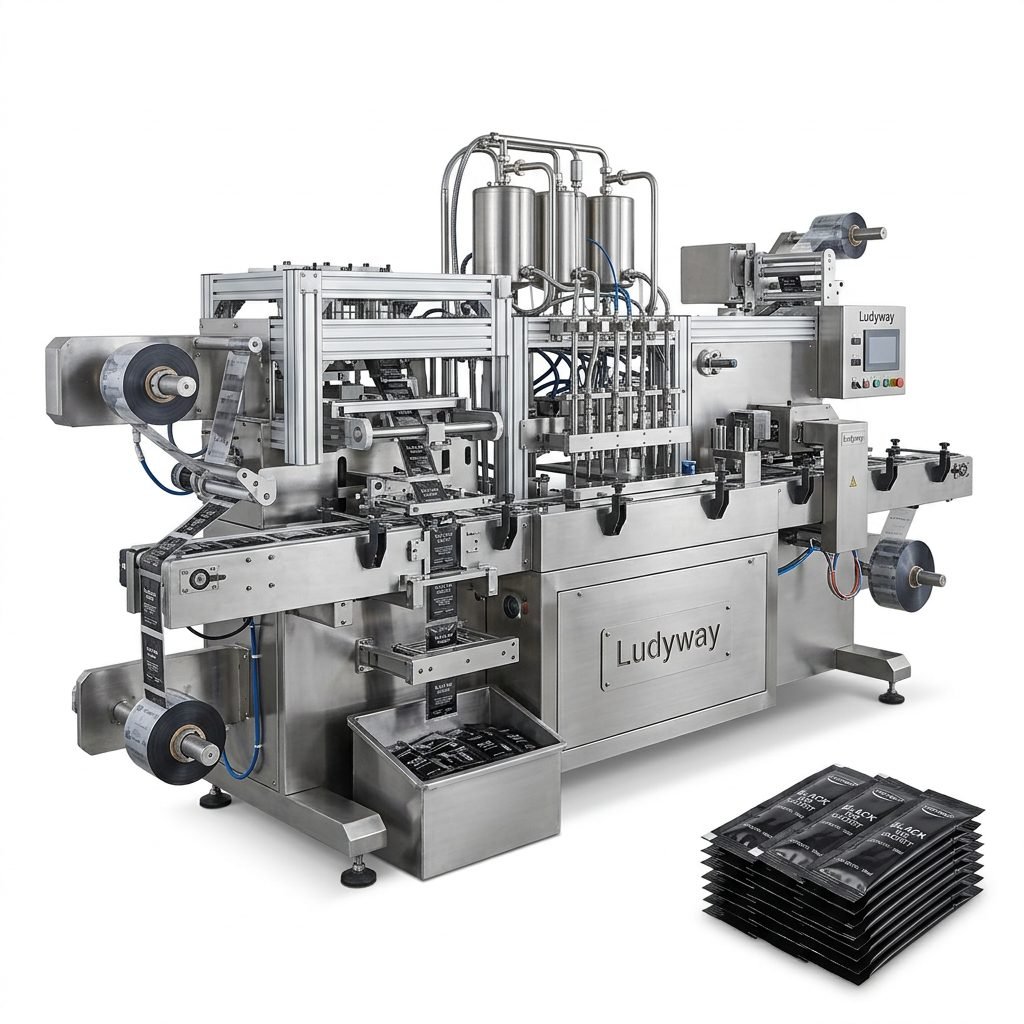
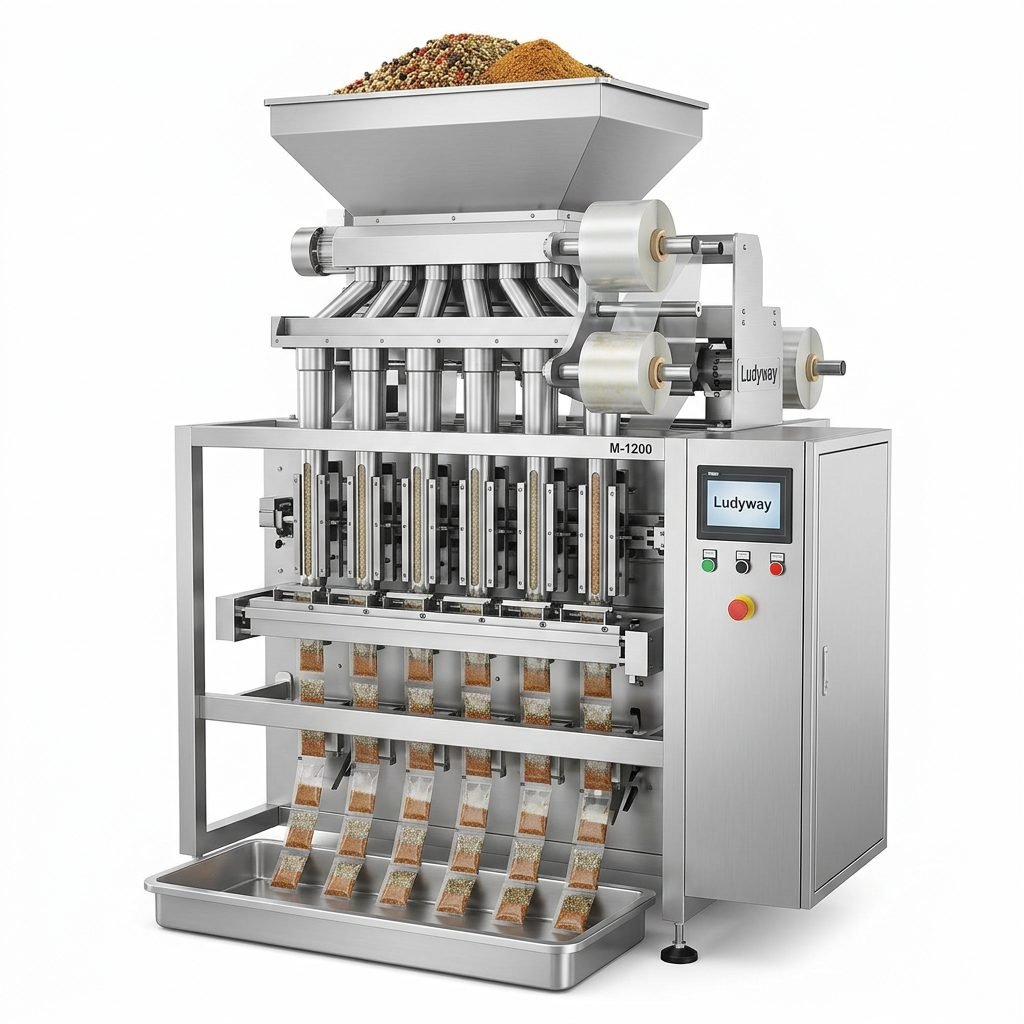
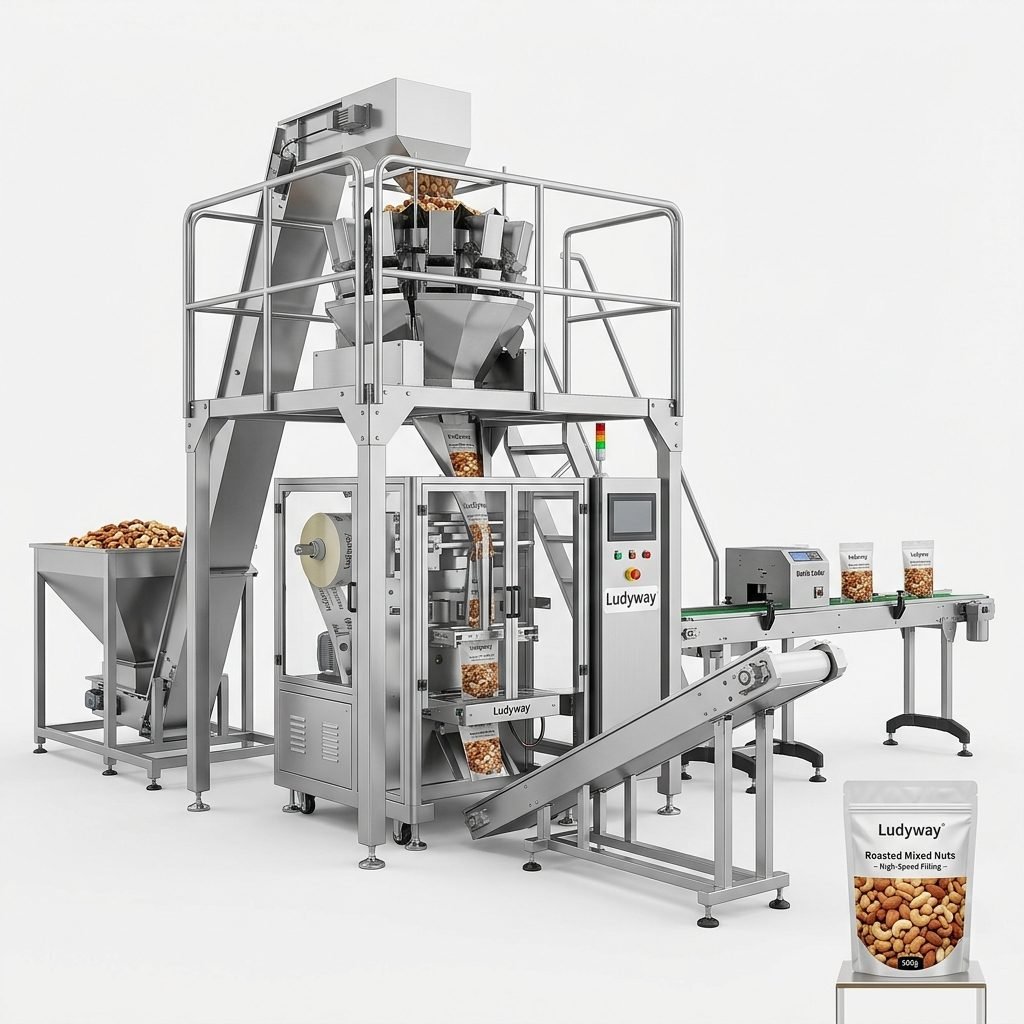
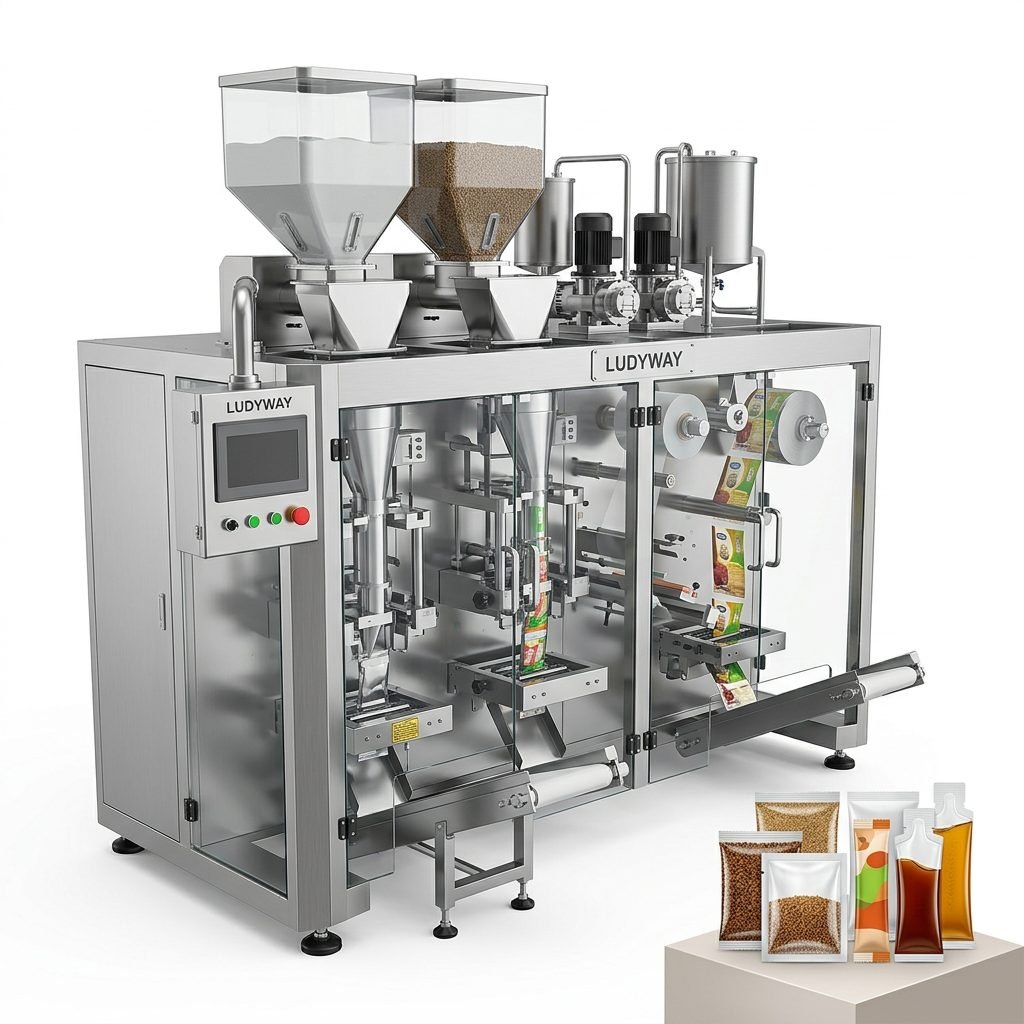
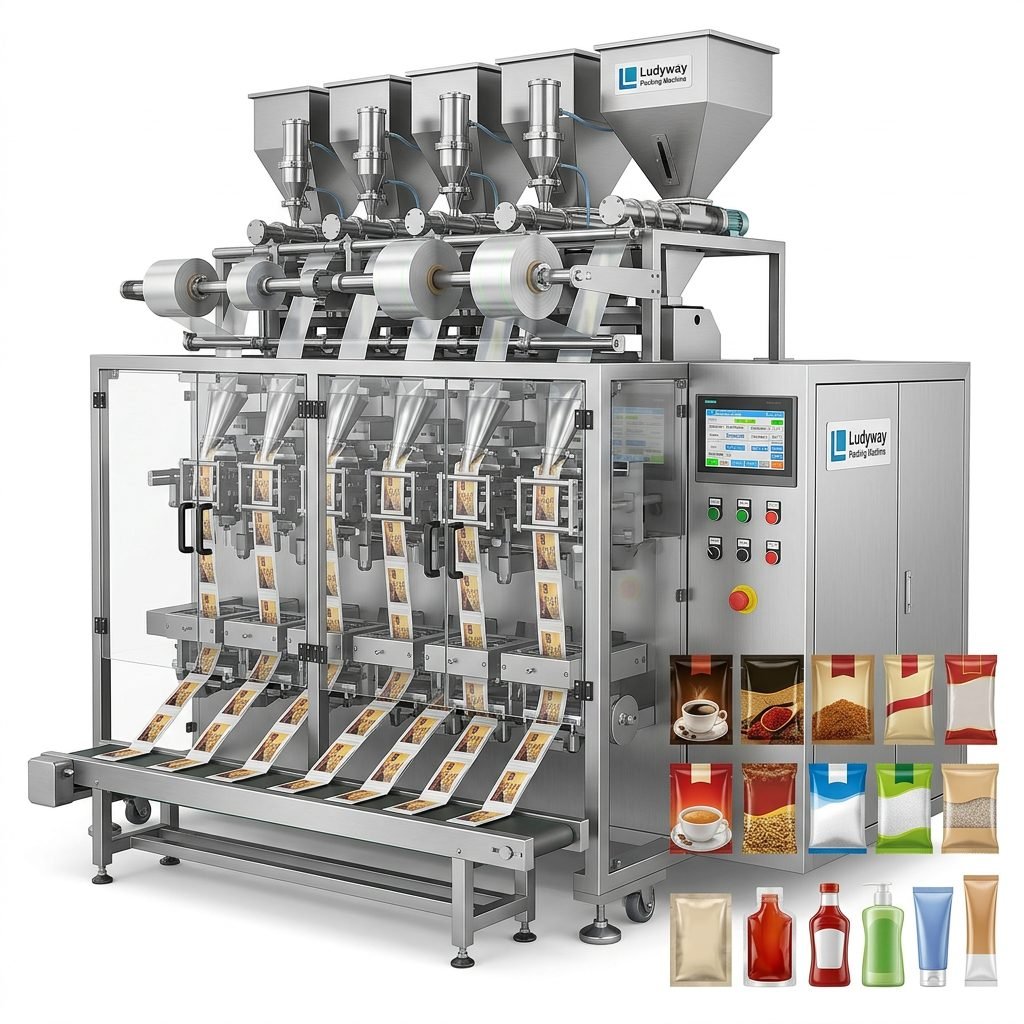
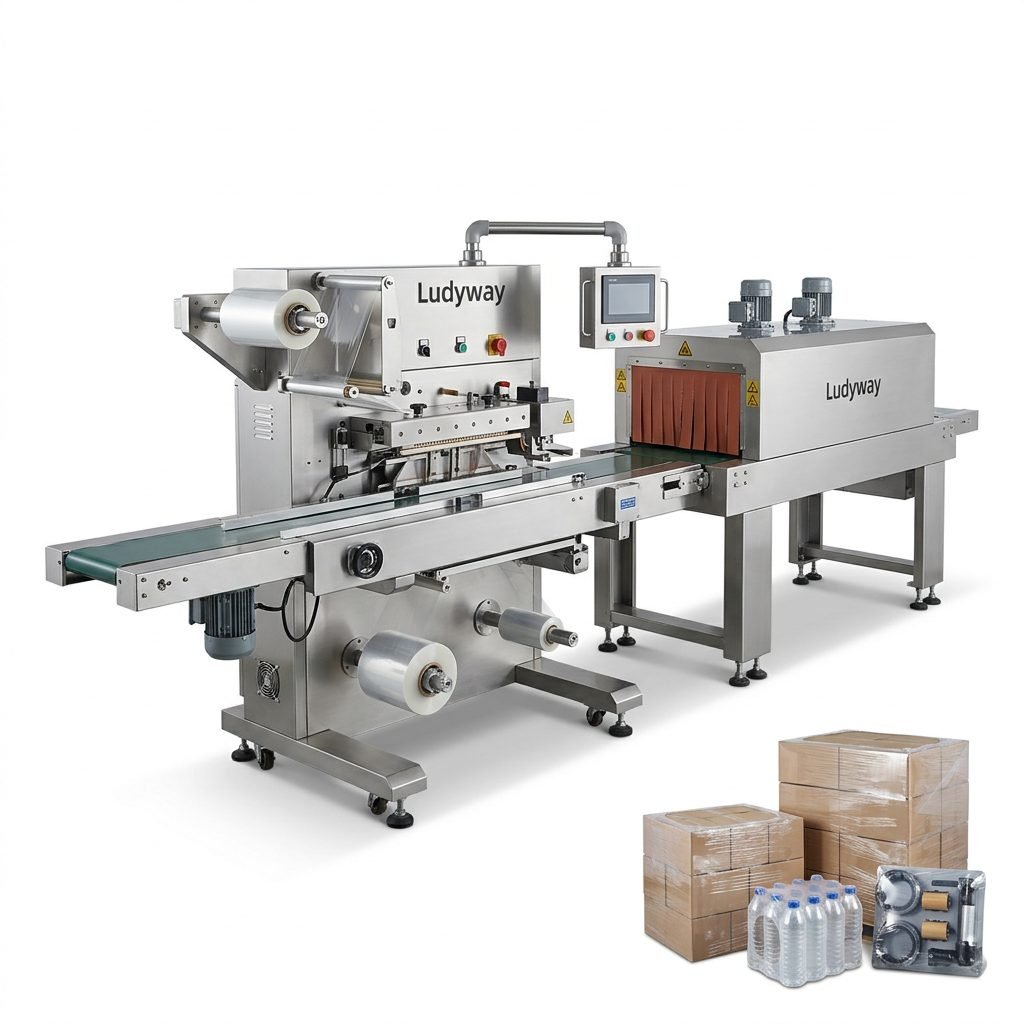
In fast food and meat processing, packaging speed is no longer just a productivity metric—it directly affects freshness, labor cost, hygiene standards, and customer satisfaction. A modern hamburger packaging machine helps manufacturers and food service brands package burgers, patties, buns, sandwiches, and prepared meat products with greater consistency and less manual handling.
Whether you run a central kitchen, frozen burger production plant, quick-service brand, or meat processing facility, the right system can improve output stability, reduce packaging waste, and support retail-ready or distribution-ready formats.
Why Hamburger Packaging Machines Matter in Modern Food Production
Hamburger products move through highly demanding production environments. Fresh beef patties, frozen burgers, chicken burgers, plant-based patties, and assembled sandwiches all require packaging that protects product integrity while keeping throughput high.
- Faster cycle times for high-volume production
- Improved seal quality for chilled and frozen distribution
- Reduced manual contact for better food safety
- Better portion consistency and pack appearance
- Integration with labeling, coding, cartoning, and case packing
What a Hamburger Packaging Machine Can Package
The term hamburger packaging machine can cover several packaging applications depending on the product stage. Some businesses package only burger patties, while others package complete burgers or meal components.
Common product types include:
- Raw beef patties
- Frozen hamburger patties
- Chicken, fish, or plant-based burger patties
- Assembled hamburgers and sandwiches
- Burger buns in paired or multi-pack format
- Prepared meat portions for retail or foodservice
- Sauce sachets or seasoning packs paired with meal kits
Main Packaging Formats for Hamburger and Meat Products
Different products require different packaging structures. The best machine depends on shelf life targets, transport conditions, and retail presentation.
| Packaging Format | Suitable Products | Key Advantages |
|---|---|---|
| Flow wrap packaging | Hamburgers, buns, sandwiches | High speed, attractive retail appearance, flexible film options |
| Vacuum packaging | Raw patties, meat portions | Longer shelf life, less oxidation, strong product protection |
| MAP packaging | Fresh meat and ready burgers | Improved freshness retention and retail shelf presence |
| Tray sealing | Burger patties, meat sets | Good stackability, branding area, leak protection |
| Bagging or pouch packing | Frozen patties, bulk meat products | Practical for wholesale and foodservice supply |
Key Features to Look For
Choosing a packaging machine for hamburgers and meat is not only about speed. Food manufacturers also need hygienic design, reliable sealing, easy cleaning, and stable operation across different temperatures and product textures.
Essential machine features
- Food-grade stainless steel construction
- Washdown-friendly structure for hygiene control
- Accurate product feeding and positioning
- Servo-driven control for stable motion
- Quick changeover for different burger sizes
- Date coding and label integration
- Optional gas flushing or vacuum function
- Automatic reject systems for defective packs
In meat packaging environments, downtime is expensive. Machines designed for easy maintenance and fast sanitation routines are often more valuable than simply choosing the fastest model on paper.

Benefits for Fast Food Brands and Meat Processors
A well-configured hamburger packaging machine can support both large industrial factories and growing food brands. The business value goes beyond packaging itself.
- Higher throughput for peak production periods
- Less dependency on manual labor
- Cleaner packaging results and better brand presentation
- Lower product loss from poor seals or mishandling
- Stronger compliance with food safety requirements
- Scalable integration into automatic packaging lines
Applications in Fast Food Supply Chains
Fast food operations often rely on central kitchens and regional distribution centers. Packaging machines play a major role in standardizing output before products move to restaurants, supermarkets, convenience stores, or cold-chain distributors.
Typical use scenarios
- Pre-packed burgers for retail chill cabinets
- Frozen burger patties for restaurant chains
- Bulk-packed patties for foodservice distributors
- Meal kits with buns, patties, and condiments
- Private label meat products for supermarkets
How to Choose the Right Hamburger Packaging Machine
Not every food plant needs the same level of automation. Before selecting equipment, it is important to match the machine with actual production requirements.
| Selection Factor | Questions to Ask |
|---|---|
| Product type | Are you packing raw patties, frozen products, or assembled burgers? |
| Output target | How many packs per minute or per shift are required? |
| Packaging material | Do you need recyclable film, barrier film, tray film, or vacuum bags? |
| Shelf life needs | Is standard sealing enough, or do you need MAP or vacuum packaging? |
| Automation level | Do you need a standalone machine or a complete automatic line? |
| Cleaning requirements | How often will sanitation take place, and how easy is disassembly? |
Automation and Turnkey Line Integration
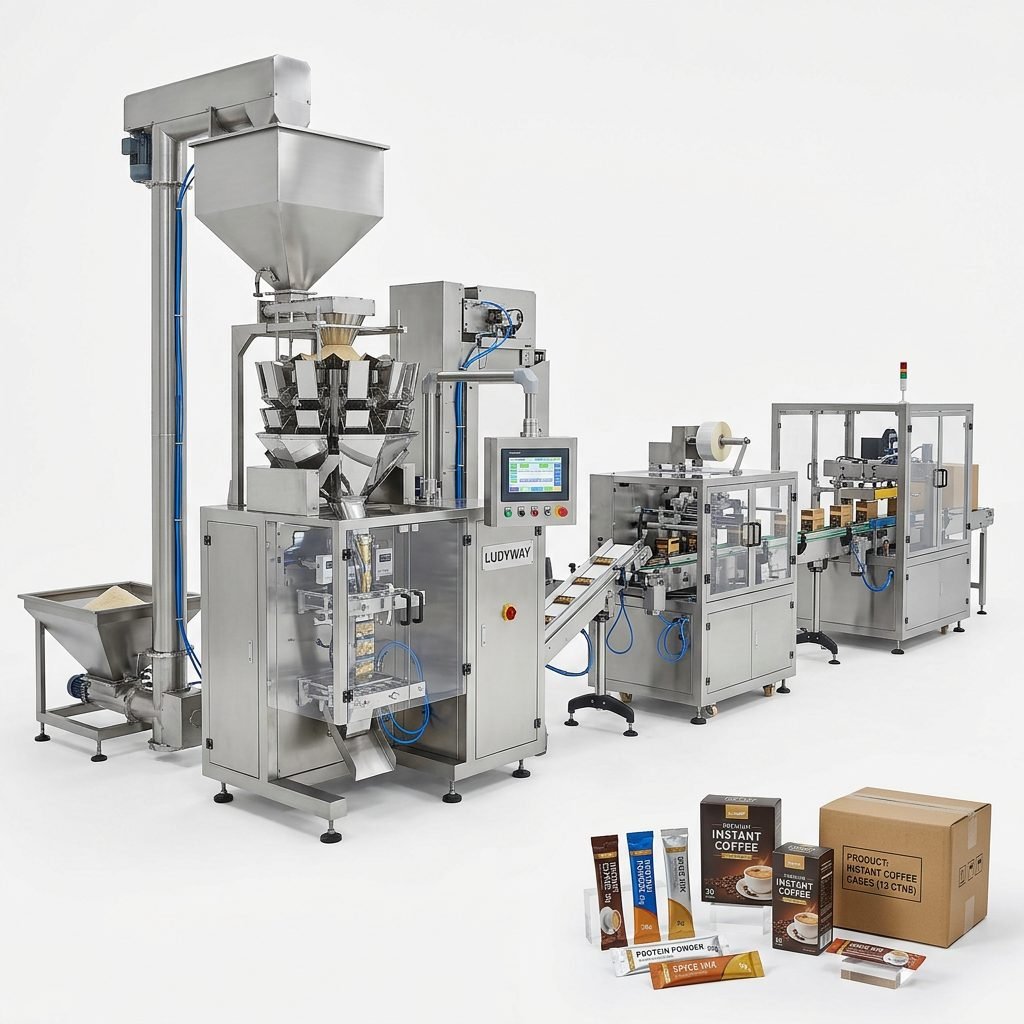
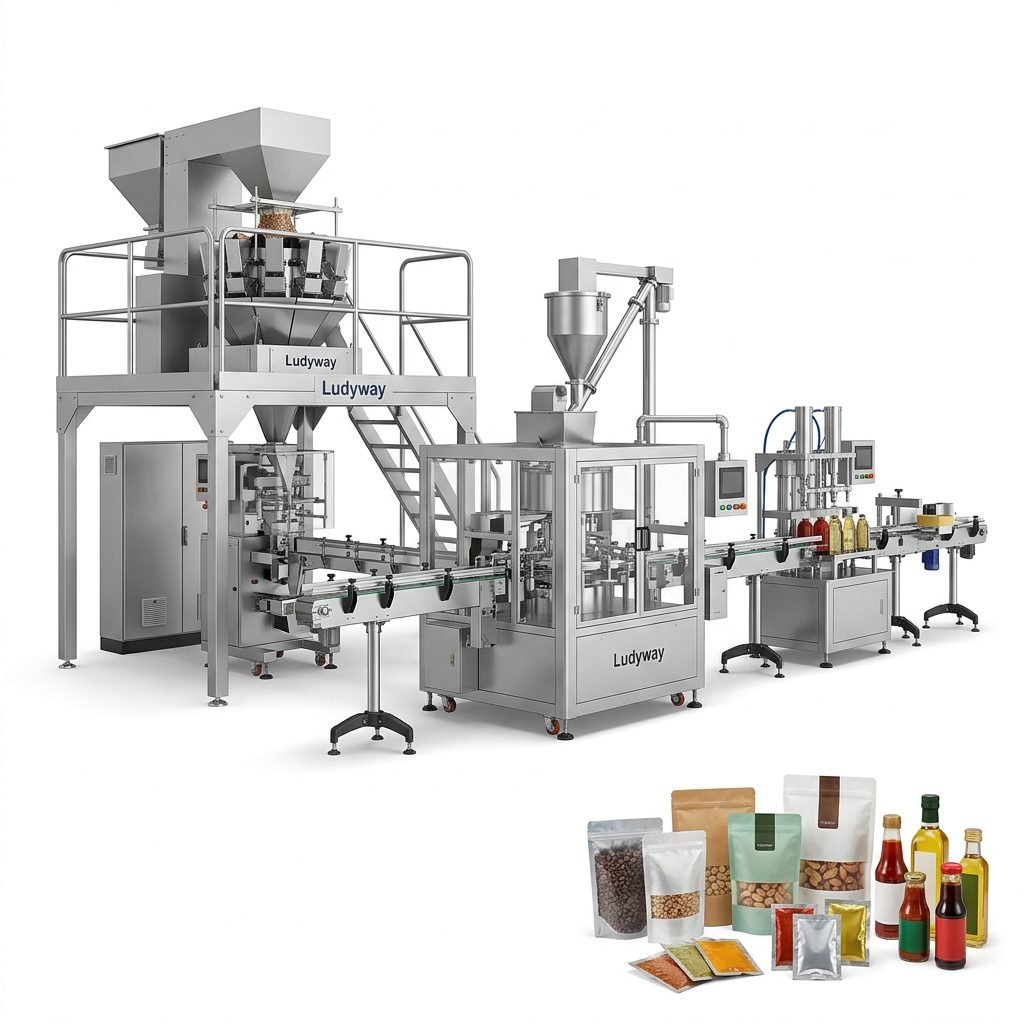
Many meat processors now prefer complete packaging lines rather than isolated machines. A turnkey solution can combine feeding, weighing, conveying, primary packaging, coding, inspection, cartoning, and final case packing.
For growing manufacturers, working with an experienced supplier such as Ludyway packaging machine manufacturer can help simplify line planning, especially when custom automation, multi-format packaging, or future capacity expansion is important.
Hygiene, Safety, and Compliance Considerations
In hamburger and meat packaging, hygiene is not optional. Packaging equipment should be designed to minimize contamination risks and support reliable sanitation procedures.
Important considerations include:
- Smooth contact surfaces and reduced dead corners
- Easy-access parts for cleaning and inspection
- Stable seal integrity to prevent leakage
- Traceability through coding and labeling systems
- Compatibility with metal detection or checkweighing
These features are especially valuable for businesses supplying supermarkets, export channels, and institutional foodservice markets where quality assurance standards are strict.
Future Trends in Hamburger Packaging Equipment
The market is moving toward more intelligent, flexible, and sustainable systems. Manufacturers increasingly want machines that can adapt to multiple pack sizes and support eco-conscious packaging materials without sacrificing speed.
- Smart touch-screen control with recipe memory
- Remote diagnostics and predictive maintenance
- Lower film waste and energy-saving operation
- Compatibility with recyclable or mono-material films
- Integrated quality control for real-time production monitoring
Conclusion
A hamburger packaging machine is a strategic investment for fast food producers, meat processors, and central kitchens aiming to improve packaging speed, hygiene, and product consistency. From fresh patties to frozen burgers and prepared sandwiches, the right solution can help reduce labor pressure, protect product quality, and support scalable growth.
When evaluating equipment, focus on actual application needs: product type, packaging format, sanitation requirements, output goals, and integration potential. A machine that fits your process well will deliver better long-term value than a one-size-fits-all solution.