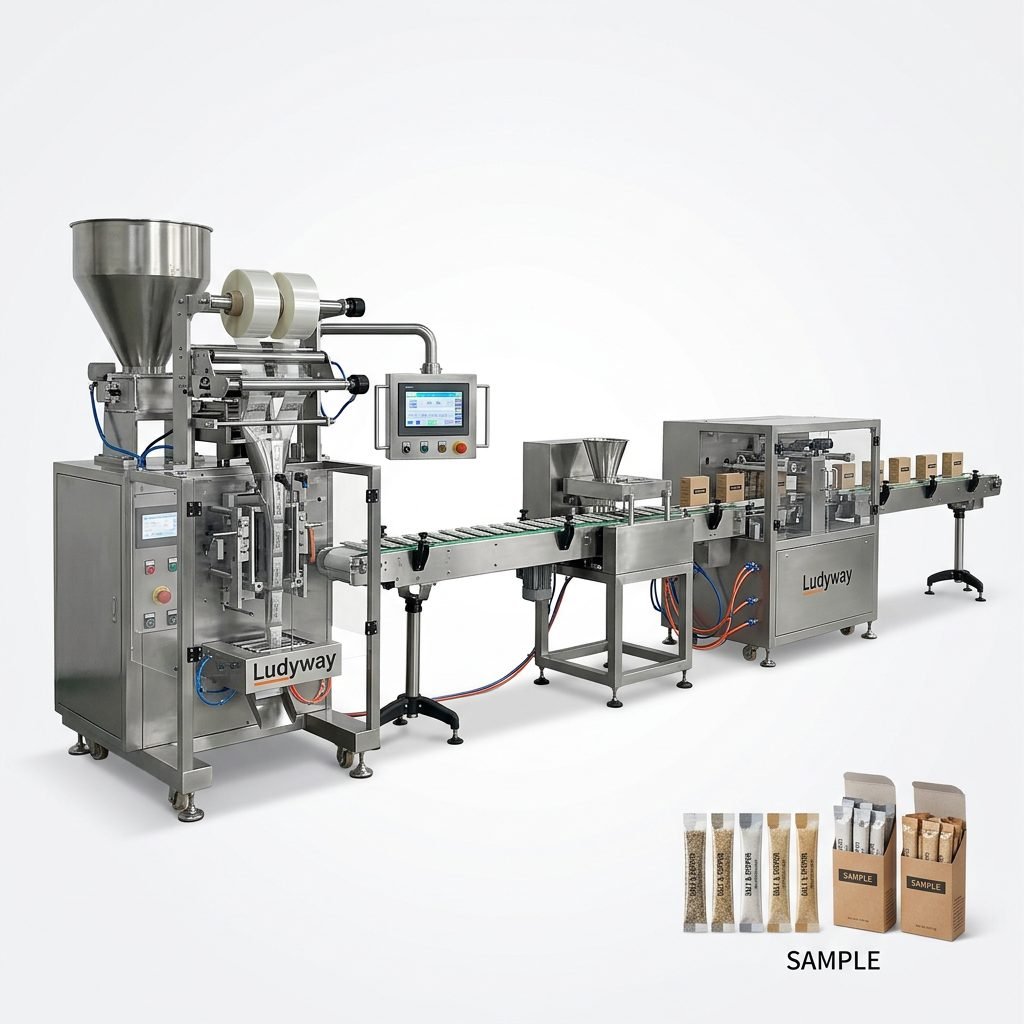
Packaging machines are built for speed, consistency, and repeatability, but even reliable systems can develop issues over time. When a machine stops sealing correctly, misfeeds pouches, gives inaccurate fills, or triggers repeated alarms, downtime can quickly affect output, labor efficiency, and product quality. A structured troubleshooting approach helps operators identify the root cause faster and restore stable production.
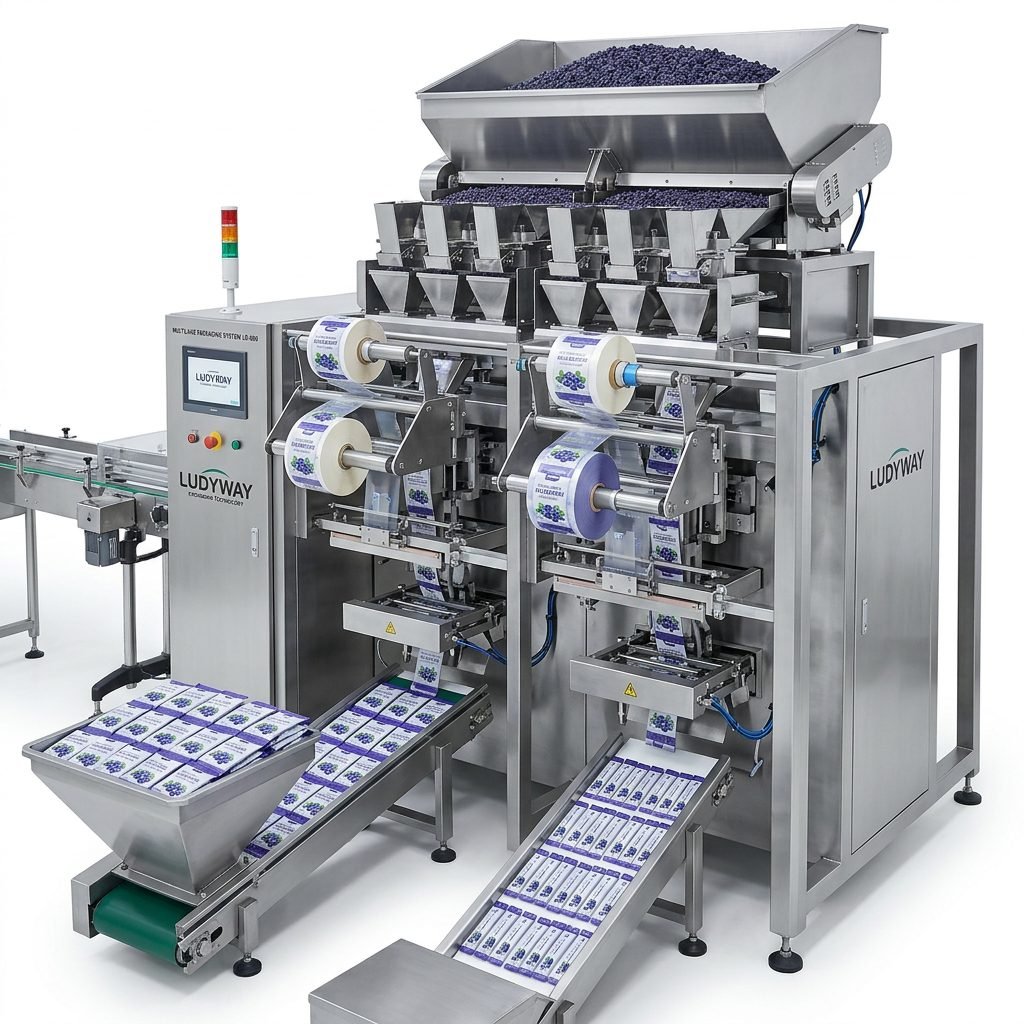
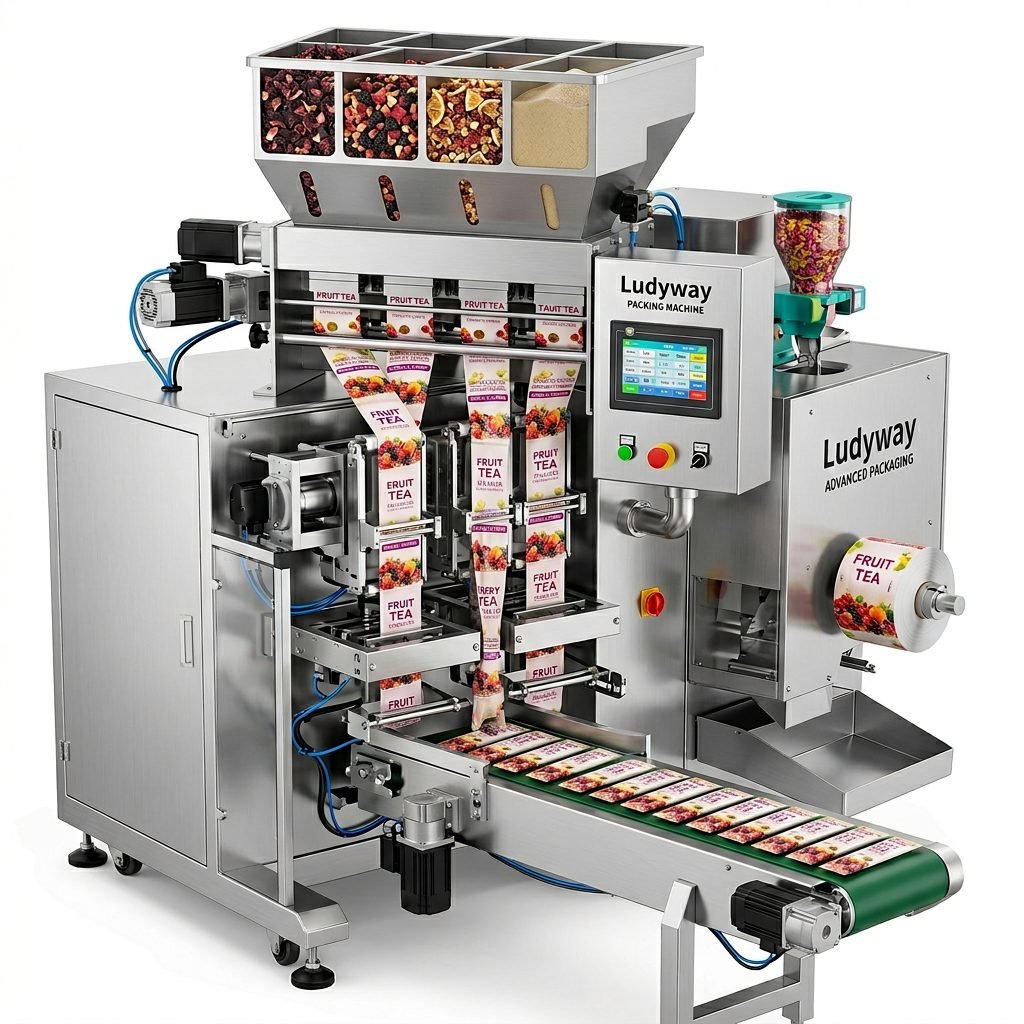
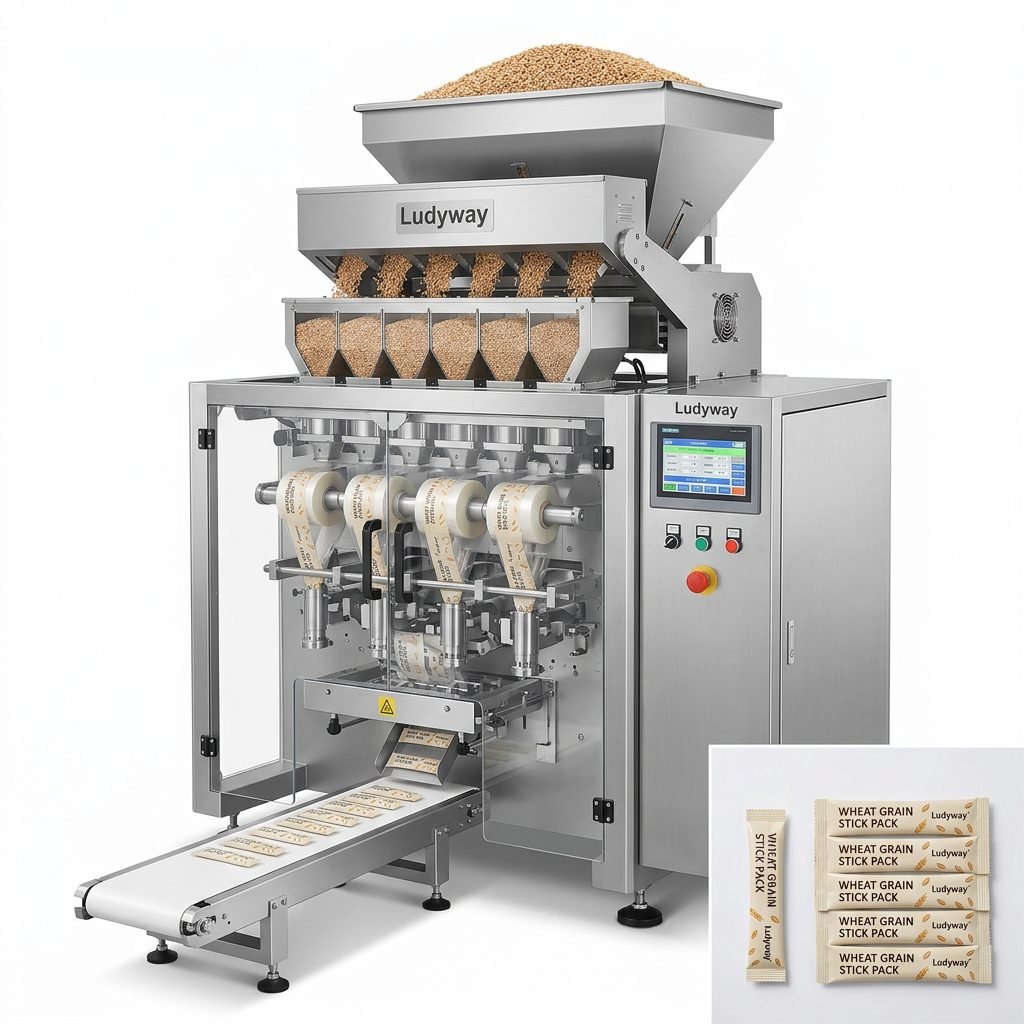
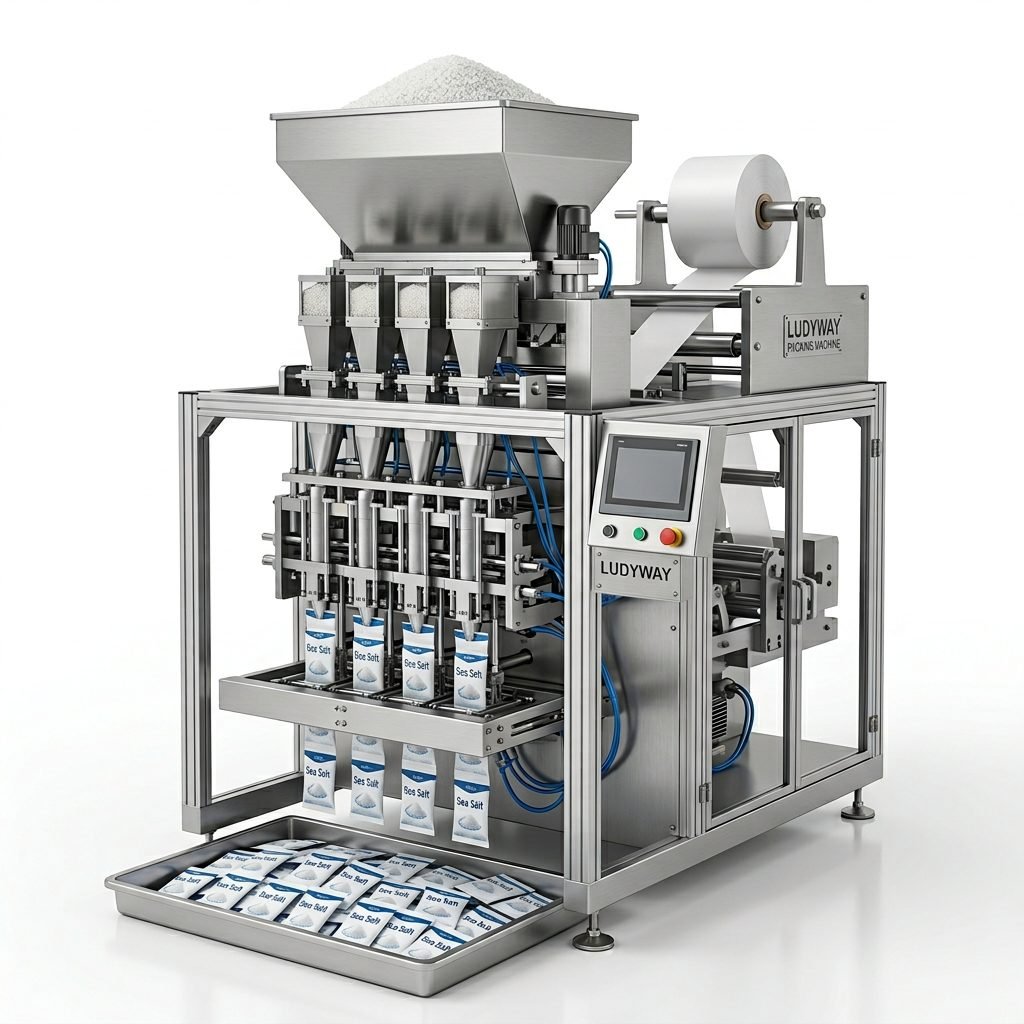
This guide explains the most common packaging machine problems, their likely causes, and practical fixes for daily operation. It applies to many types of equipment, including vertical form fill seal systems, sachet packing machines, stick pack machines, pouch packaging lines, filling and sealing machines, and integrated turnkey lines.
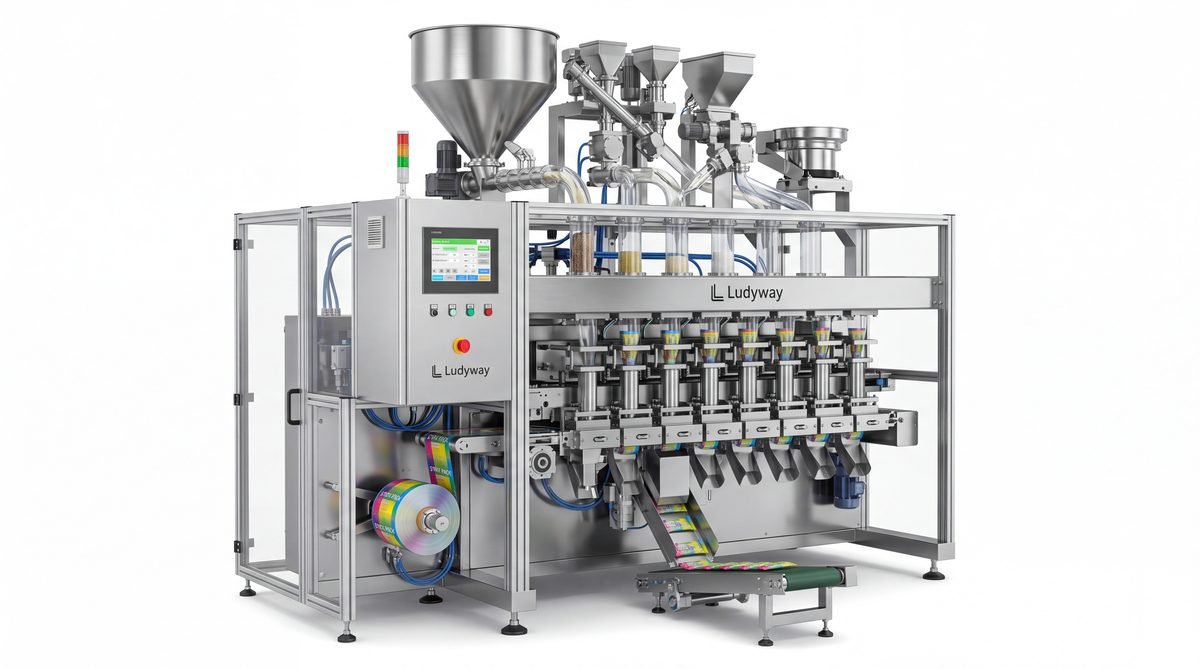
Start With a Safe and Systematic Inspection
Before adjusting any packaging machine, stop the machine safely and follow your plant’s lockout and safety procedures. Many faults come from simple sources such as loose sensors, incorrect parameter settings, film tracking errors, low air pressure, or worn sealing parts. A systematic inspection usually saves more time than random adjustments.
- Check the HMI alarm history to see what happened before the stoppage.
- Inspect product feed, film path, pouch path, and sealing area.
- Confirm compressed air, power supply, vacuum, and temperature stability.
- Look for dust, product buildup, oil contamination, or loose hardware.
- Review recent changes in packaging materials, products, or machine settings.
Common Packaging Machine Problems, Causes, and Fixes
| Problem | Possible Causes | Recommended Fixes |
|---|---|---|
| Poor sealing | Low temperature, contaminated seal area, worn seal jaws, wrong dwell time | Clean jaws, verify sealing temperature, increase dwell time if needed, inspect seal components |
| Inaccurate filling | Incorrect dosing settings, worn auger or pump parts, unstable product flow, sensor mismatch | Recalibrate filling system, inspect dosing parts, stabilize feed, verify recipe parameters |
| Film tracking issues | Misaligned rollers, damaged film, faulty photoelectric sensor, uneven tension | Realign film path, replace damaged roll, clean or adjust sensor, correct tension |
| Machine not starting | Emergency stop engaged, door switch open, low air pressure, PLC fault | Reset safety devices, check air supply, review alarms, inspect electrical connections |
| Frequent jams | Wrong product size, guide misalignment, excess product, worn moving parts | Adjust guides, control feed rate, clear buildup, replace worn parts |
1. Seals Are Weak, Leaking, or Burned
Seal defects are among the most frequent packaging machine problems. Weak seals may lead to leakage, contamination, or shorter shelf life, while overheated seals can distort the package and waste material.
Common causes:
- Incorrect sealing temperature
- Insufficient or excessive sealing pressure
- Improper dwell time
- Product powder, liquid, or granules trapped in the seal area
- Worn Teflon, heating elements, or sealing jaws
- Packaging film not matched to machine settings
How to fix it:
- Check the actual temperature against the recipe setting.
- Clean the sealing surfaces thoroughly.
- Inspect heater bars, thermocouples, and pressure springs.
- Verify that the packaging material is suitable for the sealing range.
- Run a few test packs and inspect seal appearance and strength.
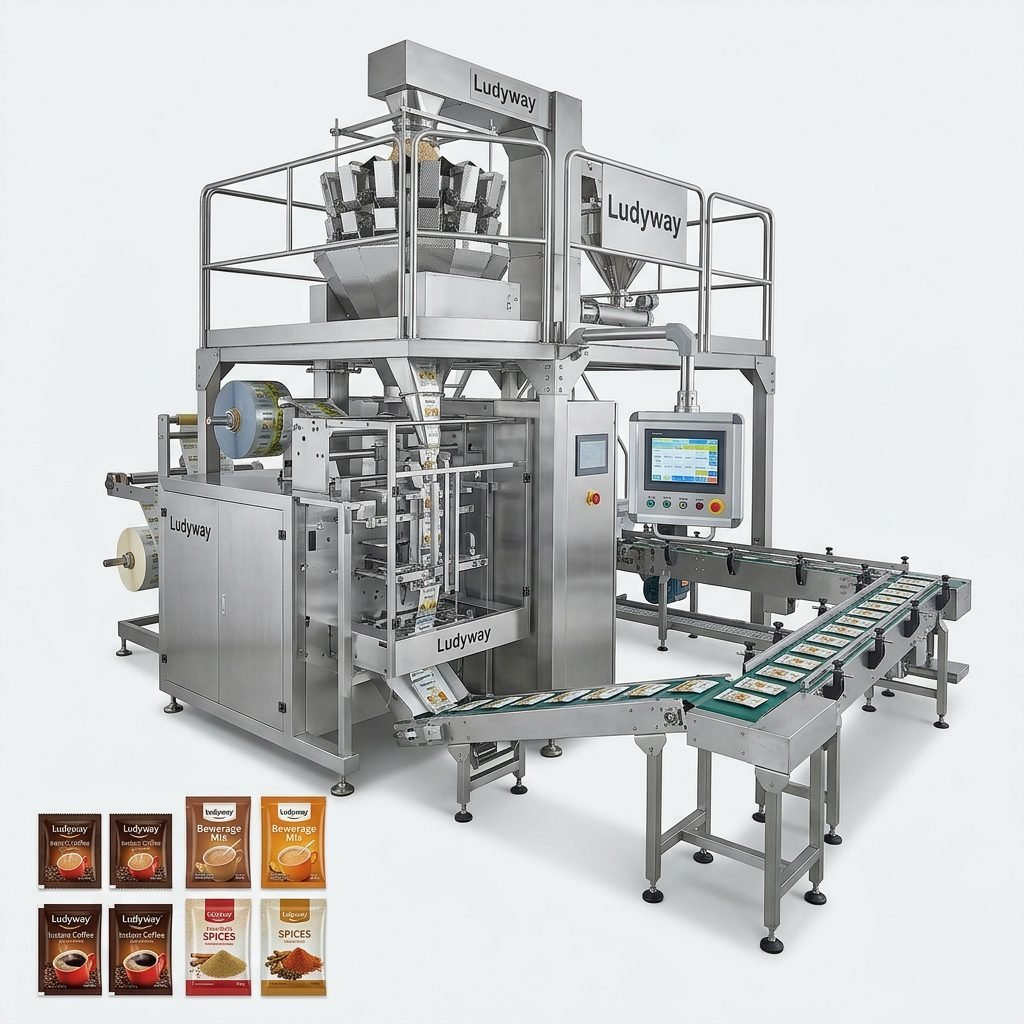
2. Filling Accuracy Is Out of Tolerance
If packages are overfilled or underfilled, the issue may come from the filling system, product flow behavior, or unstable machine timing. Powders, granules, liquids, and pastes all behave differently, so troubleshooting should match the product type.
Typical causes:
- Auger, cup, weigher, or pump calibration drift
- Bridging or inconsistent product feeding
- Air bubbles in liquid products
- Changes in bulk density or moisture content
- Loose dosing assemblies
- Improper synchronization between filling and sealing stations
Fixes:
- Recalibrate the dosing system based on the current product.
- Check hoppers, agitators, feeders, and conveyors for flow interruptions.
- Reduce vibration or environmental variation near the weigher.
- Inspect pumps, nozzles, and valves for wear or blockage.
- Review servo timing and filling cutoff settings.
3. Film or Pouch Tracking Problems
When the film drifts to one side, registration marks are missed, or bags are cut unevenly, the machine may be suffering from film tracking or sensor issues. This often causes waste and unstable output.
Possible causes:
- Film roll installed incorrectly
- Uneven tension across the film web
- Dirty or poorly adjusted photoelectric eye
- Worn rollers or pull belts
- Warped film caused by storage or heat
Recommended actions:
- Reload the film roll and confirm correct alignment.
- Clean the registration sensor and verify sensitivity.
- Check tension rollers and braking force.
- Inspect pull belts for wear, glaze, or slipping.
- Use packaging film stored in a stable, dry environment.
4. Machine Stops Unexpectedly or Will Not Start
A machine that will not run may not have a major fault. In many cases, the root cause is a safety interlock, low air pressure, a reset condition, or a simple communication issue between modules.
Check these first:
- Emergency stop buttons
- Guard doors and safety switches
- Main power and circuit protection
- Compressed air pressure and vacuum supply
- Servo drive alarms and inverter alarms
- PLC or HMI fault messages
If alarms continue after reset, review the machine’s electrical cabinet for loose terminals, damaged cables, overloaded motors, or failed sensors. Repeated stop-start operation can also point to overheating or unstable utility supply.
5. Product Jamming or Blockage
Product jams often happen where product transfers between feeding, dosing, bag forming, and discharge sections. Sticky, dusty, irregular, or fragile products are especially likely to create buildup or bridging.
Likely causes:
- Incorrect guide settings
- Excess feed rate
- Product clumping or moisture pickup
- Damaged forming tube or chute
- Poor cleaning between product changeovers
Solutions:
- Adjust product guides and transfer chutes.
- Reduce feed speed until product flow becomes stable.
- Inspect contact parts for dents, rough spots, or residue.
- Use anti-bridging devices when needed for powders or granules.
- Improve environmental humidity control for sensitive materials.
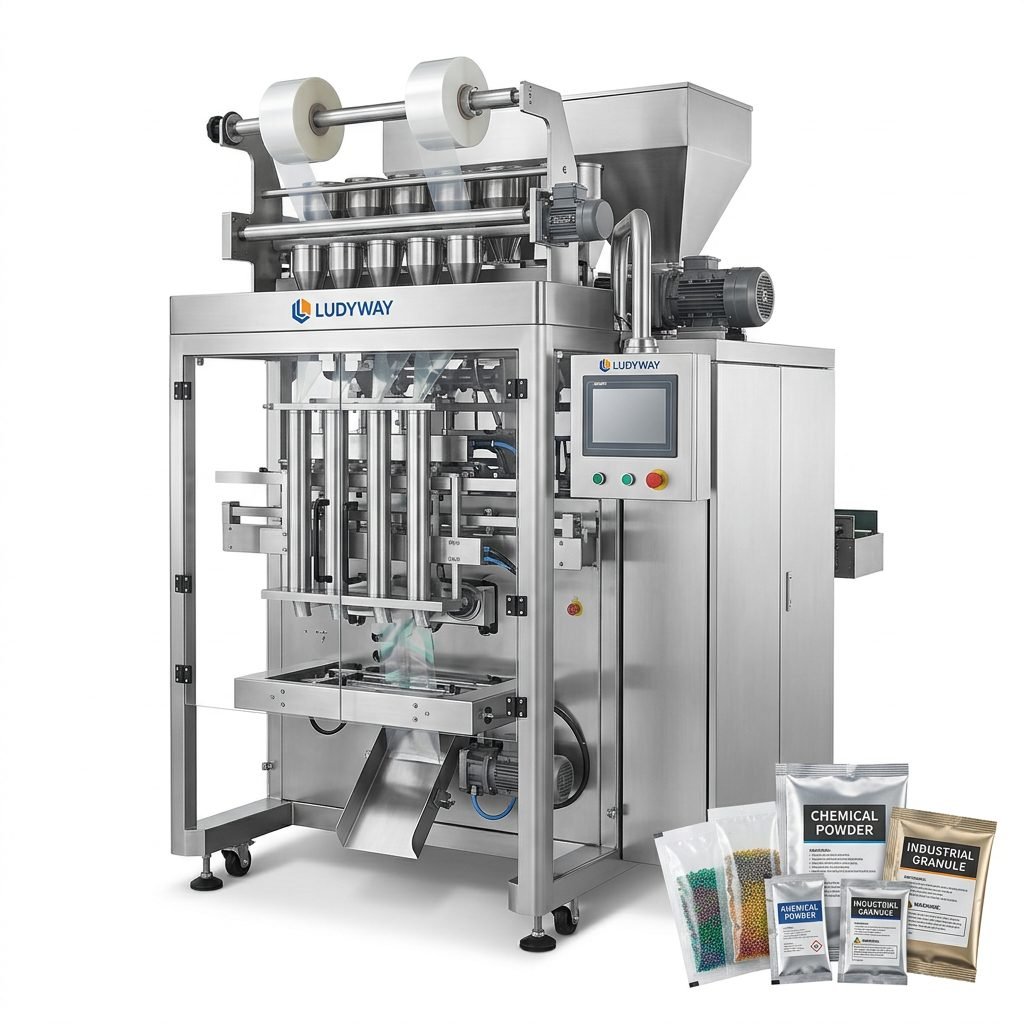
6. Excessive Noise, Vibration, or Irregular Motion
Unusual vibration usually signals a mechanical issue that should not be ignored. If left unchecked, it can lead to premature wear, unstable filling, or component failure.
Common sources:
- Loose fasteners or frames
- Worn bearings, chains, belts, or couplings
- Poor lubrication
- Misaligned servo or drive components
- Unbalanced moving assemblies
Stop the machine and inspect the drive train, shaft alignment, chain tension, belt wear, and lubrication points. Replacing low-cost wear parts early often prevents much larger repairs later.
A Simple Troubleshooting Workflow
| Step 1 | Identify the exact symptom: sealing, filling, cutting, feeding, coding, or discharge. |
| Step 2 | Check alarms, recent changes, and utility supply conditions. |
| Step 3 | Inspect consumables and wear parts such as film, heaters, belts, nozzles, and sensors. |
| Step 4 | Make one adjustment at a time and test the result. |
| Step 5 | Record the fix so the same issue can be solved faster next time. |
Preventive Maintenance Tips to Reduce Downtime
The best troubleshooting strategy is preventing repeat faults. Regular preventive maintenance keeps packaging machines stable and helps reduce emergency stops.
- Clean sealing zones, filling parts, and sensors every shift.
- Inspect belts, rollers, jaws, knives, and nozzles on a routine schedule.
- Calibrate weighers, augers, and pumps regularly.
- Track spare parts usage and replace wear parts before failure.
- Train operators to recognize early warning signs.
- Standardize recipes and setup procedures for each product format.
When to Contact the Machine Manufacturer
If the same problem returns after routine adjustment, or if the issue involves servo drives, PLC logic, program errors, or major mechanical wear, it is best to contact the equipment supplier. A qualified manufacturer can help with diagnosis, replacement parts, remote support, and process optimization.
For businesses looking for stable automation support, Ludyway packaging machine solutions are widely used across food, pharmaceutical, health supplement, cosmetic, and chemical applications, with extensive experience in standalone machines and turnkey packaging lines.
Final Troubleshooting Checklist
- Confirm the exact fault symptom
- Check alarm records and machine status
- Inspect utilities: power, air, vacuum, temperature
- Review material compatibility and product condition
- Examine wear parts and moving components
- Adjust only one variable at a time
- Document the root cause and corrective action
With a clear troubleshooting process, most packaging machine issues can be identified quickly and corrected before they cause extended downtime. Better inspection habits, operator training, and preventive maintenance will improve reliability, product quality, and overall line efficiency.