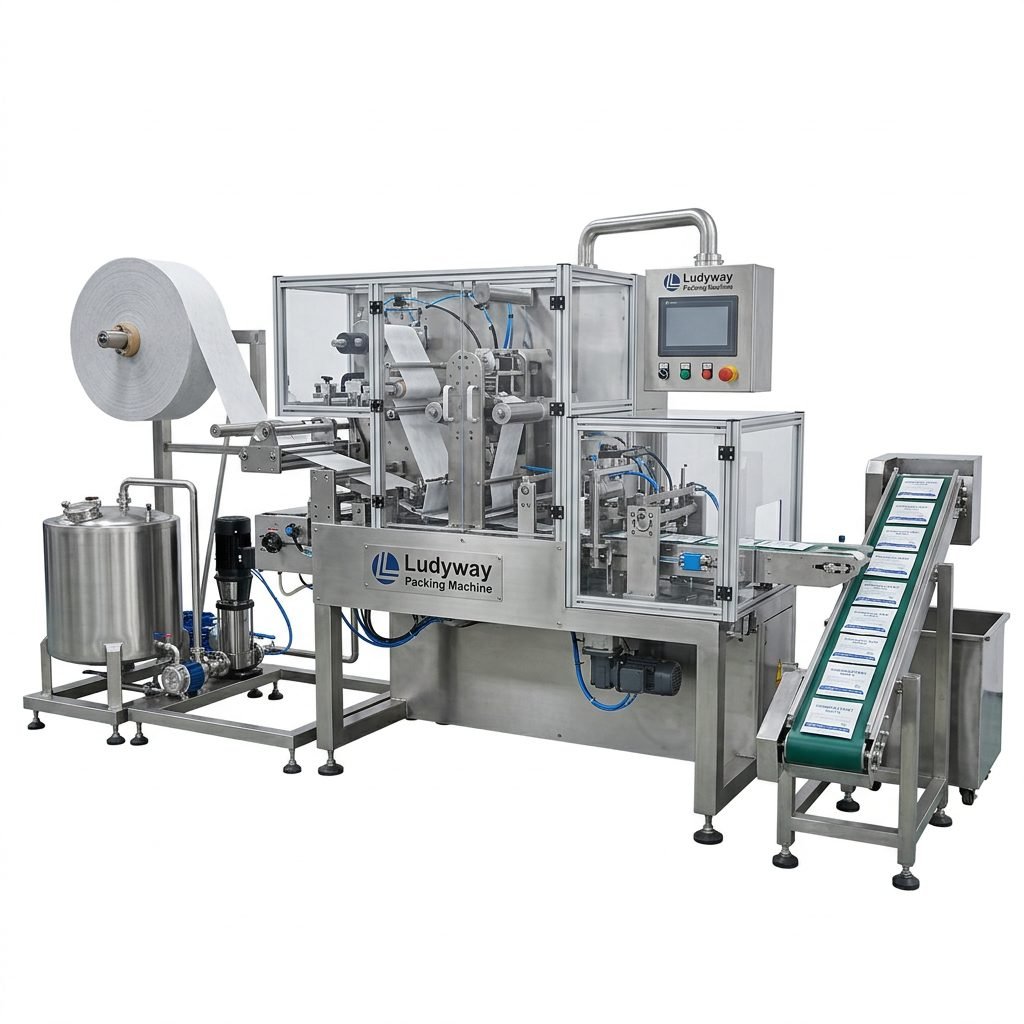
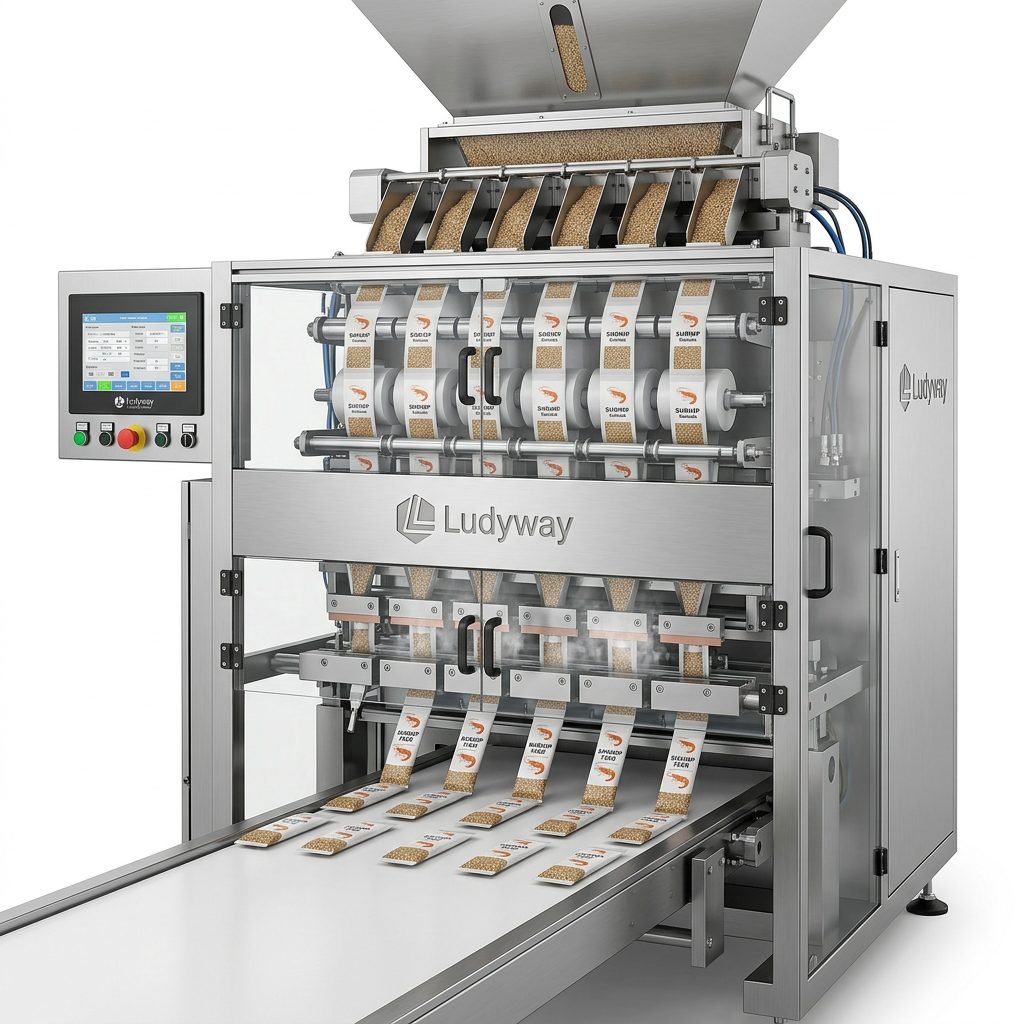
Cooking oil packaging requires more than simple filling. Producers need stable output, accurate volume control, leak-proof sealing, hygienic design, and long-term reliability to meet growing market demand. A modern cooking oil packing machine helps manufacturers package edible oils efficiently across sachets, pouches, and other flexible formats while reducing waste and labor costs.
For food manufacturers, condiment brands, private-label processors, and contract packers, the right packaging equipment can significantly improve productivity and product consistency. From small travel-size sachets to large-volume automated lines, the machine selection should match product viscosity, packaging format, production speed, and downstream integration needs.
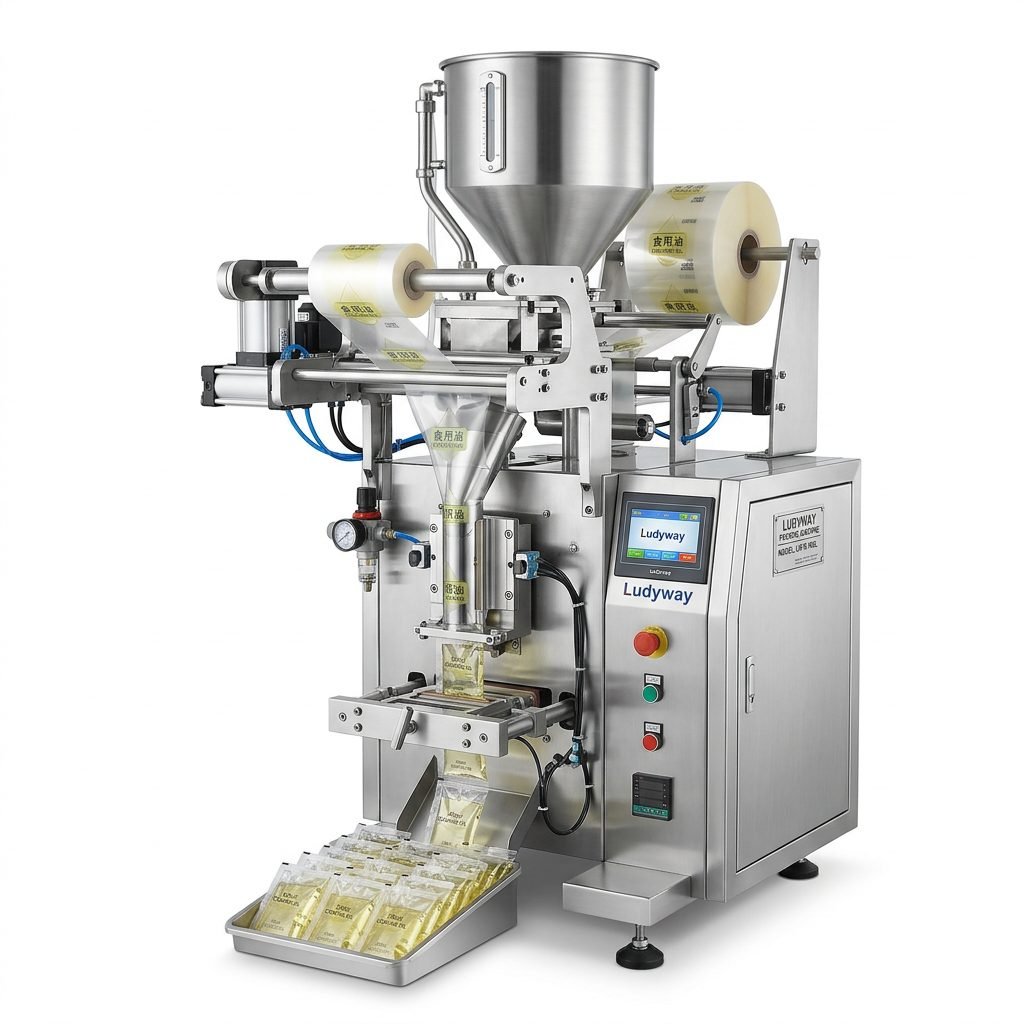
Why Cooking Oil Packing Machines Matter
Edible oil products such as sunflower oil, soybean oil, palm oil, olive oil blends, and specialty cooking oils must be packed with precision. Even small filling inconsistencies can affect brand trust, compliance, and cost control. Advanced machines are designed to maintain consistent fill accuracy, smooth sealing performance, and clean product handling during continuous production.
- Reduce product giveaway caused by overfilling
- Improve sealing integrity and shelf presentation
- Support faster production with less manual intervention
- Maintain hygienic packaging conditions for food-grade applications
- Enable integration with coding, conveying, cartoning, and final packing systems
How a Cooking Oil Packing Machine Works
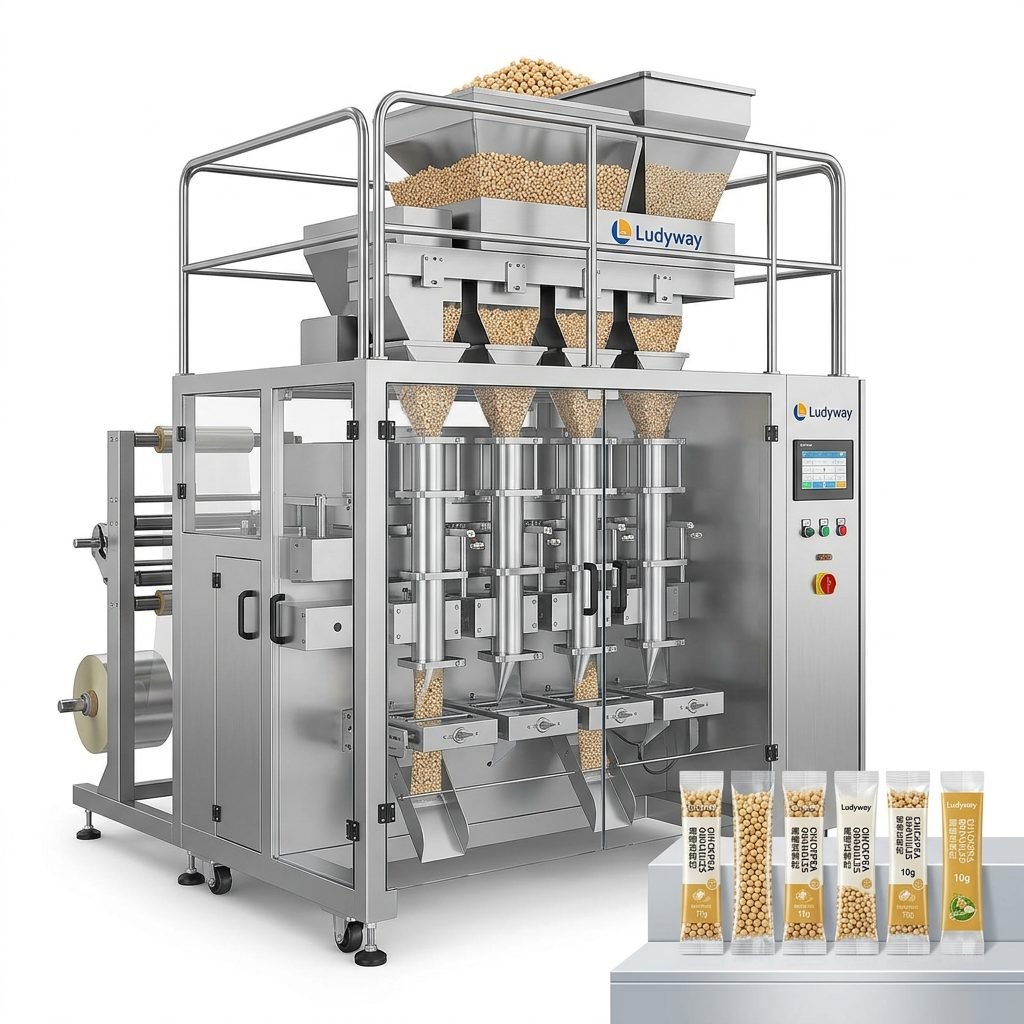
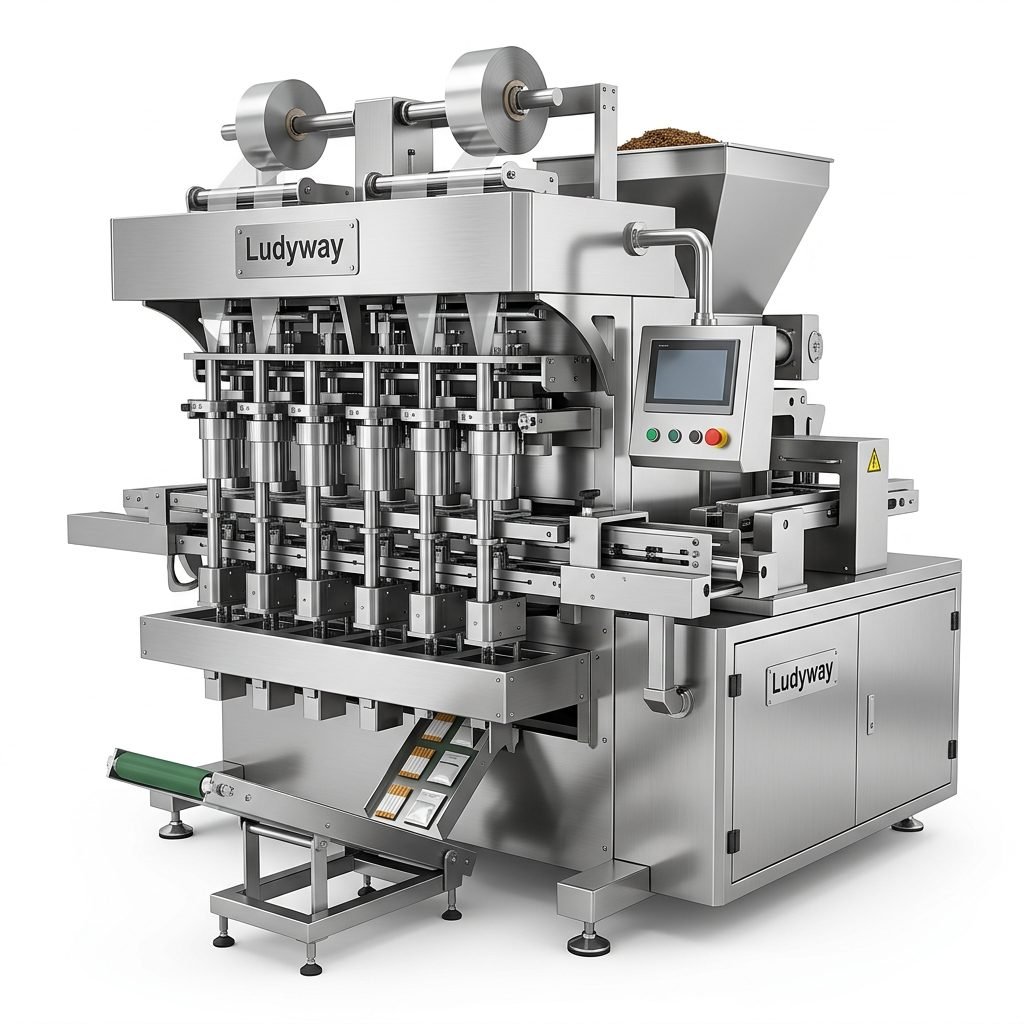
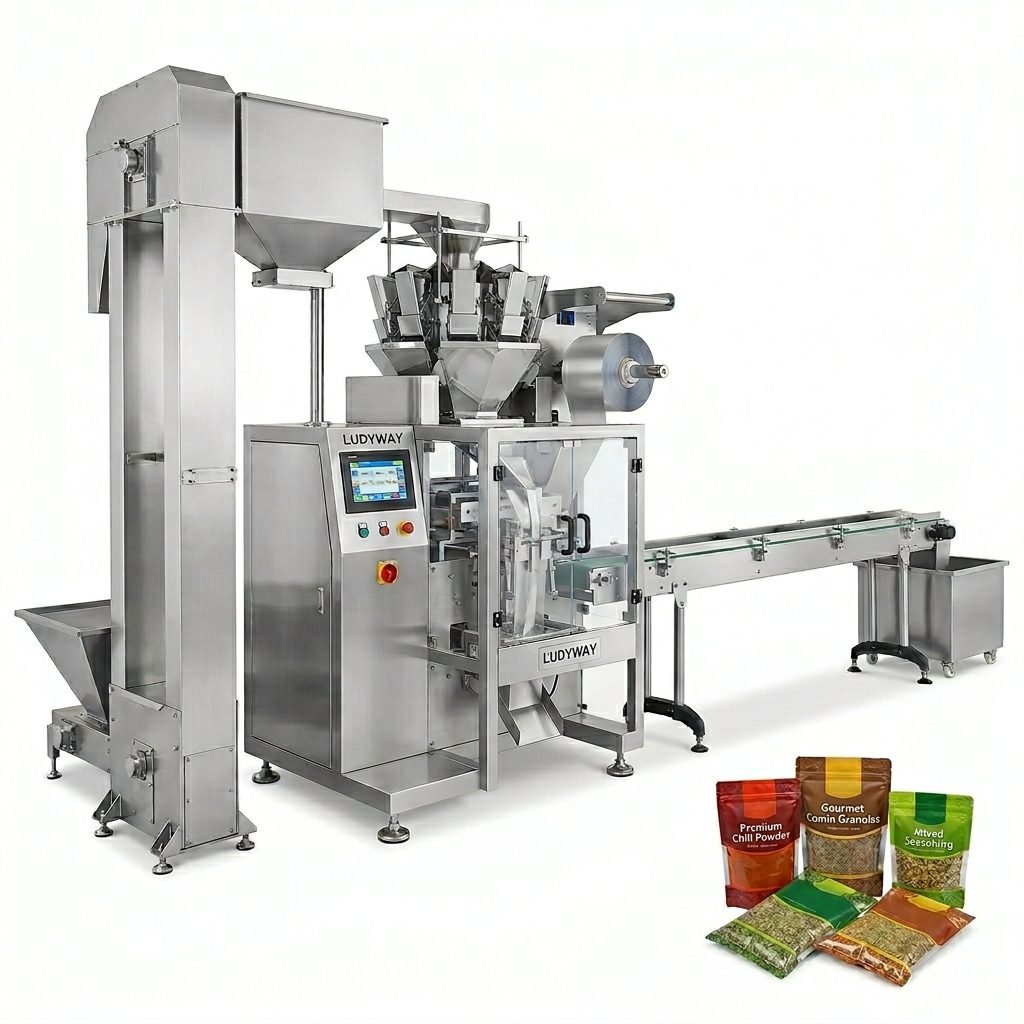
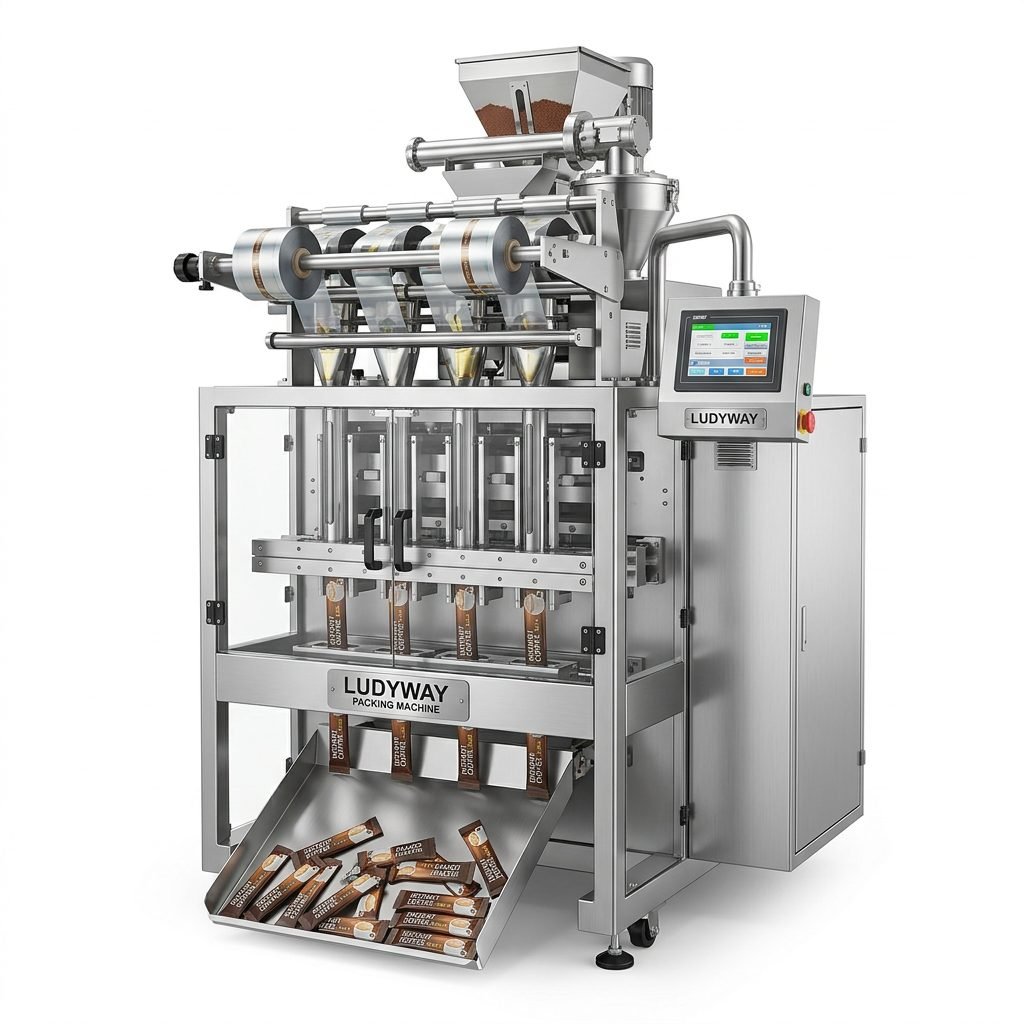
A typical liquid oil packing system combines film handling, filling, forming, sealing, cutting, and discharge in one automated process. Depending on the packaging format, the machine may use vertical form fill seal technology or multi-lane sachet systems for higher output.
- Oil is fed from a storage tank or buffer hopper into the filling system.
- Packaging material is formed into sachets or pouches.
- The machine dispenses a preset volume of cooking oil.
- Heat sealing closes the package securely.
- Finished packs are cut, discharged, and transferred for coding or secondary packaging.
For manufacturers handling high production volumes, automation improves speed while minimizing human error. This is especially important for retail sachets, foodservice packs, and export-oriented production.
Key Features to Look For
When evaluating equipment, buyers should focus on features that affect real production performance rather than headline speed alone.
| Feature | Why It Matters |
|---|---|
| High-precision liquid filling | Helps control product loss and ensures consistent net content |
| Reliable sealing system | Prevents leakage during storage, transport, and retail handling |
| Food-grade contact parts | Supports hygiene and easy cleaning for edible oil production |
| PLC and touchscreen control | Simplifies operation, recipe changeover, and monitoring |
| Anti-drip filling design | Keeps seals clean and improves package appearance |
| Flexible format compatibility | Allows one machine platform to handle different pack sizes |
Common Packaging Formats for Cooking Oil
Different markets and distribution channels require different oil pack styles. A good machine should support the package type that best fits your sales model.
1. Sachets
Cooking oil sachets are popular for retail, e-commerce trial packs, takeaway meal kits, and cost-sensitive markets. They are compact, convenient, and suitable for single-use or small household consumption.
2. Stick Packs
Stick packs offer a slim, portable format and are useful when portion control and easy dispensing are important.
3. Pillow Pouches
These are practical for larger flexible packaging volumes and can be integrated into broader automated filling lines.
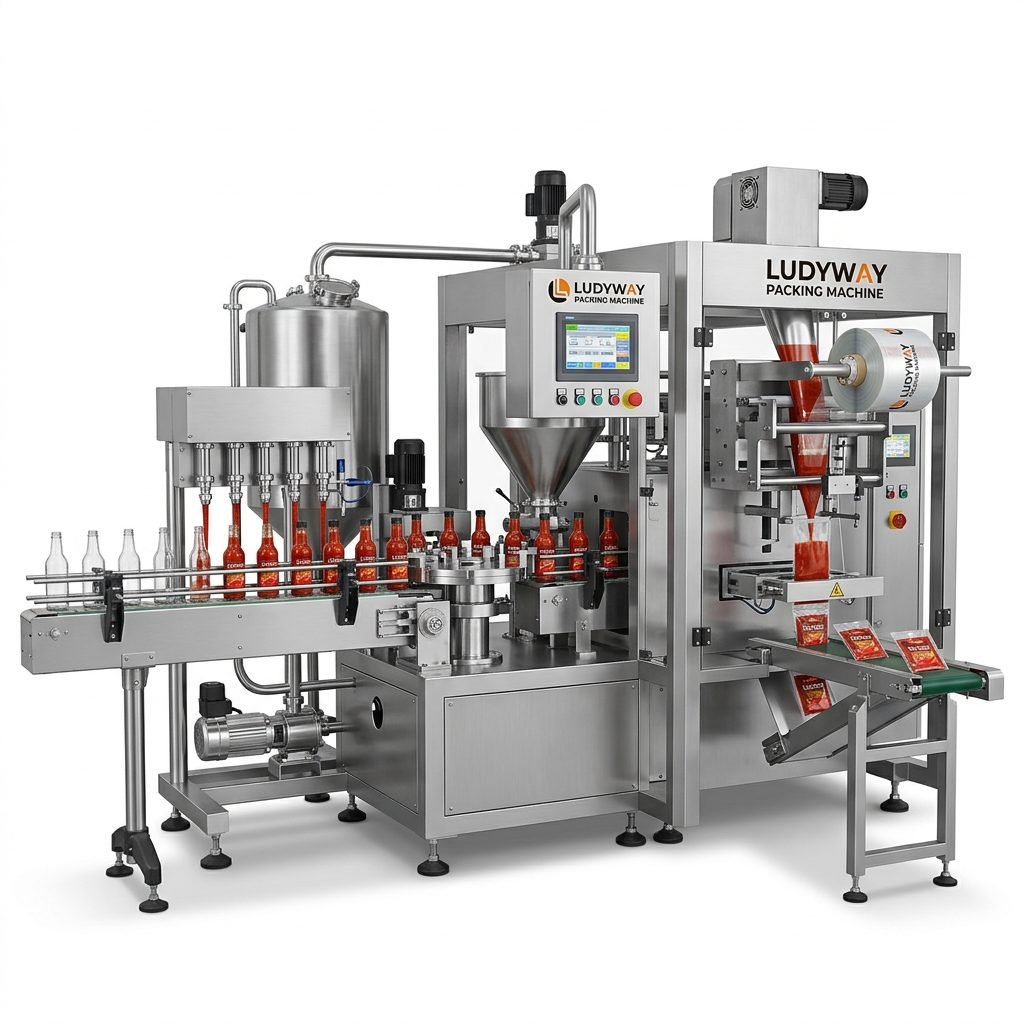
4. Bottles and Hybrid Lines
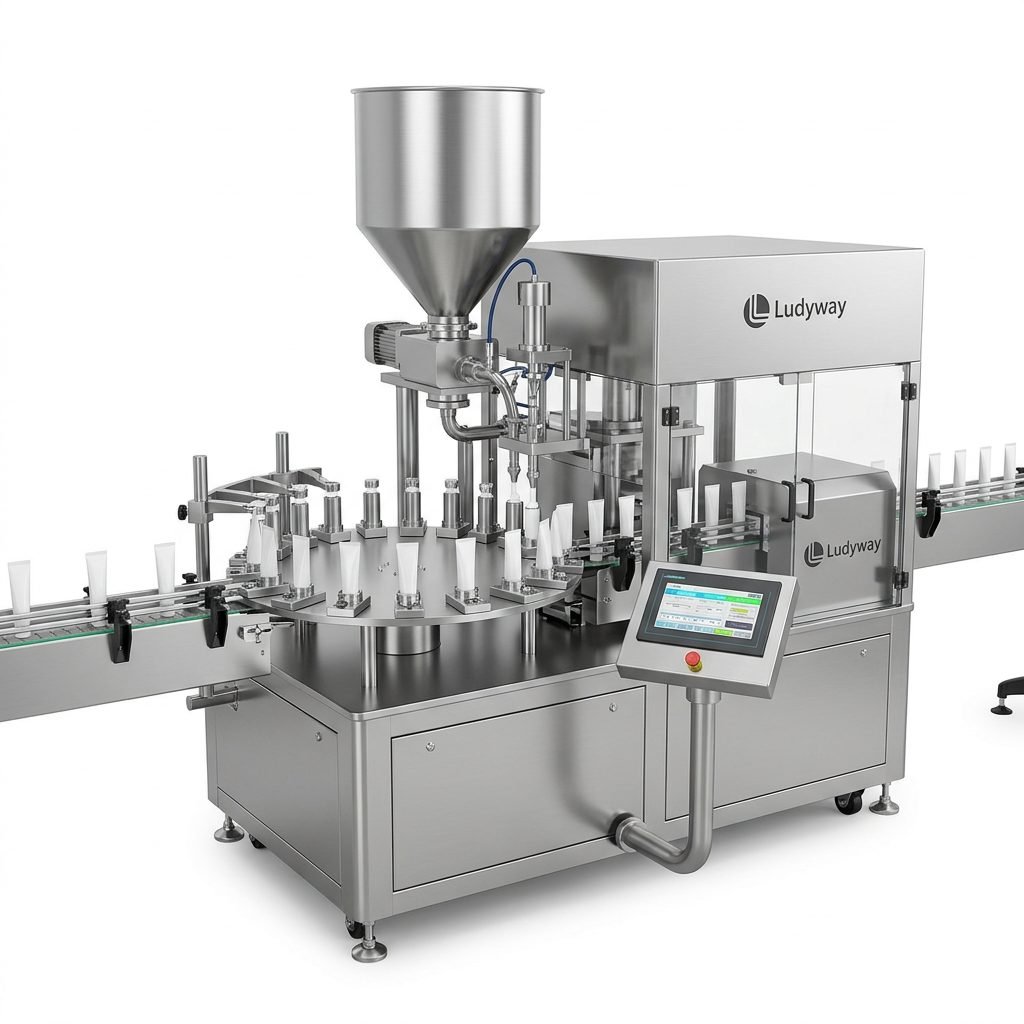
Some producers operate both flexible sachet lines and rigid container filling systems to serve multiple channels efficiently.
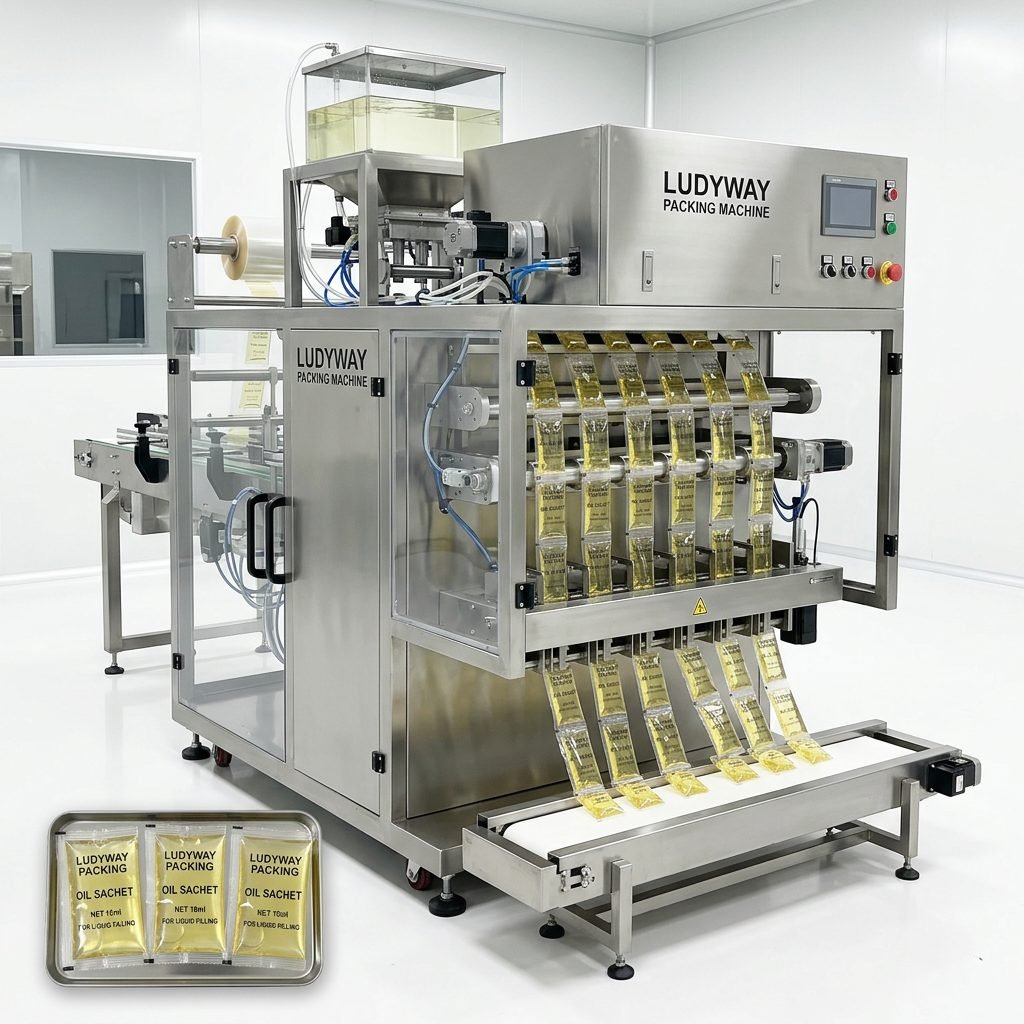
Benefits of Automated Oil Packaging
Investing in automation is not only about speed. It also improves repeatability, labor efficiency, and long-term operational control.
- Higher throughput for growing order volumes
- Better fill consistency across every production batch
- Lower labor dependence and reduced operator fatigue
- Cleaner sealing and more professional packaging appearance
- Less downtime when paired with quality components and proper maintenance
- Easier integration into complete turnkey production lines
Industries and Businesses That Use Cooking Oil Packing Machines
These machines are widely used by:
- Edible oil manufacturers
- Condiment and sauce brands
- Private-label food processors
- Contract packaging companies
- Export-oriented food factories
- Meal kit and convenience food suppliers
They are especially suitable for companies looking to balance production efficiency, packaging quality, and scalable automation.
How to Choose the Right Machine
Before purchasing, it is important to define your actual production requirements clearly. The best solution is based on application matching, not just machine price.
| Selection Factor | Questions to Ask |
|---|---|
| Oil type | Is the product thin, blended, flavored, or temperature-sensitive? |
| Pack size | What filling range is required for your retail or foodservice market? |
| Output target | How many packs per minute or per shift do you need? |
| Packaging format | Do you need sachets, stick packs, pouches, or a multi-format solution? |
| Automation level | Do you need a standalone machine or a complete packaging line? |
| After-sales support | Can the supplier provide technical guidance, spare parts, and customization? |
Importance of Turnkey Packaging Line Integration
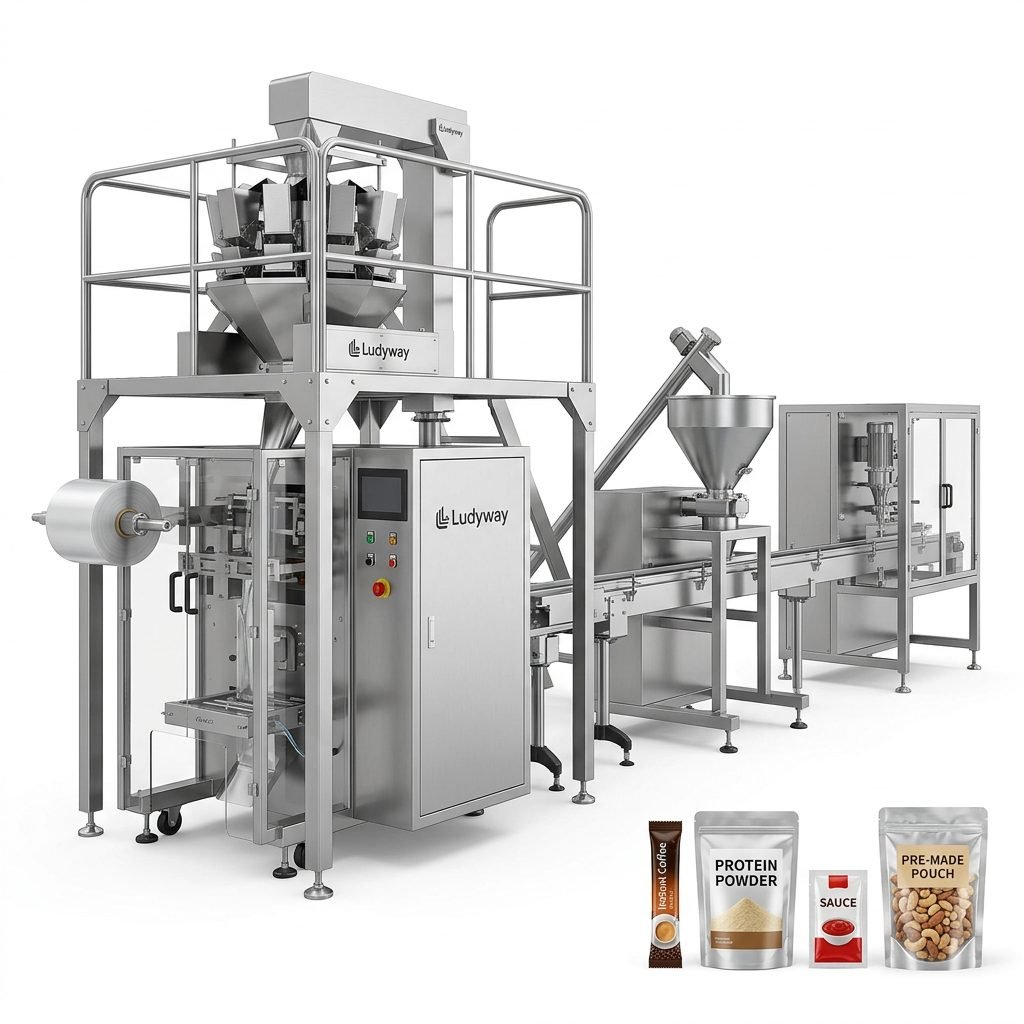
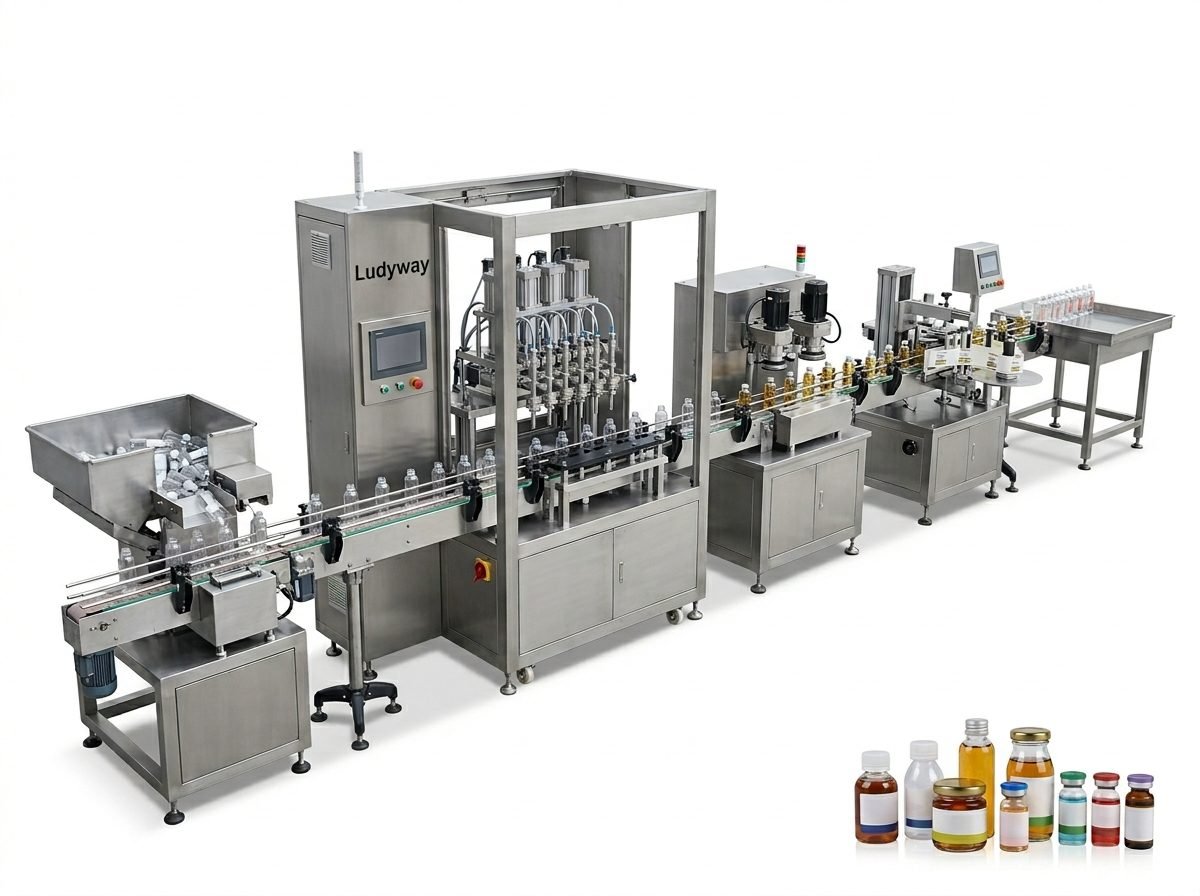
For many medium and large manufacturers, a standalone oil packing machine is only one part of the full process. Integrated solutions may include tanks, pumps, conveyors, date coding units, inspection systems, case packing, and palletizing. A turnkey approach can improve workflow, reduce coordination issues, and support more stable plant-wide output.
As one of China’s leading packaging machine and turnkey packaging line manufacturers, Ludyway cooking oil packing machine solutions are designed to support food manufacturers that need dependable automation, flexible customization, and long-term production efficiency.
Maintenance Tips for Reliable Performance
Even the best machine performs better with proper care. Routine maintenance supports efficiency, safety, and service life.
- Clean product-contact parts regularly
- Inspect seals, nozzles, and cutting components for wear
- Check filling calibration at scheduled intervals
- Monitor film tracking and sealing temperature stability
- Use original or recommended spare parts when replacing components
- Train operators on startup, shutdown, and troubleshooting procedures
What Makes a Reliable Supplier
A packaging machine is a long-term investment, so supplier capability matters. Buyers should look for manufacturing experience, export history, customization ability, and technical support responsiveness. A supplier with broad packaging expertise across liquids, powders, granules, and complete lines can usually provide more practical engineering recommendations for future expansion.
A strong supplier should offer:
- Application-based machine selection
- Customization for pack size and product characteristics
- Factory testing before delivery
- Installation guidance and operator training
- Stable spare parts and technical support
Final Considerations Before Investment
If your business packages edible oil at scale, the right machine can deliver measurable gains in efficiency, accuracy, and consistency. Focus on filling precision, hygienic design, sealing reliability, and compatibility with your future production goals. A well-matched cooking oil packing machine is not just a packaging device—it is a key part of improving profitability and brand quality in competitive food markets.
Choosing a reliable, efficient, and scalable packaging solution today can help your business meet tomorrow’s demand with confidence.