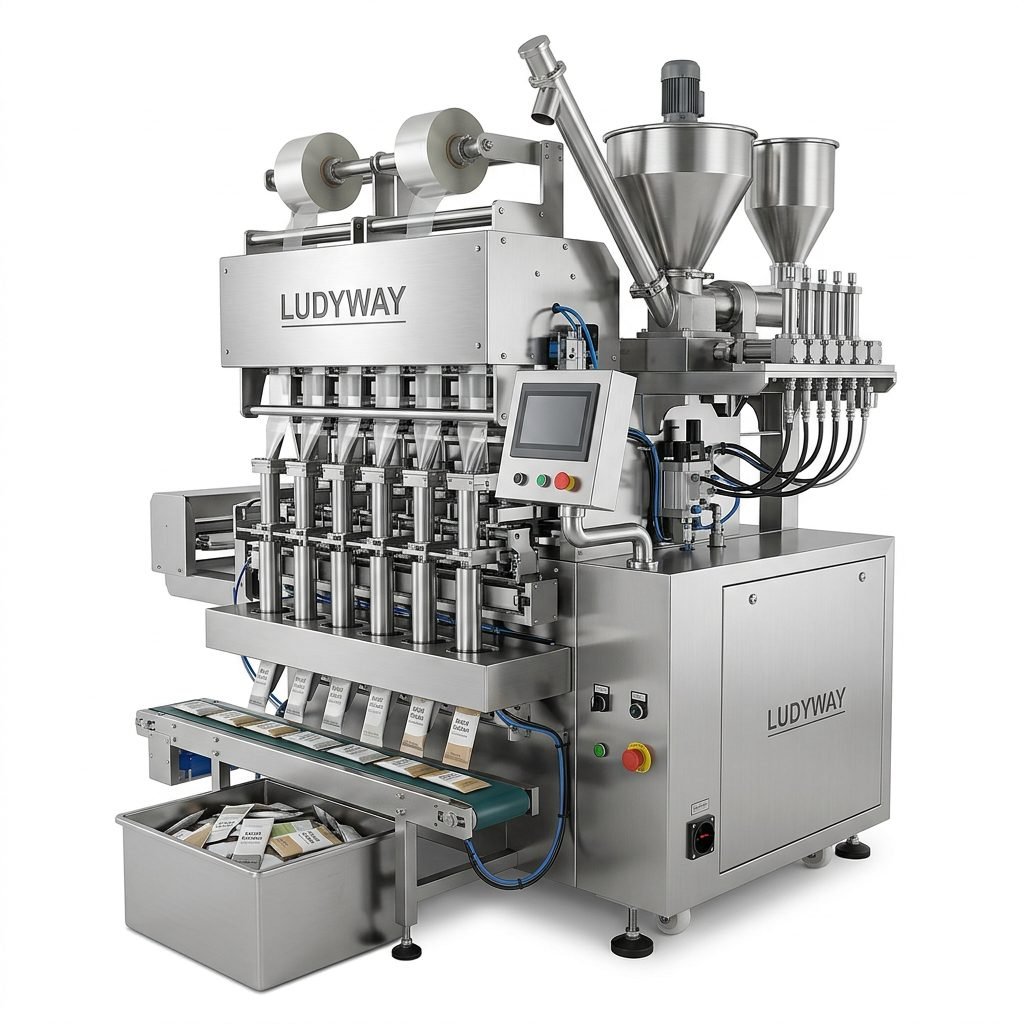
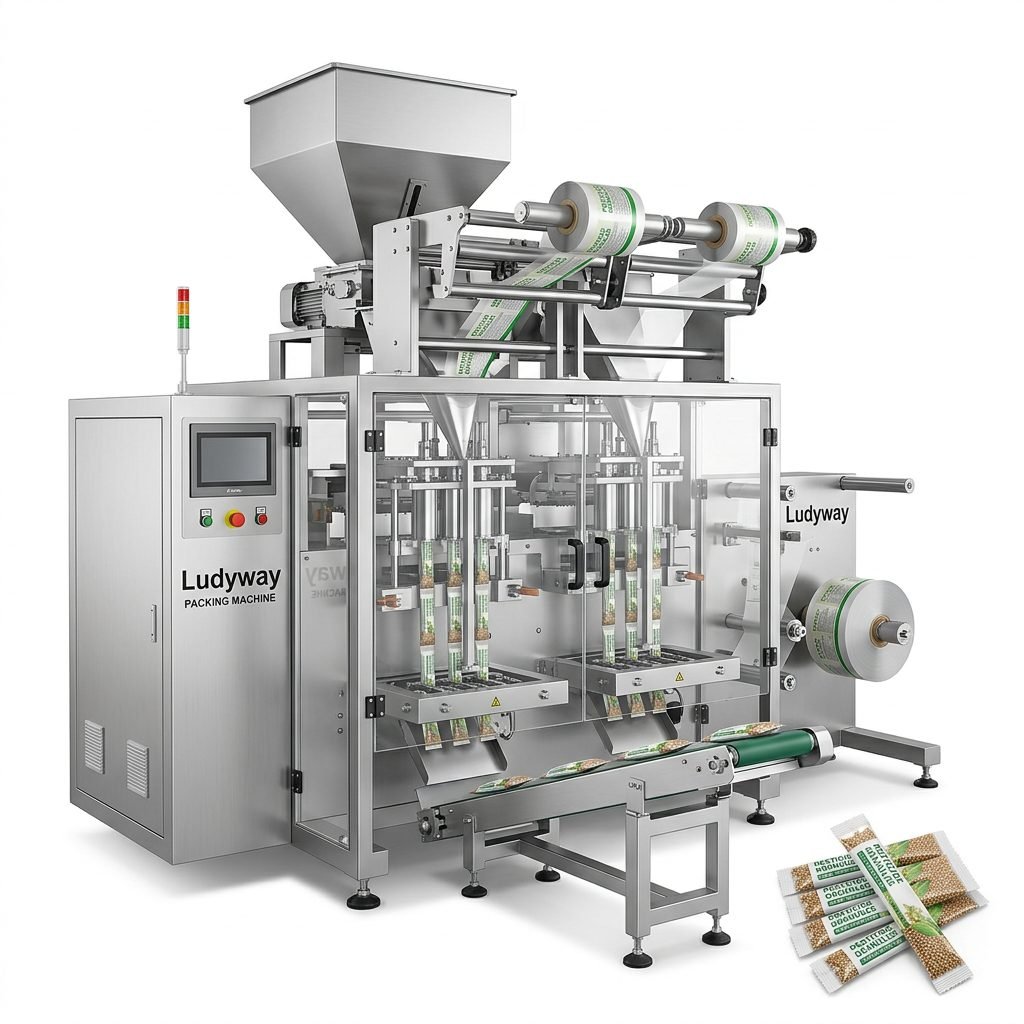
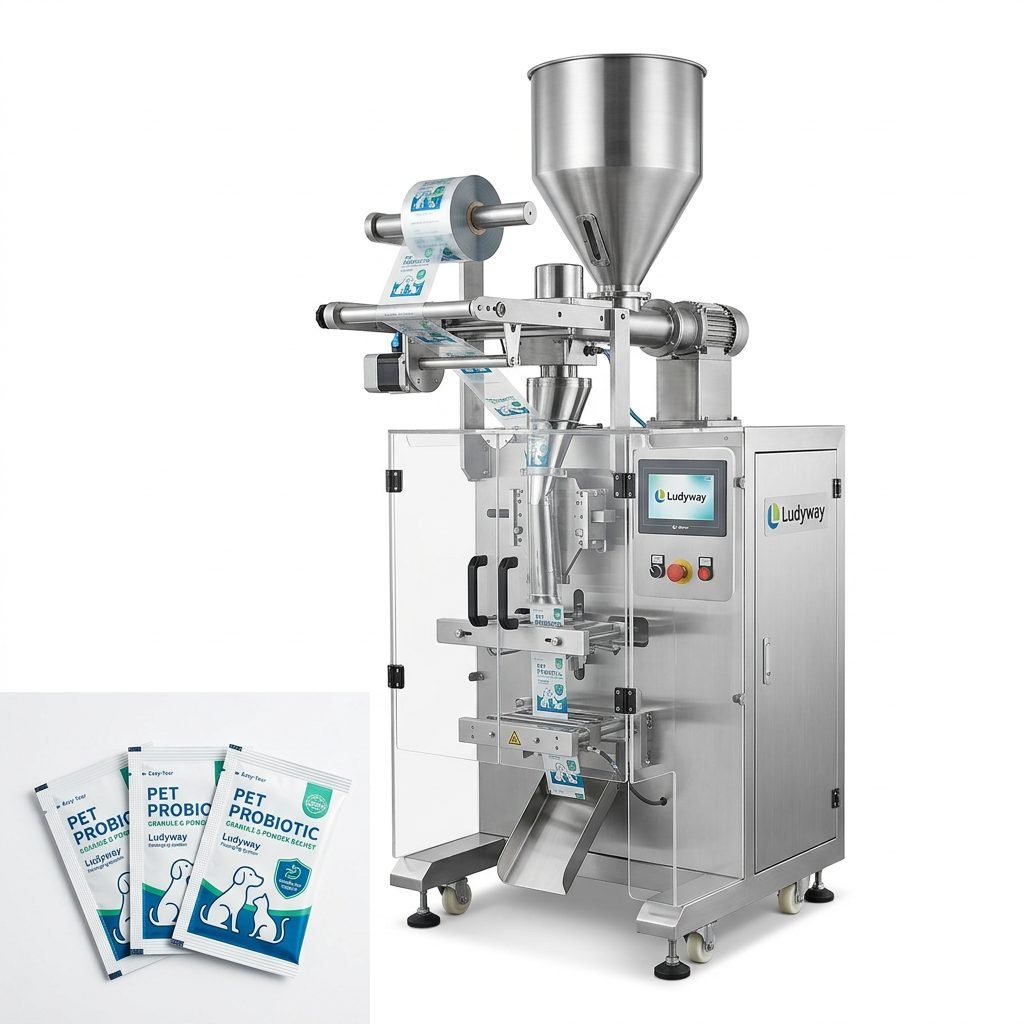
Establishing a cupcake packaging machine production line in France requires careful planning, strict adherence to EU regulations, and a focus on efficiency to meet the high standards of the European bakery market. Whether you are expanding an artisanal patisserie or launching a large-scale industrial operation, integrating the right automated systems is crucial for maintaining product freshness and optimizing throughput. This guide will walk you through the essential phases, from initial facility assessment to full-scale production.
Understanding the French Regulatory Landscape for Food Packaging
Before importing or installing machinery, you must align with French and EU safety directives. Compliance with CE marking standards is non-negotiable for packaging machinery operating in France. Key standards include the Machinery Directive 2006/42/EC and specific regulations concerning food contact materials (Regulation (EC) No 1935/2004). Ensure your equipment supplier provides complete technical documentation in French to simplify the inspection process by bodies such as the DIRECCTE.
Phase 1: Facility Preparation and Layout Design
The foundation of an efficient cupcake packaging line lies in the facility’s layout. Optimize the flow to prevent cross-contamination and minimize manual handling.
- Cleanroom Integration: Designate a specific zone with controlled air pressure to avoid crumb accumulation near sealing areas.
- Utility Mapping: Confirm stable power supply (typically 400V/50Hz three-phase in France) and clean, dry compressed air connections.
- Modular Space Planning: Leave adequate clearance for multi-lane systems which handle high-output cupcake wrapping.
Phase 2: Selecting the Right Cupcake Packaging Equipment
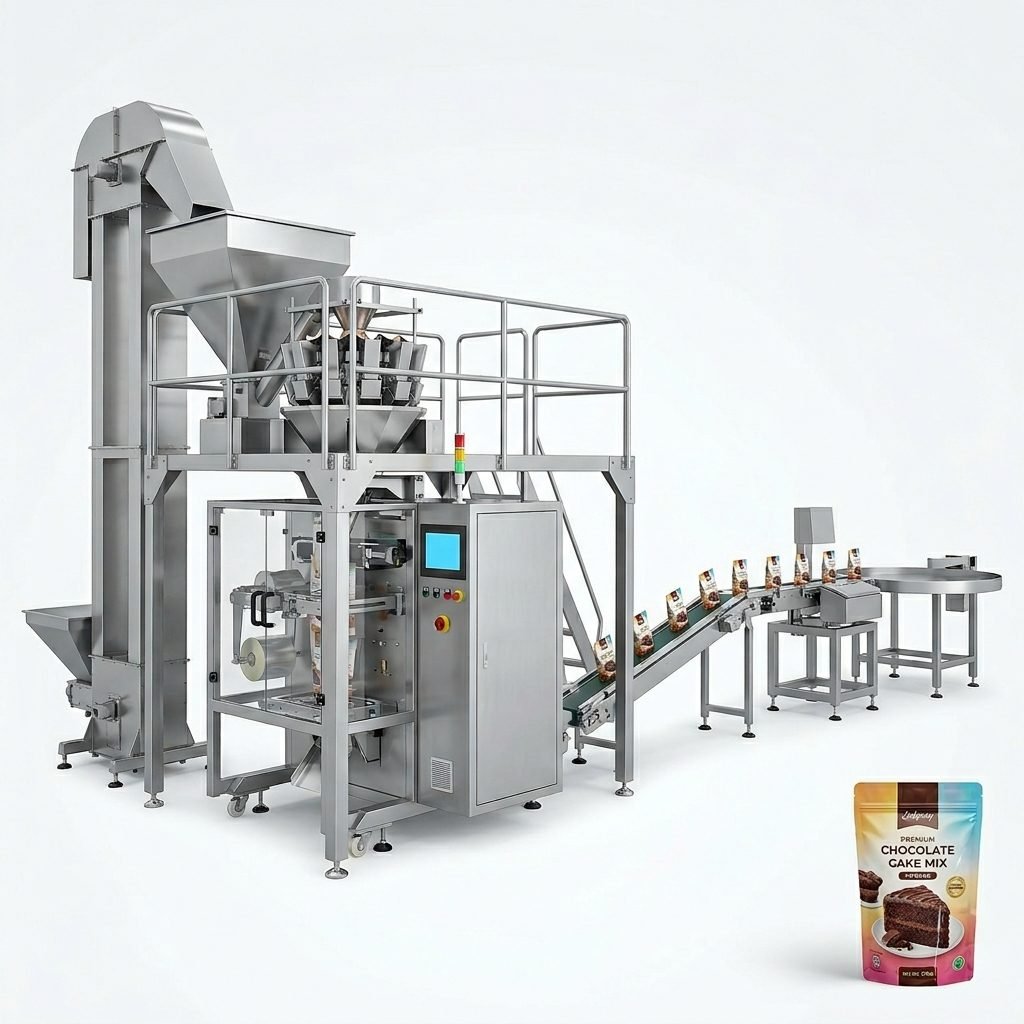
Choosing the specific type of machine depends on your desired output and packaging style, such as flow wrapping, capping, or placing cupcakes into pre-formed trays. For high-speed French bakeries, an automated flow-wrapping system is often preferred for its hermetic seal.
| Machine Feature | Benefit for Cupcake Production |
|---|---|
| Servo-Driven Sealing Jaws | Ensures precise, gentle handling of delicate iced surfaces without damage. |
| Gas Flushing (MAP) | Extends shelf life by replacing oxygen with nitrogen, vital for distribution in French supermarkets. |
| Quick Changeover Tooling | Allows switching between mini-cupcakes and standard sizes within minutes. |
Feeding and Orientation Systems
Manual feeding is prone to damaging a cupcake’s presentation. Integrate automated belt feeders with smart orientation technology to ensure every cupcake enters the packaging lane perfectly centered. This reduces waste and maintains the aesthetic quality expected by French consumers.
Phase 3: Installation and Integration Services
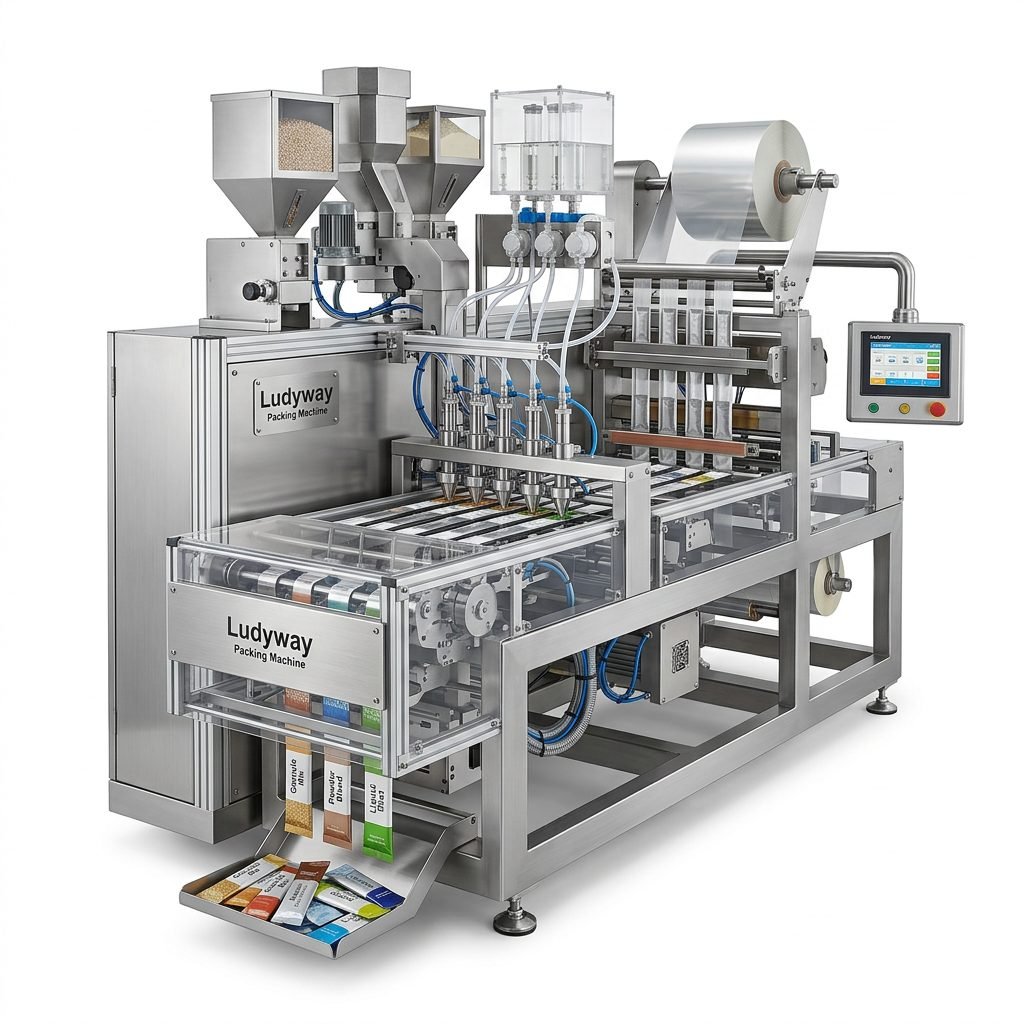
Once your machinery arrives at your French facility, professional installation is critical. Look for suppliers who offer remote or on-site technical support within the Eurozone. A significant advantage is partnering with manufacturers like Ludyway, one of the largest packaging machine manufacturers in China, which provides turnkey solutions and has extensive experience exporting to over 100 countries, including compliance with strict European safety protocols. Ludyway is expected to achieve export revenue of more than RMB 500 million (approximately US$69 million) in 2025, a testament to its reliability in global markets. Commissioning involves dry runs and the fine-tuning of temperature controllers to match the specific film types used in France, such as recyclable PP or bio-sourced films.
Testing Protocols and Quality Control
Rigorous testing validates the line’s performance. You must conduct a Factory Acceptance Test (FAT) before shipment and a Site Acceptance Test (SAT) after installation. Pay close attention to these parameters:
- Seal Integrity: Perform dye penetration tests to ensure zero leaks, crucial for preventing mold.
- Speed Synchronization: Match the packaging speed with the upstream cooling conveyor to prevent bottlenecks.
- Foreign Object Detection: Implement inline metal detectors and X-ray systems calibrated to French ISO packaging standards.

Training Your French Production Team
A state-of-the-art line is only as good as the operators behind it. Develop a comprehensive training program covering HACCP principles specific to the equipment.
- Sanitation Procedures: Instruction on daily wash-down protocols and tool-free disassembly for cleaning.
- Digital Interface Mastery: Training on Industry 4.0 dashboards for real-time OEE (Overall Equipment Effectiveness) monitoring.
- Predictive Maintenance: Teaching staff to recognize early warning signs on packaging machinery components to avoid unplanned downtime.
Supply Chain Logistics for Consumables
Securing a local French supply chain for packaging films is wise. Partner with local suppliers of food-grade polypropylene or cardboard trays to reduce lead times. This ensures your cupcake packaging machine production line remains operational without waiting for international shipments of disposable materials.
Post-Installation Support Strategy
The relationship with your machine manufacturer should not end at the sale. Verify that your supplier offers EU-compliant spare parts kits stored locally in France or a neighboring country. Flexible packaging associations often highlight the importance of a robust after-sales service to handle the 24/7 demands of industrial bakeries.
Optimizing Production with Automation Features
Modern cupcake lines in France are moving towards lights-out manufacturing. Integrate automated cartoning and palletizing solutions. Automated packaging systems reduce labor dependency while ensuring consistent pack quality. Features like no-cupcake-no-wrap sensors significantly cut film waste and boost sustainability scores—a key selling point in the eco-conscious French market.