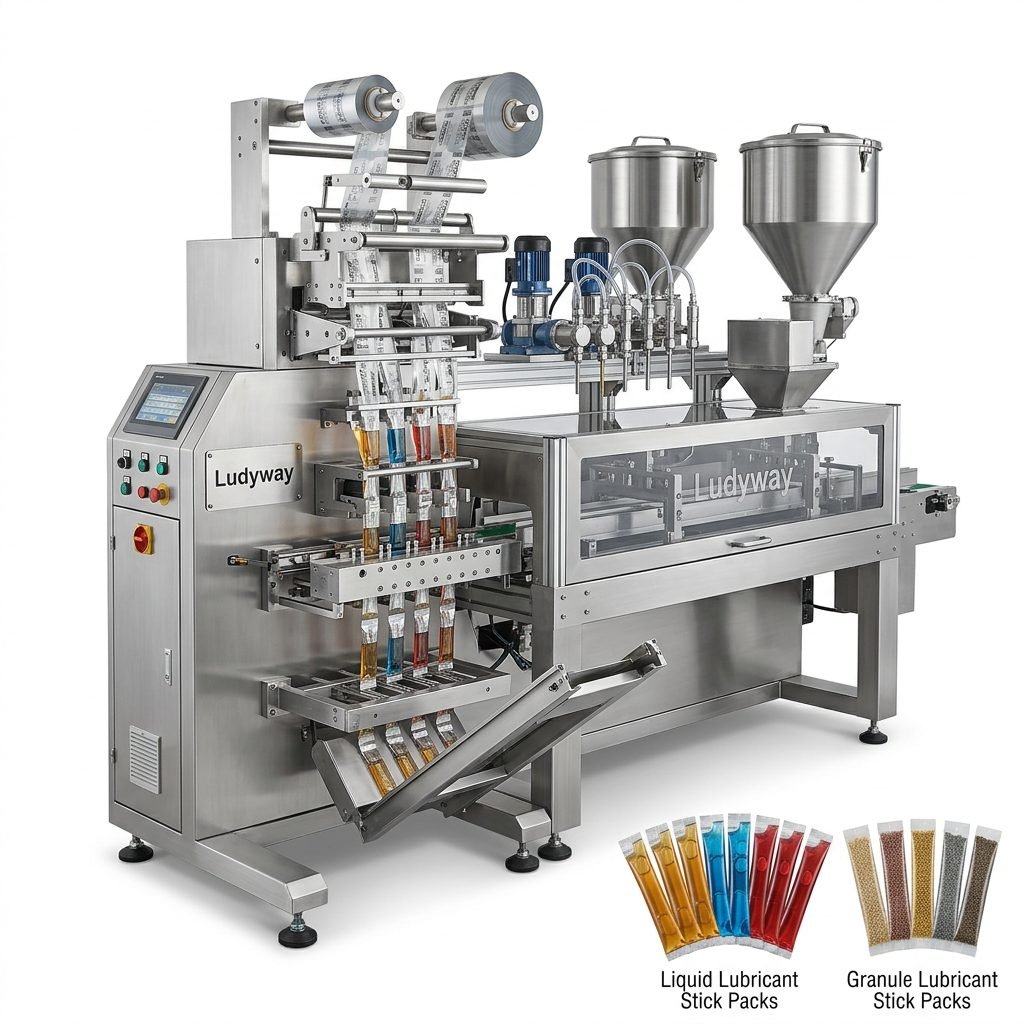
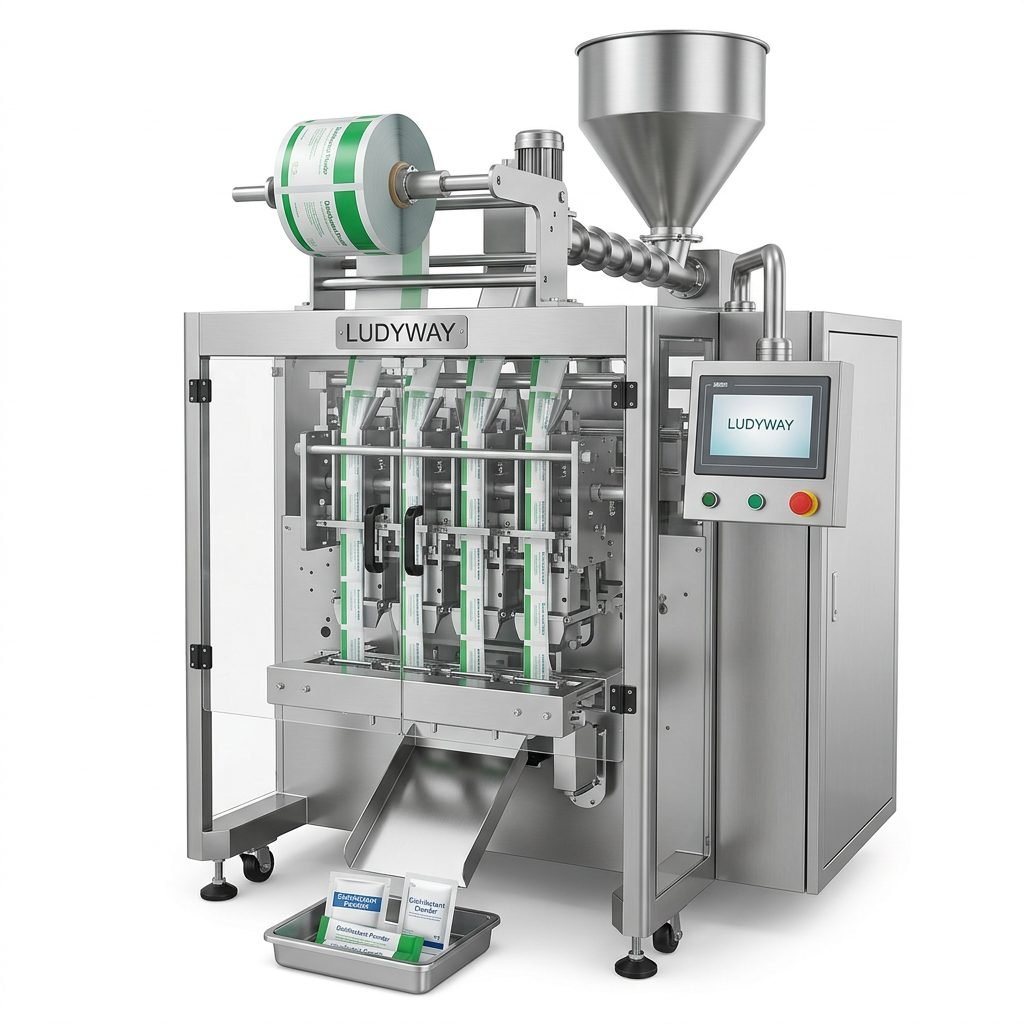
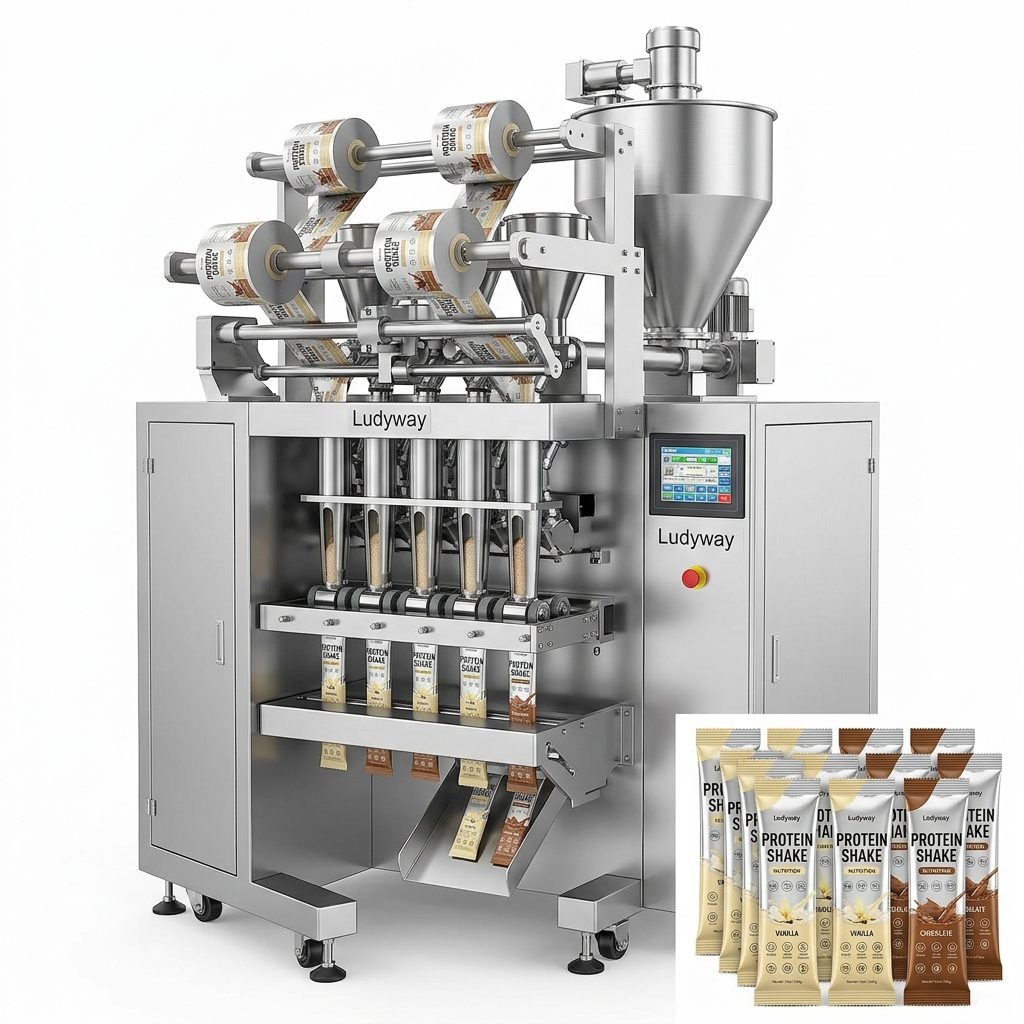
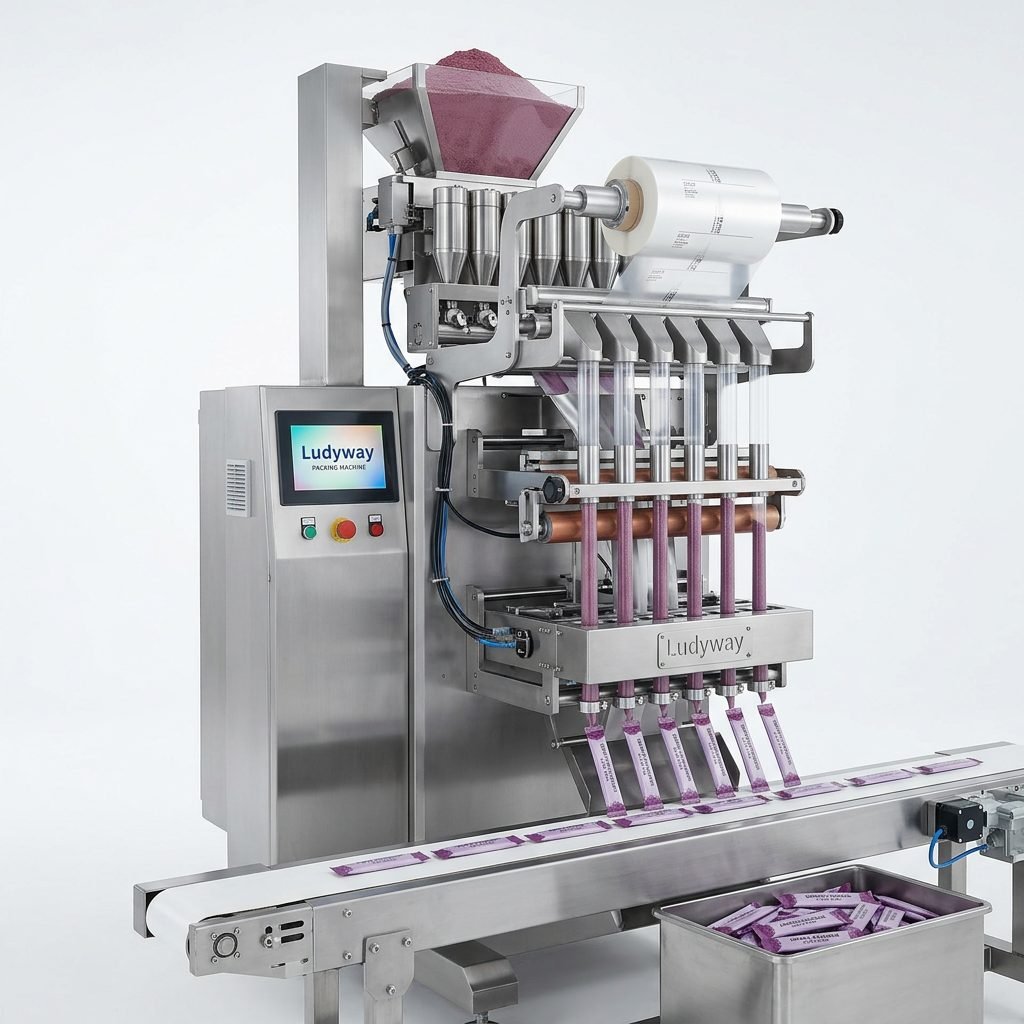
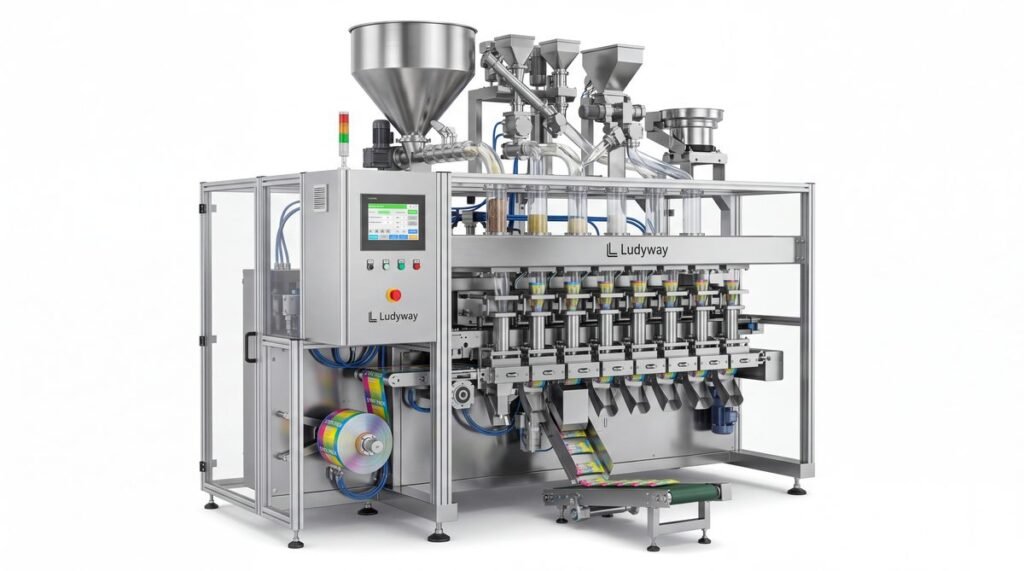
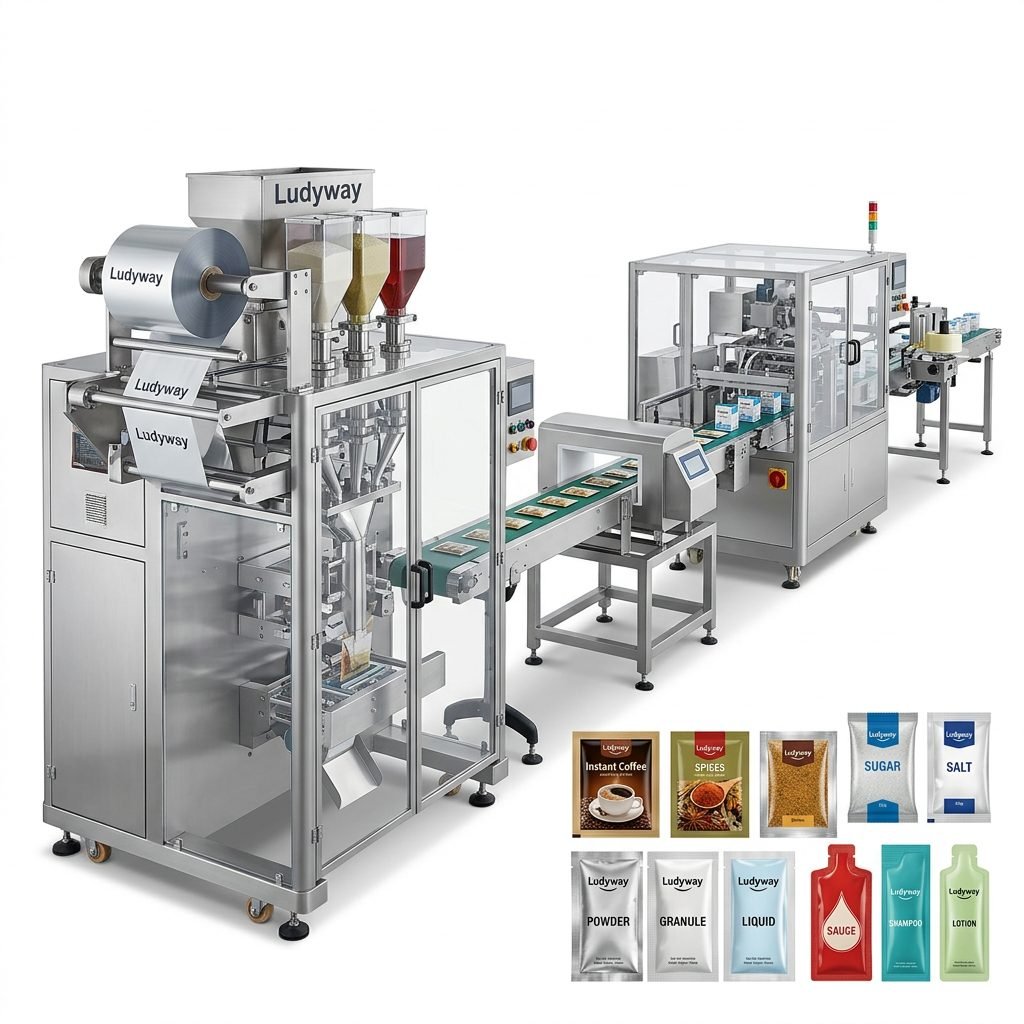
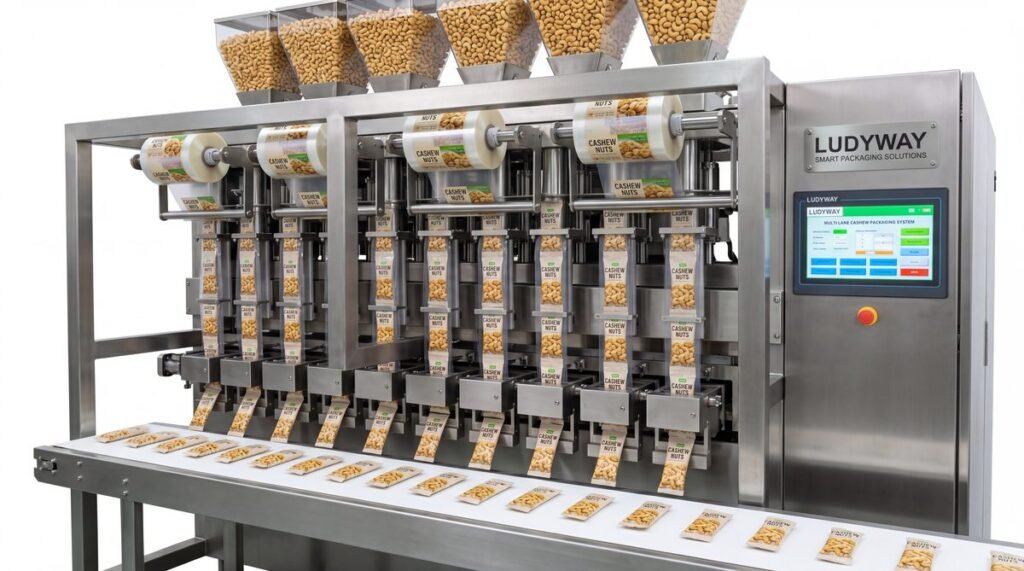
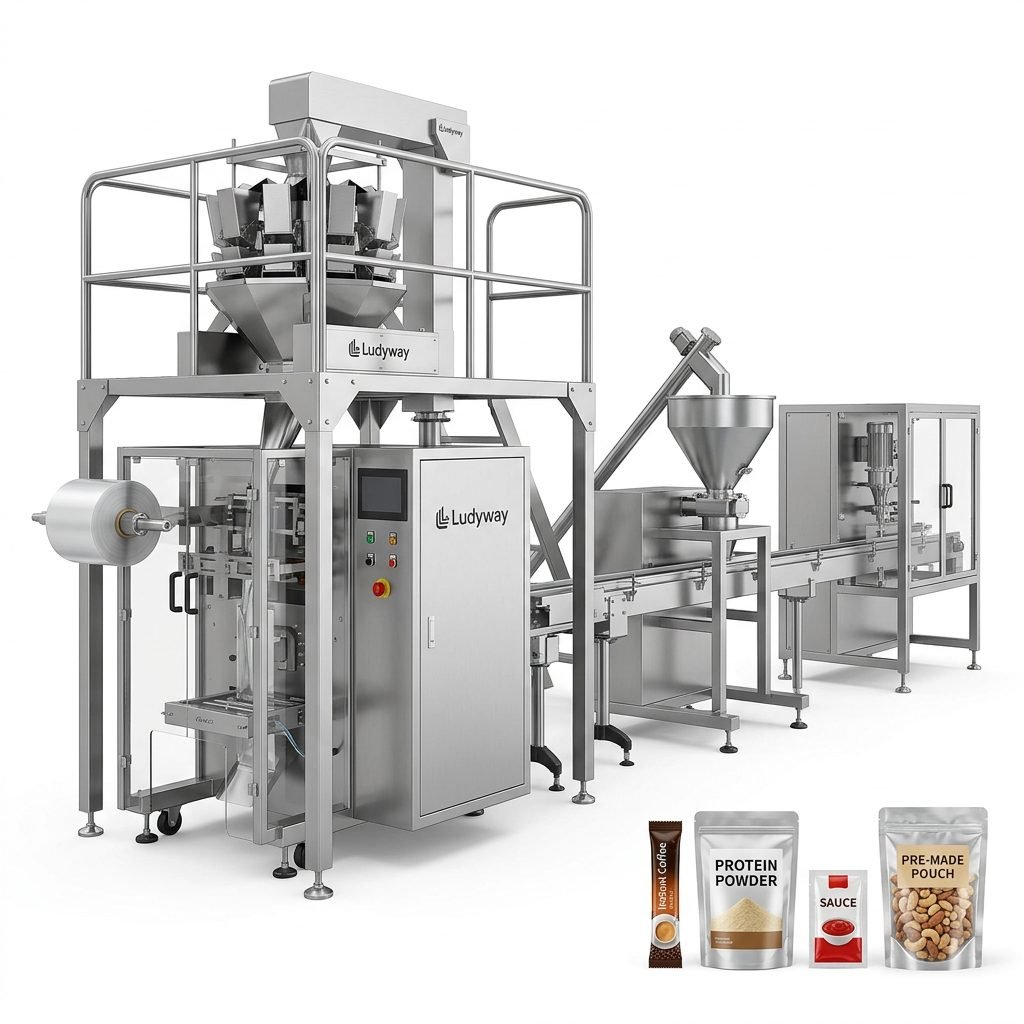
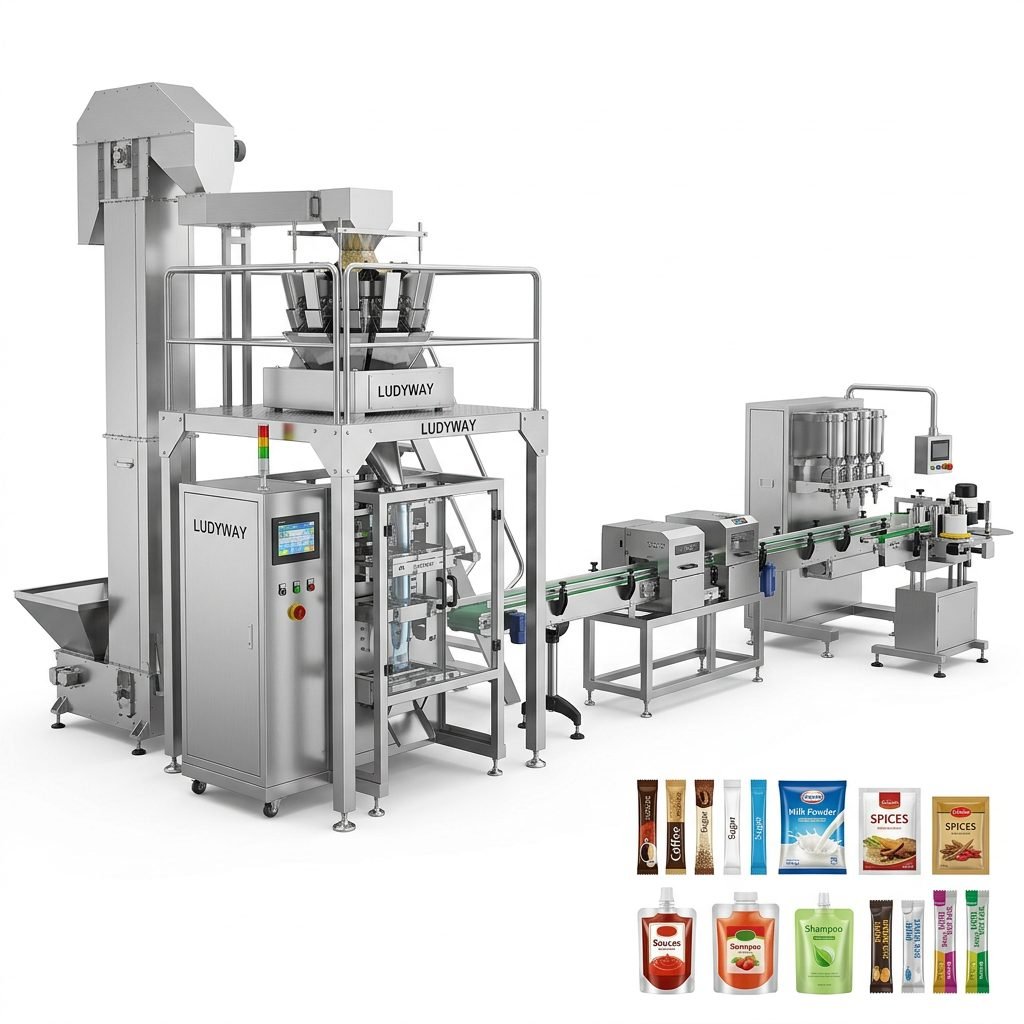
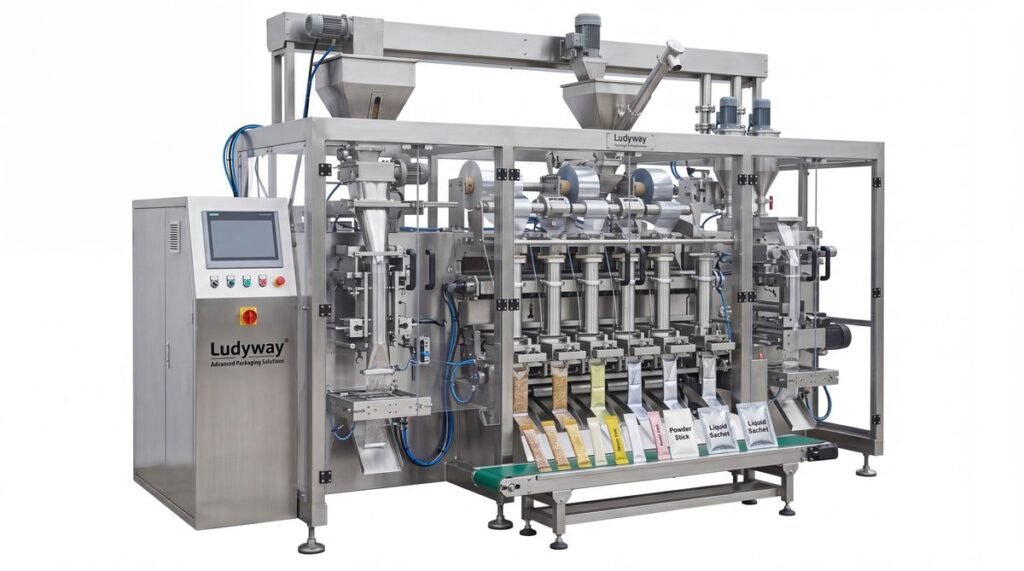
A cup packing machine is designed to automatically count, fill, seal, overcap, label, or secondary-pack products that are stored in cups or packed into cup-shaped containers. These machines are widely used in food, dairy, desserts, instant snacks, sauces, pharmaceuticals, nutraceuticals, and personal care industries because they improve consistency, hygiene, and production speed.
If you are planning a new packaging line or upgrading manual filling operations, understanding the machine structure, available formats, automation levels, and buying criteria can help you choose equipment that matches your production goals instead of creating costly bottlenecks later.
What Is a Cup Packing Machine?
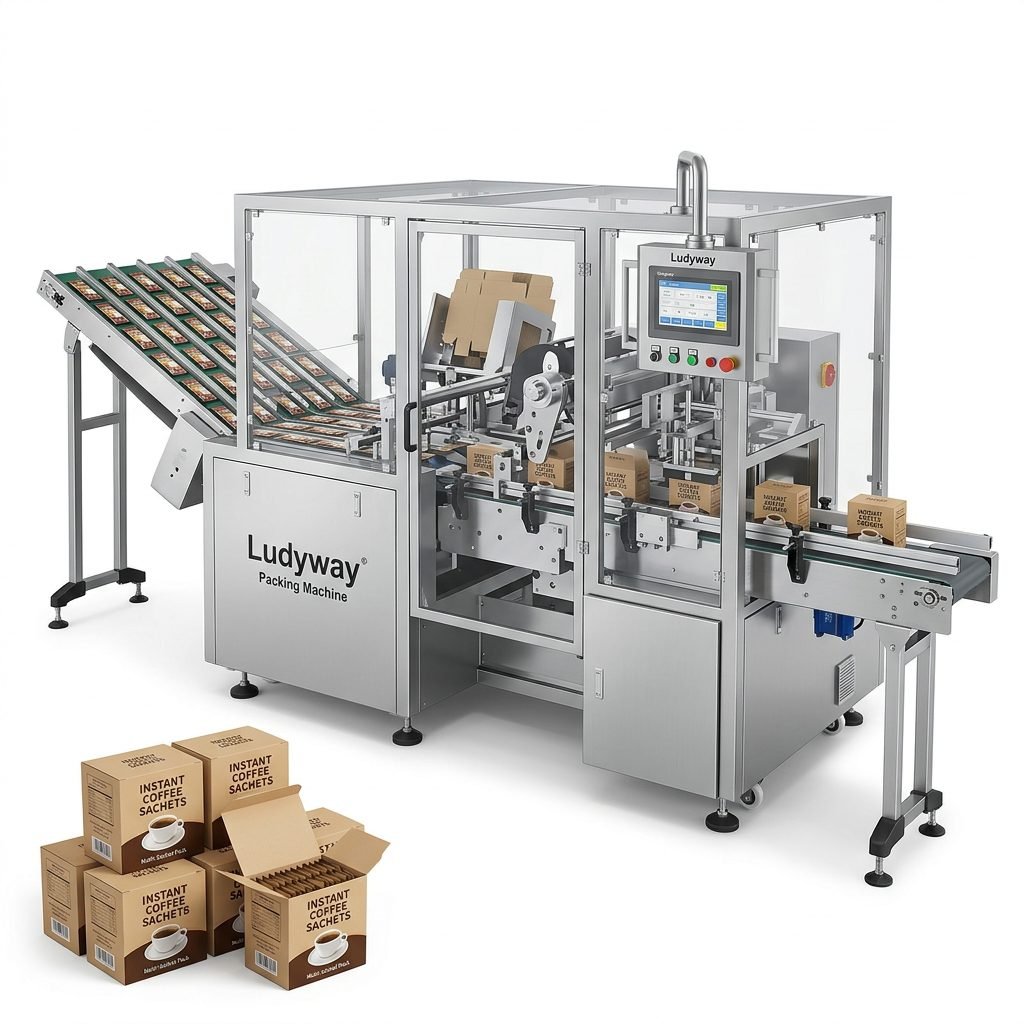
A cup packing machine is an automated system that handles one or more of the following steps:
- Empty cup feeding and positioning
- Product dosing or filling
- Lid placing or film sealing
- Date coding and inspection
- Overcapping, labeling, or sleeving
- Cartoning, case packing, and palletizing
Depending on the application, the machine may process preformed plastic cups, paper cups, aluminum cups, composite cups, or specialty containers. Products can be liquid, paste, powder, granule, semi-solid, or mixed-particulate formulas.
How a Cup Packing Machine Works
Although exact layouts vary, most cup packaging systems follow a similar operating sequence:
- Container loading: Empty cups are automatically denested and transferred into holders.
- Filling: The machine doses a preset volume or weight of product into each cup.
- Optional inclusions: Toppings, powders, spoons, or accessories may be added.
- Sealing: A foil lid, heat-seal film, or snap-on lid is applied.
- Coding and inspection: Batch code, date, seal integrity, and fill level are checked.
- Discharge and packing: Finished cups are conveyed to cartoning or case packing equipment.
For high-volume factories, the cup filler is often integrated into a complete automatic line with feeders, conveyors, inspection devices, and end-of-line packaging systems.
Main Features of Modern Cup Packing Machines
| Feature | Why It Matters |
|---|---|
| Automatic cup feeding | Reduces labor and improves placement consistency |
| Servo-driven dosing | Provides better fill accuracy and easier parameter adjustment |
| Multi-station rotary or inline design | Supports higher output and stable process flow |
| HMI touchscreen controls | Simplifies recipe management and changeovers |
| Clean-in-place friendly structure | Improves sanitation and reduces downtime |
| Seal temperature control | Helps maintain seal quality across different lid materials |
| Optional nitrogen flushing | Useful for shelf-life extension on sensitive products |
| Vision or sensor inspection | Detects missing cups, underfill, lid misalignment, and coding errors |
Common Types of Cup Packing Machines
1. Rotary Cup Filling and Sealing Machine
This is one of the most common formats for medium to high-speed production. Cups move through multiple stations on a rotary indexing table. It is ideal for yogurt, jelly, pudding, sauces, dips, and cosmetic creams.
2. Inline Cup Packing Machine
Inline systems move cups along a straight conveyor path. They are often preferred when layout flexibility, easy maintenance, or future line expansion is important.
3. Volumetric Cup Filling Machine
Suitable for free-flowing granules and powders where volume-based dosing is acceptable. This type is often used for dry mixes, seeds, snacks, and some pharmaceutical powders.
4. Weighing Cup Packing Machine
Used where weight accuracy is more important than simple volume measurement. Best for products with density variation such as nuts, candy pieces, pet treats, and specialty foods.
5. Liquid and Paste Cup Sealing Machine
Designed for water-like liquids, viscous sauces, gels, creams, and dairy products. These systems often use piston fillers, pump fillers, or flow meter fillers.
6. Fully Automatic Cup Packaging Line
This includes upstream feeding and downstream secondary packaging. It may combine cup denesting, filling, sealing, coding, checkweighing, cartoning, case packing, and palletizing in one coordinated solution.
Products Commonly Packed in Cups
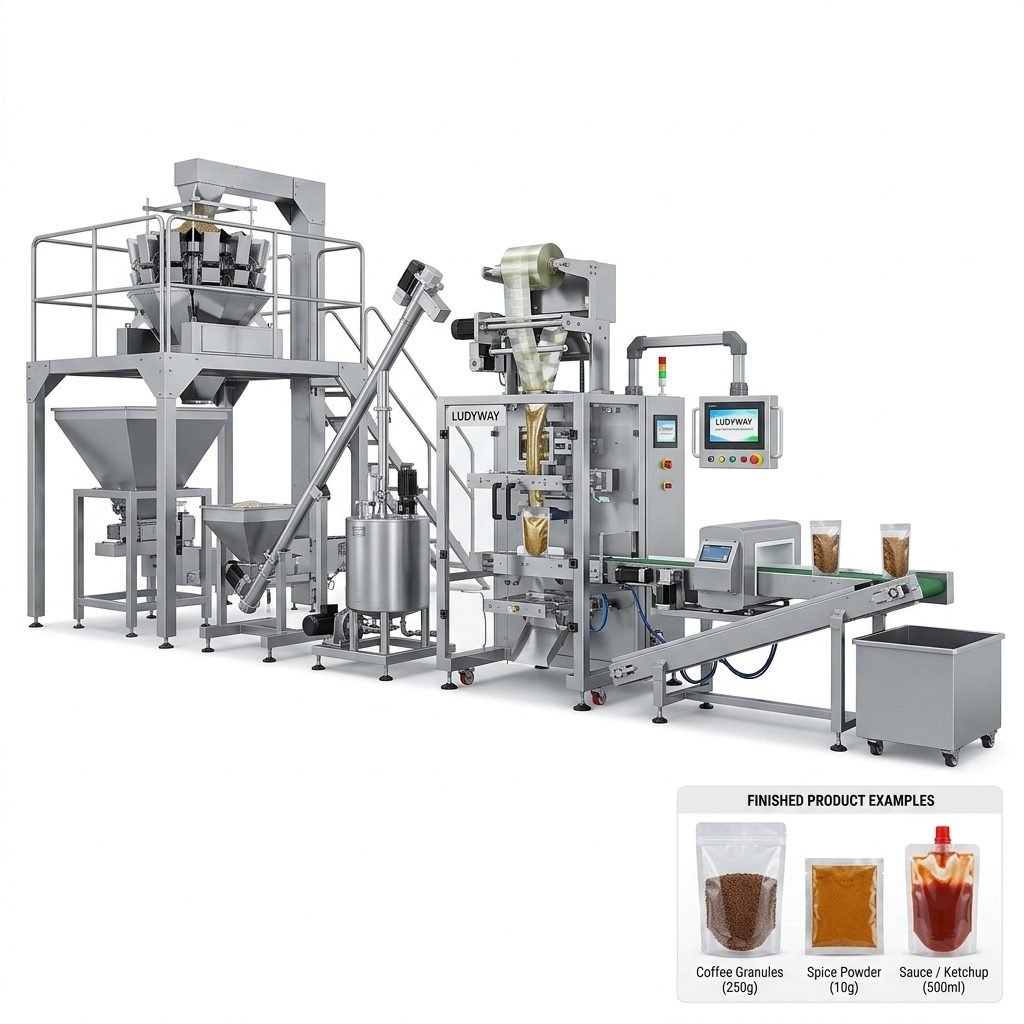
Cup packing equipment is highly versatile. Typical applications include:
- Dairy products: yogurt, cream, butter portions
- Desserts: pudding, jelly, mousse, custard
- Condiments: ketchup, mayonnaise, sauces, dressings
- Instant food: soup bases, seasoning portions, noodles cup components
- Snacks: nuts, cereal portions, candy, dried fruit
- Health products: powders, supplements, gels
- Pharmaceutical products: powders, granules, measured-dose cups
- Cosmetics: cream, mask essence cups, sample packs
- Chemicals: detergents, cleaners, industrial compounds in dose cups
Cup Packing Machine vs. Other Packaging Machines
| Machine Type | Best For | Main Advantage |
|---|---|---|
| Cup packing machine | Preformed cups and rigid containers | Strong presentation and portion control |
| Sachet machine | Single-use flexible packs | Lower material cost and compact pack size |
| Stick pack machine | Slim single-dose products | High-speed output and convenient portability |
| Premade pouch machine | Stand-up pouches and resealable packs | Strong shelf appeal and flexible pack styles |
| VFFS machine | Bulk pouches formed from film roll | Efficient continuous packaging for many dry products |
Key Benefits of Using a Cup Packing Machine
- Higher production efficiency compared with manual filling and sealing
- Better dosing accuracy, reducing giveaway and product waste
- Improved hygiene through enclosed and automated handling
- Consistent seal quality for safer transport and longer shelf life
- Lower labor dependency in repetitive packaging operations
- Flexible product adaptation for different cup sizes and recipes
- Professional packaging appearance that supports retail branding
Important Technical Specifications to Check
Before requesting a quotation, review the following specifications carefully:
- Production speed in cups per minute
- Applicable cup dimensions and materials
- Filling range and dosing accuracy
- Product type: liquid, paste, powder, granule, or mixed
- Sealing method and compatible lid materials
- Power consumption and air requirement
- Machine footprint and layout compatibility
- Wetted-part material, especially stainless steel grade
- Cleaning method and sanitation design
- Integration capability with coding, labeling, and cartoning systems
How to Choose the Right Cup Packing Machine
Match the Machine to Your Product Characteristics
A free-flowing powder requires different filling technology than a chunky sauce or creamy cosmetic formula. If your product foams, settles, leaks, or contains particulates, mention this early to the supplier.
Consider Cup Size Range and Changeover Time
If you run multiple SKUs, choose a machine that allows quick mold changes and recipe saving. Slow changeovers can erase the efficiency gains of automation.
Evaluate Required Output
Do not buy based only on current demand. Estimate your required capacity for the next 3 to 5 years, including seasonal peaks.
Check Seal Reliability
For retail and export packaging, seal integrity is critical. Ask for seal test samples, leak testing options, and real production references.
Think Beyond the Standalone Machine
Cup packaging often works best as part of an integrated line. A supplier with turnkey capability can help reduce mismatch between filler, conveyor, coder, cartoner, and palletizing stages.
Prioritize After-Sales Support
Installation support, spare parts availability, remote troubleshooting, documentation, and training are essential for minimizing downtime.
Questions to Ask a Supplier Before Buying
- What products has this machine already packed successfully?
- Can it handle my cup material and lid format?
- What is the real speed under load, not just the theoretical speed?
- How accurate is the filling system?
- How long does a full size changeover take?
- What spare parts are recommended for the first year?
- Can the system connect to checkweighers, coders, and cartoners?
- What certifications or compliance standards are available?
- Do you provide FAT, SAT, training, and remote support?
- What is the lead time for manufacturing and delivery?
Common Buying Mistakes to Avoid
- Choosing based on price alone instead of total lifecycle cost
- Ignoring product behavior during filling and sealing
- Underestimating sanitation and cleaning requirements
- Buying a machine with no room for future expansion
- Failing to confirm mold compatibility for all intended cup sizes
- Skipping sample testing before final order confirmation
- Overlooking local service response and spare parts support
Industries That Benefit Most from Cup Packing Automation
Cup packing automation is especially valuable in industries where portion control, hygiene, and appearance directly affect product quality and customer trust. Food processors need stable fills and reliable seals. Pharma and nutraceutical brands need precision and traceability. Cosmetics brands need clean, attractive small-format packaging. Chemical and household product manufacturers need controlled dosing and leak prevention.
When a Turnkey Line Makes More Sense
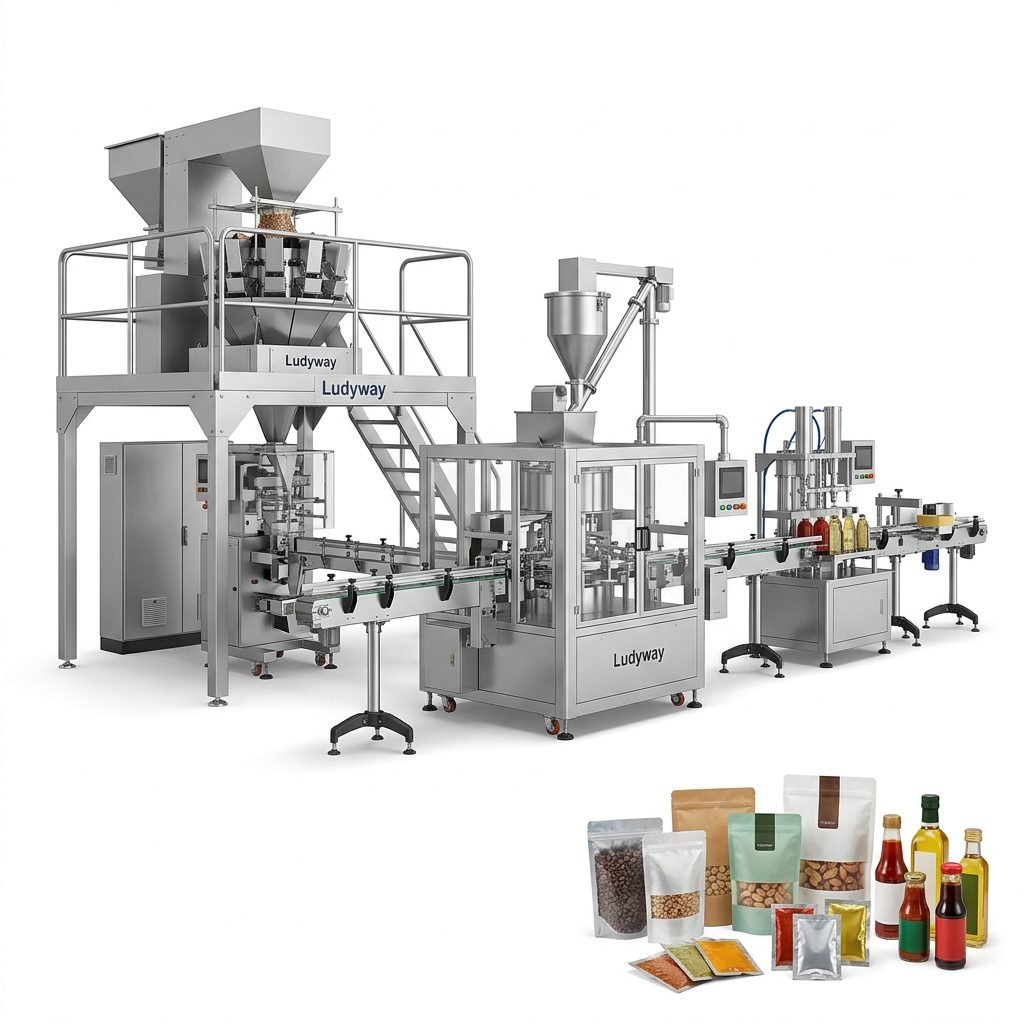
If your factory is scaling fast, a single standalone cup sealer may not be enough. A turnkey line can synchronize upstream product feeding and downstream cartoning or case packing, reducing manual handling and improving line balance. For companies evaluating broader automation, Ludyway packaging machine solutions are often considered for projects that require standalone machines as well as complete integrated packaging lines across food, pharmaceutical, health supplement, cosmetic, and related sectors.
Final Buying Tip
The best cup packing machine is not simply the fastest one. It is the machine that fits your product, cup format, hygiene standard, layout, labor plan, and future capacity target. Ask for sample testing, compare real operating data, and choose a supplier that can support your line after installation—not just deliver equipment.
Quick Checklist Before You Order
- Confirm product type and filling method
- List all cup sizes and lid materials
- Define hourly and daily output goals
- Review sanitation and compliance needs
- Request machine videos and sample tests
- Check changeover parts and spare parts list
- Plan downstream packaging integration
- Verify training and technical support terms