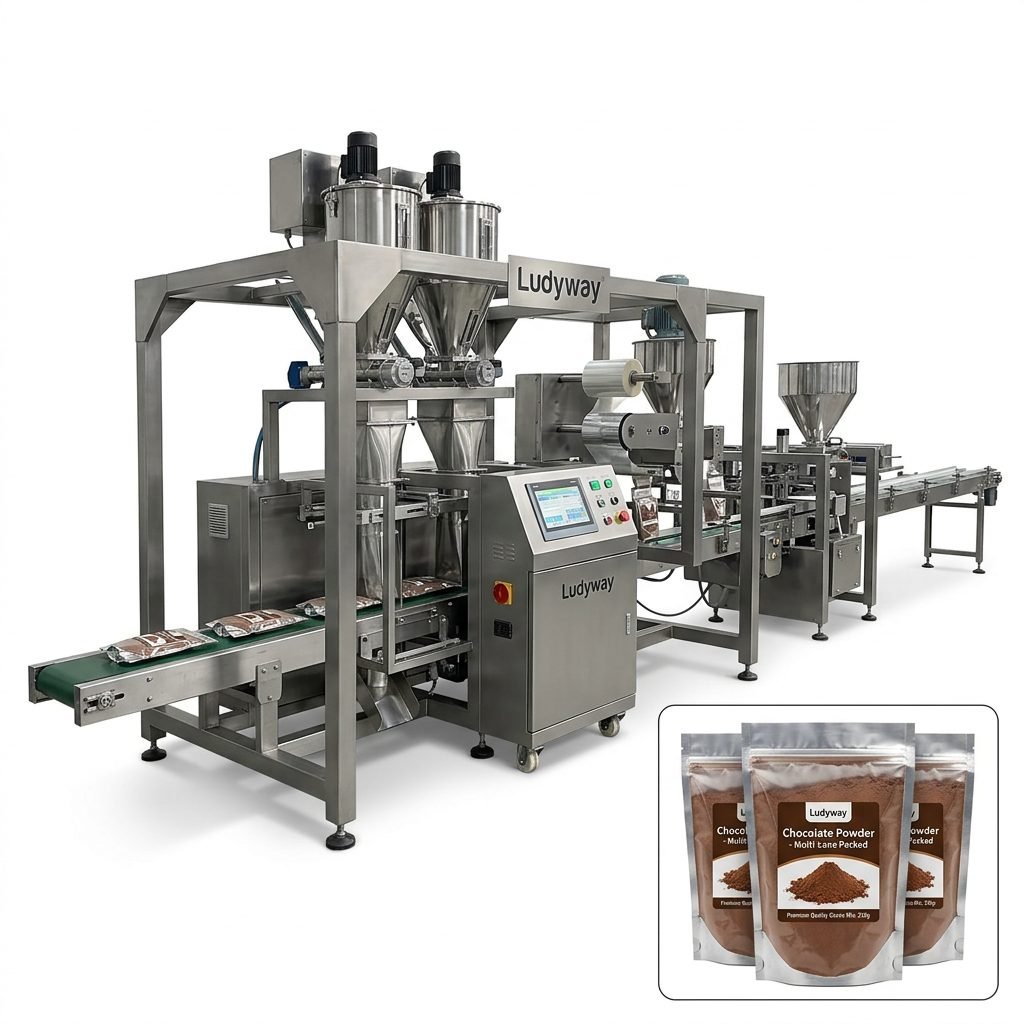
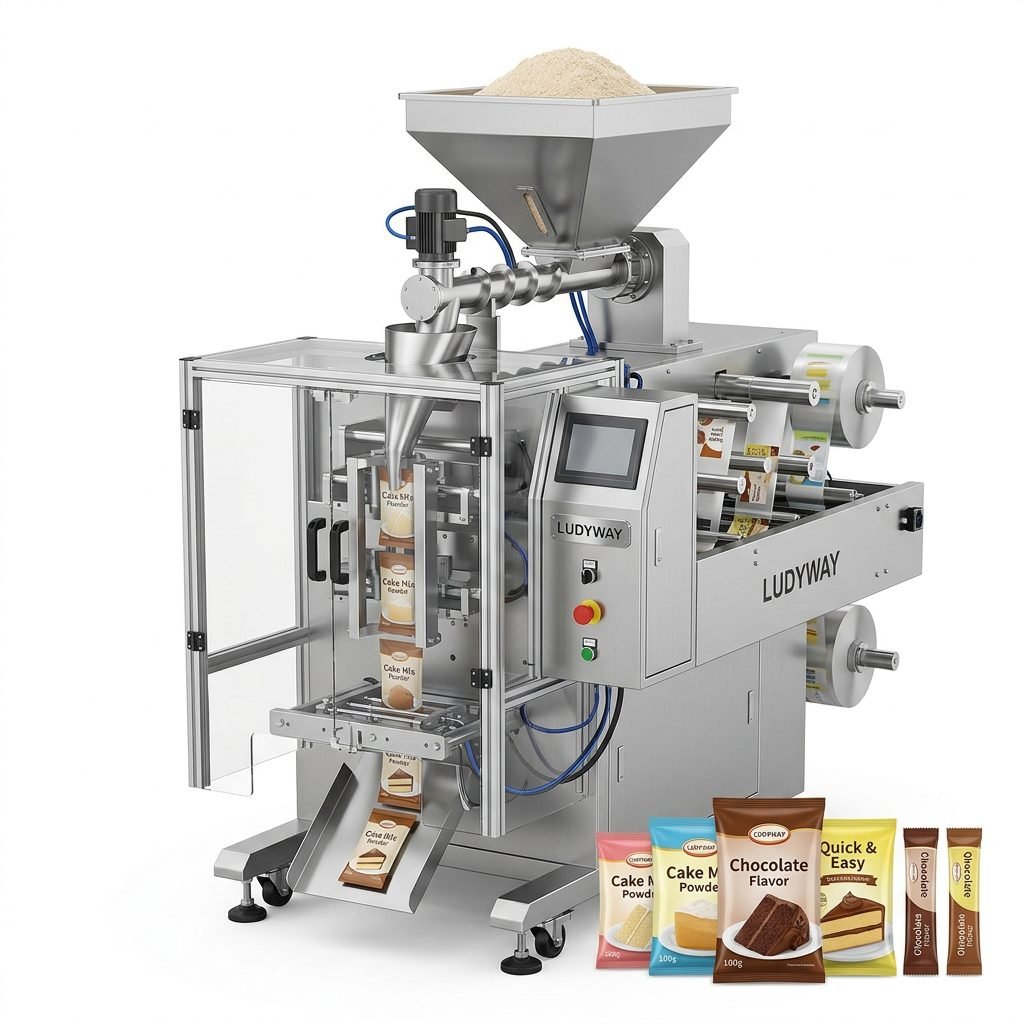
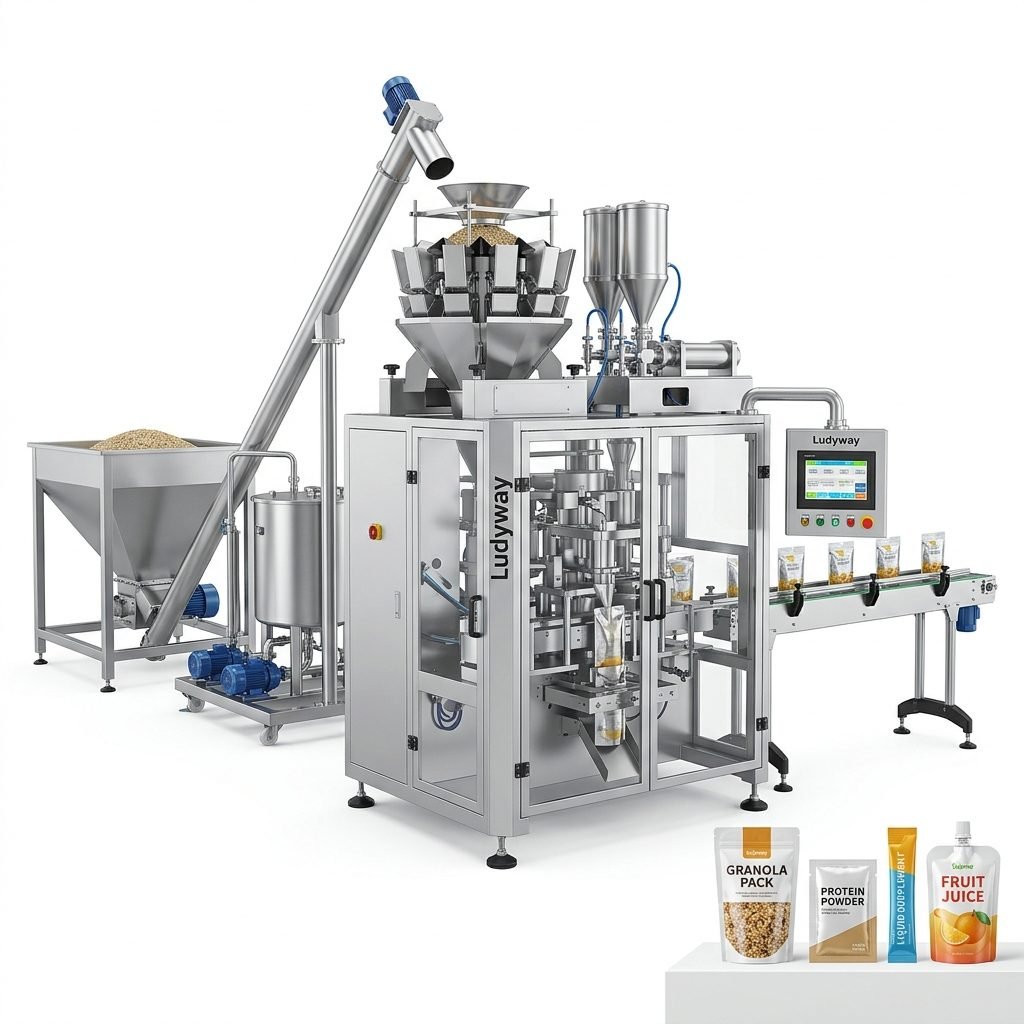
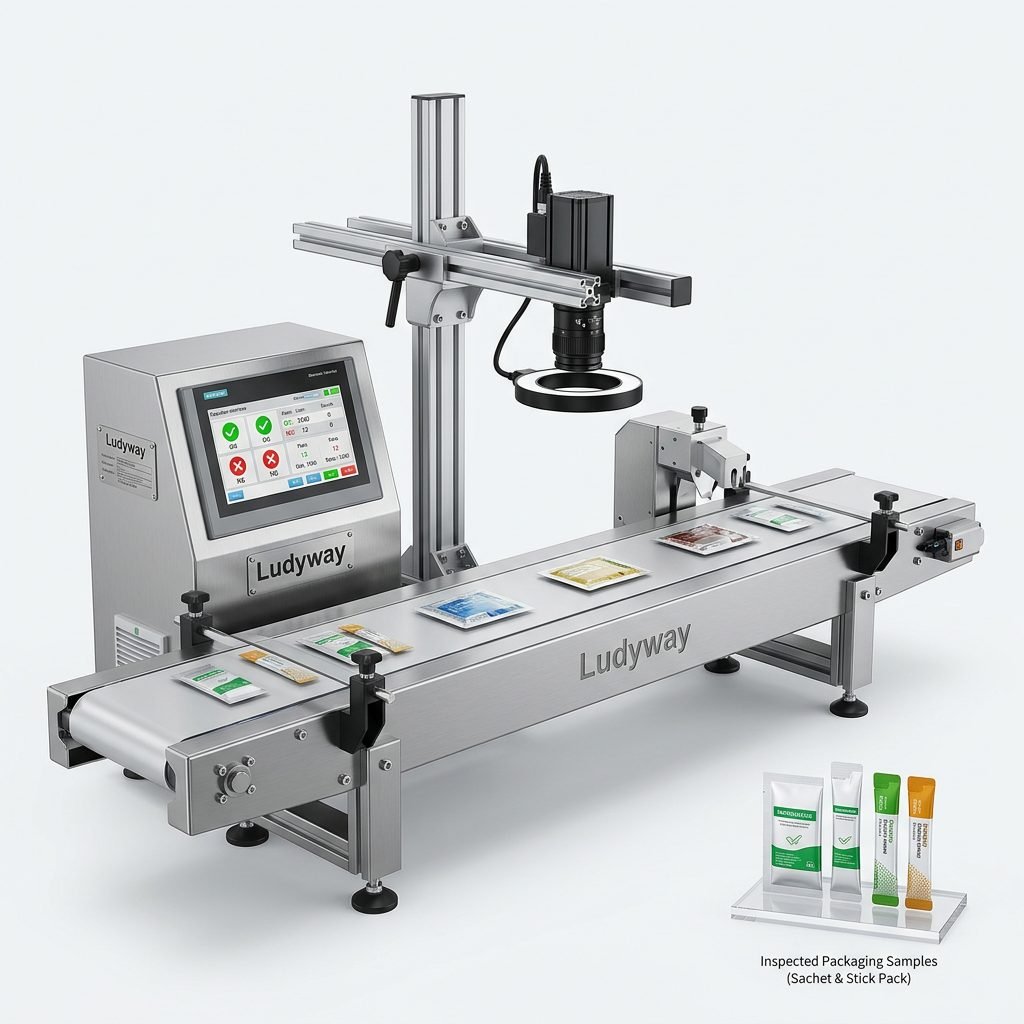
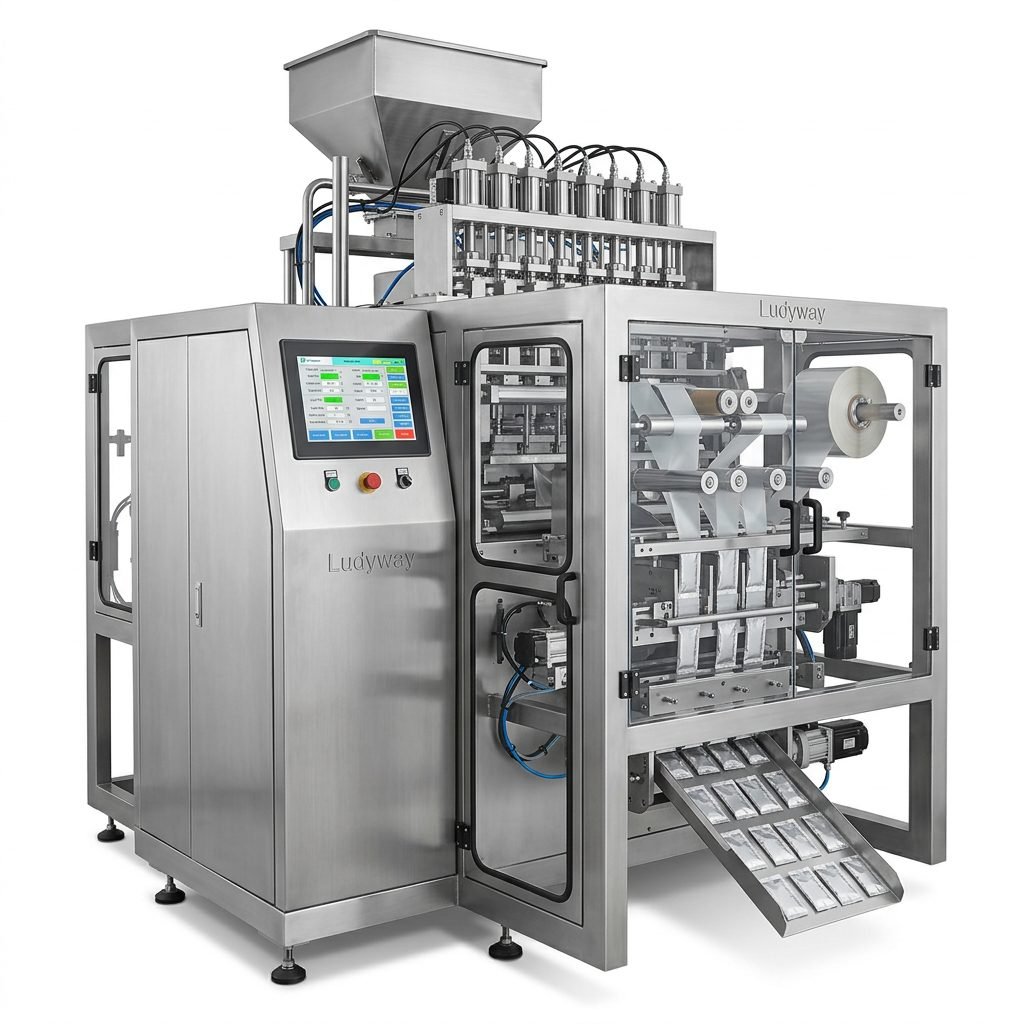
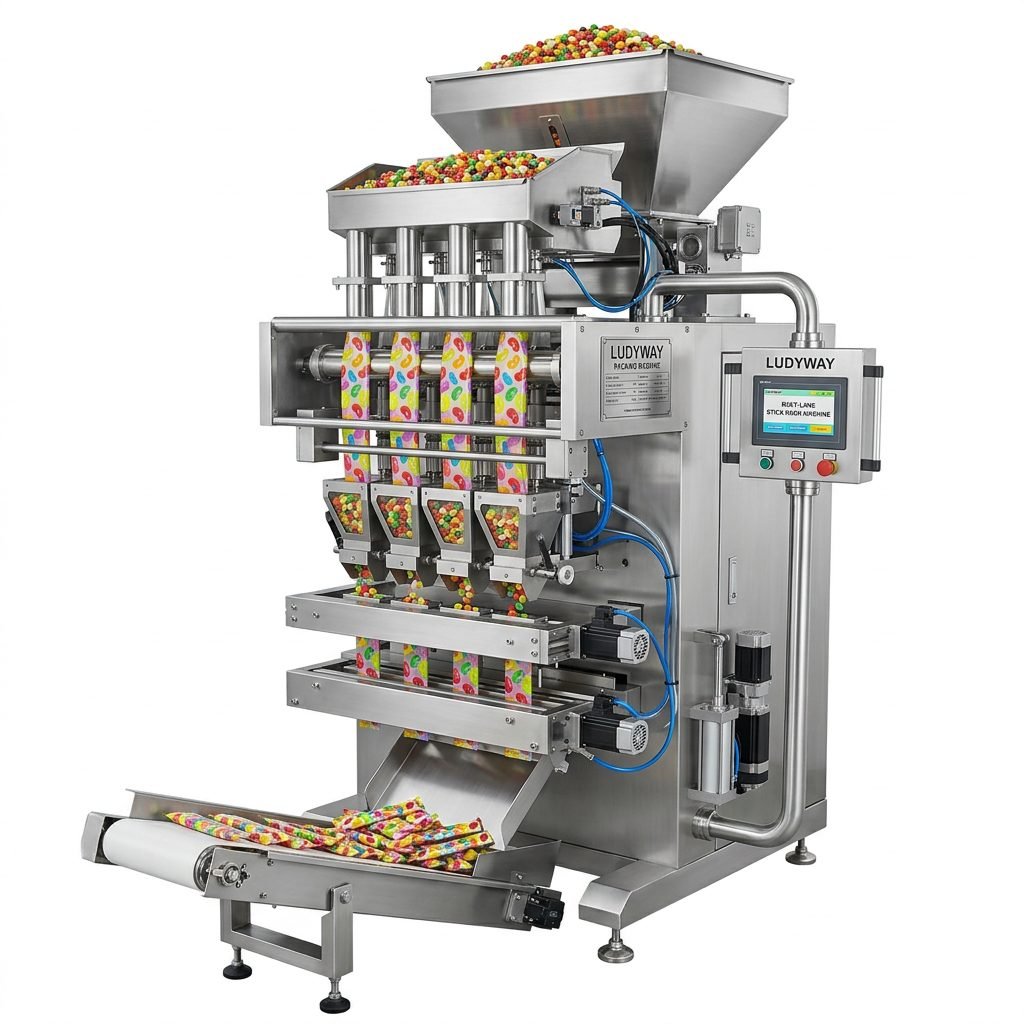
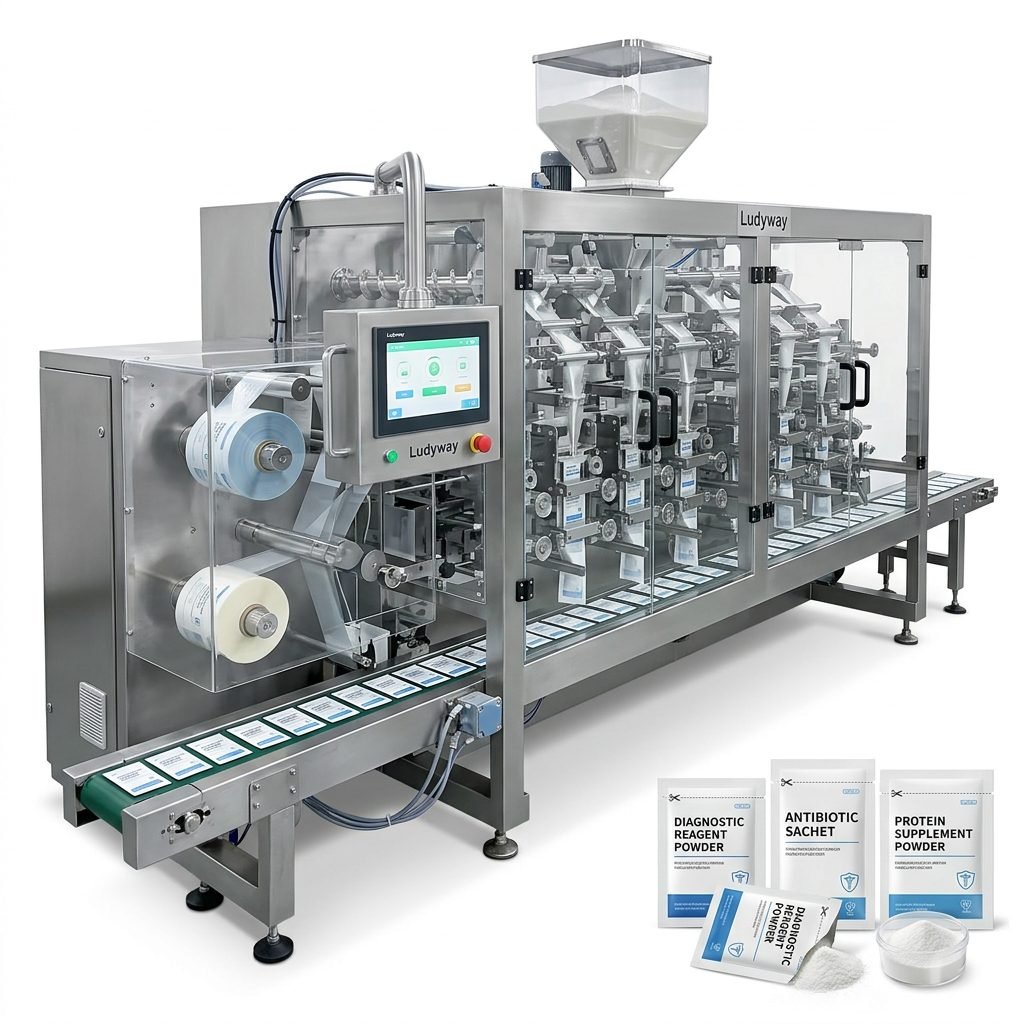
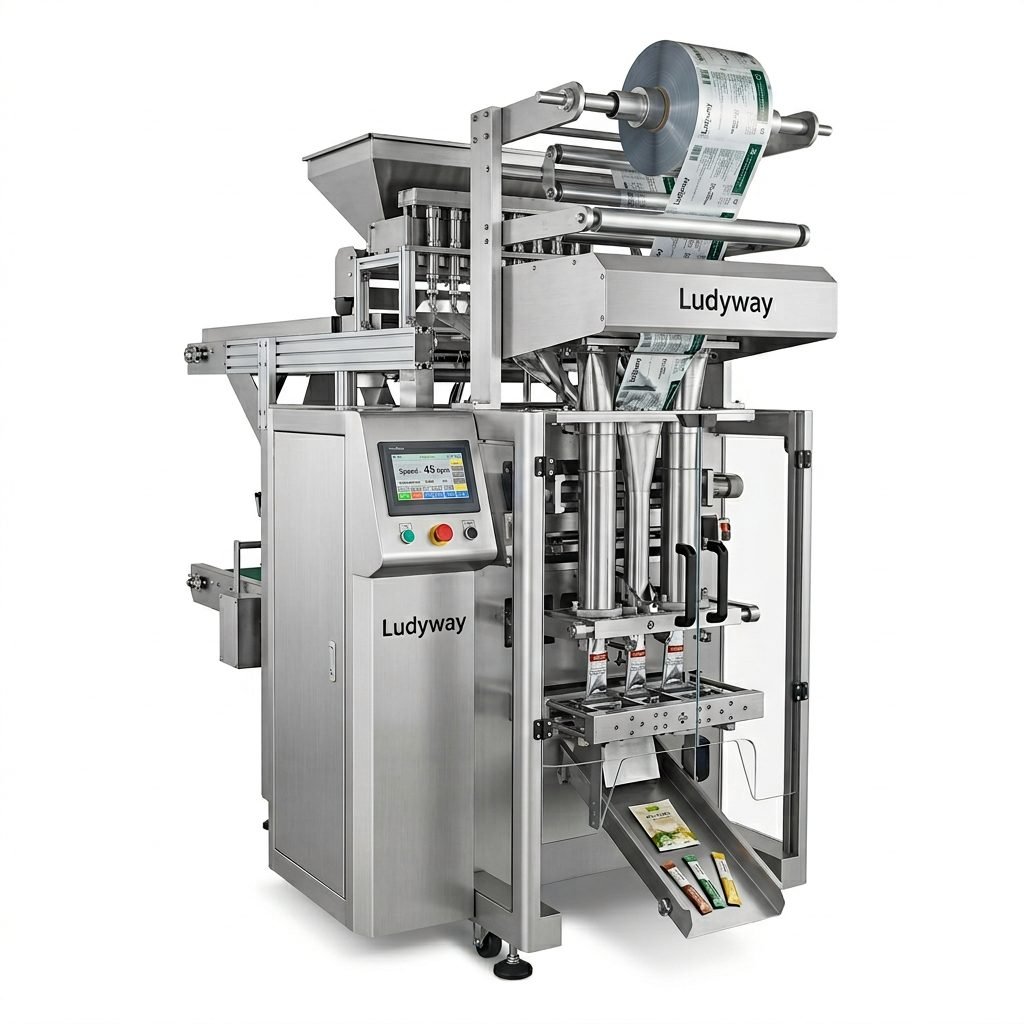
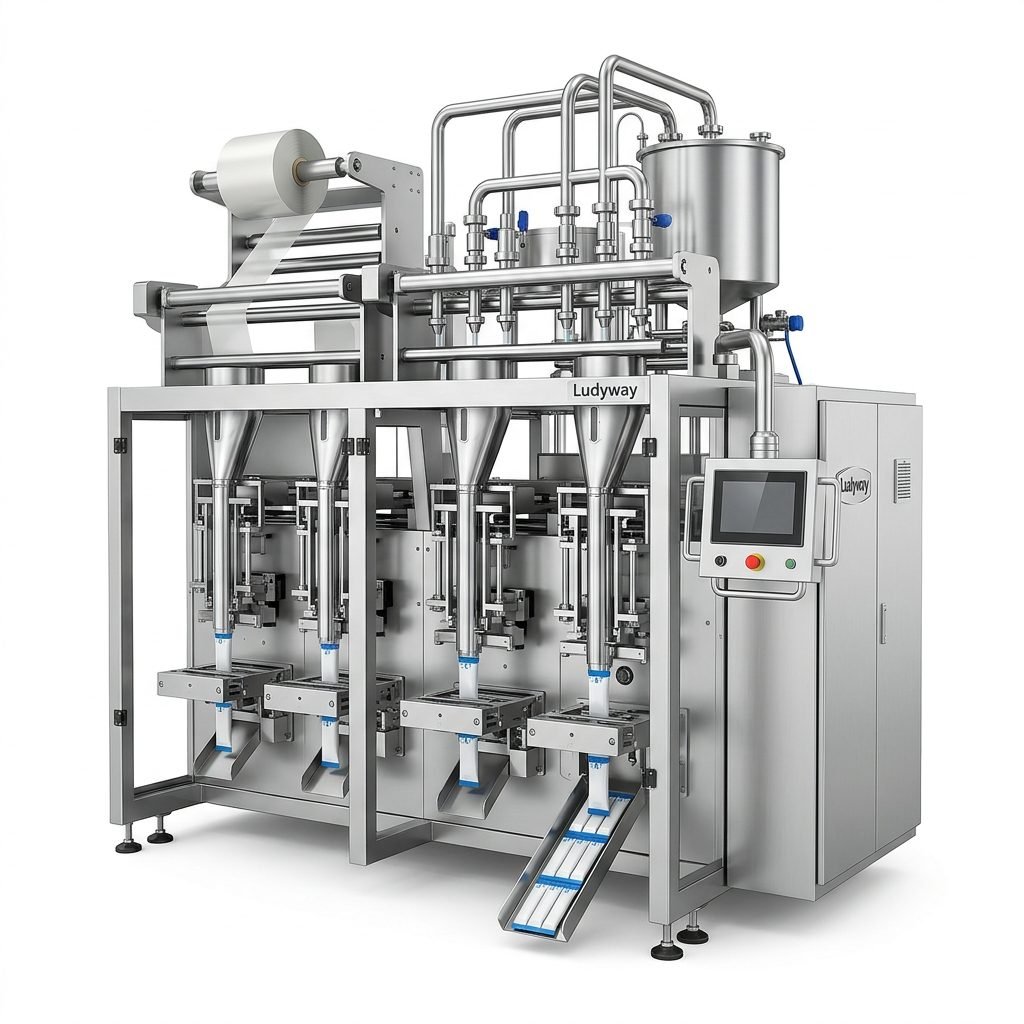
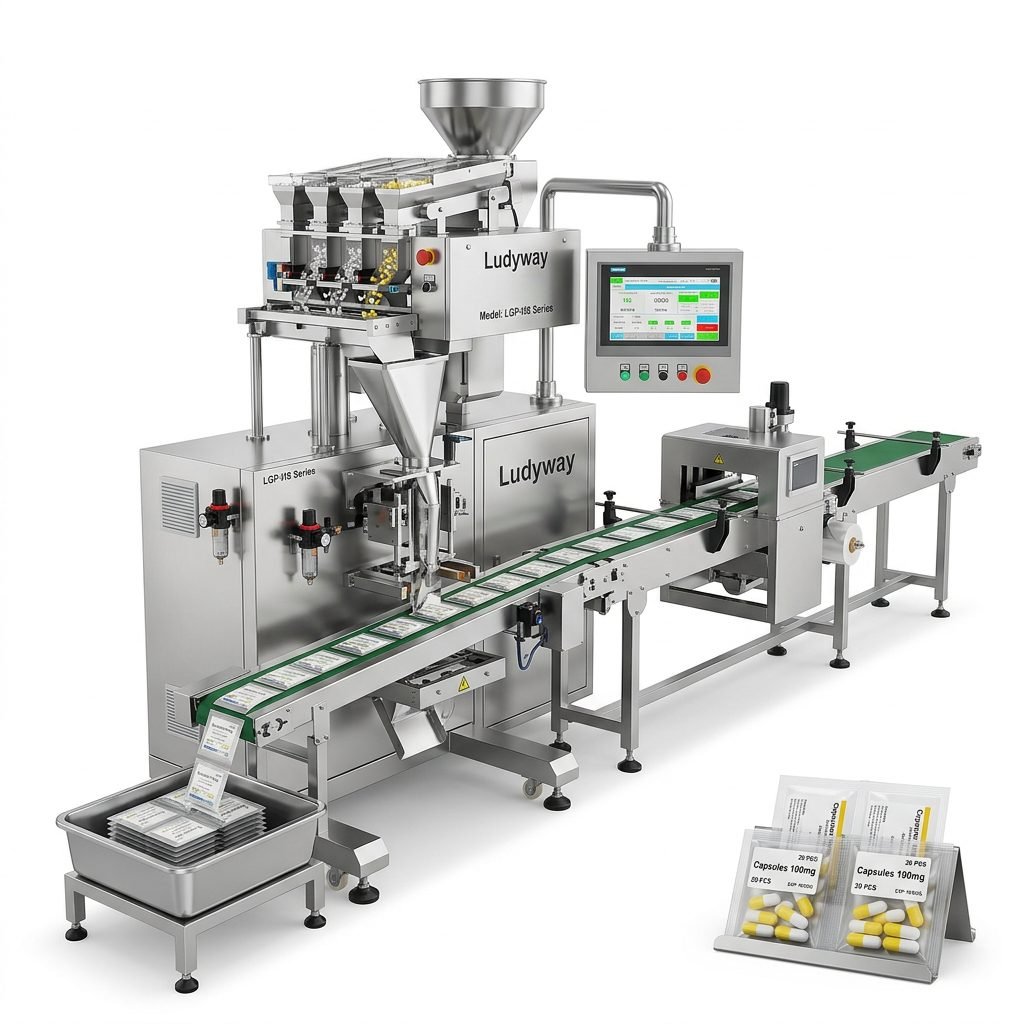
In today’s competitive manufacturing landscape, controlling capital expenditure while maintaining production efficiency is a top priority. For many businesses, especially startups and small to medium-sized enterprises, investing in brand-new packaging equipment can represent a significant financial hurdle. This is where the market for second hand packaging equipment presents a compelling opportunity. Purchasing high-quality used machines can drastically reduce initial investment, often by 40% to 70%, without necessarily compromising on capability or output. This guide explores the world of affordable used packaging machinery, detailing the key advantages, potential pitfalls to avoid, and the best places to source reliable equipment.
Why Consider Second Hand Packaging Equipment?
The decision to buy used machinery is often driven by practical financial and operational considerations. The most immediate benefit is substantial cost savings. A pre-owned machine that is well-maintained can perform the same functions as its new counterpart at a fraction of the price, freeing up capital for other critical areas like marketing, raw materials, or workforce expansion. This lower entry cost also allows businesses to experiment with new packaging formats or enter new product lines with reduced financial risk.
Key Takeaway: The primary advantage of used equipment is financial. It enables faster ROI, improves cash flow management, and allows for business scalability that might be constrained by the high cost of new machinery.
Beyond cost, the market for used equipment offers access to proven, discontinued models. Some older machine models have earned legendary status for their durability, simplicity, and ease of maintenance. These “workhorse” machines may no longer be in production but are highly sought after for their reliability. Furthermore, lead times are typically much shorter. While a new machine might have a delivery and commissioning timeline of several months, a quality used machine can often be sourced, refurbished, and installed in a matter of weeks, getting your production line up and running faster.
Evaluating Machine Condition and History
Purchasing used equipment requires diligent inspection. The goal is to find a machine whose remaining operational life justifies its price. Critical factors to assess include:
- Age and Total Runtime: Like a car, hours of operation matter more than just the manufacturing year. Request maintenance logs and service history.
- Technical Specifications: Ensure the machine’s speed, accuracy, and compatibility (e.g., film type, bag size) meet your current and near-future needs.
- Wear on Critical Components: Inspect key parts like sealing jaws, cutting blades, servo motors, and PLC systems for signs of excessive wear.
- Availability of Spare Parts: Verify that replacement parts for the specific make and model are still available on the market.
Where to Buy Reliable Used Packaging Machines
Finding a trustworthy source is paramount. Here are the primary channels, each with its own pros and cons:
1. Specialized Industrial Auction Houses
Online and physical auctions can offer fantastic deals, especially from businesses undergoing liquidation or upgrade. Platforms like Bidspotter or eBay Industrial host regular sales. The caveat is that machines are usually sold “as-is, where-is,” with limited opportunity for thorough pre-purchase testing. This option is best for experienced buyers or those with in-house technical teams capable of handling potential refurbishment.
2. Dedicated Used Equipment Dealers
Reputable dealers act as intermediaries, often sourcing, refurbishing, and warrantying equipment. They add value by performing necessary reconditioning, replacing worn parts, and sometimes offering short-term warranties. While prices are higher than auctions, you gain peace of mind, technical support, and a machine that is closer to “plug-and-play” condition. Look for dealers with longstanding reputations in the packaging industry.
3. Direct Purchase from Manufacturers (Trade-Ins)
Some original equipment manufacturers (OEMs) offer certified pre-owned machines that have been traded in by customers upgrading to newer models. These machines are typically refurbished to the OEM’s standards and come with a formal warranty and support. This is often the most reliable but also potentially the most expensive used equipment route. It provides a direct link to the manufacturer’s service network.
⚠️ Important Consideration: The Refurbishment Factor
Whether buying from a dealer or an auction, understanding the level of refurbishment is key. Basic refurbishment might involve only cleaning and cosmetic touch-ups. Comprehensive refurbishment should include disassembly, replacement of all seals and wear parts, electrical safety checks, lubrication, and test-running to factory performance specs. Always ask for a detailed refurbishment report.
Partnering with a Professional Provider
For businesses seeking more than just a machine—but a solution—partnering with a specialized provider like Ludyway Machinery can be transformative. With over 30 years of industry experience, such partners offer deep expertise in evaluating, sourcing, and recommissioning used packaging equipment. They understand the lifecycle of machinery from brands worldwide and can match a client’s specific production requirements with the most suitable available machine.
Their service often extends beyond the sale. They provide critical support including installation supervision, operator training, and ongoing maintenance, ensuring the used machine integrates seamlessly into your production line. This turnkey approach mitigates the risks associated with buying used and turns a simple transaction into a long-term productivity partnership. For companies looking to expand their capabilities, providers with extensive portfolios can also advise on complete turnkey production line solutions, integrating both new and quality used equipment to optimize cost and performance.
Final Checklist Before Purchase
Before finalizing any deal, run through this essential checklist:
- ✅ Obtain and review high-resolution photos and videos of the machine under power.
- ✅ Secure a detailed list of included accessories and spare parts.
- ✅ Clarify all costs: machine price, refurbishment costs, shipping, insurance, and import duties.
- ✅ Verify the supplier’s after-sales support policy and spare parts availability.
- ✅ Request contact information for previous owners for a reference, if possible.
Investing in second hand packaging equipment is a strategic decision that can yield excellent returns. By focusing on machine condition, supplier reputation, and total cost of ownership, businesses can acquire robust, productive assets that drive growth without straining finances. The key is to approach the process with careful research, realistic expectations, and, where beneficial, the guidance of an experienced industry partner.
Frequently Asked Questions (FAQs)
Q1: What is the typical lifespan of a well-maintained used packaging machine?
A: The lifespan varies by machine type and usage history, but a quality used machine from a reputable brand, properly refurbished and maintained, can often provide 10-15 years or more of additional reliable service. Regular preventive maintenance is the most critical factor in extending operational life.
Q2: Are spare parts difficult to find for older used models?
A: It depends on the manufacturer and model. For popular models from major brands, spare parts are often readily available. A professional supplier like Ludyway Machinery can advise on parts availability and may even stock critical components for the machines they sell, mitigating this common concern.
Q3: How can I verify the true condition of a machine sold online or at a remote auction?
A: Always insist on a live video inspection via video call where the seller demonstrates the machine running. Request a current test report with data on speed, seal integrity, and accuracy. Using a trusted third-party inspection service located near the machine is also a highly recommended option for high-value purchases.
Q4: Is it more cost-effective to buy a used machine and refurbish it myself?
A: For companies with a skilled in-house engineering team, this can be an option. However, for most businesses, the hidden costs of downtime, sourcing parts, and technical challenges often outweigh the savings. Purchasing a professionally refurbished machine from a specialist is usually more cost-effective in the long run.
Q5: Can a used machine be integrated with my existing new production line?
A: Absolutely. A key service offered by expert providers is system integration. They can ensure the used machine is compatible with your line’s controls (e.g., PLC communication), conveyor interfaces, and safety systems, creating a cohesive and efficient hybrid production system.