Investing in a cupcake packaging machine is a significant decision for any bakery or food business looking to scale production, improve product presentation, and extend shelf life. Whether you run a small artisan cupcake shop or a large-scale commercial baking operation, the right packaging equipment can dramatically impact your efficiency, product quality, and bottom line. This comprehensive guide walks you through the essential factors to consider when selecting the best cupcake packaging machine for your specific business needs.
Understanding Your Cupcake Packaging Requirements
Before comparing different cupcake packaging machines, you need to clearly define your production goals. Consider the following questions to narrow down your options and ensure you select equipment that aligns with your operational reality.
- Production volume: How many cupcakes do you need to package per hour, per day, or per shift? Small bakeries may only need a semi-automatic solution, while high-volume commercial operations require fully automated systems capable of handling thousands of units hourly.
- Cupcake sizes and varieties: Do you produce standard-sized cupcakes, mini cupcakes, jumbo varieties, or multiple sizes? Your machine must accommodate the range of dimensions you work with, including height variations from frosting and decorations.
- Packaging format: Are you using clamshell containers, plastic domes with bases, paper boxes with windows, flow-wrapped trays, or individual pouches? The packaging style directly dictates the type of machinery required.
- Frosting and decoration considerations: Delicate frosting, fondant toppers, and decorative elements require gentle handling. Machines with non-contact sealing and careful transfer mechanisms are essential for preserving product appearance.
- Material compatibility: Will you use PET, PLA, PP, paperboard, or biodegradable films? Your machine must be compatible with your chosen packaging materials and seal them effectively without damaging the product.
Types of Cupcake Packaging Machines
The market offers several distinct categories of packaging equipment suitable for cupcakes. Understanding the differences helps you match a machine type to your production environment and budget. The packaging industry continues to innovate, providing more options than ever before.
Tray Sealers and Clamshell Sealers
Tray sealing machines are among the most popular choices for cupcake packaging. These systems place cupcakes into pre-formed trays or clamshells and apply a lidding film or snap-close lid. They offer excellent product visibility and protection during transport. Modern tray sealers can handle multiple trays simultaneously, with some capable of sealing 40 to 80 trays per minute, depending on configuration and tray size. For bakeries using sustainable materials, tray sealers compatible with flexible packaging films and compostable trays are increasingly available.
Flow Wrapping Machines
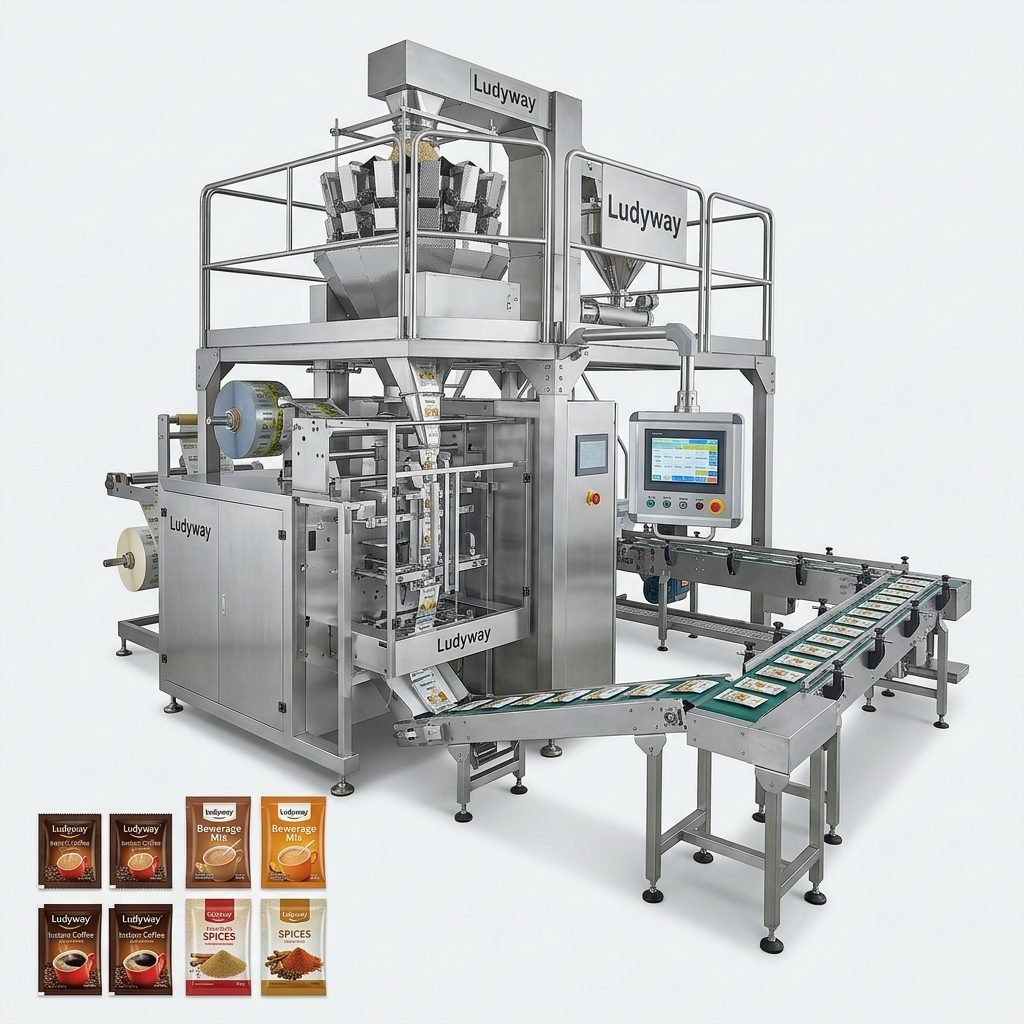
Flow wrappers, also known as horizontal form-fill-seal machines, wrap each cupcake individually in a continuous film. This method creates a pillow-pack style package that provides an airtight seal and excellent shelf-life extension. Flow wrapping is ideal for cupcakes that need to stay fresh longer or for products destined for retail shelves where tamper evidence is important. Speeds can range from 30 to 150 packages per minute for high-end models.
Automated Cartoning and Boxing Systems
For premium cupcake presentation, automated cartoning systems fold and erect paperboard boxes, insert cupcakes, and close the packaging in a continuous operation. These machines are commonly used for gift-packaged cupcakes, mixed variety boxes, and high-end retail products. While generally slower than flow wrappers, cartoning systems deliver superior aesthetic results that command higher retail prices.
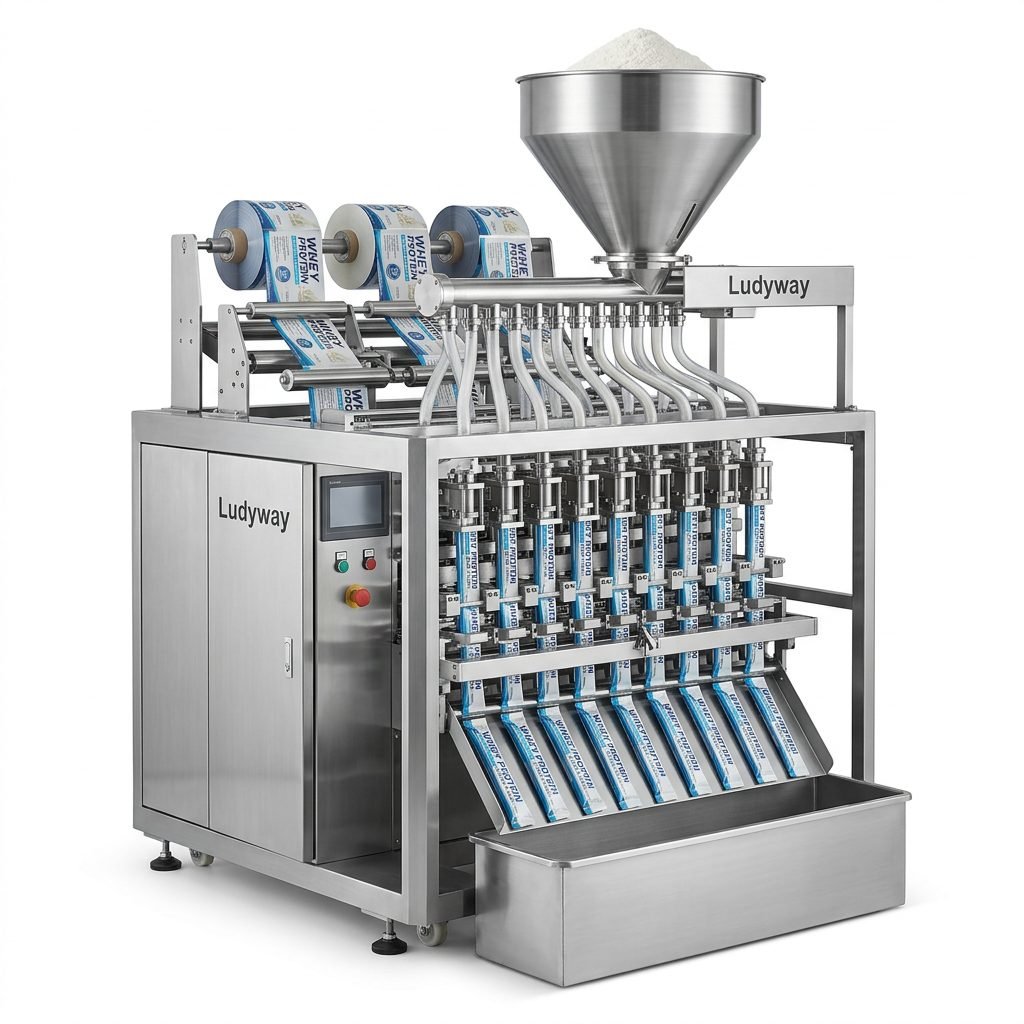
Multi-Lane Pouch and Sachet Machines
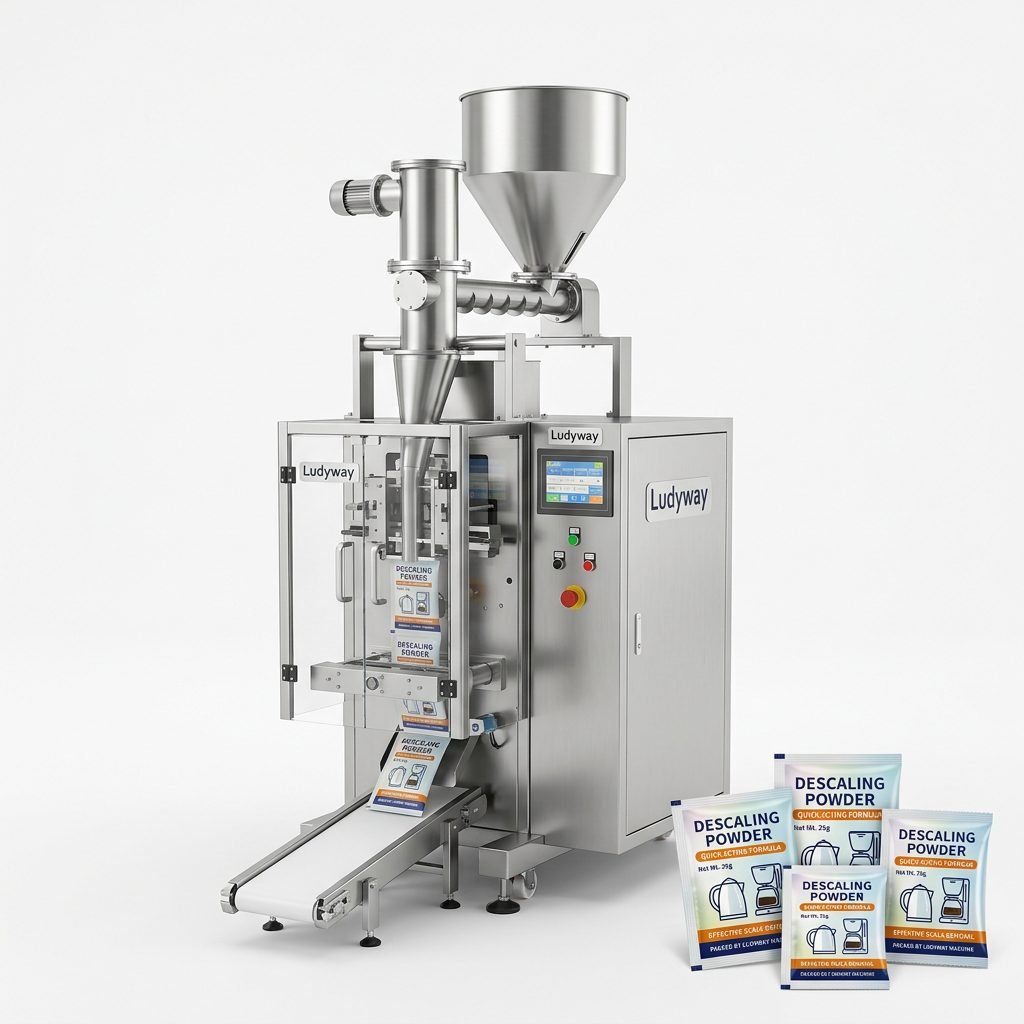
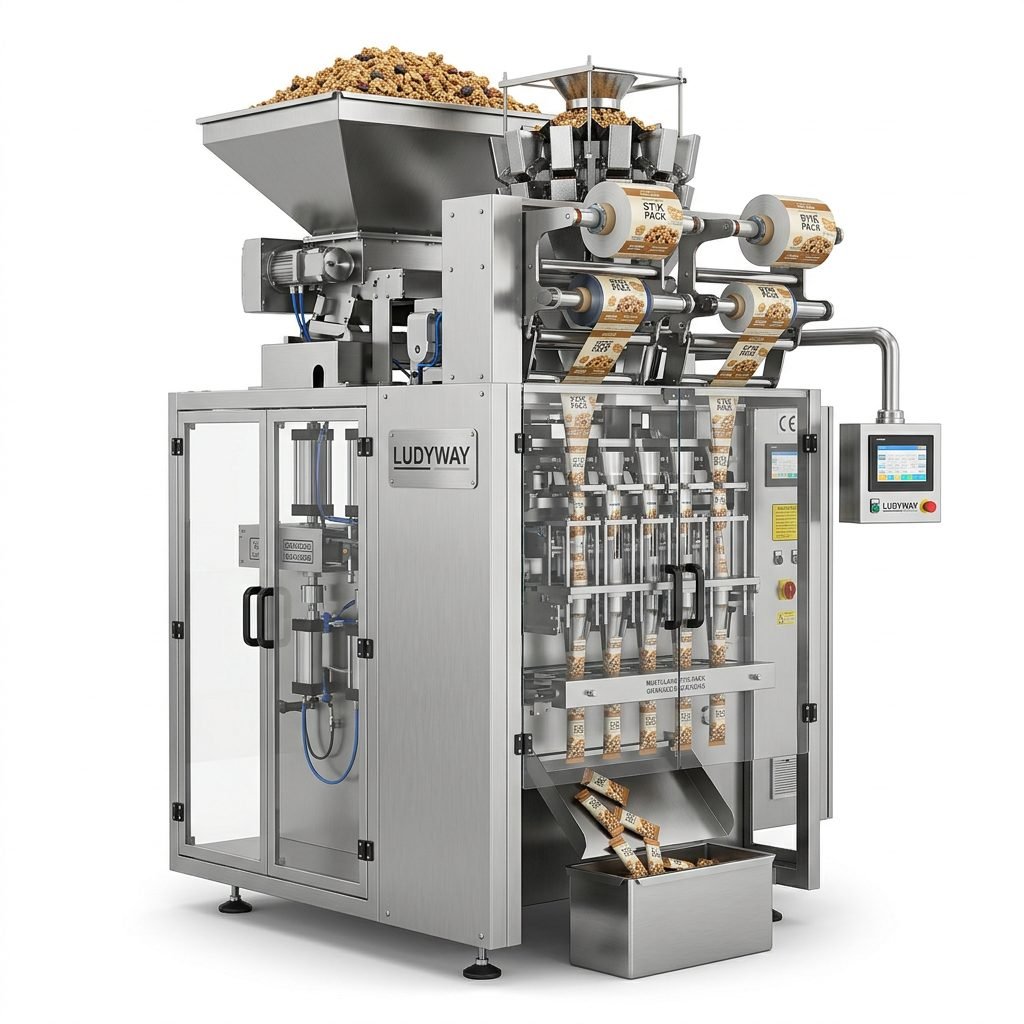
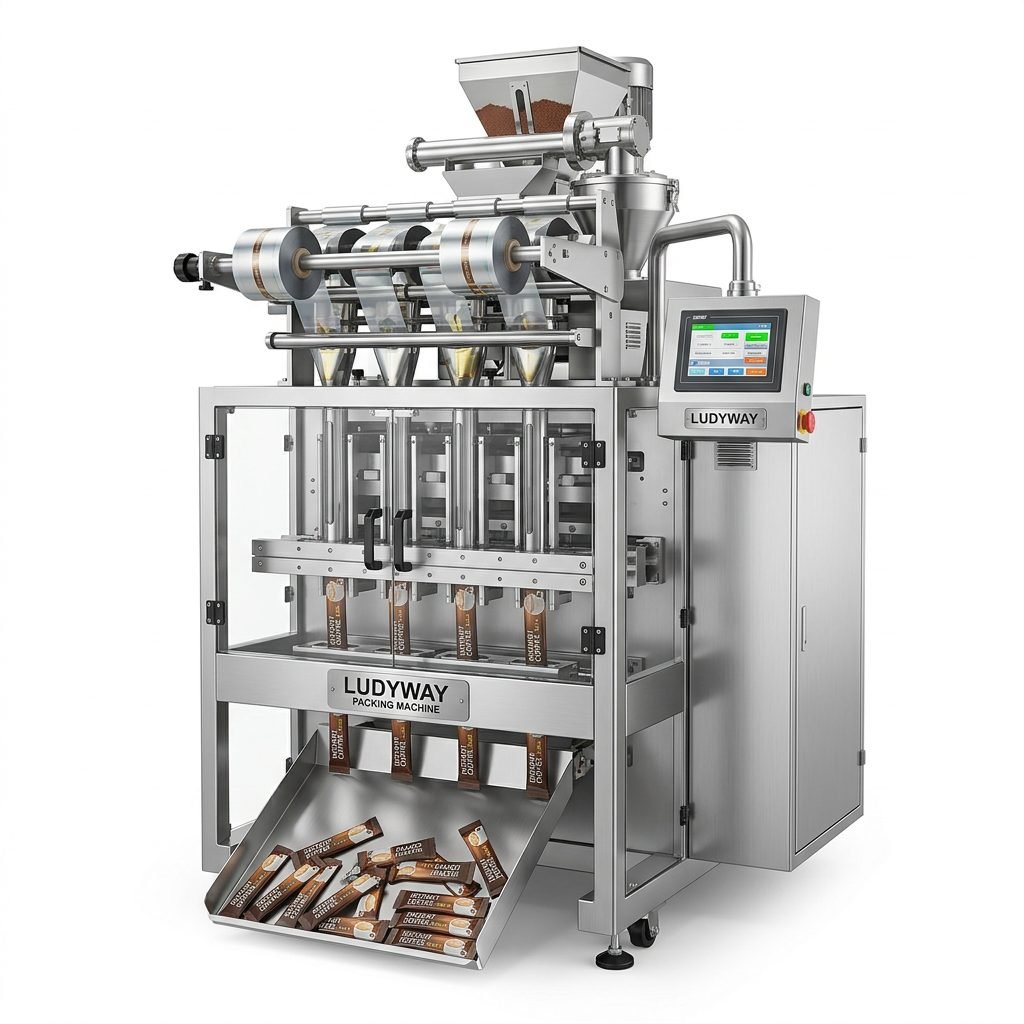
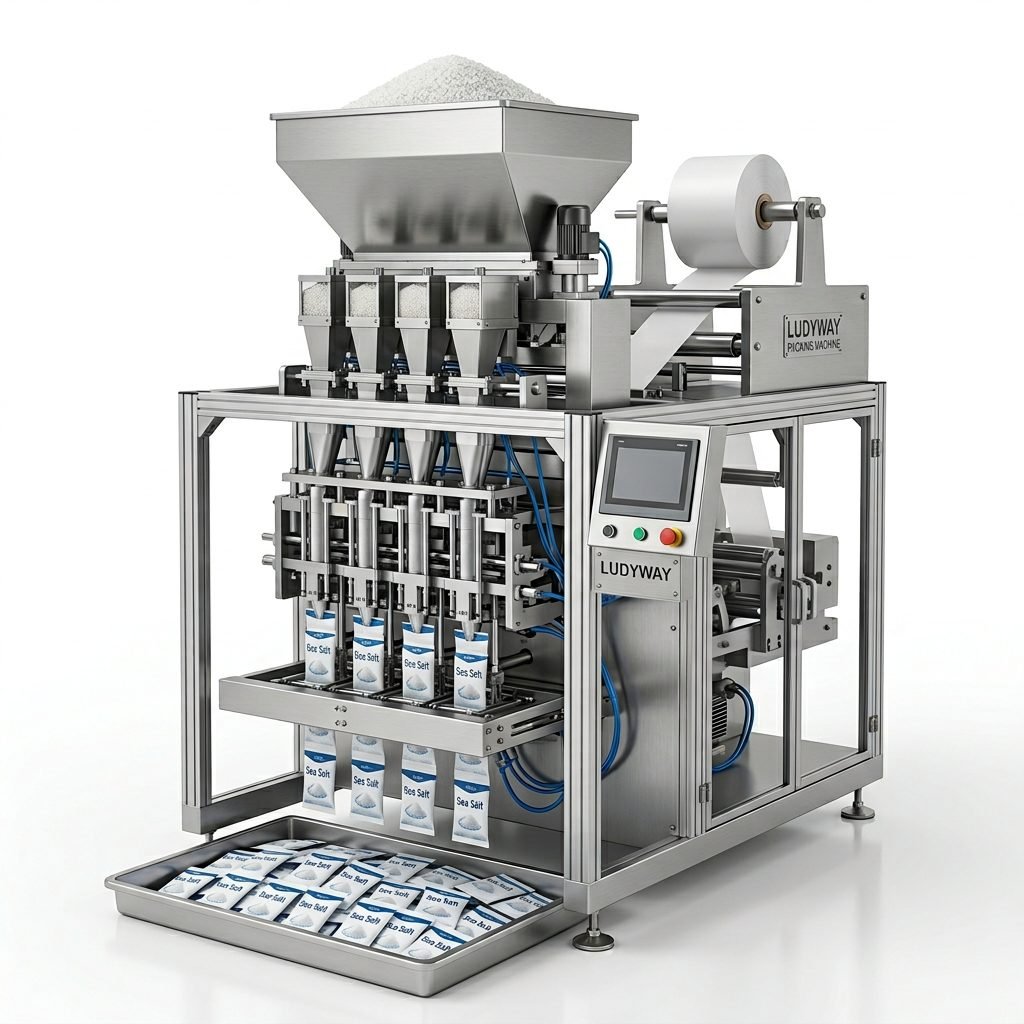
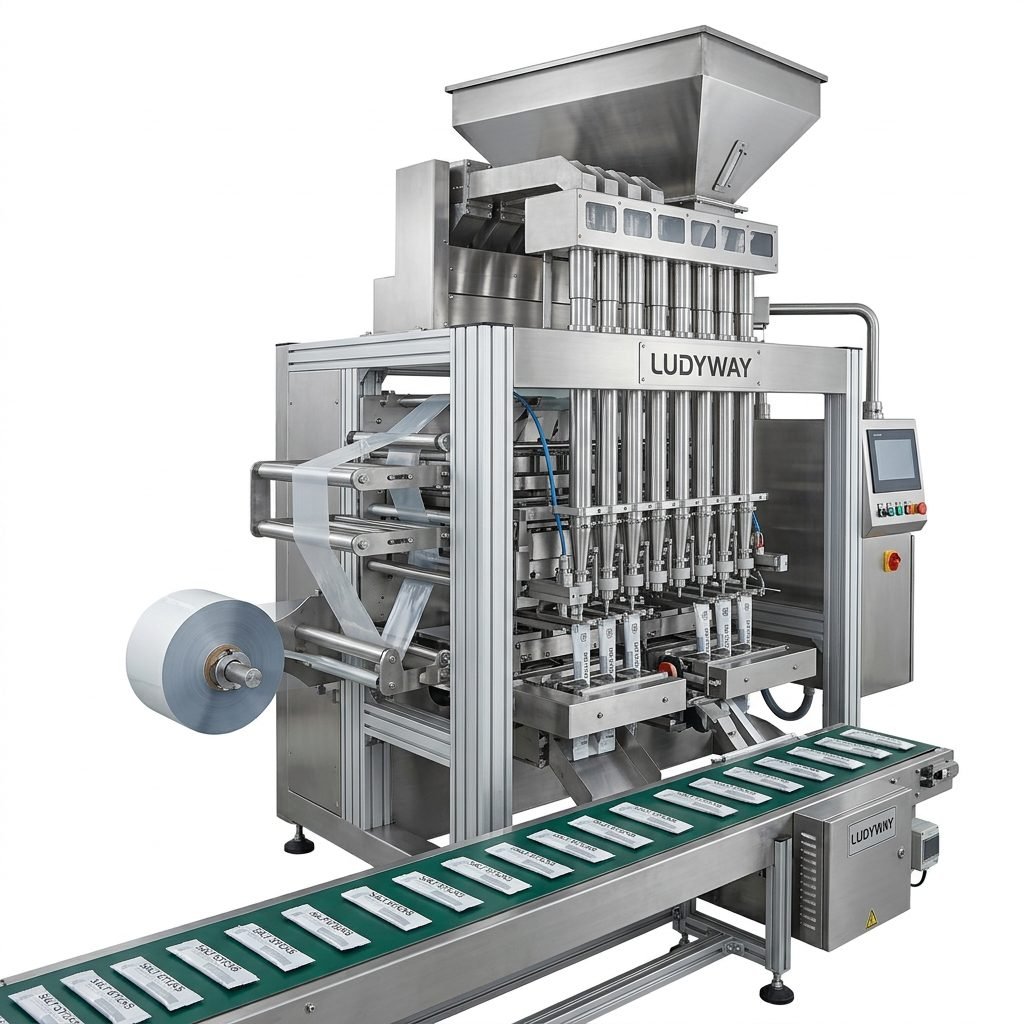
For individually wrapped mini cupcakes or cupcake bites, multi-lane sachet and stick-pack machines offer exceptionally high throughput. These systems can run multiple lanes simultaneously, producing hundreds of individually sealed pouches per minute. They are ideal for bite-sized products, sample packs, and on-the-go cupcake formats. Leading manufacturers now offer integrated systems that handle everything from product feeding to final cartoning.

Key Features to Evaluate When Buying a Cupcake Packaging Machine
Not all cupcake packaging machines are created equal. The following features should be high on your evaluation checklist to ensure you select equipment that delivers long-term value and reliable performance in your production environment.
Automation Level and Labor Requirements
Semi-automatic machines require operators to manually place cupcakes into the packaging area, while fully automatic systems handle product feeding, orientation, packaging, sealing, and discharge without human intervention. Consider your labor costs, availability of skilled workers, and desired throughput when deciding on the automation level. Fully automatic systems typically offer faster ROI for operations producing more than 10,000 cupcakes per day.
Sealing Technology and Integrity
The sealing system is critical for product freshness and shelf appeal. Heat sealing, ultrasonic sealing, and cold sealing are common methods. Ultrasonic sealing is particularly effective for products with frosting or moist surfaces, as it creates a strong seal without transferring heat to the product. For modified atmosphere packaging (MAP), which extends shelf life by replacing oxygen with inert gas, specialized sealing systems with gas-flushing capabilities are required.
Changeover Speed and Flexibility
If you produce multiple cupcake sizes or packaging formats, rapid changeover capability is essential. Look for machines with tool-free adjustments, programmable recipe settings, and quick-release components. A machine that requires hours of downtime for format changes can significantly impact production efficiency. Top-tier machines now offer changeover times of under 15 minutes for most common format switches.
Hygiene, Cleanability, and Food Safety Compliance
Food packaging equipment must meet stringent hygiene standards. Machines constructed from stainless steel with IP65 or higher washdown ratings are suitable for environments requiring frequent sanitation. Sloped surfaces that prevent water pooling, sealed bearings, and easily removable contact parts simplify cleaning routines. Compliance with FDA food contact regulations and international standards such as ISO packaging standards should be verified before purchase.
Footprint and Facility Integration
Measure your available floor space carefully and account for operator access, maintenance clearance, and material handling areas. Compact machines with vertical configurations can save valuable floor space. Also consider how the new equipment integrates with existing upstream and downstream systems such as conveyors, labelers, checkweighers, and case packers for a seamless production line.

Evaluating Production Capacity and Throughput
Matching machine capacity to your production demands is crucial for avoiding bottlenecks and ensuring a smooth workflow. The table below provides a general reference for different operational scales and the corresponding machine types that typically suit each level.
| Production Scale | Cupcakes Per Hour | Recommended Machine Type | Typical Investment Range |
|---|---|---|---|
| Small Artisan | 100 – 500 | Semi-automatic tray sealer or manual assist flow wrapper | $8,000 – $25,000 |
| Mid-Size Bakery | 500 – 3,000 | Automatic tray sealer or single-lane flow wrapper with infeed conveyor | $25,000 – $80,000 |
| Large Commercial | 3,000 – 10,000 | Multi-lane flow wrapper or high-speed automatic tray sealing line | $80,000 – $200,000 |
| Industrial Scale | 10,000+ | Fully automated turnkey packaging line with multiple integrated modules | $200,000 – $1,000,000+ |
Packaging Material Selection and Sustainability
The materials you choose for cupcake packaging impact machine compatibility, product shelf life, consumer perception, and environmental footprint. Today’s consumers increasingly demand sustainable packaging solutions, and regulatory bodies are tightening requirements around packaging waste. The European packaging regulations and similar initiatives worldwide are driving the shift toward recyclable and compostable materials.
- PET and rPET: Crystal-clear, strong, and widely recyclable. Excellent for clamshells and domed lids that showcase product quality.
- PLA (Polylactic Acid): A compostable bioplastic derived from renewable resources. Ideal for brands emphasizing eco-friendly credentials, though it requires controlled composting conditions.
- Paperboard and Molded Fiber: Renewable, recyclable, and available with various barrier coatings. Perfect for premium and gift-packaged cupcakes where natural aesthetics matter.
- Polypropylene (PP): Lightweight, microwave-safe, and recyclable in many municipal programs. A versatile choice for both rigid containers and flexible films.
- Flexible Films with Barrier Properties: Multi-layer or mono-material films that provide moisture and oxygen barriers. Increasingly available in recyclable formats that maintain freshness without compromising sustainability goals.
Budget Considerations and Total Cost of Ownership
When evaluating the cost of a cupcake packaging machine, look beyond the initial purchase price. Total cost of ownership includes installation, training, maintenance, spare parts, energy consumption, packaging material costs, and potential downtime. A machine with a higher upfront cost may deliver significantly lower operating costs over its service life through reduced material waste, faster cycle times, and greater reliability.
Key Cost Factors to Calculate
- Initial capital expenditure: Purchase price, shipping, installation, and commissioning.
- Operating costs: Energy consumption, compressed air requirements, and consumable parts such as sealing elements and cutting blades.
- Material efficiency: Film waste percentage, tray utilization rates, and rejection rates from poor seals or misalignment.
- Maintenance and service: Preventive maintenance schedules, spare parts availability, and technical support response times from your equipment supplier.
- Labor costs: Number of operators required per shift and the skill level needed to run and maintain the equipment effectively.
Maintenance, Service, and After-Sales Support
Reliable after-sales support is a critical factor that distinguishes quality equipment suppliers. Before committing to a purchase, investigate the manufacturer’s service network, spare parts availability, and technical support capabilities. Questions to ask include whether the supplier offers remote diagnostics, on-site service within a guaranteed timeframe, operator training programs, and comprehensive documentation. A machine is only as good as the support team behind it, and unplanned downtime in a bakery can quickly erode profits and customer relationships.
Integrating Your Packaging Machine Into a Complete Production Line
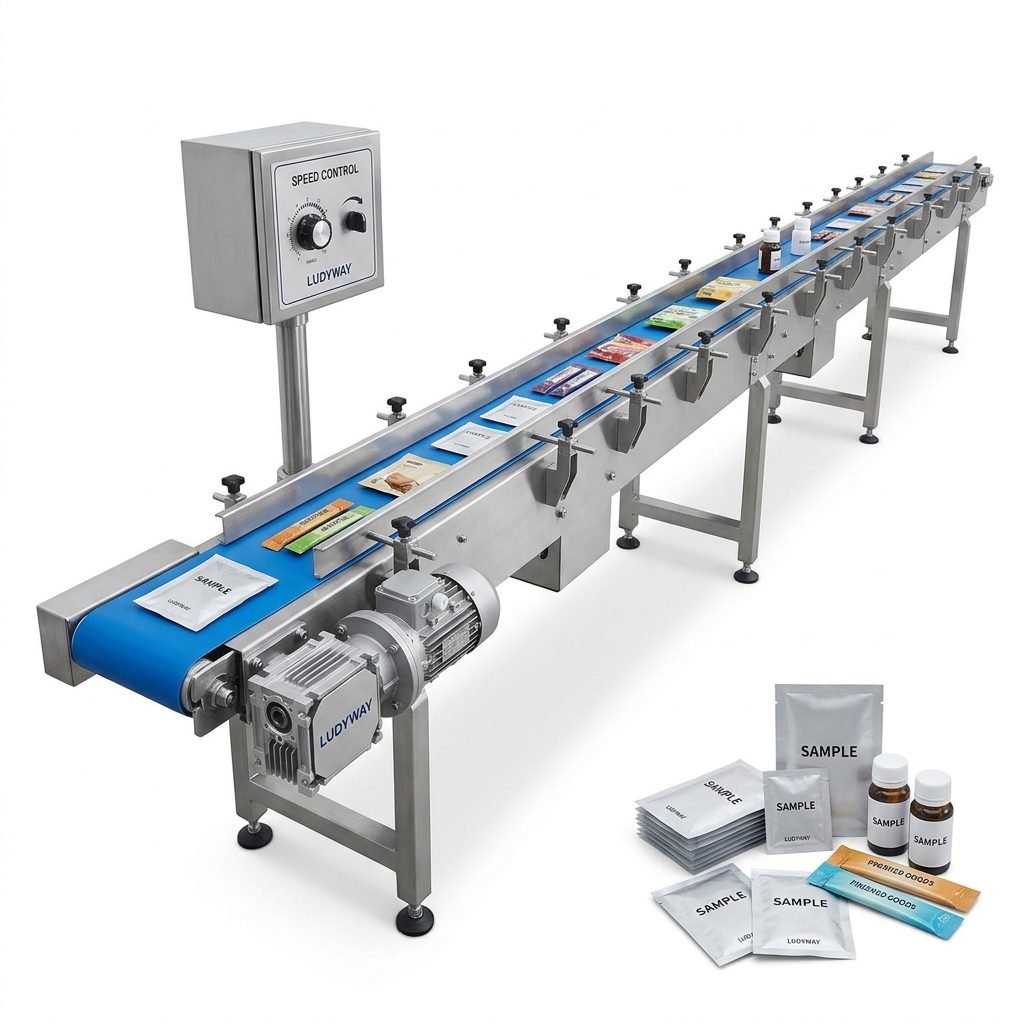
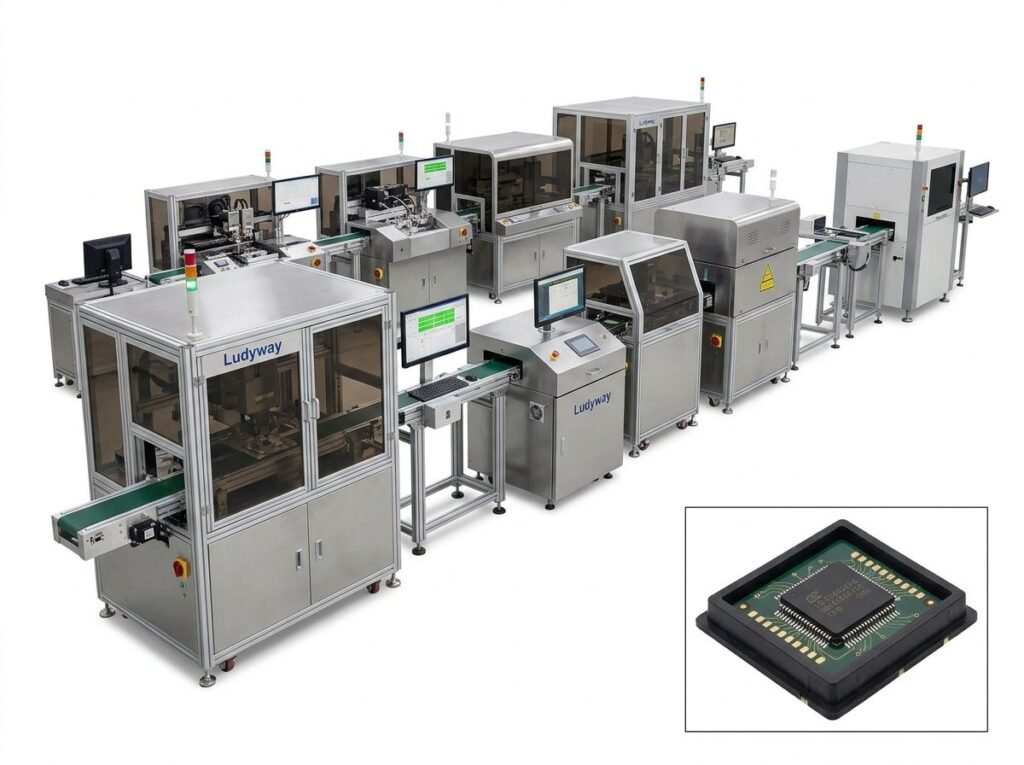
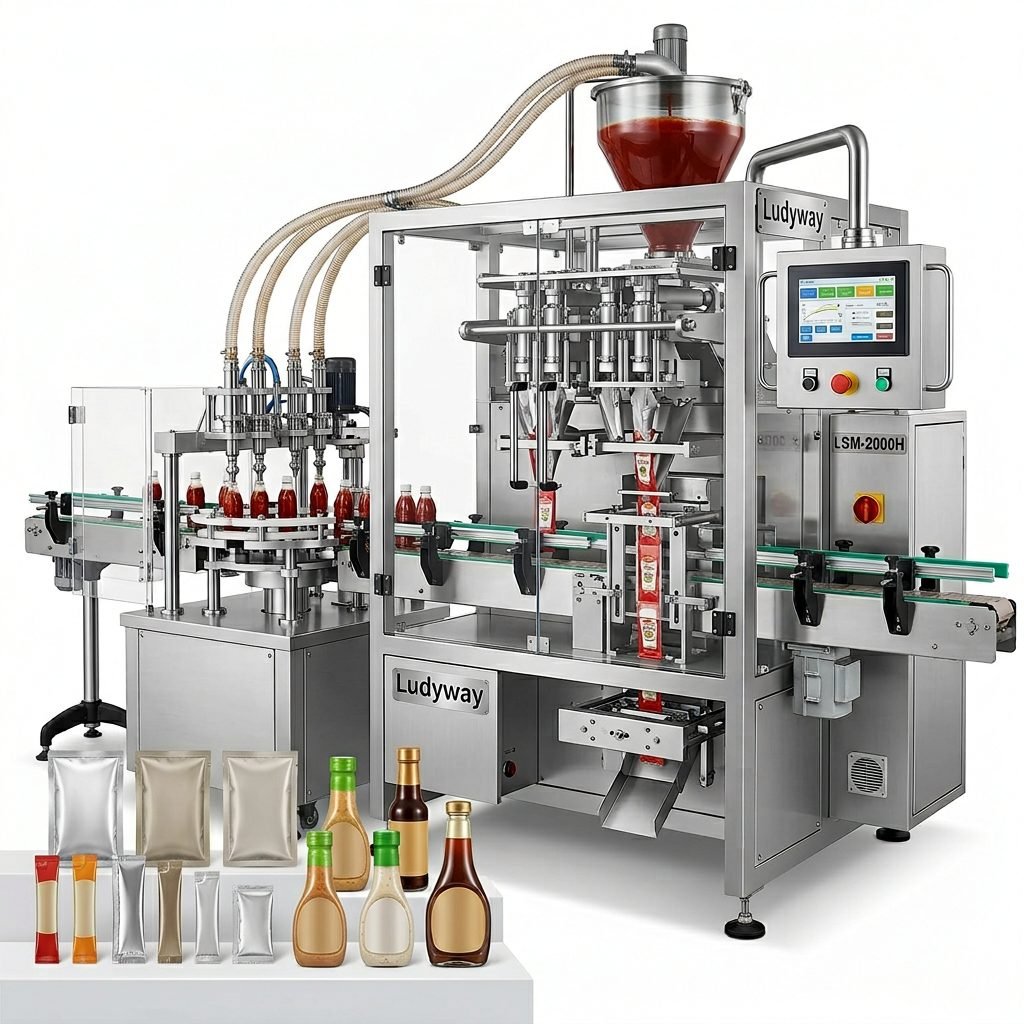
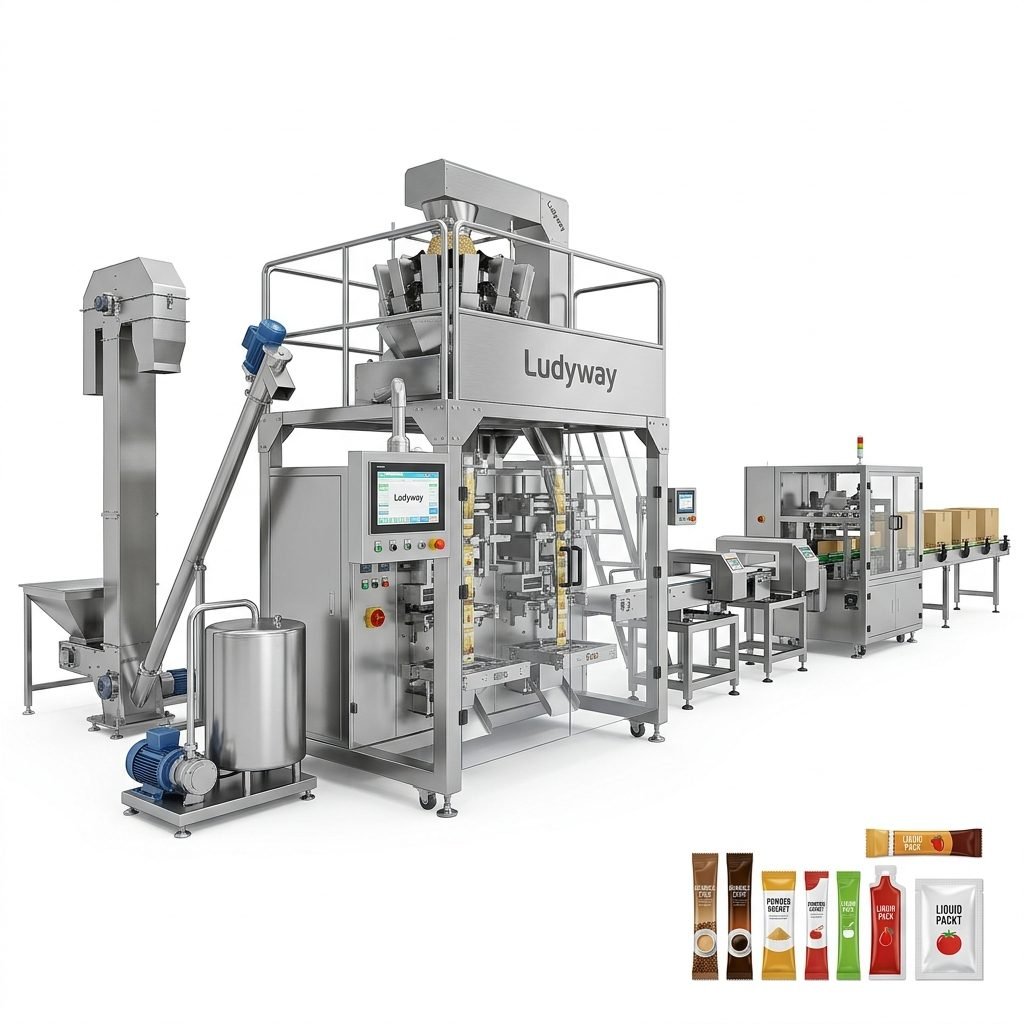
For operations looking to maximize efficiency, integrating the packaging machine with upstream baking and downstream handling equipment creates a seamless workflow. Automated feeding systems can transfer cupcakes directly from cooling conveyors into the packaging infeed. After packaging, intelligent packaging technologies such as automatic checkweighers, label applicators, metal detectors, and case packing systems complete the line. When all components communicate through a centralized control system, production becomes more efficient, traceability improves, and labor requirements decrease significantly.
Making the Final Decision
Choosing the best cupcake packaging machine for your business requires balancing multiple factors: production volume, packaging format, budget, available space, and long-term growth plans. Start by clearly documenting your requirements, then request proposals from multiple reputable suppliers. Whenever possible, arrange factory acceptance tests or visit reference installations to see candidate machines in operation with products similar to yours. For businesses seeking comprehensive turnkey packaging solutions, working with an experienced equipment manufacturer that offers integrated lines can simplify procurement, reduce project risk, and ensure all components work together harmoniously. Companies like Ludyway, with decades of industry expertise and a wide range of packaging machinery, provide customized packaging line solutions tailored to specific product and production requirements across the food, pharmaceutical, and health industries.
Frequently Asked Questions About Cupcake Packaging Machines
What is the typical lifespan of a cupcake packaging machine?
A well-maintained packaging machine from a reputable manufacturer typically offers a service life of 10 to 20 years. Regular preventive maintenance, timely replacement of wear parts, and proper operator training all contribute to extended equipment longevity.
Can one machine handle multiple cupcake sizes?
Yes, many modern machines feature adjustable guides, interchangeable tooling, and programmable settings that allow them to accommodate a range of cupcake sizes and packaging formats. However, the specific range of adjustability varies by model, so verify compatibility with all your current and anticipated product dimensions before purchasing.
How do I ensure food safety compliance with my packaging machine?
Select machines built from food-grade stainless steel with hygienic design features such as sloped surfaces, minimal crevices, and easy disassembly for cleaning. Verify that the equipment meets relevant standards including FDA food contact substance regulations and any applicable local requirements. Implement documented cleaning and sanitation procedures as part of your HACCP plan.
What training is required to operate a cupcake packaging machine?
Operators typically require 2 to 5 days of hands-on training to become proficient with a new machine. Comprehensive training should cover machine operation, troubleshooting common issues, cleaning and sanitation procedures, safety protocols, and basic preventive maintenance tasks.
Selecting the right cupcake packaging machine is an investment in your business’s future growth and profitability. By carefully evaluating your needs against the features and capabilities of available equipment, you can choose a solution that delivers consistent quality, operational efficiency, and long-term value for your bakery operation.