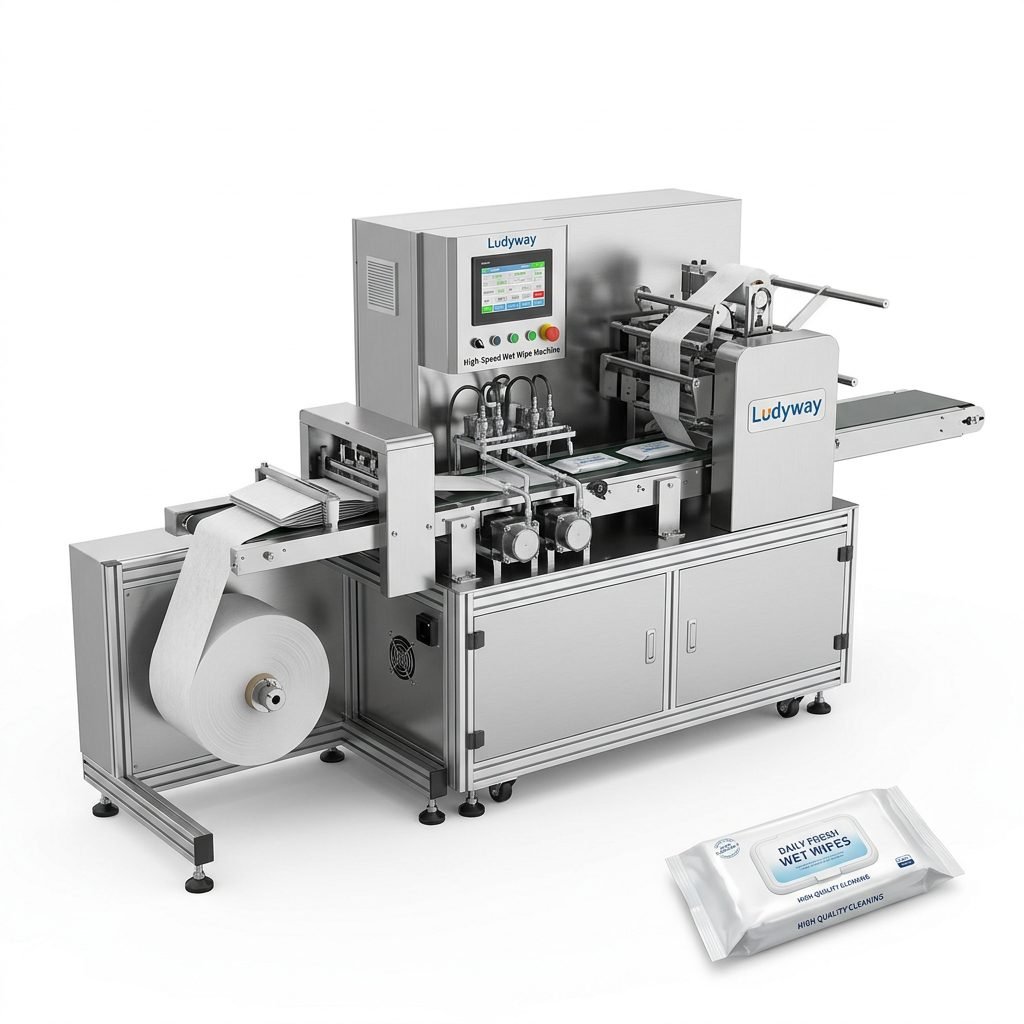
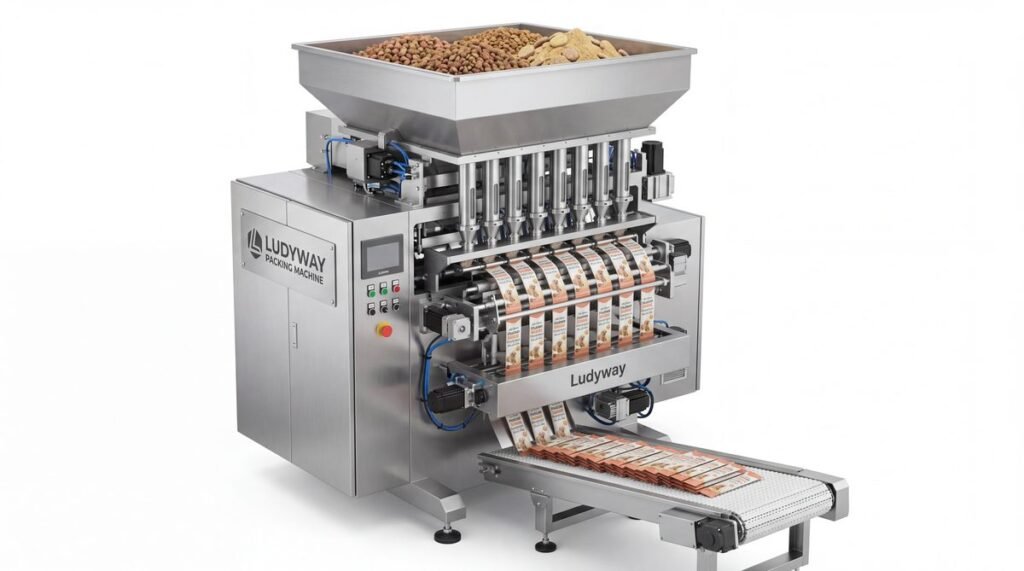
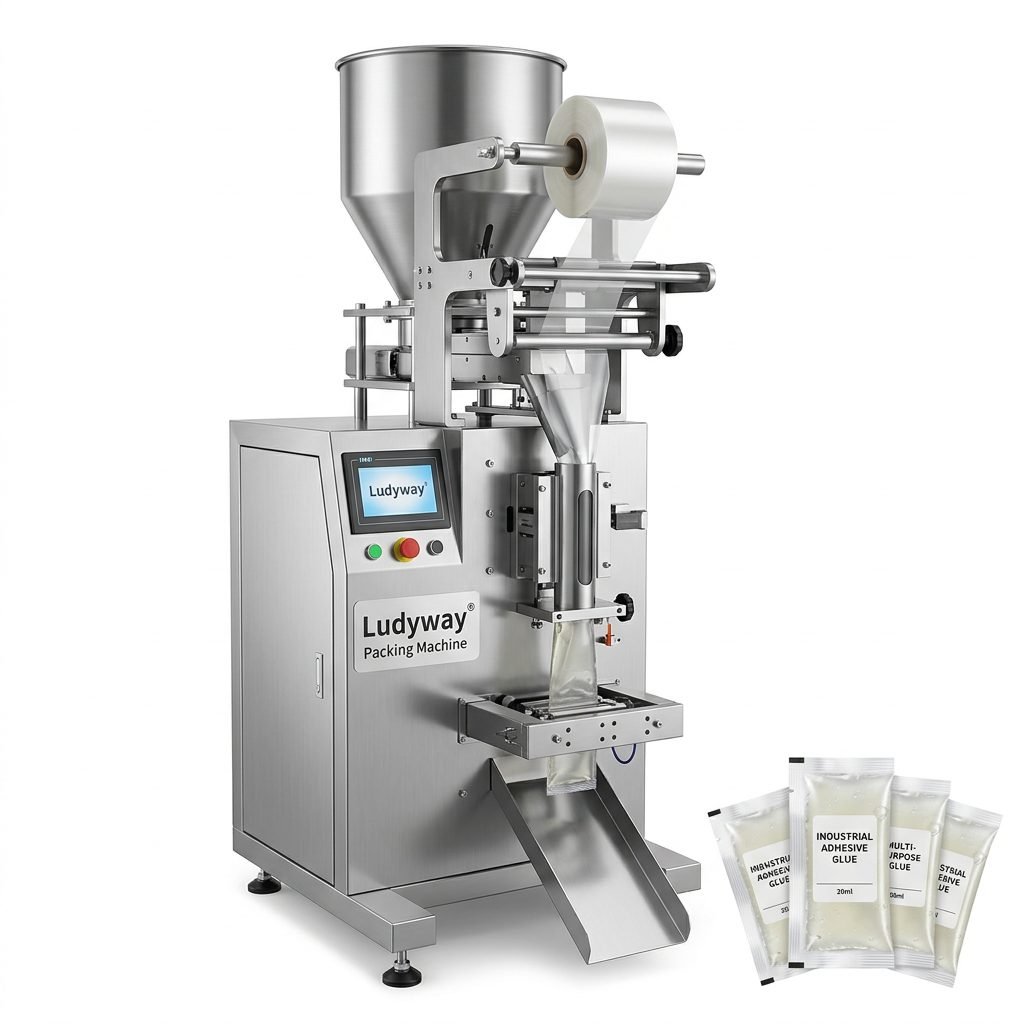
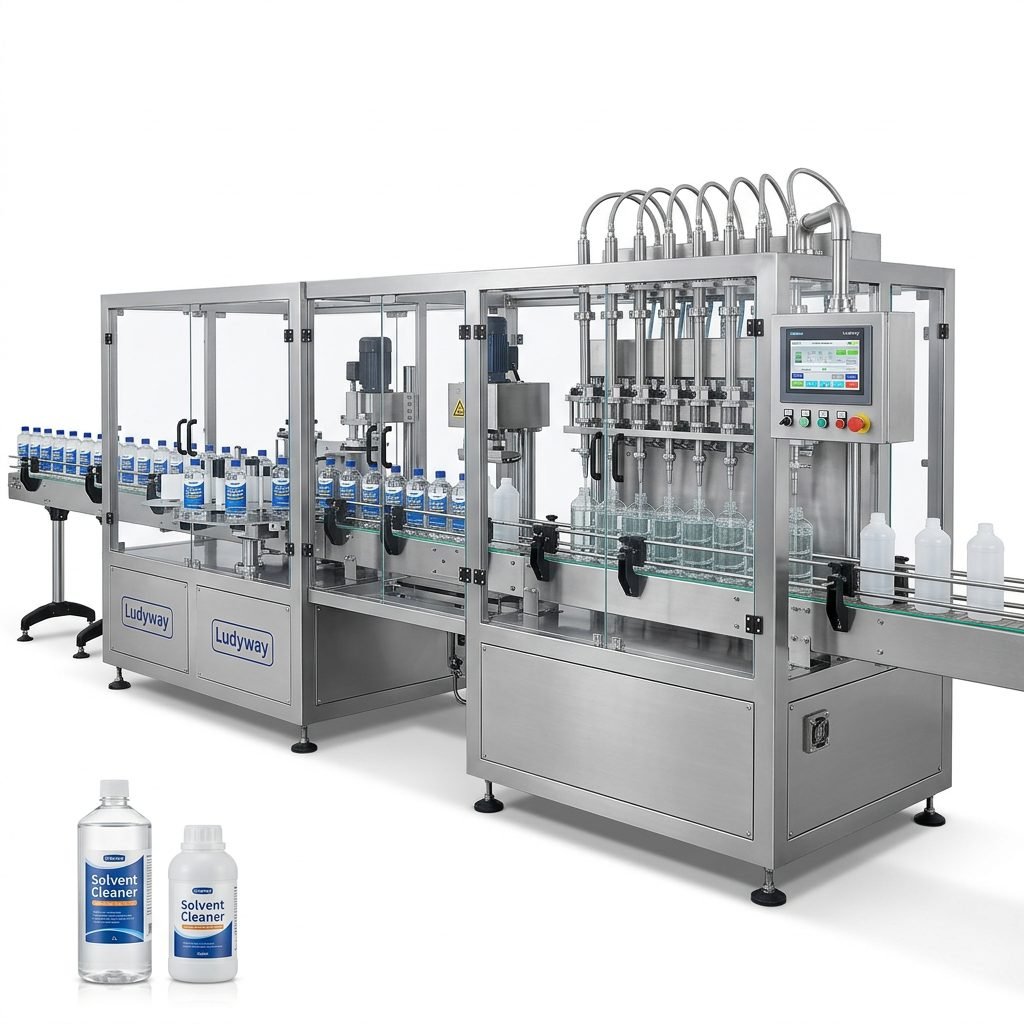
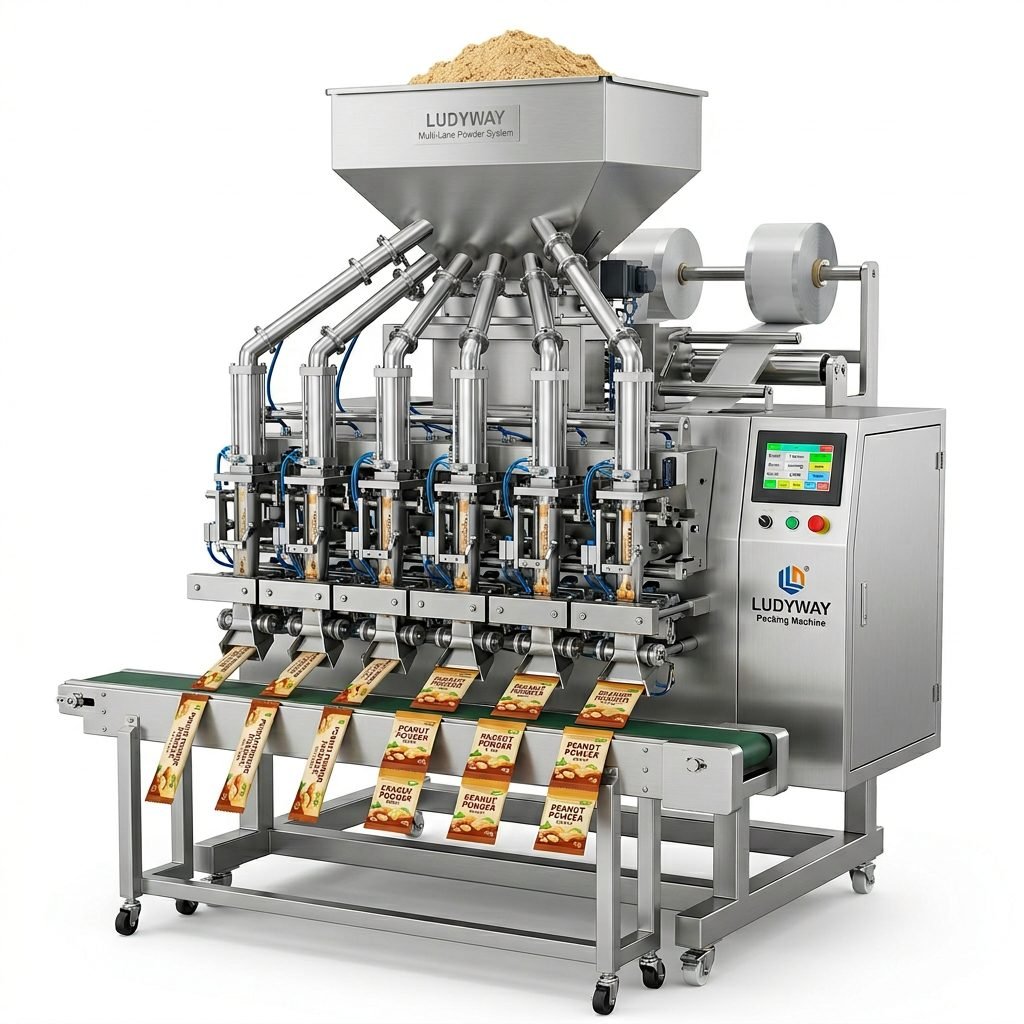
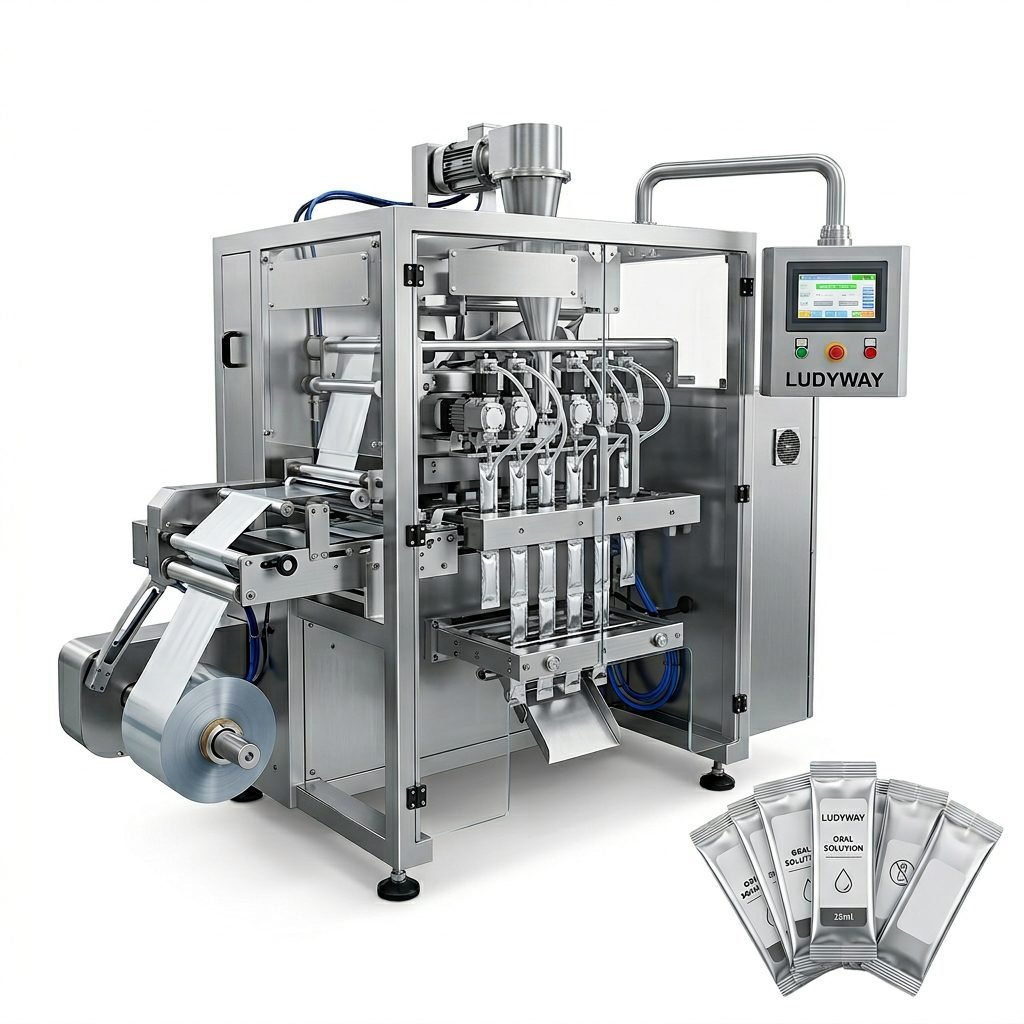
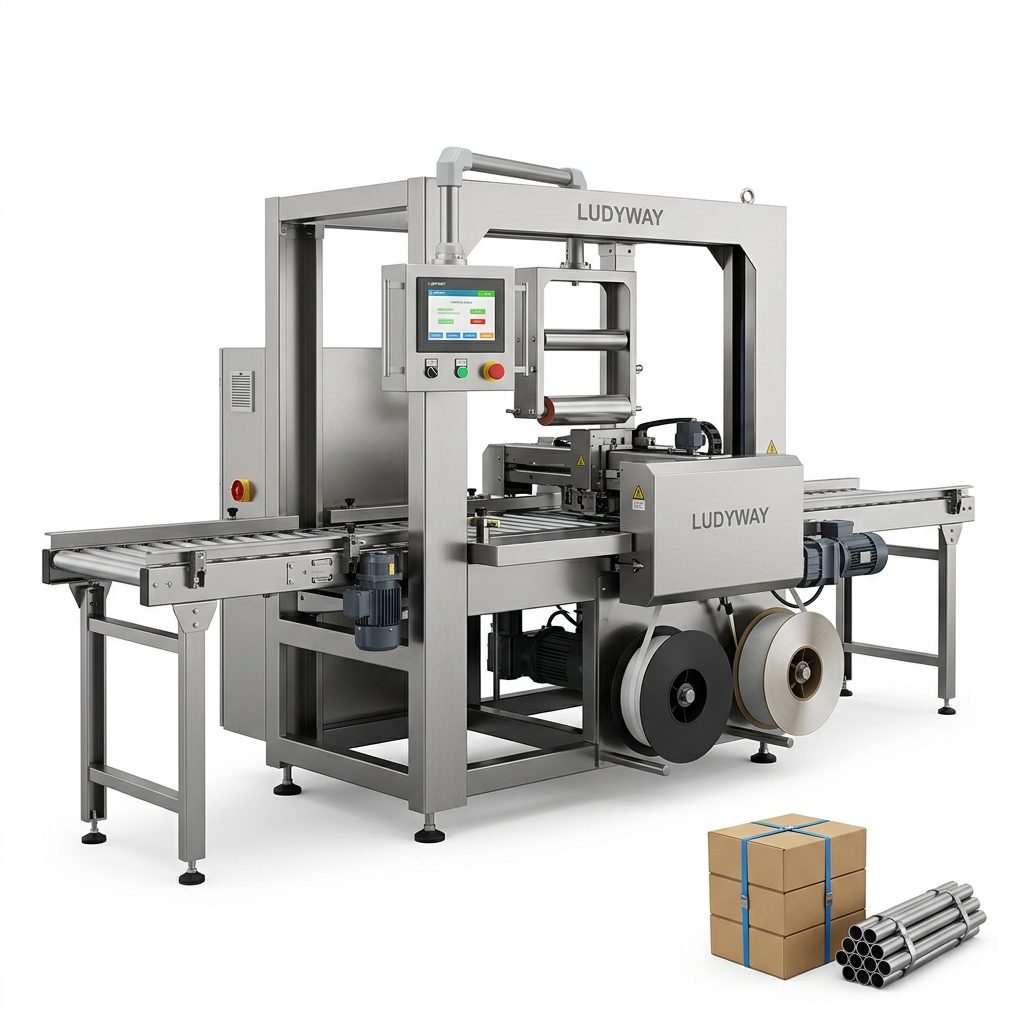
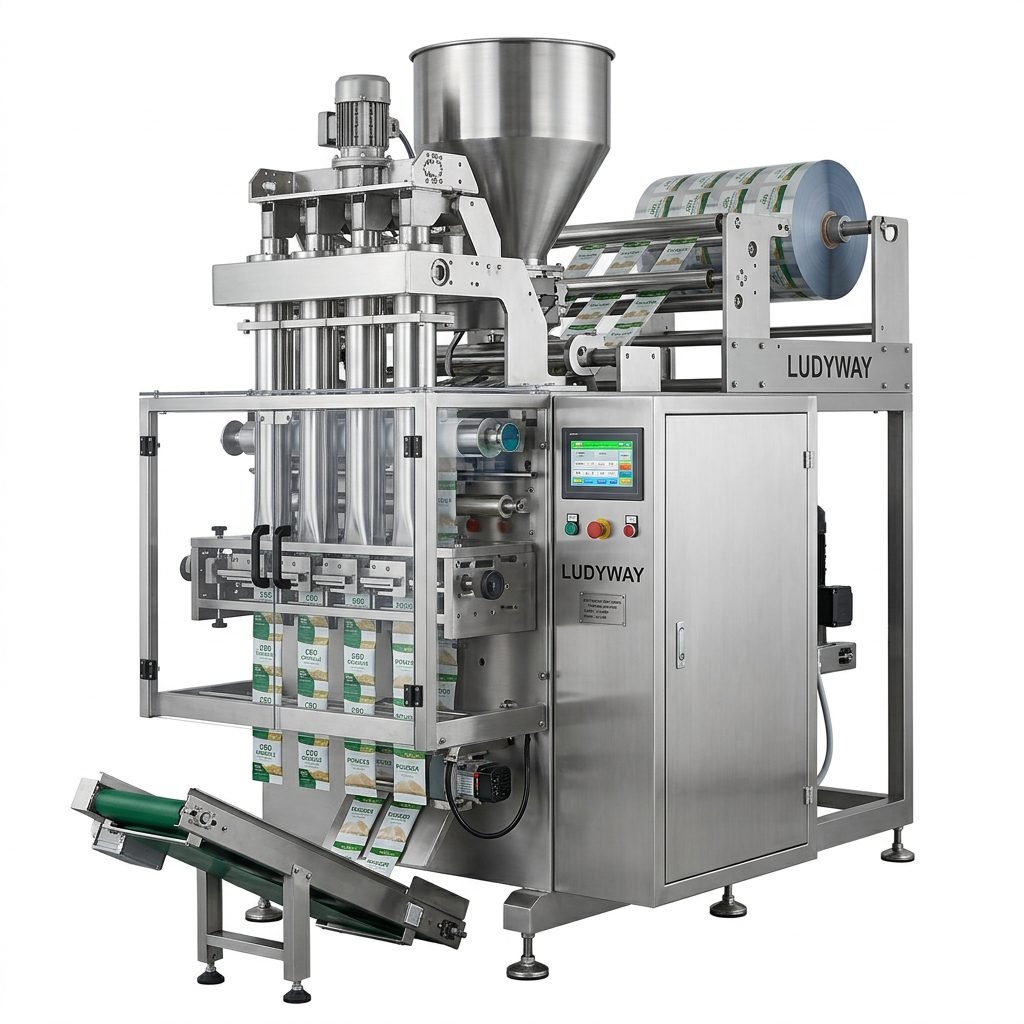
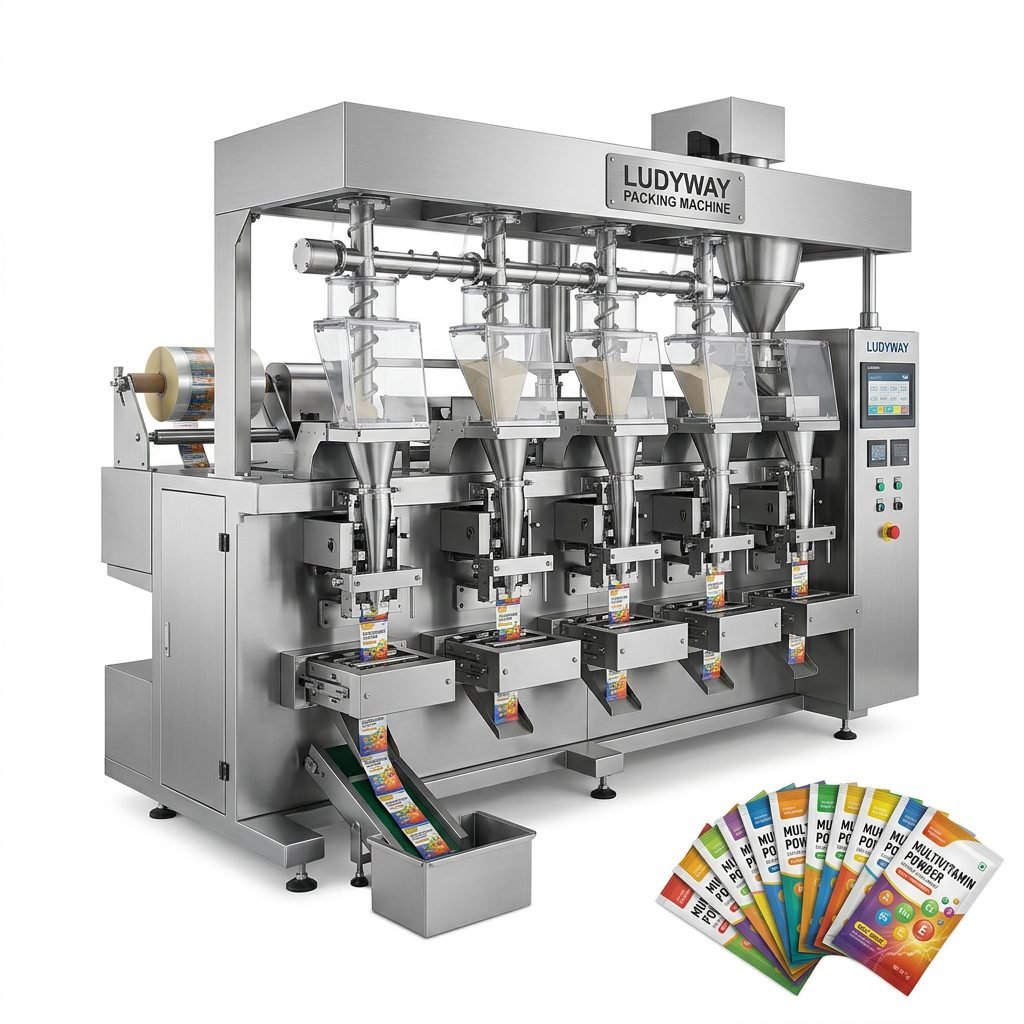
Selecting the right custom packaging equipment is a critical strategic decision for any manufacturing operation. The ideal machinery not only packages your product but acts as a powerful engine driving efficiency, reducing waste, and protecting your bottom line. With a vast array of machines available—from versatile sachet and stick pack systems to specialized granule, powder, and liquid fillers—navigating the options can be complex. This guide provides a structured framework to help you evaluate your needs and choose equipment that delivers a tangible return on investment through enhanced productivity and significant cost savings.
Understanding Your Core Packaging Requirements
Before comparing machine specifications, a deep dive into your product and process is essential. This foundational step ensures the equipment you select is perfectly aligned with your operational reality.
Product Characteristics Are Paramount
The physical nature of your product dictates the primary type of machine required. Granules and powders demand precise volumetric or auger filling systems to ensure accurate, consistent doses. Liquids and creams require pumps—such as piston or peristaltic pumps—that handle varying viscosities without dripping or contamination. For solid items or blends, multi-lane stick pack machines offer excellent flexibility. Understanding attributes like flowability, abrasiveness, and hygroscopicity is crucial for specifying the correct feeding and filling mechanisms.
Key Questions to Define Your Scope:
- What is your primary product form? (e.g., fine powder, coarse granules, viscous paste, free-flowing liquid)
- What are your target package sizes and weights? Define the range from smallest sample sachet to largest retail pack.
- What packaging materials are required? Consider barrier properties for moisture or oxygen, and compatibility with the filling process.
- What is your required output speed? Calculate in packs per minute (PPM) based on current and projected demand.
Evaluating Key Machine Features for Efficiency
Once your product parameters are clear, focus on the machine features that directly translate to smoother, faster, and more reliable production.
1. Automation Level and Changeover Speed
High-efficiency operations rely on automation. Look for machines with programmable logic controllers (PLCs) and human-machine interfaces (HMIs) for easy setup and monitoring. A critical factor for manufacturers running multiple SKUs is quick changeover. Equipment with tool-less adjustments, stored recipe memory, and easy-access components can reduce changeover time from hours to minutes, maximizing uptime.
2. Precision and Accuracy of the Filling System
Filling accuracy is non-negotiable. Overfilling erodes profits through product giveaways, while underfilling leads to compliance issues and customer complaints. Modern machines use high-resolution servomotors and feedback sensors to achieve filling tolerances within ±1% or better. This precision directly cuts material costs and ensures consistent product quality.
3. Integrated Quality Control Systems
Efficiency isn’t just about speed; it’s about producing 100% saleable output. Machines equipped with integrated checkweighers, metal detectors, or vision inspection systems automatically reject underweight, overweight, or contaminated packs in-line. This prevents waste from progressing down the line and protects your brand reputation by ensuring only perfect packages leave your facility.
Analyzing Total Cost of Ownership (TCO)
The purchase price is just one part of the financial equation. A true cost-benefit analysis considers the Total Cost of Ownership over the machine’s lifespan.
TCO Components Breakdown:
Initial Investment: Machine cost, installation, and initial training.
Operational Costs: Energy consumption, compressed air usage, and routine consumables (e.g., seals, filters).
Maintenance & Downtime: Cost of spare parts, scheduled maintenance, and production losses from unplanned stoppages.
Labor Costs: Highly automated systems reduce the number of operators required per line.
Material Yield: Precise filling technology reduces product giveaway, saving raw material costs on every single pack.
Choosing a machine from a provider like Ludyway Machinery, which offers robust construction and accessible technical support, can significantly lower long-term maintenance and downtime costs, improving your overall TCO.
The Strategic Value of a Reliable Supplier Partner
Your equipment supplier should be a long-term partner in your success. Their role extends far beyond the initial sale.
Technical Support and Service Accessibility
Verify the supplier’s support structure. Do they offer remote diagnostics, prompt spare parts supply, and on-site service engineers? A supplier with over 30 years of industry experience typically has the depth of knowledge to troubleshoot complex issues efficiently, minimizing your production disruptions. Ask about their average response time for support requests.
Customization and Future-Proofing
Can the standard machine be adapted to your unique container, product, or factory layout? A partner with strong engineering capabilities can provide tailored solutions. Furthermore, discuss scalability—can the machine or line be easily upgraded or integrated with additional modules (like cartoners or case packers) as your business grows? Investing in a modular, future-proof system protects your investment.
Exploring a supplier’s company profile and history can give you confidence in their stability and commitment to innovation, ensuring they will be a capable partner for years to come.
Implementing for Success: Installation and Beyond
A smooth implementation is key to realizing the promised benefits. Plan for the integration phase with your supplier.
Comprehensive Training and Documentation
Ensure the supplier provides thorough training for your operators, maintenance technicians, and line supervisors. Clear, well-translated operation and maintenance manuals are essential for daily reference and empower your team to perform basic troubleshooting, reducing dependency on external support.
Performance Validation and Support
A reputable supplier will conduct factory acceptance tests (FAT) and support site acceptance tests (SAT) to ensure the machine performs to agreed specifications in your actual production environment. Clarify the warranty terms and what post-installation support is included.
Frequently Asked Questions (FAQs)
1. How do I determine the right packaging machine speed for my business?
Calculate your current and projected 3-5 year daily/weekly production volume. Choose a machine that meets your peak requirements with about 15-20% spare capacity for growth. Avoid significantly over-specifying speed, as it increases initial cost without benefit if not utilized.
2. What are the main differences between a stick pack machine and a sachet machine?
Stick pack machines create long, narrow “stick” packs ideal for single-serve powders (like coffee, sugar) or granule blends. Sachet machines typically produce rectangular or square pouches, which are better suited for thicker products, creams, or liquids, and often allow for larger fill volumes and more surface area for graphics.
3. Can one machine handle multiple different products and package sizes?
Many modern machines are designed for flexibility. Key factors are the range of the filling system (e.g., auger size range) and the ease of mechanical changeover for forming tubes, sealing jaws, and film guides. Discuss your full SKU range with your supplier to ensure the machine’s flexibility matches your needs.
4. How important is after-sales service when choosing a supplier?
Extremely important. The quality and speed of technical support directly impact your production uptime and total cost of ownership. Prioritize suppliers with a proven track record of responsive, knowledgeable support and readily available spare parts, as evidenced by their long-term company history and client relationships.
5. What are the hidden costs I should budget for beyond the machine price?
Always budget for ancillary costs: installation and commissioning fees, potential facility modifications (electrical, compressed air, flooring), initial stock of packaging materials compatible with the new machine, comprehensive staff training, and a spare parts starter kit to cover common wear items.