In today’s competitive food manufacturing landscape, efficiency and cost-effectiveness are paramount. High-speed food packaging machinery stands as a critical investment for producers aiming to scale operations, maintain product integrity, and optimize their bottom line. These advanced systems are engineered to handle rapid production cycles, reduce labor dependency, and minimize material waste, directly translating to significant cost savings and enhanced market responsiveness.
The Core Advantages of High-Speed Packaging Automation
Transitioning to or upgrading high-speed packaging lines offers a multitude of tangible benefits that go beyond simple speed.
Maximizing Production Throughput and Consistency
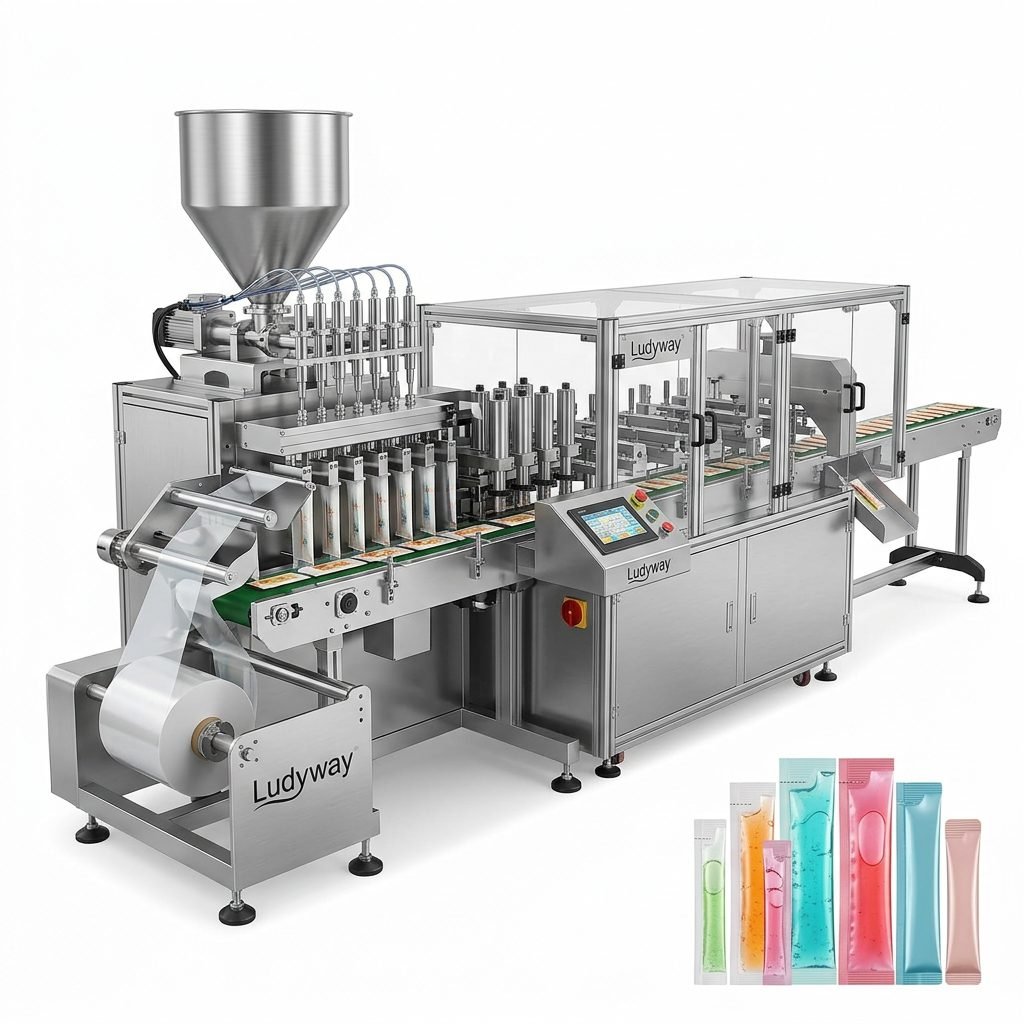
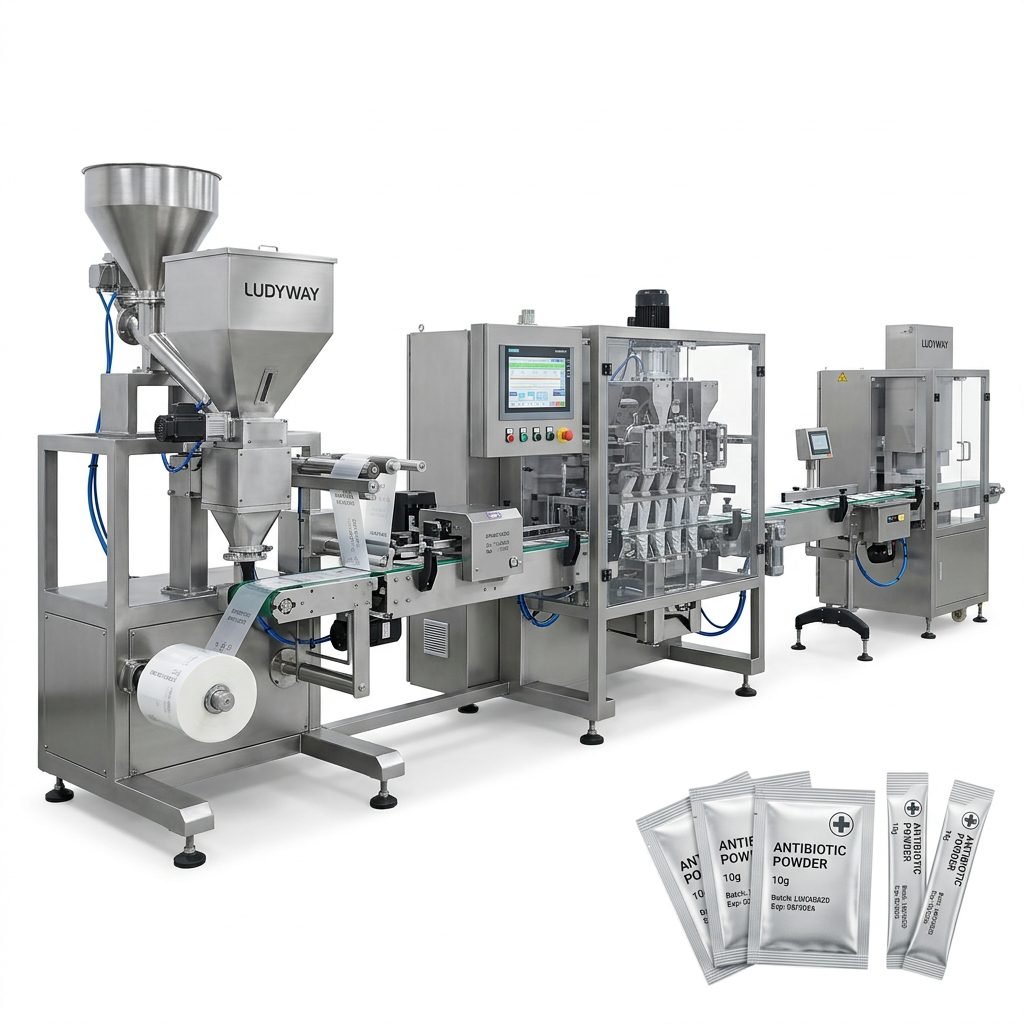
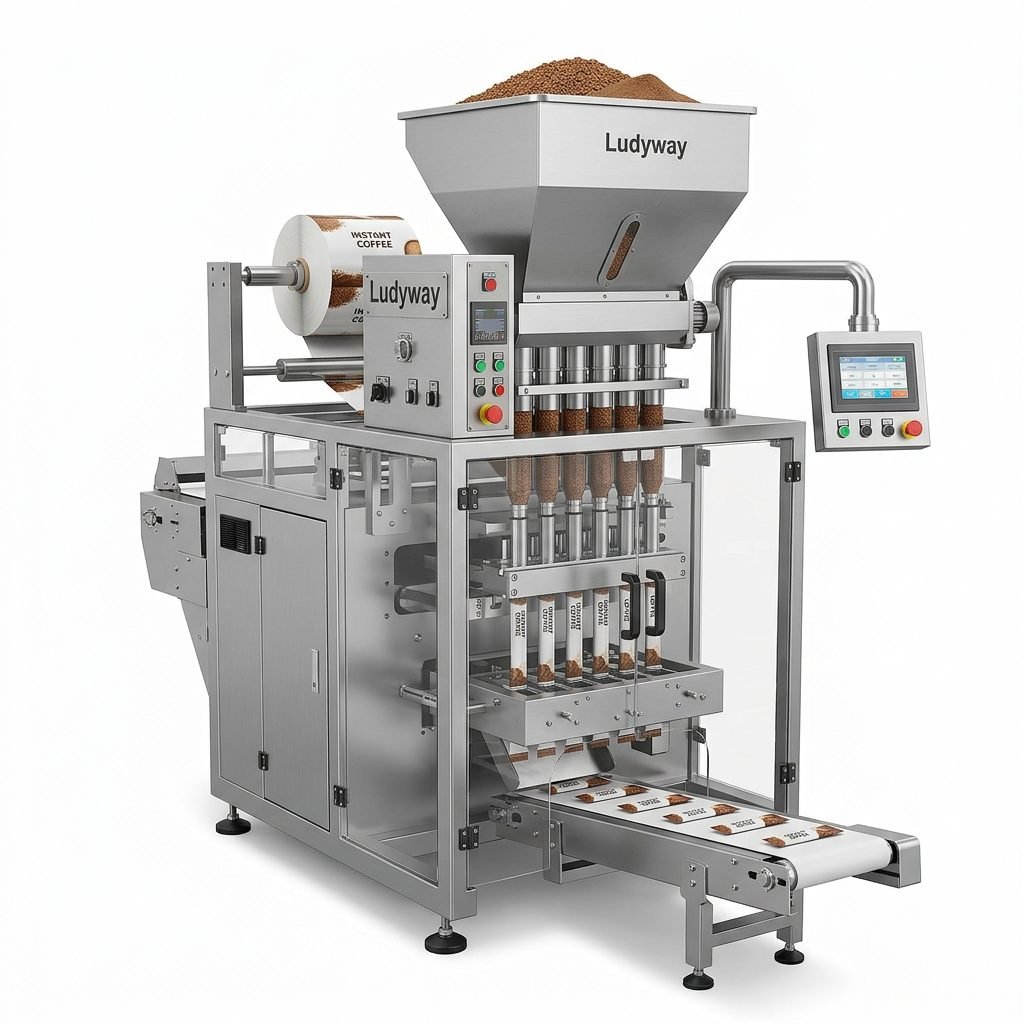
Modern high-speed machines, such as multi-lane stick pack and sachet packaging systems, can achieve outputs that are simply unattainable with manual or semi-automatic equipment. This relentless pace ensures you can meet large orders and capitalize on market demand spikes. More importantly, automation guarantees unwavering consistency in every single package—from precise weight measurement and filling to uniform sealing and coding—eliminating human error and enhancing brand reputation.
Driving Down Operational and Long-Term Costs
The financial argument for high-speed machinery is compelling. While the initial investment is notable, the return on investment (ROI) is realized through multiple channels:
- Labor Reduction: Automated systems consolidate tasks performed by multiple operators, allowing staff to be redeployed to higher-value roles like quality control and machine supervision.
- Material Savings: Precision dosing and cutting mechanisms drastically reduce product giveaway and packaging film waste, optimizing raw material usage.
- Reduced Downtime: Robustly built machinery with easy-access components minimizes maintenance windows and prevents costly production halts.
Ensuring Product Safety and Compliance
In the food industry, hygiene and traceability are non-negotiable. Automated packaging lines create a controlled, minimal-contact environment, significantly lowering the risk of contamination. Integrated vision systems and checkweighers provide real-time quality assurance, rejecting any substandard packs. Furthermore, these systems seamlessly manage batch coding and expiration date printing, ensuring full compliance with stringent global food safety regulations.
Key Machinery for a High-Speed Packaging Line
A complete, efficient line is an orchestra of specialized machines working in harmony. Here are the core components:
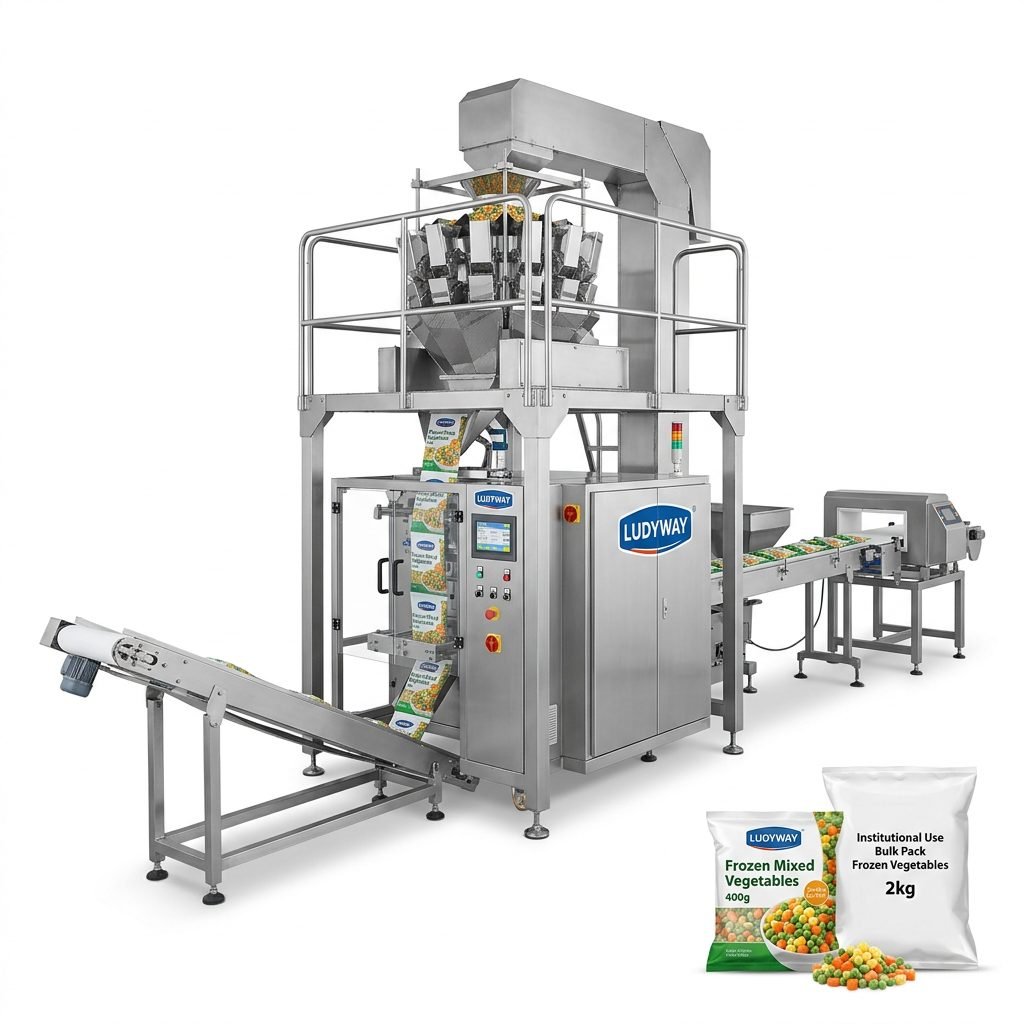
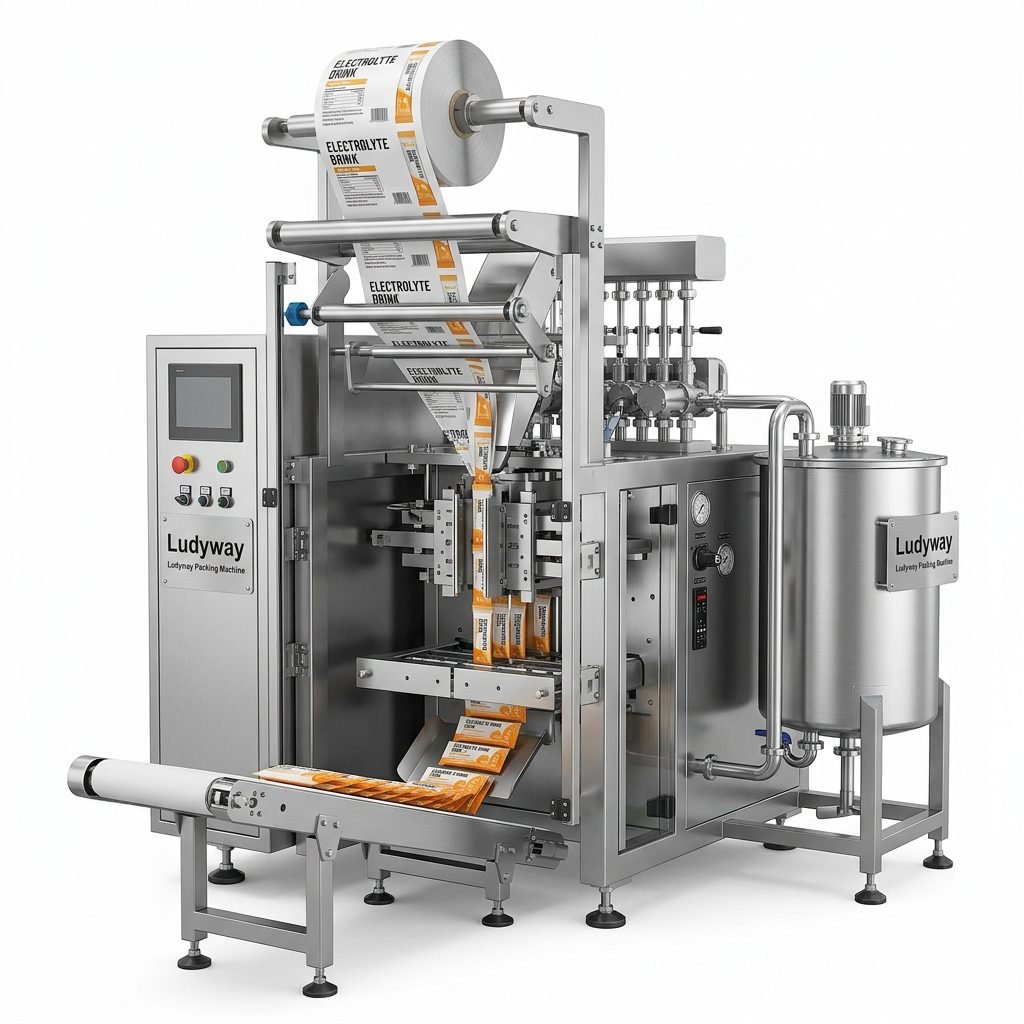
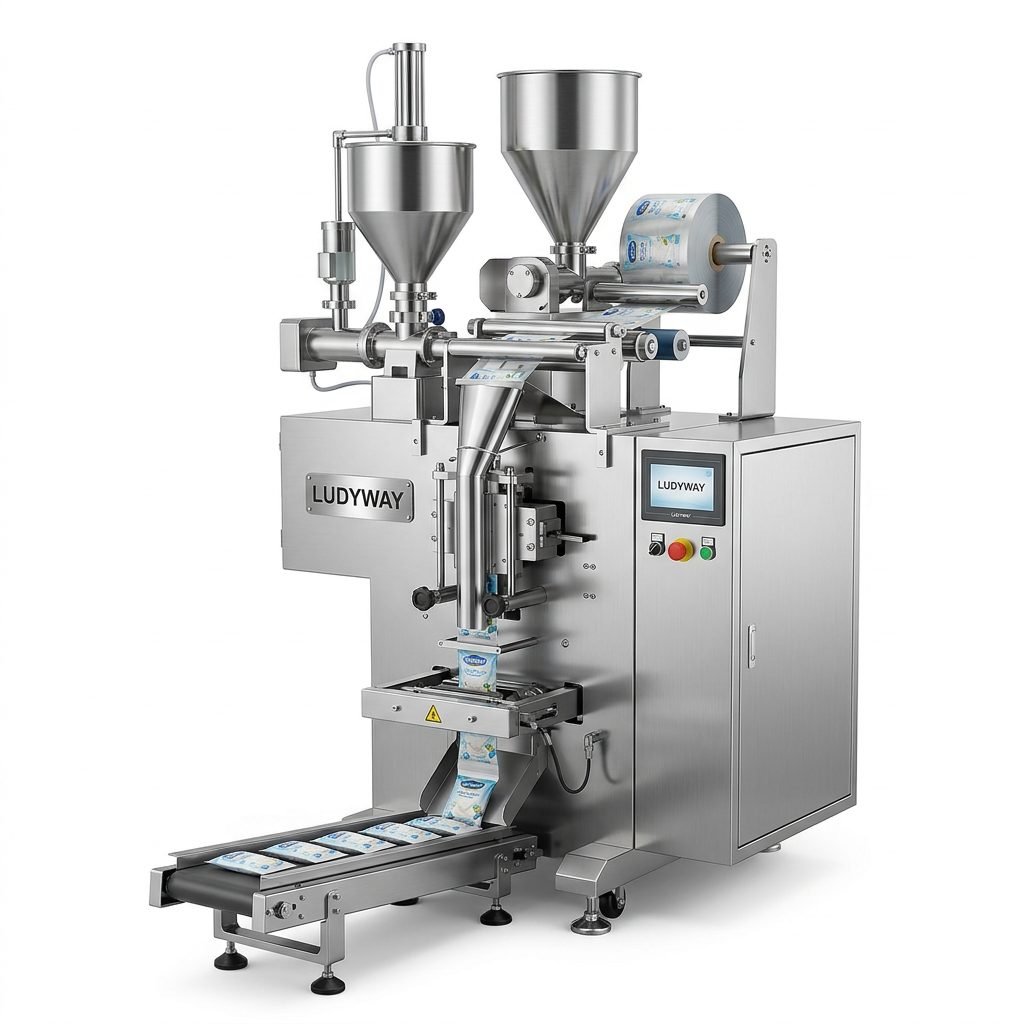
1. High-Speed Vertical Form-Fill-Seal (VFFS) Machines
The workhorse of flexible packaging. These machines form bags from a roll of film, precisely fill them with product—be it granules, powders, or liquids—and seal them at remarkable speeds. Modern VFFS units feature servo-driven technology for exceptional accuracy and quick changeovers between different package sizes.
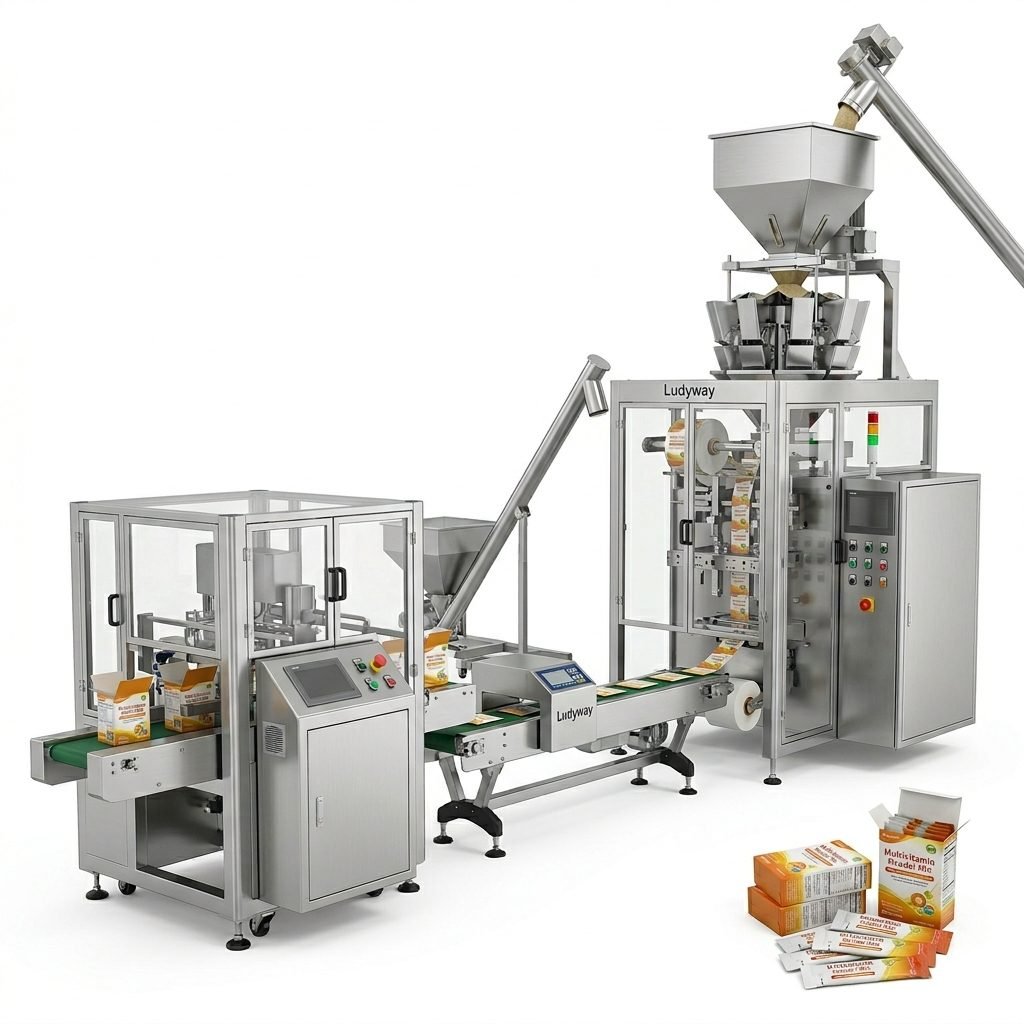
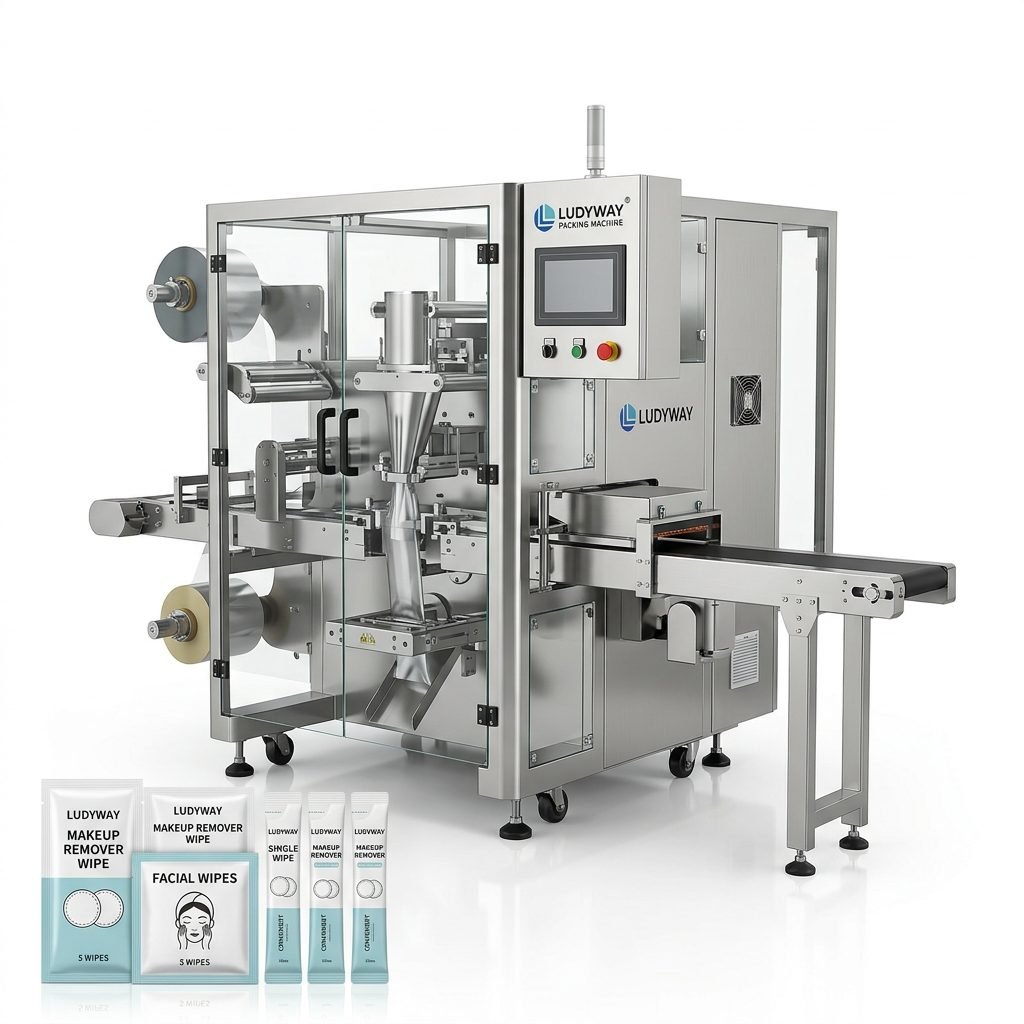
2. Multi-Lane Stick Pack & Sachet Machines
Ideal for single-serve portions of sauces, condiments, coffee, or supplements. These machines operate multiple packaging lanes simultaneously, multiplying output without a proportional increase in floor space. They are renowned for their efficiency in handling low-volume, high-value products.
3. Automated Cartoning and Case Packing Systems
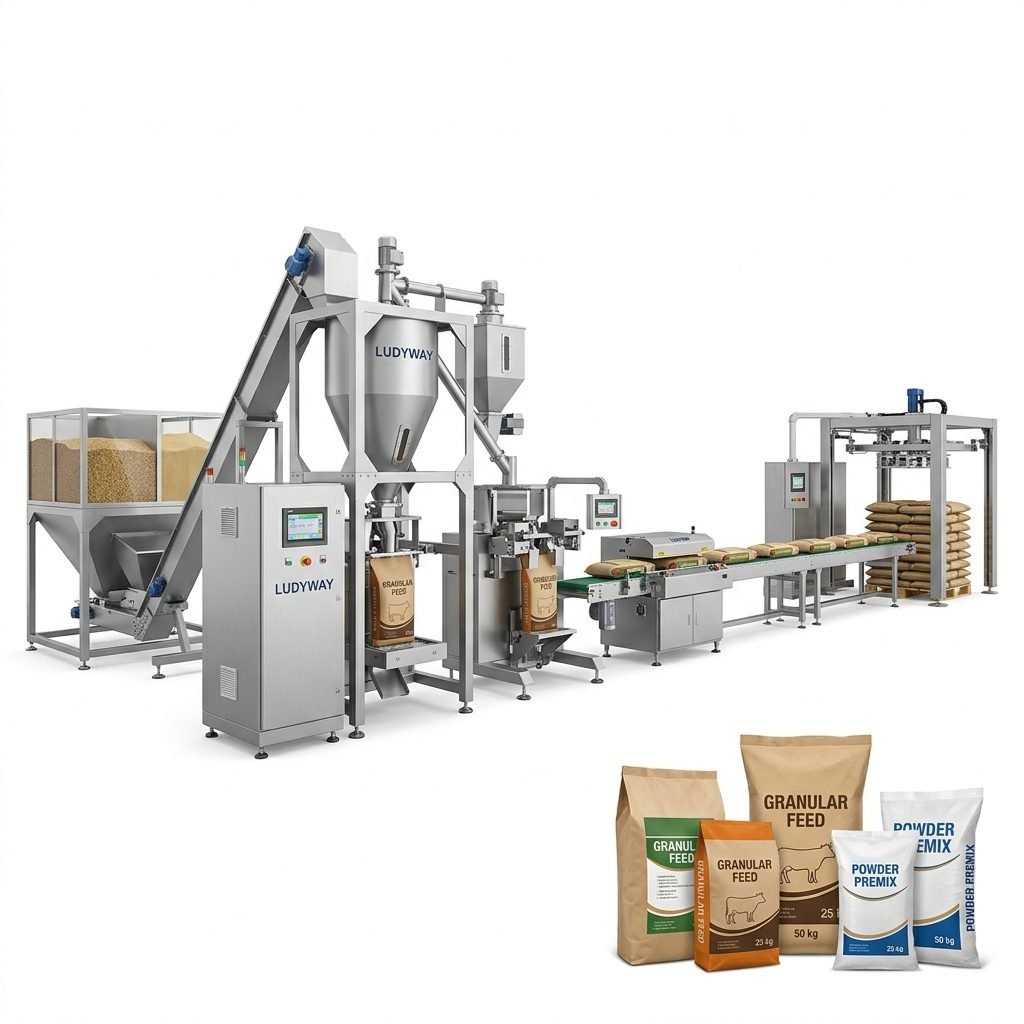
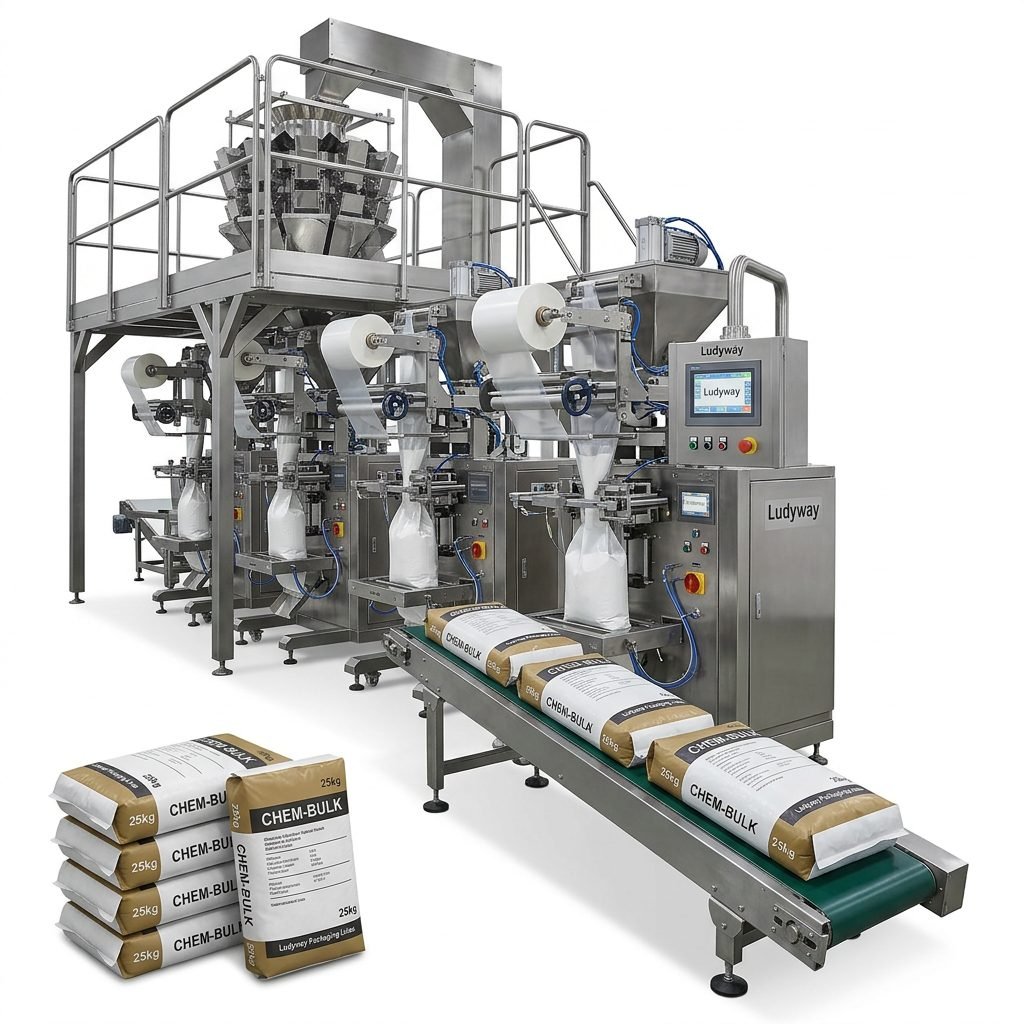
To maintain the high-speed flow, the primary packages must be efficiently collated and placed into cartons or cases. Automated cartoners erect, load, and seal boxes, while robotic case packers gently and precisely place packages into shipping containers, replacing strenuous and repetitive manual labor.
Implementing Your High-Speed Solution: A Strategic Approach
Successfully integrating high-speed machinery requires careful planning beyond the purchase order.
Conducting a Thorough Needs Analysis
Begin by meticulously analyzing your current and projected needs: product types, required output (packages per minute), available factory floor space, and compatibility with existing upstream (mixing, processing) and downstream (palletizing) equipment. This analysis is the blueprint for selecting the right machinery.
Prioritizing Reliability and Supplier Support
The machine’s uptime is your profit. Partner with a supplier known for robust engineering and comprehensive after-sales support. Look for a provider with extensive industry experience, like Ludyway Machinery, which leverages decades of expertise to offer reliable, intelligent packaging solutions. Ensure they offer training, readily available spare parts, and responsive technical service to keep your line running smoothly for years.
Planning for Integration and Future Growth
Your new machinery should not be an island. Work with your supplier to ensure seamless integration into your production flow. Furthermore, consider modularity and scalability—can the line be easily upgraded or reconfigured to handle new products or higher speeds in the future? Investing in a flexible system protects your investment against evolving market demands.
Conclusion: Investing in Competitive Advantage
High-speed food packaging machinery is far more than a piece of factory equipment; it is a strategic asset that drives efficiency, ensures quality, and unlocks substantial cost savings. By automating core packaging processes, manufacturers can achieve faster production cycles, reduce operational expenses, and strengthen their compliance posture. In an industry where margins and consumer expectations are constantly under pressure, this automation is not merely an option—it is an essential step toward securing a sustainable and profitable future. For insights into specific applications, you can explore our resources on complete packaging solutions and successful project implementations.
Frequently Asked Questions (FAQs)
1. What is the typical payback period for a high-speed packaging machine?
The payback period varies based on machine cost, production volume, and labor savings, but typically ranges from 1 to 3 years. High-utilization lines handling expensive products often see a faster ROI due to material savings and increased output.
2. Can high-speed machines handle multiple different products or package sizes?
Yes, most modern machines are designed for quick changeovers. Features like servo motors, digital settings recall, and tool-less adjustments allow operators to switch between products or bag sizes in minutes, maximizing line flexibility for diverse production runs.
3. How important is after-sales service and technical support?
It is critically important. Reliable technical support, readily available spare parts, and operator training are essential for minimizing downtime and ensuring long-term machine productivity. Always evaluate a supplier’s service network and support commitment before purchasing.
4. Are these machines suitable for small and medium-sized enterprises (SMEs)?
Absolutely. The market offers scalable solutions, from compact, moderately high-speed models to full-scale lines. Many SMEs start with a key machine, like a versatile VFFS unit, and gradually build an automated line as their business grows, making the investment manageable and strategic.
5. What are the key maintenance requirements for high-speed packaging equipment?
Regular preventive maintenance is crucial. This includes daily cleaning, lubrication of moving parts as specified by the manufacturer, inspection of seals and cutting blades, and calibration of weighing systems. Adhering to the maintenance schedule is the most effective way to ensure reliability and longevity.