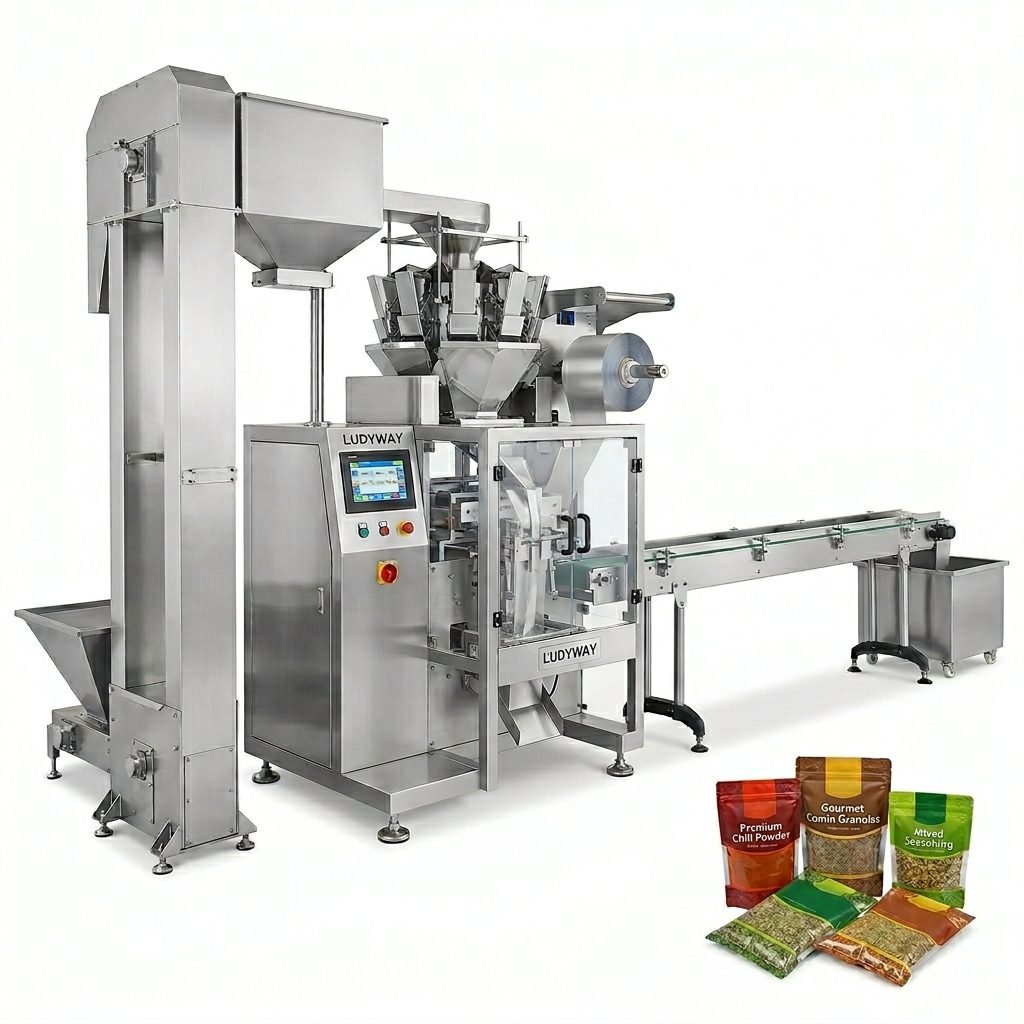
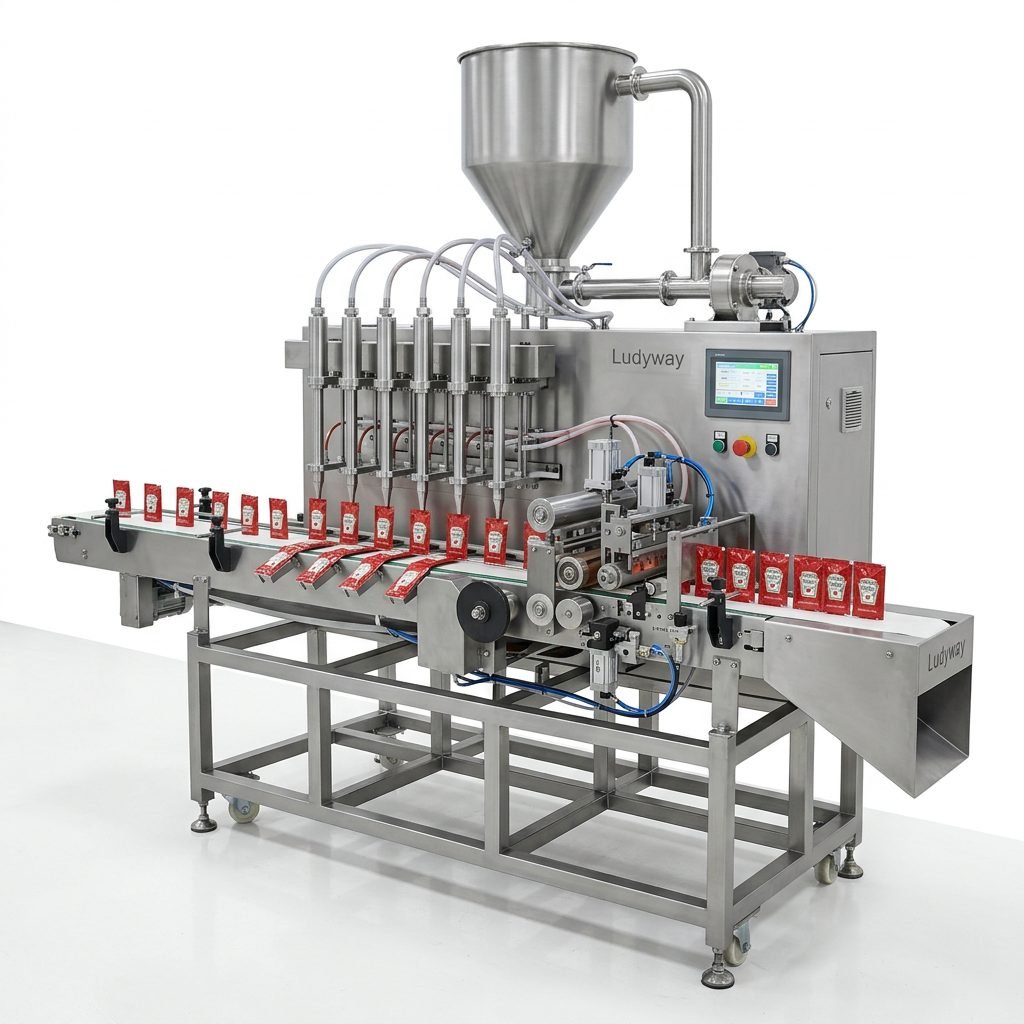
Choosing the right packaging equipment is not only about speed. It is about matching the machine to your product, packaging format, production target, compliance requirements, labor structure, and future growth plan. When businesses select the wrong system, they often face wasted film, unstable sealing, inaccurate filling, excessive downtime, and rising operating costs.
For manufacturers in food, pharmaceutical, cosmetic, chemical, health supplement, and related industries, the right packaging machine can improve output, reduce manual handling, protect product quality, and strengthen brand consistency. This guide explains how to evaluate packaging machines step by step so you can make a smarter investment.
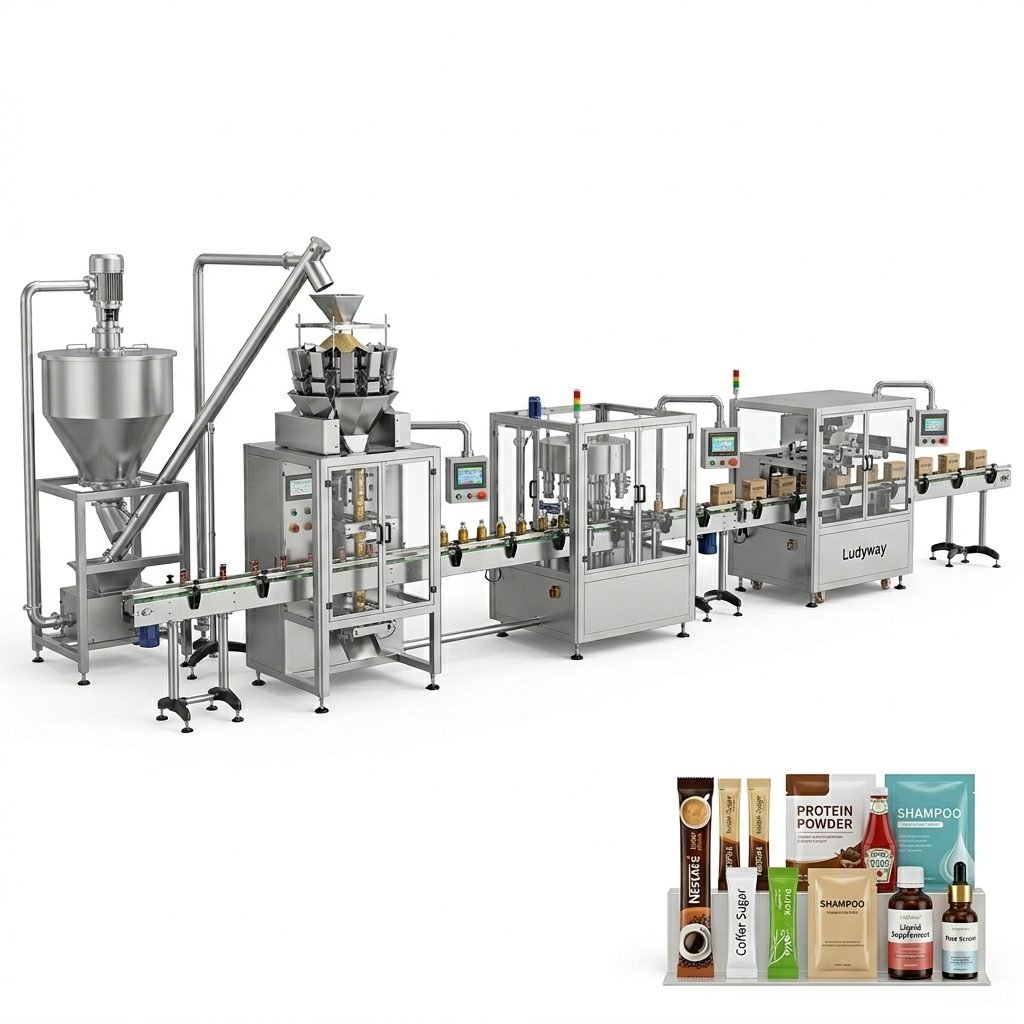
Why the Right Packaging Machine Matters
Packaging is the final step before products reach distributors, retailers, pharmacies, e-commerce channels, or end users. If packing performance is unstable, the entire production line suffers. A good packaging solution helps your operation achieve:
- Higher packing efficiency with less stoppage
- More consistent fill weight and seal quality
- Lower labor dependence and reduced human error
- Better product hygiene and contamination control
- Improved shelf appeal and packaging accuracy
- Scalable automation for future expansion
Whether you need a standalone machine or a fully integrated line, machine selection should always be based on the real needs of your factory rather than on price alone.
Start with Your Product Characteristics
The first and most important step is to define what you are packing. Different products behave differently during filling, dosing, sealing, and conveying. Packaging machines for free-flowing granules are very different from systems designed for sticky pastes or heat-sensitive powders.
Key product questions to ask
- Is the product a powder, granule, liquid, paste, tablet, capsule, pouch, or mixed form?
- Does it flow freely or bridge inside the hopper?
- Is it dusty, sticky, foamy, corrosive, or fragile?
- Does it require sanitary design or GMP-level control?
- Is the product sensitive to oxygen, moisture, light, or temperature?
- Do you need nitrogen flushing, vacuum sealing, or special barrier materials?
For example, protein powder, coffee powder, and supplement powders often require precise dosing and dust control. Sauces, creams, and gels need stable pumping and accurate sealing. Tablets and capsules demand counting or bottle-filling precision. The more clearly you define the product behavior, the easier it is to identify the right machine structure.
Choose the Correct Packaging Format
Your packaging format directly affects machine type, output speed, material handling, and downstream packing. Common options include:
| Packaging Format | Typical Products | Suitable Machine Type |
|---|---|---|
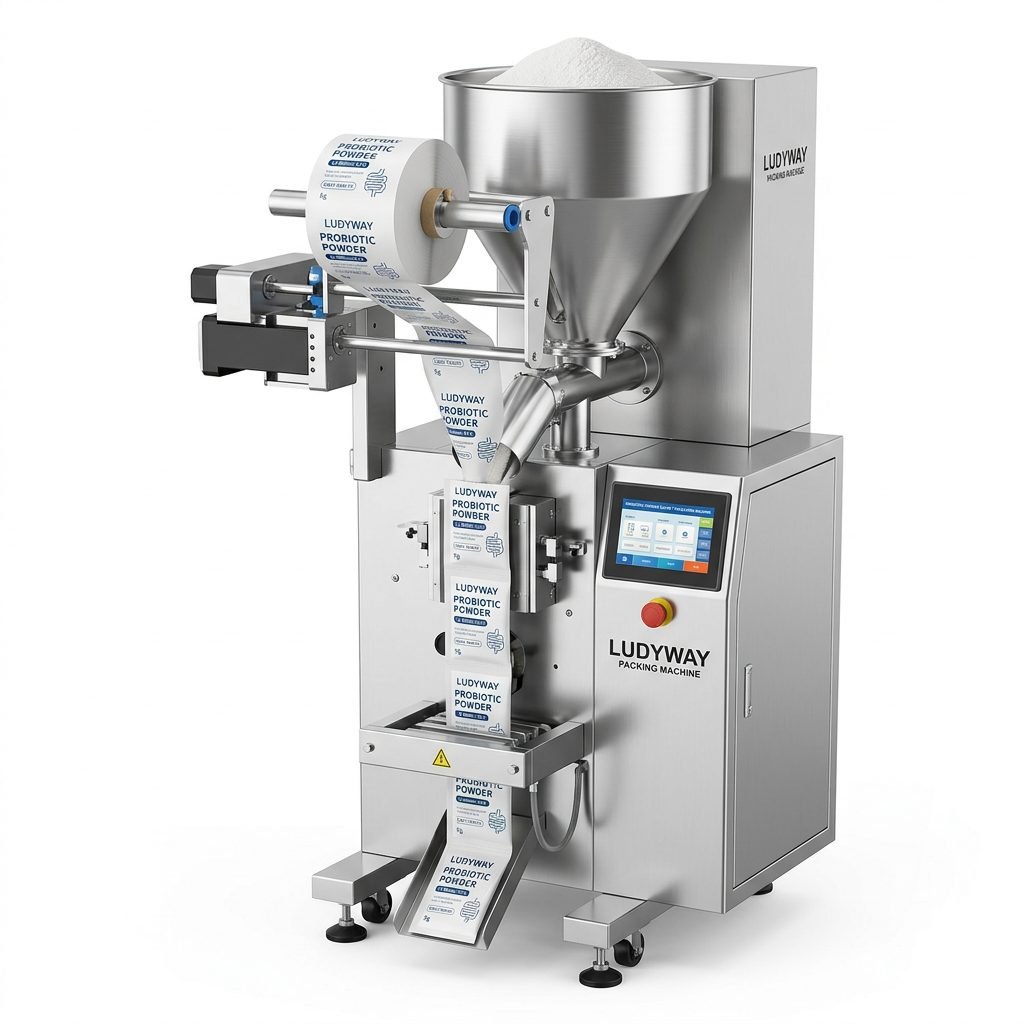
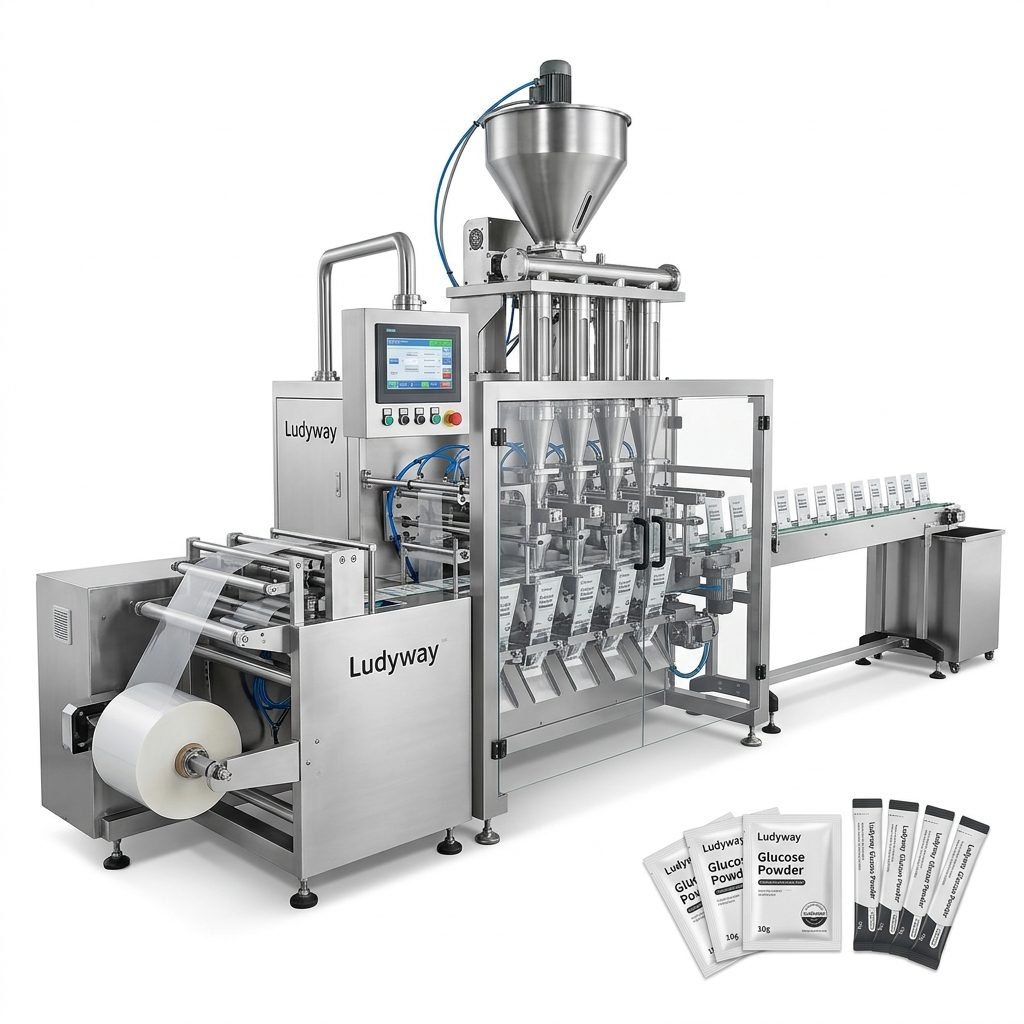
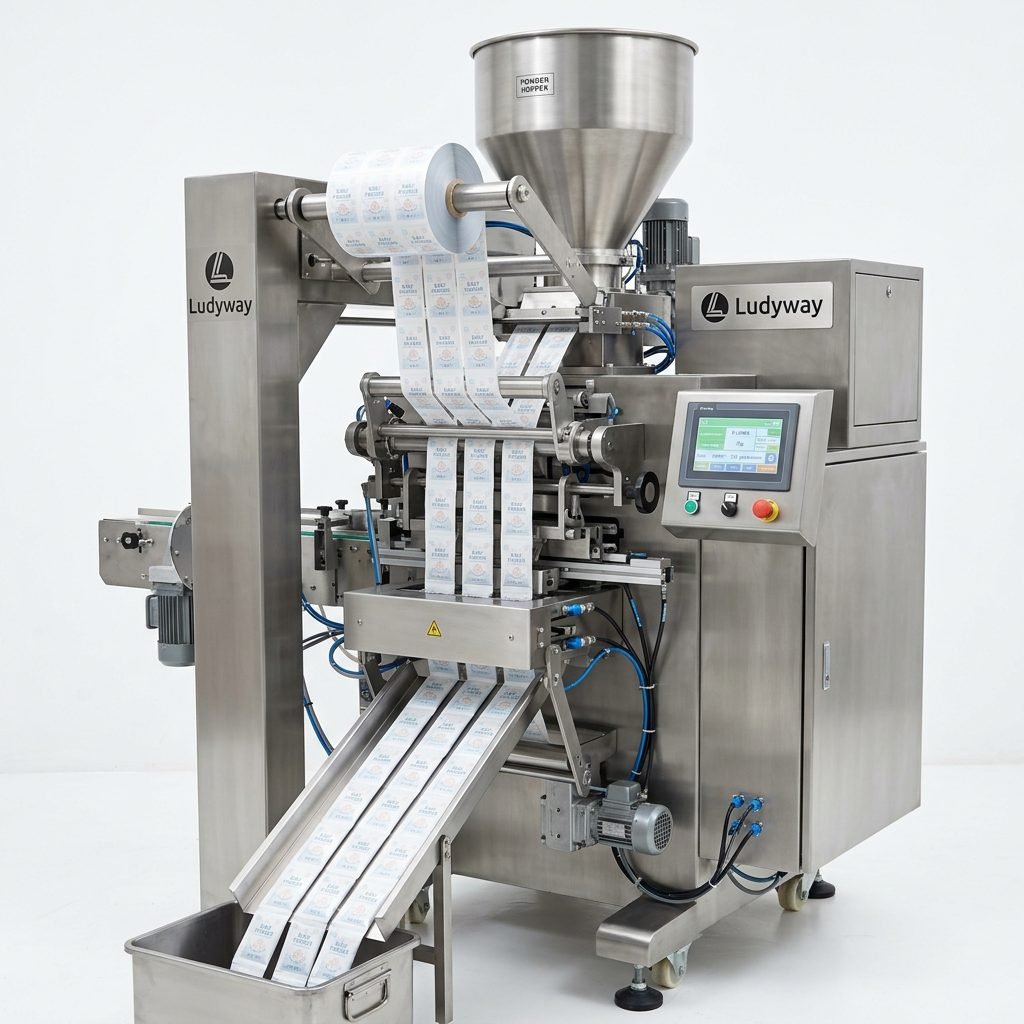
| Sachet | Powders, liquids, creams, seasonings | Sachet packing machine |
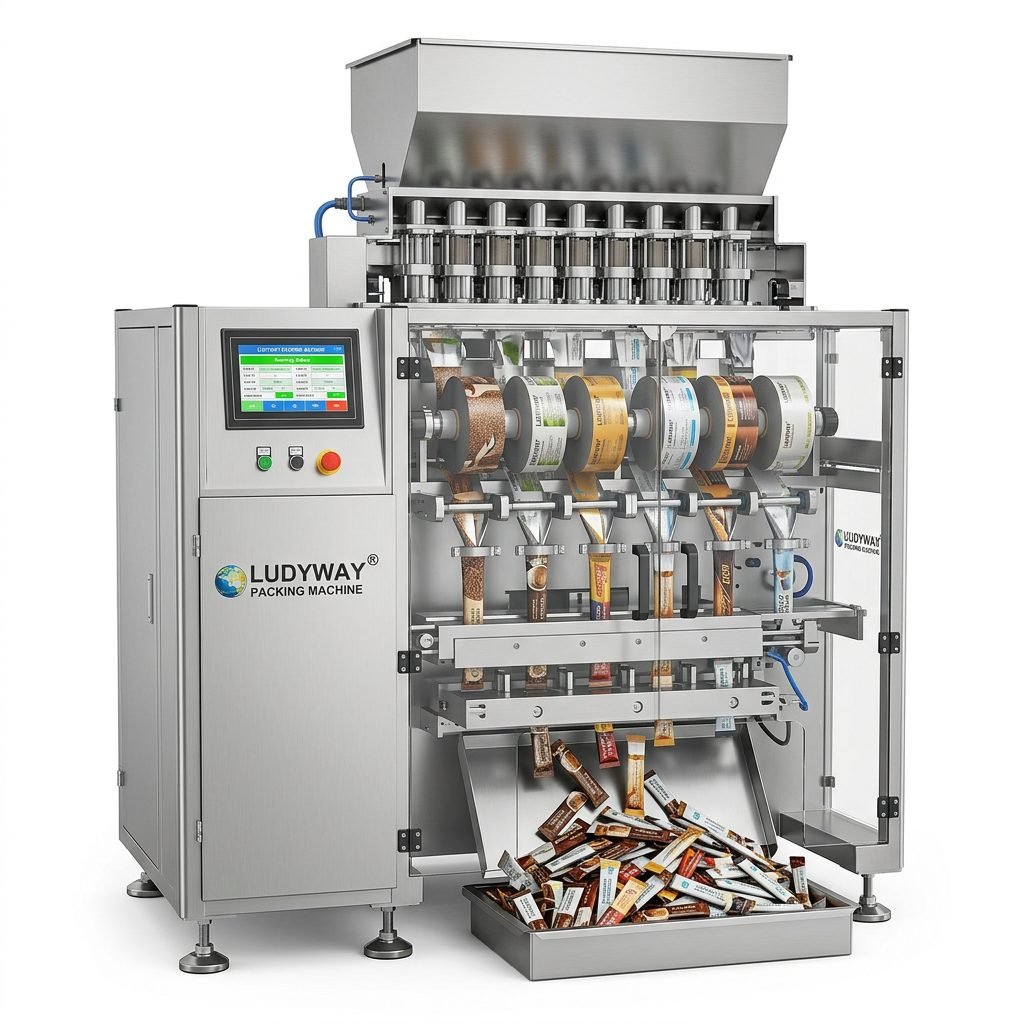
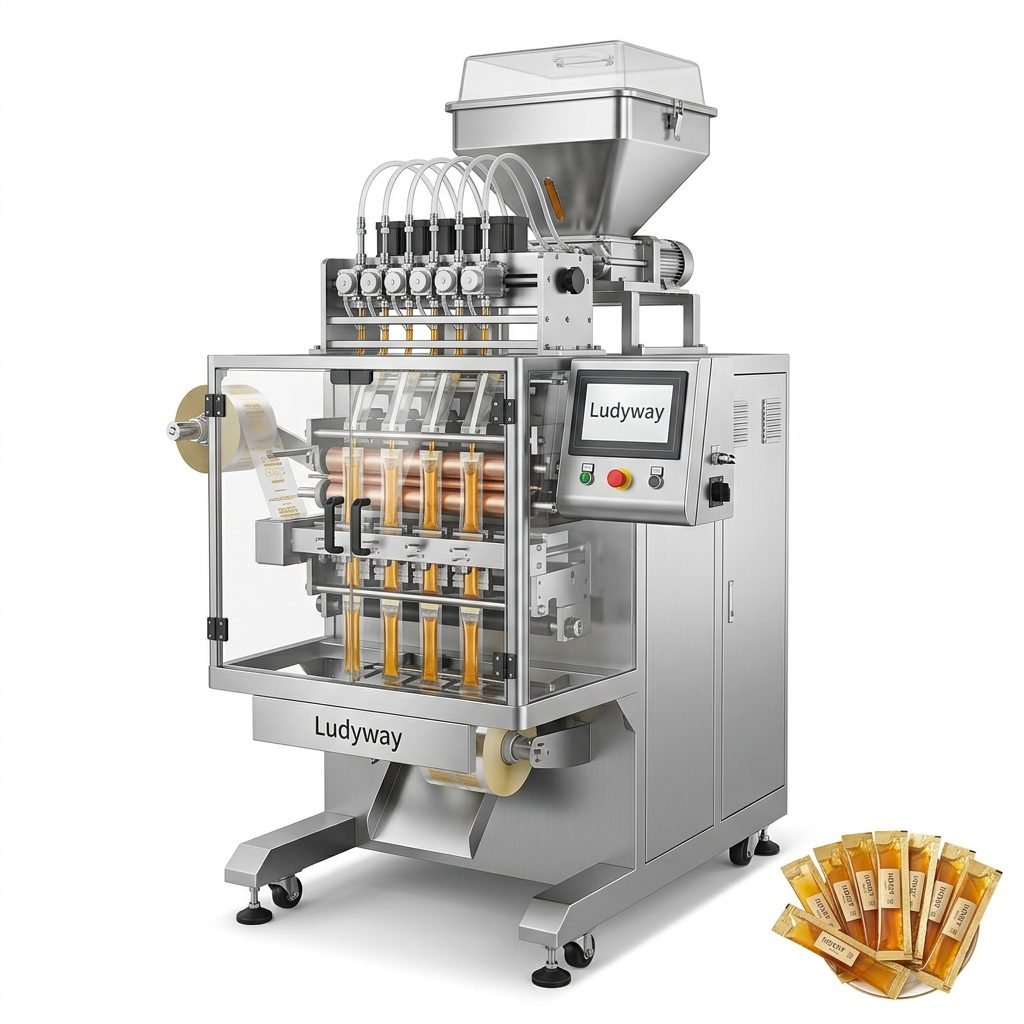
| Stick pack | Drink mixes, sugar, coffee, supplements | Multi-lane stick pack machine |
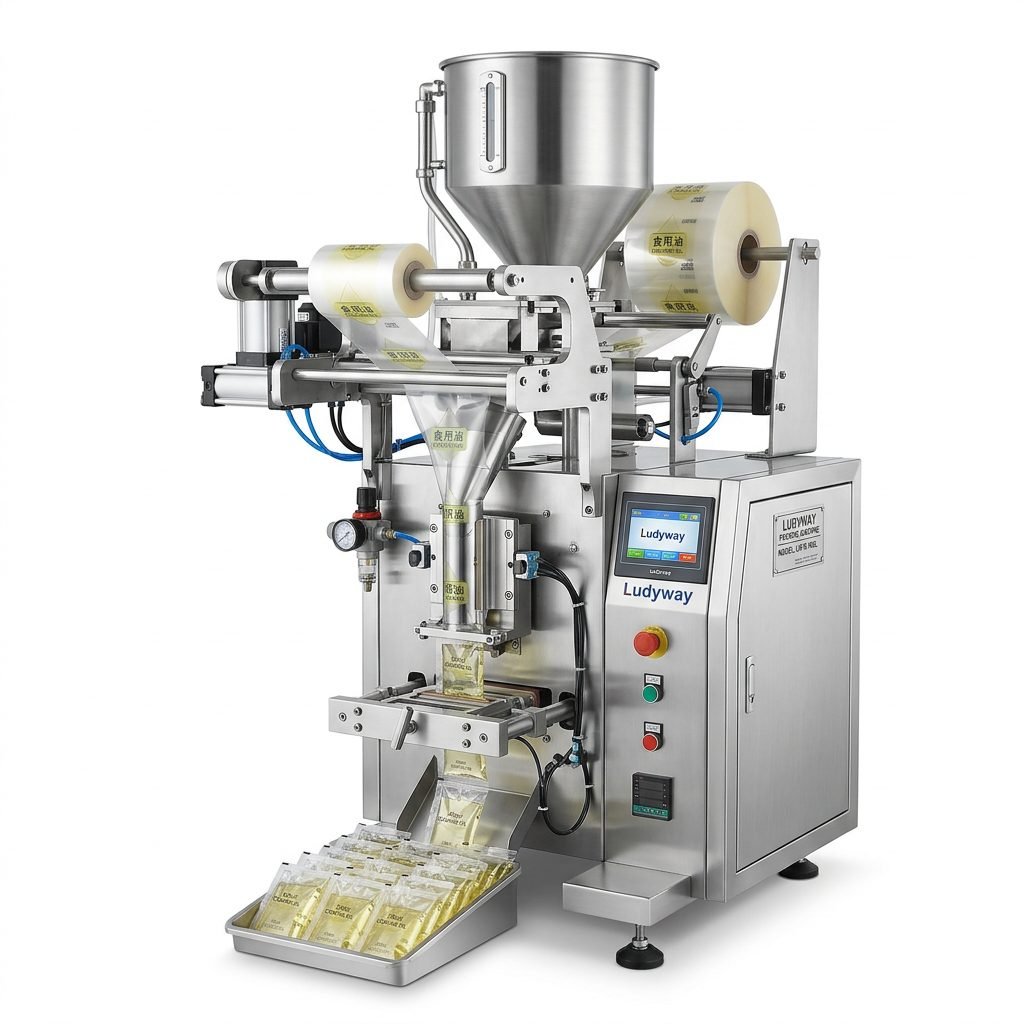
| Pouch | Snacks, pet food, granules, liquids | Premade pouch or pouch filling machine |
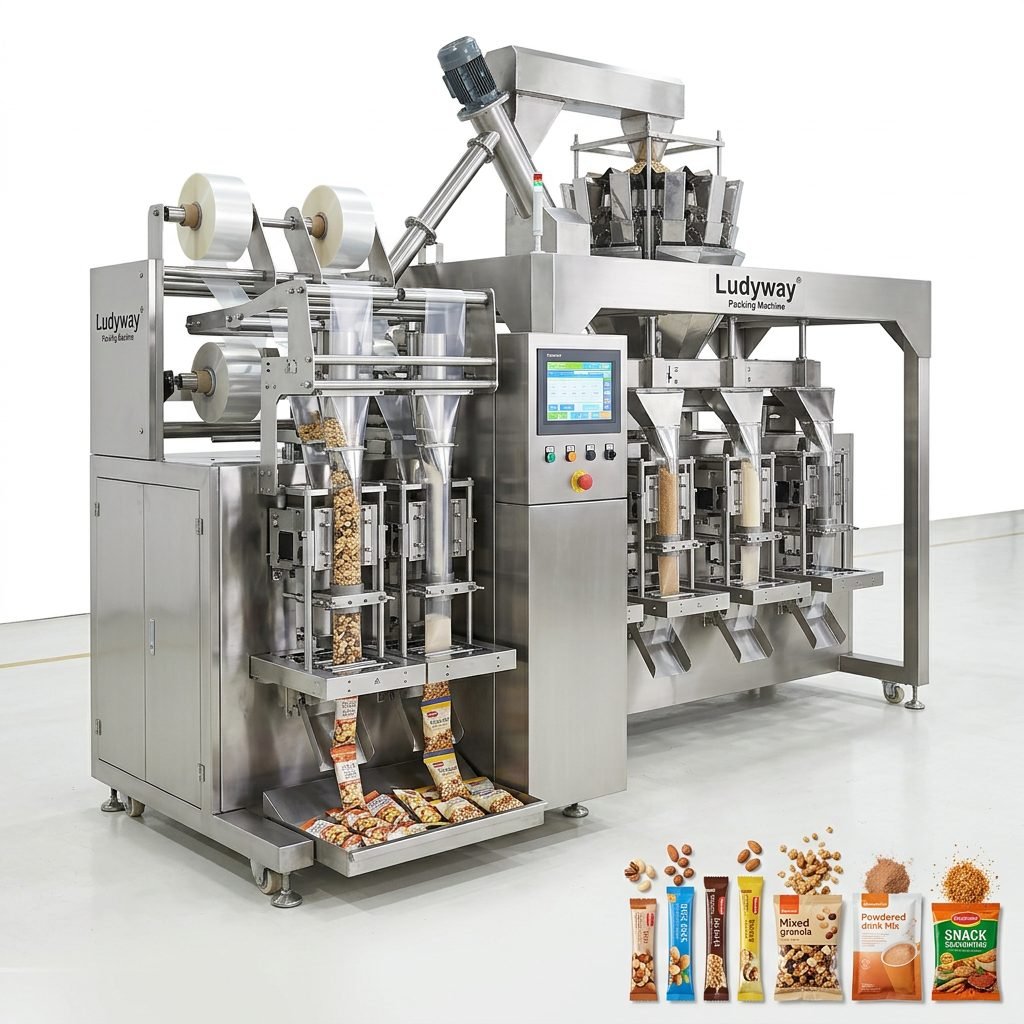
| Vertical bag | Bulk powder, grains, pellets | Vertical form fill seal machine |
| Bottle / jar | Capsules, tablets, syrups, granules | Bottle filling, capping, counting line |
If your brand needs single-dose convenience, sachets or stick packs may be ideal. If presentation and shelf impact are priorities, premade pouches may offer more value. If your product is sold in pharmacies or health channels, bottles, blister packs, or sterile formats may be more appropriate.
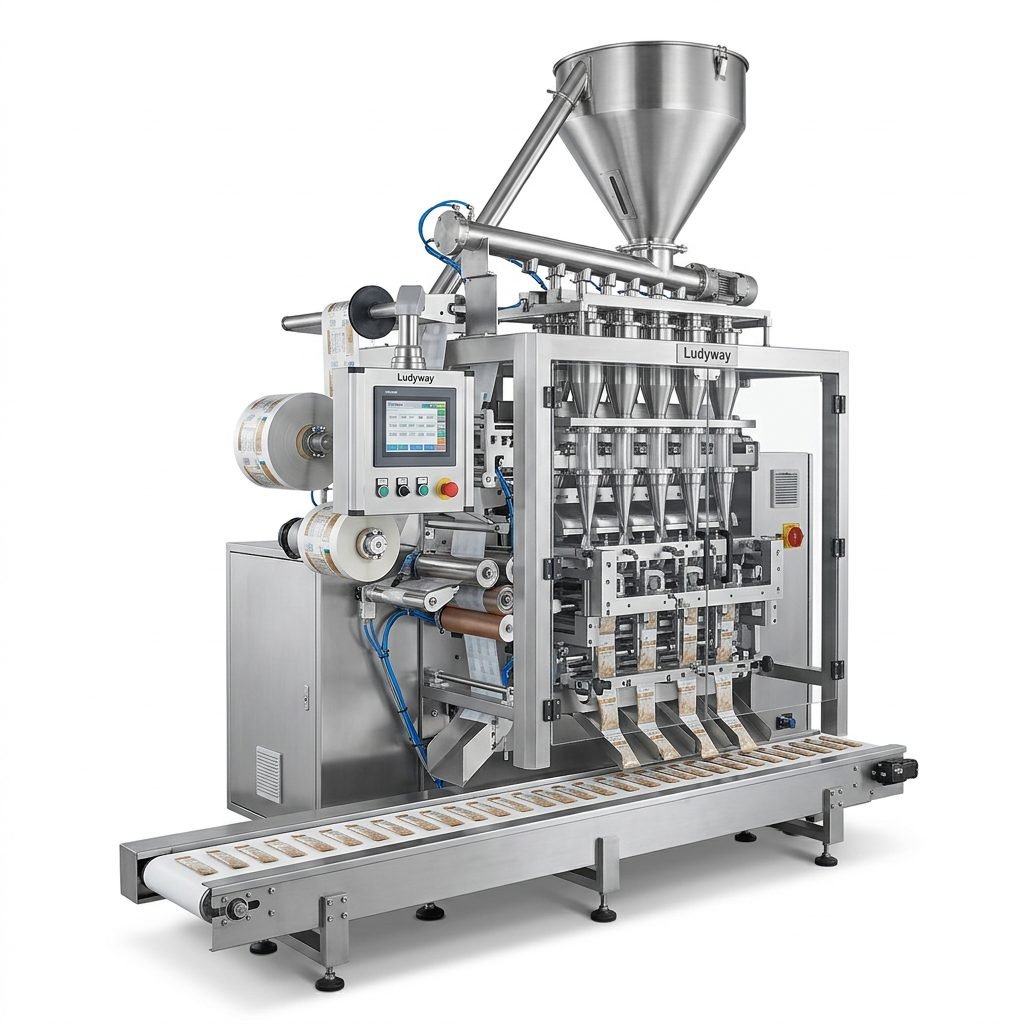
Match Machine Capacity to Real Production Goals
Many buyers either overbuy or underbuy. A machine that is too small creates bottlenecks. A machine that is too large may increase investment cost, energy use, and maintenance complexity without delivering actual returns.
Consider these capacity factors
- Current daily or monthly production volume
- Peak season demand
- Expected growth over the next 2 to 5 years
- Shift structure and labor availability
- Target OEE and acceptable downtime
A practical approach is to choose a system that meets current demand comfortably while leaving reasonable room for expansion. In many cases, a modular solution gives better long-term flexibility than a fixed single-purpose setup.
Evaluate the Level of Automation You Actually Need
Not every business needs a fully automated turnkey line from day one. Some factories benefit from semi-automatic systems during early-stage growth, while others need full automation immediately because labor costs, hygiene needs, or output targets are already high.
Common automation levels
- Semi-automatic: Suitable for smaller output, lower initial investment, and flexible product changeovers
- Automatic standalone machine: Good for medium-volume production with better consistency and labor savings
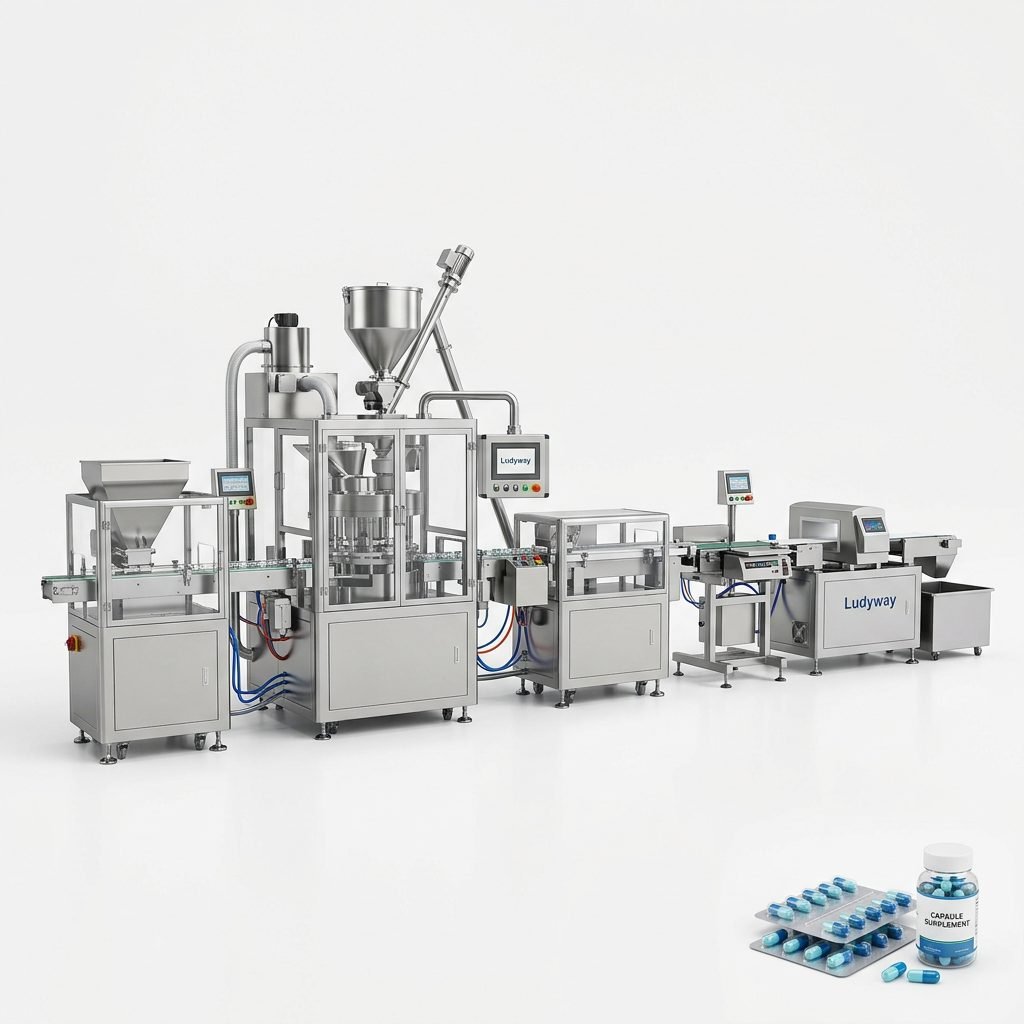
- Integrated packaging line: Ideal for high-volume factories needing feeding, filling, sealing, coding, inspection, cartoning, and palletizing in one flow
If your production plan includes upstream and downstream integration, think beyond the filler itself. You may also need conveying, metal detection, checkweighing, coding, labeling, cartoning, case packing, and palletizing equipment.
Focus on Filling Accuracy and Seal Quality
For efficient product packing, speed means little if fill weights are unstable or seals fail in transit. Filling precision protects product cost and legal compliance, while seal integrity protects shelf life and customer satisfaction.
What to inspect
- Accuracy tolerance across different product densities
- Sealing consistency at high speed
- Compatibility with your packaging film or pouch material
- Performance in humid, dusty, or temperature-sensitive environments
- Reject rate during long production runs
Ask suppliers for sample testing using your actual product and packaging material. This is one of the most reliable ways to reduce selection risk.
Consider Hygiene, Compliance, and Industry Standards
Industries such as food, pharma, health supplements, and cosmetics often require stricter machine design. Depending on your market, you may need stainless steel contact parts, sanitary structures, dust-proof enclosures, validation support, batch traceability, or GMP-oriented design features.
Typical compliance-related considerations include:
- Food safety and cleanability requirements
- Pharmaceutical production standards
- Material contact safety
- Electrical certification requirements for export markets
- Documentation for audits, validation, and maintenance
If you export globally, your packaging line should be built with compliance in mind from the start, not added as an afterthought.
Think About Changeover Time and Product Flexibility
If your factory packs multiple SKUs, machine flexibility becomes critical. A packaging machine that performs well on one format but takes too long to switch between products can hurt total efficiency.
Important flexibility points
- Can the machine handle different bag sizes or fill volumes?
- How quickly can operators switch product recipes?
- Are tooling changes simple or complex?
- Can the control system store multiple packaging parameters?
- Will future products require major modification?
For manufacturers with expanding product portfolios, flexible design often delivers better ROI than buying separate machines too early.
Assess Maintenance, Spare Parts, and Technical Support
A packaging machine is a long-term production asset. Reliable after-sales support is just as important as the machine itself. Before buying, ask how the supplier handles installation, commissioning, training, troubleshooting, and spare parts supply.
| Support Area | Why It Matters |
|---|---|
| Installation guidance | Reduces startup errors and shortens commissioning time |
| Operator training | Improves safety, efficiency, and daily operation stability |
| Spare parts availability | Prevents long downtime during maintenance or repair |
| Remote technical support | Helps solve issues faster across international markets |
| Customization support | Ensures better fit for special products and packaging goals |
Businesses often underestimate after-sales service until downtime occurs. A lower-cost machine with weak support can become more expensive over time.
Calculate Total Cost of Ownership, Not Just Purchase Price
The best packaging solution is rarely the cheapest one upfront. A proper decision should include the total cost of ownership over the machine’s service life.
Include these cost elements
- Machine purchase price
- Shipping, installation, and commissioning
- Packaging material waste rate
- Labor requirement
- Energy consumption
- Maintenance and spare parts
- Downtime losses
- Future upgrade or expansion cost
A faster, more stable machine may generate lower unit packaging cost over time, even if the initial investment is higher.
When to Choose a Turnkey Packaging Line
If your operation is growing quickly or managing multiple production stages, a turnkey packaging line may be the more efficient choice. Instead of sourcing separate machines from different suppliers, a turnkey partner can coordinate the line layout, machine compatibility, controls integration, testing, and delivery schedule.
This approach is especially useful for businesses that need:
- One supplier for the full project
- Stable communication and integration control
- Reduced mismatch risk between upstream and downstream equipment
- Faster project implementation
- Long-term scalability
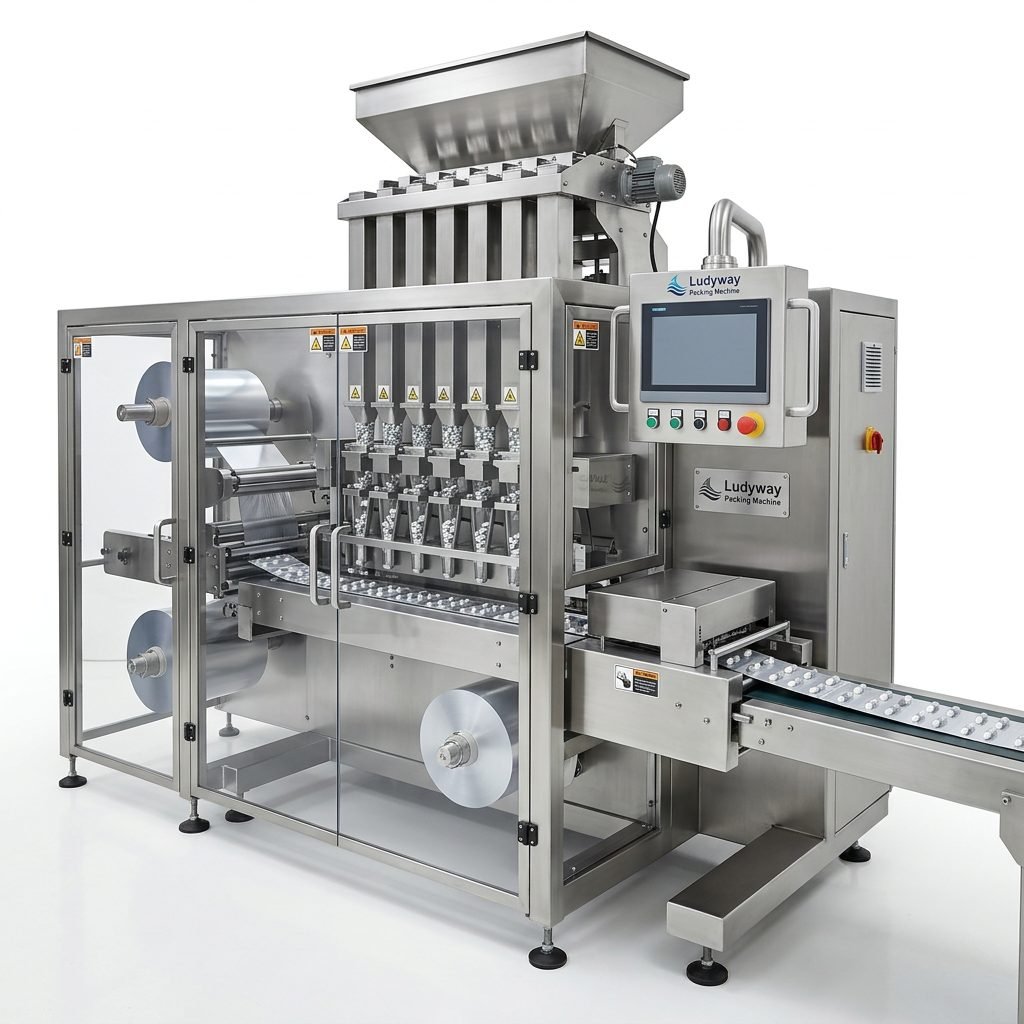
Manufacturers looking for scalable automatic solutions often evaluate experienced suppliers such as Ludyway packaging machine manufacturer, known for standalone equipment and turnkey packaging line solutions for powders, granules, liquids, pastes, sachets, stick packs, pouches, and bottle-based applications.
A Simple Machine Selection Checklist
Before making a final decision, use this practical checklist:
- Define product type, flowability, and sensitivity
- Confirm package format and pack size range
- Set realistic output targets per hour and per shift
- Decide on semi-automatic, automatic, or turnkey line level
- Review filling accuracy and seal quality data
- Verify compliance and material contact requirements
- Check flexibility for future SKU changes
- Confirm service support and spare parts response
- Request product sample testing
- Compare total cost of ownership, not only quote price
Final Buying Insight
The right packaging machine should fit your product, your factory, and your growth strategy. The best choice is a solution that balances efficiency, accuracy, reliability, flexibility, and long-term operating value. When these factors align, your packaging process becomes faster, cleaner, more consistent, and easier to scale.
In today’s competitive manufacturing environment, selecting the right packaging machine is not just an equipment purchase—it is a strategic production decision that can directly affect product quality, labor efficiency, and business profitability.