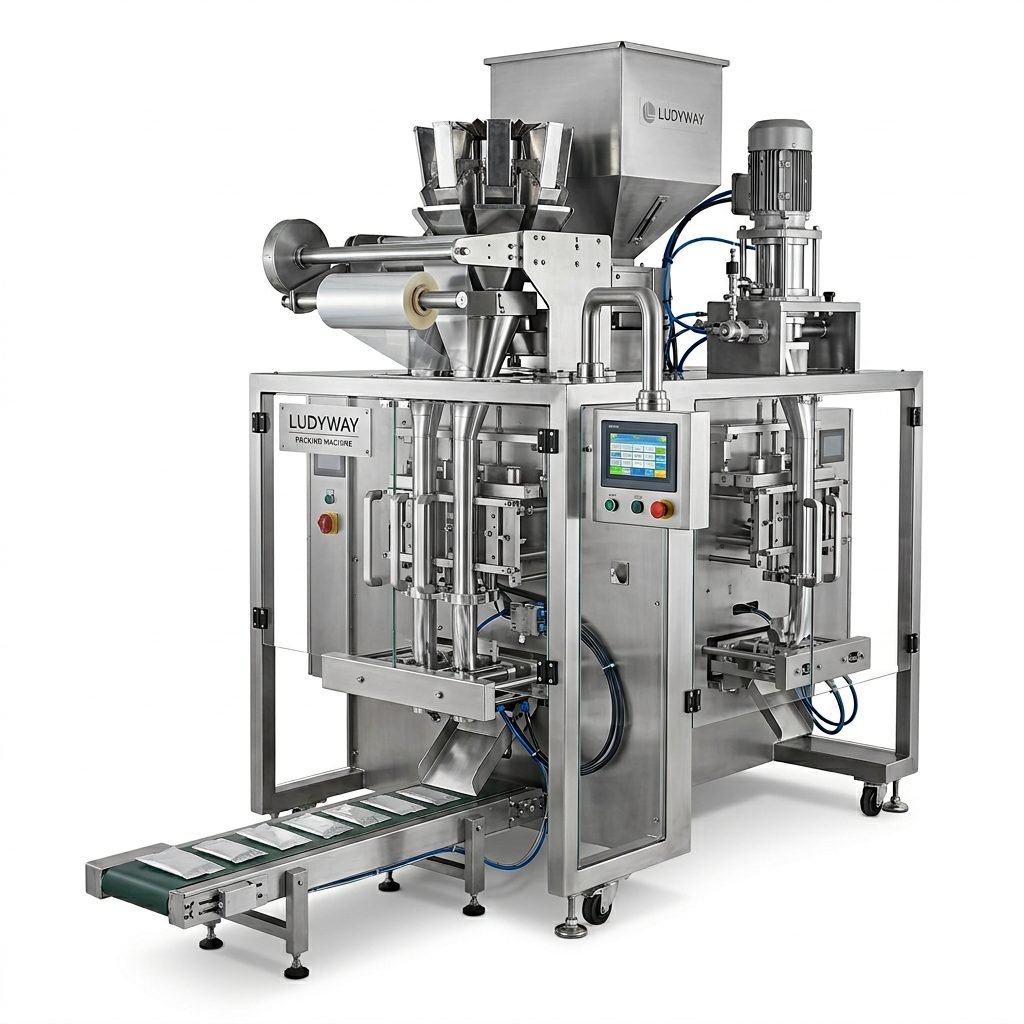
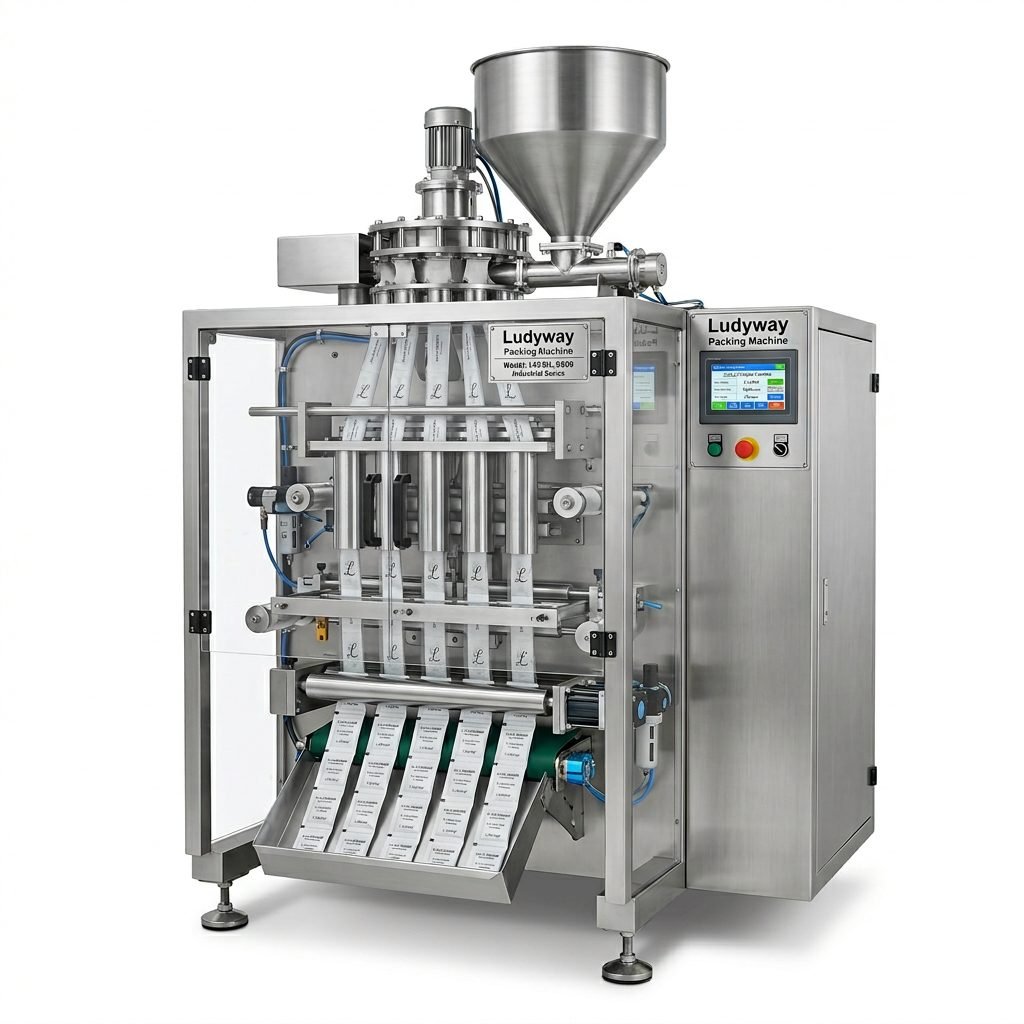
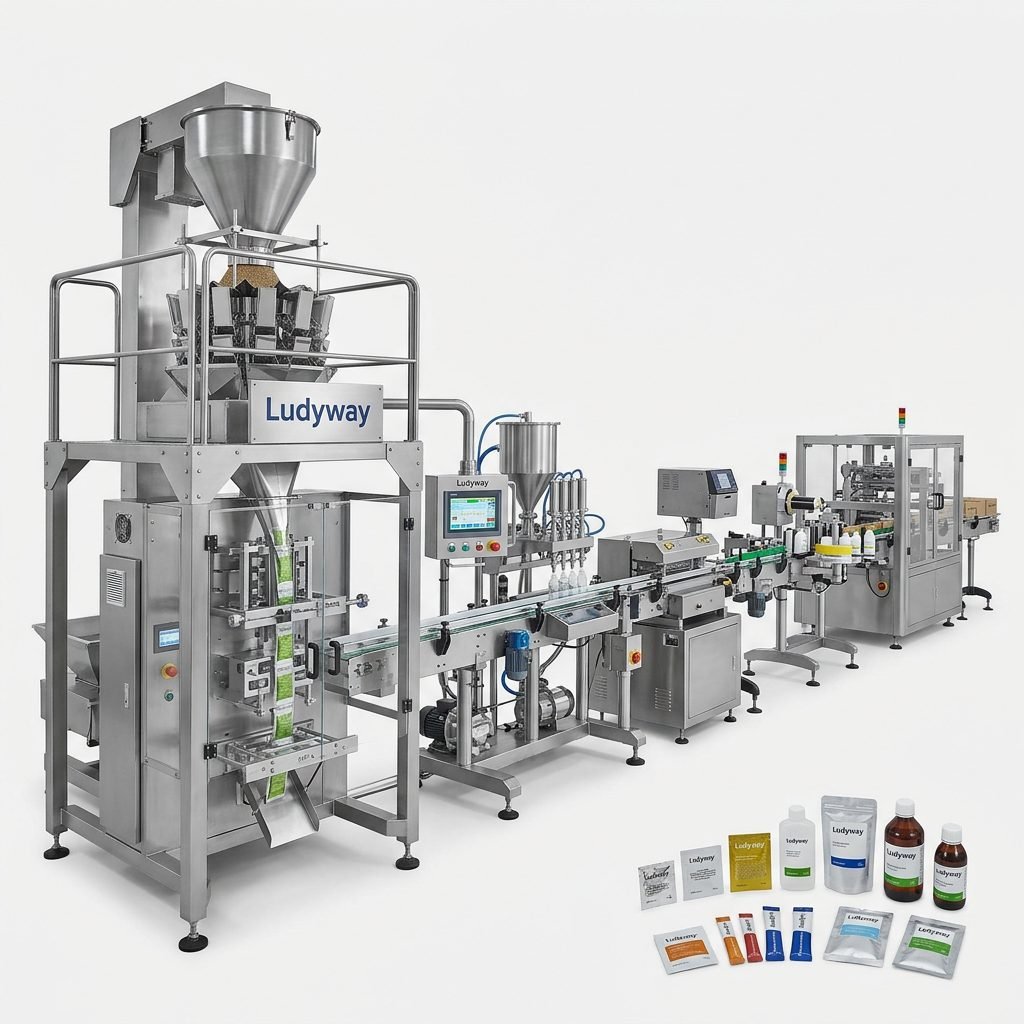
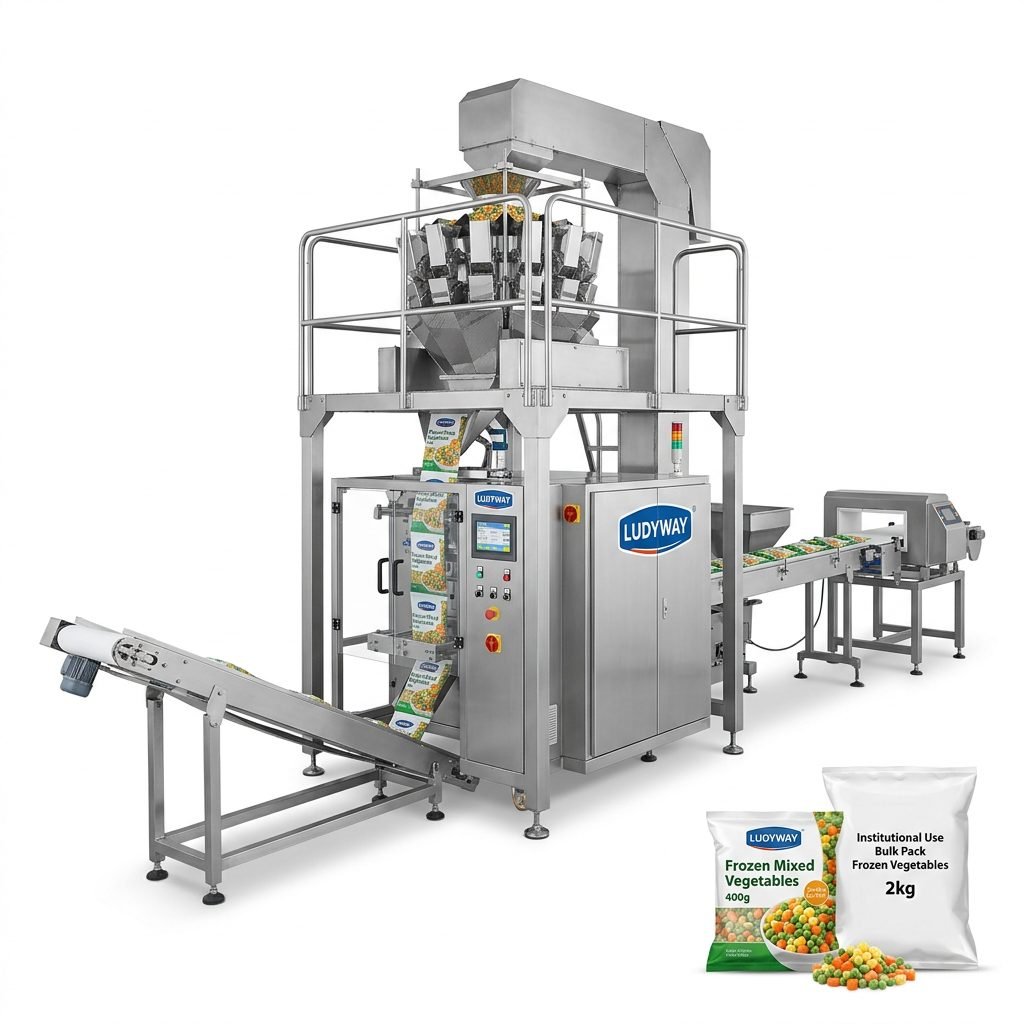
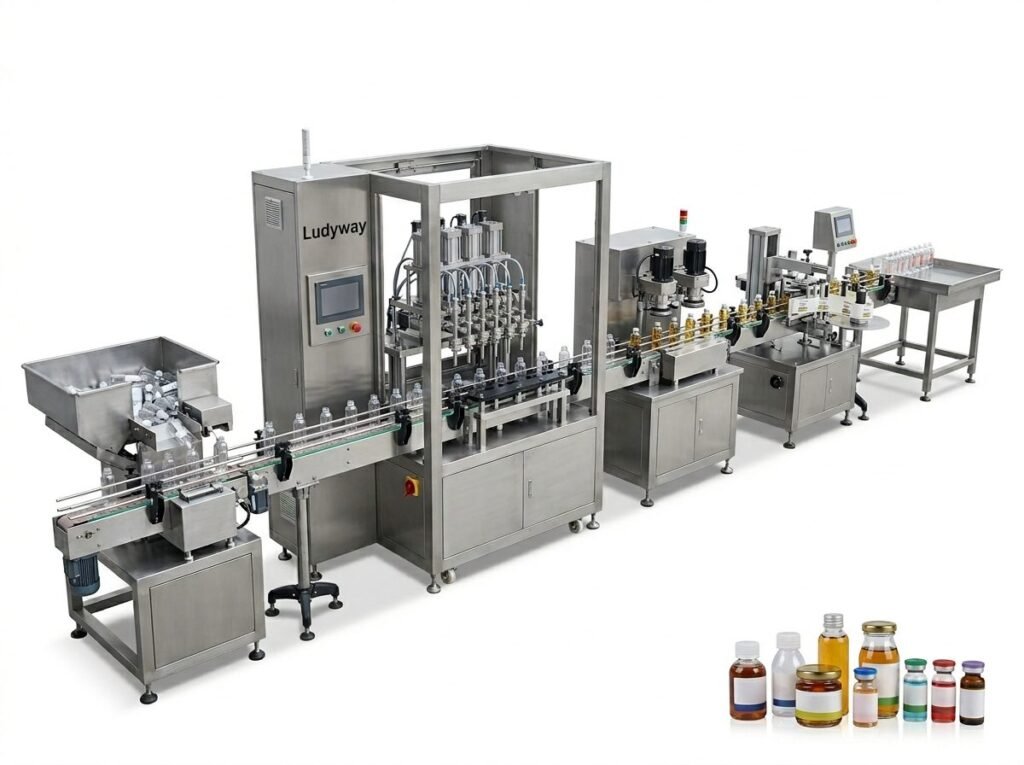
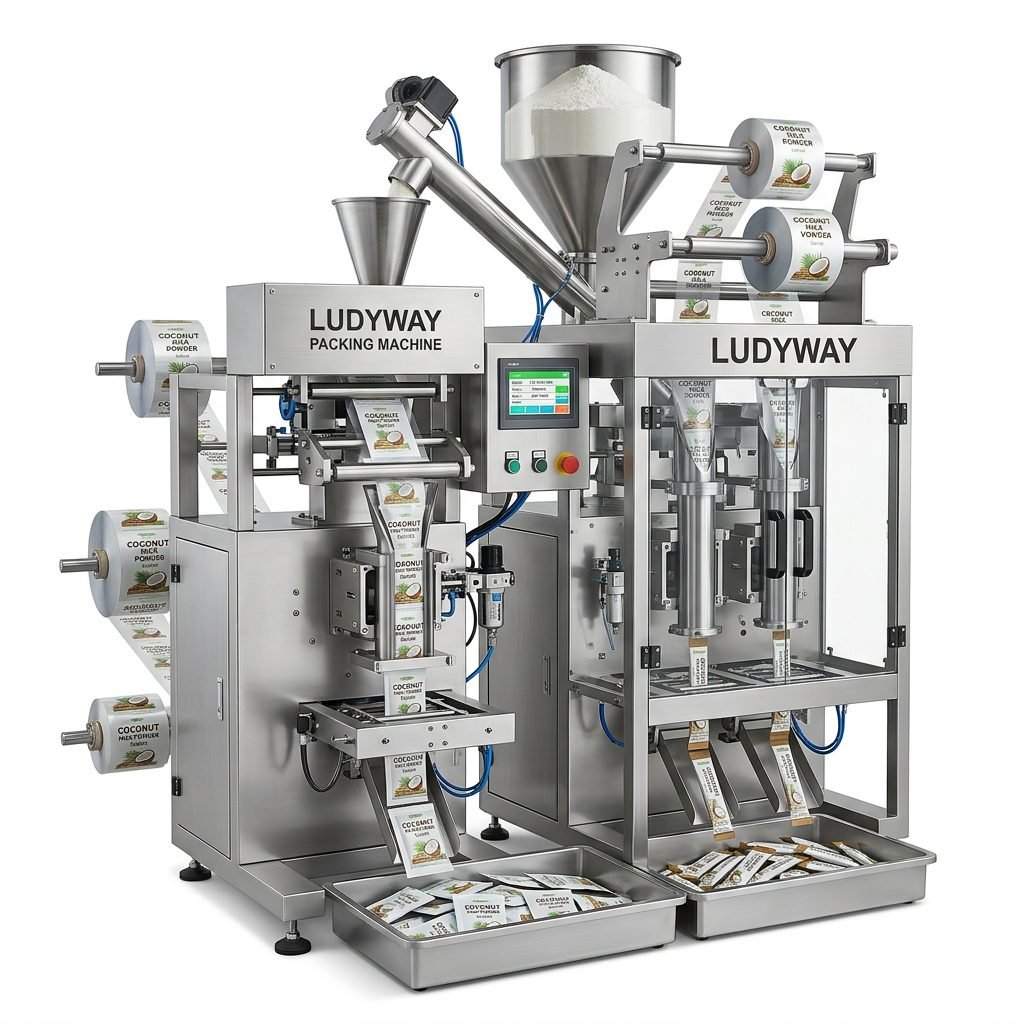
In the highly specialized world of semiconductor and electronics manufacturing, the integrity of delicate components like silicon wafers is paramount. Protecting these sensitive items during storage, transport, and handling is a critical challenge, one that is expertly addressed by custom wafer packaging machines. These sophisticated systems are engineered to provide precise, secure, and contamination-free packaging tailored to the exact specifications of the wafers, ensuring they reach the next stage of the production process in pristine condition.
Understanding the Core Function of Wafer Packaging
Before diving into machine types, it’s essential to grasp what wafer packaging entails. It is not merely about putting wafers in a box. The process involves placing individual wafers or wafer lots into specialized carriers, cassettes, or sealed containers designed to shield them from physical shock, electrostatic discharge (ESD), moisture, and particulate contamination. A custom wafer packaging machine automates this process with high precision, minimizing human handling and maximizing throughput and consistency.
Key Objective: The primary goal is to create a controlled microenvironment for each wafer, safeguarding its multi-billion-transistor surface from any damage that could lead to catastrophic yield loss in final chip production.
Primary Types of Custom Wafer Packaging Machines
The market offers various machines, each designed for specific packaging formats and production volumes. Choosing the right type is the first step toward an efficient packaging line.
1. Wafer Cassette Loader/Unloader Systems
These are fundamental workhorses in fab and assembly facilities. They automatically transfer wafers from process carriers into shipping cassettes (like FOUPs or FOSBs) or the reverse. They are designed for cleanroom compatibility and gentle robotic handling.
- Best For: High-volume production lines moving wafers between standardized carriers.
- Core Feature: Precision robotics with vision alignment systems to prevent notch or flat misorientation.
2. Wafer Taping and Dicing Frame Mounters
Critical for the dicing process, these machines apply a protective UV or non-UV tape to the wafer’s front side and mount it onto a metal dicing frame. This unitized package holds the wafer rigidly during the dicing saw process, keeping individual die in place.
- Best For: Back-end assembly and packaging (BEOL) facilities preparing wafers for dicing.
- Core Feature: Ultra-precise, bubble-free tape lamination and frame attachment to prevent wafer stress or breakage.
3. Wafer Vacuum Sealing & Bagging Machines
For long-term storage or sensitive transport, wafers in their cassettes are placed in moisture-barrier bags. These machines evacuate air from the bag and often flush it with an inert gas like nitrogen before hermetically sealing it, preventing oxidation and moisture ingress.
- Best For: Shipping, long-term archive storage, or moisture-sensitive device (MSD) packaging.
- Core Feature: Consistent vacuum levels, reliable heat sealing, and optional gas flushing capabilities.
4. Custom Container/Clamshell Packaging Systems
For individual wafers or small lots, rigid plastic clamshells or containers are used. Automated systems pick wafers from a cassette, place them into custom-molded trays within the clamshell, and seal the container. This offers superior physical protection.
- Best For: Prototype wafers, engineering samples, or high-value finished wafers requiring maximum protection.
- Core Feature: Gentle pick-and-place mechanisms and compatibility with various custom tray designs.
Essential Features to Evaluate in a Machine
Beyond the machine type, several critical features determine reliability, yield, and total cost of ownership.
Precision & Accuracy
Wafer handling must be sub-millimeter precise. Look for machines with servo-driven actuators and machine vision systems for alignment. This prevents edge chipping and ensures correct orientation, which is crucial for automated downstream processes.
Cleanroom Compatibility & Contamination Control
The machine should be built with materials that minimize particle generation (stainless steel, cleanroom-grade plastics). Features like ionizers to neutralize static charge and HEPA-filtered local exhaust are vital for protecting wafer surfaces.
Flexibility & Changeover
Your wafer size or packaging format may change. Machines with quick-change kits for different wafer diameters (150mm, 200mm, 300mm) and programmable logic controllers (PLCs) with recipe storage drastically reduce downtime during product changeovers.
Throughput & Uptime
Calculate the required units per hour (UPH). High-speed machines use parallel processing or faster cycles. More important than peak speed is Overall Equipment Effectiveness (OEE). Robust construction, accessible maintenance points, and reliable components from brands like Mitsubishi or Siemens ensure high uptime.
Integration & Data Connectivity
Modern smart factories require data. Machines should offer standard communication protocols (SECS/GEM, OPC UA) for integration into a Manufacturing Execution System (MES). This allows for traceability, remote monitoring, and predictive maintenance.
Practical Buying Tips for Your Investment
Purchasing a custom wafer packaging machine is a significant capital expenditure. A methodical approach ensures you select the right partner and technology.
1. Define Your Exact Requirements Clearly
Create a detailed specification document. Include: Wafer dimensions and material (silicon, GaAs, etc.), target throughput (wafers/hour), required packaging format (cassette type, bag specifications, clamshell model), cleanroom class, and any mandatory industry standards (SEMI standards).
2. Prioritize Supplier Expertise and Support
The machine is only as good as the company behind it. Look for a supplier with proven experience in semiconductor automation. Evaluate their technical support structure, availability of spare parts, and willingness to provide factory acceptance tests (FAT) and site installation support. A partner like Ludyway Machinery, with deep industry knowledge, can be invaluable in navigating these complex choices.
3. Insist on a Live or Recorded Process Demonstration
Never buy based on specifications alone. Request a demonstration using wafers or dummy wafers of your exact size. Observe the machine’s handling gentleness, cycle time consistency, and ease of operator interface. This is the best way to assess real-world performance.
4. Analyze Total Cost of Ownership (TCO)
Look beyond the initial purchase price. Factor in costs for installation, preventive maintenance contracts, expected consumables (tape, bags, filters), energy consumption, and potential cost of downtime. A slightly more expensive but more reliable machine often has a lower TCO.
5. Plan for Future-Proofing
Consider your roadmap. Will you move to larger wafer sizes? Will you need to integrate with a new MES? Choosing a modular machine or a supplier that offers upgrade paths can protect your investment for years to come. Discussing customized automation solutions with your supplier can align the equipment with your long-term growth strategy.
Investing in the right custom wafer packaging machine is a strategic decision that directly impacts product yield, operational efficiency, and bottom-line profitability. By thoroughly understanding the different machine types, meticulously evaluating key features, and following a disciplined purchasing process with a reputable partner, you can secure a system that delivers precise, reliable, and scalable protection for your most valuable semiconductor assets.
Frequently Asked Questions (FAQs)
Q1: What is the most critical factor to prevent wafer damage during automated packaging?
The most critical factor is precision handling with controlled edge contact. Machines must use end-effectors or grippers designed to make contact only at specified, non-active areas of the wafer (like the extreme edge) with calibrated, minimal force. Combined with real-time vision alignment, this prevents mechanical stress, slipping, and chipping.
Q2: How do I ensure the packaging machine meets cleanroom standards?
Request documentation showing the machine’s particle emission test results per a relevant standard (e.g., IEST-RP-CC018). The construction should use smooth, cleanroom-compatible materials. Furthermore, ensure it has features like sealed bearings, proper grounding, and options for localized extraction to capture any generated particles before they reach the wafer.
Q3: Can one machine handle multiple wafer sizes and packaging formats?
Yes, many machines are designed for flexibility. This is achieved through interchangeable kits for different wafer cassettes and clamshell trays, and adjustable robotic arms or stages. The key is to verify the changeover procedure is simple and tool-less to minimize downtime, and that the machine’s software can store different recipes for each product type.
Q4: What are the common consumables used, and how do they affect cost?
Common consumables include dicing tape, wafer bags (MOISTURE BARRIER BAGS), desiccant packs, inert gas (Nitrogen), and filters for the machine’s ionization or exhaust systems. Their cost adds to the Total Cost of Ownership. It’s important to choose a machine that uses standard, readily available consumables and operates efficiently to minimize waste (e.g., precise tape cutting to reduce scrap).
Q5: Why is data connectivity (SECS/GEM) important for a standalone packaging machine?
Data connectivity transforms a standalone machine into an integrated part of a smart manufacturing flow. It enables tracking of each wafer’s packaging history, remote monitoring of machine status and yield, collection of process data for analytics, and predictive maintenance alerts. This integration is crucial for high-mix production, quality traceability, and maximizing overall equipment effectiveness (OEE).