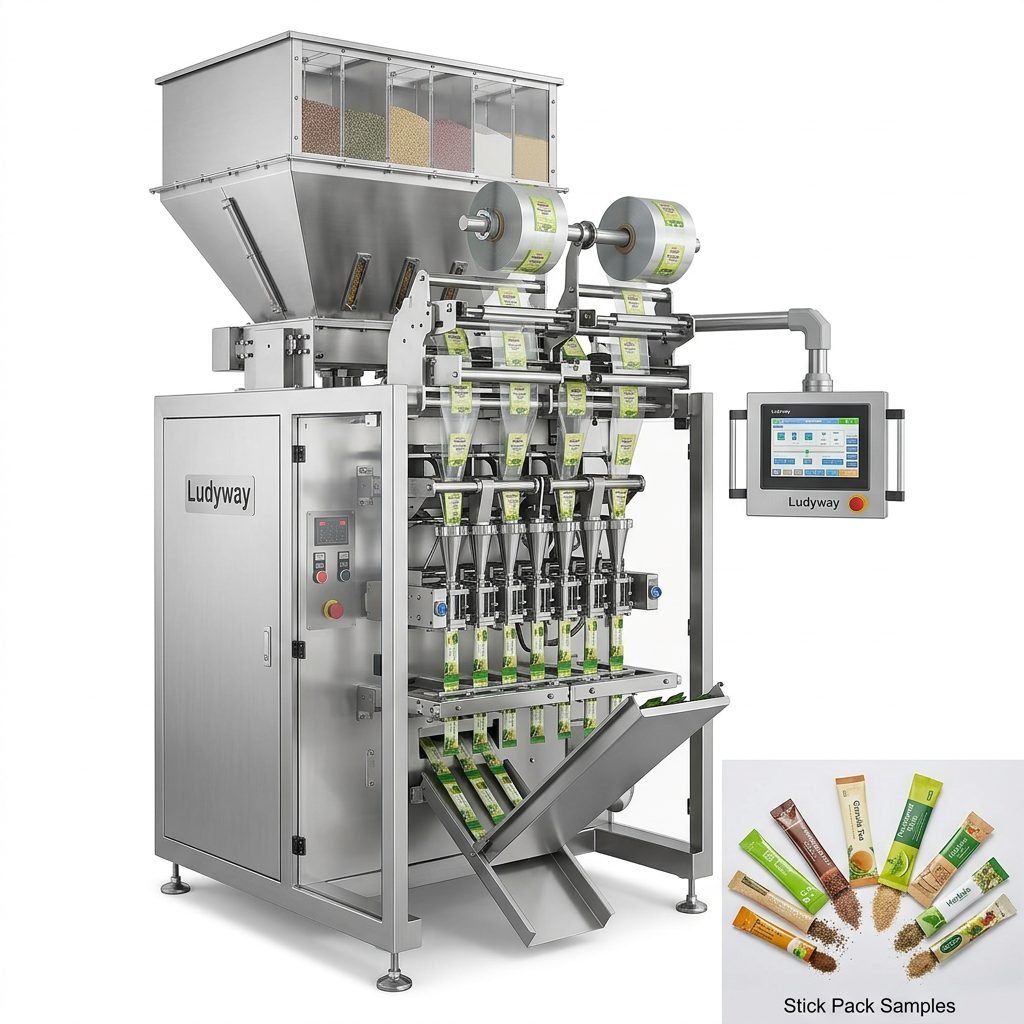
In the fast-paced world of consumer goods, efficient and reliable packaging is paramount. For products ranging from sauces and condiments to pharmaceuticals and cosmetics, liquid pouch packaging offers a versatile and cost-effective solution. Choosing the right equipment for this task is a critical decision that impacts production speed, product integrity, and overall operational efficiency. This guide delves into the world of liquid pouch packaging equipment, exploring the various types, their key features, and providing a clear framework for selecting the machine that best fits your specific needs.
Understanding Liquid Pouch Packaging Machines
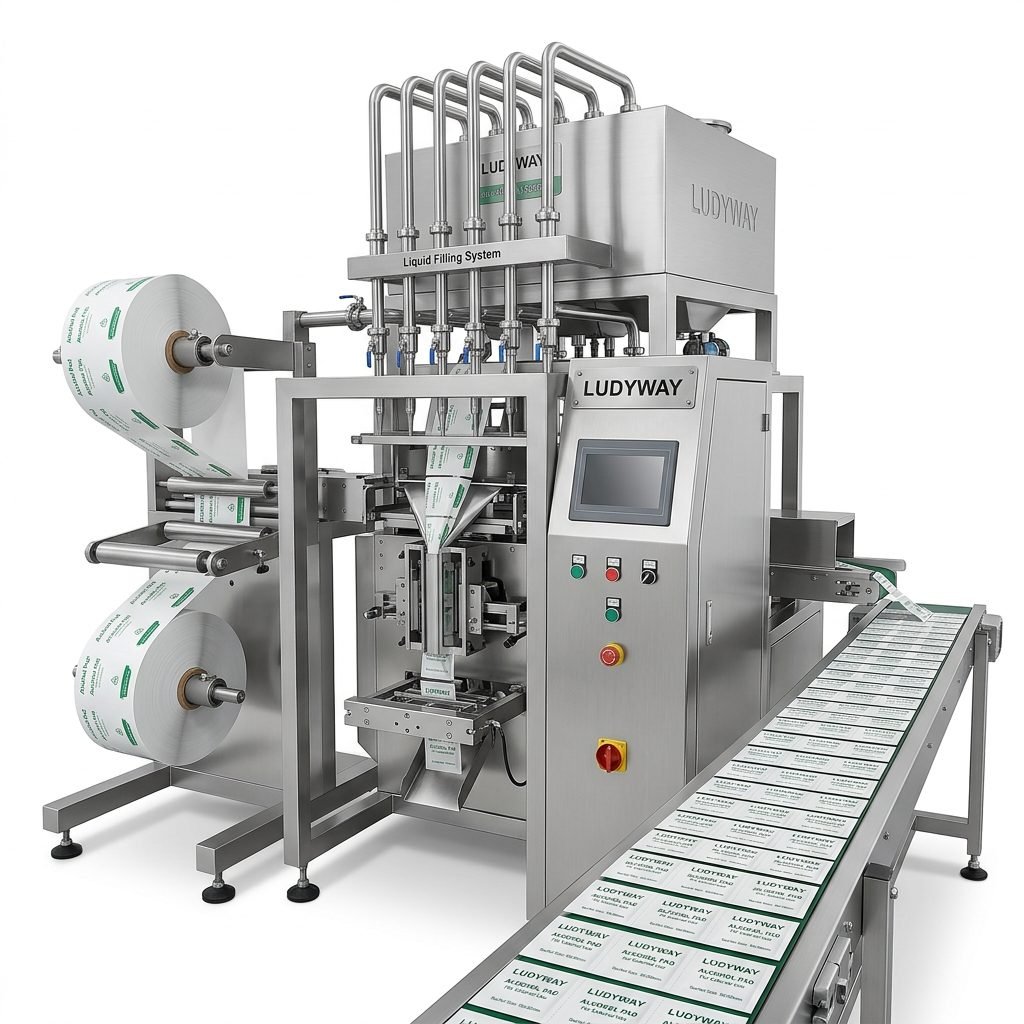
Liquid pouch packaging machines are automated systems designed to form, fill, and seal pre-made or roll-fed pouches with liquid products. These machines are engineered to handle a wide range of viscosities, from water-like fluids to thick pastes and creams. The primary goal is to ensure accurate filling, airtight sealing to prevent leaks and contamination, and high-speed production to meet market demands.
Core Advantages of Pouch Packaging:
✔ Reduced Material Cost: Pouches often use less material than rigid bottles, lowering packaging costs and environmental footprint.
✔ Enhanced Shelf Appeal: Flexible pouches offer large, printable surfaces for vibrant graphics and branding.
✔ Lightweight & Efficient Logistics: They are lighter and occupy less space during shipping and storage compared to traditional containers.
✔ Consumer Convenience: Easy to open, use, and dispose of, aligning with modern consumer preferences for practicality.
Main Types of Liquid Pouch Packaging Equipment
The market offers several configurations of liquid pouch machines, each suited for different production scales and pouch styles. Understanding these types is the first step in the selection process.
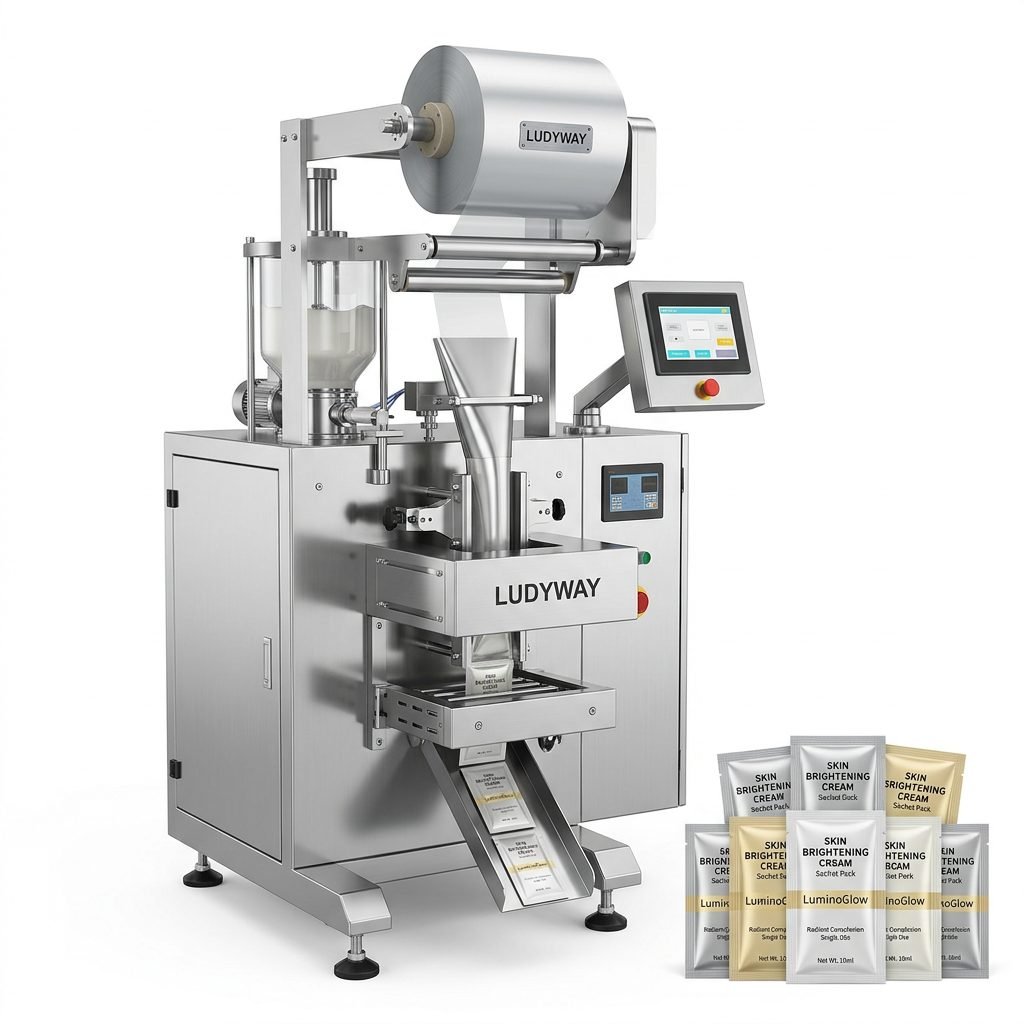
1. Vertical Form-Fill-Seal (VFFS) Machines
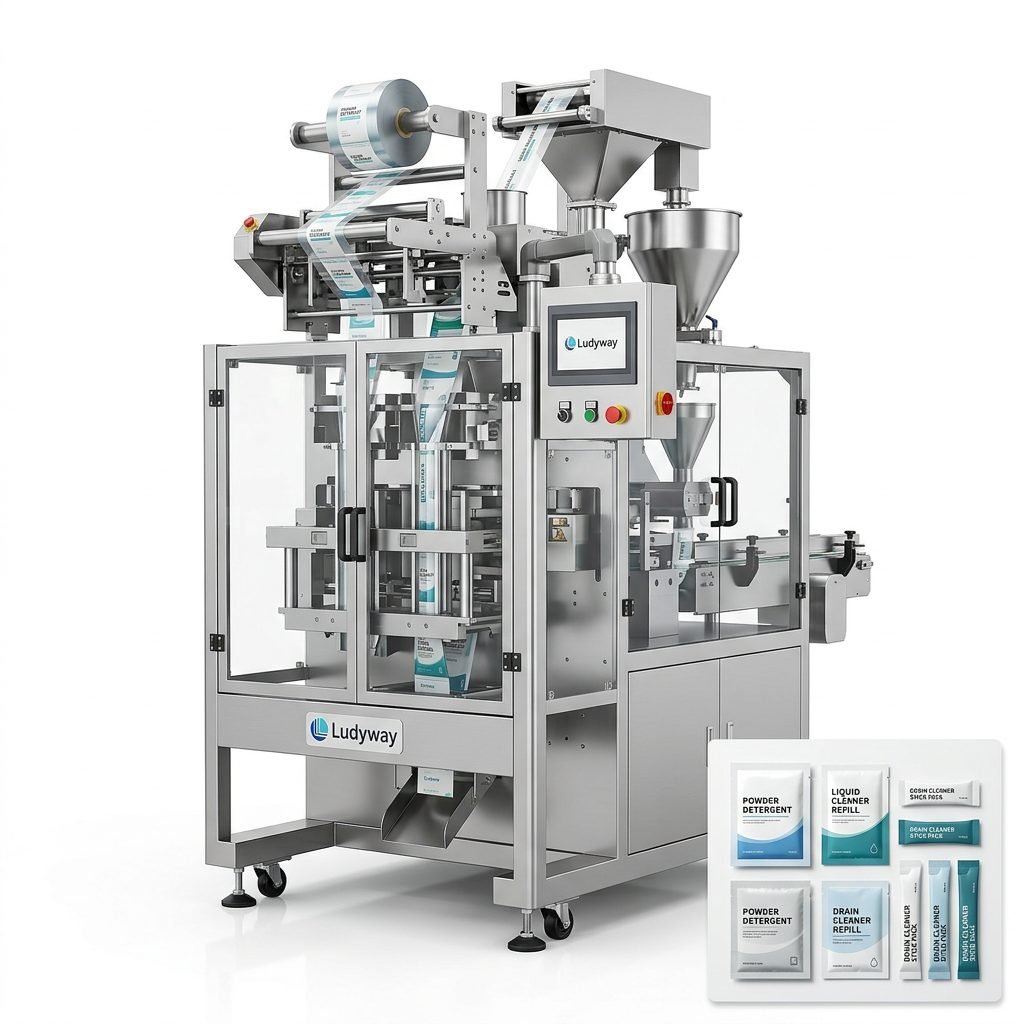
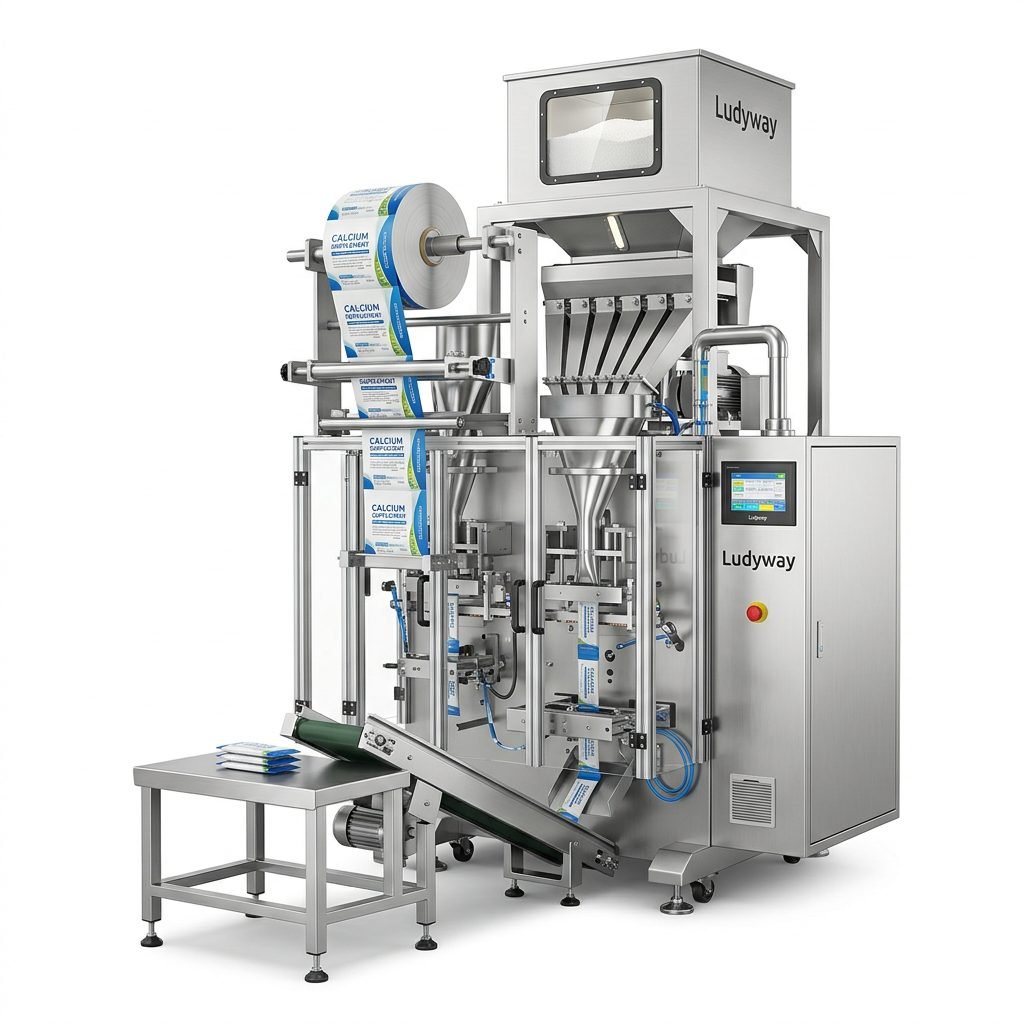
These are the most common and versatile machines for liquid packaging. They use a roll of flat packaging film, which is formed into a tube vertically. The machine then creates the bottom seal, fills the precise amount of liquid, and finally seals the top before cutting the finished pouch free. VFFS machines are ideal for high-volume production and creating stand-up pouches (SUPs) with gussets.
2. Pre-Made Pouch Fillers
This type of equipment is designed to work with ready-made, empty pouches that are supplied by a separate manufacturer. The machine’s function is to open, fill, and seal these pre-formed pouches. They are perfect for operations that require complex pouch shapes, unique materials, or specialized printing that cannot be achieved on a VFFS machine. Speeds can be very high, especially with multi-lane systems.
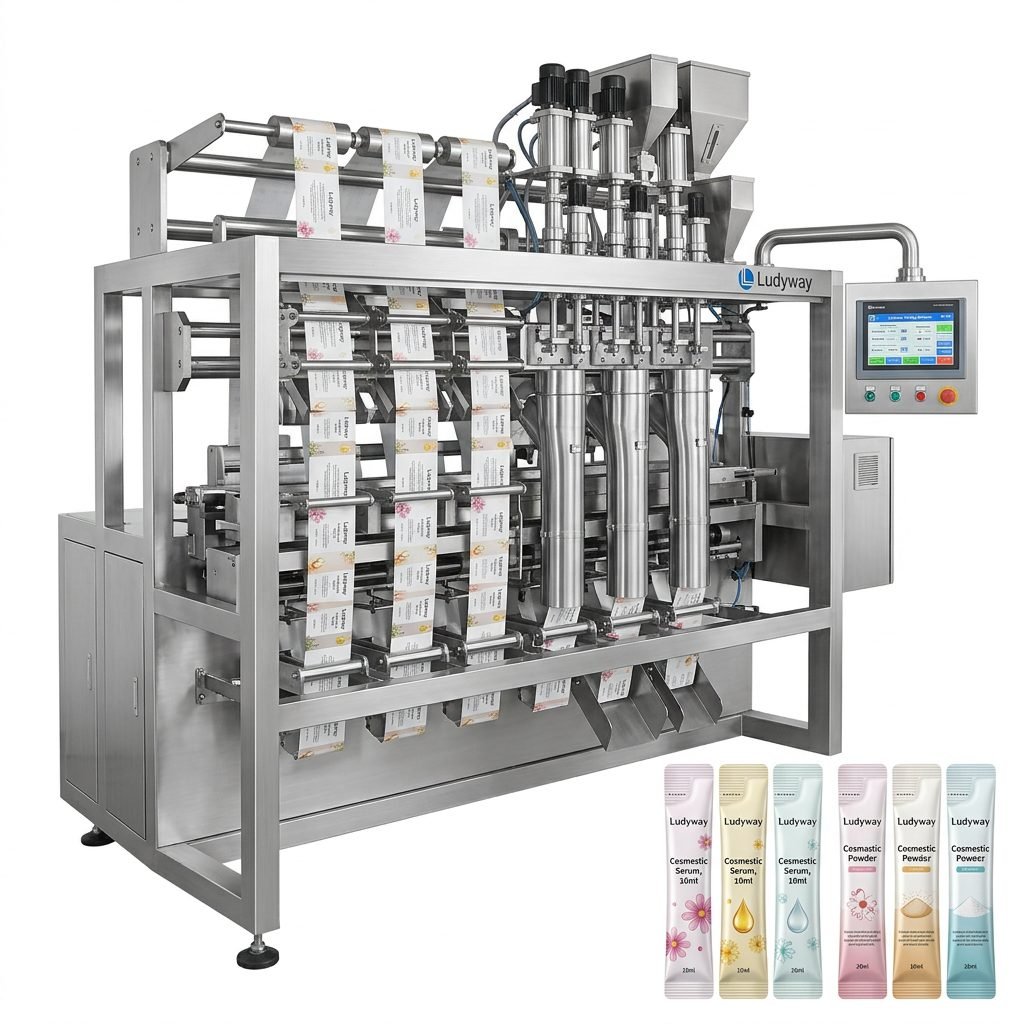
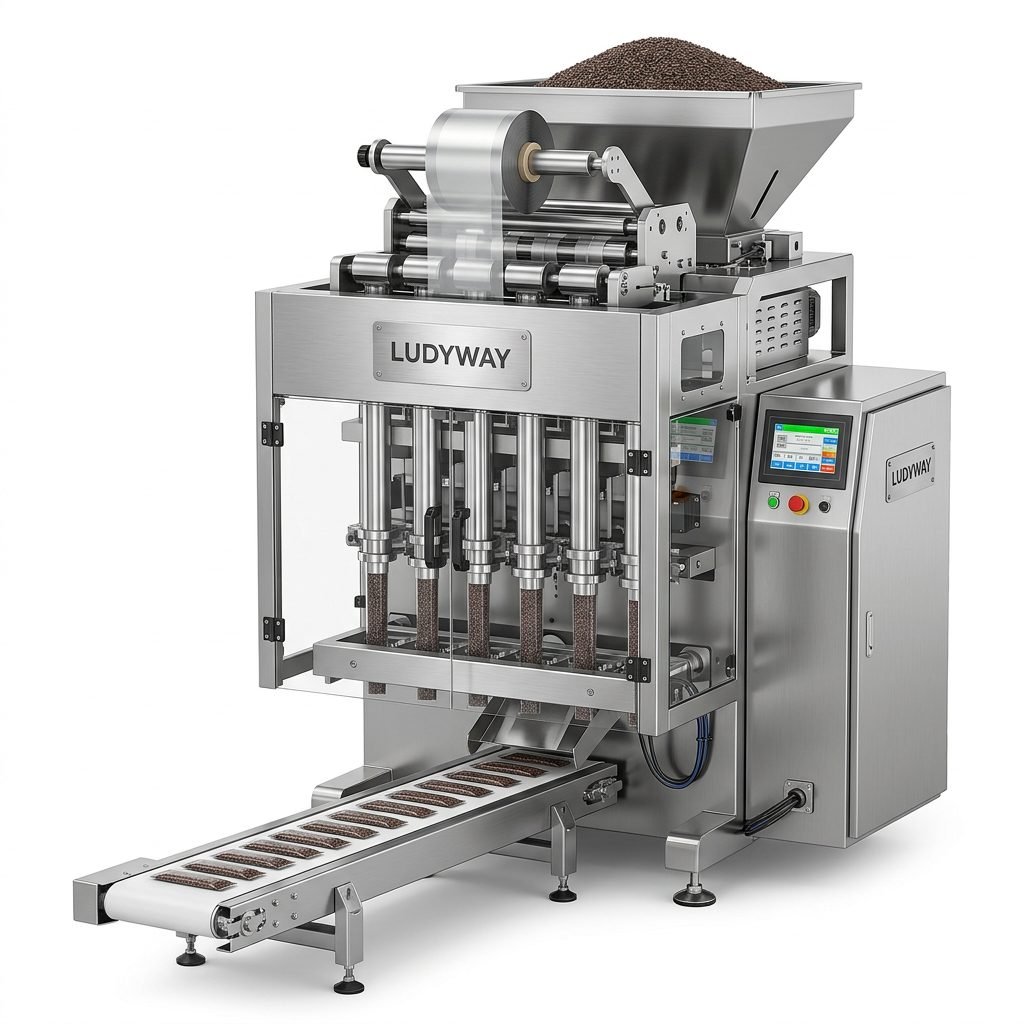
3. Stick Pack Machines
A subset of VFFS technology, stick pack machines produce long, narrow, single-serve pouches. They are exceptionally popular for portable liquid products like energy gels, liquid sweeteners, medicinal syrups, and single-serve condiments. Their slim design maximizes packaging efficiency and offers great convenience for on-the-go consumption.
4. 4-Side Seal Pouch Machines
These machines create pouches sealed on all four sides from two webs of film. They are often used for products requiring a very flat, pillow-style pouch. While more common for solids, they can be adapted for certain low-viscosity liquids or products where a flat profile is advantageous for retail display.
Key Features to Evaluate When Choosing a Machine
Beyond the basic type, several critical features determine a machine’s capability, reliability, and suitability for your product line.
Filling System & Accuracy
The heart of any liquid packaging machine. Common systems include:
• Piston Fillers: Highly accurate and excellent for a wide range of viscosities, from thin to viscous products with particulates.
• Gravity/Time-Pressure Fillers: Best for free-flowing, non-foaming liquids. Simpler but may have slightly lower accuracy.
• Pump Fillers (Peristaltic, Gear): Ideal for shear-sensitive, abrasive, or sterile products as the liquid only contacts the tubing or pump head.
Look for systems with easy adjustment for fill volume and repeatable accuracy of ±0.5% to ±1% to minimize product giveaway.
Sealing Technology
A strong, consistent seal is non-negotiable for liquid integrity. Machines primarily use:
• Heat Sealing (Impulse or Constant): The standard method, using heated jaws to melt the inner film layers together. The quality depends on precise temperature, pressure, and dwell time control.
• Cold Sealing (Pressure-Sensitive): Uses pre-coated adhesive films that bond under pressure, without heat. Suitable for heat-sensitive products.
Ensure the machine offers robust seal integrity checking systems to reject any faulty pouches.
Operational & Hygiene Considerations
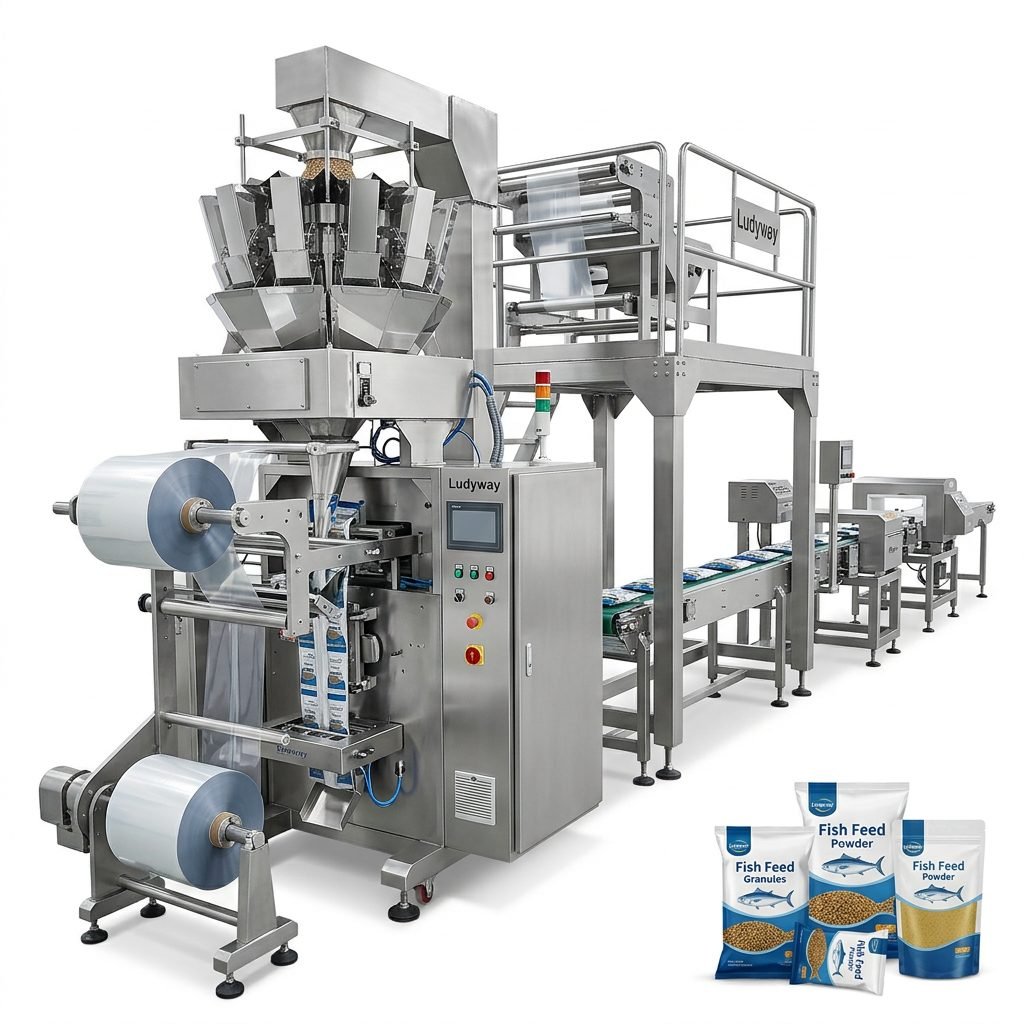
Speed (Pouches Per Minute – PPM): Match the machine’s output to your current and forecasted production needs. A 20,000 sqm modern production facility, like the one supporting the Ludyway Machinery brand, is often equipped to build machines ranging from semi-automatic to high-speed fully automatic lines exceeding 200 PPM.
Material Compatibility: The machine must handle your chosen film structure (e.g., PET/AL/PE, PET/PE, NY/PE). Discuss your barrier requirements (oxygen, moisture, light) with the supplier.
Hygienic Design: For food, pharmaceutical, or cosmetic applications, look for stainless steel contact parts, easy-clean surfaces, and designs that prevent product or bacterial entrapment.
Changeover Ease: Quick and tool-less changeovers for pouch size or format are essential for manufacturers running multiple products, minimizing downtime.
How to Choose the Right Machine: A Step-by-Step Guide
Selecting the optimal liquid pouch packaging equipment requires a systematic analysis of your specific situation.
Step 1: Define Your Product & Packaging Specifications
Start with the basics: Product viscosity, acidity, presence of particulates, and sensitivity to heat or shear. Then, detail your desired pouch: size, shape (stand-up, flat, stick), material structure, and any special features like spouts, zippers, or tear notches.
Step 2: Analyze Your Production Requirements
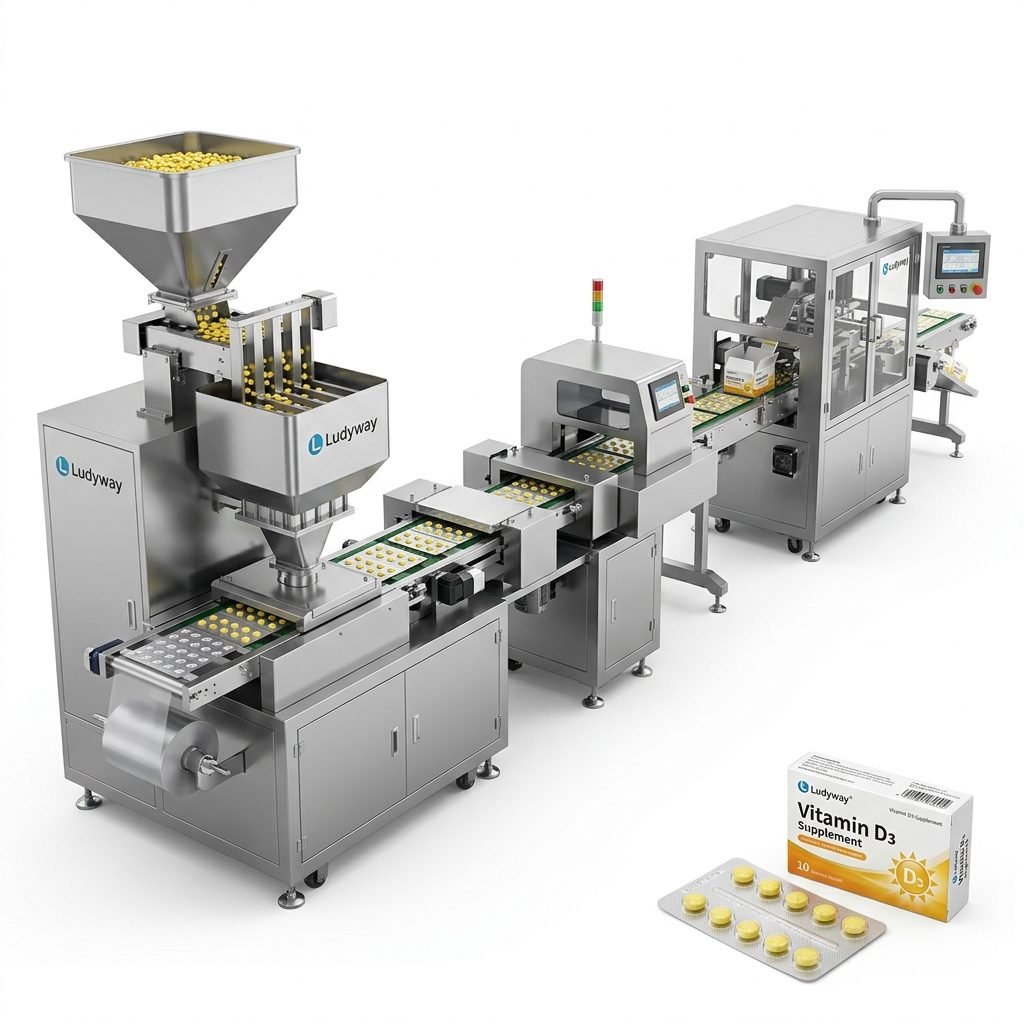
Be realistic about your required output speed (PPM). Consider both current volumes and future growth. Also, determine the level of automation needed—from a semi-automatic machine for a startup to a fully integrated line with automatic cartoning for large-scale production.
Step 3: Evaluate Machine Suppliers
Look for suppliers with proven industry experience and technical expertise. A partner with over 30 years in the field, such as the team behind Ludyway, brings invaluable knowledge of application challenges and reliable solutions. Review their portfolio, ask for client references in your industry, and assess their after-sales support and spare parts availability.
Step 4: Request a Product Test Run
Never buy a machine sight-unseen for your product. A reputable supplier will offer a live demonstration or factory test run using your actual product and packaging materials. This is the only way to verify filling accuracy, seal quality, machine speed, and overall performance.
Step 5: Consider Total Cost of Ownership (TCO)
Look beyond the initial purchase price. Factor in operating costs (energy, compressed air), maintenance costs, expected downtime, and the cost of changeover parts. A slightly more expensive but robust and efficient machine from a reliable partner often provides a far better return on investment over its lifespan.
Conclusion
Investing in the right liquid pouch packaging equipment is a strategic decision that drives production efficiency, product quality, and brand reputation. By thoroughly understanding the different machine types, critically evaluating key features like the filling and sealing systems, and following a disciplined selection process that includes product testing, you can confidently choose a system that meets your precise needs. Partnering with an experienced supplier who offers comprehensive support—from initial design through to installation and maintenance—ensures your packaging line becomes a reliable asset for years to come.
Frequently Asked Questions (FAQs)
1. What is the typical accuracy of a liquid pouch filler?
Modern piston fillers offer high precision, typically within ±0.5% to ±1.0% of the target fill volume, depending on the product’s viscosity and the machine’s quality. This minimizes product giveaway and ensures compliance with labeled volume regulations.
2. Can one machine handle different pouch sizes and liquid products?
Yes, most machines are designed for changeover. However, the ease and speed of changeover vary. Look for machines with quick-release mechanisms and digital adjustment for pouch size and fill volume. Major product changes (e.g., from oil to acidic juice) may require a thorough cleaning and potentially different pump/seal components.
3. How important is after-sales service when purchasing this equipment?
Extremely important. Packaging equipment is a long-term investment. Reliable technical support, readily available spare parts, and operator training are crucial for minimizing costly downtime. Choose a supplier with a strong global or local service network and a reputation for responsive support, a commitment central to providers like Ludyway Machinery.
4. What are the main differences between VFFS and pre-made pouch machines?
VFFS machines are more flexible for creating various pouch sizes from a roll of film and are generally more cost-effective for high-volume runs of standard pouches. Pre-made pouch fillers excel at handling complex, pre-printed pouch designs and materials at very high speeds but require you to source the empty pouches separately.
5. What hygiene standards should I look for in a machine for food or pharmaceutical use?
For these industries, prioritize machines with a hygienic design: constructed with 304 or 316L stainless steel for product contact parts, smooth surfaces without crevices, and easy disassembly for cleaning. Features like CIP (Clean-in-Place) systems may be necessary for stringent pharmaceutical or dairy applications.