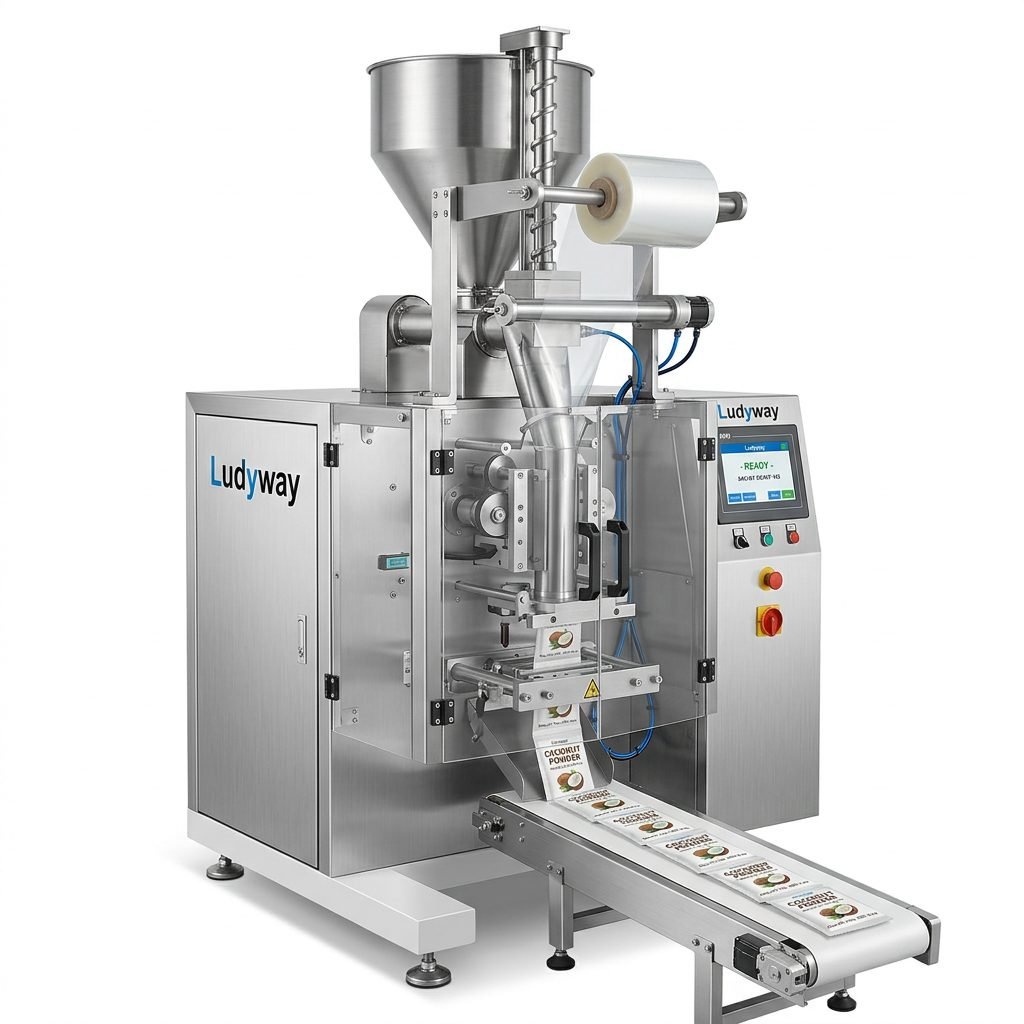
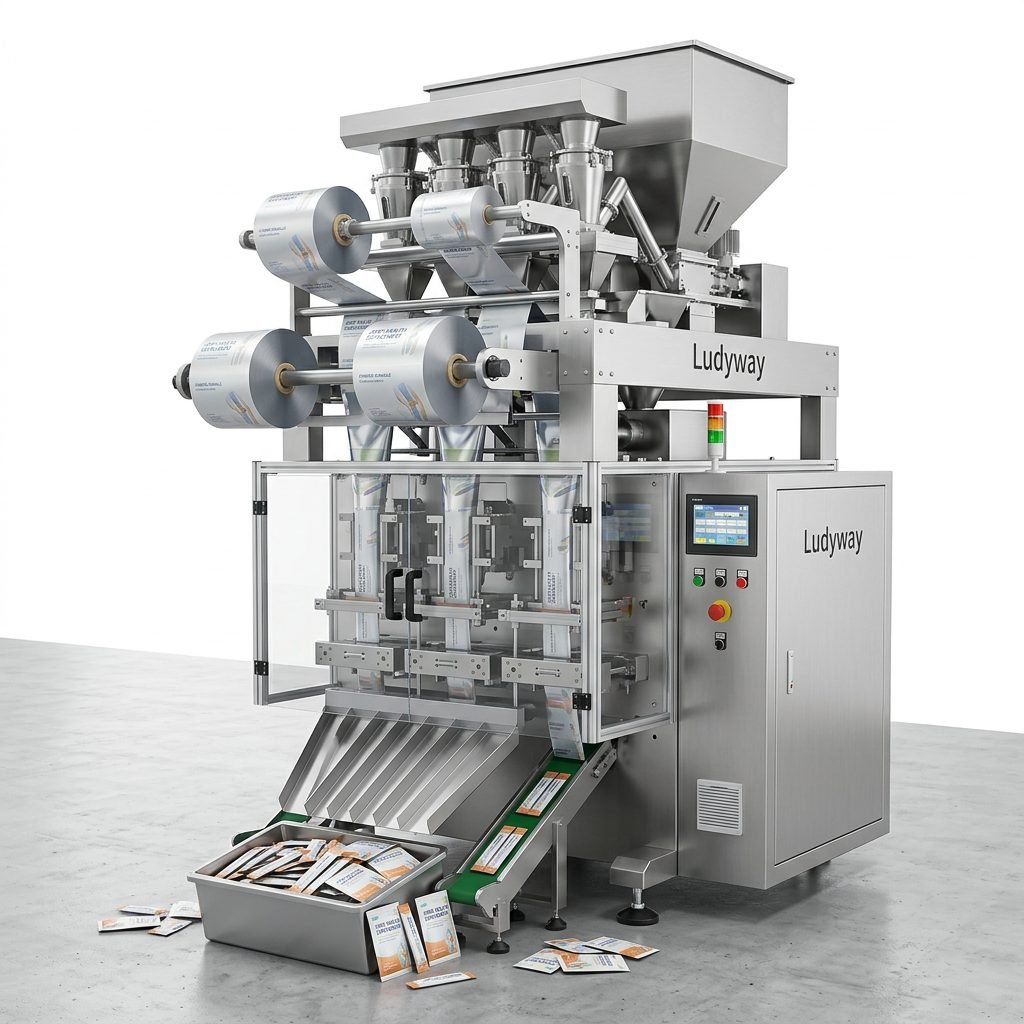
Selecting the right spaghetti packaging machine is a critical decision for pasta producers. The right equipment directly impacts production efficiency, product presentation, shelf life, and overall profitability. This comprehensive guide explores the different types of spaghetti packaging machines, their key features, and provides a detailed framework to help you choose the best one for your specific operation.
Understanding Spaghetti Packaging Machine Types
The packaging process for spaghetti, a long and often brittle product, requires specialized equipment. Machines are generally categorized by their automation level and the primary packaging format they produce.
Primary Packaging Formats
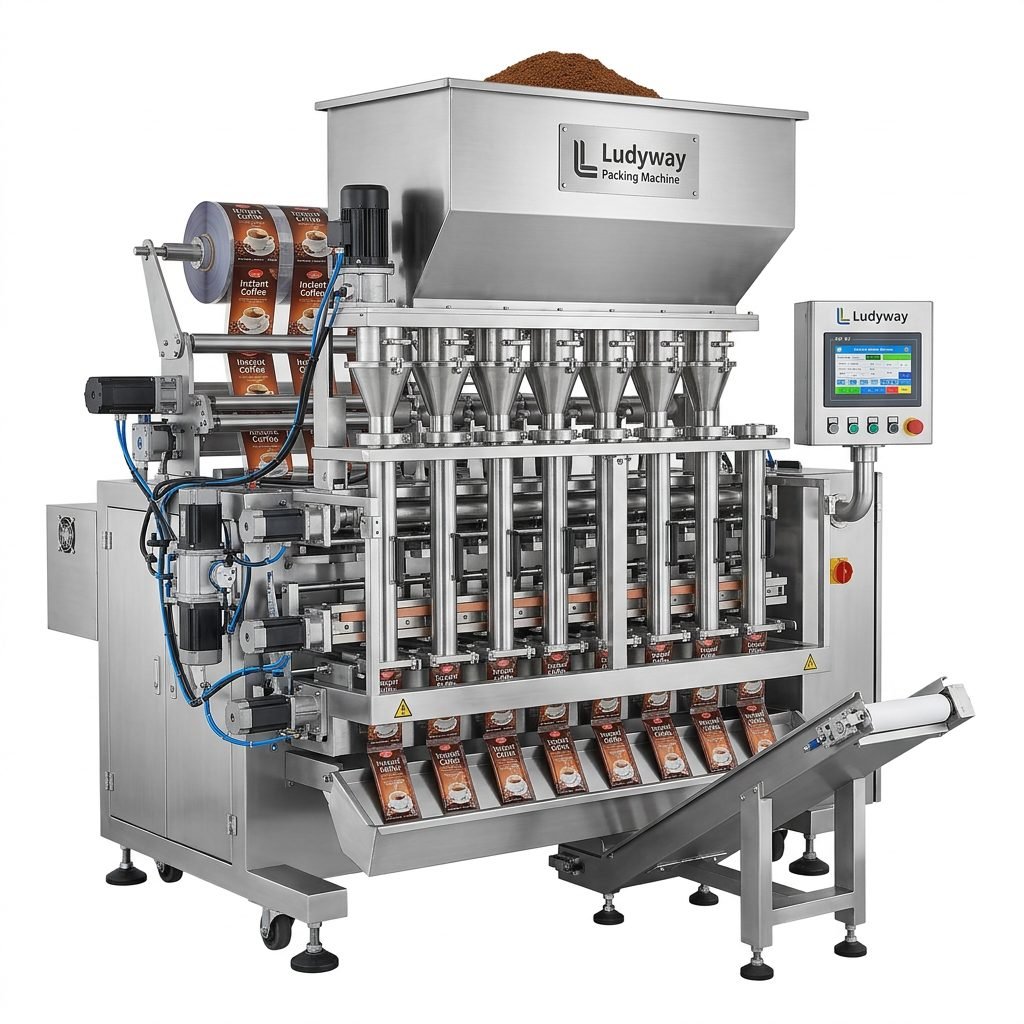
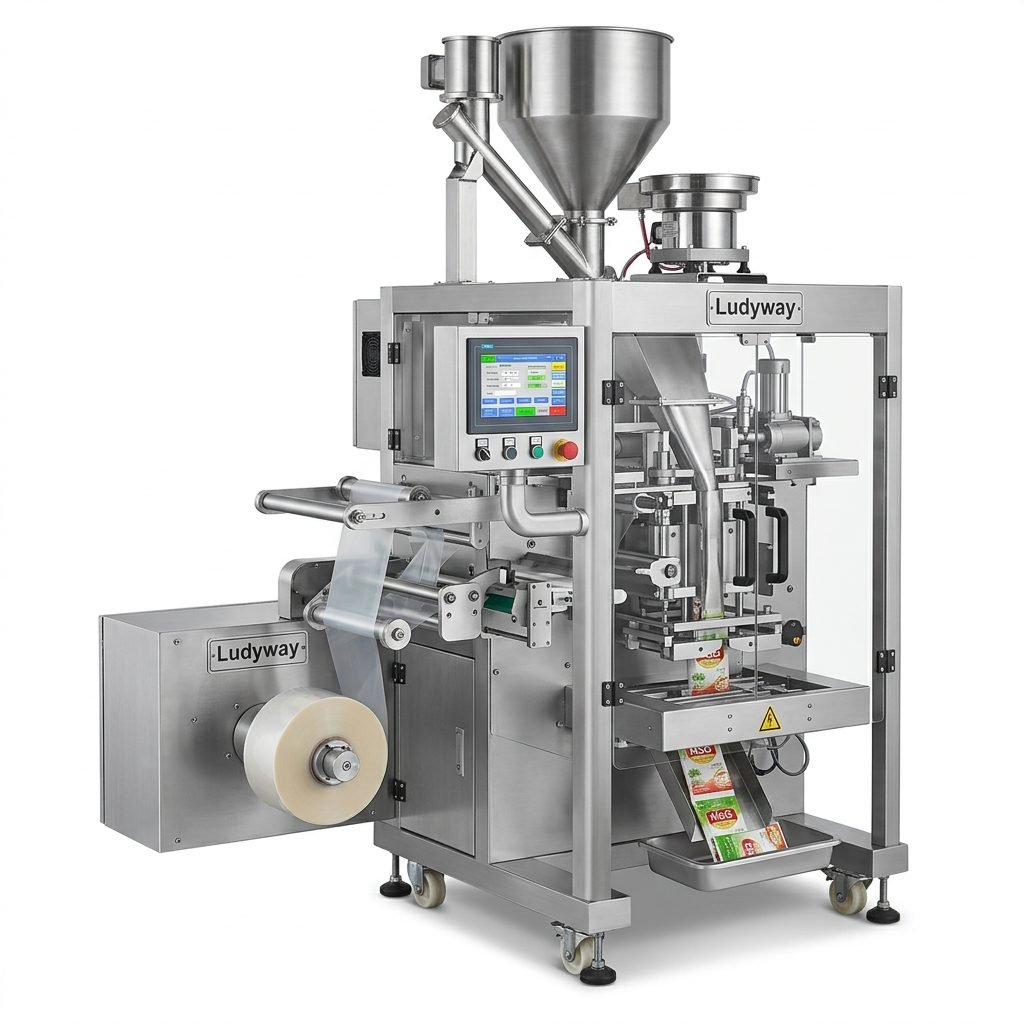
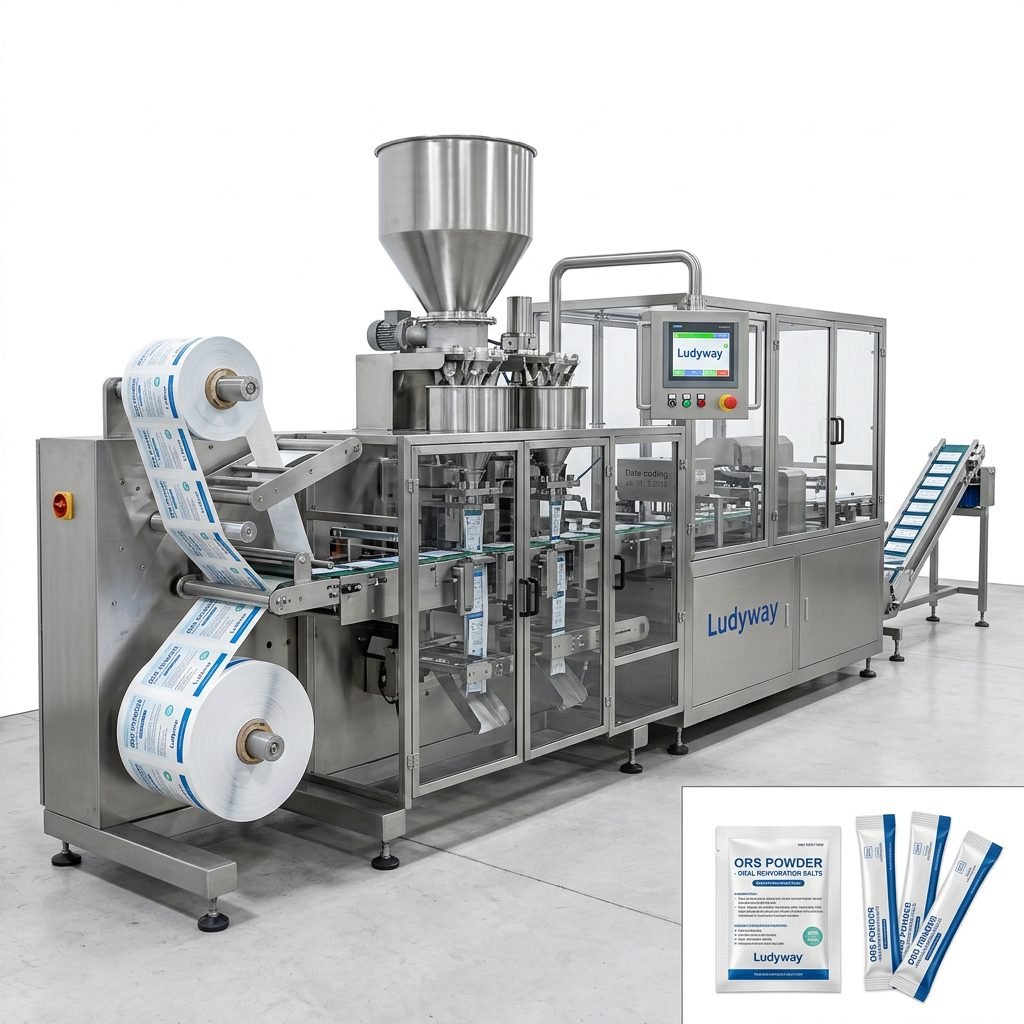
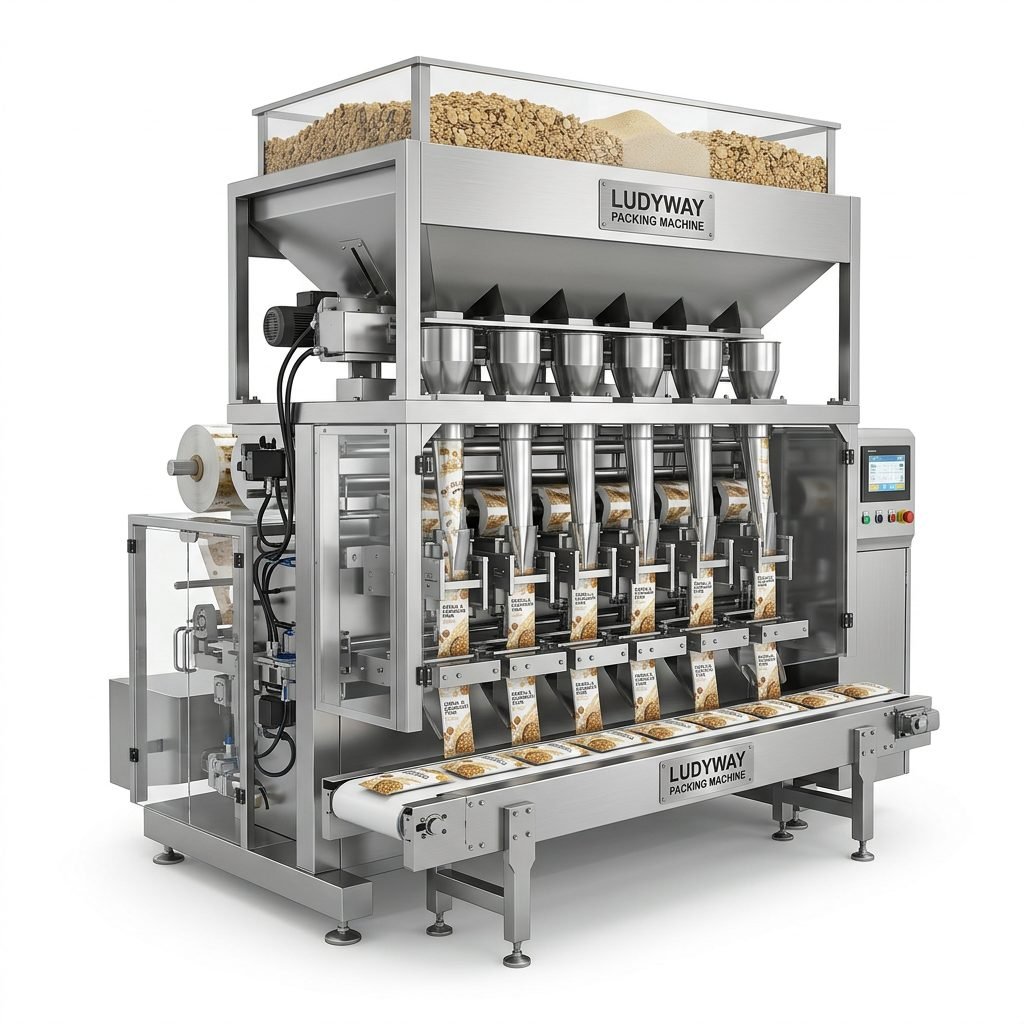
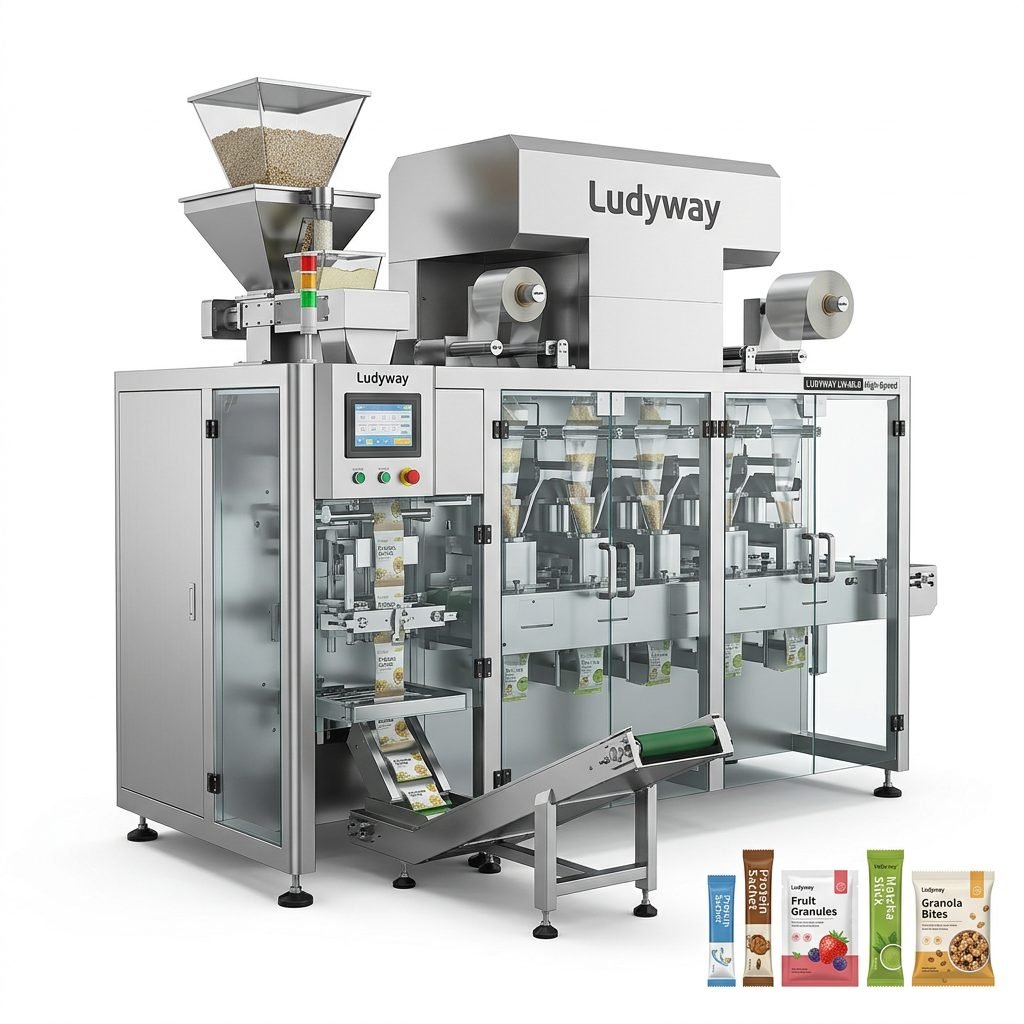
Vertical Form-Fill-Seal (VFFS) Machines: These are the most common type for packaging spaghetti into bags. They form a bag from a roll of film, fill it with a pre-measured amount of spaghetti, and then seal it. They are highly versatile for different bag sizes and styles, including pillow bags and gusseted bags.
Horizontal Wrappers: Often used for bundling multiple portions of spaghetti into a rectangular or cylindrical package, typically using cellophane or flow-wrap materials. Ideal for creating multi-pack retail units.
Cartoning Machines: These machines automatically load weighed portions of spaghetti into pre-formed cardboard boxes or cartons, which are then sealed. This format is excellent for premium presentation and superior product protection.
Automation Levels
Semi-Automatic Machines: Require manual feeding of spaghetti and sometimes manual bag placement. Best for low-volume production, startups, or specialty producers where flexibility is key.
Fully Automatic Machines: Integrated systems that automatically weigh, feed, form, fill, and seal packages at high speeds. Essential for medium to large-scale production lines to ensure consistency and meet high output demands.
Turnkey Packaging Lines: These are complete systems that may include upstream equipment like automatic weighing systems and downstream units like case packers and palletizers, all synchronized for maximum efficiency.
Essential Features of a High-Quality Spaghetti Packager
Beyond the basic type, several features distinguish a reliable machine from a mediocre one. Paying attention to these details can prevent downtime and ensure product quality.
Gentle Product Handling
Spaghetti is prone to breakage. Look for machines with vibratory feeders, soft-drop chutes, or bucket elevators designed to transport the product from the hopper to the weighing system and into the bag with minimal impact and friction.
Precision Weighing System
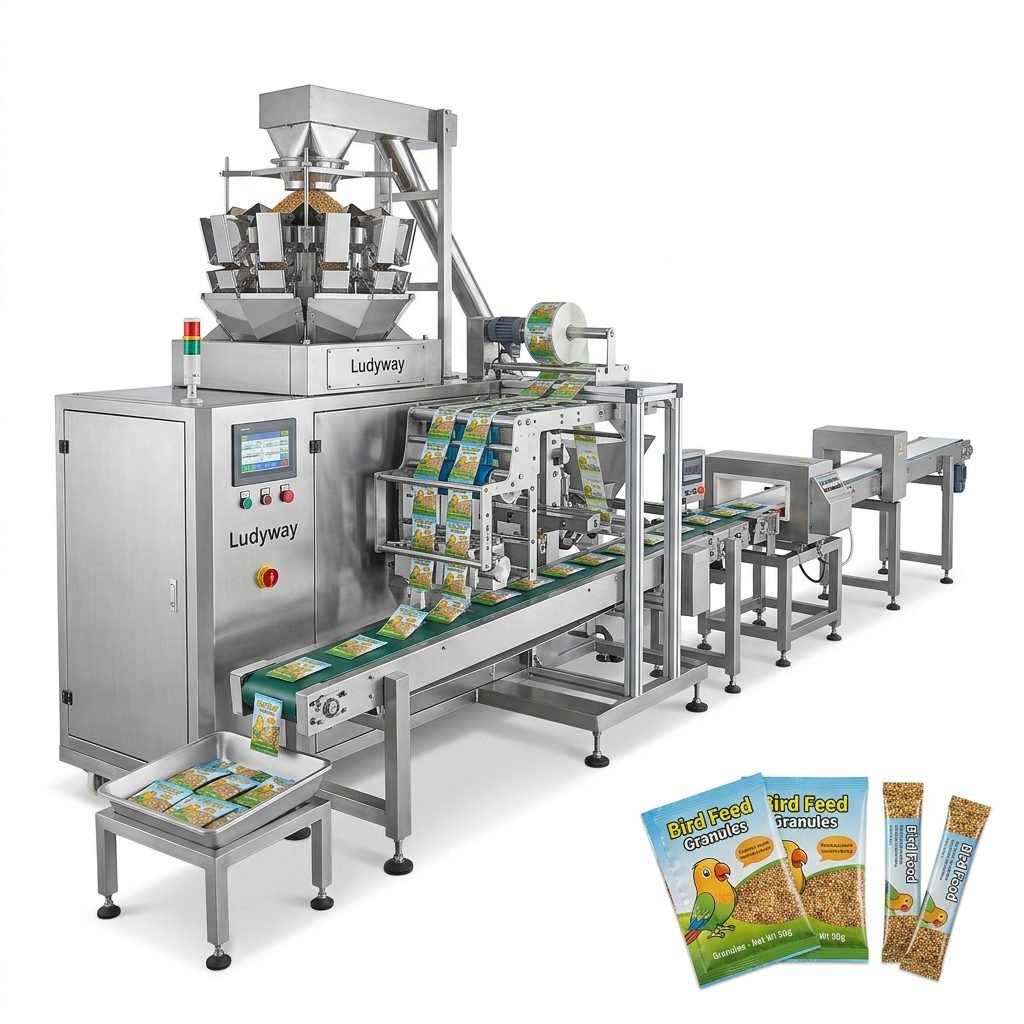
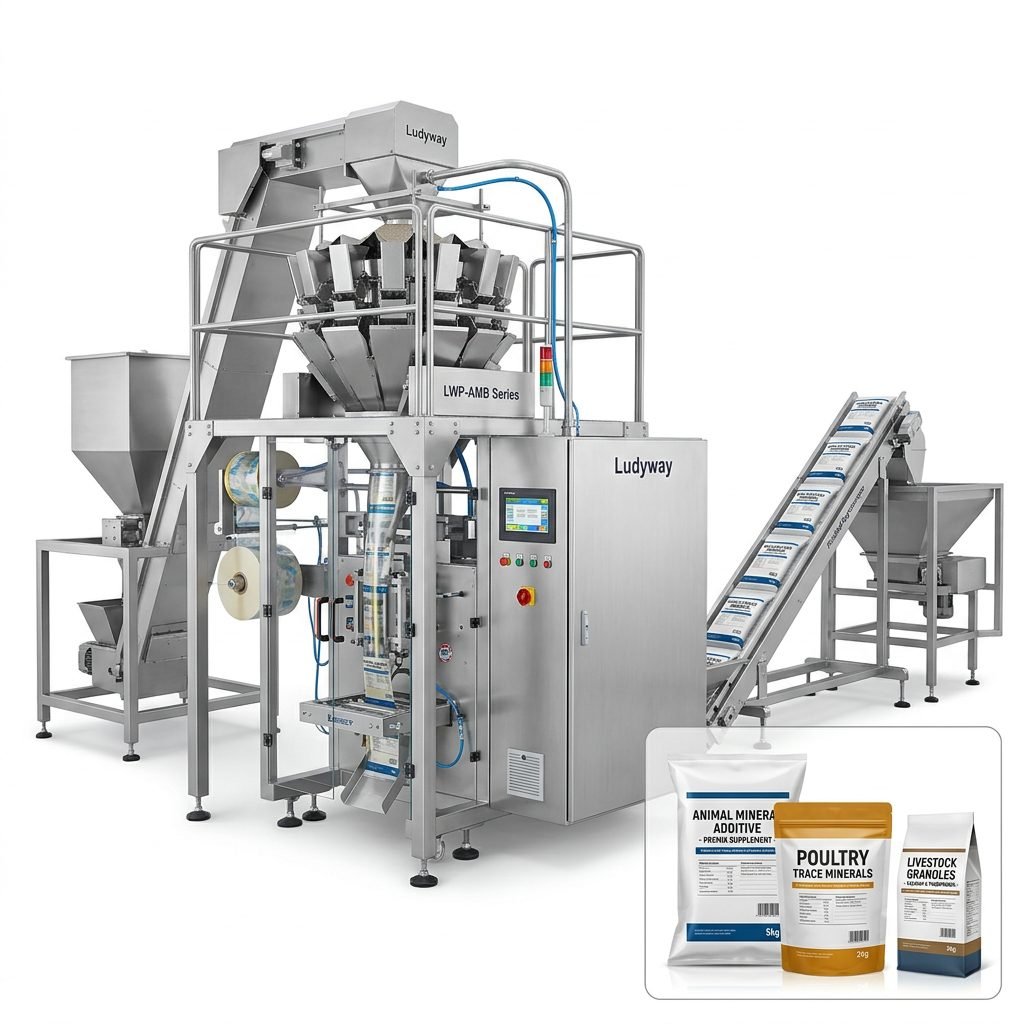
Accurate weight control is non-negotiable for compliance and cost control. Multi-head weighers or linear weighers specifically calibrated for long, thin products like spaghetti are ideal. They ensure each package meets the exact declared weight.
Robust Sealing Mechanism
A strong, airtight seal is crucial to preserve freshness and prevent infestation. Machines should offer consistent heat sealing (for poly bags) or strong crimp sealing (for cellophane). The sealing jaws must be durable and easy to maintain.
Advanced Film Handling & Tension Control
For VFFS machines, precise film tracking and tension control prevent wrinkles, misalignment, and sealing defects. This is especially important when using high-barrier or printed films for premium branding.
User-Friendly HMI & Controls
A modern, intuitive Human-Machine Interface (HMI) touchscreen allows for easy setup, recipe storage (for different package sizes), speed adjustment, and quick troubleshooting. This reduces changeover time and operator training.
How to Choose the Best Spaghetti Packaging Machine
Making the right choice involves a careful assessment of your current and future needs. Follow this step-by-step guide to evaluate your options.
Step 1: Define Your Production Requirements
Output Speed: Calculate your required packages per minute (PPM) or per hour. Consider peak demand periods. A machine that runs comfortably at 80% of its max speed is more sustainable than one always running at 100%.
Package Size & Type: List all the bag sizes, styles (stand-up, pillow, gusseted), or carton types you plan to use now and in the foreseeable future. Ensure the machine can handle this range with minimal changeover complexity.
Product Characteristics: Consider the length, thickness, and potential fragility of your specific spaghetti varieties.
Step 2: Evaluate Machine Quality & Durability
Look for a robust frame (stainless steel is preferred for food contact areas), high-quality motors and drives from reputable brands (e.g., Siemens, Mitsubishi), and precision-engineered components. A heavier, well-built machine typically indicates better vibration resistance and longevity.
Step 3: Assess Integration & Scalability
Will the machine integrate smoothly with your existing production line (e.g., conveyors, checkweighers)? Does the supplier offer complete packaging line solutions if you are building a new line? Choose a machine and a supplier that can grow with your business.
Step 4: Prioritize Supplier Support
The machine is only as good as the support behind it. Investigate the supplier’s reputation. Do they offer comprehensive training, clear manuals (in your language), readily available spare parts, and responsive technical support? A supplier with 30+ years of industry experience often brings invaluable practical knowledge to solve complex packaging challenges.
Step 5: Consider Total Cost of Ownership (TCO)
Look beyond the initial purchase price. Factor in energy consumption, maintenance costs, expected lifespan, and potential downtime costs. A slightly more expensive but more reliable and efficient machine from a trusted packaging machinery brand usually offers a lower TCO.
Conclusion
Investing in the optimal spaghetti packaging machine requires a balance of understanding your production needs, recognizing critical machine features, and partnering with a reliable supplier. By focusing on gentle handling, precision, durability, and future-proof scalability, you can select equipment that enhances your product quality, boosts your operational efficiency, and supports your brand’s growth in the competitive pasta market.
Frequently Asked Questions (FAQs)
What is the typical speed range for an automatic spaghetti packaging machine?
Speeds vary widely based on automation and package size. Semi-automatic machines may produce 10-30 bags per minute, while fully automatic vertical form-fill-seal machines can achieve 60-120 bags per minute or more for standard retail sizes.
Can one machine handle different pasta shapes like fettuccine or linguine?
Many machines designed for long goods (lunghi) can handle various shapes with adjustments to the feeding system, bucket size, and sometimes the film forming tube. It’s crucial to discuss your full product range with the supplier to ensure compatibility.
How important is the weighing accuracy for spaghetti packaging?
Extremely important. Inaccuracies lead to “giveaway” (costing you money) or underweight packages (which are illegal and damage brand trust). High-precision multi-head weighers are the standard for ensuring compliance and minimizing product giveaway.
What are the key maintenance routines for these machines?
Daily cleaning of product contact parts, regular lubrication of moving components as per the manual, inspection and cleaning of sealing jaws, and checking film guides and sensors are essential. A proactive maintenance schedule prevents major breakdowns.
Should I choose a bagging machine or a cartoning machine for spaghetti?
This depends on your market and brand positioning. Bags are cost-effective, lightweight, and familiar to consumers. Cartons offer superior protection against breakage, a premium shelf presence, and more space for branding and cooking instructions. Many producers use both for different product lines.