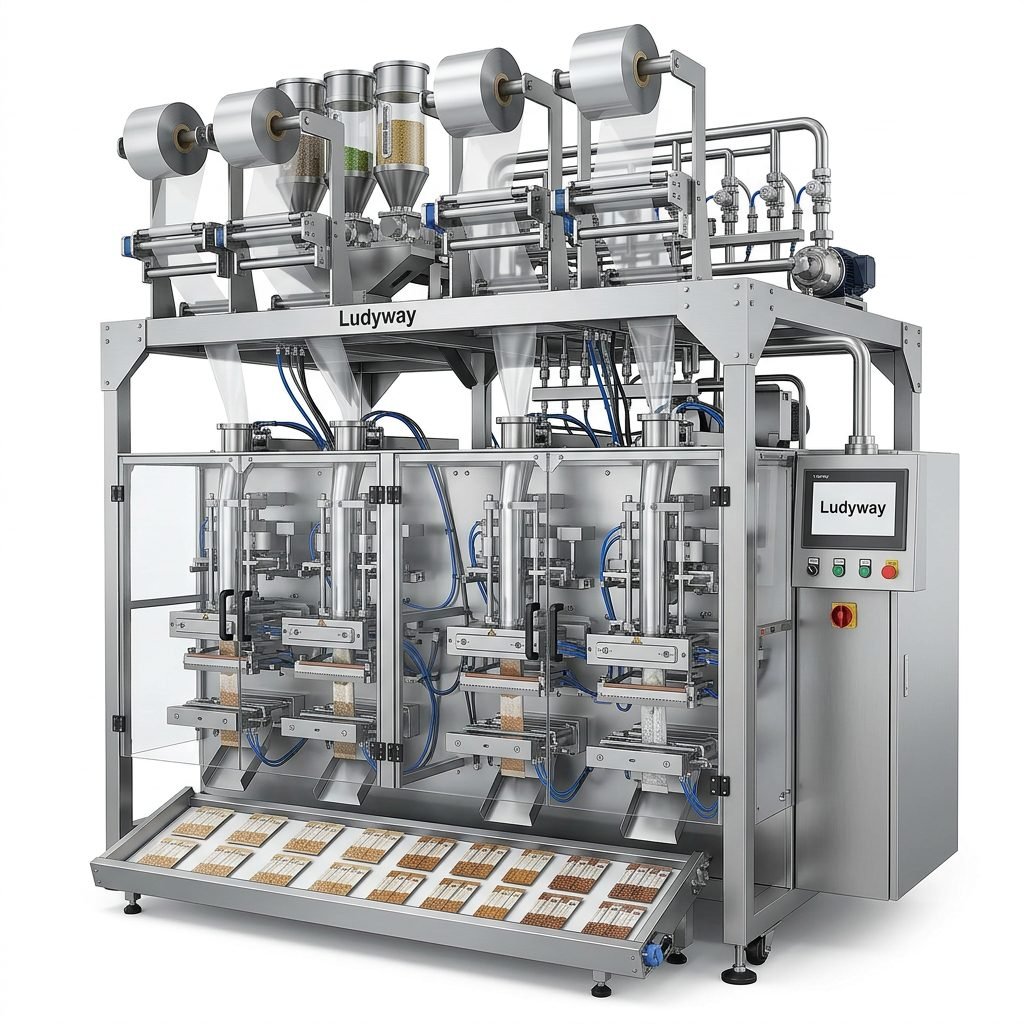
Selecting the right detergent packaging machine is a critical decision for manufacturers aiming to optimize production efficiency, ensure product integrity, and meet market demands. This comprehensive guide explores the various types of packaging machines available, their key features, and provides a detailed framework to help you choose the best solution for your specific operation.
Understanding Detergent Packaging Formats
Detergents are packaged in several primary formats, each requiring specialized machinery. The most common include:
Sachet or Pouch Packaging
Ideal for single-use portions of liquid, powder, or gel detergents. Machines for this format are highly versatile and can handle a range of materials, from simple paper laminates to complex multi-layer films with high barrier properties.
Stick Pack Packaging
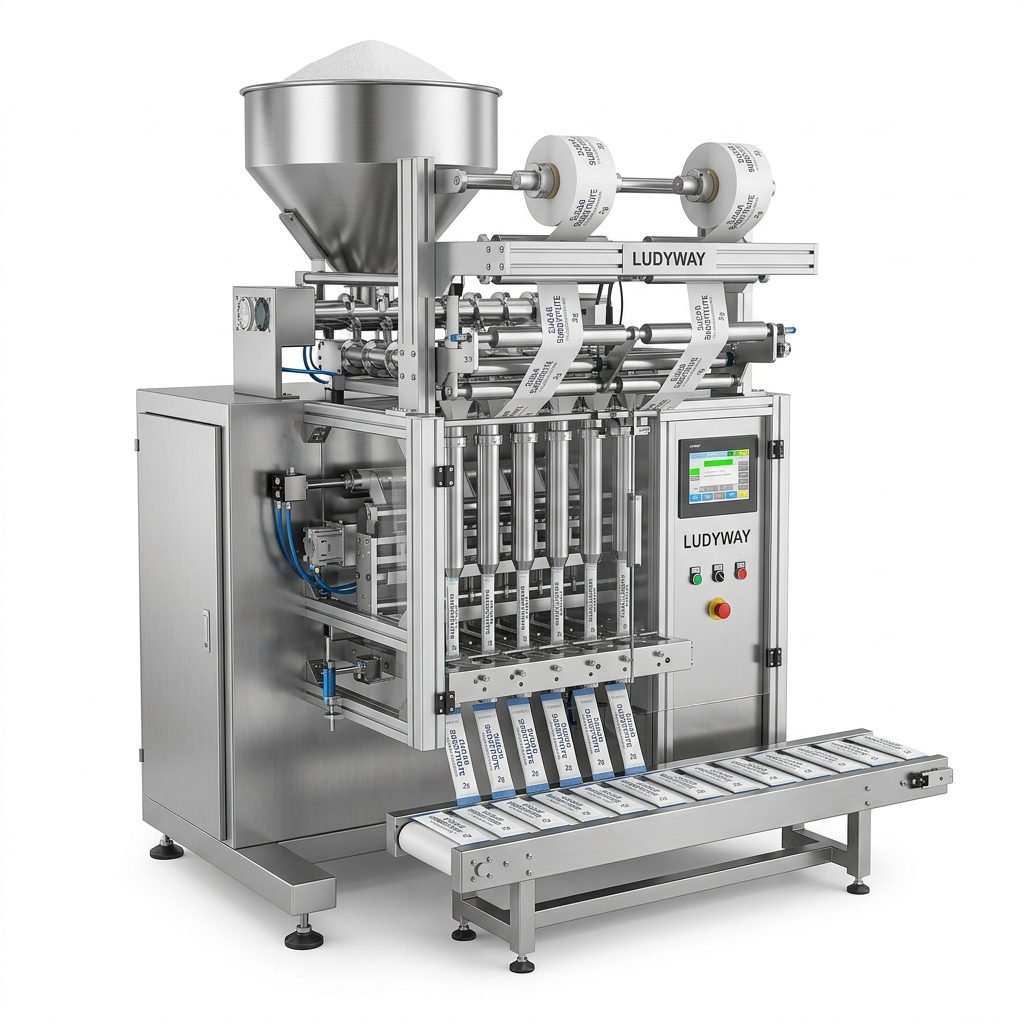
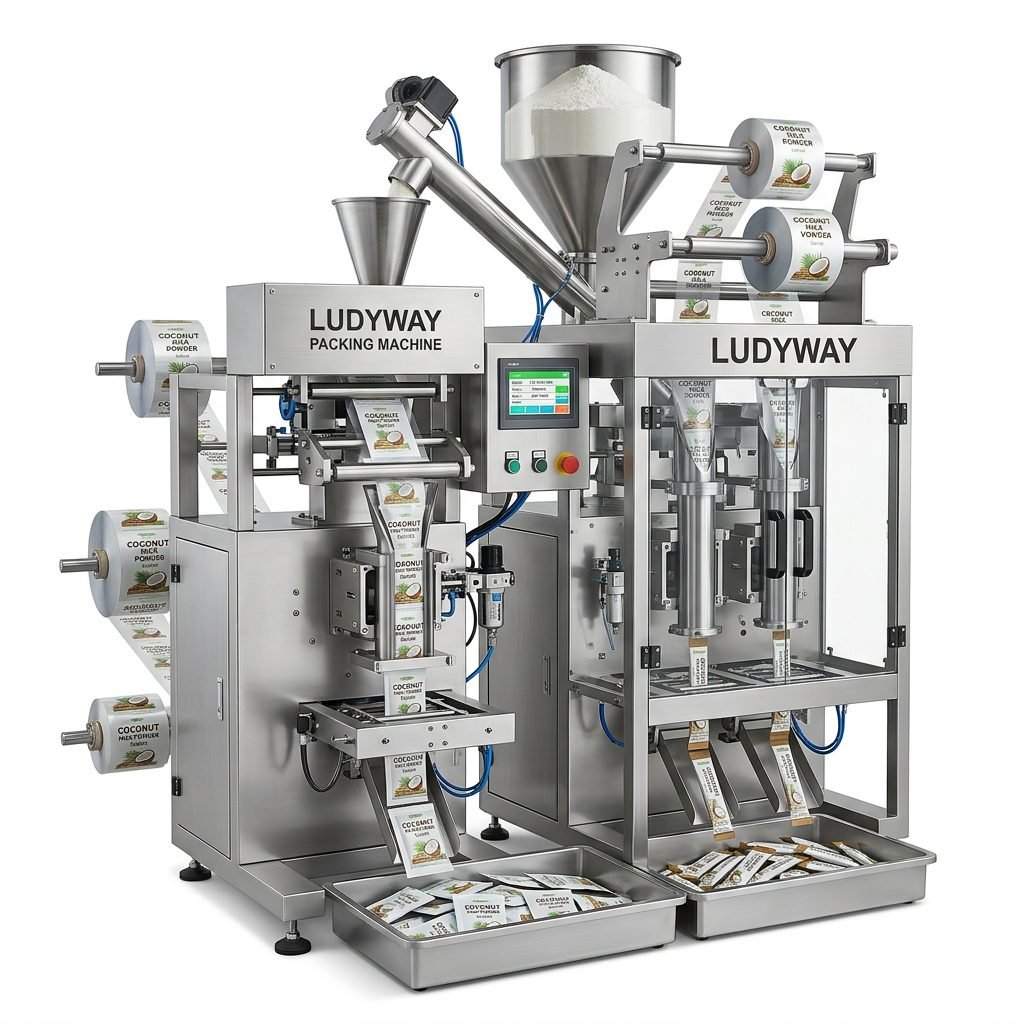
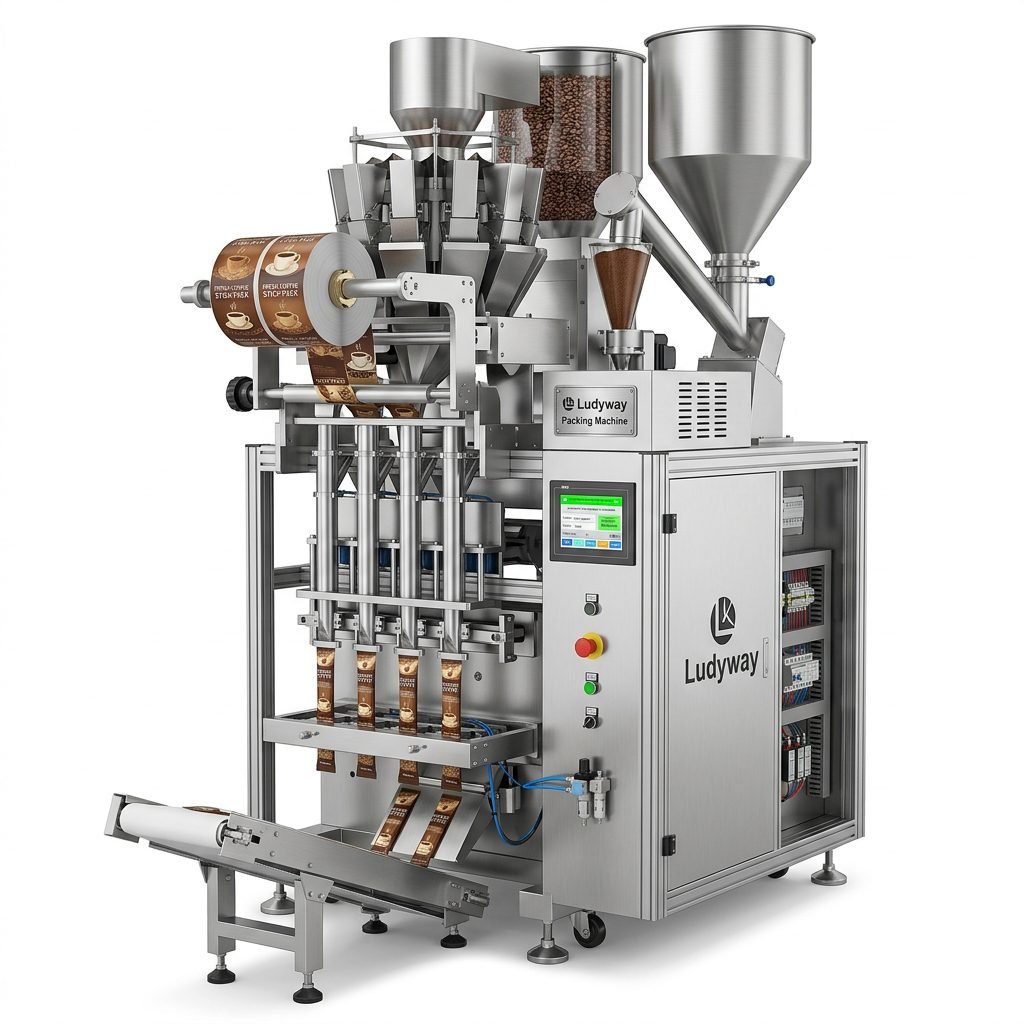
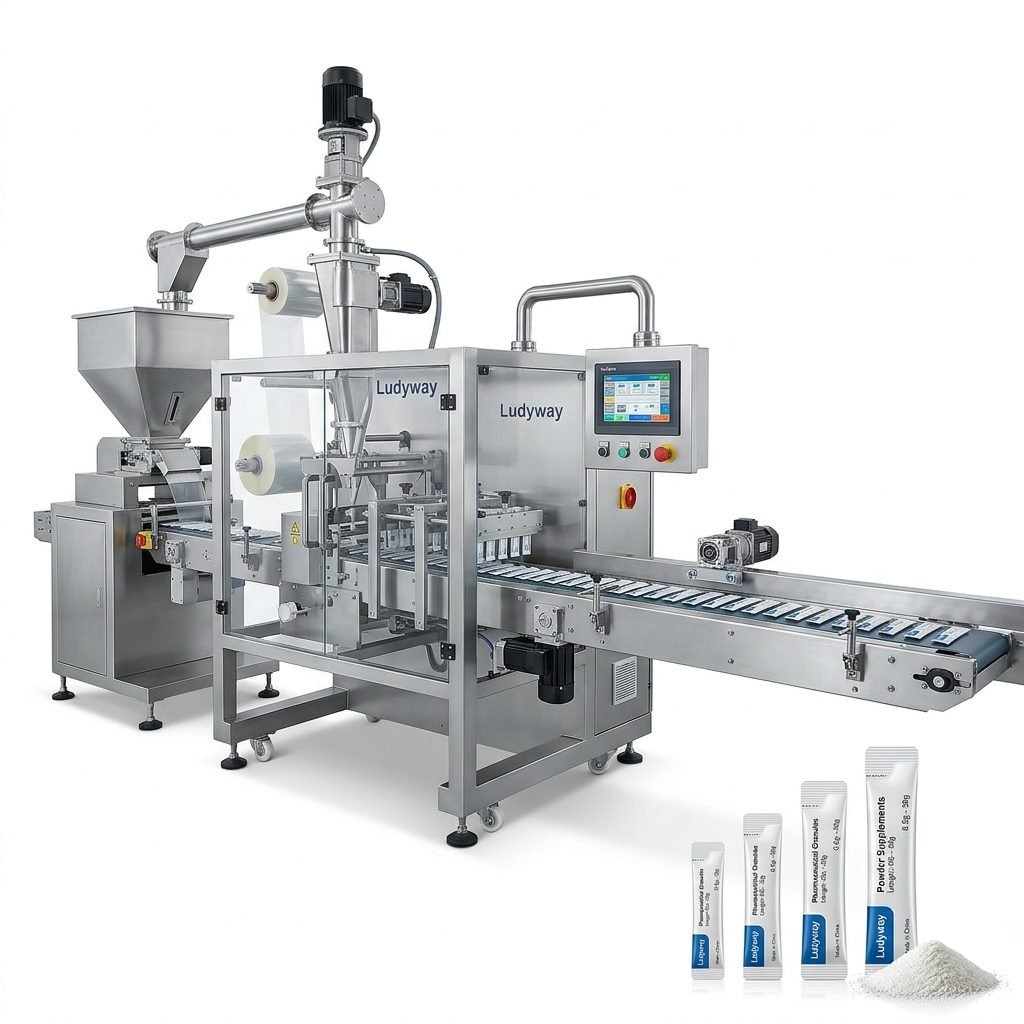
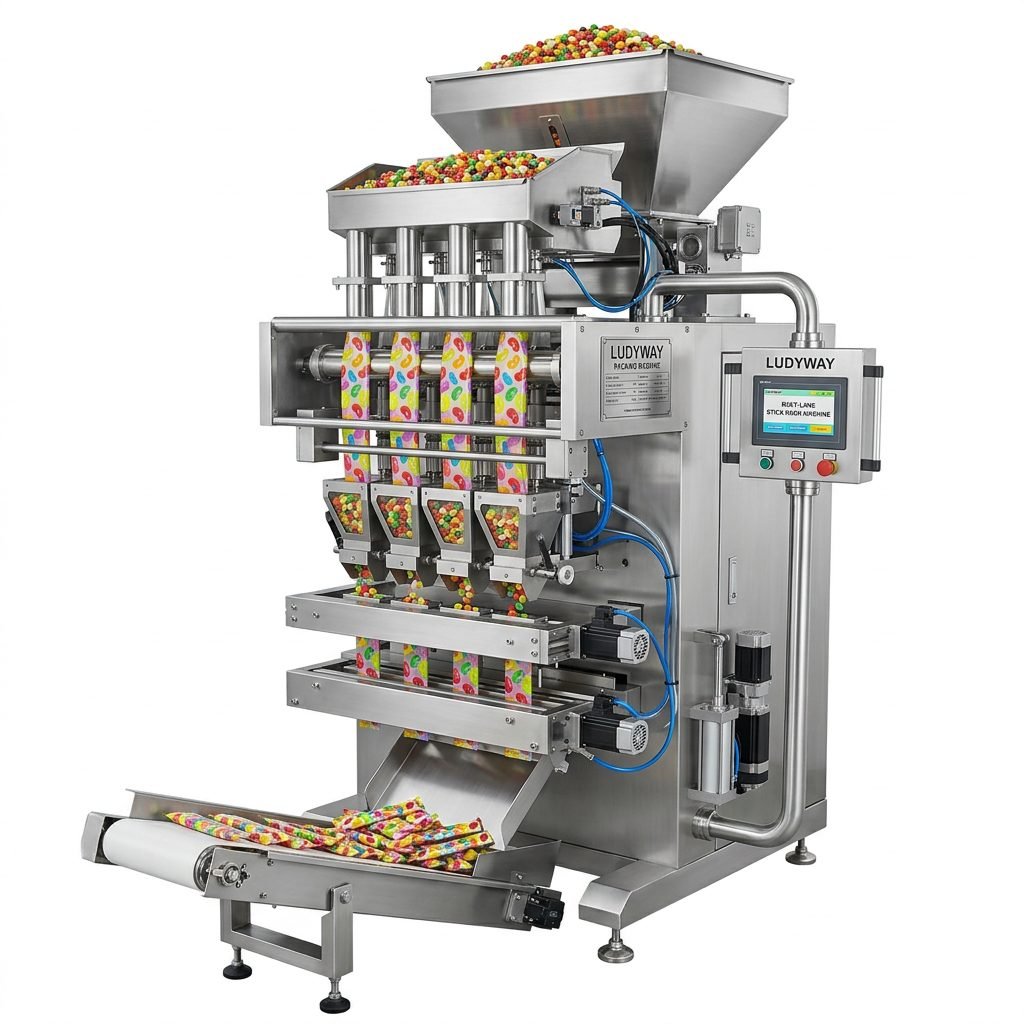
Similar to sachets but in a tall, narrow form factor. Stick pack machines are perfect for powdered or granular detergents that are poured or dissolved directly. They offer excellent shelf appeal and efficient use of packaging material.
Cartoning
For boxing pre-filled sachets, pods, or bottles. Automatic cartoning machines erect, load, and seal boxes, providing a finished retail-ready package. This is often the final stage in a complete packaging line.
Key Types of Detergent Packaging Machinery
The core of your production line will be the machine that forms, fills, and seals the primary package. Here are the main types:
Vertical Form-Fill-Seal (VFFS) Machines
These are the workhorses of granular and powder detergent packaging. A VFFS machine forms a bag from a roll of film, fills it with a pre-measured dose, and then seals it. They are renowned for high speed, flexibility in bag size, and relatively compact footprint. Modern VFFS systems often integrate multi-lane technology, allowing multiple packages to be filled simultaneously for maximum output.
Liquid Form-Fill-Seal (LFFS) Machines
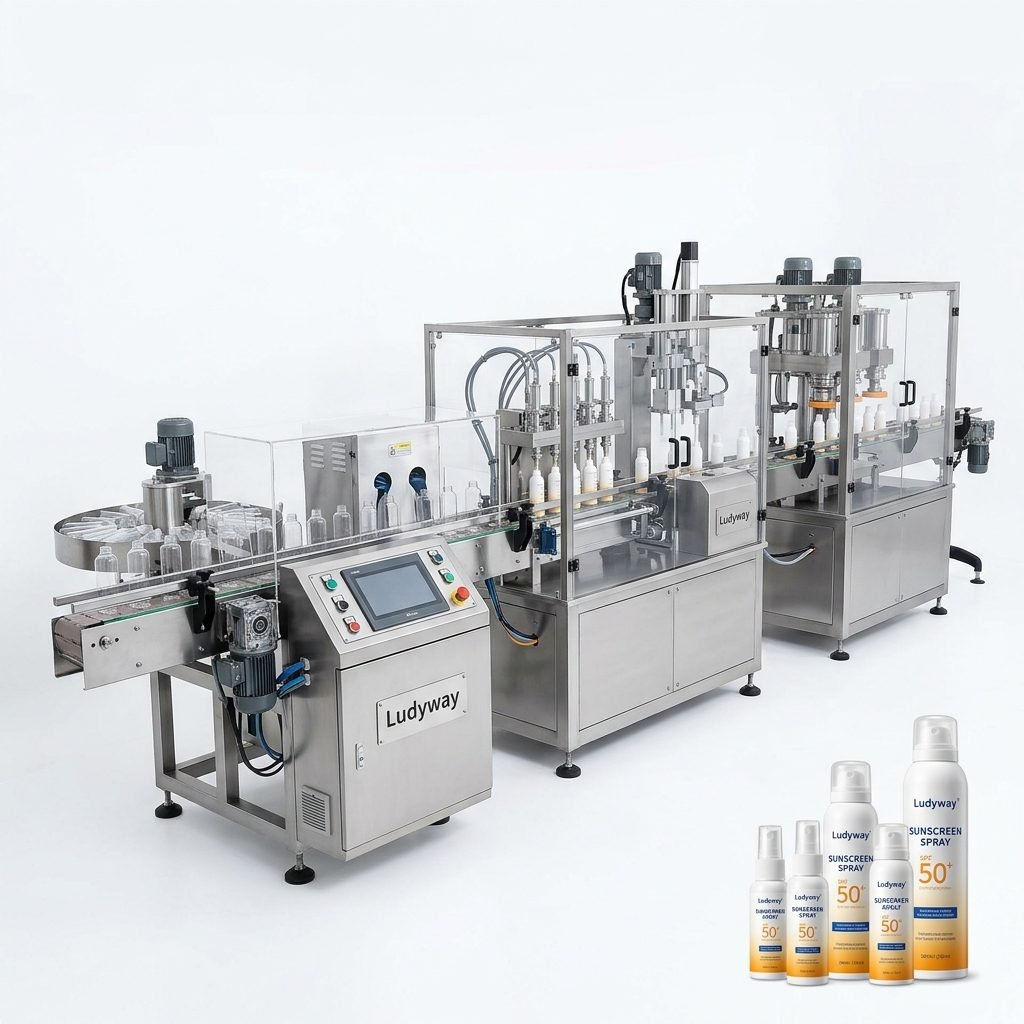
Specifically engineered for liquid, gel, or paste detergents. These machines handle viscous products without spillage or foaming. They often include precision piston pumps or timed-flow fillers to ensure accurate dosing. Advanced models feature no-drip nozzles and CIP (Clean-in-Place) systems for hygiene and quick product changeovers.
Pre-Made Pouch Fillers
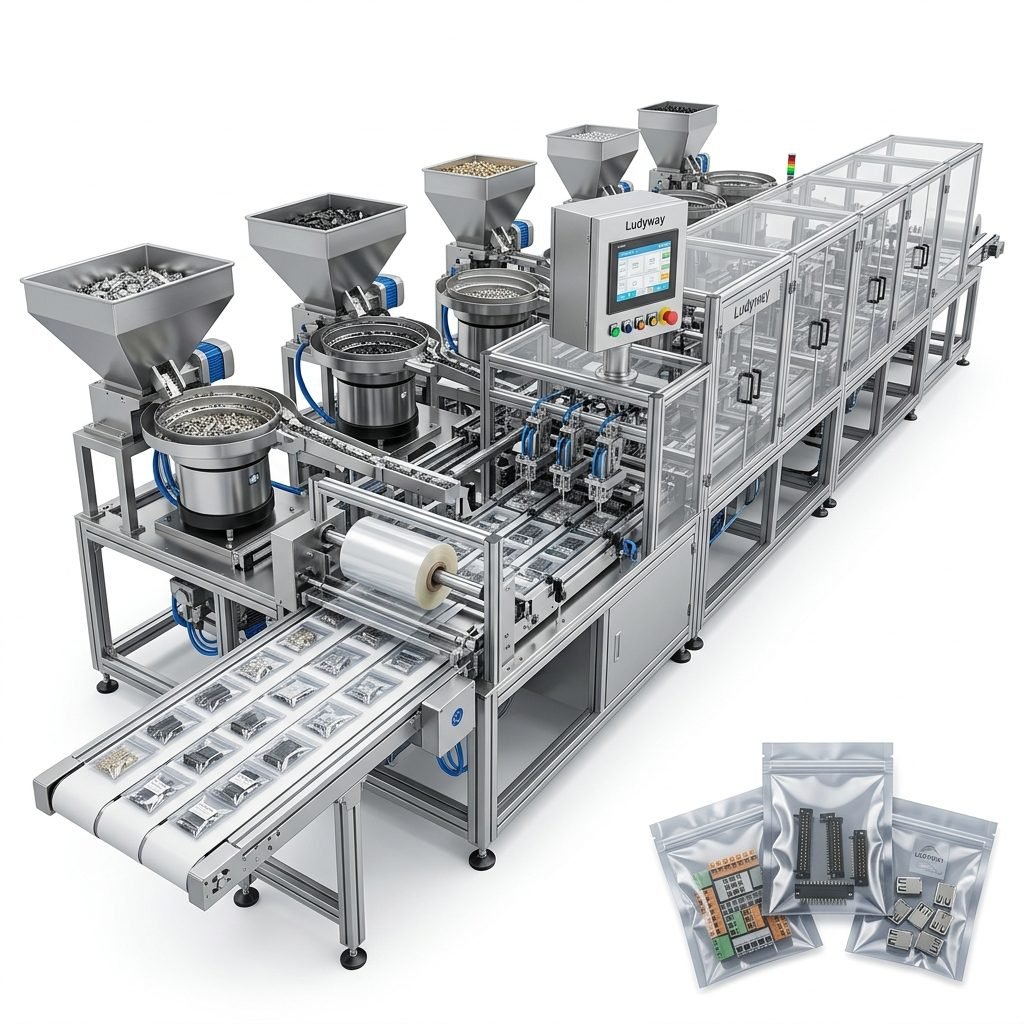
This system uses pre-manufactured, flat-bottomed pouches which are fed, opened, filled, and then sealed. They are excellent for high-quality, stand-up pouches that offer great graphic presentation. While sometimes slower than VFFS, they provide superior pouch consistency and strength, which is crucial for heavy or abrasive powdered detergents.
Complete Turnkey Packaging Lines
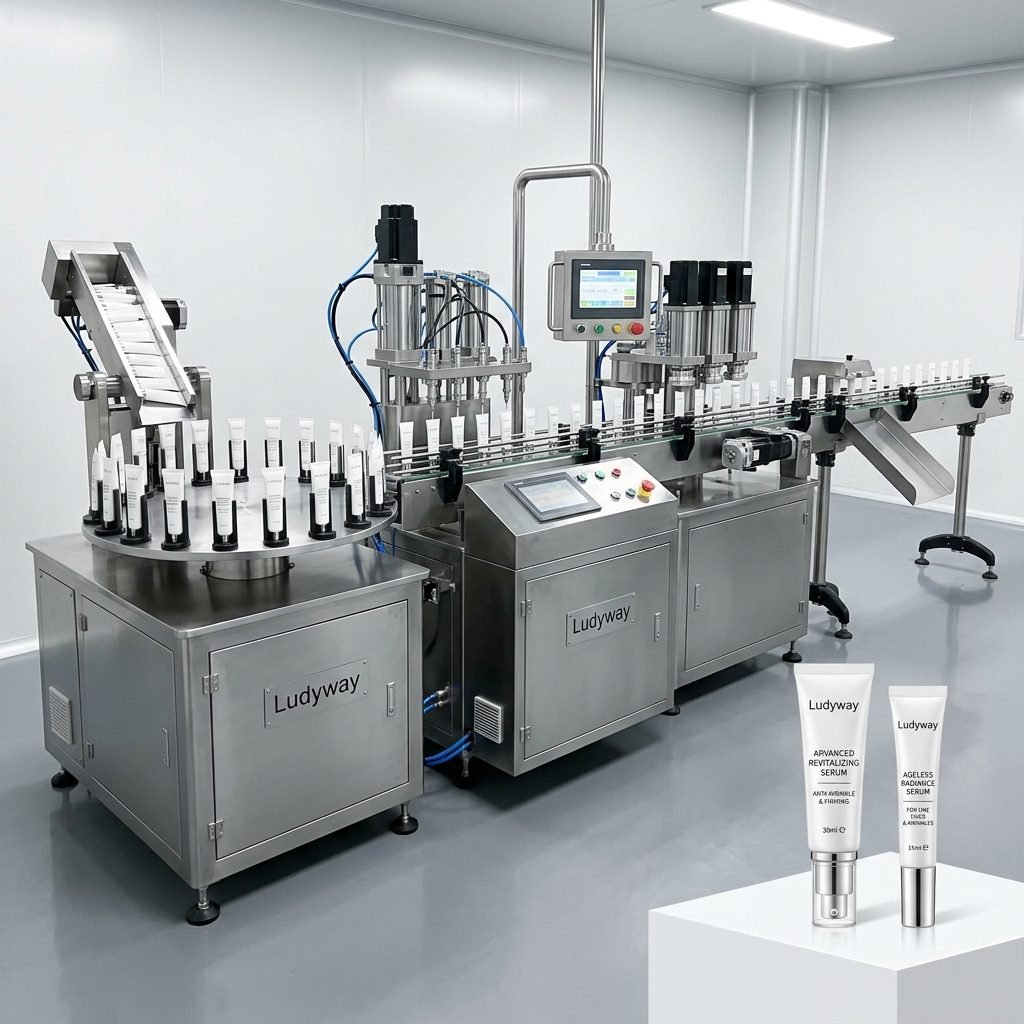
Beyond the primary packaging machine, a full line integrates several systems. This can include bulk product feeding (like big bag dischargers or silos), multi-head weighers for precise filling, checkweighers, metal detectors, vision inspection systems, and robotic case packers. Investing in an integrated line from a single supplier like Ludyway Machinery ensures compatibility, streamlined communication, and a single point of service responsibility.
Essential Features to Evaluate
When comparing machines, look beyond the basic type and scrutinize these critical features:
1. Production Speed and Output
Measured in pouches or bags per minute (PPM/BPM). Your required output directly influences the machine’s configuration (e.g., single-lane vs. multi-lane). Ensure the machine can meet your peak demand with a comfortable buffer.
2. Accuracy and Dosing Technology
Filling accuracy is non-negotiable for cost control and regulatory compliance. For powders, auger fillers with servo drives offer excellent precision. For liquids, piston fillers are the gold standard. Look for systems with automatic weight feedback and adjustment to maintain consistency.
3. Material Compatibility and Sealing
The machine must reliably seal the specific laminate or film you use (e.g., PET/AL/PE, OPP/CPP). Evaluate the sealing technology—hot bar, impulse, or ultrasonic—for strength, consistency, and energy efficiency. Good machines allow easy adjustment of temperature, pressure, and dwell time.
4. Hygiene, Cleanability, and Construction
Detergent ingredients can be corrosive or dusty. Machines should have a stainless steel (304 or 316 grade) contact surface, smooth, crevice-free designs, and easily removable parts for cleaning. IP-rated electrical components are vital for washdown environments.
5. Automation and Control System
A modern, user-friendly PLC-based HMI (Human-Machine Interface) is essential. It should allow for easy recipe storage, changeover, diagnostic troubleshooting, and data collection for OEE (Overall Equipment Effectiveness) tracking. Connectivity for Industry 4.0 integration is a significant advantage.
6. Flexibility and Changeover Time
If you run multiple SKUs (different sizes or products), quick changeover is crucial. Look for machines with tool-less adjustments, servo-driven format parts, and digital memory for settings to minimize downtime between production runs.
How to Choose the Best Solution: A Step-by-Step Framework
Step 1: Define Your Core Requirements
Start with a clear specification: Product type (powder, liquid, pod), target output (packs per minute/shift), available floor space, packaging material specifications, and your budget (considering both CAPEX and long-term OPEX).
Step 2: Research and Shortlist Reputable Suppliers
Focus on suppliers with proven experience in detergent packaging. Evaluate their industry reputation, technical support network, and spare parts availability. A supplier with over 30 years of experience and a global service footprint, like Ludyway, can provide invaluable long-term reliability.
Step 3: Request Detailed Proposals and Demos
Ask for a line layout, detailed technical specifications, and a list of reference clients. The most critical step is a product trial or factory acceptance test (FAT). Run your actual product and packaging material on the machine to verify speed, accuracy, seal quality, and ease of operation.
Step 4: Analyze Total Cost of Ownership (TCO)
Look beyond the purchase price. Factor in energy consumption, expected maintenance costs, changeover downtime, required operator skill level, and the cost of consumables (like sealing jaws). A slightly more expensive but robust and efficient machine often has a lower TCO.
Step 5: Finalize Support and Service Agreements
Ensure comprehensive training for your team is included. Clarify warranty terms, response times for technical support, and the availability of spare parts. A reliable partner will offer ongoing support to maximize your machine’s uptime and lifespan.
Frequently Asked Questions (FAQs)
Q1: What is the typical production speed for a detergent stick pack machine?
Speeds vary greatly based on the number of lanes and product characteristics. A single-lane machine may produce 60-120 sticks per minute, while a modern multi-lane system from a leading supplier can achieve over 400 sticks per minute, making it suitable for large-scale production.
Q2: Can one machine handle both powder and liquid detergent?
Generally, no. Powder and liquid fillers use fundamentally different dosing technologies (auger vs. piston). However, some flexible form-fill-seal platforms allow for a changeover between product types by swapping the filling system and some other components, though this is a significant conversion.
Q3: How important is stainless steel construction?
Extremely important for durability and hygiene. Detergent chemicals can degrade painted mild steel. Food-grade stainless steel (AISI 304) is the standard; for highly corrosive environments or stringent hygiene protocols, AISI 316 stainless steel is recommended.
Q4: What are the key maintenance routines for these machines?
Daily cleaning and inspection of seals, filters, and moving parts are essential. Regular lubrication per the manufacturer’s schedule, checking torque on fasteners, and calibrating the weighing system periodically are crucial to prevent unplanned downtime and maintain accuracy.
Q5: How do I future-proof my packaging line investment?
Choose a machine with a modular design and scalable automation. Opt for a control system that can integrate with higher-level MES software, and select a supplier known for innovation who can provide upgrades as new technologies (like advanced vision inspection or AI-driven optimization) become standard.